
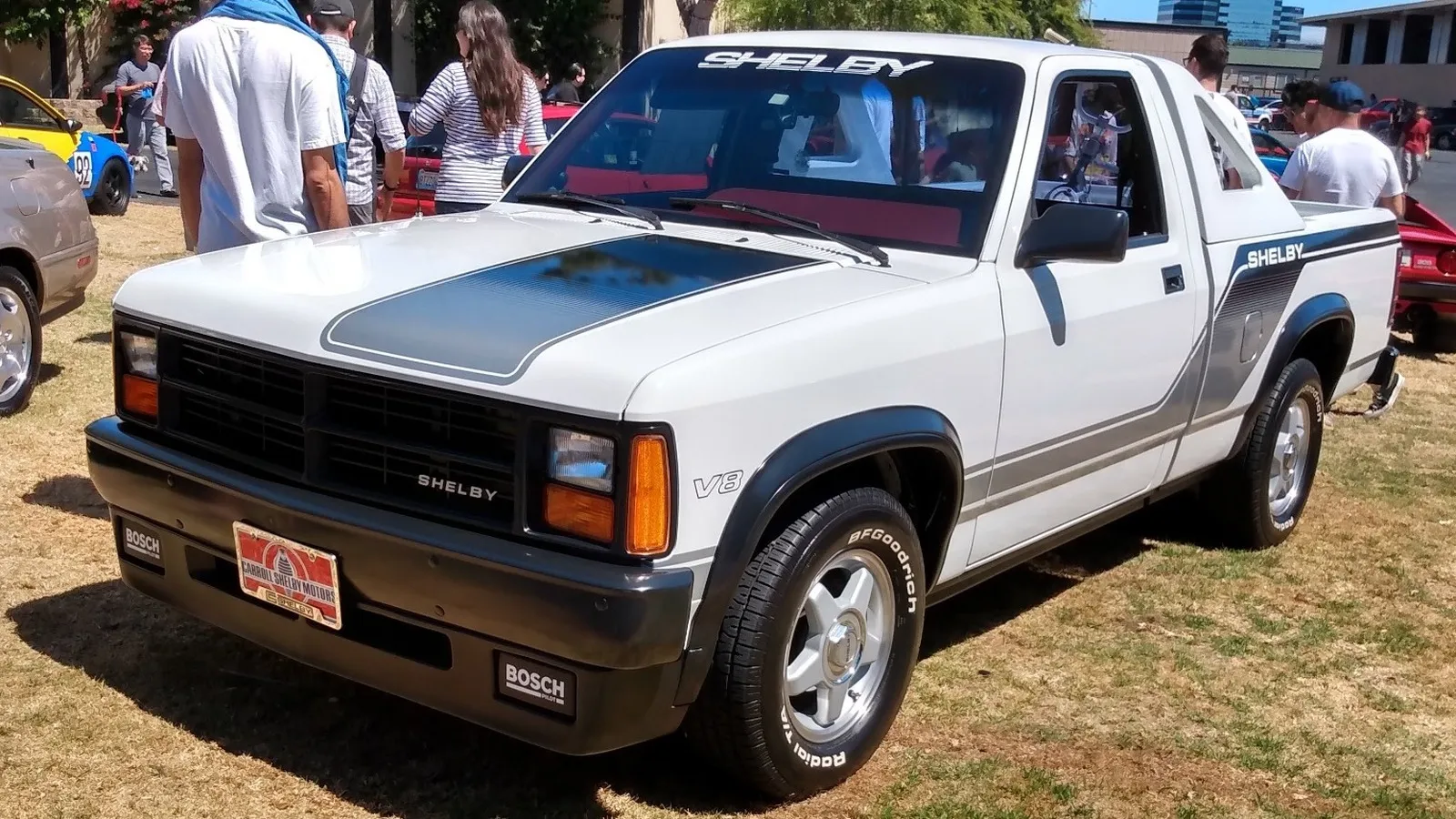
Modern trucks promise cutting-edge technology, fuel efficiency, and comfort that older vehicles can’t match. Yet drive through any working neighbourhood or rural area, and you’ll spot plenty of 1980s pickups still earning their keep daily.
These survivors aren’t museum pieces or weekend toys. They’re genuine workhorses hauling loads, towing trailers, and refusing to quit despite decades of abuse. This reality raises uncomfortable questions about whether newer automatically means better.
Some 1980s trucks were built with durability that modern manufacturers seemingly forgot how to replicate. Simple mechanical systems, robust construction, and straightforward designs created vehicles that last for generations with basic maintenance.
These survivors prove that older engineering approaches sometimes produced superior longevity compared to today’s complicated electronics and cost-optimized components. Owners of these classics laugh at planned obsolescence while their trucks keep running.
However, not every 1980s truck earned legendary status. Some models rusted into oblivion within years. Others suffered catastrophic mechanical failures that destroyed their reputations permanently.
Poor engineering, cost-cutting, and questionable design choices created trucks that barely survived their first decade, let alone competed with modern alternatives. These failures remind us that nostalgia shouldn’t blind us to reality.
This guide reviews ten trucks from the 1980s, divided into two clear categories. Five earned lasting praise for their durability and solid performance, proving that older engineering sometimes outperforms modern designs. The other five failed to impress, fading quickly due to poor reliability and weak construction.
Some became trusted workhorses still valued today, while others vanished without leaving much of a mark. Whether you’re thinking about buying a vintage pickup or just curious about automotive endurance, this list highlights which 1980s trucks deserve admiration and which ones are best forgotten in the dusty corners of motoring history.
Trucks From the 80s That Outlast Modern Ones
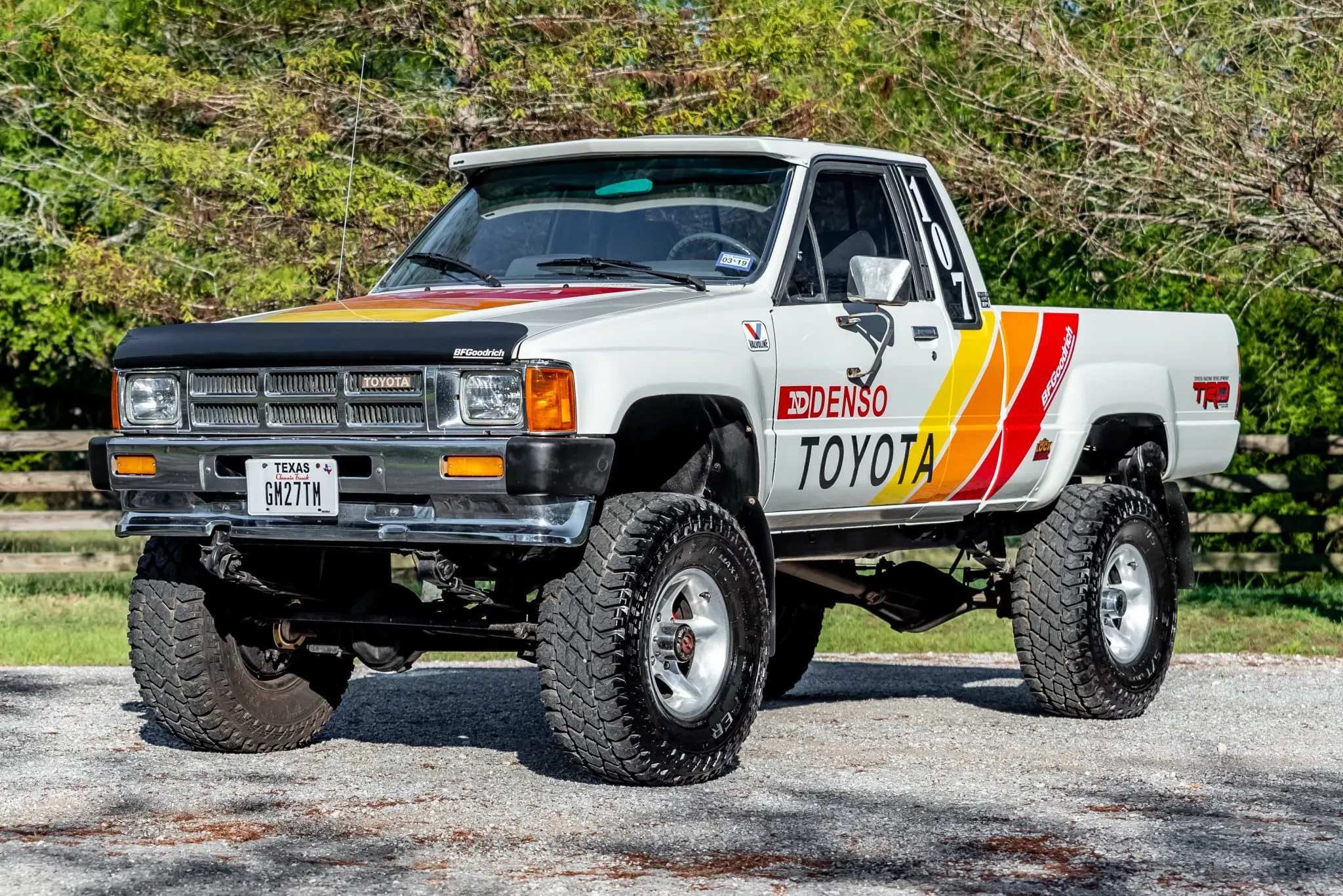
1. Toyota Hilux (1984-1988)
Indestructible might be overused, but these Hiluxes genuinely earned this description. Ask anyone who’s tried destroying one, and they’ll tell you stories about abuse that would kill modern trucks instantly.
These Japanese workhorses refuse to die, continuing service decades after production while newer vehicles crumble around them. Simplicity and quality combined to create pickups that redefine longevity.
Solid front axles and leaf springs created suspension systems that laugh at modern complications. No complicated independent setups with expensive control arms and bushings. Just straightforward designs that handle abuse without constant repairs.
Replacement parts are cheap and plentiful. Any competent mechanic can service these trucks without specialized training or diagnostic computers. This simplicity translates directly into longevity because fewer components mean fewer failures.
Four-cylinder engines are legendary for reliability. That 22R motor produces modest power but runs forever with basic maintenance. Oil changes and timing chain replacements are the main requirements.
These engines don’t need expensive electronics to function. Carburetors might seem ancient, but they work reliably without failing sensors or computer modules. Many examples exceed 500,000 kilometres on original engines without rebuilds.
Manual transmissions in these Hiluxes are virtually bulletproof. Five-speed gearboxes handle power and abuse without expensive failures. Clutches last 200,000 kilometres or more with normal driving. Automatic transmissions are less common but equally durable when serviced properly. Either way, you’re getting drivetrains that last decades rather than years.
Body construction is solid despite being prone to rust in certain climates. Frame rails are thick and substantial. Bed floors handle loads without bending. Everything feels built to last rather than meet minimum standards.
Yes, rust attacks these trucks in salty environments, but mechanical durability means they’re worth repairing. Many Hiluxes receive frame replacements because engines and transmissions remain perfect.
Parts availability stays excellent because these trucks earned cult followings. Aftermarket suppliers stock everything needed to keep them running. Used parts are plentiful from vehicles that finally succumbed to rust.
This support network ensures these Hiluxes can stay operational indefinitely. Many will outlast their owners, passing to new generations who appreciate simplicity and reliability that modern trucks can’t match.
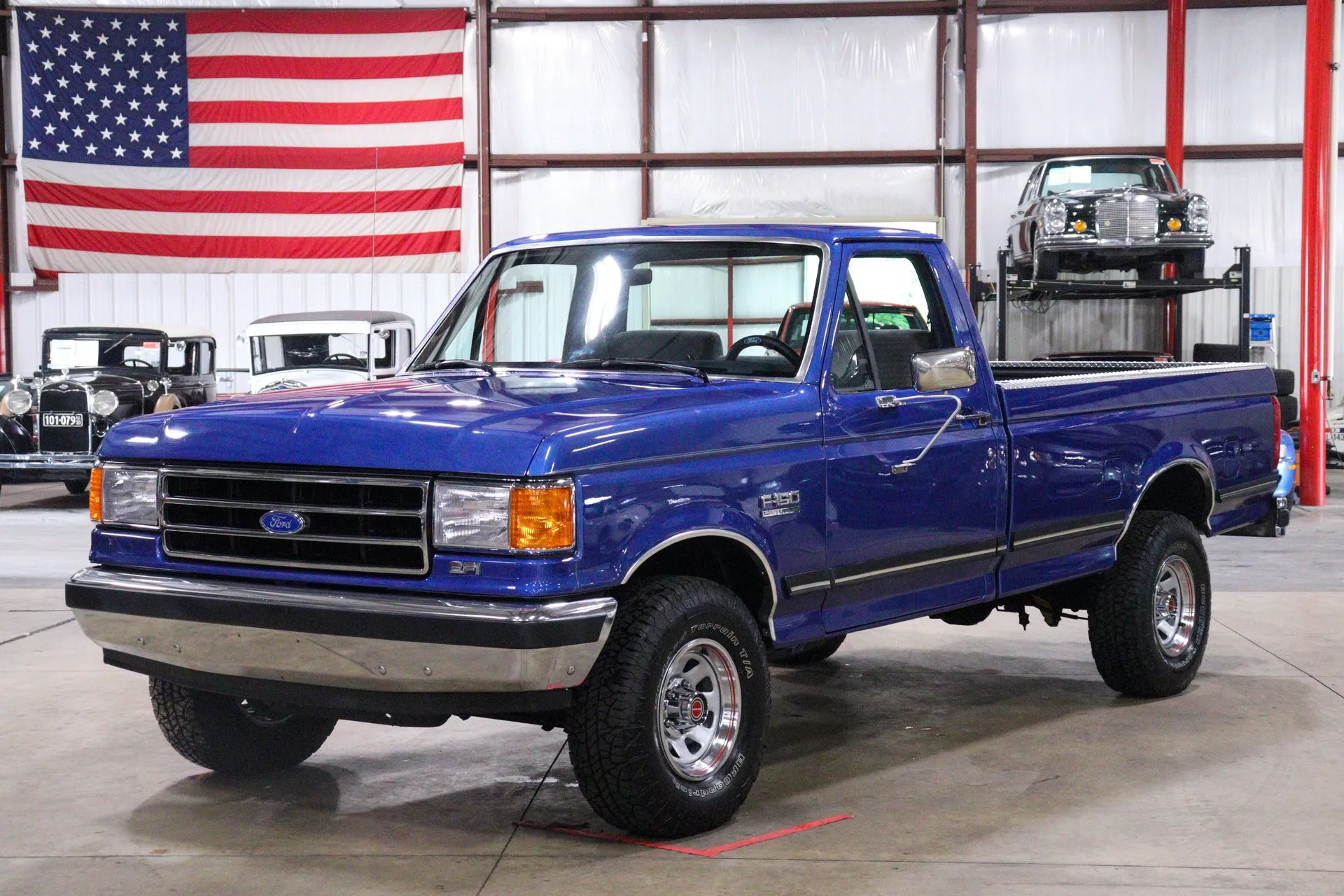
2. Ford F-150 (1987-1991)
The seventh-generation Ford F-150 earned a lasting reputation for toughness thanks to its legendary 4.9-litre inline-six engine. This durable straight-six offered dependable power and unmatched longevity, often running well past 400,000 kilometres with only basic upkeep.
Its overhead valve design kept things simple, avoiding the fragile components that plague modern turbocharged engines. Regular oil changes and occasional tune-ups were all it needed to stay alive for decades.
Ford’s old-school body-on-frame construction played a huge part in the truck’s resilience. Built with thick steel and heavy rails, these F-150s were designed to take punishment. The cab and frame feel solid, unlike newer trucks built with thinner materials to save weight. That extra strength allows them to handle years of hauling, towing, and rough use without bending or cracking.
Both the manual and four-speed automatic transmissions were engineered to last. The manual units are nearly indestructible, and the automatics rarely fail when serviced on schedule. Ford avoided packing too many gears into one housing, choosing instead reliable mechanical simplicity that endures.
Suspension design was equally straightforward. The twin I-beam front end may divide opinions for handling, but it’s almost impossible to break. Leaf springs at the rear handle weight easily without needing air systems. Affordable replacement parts keep repairs within reach for home mechanics.
Later models gained fuel injection, adding reliability without overcomplicating maintenance. Rust is their biggest weakness, especially in salty climates, but their mechanical strength often makes restoration worth it. These F-150s remain timeless examples of simple, durable engineering done right.
Also Read: 5 Trucks That Dealers Fight to Buy Back vs 5 They Avoid
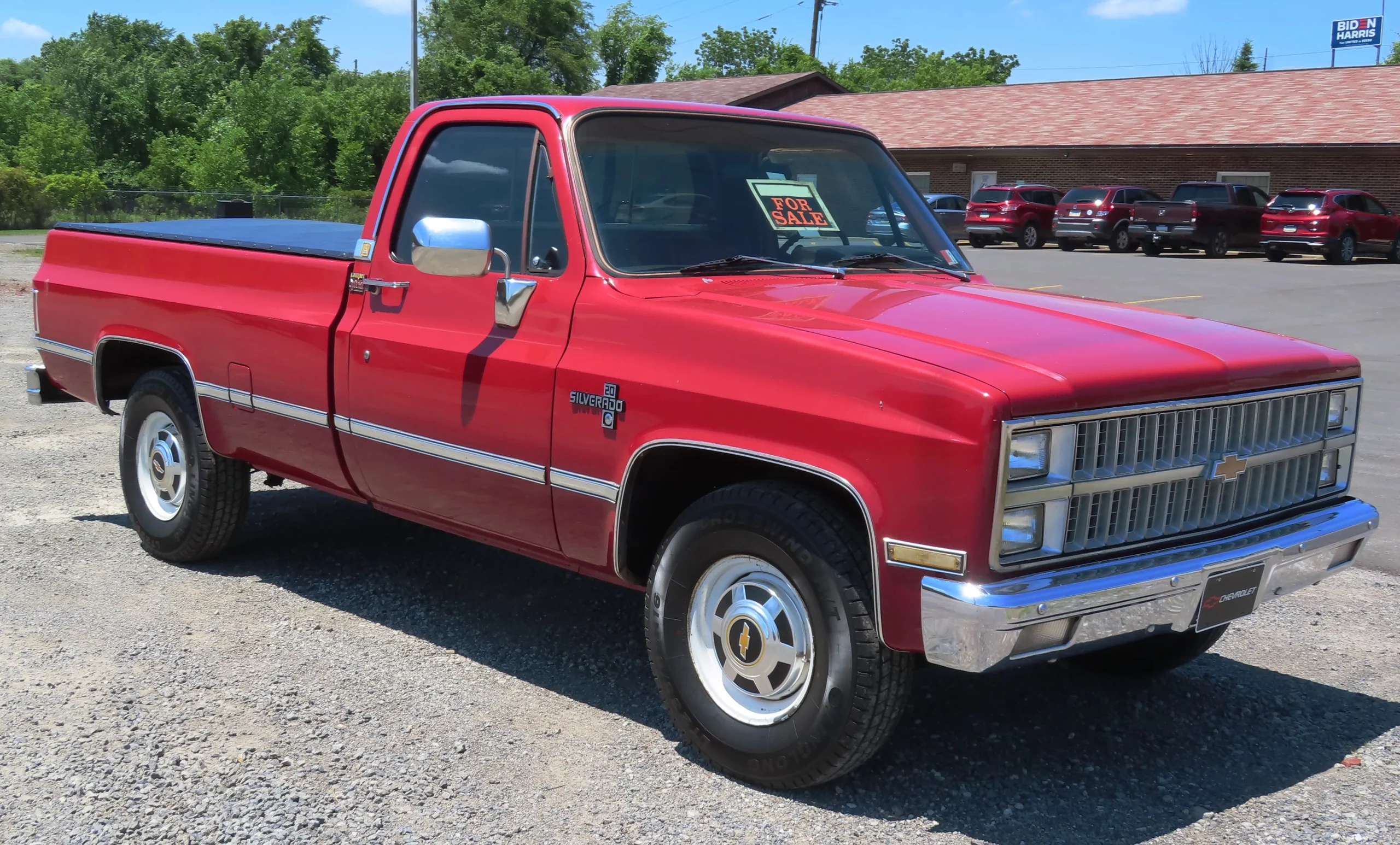
3. Chevrolet K10 Silverado (1981-1987)
Square-body Chevrolets represent peak American truck design before electronics complicated everything. These K10 models combined capability with durability that modern pickups struggle to match.
Simple, small-block V8 engines, straightforward four-wheel-drive systems, and robust construction created trucks that last for generations with basic maintenance. Many examples continue working daily while newer trucks fill junkyards.
Small-block 305 and 350 V8 engines are bulletproof when maintained properly. These motors produce adequate power with legendary reliability. Rebuild kits are cheap and plentiful.
Any competent mechanic can service them without specialized training. Compared to modern direct-injection turbocharged engines requiring dealer diagnostics, these small-blocks are refreshingly simple and durable.
Four-speed manual transmissions are virtually indestructible. SM465 gearboxes handle abuse that would destroy modern units. Clutches last 150,000 kilometres or more. Three-speed automatics are less desirable but adequately durable when serviced. Either way, you’re getting drivetrains that outlast vehicles themselves in many cases.
Four-wheel-drive systems are mechanically simple and incredibly reliable. Manual locking hubs mean no vacuum actuators or electronic modules to fail. Transfer cases are robust units that last hundreds of thousands of kilometres.
When repairs become necessary, costs stay reasonable because parts are plentiful and labour is straightforward. Modern electronically-controlled systems can’t match this durability or serviceability.
Body and frame construction is substantial. Thick steel everywhere creates trucks that feel solid decades later. Yes, rust attacks these Chevrolets aggressively in certain climates. However, mechanical reliability justifies repairs that wouldn’t make sense for unreliable vehicles. Frame swaps are common because everything else remains perfect.
Aftermarket support is exceptional because these square-body trucks earned massive followings. Every part imaginable is available. Upgrades and improvements are well-documented.
This support ensures these K10s can remain operational indefinitely. Many will outlast multiple modern trucks, proving that older engineering sometimes produced superior longevity despite lacking fancy features and electronics.
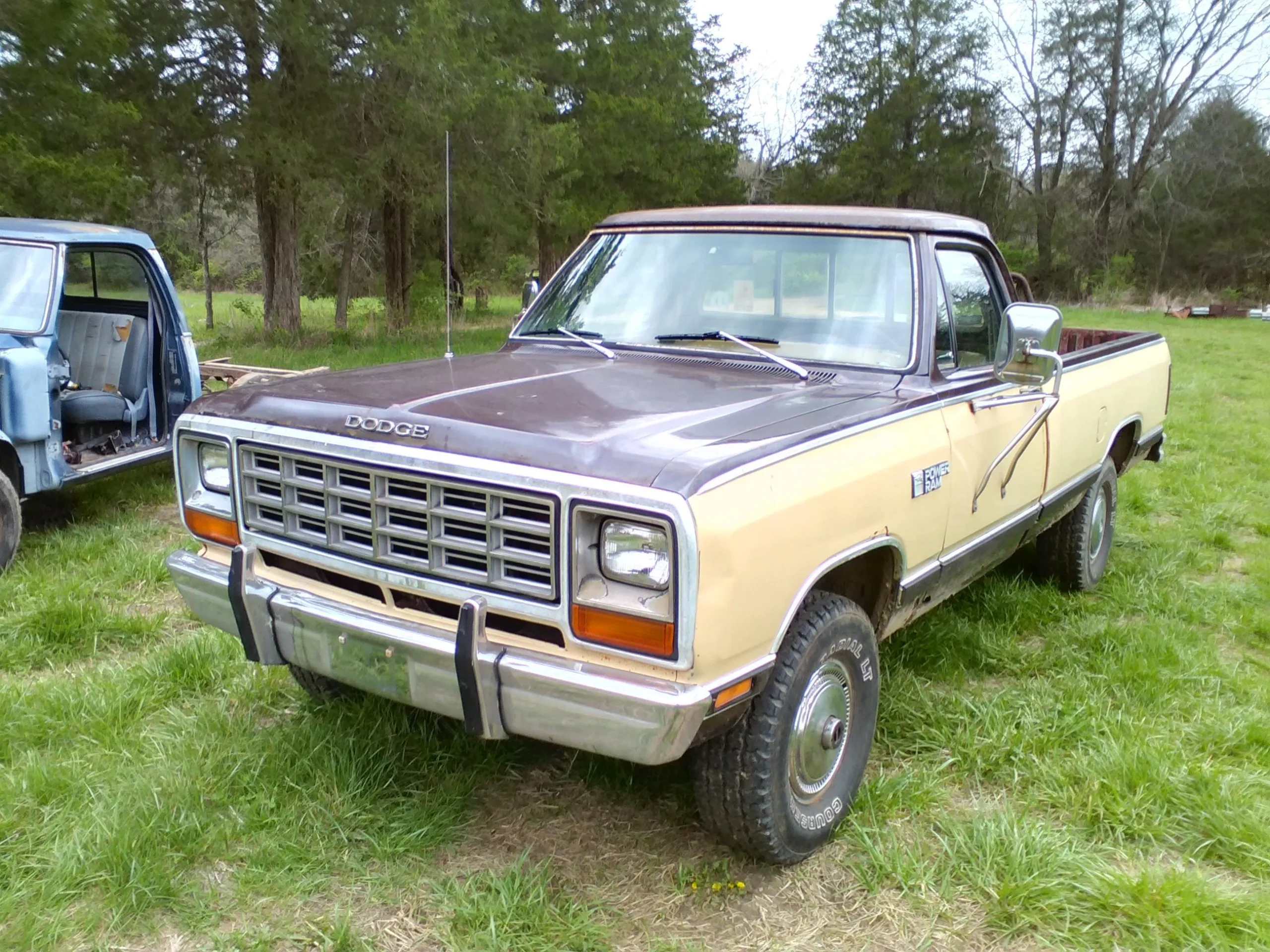
4. Dodge Ram W150 (1981-1985)
Early Dodge Rams from this generation stand as proof that Chrysler once knew how to make a long-lasting pickup. The W150 models, built with straightforward engineering and sturdy frames, earned a reputation for reliability that time has only reinforced.
Though they never reached the cult status of Toyota or Ford rivals, well-maintained examples still perform impressively decades later.
The famous slant-six engine remains one of the toughest motors Chrysler ever produced. The 225 cubic-inch inline-six runs smoothly for hundreds of thousands of kilometres when given regular oil changes. Its design is uncomplicated, easy to repair, and surprisingly efficient for its age. Even rebuilds are inexpensive, keeping these engines alive long after others have been scrapped.
Buyers seeking more strength often chose the 318 or 360 V8s. These small-block engines delivered better pulling power while retaining dependable operation. They may not have been as indestructible as the six-cylinder, but they easily outlasted many of today’s overly complicated V8s that suffer from costly electronic failures.
Transmission choices were simple but tough. The four-speed manual was preferred for its durability, while the automatic, though less refined, remained serviceable for years with proper maintenance. The four-wheel-drive setup used manual locking hubs and strong transfer cases that required only basic upkeep.
Corrosion was the real enemy of these trucks. Frames and body panels rusted quickly in wet regions, but their mechanical toughness made restoration worthwhile. These W150s represent an era when dependability mattered more than corporate shortcuts.
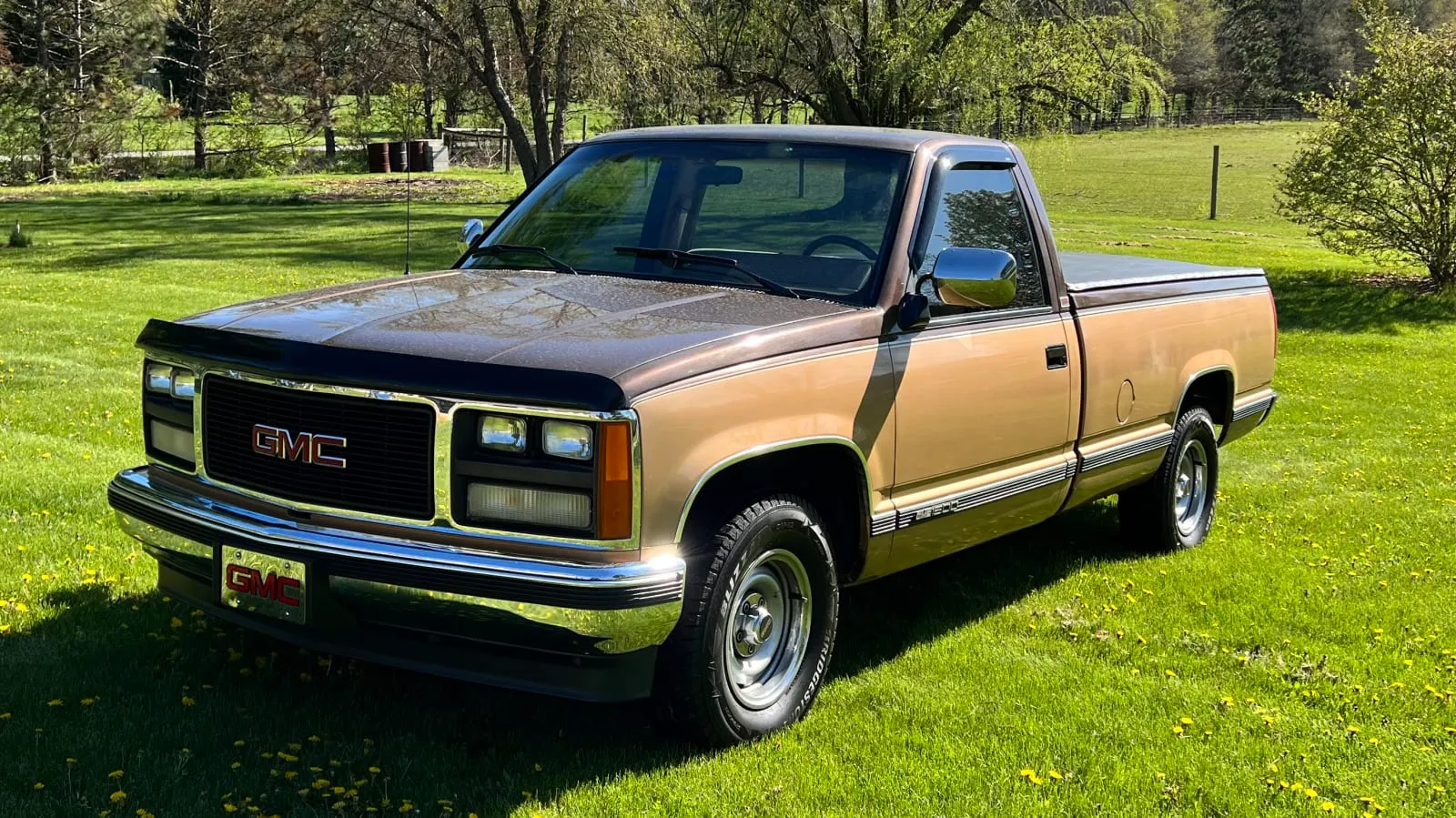
5. GMC Sierra Classic 1500 (1988-1991)
GMT400 platform created some of General Motors’ most durable trucks. These Sierra Classics combined updated styling with proven mechanicals, creating pickups that balance modern convenience with old-school longevity.
Many examples continue daily service, while newer trucks require constant, expensive repairs. Smart buyers recognize these as sweet spots between ancient simplicity and modern uselessness.
Throttle-body fuel injection improved reliability compared to carbureted predecessors while avoiding complicated port injection problems. These systems are simple enough to diagnose and repair without dealer equipment.
When components fail, replacements are affordable and installations are straightforward. This balance creates durability that purely mechanical or fully electronic systems can’t match.
Small-block V8 engines remain bulletproof. 305 and 350 motors produce adequate power with legendary reliability. These are the same basic engines that powered millions of vehicles, so parts are plentiful and cheap. Any mechanic can service them competently. Compared to modern aluminum engines with timing chains inside oil pans, these simple iron blocks are refreshingly serviceable.
Automatic transmissions improved during this generation. 700R4 and 4L60 units are reasonably durable when serviced regularly. They’re not quite bulletproof, but they outlast modern eight-speed automatics that fail catastrophically. Manual transmissions remain excellent for buyers who can find them.
Four-wheel-drive systems are electronically actuated but still relatively simple. Push-button controls are more convenient than manual hubs while remaining more reliable than fully electronic modern systems. Transfer cases are robust units that last hundreds of thousands of kilometres. When repairs become necessary, costs stay reasonable.
Interior quality isn’t impressive, but materials hold up acceptably. Seats remain comfortable. Dashboard plastics crack but don’t disintegrate completely. Everything feels solid rather than cheap. These cabins aren’t luxurious, but they’re adequate for trucks prioritizing durability and capability.
Parts availability is excellent because these Sierras sold in huge numbers. Aftermarket support is comprehensive. Used parts are plentiful. This ecosystem ensures these trucks can remain operational indefinitely at reasonable costs. Many will outlast their owners, proving that late-1980s GM engineering created durability that modern cost-cutting destroyed.
Trucks From the 80s That Don’t Last
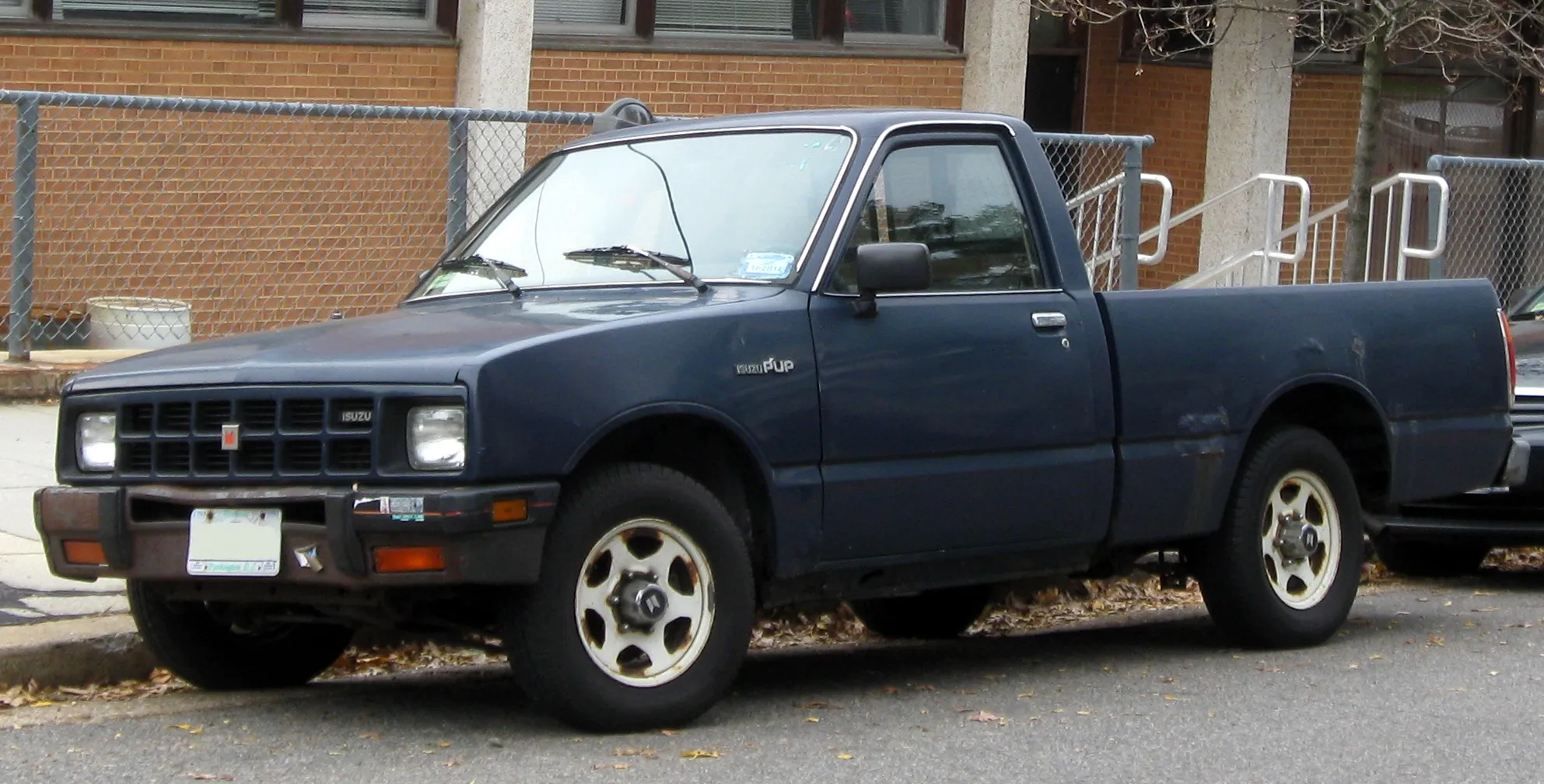
1. Isuzu P’up (1981-1987)
Rust destroyed these Japanese mini-trucks faster than anything else on the roads. While mechanical components were reasonably reliable, body and frame corrosion consumed these P’ups within years.
Even dry climates couldn’t save them from structural deterioration that made them worthless long before engines quit. These trucks prove that mechanical reliability means nothing when rust destroys everything else.
Body panels were incredibly thin, corroding through with minimal provocation. Fenders rusted first, followed quickly by cab corners and door bottoms. Bed floors deteriorate rapidly under any moisture.
Nothing was galvanized or protected adequately. Within five years, many examples looked decades old. By ten years, most were structural disasters beyond economic repair.
Frame rails corroded catastrophically in any environment with moisture and salt. Even trucks in moderate climates developed dangerous frame rot. Load-bearing capabilities disappeared as metal turned to rust. Many examples were scrapped with perfectly good engines because frames were too far gone to justify repairs.
Diesel engines in some models proved problematic. These underpowered motors were slow and unreliable compared to gasoline alternatives. Injection pump failures were common and expensive. Cold starting was difficult. Performance was dangerously inadequate for modern traffic. Smart buyers avoided diesel P’ups completely.
Interior quality was abysmal, even when new. Cheap plastics cracked immediately. Seats were uncomfortable and wore out quickly. Dashboard materials deteriorated rapidly. Everything felt poorly assembled and cheap. These cabins became unpleasant places to spend time almost immediately.
Parts availability dried up as these trucks disappeared. Finding body panels became impossible. Mechanical components were easier to source, but often not worth installing on rust-destroyed frames. Most survivors exist only in dry climates where rust wasn’t as aggressive. These P’ups demonstrate that mechanical reliability alone doesn’t create longevity when structural integrity disappears.
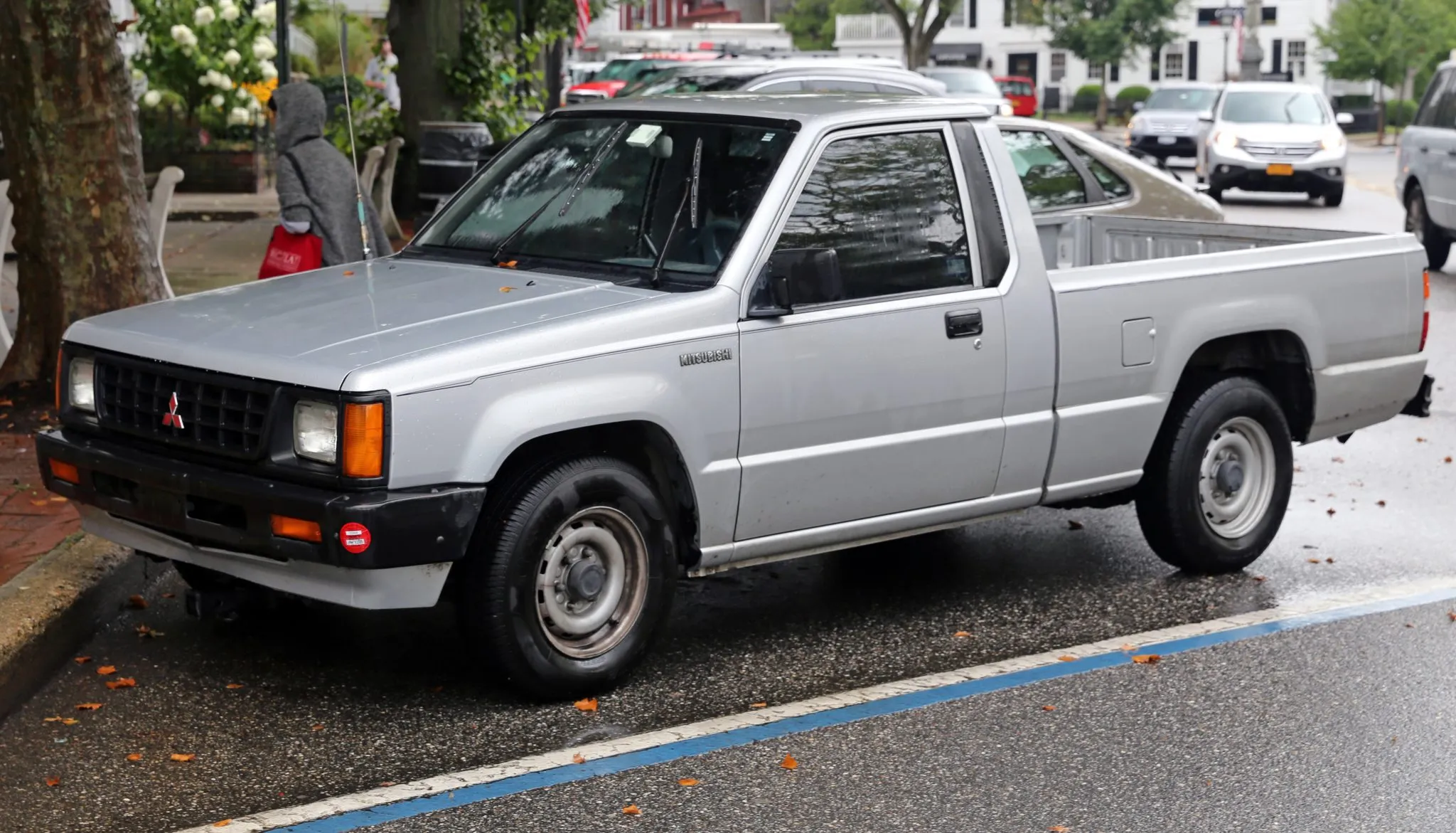
2. Mitsubishi Mighty Max (1983-1986)
Sold in some regions as the Dodge D50, these small pickups shared many of the same weaknesses as the Isuzu P’up, particularly when it came to rust. Body panels and frames deteriorated quickly, leaving owners with trucks that literally rotted away long before their engines gave out.
Even though the mechanical components were fairly dependable, poor construction and limited access to spare parts meant few lasted beyond a few tough winters. Carburetor issues were constant headaches for Mighty Max owners.
Cold starts often required multiple attempts, engine idling was rough, and performance varied day to day. The carburetors needed constant tuning and still performed worse than rivals equipped with more advanced fuel injection systems. Their outdated setup made everyday driving a chore rather than a convenience.
The four-cylinder engines simply didn’t deliver enough power for truck use. Acceleration was painfully slow, highway merging felt unsafe, and towing capacity was nearly useless. Even with no load, these trucks struggled on hills or during overtaking, making them impractical for anyone needing real utility from their pickup.
Transmission choices didn’t redeem the situation either. Manuals were merely serviceable, with clutches wearing out faster than expected, while automatics were unreliable and prone to slipping or overheating. Competing brands offered far more durable drivetrains.
Cabin quality was another disappointment. The seats lacked support, the dashboard materials cracked easily, and the interior buzzed and rattled constantly. Compared to Toyota’s small trucks of the same era, the Mighty Max felt hastily assembled and uncomfortable for long drives.
As the years passed, replacement parts became nearly impossible to find, and repair costs soared. Many owners simply gave up and scrapped their vehicles. The Mighty Max serves as a reminder that low prices mean little when the product can’t survive regular use.
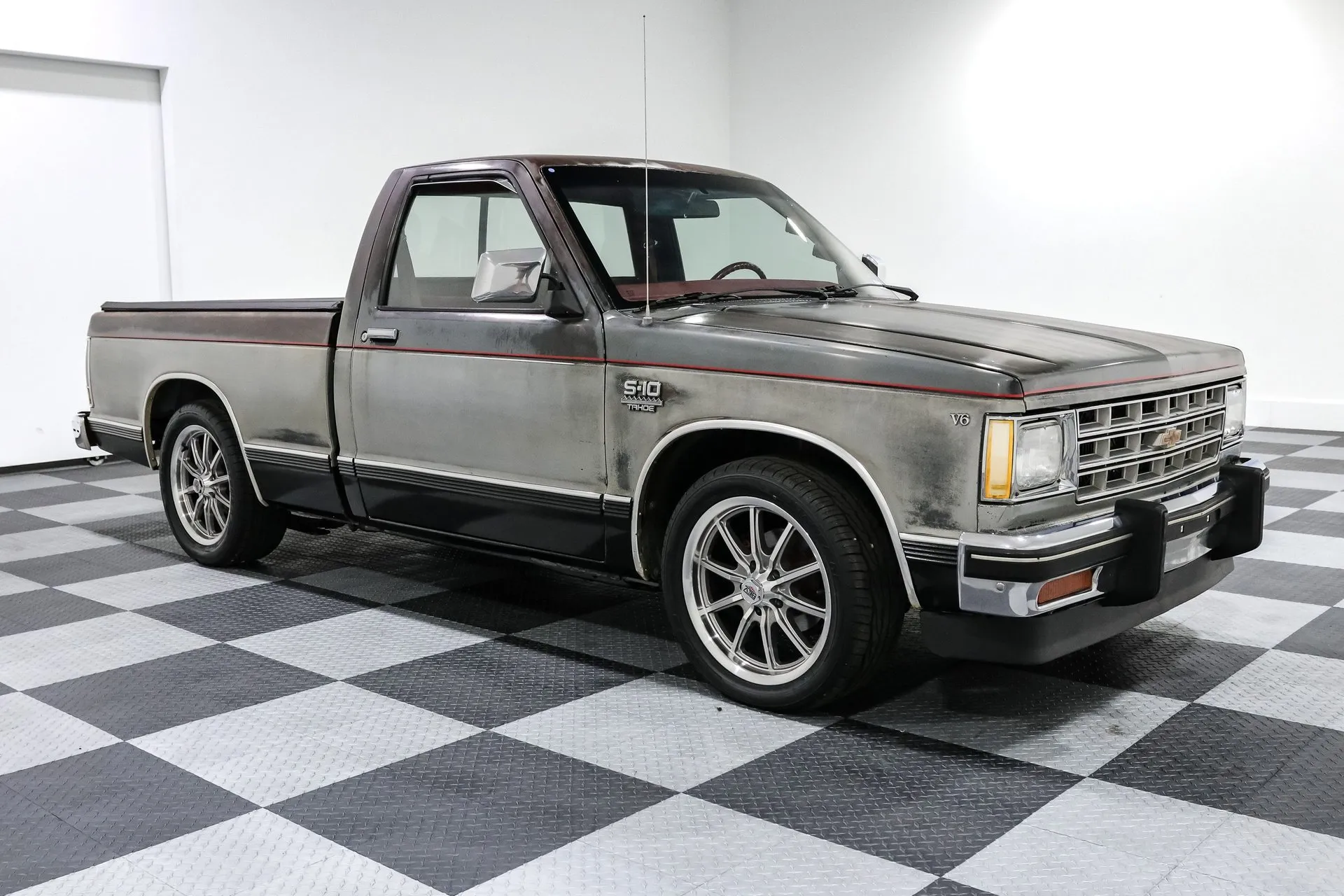
3. Chevrolet S-10 (1982-1985)
Early S-10 models suffered numerous problems that destroyed their reputations. While later versions improved, these first-generation trucks were plagued with issues that modern examples can’t match for sheer awfulness. Poor quality control, weak components, and questionable engineering created pickups that barely lasted through their first owners.
Four-cylinder engines were gutless and unreliable. That 1.9-litre Iron Duke motor produced pathetic power while consuming oil excessively. Performance was dangerously inadequate. Reliability was terrible with numerous failure points. These engines were so bad that V6 upgrades became common just to make trucks usable.
V6 options were barely better. That 2.8-litre engine produced more power but suffered head gasket failures constantly. Overheating was common. Oil leaks appeared everywhere. These motors required constant attention that owners shouldn’t have needed to provide. Reliability was poor compared to competitors.
Manual transmissions had weak synchronizers that failed prematurely. Grinding gears became normal within a few years. Automatic transmissions were fragile units that slipped and failed regularly. Neither option impressed. Clutches in manual models wore out quickly. Automatics required rebuilds at embarrassingly low mileages.
Body quality was terrible. Rust attacked these S-10s aggressively in any climate with moisture. Cab corners rotted first, followed by bed sides and fenders. Frame rails corrode through within years in harsh environments. Paint quality was poor, fading and peeling quickly. Everything felt cheap and poorly assembled.
Electrical problems appeared constantly. Wiring harnesses were inadequate. Grounds corroded. Sensors failed regularly. Starters quit prematurely. Alternators burned out. Every electrical component seemed designed to fail early. Diagnosis was frustrating, and repairs were expensive.
Few early S-10s survive today because they weren’t worth maintaining. Most were scrapped within their first decade. These trucks prove that domestic manufacturers could build terrible vehicles when they didn’t try. Modern S-10s might be better, but these early examples were disasters that don’t outlast anything.
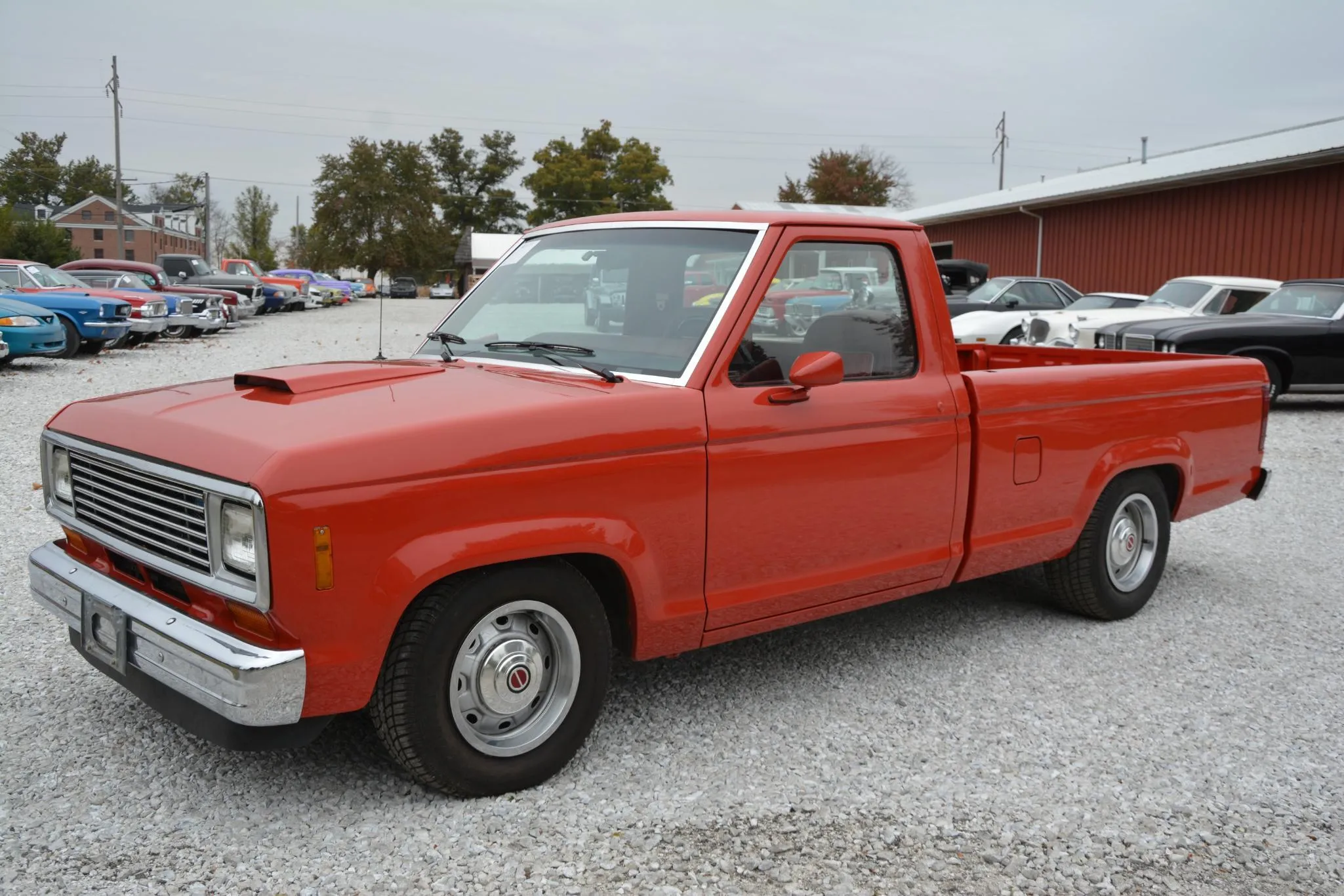
4. Ford Ranger (1983-1984)
The debut-year Ford Rangers faced serious early troubles that quickly drained excitement from buyers who wanted to try the new model. Although future versions saw big improvements, the first batch became infamous for frequent breakdowns and poor reliability. Weak quality control and rushed testing left owners frustrated with trucks that failed far sooner than expected.
The base four-cylinder engine was both weak and troublesome. The 2.0-litre Lima unit delivered disappointing power and was prone to mechanical failures. Timing belt issues, blown head gaskets, and heavy oil usage were routine problems. These engines demanded frequent repairs that most owners felt were unacceptable for new vehicles.
Initially, Ford didn’t offer a V6 engine, leaving buyers stuck with sluggish four-cylinder options or forced to step up to an F-150 for real performance. This lack of choice hurt sales and made the Ranger far less appealing compared to rivals that provided stronger powertrains from the start.
Transmission quality was another major complaint. Manual gearboxes suffered from worn synchronizers and loose linkages that made shifting clumsy after only a few years. The automatic version, a basic four-speed, was known for rough shifting and early failure. Competitors offered smoother, longer-lasting options.
Build quality also left much to be desired. Rust protection was poor, leading to corrosion on cab corners, bed panels, and even frame rails in regions with salted roads. Paint faded and chipped too easily, further hurting resale value.
Electrical reliability was equally poor. Faulty wiring, bad grounds, and failing sensors were common. Fuel gauges and instrument clusters often stopped working, leaving owners to deal with constant repair bills.
Few early Rangers remain today because their problems outweighed any strengths. While later generations earned respect, those first models stand as proof that even established brands can produce serious disappointments.
Also Read: 5 Trucks That Will Be Collectibles Soon vs 5 That Won’t
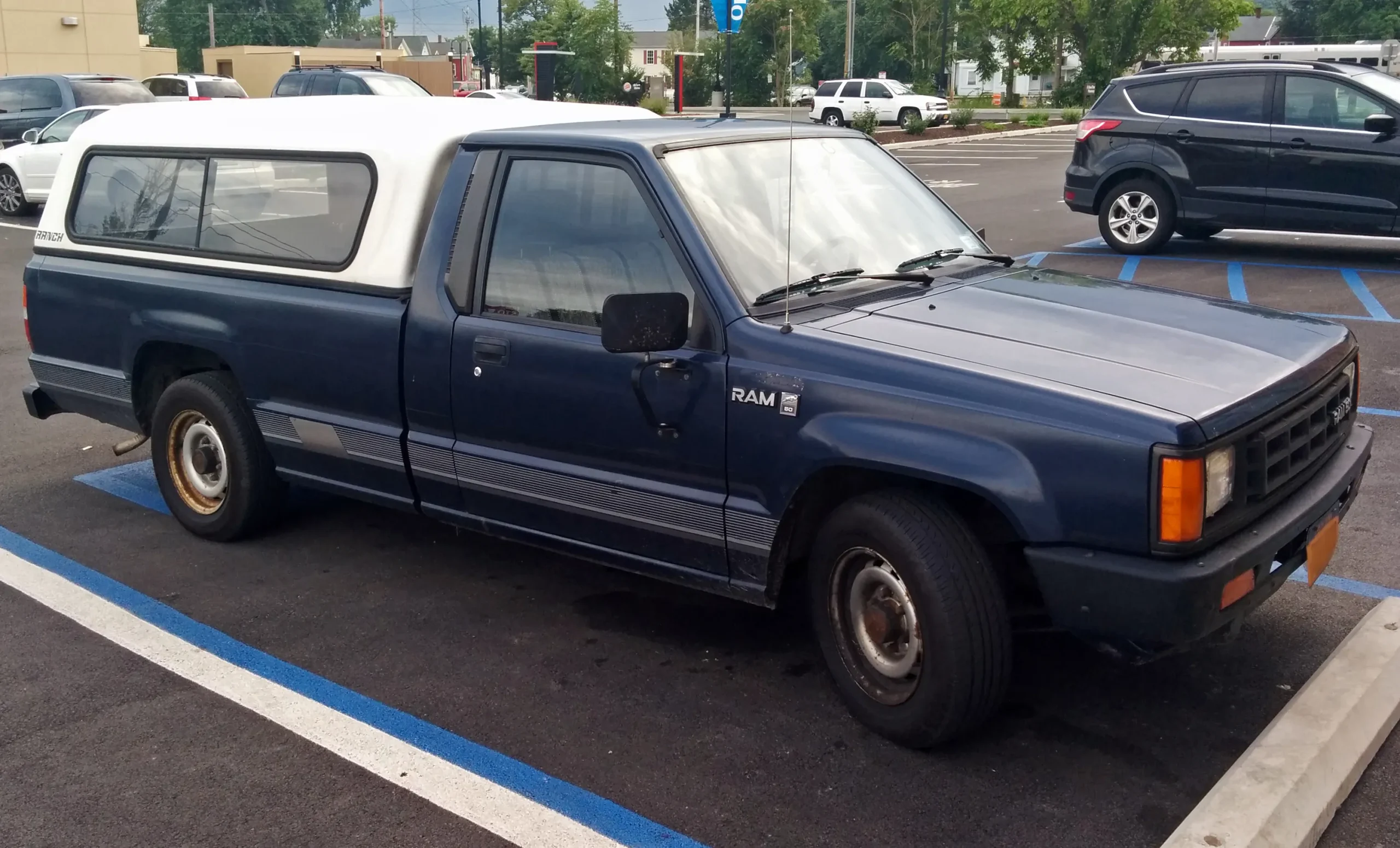
5. Dodge Ram 50 (1987-1989)
Rebadged Mitsubishi trucks sold through Dodge dealers combined the worst aspects of both brands. Poor reliability, terrible rust protection, and questionable build quality created pickups that barely survived their first decade. These Ram 50s prove that badge engineering produces disasters when neither partner contributes quality.
Carburetor problems were constant headaches. Starting difficulties, poor running quality, and frequent adjustments made these trucks frustrating to own. Fuel injection would have helped dramatically, but these Ram 50s were stuck with outdated technology that competitors had abandoned.
Four-cylinder engines were underpowered and problematic. Performance was dangerously inadequate for truck duties. Highway driving was stressful. Towing was basically impossible. Reliability was poor with numerous failure points. These motors required constant attention that owners shouldn’t have needed to provide.
Manual transmissions were adequate but nothing special. Clutches wore out prematurely. Automatic transmissions were weak units that failed regularly under loads. Neither option impressed compared to domestic competitors offering superior gearboxes.
Body and frame rust was catastrophic. These trucks corroded faster than almost anything else on the roads. Cab corners rusted first, followed quickly by bed sides and frame rails. Within years, many examples were structural disasters. Even dry climates couldn’t completely save them from deterioration.
Interior quality was terrible. Cheap plastics cracked immediately. The seats were uncomfortable. Dashboard materials deteriorated rapidly. Everything felt poorly assembled. These cabins were unpleasant places to spend time, even when new.
Parts availability became terrible as these trucks disappeared. Finding components required extensive searching. Most owners abandoned these Ram 50s rather than repair them.
Few survivors exist today because they weren’t worth saving. These trucks demonstrate that rebadging problems don’t solve them, and these Dodge-Mitsubishi collaborations definitely don’t outlast modern alternatives.
