
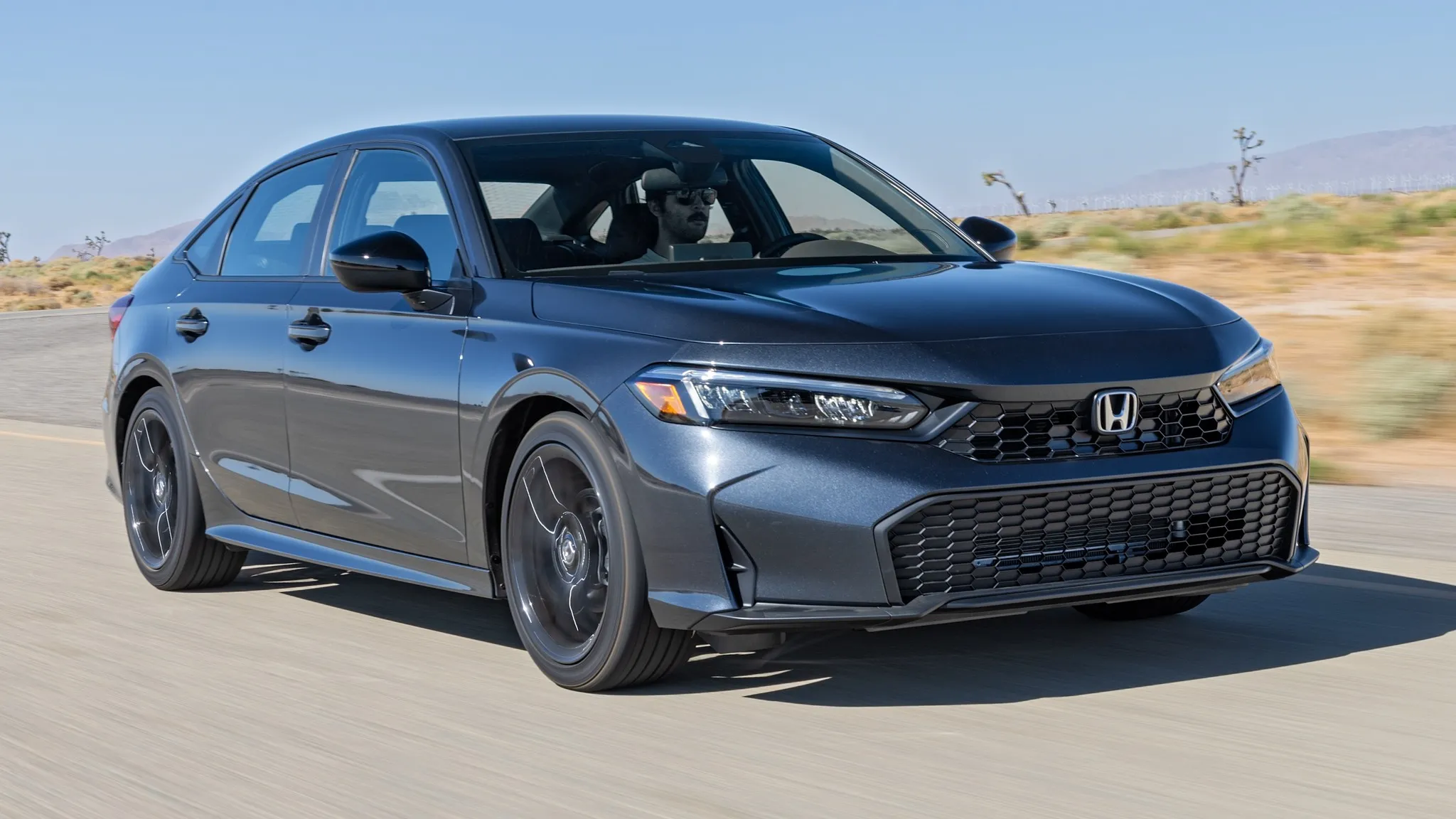
The feel of a car often tells you more than the brochure ever will. The sound of a door closing, the texture beneath your fingertips, and the firmness of switches all reveal how much care went into the vehicle’s construction.
Some affordable models impress immediately with sturdy builds and materials that feel refined, while others expose corner-cutting through flimsy panels and hollow plastics that scream cheapness. Price alone doesn’t define quality.
A few budget-friendly vehicles manage to deliver cabin experiences that rival far more expensive models. Well-padded surfaces, tight stitching, and sensible layouts combine to create interiors that feel welcoming and thoughtfully designed. These cars show that craftsmanship and smart engineering can raise even modestly priced vehicles beyond expectations.
Then there are the disappointments, the ones that look fine from a distance but reveal mediocrity the moment you step inside. Hard plastics cover nearly every panel. Doors shut with a weak clunk. Interior parts rattle on uneven roads. Instead of comfort, you’re greeted with irritation, a reminder that some manufacturers care more about saving pennies than satisfying drivers.
This difference isn’t minor; it defines the ownership experience. You spend hours behind the wheel each week, and a cheap-feeling cabin slowly turns convenience into discomfort. A solid, well-built interior transforms daily drives into pleasant moments, giving lasting satisfaction long after the new-car smell fades.
In this comparison, we picked ten vehicles that demonstrate both sides of that spectrum. Five budget cars deliver refinement that punches above their price tags, while five others feel so poorly executed that they make even affordable ownership a chore.
Whether you’re shopping for value or simply curious about build quality, these examples reveal where your money buys lasting comfort and which models should be avoided before regret takes the driver’s seat.
Cheap Cars That Feel Premium
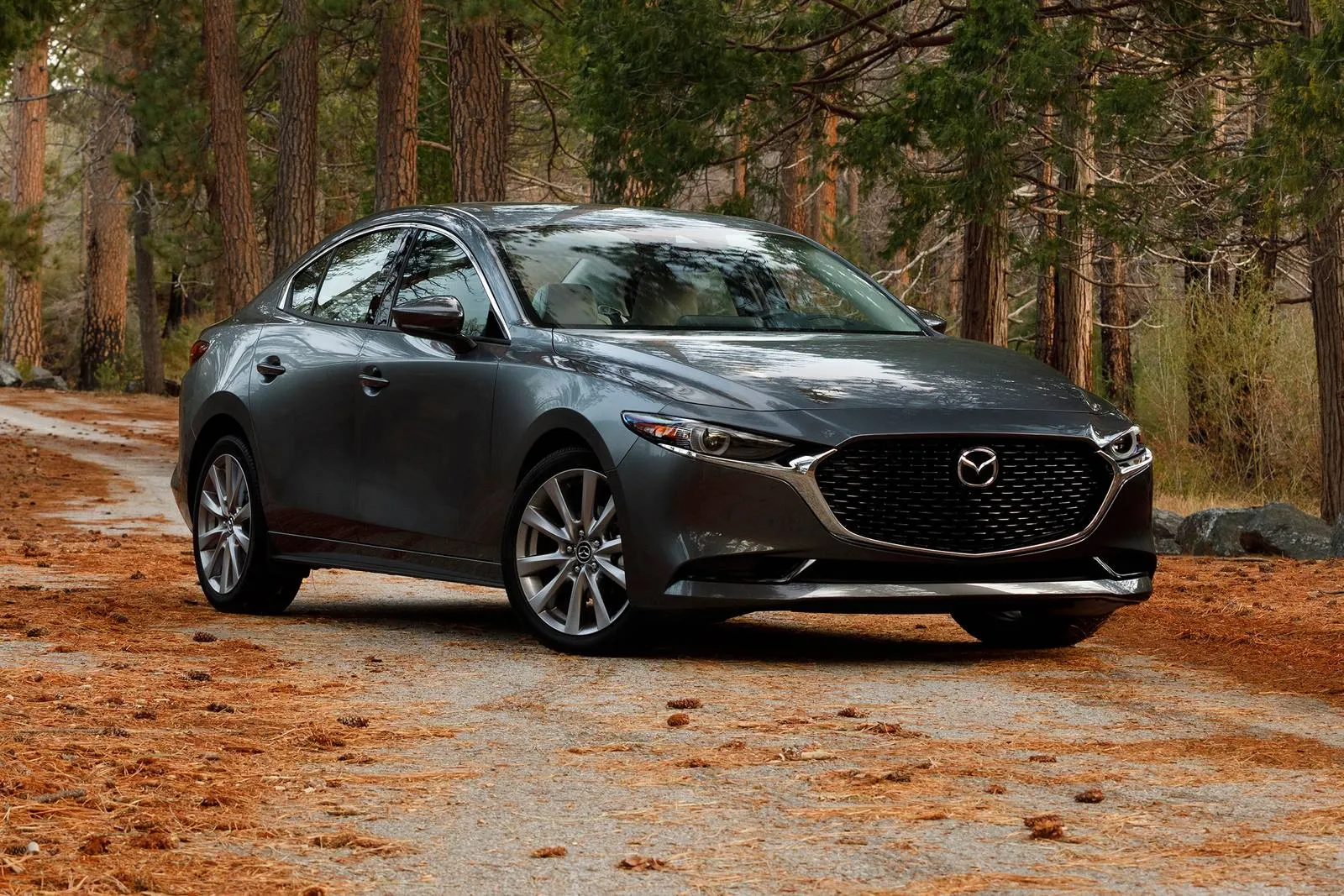
1. Mazda3 Preferred (2019-2023)
Budget Japanese sedans don’t usually impress with interior quality, but these fourth-generation Mazda3s completely rewrite expectations.
Step inside and you’ll genuinely question whether you’re sitting in a luxury vehicle that costs twice as much. Soft-touch materials dominate surfaces that competitors cover with hard plastics. Dashboard design is elegant and minimalist, avoiding the cluttered cheapness plaguing budget brands.
Door panels feature proper padding and quality fabrics rather than hollow-sounding hard plastic. Close them and you hear satisfying thuds announcing solid construction. Armrests are genuinely comfortable rather than afterthoughts.
Even lower portions of doors receive better materials than entire cabins in some competitors. This attention to detail throughout creates a premium atmosphere that shames vehicles costing even more.
Seats are exceptionally comfortable with proper bolstering and quality upholstery. Cloth in base models feels substantial rather than cheap. Leatherette in higher trims looks and feels convincing, aging gracefully rather than cracking prematurely. Stitching is precise and attractive, adding visual interest that budget cars usually lack completely.
Dashboard materials would be acceptable in vehicles costing fifteen thousand dollars more. Soft plastics with pleasant textures cover high-touch areas. Even hard plastics in lower areas are well-textured and finished properly. Nothing feels hollow or cheap when you tap it. Panel gaps are consistent throughout, demonstrating assembly quality that rivals premium brands.
Controls operate with precision, suggesting expensive engineering. Switchgear feels solid and well-damped. Knobs and buttons resist wobbling. Everything operates smoothly without the loose, imprecise feel plaguing cheaper competitors. Even the climate control dials move with satisfying resistance and precision.
Sound insulation is excellent for this price range. Road noise stays muted. Wind noise is minimal. Engine sounds are subdued during normal driving. This quietness amplifies the premium feel, making drives pleasant rather than exhausting. You can hold conversations at normal volumes without shouting over noise.
Storage solutions are thoughtful and well-executed. Cup holders are properly sized and positioned. Door pockets accommodate water bottles without rattling. Center console storage is generous and lined with quality materials. Every detail suggests designers actually considered user experience rather than just checking boxes.
What makes these Mazda3s special is how the manufacturers clearly prioritized quality over cost-cutting. Yes, some features from luxury brands are missing, but what’s present is executed beautifully.
You never feel like you’re driving a budget car because nothing reminds you of that fact. This approach creates value that transcends pricing, delivering satisfaction usually requiring much larger investments.
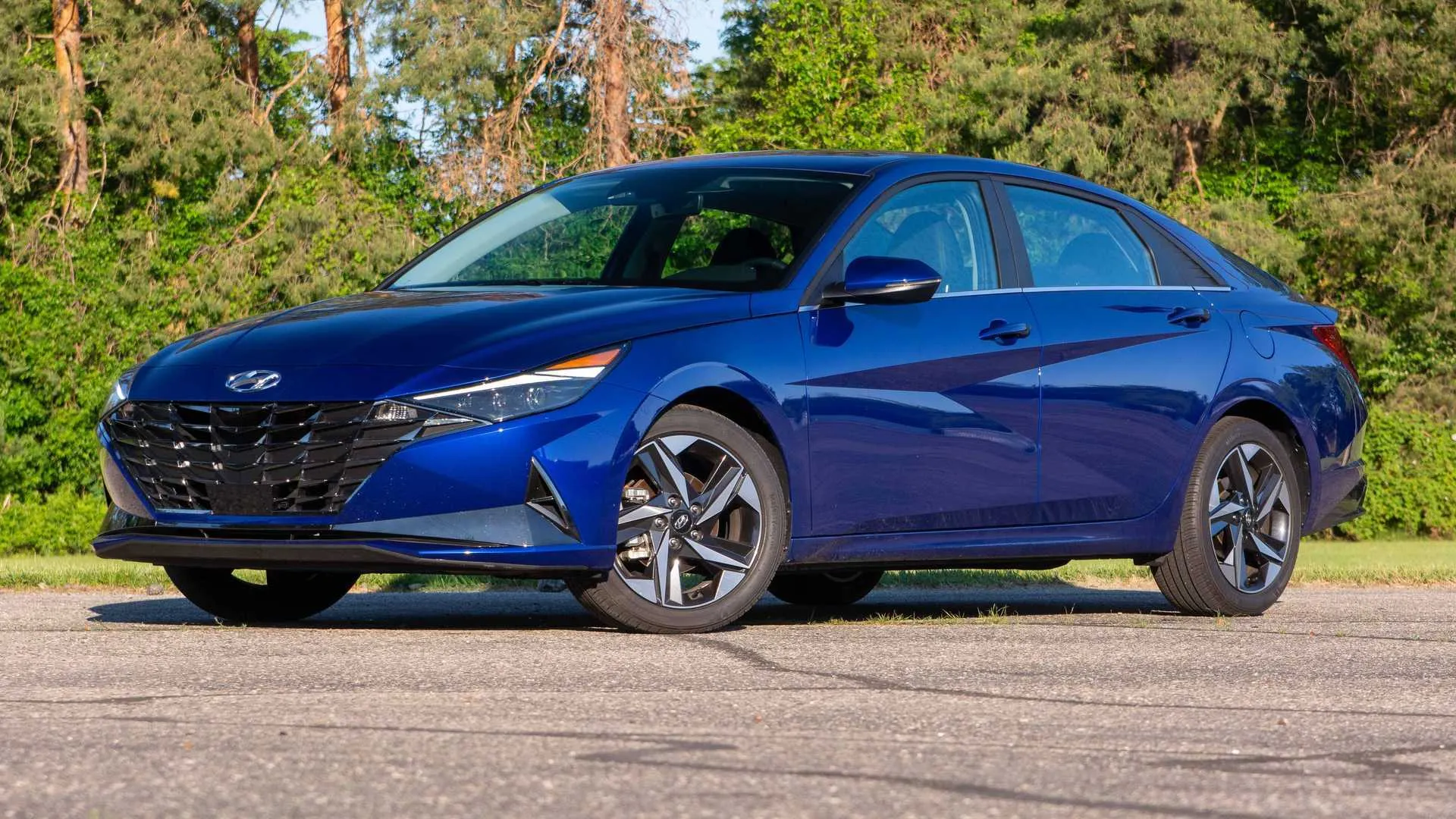
2. Hyundai Elantra Limited (2021-2023)
Korean automakers have completely reshaped their image, and the seventh-generation Hyundai Elantra stands as proof of that transformation. Step inside, and you’ll notice immediately how far Hyundai has come.
Materials feel upscale, design feels intentional, and craftsmanship reflects attention normally reserved for higher-end brands. These cars go beyond budget expectations, offering refinement that rivals vehicles costing much more.
The cabin layout shows elegant simplicity. The dashboard flows naturally with a modern yet timeless appeal. Surfaces you touch most often are padded and pleasant, while harder plastics are textured to feel solid rather than cheap. Every piece feels considered and purposefully placed, suggesting thoughtful engineering rather than quick assembly.
Seat quality enhances this impression further. Top trims feature genuine-feeling leather, while base models use durable, comfortable fabric. Both provide firm support for long drives, with precise stitching that adds visual polish. Comfort, not compromise, defines these interiors.
Even small areas show deliberate care. Door panels include soft armrests and neatly fitted materials. When you shut a door, the resulting sound feels solid and secure. Switchgear operates smoothly, storage spaces are practical, and every feature is positioned intuitively for daily use.
Technology integration feels refined and well-executed. Touchscreens respond instantly, with sharp graphics and simple menus. Physical buttons remain where they belong, ensuring ease of use while driving. Climate controls are logical and responsive, avoiding the complication of touchscreen-heavy competitors.
Noise isolation is outstanding for this class. The Elantra glides quietly at highway speeds, minimizing wind and road noise for a calm driving experience. Build precision reinforces quality perception, tight panels, uniform fit, and zero squeaks or rattles.
Press anywhere, and the car feels sturdy and cohesive. Hyundai’s dedication to solid craftsmanship and design integrity makes the Elantra stand apart. It’s an affordable sedan that genuinely feels premium, proving true quality doesn’t require a luxury badge.
Also Read: 12 Cars That Win Generational Loyalty Over The Years
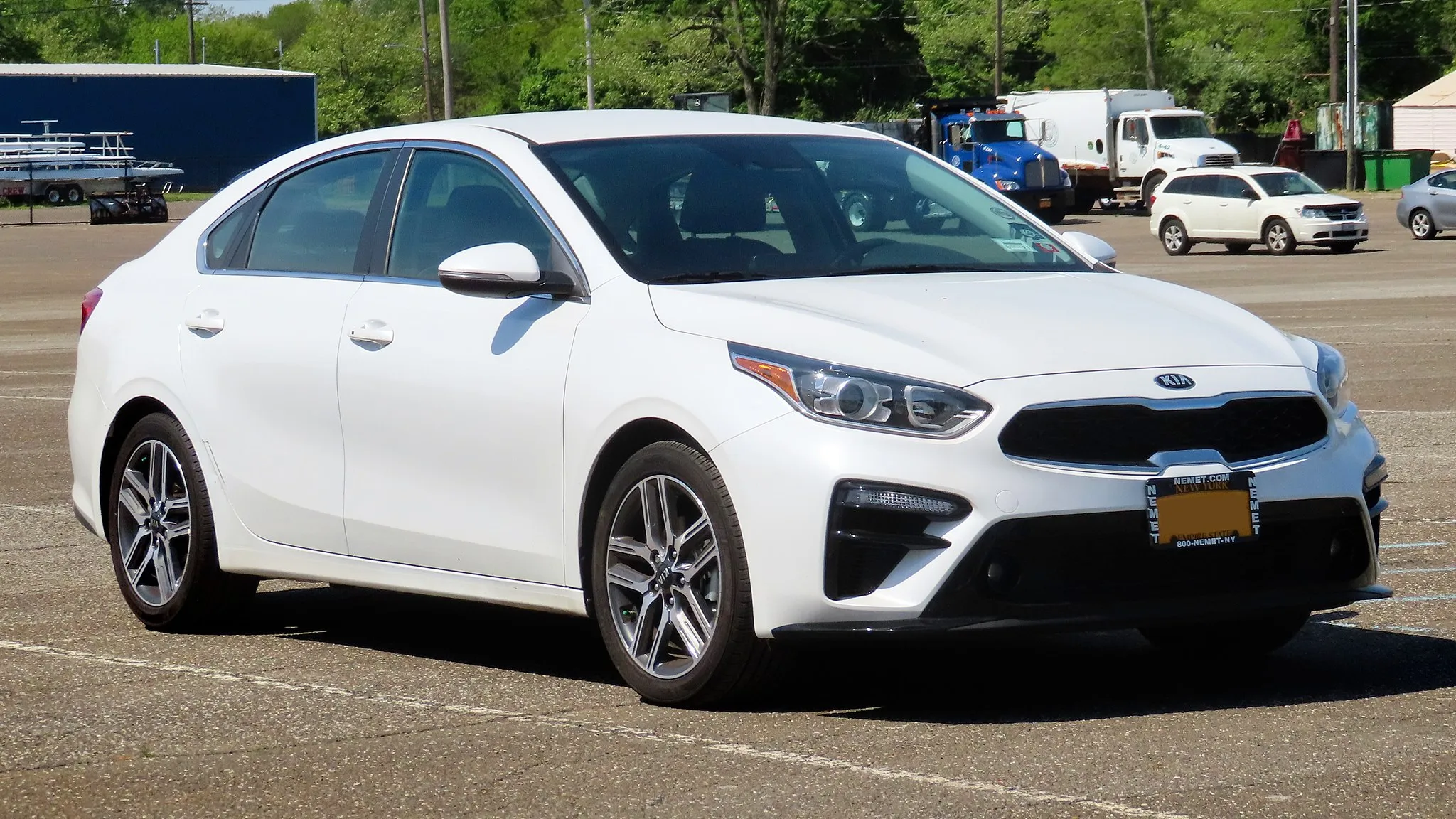
3. Kia Forte GT-Line (2019-2023)
Sister to the Elantra under corporate skin, these Fortes deliver their own take on premium budget execution. Step inside and you immediately notice quality levels that shouldn’t exist at these prices. Kia clearly invested in materials and design, creating cabins that compete with vehicles costing substantially more.
Dashboard layouts are attractive and modern. Materials quality is excellent throughout, with soft-touch surfaces covering high-contact areas. Hard plastics, where they exist, are properly textured and finished. Nothing feels cheap or hollow. Design is clean without appearing stripped-down or budget-focused.
Seats are comfortable and well-shaped. Cloth in base models is substantial and pleasant. Synthetic leather in GT-Line trims looks convincing and ages well. Bolstering is appropriate. Comfort during long drives is genuinely good. Stitching adds visual interest while demonstrating build quality.
Door panels feature proper padding and quality materials. Armrests are genuinely comfortable rather than hard afterthoughts. Window switches operate smoothly. Storage pockets are appropriately sized. Everything demonstrates attention to detail that budget cars usually lack.
Technology features are well-integrated and attractive. Touchscreens are responsive with crisp graphics. Systems work intuitively without frustrating complications. Physical controls remain for climate and audio, avoiding touchscreen overload. Everything operates smoothly and reliably.
Sound insulation is impressive for this segment. Road noise stays muted even on coarse pavement. Wind noise is minimal at highway speeds. Engine sounds are subdued during normal driving. This quietness dramatically enhances the premium feel, making drives pleasant rather than tiring.
Build quality is solid and consistent throughout. Panel gaps are tight and even. Nothing rattles or creaks. Everything feels properly assembled with care. You can press on any surface without detecting the hollowness or flex that cheaper competitors exhibit constantly.
Storage solutions are thoughtful and well-executed. Cup holders are properly sized and positioned. Door pockets accommodate bottles without rattling. Center console storage is generous and well-lined. Every detail suggests designers considered actual usage rather than just meeting minimum requirements.
What makes these Fortes special is Kia’s clear commitment to exceeding budget car expectations. They didn’t just build adequate vehicles; they created genuinely nice cars that happen to be affordable. This approach delivers satisfaction that transcends pricing, proving budget doesn’t mean cheap when manufacturers actually try.
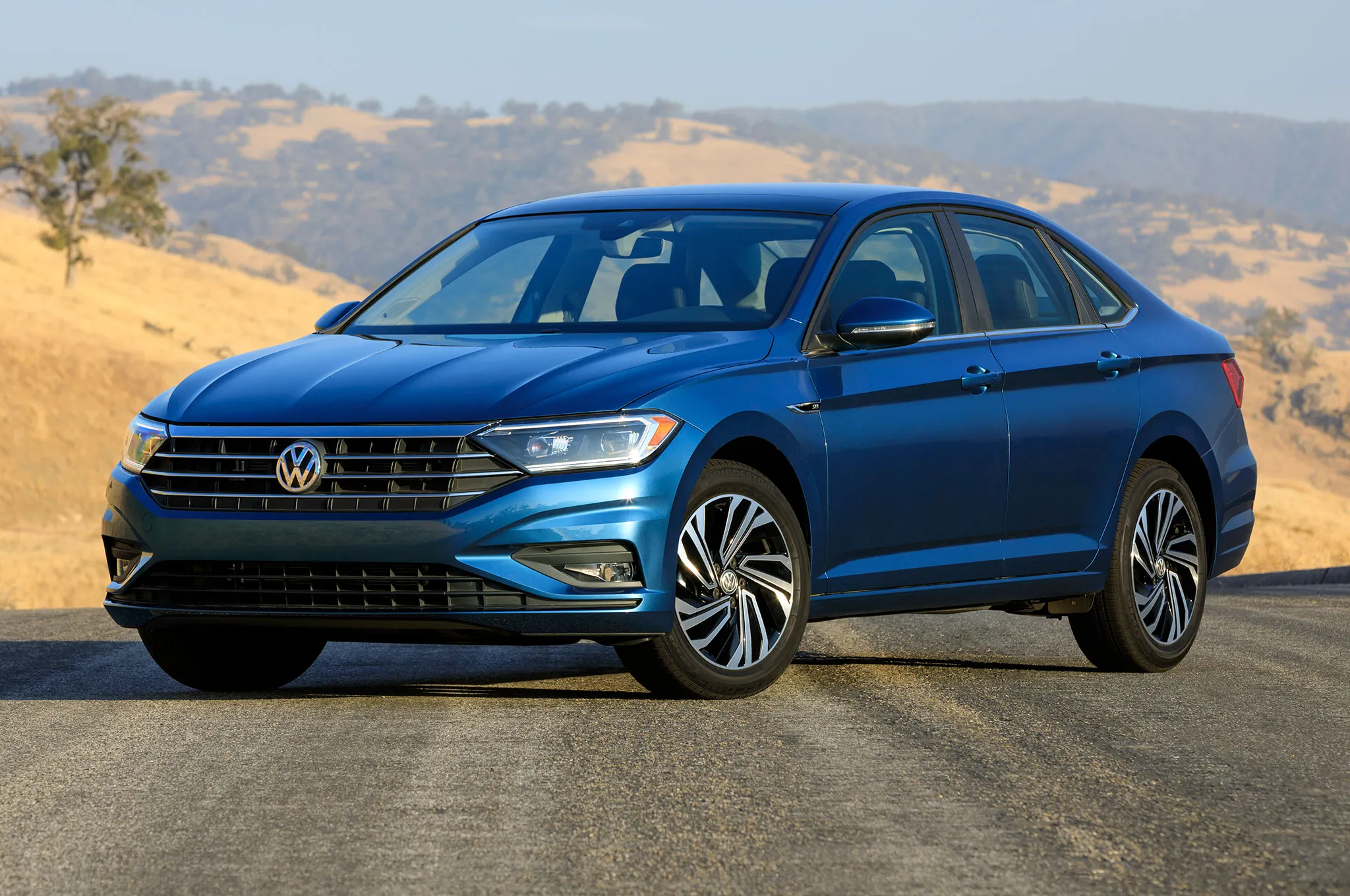
4. Volkswagen Jetta SEL (2019-2023)
Volkswagen’s seventh-generation Jetta carries a sense of confidence often reserved for pricier European sedans. While it sits in the affordable category, its presentation and feel tell a different story. Step inside, and the cabin greets you with a reassuring solidity, nothing flashy, just quiet competence and quality that’s unmistakably German in spirit.
The dashboard layout is minimalist yet elegant, blending clean lines with practical placement. Surfaces are pleasantly tactile where it matters most, while harder plastics remain discreet and well-finished. Everything feels tightly assembled, free from creaks or uneven gaps. It’s the kind of craftsmanship that quietly impresses the longer you live with it.
Seats maintain the same sense of restraint and purpose. They’re firm enough for long journeys yet supportive in all the right areas. Base models feature durable cloth that resists wear, while higher trims use convincing leatherette that ages gracefully. Stitching is neat and deliberate, a subtle sign of attention to detail.
The doors close with a confident thud, solid, not hollow. Padded armrests, smooth switches, and sensible storage spaces show that Volkswagen’s designers thought about daily comfort. Every feature, from cup holders to console storage, feels engineered rather than simply installed.
Infotainment technology complements this simplicity. The touchscreen responds promptly, and traditional knobs remain for climate and volume control. Function takes priority over unnecessary complication, making every system easy to live with.
Noise isolation is among the best in its class. The cabin remains calm at highway speeds, with wind and road sounds filtered out effectively. Even engine noise stays subdued, contributing to a refined, relaxed drive.
The Jetta embodies quiet excellence, an everyday sedan built with the care and precision of something far more expensive. It’s proof that practicality doesn’t have to come at the cost of craftsmanship or class.
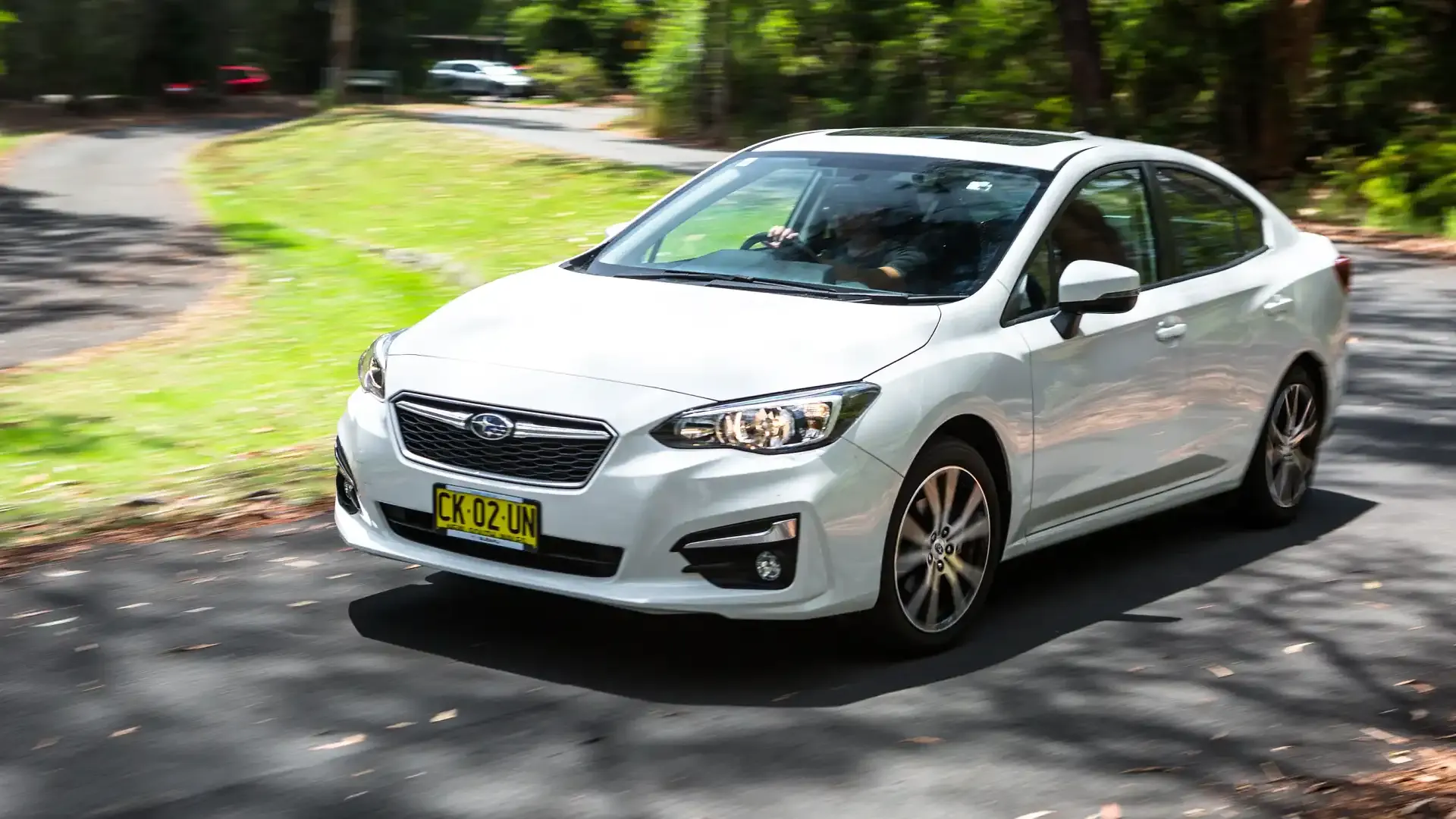
5. Subaru Impreza Premium (2017-2023)
Japanese practicality meets surprising quality in these all-wheel-drive sedans. Sit inside and you discover cabins that feel more expensive than the pricing suggests. Subaru clearly invested in materials and construction, creating environments that compete well with pricier alternatives.
Dashboard design is straightforward and functional. Materials quality is solid throughout, with appropriate use of soft-touch surfaces. Hard plastics are well-textured and don’t feel cheap. Everything is assembled well with consistent gaps. Nothing feels flimsy or poorly constructed.
Seats are comfortable with good support. Cloth upholstery is a quality fabric that wears well. Higher trims feature nice materials throughout. Bolstering is appropriate for varied body types. Comfort during long drives is genuinely good.
Door panels feature proper padding on armrests. Materials are of quality throughout. Close them and you hear solid sounds. Storage pockets are well-sized. Everything demonstrates attention to detail that budget cars often lack.
Technology features work well without being overwhelming. Touchscreens are responsive. Interfaces are intuitive. Physical controls remain for important functions. Everything operates smoothly and reliably. Sound insulation is decent for this segment. Road noise is controlled. Wind noise stays reasonable. Engine sounds are muted appropriately. Drives are comfortable rather than exhausting.
Build quality feels solid throughout. Panel gaps are consistent. Nothing rattles excessively. Everything feels properly assembled. You sense substance rather than flimsiness when interacting with any component.
Storage solutions are practical and thoughtful. Cup holders work well. Door pockets accommodate bottles properly. Center console storage is adequate. Every detail suggests functional design.
What makes these Imprezas appealing is Subaru’s focus on substance rather than flash. They don’t pretend to be luxury vehicles, but they deliver quality construction and materials that create satisfying ownership experiences. This honesty, combined with actual quality, creates value that flashier competitors often miss.
Cheap Cars That Feel Plastic
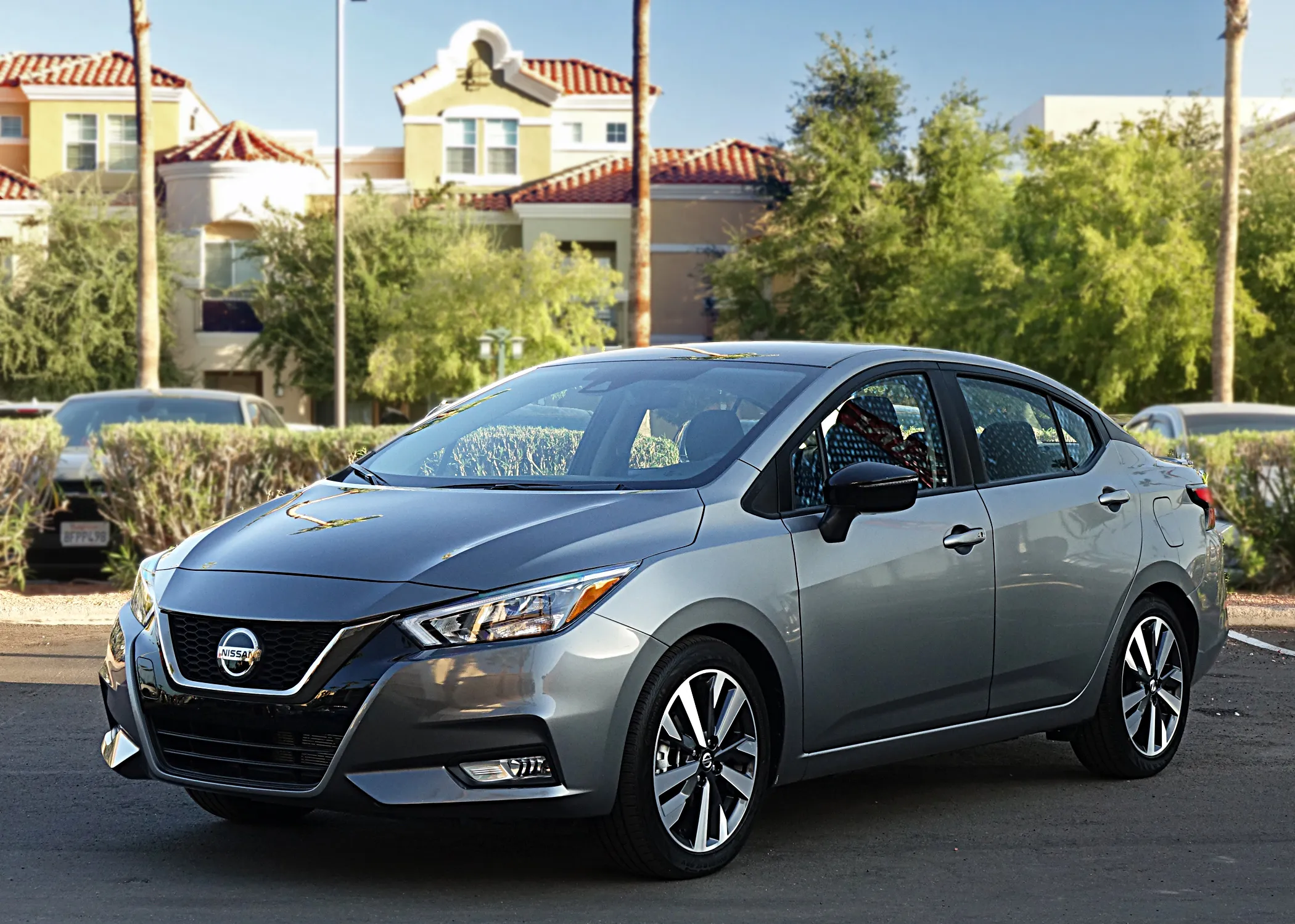
1. Nissan Versa S (2020-2023)
Budget transportation hits rock bottom with these stripped sedans. Step inside and you’re immediately assaulted by hard plastics covering every visible surface. Nothing feels premium, quality, or even adequate. Everything announces cheapness loudly, creating environments that feel like punishment rather than shelter.
Dashboard is entirely hard plastic with terrible textures. Tap anywhere, and you hear hollow sounds announcing thin materials. Nothing is padded or soft. Design is basic to the point of being offensive, with zero visual interest or thoughtful details. This is transportation at its absolute cheapest.
Seats are barely adequate with minimal padding and poor support. Cloth is thin and feels cheap. Comfort is lacking even during short drives. Bolstering is nonexistent. These seats exist purely to keep you off the floor, providing no actual comfort or support.
Door panels are entirely hard plastic without padding anywhere. Armrests are hard surfaces that become uncomfortable quickly. Close doors and you hear tinny rattles. Storage pockets are bare plastic bins. Everything feels as cheap as possible.
Technology is minimal and basic. Small screens with terrible graphics. Slow response times. Outdated interfaces. Everything feels ten years behind competitors. The operation is frustrating and disappointing.
Sound insulation is essentially nonexistent. Road noise is excessive. Wind noise is constant. The engine drone is annoying. Every drive is exhausting because nothing blocks external sounds. Conversations require shouting.
Build quality is poor throughout. Panel gaps vary wildly. Everything rattles and squeaks. Nothing feels solid or well-assembled. You sense flimsiness and poor construction constantly. Storage solutions are minimal and poorly executed. Cup holders are basic. Door pockets are bare plastic. Center console storage is tiny. Nothing demonstrates thoughtful design or consideration for users.
What makes these Versas disappointing is how Nissan clearly prioritized absolute minimum costs rather than creating acceptable products. Yes, they’re cheap to buy, but sitting inside feels like being punished for poverty. This approach creates vehicles that nobody enjoys owning.
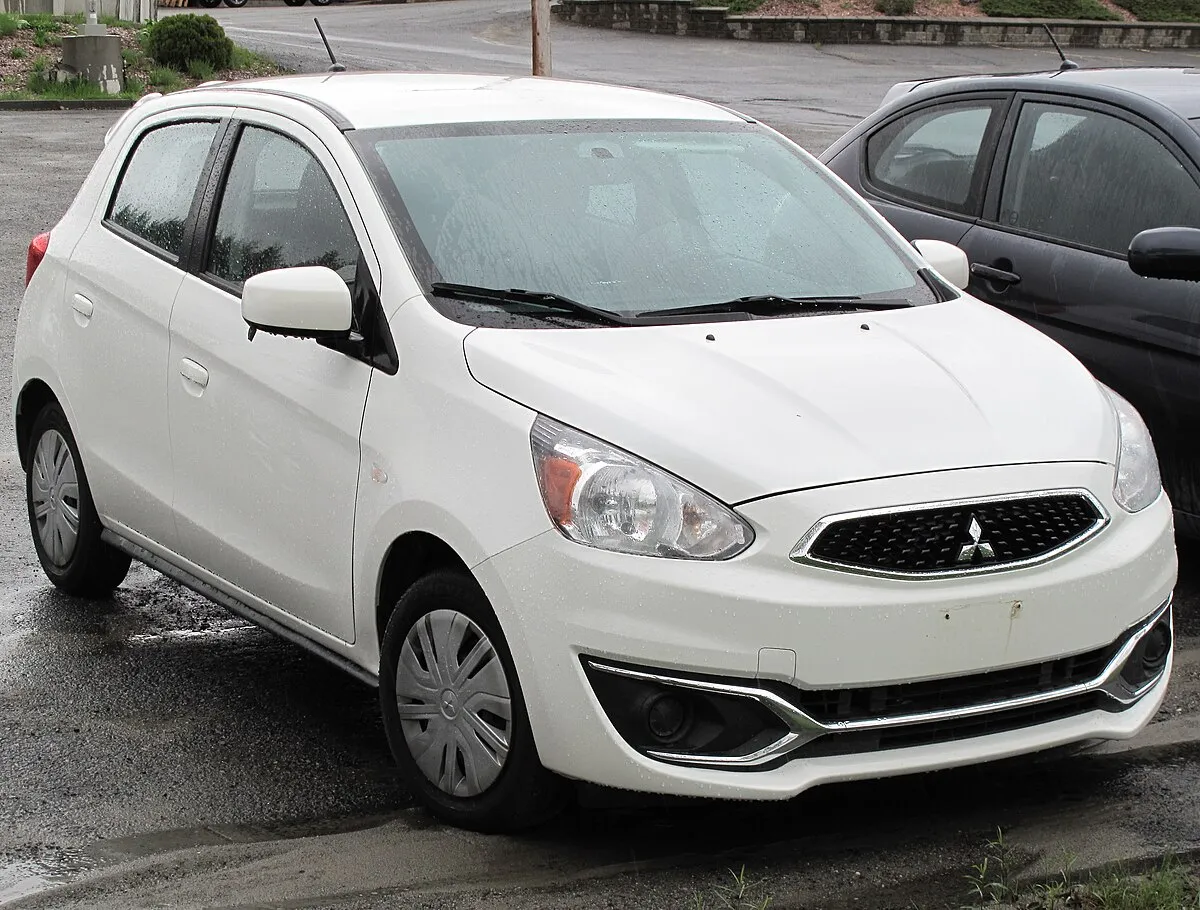
2. Mitsubishi Mirage ES (2017-2023)
Low prices often bring low standards, and these dreadful subcompact cars are living proof. The moment you step inside, regret hits hard. Every inch of the cabin is covered in brittle plastic, and the atmosphere feels cold and lifeless. Comfort and quality are nowhere to be found, leaving you with the sense that everything was built to meet the bare minimum.
The dashboard is a wall of hard, hollow plastic with rough textures and outdated styling. Buttons and switches feel cheap, and there is no attempt at creating a pleasant interior. The design looks stuck in time, showing no sense of creativity or refinement.
The seats offer little to no comfort. The cushions are thin, and the cloth feels rough against the skin. There is almost no padding or support, making even short trips uncomfortable. Sitting in these seats feels more like serving a sentence than taking a drive.
The doors are no better, made of solid plastic with sharp edges where armrests should be. When you close them, they rattle instead of giving a solid thud. Storage is scarce and poorly thought out, offering barely enough room for daily items.
Technology feels outdated and frustrating. Small, slow screens display dull graphics, and the system often lags or freezes. The cabin insulation is almost nonexistent, allowing engine buzz, wind, and road noise to fill the space. Conversations quickly become difficult as the sound overwhelms everything.
Build quality is shockingly poor. Panels do not align properly, and rattles are constant reminders of weak construction. Storage areas are tiny and impractical.
What makes the Mitsubishi Mirage and similar cars so disappointing is that people still buy them despite their flaws. They are affordable, but they feel so uncomfortable and poorly made that every drive becomes a reminder of regret and compromise.
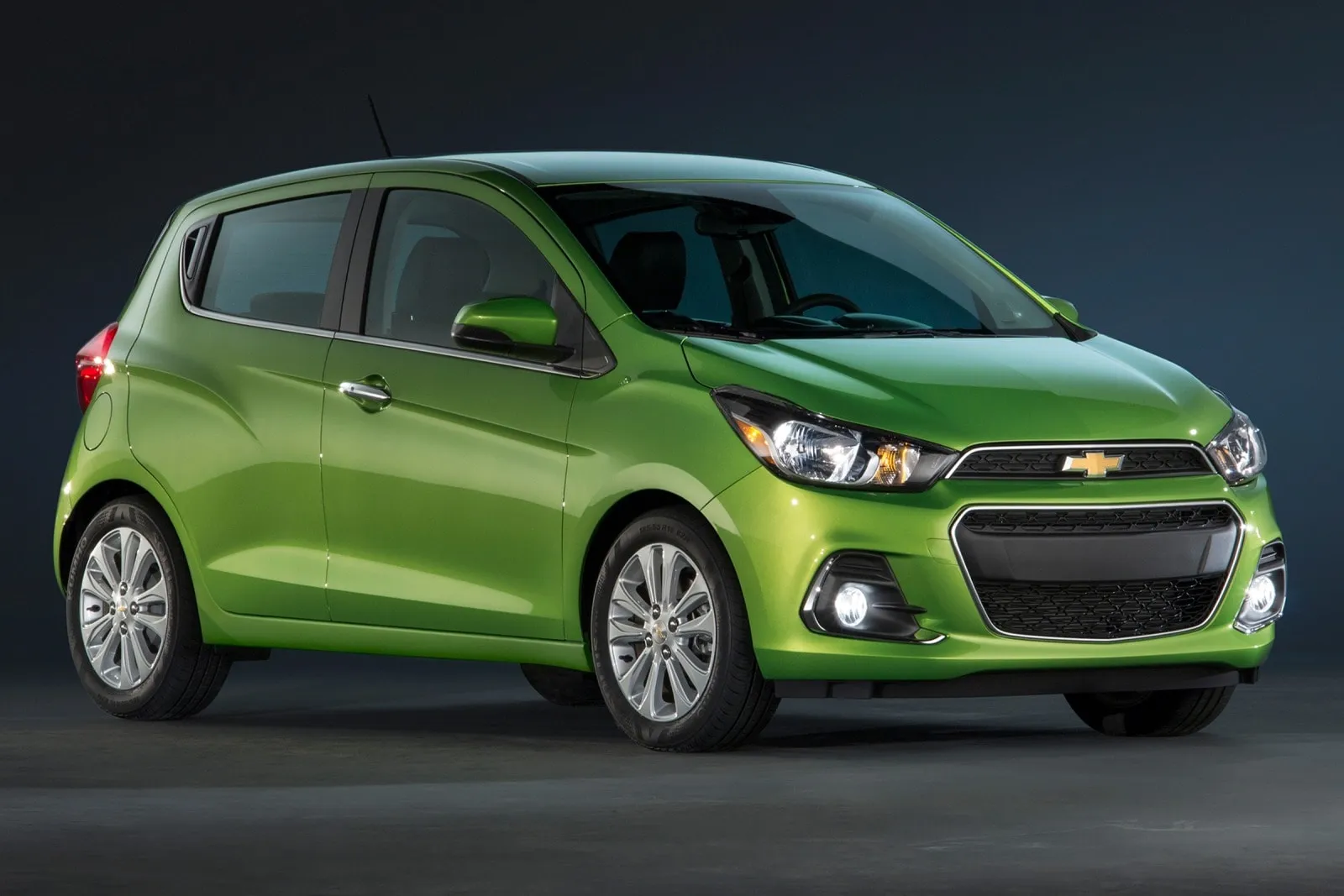
3. Chevrolet Spark LS (2016-2022)
American budget cars hit new lows with these tiny Chevrolets. Step inside and you discover cabins that feel cheaper than their already-low prices. Hard plastics everywhere. Poor assembly. Zero quality touches. These are vehicles that announce their cheapness through every surface.
The dashboard is entirely hard plastic with poor textures. Everything feels hollow and thin. Design is basic and unattractive. Nothing suggests quality or care anywhere. This is what happens when cost-cutting becomes the only priority.
Seats are uncomfortable with minimal padding and poor shapes. Cloth is thin and cheap-feeling. Support is lacking completely. Comfort is nonexistent even during short trips. These seats exist purely as legal requirements rather than functional components.
Door panels are bare, hard plastic without padding. Armrests are hard edges. Close doors, and you hear tinny sounds announcing poor construction. Storage is minimal and poorly designed.
Technology is basic and frustrating. Small screens with poor graphics. Slow responses. Dated systems that feel ancient. Everything disappoints immediately. Sound insulation is poor. Road noise is excessive. Wind noise is constant. Engine buzz is annoying. Every drive is tiring because nothing blocks external sounds adequately.
Build quality is disappointing. Panel gaps vary. Everything rattles. Nothing feels solid or well-assembled. You sense poor construction throughout. Storage solutions are minimal. Cup holders are basic. Door storage is poor. The center console is tiny. Nothing demonstrates thoughtful design.
What makes these Sparks disappointing is how Chevrolet clearly gave up on quality completely. Yes, they’re cheap, but feeling this cheap inside creates ownership experiences that are thoroughly unpleasant and regrettable.
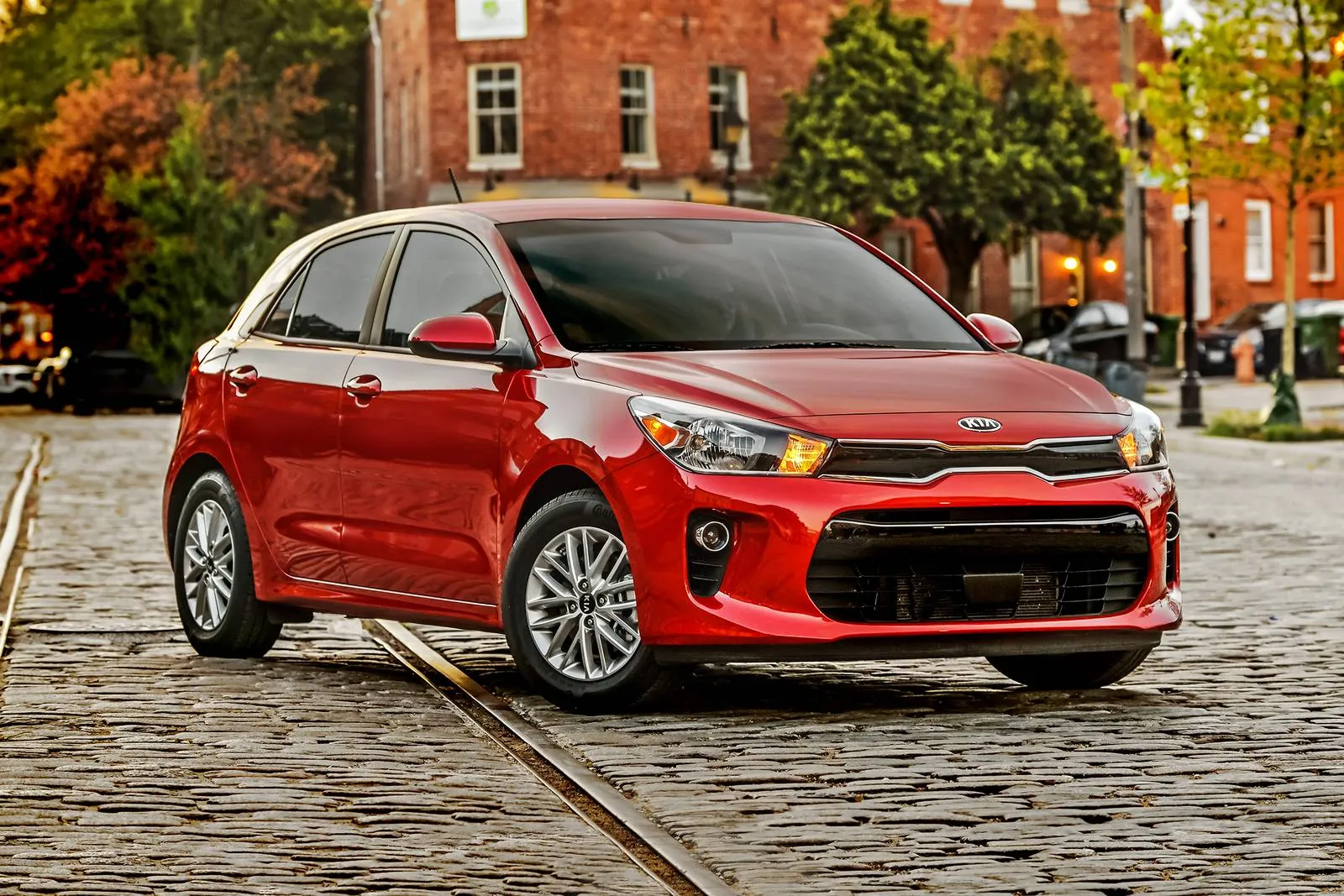
4. Kia Rio LX (2018-2022)
Base-model Kia vehicles reveal how far corners can still be cut, even as the brand’s reputation improves. The moment you enter, it becomes clear that cost savings take priority. The interiors feel far below the standard set by the Forte, with a noticeable drop in materials and craftsmanship. Hard plastics dominate every surface, and any sense of refinement disappears the longer you sit inside.
The dashboard feels hollow and lifeless, made from stiff, low-grade materials with dull textures. The layout is unimaginative, lacking any detail that suggests modern design or attention to comfort. It is the type of interior that feels built to a price, not to a standard.
Seats fail to deliver comfort or support. The thin fabric feels cheap, and the padding is minimal. Even brief drives quickly become uncomfortable, as the seats provide no cushion or structure to ease the ride.
The door panels continue the theme of cost-cutting. They are solid plastic, missing any kind of soft-touch padding. The armrests are hard, and closing the doors produces a hollow, unsteady sound. Interior storage is limited, with small compartments that seem added as an afterthought.
Technology offers little to admire. The screens are small, the graphics look outdated, and the system responds sluggishly. Cabin insulation is poor, letting wind, road, and engine noise constantly filter through. The result is a tiring experience that feels anything but refined.
Build quality is another major flaw. Panels do not align neatly, and rattles appear quickly over bumps. Nothing feels sturdy or secure. Storage is basic, with undersized cup holders and a cramped center console.
What makes the Kia Rio so disappointing is knowing that Kia can produce far better cars. Instead, this model feels intentionally cheap, built to meet a price rather than exceed expectations.
Also Read: 12 Reliable Cars That Save You Thousands in Maintenance
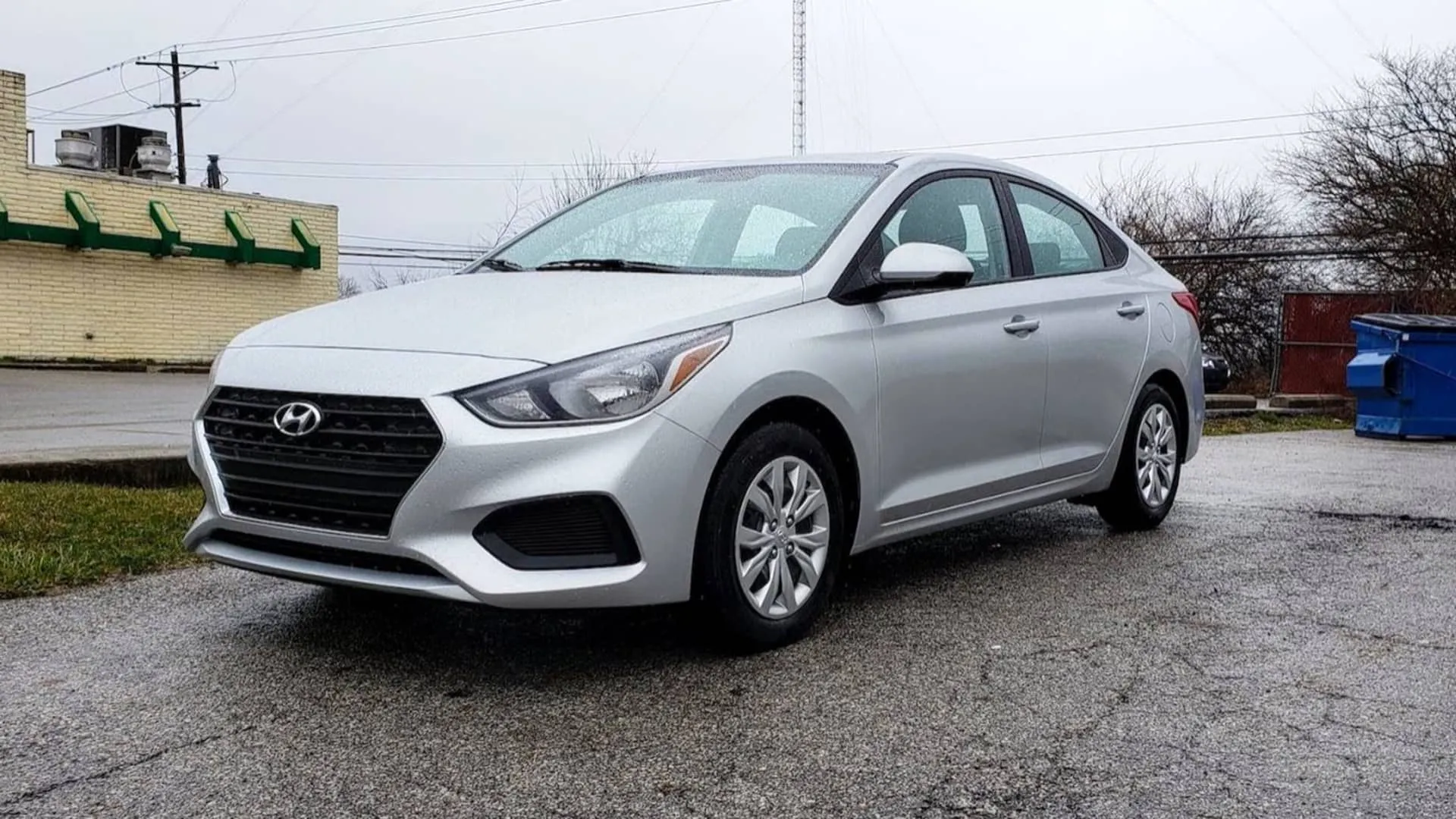
5. Hyundai Accent SE (2018-2022)
Sister to the Rio, these Accents share the same disappointing quality levels. Step inside and you discover cabins that betray Hyundai’s quality improvements in other models. Hard plastics everywhere. Poor materials. Zero premium touches. These feel genuinely cheap despite adequate pricing.
Dashboard is hard plastic with poor textures throughout. Everything feels hollow and thin. Design is basic without interest. Nothing suggests quality anywhere. Cost-cutting dominates every decision. Seats are uncomfortable with minimal padding and poor shapes. Cloth is thin and cheap. Comfort is lacking. Support is nonexistent. These seats disappoint constantly.
Door panels are hard plastic without padding. Armrests are uncomfortable edges. Close doors and you hear cheap rattles. Storage is minimal and poorly executed. Technology is basic and frustrating. Small screens with poor graphics. Dated interfaces. Slow responses. Everything feels cheap immediately.
Sound insulation is poor. Road noise is excessive. Wind noise is constant. Engine sounds are intrusive. Every drive is exhausting. Build quality is disappointing. Panel gaps vary. Everything rattles and squeaks. Nothing feels solid or well-assembled.
Storage solutions are minimal and poor. Cup holders are basic. Door storage is inadequate. The center console is tiny. What makes these Accents disappointing is how Hyundai clearly reserves quality for pricier models while leaving budget buyers with genuinely cheap products. These feel plastic because they are plastic, creating ownership experiences that nobody enjoys.
