Compact SUVs have become the go-to choice for drivers who want versatility, comfort, and efficiency without the bulk of a full-size vehicle. But some models manage to deliver far more space, refinement, and presence than their modest dimensions suggest.
“10 Compact SUVs That Feel Bigger Than They Are” explores the standouts that successfully blur the line between compact agility and midsize comfort. From the sporty and upscale Mazda CX-50 to the rugged Ford Bronco Sport and the ever-reliable Toyota RAV4, these vehicles prove that smart engineering and clever design can make a small SUV feel anything but small.
Whether it’s through generous passenger space, innovative cargo solutions, or advanced suspension tuning that enhances ride comfort, each SUV on this list delivers a sense of scale and capability beyond its size. These models redefine expectations, proving that compact doesn’t have to mean compromise.
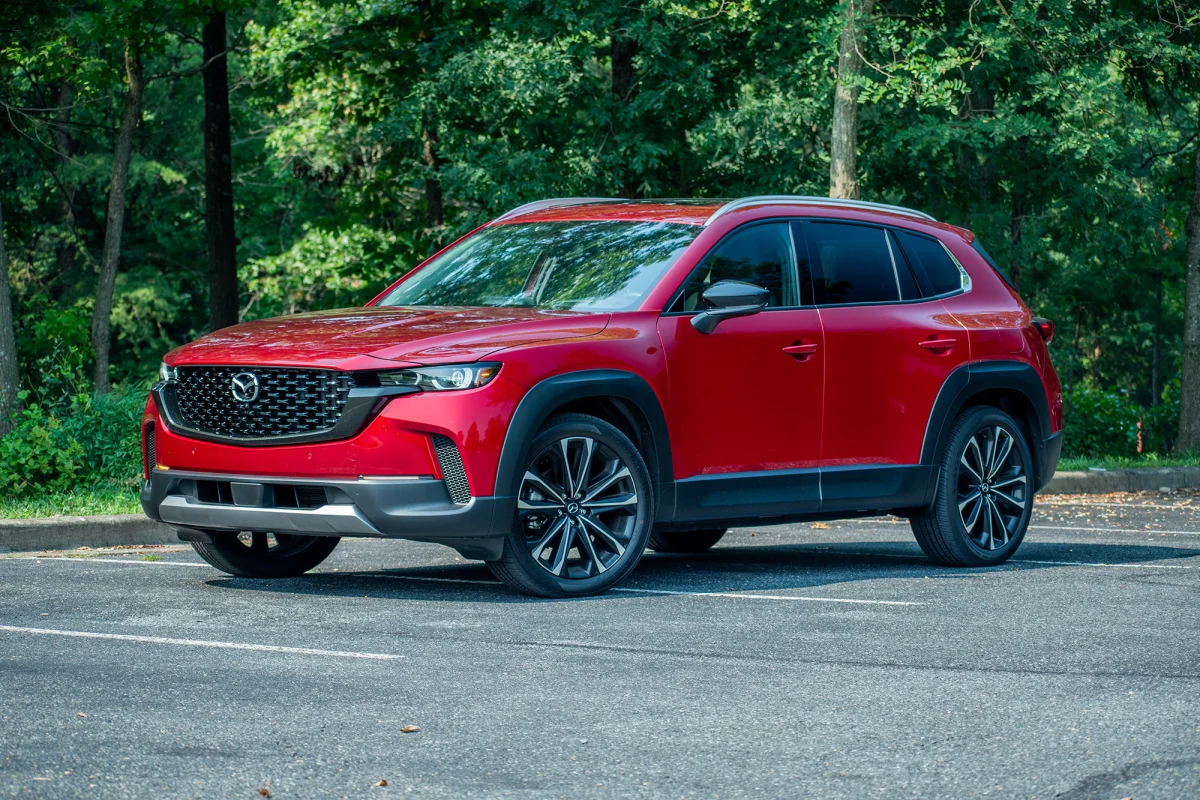
1. Mazda CX-50: A Sporty, Spacious, and Stylish SUV
The Mazda CX-50 builds on the foundation of the popular CX-5, offering a larger, more capable crossover with increased width, length, and ground clearance. These enhancements provide a more comfortable interior while improving off-road and general driving capability. The CX-50 balances Mazda’s signature Kodo design language with practicality, creating a small SUV that is both visually appealing and functional.
The CX-50 provides ample space for passengers. Front headroom measures 39.1 inches, while rear passengers enjoy 38.6 inches. Shoulder room spans 55.9 inches in the front and 53.6 inches in the rear, with hip room at 53.6 inches upfront and 52.1 inches in the back.
Legroom reaches 41.7 inches for the driver and 39.8 inches for rear passengers. Cargo space totals 31.4 cubic feet behind the rear seats and 56.3 cubic feet with the rear seats folded, offering flexibility despite being slightly smaller than some competitors.
Front seats feature good padding and side bolsters, while rear seating is flatter but still comfortable for adults. The driving position is upright yet low enough for easy entry and exit, with wide door openings and adjustable seats and steering wheel. Climate controls are user-friendly, with physical knobs and buttons rather than touchscreen-only interfaces, and rear passengers benefit from dedicated air vents.
The CX-50 comes with a single engine offered in two power levels, including a turbocharged option capable of towing up to 3,500 pounds. This engine ensures lively performance, achieving zero-to-60 mph in 7.2 seconds in testing. Steering is responsive and precise, giving the SUV a sporty feel uncommon in its class. While the ride is firmer than average, road and wind noise are well-controlled, providing a quiet highway experience.
Mazda equips the CX-50 with standard driver aids, including blind-spot monitoring and adaptive cruise control. These systems work reliably, enhancing safety without intrusive false alerts.
Standard tech includes wireless Apple CarPlay and Android Auto, multiple USB ports, a 10.25-inch infotainment display, and an optional Bose audio system. Wireless charging is available but may have compatibility issues with some devices. Storage within the cabin is practical, with a well-designed center console and spacious door pockets, though rear cargo capacity is modest.
The CX-50 is priced higher than many rivals, but all-wheel drive comes standard, and the interior quality surpasses competitors. Fit, finish, and materials create a premium feel. Mazda offers a three-year/36,000-mile basic warranty and a five-year/60,000-mile powertrain warranty. Fuel economy is average, with the base engine achieving 28 mpg combined and the turbo engine 25 mpg.
Mazda’s design language gives the CX-50 a distinctive, rugged stance with wide fenders and a sporty profile. The interior and exterior come together to create an SUV that feels charming, engaging, and less generic than other small crossovers, making it an attractive choice for those seeking style, performance, and comfort in one package.
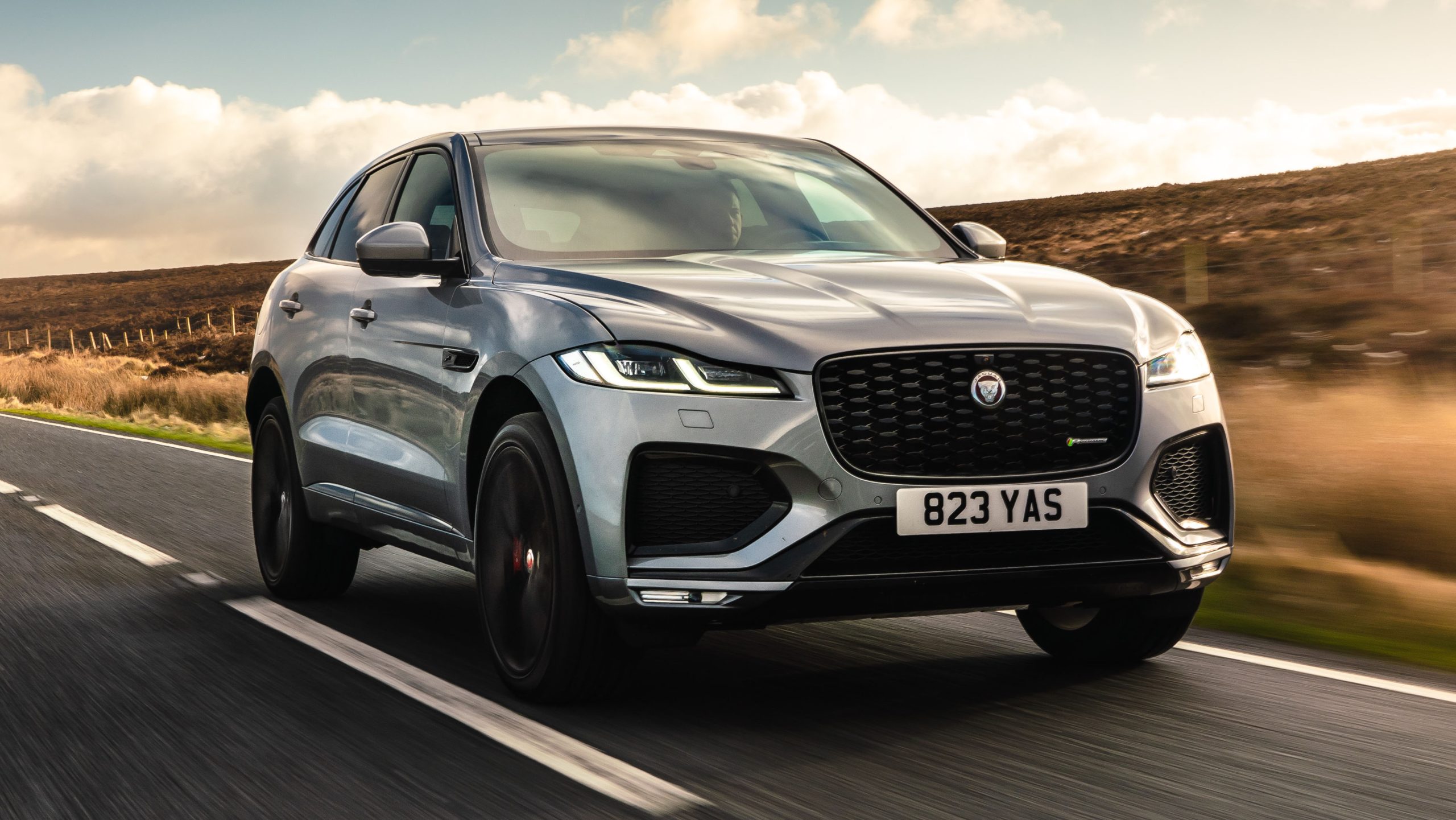
2. Jaguar F-Pace: A Sporty Luxury SUV
The Jaguar F-Pace stands out in the crowded compact luxury SUV segment by combining sporty driving dynamics with practicality. Its distinctive styling and engaging performance make it a compelling choice for buyers who want a luxury SUV that feels more like a sports car behind the wheel.
The F-Pace offers a spacious cabin for passengers. Front headroom measures 37.8 inches, while the rear provides 37.5 inches. Shoulder room reaches 57.7 inches in the front and 55.8 inches in the back.
Legroom totals 40.3 inches for front passengers and 37.2 inches in the rear. Cargo space includes 32.1 cubic feet behind the second row and 70.4 cubic feet with the rear seats folded, providing flexibility for daily use or longer trips.
The optional DuoLeather sport seats enhance the F-Pace’s cabin with padding and support, creating a sporty vibe. They are highly adjustable, though the lack of thigh cushion extension may affect taller drivers.
Climate controls are somewhat complex, using a combination of dials and touch-sensitive buttons, which can feel less intuitive than systems in some rivals. Cabin noise is well-managed, though minor creaks and rattles were noted in testing.
The F-Pace is designed with a focus on driving engagement. The turbocharged six-cylinder engine delivers smooth acceleration, reaching 60 mph in six seconds. While not the quickest in its class compared to competitors like the Audi SQ5 or Porsche Macan, it provides a composed, responsive ride. Steering offers good feedback, and brakes perform consistently.
The SUV includes standard driver aids, including adaptive cruise control and lane departure mitigation, though these systems occasionally lag in response or intervention. The SVR variant features a V8 engine that significantly boosts performance for enthusiasts seeking an exhilarating drive.
The F-Pace includes a high-resolution infotainment system, Apple CarPlay and Android Auto, multiple USB ports, and a wireless charging pad. The optional Activity Key, a waterproof wearable key, adds convenience for active lifestyles. The rear seats fold in a 40/20/40 configuration, and child seat anchors are easily accessible, enhancing versatility.
The F-Pace is one of the pricier options in its segment but offers strong standard features and high-quality materials. Jaguar provides a five-year/60,000-mile basic and powertrain warranty, along with roadside assistance and scheduled maintenance. Fuel economy is competitive for its class, with the six-cylinder model averaging 21 mpg combined and achieving 24.3 mpg in real-world testing.
The Jaguar F-Pace combines sporty handling, distinctive styling, and a spacious, comfortable cabin. Its design is immediately recognizable as a Jaguar, and the SUV delivers a blend of fuel efficiency, practicality, and driving enjoyment that sets it apart from many competitors.
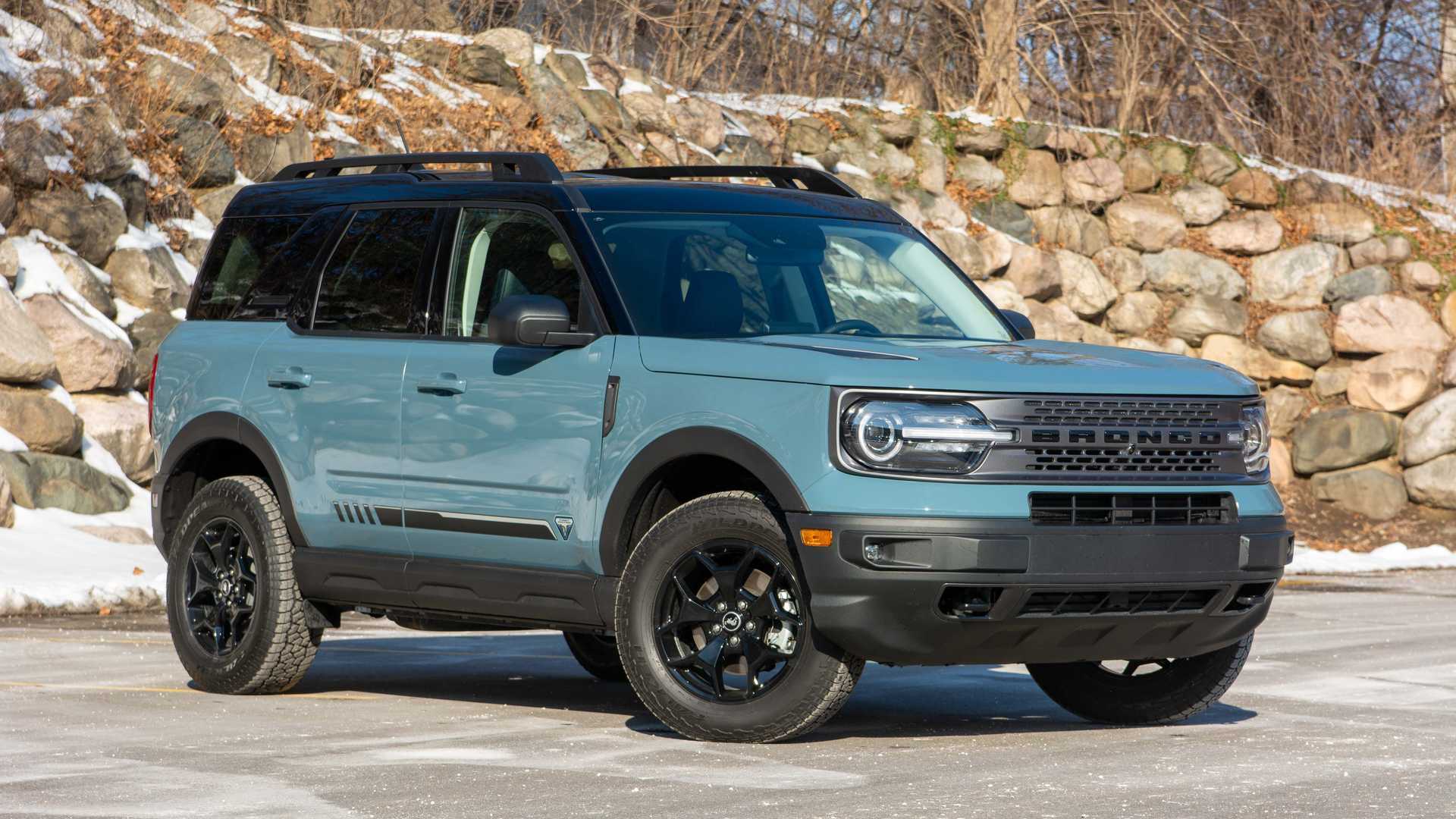
3. Ford Bronco Sport: Rugged Spirit in a Compact SUV
The Ford Bronco Sport stands apart in the compact SUV class for its rugged capability and adventurous personality. As the smaller sibling to the full-size Bronco, it offers genuine off-road performance while remaining practical for everyday driving.
Its boxy and purposeful design highlights its trail-ready nature, and the new Free Wheeling trim for 2024 adds unique styling details with special graphics, a black roof, and distinctive interior accents.
The Bronco Sport provides impressive passenger and cargo space for its size. Front headroom measures 41.5 inches, while rear passengers enjoy 41.7 inches. Shoulder room is 57.3 inches in the front and 55.6 inches in the rear. Legroom reaches 42.4 inches up front and 36.9 inches in the back. Cargo capacity is 32.5 cubic feet behind the rear seats and expands to 65.2 cubic feet when folded.
Inside, Sport Contour bucket seats with synthetic leather upholstery offer reasonable comfort, though side support is limited during sharp turns or off-road driving. The driver’s controls are easy to reach, and visibility is excellent because of the Bronco Sport’s tall and upright design.
Rear seats provide ample headroom, but legroom is somewhat tight, and the narrow rear doors make loading child seats a bit difficult. Wind and road noise are more noticeable than in most competitors due to the boxy shape and all-terrain tires.
The standard turbocharged 1.5-liter three-cylinder engine delivers adequate power for city and highway driving. The available 2.0-liter turbocharged four-cylinder engine in the Badlands trim offers stronger acceleration and superior off-road performance. The suspension is tuned for trail conditions, which results in a slightly choppy ride on paved roads.
Off the pavement, the Bronco Sport is one of the most capable compact SUVs available. The Badlands model with the optional Sasquatch package includes skid plates, a locking rear differential, and larger off-road tires for improved traction on rough terrain.
Ford equips the Bronco Sport with a full suite of driver assistance features, such as adaptive cruise control and lane-keeping assist, both of which operate smoothly and without intrusive corrections.
Standard technology includes wireless Apple CarPlay and Android Auto, a 12.3-inch digital instrument cluster, and a 13.2-inch touchscreen. The system is easy to use, and audio quality is strong even without the optional B&O sound system. The cabin features multiple USB-C ports, making charging convenient for all passengers.
Storage is another strong point. The cargo area features a low load floor, removable rubberized liner, hooks, lights, and an available two-tier organizer that can serve as a shelf or fold away. Badlands models also include underseat storage cubbies for smaller items.
The Bronco Sport offers good value with standard all-wheel drive, durable interior materials, and strong off-road ability. Fuel economy is 27 miles per gallon combined with the base engine and 23 miles per gallon with the more powerful option. Ford’s warranty includes three-year or 36,000-mile basic coverage and five-year or 60,000-mile powertrain protection.
The Ford Bronco Sport combines authentic off-road performance, eye-catching design, and everyday practicality. It is a capable and character-filled compact SUV that feels equally at home on city streets or remote trails.
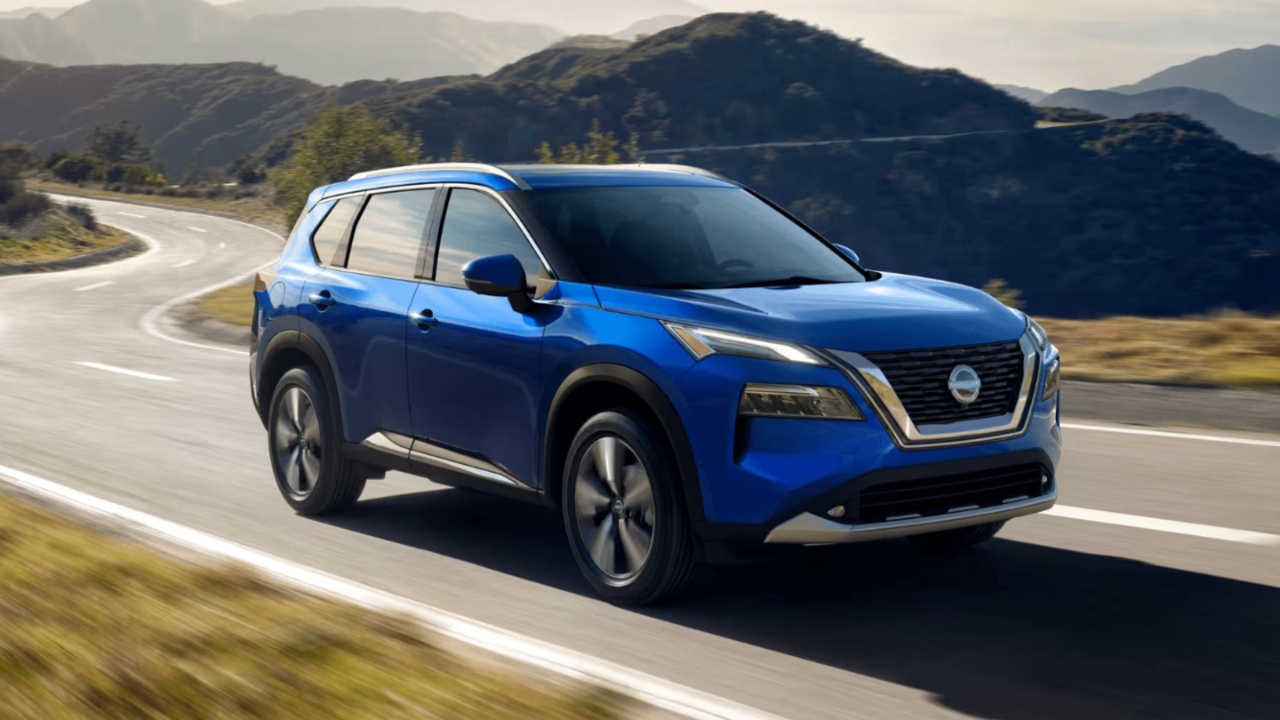
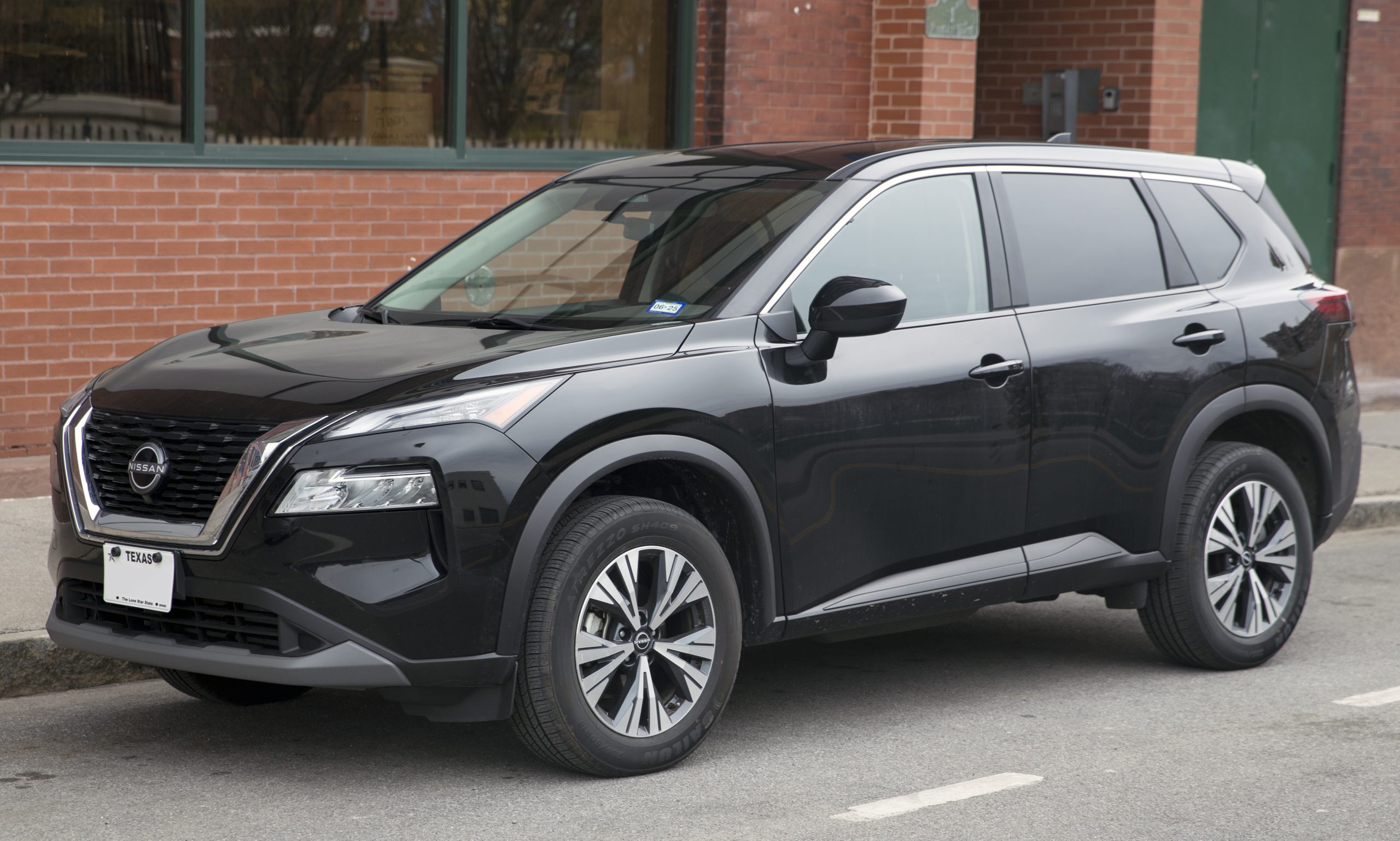
4. Nissan Rogue: A Popular Compact SUV with Modern Style
The Nissan Rogue is the brand’s top-selling vehicle, combining practicality, comfort, and technology in a compact package. Offered in four trims, it provides generous standard features and a premium look that makes it feel larger than its size suggests. A 1.5-liter turbocharged three-cylinder engine powers the Rogue, delivering 201 horsepower for smooth and efficient everyday performance.
The Rogue offers a spacious interior with thoughtful design. Front headroom measures 41.1 inches, and rear passengers enjoy 39.2 inches. Shoulder room is 57.1 inches in the front and 55.9 inches in the rear, while legroom extends to 41.5 inches up front and 38.5 inches in back.
Cargo space measures 36.5 cubic feet behind the rear seats and expands to 74.1 cubic feet when they are folded, making it one of the more versatile options in its class.
Inside, the seats are well-cushioned and supportive, ideal for long drives. The front seats mold comfortably to the body, though the forward-angled headrests might feel awkward for taller drivers. Rear seats offer good recline and comfort, though space for legs is slightly less than in some rivals.
Wide doors make getting in and out effortless, and the cabin layout keeps everything within easy reach. At higher speeds, however, wind and road noise are noticeable. Climate and other physical controls are simple and responsive, avoiding the complexity of touchscreen-heavy designs.
The turbocharged engine feels stronger than its small size suggests, though acceleration to 60 miles per hour takes a bit more than eight seconds. The continuously variable transmission sometimes hesitates when extra power is needed, but it helps achieve good fuel economy.
Handling is steady, though the suspension allows more side-to-side motion on rough pavement than many competitors. The brakes perform reliably, even if the anti-lock system can sound loud during hard stops.
A wide range of driver-assistance features is available. ProPilot Assist with adaptive cruise control and lane-centering steering works smoothly in steady highway conditions, while an optional hands-free highway system adds convenience for longer trips.
Technology is one of the Rogue’s strengths. Upper trims include a 12.3-inch touchscreen, a digital instrument cluster, and wireless Apple CarPlay integration.
The system looks sharp and runs well, though finding certain features or settings can take some time. Storage areas are cleverly arranged, including multiple trays, large cupholders, and reconfigurable floor panels that can form shelves or expand cargo space.
The Rogue represents solid value in its lower trims, offering advanced tech, good comfort, and fuel efficiency. Higher trims are less competitive with premium rivals. The front-wheel-drive version achieves 33 miles per gallon combined, while all-wheel-drive models reach 31 miles per gallon. Nissan includes a three-year or 36,000-mile basic warranty and a five-year or 60,000-mile powertrain warranty.
With sharp styling, a roomy cabin, and strong fuel efficiency, the Nissan Rogue makes an appealing first impression. Although it lacks the refinement of some higher-end competitors, it remains a capable, comfortable, and well-equipped choice for compact SUV shoppers.
5. Ford Escape: A Refreshed Compact SUV with Versatility
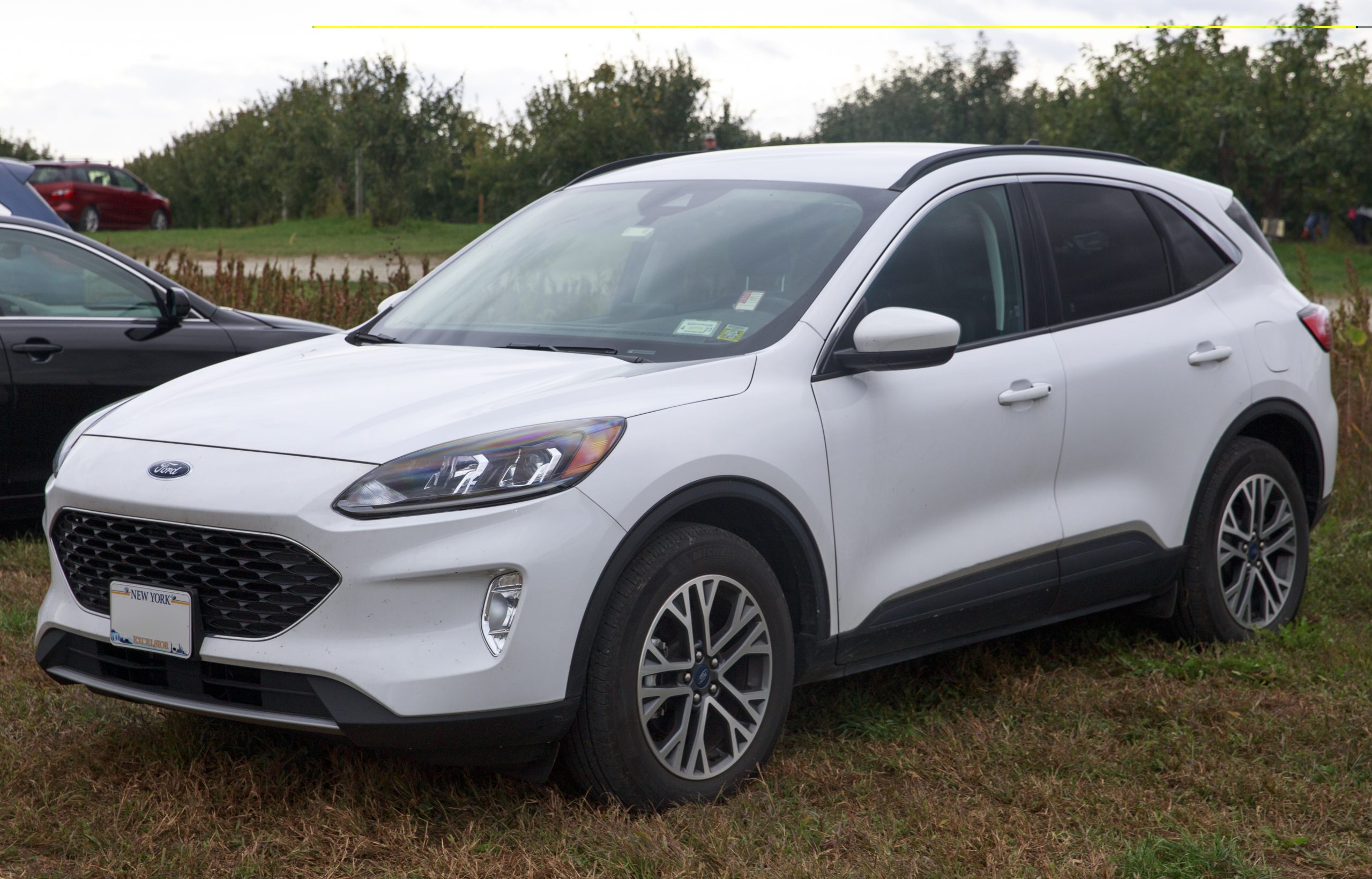
The Ford Escape remains one of the most familiar names in the compact SUV market, recently updated with a more stylish exterior and several trim options that cater to different driver needs.
It offers two powertrain choices, giving buyers flexibility between efficiency and performance. Among its trims, the ST-Line with the Tech Pack 1 stands out for its sporty appeal and advanced safety features through the Ford Co-Pilot Assist+ package.
The Escape offers a comfortable and practical cabin layout. Front headroom measures 40 inches, while the rear provides 39.3 inches. Shoulder room reaches 57.6 inches in front and 56 inches in the back. Legroom is generous at 42.4 inches up front and 40.7 inches in the rear. Cargo capacity measures 37.5 cubic feet behind the rear seats and expands to 65.4 cubic feet when folded, giving the Escape solid utility for family use.
The front seats are well-shaped with supportive cushioning, and the rear seats offer adequate thigh support for adults. At highway speeds, road noise is minimal, and the cabin feels calm and comfortable.
Dual-zone climate control enhances convenience, though ventilated front seats and heated rear seats are still unavailable. Families will appreciate how easy it is to install child seats thanks to well-positioned LATCH anchors and accessible tether points.
We tested the Escape ST-Line Elite equipped with the turbocharged 2.0-liter engine. This powertrain delivers strong acceleration, reaching 60 miles per hour in 6.8 seconds, which is better than many rivals with upgraded engines.
However, the eight-speed automatic transmission is less refined, producing slow, sometimes jerky shifts both when accelerating and decelerating. The suspension tuning leads to noticeable body roll, reducing confidence in sharp turns.
Despite its driving flaws, the Escape’s advanced driver-assistance features perform well. Lane centering is particularly smooth and avoids the drifting effect that some competitors struggle with.
Technology is one of Escape’s strong points. The infotainment system is responsive, and its navigation is simple to use, though the latest version removed directional information for nearby search results.
The standard six-speaker sound system delivers clear audio, while the optional 10-speaker B&O setup is exceptional for this class. Wireless Apple CarPlay and Android Auto are included, along with several charging ports for passengers.
Storage throughout the cabin is excellent. Large front cubbies, deep door pockets, and anti-tip cupholders make it practical for daily use. The cargo area’s low floor helps when loading heavy items, and while the rear seats do not fold completely flat, the space remains versatile and easy to access.
The Escape’s cabin materials show good effort for its price point, combining soft-touch plastics and realistic synthetic leather. Though some parts feel cheap, the design is cohesive. Ford’s pricing is competitive, and the warranty is typical for the segment: three years or 36,000 miles for basic coverage and five years or 60,000 miles for the powertrain.
Fuel economy varies by engine. The tested turbocharged 2.0-liter engine earns an EPA estimate of 26 miles per gallon combined, which is strong for a more powerful compact SUV, though real-world results were slightly lower at around 20 miles per gallon.
The Ford Escape blends everyday usability with modern technology and safety features. The ST-Line models add a sporty touch, but the hybrid powertrain may offer the best balance of refinement and efficiency. The Escape remains a practical, family-friendly SUV with an appealing mix of style and versatility.
Also Read: 10 Cars That Offer Raw Fun Without Tech Overload
6. Toyota RAV4: A Reliable and Versatile Compact SUV
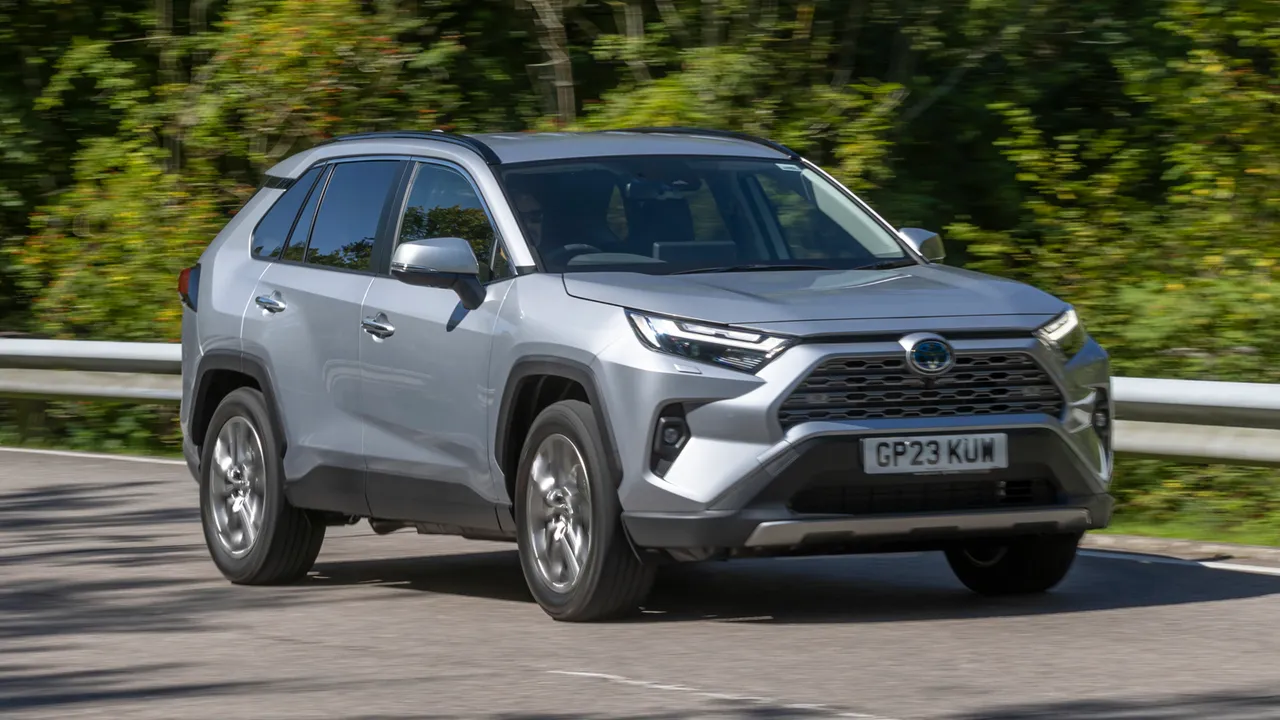
The Toyota RAV4 remains one of the most dependable and best-selling compact SUVs on the market. Known for its reliability, resale value, and practicality, it continues to appeal to a wide range of drivers.
Available in six trims, including two off-road-oriented versions, the RAV4 balances everyday usability with a touch of adventure. With an optional all-wheel-drive system and a strong reputation for durability, it stands as a benchmark in the compact SUV segment.
The RAV4 offers a spacious and comfortable cabin designed for both short commutes and long journeys. Front and rear headroom measure 39.5 inches each, while legroom stands at 41 inches in front and 37.8 inches in the rear. Cargo capacity is generous, providing 37.6 cubic feet of storage behind the rear seats and expanding to 69.8 cubic feet when folded.
Inside, the layout is clean and intuitive. Large rubberized knobs for the climate system are easy to use, and all major controls are positioned logically. The driving position is comfortable, though the front passenger seat sits higher than ideal and lacks height adjustment on most trims.
Both rows of seats provide good support, and entering or exiting the cabin is effortless. Child seats are easy to install thanks to clearly marked LATCH anchors and ample rear space.
The RAV4’s 2.5-liter four-cylinder engine delivers smooth and predictable power. It accelerates from 0 to 60 mph in about 9.1 seconds, which is slower than some competitors but sufficient for daily driving. Steering feedback is somewhat vague around the center, but the ride quality remains composed and steady over most road conditions.
Higher trims, such as the Limited, feature an advanced all-wheel-drive system with torque vectoring and hill descent control, enhancing traction on light off-road terrain. The RAV4 includes standard driver-assistance features like adaptive cruise control, lane keeping assistance, and automatic emergency braking. These systems operate effectively and contribute to a confident driving experience.
Technology inside the RAV4 is straightforward and user-friendly. Most trims come with an 8-inch touchscreen, while the top Limited trim includes a larger 10.5-inch display. Wireless Apple CarPlay and Android Auto are standard, and wireless charging is available on higher trims. The system responds quickly to inputs and includes simple voice and touch controls for navigation.
Cargo space is another RAV4 strength. The low cargo floor makes loading heavy items easy, and the wide opening accommodates large gear. The interior features plenty of storage compartments, cupholders, and shelves for smaller belongings. Towing capacity is rated at 1,500 pounds, typical for this class.
The RAV4’s cabin quality is excellent, with soft-touch materials and neat stitching that create an upscale look. Toyota’s warranty includes three years or 36,000 miles of basic coverage and five years or 60,000 miles for the powertrain, along with two years or 25,000 miles of free scheduled maintenance.
Fuel efficiency is impressive, achieving between 28 and 30 miles per gallon combined, depending on the trim and drivetrain. Long road trips confirm these numbers, demonstrating the RAV4’s consistency and economy.
The Toyota RAV4 combines rugged looks, reliability, and practicality in one cohesive package. It may not be the most exciting SUV to drive, but it excels at providing comfort, space, and long-term dependability. For buyers seeking a well-rounded compact SUV that delivers peace of mind and everyday usability, the RAV4 continues to be one of the smartest choices available.
7. Volkswagen Tiguan: A Spacious and Refined Compact SUV
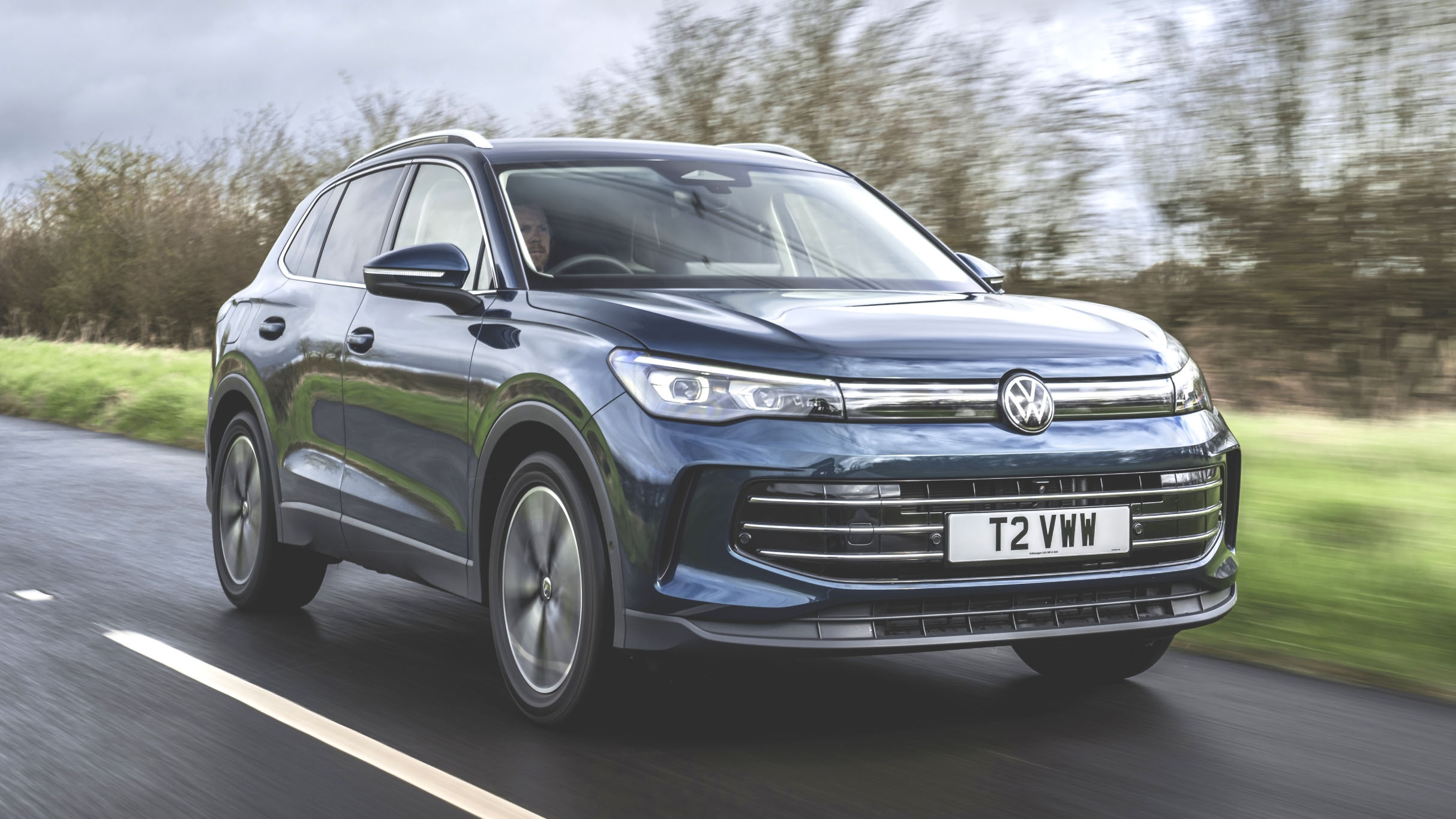
The Volkswagen Tiguan stands out in the compact SUV class for its roomy interior and refined European character. Once available with a third-row seat, the latest version now prioritizes comfort and cargo space for five passengers. It delivers the solid craftsmanship and composed driving dynamics that make it one of the more premium-feeling vehicles in its category.
The Tiguan’s cabin emphasizes space, quality, and practicality. Front headroom measures 39.6 inches, while the rear offers 38.9 inches. Legroom is generous at 40.2 inches in the front and 38.7 inches in the back. Cargo capacity stands at 37.6 cubic feet behind the rear seats and expands to 65.3 cubic feet with them folded.
Inside, the materials feel upscale, with supportive seats designed for long trips. Available features such as heating, ventilation, and a ten-point massage system enhance comfort in higher trims. The climate control system is strong and easy to adjust using well-placed controls.
Steering wheel buttons and large touch targets make it simple to manage settings while driving. Rear passengers enjoy heated seats and separate climate controls in the SEL R-Line trim, along with plenty of space for taller occupants. Wide-opening doors make entry and exit easy, and child seat anchors are accessible and positioned for convenience.
Volkswagen boosted the Tiguan’s power output and trimmed its weight to improve performance. The turbocharged 2.0-liter engine reaches 60 mph in about 8.7 seconds.
Acceleration from a standstill feels restrained due to a transmission tuned for smoothness rather than quick response, but once moving, power delivery is steady. Handling is one of the Tiguan’s highlights, offering balanced steering and confident cornering uncommon in this class.
Braking distances are slightly longer than average, stopping from 60 mph in 132 feet. The suspension provides a composed ride even on rough pavement, maintaining stability and comfort. Standard IQ.Drive driver aids include adaptive cruise control, lane keeping assistance, and automatic emergency braking. While the lane-keeping feature can allow minor drifting, the system contributes to a sense of reassurance.
Technology takes center stage with a 12.9-inch touchscreen on most trims and a larger 15-inch display on the SEL R-Line. Both versions are user-friendly, with fast responses, large icons, and clear graphics. Wireless Apple CarPlay and Android Auto are standard, and the vertical wireless charging pad keeps devices secure.
Storage options are abundant, with large door bins, a deep center console, and clever cubbies throughout the cabin. The low cargo floor simplifies loading, and quick-release seatback handles make expanding storage easy. Towing capacity reaches 1,500 pounds, typical for the class.
Each Tiguan trim offers strong value with generous standard features such as a digital instrument cluster, dual-zone climate control, and advanced driver aids. The SEL R-Line adds real wood trim and massaging seats, delivering near-luxury comfort for a reasonable price. The warranty coverage is shorter than class leaders, but still adequate.
Fuel economy reaches 25 mpg combined with all-wheel drive and up to 29 mpg for front-wheel-drive models, making it efficient for a vehicle of this size.
The Volkswagen Tiguan blends premium craftsmanship, cutting-edge technology, and spacious design into a refined compact SUV. Its quiet cabin, confident handling, and attention to detail make it a strong choice for drivers seeking everyday comfort with a hint of European sophistication.
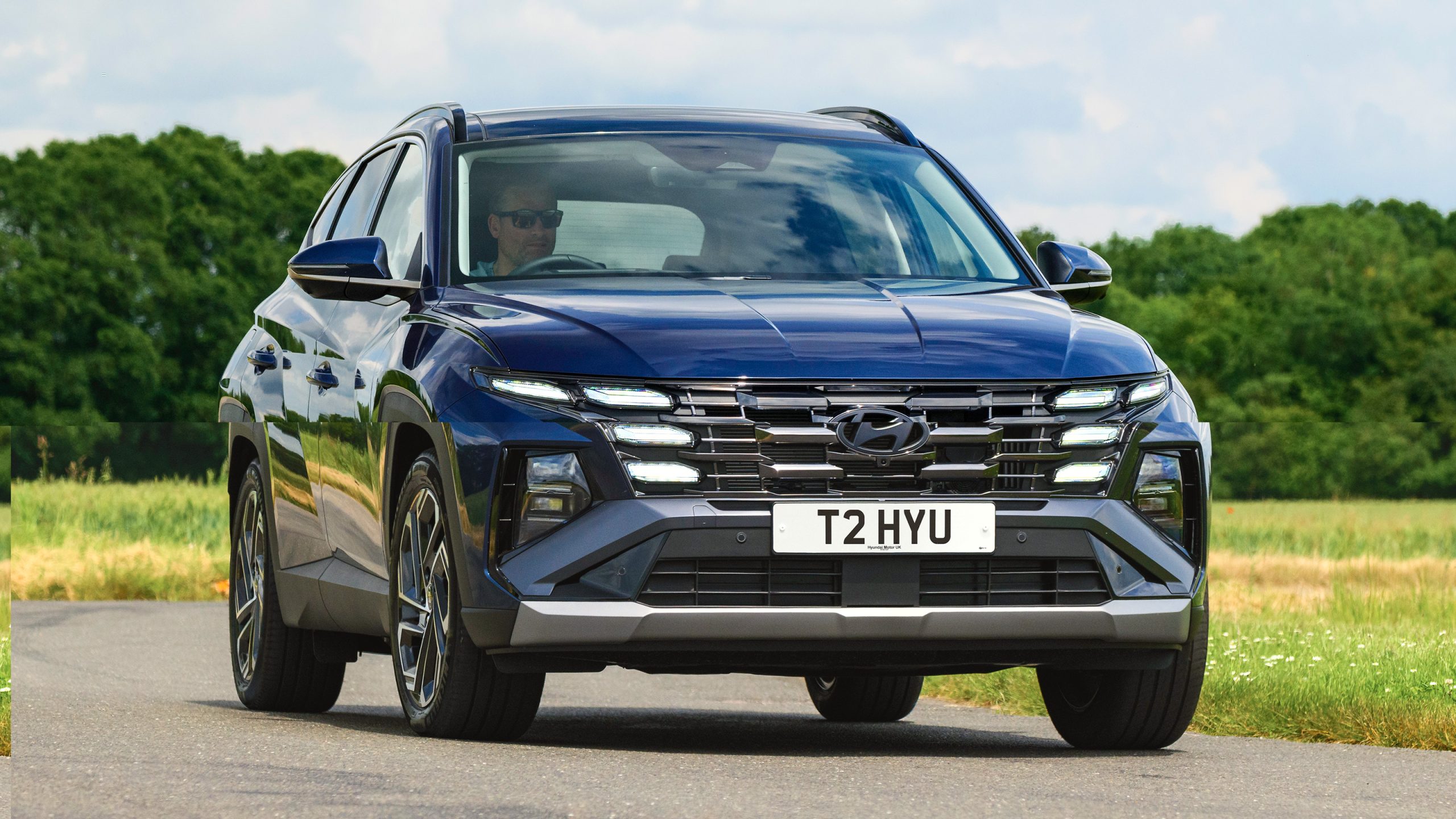
8. Hyundai Tucson: Comfort, Style, and Practicality in One Package
The Hyundai Tucson continues to impress with its balanced blend of comfort, technology, and value. While mostly unchanged for the latest model year, it now features minor packaging updates and trim adjustments.
The N Line version is offered only as a hybrid, giving it extra performance and efficiency. With its spacious cabin, modern features, and sleek styling, the Tucson stands among the top compact SUVs for daily use.
Inside, the Tucson feels refined and spacious. Front headroom measures 40.1 inches, while rear passengers enjoy 39.5 inches. Legroom is nearly identical between rows, at 41.4 inches in the front and 41.3 inches in the back, ensuring comfort for all occupants. Cargo capacity is generous at 38.7 cubic feet behind the rear seats and 74.8 cubic feet with them folded flat.
The cabin feels premium, particularly in the Limited trim. The front seats are soft yet supportive, featuring power lumbar adjustment, heating, and plush upholstery that feels more luxurious than expected.
The seating position gives a car-like feel with enough height for a clear road view. Large doors make entry easy, and the rear seats recline for added relaxation. Families will appreciate the rear seat space, which easily accommodates child seats thanks to accessible LATCH anchors.
The only drawback is Hyundai’s reliance on touchscreen controls for most functions. The lack of physical buttons can make simple adjustments less convenient.
The Tucson’s 2.5-liter four-cylinder engine provides modest power and requires 10.2 seconds to reach 60 mph. It performs adequately for city driving but lacks urgency during quick acceleration. Despite the slow pace, the steering is direct and the suspension absorbs bumps with ease, giving the Tucson one of the most comfortable rides in its class.
Visibility is excellent thanks to thin roof pillars and a wide windshield. Hyundai’s suite of driver aids, including adaptive cruise control and blind-spot monitoring, functions smoothly. Parking sensors are helpful, though their frequent alerts can become annoying in tight spaces.
Technology is a strong point for Tucson. The 12.3-inch touchscreen is crisp, responsive, and supports wireless Apple CarPlay and Android Auto. The navigation system is simple to follow, and the voice recognition software works reliably without rigid prompts.
Storage space is abundant, both in the cargo area and the cabin. The flat load floor and low liftover height make it easy to load bulky items. Smaller storage solutions, like large cupholders and deep door bins, add everyday convenience.
The Tucson delivers strong value with upscale materials and a long list of standard features. It rivals the Honda CR-V and Toyota RAV4 in price while offering a more refined cabin. Hyundai also provides one of the best warranties in the industry, with five years or 60,000 miles of basic coverage and ten years or 100,000 miles for the powertrain.
Fuel economy is rated at 25 mpg combined with all-wheel drive, which matches closely with real-world performance. While not class-leading, the efficiency is acceptable for a non-hybrid compact SUV.
The Hyundai Tucson combines expressive design, advanced technology, and excellent comfort to create a well-rounded compact SUV. Its engine performance may fall short of expectations, but the interior quality, thoughtful features, and generous space make it a standout choice for families and commuters seeking everyday practicality with a touch of sophistication.
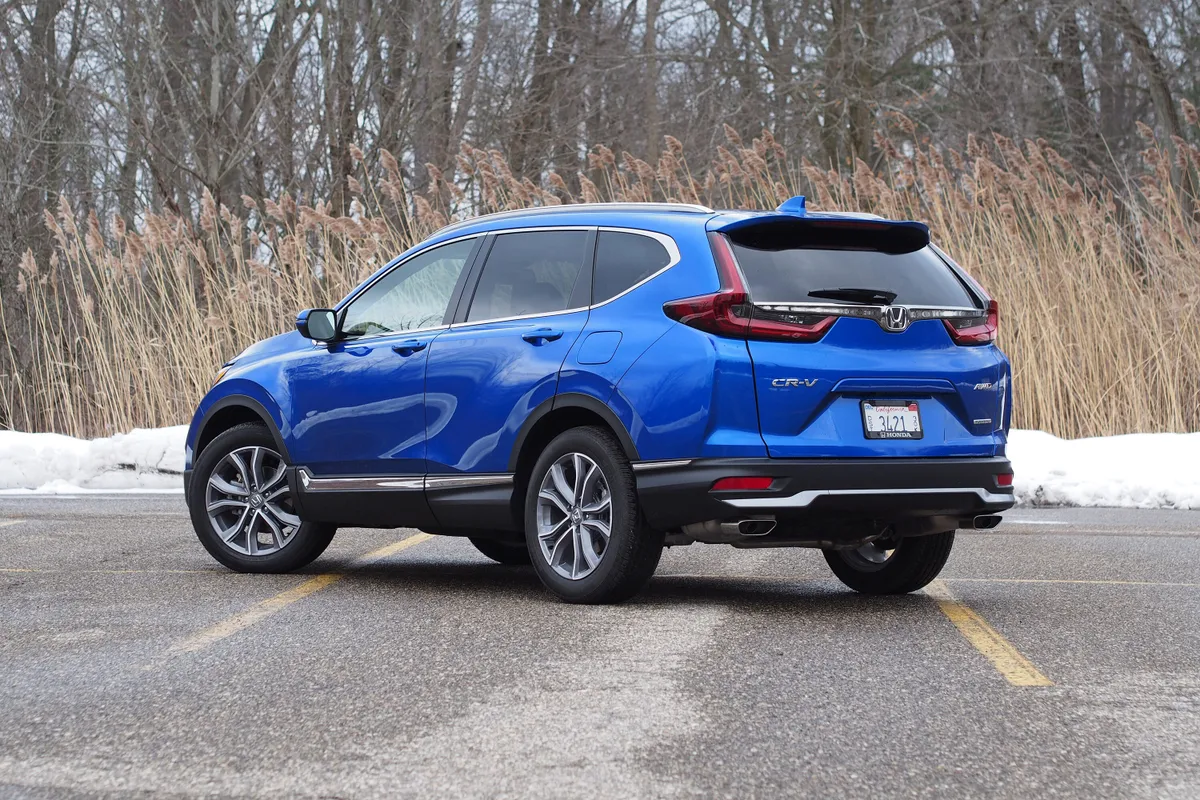
9. Honda CR-V: A Family SUV That Prioritizes Comfort and Practicality
The Honda CR-V remains one of the top-selling compact SUVs, known for its comfort, reliability, and smart design. With six trim levels and the choice between front- or all-wheel drive, the CR-V continues to set the standard for what a family SUV should be. It combines strong space efficiency with composed driving manners, creating a dependable daily driver that feels larger and more upscale than its size suggests.
The CR-V’s spacious layout gives it an edge in the compact SUV category. Front and rear headroom both measure 38.2 inches, while legroom is generous at 41.3 inches in the front and 41.0 inches in the rear. Cargo capacity reaches 39.3 cubic feet behind the second row and an impressive 76.5 cubic feet with the seats folded.
Inside, the design focuses on comfort and practicality. Heated front seats, a moonroof, and wireless charging are available features that enhance convenience. The cabin feels open and inviting thanks to large windows and wide door openings.
Rear passengers benefit from excellent legroom and easy access, making the CR-V a great choice for families with small children or tall adults. The seats are well-shaped for long trips, and all controls are logically placed with simple, physical buttons for essential functions.
The Honda CR-V is not built for speed but provides a composed, confident driving feel. The hybrid Sport Touring trim accelerates from 0 to 60 mph in 8.0 seconds, while the standard 1.5-liter turbo engine offers similar performance. Both engines provide smooth power delivery suitable for daily driving.
The hybrid’s regenerative braking system feels natural, and the steering gives the driver a clear sense of control. Ride quality is another highlight, balancing comfort with stability through corners.
Visibility is strong up front, though rearward sightlines are limited. Advanced driver aids like adaptive cruise control and lane-keeping assist work effectively, though competitors provide more advanced systems.
The infotainment setup is simple and responsive, with a standard 9-inch touchscreen that supports wireless Apple CarPlay and Android Auto. While the system is smaller than some rivals, it remains intuitive. Wireless charging and multiple USB ports come standard on most trims.
Cargo space is a CR-V strength, offering one of the largest storage areas in the class. Interior storage is practical, with deep cupholders, a generous center bin, and large door pockets for everyday items.
The CR-V’s solid construction and refined ride justify its slightly higher price tag. Cabin materials balance durability with sophistication, though some hard plastics remain. Fuel efficiency is a key advantage, with non-hybrid models rated up to 30 mpg combined and hybrid versions reaching 40 mpg. Real-world results average slightly lower but are still respectable.
The Honda CR-V may not be flashy, but its understated design, well-sorted handling, and thoughtful layout make it one of the most dependable and well-rounded compact SUVs available. It continues to deliver the qualities buyers value most: space, comfort, and consistency, making it a benchmark in its class.
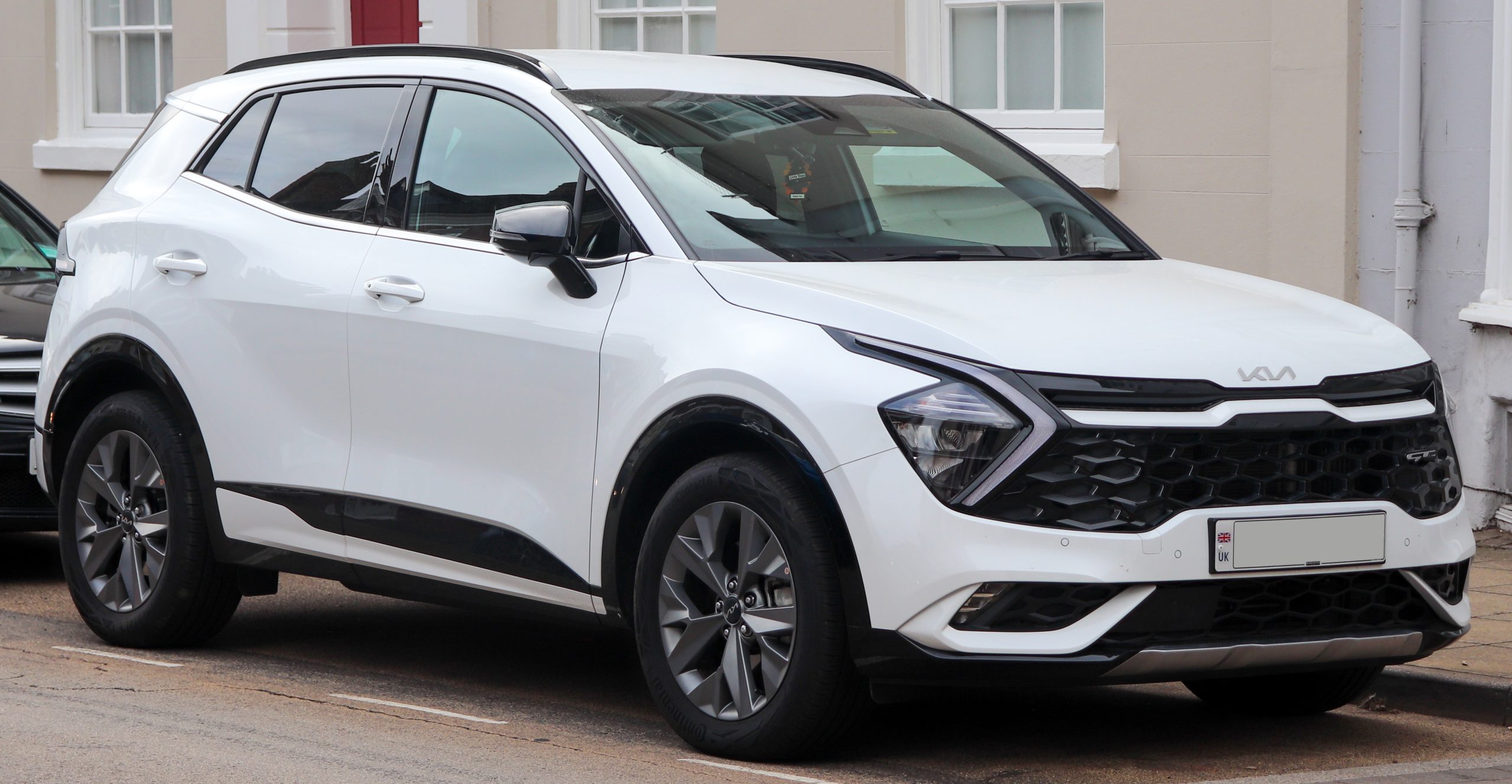
10. Kia Sportage: Spacious Design with Advanced Comfort and Technology
The Kia Sportage stands out in the compact SUV category for its generous space, strong feature list, and bold design. Redesigned recently, it combines practicality with style, offering a roomy interior that meets the needs of both families and commuters. With a rear cargo volume of 39.6 cubic feet and up to 74.1 cubic feet when the rear seats are folded, it ranks among the most spacious options in its class.
Inside, the Sportage offers outstanding passenger room with 41.4 inches of legroom in the front and 41.3 inches in the rear. Headroom measures close to 40 inches throughout the cabin, and wide doors make entry and exit simple.
The EX trim with front-wheel drive provides a balanced mix of value and comfort, featuring push-button start, dual-zone automatic climate control, and synthetic leather upholstery. Higher trims add heated and ventilated front seats that enhance comfort in both warm and cold conditions.
Kia has focused on keeping the cabin quiet, with good sound insulation that limits outside noise even at higher speeds. The interior layout feels modern and functional. The touch-sensitive control panel allows drivers to switch between climate and media functions, which creates a sleek appearance, though some may prefer more traditional buttons.
Performance is not the Sportage’s strongest area. The standard gas engine feels underpowered, requiring more than 9.5 seconds to reach 60 miles per hour. The hybrid version is a better performer and is worth considering for those who want quicker acceleration. The suspension provides a smooth and comfortable ride, easily absorbing rough roads. Steering is precise, and braking is confident and predictable.
Visibility is excellent because of the large windows, and the available surround-view camera system gives a clear look at the vehicle’s surroundings when parking. Advanced safety and driver assistance features such as adaptive cruise control, blind-spot warning, and parking assist all work well in real-world conditions.
Technology is a highlight of the Sportage. Wireless Apple CarPlay and Android Auto come standard, along with a 12.3-inch infotainment display and a digital instrument cluster. Multiple USB-A and USB-C ports are available in both rows to keep devices charged.
Storage space is another strong point. Clever retractable cupholders and a flexible center console add convenience. The flat cargo floor makes loading easier, and the Sportage can tow up to 2,500 pounds when properly equipped.
The Sportage delivers strong value through a premium interior, a long list of standard features, and excellent warranty coverage. Kia provides five years or 60,000 miles of basic coverage and ten years or 100,000 miles on the powertrain.
Fuel economy averages 26 miles per gallon in mixed driving, which matches EPA estimates. While not the quickest or most efficient SUV, the Sportage excels in comfort, space, and technology, making it a practical and appealing compact SUV.
The compact SUV market is more competitive than ever, but certain models manage to rise above the crowd by offering a driving experience that feels larger, more luxurious, and more capable than their dimensions would suggest.
Each entry in “10 Compact SUVs That Feel Bigger Than They Are” demonstrates how thoughtful design, advanced technology, and clever use of space can transform a small footprint into a surprisingly roomy and refined ride.
Whether you prioritize comfort, performance, off-road ability, or premium features, there’s a compact SUV that fits your lifestyle without sacrificing maneuverability or efficiency.
From the bold Mazda CX-50 to the versatile Honda CR-V and high-tech Hyundai Tucson, these vehicles prove that you don’t need to go big to feel big. They embody the best of modern automotive design, delivering practicality, confidence, and comfort in every drive.