
In 2025, classic and modern-classic sports cars are having a major moment in the U.S. automotive scene.
Car enthusiasts are rediscovering the joy of wrenching on analog machines, restoring them to their former glory, and reviving the soul of motoring in an era dominated by electric and semi-autonomous vehicles.
But restoration isn’t cheap parts, labor, and time can easily add up to more than the car’s resale value if you’re not careful. That’s why choosing the right project is crucial.
Some sports cars are absolutely worth the blood, sweat, and dollars, while others are financial traps dressed in nostalgia. Here’s a smart look at five sports cars worth restoring in 2025, and five that simply aren’t.
Sports Cars Worth Restoring in 2025
There’s something special about bringing a classic sports car back to life, the blend of nostalgia, craftsmanship, and pure driving joy makes restoration one of the most rewarding projects an enthusiast can take on.
As 2025 rolls around, a new wave of sports cars is hitting that sweet spot where value, parts availability, and collectibility align perfectly. Whether you’re drawn to 1990s icons, early-2000s performance machines, or overlooked gems from decades past, these are the sports cars worth restoring this year.
1. Mazda RX-7 (FD Generation, 1992–2002)
Few cars capture the spirit of 1990s Japanese performance like the third-generation Mazda RX-7. Its rotary engine is a double-edged sword a finicky but exhilarating piece of engineering.
Enthusiasts who understand how to maintain or rebuild it know that a properly tuned RX-7 delivers a razor-sharp driving experience that feels timeless.
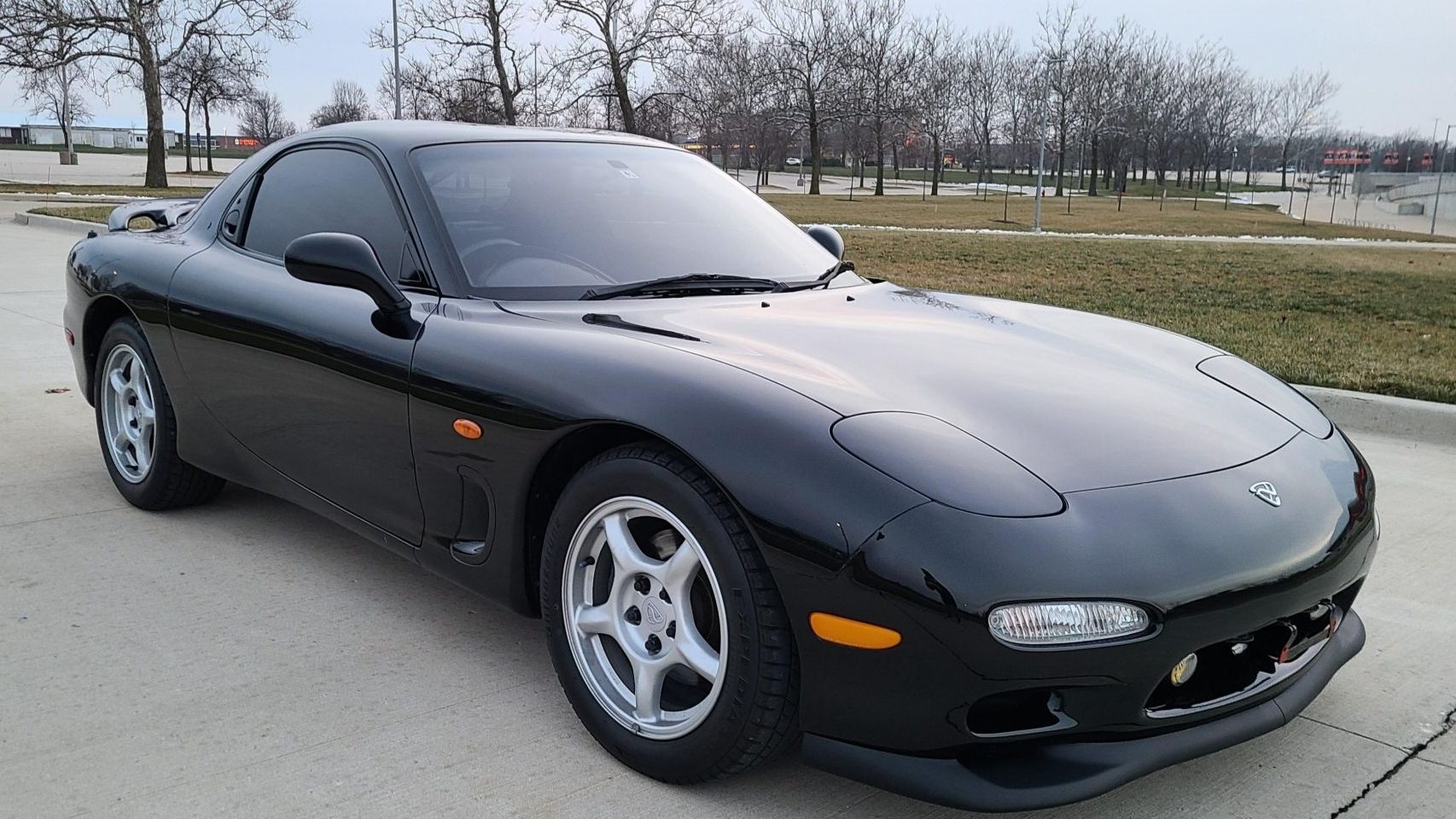
Parts availability is improving thanks to Mazda’s Heritage Program, and aftermarket support remains robust in the U.S. market. The RX-7’s value has steadily climbed over the past few years, making it not just an emotional project but a smart long-term investment.
Restoring one properly in 2025 means you’re preserving a symbol of lightweight, balanced perfection that few modern cars can replicate.
2. Porsche 944 Turbo (1986–1991)
The 944 Turbo remains one of the most underappreciated Porsches from the 1980s. Built with German precision and balanced beautifully thanks to its front-engine, rear-transaxle layout, it’s a joy on winding roads.
Restoration costs are manageable compared to air-cooled 911s, and parts are still accessible through both Porsche and aftermarket suppliers.
The 944 Turbo’s blend of reliability, performance, and growing collector interest makes it a worthy project. A properly restored example is starting to gain attention among U.S. collectors looking for affordable entry points into the Porsche world.
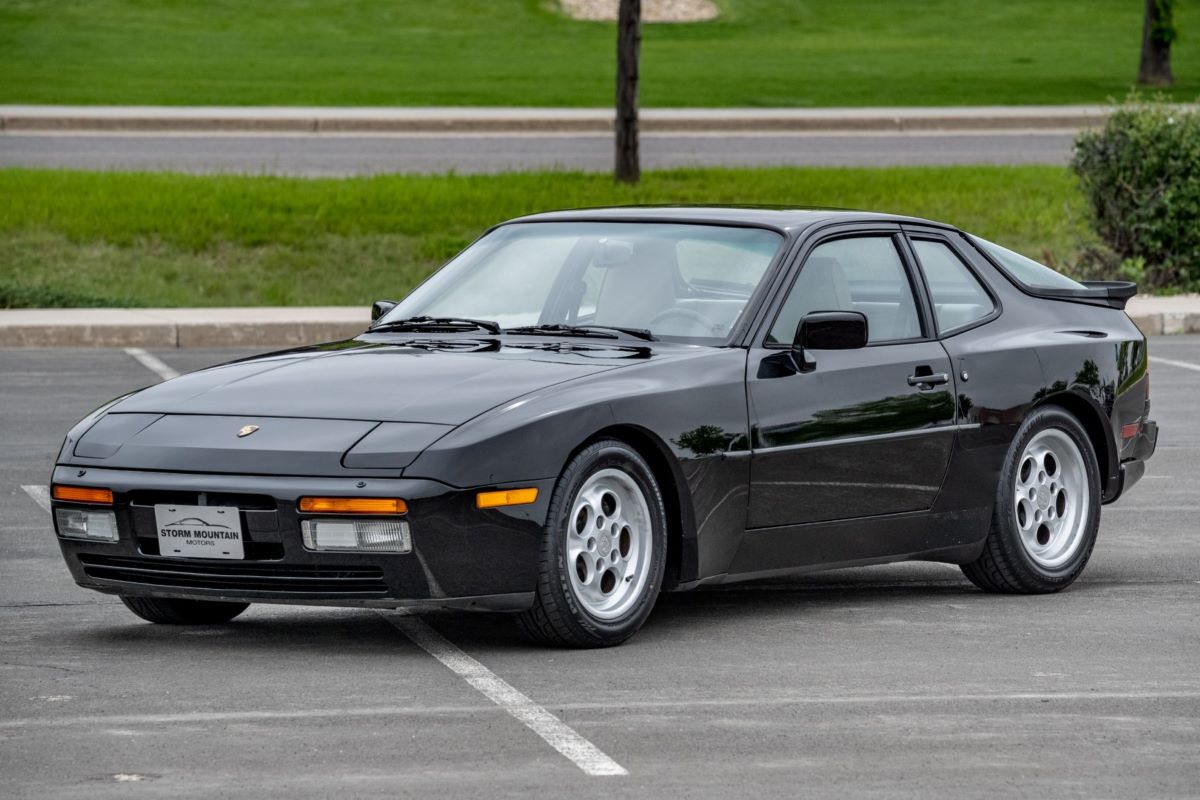
This top-of-the-line Turbo model comes powered by the M44/52 2.5-liter inline four-cylinder turbocharged engine, producing 250 horsepower and 258 lb-ft of torque. Thanks to a larger K26-8 turbocharger housing and revised engine tuning, the Turbo S delivers 30 more horsepower than the standard 944 Turbo.
Power is sent to the rear wheels through a 5-speed manual transaxle paired with a limited-slip differential, enabling a 0–60 mph sprint in about 5.5 seconds and a factory-rated top speed of 162 mph.
Additionally, the Turbo S is fitted with upgraded front brakes from the 928 S4 and the M030 suspension package, which includes adjustable Koni shocks, progressive-rate springs, larger torsion and anti-roll bars, firmer bushings, and enhanced chassis tuning.
3. Toyota Supra Mk4 (1993–2002)
The Mk4 Supra has become legendary thanks to its bulletproof 2JZ engine and pop culture fame from The Fast and the Furious. Prices for pristine models are already sky-high, but partially neglected or non-turbo variants still present a chance for restoration enthusiasts.
Toyota’s renewed interest in heritage parts ensures that restoring one is more feasible than ever before.
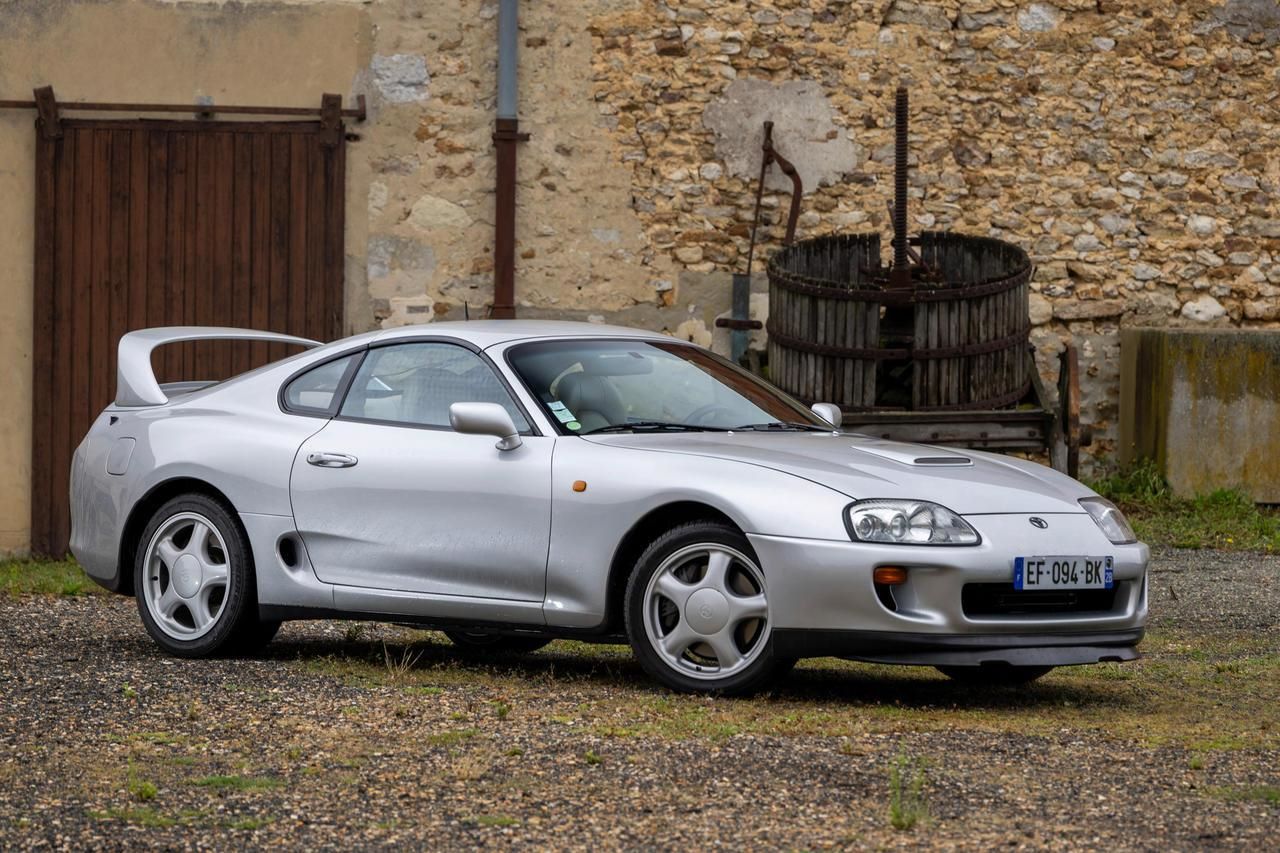
A properly rebuilt Supra with OEM or tasteful upgrades can fetch serious money, and more importantly, deliver one of the most rewarding driving experiences of any 1990s performance car.
In 2025, the Supra isn’t just a collectible it’s a cultural artifact that continues to define Japanese performance excellence.
Also Read: Top 10 Cars That Outlive Their Luxury Competitors
4. Chevrolet Corvette C3 (1968–1982)
Once overlooked, the C3 Corvette is finally enjoying a well-deserved comeback. With its long hood, aggressive stance, and unmistakable American flair, the C3 represents a golden era of raw muscle and character.
The U.S. restoration community for these cars is huge, with parts, support, and expertise readily available.
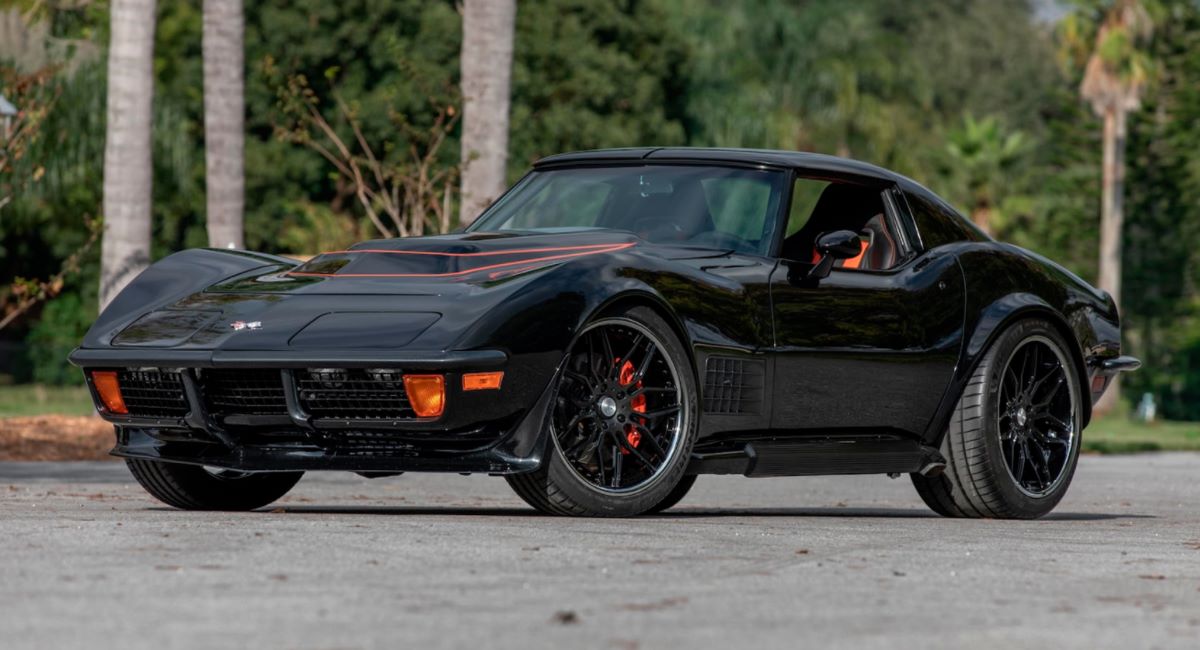
Early chrome-bumper models and big-block variants offer the best return on investment. Restoring a C3 in 2025 isn’t just about performance it’s about reviving an icon of American freedom and design.
The 1975 Chevrolet Corvette C3 Coupe Stingray 350 V8 represents the third generation of America’s iconic sports car, updated for the mid-1970s. Under the hood, it features the GM Chevrolet Small-Block V8 350 L48 engine, a 5.7-liter (5733 cm³) naturally aspirated V8 paired with a Rochester Quadrajet 4-barrel carburetor.
This setup delivers 182 PS (180 HP / 134 kW) at 4000 rpm and 366 Nm (269 lb-ft) of torque at 2400 rpm. Power is sent to the rear wheels through a 4-speed manual transmission, allowing the Stingray to sprint from 0 to 60 mph in 8.2 seconds and reach a top speed of 132 mph (212 km/h).
The C3 Stingray’s dimensions emphasize its low, aggressive stance, measuring 470.4 cm in length, 175.2 cm in width, and just 121.9 cm in height, with a 248.9 cm wheelbase.
Weighing in at 1605 kg (3538 lbs), it maintains a weight-to-power ratio of 8.8 kg per horsepower. Fuel economy wasn’t its strong suit, but the 68-liter (18-gallon) fuel tank provided decent range for long highway cruises. With its sleek fiberglass body, front-engine layout, and signature long-nose design, the 1975 Corvette Stingray remains a classic symbol of American performance — even as tightening emissions rules of the era began to tame its raw muscle.
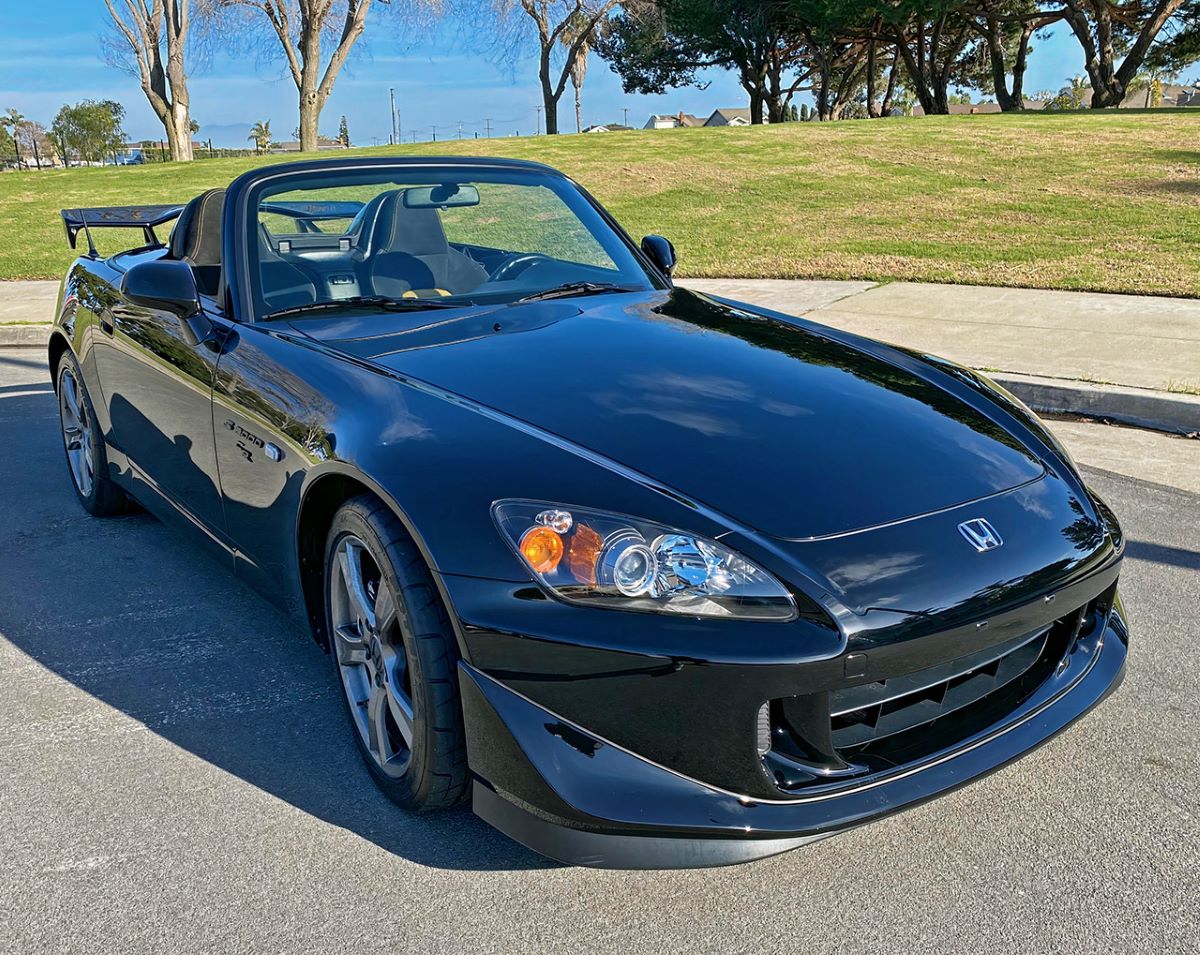
5. Honda S2000 (1999–2009)
The Honda S2000 remains one of the last truly analog roadsters, and its reputation only grows stronger as time passes.
With a screaming 9,000 RPM redline, precise six-speed manual, and bulletproof reliability, it’s the perfect restoration candidate for weekend enthusiasts.
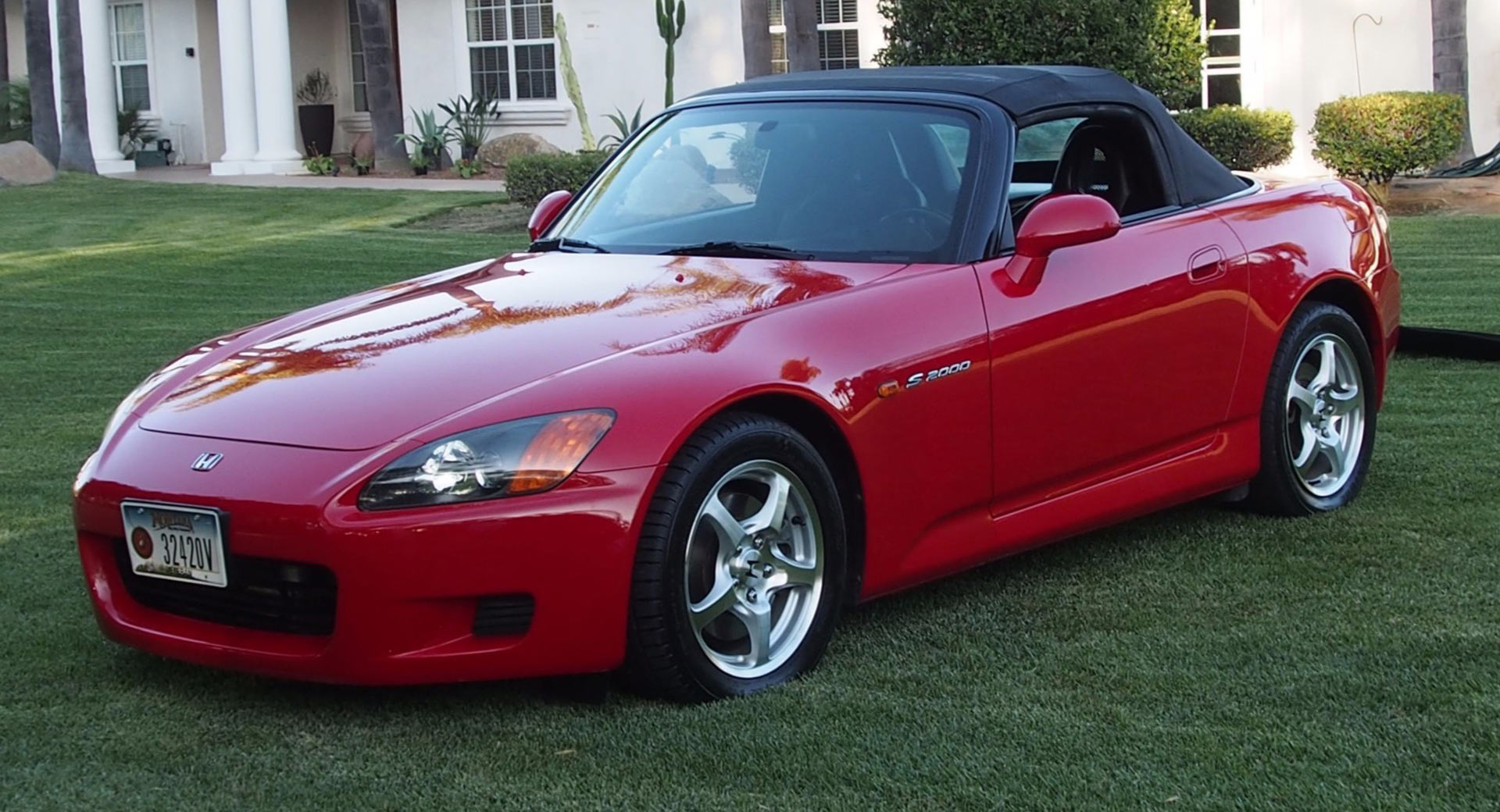
While clean examples are becoming rare, a project S2000 with some wear can be brought back to life relatively easily. Honda’s build quality means you’re often restoring cosmetics rather than major mechanicals.
In 2025, with EVs dominating city streets, the S2000 stands as a reminder of what true driver engagement feels like light, balanced, and pure.
It all comes down to that small red button. Situated on the left side of the driver’s console and marked “engine start,” this button is a clear nod to the racing pedigree that defines the S2000 roadster.
Honda’s open-top, two-seat roadster draws inspiration from the SSM concept car, which made its debut at the 1995 Tokyo Motor Show. Built with pure driving enjoyment in mind, the S2000 features a front-engine, rear-wheel-drive setup.
True to Honda’s performance legacy, it integrates a host of advanced technologies, many of which are expected to trickle down into more affordable models over time.
At the heart of the S2000 lies a 2.0-liter DOHC four-cylinder engine featuring an enhanced version of Honda’s VTEC system, capable of adjusting both valve timing and valve lift. This setup enables the engine to deliver peak performance without sacrificing daily drivability.
The numbers speak volumes about Honda’s engineering excellence: 240 horsepower at 8,300 rpm and 153 pound-feet of torque at 7,500 rpm.
Turn the key, tap the red button, and the engine roars to life, boasting the highest specific output, 120 horsepower per liter, of any naturally aspirated mass-production engine in the world. It revs effortlessly to an astonishing 8,900 rpm redline and still manages to meet low-emission vehicle standards.
Power is sent to the rear wheels through a six-speed close-ratio manual transmission, refined for 2002 to deliver smoother and quieter shifts. As expected from Honda, the shifter offers an exceptional feel with tight, short throws. A Torsen limited-slip differential comes standard, ensuring optimal traction and balance.
Handling is another area where the S2000 shines, showcasing Honda’s engineering finesse. Its ultra-rigid chassis achieves a perfect 50/50 weight distribution, while its suspension and steering systems are purpose-built for precision.
The double-wishbone suspension features a racing-inspired “in-wheel” design, and instead of a traditional hydraulic setup, the car employs electrically assisted power steering for enhanced responsiveness.
Aesthetically, the S2000’s compact, angular design gives it a distinctly modern look. The power-operated convertible top now includes a glass rear window with an integrated defroster, a welcome upgrade for 2002. Midway through the 2001 model year, Honda also introduced an optional aluminum hardtop compatible with all S2000s.
There’s only one S2000 trim, but it comes well-equipped with 16-inch wheels, high-intensity discharge headlights, and an array of safety features.
Honda designed the body structure to absorb crash energy effectively and included seatbelts with pre-tensioners and load limiters, dual airbags, and roll bars for additional protection. The cabin comes standard with leather seats, air conditioning, a CD audio system, and a digital instrument cluster.
As a sports roadster, the S2000 offers an enticing alternative to the Audi TT, BMW Z3, Mercedes-Benz SLK, and Porsche Boxster. Among these, it stands out as the most performance-focused.
While it may lack the daily comfort or brand prestige of its European rivals, the S2000 delivers a purer, more visceral driving experience, one that truly captures the essence of an enthusiast’s car.
Also Read: 10 Classic Cars Perfect for Restoration Projects to Revive Automotive History
Sports Cars That Aren’t Worth Restoring in 2025
Not every old sports car deserves a second chance. While some classics gain value and admiration with age, others simply don’t justify the time, effort, and money it takes to bring them back to life.
Whether it’s because of scarce parts, weak performance, or low resale value, certain models are better left as memories rather than restoration projects. As we head into 2025, here are the sports cars that just aren’t worth restoring.
1. Nissan 300ZX Twin Turbo (Z32, 1990–1996)
The 300ZX looks incredible and performs well when in perfect condition, but restoring one is often a nightmare. The twin-turbo VG30DETT engine is crammed into a tight bay, making every maintenance task a time-consuming ordeal.
Parts for certain trim levels are scarce and expensive, especially OEM electronics and interior pieces. Many examples have been modified poorly over the years, making it even harder to bring them back to stock condition.
Unless you have deep pockets and deep patience, restoring a Z32 in 2025 is rarely worth the headache.
The Nissan 300ZX Z32 Twin Turbo, produced between 1990 and 1996, represents one of Nissan’s most iconic performance machines. As part of the Z32 generation, this two-door sports car combined sleek, modern design with cutting-edge engineering for its era, solidifying its place as a standout in the 1990s performance car scene.
Under the hood lies a 3.0-liter VG30DETT V6 engine with twin turbochargers, displacing 2960 cc (180.6 cu-in). It produces an impressive 283 PS (279 HP / 208 kW) at 6400 rpm and 375 Nm (276 lb-ft) of torque at 3600 rpm.
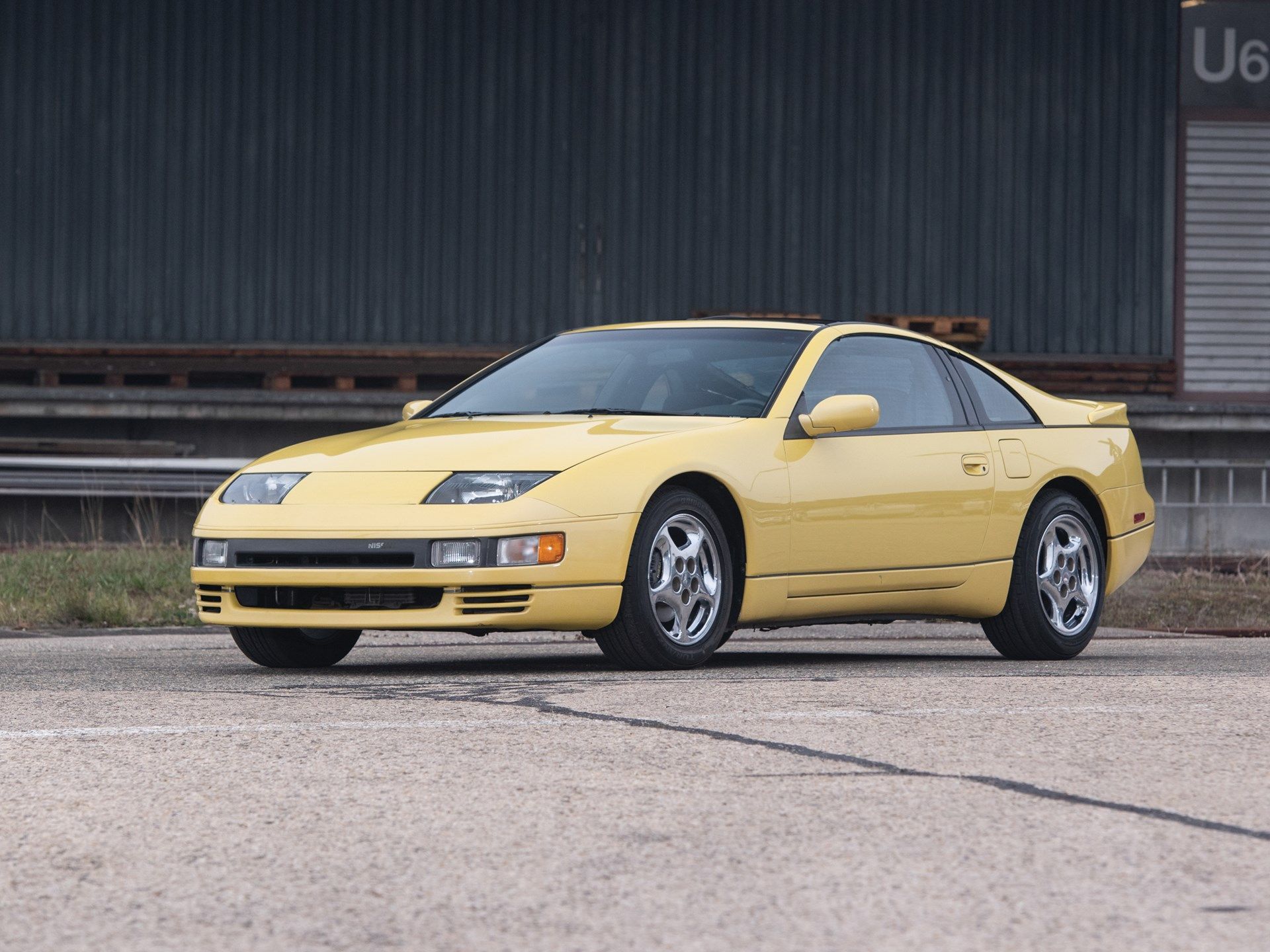
With a compression ratio of 8.5:1 and electronic fuel injection via Nissan’s ECCS system, this longitudinally mounted engine delivers both smoothness and responsiveness. The power is sent to the rear wheels through a 5-speed manual transmission, offering drivers a classic rear-wheel-drive experience that balances agility and power.
Performance figures were remarkable for its time. The 300ZX Twin Turbo can accelerate from 0 to 100 km/h (62 mph) in just 5.9 seconds and reach a top speed of 250 km/h (155 mph). Despite its performance focus, it maintained a respectable balance of efficiency, with a combined fuel consumption of 11.1 L/100 km (25 MPG UK / 21 MPG US).
On the highway, consumption dropped to 10.5 L/100 km (27 MPG UK / 22 MPG US), while open-road cruising yielded as low as 8.3 L/100 km (34 MPG UK / 28 MPG US). The fuel tank holds 72 liters (19 US gallons), giving the car a range of approximately 648 km (403 miles).
The car’s dimensions further highlight its grand touring intentions. It measures 452 cm (177.95 inches) in length, 180 cm (70.87 inches) in width, and 126 cm (49.61 inches) in height, with a wheelbase of 257 cm (101.18 inches).
At a curb weight of 1620 kg (3571 lbs), it achieves a power-to-weight ratio of 5.7 kg per horsepower. The design also prioritized aerodynamics, helping the 300ZX maintain stability and performance at high speeds.
Inside, the 300ZX offered a blend of driver-focused ergonomics and practicality, featuring a trunk capacity of 325 liters (11.5 cu-ft). While modest by today’s standards, the cabin design was ahead of its time, reflecting Nissan’s attention to detail and performance-oriented philosophy.
Overall, the Nissan 300ZX Z32 Twin Turbo remains a defining model in Nissan’s history, a car that successfully merged high performance, advanced technology, and timeless design into a package that continues to captivate enthusiasts decades later.
2. BMW Z3 (1996–2002)
While charming and fun to drive, the BMW Z3 doesn’t hold enough collector appeal to justify a full restoration. The base models with four-cylinder engines are plentiful, and even the six-cylinder variants haven’t appreciated much.
Restoring one often costs more than buying a clean example outright. The Z3’s appeal lies in weekend enjoyment, not long-term value, so light refurbishing makes more sense than a full restoration. In short, save your money and just find a well-kept one instead.
The BMW Z3, first introduced in 1996, has maintained unwavering popularity among both young drivers and seasoned enthusiasts. No matter where it goes, the Z3 seems to attract attention, onlookers are quick to ask about its performance and admire its curvaceous, timeless design.
For the 1998 model year, BMW expanded the lineup with the addition of the Z3 Coupe and the debut of the M Roadster, a high-performance variant built to challenge the Porsche 911 Cabriolet head-on.
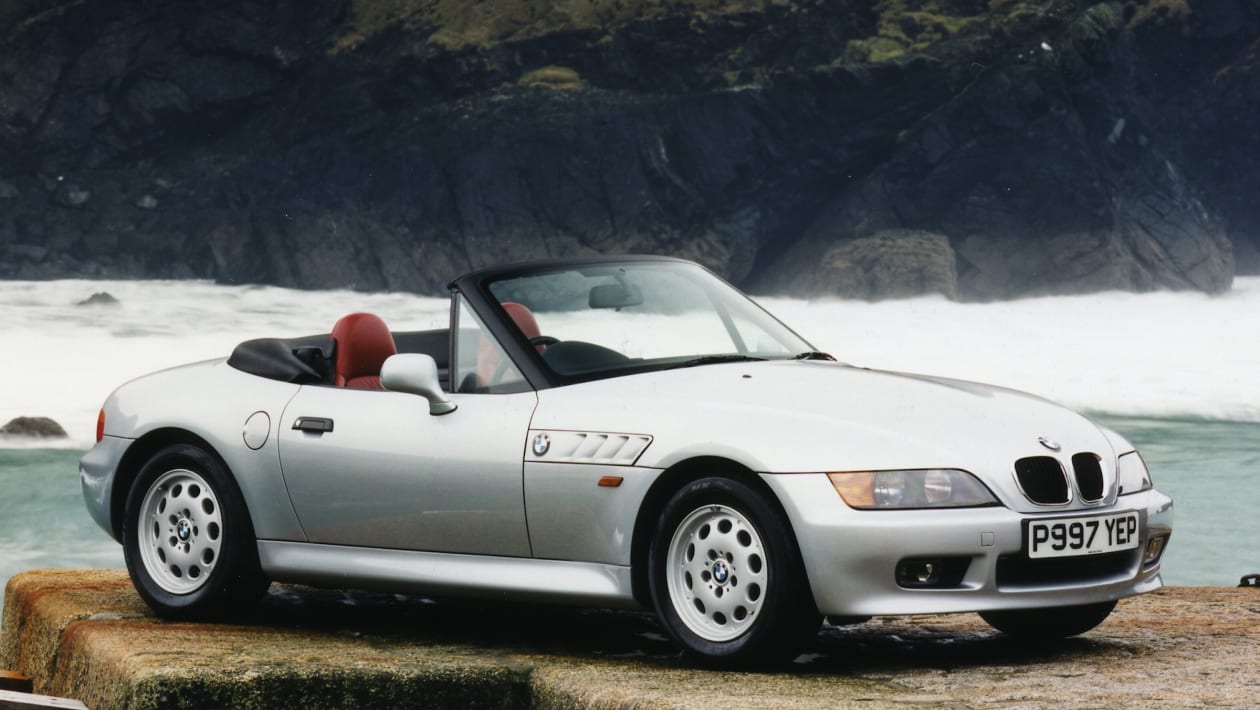
For starters, the Z3 delivers the pure joy of open-air motoring that recalls the spirit of classic European two-seaters like the MGA, MGB, and Triumph TR-6. For baby boomers who once owned those roadsters, the Z3 offers all the charm with far greater comfort, drivability, and reliability.
Younger buyers, meanwhile, are drawn to its unmistakable style and attainable price point. And, of course, the BMW badge carries its own prestige, symbolizing both spirited driving and solid engineering. Sharing its platform, engine, and many components with the 3-Series, the Z3 benefits from BMW’s proven blend of performance and safety.
Within the Edmunds editorial team, the Z3 has sparked plenty of friendly debate about its character. Some see it as BMW’s answer to the Mazda Miata, while others view it as a natural fit within BMW’s M division, an exciting, open-top sports car with genuine performance credentials. Regardless of perspective, everyone agrees on one thing: the Z3 is undeniably charming.
The 1998 BMW Z3 lineup is stronger than ever, with the introduction of high-performance coupe and roadster models adding more depth and appeal. For drivers who love the thrill of the road and don’t have backseat passengers to worry about, the Z3 remains an ideal choice, beautiful, engaging, and unmistakably BMW.
3. Dodge Stealth R/T Twin Turbo (1991–1996)
The Dodge Stealth, the American cousin of the Mitsubishi 3000GT, was a technological marvel in its day but that complexity is exactly what makes it a poor restoration candidate now.
With all-wheel drive, four-wheel steering, and a twin-turbo V6 packed into tight quarters, it’s a mechanical nightmare when something goes wrong.
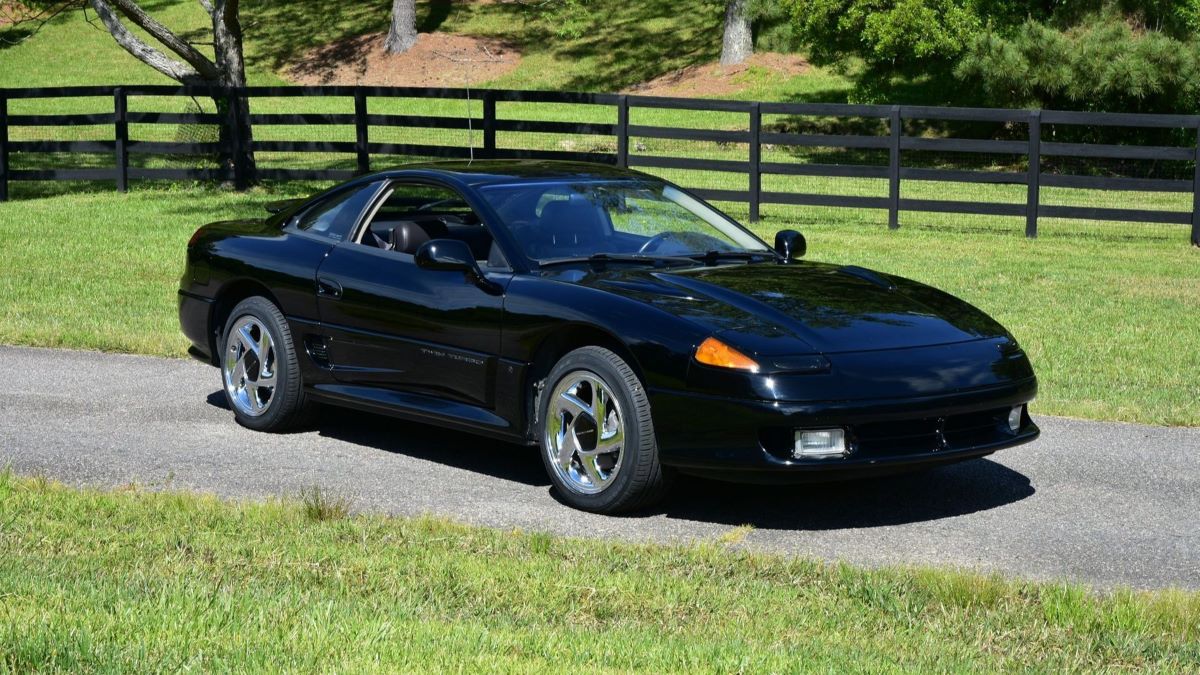
Replacement parts are nearly impossible to find, and most mechanics avoid working on them. Restoring one today is a passion project with little payoff, as the market demand remains weak compared to other ‘90s Japanese icons.
4. Jaguar XK8 (1996–2006)
The Jaguar XK8 is gorgeous, no doubt but restoring one is a risky financial move. The early models suffered from timing chain tensioner issues, poor electrical reliability, and interior components that age poorly.
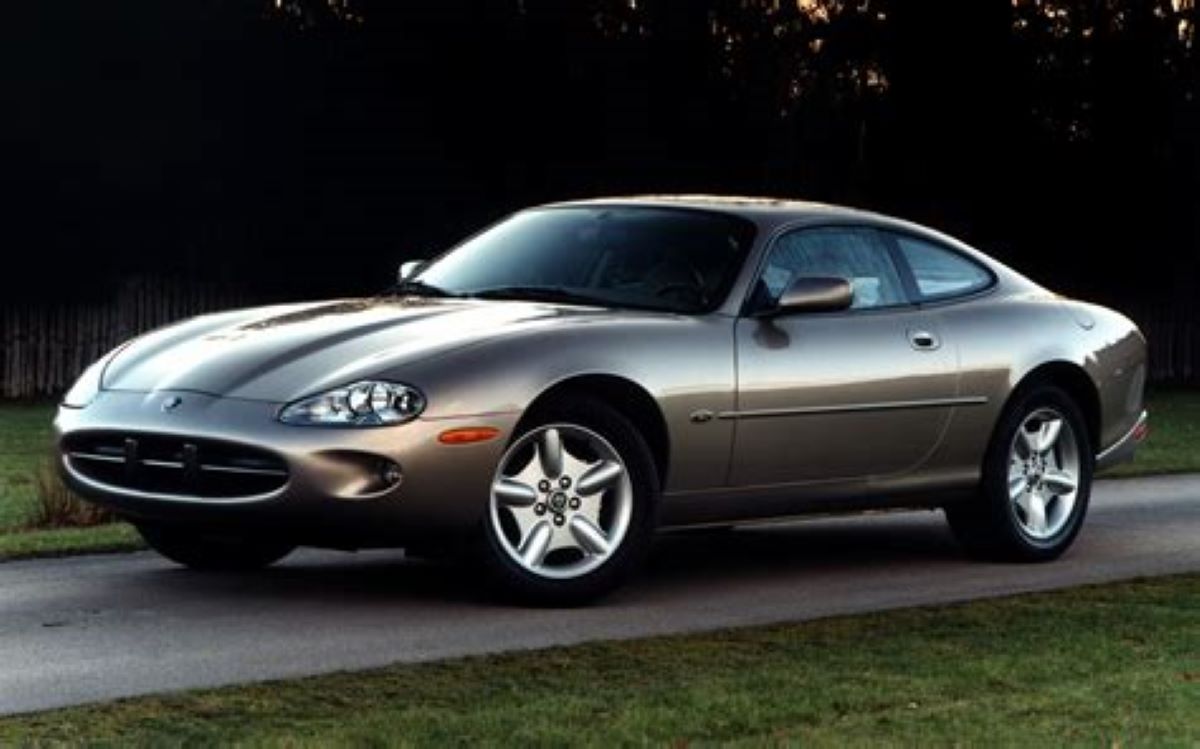
Even when restored, they rarely command high resale prices in the U.S. collector market.
They’re best appreciated as inexpensive weekend cruisers rather than long-term projects. Enthusiasts often find themselves pouring more money into repairs than the car will ever be worth.
The Jaguar XK8 replaced a legend, a car that had remained in production for an incredible 21 years before finally bowing out in 1996. That’s a remarkably long time for any vehicle to stay on the market, especially one in the luxury sports car segment.
But Jaguar made sure the wait was worth it with the introduction of the all-new XK8 in 1997. Beyond sharing the basic floor pan, everything about this car was redesigned from the ground up.
Take the engine, for example. The XK8 debuted Jaguar’s first-ever V8, an ultra high-tech, all-aluminum, dual overhead cam engine producing an impressive 290 horsepower and 284 lb-ft of torque.
This powerplant propels the car from 0 to 60 mph in under seven seconds. Paired with a refined five-speed automatic transmission, featuring Jaguar’s signature J-gate shifter, the drivetrain delivers smooth, confident performance that feels both powerful and effortless.
Inside, Jaguar completely rethought its approach to design and ergonomics. Gone are the awkwardly placed controls and difficult-to-read gauges of the past.
In their place is a driver-focused layout inspired by Jaguar’s racing heritage, ensuring everything is within easy reach. Yet, the brand didn’t abandon its traditional sense of luxury, the cabin still wraps occupants in rich Connolly leather and polished walnut trim, preserving the craftsmanship that defines a true Jaguar interior.
According to one of our test drivers who sampled the XK8 at a ride-and-drive event, this new grand tourer is an absolute joy behind the wheel.
Its smooth acceleration, precise steering, supple suspension, and fade-resistant brakes combine to deliver a driving experience that’s both dynamic and refined. Available as either a coupe or a convertible, the XK8 offers the kind of luxury and performance that’s guaranteed to make any enthusiast smile.
Perhaps the most significant aspect of the XK8, though, is what it represents for Jaguar’s future. With this model, the automaker demonstrates that it can embrace modern engineering and design while honoring its rich heritage. If this E-Type-inspired grand tourer is any indication, Jaguar’s next chapter promises to be every bit as exciting as its storied past.
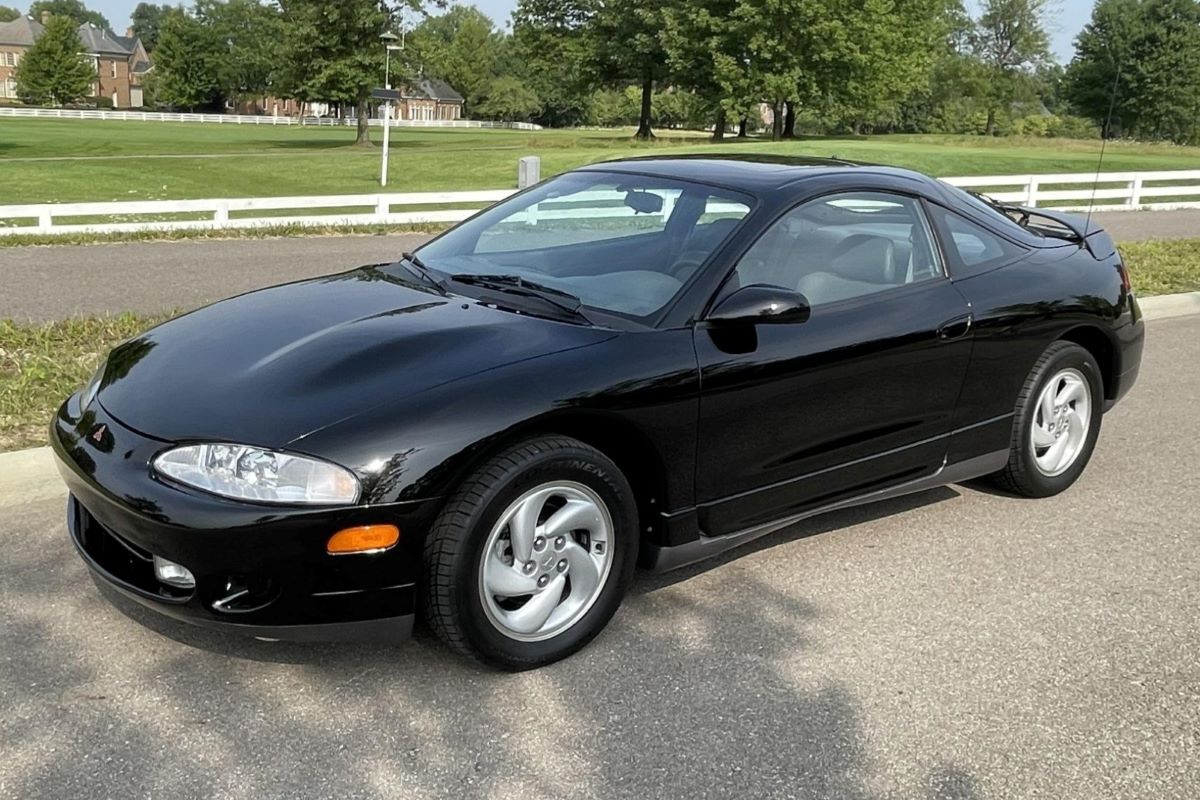
5. Mitsubishi Eclipse GSX (1995–1999)
The Eclipse GSX was a 1990s tuner favorite, but most surviving examples are either rusted out, heavily modified, or thrashed beyond repair.
Finding a clean starting point is difficult, and rebuilding the 4G63T powertrain can get expensive fast.
The Eclipse also doesn’t have the same collector appeal as Supras or RX-7s, so the resale market doesn’t justify a full restoration. While fun to drive when running well, it’s often better to buy a well-maintained one than try to bring a neglected example back to life.
Restoring a sports car in 2025 is about more than just bringing metal and rubber back to life it’s about reviving memories, emotions, and the feeling of connection between driver and machine.
Cars like the RX-7, Supra, and S2000 reward patience and passion, giving you a project that’s not only satisfying but financially sound in the long run.
On the other hand, overly complex or undervalued models like the Stealth or Eclipse can drain your wallet and enthusiasm before you ever hit the road.
Whether you’re building a garage hero or chasing a dream from your youth, the key is knowing where restoration pays off both in joy and in value. In today’s collector market, choosing wisely means the difference between owning a legend and living with a money pit.
