
The 1970s were a turning point for the automotive world a decade that saw both the golden glow of muscle car culture and the creeping shadows of emissions regulations and oil crises.
American automakers struggled to balance power, design, and efficiency, while European and Japanese brands began to carve out serious market share with reliability and precision engineering.
Today, cars from this era capture a fascinating moment in time part nostalgia, part evolution. But not every 1970s car is worth bringing back to life.
Some are genuine classics that appreciate in value and charm with every restored detail, while others are best left as forgotten relics.
Here’s a breakdown of five cars from the 1970s that are absolutely worth restoring and five that will likely drain your wallet and patience without much reward.
Cars From the 1970s Worth Restoring
Cars from the 1970s have a unique charm that combines classic styling, mechanical simplicity, and raw driving enjoyment. Many vehicles from this era are not only visually striking but also built to last, making them prime candidates for restoration projects.
Whether it’s the muscle cars with their thunderous V8s, European sports cars with precise handling, or practical American sedans with character, the 1970s offered a diverse range of vehicles that continue to captivate collectors and enthusiasts alike.
Restoring a car from this decade allows enthusiasts to relive the golden age of automotive design while preserving a piece of history. Many of these vehicles also have strong aftermarket support, which makes sourcing parts and customizing them for modern reliability or performance easier than ever.
Whether you’re drawn to raw muscle, refined European engineering, or iconic Japanese classics, the 1970s offer plenty of options for restoration. These cars provide not only a rewarding hands-on project but also the opportunity to drive a piece of automotive heritage that still turns heads on the road today.
1. 1970 Dodge Challenger R/T
The early ’70s Dodge Challenger R/T is the quintessential American muscle car aggressive, powerful, and timeless.
Offered with a variety of big-block V8s, including the legendary 426 Hemi and the 440 Six Pack, the Challenger embodied raw Detroit horsepower before regulations dulled the edge.
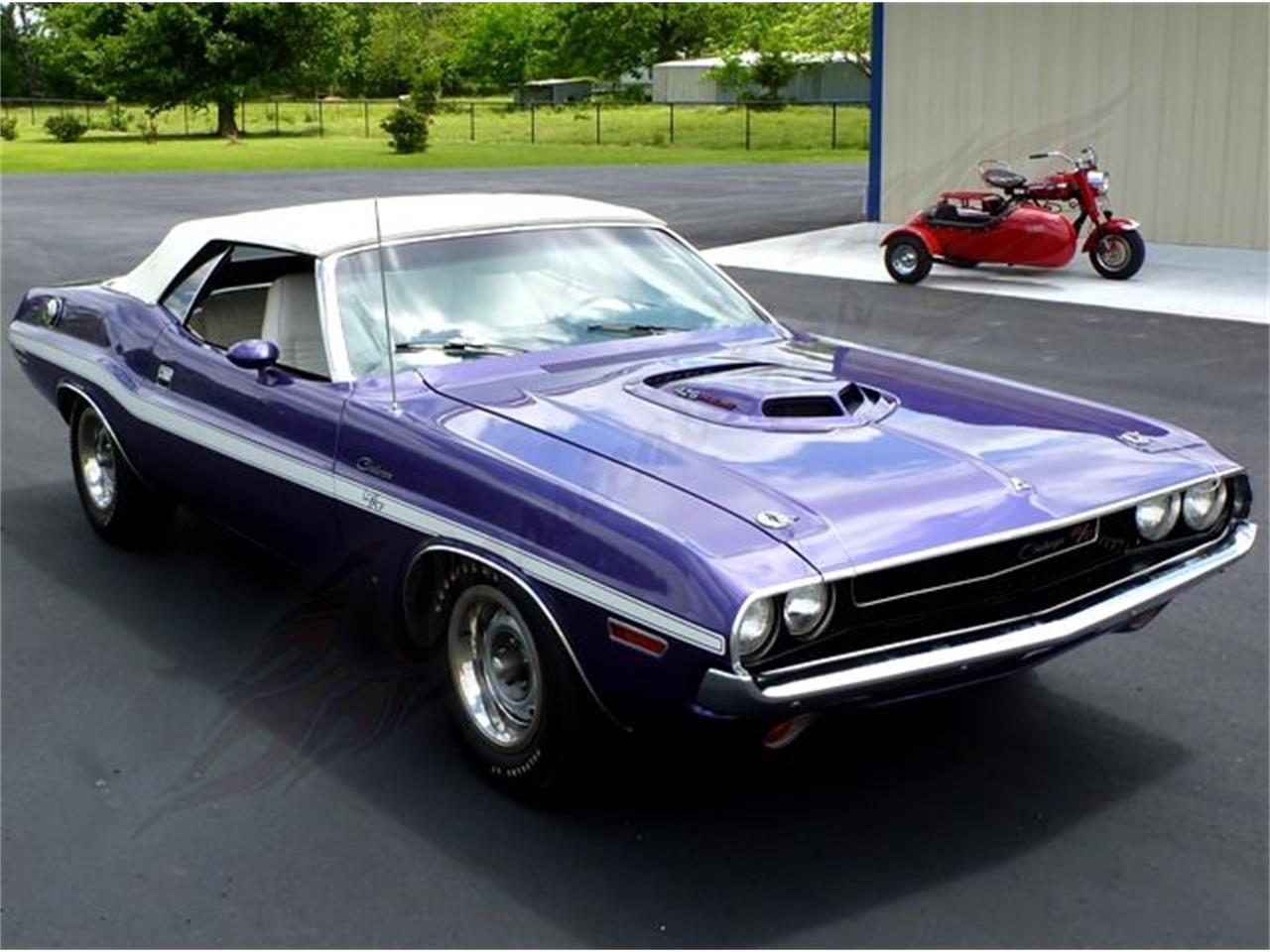
Restoring one of these is a labor of love, but the payoff is huge: they fetch strong prices at auctions and have a massive enthusiast community for parts and support.
A properly restored R/T isn’t just a collectible; it’s a rolling statement of what American muscle used to be unapologetically loud and fast.
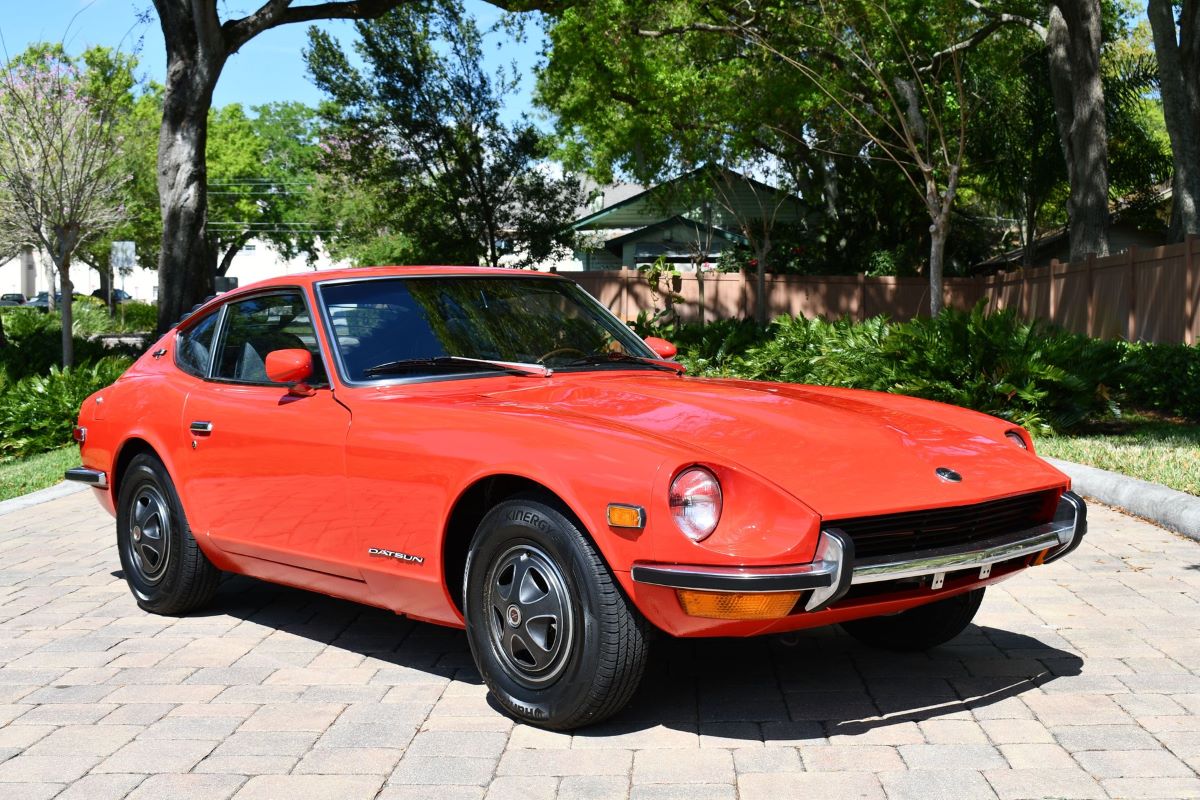
2. 1971 Datsun 240Z
When Datsun introduced the 240Z, it redefined what a sports car could be for everyday Americans. It blended Japanese reliability with European-style handling and looks, at a fraction of the price.
Today, the 240Z stands as one of the most sought-after Japanese classics. Its inline-six engine, simple mechanical design, and lightweight body make restoration approachable even for hobbyists.
The aftermarket support is phenomenal, and restored examples often appreciate significantly. For enthusiasts who love both driving dynamics and investment potential, the 240Z is a can’t-miss opportunity from the ’70s.
The Datsun S30 240Z, produced from 1969 to 1978, is a classic sports coupé that remains highly regarded for its combination of style, performance, and engineering.
Featuring a two-door body, the S30 240Z was manufactured in 15,076 units, making it a sought-after collector’s car. Its sleek design and lightweight build contribute to a memorable driving experience, while the rear-wheel-drive layout enhances handling and road engagement.
Under the hood, the 240Z is powered by an L24 inline-six engine with a displacement of 2,393 cm³ (146 cu-in). The engine employs twin Hitachi HJG 46W SU-type carburetors and operates longitudinally, producing 153 PS (151 hp / 113 kW) at 5,600 rpm and 198 Nm (146 lb-ft) of torque at 4,400 rpm.
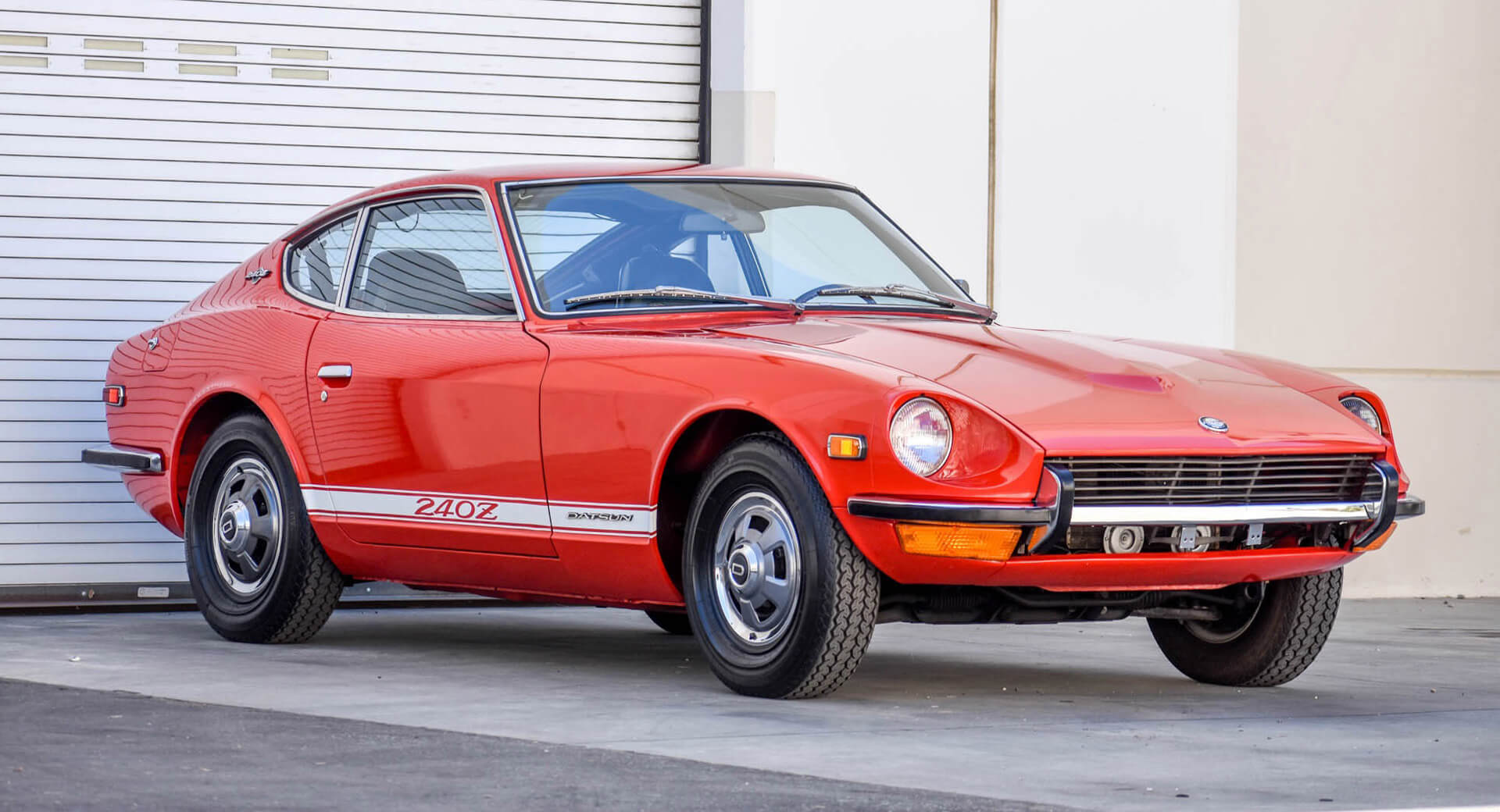
Naturally aspirated and featuring a 12-valve setup, the L24 engine delivers smooth and responsive performance, coupled with a 9.0:1 compression ratio. Power is transmitted to the rear wheels through a 5-speed manual gearbox, allowing the car to accelerate from 0 to 60 mph in approximately 8.0 seconds and achieve a top speed of 201 km/h (125 mph).
Fuel economy is respectable for a classic sports car, with a combined consumption of 11 L/100 km (26 MPG UK / 21 MPG US). The 240Z has a 60-liter (15.9 US gallons / 13.2 UK gallons) fuel tank, providing a driving range of roughly 545 km (339 miles).
In terms of dimensions, the Datsun S30 240Z has a wheelbase of 230.5 cm (90.75 inches), a length of 414 cm (162.99 inches), a width of 162.6 cm (64.02 inches), and a height of 128.3 cm (50.51 inches).
The front and rear track widths measure 135.9 cm (53.5 inches) and 134.6 cm (52.99 inches), respectively, with a ground clearance of 16.5 cm (6.5 inches). Curb weight is 1,044 kg (2,302 lbs), yielding a favorable weight-to-power ratio of 6.8 kg per hp.
The Datsun S30 240Z remains an iconic vehicle that blends lightweight agility with reliable performance, making it a standout example of Japanese sports car engineering from the 1970s.
Also Read: 12 Trucks That Handle Like Performance Cars
3. 1973 Porsche 911 Carrera RS
If budget isn’t a constraint, few ’70s cars are more rewarding to restore than the 1973 Porsche 911 Carrera RS. Considered one of the finest driver’s cars ever built, the RS combined a 2.7-liter flat-six with featherweight construction and impeccable handling balance.
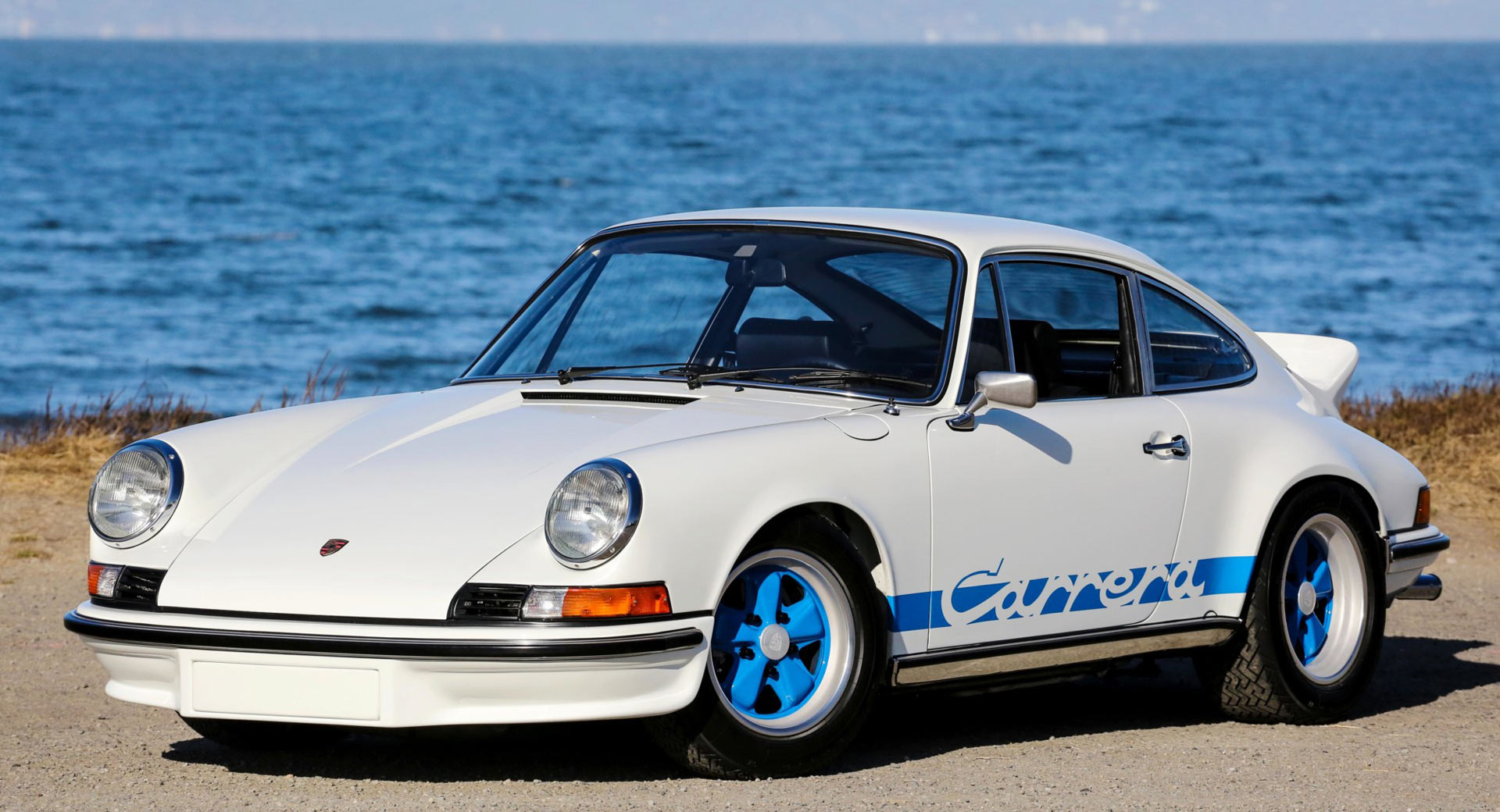
Its racing pedigree and limited production make it incredibly valuable, with original examples commanding sky-high prices.
Restoring one requires expertise and authenticity, but the result is an iconic blend of precision and soul a car that still outperforms many modern vehicles in terms of engagement and feedback.
4. 1976 Toyota Land Cruiser FJ40
The FJ40 is one of those rare classics that bridges generations rugged, capable, and endlessly charming. Its boxy design, bulletproof 4.2-liter straight-six, and off-road pedigree make it a favorite among both collectors and adventurers.
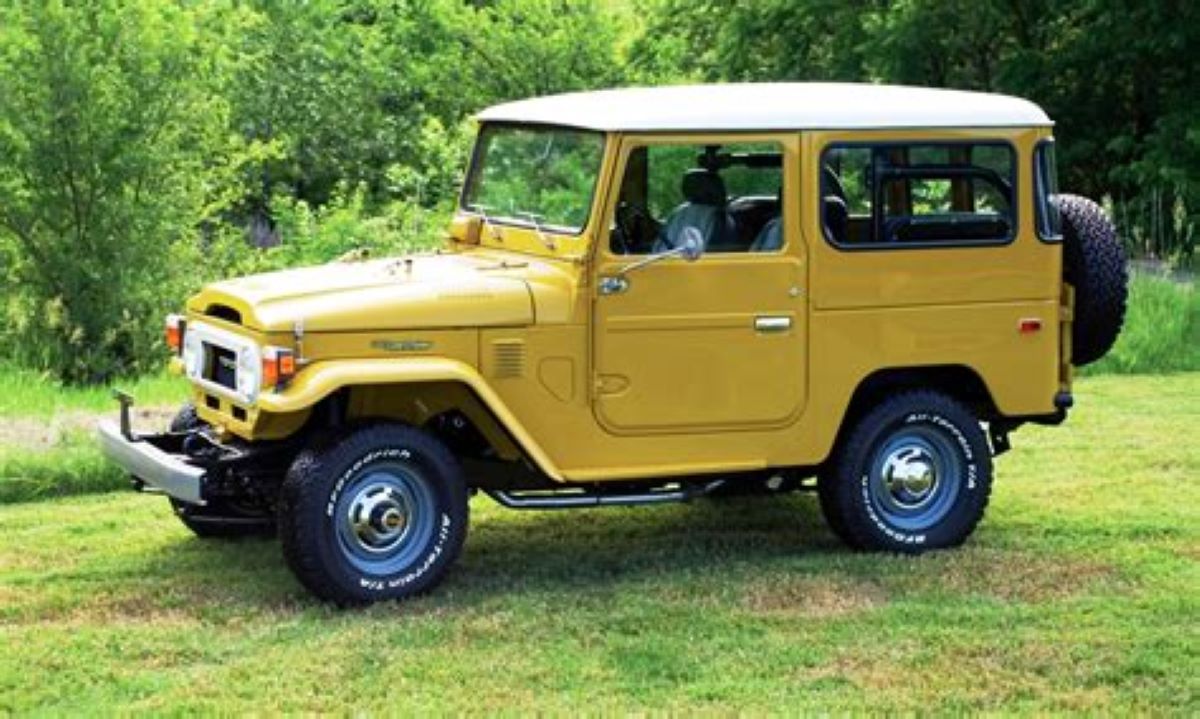
Restoration parts are readily available, and demand for well-restored models has exploded in the US. Unlike many other ’70s vehicles, an FJ40 restoration can be both practical and profitable.
Plus, when finished, it’s one of the few vintage vehicles that you can confidently take on a dirt trail without worry.
5. 1978 Pontiac Firebird Trans Am
Thanks to Smokey and the Bandit, the 1978 Firebird Trans Am became a pop culture legend. Beyond its cinematic fame, it’s actually a rewarding project for restorers.
The later Trans Ams came with improved suspension and styling that still looks mean today. While its 6.6-liter V8 may not have made the power its size suggests, modern upgrades can easily fix that.
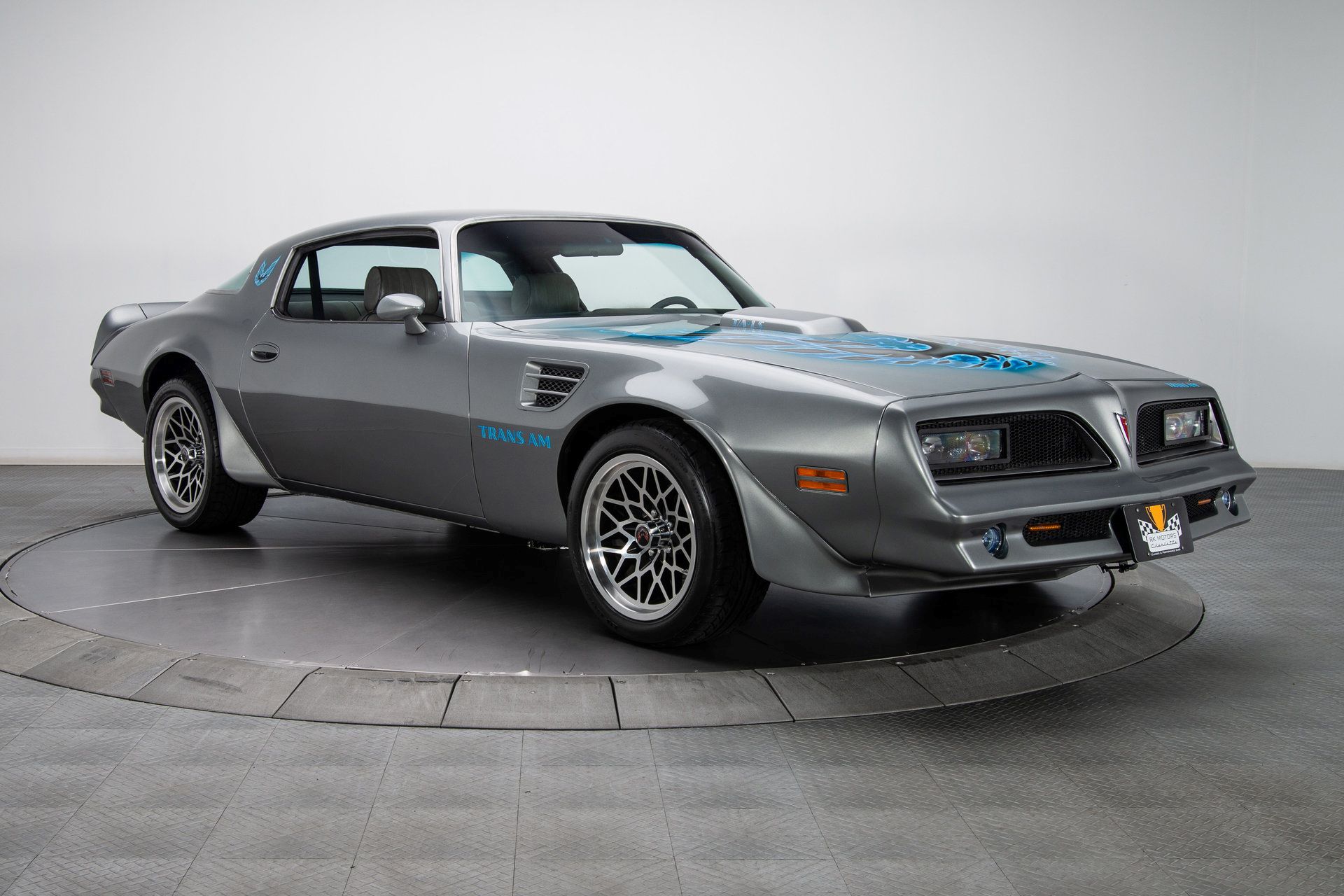
Restoring one is more about nostalgia and attitude the gold screaming chicken decal, T-tops, and rumbling exhaust are pure Americana. And because these cars have strong collector communities, parts and expertise are never far away.
This 1978 Pontiac Firebird Trans Am was acquired by its current owner in September 2017 and has since been extensively modified. Power comes from a 427ci V8 paired with a modified 4L80E four-speed automatic transmission and a 3.73:1 limited-slip differential.
Finished in black with gold Trans Am graphics, the exterior is said to have been repainted during the current ownership. The 18″ snowflake-style wheels feature gold detailing and are wrapped in 275/40 BFGoodrich g-Force Sport tires. Braking duties are handled by Wilwood discs on all four corners with red calipers, and the suspension is equipped with Hotchkis Sport components, including tubular front control arms.
Inside, the Trans Am features Corbeau front bucket seats in black upholstery with gray cloth inserts and Firebird branding. The glove compartment lid bears Burt Reynolds’ signature.
Other interior features include a Vintage Air heating and air conditioning system, B&M Quicksilver shifter, electric windows, a CB radio, color-changing LED interior lighting with Bluetooth control, and a Pioneer touchscreen head unit.
The 427ci V8 engine is equipped with a Holley Sniper fuel injection system and was reportedly rebuilt about two years ago. This heavily modified 1978 Pontiac Firebird Trans Am represents a blend of classic muscle car style with modern performance enhancements.
Cars From the 1970s That Aren’t Worth Restoring
While the 1970s gave us some automotive icons, not every car from that era is worth the effort to restore. Many vehicles were built quickly and cheaply to meet fuel economy or emission standards, leaving them with weak engines, subpar materials, and uninspired designs. Restoring these cars can quickly become a costly and frustrating endeavor, often yielding little satisfaction or resale value.
Examples of cars that tend to fall into this category include economy compacts with limited performance, heavy sedans with rust-prone steel, and certain badge-engineered models that lack any unique character or historical significance.
Even if you manage to get them running and looking presentable, the driving experience is often underwhelming compared to modern vehicles, and parts can be scarce or expensive for less-popular models.
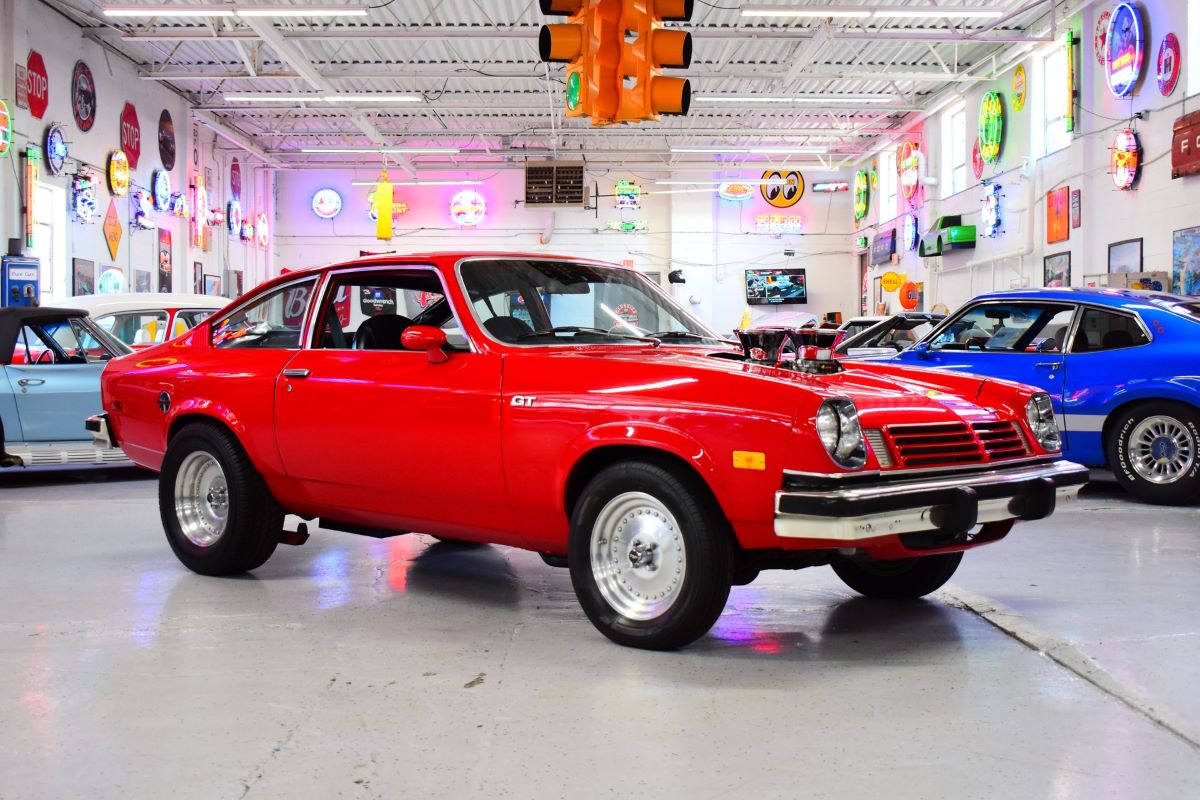
1. 1975 Chevrolet Vega
The Chevrolet Vega is a prime example of GM’s missteps during the ’70s. Initially praised for its design, it quickly gained infamy for rust issues, weak aluminum engines, and poor reliability.
Even the Cosworth Vega, a performance variant, couldn’t fully save the car’s reputation. Restoring one might sound appealing due to rarity, but rarity doesn’t always mean desirability.
Parts are scarce, and the end result won’t bring much joy or value. The Vega is best remembered as a cautionary tale rather than a restoration project.
The 1975 Chevrolet Vega is a subcompact car produced by General Motors between 1971 and 1977, offering a versatile lineup of body styles and engine options.
In 1975, prices ranged from $2,030 for the Panel Express to $5,920 for the Cosworth hatchback. The Vega featured a front-engine layout with rear-wheel drive and a seating capacity of four across all models.
Exterior dimensions were consistent, with a length of 176 inches (4,470 mm), width of 66 inches (1,676 mm), and a wheelbase of 91 inches (2,311 mm). Weight varied slightly by model, from 2,400 lbs (1,089 kg) for the Panel Express to 2,530 lbs (1,148 kg) for the station wagon.
The 1975 Vega came with several engine options. The standard inline-four displaced 2,294 cc (140 cu in / 2.3 L) and produced 78 hp at 4,200 RPM, featuring an aluminum block, a bore of 3.5 inches (89 mm), a stroke of 3.6 inches (92 mm), a compression ratio of 8.0:1, and a single-barrel carburetor.
Higher-performance options included V8 engines, such as a 5.7 L (350 cu in / 5,735 cc) producing 125 BHP, and a high-output 2.0 L (121.7 cu in / 1,994 cc) V8 delivering 270 hp at 8,750 RPM with a bore of 92 mm, stroke of 82.3 mm, and compression ratio of 11.5:1. Transmission options included both three-speed and four-speed manual gearboxes, giving drivers flexibility in performance and handling.
Each model offered unique features and catered to different buyer preferences, from practical daily drivers to sportier, performance-oriented versions.
The 1975 Chevrolet Vega, with its multiple body styles, engine choices, and competitive pricing, provided a well-rounded subcompact option that balanced economy, versatility, and spirited driving, making it a notable entry in General Motors’ lineup during the mid-1970s.
Also Read: 12 Cars That Shock Drivers With Unstoppable Reliability
2. 1974 Ford Mustang II
The Mustang II might have saved Ford financially after the oil crisis, but it did so by stripping away everything that made the original Mustang iconic. Built on the Pinto platform, it prioritized economy over excitement.
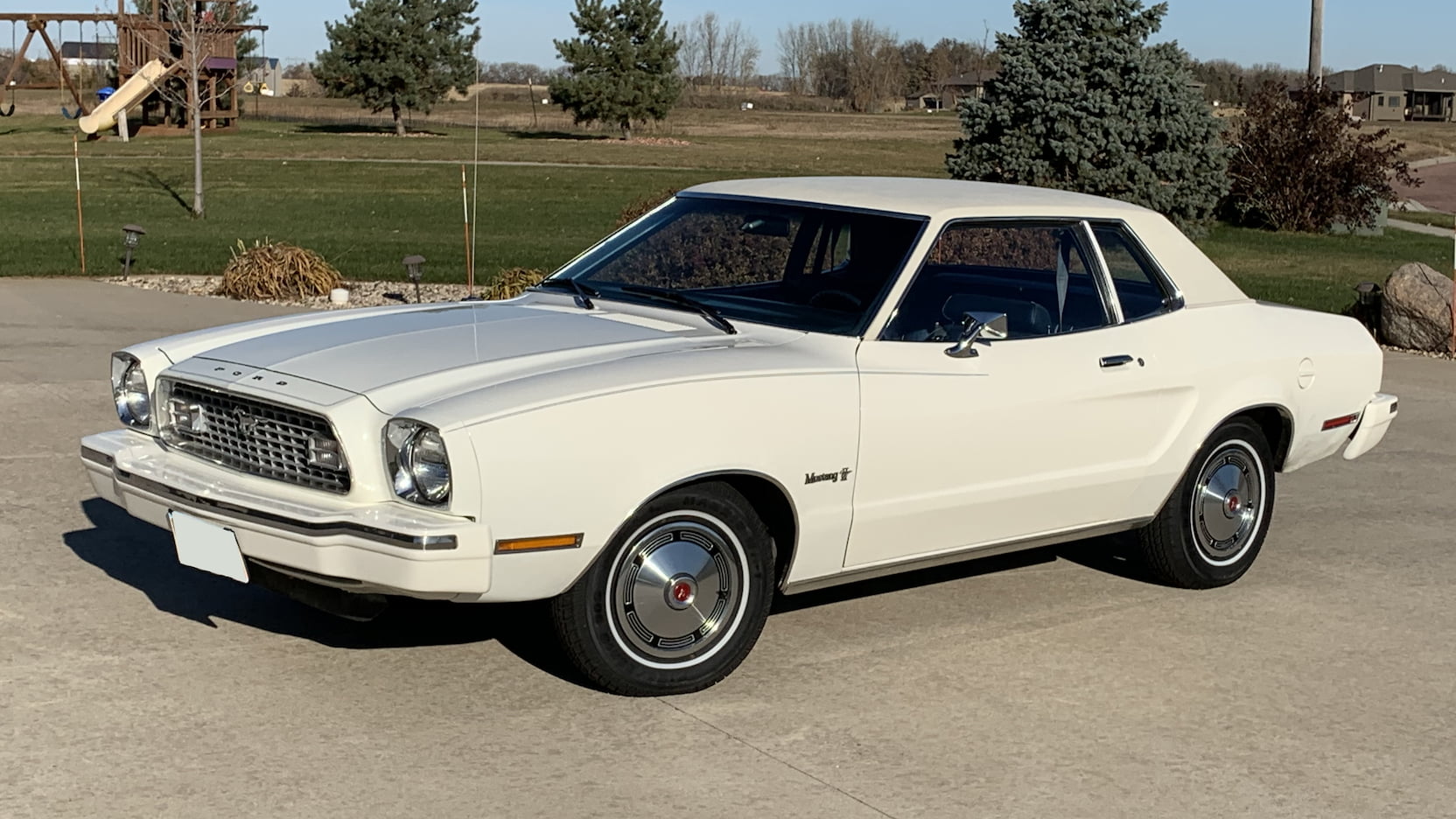
While it’s historically significant, it lacks performance, style, and collector interest. Restoring one can easily cost more than it’s worth both in money and time.
Even with V8 models, the Mustang II fails to deliver the thrill expected from the badge, making it one of the least rewarding ’70s projects.
The AMC Pacer, launched in 1975, stands out in the 1970s automotive landscape for its distinct and unconventional design. With its rounded shape, wide body, asymmetrical doors, and expansive glass surfaces, the Pacer maximized interior space while offering a futuristic, jellybean-inspired aesthetic.
The Pacer faced a challenging production history. Introduced as a coupe and wagon, it was initially intended to feature a rotary engine, but delays and engineering obstacles led AMC to use a conventional inline-six engine instead. Despite these compromises, the car sold over 145,000 units in its first year.
However, early electronic ignition failures, brake issues, and rust problems contributed to declining sales in subsequent years. Over its five-year production run, sales fell steadily, from 145,528 units in 1975 to just 43,341 by 1978, reflecting the market’s waning interest.
The Pacer offered both coupe and wagon variants, with a 100-inch wheelbase, a width of 77.3 inches, and lengths of 171.8 inches (coupe) and 176.8 inches (wagon). Heights differed slightly, with the coupe at 52.8 inches.
Transmission options included a 3-speed manual, 4-speed manual, and automatic, while engines ranged from a 232 cubic-inch (3.8L) inline-six to a 304 cubic-inch (5.0L) V8. This configuration provided the interior space of a larger car within a compact footprint, appealing to buyers seeking roomy and practical transportation.
While the Pacer found a loyal following in the United States, it struggled to gain traction globally. Limited distribution to markets like Canada and Mexico, combined with AMC’s financial constraints and the car’s unconventional styling, restricted its international appeal. Consumers in traditional markets often found the bubble-like design off-putting, further hindering the Pacer’s global success.
The Pacer was not designed for racing. Its bulky frame, focus on comfort, and early decision to forgo the intended rotary engine meant that performance was not a priority. While the car featured rear suspension and sway bars for stability and comfort, it never became a competitive presence on the track.
Market reception reflected this balance of innovation and compromise. Initial sales were strong, fueled by the Pacer’s unique styling and spacious interior. However, interest quickly declined as consumers became less enamored with its exterior dimensions and quirky appearance.
AMC’s positioning of the Pacer as a luxury compact ultimately could not sustain long-term sales, and the absence of a dedicated high-performance engine further limited its commercial success. Despite these challenges, the AMC Pacer remains a memorable example of 1970s automotive creativity, valued today for its bold design and cultural significance.
3. 1977 AMC Pacer
Quirky, bulbous, and polarizing the AMC Pacer is often called the “fishbowl car.” Its distinctive design makes it a conversation piece, but that’s where the charm ends.
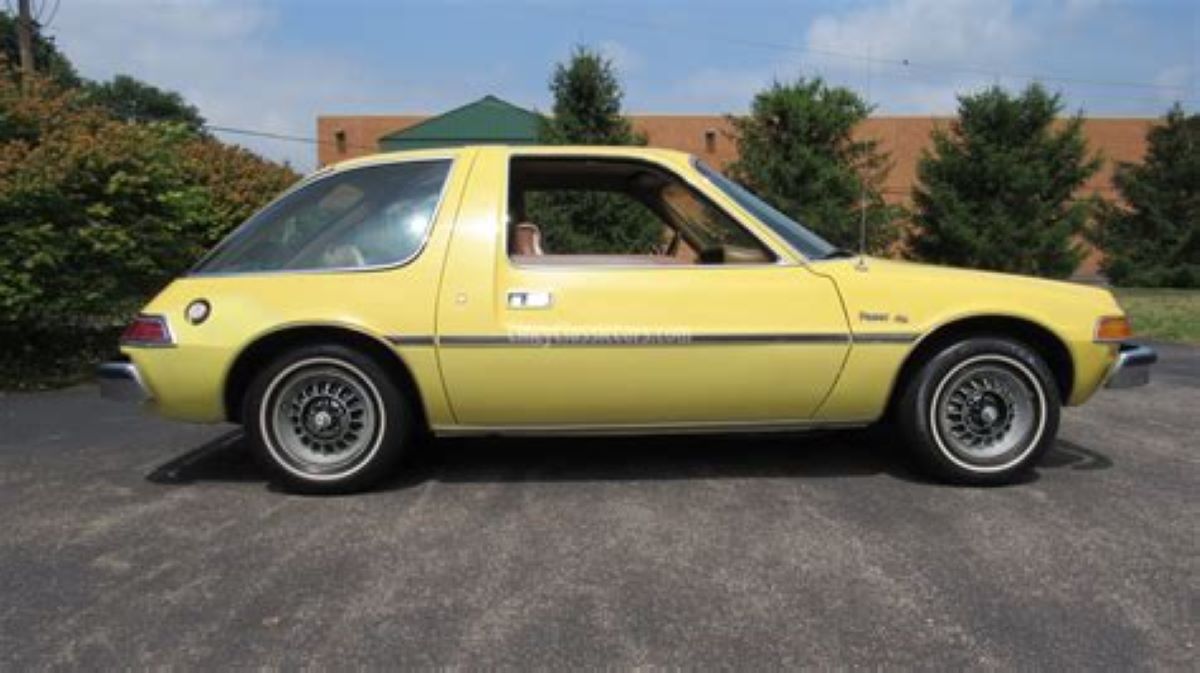
Pacers were underpowered, suffered from poor build quality, and had limited aftermarket support. Restoring one is a challenge with little upside.
Even pristine examples rarely fetch serious collector money. Unless you’re after a novelty for car shows or nostalgia’s sake, the Pacer is better left in the past.
4. 1979 Chevrolet Monza
The Chevy Monza was GM’s attempt to create a sporty compact for a downsized era, but it never quite lived up to expectations. Despite some models offering V8 engines, the Monza was plagued by poor design choices, rust, and limited power.
It shares much of its DNA with the Vega and not in a good way. Restoration costs far exceed market value, and finding parts can be a nightmare. It’s one of those cars that might seem interesting for its obscurity but offers little in return once the project begins.
The Chevrolet Monza is a line of cars produced by General Motors, representing three distinct models with separate origins, each marketed in specific regions around the world.
The Chevrolet Monza first appeared in the United States in 1974 as a subcompact vehicle featuring a 2 + 2 fastback body and a sporty character. The name “Monza” was borrowed from a popular trim level of the Chevrolet Corvair, which debuted in 1961.
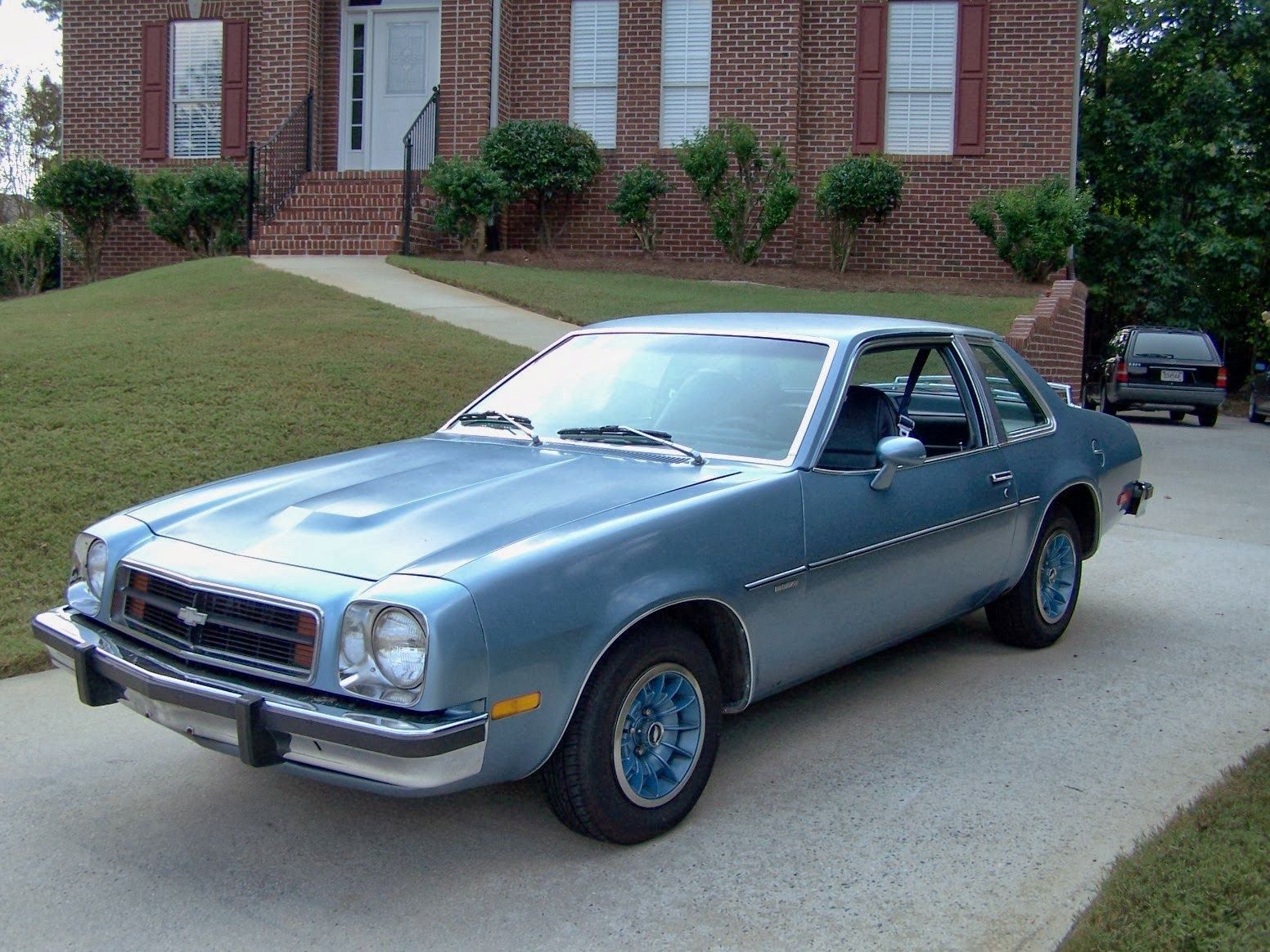
The original Monza, launched for the 1975 model year, was built on GM’s H-body rear-wheel drive platform and offered four- and six-cylinder engines as standard, with V8s available for higher-performance versions. While the fastback 2 + 2 was the primary body style, two-door coupe and station wagon variants were also offered.
Over its single generation spanning six model years (1975–1980), a total of 731,504 Chevrolet Monzas were produced at GM’s Lordstown and Sainte-Thérèse plants, both of which have since been closed or sold.
The second iteration of the Monza was introduced in Brazil in 1982, two years after the North American model was discontinued. This version was a front-wheel drive vehicle based on the third-generation Opel Ascona and came with four- and six-cylinder engines.
Unlike its North American predecessor, the Brazilian Monza was a D-segment model and was available in three body styles: hatchback, sedan, and coupe. This single-generation model enjoyed a significantly longer production run than the original, lasting until 1996, and received numerous updates to both its aesthetics and mechanical components during its 14-year history.
The third generation of the Chevrolet Monza debuted in China on November 15, 2018, marking the first use of the Monza name in that market. This compact sedan is based on the GM-PATAC K platform and is powered by two turbocharged three-cylinder engines: a 1.0L and a 1.3L.
5. 1973 Triumph Stag
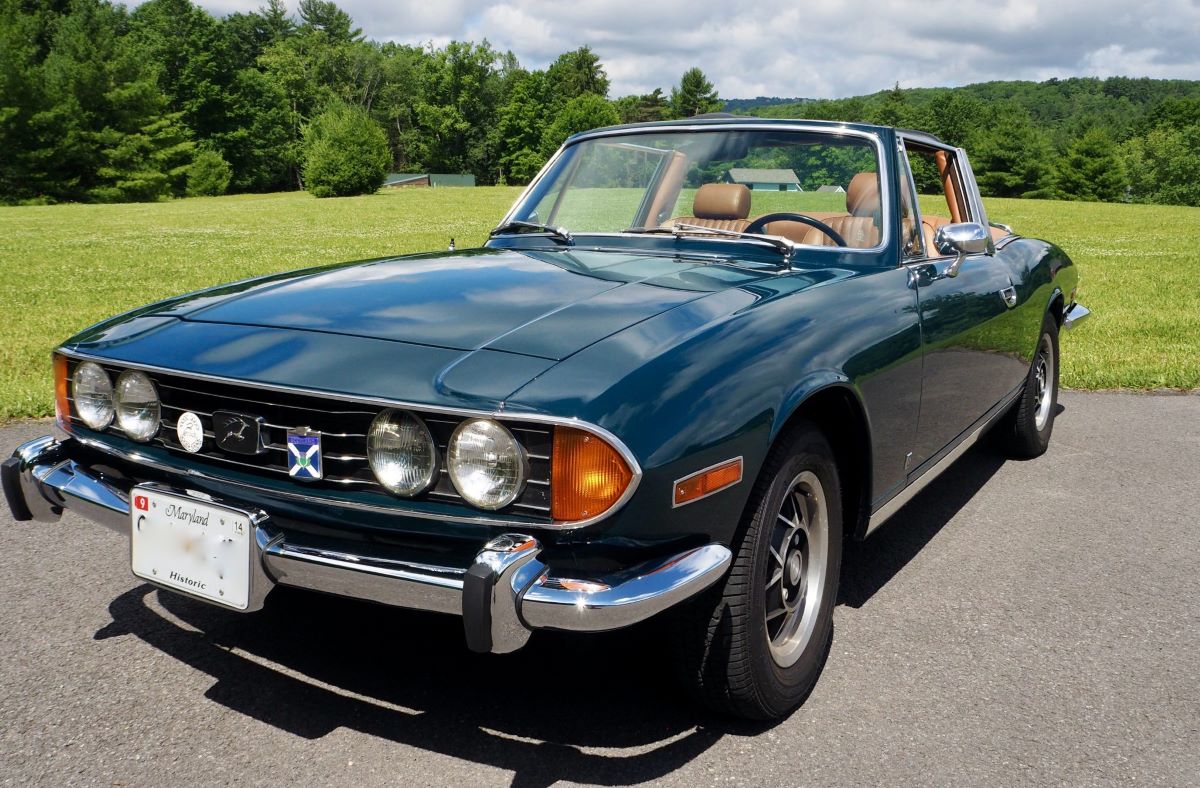
At first glance, the Triumph Stag looks like a dream classic sleek lines, convertible roof, and a British badge. But dig deeper, and the headaches begin.
The Stag’s 3.0-liter V8 was notoriously unreliable, plagued by overheating and electrical gremlins. Even when restored, keeping one running reliably requires constant attention.
Parts can be expensive, and unless you’re a dedicated British car enthusiast, the frustration often outweighs the reward. It’s a beautiful piece of design, but not a practical restoration for most collectors.
The Triumph Stag is a classic British cabriolet that combines sporty styling with V8 performance. Its key specifications reflect a focus on enjoyable driving dynamics and grand touring comfort.
The Stag is powered by a 2997 cm³ (182.9 cu-in) V8 engine producing 147 PS (145 hp / 108 kW) and 226 Nm (166 lb-ft) of torque. The engine is naturally aspirated and fitted with two Zenith carburetors, aligned longitudinally for rear-wheel drive. Its bore and stroke measure 86.00 x 64.50 mm (3.39 x 2.54 inches), with a compression ratio of 8.8:1.
The Stag has a top speed of 185 km/h (115 mph) and accelerates from 0 to 60 mph in 11.6 seconds. Power is delivered through a 4-speed manual transmission to the rear wheels, offering classic RWD driving dynamics. The Triumph Stag is a two-door cabriolet, emphasizing style and open-air motoring.
The fuel tank holds 63 liters (16.6 US gallons / 13.9 UK gallons), and the car does not come equipped with a catalytic converter. The Stag’s wheelbase is 254 cm (100 inches), with a length of 441.3 cm (173.74 inches), a width of 161.3 cm (63.5 inches), and a height of 125.7 cm (49.49 inches).
Front and rear axles measure 133.4 cm (52.52 inches) and 134.6 cm (52.99 inches), respectively, and ground clearance is 10.2 cm (4.02 inches). The curb weight is 1275 kg (2811 lbs), resulting in a weight-to-power ratio of 8.7 kg/hp.
The Triumph Stag remains a celebrated example of British automotive engineering, blending elegant cabriolet styling with a powerful V8 engine for classic driving pleasure.
Restoring a car from the 1970s is more than just a mechanical project it’s an emotional investment. The best restorations balance passion with practicality, blending nostalgia with long-term value.
Models like the Dodge Challenger, Datsun 240Z, and Toyota FJ40 continue to rise in desirability because they offer both character and a solid return.
On the other hand, cars like the Vega, Mustang II, and AMC Pacer remind us that not every old car deserves a second chance.
Whether you’re hunting for your next restoration project or just love classic automotive history, the 1970s remain one of the most intriguing decades in car culture.
It was an era of transition, where legends were made and some mistakes were, too. The key is knowing which is which before you start turning the wrenches.
