
When it comes to purchasing a vehicle, one of the often-overlooked factors that significantly impacts long-term ownership costs is fuel requirements.
Many car buyers assume that high-performance vehicles or luxury models automatically require premium gasoline, but this isn’t always the case.
In fact, some of the most reliable, efficient, and enjoyable vehicles on the market today are specifically engineered to deliver exceptional performance using regular unleaded fuel, which can save owners hundreds or even thousands of dollars over the life of their vehicle.
The debate between premium and regular fuel often centers around octane ratings. Premium fuel typically has an octane rating of 91-93, while regular unleaded sits at 87.
Higher octane fuel resists engine knock and pre-ignition in high-compression engines, but modern automotive engineering has made remarkable strides in creating powerful, efficient engines that perform beautifully on regular fuel.
Advanced technologies like direct injection, variable valve timing, and sophisticated engine management systems allow manufacturers to extract impressive performance from engines designed for regular gasoline.
Choosing a vehicle that runs on regular fuel doesn’t mean compromising on quality, performance, or features. Many mainstream and even some premium manufacturers have invested heavily in developing engines that maximize efficiency and power while maintaining compatibility with regular unleaded fuel.
This approach not only benefits consumers’ wallets but also reflects a broader industry trend toward accessibility and practicality without sacrificing the driving experience.
In this comprehensive guide, we’ll explore ten outstanding vehicle models that deliver exceptional long-term performance without requiring premium fuel.
From compact sedans and family SUVs to sporty coupes and practical trucks, these vehicles represent diverse segments of the automotive market.
Each one proves that you don’t need to feed your car expensive premium gasoline to enjoy reliability, performance, and satisfaction over many years of ownership.
Whether you’re a budget-conscious commuter, a growing family, or an enthusiast seeking value, these models demonstrate that regular fuel compatibility and long-term excellence go hand in hand.
1. Honda Civic
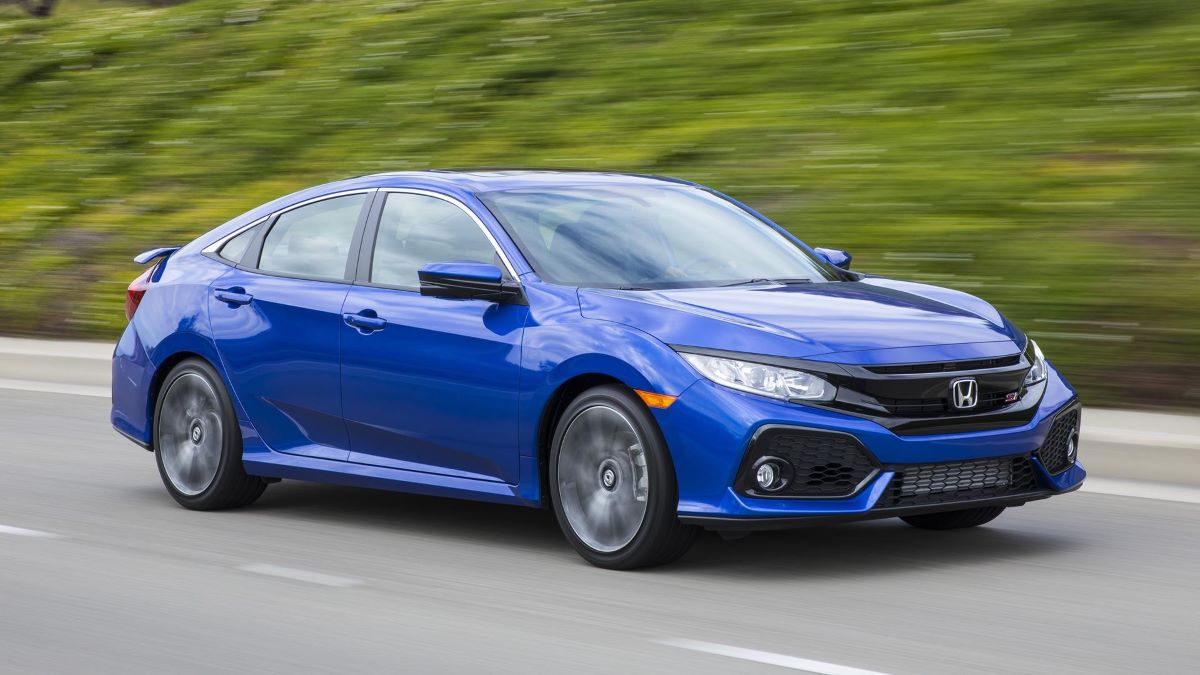
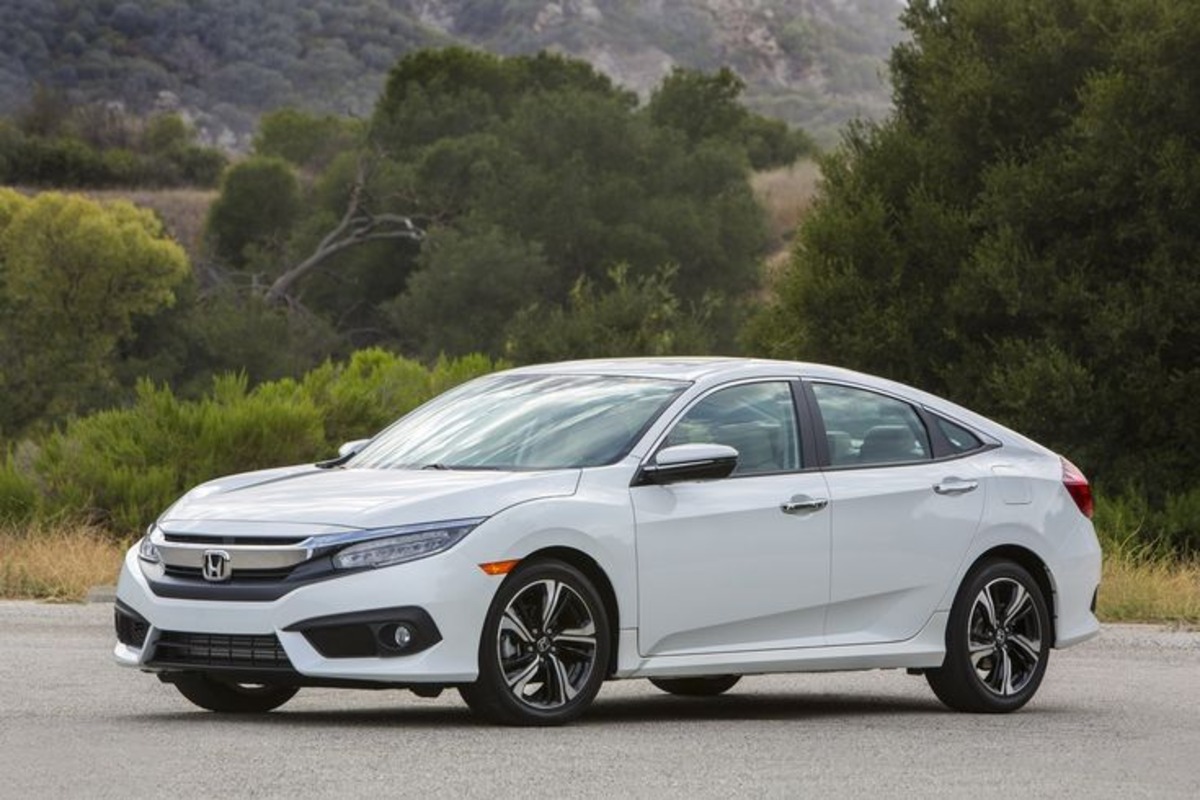
The Honda Civic has remained one of America’s best-selling compact cars for decades, and for good reason. This iconic model exemplifies how a vehicle can deliver outstanding long-term performance while running exclusively on regular unleaded fuel.
The current generation Civic comes equipped with efficient yet spirited engines that have been meticulously engineered to maximize power output and fuel economy without requiring premium gasoline.
Under the hood, most Civic models feature a 2.0-liter four-cylinder engine producing 158 horsepower, while the sport-oriented models utilize a turbocharged 1.5-liter four-cylinder generating 180 horsepower.
Both engines are specifically designed and tuned for regular 87-octane fuel, delivering responsive acceleration and impressive fuel economy ratings that often exceed 30 mpg in combined driving.
Honda’s engineering philosophy prioritizes real-world usability and long-term reliability over paper specifications, which means Civic owners enjoy peppy performance without the premium fuel penalty.
The Civic’s reputation for legendary reliability stems from Honda’s conservative engine tuning and use of proven technologies. These powertrains regularly exceed 200,000 miles with proper maintenance, and it’s not uncommon to see well-maintained examples approaching 300,000 miles or more.
The engine’s design includes features like direct injection and variable valve timing that optimize combustion efficiency across a wide range of operating conditions, ensuring consistent performance whether you’re commuting in city traffic or cruising on the highway.
Maintenance costs for the Civic remain remarkably low throughout its lifespan. The recommended service intervals are straightforward, with oil changes needed every 7,500 miles under normal driving conditions.
The timing chain design eliminates the need for expensive timing belt replacements that plague some competitors. Honda’s parts are widely available and reasonably priced, and the simple engine layout makes repairs more affordable when they’re eventually needed.
The Civic’s interior quality and features have improved dramatically in recent generations, offering technology and comfort levels that rival more expensive competitors.
The infotainment system is intuitive, the cabin materials feel upscale, and the driving dynamics remain engaging thanks to precise steering and a well-tuned suspension.
The spacious interior provides ample room for passengers and cargo, making it a practical choice for everything from daily commuting to weekend road trips.
Safety is another area where the Civic excels, with standard Honda Sensing suite of driver assistance technologies on most trims. Features like adaptive cruise control, lane keeping assist, and automatic emergency braking provide peace of mind and have contributed to the Civic earning top safety ratings from both IIHS and NHTSA.
2. Toyota Camry
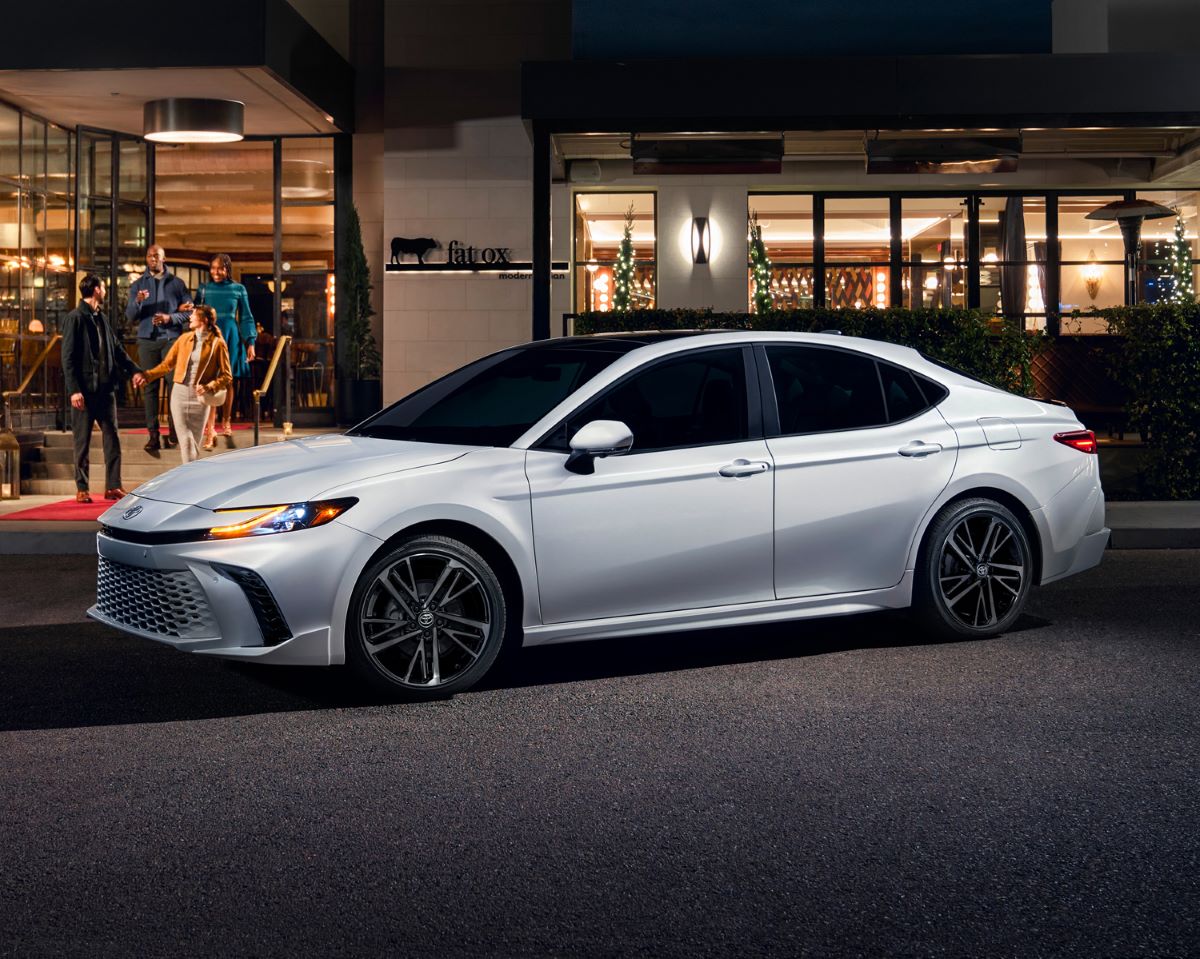
The Toyota Camry stands as America’s best-selling car for much of the past two decades, and its success is no accident. This midsize sedan combines Toyota’s legendary reliability with refined performance, spacious comfort, and the practical advantage of running on regular unleaded fuel.
The Camry represents the perfect intersection of long-term dependability and everyday usability, making it an ideal choice for families, commuters, and anyone seeking a no-nonsense vehicle that works year after year.
Toyota offers the Camry with multiple powertrains, all designed to run on regular 87-octane gasoline. The base engine is a 2.5-liter four-cylinder producing 203 horsepower, providing more than adequate power for most driving situations while delivering impressive fuel economy.
For those seeking more spirited performance, the available 3.5-liter V6 generates a robust 301 horsepower, offering sports-sedan acceleration in a reliable family car package.
Both engines feature Toyota’s sophisticated D-4S injection system, which combines direct and port injection for optimal efficiency and performance across the rev range.
The Camry’s engineering emphasizes durability and longevity above all else. Toyota’s conservative approach to engine tuning means these powertrains operate well within their capabilities under normal driving conditions, reducing stress and wear on internal components.
This philosophy has resulted in countless Camry models exceeding 200,000 and even 300,000 miles with nothing more than routine maintenance.
The engine’s robust construction includes features like low-friction coatings, optimized cooling systems, and high-quality materials that contribute to exceptional long-term reliability.
One of the Camry’s most compelling attributes is its incredibly low cost of ownership. Routine maintenance is straightforward and affordable, with oil changes, tire rotations, and other regular services costing less than many competitors.
Toyota’s parts network is extensive, ensuring availability and competitive pricing whether you’re having work done at a dealership or an independent mechanic.
The timing chain design eliminates the need for expensive belt replacements, and brake components tend to last longer than average due to Toyota’s engineering emphasis on durability.
Inside, the Camry offers a surprisingly upscale experience with modern technology and comfortable accommodations. The cabin is spacious enough for five adults to travel in comfort on long trips, and the trunk provides generous cargo capacity.
Recent Camry generations have dramatically improved interior materials and design, shedding the brand’s previous reputation for conservative styling in favor of more contemporary aesthetics that appeal to younger buyers while maintaining the practicality that existing customers expect.
The Camry’s fuel efficiency complements its regular fuel requirement beautifully. The four-cylinder model achieves EPA ratings around 32 mpg combined, while even the powerful V6 manages a respectable 26 mpg combined.
Toyota also offers a Camry Hybrid that pushes combined fuel economy into the low 50s, though the hybrid model represents a different value proposition. For conventional powertrains running on regular fuel, the Camry’s efficiency means lower operating costs that compound over time.
The driving experience, while not overtly sporty, strikes an excellent balance between comfort and engagement.
The Camry’s suspension soaks up rough pavement without feeling disconnected, steering is appropriately weighted and responsive, and the chassis tuning provides confidence-inspiring handling for everyday driving.
The V6 model, in particular, offers surprising performance that can satisfy enthusiasts who prioritize reliability over outright sportiness.
3. Mazda CX-5
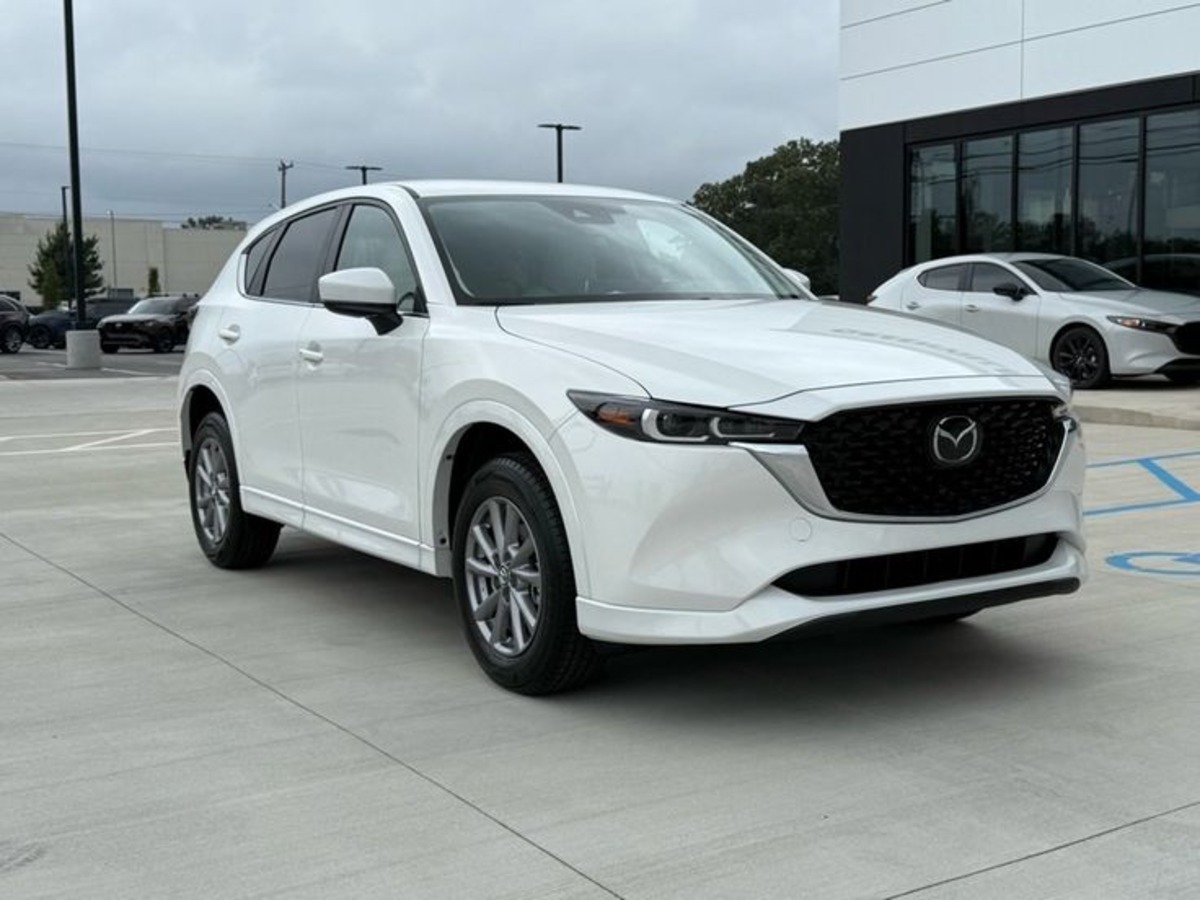
The Mazda CX-5 has emerged as one of the most compelling compact SUVs on the market, offering a rare combination of upscale refinement, engaging driving dynamics, and efficient performance all while running happily on regular unleaded fuel.
Mazda’s “Jinba Ittai” philosophy, which translates to “horse and rider as one,” permeates every aspect of the CX-5’s design, creating a driving experience that feels more connected and engaging than most competitors in the segment.
Powering most CX-5 models is a naturally aspirated 2.5-liter four-cylinder engine producing 187 horsepower, engineered specifically for regular 87-octane gasoline.
This Skyactiv-G engine represents Mazda’s commitment to extracting maximum efficiency from conventional internal combustion technology.
Through high compression ratios, optimized combustion chamber design, and intelligent engine management, Mazda achieves impressive fuel economy and responsive power delivery without requiring premium fuel.
Higher trim levels offer a turbocharged version of the same engine that produces up to 256 horsepower on premium fuel, but it’s important to note that this engine also runs perfectly well on regular unleaded, albeit with slightly reduced output.
The CX-5’s reliability record has been exceptional since the current generation’s introduction. Mazda has earned a reputation for building vehicles that withstand the test of time, and the CX-5 exemplifies this commitment.
The engine’s straightforward design avoids overly complex technologies that can become problematic as vehicles age.
Owners report minimal issues even at high mileages, with many examples surpassing 150,000 miles without major repairs beyond normal wear items like brakes and tires.
One of the CX-5’s standout qualities is its upscale interior presentation, which punches well above its price point. The cabin features high-quality materials, thoughtful ergonomics, and a design aesthetic that rivals luxury brands.
The infotainment system, while not touch-based, is intuitive once you learn the control knob interface.
Mazda’s commitment to minimizing distractions results in a driving environment that feels cohesive and premium, with excellent seat comfort and impressive sound insulation that makes highway cruising remarkably quiet and refined.
The CX-5 also offers excellent value retention, as Mazda’s growing reputation for quality and the model’s desirability keep resale values strong. The combination of attractive styling that ages well, durable construction, and engaging driving dynamics ensures continued demand in the used market.
4. Honda CR-V
The Honda CR-V has been one of America’s best-selling compact SUVs for years, and it exemplifies how practical family transportation can deliver exceptional long-term value without requiring premium fuel.
This versatile crossover combines Honda’s renowned reliability with impressive interior space, advanced safety features, and efficient powertrains that run exclusively on regular 87-octane gasoline, making it an ideal choice for families and individuals seeking dependable, affordable transportation.
Under the hood, the CR-V features a turbocharged 1.5-liter four-cylinder engine producing 190 horsepower, providing adequate acceleration for merging and passing while maintaining impressive fuel economy.
Honda has carefully calibrated this engine to deliver optimal performance on regular unleaded fuel, employing technologies like direct injection, variable valve timing, and sophisticated turbocharger management to ensure responsive power delivery across a wide range of driving conditions.
The engine’s smooth operation and refined character make daily driving pleasant, whether going through the city streets or cruising on highways.
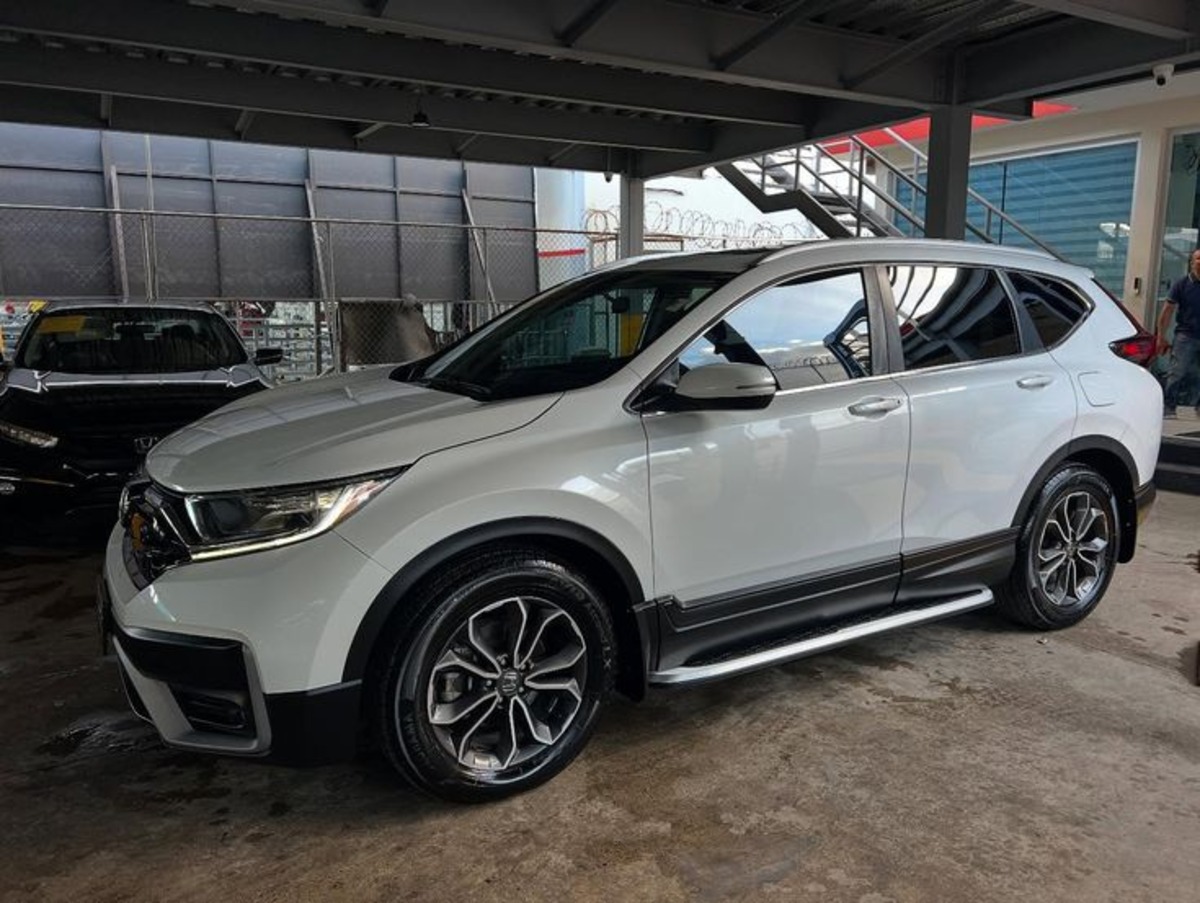
Honda’s reputation for building vehicles that last is particularly evident in the CR-V. These SUVs routinely exceed 200,000 miles with proper maintenance, and examples approaching 300,000 miles are not uncommon in owner forums and reliability surveys.
The engine’s conservative tuning and robust construction mean that internal components experience minimal stress under normal operating conditions, contributing to remarkable longevity.
The timing chain design eliminates the need for expensive belt replacements that can cost over $1,000 on some competing vehicles.
The CR-V’s interior represents one of its strongest selling points, offering class-leading passenger and cargo space in a surprisingly compact footprint.
The rear seats provide ample legroom for adult passengers, and the cargo area is genuinely spacious with the seats up and cavernous with them folded flat.
Honda’s clever interior packaging creates a versatile space that easily accommodates everything from weekly grocery runs to camping gear for family adventures.
The materials quality has improved significantly in recent generations, with soft-touch surfaces and attractive design elements creating a more upscale ambiance.
The driving experience, while not particularly sporty, is competent and confidence-inspiring. The suspension strikes a good balance between comfort and control, the steering is appropriately weighted for an SUV, and visibility is excellent thanks to large windows and relatively thin pillars.
Also Read: 12 SUVs That Can Handle Both City and Dirt Roads
5. Toyota RAV4
The Toyota RAV4 pioneered the compact crossover segment decades ago and remains one of the most popular vehicles in America today. This success stems from Toyota’s ability to deliver exactly what most buyers want: reliability, practicality, efficiency, and peace of mind, all wrapped in a package that runs on regular unleaded fuel.
The RAV4 represents sensible transportation at its finest, offering families and individuals a vehicle that simply works, year after year, without breaking the bank at the pump or the repair shop.
Toyota equips the RAV4 with a 2.5-liter four-cylinder engine producing 203 horsepower, specifically designed and calibrated for regular 87-octane gasoline.
This Dynamic Force engine incorporates cutting-edge technologies, including variable valve timing, high compression ratios, and optimized combustion chamber design to extract impressive efficiency and performance from conventional fuel.
The result is an SUV that feels adequately powered for everyday driving while delivering excellent fuel economy and legendary Toyota durability.
The RAV4’s reputation for reliability is virtually unmatched in the automotive world. These vehicles routinely exceed 200,000 miles with nothing more than routine maintenance, and high-mileage examples frequently appear in reliability surveys with minimal reported issues.
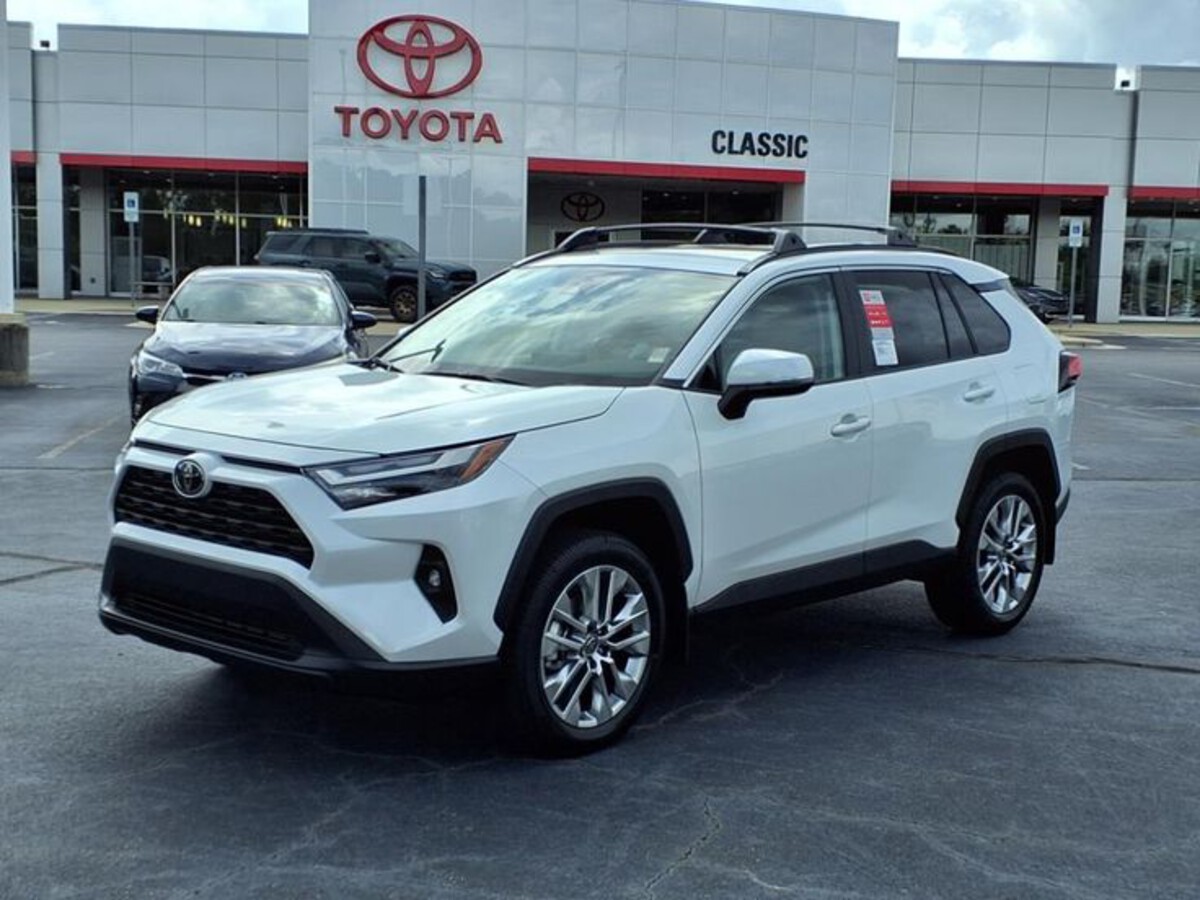
Toyota’s conservative engineering approach means the RAV4’s engine operates well within its design limits during normal use, reducing wear and extending component life.
The timing chain design eliminates expensive belt replacements, and the straightforward engine layout makes the occasional repair more affordable when needed.
Inside, the RAV4 offers a spacious, functional cabin designed with real-world usability in mind. The seating position is commanding, providing excellent visibility that makes going through the tight parking lots and busy intersections less stressful.
The rear seats accommodate adult passengers comfortably, and the cargo area is genuinely useful for hauling everything from groceries to camping equipment.
Recent generations have improved interior quality significantly, with better materials and more contemporary designs that appeal to style-conscious buyers while maintaining the practicality that loyal customers expect.
One of the RAV4’s most compelling attributes is its incredibly low cost of ownership. Maintenance intervals are generous, with oil changes recommended every 10,000 miles under normal conditions.
Parts are inexpensive and universally available, and the simple mechanical layout means labor costs remain reasonable whether you service at a dealership or an independent mechanic. Insurance rates tend to be lower than average due to excellent safety ratings and low theft rates, further reducing ownership costs.
The driving experience prioritizes comfort and practicality over sportiness, which aligns perfectly with most buyers’ expectations for a family SUV. The ride is compliant over rough roads, the cabin is quiet at highway speeds, and the controls are intuitive and easy to use.
6. Mazda3
The Mazda3 stands out in the compact car segment by delivering a premium driving experience typically associated with much more expensive vehicles, all while running efficiently on regular unleaded fuel.
This sedan and hatchback proves that affordable transportation doesn’t mean compromising on quality, refinement, or driving enjoyment. Mazda’s commitment to “Jinba Ittai” the unity between car and driver shines through in every aspect of the Mazda3’s design and engineering.
The current Mazda3 utilizes a naturally aspirated 2.5-liter four-cylinder engine producing 186 horsepower, specifically tuned for regular 87-octane gasoline.
This Skyactiv-G engine represents Mazda’s philosophy of maximizing efficiency through intelligent design rather than relying on complex forced induction or hybrid systems.
Through high compression ratios, optimized combustion chamber geometry, and sophisticated engine management, Mazda extracts impressive performance while maintaining excellent fuel economy and reliability. The engine delivers smooth, linear power that makes everyday driving genuinely enjoyable.
Reliability has been excellent for the Mazda3, with the current generation showing strong durability in both short-term and long-term ownership reports.
Mazda has shed its earlier reputation for rust issues and has emerged as a brand committed to quality and longevity. The engine’s straightforward design avoids the complexity that can plague vehicles as they age, and the timing chain setup eliminates expensive belt service.
Owners report minimal problems beyond normal wear items, and the Mazda3 appears poised to join the ranks of vehicles that routinely exceed 200,000 miles with proper care.
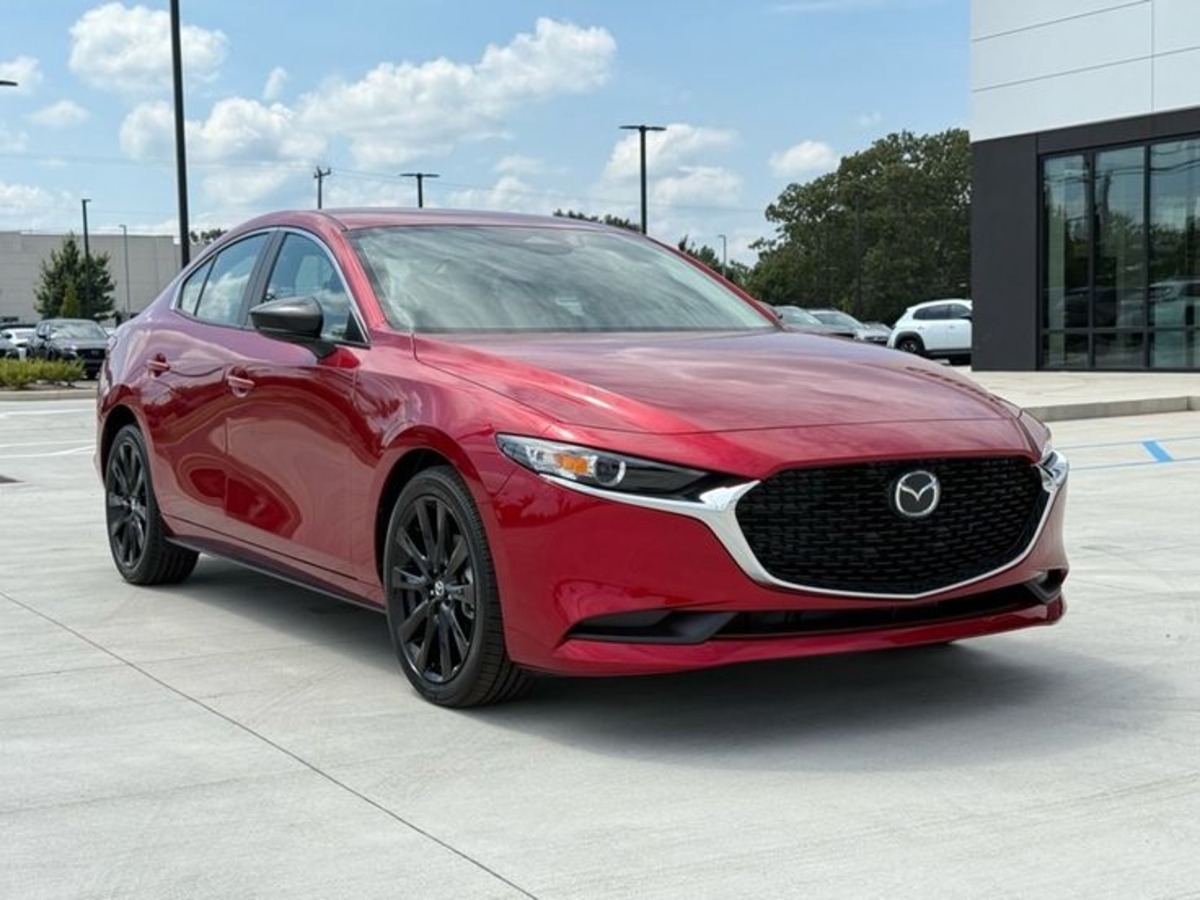
Where the Mazda3 truly excels is in its interior presentation and refinement. The cabin features premium materials, including available genuine leather and high-quality plastics that look and feel upscale.
The minimalist design aesthetic, inspired by Japanese principles of simplicity and elegance, creates an environment that feels more expensive than the price tag suggests.
The driving position is perfect, with supportive seats, excellent visibility, and controls that fall naturally to hand. The infotainment system, while not touchscreen-based, is intuitive once you adapt to the rotary controller.
Maintenance costs for the Mazda3 remain reasonable, with service intervals and parts pricing competitive with mainstream brands while typically offering superior quality.
The engine’s accessible layout makes routine services straightforward, and Mazda’s growing dealer network ensures convenient service availability.
The brand’s improving reputation for reliability means fewer unexpected trips to the mechanic, and when service is needed, the relatively simple mechanical design keeps labor costs in check.
Fuel economy is competitive for the segment, with the Mazda3 achieving EPA ratings around 30 mpg combined, depending on transmission choice and driving conditions.
When combined with the regular fuel requirement, operating costs remain very affordable, making the Mazda3 practical for budget-conscious buyers who refuse to compromise on quality and driving enjoyment.
The fuel tank capacity provides a good range, reducing the frequency of fill-ups and making the Mazda3 suitable for both urban commuting and longer road trips.
Value retention for the Mazda3 has improved as the brand’s reputation has grown, with recent models holding their value better than earlier generations.
The combination of attractive styling that ages well, improving quality and reliability, and enthusiast appeal keeps demand steady in the used market.
7. Subaru Outback
The Subaru Outback occupies a unique position in the automotive world, blending wagon practicality with SUV capability and all-weather confidence all while running on regular unleaded fuel.
This rugged crossover has cultivated a devoted following among outdoor enthusiasts, families, and anyone who appreciates its go-anywhere attitude and legendary reliability.
The Outback’s combination of standard all-wheel drive, generous ground clearance, and practical design makes it ideal for those whose adventures don’t always follow paved roads.
Subaru equips the Outback with a naturally aspirated 2.5-liter flat-four engine producing 182 horsepower, designed specifically for regular 87-octane gasoline.
This horizontally-opposed boxer engine is a Subaru hallmark, offering a low center of gravity that contributes to stable handling and balanced dynamics.
While not particularly powerful by modern standards, the engine provides adequate performance for most driving situations while delivering reasonable fuel economy.
Higher trims offer a more powerful 2.4-liter turbocharged engine, but the naturally aspirated base engine represents the sweet spot for value and long-term reliability.
One of the Outback’s defining characteristics is its standard symmetrical all-wheel-drive system, which provides confident handling in rain, snow, and light off-road conditions.
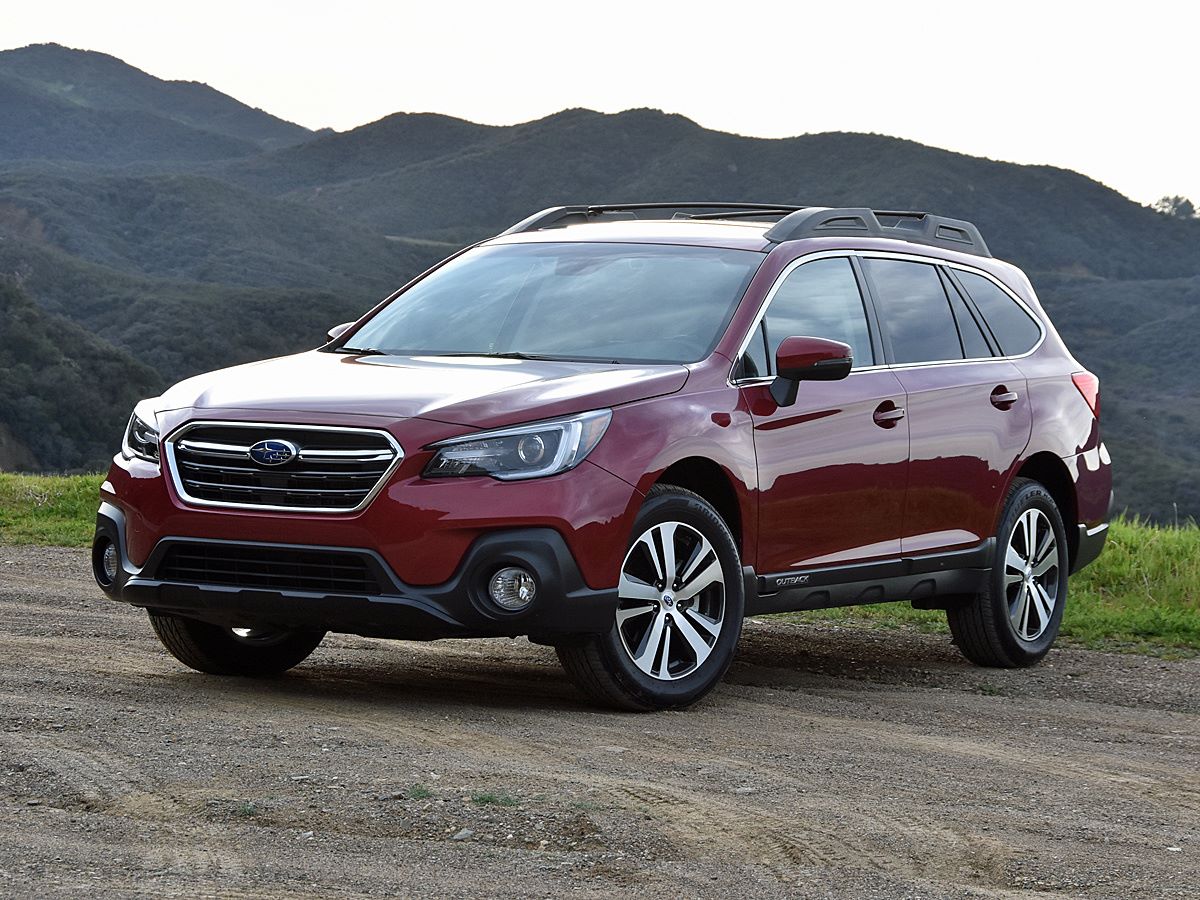
Unlike many competitors that offer all-wheel drive as an expensive option, Subaru includes it on every Outback, making capable all-weather transportation accessible to more buyers.
The system operates transparently in the background, continuously distributing power to maintain optimal traction without driver intervention.
Maintenance costs for the Outback are reasonable, though Subaru ownership does have some unique considerations. The horizontally-opposed engine requires attention to oil levels, as slight consumption is normal for boxer engines.
Oil changes are recommended every 6,000 miles, and it’s wise to check levels between changes. Subaru’s parts pricing is competitive, and the brand’s loyal customer base means independent specialists are common in most regions, providing alternatives to dealer service.
The Outback’s reputation for reliability means maintenance is predictable and budgetable rather than surprising and expensive. Fuel economy for the base engine Outback typically achieves EPA ratings around 29 mpg combined, which is competitive for a vehicle with standard all-wheel drive and genuine capability.
When combined with the regular fuel requirement, operating costs remain manageable despite the all-wheel-drive system. Over typical ownership periods, the Outback’s efficiency and reliability translate to affordable transportation that doesn’t compromise capability or versatility.
The Outback’s value retention is excellent, bolstered by Subaru’s strong reputation and the vehicle’s cult following. Used Outbacks command strong prices, particularly in regions where all-wheel drive is appreciated, and high-mileage examples remain desirable due to their proven longevity.
8. Ford F-150 (Naturally Aspirated Engines)
The Ford F-150 stands as America’s best-selling vehicle for over four decades, and while many modern variants feature turbocharged EcoBoost engines requiring premium fuel for optimal performance, Ford still offers naturally aspirated engine options that run perfectly on regular unleaded gasoline.
For truck buyers prioritizing long-term reliability, simple maintenance, and affordable operating costs, the naturally aspirated F-150 represents an excellent choice that doesn’t sacrifice capability or durability.
The naturally aspirated option in the F-150 lineup is a 3.3-liter V6 engine producing 290 horsepower and 265 lb-ft of torque, specifically designed and calibrated for regular 87-octane gasoline.
This port-injected engine eschews complex direct-injection systems and turbochargers in favor of proven technology that emphasizes reliability and longevity.
While not as powerful as the EcoBoost alternatives, this engine provides more than adequate performance for most truck duties, including towing up to 8,200 pounds and hauling substantial payloads.
The linear power delivery and straightforward operation make it ideal for work truck applications and drivers who appreciate simplicity. Ford’s reputation for building durable truck engines is well-earned, and the naturally aspirated V6 continues this tradition.
The engine’s simple design means fewer components that can fail, and the port injection system avoids carbon buildup issues that can affect direct-injection engines over time.
The timing chain design eliminates belt replacement expenses, and the straightforward architecture means repairs are more accessible and affordable when eventually needed.
Many fleet operators specifically choose naturally aspirated F-150s for their proven reliability and lower maintenance costs over the vehicle’s service life.
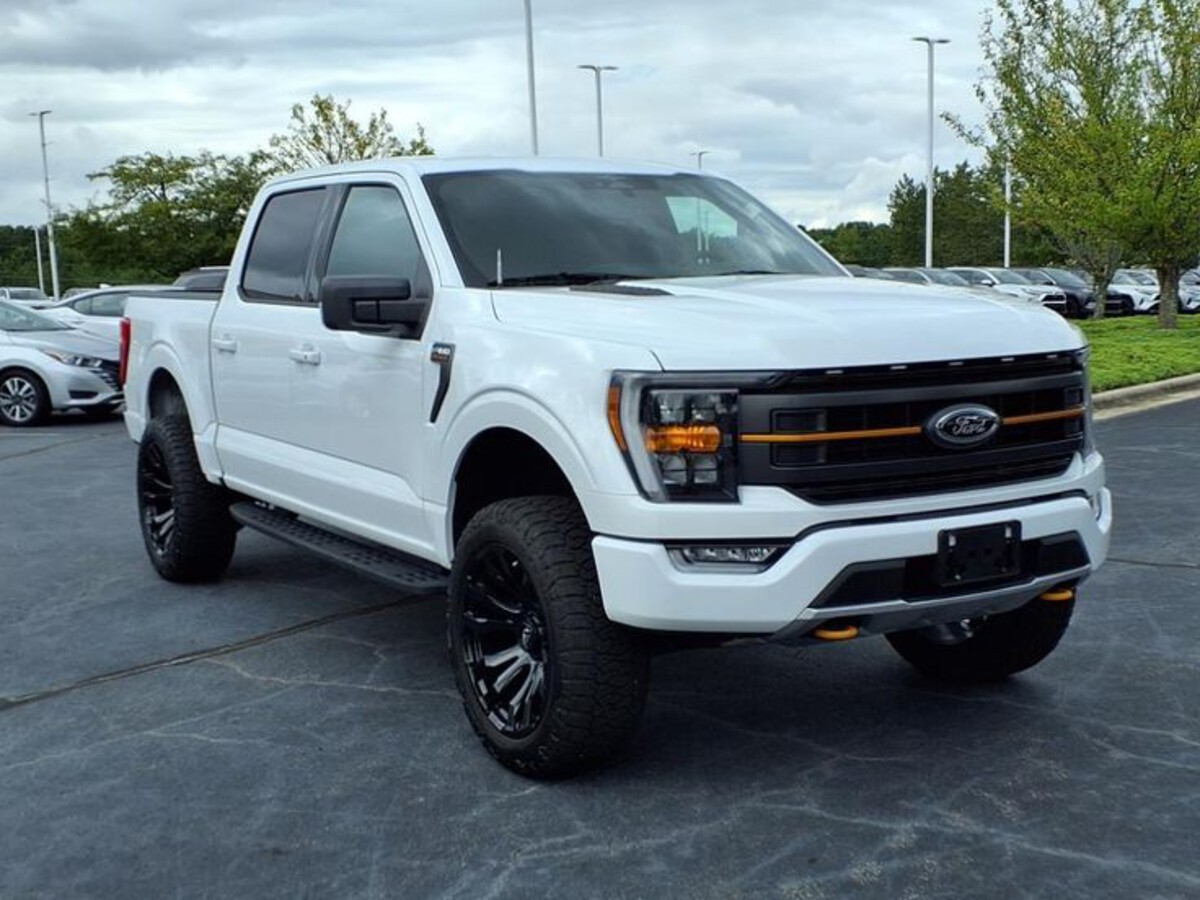
The F-150’s interior has improved dramatically in recent generations, offering comfort and technology that rivals many SUVs and cars. The cabin is spacious, with ample room for passengers and clever storage solutions for tools, equipment, and personal items.
The infotainment system is intuitive, and available features like heated seats, premium audio, and advanced driver assistance systems mean that choosing a truck no longer means sacrificing comfort or convenience.
The driving position is commanding, with excellent visibility that makes maneuvering the large vehicle easier than you might expect. From a maintenance perspective, the naturally aspirated F-150 is straightforward and affordable to service.
Oil changes follow conventional intervals, and parts are inexpensive and universally available thanks to Ford’s vast dealer network and aftermarket support.
The simple mechanical design means most repairs can be handled by independent mechanics, keeping service costs reasonable. The F-150’s body-on-frame construction means the truck can withstand years of hard use, and components are designed for easy replacement rather than integrated assemblies that require extensive disassembly.
Fuel economy for the naturally aspirated V6 F-150 is reasonable for a full-size truck, achieving EPA ratings around 20 mpg combined for rear-wheel-drive models.
While not matching smaller vehicles, this efficiency is competitive within the truck segment, and when combined with the regular fuel requirement, operating costs remain manageable.
For truck buyers who need genuine capability for work or recreation, the naturally aspirated F-150 delivers that capability without the premium fuel penalty of turbocharged alternatives.
The F-150’s versatility is legendary, serving equally well as a work truck, family hauler, or weekend adventure vehicle. The various bed and cab configurations allow buyers to customize the truck to their specific needs, and the towing and payload capabilities ensure that the F-150 can handle virtually any task.
The available off-road packages transform the truck into a genuine trail vehicle, while luxury trims provide near-luxury-car comfort for those who want a refined daily driver. Value retention for the F-150 is excellent, as strong demand keeps resale values high even for high-mileage examples.
9. Hyundai Sonata
The Hyundai Sonata has evolved from budget alternative to genuine midsize sedan contender, offering impressive style, features, and value while running exclusively on regular unleaded fuel.
Hyundai’s transformation over the past decade has been remarkable, and the Sonata exemplifies the brand’s commitment to delivering quality, technology, and peace of mind at accessible price points.
For buyers seeking a spacious, well-equipped sedan without premium fuel requirements, the Sonata represents compelling value. Under the hood, the Sonata typically features a naturally aspirated 2.5-liter four-cylinder engine producing 191 horsepower, specifically calibrated for regular 87-octane gasoline.
This Smartstream engine incorporates modern technologies including continuously variable valve duration and integrated thermal management to optimize efficiency and performance across diverse operating conditions.
The engine delivers smooth, refined power that makes daily driving pleasant, with adequate acceleration for merging and passing while maintaining impressive fuel economy.
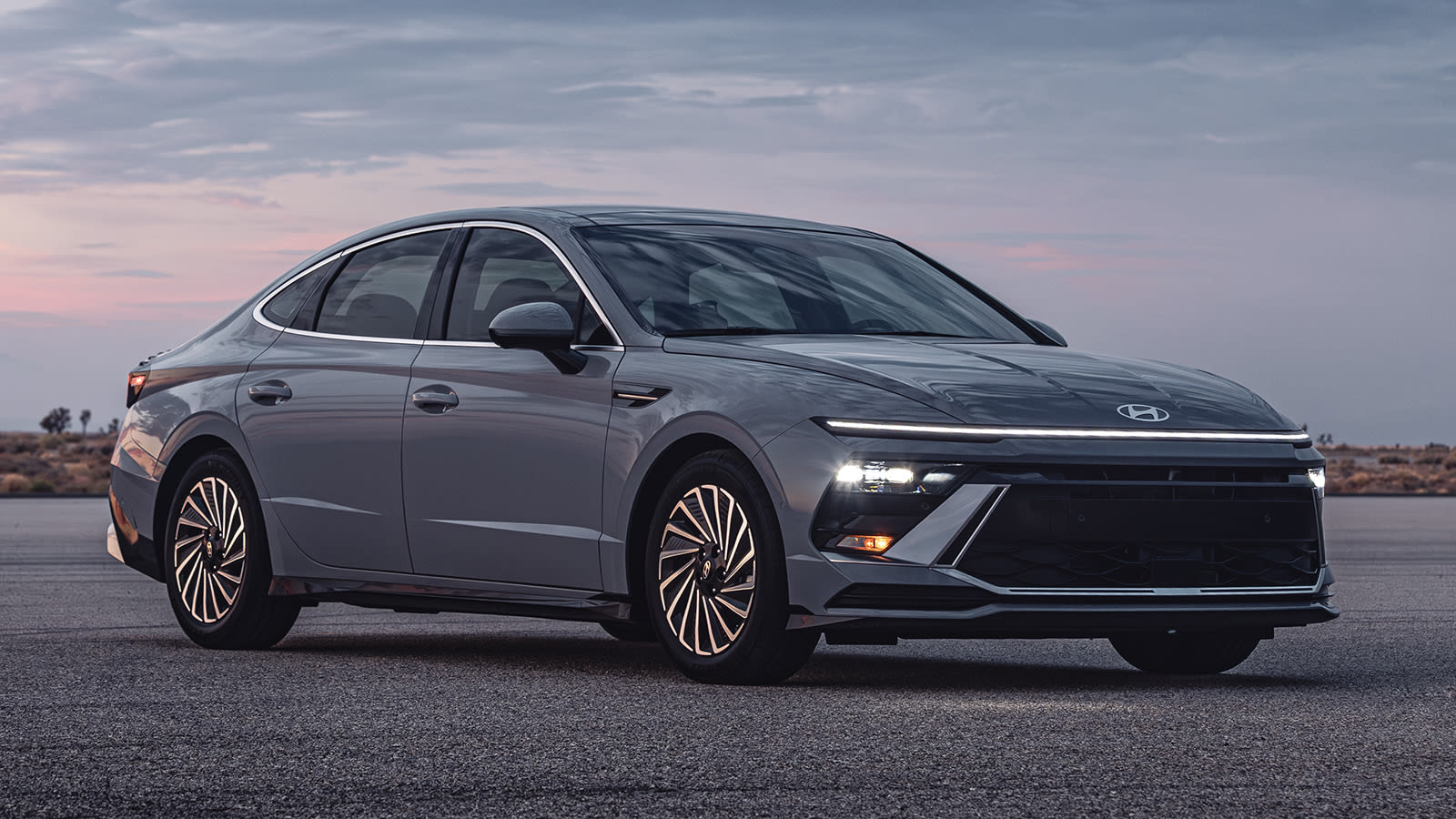
Hyundai’s quality and reliability have improved dramatically, and the current Sonata reflects this progress. The brand now regularly ranks near the top in initial quality surveys, and long-term reliability has steadily improved as Hyundai has refined its engineering and manufacturing processes.
The Sonata’s engine features proven technologies that prioritize durability, and the timing chain design eliminates expensive belt services.
While the brand doesn’t yet have the decades-long track record of Honda and Toyota, recent models show promising durability characteristics, with many owners reporting trouble-free high-mileage experiences.
For buyers who prioritize getting the most features and technology for their money while avoiding premium fuel costs, the Sonata represents exceptional value.
The combination of generous equipment, modern design, improving reliability, and industry-leading warranty coverage creates a compelling package that deserves serious consideration from anyone shopping for a midsize sedan.
10. Kia Telluride
The Kia Telluride burst onto the automotive scene as a revelation, earning numerous awards and accolades while proving that a three-row family SUV can deliver style, quality, and capability without requiring premium fuel or luxury-brand pricing.
This midsize SUV has quickly become one of the most sought-after vehicles in its segment, often commanding waiting lists and minimal discounts due to overwhelming demand. The Telluride demonstrates that Kia’s transformation into a quality mainstream brand is complete and genuine.
Powering the Telluride is a naturally aspirated 3.8-liter V6 engine producing 291 horsepower and 262 lb-ft of torque, specifically designed and calibrated for regular 87-octane gasoline.
This Lambda engine has been refined over multiple generations, incorporating technologies like continuously variable valve timing and direct injection to optimize power delivery and efficiency.
The engine provides ample power for confident acceleration even when fully loaded with passengers and cargo, and the smooth, refined operation befits the Telluride’s upscale character. The eight-speed automatic transmission shifts smoothly and intelligently, contributing to the sense of refinement.
While Kia doesn’t have the decades-long reliability track record of some competitors, the brand’s quality has improved dramatically, and the Telluride appears poised to continue this trend.
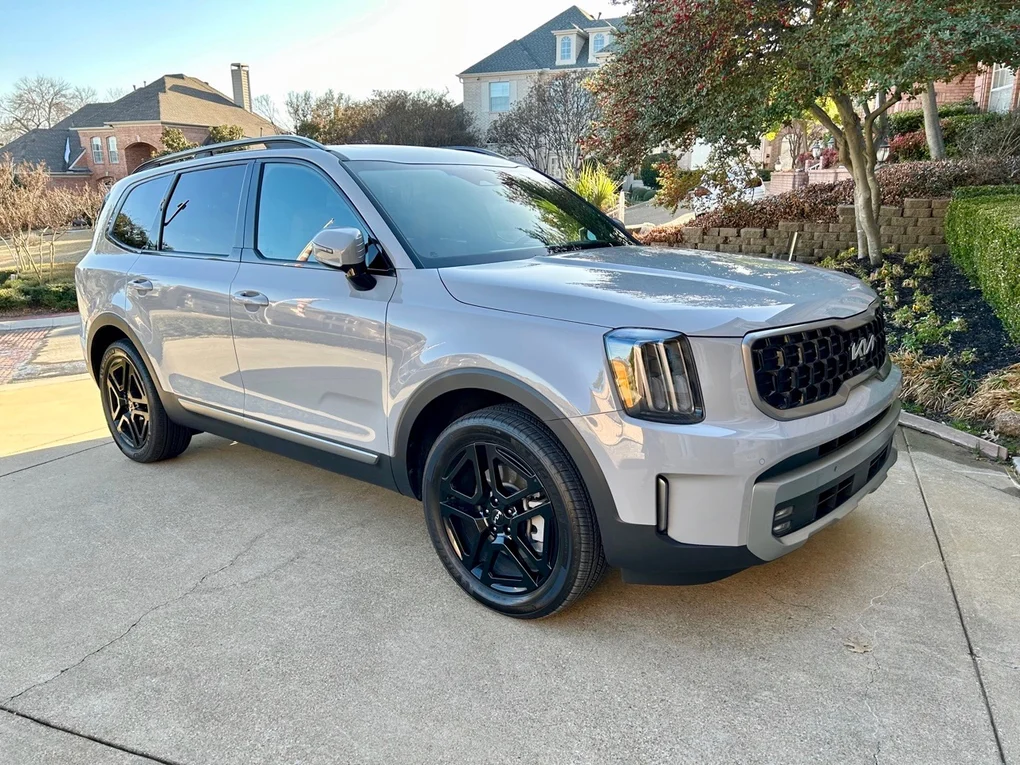
The engine’s proven design and straightforward engineering inspire confidence, and early ownership reports indicate minimal issues beyond normal wear items.
The timing chain design eliminates expensive belt replacements, and the accessible engine layout facilitates straightforward maintenance. Kia’s commitment to quality is evident in the Telluride’s solid build quality and attention to detail throughout the vehicle.
The Telluride’s interior is genuinely impressive, rivaling luxury brands in materials quality, design, and features. The cabin feels upscale and thoughtfully designed, with high-quality plastics, available Nappa leather seating, and attractive trim elements creating an ambiance that belies the reasonable price point.
All three rows offer usable space, with the second row providing ample room for adults and the third row suitable for children or shorter trips for adults.
The seating configurations are versatile, allowing the Telluride to transition easily from people hauler to cargo carrier. The panoramic sunroof, available on most trims, floods the cabin with natural light and enhances the sense of spaciousness.
For families seeking a three-row SUV that delivers luxury-grade refinement, generous space, comprehensive features, and impressive capability without requiring premium fuel or luxury pricing, the Kia Telluride represents an outstanding choice that has genuinely redefined expectations for the segment.
Also Read: 9 SUVs That Keep Their Interior Quality for a Decade
