
The evaporative emission control system, commonly known as EVAP, is one of the most critical yet frustrating components in modern vehicles.
This system prevents fuel vapors from escaping into the atmosphere, playing a vital role in reducing air pollution and maintaining environmental standards.
However, for many car owners, EVAP system failures have become a recurring nightmare, particularly during mandatory emissions inspections.
The dreaded check engine light illuminating just before inspection time, accompanied by diagnostic trouble codes related to EVAP leaks, has become an all-too-familiar scenario for drivers across the country.
EVAP codes can stem from various issues, ranging from a loose gas cap to more complex problems like faulty purge valves, vent valves, or cracked evaporative emission canisters.
While some of these issues are relatively inexpensive to fix, others can require hundreds or even thousands of dollars in repairs. The frustration intensifies when these codes appear repeatedly, forcing vehicle owners into a cycle of repairs, temporary fixes, and failed inspections.
This ongoing battle not only drains financial resources but also consumes valuable time and causes significant stress. The good news is that not all vehicles are created equal when it comes to EVAP system reliability.
Certain manufacturers have engineered their evaporative emission systems with superior components, better design architecture, and more robust quality control measures.
These vehicles demonstrate exceptional track records for passing emissions inspections year after year without triggering those infamous P0440 through P0457 diagnostic codes that strike fear into the hearts of vehicle owners.
When selecting a vehicle known for EVAP reliability, several factors come into play. Japanese manufacturers, particularly Toyota, Honda, and Mazda, have built stellar reputations for producing vehicles with dependable emission control systems.
Their commitment to quality engineering and rigorous testing protocols ensures that components last longer and perform more consistently. German manufacturers like Volkswagen and BMW, despite their complex engineering, have also produced specific models with notably reliable EVAP systems.
Even American manufacturers have stepped up their game, with certain models from Ford and Chevrolet demonstrating impressive reliability in this crucial area.
The models featured in this comprehensive guide represent the cream of the crop when it comes to EVAP system dependability. These vehicles have earned their places on this list through consistent performance in real-world conditions, positive owner feedback, and documented reliability ratings from trusted automotive sources.
Whether you’re in the market for a fuel-efficient sedan, a practical SUV, or a dependable truck, this list offers options that will help you avoid the headache of recurring EVAP codes and failed emissions inspections. Let’s explore these ten reliable champions that will keep you confidently passing inspections for years to come.
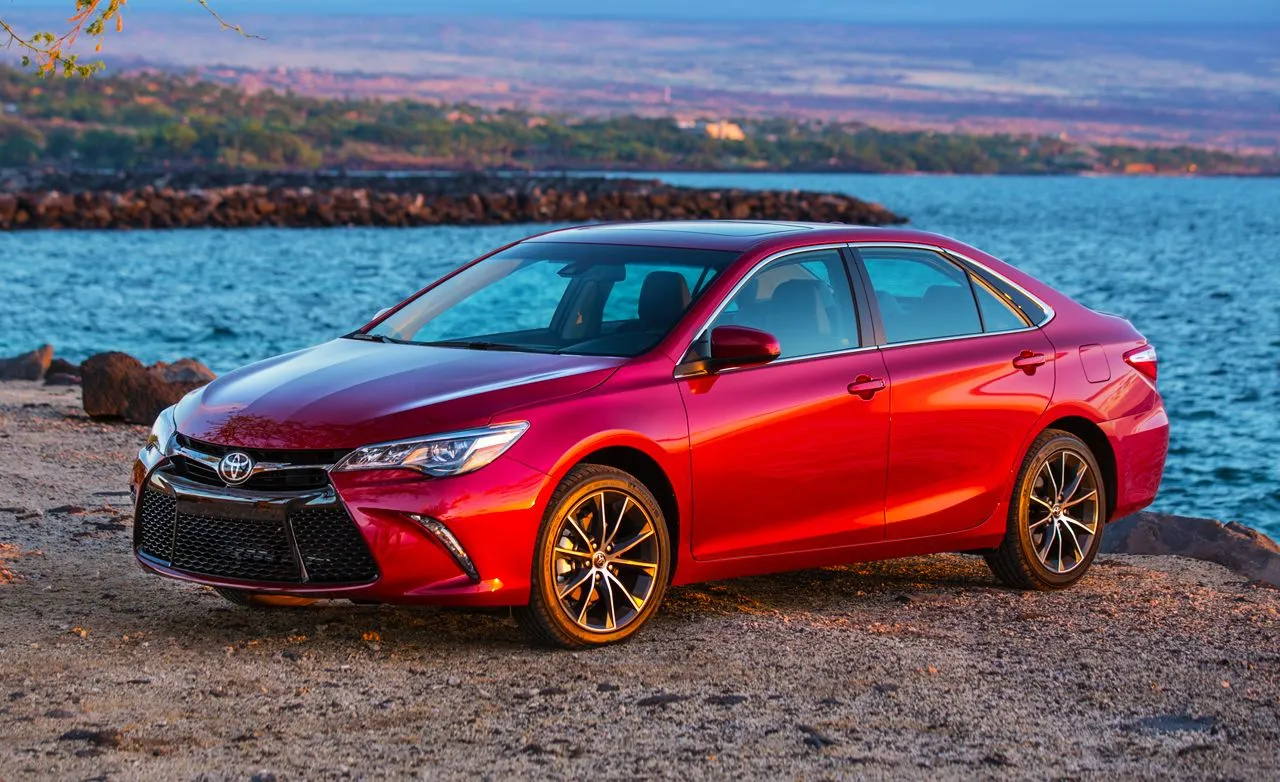
1. Toyota Camry (2012-2024)
The Toyota Camry stands as an automotive icon of reliability, and its evaporative emission system exemplifies this reputation for dependability.
Across multiple generations, the Camry has consistently demonstrated exceptional EVAP system reliability, making it a top choice for drivers who want to avoid inspection-related headaches.
Toyota’s engineering philosophy prioritizes longevity and consistent performance, and nowhere is this more evident than in the Camry’s emission control systems.
The Camry’s EVAP system benefits from Toyota’s meticulous attention to component quality. The charcoal canister, which absorbs fuel vapors, is engineered with high-grade materials that resist degradation even in extreme temperature conditions.
Unlike many competitors who have experienced widespread canister failures, Toyota’s design incorporates superior filtration that prevents liquid fuel contamination, a common cause of EVAP system failures in other vehicles.
The purge valve and vent valve, critical components that regulate vapor flow, are manufactured to exacting standards and feature robust electrical connections that resist corrosion and maintain consistent operation over hundreds of thousands of miles.
One of the Camry’s greatest strengths lies in its simplified yet effective EVAP system architecture. Toyota engineers avoided the overly complex designs that plague many modern vehicles, opting instead for a straightforward layout that minimizes potential failure points.
The fuel tank pressure sensor, often a source of false EVAP codes in other makes, is positioned strategically to avoid exposure to excessive heat and physical damage.
The gas cap sealing system uses high-quality rubber gaskets that maintain their integrity far longer than cheaper alternatives, and the threading design ensures proper sealing even after thousands of refueling cycles.
Owners of Camrys from the 2012 through 2024 model years consistently report trouble-free emissions inspections. The vehicle’s onboard diagnostic system is calibrated with appropriate sensitivity strict enough to detect genuine problems but not so hypersensitive that it triggers codes for minor, temporary variations in system pressure.
This balanced approach means Camry owners rarely experience the frustration of intermittent EVAP codes that mysteriously appear and disappear.
The Camry’s reliability extends across both its four-cylinder and V6 engine options, with both powertrains sharing the same fundamental EVAP architecture.
The system’s durability is particularly impressive in high-mileage examples, with many Camrys surpassing 200,000 miles without requiring any EVAP-related repairs beyond routine gas cap replacements.
Maintenance is straightforward and inexpensive when required, with readily available parts and accessible component locations that don’t require extensive disassembly.
Toyota’s use of corrosion-resistant materials throughout the EVAP system contributes significantly to the Camry’s reliability, especially in regions with harsh winters where road salt accelerates component deterioration.
The vapor lines are constructed from durable materials that resist cracking and maintain flexibility in temperature extremes. The electrical connectors feature weather-tight seals that prevent moisture intrusion, eliminating a common source of intermittent failures in other vehicles.
For those seeking a midsize sedan that will reliably pass emissions inspections year after year, the Toyota Camry represents an outstanding choice that combines proven EVAP system reliability with Toyota’s legendary dependability and strong resale value.
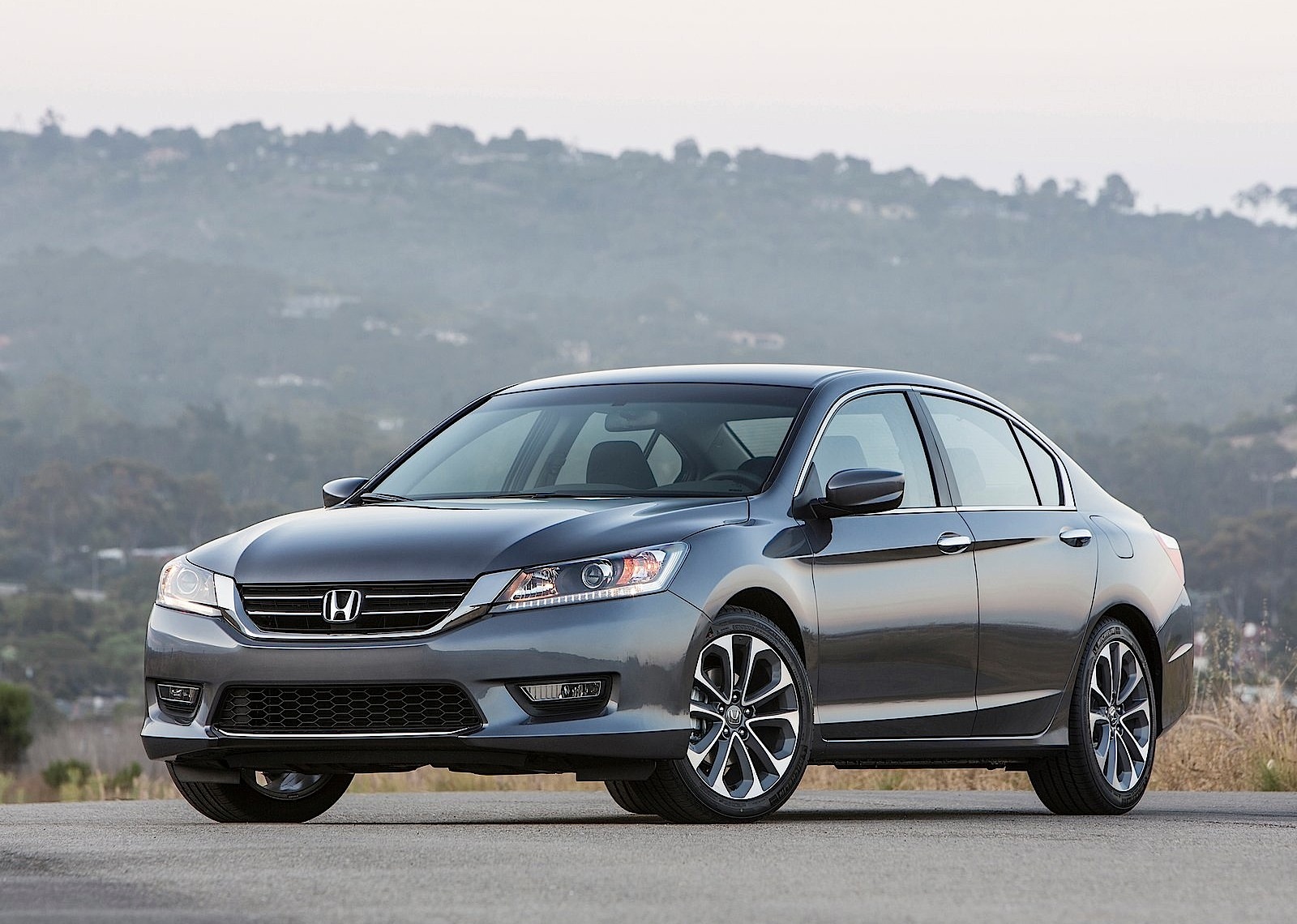
2. Honda Accord (2013-2024)
The Honda Accord has earned its reputation as one of the automotive industry’s most dependable sedans, and its evaporative emission system stands as a testament to Honda’s engineering excellence.
Throughout the 2013 to 2024 model years, the Accord has consistently delivered exceptional EVAP system performance, making it a favorite among drivers who prioritize hassle-free emissions inspections and long-term reliability.
Honda’s approach to EVAP system design emphasizes durability through intelligent engineering choices. The Accord’s charcoal canister utilizes a sophisticated multi-layer design that maximizes vapor absorption capacity while incorporating protective measures against liquid fuel intrusion.
This design innovation significantly reduces the risk of canister saturation, a common failure mode that affects many vehicles and leads to expensive repairs.
The canister’s placement within the vehicle’s architecture is carefully considered to protect it from road debris impact and excessive heat exposure, factors that contribute to premature failure in less thoughtfully designed vehicles.
The Accord’s purge control valve represents a masterclass in component reliability. Honda engineers selected high-quality solenoid components that maintain precise operation through extreme temperature variations and hundreds of thousands of actuation cycles.
The valve’s electrical connections feature gold-plated contacts that resist oxidation, ensuring consistent electrical conductivity even in humid environments.
This attention to detail in seemingly minor components pays dividends in long-term reliability, as owners report remarkably few purge valve failures even in high-mileage examples exceeding 250,000 miles.
One of the Accord’s distinguishing features is its robust leak detection system that accurately identifies genuine EVAP system problems while minimizing false positives.
The vehicle’s engine control module employs sophisticated algorithms that account for ambient temperature variations, altitude changes, and normal system pressure fluctuations.
This intelligent approach means Accord owners rarely experience the frustration of check engine lights triggered by transient conditions that don’t represent actual system failures.
When an EVAP code does appear, it typically indicates a legitimate issue that requires attention rather than a phantom problem that wastes time and money on unnecessary diagnostics.
The fuel filler neck and gas cap assembly on the Accord demonstrate Honda’s commitment to quality in every detail. The gas cap features a precision-engineered sealing surface with multi-lip gasket design that maintains excellent sealing performance even after years of use.
The cap’s ratcheting mechanism is calibrated to provide clear tactile feedback when properly tightened, helping drivers achieve correct sealing without overtightening.
The filler neck itself is constructed from materials that resist corrosion and maintain dimensional stability, ensuring the gas cap continues to seal properly throughout the vehicle’s lifetime.
Honda’s quality control during manufacturing ensures consistent EVAP system performance across the entire Accord production run. The company’s rigorous testing protocols identify and eliminate potential weak points before vehicles reach customers.
This proactive approach results in remarkably uniform reliability, with few model-year-specific problems or design flaws that sometimes plague other manufacturers.
The Accord’s EVAP system maintenance requirements are minimal, typically limited to occasional gas cap replacement an inexpensive and simple procedure that any owner can perform.
When more significant service becomes necessary, Honda’s straightforward design philosophy ensures repair procedures are logical and accessible, with components positioned for reasonable access without requiring major disassembly operations. Replacement parts are widely available and competitively priced, further enhancing the Accord’s ownership value proposition.
3. Mazda CX-5 (2013-2024)
The Mazda CX-5 represents a compelling combination of driving enjoyment and practical reliability, with its evaporative emission system standing out as particularly robust across the 2013 through 2024 model years.
Mazda’s engineering philosophy, which emphasizes harmony between performance and dependability, has produced an EVAP system that consistently delivers trouble-free operation and effortless emissions inspection compliance.
Mazda’s SkyActiv technology platform, introduced with the CX-5, incorporates refined emission control systems that benefit from years of development and real-world testing.
The EVAP system architecture leverages lessons learned from previous generations while incorporating innovative design elements that enhance reliability.
The charcoal canister employs a high-capacity design that provides a substantial margin beyond regulatory requirements, meaning the system operates well within its performance envelope under normal conditions. This conservative engineering approach contributes to exceptional longevity and resistance to degradation over time.

The CX-5’s evaporative emission components demonstrate impressive resilience to environmental stressors. The vapor lines utilize premium-grade materials that maintain flexibility across wide temperature ranges, from sub-zero winter conditions to scorching summer heat.
These lines resist the embrittlement and cracking that commonly affect lesser-quality materials, ensuring leak-free operation for the vehicle’s lifetime.
The routing of these vapor lines reflects careful consideration of thermal management and physical protection, with strategic placement that avoids heat sources and potential impact zones.
One of the CX-5’s significant advantages is its fuel system design, which integrates seamlessly with the EVAP system to minimize the generation of excessive fuel vapors.
The fuel tank incorporates advanced baffling and ventilation that reduces vapor buildup under varying fuel levels and driving conditions.
This proactive approach reduces stress on the EVAP system components, contributing to their extended service life. The fuel tank pressure sensor, a component prone to failure in many vehicles, benefits from Mazda’s thoughtful placement that protects it from extreme temperatures and physical damage while ensuring accurate readings.
Mazda’s attention to electrical system integrity particularly benefits the CX-5’s EVAP system reliability. All electrical connectors associated with emission control components feature robust construction with multiple sealing mechanisms that prevent moisture intrusion.
The wiring harnesses incorporate proper strain relief and secure routing that prevents chafing and fatigue failures. These seemingly minor details collectively contribute to the system’s exceptional reliability, as electrical problems represent a common source of EVAP-related check engine lights in other vehicles.
The CX-5’s onboard diagnostic system demonstrates Mazda’s balanced approach to emission monitoring. The system’s calibration provides appropriate sensitivity to detect genuine leaks and component failures while avoiding the hypersensitivity that generates false alarms.
Mazda engineers programmed the diagnostic algorithms to account for normal system variations and transient conditions, meaning CX-5 owners rarely experience nuisance codes that require diagnostic time without revealing actual problems.
Owner feedback consistently praises the CX-5’s emissions inspection reliability, with many drivers reporting they’ve never experienced an EVAP-related code even after years of ownership and substantial mileage accumulation.
This real-world track record validates Mazda’s engineering decisions and quality control processes. When maintenance is required, the CX-5’s service-friendly design allows technicians to access components without extensive disassembly, keeping repair costs reasonable and minimizing vehicle downtime.
The CX-5’s compact SUV configuration presents unique challenges for EVAP system design, as space constraints and varying load conditions can stress emission control components.
Mazda’s engineers successfully navigated these challenges, creating a system that performs reliably regardless of cargo loads, towing demands, or driving conditions, making it an excellent choice for families seeking dependable transportation.
4. Toyota RAV4 (2013-2024)
The Toyota RAV4, one of the best-selling compact SUVs in North America, has built an enviable reputation for reliability that extends emphatically to its evaporative emission system.
Spanning the 2013 through 2024 model years, the RAV4 has consistently demonstrated exceptional EVAP system dependability, making it a standout choice for drivers seeking worry-free emissions inspections and minimal maintenance headaches.
Toyota’s approach to the RAV4’s EVAP system design prioritizes proven engineering principles over experimental technology. The system architecture builds upon decades of refinement, incorporating incremental improvements that enhance reliability without introducing unnecessary complexity.
The charcoal canister design exemplifies this philosophy, utilizing a time-tested configuration with high-quality activated carbon that maintains excellent vapor absorption capacity throughout the vehicle’s service life.
Toyota’s stringent quality control ensures consistent canister performance across the entire production run, eliminating the batch-to-batch variations that sometimes affect other manufacturers.
The RAV4’s vent valve assembly represents a particularly well-engineered component that rarely requires service or replacement. This valve, which allows atmospheric air to enter the EVAP system during purge operations, features robust construction with corrosion-resistant materials that maintain proper function even in challenging environmental conditions.

The valve’s mechanical design incorporates redundant sealing elements that prevent vapor leaks while ensuring reliable operation through hundreds of thousands of cycles.
The electrical portion of the valve assembly benefits from Toyota’s expertise in automotive electronics, with reliable actuation mechanisms that maintain precise control over vapor management.
One of the RAV4’s greatest strengths lies in its fuel filler system design, which prevents many common EVAP problems before they occur.
The fuel tank’s internal structure incorporates sophisticated baffling that minimizes fuel slosh and reduces the risk of liquid fuel reaching the EVAP canister a common cause of system contamination and failure.
The filler neck employs a design that facilitates complete tank filling while preventing overfilling, which can force liquid fuel into vapor lines.
The gas cap assembly features Toyota’s renowned quality, with precision threading and high-grade sealing gaskets that maintain excellent sealing performance even after thousands of refueling events.
The RAV4’s maintenance requirements for its EVAP system are minimal, with most owners never needing anything beyond occasional gas cap replacement a simple, inexpensive service that takes seconds to complete.
Component accessibility is excellent, with thoughtful packaging that allows technicians to reach EVAP system parts without removing major assemblies.
This service-friendly design keeps repair costs reasonable during the rare instances when maintenance becomes necessary, further enhancing the RAV4’s value proposition for cost-conscious owners who want reliable, affordable transportation.
Also Read: 12 EVs With Reliable Thermal Management Over Time
5. Honda CR-V (2012-2024)
The Honda CR-V has long been a benchmark for compact SUV reliability, and its evaporative emission system exemplifies the engineering excellence that has made this vehicle a perennial favorite among practical-minded buyers.
Throughout the 2012 to 2024 model years, the CR-V has established an outstanding track record for EVAP system dependability, consistently passing emissions inspections without the troublesome codes that afflict many competing vehicles.
Honda’s engineering team designed the CR-V’s EVAP system with a focus on real-world durability and long-term performance. The system’s architecture reflects Honda’s deep understanding of how components behave under varying environmental conditions and use patterns.
The charcoal canister, positioned strategically within the vehicle’s underbody structure, benefits from optimal protection against physical damage while maintaining appropriate temperature ranges for efficient operation.
The canister’s internal design incorporates multiple chambers with specifically calibrated activated carbon that maximizes vapor storage capacity while resisting degradation from temperature cycling and moisture exposure.

The CR-V’s purge valve demonstrates Honda’s commitment to component quality and reliability. This critical component, which controls the flow of stored fuel vapors into the engine for combustion, features precision-machined sealing surfaces that maintain tight shutoff even after hundreds of thousands of actuation cycles.
The valve’s solenoid coil uses high-grade copper wire with superior insulation that resists thermal degradation, ensuring consistent electrical operation throughout the vehicle’s lifetime.
The valve housing employs materials specifically selected for their resistance to fuel vapor exposure, preventing the swelling and distortion that can compromise sealing in inferior designs.
Maintenance simplicity represents another CR-V advantage, with straightforward service procedures and widely available, competitively priced replacement parts.
The vehicle’s design facilitates easy access to EVAP components, allowing technicians to perform repairs efficiently without extensive disassembly, keeping service costs reasonable during the rare instances when maintenance becomes necessary.
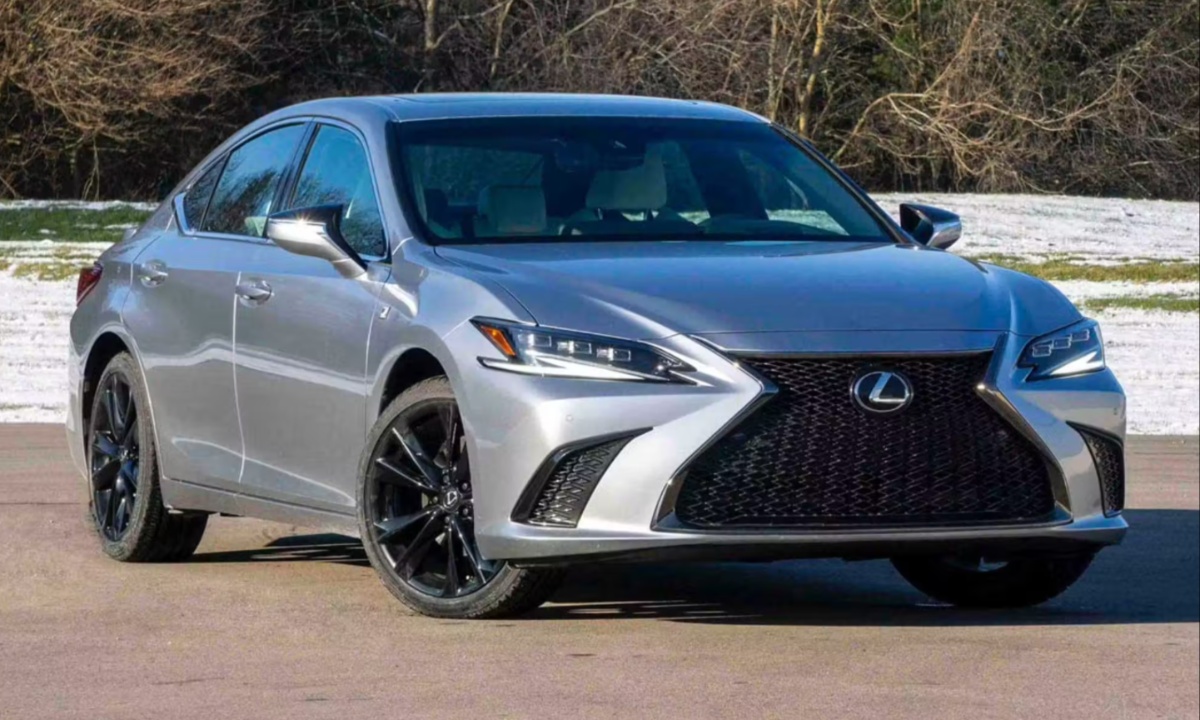
6. Lexus ES (2013-2024)
The Lexus ES represents luxury sedan excellence with reliability to match, and its evaporative emission system stands as a paragon of engineering sophistication and long-term dependability.
Spanning the 2013 through 2024 model years, the ES has consistently delivered flawless EVAP system performance, making it the choice for discerning buyers who demand both luxury comfort and worry-free ownership.
Lexus, Toyota’s premium division, applies even more rigorous quality standards to the ES than Toyota uses for its mainstream vehicles.
The EVAP system benefits from this raised attention to detail, with component selection that prioritizes premium materials and manufacturing precision.
The charcoal canister employs specially processed activated carbon with superior absorption characteristics and extended service life.
The canister housing uses corrosion-resistant materials with precise dimensional tolerances that ensure optimal sealing and vapor flow characteristics.
This premium construction translates to exceptional reliability, with ES owners reporting virtually no EVAP-related issues even in high-mileage examples exceeding 200,000 miles.
The ES’s purge and vent valve assemblies represent state-of-the-art emission control components that deliver precise vapor management under all operating conditions.
These valves incorporate advanced solenoid designs with multiple redundant sealing elements that prevent vapor leaks while ensuring reliable actuation.
The electrical connections feature gold-plated terminals with multiple-stage sealing that prevents moisture intrusion even in the most challenging environments.
Lexus engineers calibrated these valves with sophisticated algorithms that optimize vapor purging for maximum efficiency while maintaining emissions compliance with substantial safety margins.
One of the ES’s most impressive features is its fuel system’s integration with the EVAP system, creating a comprehensive vapor management solution that minimizes stress on individual components.
The fuel tank incorporates advanced pressure management that regulates vapor generation across wide temperature ranges and fuel level variations.
The tank’s ventilation system employs multiple pathways with calibrated restriction that prevents excessive pressure buildup while blocking liquid fuel from reaching vapor lines.
This sophisticated approach prevents many common EVAP problems before they occur, contributing to the ES’s exceptional reliability record. Maintenance requirements for the ES’s EVAP system are minimal, reflecting Lexus’s legendary reliability.
When service becomes necessary, the vehicle’s thoughtful design provides excellent component accessibility, and Lexus dealerships maintain comprehensive parts availability with expedited service capabilities that minimize owner inconvenience.
7. Mazda3 (2014-2024)
The Mazda3 combines engaging driving dynamics with admirable reliability, and its evaporative emission system demonstrates the engineering prowess that has earned Mazda recognition as a quality-focused manufacturer.
Throughout the 2014 to 2024 model years, the Mazda3 has established an excellent reputation for EVAP system dependability, consistently delivering trouble-free emissions inspections while requiring minimal maintenance attention.
Mazda’s SkyActiv engineering philosophy permeates the Mazda3’s EVAP system design, emphasizing efficiency and reliability through thoughtful component selection and system optimization.
The charcoal canister employs a compact yet highly effective design that maximizes vapor storage capacity within limited space constraints a particular challenge in the Mazda3’s efficiently packaged architecture.
The canister utilizes high-quality activated carbon with carefully controlled pore size distribution that optimizes vapor absorption while resisting the contamination that degrades performance in lesser systems.
The canister’s placement within the vehicle structure provides excellent protection from road hazards while maintaining appropriate operating temperatures.
The Mazda3’s vapor management valves represent precision-engineered components that deliver consistent performance across wide operating ranges.
The purge control valve features an advanced solenoid design with rapid response characteristics that enable precise vapor flow control, optimizing engine efficiency while maintaining strict emissions compliance.

The valve’s internal sealing components employ materials specifically selected for long-term compatibility with fuel vapors, preventing the swelling and degradation that compromise performance in inferior designs.
The vent valve similarly benefits from premium component selection, with robust construction that ensures reliable operation through hundreds of thousands of cycles.
One of the Mazda3’s notable strengths is its fuel system design, which works harmoniously with the EVAP system to minimize vapor generation and prevent common failure modes.
The fuel tank incorporates intelligent baffling that separates liquid fuel from vapors under all driving conditions, including spirited driving that subjects the fuel system to substantial acceleration forces.
This separation prevents liquid fuel from reaching the EVAP canister, avoiding the contamination that represents a leading cause of premature canister failure in many vehicles.
The fuel tank’s pressure relief system operates with precise calibration, maintaining optimal system pressure while preventing excessive vapor generation during hot weather conditions.
Owner testimonials consistently praise the Mazda3’s emissions inspection reliability, with many drivers reporting zero EVAP-related issues even after substantial mileage accumulation.
This real-world track record validates Mazda’s engineering decisions and demonstrates the effectiveness of its quality control processes.
When maintenance is required, the Mazda3’s service-friendly design allows reasonable component access, and Mazda’s competitive parts pricing ensures affordable ownership costs.
The combination of reliability, driving enjoyment, and practical ownership costs makes the Mazda3 an excellent choice for buyers seeking a compact car that won’t generate costly EVAP-related headaches.
8. Toyota Corolla (2014-2024)
The Toyota Corolla, the world’s best-selling automobile nameplate, has earned its legendary status through unwavering reliability and practical engineering excellence.
Its evaporative emission system exemplifies these qualities across the 2014 through 2024 model years, consistently delivering trouble-free operation and effortless emissions inspection compliance that reinforces the Corolla’s reputation as one of the most dependable vehicles on the road.
Toyota’s approach to the Corolla’s EVAP system design emphasizes proven technology and conservative engineering that prioritizes longevity over complexity.
The system architecture builds upon generations of refinement, incorporating incremental improvements that enhance reliability without introducing unnecessary risk.
The charcoal canister employs a straightforward yet highly effective design with premium activated carbon that maintains excellent vapor absorption characteristics throughout extended service intervals.
Toyota’s manufacturing quality control ensures consistent canister performance across millions of units, eliminating the variability that sometimes affects mass-produced components in other vehicles.
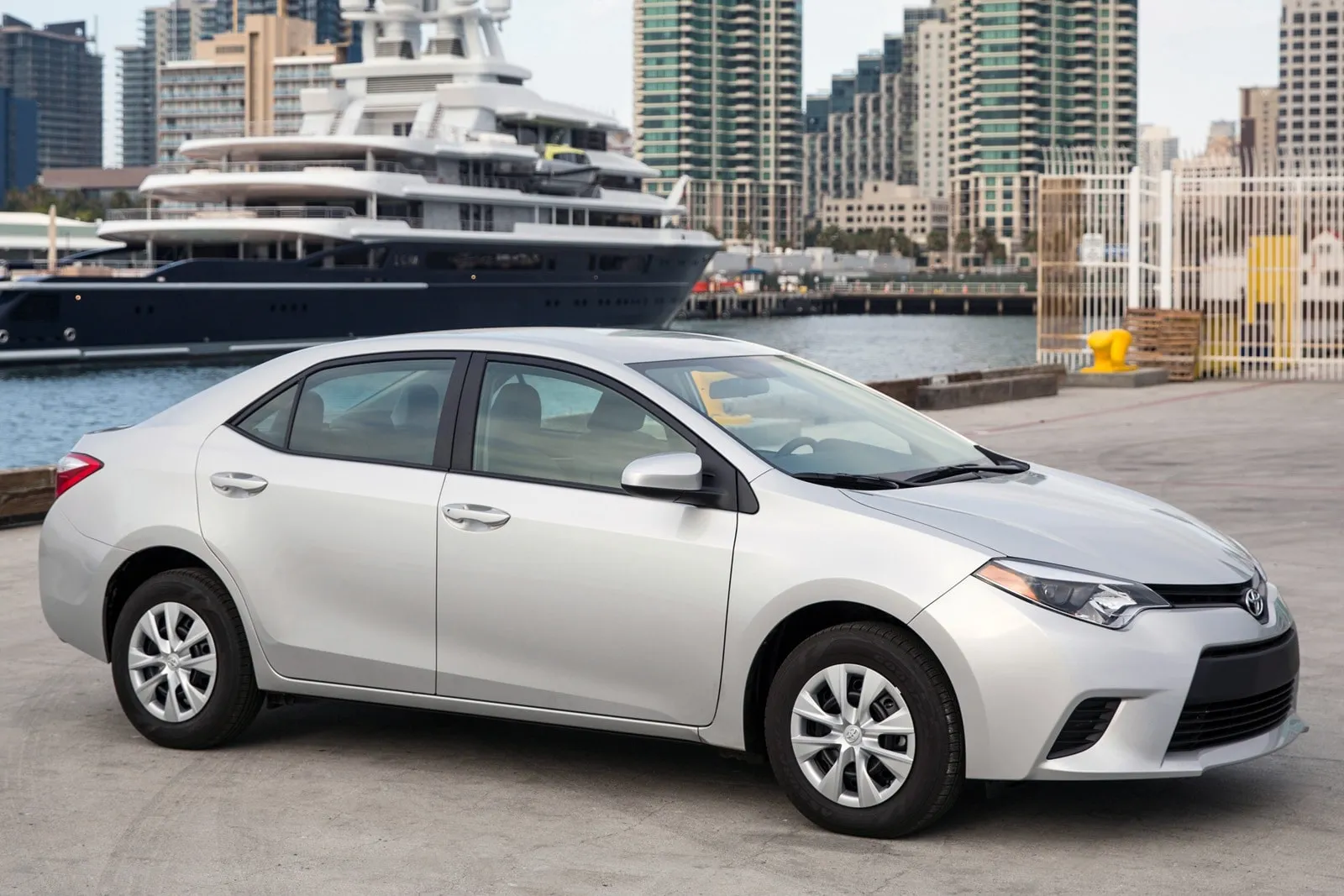
The Corolla’s evaporative emission valves demonstrate Toyota’s commitment to component durability and consistent performance. The purge control valve features robust construction with precision-machined sealing surfaces that maintain tight shutoff characteristics even after hundreds of thousands of actuation cycles.
The valve’s solenoid employs high-quality copper wire with superior insulation that resists thermal degradation from engine compartment heat exposure.
The valve housing uses materials specifically selected for their dimensional stability and resistance to fuel vapor exposure, ensuring reliable operation throughout the vehicle’s service life.
The vent valve similarly benefits from Toyota’s exacting component standards, with durable construction that rarely requires replacement even in high-mileage examples.
Maintenance requirements for the Corolla’s EVAP system are minimal, with most owners experiencing trouble-free operation requiring nothing more than occasional gas cap replacement an inexpensive service that anyone can perform.
The vehicle’s thoughtful packaging provides reasonable access to EVAP components for the rare instances when more significant service becomes necessary, and Toyota’s widespread parts availability ensures competitive pricing and rapid service turnaround times.
9. Subaru Outback (2015-2024)
The Subaru Outback has carved out a unique niche as the adventure-ready wagon that combines rugged capability with everyday practicality, and its evaporative emission system demonstrates reliability that matches Subaru’s reputation for building vehicles that endure.
Throughout the 2015 to 2024 model years, the Outback has established a commendable track record for EVAP system dependability, making it an excellent choice for outdoor enthusiasts who demand reliable transportation that won’t leave them stranded with emission system failures.
Subaru’s engineering approach to the Outback’s EVAP system accounts for the unique challenges presented by the vehicle’s adventure-oriented mission and all-wheel-drive architecture.
The system components are positioned strategically to withstand the rigors of off-pavement driving while maintaining protection from the elements.
The charcoal canister, despite the Outback’s increased ground clearance and exposure to trail hazards, benefits from robust mounting and protective shielding that prevents damage from rocks, debris, and water crossings.
The canister itself employs durable construction with sealed housing that resists moisture intrusion, a critical feature for vehicles that frequently encounter challenging weather and terrain conditions.

The Outback’s vapor management valves demonstrate Subaru’s commitment to reliability under demanding conditions. The purge and vent valves feature ruggedized construction that withstands the vibration and thermal cycling associated with all-wheel-drive operation and varied driving environments.
The electrical connections incorporate multiple sealing stages with robust connector designs that maintain integrity despite exposure to dust, moisture, and temperature extremes.
These valves maintain precise operation across Subaru’s wide range of operating conditions, from cold winter starts in mountainous regions to hot summer operation during highway cruising with full cargo loads.
Owner feedback consistently highlights the Outback’s emissions inspection reliability, with many drivers reporting trouble-free operation even after years of adventurous use in challenging conditions.
This real-world durability validates Subaru’s engineering decisions and demonstrates the effectiveness of its component selection and system design.
When maintenance is required, Subaru’s dealer network provides competent service support, and the Outback’s design allows reasonable component access despite its complex all-wheel-drive system packaging.
The combination of reliability, capability, and practical ownership makes the Outback an excellent choice for active families seeking dependable transportation that won’t generate costly EVAP-related problems.
10. Ford F-150 (2015-2024, specific configurations)
The Ford F-150, America’s best-selling vehicle, has undergone significant evolution in recent generations, with notable improvements in emission system reliability that deserve recognition.
While Ford trucks historically experienced various EVAP-related issues, the 2015 to 2024 F-150s equipped with specific powertrains and configurations have demonstrated markedly improved reliability, making them viable options for buyers seeking dependable trucks that won’t trigger recurring emission codes.
The most reliable F-150 configurations regarding EVAP system performance are those equipped with the naturally aspirated V8 engines, particularly the 5.0-liter Coyote V8, and the later versions of the 2.7-liter and 3.5-liter EcoBoost engines after Ford addressed early production issues.
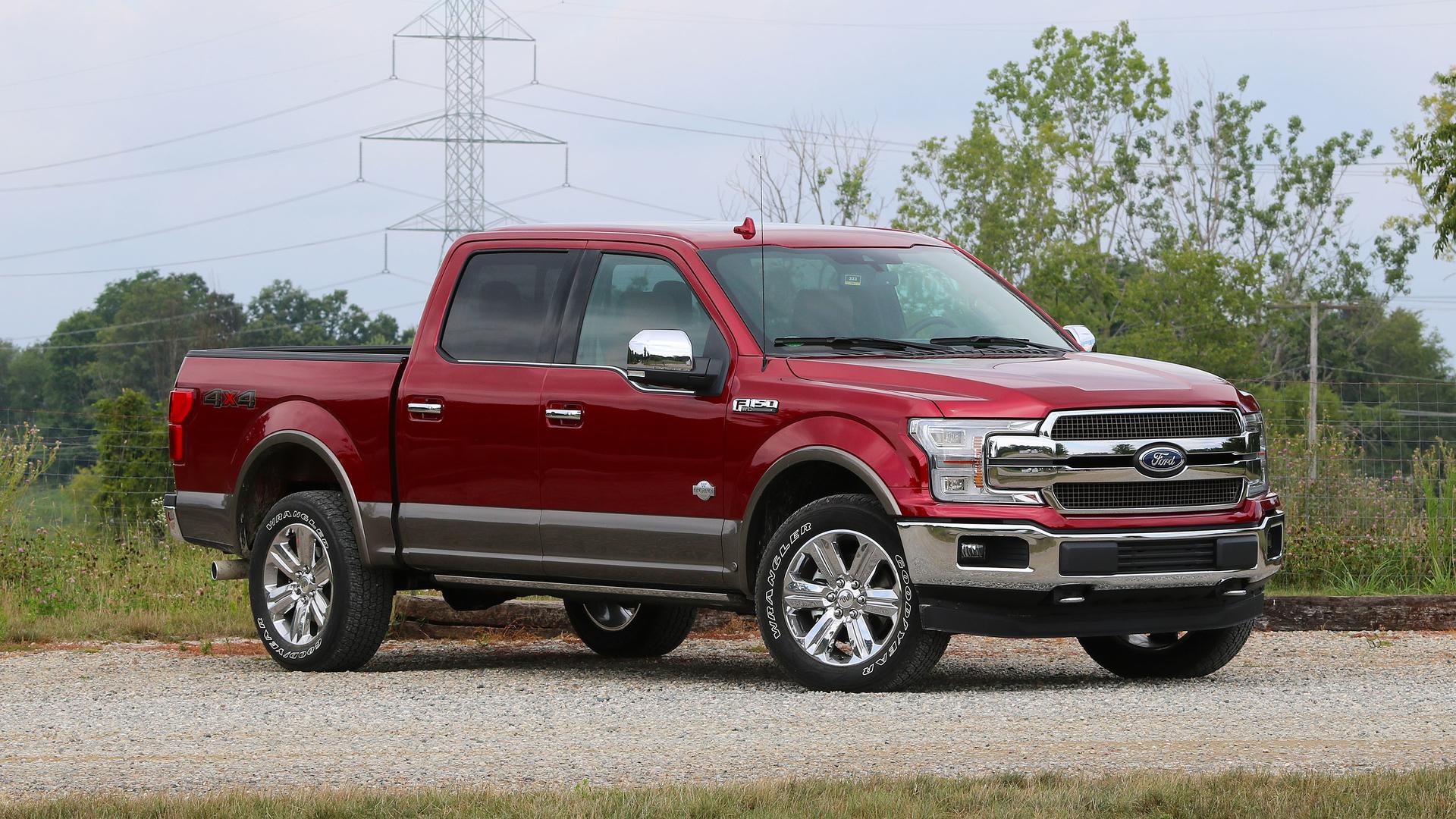
These powertrains benefit from refined EVAP system designs that incorporate lessons learned from previous generations and extensive real-world testing.
Ford’s engineering team implemented significant improvements in component quality, system architecture, and diagnostic calibration that have substantially enhanced reliability compared to earlier F-150 generations.
The F-150’s charcoal canister design reflects Ford’s response to widespread EVAP issues that plagued earlier trucks. Modern F-150s employ redesigned canisters with improved internal structures that better resist liquid fuel contamination, a primary failure mode in pickup trucks with large fuel tanks and varied loading conditions.
The canister placement benefits from protective mounting that shields it from road debris and physical damage, important considerations for vehicles frequently used in construction environments and off-road conditions.
The canister’s connection fittings utilize improved designs with positive locking mechanisms that prevent the vapor line disconnections that sometimes occurred in earlier models.
Ford’s purge valve assembly in recent F-150s represents a significant improvement over previous designs that experienced high failure rates.
The current generation valves feature enhanced solenoid construction with more robust coil windings and improved thermal management that withstands the heat exposure common in truck engine compartments.
The valve housing employs materials with superior dimensional stability that maintain sealing integrity across extreme temperature variations.
The electrical connector design incorporates better environmental sealing that resists moisture intrusion, addressing a weakness in earlier F-150 generations that led to intermittent electrical failures and false EVAP codes.
The F-150’s maintenance accessibility represents an advantage, with relatively straightforward component access that facilitates repairs when needed.
Ford’s extensive dealer and independent service network ensures parts availability and repair expertise, though owners should seek technicians experienced with F-150 emission systems for best results.
While the F-150 may not match the bulletproof EVAP reliability of top Japanese sedans, properly specified and maintained examples offer dependable truck capability without constant emission system troubles, making them viable options for buyers who need truck functionality with reasonable reliability expectations.
Also Read: 10 Jeep Models That Actually Last With Simple Mods
