
Fuel efficiency remains a central consideration for many car buyers in 2025, particularly as hybrid technology continues to advance.
Hybrids are designed to combine internal combustion engines with electric motors, aiming to reduce fuel consumption while maintaining performance. However, not all hybrids achieve this balance equally.
Some deliver impressive miles per gallon (MPG), providing tangible savings at the pump, while others fail to meet expectations, leaving owners frustrated with underwhelming efficiency.
A hybrid’s MPG performance depends on several factors, including powertrain design, battery efficiency, aerodynamics, and vehicle weight. Manufacturers continually improve hybrid systems to optimize energy use, often integrating regenerative braking, automatic start-stop systems, and intelligent power distribution.
Vehicles that excel in fuel economy balance these technologies effectively, resGulting in lower emissions and reduced fuel costs. These hybrids also typically offer smooth transitions between electric and gasoline power, maintaining a refined driving experience while maximizing efficiency.
On the other hand, hybrids that underperform in MPG often struggle due to heavier construction, less efficient powertrains, or insufficiently optimized systems. Even with hybrid technology, these vehicles can consume fuel at rates similar to traditional gasoline models, undermining the expected benefits of hybrid ownership.
Factors like aggressive performance tuning, suboptimal aerodynamics, and inefficient energy recovery can all contribute to disappointing fuel economy.
This article highlights five hybrids in 2025 that excel at fuel efficiency, demonstrating how well-designed systems can deliver excellent MPG without compromising comfort or usability.
Following that, it examines five hybrids that fail to meet efficiency expectations, showing how design choices and engineering limitations can result in lower-than-anticipated fuel savings.
Understanding these differences helps prospective buyers choose models that align with their priorities, ensuring their hybrid investment provides the intended economic and environmental benefits.
Also Read: 5 Cars With Strong Transmissions vs 5 With Weak Ones
5 2025 Hybrids With Great MPG
Fuel efficiency has become a defining factor for hybrid buyers, and the 2025 lineup demonstrates how manufacturers continue to refine hybrid technology.
Some hybrids stand out by delivering remarkable miles per gallon (MPG), combining clever engineering, battery efficiency, and optimized powertrains to provide drivers with tangible savings at the pump. These vehicles illustrate that hybrids are no longer just environmentally friendly; they are practical and cost-effective for everyday use.
Achieving great MPG requires careful attention to multiple factors. Powertrain design is critical, as an efficient balance between electric motors and gasoline engines ensures minimal fuel consumption under varying driving conditions.
Advanced battery systems and regenerative braking also help capture energy that would otherwise be lost, contributing to higher efficiency. Lightweight materials and aerodynamically optimized shapes reduce energy demands further, allowing hybrids to excel in both city and highway driving.
Interior comfort and usability remain important even in efficiency-focused vehicles. Hybrids that deliver impressive MPG without sacrificing ergonomics, cabin quality, or cargo space demonstrate that fuel efficiency can coexist with convenience and driving satisfaction.
Smooth transitions between electric and gasoline modes, quiet operation, and intuitive controls enhance the overall experience, making these vehicles appealing to a wide range of drivers.
This section highlights five 2025 hybrids that achieve excellent fuel economy, showcasing models that successfully combine innovative engineering with practical usability.
Each example demonstrates how thoughtful design, advanced technology, and efficient powertrain integration result in vehicles that outperform expectations in real-world driving.
For drivers prioritizing cost-effective, environmentally conscious transportation, these hybrids represent the best choices for 2025, proving that high MPG and enjoyable driving need not be mutually exclusive.
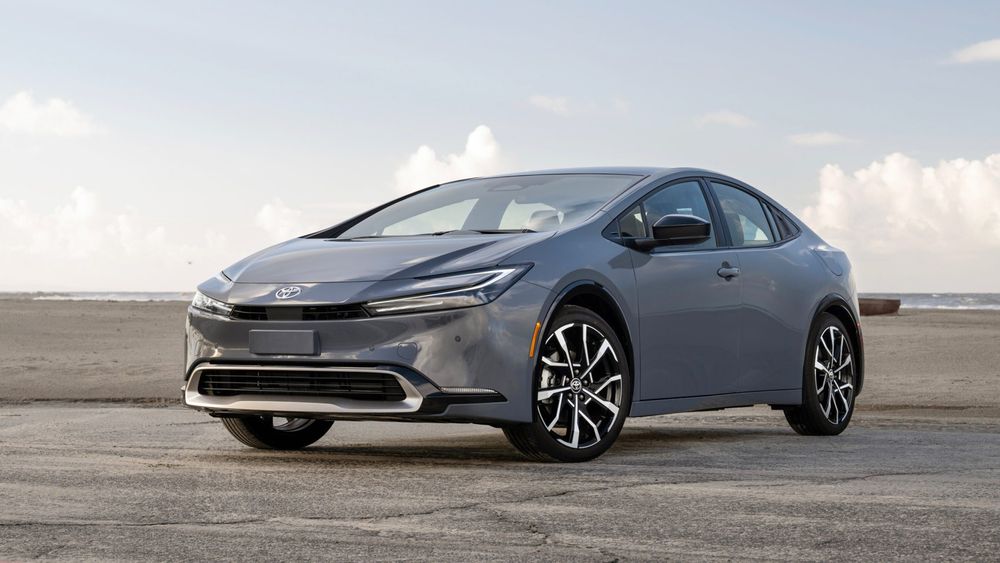
1. Toyota Prius (2025)
The Toyota Prius continues to define hybrid efficiency, and the 2025 model remains one of the best options for drivers prioritizing MPG. The Prius employs a highly optimized hybrid powertrain that seamlessly blends a gasoline engine with electric motors to minimize fuel consumption.
The system intelligently determines when to use electric power alone, gasoline power, or a combination of both, depending on driving conditions. Regenerative braking captures energy that would otherwise be lost, contributing to improved efficiency over city and highway driving alike.
Aerodynamics and weight reduction play a significant role in the Prius’s impressive fuel economy. Its sleek design reduces drag, while lightweight materials help reduce energy demands, allowing the vehicle to achieve some of the highest MPG ratings in the segment.
Additionally, Toyota’s hybrid system includes precise battery management that ensures consistent performance and longevity, making the Prius a reliable choice for long-term efficiency.
Inside, the Prius combines functionality with comfort. Seats are supportive, cabin noise is minimal, and controls are intuitive. While some may find the interior design understated, it prioritizes usability without adding unnecessary weight or complexity, indirectly supporting the vehicle’s efficiency goals.
For drivers focused on cost-effective, environmentally conscious transportation, the 2025 Prius exemplifies how a hybrid can deliver exceptional MPG without compromising reliability, comfort, or practical usability.
Its long-standing reputation for fuel efficiency makes it a benchmark in the hybrid market, appealing to those who want predictable, high-mileage performance every day.
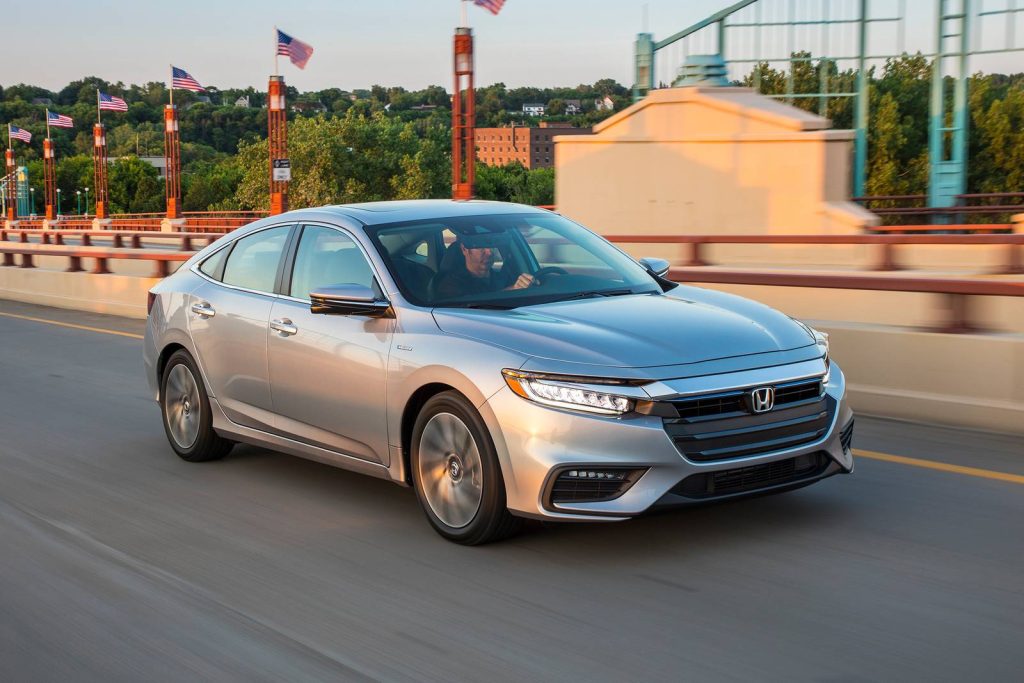
2. Honda Insight (2025)
The 2025 Honda Insight continues to impress with its fuel-efficient hybrid system, making it a standout choice for drivers seeking high MPG without sacrificing style or comfort.
The Insight’s powertrain combines a gasoline engine with an electric motor and a lithium-ion battery, optimized for smooth transitions and maximum energy efficiency. Regenerative braking further enhances fuel economy by capturing energy typically lost during deceleration.
Aerodynamic design contributes significantly to the Insight’s efficiency. Its sleek profile reduces drag, while attention to weight distribution ensures that energy consumption remains low under varied driving conditions.
Honda’s engineering focuses on balancing performance and efficiency, allowing the Insight to deliver respectable acceleration while maintaining excellent MPG ratings.
Inside, the cabin emphasizes comfort and usability without adding unnecessary weight. Materials are durable yet refined, and seating provides adequate support for daily commutes or longer trips.
Noise insulation keeps the interior quiet, enhancing the perception of quality while allowing drivers to enjoy a relaxed, efficient ride. The infotainment system is intuitive and provides easy access to driving data, including real-time fuel consumption, which helps owners optimize efficiency.
The 2025 Honda Insight demonstrates that hybrids can achieve impressive MPG while remaining enjoyable to drive.
Its combination of refined engineering, efficient powertrain management, and comfortable interior makes it an attractive option for those prioritizing both economy and a satisfying driving experience.
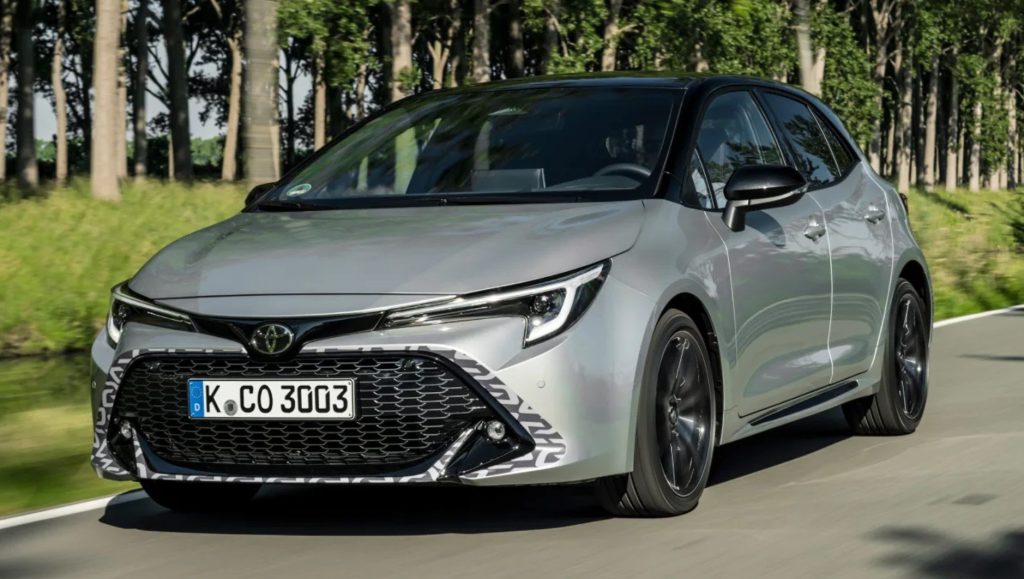
3. Toyota Corolla Hybrid (2025)
The 2025 Toyota Corolla Hybrid stands out in the compact sedan segment for combining efficiency with practicality. Its hybrid powertrain pairs a gasoline engine with an electric motor, intelligently managing power delivery to maximize fuel economy.
The system automatically shifts between electric-only, gasoline-only, or combined modes depending on driving conditions, while regenerative braking captures energy normally lost during deceleration. This allows the Corolla Hybrid to achieve some of the most impressive MPG figures in its class.
Aerodynamic design and lightweight construction further support its efficiency. The body is sculpted to minimize drag, and careful attention to materials ensures that unnecessary weight is avoided. Together with a finely tuned hybrid system, these factors enable the Corolla Hybrid to excel in both city and highway driving scenarios.
Interior comfort and usability remain strong points. The cabin features supportive seating, intuitive control layouts, and materials that feel durable without adding excess weight.
Noise insulation is sufficient to maintain a quiet ride, enhancing the perception of refinement. Technology, including an easy-to-use infotainment system and real-time fuel economy monitoring, allows drivers to adjust their driving habits to optimize MPG.
The 2025 Toyota Corolla Hybrid demonstrates that high efficiency need not come at the cost of comfort or functionality.
Its balance of excellent fuel economy, practical interior space, and reliable hybrid technology makes it an appealing choice for drivers seeking a sensible, cost-effective sedan with long-term efficiency benefits.
4. Hyundai Ioniq Hybrid (2025)
The Hyundai Ioniq Hybrid continues to set a benchmark for fuel-efficient vehicles in 2025. Its powertrain integrates a gasoline engine with an electric motor and a high-capacity lithium-ion battery, resulting in seamless transitions between electric and gasoline propulsion.
Regenerative braking recaptures energy that would otherwise be lost, further enhancing MPG performance. The system is designed to optimize fuel economy in both city traffic and highway driving, delivering one of the best efficiency ratings among hybrid vehicles.
Aerodynamics play a crucial role in the Ioniq’s efficiency. The sleek, low-slung profile reduces drag, while lightweight construction keeps energy demands minimal. Hyundai’s attention to powertrain calibration ensures smooth acceleration without sacrificing fuel economy, allowing the Ioniq Hybrid to balance performance and efficiency effectively.
Inside, the cabin emphasizes functionality while maintaining a sense of refinement. Seats are comfortable and supportive, noise insulation keeps road and wind intrusion minimal, and controls are logically arranged for easy operation.
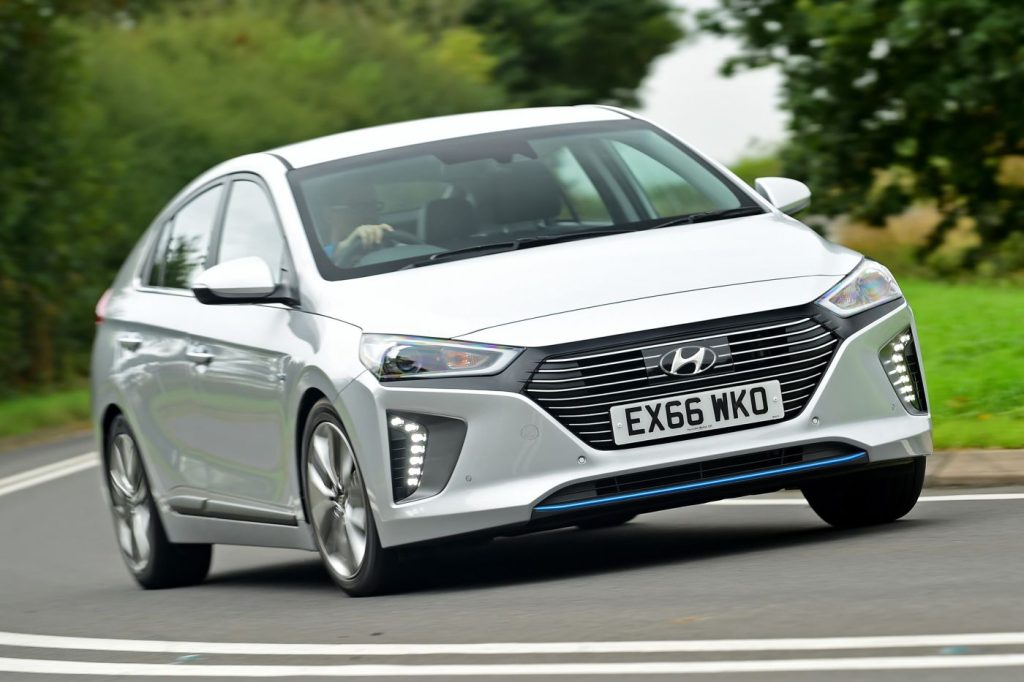
The infotainment system provides real-time energy monitoring, enabling drivers to track fuel efficiency and adjust driving style accordingly.
The 2025 Hyundai Ioniq Hybrid proves that an intelligently engineered hybrid can achieve exceptional MPG while remaining practical and enjoyable to drive.
Its combination of advanced powertrain technology, aerodynamic efficiency, and comfortable interior design makes it an attractive option for drivers seeking a cost-effective, environmentally conscious vehicle without compromising on usability or driving satisfaction.
5. Kia Niro Hybrid (2025)
The 2025 Kia Niro Hybrid combines practicality with impressive fuel efficiency, making it one of the most appealing hybrid crossovers in its class. Its powertrain pairs a gasoline engine with an electric motor, intelligently distributing power to optimize MPG.
The hybrid system seamlessly alternates between electric-only, gasoline-only, or combined operation, depending on driving conditions, while regenerative braking recovers energy during deceleration, further enhancing fuel economy.
This careful engineering allows the Niro Hybrid to achieve high efficiency without sacrificing performance or responsiveness.
Aerodynamic efficiency and lightweight construction also contribute to the Niro’s outstanding MPG. Its streamlined shape reduces drag, and smart material choices keep the overall weight manageable, allowing the hybrid system to operate effectively under city or highway conditions.
Suspension tuning balances comfort and handling, ensuring that the vehicle feels stable and composed while conserving fuel.
Inside, the cabin is designed with both comfort and practicality in mind. Seats are supportive and spacious for a compact crossover, while the control layout is intuitive and easy to use.
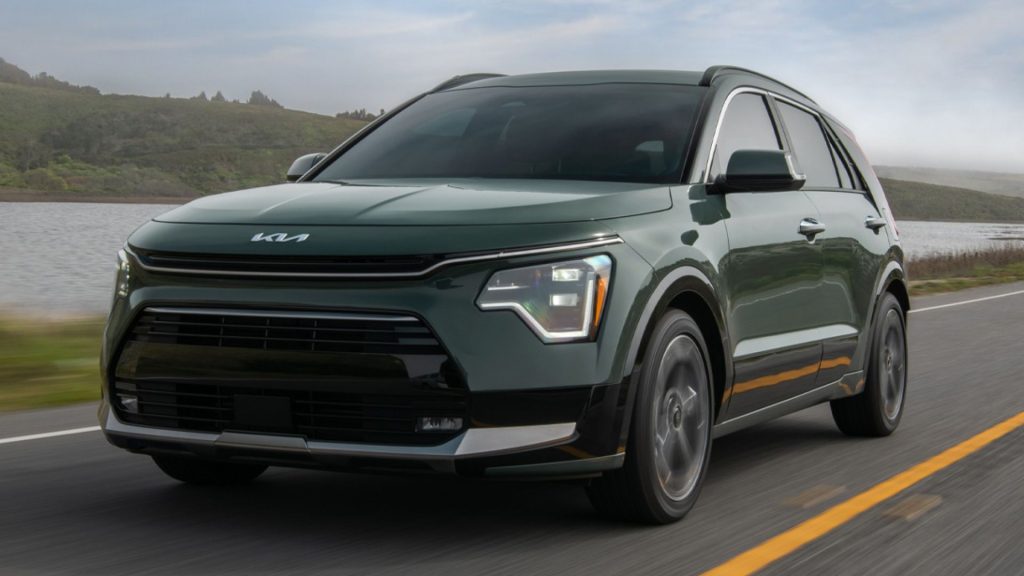
Noise insulation is sufficient to maintain a quiet ride, and the infotainment system provides real-time fuel efficiency data, helping drivers maximize their MPG.
The 2025 Kia Niro Hybrid demonstrates that high fuel efficiency can coexist with comfort, practicality, and modern design.
Its combination of advanced hybrid technology, intelligent energy management, and user-friendly interior features makes it a standout choice for drivers seeking long-term savings at the pump without compromising on daily usability or driving satisfaction.
5 2025 Hybrids That Underperform
While hybrids are designed to maximize fuel efficiency, not every model achieves its potential. Some 2025 hybrids fall short of expectations, delivering lower-than-promised miles per gallon (MPG) despite incorporating electric motors and regenerative systems.
These underperforming hybrids often frustrate owners, as the anticipated savings on fuel do not materialize, and real-world efficiency fails to match marketing claims.
A hybrid’s MPG depends on several factors, including powertrain design, battery capacity, aerodynamics, weight, and energy management systems. Vehicles that underperform often struggle in one or more of these areas.
For instance, a hybrid with excessive weight or poor aerodynamics may consume more fuel than anticipated. Similarly, inefficient powertrain calibration or small, underpowered electric motors can limit the benefits of the hybrid system.
Some models may also suffer from aggressive performance tuning, where prioritizing acceleration or towing capacity compromises overall efficiency.
Driver behavior and terrain can influence results, but even under optimal conditions, certain hybrids consistently fail to deliver competitive fuel economy. Infotainment or energy management systems may be difficult to use or fail to provide accurate feedback, preventing drivers from optimizing efficiency.
This section examines five 2025 hybrid models that underperform in MPG, highlighting why they fail to meet expectations. By reviewing factors such as design choices, powertrain limitations, and real-world performance, readers can see why these vehicles fall short compared to hybrids that excel.
Understanding which hybrids underperform allows buyers to make informed decisions, ensuring that their investment delivers the expected fuel savings and environmental benefits without disappointing results in everyday driving.
1. Ford Escape Hybrid (2025)
The 2025 Ford Escape Hybrid, despite its popularity, struggles to deliver the MPG numbers expected from a modern hybrid SUV. While the vehicle combines a gasoline engine with an electric motor, the system is not fully optimized for efficiency in real-world conditions.
Its heavier construction, combined with all-wheel-drive options, increases energy demands, reducing overall fuel economy compared to lighter or more aerodynamically efficient hybrids.
The powertrain relies on a traditional hybrid setup, but the balance between electric and gasoline power is not always smooth.
The gasoline engine engages frequently, even at moderate speeds, limiting the benefits of the electric motor. Regenerative braking exists but is less effective than in competitors, resulting in missed opportunities for energy recovery during stop-and-go traffic.
Aerodynamics also play a role in underperformance. The Escape’s taller, boxier profile generates additional drag, increasing fuel consumption at highway speeds. Weight distribution and suspension tuning further compromise efficiency, as the SUV prioritizes handling and ride comfort over MPG optimization.
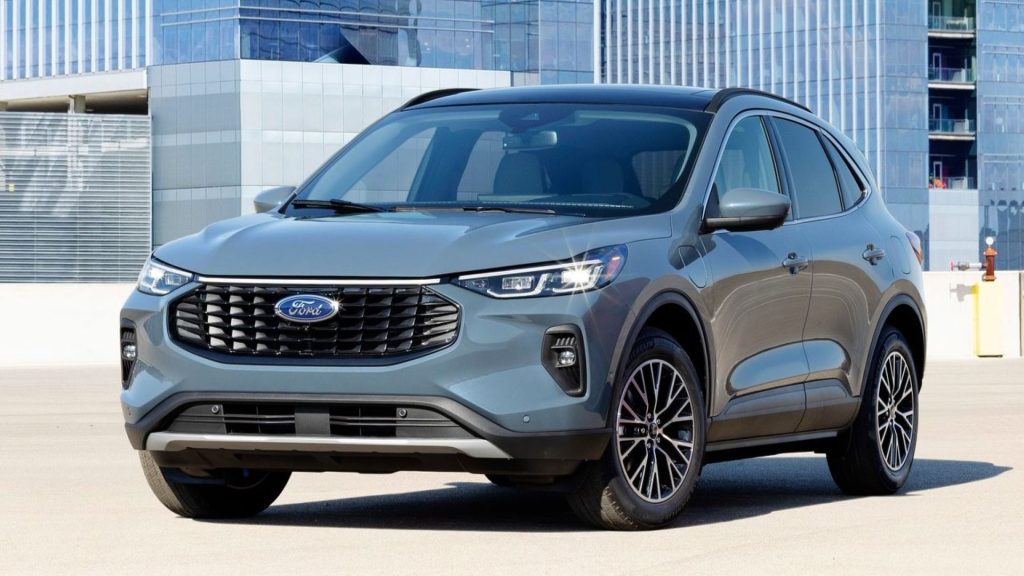
Inside, the cabin remains comfortable, but the additional features and electronics add weight that indirectly affect fuel economy. While technology integration and infotainment are modern, they do not contribute to efficiency, and some drivers may find the system less intuitive for monitoring real-time MPG.
Overall, the Ford Escape Hybrid exemplifies how design choices and engineering priorities can lead to underwhelming fuel efficiency. Despite being a capable and practical SUV, its real-world MPG falls short compared to more optimized hybrids, making it a less appealing choice for buyers focused on maximizing fuel savings.
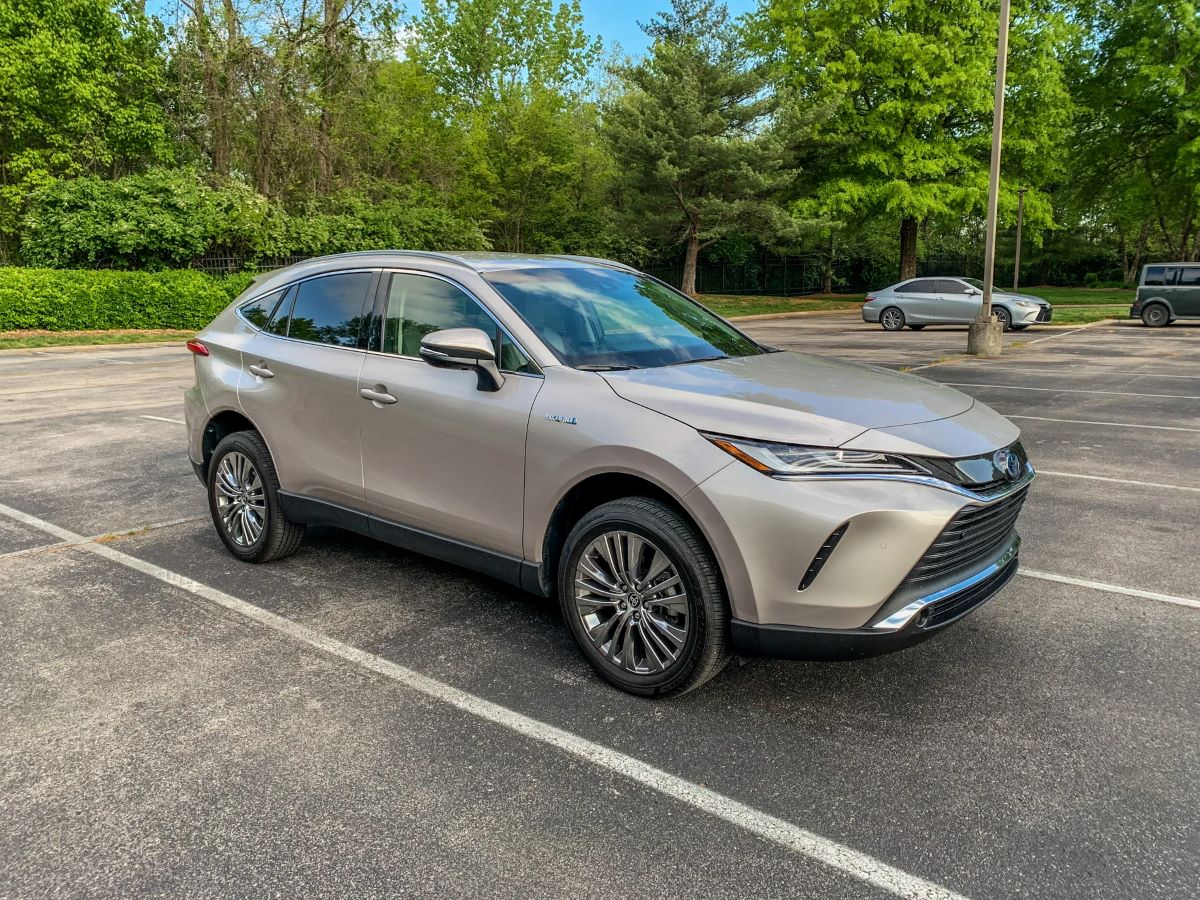
2. Toyota Venza (2025)
The 2025 Toyota Venza, a mid-size hybrid crossover, offers comfort and style but underperforms in fuel economy relative to its hybrid peers
. Its hybrid system combines a gasoline engine with multiple electric motors, yet its overall MPG is lower than smaller, lighter vehicles due to the Venza’s weight and all-wheel-drive configuration. The battery assists in short bursts, but frequent gasoline engine engagement reduces potential efficiency gains.
Aerodynamic considerations are secondary to design and cabin space. The Venza’s wider stance and higher roofline increase drag, which becomes noticeable at highway speeds. Combined with weight from luxury features and structural components, these factors limit the hybrid’s MPG advantage.
Energy management is competent but not exceptional. Regenerative braking helps recover some energy, yet the system is less aggressive than competitors, leading to less overall efficiency. Additionally, the powertrain prioritizes smoothness and quiet operation over aggressive fuel-saving measures, which can disappoint drivers expecting higher MPG.
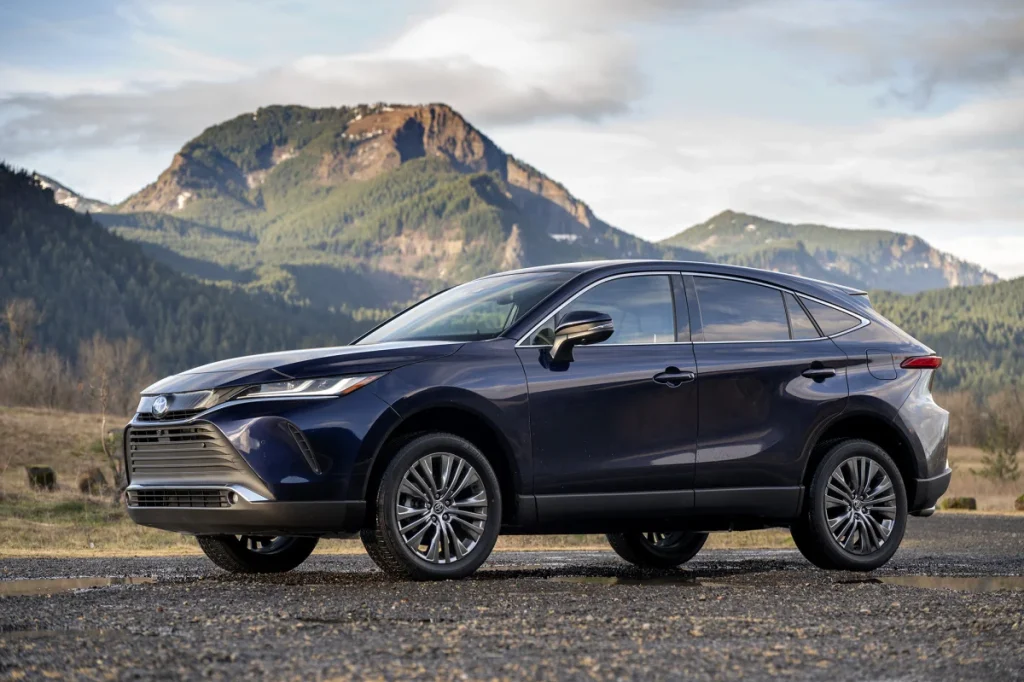
Inside, the Venza emphasizes comfort, technology, and premium materials. While this enhances the driving experience, the added weight and features contribute indirectly to reduced efficiency. Infotainment and driver assistance systems are well-integrated, but they cannot compensate for the limitations of the powertrain and vehicle design.
The 2025 Toyota Venza highlights that hybrid technology alone does not guarantee outstanding MPG. Its comfort, styling, and features make it appealing, but drivers seeking maximum fuel savings may find its efficiency underwhelming compared to smaller, more optimized hybrid vehicles.
3. Lexus NX 350h (2025)
The 2025 Lexus NX 350h is a luxury hybrid SUV that prioritizes comfort, refinement, and performance over maximum fuel efficiency. While it features a hybrid powertrain combining a gasoline engine with electric motors, its real-world MPG falls short of what many buyers expect from a hybrid in this segment.
The heavier curb weight, added luxury features, and all-wheel-drive configuration contribute to increased energy demands, which reduce overall efficiency compared to lighter or more aerodynamically optimized hybrids.
The powertrain emphasizes smooth transitions and a quiet cabin rather than aggressive fuel-saving strategies. The gasoline engine engages frequently, even at moderate speeds, limiting the benefit of the electric motor during city and suburban driving. Regenerative braking is present but less effective than in smaller hybrids, resulting in reduced energy recovery.
Aerodynamic design focuses more on style than efficiency. The NX’s taller profile, larger grille, and wider stance increase drag, particularly at highway speeds. Suspension tuning prioritizes comfort, which adds further weight and energy demand. As a result, the hybrid system cannot achieve MPG figures comparable to more compact or efficiency-focused vehicles.
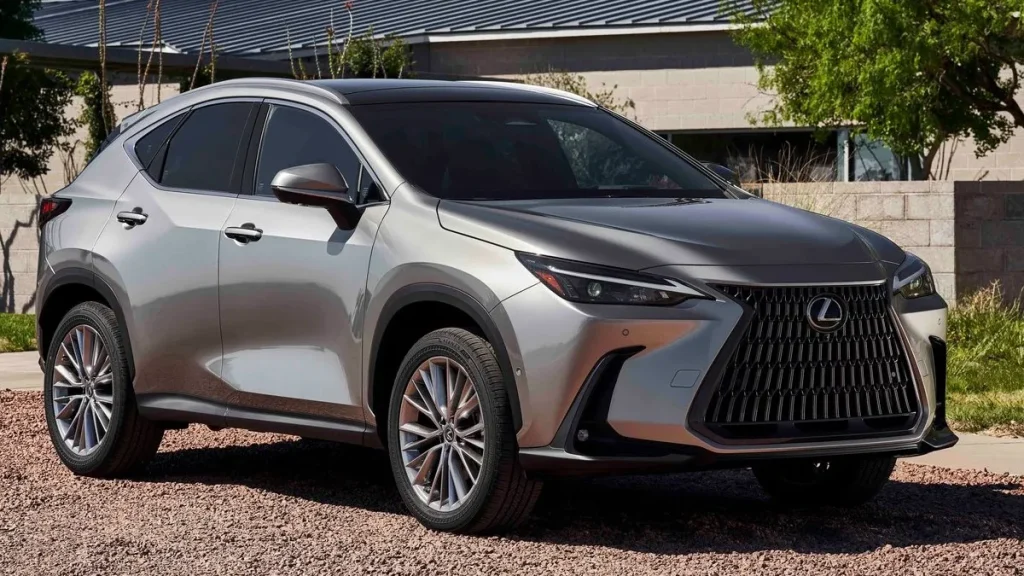
Inside, the cabin is luxurious and well-appointed, featuring premium materials, advanced infotainment, and comfortable seating. However, these features, while improving the driving experience, add weight and complexity that indirectly impact fuel efficiency.
Technology integration does allow drivers to monitor real-time fuel consumption, but the numbers remain modest relative to expectations.
The 2025 Lexus NX 350h demonstrates that hybrid technology alone does not guarantee high MPG. Buyers attracted to luxury, comfort, and quiet operation may appreciate this vehicle, but those prioritizing maximum fuel economy will find it underperforming compared to smaller, efficiency-oriented hybrids.
4. Ford Maverick Hybrid (2025)
The 2025 Ford Maverick Hybrid offers the appeal of a compact pickup with hybrid efficiency, yet its fuel economy under real-world conditions is less impressive than expected. While the Maverick combines a gasoline engine with an electric motor, the system’s efficiency is hampered by its pickup truck design, higher weight, and less aerodynamic profile.
The gasoline engine engages more frequently than anticipated, particularly under load or during highway driving, reducing the potential MPG advantage.
Regenerative braking is included but less aggressive than in smaller hybrid vehicles, meaning some energy is lost during city driving. The hybrid system prioritizes smoothness and drivability rather than maximizing fuel savings, which can disappoint buyers focused on efficiency.
Aerodynamics play a significant role in the Maverick Hybrid’s underperformance. Its upright, utilitarian design creates wind resistance, especially at higher speeds, increasing fuel consumption. Additionally, suspension tuning for load-bearing and off-road capability adds weight, further limiting the benefits of hybrid technology.
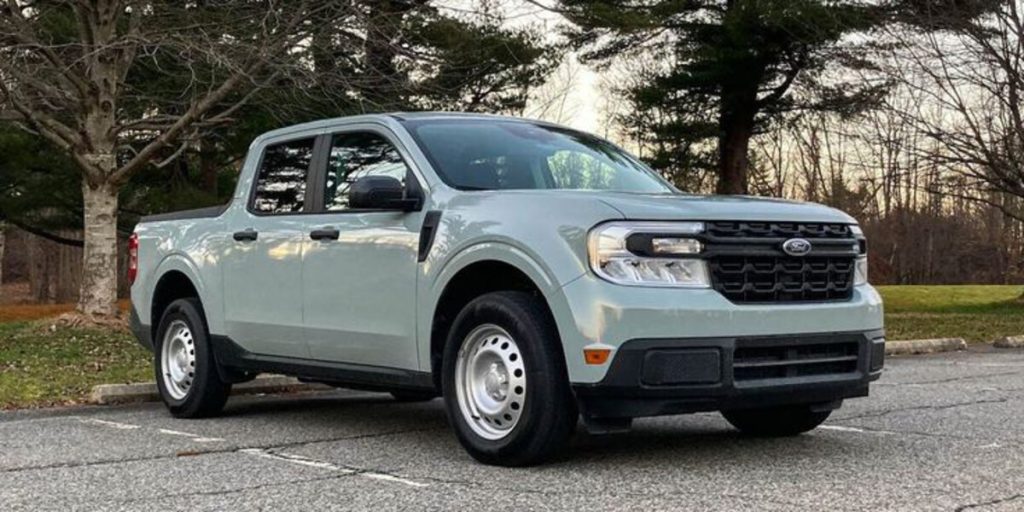
Inside, the cabin is functional and designed for practicality, with durable materials and user-friendly controls. While these features are valuable for a small pickup, they do not enhance fuel efficiency, and the added electronics and structural reinforcements contribute indirectly to lower MPG.
The 2025 Ford Maverick Hybrid illustrates that even with hybrid technology, certain vehicle types like pickups may struggle to deliver exceptional fuel economy.
Buyers seeking the combination of utility and MPG must understand that real-world efficiency may fall short of expectations, particularly compared to smaller, more aerodynamically optimized hybrids.
5. Subaru Crosstrek Hybrid (2025)
The 2025 Subaru Crosstrek Hybrid combines all-wheel-drive capability with a hybrid powertrain, but it struggles to deliver competitive MPG compared to other 2025 hybrids.
Its gasoline engine and electric motor work together to provide moderate efficiency, yet the vehicle’s higher curb weight, rugged construction, and standard all-wheel-drive system significantly reduce fuel economy.
The electric motor assists in acceleration and low-speed driving, but frequent engagement of the gasoline engine limits potential fuel savings in real-world conditions.
Aerodynamics and vehicle design further impact efficiency. The Crosstrek’s taller stance, boxy shape, and off-road-oriented features increase drag, which is particularly noticeable on highways. Suspension tuning prioritizes durability and off-road stability, adding weight and reducing energy efficiency.
Regenerative braking is present but not as aggressive or efficient as in more optimized hybrid systems, resulting in less energy recovery during city driving. Combined with the powertrain’s limited battery capacity, the Crosstrek Hybrid cannot match the MPG performance of lighter, more aerodynamically efficient competitors.
Inside, the cabin emphasizes practicality and ruggedness over refinement. Seating is supportive for active lifestyles, and materials are durable, but additional features and structural reinforcements increase vehicle weight. Noise insulation is adequate but does not significantly enhance perceived efficiency or refinement.
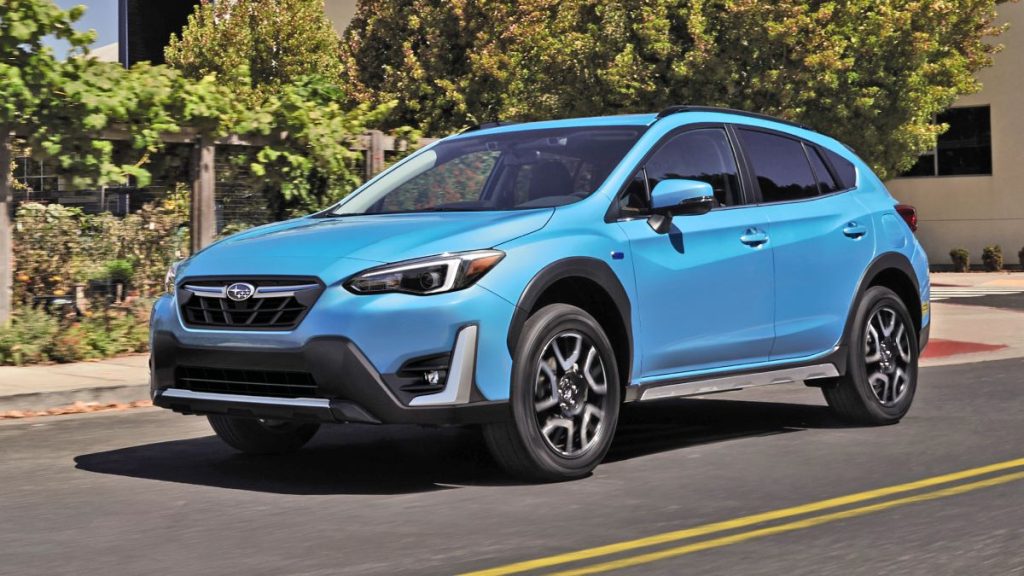
The 2025 Subaru Crosstrek Hybrid highlights that hybrid technology alone does not guarantee exceptional fuel economy. While it appeals to buyers seeking all-wheel-drive versatility and reliability, its real-world MPG falls short of expectations for a hybrid.
Drivers focused primarily on fuel efficiency may find other 2025 hybrids, particularly smaller or lighter models, deliver a better balance of economy, comfort, and practicality.
Fuel efficiency remains a key factor for car buyers, and hybrid technology continues to evolve in 2025. The hybrids highlighted in this article illustrate how design, powertrain optimization, and aerodynamics directly influence real-world MPG performance.
Some models excel, delivering exceptional fuel economy without compromising comfort, usability, or performance, while others fail to meet expectations due to weight, design choices, or under-optimized systems.
The five hybrids that achieve great MPG Toyota Prius, Honda Insight, Toyota Corolla Hybrid, Hyundai Ioniq Hybrid, and Kia Niro Hybrid demonstrate that careful engineering can maximize fuel savings.
These vehicles combine efficient hybrid powertrains with effective regenerative braking, lightweight construction, and aerodynamic design to reduce energy demands.
Smooth integration of electric and gasoline power ensures consistent efficiency in city and highway driving, while comfortable cabins, intuitive controls, and practical interior layouts maintain usability without compromising performance.
Advanced battery management and energy recovery systems further enhance MPG, allowing drivers to enjoy both environmental benefits and tangible cost savings.
Conversely, the five underperforming hybrids Ford Escape Hybrid, Toyota Venza, Lexus NX 350h, Ford Maverick Hybrid, and Subaru Crosstrek Hybrid illustrate how vehicle weight, aerodynamic compromises, all-wheel-drive systems, and design priorities can limit fuel efficiency.
While these vehicles offer comfort, technology, or utility, their MPG falls short of expectations, especially when compared to smaller or more optimized hybrids. Frequent gasoline engine engagement, less effective regenerative braking, and heavier construction contribute to disappointing fuel economy.
Comparing these two groups highlights that hybrid technology alone does not guarantee efficiency. Buyers must consider vehicle type, powertrain design, aerodynamics, and intended use to ensure that a hybrid meets their MPG expectations.
Understanding the differences between high-performing and underperforming hybrids helps drivers make informed decisions, ensuring that their investment delivers long-term fuel savings, practicality, and a satisfying driving experience.
Also Read: 5 Cars That Nail Minimalist Design vs 5 That Overdo It
