
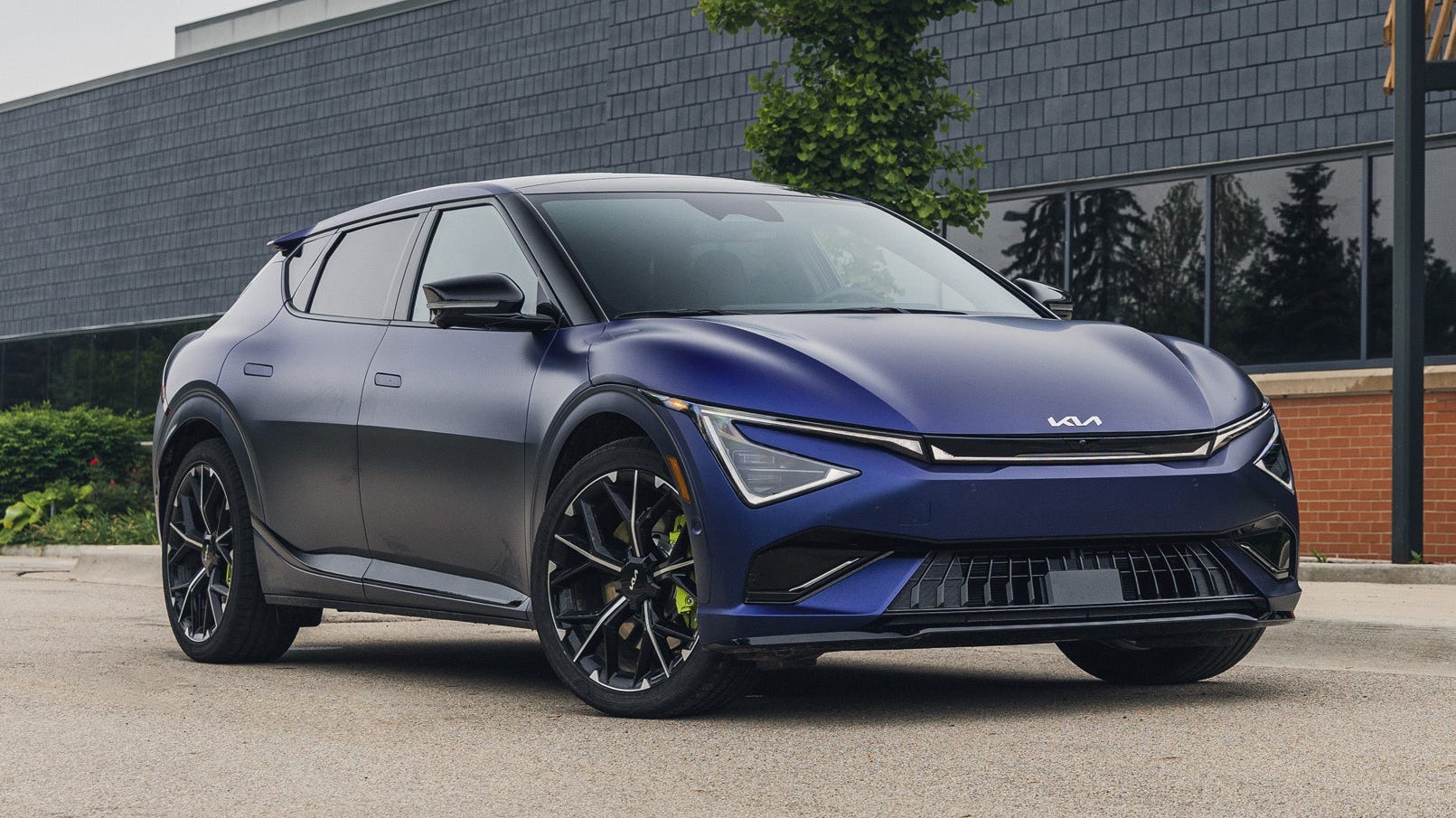
The electric vehicle market in 2025 has reached a critical point, where choices span from mainstream crossovers to high-performance sedans and innovative luxury models.
Consumers are no longer just evaluating range and charging speed; factors like usability, interior quality, driving dynamics, and total cost of ownership have become equally important.
With so many new options hitting dealerships, some EVs feel genuinely worth the investment, while others struggle to deliver a compelling package despite modern branding and futuristic styling.
Vehicles that feel worth buying are more than just efficient they provide a balanced experience, combining performance, technology, and long-term reliability. These models often feature well-integrated infotainment, thoughtful interior layouts, and battery systems engineered for durability.
Charging infrastructure, warranty coverage, and after-sales support also play crucial roles in making an EV feel like a smart choice for years to come. Such vehicles appeal to both enthusiasts and practical buyers, proving that electric mobility can meet expectations without compromise.
On the other hand, some 2025 EVs disappoint despite impressive specifications on paper. They may offer long ranges or eye-catching designs but fall short in execution, with subpar interior materials, uninspired driving dynamics, or overly complex systems that make long-term ownership less satisfying.
In some cases, rapid technological innovation has outpaced reliability, leaving owners with glitches, software headaches, or maintenance costs that undermine the appeal of an electric vehicle.
This comparison highlights the contrasting experiences offered by the latest wave of EVs. By analyzing models that deliver real value versus those that struggle to live up to their promise, potential buyers can make informed decisions.
Understanding which EVs combine practicality, performance, and reliability and which ones falter provides insight into what truly matters when investing in an electric vehicle in 2025.
Also Read: 5 Cars With Strong Transmissions vs 5 With Weak Ones
5 2025 EVs That Feel Worth Buying
As the electric vehicle market evolves, some 2025 models stand out as genuinely appealing choices for buyers seeking a combination of range, performance, and practicality.
These EVs succeed not just through impressive numbers on paper, but by delivering a holistic ownership experience that makes daily life easier and more enjoyable.
Factors such as battery longevity, driving dynamics, interior comfort, technology integration, and overall build quality all contribute to whether an EV feels worth buying.
The most compelling EVs for 2025 balance innovation with reliability. They avoid overly complex systems that risk early breakdowns while still offering modern conveniences like large touchscreens, advanced driver-assistance systems, and seamless connectivity.
Charging infrastructure and software support are also critical; vehicles that make it easy to charge, update, and maintain their systems over time create confidence for owners who plan to keep them for years.
Another key aspect is usability. Some EVs impress with speed and performance but fail to provide practical space or comfort. In contrast, the EVs featured in this section demonstrate that efficiency does not have to compromise utility.
They provide spacious cabins, intuitive interfaces, and driving experiences that feel natural to those transitioning from traditional vehicles.
Finally, long-term ownership plays a role. The best EVs combine low maintenance costs with proven battery durability, allowing owners to confidently plan for the future. Range consistency, minimal degradation, and dependable electronics make these vehicles more than short-term novelties they become reliable companions for years of daily driving.
The following five models showcase what the EV market in 2025 can achieve when careful engineering, thoughtful design, and practical usability come together.
Each represents a purchase that delivers tangible value, giving buyers confidence that they are investing in a vehicle that works well today and will continue to perform reliably in the years ahead.
1. Tesla Model 3 (2025 Refresh)
The 2025 Tesla Model 3 remains one of the most compelling electric vehicles on the market, blending impressive performance with everyday usability.
The latest refresh introduced updated interior materials, improved range, and subtle design refinements that enhance both aesthetics and comfort. For long-term buyers, the Model 3 offers proven software support and a robust charging network, making it one of the most practical EVs available today.
Performance is one of the Model 3’s standout features. Even the standard rear-wheel-drive variant provides brisk acceleration, while the dual-motor all-wheel-drive models offer near-instant torque and responsive handling.
Tesla’s software-controlled traction and stability systems ensure that the driving experience remains both engaging and safe, whether on highways or winding roads. Battery range has also improved, with most variants comfortably exceeding 350 miles per charge under realistic conditions, reducing range anxiety for daily use or longer trips.
The interior has matured significantly, with better-quality materials and a more cohesive layout. The central touchscreen remains intuitive, controlling most functions without cluttering the dashboard. Regular over-the-air updates keep the infotainment and vehicle systems current, adding features or improving efficiency long after purchase.
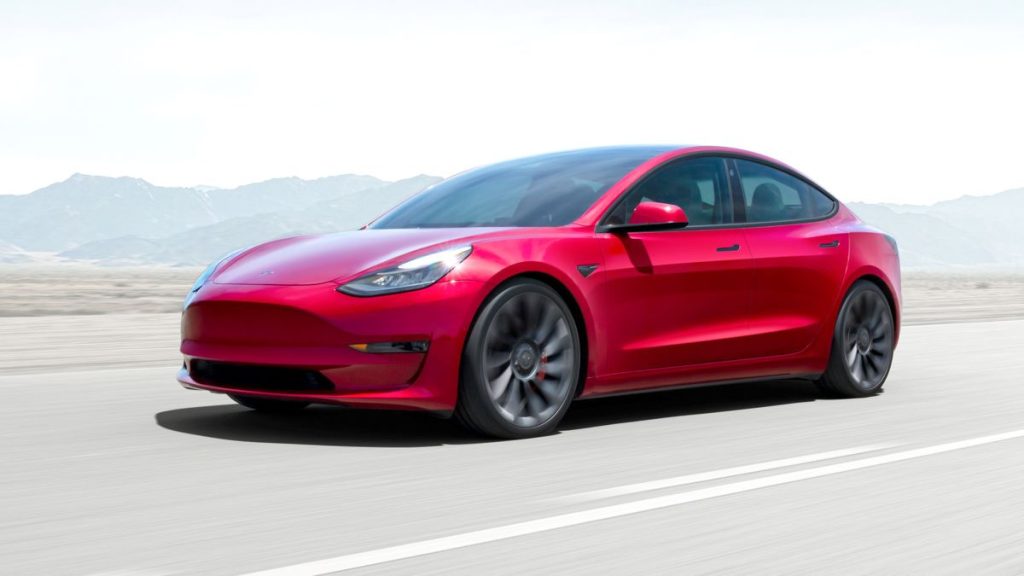
From a long-term ownership perspective, the Model 3’s strengths lie in its simplicity, reliability, and extensive charging ecosystem. While Teslas have occasionally faced minor build-quality issues, proper care and routine maintenance ensure a durable and satisfying ownership experience.
Ultimately, the 2025 Model 3 offers a combination of range, performance, and technological maturity that makes it a practical and exciting EV. It demonstrates that electric cars can feel fully functional for daily life without compromising fun or reliability.
2. Hyundai Ioniq 6
The Hyundai Ioniq 6 stands out as one of the most well-rounded EVs of 2025, offering a sleek, aerodynamic design paired with practicality and efficiency.
Its long, coupe-like silhouette contributes to an impressive drag coefficient, which helps maximize range without sacrificing interior space. For buyers seeking both style and substance, the Ioniq 6 delivers a confident package.
Under the hood, the Ioniq 6 features a 77.4 kWh battery pack capable of over 300 miles of real-world range, depending on configuration.
Fast charging is a strong point: the car supports 800V ultra-fast charging, allowing 10–80% in roughly 18 minutes at compatible stations. Combined with a smooth, quiet ride, the EV feels refined and efficient for both city commuting and highway travel.
The interior emphasizes user comfort and technology. High-quality materials, comfortable seating, and an intuitive dual-screen layout create a modern, premium environment.
Advanced driver-assistance systems come standard, providing lane-keeping, adaptive cruise control, and automated emergency braking features that enhance safety without adding unnecessary complexity.
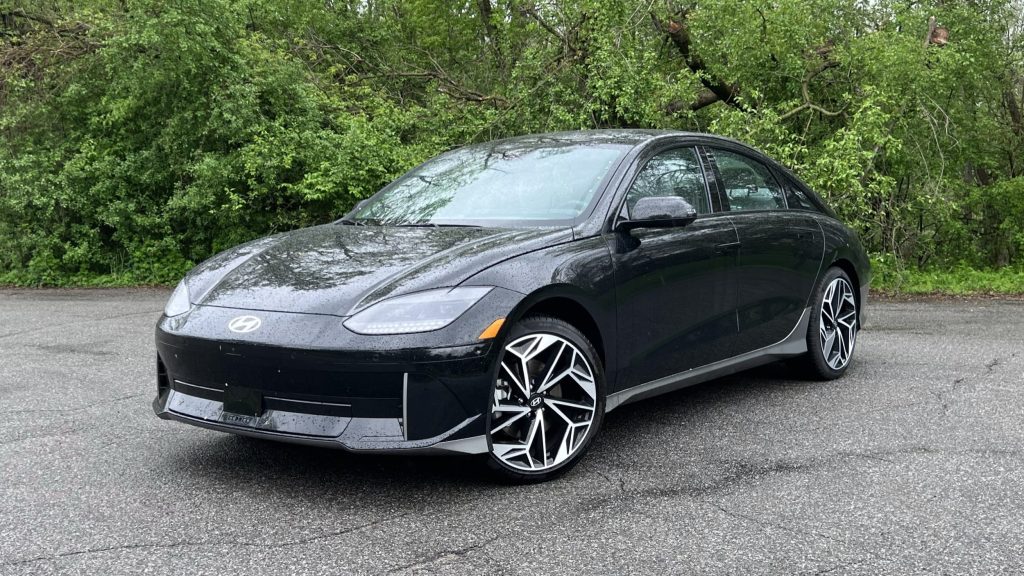
From a long-term perspective, Hyundai’s growing EV experience and extensive warranty coverage (including battery warranty) give confidence to owners who plan to keep the car for years. Minimal maintenance requirements and a well-engineered powertrain contribute to low running costs, while software updates keep features current over time.
Overall, the Ioniq 6 succeeds by blending design, efficiency, and technology without overcomplicating the ownership experience. Its combination of range, comfort, and reliability makes it one of the standout EVs of 2025, offering buyers a vehicle that is both practical and enjoyable for everyday use.
3. Kia EV6
The 2025 Kia EV6 is a compact crossover that successfully combines sportiness, practicality, and cutting-edge technology. Its futuristic design is more than cosmetic; the aerodynamic shape improves efficiency, while the cabin provides a spacious and functional interior.
For long-term buyers, the EV6 stands out as an EV that balances performance, range, and usability without excessive complexity.
The EV6 offers multiple powertrain options, including rear-wheel-drive and dual-motor all-wheel-drive variants. Even the base model delivers brisk acceleration and responsive handling, while the GT version adds high-performance thrills without compromising daily usability.
The 77.4 kWh battery supports ranges exceeding 300 miles in most trims, making it capable for longer trips. Ultra-fast 800V charging technology allows rapid top-ups, further reducing downtime during travel.
Inside, the EV6’s interior focuses on user experience and quality. The driver-centric layout, digital instrument cluster, and dual curved displays provide an intuitive interface, while soft-touch materials and ergonomically designed seats enhance comfort for daily commuting or extended drives. Cargo space is generous, and the hatchback design ensures versatility for various lifestyles.
Reliability and long-term ownership are supported by Kia’s comprehensive warranty, including battery coverage, and the company’s growing EV expertise. Maintenance requirements remain minimal due to the simplicity of the electric drivetrain, allowing owners to enjoy the vehicle without frequent service interruptions.
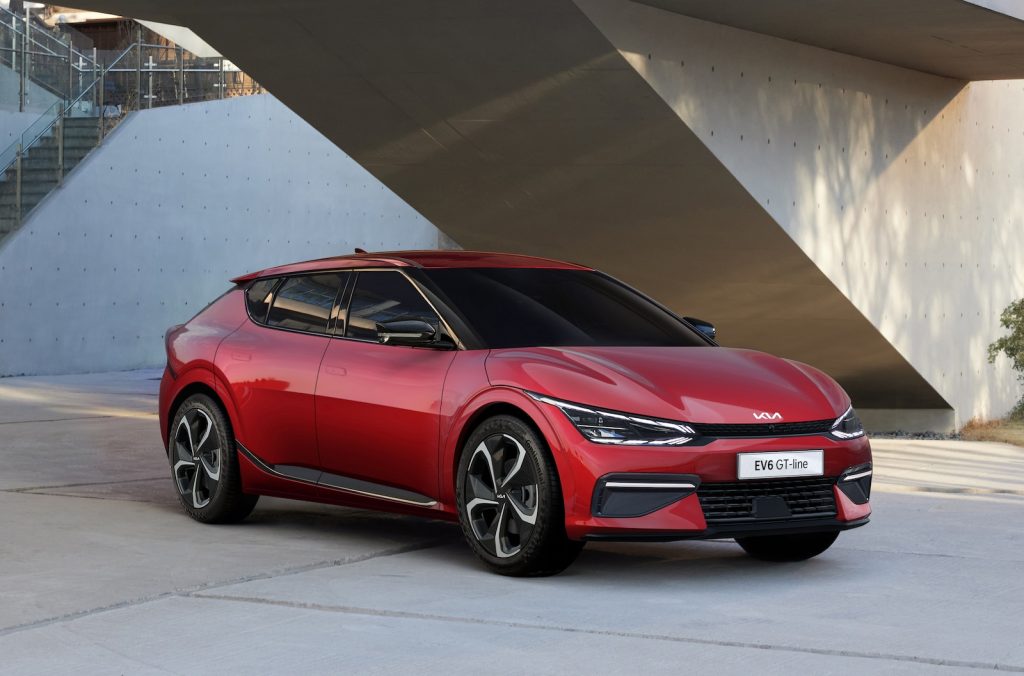
The Kia EV6 demonstrates that an EV can be exciting, practical, and dependable simultaneously. It succeeds because it addresses the real needs of buyers range, comfort, usability, and long-term reliability while still providing performance that makes driving enjoyable.
For those evaluating EVs in 2025, the EV6 is a compelling choice that feels like a smart and enduring investment.
4. Ford Mustang Mach-E (2025 Refresh)
The 2025 Ford Mustang Mach-E continues to build on the success of its initial launch, offering a well-rounded electric SUV that appeals to both enthusiasts and practical buyers. With refined styling, updated technology, and expanded range options, it remains a strong contender for those seeking an EV that feels worth buying.
Performance is a core strength of the Mach-E. Standard rear-wheel-drive models deliver smooth, responsive acceleration, while all-wheel-drive variants provide sharper handling and improved traction.
The extended-range battery option exceeds 300 miles, making it suitable for long commutes and road trips. Ford’s network of fast-charging stations and compatibility with major DC fast-charging networks ensures convenient recharging.
Inside, the Mach-E combines usability with modern tech. A large portrait-oriented touchscreen manages most vehicle functions, while physical controls remain for essential features to minimize driver distraction.
Comfortable seats, a spacious cabin, and clever storage solutions make it a practical choice for families or those who value space without sacrificing style.
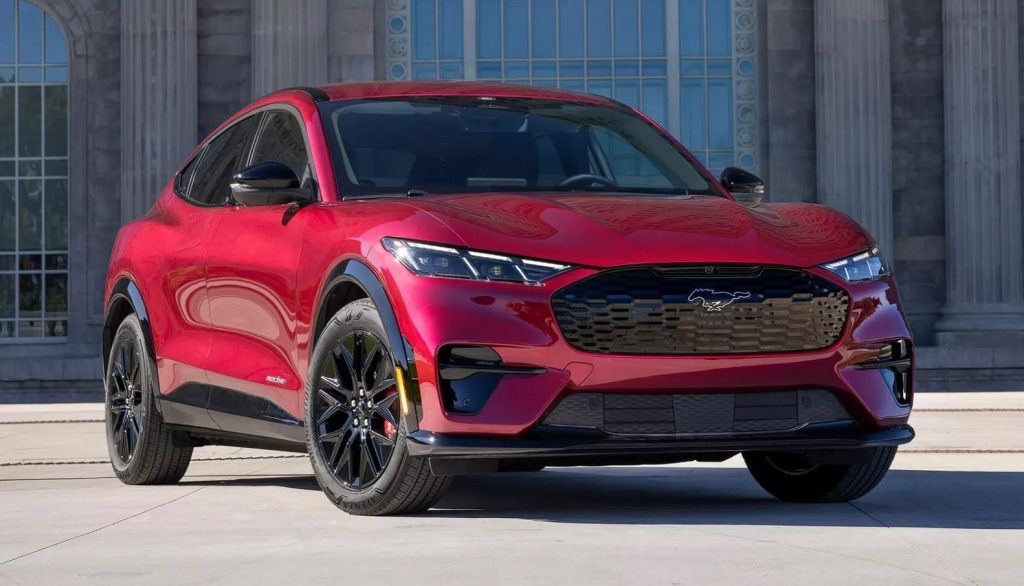
Ford’s software ecosystem ensures ongoing updates and adds features over time, improving the driving experience while addressing potential software bugs quickly. Long-term ownership is further supported by the brand’s growing experience with EV maintenance and battery longevity.
The 2025 Mach-E stands out because it provides a compelling blend of performance, technology, and usability. It doesn’t feel like an experiment; instead, it offers confidence to buyers that they are investing in an EV that can deliver both excitement and practicality for years to come.
5. Rivian R1S
The Rivian R1S represents one of the most capable and versatile electric SUVs of 2025, blending adventure-ready performance with comfort and technology.
Designed for those who want off-road capability alongside long-range electric efficiency, the R1S offers a rare combination that appeals to buyers seeking a dependable EV for both urban and outdoor use.
The R1S features quad-motor all-wheel drive, allowing precise torque vectoring and exceptional traction on varied terrain. Its 135 kWh battery provides over 300 miles of real-world range, supporting extended trips without constant charging stops.
Fast-charging support is robust, with access to major DC fast-charging networks, making long-distance travel practical. Despite its size, the R1S handles confidently, with responsive steering and well-tuned suspension that balances comfort and performance.
Inside, the cabin is spacious, well-insulated, and constructed with durable materials designed to withstand years of use. Seating for seven is configurable, and storage solutions cater to both daily needs and adventure gear.
The infotainment system is intuitive, providing navigation, driver-assistance controls, and over-the-air software updates that keep the vehicle current over time.
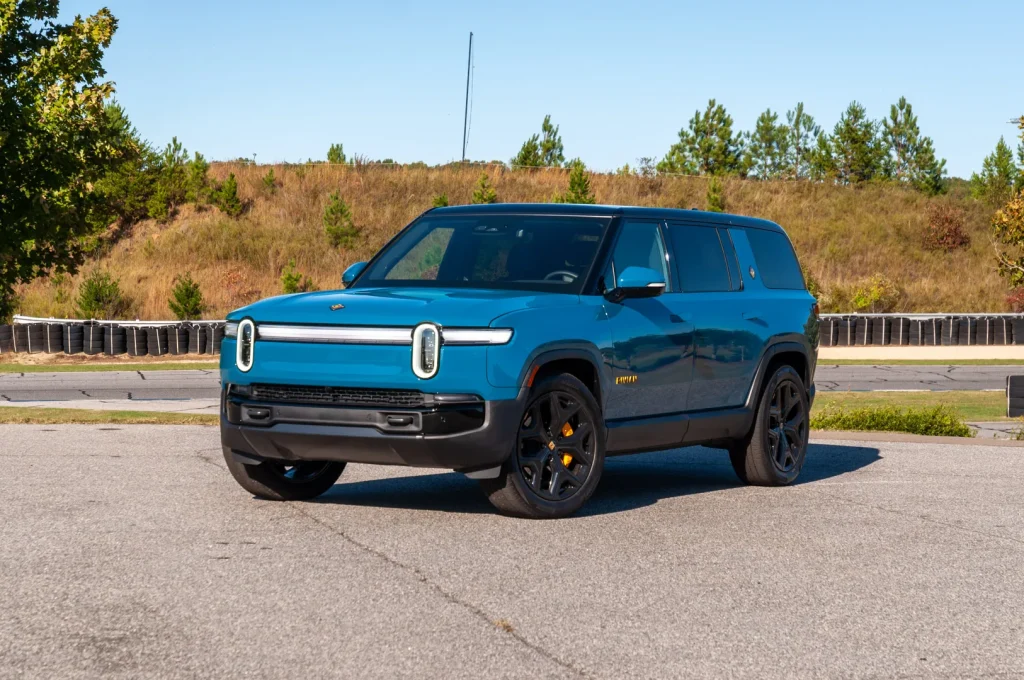
From a long-term ownership perspective, the R1S impresses with its engineering quality, reliability, and minimal maintenance requirements compared to traditional gasoline SUVs. Rivian’s growing service network and attention to software refinement ensure that owners can enjoy their vehicles without major headaches.
The R1S excels by providing a comprehensive EV experience performance, range, practicality, and technology in one package.
It proves that electric SUVs can handle more than city streets and suburban roads. For 2025 buyers looking for an EV that feels like a confident and lasting investment, the Rivian R1S stands out as a versatile, capable, and durable choice.
5 2025 EVs That Don’t Feel Worth Buying
While the 2025 electric vehicle market offers impressive options, not all EVs deliver a complete or satisfying ownership experience. Some models struggle to combine range, performance, and practicality, leaving buyers with vehicles that feel incomplete, overhyped, or inconvenient.
These EVs may look futuristic or boast headline specifications, but when it comes to real-world usability, reliability, or overall value, they often fall short.
A key factor in whether an EV feels worthwhile is its balance between technology, durability, and user experience. Vehicles that rely heavily on unproven systems or excessive software complexity can become frustrating over time, with glitches, maintenance issues, or unexpected limitations diminishing the appeal.
Similarly, some EVs prioritize design or novelty over fundamental usability, offering cramped interiors, limited cargo space, or subpar ride quality.
Range and charging infrastructure also play a critical role. EVs that deliver impressive numbers under ideal conditions but fail to perform consistently in everyday driving leave owners dissatisfied. Long charging times, insufficient fast-charging support, or battery degradation can make a promising vehicle feel like a poor investment over several years.
This section examines the 2025 EVs that struggle to meet these expectations. While each model may have merits on paper, real-world considerations highlight why they might not feel worth purchasing.
Issues such as underwhelming range, complex or fragile systems, compromised comfort, or inflated pricing make these vehicles less appealing for buyers seeking confidence in their investment.
By analyzing the cars that underperform in practical and long-term terms, prospective owners gain insight into which EVs to approach cautiously. Understanding these shortcomings helps differentiate between vehicles that offer genuine value and those that promise more than they can realistically deliver.
1. Lucid Air Pure
The Lucid Air Pure has drawn attention for its luxury appeal and impressive claimed range, but in practice, it presents challenges that make it less ideal for long-term ownership or daily use.
While the higher-end Lucid models offer exceptional performance and technology, the Air Pure trims cut costs in ways that compromise comfort, convenience, and overall value.
Range figures are optimistic under ideal conditions, but real-world driving often yields lower mileage. Combined with the high energy consumption of a large, heavy luxury sedan, this can lead to frequent charging stops for long trips. Additionally, Lucid’s charging network is not yet as extensive or accessible as Tesla’s, making long-distance travel less convenient.
Interior quality, while visually modern, uses materials that can feel inconsistent compared to competitors in the same price range. Owners have reported minor fit-and-finish issues, and the minimalist cabin design, while sleek, can feel unintuitive for day-to-day use.
The infotainment system, though packed with features, requires a learning curve, and occasional software glitches have been noted even in brand-new units.
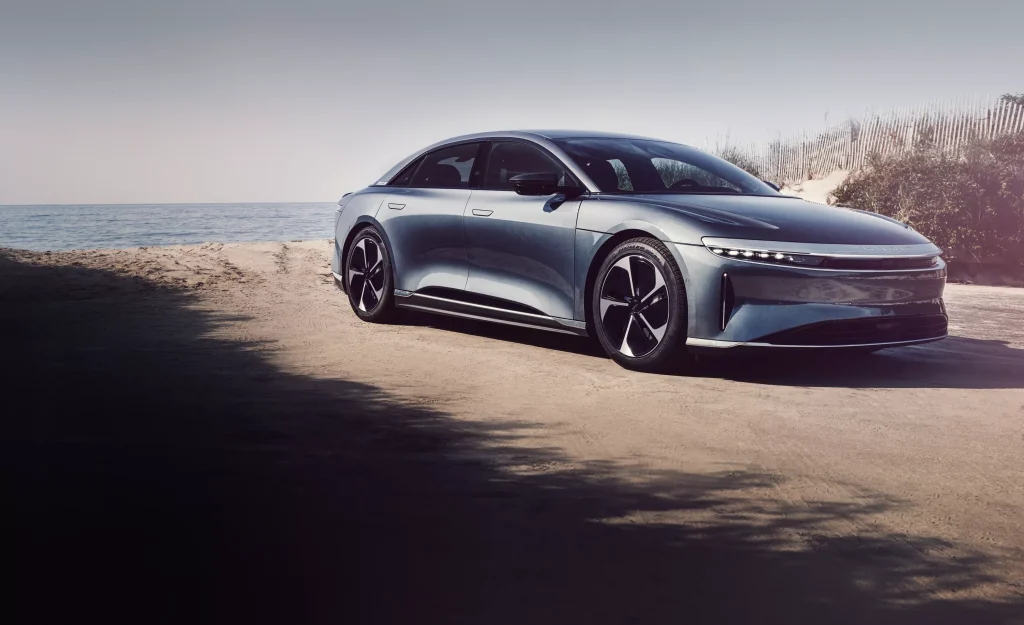
From a maintenance perspective, Lucid is still establishing its service network. Repairs, parts availability, and service appointments can be more cumbersome and expensive compared to more established brands. For owners looking for reliability and minimal hassle, these factors reduce confidence in the Air Pure as a long-term investment.
Overall, the Lucid Air Pure is visually striking and technologically ambitious, but its compromises in practicality, range consistency, and service accessibility make it a less compelling choice for buyers who want an EV that works reliably every day.
It may appeal to early adopters seeking prestige, but for most buyers, it does not yet feel like a smart or enduring investment.
2. Nissan Ariya (2025 Base Model)
The Nissan Ariya has been promoted as a versatile and stylish electric crossover, but the 2025 base model struggles to deliver the kind of experience that inspires confidence for long-term ownership. While the design is attractive and the vehicle includes standard EV features, limitations in range, performance, and interior refinement reduce its appeal.
The base Ariya comes with a smaller battery and less powerful motor than higher trims, limiting real-world range to around 220–240 miles.
For drivers accustomed to longer daily commutes or occasional road trips, this range can feel restrictive, especially when factoring in battery degradation over several years. Charging times are also slower on lower-tier models, making long-distance travel less convenient.
Inside, the cabin shows signs of cost-cutting. While the layout is modern and minimalist, some materials feel cheap or prone to wear. Seat comfort is acceptable for short trips but becomes tiring on longer drives.
The infotainment system, though functional, can lag or freeze, and some driver-assistance features operate inconsistently compared to competitors, undermining confidence in safety and convenience.
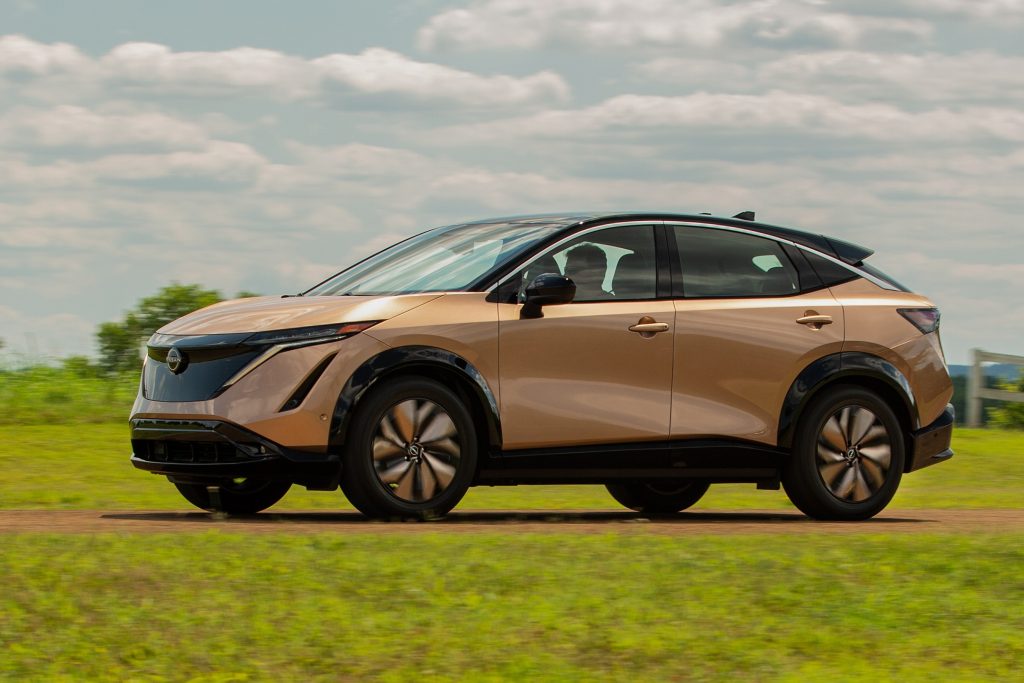
Reliability and support are additional concerns. Nissan’s EV experience is growing but lacks the depth of Tesla or Hyundai/Kia, meaning service options may be limited in certain regions. Owners may face delays or higher costs for parts and repairs, which diminishes the vehicle’s long-term value.
In essence, the Ariya base model presents an attractive EV on paper, but range limitations, modest performance, and interior compromises make it feel like a cautious choice rather than a confident purchase. For buyers prioritizing usability, durability, and convenience, it does not yet measure up to other 2025 EV options.
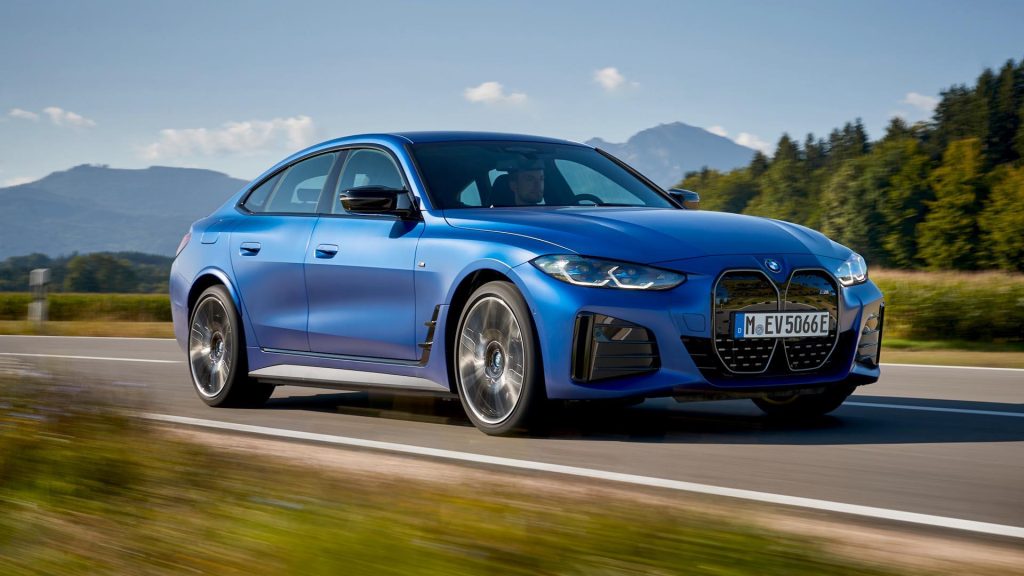
3. BMW i4 (2025 Entry Model)
The 2025 BMW i4 entry-level variant promises a blend of performance and style, but in practice, it falls short in several areas that affect long-term ownership satisfaction. While the i4 carries BMW’s brand prestige and driving heritage, compromises in range, interior features, and cost make it a less compelling choice for practical EV buyers.
The base i4 offers around 270 miles of range under ideal conditions, which may not hold up under real-world driving with climate control or spirited acceleration.
Fast charging capabilities are decent, but the vehicle’s energy consumption is higher than some competitors, reducing effective range and increasing charging frequency.
For drivers accustomed to EVs with consistent long-range performance, this can be frustrating on longer trips.
Interior quality is visually appealing, but the entry-level trim omits some features found in higher trims, such as premium sound systems or advanced driver-assistance enhancements.
Material choices in key touchpoints feel less durable than expected, especially for a vehicle marketed as a luxury EV. Infotainment responsiveness is acceptable but can experience occasional lag during intensive tasks, making daily operation slightly less smooth.
Long-term maintenance is another factor to consider. While EVs generally require less upkeep than ICE cars, BMW’s electrical systems and software are complex, and repairs or updates may be more expensive than rival brands. Parts availability for EV-specific components may also be limited in some regions, making service less convenient.
While the BMW i4 entry model offers brand cachet and adequate performance, its practical shortcomings, limited range, and potential service challenges reduce confidence in long-term ownership. It is best suited for buyers prioritizing styling and badge appeal over usability and reliability, making it less universally “worth buying” compared to other 2025 EVs.
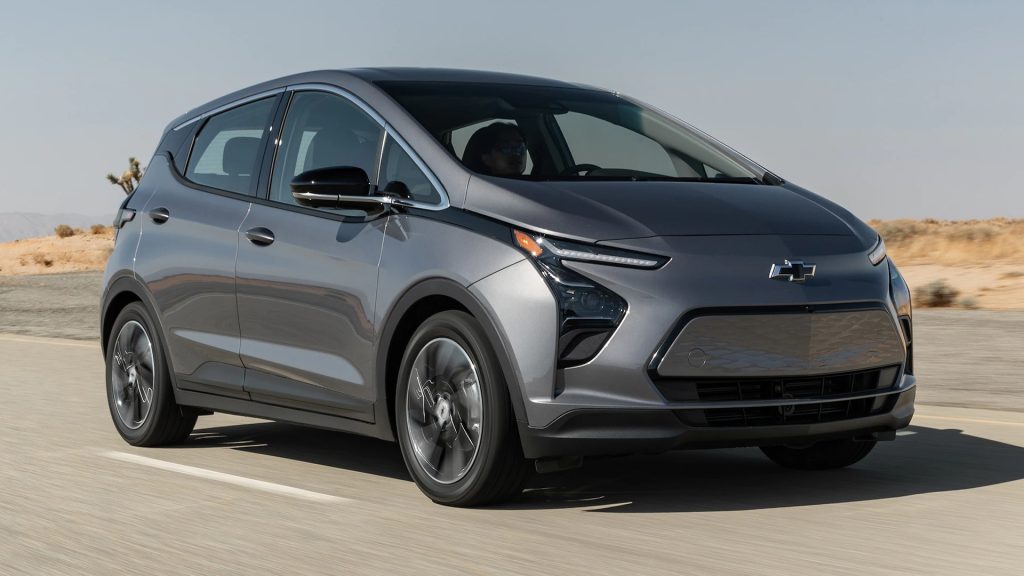
4. Chevrolet Bolt EV (2025 Refresh)
The 2025 Chevrolet Bolt EV refresh aimed to modernize the compact EV with updated styling and technology, but the vehicle’s fundamental limitations make it a less attractive long-term investment.
While it remains affordable and accessible, range, performance, and interior quality fail to meet the expectations set by newer competitors in the segment.
The Bolt’s 66 kWh battery delivers a maximum range of roughly 250 miles, which is acceptable for city commuting but falls short for frequent highway driving.
Fast charging support is limited compared to newer 800V systems, making longer trips inconvenient. Additionally, battery degradation over time can reduce usable range faster than in some rival EVs, impacting ownership confidence.
Interior comfort and technology feel dated despite the refresh. Cabin materials are primarily hard plastics, and seat comfort is modest for extended drives. Infotainment and driver-assistance systems work adequately, but screen responsiveness and software updates are not as seamless or robust as seen in competitors from Hyundai, Tesla, or Kia.
Maintenance considerations also factor in. While simpler than ICE vehicles, Bolt owners have occasionally reported electrical quirks, software glitches, and recalls that disrupt ownership. Combined with limited dealer support for EV-specific components, these issues create a less satisfying ownership experience over time.
Ultimately, the 2025 Bolt EV remains a practical entry-level EV for budget-conscious buyers. However, when evaluating vehicles that feel truly worth buying in 2025, its compromises in range, technology, and comfort place it behind more capable and reliable options.
For those seeking an EV that balances performance, usability, and long-term value, the refreshed Bolt EV is a cautious choice rather than a confident one.
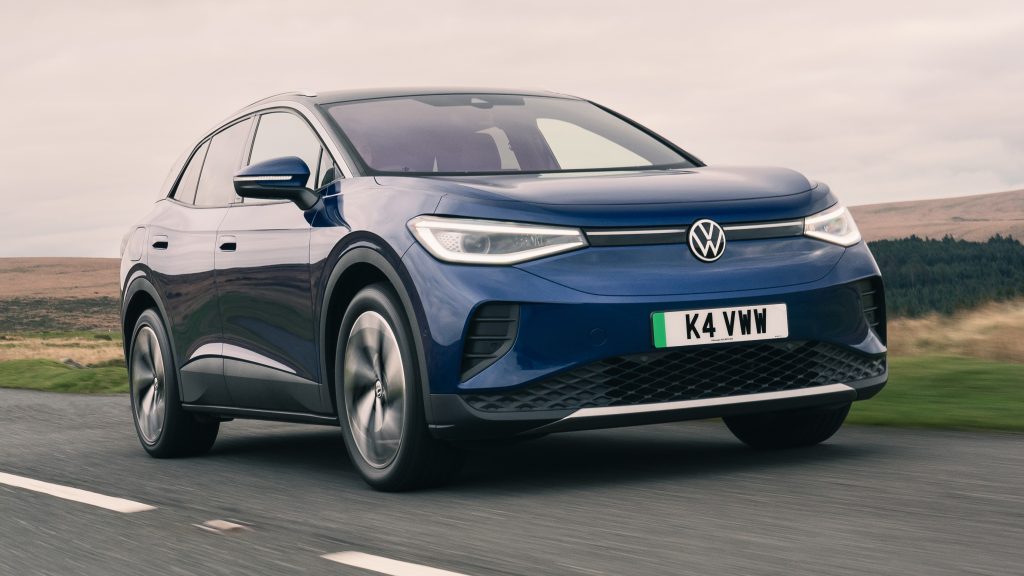
5. Volkswagen ID.4 (2025 Base Model)
The 2025 Volkswagen ID.4 base model offers an appealing entry point into the EV market, but it struggles to provide the confidence and practicality that long-term owners expect.
While the ID.4 has a stylish appearance and modern features, compromises in range, performance, and interior quality make it feel less compelling compared to other 2025 EVs.
The base model is equipped with a smaller battery pack, delivering around 220–240 miles of range in real-world conditions. For highway driving or long commutes, this can be limiting, especially when factoring in potential battery degradation over several years.
Fast-charging support is present but slower than newer 800V systems, making extended trips less convenient and adding planning complexity for drivers.
Inside, the cabin reflects Volkswagen’s minimalist approach, but some material choices feel less durable than expected. Seats provide acceptable comfort for short trips, yet lack the refinement seen in competitors like the Hyundai Ioniq 6 or Kia EV6.
Infotainment and driver-assistance systems function adequately, but the interface can feel sluggish at times, and software updates are less seamless than those offered by Tesla or Rivian.
Maintenance and support considerations further reduce long-term appeal. Volkswagen is still expanding its EV service network, meaning some regions may face limited parts availability or longer wait times for repairs. While electric drivetrains are generally simpler, early adopters report minor electrical quirks that may require dealer attention.
In conclusion, the Volkswagen ID.4 base model serves as a functional, accessible EV but does not inspire the same confidence as its higher-performing or longer-range peers.
For buyers seeking a vehicle that is both practical and reliable over several years, the ID.4 base trim falls short, making it a cautious choice rather than a strong, enduring investment in 2025.
Also Read: 5 Cars That Combine Comfort & Speed vs 5 That Fail at Both
