
The SUV segment continues to dominate the automotive market, appealing to buyers with its combination of space, versatility, and presence on the road. However, not all SUVs age gracefully.
Some maintain a sense of modernity and relevance long after their release, while others begin to feel dated within a few years due to outdated technology, interior design, or driving dynamics. Understanding which SUVs remain modern over time can help buyers make a decision that retains value and satisfaction.
SUVs that feel modern for years typically integrate forward-thinking design, advanced technology, and quality materials that age well.
These vehicles maintain relevance because their styling is neither overly trendy nor excessively conservative, while their infotainment, driver-assistance systems, and connectivity features continue to meet evolving expectations.
Performance and ride quality also play a role vehicles that deliver a balanced, composed, and engaging driving experience continue to feel relevant as the years pass.
Conversely, SUVs that fail to feel modern often suffer from interiors with hard plastics, clunky or outdated infotainment, or overly complicated controls.
Even with strong initial appeal, a lack of software updates or poorly executed ergonomics can quickly make a vehicle feel obsolete. Styling that follows short-lived trends rather than timeless design cues may also date a model prematurely, reducing both desirability and resale value.
This article examines five SUVs that maintain a modern feel for years and five that lose their appeal quickly. By highlighting the characteristics that help or hinder longevity in perceived modernity, buyers gain insight into which vehicles are likely to remain relevant, stylish, and enjoyable for years, and which are likely to feel outdated long before their time.
Also Read: 5 Cars With Strong Transmissions vs 5 With Weak Ones
5 SUVs That Feel Modern for Years
Some SUVs have a unique ability to remain relevant and visually appealing well after their initial release. These models combine thoughtful design, durable materials, and advanced technology to create an experience that doesn’t feel dated quickly.
For buyers, choosing such a vehicle ensures that the SUV continues to look and feel contemporary for years, retaining both functionality and style without requiring constant upgrades.
One key factor that keeps SUVs modern over time is design. Vehicles with clean, balanced exterior lines and interiors that prioritize simplicity over excessive ornamentation tend to age gracefully.
Timeless design choices, such as proportionate dimensions, restrained lighting elements, and intuitive cabin layouts, help a vehicle avoid appearing outdated as automotive trends shift.
Technology also plays a crucial role. SUVs that include adaptable infotainment systems, user-friendly interfaces, and comprehensive driver-assistance features remain relevant longer.
Over-the-air updates and software that can evolve with the vehicle prevent the technology from becoming obsolete, giving owners a sense of freshness without purchasing a new model.
Interior quality contributes to the perception of modernity as well. Materials that are durable yet refined, along with comfortable seating and smart storage solutions, help maintain an upscale feel as the vehicle ages.
Noise insulation, ride comfort, and ergonomics also ensure the SUV continues to feel well-engineered and enjoyable to drive, even after several years of ownership.
This section highlights five SUVs that exemplify these qualities. Each has been selected for its combination of design, technology, and usability that allows it to stay modern over time.
By understanding what makes these models age gracefully, buyers can identify SUVs that provide long-term satisfaction and maintain a sense of contemporary style, proving that modernity in a vehicle is about more than just the year of release.
1. Volvo XC90 (2025 Refresh)
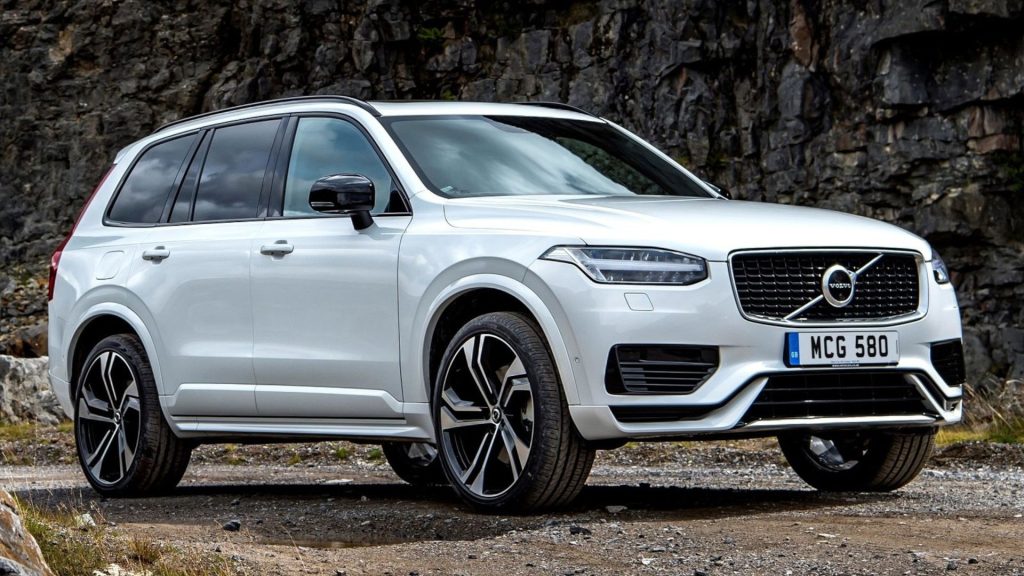
The Volvo XC90 continues to impress with its ability to feel modern and refined even several years after purchase. The 2025 refresh further strengthens this reputation by combining sleek Scandinavian design with advanced technology and practical usability.
Its minimalist interior, characterized by clean lines, premium materials, and intuitive controls, ensures that the cabin remains appealing over time without relying on fleeting trends.
Technology integration is a key strength of the XC90. The central touchscreen is responsive, and driver-assistance features, including adaptive cruise control, lane-keeping assist, and blind-spot monitoring, remain relevant and effective.
Over-the-air software updates keep the system current, preventing the infotainment or safety features from feeling outdated as newer models arrive on the market.
Performance and comfort are equally important. The XC90 offers smooth acceleration, composed handling, and a quiet, insulated cabin.
Air suspension on higher trims further enhances ride quality, making long journeys comfortable while maintaining a sense of control and refinement. All-wheel drive ensures capable handling in diverse weather conditions, contributing to its enduring appeal.
Interior ergonomics and material quality also contribute to the SUV’s lasting modernity. Soft-touch surfaces, well-cushioned seats, and practical storage solutions create an environment that feels both upscale and functional.
Even as trends evolve, the combination of simplicity, quality, and technology allows the XC90 to retain a sense of relevance.
For buyers seeking an SUV that remains stylish, comfortable, and technologically current for years, the 2025 Volvo XC90 is a standout. It exemplifies how thoughtful design, durable materials, and ongoing software support create a vehicle that continues to feel modern long after its initial purchase.
2. Audi Q5 (2025 Model)
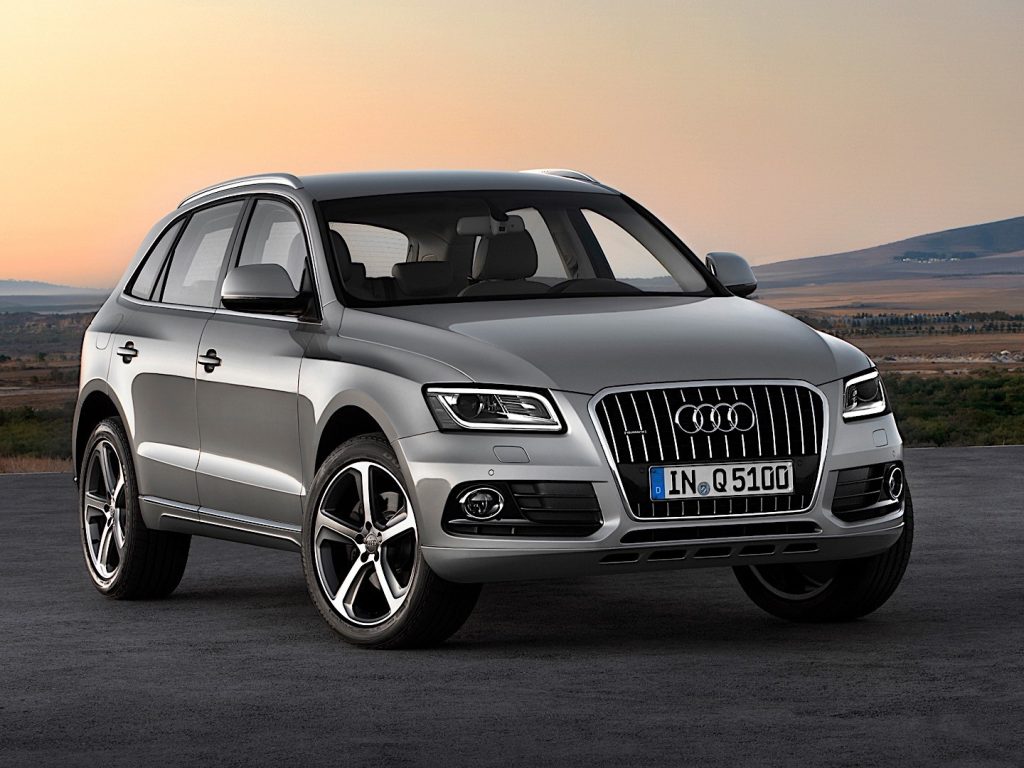
The Audi Q5 maintains a strong sense of modernity thanks to its balanced design, refined interior, and cutting-edge technology. The 2025 Q5 offers updates that ensure it remains relevant in a competitive market while staying true to Audi’s reputation for premium craftsmanship and user-friendly innovation.
Exterior design contributes significantly to its timeless appeal. Proportioned lines, subtle lighting accents, and restrained styling elements make the Q5 feel contemporary without appearing overly trendy.
This thoughtful approach to design helps it avoid the rapid aging seen in some competitors, allowing the SUV to maintain visual relevance for years.
Inside, the cabin is equipped with high-quality materials, comfortable seating, and an intuitive infotainment system. The dual-screen setup, digital instrument cluster, and seamless integration of connectivity features give the vehicle a modern, tech-forward feel.
Software updates further enhance functionality, ensuring that driver-assistance and infotainment systems stay current.
Driving dynamics reinforce the sense of modernity. The Q5 offers smooth handling, composed ride quality, and responsive steering, making it enjoyable for both city commuting and long trips. Cabin noise is well-managed, and suspension tuning strikes a balance between comfort and agility, contributing to an enduringly refined experience.
Long-term usability is another strength. Thoughtful storage solutions, ergonomically positioned controls, and durable materials ensure that the Q5 remains practical and visually appealing over time. These characteristics make the Audi Q5 a reliable choice for buyers seeking an SUV that retains its modern feel well into the future.
3. Mercedes-Benz GLE (2025 Model)
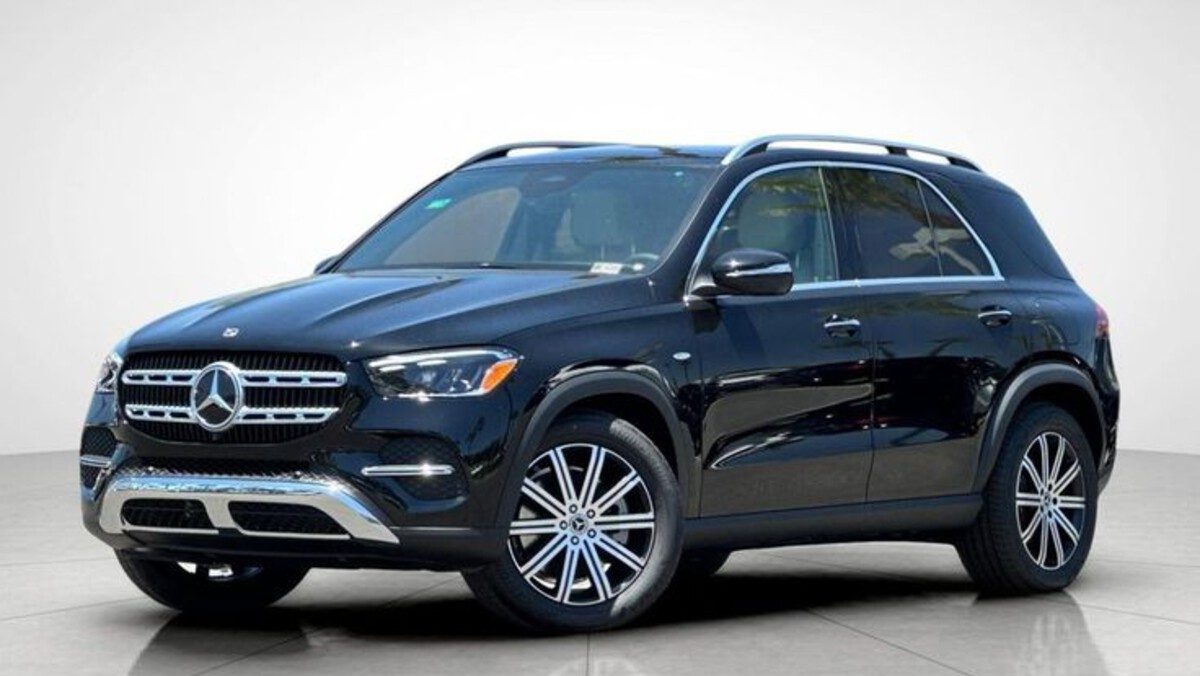
The 2025 Mercedes-Benz GLE stands out as a luxury SUV that manages to maintain a modern feel through its combination of design, technology, and driving refinement. Its exterior styling balances elegance with subtle sportiness, using smooth lines, distinctive lighting signatures, and well-proportioned dimensions that age gracefully.
Unlike some vehicles that chase fleeting trends, the GLE’s design remains contemporary without appearing overly complex or flashy.
Inside, the cabin is both spacious and refined. Premium materials, soft-touch surfaces, and attention to detail contribute to a sense of quality that endures over time.
Seating is comfortable for both front and rear passengers, with supportive cushions and adjustable configurations that adapt to different needs. Practical storage solutions and thoughtful ergonomics further enhance the vehicle’s usability.
Technology plays a central role in the GLE’s lasting appeal. A large curved digital display spans the instrument cluster and central infotainment, offering intuitive controls for navigation, media, and vehicle settings.
Mercedes’ MBUX system provides adaptive features, voice recognition, and over-the-air updates, ensuring that the SUV’s technology remains current even as newer models arrive. Advanced driver-assistance systems, including adaptive cruise control, lane-keeping assist, and automated emergency braking, enhance both safety and the perception of modernity.
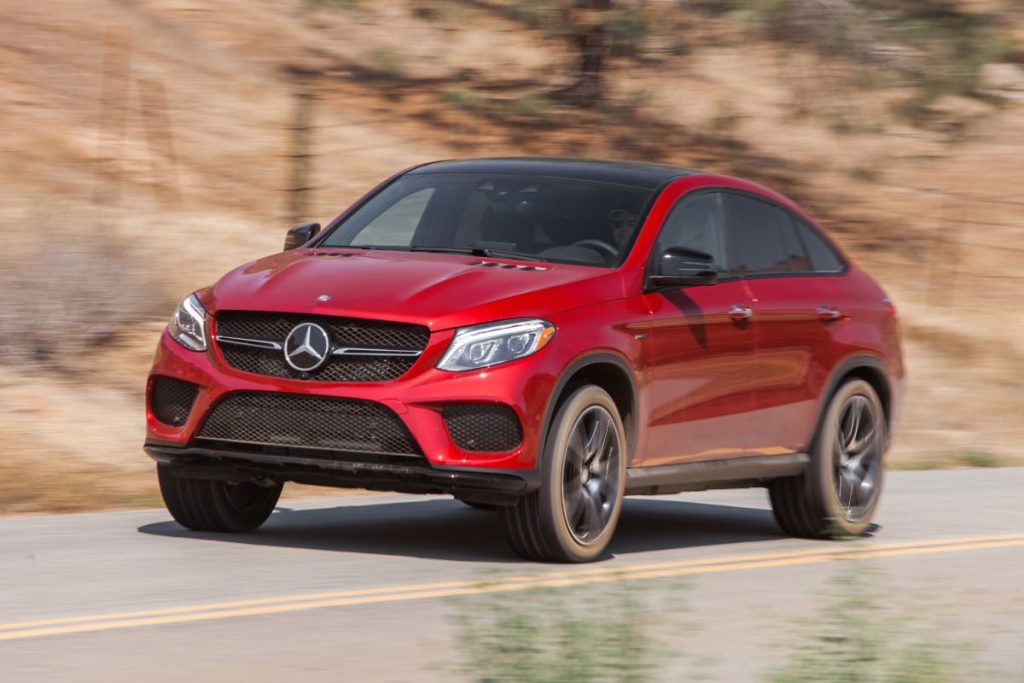
Driving dynamics reinforce its enduring relevance. The GLE provides a smooth, composed ride, responsive steering, and optional air suspension that balances comfort with handling agility. Cabin insulation is effective, creating a quiet, serene environment that feels luxurious and modern.
The combination of refined styling, intuitive technology, and long-lasting comfort allows the Mercedes-Benz GLE to remain modern and desirable for years.
For buyers who value luxury, usability, and longevity in an SUV, the GLE exemplifies how careful engineering and thoughtful design create a vehicle that continues to feel contemporary over time.
4. BMW X5 (2025 Model)
The BMW X5 continues to excel as a midsize SUV that retains a modern feel through its design, technology, and driving experience.
The 2025 model features updated styling that is both sleek and timeless, with clean lines, a strong stance, and well-integrated lighting elements that prevent it from looking dated quickly. Proportions and design cues ensure the vehicle remains visually relevant across several model years.
Inside, the cabin emphasizes quality and usability. Premium materials, supportive seats, and ergonomic layouts create an environment that is both comfortable and functional.
Infotainment is handled through BMW’s iDrive system, featuring a responsive touchscreen, digital instrument cluster, and connectivity features that remain useful and intuitive as technology evolves.
Regular software updates ensure that navigation, media, and vehicle systems stay current, helping the SUV maintain a tech-forward feel.
Driving performance reinforces the sense of modernity. The X5 provides composed handling, precise steering, and a smooth ride. Its suspension balances comfort and sportiness, making the SUV versatile for both city driving and long-distance trips.
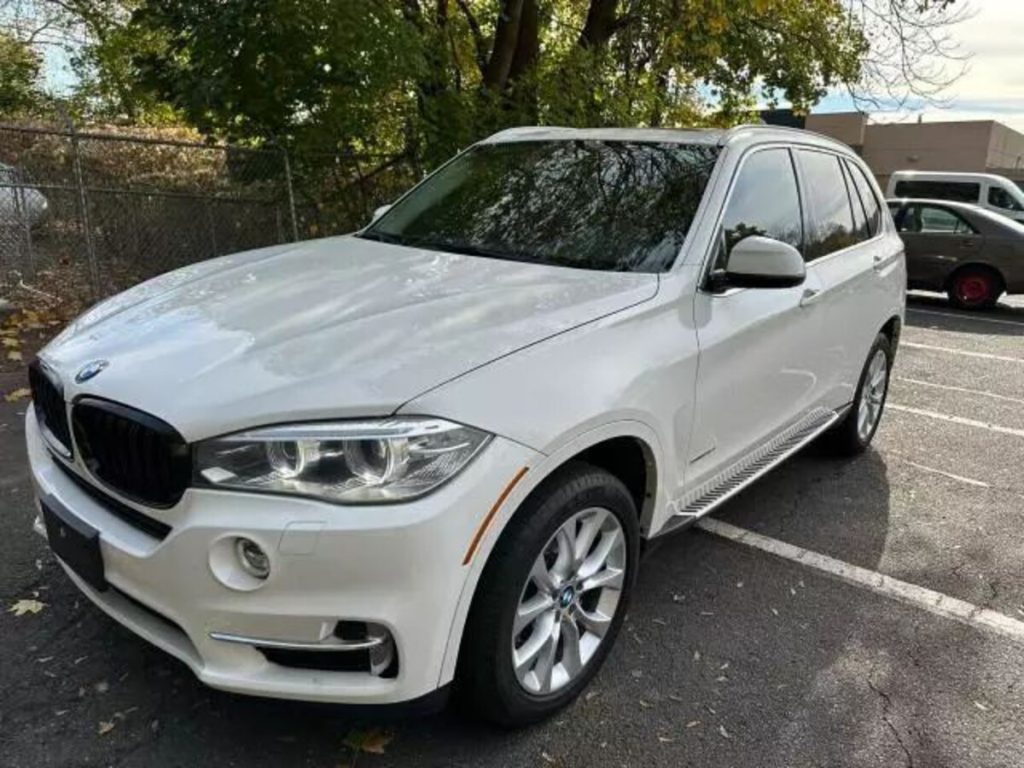
Cabin refinement, including noise insulation and well-tuned suspension, ensures a premium experience that remains enjoyable for years.
Long-term practicality is also key. Thoughtful storage solutions, easy-to-use controls, and durable materials contribute to a cabin that continues to feel fresh over time.
Combined with BMW’s strong safety and driver-assistance offerings, the X5 maintains a balance of performance, technology, and usability that helps it feel modern well into the future.
The BMW X5 demonstrates that a well-designed SUV can age gracefully, providing buyers with a vehicle that remains stylish, comfortable, and technologically current for many years.
5. Genesis GV80 (2025 Model)
The 2025 Genesis GV80 represents one of the most striking examples of an SUV that maintains a modern feel over time. Its bold yet refined exterior design combines clean lines, distinctive lighting elements, and a balanced stance that exudes sophistication without being trendy.
This timeless approach ensures that the GV80 continues to look contemporary for years, avoiding the pitfalls of over-styled or overly aggressive designs.
Inside, the GV80 impresses with a spacious, luxurious cabin that emphasizes comfort and durability. High-quality materials, soft-touch surfaces, and detailed stitching create an upscale environment that retains its appeal as the vehicle ages.
Ergonomics are carefully considered, with intuitive control layouts, adjustable seating, and practical storage solutions that enhance usability for daily driving or longer journeys.
Technology is central to the GV80’s lasting modernity. The infotainment system features a large, crisp display paired with a responsive interface.
Advanced driver-assistance systems, including adaptive cruise control, lane-keeping assist, blind-spot monitoring, and automated emergency braking, are designed to remain relevant as safety expectations evolve. Over-the-air updates further ensure that software and connectivity features stay current, reducing the risk of technological obsolescence.
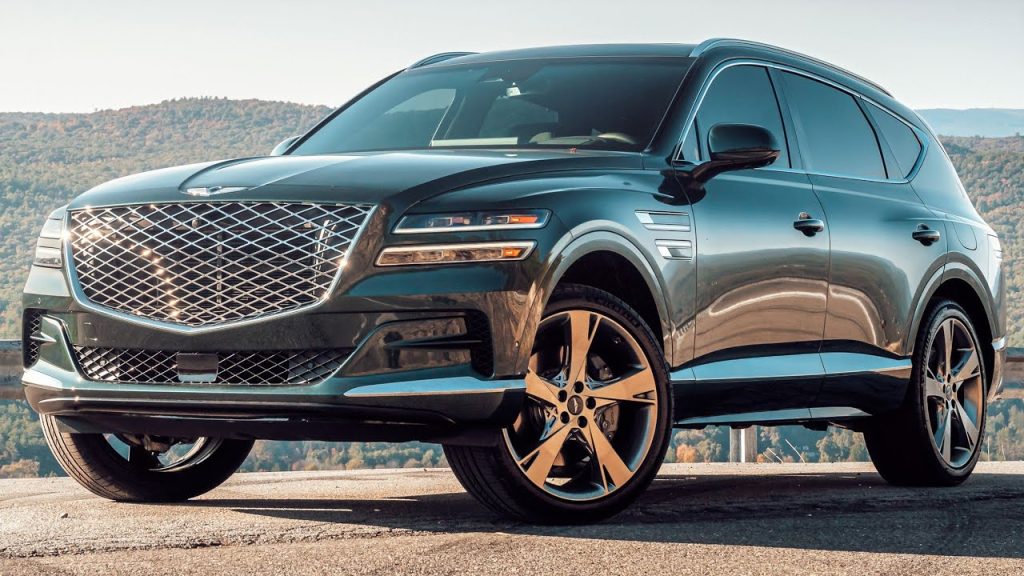
Performance and ride comfort also contribute to a sense of modernity. The GV80 delivers smooth acceleration, precise steering, and a quiet, well-insulated cabin. Suspension tuning balances comfort and handling, providing a refined experience whether navigating city streets or highway drives.
The combination of thoughtful design, premium materials, advanced technology, and refined driving dynamics allows the Genesis GV80 to remain modern and desirable for years.
For buyers seeking an SUV that retains its sense of style, comfort, and technological relevance over time, the GV80 stands out as a vehicle that continues to feel fresh and contemporary long after its initial purchase.
5 SUVs That Don’t Feel Modern for Years
Not every SUV maintains its appeal as years pass. Some models quickly begin to feel outdated due to aging design, limited technology, or interiors that fail to meet evolving expectations.
For buyers seeking a vehicle that retains relevance and usability, understanding which SUVs struggle to stay modern is essential. These vehicles may initially appear stylish or capable, but over time, shortcomings in design, functionality, or technology become more apparent, diminishing their long-term value.
Aging exterior design is a primary factor. SUVs that rely heavily on trendy styling or exaggerated features can quickly look dated once fashion cycles change.
Oversized grilles, excessive body lines, or overly aggressive lighting can make a model feel out of place only a few years after release. Conversely, SUVs with balanced, timeless design cues are more likely to retain their modern look.
Technology is another crucial aspect. Vehicles with outdated infotainment, limited connectivity, or software that cannot be updated fall behind as competitors introduce more intuitive and capable systems. Driver-assistance features that lack sophistication or are difficult to use can also make an SUV feel behind the times, particularly as safety expectations rise.
Interiors contribute as well. Hard plastics, poorly arranged controls, and uncomfortable seating can age poorly, making a cabin feel less refined over time. Even when vehicles initially appear modern, interior compromises can become more noticeable as standards evolve.
This section identifies five SUVs that fail to maintain a modern feel, highlighting the reasons they age poorly. By analyzing design, technology, and interior quality, buyers gain insight into which models may feel outdated sooner rather than later.
Recognizing these shortcomings helps prospective owners make informed choices and avoid vehicles that lose their sense of relevance too quickly.
1. Jeep Grand Cherokee (2025 Base Model)
The 2025 Jeep Grand Cherokee base model is a capable SUV in many ways, but it struggles to maintain a modern feel over time. Its exterior styling, while rugged and traditional, leans heavily on past design language rather than forward-thinking elements.
This makes the vehicle appear dated compared to competitors that adopt cleaner lines, sleeker profiles, and more cohesive lighting designs. Oversized grilles and boxy proportions, which were once appealing, now contribute to a sense of aging quickly in style-conscious markets.
Inside, the cabin shows similar limitations. While materials are functional, hard plastics dominate much of the interior, and ergonomics are less refined than in newer SUVs.
Infotainment screens are smaller and less responsive than rival models, and the driver-assistance features are basic, lacking the sophistication or adaptability of modern systems. Over-the-air updates are not widely available, which can make technology feel obsolete as software in competitors evolves.
Performance and handling further highlight why the Grand Cherokee base model feels less modern. Steering lacks the precision and responsiveness expected from contemporary SUVs, and the suspension, while capable off-road, delivers a firmer ride than rivals optimized for on-road comfort. Cabin noise can be more pronounced at highway speeds, making the overall experience feel less refined.
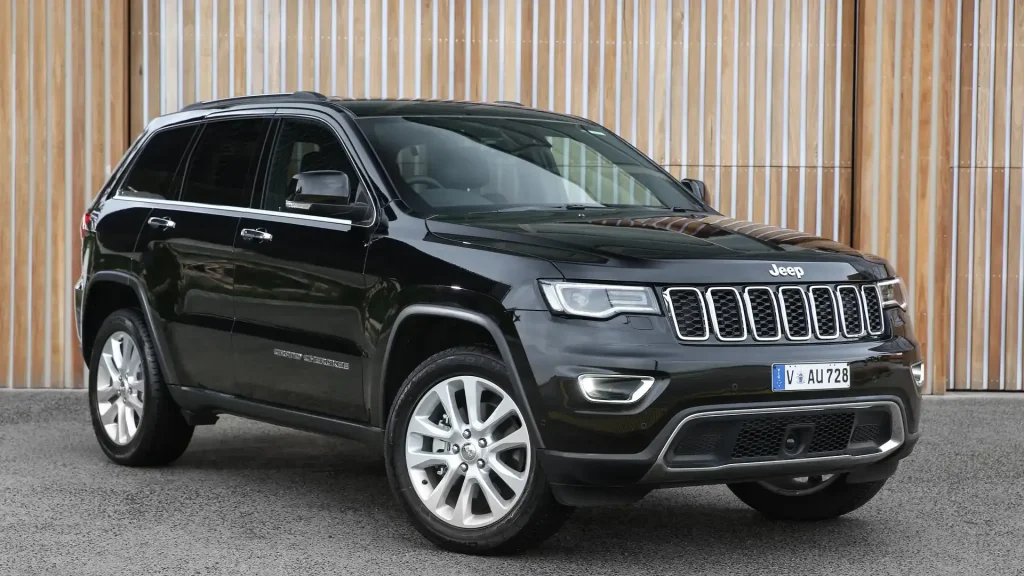
For buyers focused on long-term usability and perceived modernity, the base Grand Cherokee struggles to keep pace. While it maintains functionality and ruggedness, its dated design cues, limited interior refinement, and older technology combine to make it feel like a vehicle of the past rather than a contemporary SUV.
2. Ford Explorer (2025 Base Model)
The 2025 Ford Explorer base trim suffers from similar issues that hinder its long-term modern appeal. Although the SUV remains popular due to space and practicality, its design and technology choices show the effects of aging when compared to competitors emphasizing clean styling and integrated tech.
The exterior features oversized grilles, sharp edges, and lighting designs that may have been trendy at launch but quickly feel out of date as automotive styling evolves.
Inside, the cabin leans toward functionality over refinement. Hard plastics and basic materials dominate touchpoints, while seat cushioning is modest for extended drives.
The infotainment system, although operational, lacks the responsiveness and intuitive layout seen in rivals. Driver-assistance systems are limited to essential features, without adaptive capabilities or software updates that enhance usability over time.
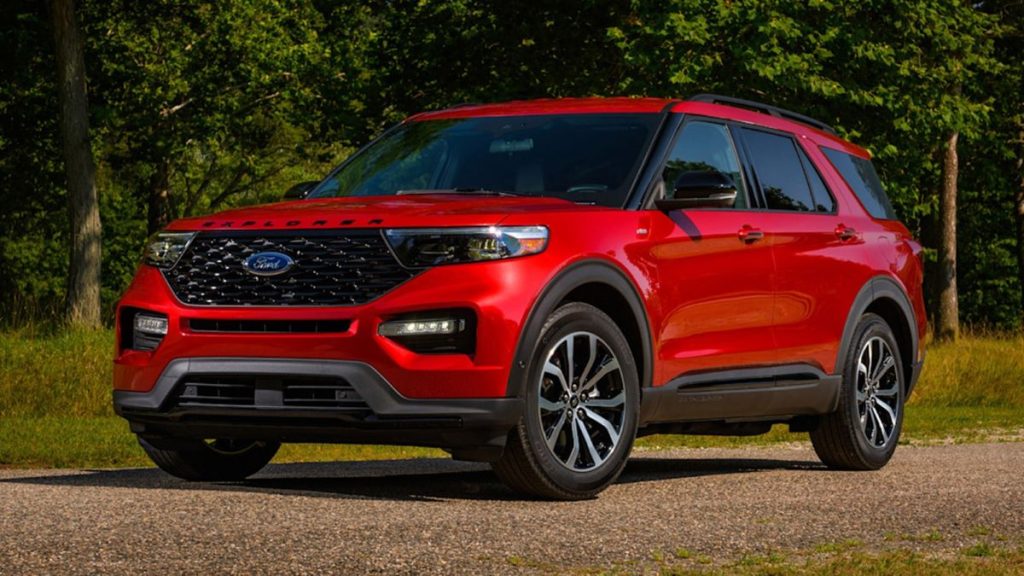
Ride quality further emphasizes its dated feel. Suspension tuning prioritizes load-bearing and towing capability over comfort, resulting in a less composed experience on city roads or highways. Cabin insulation is adequate but does not achieve the quiet, premium environment found in other SUVs that retain a modern sense for years.
Overall, the Ford Explorer base model serves its practical purposes but does not inspire confidence in long-term modernity.
Outdated design cues, unrefined interiors, and limited technology mean that this SUV will likely feel older faster, especially when compared to vehicles designed with timeless styling and adaptable technology.
3. Honda Passport (2025 Model)
The 2025 Honda Passport offers practicality and reliability, but it struggles to maintain a modern feel as years pass.
Its exterior design is functional but lacks forward-thinking elements, relying on bulkier proportions, squared-off edges, and traditional lighting designs that do not age gracefully. Compared to competitors with sleeker lines and cohesive styling, the Passport’s appearance can quickly feel dated.
Inside, the cabin emphasizes durability over refinement. Hard plastics and basic textures dominate most surfaces, while the overall layout prioritizes function rather than aesthetic appeal. Infotainment systems are serviceable but small and less responsive than rival offerings, with limited over-the-air update capabilities.
This makes the technology feel outdated sooner than expected. Driver-assistance features are adequate but do not offer the adaptive sophistication found in newer SUVs, contributing further to a sense of aging.
Driving dynamics do little to offset the dated feel. Suspension tuning favors robustness over comfort, resulting in a firmer ride on paved roads.
Steering feedback is acceptable but lacks the precision and responsiveness associated with more modern SUVs. Cabin noise, particularly at higher speeds, can also detract from the sense of refinement that helps vehicles maintain a contemporary feel.
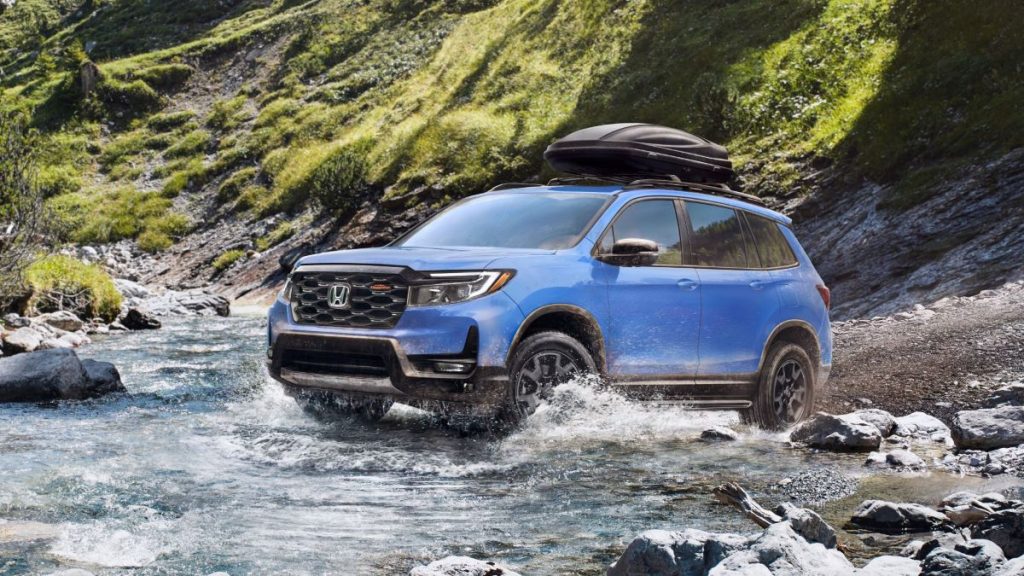
Practicality remains a strength, but long-term perception of modernity suffers due to interior materials, dated technology, and exterior styling choices.
While the Honda Passport is a reliable and capable SUV, it does not provide the lasting freshness or premium sense that keeps vehicles feeling relevant for years. Buyers seeking an SUV that retains a modern impression may find it falling behind newer, more thoughtfully designed competitors.
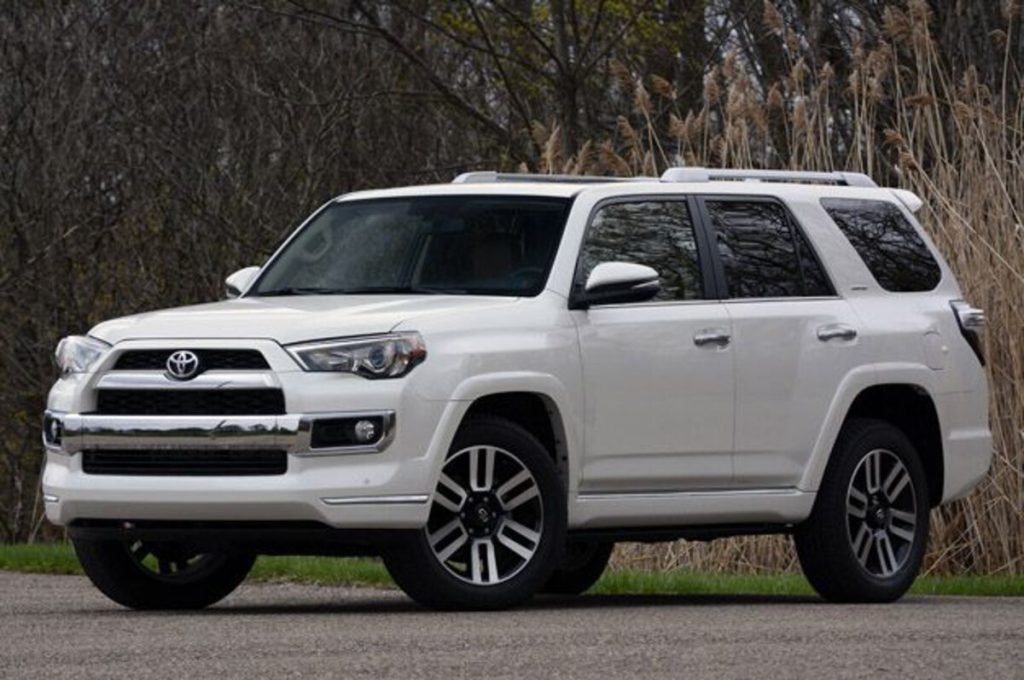
4. Toyota 4Runner (2025 Model)
The 2025 Toyota 4Runner continues its legacy as a rugged, off-road capable SUV, but its design and technology choices limit its modern appeal over time.
The exterior styling has remained largely unchanged for several model cycles, emphasizing traditional body-on-frame construction and classic SUV proportions.
While this preserves functionality, it fails to align with contemporary design trends, causing the vehicle to feel outdated compared to newer rivals with sleeker, more aerodynamic styling.
Inside, the cabin prioritizes durability over luxury or tech integration. Hard plastics dominate surfaces, and the infotainment system is small and less responsive than competitors’ setups.
Limited connectivity options and minimal over-the-air update capabilities contribute to a sense of technological obsolescence. Driver-assistance features, while present, are basic and do not adapt to evolving safety expectations, reinforcing the dated feel.
Driving experience mirrors the interior’s approach. The suspension is tuned for off-road capability rather than comfort, which can lead to a firm, less refined ride on paved roads.
Steering feedback is functional but lacks the precision and confidence that modern SUVs offer. Cabin noise is noticeable during highway driving, further detracting from a sense of contemporary refinement.
While the 4Runner excels in reliability and off-road capability, its dated design, interior materials, and limited technology prevent it from feeling modern for years.
Buyers prioritizing long-term style, tech relevance, and interior sophistication may find the 4Runner falling behind newer SUVs, making it less appealing as a vehicle that maintains a contemporary feel over time.
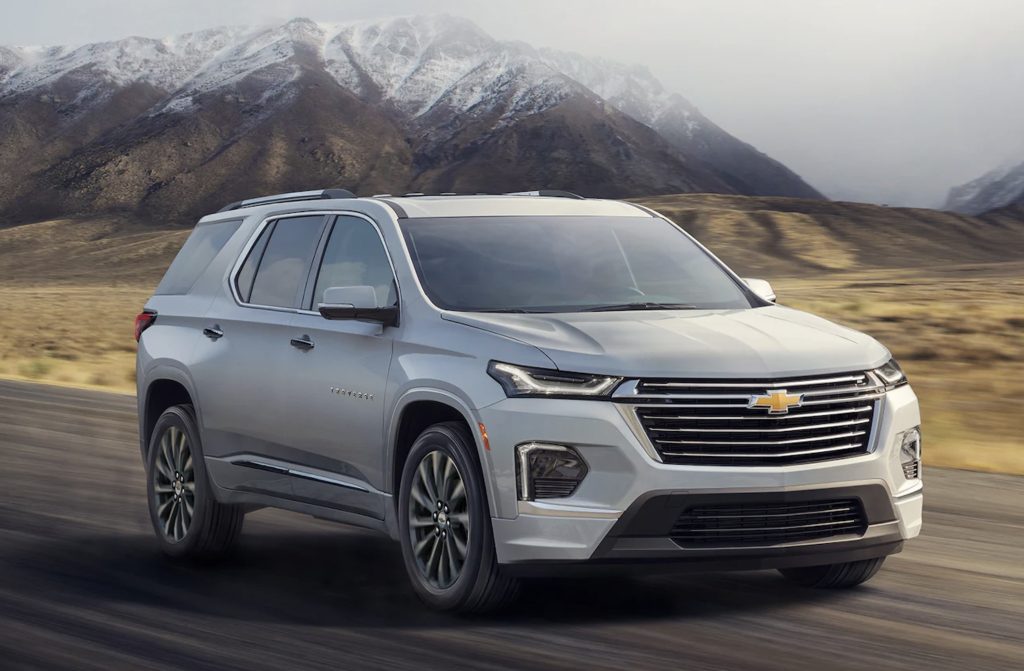
5. Chevrolet Traverse (2025 Base Model)
The 2025 Chevrolet Traverse base model offers spacious seating and utility, but it struggles to maintain a modern feel over time.
Its exterior design is functional yet conservative, featuring bulky proportions, simple lines, and conventional lighting that make the SUV appear dated when compared to sleeker, more contemporary rivals. While the styling emphasizes practicality, it lacks distinctive or forward-thinking elements that help vehicles age gracefully.
Inside, the cabin focuses on space and functionality, often at the expense of refinement. Hard plastics dominate the dashboard and door panels, and seat materials feel ordinary, contributing to a sense of aging quickly.
The infotainment system, though operational, lacks responsiveness and intuitive interface design, and over-the-air software updates are minimal or absent.
Driver-assistance features are basic, without the adaptive sophistication seen in modern SUVs, which diminishes the overall sense of technological relevance.
Ride quality and driving dynamics reinforce the perception of datedness. The suspension is tuned for comfort but lacks the composure and responsiveness found in newer crossovers, and steering feedback feels less precise.
Cabin noise during highway travel can be more noticeable than in competitors, which reduces the perception of refinement that helps an SUV feel contemporary.
While the Chevrolet Traverse base model meets the practical needs of families and cargo-hauling drivers, it does not excel in design, technology, or refinement.
These shortcomings combine to make it feel outdated relatively quickly, especially as competitors adopt sleeker styling, better materials, and more advanced infotainment and driver-assistance systems.
For buyers seeking an SUV that maintains a modern presence and sense of relevance over time, the Traverse base trim falls behind more thoughtfully engineered rivals.
Also Read: 5 Cars That Outsell Expectations vs 5 That Fail Quietly
