
The interior of a car often defines the overall ownership experience. A well-designed cabin can make even a modestly priced vehicle feel premium, while poor material choices and cluttered layouts can make an expensive car feel cheap.
Interior quality influences comfort, usability, and long-term satisfaction, making it one of the most critical aspects when evaluating a vehicle. Buyers increasingly expect a balance of materials, ergonomics, technology, and refinement, regardless of the car’s price point.
Cars that feel expensive inside typically use high-quality materials, intuitive controls, and thoughtful layouts. Soft-touch surfaces, well-finished trims, and ergonomic design contribute to a sense of refinement that enhances the driving experience.
Infotainment and connectivity systems are often seamlessly integrated, while advanced driver-assistance features add both convenience and perceived value. Even small details, such as stitching, ambient lighting, and button feedback, play a role in creating a premium impression.
Conversely, cars that look cheap quickly often rely on hard plastics, poorly finished surfaces, and outdated technology. Layouts may feel cluttered, buttons and knobs may lack tactile quality, and infotainment systems can be slow or unintuitive.
Cabin wear over time, combined with subpar materials, can make even newer vehicles feel inexpensive. These shortcomings affect comfort, usability, and long-term satisfaction, creating a negative perception of value.
This article compares both sides of interior quality. The first section highlights five cars that feel expensive inside, demonstrating how design, materials, and technology enhance the ownership experience.
The second section covers five vehicles that look cheap quickly, showing how design and material choices can undermine perceived value. By examining these factors, readers can better understand which cars maintain a sense of luxury and which fail to impress over time.
Also Read: 5 Cars With Strong Transmissions vs 5 With Weak Ones
5 Cars That Feel Expensive Inside
A car’s interior can greatly influence how it is perceived and enjoyed. Even modestly priced vehicles can feel premium when designers focus on quality materials, thoughtful layouts, and ergonomic controls.
Cars that feel expensive inside combine tactile satisfaction, visual appeal, and functional design, creating an environment that enhances comfort, usability, and driving pleasure. Choosing vehicles with high-quality interiors ensures long-term satisfaction, as the cabin remains enjoyable and relevant even as the car ages.
Materials play a crucial role in creating a sense of refinement. Soft-touch surfaces, high-grade plastics, leather, and metal accents contribute to a premium feel, while precise panel gaps and consistent finishes reinforce the impression of quality.
Stitching details, ambient lighting, and attention to touchpoints, such as the steering wheel and center console, further elevate the perceived value. Small details matter: buttons that provide satisfying feedback, tactile knobs, and intuitive placement of controls all enhance usability and create a more engaging experience.
Technology integration also adds to the perception of luxury. Vehicles with responsive infotainment systems, clear instrument displays, and modern connectivity features feel more sophisticated than those with outdated or clunky setups.
Safety and driver-assistance features, when seamlessly incorporated, contribute to both convenience and the sense that the cabin has been carefully designed.
This section highlights five cars that excel in interior quality, showing how design, materials, and technology combine to make a vehicle feel more expensive than its price suggests.
By examining each model, readers can understand why certain vehicles maintain a sense of refinement, comfort, and usability, providing a premium experience that enhances driving satisfaction and long-term value.
1. Genesis G70 (2019–2025)
The Genesis G70 offers a compact luxury experience that exceeds expectations for its segment, with an interior that feels genuinely premium.
Soft-touch materials cover the dashboard, doors, and center console, giving a tactile sense of quality that rivals higher-priced European competitors.
Leather seating is well-padded and supportive, ideal for both daily commutes and longer journeys, while available quilted leather and contrast stitching enhance the sense of refinement. Even small details, such as metallic trim, knob feedback, and ambient lighting, contribute to a cohesive, upscale cabin environment.
Infotainment and technology in the G70 are modern and user-friendly. A responsive touchscreen, clear instrument cluster, and intuitive controls make interaction seamless, while smartphone integration ensures connectivity without clutter.
Advanced driver-assistance features, including adaptive cruise control, lane-keeping assist, and automated emergency braking, are well-integrated and intuitive, enhancing convenience while maintaining a premium feel.
Ergonomics are another highlight. Controls are logically placed, and seating adjustments allow drivers of various sizes to find a comfortable position quickly.
The steering wheel and shifter provide satisfying tactile feedback, reinforcing the sense of quality. Ride comfort is balanced with handling, ensuring that passengers experience both a smooth ride and confidence-inspiring dynamics.
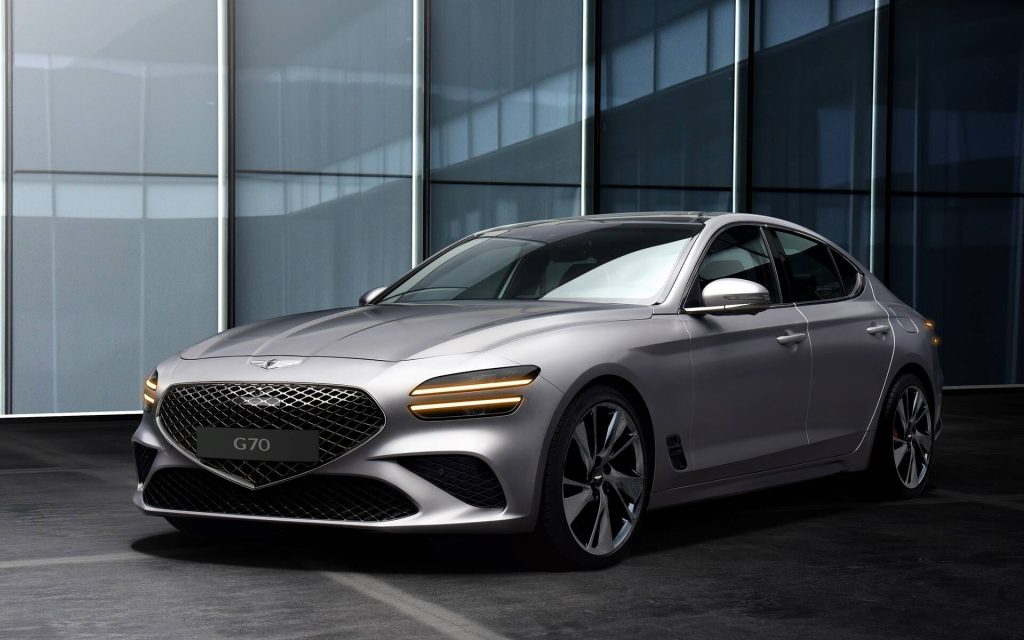
Overall, the Genesis G70’s interior demonstrates that careful attention to materials, design, and technology can make a compact luxury car feel expensive inside.
The combination of tactile quality, refined finishes, and advanced features creates a cabin that stands out for both comfort and sophistication, offering a long-term sense of value rarely matched in its price class.
2. Audi Q5 (2021–2025)
The Audi Q5 remains one of the most compelling compact luxury SUVs, largely due to its interior quality. Soft-touch surfaces, leather upholstery, and aluminum accents create an immediate sense of refinement.
Panel gaps are tight, and finishes are consistent throughout the cabin, reinforcing the perception of craftsmanship. Ambient lighting and subtle design details, such as contrast stitching and brushed-metal controls, elevate the overall aesthetic and make the cabin feel well-considered and luxurious.
Technology integration is excellent. Audi’s MMI infotainment system is responsive and intuitive, with a clear central touchscreen and digital instrument cluster.
Smartphone connectivity, navigation, and voice commands are seamlessly integrated, giving a modern and sophisticated experience. Driver-assistance systems, including adaptive cruise control and lane-keeping support, are smoothly incorporated, adding convenience without disrupting the upscale feel.
Ergonomics and comfort are key strengths. Seating is supportive, even on longer drives, and interior layout ensures that controls are within easy reach.
The steering wheel and gear selector provide satisfying tactile feedback, while the cabin remains quiet and well-insulated from road noise. These factors contribute to a feeling of composure and refinement.
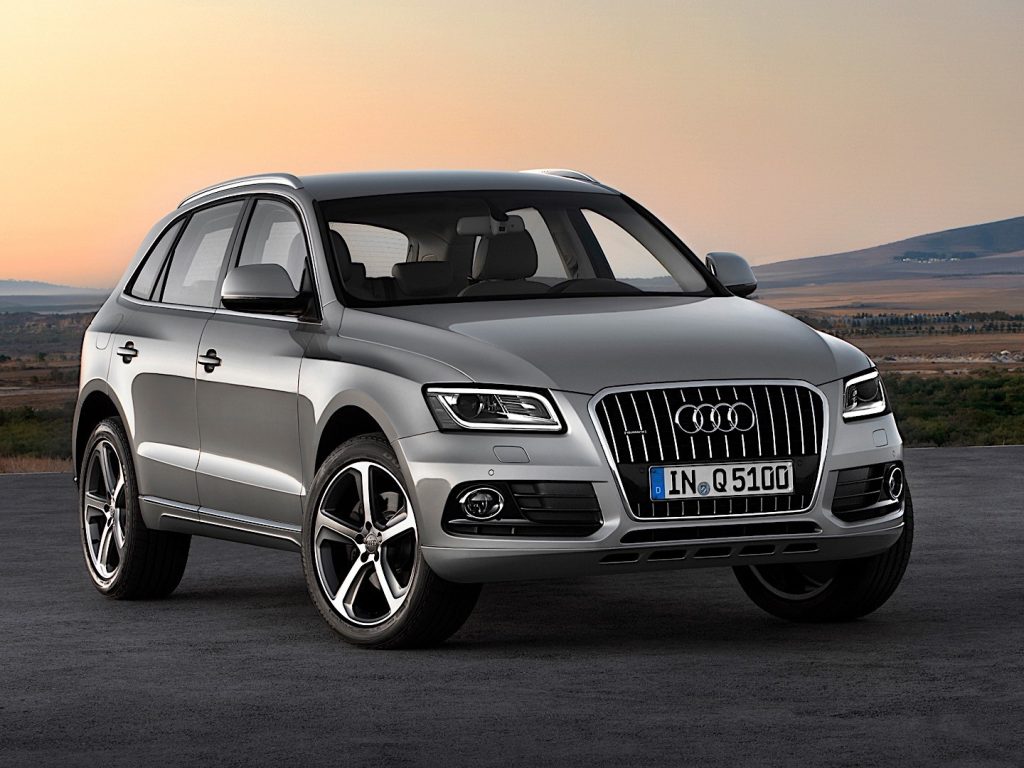
Practicality is also preserved. The Q5 offers versatile cargo space and a logical layout, proving that a luxurious cabin can be functional as well.
With materials, technology, and design working together, the Audi Q5 succeeds in creating an interior that feels expensive, making it a standout choice for buyers seeking both luxury and usability in a compact SUV.
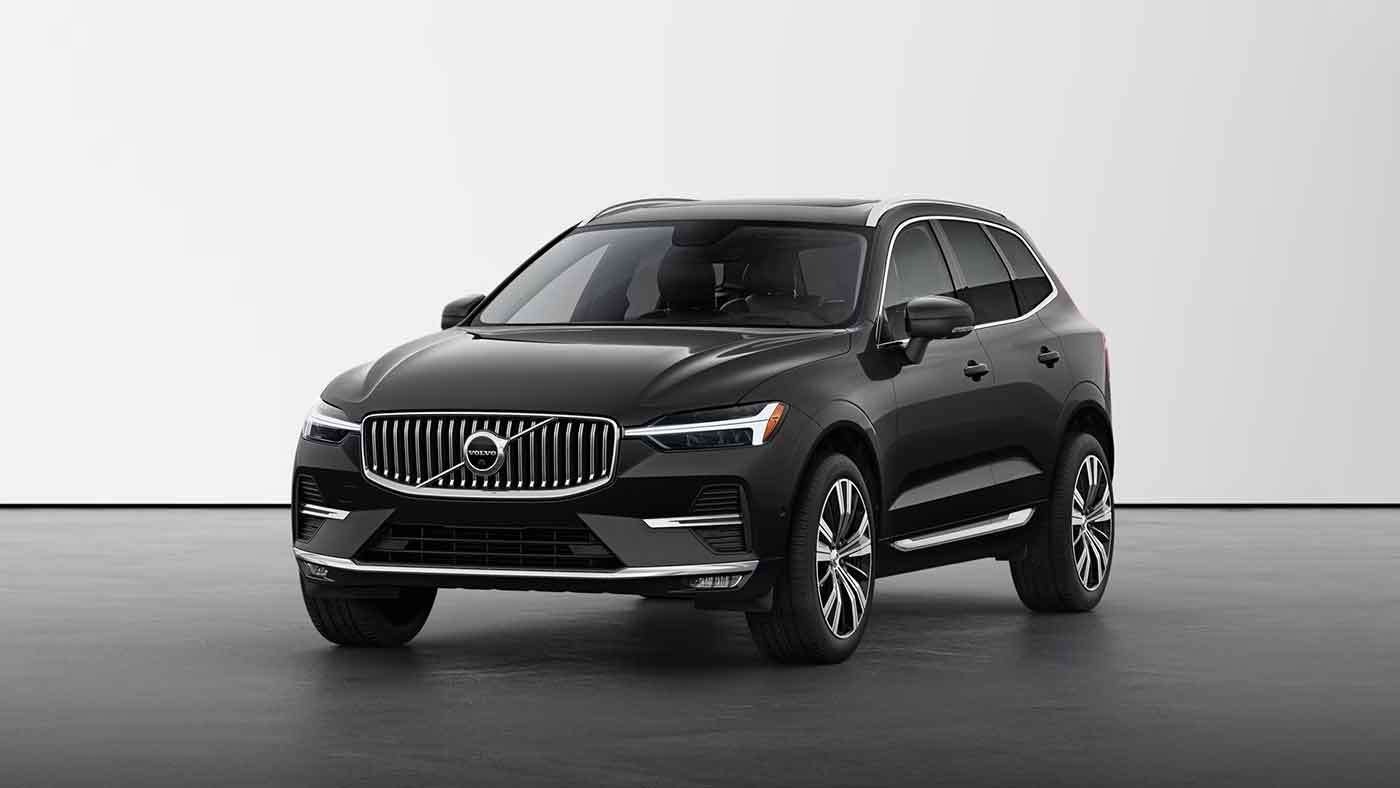
3. Volvo XC60 (2021–2025)
The Volvo XC60 combines Scandinavian design principles with high-quality materials, producing an interior that feels refined and luxurious. Minimalist yet elegant, the cabin uses soft-touch surfaces, leather upholstery, and real wood or metal accents, creating a calm, premium environment.
The craftsmanship is evident in details like precise stitching, seamless panel joins, and tactile buttons and knobs. Ambient lighting adds warmth and sophistication, ensuring the interior remains inviting even on longer drives.
Technology in the XC60 enhances the premium experience without overwhelming the driver. The central touchscreen, paired with a digital driver display, is responsive and logically organized, giving access to infotainment, navigation, and vehicle controls efficiently.
Smartphone integration and voice command features work seamlessly, while safety systems such as adaptive cruise control, lane-keeping assist, and collision mitigation are well-integrated, boosting confidence and convenience.
Comfort and ergonomics are priorities in the XC60. Seats are supportive and adjustable, designed to reduce fatigue on extended trips. Control placement is intuitive, and the steering wheel provides precise feedback, contributing to a connected driving experience.
Suspension tuning strikes a balance between absorbing road imperfections and maintaining composure through turns, keeping passengers comfortable while enhancing the perception of refinement.

Practicality is also addressed without compromising luxury. The cabin layout maximizes cargo flexibility, storage compartments are thoughtfully placed, and materials withstand everyday use without feeling cheap.
The Volvo XC60 demonstrates that an SUV can maintain a sense of quality and sophistication over time, making it an excellent choice for drivers who want an interior that feels expensive inside while remaining functional and enjoyable.
4. Mercedes-Benz C-Class (2022–2025)
The Mercedes-Benz C-Class delivers a classic premium experience with an interior that feels luxurious and refined. Soft leather surfaces, brushed aluminum, and optional wood trim combine to create an environment that rivals higher-end models.
Attention to detail is evident throughout, from the precision of panel gaps to the tactile feedback of buttons and rotary controls. Ambient lighting, available in multiple colors, adds to the sense of sophistication, giving the cabin a modern yet elegant atmosphere.
Infotainment and technology are standout features. The MBUX system, with its responsive touchscreen and digital instrument cluster, provides intuitive access to navigation, media, and vehicle settings.
Voice control, smartphone integration, and advanced driver-assistance features, including adaptive cruise control and lane-keeping assist, are seamlessly integrated, enhancing both convenience and the perception of quality.
Seating comfort and ergonomics are carefully considered. Seats are supportive and adjustable, with heating and ventilation options, while controls are logically positioned for driver accessibility.
The steering wheel and gear selector provide satisfying tactile feedback, reinforcing a sense of precision and refinement. Cabin noise is well-managed, and suspension tuning balances comfort with composed handling, making daily driving a pleasurable experience.
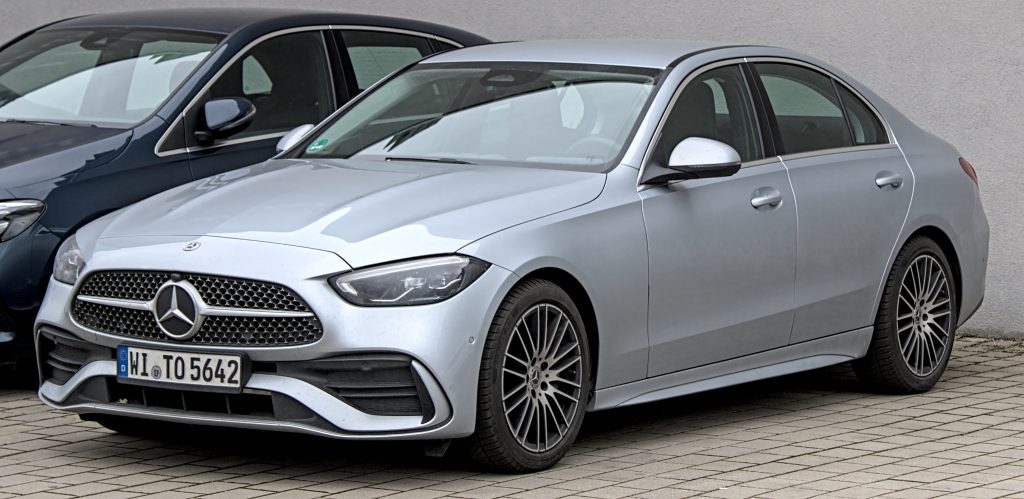
Practicality is maintained despite the luxurious feel, with adequate storage and cargo space for the segment. Overall, the Mercedes-Benz C-Class proves that attention to materials, design, and technology can create an interior that feels expensive inside, offering a premium environment that enhances the ownership experience and maintains long-term appeal.
5. Lexus RX (2022–2025)
The Lexus RX has long been recognized for combining reliability with a refined and premium interior, and its 2022–2025 models continue this tradition. The cabin uses soft-touch materials, high-grade leather, and carefully finished trim pieces, creating an immediate sense of quality.
Attention to detail is evident in stitching patterns, metallic accents, and the precise alignment of panels, all of which reinforce a premium atmosphere. Ambient lighting adds warmth and sophistication, enhancing the perception of luxury for both driver and passengers.
Technology integration is another area where the RX excels. The infotainment system, while sometimes criticized for touchpad controls, is visually modern and supports navigation, smartphone connectivity, and voice commands.
Advanced driver-assistance systems, including adaptive cruise control, lane departure alert, and automated emergency braking, are seamlessly incorporated, increasing convenience while maintaining a high-end feel.
Ergonomics and comfort are thoughtfully considered. Seats are spacious, supportive, and adjustable in multiple ways, making long trips comfortable for all occupants.
The steering wheel and gear selector provide tactile satisfaction, and cabin noise is well-managed, enhancing the sense of refinement. Suspension tuning balances comfort with composed handling, ensuring that the RX feels polished without sacrificing ride quality.
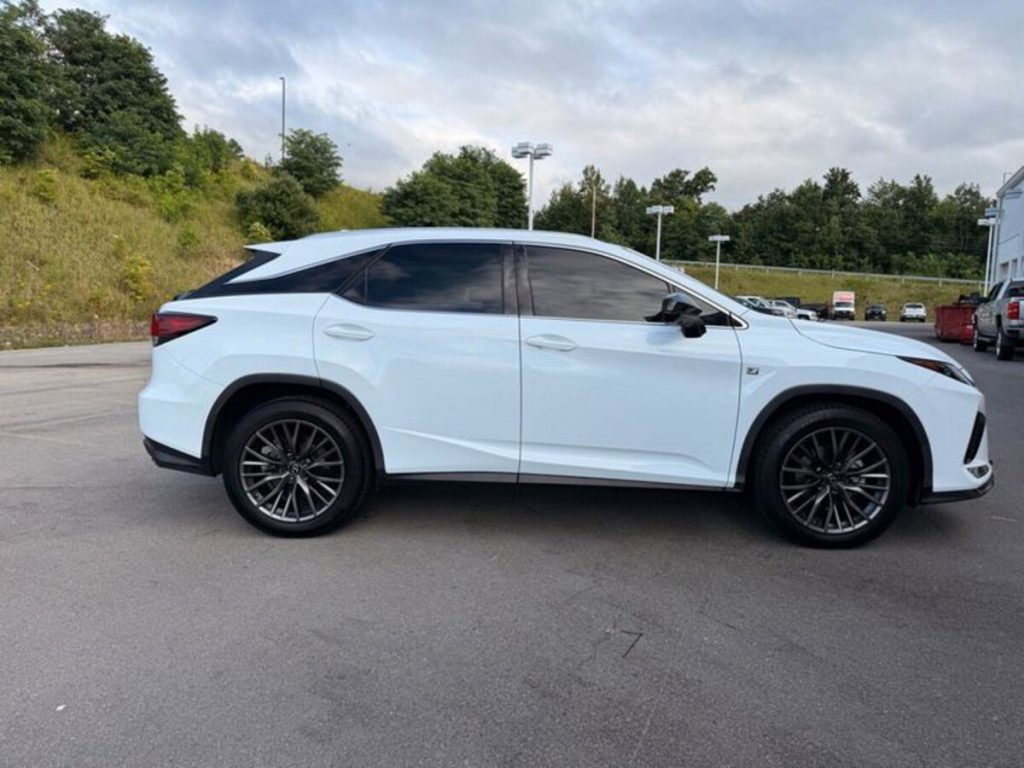
Practicality is not overlooked. Ample cargo space, flexible storage solutions, and intuitive control placement ensure that the interior is functional as well as luxurious. Overall, the Lexus RX demonstrates that careful attention to materials, design, technology, and ergonomics can create an SUV interior that feels expensive inside.
Its combination of comfort, sophistication, and usability makes it a benchmark for vehicles in its class, offering long-term satisfaction and a premium driving experience.
5 Cars That Look Cheap Quickly
Not every vehicle maintains its sense of quality over time. Some cars, even when new, show signs of cost-cutting in materials, design, or technology, and their interiors can feel cheap quickly. Hard plastics, poorly finished panels, outdated infotainment, and low-quality upholstery contribute to a cabin that ages poorly.
These shortcomings affect comfort, usability, and the perception of value, often leaving owners disappointed as the interior shows wear or feels outdated within a few years.
Vehicles that look cheap quickly typically compromise on materials to reduce production costs. Surfaces may be rigid, textured to mask quality issues, or prone to scratching and fading.
Seats may lack support or cushioning, and trim pieces may feel hollow or poorly fitted. Even minor details, such as inconsistent stitching, flimsy buttons, or rattling panels, can add to the impression of low quality.
Technology and ergonomics play a critical role in maintaining a sense of refinement. Cars with slow, unintuitive infotainment systems, limited connectivity, or cluttered control layouts often feel dated almost immediately. Driver-assistance features, if present, may lack seamless integration, further highlighting the cabin’s shortcomings.
This section identifies five cars whose interiors fail to maintain a sense of value over time. By examining material quality, design, technology, and ergonomics, readers can see why these vehicles age poorly compared to cabins that feel expensive.
Understanding which cars look cheap quickly helps buyers avoid models that may disappoint in both comfort and perceived quality, ensuring that the interior remains enjoyable and enduring over years of ownership.
1. Nissan Versa (2021–2025)
The Nissan Versa, while an affordable and practical choice for budget-conscious buyers, often shows its cost-focused design in the cabin. Hard plastics dominate the dashboard, door panels, and center console, giving a rigid, low-quality feel.
Surfaces are prone to scratches and scuffs, which can make the interior look worn even after a relatively short period of use. Minimal sound insulation contributes to noticeable road and wind noise, further reducing the perception of refinement.
Seating comfort is limited. Cloth seats are thinly padded and provide minimal support during longer trips, leaving passengers feeling less comfortable than in similarly priced vehicles with better-designed interiors.
Ergonomics are basic, and the layout of buttons and controls is functional but uninspired. The tactile feedback from knobs and switches is uninspiring, reinforcing a sense of low quality.
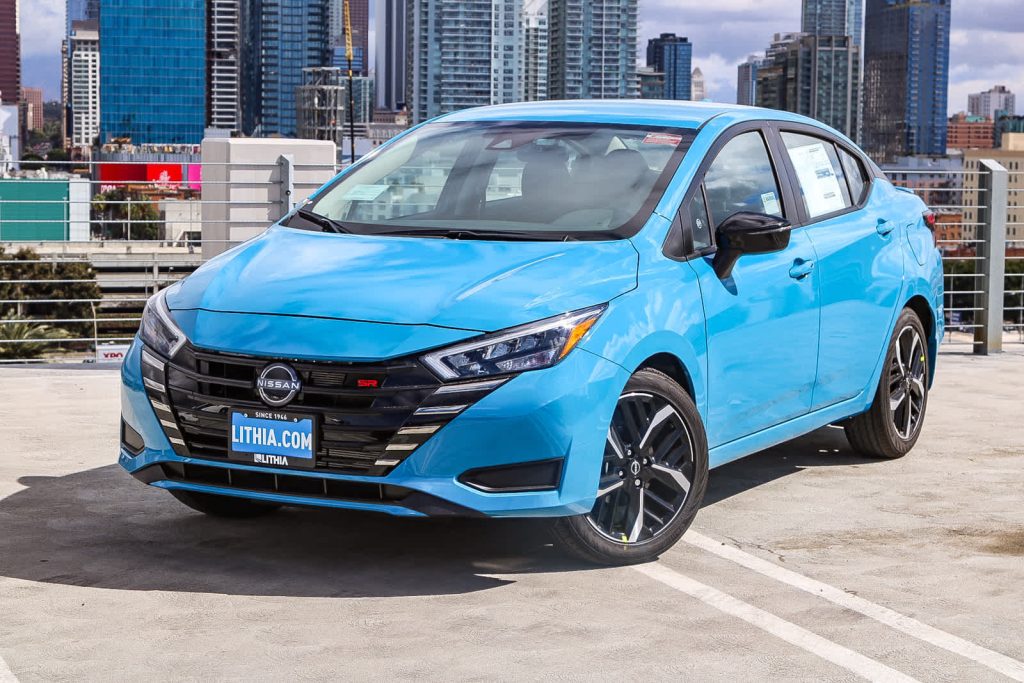
Technology integration is also minimal. The infotainment system is small and slow to respond, with limited smartphone connectivity. Optional features that could enhance convenience, such as advanced driver-assistance systems, are either unavailable or only offered on higher trims, making the base model feel outdated and less refined.
Despite its practicality, the Nissan Versa demonstrates how cost-cutting in materials, seating, and technology can make a cabin feel cheap quickly.
While it fulfills its primary role as an economical vehicle, it lacks the refinement, comfort, and modernity that would make it feel enduringly valuable. Owners seeking a cabin that maintains a sense of quality over time may find the Versa disappointing.
2. Mitsubishi Mirage (2021–2025)
The Mitsubishi Mirage is one of the most budget-oriented vehicles in its segment, and its interior reflects this focus on affordability. Hard, textured plastics cover most surfaces, including the dashboard, doors, and center console.
These materials can appear dull and feel hollow to the touch, creating a perception of low quality. Panel gaps are inconsistent in some units, and rattles can develop with regular use, making the interior feel cheap quickly.
Seats are thinly padded, with minimal lumbar support, which compromises comfort on longer trips. Cloth upholstery shows wear and stains easily, further reinforcing a sense of low durability. Ergonomics are basic, with controls and buttons functional but unremarkable, providing little tactile satisfaction.
Technology offerings are minimal. The infotainment screen is small and slow to respond, with limited smartphone integration options.
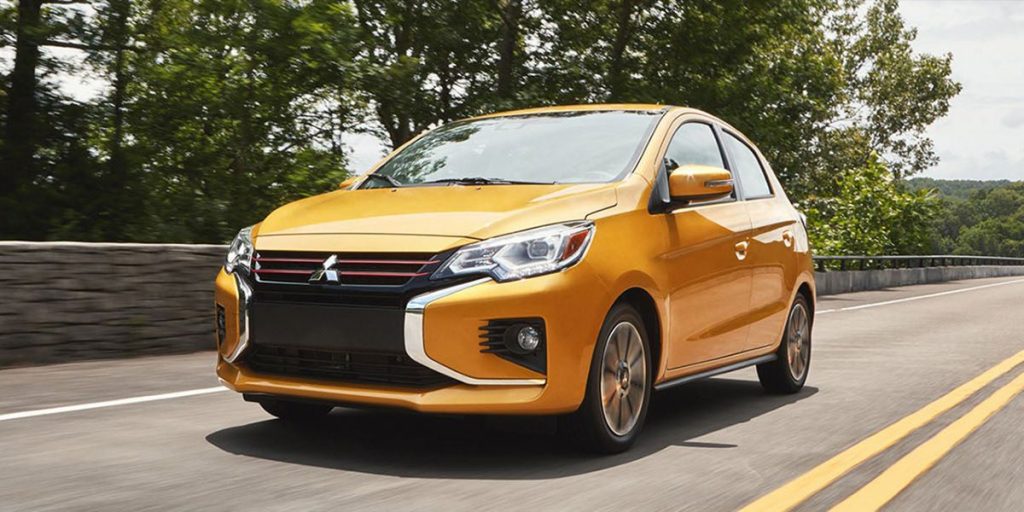
Many features, such as advanced driver-assistance systems, are unavailable or reserved for higher trims, leaving the base cabin feeling sparse and outdated. The steering wheel, gear selector, and other touchpoints provide limited feedback, which reduces the perception of refinement.
Ride quality and noise insulation also contribute to a cheap-feeling interior. Road and wind noise are noticeable, and suspension imperfections transmit into the cabin, undermining comfort.
Overall, the Mitsubishi Mirage illustrates how extreme cost-cutting can make a vehicle’s interior feel cheap almost immediately, highlighting the importance of materials, ergonomics, and technology in maintaining perceived value over time.
3. Chevrolet Spark (2021–2025)
The Chevrolet Spark is a subcompact vehicle aimed at affordability, but its interior quality quickly undermines the sense of value. Hard plastics dominate the dashboard, center console, and door panels, giving a brittle, low-quality impression.
Surfaces are prone to scratches and scuffs, and cheap trim pieces may loosen over time, further diminishing the perception of refinement. Minimal sound insulation allows road and wind noise to intrude into the cabin, reducing comfort and making the interior feel less polished.
Seating is functional but limited in comfort. The thinly padded cloth seats lack support for long trips, and the interior space is tight, emphasizing the budget-oriented design. Ergonomics are basic; controls and buttons are simple and uninspiring, and tactile feedback is minimal, which adds to the impression of a cheap cabin.
Technology is sparse and slow to respond. The infotainment system is small and limited, with basic connectivity options and minimal integration for modern devices.
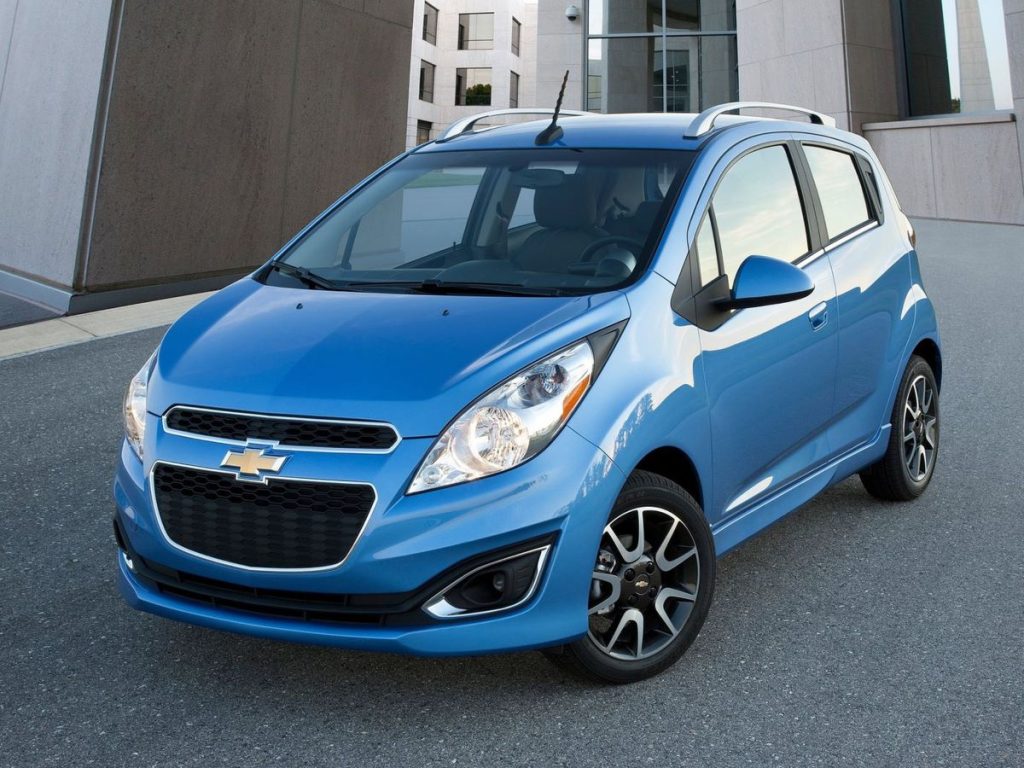
Many advanced features, including driver-assistance systems, are unavailable or only offered on higher trims, leaving the interior feeling outdated and lacking long-term appeal.
Overall, the Chevrolet Spark demonstrates how prioritizing low cost over materials, comfort, and technology can result in a cabin that feels cheap quickly.
While it fulfills its purpose as an economical, entry-level car, it does not provide the refinement, usability, or durability needed to maintain a sense of quality over time, making it a less satisfying choice for drivers seeking lasting interior value.
4. Kia Rio (2021–2025)
The Kia Rio offers a small, budget-friendly package, but its interior quality often falls short of expectations for durability and refinement. Hard plastics dominate the dashboard and doors, and some surfaces feel brittle or hollow when pressed.
Panel gaps are inconsistent in certain models, and trim pieces may show wear early, contributing to a cheap appearance. Cabin noise from tires and wind is noticeable, further undermining the sense of quality.
Seating is basic, with thin cloth upholstery and limited support for longer journeys. Ergonomics are adequate but uninspired, with simple buttons and knobs that provide minimal tactile feedback. Control placement is functional, yet the overall impression is of a utilitarian rather than refined cabin.
Technology integration is limited. The infotainment system is small, slow, and lacks responsiveness. Smartphone connectivity is basic, and optional features like advanced driver-assistance systems are restricted to higher trims, making the interior feel outdated compared to more modern vehicles.
Ride quality and suspension tuning also contribute to the cheap feel. Minor bumps and road imperfections are transmitted into the cabin, and steering lacks feedback, emphasizing the budget-oriented design.
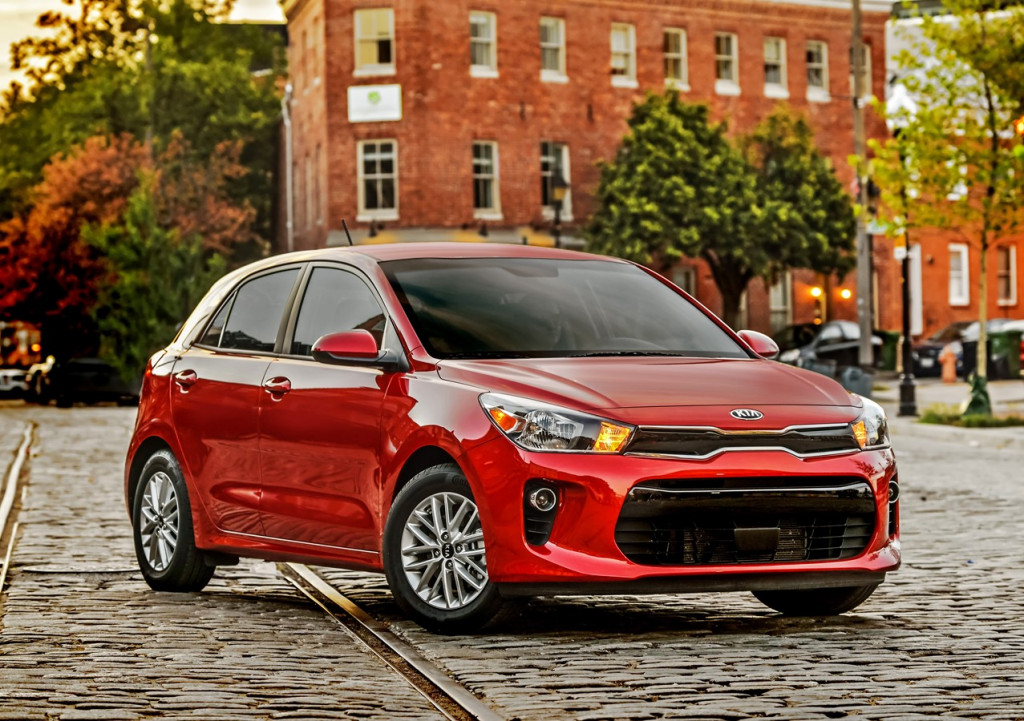
The Kia Rio demonstrates how cost-saving measures in materials, ergonomics, and technology can make a car’s interior look cheap quickly. While it offers practicality and value for money, it fails to provide a sense of enduring refinement, making it less appealing for buyers who prioritize cabin quality and long-term satisfaction.
5. Ford EcoSport (2021–2025)
The Ford EcoSport, designed as an entry-level compact SUV, struggles to maintain a sense of interior quality over time. Hard plastics dominate the dashboard, center console, and door panels, and some surfaces have a rough texture that feels inexpensive.
Panel gaps and trim alignment are inconsistent in certain units, and rattles can develop with regular use, contributing to the perception of a low-quality cabin. Noise insulation is limited, allowing road, wind, and engine sounds to intrude, which further reduces the sense of refinement.
Seating comfort is basic. Cloth upholstery is thinly padded, and seats provide minimal support for longer drives. Ergonomics are functional but uninspired, with buttons and knobs offering limited tactile satisfaction.
The cabin layout prioritizes cost efficiency over user experience, making controls feel unrefined and less enjoyable to interact with.
Technology integration is minimal. The infotainment screen is small and occasionally sluggish, with basic connectivity options.
Advanced driver-assistance features, such as adaptive cruise control and lane-keeping assist, are either absent or reserved for higher trims, leaving the base cabin feeling outdated and lacking modern convenience.
Ride quality and handling also contribute to the cheap-feeling interior. Suspension tuning emphasizes simplicity, transmitting minor bumps and road imperfections into the cabin. Steering feedback is muted, further reinforcing a budget-oriented driving experience.
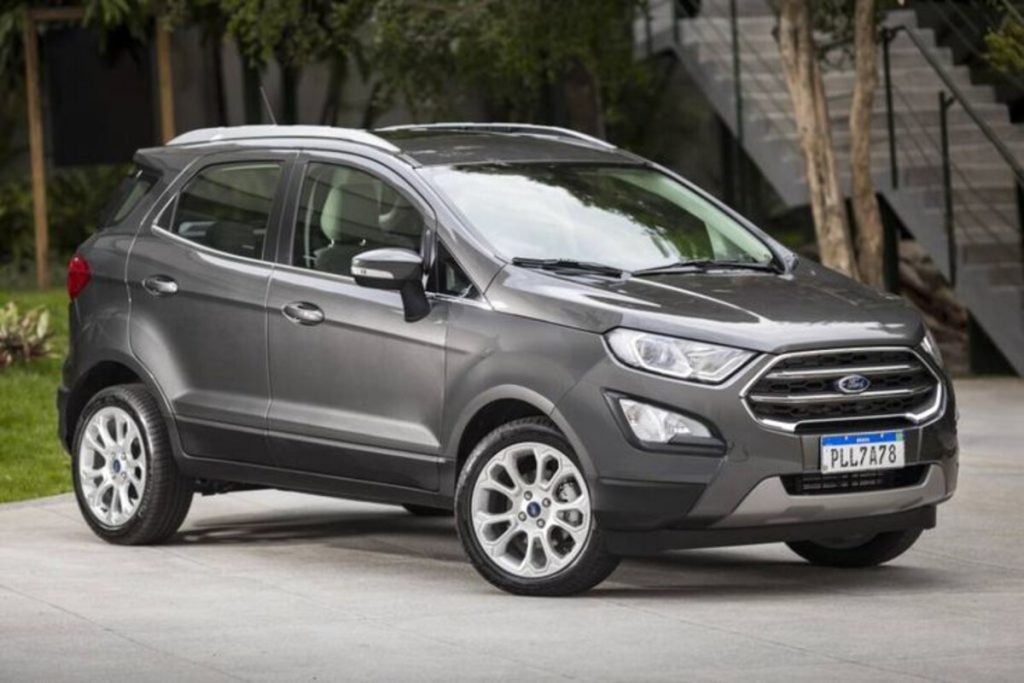
Overall, the Ford EcoSport illustrates how cost-saving measures in materials, ergonomics, and technology can make a vehicle’s interior look cheap quickly.
While it offers practicality and entry-level SUV functionality, it fails to provide a premium or enduring cabin experience, highlighting the importance of thoughtful interior design in maintaining long-term perceived value.
Interior quality plays a critical role in shaping the ownership experience of any vehicle. Cars with refined, well-designed cabins not only enhance comfort and usability but also provide a sense of value that endures over time.
In this article, the first section highlighted five vehicles that feel expensive inside, demonstrating how attention to materials, technology, and ergonomics can elevate a driving experience.
Models such as the Genesis G70, Audi Q5, Volvo XC60, Mercedes-Benz C-Class, and Lexus RX combine soft-touch surfaces, high-quality leather, and precise trim work to create a cohesive and premium environment.
Thoughtful details, like ambient lighting, responsive infotainment, and advanced driver-assistance systems, contribute to both comfort and perceived sophistication. Seats are supportive and adjustable, steering and controls provide tactile satisfaction, and noise insulation maintains a serene cabin, reinforcing a sense of refinement.
These vehicles show that even compact or mid-size models can deliver an interior that rivals higher-priced competitors, offering long-term satisfaction for drivers and passengers alike.
Conversely, the second section focused on five vehicles whose interiors fail to maintain quality over time. Cars like the Nissan Versa, Mitsubishi Mirage, Chevrolet Spark, Kia Rio, and Ford EcoSport rely heavily on hard plastics, basic materials, and minimal technology integration.
Seats often lack cushioning and support, control layouts are uninspired, and infotainment systems are small or slow to respond. Inconsistent panel gaps, rattles, and limited noise insulation further contribute to a perception of cheapness.
These factors demonstrate how cost-cutting and insufficient attention to materials and ergonomics can make a cabin feel dated or low-quality quickly, affecting overall ownership satisfaction.
By comparing these two groups, it becomes clear that materials, design, and technology are decisive in determining whether a vehicle’s interior remains enjoyable and feels premium, or quickly loses its sense of value.
Understanding these factors helps buyers make informed decisions, ensuring the cabin environment matches expectations for comfort, usability, and long-term appeal.
Also Read: 5 Cars That Outsell Expectations vs 5 That Fail Quietly
