
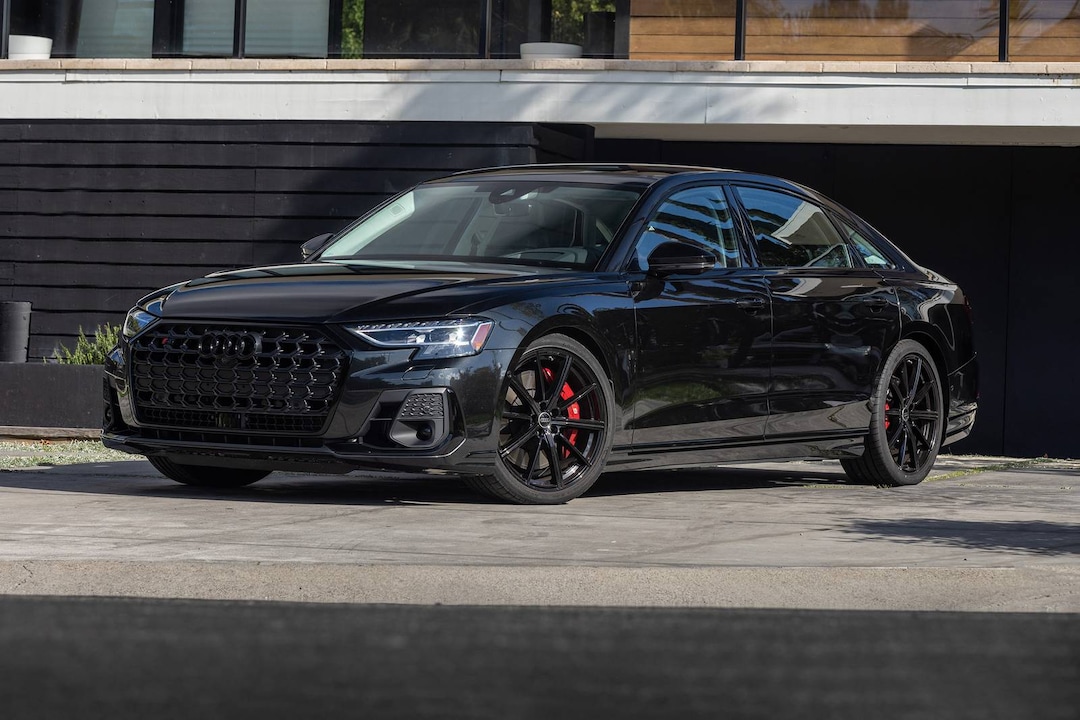
Automobiles can be judged on a variety of attributes, but few qualities are as universally desirable as the combination of comfort and speed. Some vehicles manage to deliver both providing exhilarating performance without compromising ride quality, luxury, or interior refinement.
These cars allow drivers to enjoy spirited driving while maintaining a sense of ease and relaxation, making each journey a satisfying experience, whether on highways, winding roads, or urban streets.
Striking the right balance between comfort and speed is no small feat. Achieving high performance typically involves stiff suspensions, aggressive handling setups, and sporty design choices, all of which can conflict with comfort-oriented engineering.
On the other hand, cars built primarily for comfort often prioritize smooth ride quality over agility or engine responsiveness. When a car successfully combines both qualities, it offers a rare harmony that appeals to enthusiasts, daily drivers, and long-distance travelers alike.
However, not every vehicle can achieve this balance. Some cars attempt to perform in both areas but fall short, resulting in a driving experience that feels neither exhilarating nor comfortable.
These failures highlight the challenges engineers face when attempting to blend high performance with refinement. Compromises in suspension, engine tuning, cabin noise, or ergonomics can make the experience underwhelming, leaving buyers dissatisfied.
This article highlights five cars that succeed in merging comfort and speed, demonstrating engineering finesse and thoughtful design that create memorable driving experiences.
It also examines five vehicles that fail in both areas, where neither performance nor comfort meets expectations.
By looking at both sides, it becomes clear what it takes to craft a car that excites without sacrificing refinement, and how missteps in engineering or design can result in a lackluster driving experience that leaves buyers disappointed.
Also Read: 5 Trucks From the 80s That Outlast Modern Ones vs 5 That Don’t
5 Cars That Combine Comfort & Speed
Cars that achieve both comfort and speed offer a unique driving experience, merging performance with refinement.
These vehicles allow drivers to enjoy powerful acceleration, agile handling, and confident cornering without sacrificing smooth ride quality, quiet cabins, or supportive seating.
The ability to perform impressively while remaining comfortable for occupants is a mark of thoughtful engineering and precise tuning. It requires balancing suspension stiffness, engine output, and interior ergonomics to ensure that neither aspect overshadows the other.
The appeal of such vehicles extends beyond raw numbers. Drivers can enjoy spirited drives on highways or twisty roads while maintaining composure over long distances.
Comfort features like adaptive suspensions, sound insulation, and well-cushioned seats enhance the experience, ensuring that speed does not translate into fatigue or discomfort. Interior design, materials, and technology also play a role, creating an environment that complements performance with usability and luxury.
Vehicles that successfully combine comfort and speed often provide versatility, capable of performing in multiple scenarios. They cater to enthusiasts who value driving dynamics, as well as to daily drivers who require practicality and ease of use.
The result is a harmonious package that appeals to a broad audience, from performance-minded individuals to families seeking a refined ride.
This section highlights five cars that master this balance, demonstrating how engineering, suspension tuning, powertrain choices, and interior design come together to deliver vehicles that thrill and soothe simultaneously.
Each example provides insight into why it excels, revealing how manufacturers have created models that not only impress in performance metrics but also maintain a high standard of comfort and refinement.
These cars exemplify the rare combination of driving excitement and everyday usability, setting a benchmark for what vehicles can achieve when both priorities are treated with equal importance.
1. Porsche Panamera
The Porsche Panamera is a prime example of a car that successfully merges comfort with speed. Unlike traditional sports cars that compromise ride quality for performance, the Panamera offers a luxurious, spacious cabin alongside exhilarating powertrain options.
Its adaptive air suspension and finely tuned chassis ensure that drivers experience smooth, controlled rides even at high speeds or over imperfect roads, making long-distance journeys enjoyable rather than tiring.
Under the hood, the Panamera offers a range of engines, from efficient V6s to twin-turbocharged V8s and hybrid variants.
Acceleration is seamless, with precise throttle response and strong mid-range torque, allowing the car to cover highways or winding roads with confidence.
Transmission and drivetrain options, including all-wheel drive on many trims, contribute to both performance and stability, ensuring that comfort is never sacrificed for speed.
Inside, the Panamera’s cabin combines high-quality materials, modern infotainment systems, and ergonomic seating to provide a refined environment.
Noise insulation is carefully calibrated, and features such as adjustable climate control, massage seats, and advanced driver-assistance systems enhance the experience, ensuring that occupants enjoy both thrill and relaxation.
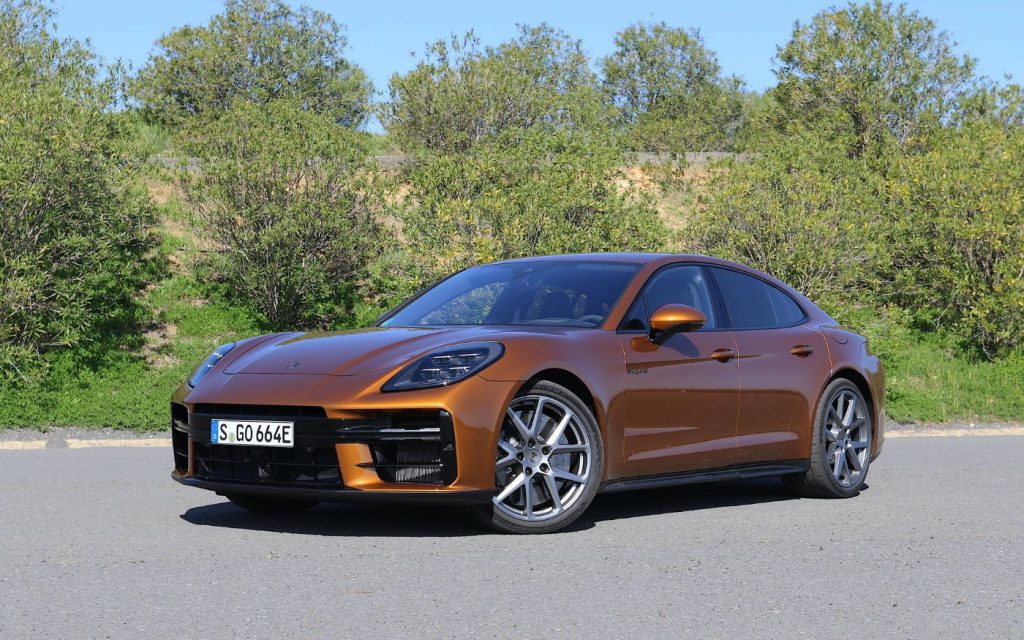
What makes the Panamera exceptional is its ability to satisfy two traditionally opposing demands: the excitement of a sports car and the luxury of a high-end sedan. It demonstrates that performance and refinement do not need to be mutually exclusive.
Buyers receive a vehicle capable of delivering impressive lap times while remaining a comfortable, practical option for everyday driving.
This balance positions the Panamera as one of the most versatile and desirable vehicles for those who refuse to compromise between driving enjoyment and comfort.
2. Mercedes-Benz E-Class AMG
The Mercedes-Benz E-Class AMG represents a successful blend of speed and comfort within a luxury framework.
AMG variants of the E-Class offer potent engines capable of rapid acceleration, paired with a suspension and chassis tuned to balance ride smoothness with handling precision.
This combination allows drivers to enjoy spirited driving without experiencing excessive cabin harshness or fatigue over long distances.
Performance comes from a range of AMG powertrains, typically including turbocharged inline-six or V8 engines, delivering strong horsepower and torque.
Transmission response is immediate yet smooth, and adaptive suspension systems adjust damping rates dynamically, providing both control in aggressive driving and comfort during casual cruising. Steering and braking are precise without feeling abrupt, creating a well-rounded driving experience.
Inside, the E-Class AMG prioritizes occupant comfort alongside performance cues. High-quality materials, supportive seats, and advanced technology contribute to a refined cabin environment.
Sound insulation, customizable ambient lighting, and driver-assistance systems further enhance comfort, while AMG-specific styling and instrumentation remind drivers of the car’s performance pedigree.
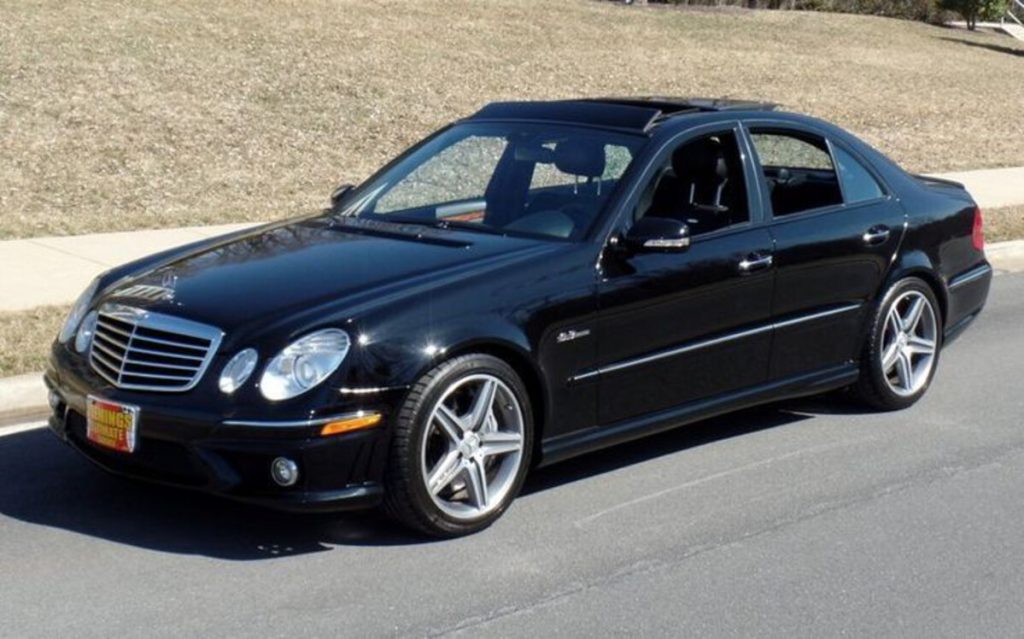
The E-Class AMG excels because it addresses the needs of multiple driver types. Enthusiasts experience speed, agility, and excitement, while daily drivers or long-distance travelers enjoy refinement, luxury, and practicality.
It demonstrates that a vehicle does not have to compromise between thrilling performance and comfort, making it a benchmark for cars that achieve both successfully. This balance is why the E-Class AMG remains a desirable choice for those seeking a dynamic yet comfortable driving experience.
3. Audi S8
The Audi S8 is a luxury sedan that perfectly blends high performance with refined comfort. Its design focuses on delivering power without sacrificing the smooth, controlled ride expected from a top-tier executive car.
The S8 combines a turbocharged V8 engine with quattro all-wheel drive, resulting in confident acceleration, precise handling, and stability in various driving conditions.
This balance ensures that the car performs effortlessly on highways and twisty roads while remaining composed over rough surfaces.
Suspension and chassis tuning play a significant role in achieving this balance. The S8 features adaptive air suspension and dynamic ride control systems that adjust damping and stiffness in real time, providing a cushioned ride at low speeds and firm, responsive handling when performance is demanded. The result is a car that never feels harsh or uncomfortable, regardless of speed.
Inside, the S8 offers a cabin that rivals the finest luxury sedans. High-quality materials, ergonomic seating, advanced infotainment systems, and sound insulation create an environment focused on comfort and usability.
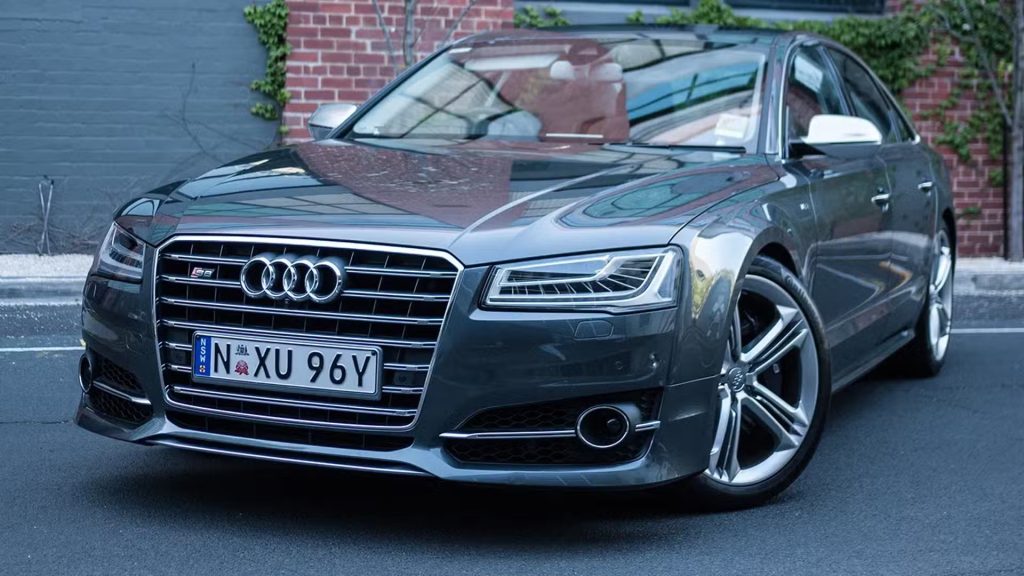
Features such as multi-contour seats, massage functions, and climate control enhance the driving experience, ensuring passengers are relaxed even when the car is driven aggressively.
What sets the S8 apart is its ability to deliver an exhilarating driving experience while maintaining the poise and luxury of a premium sedan. Unlike vehicles that focus solely on speed, the S8 remains practical for daily driving, long trips, and executive use.
Its harmonious combination of performance and refinement demonstrates how modern engineering can create cars that thrill and soothe simultaneously, providing both excitement and comfort in a single package.
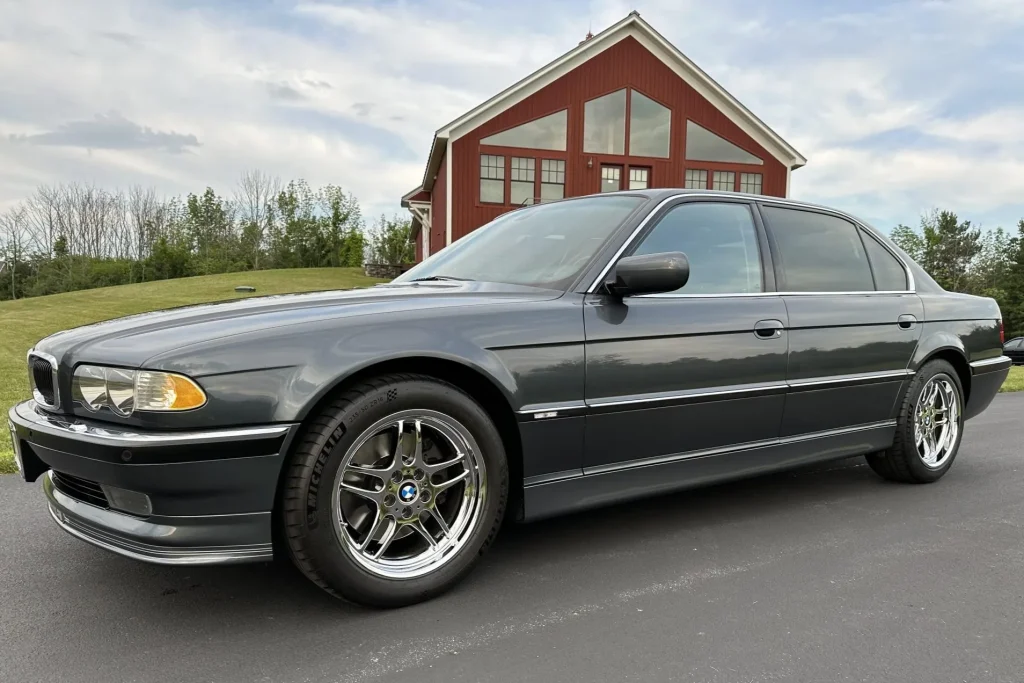
4. BMW 750i
The BMW 750i is a flagship sedan that exemplifies the fusion of comfort and performance. Its robust engine lineup, typically including a turbocharged inline-six or V8, provides swift acceleration and ample power for overtaking or spirited driving.
At the same time, the car delivers a refined and composed ride, ensuring that passengers experience luxury alongside excitement.
The 750i achieves this balance through advanced suspension technology. Adaptive air suspension and electronically controlled dampers adjust dynamically to road conditions and driving style, offering a smooth ride at low speeds while maintaining precise handling during aggressive maneuvers.
Steering is responsive yet balanced, allowing drivers to enjoy performance without discomfort or instability. Inside, the 750i’s cabin combines high-quality materials, spacious seating, and cutting-edge technology to maximize comfort.
Seats are supportive and adjustable, climate control is precise, and infotainment systems are intuitive, creating an environment conducive to both long journeys and everyday commutes. Noise insulation ensures that cabin quietness is maintained even at high speeds, reinforcing the sense of refinement.
The BMW 750i stands out because it demonstrates that a full-sized luxury sedan can perform like a sports car without sacrificing comfort. It caters to drivers seeking excitement, while also providing an environment suitable for passengers who prioritize luxury.
By harmonizing speed and comfort, the 750i sets a benchmark for vehicles that deliver exhilarating performance alongside world-class refinement, showing that both attributes can coexist seamlessly.
5. Lexus LS 500 F Sport
The Lexus LS 500 F Sport demonstrates that a luxury sedan can provide both comfort and exhilarating performance. Its twin-turbo V6 engine delivers smooth, powerful acceleration, allowing drivers to experience impressive speed without compromising refinement.
The F Sport suspension and chassis tuning provide precise handling and stability, ensuring the car remains composed during spirited driving while maintaining a supple ride for passengers.
Ride quality is enhanced by adaptive variable suspension systems that adjust damping rates according to driving conditions. This allows the LS 500 F Sport to absorb road imperfections effectively, keeping the cabin quiet and comfortable, even over long distances.
Unlike many performance-oriented sedans, it avoids harshness while delivering strong dynamic capabilities.
Inside, the LS 500 F Sport features a meticulously crafted cabin with premium materials, advanced technology, and ergonomically designed seats. Features such as climate-controlled seating, high-end audio, and customizable ambient lighting enhance passenger comfort.
Noise and vibration are well-managed, reinforcing the sense of luxury, while performance-focused details, such as sportier steering and chassis responsiveness, maintain the thrill of driving.
The car succeeds because it balances two qualities that often conflict. Drivers enjoy engaging acceleration and cornering performance, while passengers experience a refined, luxurious environment. This makes the LS 500 F Sport suitable for both daily commuting and long-distance touring, providing a complete driving experience without compromise.
What sets this vehicle apart is its ability to combine Lexus’s trademark reliability and comfort with the excitement expected of a performance model.
The LS 500 F Sport proves that luxury and speed can coexist in harmony, offering a rare balance that appeals to discerning buyers who want both thrill and refinement.
It represents the pinnacle of thoughtful engineering in a full-size sedan, where comfort and performance complement rather than compete with each other.
5 Cars That Fail at Both
While some vehicles succeed in merging performance and comfort, others struggle in both areas, delivering driving experiences that feel lackluster and unsatisfying.
Cars that fail at both comfort and speed often leave buyers frustrated, as they neither provide the excitement of responsive performance nor the refinement expected for daily driving.
These vehicles highlight how compromises in engineering, design, and tuning can result in models that satisfy neither enthusiasts nor casual drivers.
Failures in comfort can manifest in harsh suspensions, poorly insulated cabins, or unergonomic seating. Even when a car is intended to perform well, deficiencies in ride quality, noise management, or interior layout can make it uncomfortable over short or long distances.
Conversely, failures in speed and performance may include underpowered engines, sluggish acceleration, unresponsive steering, or inadequate braking. When both aspects are neglected, the result is a car that feels uninspiring and fails to engage its occupants in any meaningful way.
Vehicles that fail at both comfort and speed often face challenges in market positioning. They may target a niche without fully understanding buyer expectations, or they may attempt to meet multiple goals without succeeding in any.
Design missteps, poor powertrain choices, or compromised suspension tuning can compound these shortcomings, leaving the vehicle underwhelming across the board.
This section examines five cars that struggle to achieve either comfort or performance, illustrating how critical proper engineering and thoughtful design are to a satisfying driving experience.
By analyzing these examples, it becomes clear why some vehicles fail to meet expectations, emphasizing the importance of balance in ride quality, handling, power delivery, and cabin refinement.
These cars serve as cautionary examples for manufacturers and buyers alike, demonstrating that neglecting comfort and performance can leave a vehicle overlooked, underappreciated, or quietly forgotten.
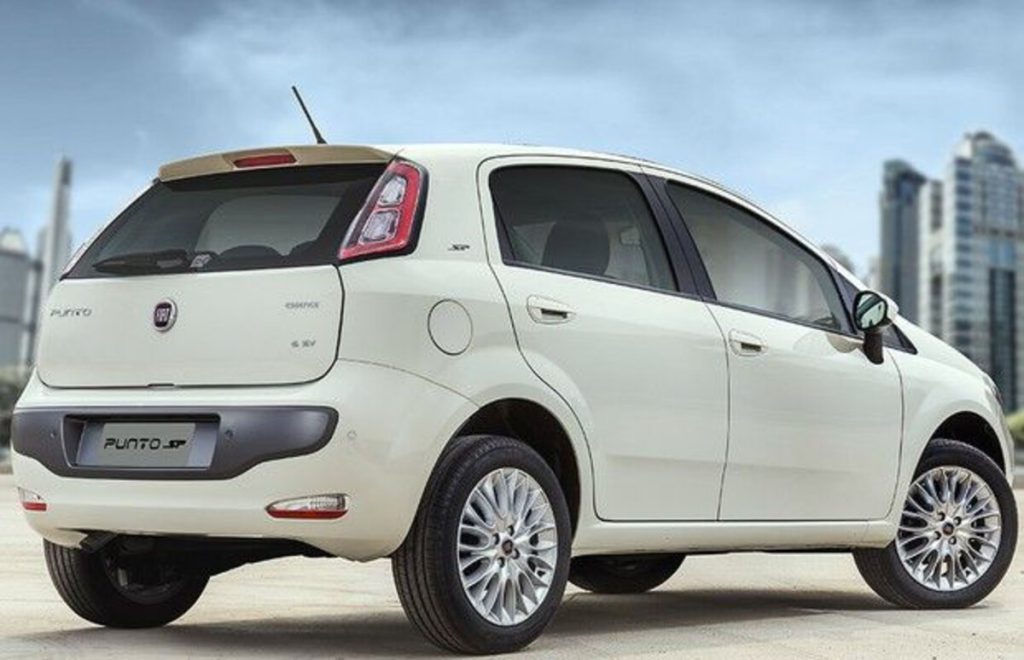
1. Fiat Punto
The Fiat Punto is a small hatchback that struggles to provide either performance or comfort. While it offers basic functionality and affordable running costs, it fails to excite drivers or provide a refined ride.
Its engine options are modest, with limited acceleration and underwhelming torque, leaving highway driving and overtaking situations feeling sluggish. This lack of power prevents the car from feeling responsive, making even simple maneuvers require effort and patience.
Ride quality is another area of concern. The suspension is tuned cheaply to save costs, resulting in a harsh, jittery experience over uneven surfaces. Cabin noise from the engine, tires, and road intrusion is noticeable, diminishing refinement.
Seats are functional but lack support, causing discomfort during longer drives. The interior design is simple, with minimal sound insulation or high-quality materials, giving the cabin an austere feel rather than a welcoming environment.
Handling and steering responsiveness are also underwhelming. The Punto lacks precision in corners, with body roll and vague steering making the driving experience unengaging.
Braking is adequate but uninspiring, failing to instill confidence during spirited maneuvers. The combination of poor performance and compromised comfort leaves the car feeling lackluster, especially compared to competitors in the small hatchback segment.
Ultimately, the Fiat Punto demonstrates that cost-cutting in engineering can lead to compromises in both speed and comfort. While it fulfills basic transportation needs, it struggles to satisfy drivers who expect either excitement or refinement.
Its quiet fade in popularity illustrates the challenges faced by vehicles that fail to deliver on core expectations, highlighting the importance of balancing performance and comfort even in entry-level models.
2. Renault Koleos
The Renault Koleos, a midsize SUV, attempts to combine utility with performance but fails in both aspects. Its engine options are underpowered for the vehicle’s size, resulting in sluggish acceleration and a lack of driving excitement.
Overtaking on highways requires significant effort, and the vehicle’s handling feels heavy and imprecise. Steering is vague, and body roll in corners undermines driver confidence. These performance shortcomings make the Koleos feel less capable than many competitors in its segment.
Comfort is equally compromised. While the cabin is spacious, the suspension is inconsistent, producing a bouncy or stiff ride depending on road conditions. Road and wind noise penetrate the cabin, diminishing refinement.
Seats, although adequately sized, lack support and ergonomic adjustments, making longer journeys tiring. Interior materials feel mediocre, with hard plastics and minimal luxury touches detracting from the overall experience.
The combination of uninspiring performance and compromised comfort makes the Koleos a vehicle that fails to satisfy in either key area.
Buyers seeking SUV versatility may be disappointed by its lack of driving engagement, while those prioritizing refinement find it falls short. Its muted presence in the market reflects this dual underperformance.
The Renault Koleos exemplifies how attempting to meet multiple objectives without proper engineering can result in a vehicle that underwhelms on all fronts. Without balanced performance and comfort, even a capable SUV can struggle to attract buyers and leave a lasting impression.
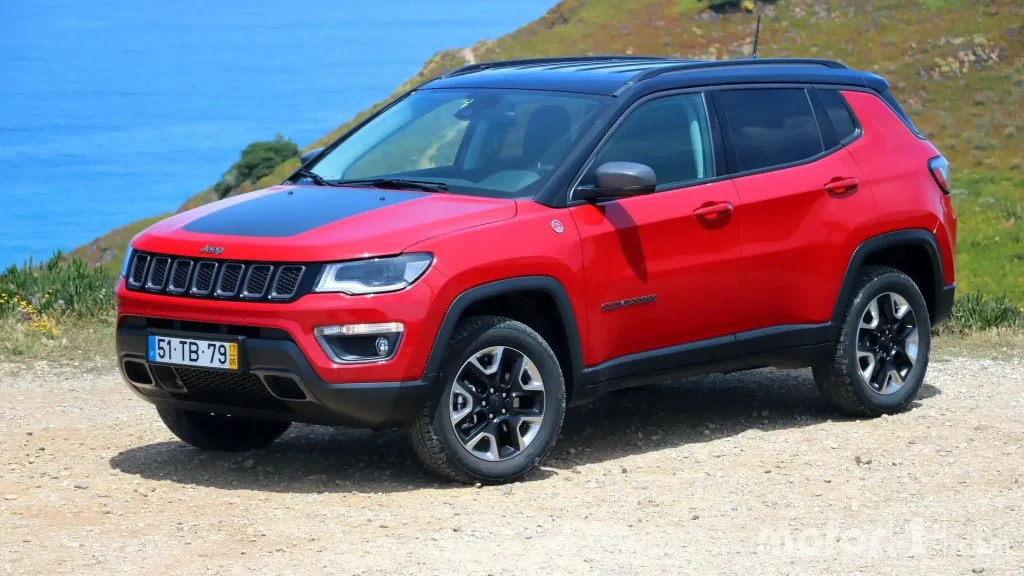
3. Jeep Compass
The Jeep Compass, while marketed as a capable compact SUV, struggles to deliver both comfort and performance. Its engine options are underpowered, particularly in higher weight configurations, resulting in sluggish acceleration and limited passing power on highways.
The steering lacks precision, and body roll during cornering reduces driving confidence. Even light off-road use exposes its limited torque and traction capabilities, making it less capable than buyers might expect from the Jeep badge.
Comfort is another area where the Compass underperforms. Its suspension is neither soft enough to absorb road imperfections nor firm enough to inspire confidence in handling.
The ride often feels unsettled on uneven surfaces, transmitting vibrations and impacts into the cabin. Seats, while adjustable, offer limited support, and long drives can become tiring for both driver and passengers.
Interior materials, though improved in recent years, often fall short of expectations for the segment, with hard plastics and minimal sound insulation reducing refinement.
Technology and ergonomics provide some benefits but cannot fully compensate for these deficiencies. Infotainment systems are functional, yet the cabin layout lacks cohesiveness, leaving the overall experience underwhelming. Noise intrusion from tires, wind, and engine further diminishes comfort, highlighting the compromises in design and engineering.
The Jeep Compass demonstrates how a vehicle can fail to satisfy in multiple critical areas. Buyers seeking either performance or comfort may find themselves disappointed, as the vehicle struggles to engage drivers while also providing a refined passenger experience.
Its muted sales and limited market impact underscore the importance of balancing core qualities in automotive design.
By attempting to meet diverse expectations without delivering in either domain, the Compass serves as a cautionary example of how misalignment between engineering and buyer needs can result in a car that quietly underperforms.
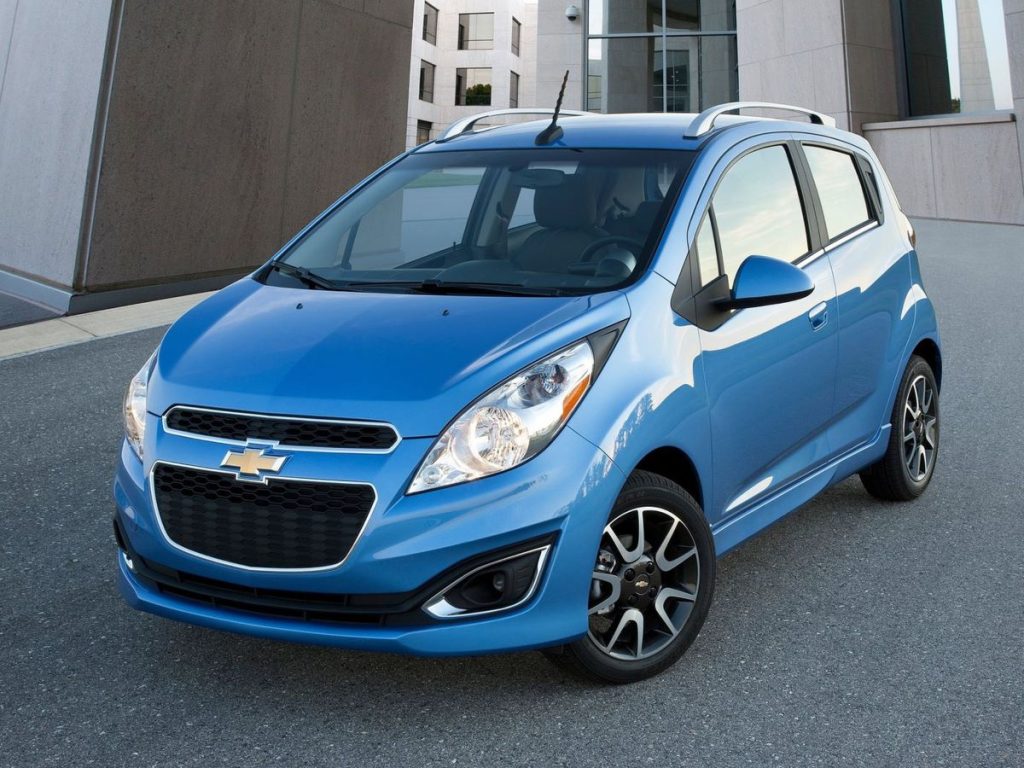
4. Chevrolet Spark
The Chevrolet Spark, a subcompact hatchback, exemplifies how small, economical cars can fail in both comfort and speed. While its primary goal is affordability and fuel efficiency, it sacrifices performance and refinement, leaving a driving experience that is functional but uninspiring.
Acceleration is weak, with small engines struggling to handle highway speeds or steep inclines efficiently. Steering and braking feel light and disconnected, limiting confidence and engagement for the driver.
Comfort is similarly compromised. The suspension is tuned for cost savings rather than refinement, resulting in a harsh and jittery ride over potholes or rough roads.
Noise from the road and engine penetrates the cabin, and seats provide minimal support or cushioning for longer trips. Interior materials are basic, with hard plastics and limited ergonomic consideration, reducing the overall sense of quality.
Practicality is adequate but unremarkable. Cargo space and passenger room are limited, making the Spark suitable primarily for city commuting rather than longer journeys or family use. Infotainment and technology features are minimal, further highlighting the vehicle’s basic nature.
The Chevrolet Spark shows that a vehicle designed primarily for economy can underperform if comfort and performance are neglected. While functional and inexpensive, it does not satisfy buyers looking for engaging driving dynamics or a refined ride.
Its quiet underperformance in sales and popularity underscores how neglecting core attributes such as speed and comfort can limit a vehicle’s appeal, leaving it overshadowed by competitors in the subcompact segment.
5. Toyota Yaris
The Toyota Yaris, a well-known subcompact, struggles to deliver both speed and comfort in a manner that satisfies modern drivers. While it is reliable and economical, its engine performance is modest, resulting in slow acceleration and limited responsiveness.
Highway passing maneuvers require considerable effort, and the vehicle lacks the driving engagement expected even from a city-focused car. Steering is light but uncommunicative, offering little feedback, while braking feels soft and unremarkable, further reducing confidence during spirited driving.
Comfort is another weak point. The suspension is basic and transmits bumps and road imperfections directly into the cabin. Seats are functional but provide minimal support and cushioning, causing fatigue on longer trips.
Cabin noise is noticeable, with tire, engine, and wind sounds penetrating the interior and detracting from refinement. Interior materials are simple and utilitarian, with hard plastics dominating, contributing to an overall sense of austerity.
The combination of modest performance and compromised comfort makes the Yaris uninspiring to drive. It fulfills the role of an affordable, fuel-efficient city car but fails to offer excitement, refinement, or passenger comfort that would allow it to stand out in its segment. Drivers seeking an engaging or luxurious experience are likely to be disappointed.
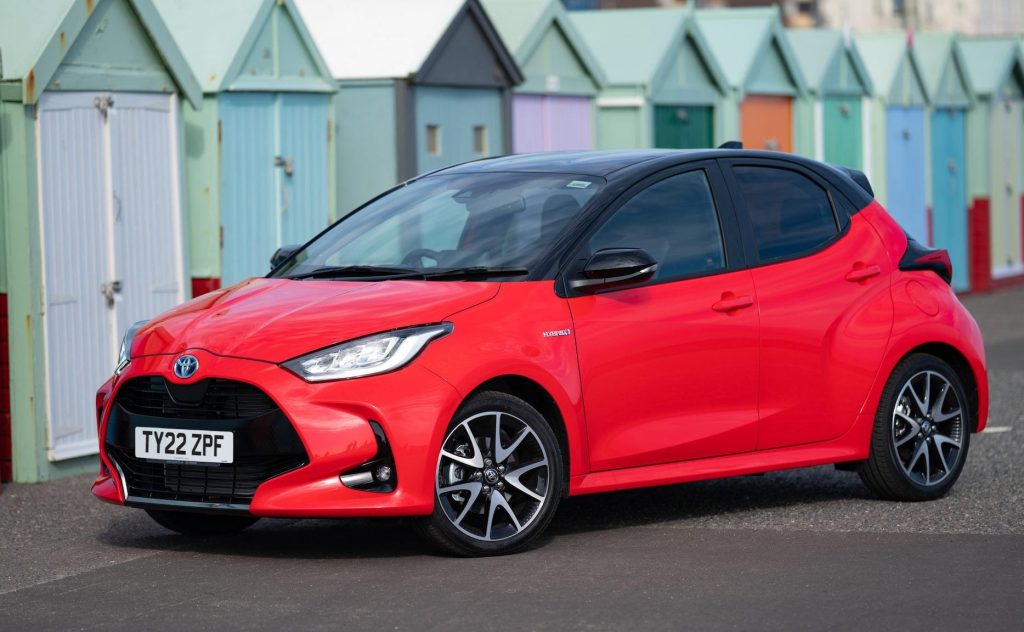
The Toyota Yaris highlights how a lack of balance in design and engineering can lead to a vehicle underperforming across core expectations.
Even with reliability and low running costs as strengths, neglecting both performance and comfort leaves the car quietly fading in popularity.
It serves as a reminder that meeting minimal transportation needs is rarely enough in a competitive market, and vehicles that fail to provide both excitement and refinement struggle to make a meaningful impact.
Also Read: 5 Classic Muscle Cars That Are Still Affordable vs 5 That Lost Their Edge
