
The 2010s produced a wide variety of vehicles, from high-performance sports cars to practical sedans and SUVs. While many cars from this decade depreciate steadily as they age, some have begun to appreciate in value, attracting attention from collectors, enthusiasts, and investors.
Factors influencing appreciation include limited production numbers, distinctive styling, performance capabilities, historical significance, and cultural relevance. Cars that stand out often combine these elements in a way that ensures long-term desirability.
Conversely, some 2010s vehicles lose value faster than expected, despite appearing well-built or technologically advanced. Oversaturation in the market, lack of unique appeal, or underwhelming driving experience can contribute to accelerated depreciation.
Vehicles in this category may have been reliable or practical, but they fail to capture the enthusiasm of buyers and collectors, leaving them with limited resale potential.
Understanding which vehicles are appreciating versus those losing value is valuable for both buyers and owners.
Appreciating cars can serve as investment pieces, while vehicles losing value rapidly offer opportunities for affordable daily drivers but come with limited long-term financial gain.
Examining these trends also highlights broader patterns in the automotive market, including how rarity, performance, and desirability impact future value.
This article highlights five cars from the 2010s that are already appreciating, providing insight into why these models have attracted attention and retained or increased their value.
It also identifies five vehicles losing value quickly, explaining the factors that contribute to their depreciation. By looking at both sides, it becomes clear what makes a car desirable over time, and why some models fail to maintain interest or financial worth despite being relatively modern, well-equipped, or otherwise competent.
Also Read: 5 Cars With Strong Transmissions vs 5 With Weak Ones
5 Cars From the 2010s Already Appreciating
While many vehicles from the 2010s have followed the standard trajectory of depreciation, a select few have begun to buck the trend, gaining value as they age.
These cars attract attention for a combination of factors, including limited production numbers, exceptional performance, iconic design, and enduring desirability. They appeal not only to enthusiasts but also to collectors and investors who recognize the potential for long-term appreciation.
Performance plays a significant role in determining a car’s future value. Vehicles that deliver an engaging driving experience, strong acceleration, precise handling, and distinctive powertrain characteristics tend to stand out from the crowd.
Cars that are enjoyable to drive continue to generate excitement and retain relevance even as newer models enter the market.
Design and styling are equally critical. Models with bold or timeless aesthetics are more likely to remain visually appealing, giving them an edge in the collector’s market. Limited-run variants, special editions, and cars with unique features often see increased demand over time because they offer something that cannot easily be replicated.
Cultural relevance and historical significance also contribute to appreciation. Vehicles that define a segment, represent a peak in engineering, or mark an important moment for a brand often gain recognition among enthusiasts and collectors. Documentation, condition, and originality further enhance value, as well-maintained examples command higher prices.
This section highlights five cars from the 2010s that are already appreciating. Each example demonstrates why it has retained or increased its value, combining elements of performance, design, rarity, and cultural significance.
By examining these vehicles, it becomes clear why some models defy normal depreciation and how factors beyond mere functionality such as excitement, scarcity, and historical relevance, play a decisive role in shaping the financial trajectory of modern automobiles.
1. Ford Mustang GT (2015–2017)
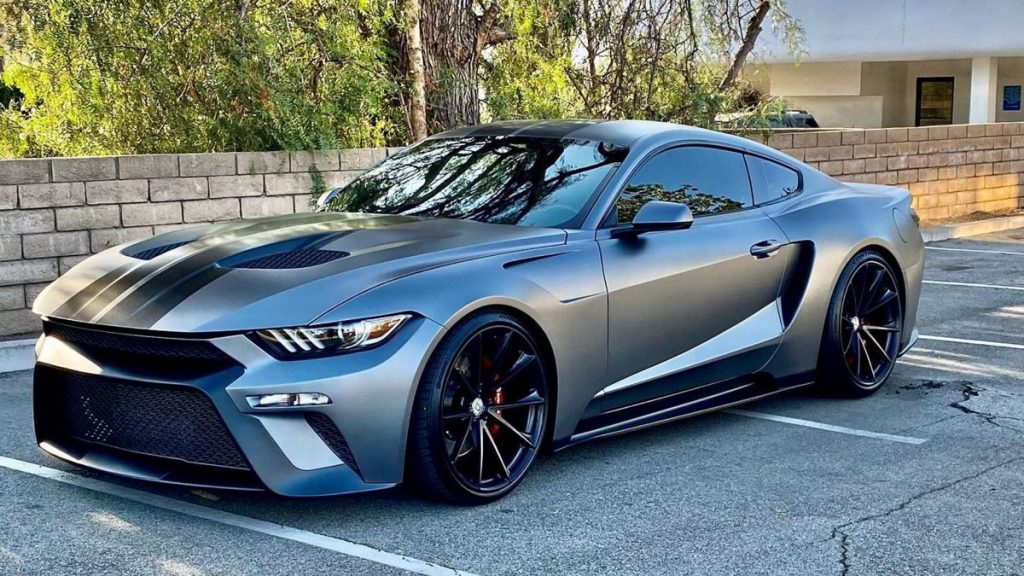
The Ford Mustang GT from the mid-2010s has begun appreciating due to a combination of performance, styling, and cultural significance.
These models, equipped with the 5.0-liter V8, deliver exhilarating acceleration, a commanding exhaust note, and a driving experience that appeals to enthusiasts.
The naturally aspirated V8 offers a raw, analog feel that has become increasingly rare in modern vehicles dominated by turbocharged engines. This characteristic alone makes the Mustang GT a desirable collector’s car.
Styling also contributes to its appeal. The 2015 redesign combined classic Mustang elements with modern touches, resulting in a muscular yet contemporary appearance.
The aggressive lines, wide stance, and iconic front fascia create a car that is instantly recognizable and visually appealing, which has helped maintain interest in the market.
Limited editions, performance packages, and manual transmission variants further enhance collectibility, as enthusiasts prize the rarity and driving engagement they provide.
Cultural significance adds to the Mustang GT’s value trajectory. The Mustang has a storied history in American automotive culture, and these mid-2010s models represent a blend of heritage and modern engineering. Well-maintained examples with low mileage, original parts, and documentation are increasingly sought after, pushing prices upward.
Reliability and practicality for a sports car also make this generation attractive. Owners can enjoy spirited drives while benefiting from a vehicle that is usable on a daily basis, which encourages preservation and careful ownership.
The combination of performance, design, and significance has positioned the 2015–2017 Mustang GT as a modern collectible, demonstrating how a car from the 2010s can transition from daily driver to appreciating asset.
2. Chevrolet Camaro ZL1 (2017–2019)
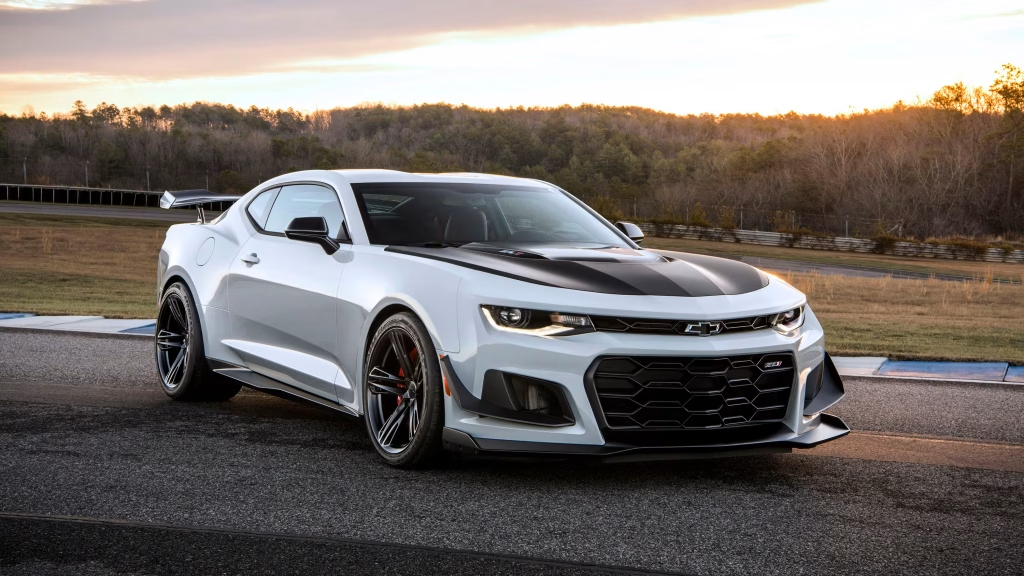
The Chevrolet Camaro ZL1 from the late 2010s has emerged as an appreciating model due to its extraordinary performance and limited production.
Equipped with a supercharged 6.2-liter V8 producing over 600 horsepower, the ZL1 delivers track-ready acceleration and handling while remaining streetable.
Its balance of raw power and advanced engineering, including Magnetic Ride Control and Brembo brakes, creates a performance experience that rivals much more expensive sports cars.
Design plays a major role in desirability. The aggressive styling, wide body, and muscular stance convey performance even when stationary. Special editions and track-focused packages enhance scarcity, adding to the car’s collectible status.
Unlike more pedestrian variants, the ZL1’s combination of high performance and exclusivity makes it stand out among modern muscle cars.
The ZL1 is part of a lineage of American performance vehicles that combine nostalgia with modern capability. Enthusiasts appreciate that it represents a peak in naturally aspirated and supercharged V8 performance before emissions and hybrid technology begin to dominate.
Low-mileage, well-documented examples are increasingly commanding higher prices, reflecting a growing recognition of their long-term value.
Practicality is secondary but sufficient. While the cabin may not rival luxury vehicles, it provides usability for short commutes and weekend drives, encouraging owners to preserve their cars carefully.
The Chevrolet Camaro ZL1 exemplifies how modern performance cars, when combined with limited production and cultural significance, can appreciate rapidly despite being less than a decade old.
3. Porsche 911 (991) Carrera S (2012–2016)
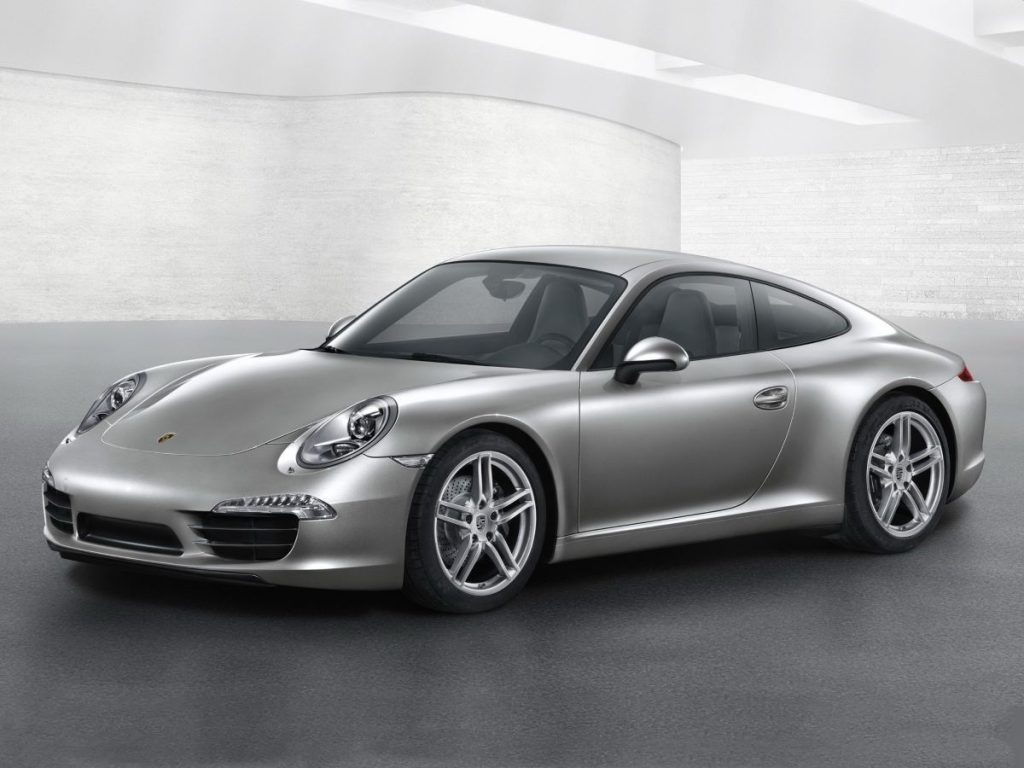
The Porsche 911 Carrera S from the 991 generation is a standout example of a 2010s car that is appreciating in value.
Known for its timeless design and exceptional performance, the 991 Carrera S combines driving excitement with everyday usability, making it highly desirable for collectors and enthusiasts alike.
Its naturally aspirated flat-six engines offer a thrilling, analog driving experience that is increasingly rare in modern sports cars.
Performance is a key factor in its appreciation. The 991 Carrera S delivers precise handling, rapid acceleration, and a balanced chassis that makes the car equally competent on twisty roads or highways.
Manual transmission variants and limited special editions further increase demand among enthusiasts who prioritize engagement and exclusivity. PDK-equipped models provide rapid shifts and convenience without sacrificing excitement, appealing to a broader audience while retaining collectibility.
Design and aesthetics contribute significantly to long-term value. The 991 generation maintains classic 911 proportions while introducing modern refinements, resulting in a car that feels both timeless and contemporary.
Interior quality, featuring high-grade materials, intuitive controls, and supportive seating, ensures comfort without compromising the sporty character of the vehicle.
Cultural and historical relevance also enhances the 991 Carrera S’s desirability. The 911 is a model with a rich lineage, and this generation represents one of the last naturally aspirated non-turbo variants before turbocharging became standard across the lineup.
Well-maintained, low-mileage examples are increasingly sought after, with prices reflecting growing recognition of their collectible status.
Overall, the 991 Carrera S exemplifies how a combination of performance, design, and heritage allows a modern car to appreciate. It proves that even vehicles less than a decade old can transition from daily-driver status to prized collectible, especially when they embody the key qualities enthusiasts value most.
4. Nissan GT-R (R35) (2012–2016)
The Nissan GT-R R35 from the early to mid-2010s has seen notable appreciation due to its extraordinary performance, advanced engineering, and relative rarity.
Its twin-turbo V6 delivers exceptional power, enabling supercar-level acceleration while maintaining surprising usability. The GT-R’s all-wheel-drive system, dual-clutch transmission, and finely tuned chassis make it a formidable performer on both street and track, providing a unique combination of speed and stability.
Performance is the primary driver of the GT-R’s growing value. With acceleration times rivaling far more expensive European supercars, the R35 offers thrilling driving experiences without the complexity or cost of exotic alternatives.
Precision handling, responsive braking, and an advanced AWD system ensure that performance remains consistent, whether on technical roads or high-speed straights. Enthusiasts prize this performance, particularly in well-maintained, low-mileage examples.
Design and engineering also contribute to collectibility. The R35’s bold, aggressive styling distinguishes it from other performance vehicles, while its Japanese engineering heritage adds appeal for enthusiasts seeking reliability alongside excitement.
Interior quality is practical rather than luxurious, but it supports the car’s performance-oriented character without distracting from the driving experience.
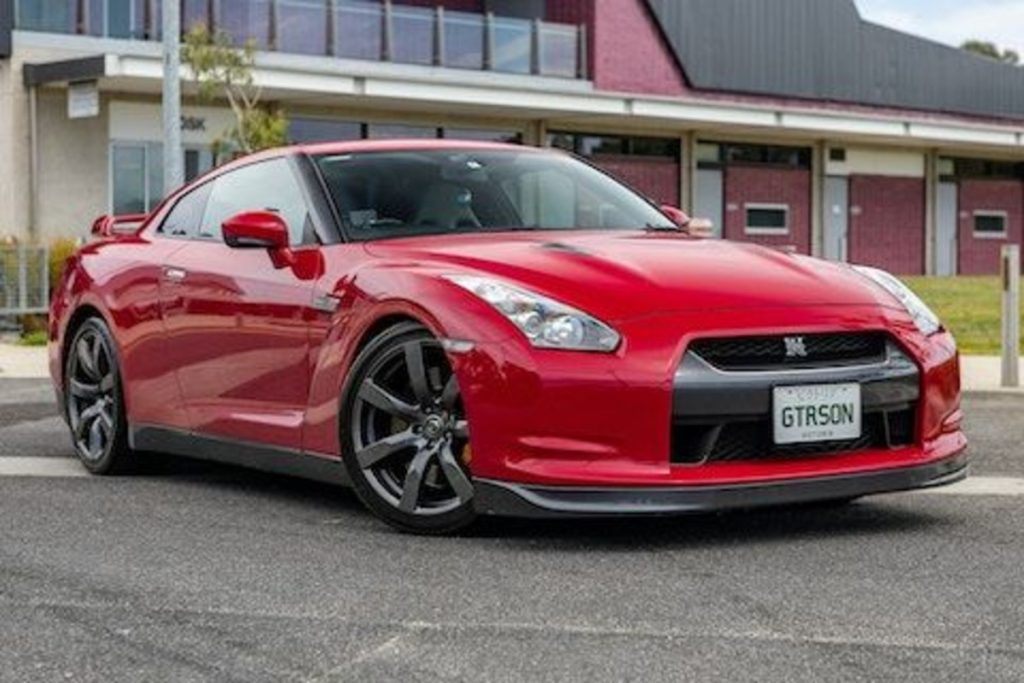
Rarity and cultural significance enhance appreciation. Limited production numbers, combined with its status as a Japanese performance icon, ensure that demand outpaces supply for the most desirable examples. Special editions, factory options, and manual-like driving feel make certain models especially collectible.
The Nissan GT-R R35 demonstrates that a car’s value is not solely determined by age or brand prestige. Exceptional engineering, exhilarating performance, and cultural relevance can propel a 2010s vehicle into an appreciating asset, showing how modern cars can quickly gain significance in the collector market.
5. Lexus LFA (2010–2012)
The Lexus LFA, though produced in very limited numbers at the start of the 2010s, has become one of the most sought-after modern collectibles, with values steadily appreciating.
This supercar combines extraordinary engineering, exceptional performance, and exclusivity, making it a standout even among highly regarded vehicles from the decade.
Its 4.8-liter naturally aspirated V10 engine produces a high-revving, intoxicating soundtrack that is unmatched in contemporary production cars, immediately capturing the attention of enthusiasts.
Performance is central to the LFA’s allure. The lightweight carbon-fiber-reinforced polymer chassis, advanced aerodynamics, and precise handling create a driving experience that rivals far more expensive European supercars.
Acceleration, responsiveness, and cornering capabilities make the car thrilling on both track and road, providing an experience that is both visceral and refined. The precision of its six-speed automated sequential gearbox ensures lightning-fast shifts while maintaining driver engagement.
Exclusivity drives collectibility. Only 500 units were produced worldwide, and each LFA was meticulously hand-built in Japan.
This rarity, combined with its engineering achievements, ensures that demand consistently outstrips supply, pushing prices upward. Special editions, such as the Nürburgring Package, further enhance desirability among collectors.
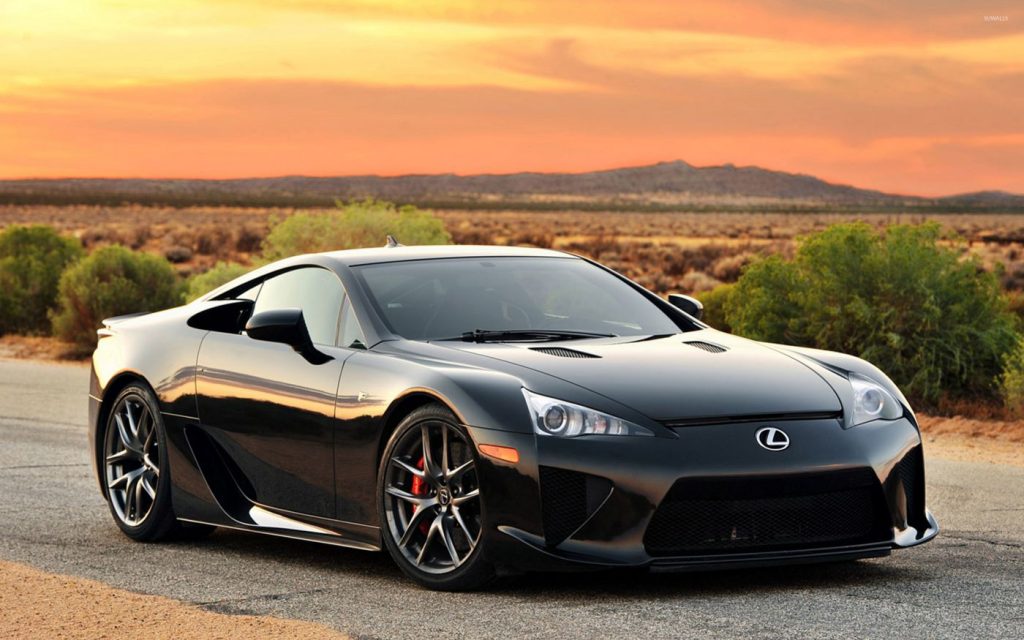
Design and aesthetics add to the LFA’s appeal. Its striking lines, aggressive stance, and purposeful yet elegant appearance set it apart from other supercars of the 2010s. The interior blends minimalism with functionality, supporting the car’s performance-focused philosophy while maintaining a sense of luxury and craftsmanship.
The Lexus LFA exemplifies how engineering excellence, scarcity, and cultural significance can turn a modern vehicle into a highly appreciating asset.
Even less than a decade old, it has achieved legendary status among enthusiasts, proving that a combination of innovation, performance, and exclusivity can create lasting value far beyond typical depreciation patterns.
5 Cars From the 2010s Losing Fast
While certain vehicles from the 2010s are appreciating in value, others are experiencing accelerated depreciation, losing market value faster than expected.
These cars may have seemed promising at launch, with modern features, strong performance, or popular branding, yet factors such as market saturation, reliability concerns, and limited desirability contribute to their decline.
Understanding which cars are losing value quickly is important for buyers and owners seeking either investment potential or long-term financial prudence.
Several factors can cause rapid depreciation. Oversupply in the market diminishes scarcity, while uninspired design, unremarkable performance, or a lack of distinguishing characteristics reduces demand.
Vehicles that fail to engage drivers or lack unique appeal struggle to attract enthusiasts and collectors, leaving resale prices low despite their modernity. Even cars with advanced technology or comfort features may lose value quickly if they fail to resonate emotionally or fail to maintain interest over time.
Brand perception also plays a role. Models from manufacturers with fluctuating reputations for quality, reliability, or desirability may depreciate faster than equivalent vehicles from brands with strong collector or enthusiast followings.
Additionally, cars that rely heavily on technology that quickly becomes outdated, or whose driving experience feels ordinary compared to competitors, often see their values decline sharply.
This section highlights five cars from the 2010s that are losing value rapidly, analyzing the reasons behind their depreciation. Each example illustrates how market dynamics, design choices, performance limitations, and brand perception can influence a car’s financial trajectory.
By examining these vehicles, it becomes clear why some modern cars fail to retain long-term value, emphasizing the importance of both intrinsic appeal and market factors in determining which vehicles maintain relevance and which fade quickly from desirability and financial stability.
1. Ford Fiesta ST (2014–2019)
The Ford Fiesta ST from the 2010s, while praised for its engaging driving dynamics, has seen accelerated depreciation in recent years.
Its 1.6-liter turbocharged engine delivers peppy performance, sharp handling, and a fun-to-drive experience, yet factors such as market oversaturation and practical limitations have contributed to its declining value.
Enthusiasts may appreciate the car’s driving character, but the limited appeal for the broader used-car market has restrained long-term appreciation.
One major factor influencing depreciation is practicality. While the Fiesta ST is nimble and entertaining, it is small, with limited rear passenger space and cargo capacity.
Families or daily commuters often prefer larger vehicles, leaving the ST with a narrower pool of potential buyers in the used market. This limits demand and contributes to faster depreciation compared to more versatile hatchbacks.
Reliability perception also plays a role. Though generally dependable, the Fiesta ST’s turbocharged engine and performance-oriented components can raise concerns about maintenance costs over time. Potential buyers may factor in these considerations, further suppressing resale value.
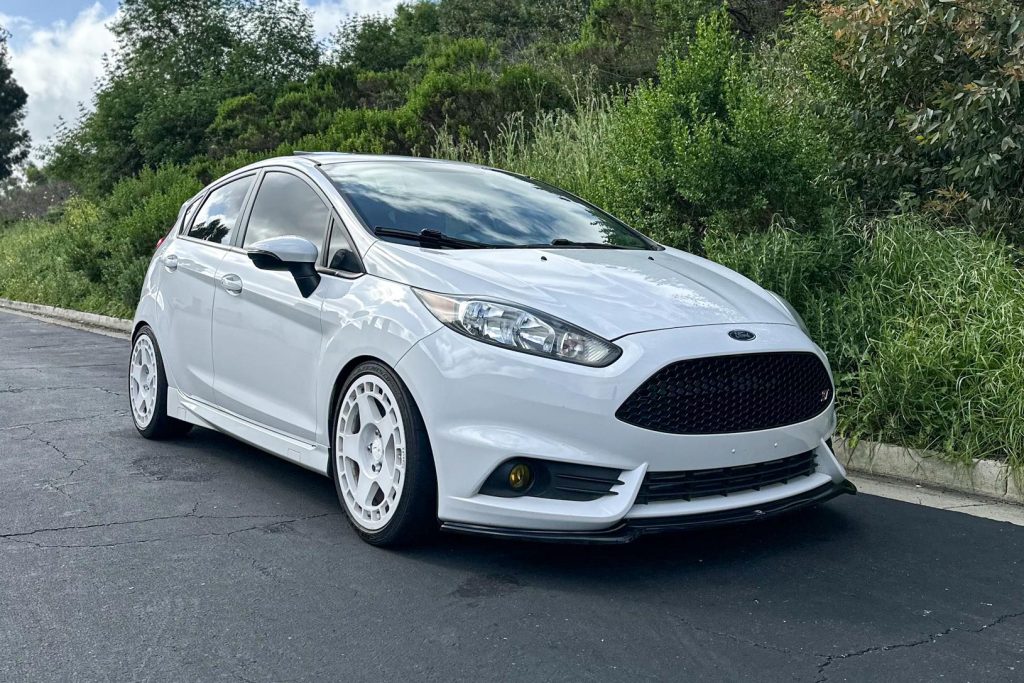
Design and appeal are another contributing factor. While the ST features sportier styling than standard Fiestas, it does not possess the rarity or iconic status of other appreciating modern performance cars.
Special editions are limited, meaning the overall model line remains abundant in the market, which exerts downward pressure on prices.
In summary, despite offering an engaging driving experience, the Ford Fiesta ST from this era illustrates how factors beyond performance such as market saturation, practicality, and brand perception, can accelerate depreciation.
It remains a fun and affordable option for enthusiasts, but its value trajectory demonstrates the challenges facing modern performance hatchbacks in retaining long-term worth.
2. Nissan Juke (2011–2017)
The Nissan Juke, a compact crossover launched in the early 2010s, has struggled to maintain its value despite its unique styling and urban appeal. Its quirky design, while initially attracting attention, has not translated into lasting desirability.
The Juke’s small turbocharged engines offer modest performance, sufficient for city driving but uninspiring compared to competitors, contributing to its rapid depreciation.
Practicality is another factor limiting its appeal. Rear passenger space is cramped, and cargo capacity is below average for its class. Families or buyers seeking a versatile SUV often look elsewhere, reducing demand in the used-car market.
Interior quality, while functional, lacks refinement, with hard plastics and minimal luxury touches that further undermine long-term value.
Reliability perception and brand positioning also influence depreciation. While generally dependable, the Juke does not carry the prestige of competitors from brands like Honda or Toyota. Enthusiasts are unlikely to pursue it as a collectible, leaving the vehicle exposed to market fluctuations and rapid value loss.
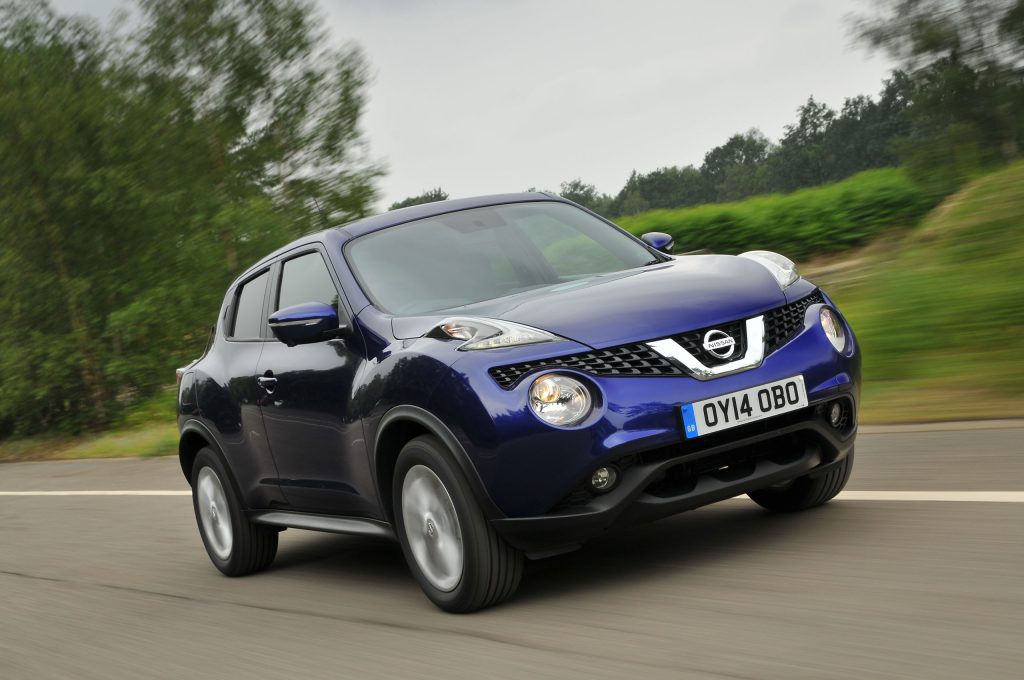
Design, though distinctive, has polarized buyers. The bold styling that once drew attention now dates quickly, with newer crossovers offering more mainstream appeal and modern features. Technological obsolescence also affects perception, as early infotainment and connectivity options lag behind contemporary expectations.
Overall, the Nissan Juke demonstrates how uniqueness alone does not guarantee long-term value. Limited performance, practicality concerns, and dated styling combine to accelerate depreciation, highlighting the challenges some 2010s vehicles face in maintaining appeal and financial worth over time.
3. Fiat 500 (2012–2019)
The Fiat 500 from the 2010s has experienced significant depreciation despite its compact size and retro-inspired styling. While it initially appealed to buyers seeking a fashionable and affordable city car, its limited performance, practicality issues, and polarizing design have contributed to rapid value loss.
The standard 1.4-liter engine provides adequate city driving performance but lacks the power and responsiveness required for highways or more dynamic driving experiences, limiting its appeal for a broader audience.
Comfort and usability are also concerns. The cabin, though stylish, is cramped, especially in the rear seats, and the cargo area is minimal. Road noise and ride harshness can be noticeable on rough surfaces, reducing the vehicle’s refinement.
Interior materials, while visually appealing, often feel cheap and less durable than competitors, further diminishing long-term desirability.
Market oversaturation has contributed to accelerated depreciation. The Fiat 500 was produced in large numbers and sold widely, which increases supply in the used-car market and lowers prices. Special editions offer some differentiation, but the majority of models remain common, limiting collectibility and long-term value.
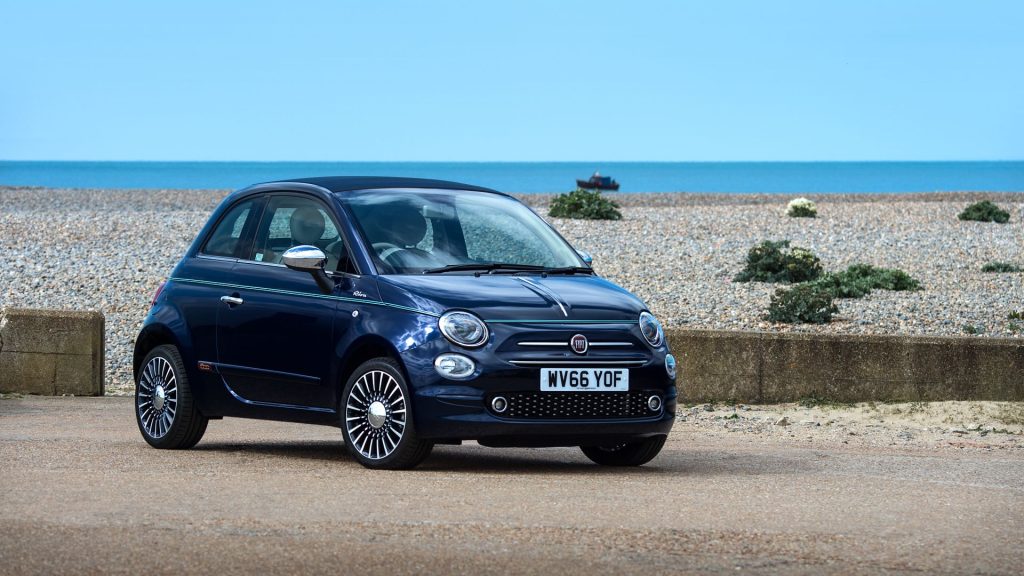
Brand perception affects resale as well. While Fiat has strong recognition in certain markets, it lacks the prestige and reliability reputation of other manufacturers, which discourages buyers seeking long-term value. Enthusiasts rarely target the Fiat 500 as a collectible, further limiting demand in the used market.
In sum, the Fiat 500 demonstrates how style alone cannot prevent depreciation. Limited performance, constrained practicality, and widespread availability contribute to its rapid decline in value, highlighting the challenges small, niche-oriented cars face in maintaining long-term appeal from the 2010s.
4. Dodge Dart (2013–2016)
The Dodge Dart, produced during the mid-2010s, has struggled to retain value and is depreciating quickly. Despite being a compact sedan with modern features, it fails to stand out in performance, design, or brand desirability.
Its engine options, primarily small turbocharged four-cylinders, provide adequate fuel efficiency but lack driving excitement. Acceleration is unremarkable, and handling feels uninspired, leaving the car unable to compete with more engaging compact sedans from Honda, Toyota, or Mazda.
Comfort is inconsistent. While interior space is reasonable for a compact sedan, ride quality suffers due to suspension tuning that emphasizes cost over refinement.
Road noise and vibration are noticeable, and interior materials feel low-quality compared to segment rivals. Seats, although functional, provide minimal support for long journeys, reducing the overall experience.
Brand perception and market positioning further accelerate depreciation. Dodge’s reputation for sedans in this era was weak, with buyers often gravitating toward the brand’s muscle cars rather than mainstream compact sedans. This limited desirability in the used market, causing rapid depreciation even for well-maintained examples.
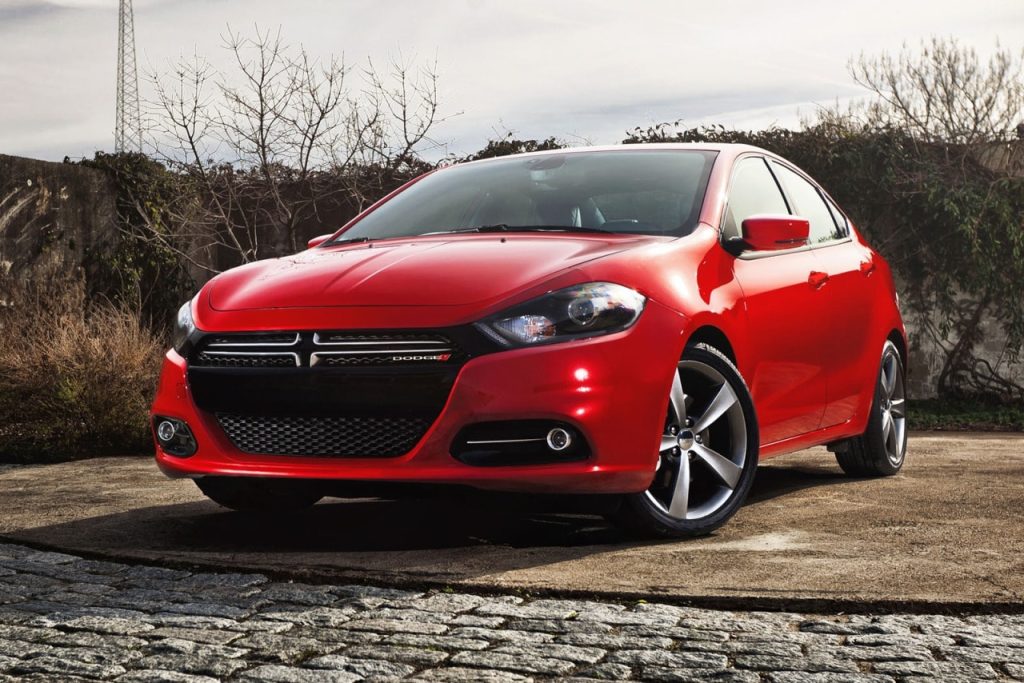
Design does not offer lasting appeal. The Dart’s styling, intended to be modern and sporty, now feels dated, with few elements that make it memorable or collectible. Technological features, once contemporary, quickly fell behind more advanced offerings from competitors.
Overall, the Dodge Dart illustrates how lackluster performance, unremarkable design, and weak brand positioning can lead a 2010s vehicle to lose value rapidly. Its depreciation underscores the importance of engagement, quality, and desirability in determining long-term worth in the used-car market.
5. Jeep Patriot (2011–2017)
The Jeep Patriot, a compact SUV produced during the 2010s, has seen rapid depreciation due to underwhelming performance, limited refinement, and lack of distinction in a crowded market.
While it offers SUV practicality and affordable pricing, the Patriot’s driving experience is uninspiring.
Its engine options, primarily four-cylinder units, provide modest power that struggles with full loads or highway driving, resulting in sluggish acceleration and limited responsiveness. Handling is soft and unrefined, with noticeable body roll in corners, making it less engaging than rivals in the compact SUV segment.
Comfort is another area of concern. The Patriot’s suspension is basic, transmitting road imperfections directly into the cabin. Seats, though functional, lack support and cushioning, contributing to fatigue on longer drives.
Interior materials are utilitarian, with minimal attention to fit, finish, or noise insulation, leaving the cabin feeling dated and cheap compared to competitors. Infotainment and convenience features are also limited, further reducing appeal.
Market saturation and brand perception exacerbate depreciation. The Patriot was produced in large numbers and positioned as an entry-level SUV, making it readily available in the used-car market.
Buyers seeking reliability, refinement, or excitement often choose alternatives from Honda, Toyota, or Subaru, leaving the Patriot overlooked. Limited enthusiasm for the model among collectors or enthusiasts ensures that demand remains low, driving prices downward.
The Jeep Patriot illustrates how a combination of limited performance, compromised comfort, and lack of market desirability can accelerate depreciation. Even as a functional SUV, it fails to capture attention or retain long-term value.
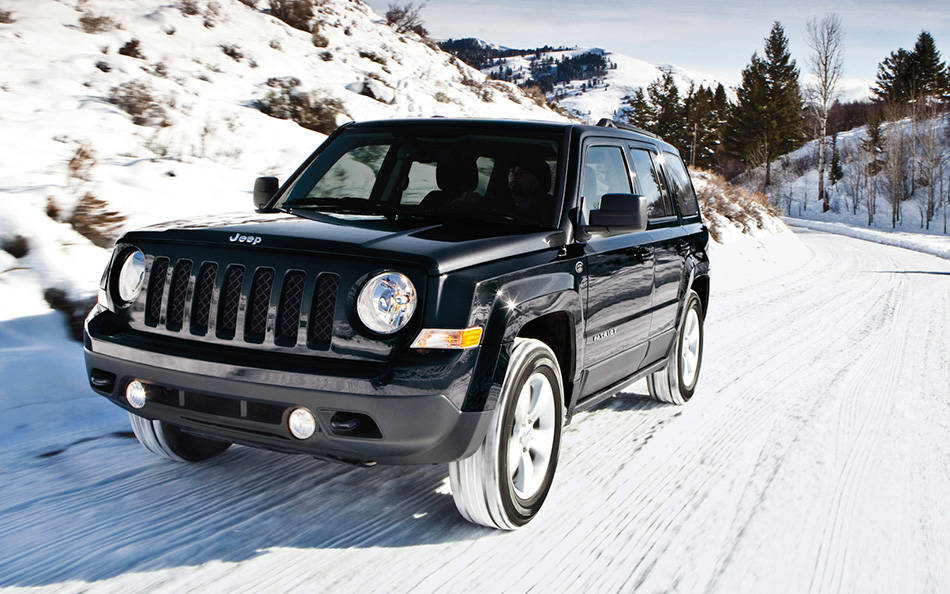
Its decline emphasizes the importance of driving experience, refinement, and brand strength in determining which 2010s vehicles maintain appeal and which lose it quickly.
The 2010s produced a mix of vehicles with sharply diverging value trajectories. Cars like the Ford Mustang GT, Chevrolet Camaro ZL1, Porsche 911 Carrera S, Nissan GT-R, and Lexus LFA are appreciating due to performance, rarity, design, and cultural significance, making them sought-after by enthusiasts and collectors.
In contrast, models such as the Ford Fiesta ST, Nissan Juke, Fiat 500, Dodge Dart, and Jeep Patriot are losing value quickly, hindered by limited appeal, uninspiring performance, practicality constraints, and market oversaturation.
These examples highlight how desirability, engineering excellence, and scarcity determine which modern cars retain or gain value over time.
Also Read: 5 Cars That Combine Comfort & Speed vs 5 That Fail at Both
