
The hybrid car market has evolved from being a niche experiment to a major pillar of modern motoring. What began as a clever way to stretch fuel tanks has matured into a spectrum of vehicles that balance performance, refinement, and sustainability.
Yet, as the technology spreads across nearly every price point and segment from compact hatchbacks to luxury SUVs, not every hybrid feels like money well spent. Some deliver a level of polish and efficiency that makes their cost feel justified, while others rely too heavily on the hybrid badge without offering enough real-world benefit.
Value in hybrids is about more than just fuel economy. It involves how well the system integrates into daily driving, the reliability of its components, and how much premium the manufacturer charges for electrified efficiency.
For some brands, hybrids are the perfect middle ground between old-fashioned combustion and the still-developing full-EV scene. For others, they’re little more than a steppingstone, marked by higher prices, odd driving feel, or minimal mileage advantage.
This article separates those that genuinely feel worth the asking price from those that don’t deliver enough return for what they cost.
Each car is judged not by marketing claims, but by its practicality, long-term dependability, and how well it fulfills its intended purpose. The goal is not to criticize hybrid technology it’s to highlight where it shines and where it still feels forced.
Also Read: 5 Driver’s Cars That Won’t Break the Bank vs 5 That Will
5 Hybrids That Feel Worth the Price
A good hybrid should make its driver feel like they paid for something smarter, not just greener. The best examples show that efficiency and enjoyment can coexist, and that technology doesn’t have to rob a car of personality.
These are the hybrids that justify their price through seamless engineering, thoughtful design, and consistent dependability. They prove that you don’t need a full EV to enjoy cutting-edge technology or lower running costs.
Today’s top hybrids stand out because they enhance the core traits of the vehicles they power. They offer quieter operation, smoother acceleration, and often fewer maintenance headaches than their gasoline-only counterparts.
Beyond that, they manage to make economic sense saving thousands in fuel costs over their lifespan while commanding resale values that reflect real-world desirability.
The models featured here represent how the hybrid formula should be executed: no unnecessary gimmicks, no inflated price tags, and no trade-off between innovation and usability.
These five hybrids stand as benchmarks for what modern electrification can be when done right. Each of them has proven itself through consistent reliability, satisfying real-world fuel efficiency, and a balance of comfort and performance that makes ownership genuinely rewarding. They are not just efficient; they are complete vehicles that appeal to both the heart and the head.
1. Toyota Prius
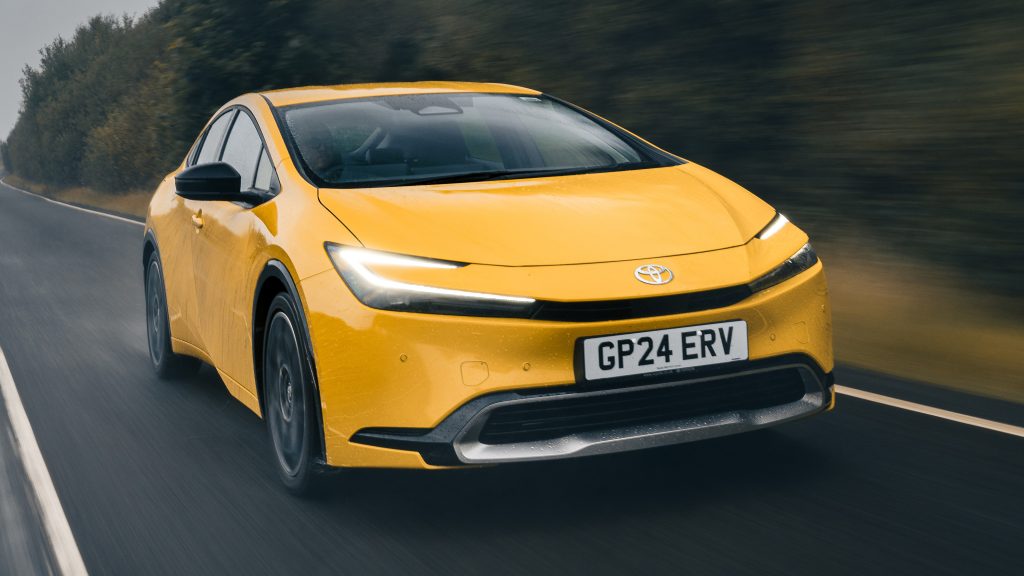
The latest Toyota Prius might just be the most surprising reinvention of a familiar nameplate in recent years. Once mocked for its quirky styling and sluggish demeanor, the 2025 Prius has evolved into a sleek, futuristic hatchback that finally matches its reputation for efficiency with genuine desirability.
Priced from the mid-$30,000 range, it feels worth every dollar because it manages to be both advanced and genuinely enjoyable to drive.
The biggest reason it earns its price tag is Toyota’s refinement of its hybrid system. The fifth-generation setup is more powerful now making up to 196 horsepower yet it still delivers a real-world fuel economy exceeding 50 mpg.
Unlike many hybrids that drone under load, the Prius now uses electric torque smartly to fill in gaps, making acceleration smoother and more immediate. The result is a car that’s no longer just about saving fuel; it’s about feeling modern and effortless behind the wheel.
Its design plays a major role in this transformation. The sharp lines, coupe-like roof, and minimalist cabin give it a premium impression far above its actual segment.
Inside, the digital displays and improved ergonomics show Toyota’s attention to detail. And unlike many tech-heavy hybrids, it doesn’t overwhelm the driver with unnecessary gimmicks.
Long-term dependability continues to be its hidden strength. Toyota’s hybrid batteries and components have a near-legendary reputation for lasting hundreds of thousands of miles with minimal degradation.
Combine that with low maintenance costs and excellent resale value, and the Prius becomes one of the smartest hybrid purchases available. It’s proof that a green car can now be aspirational, not just rational, making it one of the best-priced hybrids you can buy today.
2. Honda Accord Hybrid
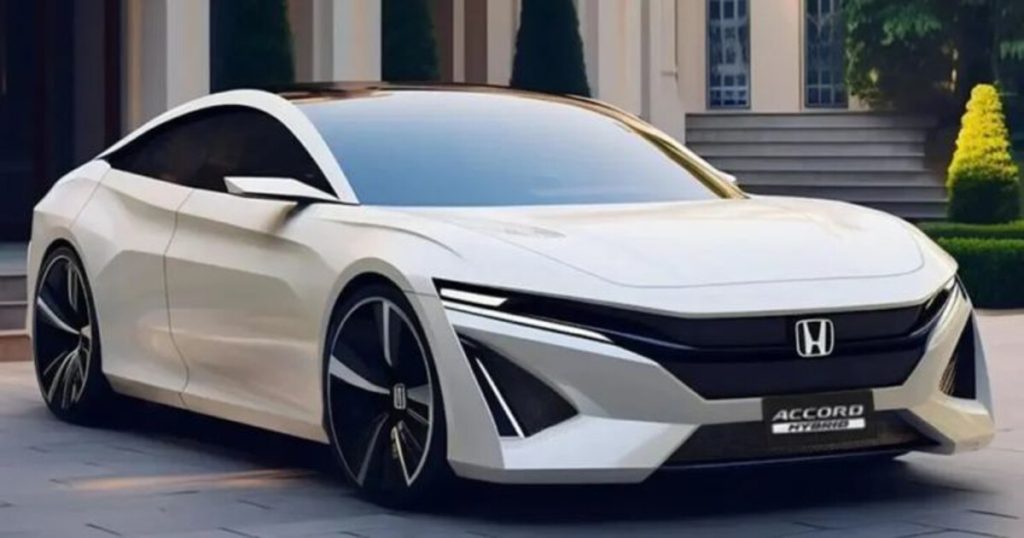
The 2025 Honda Accord Hybrid demonstrates that practical family sedans can still feel upscale and rewarding. At roughly $33,000 to start, it delivers an experience that feels far beyond what the badge or sticker might suggest.
The Accord Hybrid doesn’t chase novelty it simply refines everything that makes the Accord great, adding power and efficiency in a package that feels built to last.
Its hybrid system combines a 2.0-liter four-cylinder engine with dual electric motors, producing 204 horsepower. What sets it apart is how naturally this powertrain behaves. It switches between electric and gasoline power with such smoothness that most drivers can’t tell when it’s happening.
The hybrid operation doesn’t feel like a compromise it enhances the Accord’s comfort and responsiveness, making city and highway driving equally pleasant. Real-world fuel economy often exceeds 45 mpg, which means it saves thousands in running costs without feeling dull.
Inside, the Accord Hybrid continues Honda’s trend of clean, premium interiors. Materials feel substantial, the infotainment system is logical, and visibility is excellent. There’s no flashy gimmickry, just thoughtful design. The hybrid versions also benefit from quieter operation thanks to better insulation and optimized engine calibration.
Durability remains one of Honda’s strongest assets. With proven hybrid hardware and a reputation for reliability, the Accord Hybrid offers peace of mind that rivals can’t easily match. Its resale value is consistently high, and maintenance is simple compared to turbocharged alternatives.
The reason for writing about the Accord Hybrid here is simple: it’s the perfect example of paying once and benefiting for years.
It feels honest, balanced, and genuinely refined. It’s a hybrid that doesn’t trade personality for numbers, proving that efficiency can coexist with traditional automotive satisfaction.
3. Hyundai Tucson Hybrid
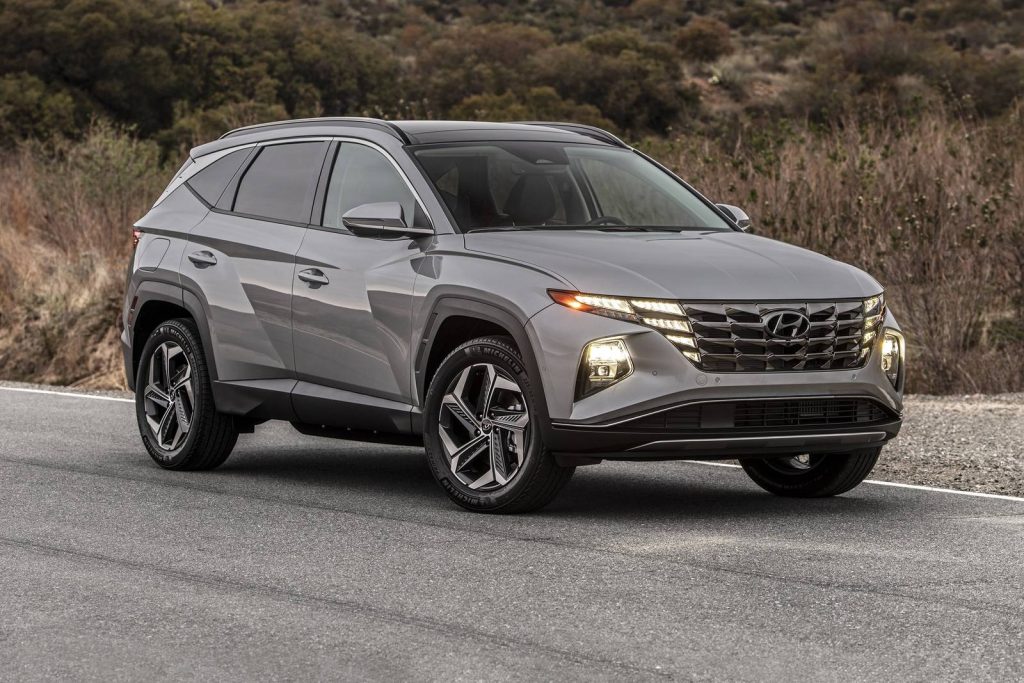
The 2025 Hyundai Tucson Hybrid stands as one of the most balanced crossovers in its price bracket, starting in the mid-$30,000 range. It offers a compelling mix of practicality, technology, and long-term economy, making it feel genuinely worth its asking price.
Hyundai’s approach with the Tucson Hybrid focuses on real-world usefulness rather than chasing headlines, and that’s precisely why it works so well.
Powered by a 1.6-liter turbocharged engine paired with an electric motor, it delivers a combined 226 horsepower enough to make daily commuting and highway travel feel effortless.
What makes it worth the money isn’t just the performance, but how efficiently it uses that power. Real-world fuel economy lands around 38–40 mpg combined, impressive for a compact SUV that feels as substantial as it does.
Inside, the cabin feels almost premium for its class. The materials are soft-touch, the digital displays are crisp, and Hyundai’s infotainment interface is refreshingly straightforward.
The hybrid’s quieter operation and strong torque at low speeds make city driving feel smoother and more refined than in the standard gasoline version. It doesn’t feel like a hybrid pretending to be sporty it feels like a well-rounded SUV that happens to be incredibly efficient.
The Tucson Hybrid’s warranty coverage also plays a major role in its perceived value. With a 10-year powertrain warranty and proven reliability in Hyundai’s newer hybrid systems, buyers gain the reassurance that ownership costs will stay predictable.
This model earns its place here because it embodies what most hybrid shoppers actually want: a stylish, practical, and efficient SUV that doesn’t demand luxury prices.
It’s proof that a hybrid doesn’t have to feel compromised, and that efficiency can be seamlessly integrated into a comfortable everyday vehicle. The Tucson Hybrid makes smart buying feel genuinely satisfying.
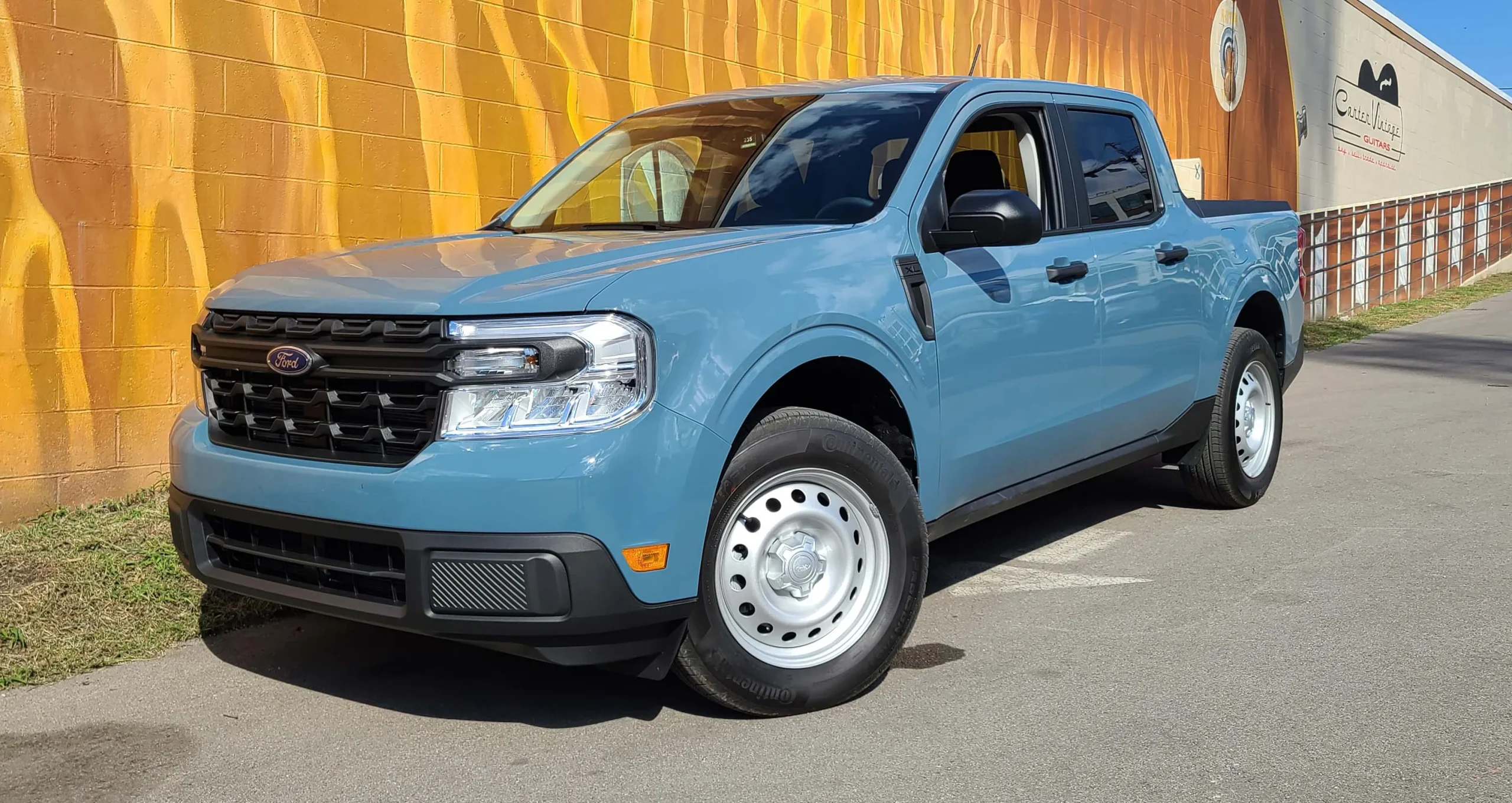
4. Ford Maverick Hybrid
The 2025 Ford Maverick Hybrid is proof that practicality and innovation can meet affordability. Priced around $25,000–$27,000, it remains one of the most accessible hybrid vehicles on sale today.
What makes the Maverick Hybrid so impressive is its ability to merge pickup utility with genuine fuel savings something no other vehicle in this price range manages as effectively.
Under the hood, the Maverick Hybrid pairs a 2.5-liter four-cylinder engine with an electric motor, producing a combined 191 horsepower. That figure might not sound thrilling, but the performance feels lively thanks to the electric motor’s instant torque.
Its biggest achievement is efficiency: up to 42 mpg in the city and around 33 on the highway. For a small truck capable of hauling over 1,500 pounds and towing 2,000, those numbers are remarkable.
Inside, the Maverick is simple but smartly executed. Ford focused on functionality rather than luxury, with durable materials and cleverly designed storage areas.
The hybrid powertrain’s smoothness makes urban driving calm, while the pickup’s size makes it manageable even in tight spaces. Unlike most hybrids, it appeals to a wide audience commuters, small-business owners, and first-time buyers alike.
The real reason it feels worth its price is the unmatched versatility. No other new vehicle delivers this blend of fuel economy, practicality, and affordability. While many hybrids target eco-conscious buyers, the Maverick Hybrid feels built for everyone.
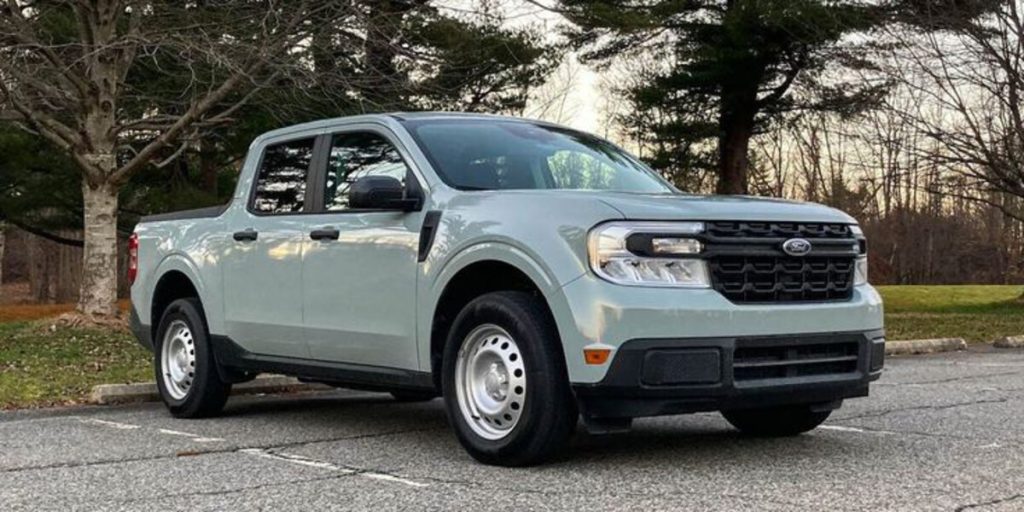
By offering a real truck experience with hybrid efficiency, Ford has changed expectations for what an entry-level vehicle can be. It earns its price not through luxury or performance, but through how effectively it fulfills its mission.
This hybrid doesn’t just save fuel it expands what efficiency can mean for practical buyers, making it one of the smartest automotive purchases available.
5. Lexus RX 500h
The 2025 Lexus RX 500h redefines what a luxury hybrid should feel like. Starting around $64,000, it’s not cheap but every part of its experience feels deliberate, refined, and truly worthy of its price. This is not a hybrid that exists purely to save fuel; it exists to demonstrate how hybrid technology can elevate performance and comfort simultaneously.
The RX 500h uses a turbocharged 2.4-liter engine paired with a powerful hybrid system to deliver 366 horsepower and standard all-wheel drive.
The electric assistance doesn’t just improve efficiency; it enhances responsiveness, providing immediate torque that gives the SUV a confident, effortless character.
Acceleration is brisk, but more importantly, transitions between electric and gasoline power are virtually invisible. The drivetrain refinement feels on par with much more expensive luxury vehicles.
Inside, Lexus combines advanced tech with craftsmanship. The interior design feels cohesive, not overloaded. Every surface, from the soft leather to the precise stitching, conveys long-term quality.
The infotainment interface is intuitive, with quick responses and minimal clutter. What sets the RX 500h apart is its ride quality it glides over rough roads quietly, giving passengers the serenity expected from a Lexus.
Its fuel economy, rated around 28 mpg combined, may not seem extraordinary, but it’s impressive given the performance and size. More importantly, the RX 500h offers genuine longevity and dependability, two hallmarks of the Lexus brand.
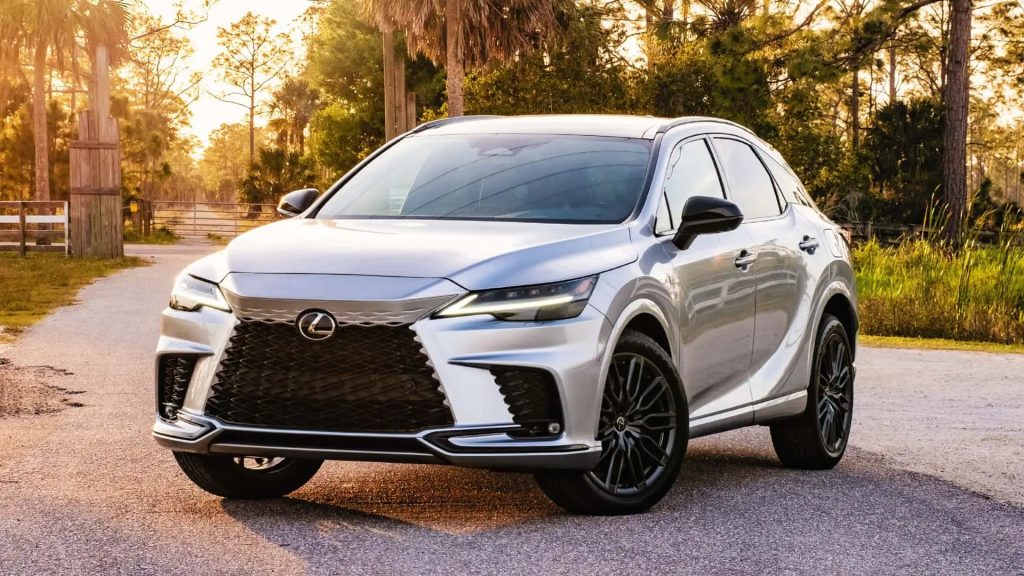
This hybrid earns its place here because it proves that premium and practical can coexist. The RX 500h justifies its price through precision, polish, and everyday usability.
It’s a car for those who want sophistication without the maintenance anxiety of a full EV. Lexus has crafted a hybrid that feels holistic and deeply satisfying to own a genuine benchmark for luxury hybrid SUVs.
5 Hybrids That Don’t Feel Worth the Price
Hybrid technology is no longer a novelty. Most brands now have at least one electrified model, but not all of them deliver genuine value.
Some hybrids are priced higher than their benefits justify, offering only marginal fuel savings or performance improvements while costing thousands more than their non-hybrid counterparts.
The promise of efficiency often hides compromises in real-world drivability, maintenance costs, or overall ownership satisfaction.
This section highlights five hybrids that struggle to justify their asking price. They may look appealing on paper modern styling, advanced tech, strong brand image but when examined closely, the numbers and experiences often tell a different story.
These are vehicles where the hybrid premium doesn’t quite translate into long-term value, where performance and refinement fall short of expectations, or where reliability and fuel economy fail to meet the marketing claims.
In many cases, these cars don’t feel bad to drive. The issue lies in their cost-benefit balance. A hybrid should provide clear advantages either in efficiency, smoothness, or ownership ease.
When it doesn’t, the higher upfront cost and potential long-term complexity make the purchase questionable. With EVs and plug-in options becoming more practical each year, consumers expect more for their money.
The following hybrids serve as reminders that electrification alone doesn’t guarantee quality or smart economics. They demonstrate that good engineering and thoughtful calibration are still more important than simply adding batteries to an existing platform.
Each example here represents a missed opportunity: cars that could have been better, had their hybrid systems or pricing been more realistic.
1. Jeep Grand Cherokee 4xe
The 2025 Jeep Grand Cherokee 4xe is a plug-in hybrid that promises ruggedness with efficiency, but in practice, it delivers neither as convincingly as its $60,000-plus price suggests.
On paper, its 375 horsepower and 470 lb-ft of torque seem impressive, and the 25-mile electric range sounds useful. Yet when driven daily, the vehicle feels compromised neither a smooth luxury SUV nor an efficient hybrid.
The hybrid setup feels heavy and occasionally clunky, particularly when transitioning between gas and electric modes. Jeep’s system relies on a 2.0-liter turbocharged engine paired with an electric motor, but the calibration lacks the refinement seen in Toyota or Lexus systems.
Acceleration feels inconsistent, and the power delivery can be jerky in traffic. Worse, the real-world fuel economy often struggles to exceed 23–25 mpg, which is disappointing given the price and complexity.
Charging can help temporarily improve efficiency, but once the small battery depletes, it essentially becomes a heavy gas SUV with average mileage.
Meanwhile, the electric-only range is too short to make a noticeable impact for most owners. The added weight also hurts ride quality, making the 4xe less composed on rough roads than its non-hybrid siblings.
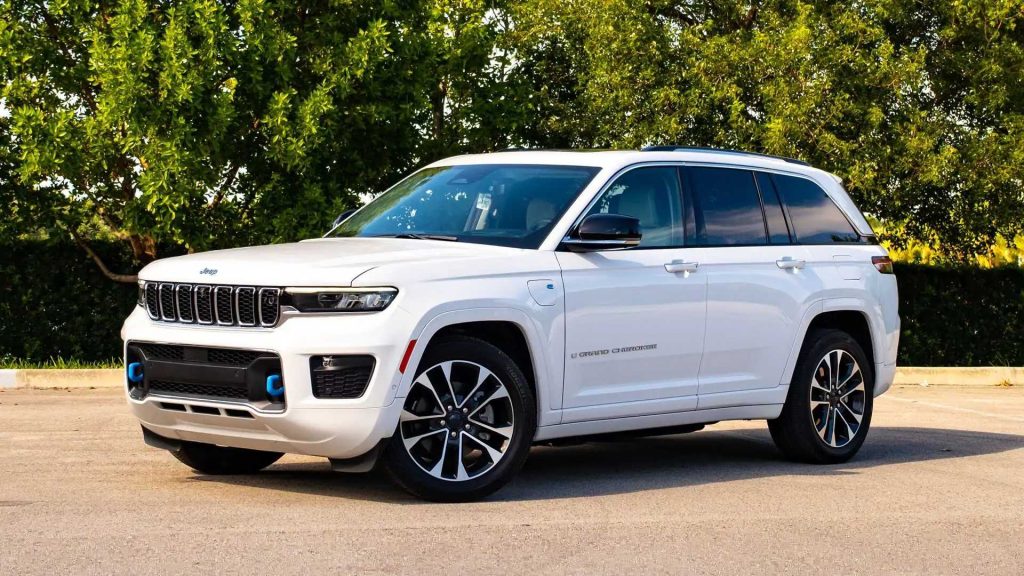
The cabin is well-built, but that’s expected at this price. Where it falls short is in delivering a cohesive experience. It feels like Jeep added electrification for marketing reasons rather than to enhance the driving experience.
This model deserves mention here because it shows how hybridization can sometimes feel forced. It’s not a poor vehicle it simply fails to justify its steep premium. Buyers expecting hybrid efficiency or polished operation will likely find better value in conventional versions or in rivals like the Toyota Highlander Hybrid.
2. Toyota Highlander Hybrid
The 2025 Toyota Highlander Hybrid should be a home run given Toyota’s expertise with hybrid technology, but this version feels overpriced for what it offers. Starting around $43,000, the Highlander Hybrid costs several thousand more than the standard model, yet its real-world benefits don’t fully match that extra spend.
Powered by a 2.5-liter four-cylinder engine paired with two electric motors, it produces 243 horsepower. While efficient, the performance is underwhelming for a three-row SUV. Acceleration feels strained, especially with a full load of passengers or cargo.
The continuously variable transmission (CVT) keeps the engine droning under throttle, which detracts from refinement. For families seeking comfort, this constant hum can become tiring during long drives.
Fuel economy is decent, averaging around 36 mpg in mixed conditions, but that’s only a small gain over some non-hybrid rivals that cost less. The main issue lies in how much Toyota charges for this setup compared to its actual performance and interior execution.
For a vehicle marketed as family-friendly and upscale, the cabin materials and space utilization feel slightly dated, especially compared to newer competitors like the Kia Sorento Hybrid or Hyundai Santa Fe Hybrid.
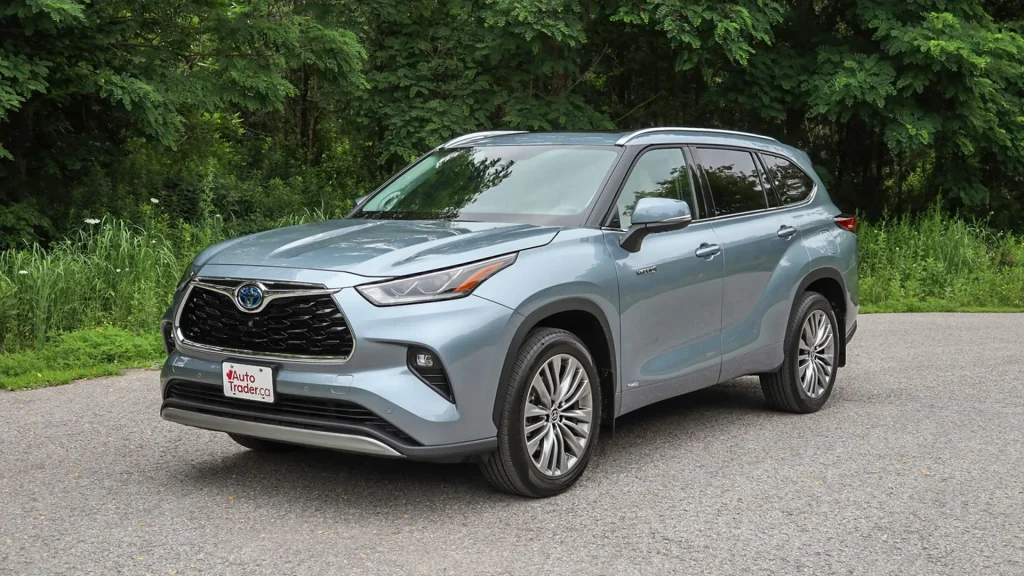
While Toyota’s reliability and resale value remain strong, they can’t fully mask the sense that the Highlander Hybrid is coasting on brand reputation. It feels engineered more to meet regulatory and fleet efficiency standards than to excite buyers.
This vehicle earns its place here because it highlights a key pitfall in modern hybrids: pricing based on name recognition rather than product distinction.
For the cost of a Highlander Hybrid, buyers can often find plug-in alternatives with stronger performance, more space, and better technology. Toyota’s hybrid credibility remains solid, but in this case, it’s not enough to justify the premium.
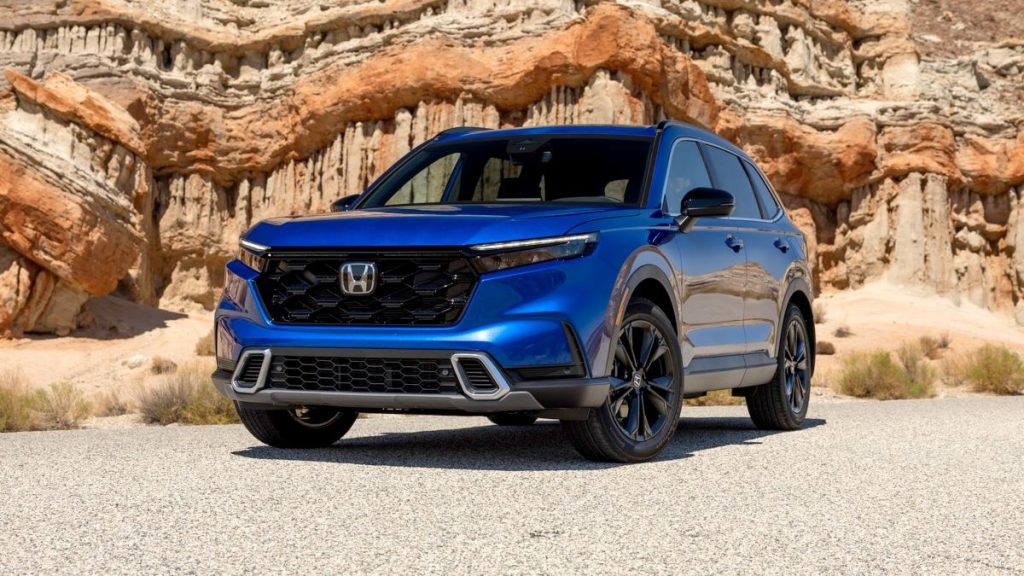
3. Honda CR-V Hybrid
The 2025 Honda CR-V Hybrid is a well-built, comfortable SUV, but at a starting price near $36,000, it struggles to justify its hybrid premium. It’s a fine crossover on its own merits, yet when compared to the non-hybrid CR-V or to rivals offering more power or features for similar money, the value becomes questionable.
Under the hood sits a 2.0-liter engine paired with two electric motors, producing 204 horsepower. On paper, that sounds competitive, but in practice, the hybrid setup feels strained under heavy throttle.
The system frequently revs the engine to high levels to maintain power, creating a coarse sound that undermines the refinement expected from a Honda. The result is decent efficiency around 40 mpg combined but not enough of an improvement to make up for the extra cost.
Inside, the CR-V Hybrid is comfortable and functional, but not significantly different from the standard version.
The same materials, layout, and features appear here, meaning buyers are mostly paying for the hybrid badge and slight fuel savings. It’s reliable and well-packaged, yet the experience doesn’t feel elevated.
The main reason this hybrid doesn’t feel worth its price is the narrow advantage it offers. A non-hybrid CR-V with the turbocharged 1.5-liter engine delivers solid mileage and smoother acceleration for several thousand dollars less.
Meanwhile, competitors like the Hyundai Tucson Hybrid or Ford Escape Hybrid provide similar or better efficiency with more responsive driving dynamics.
The CR-V Hybrid remains a sensible choice, but sensible doesn’t always mean good value. Honda’s engineering quality is unquestioned, but the hybrid execution here feels cautious and uninspired. Buyers seeking true hybrid benefits strong efficiency gains or standout performance may find more satisfying options elsewhere.
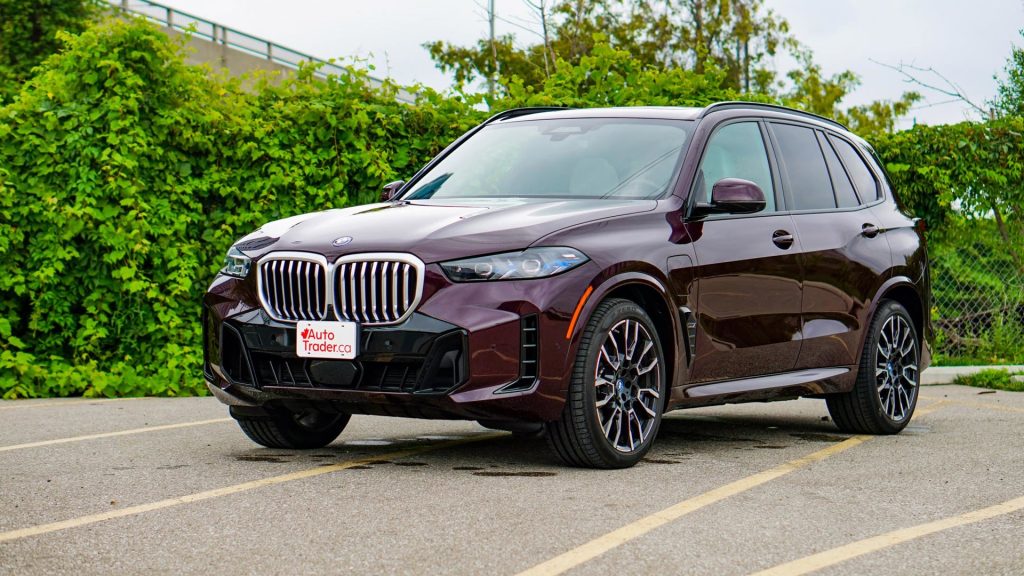
4. BMW X5 xDrive50e
Luxury hybrids are meant to blend performance, comfort, and efficiency, but the 2025 BMW X5 xDrive50e struggles to justify its $74,000 price tag.
As a plug-in hybrid, it promises around 40 miles of electric range and 483 combined horsepower, yet the experience doesn’t feel as cohesive as its numbers imply. It’s powerful, yes, but not necessarily better than the non-hybrid X5 for most drivers.
The hybrid system adds nearly 800 pounds of weight, and that bulk dulls the agility that makes the X5 enjoyable in its standard form. The ride remains firm, but the added mass affects both steering precision and balance.
Even though acceleration is brisk, it lacks the natural responsiveness BMW owners expect. The electric-only mode feels refined around town, but once the battery runs low, the transition to gasoline power can feel abrupt, especially during spirited driving.
Efficiency gains are modest. While BMW claims 50 MPGe, real-world results are often closer to 25 mpg combined once the battery depletes. That’s a slim margin for such an expensive and complex powertrain. The plug-in setup also eats into cargo space, which matters in a family-oriented SUV.
Inside, the cabin quality is outstanding, and the tech interface is polished but those are traits found in the regular X5 as well.
The hybrid model doesn’t introduce enough improvement to warrant the higher cost. The added complexity could also bring higher long-term maintenance expenses once the battery and electric components age.
This vehicle belongs here because it highlights how some luxury hybrids prioritize performance numbers over practicality.
The X5 xDrive50e is fast and refined, but for most buyers, the conventional X5 or even fully electric iX represents a smarter, more balanced choice. The hybrid feels caught between two identities, unable to fully justify its price.
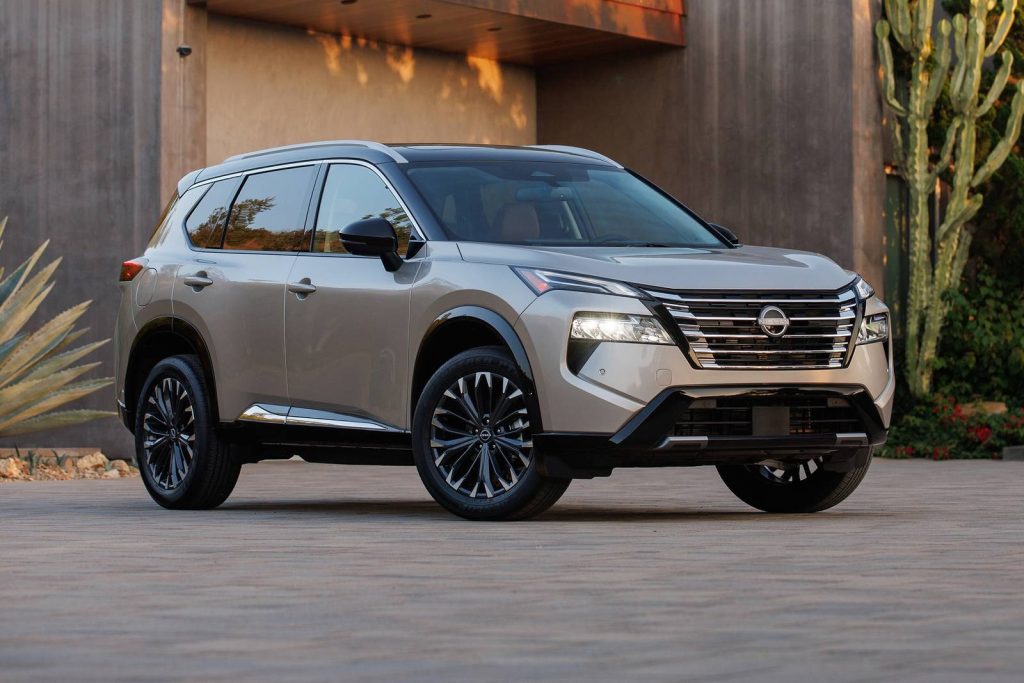
5. Nissan Rogue Hybrid
The 2025 Nissan Rogue Hybrid aims to offer efficient family transport, but it ends up feeling like a half-hearted execution of hybrid technology.
Starting at around $33,000, it’s positioned directly against the Toyota RAV4 Hybrid and Hyundai Tucson Hybrid two models that simply do the job better. The Rogue Hybrid doesn’t bring enough performance, refinement, or efficiency gains to stand out, making its price difficult to defend.
It pairs a small gasoline engine with a single electric motor, producing around 200 horsepower. On paper, that seems reasonable, but the real-world performance is sluggish, and the transmission tuning feels inconsistent.
Acceleration can be jerky at low speeds, and transitions between gas and electric modes aren’t as smooth as rivals. Drivers notice this especially in stop-and-go traffic, where the system hesitates before delivering power.
Fuel economy averages around 37 mpg, a figure that’s decent but not remarkable. Considering its extra cost over the standard Rogue, the savings at the pump are minimal.
Compounding the issue is the cabin, which, while functional, feels less refined than competitors. Road noise seeps in, and the interior materials don’t match the price tag.
Nissan’s hybrid technology also lacks the long-term track record of Toyota or Honda systems, which affects buyer confidence. The warranty coverage is fair, but long-term reliability data remains limited, leaving potential owners uncertain about maintenance costs down the line.
This model is worth mentioning here because it demonstrates how hybridization alone doesn’t guarantee appeal.
The Rogue Hybrid feels like a conventional SUV with an added system, not a cohesive design optimized for efficiency. Buyers looking for a genuine improvement in fuel savings or refinement can find better results elsewhere for similar money.
Also Read: 5 New EVs With Strong Resale Value vs 5 That Tank Immediately
