
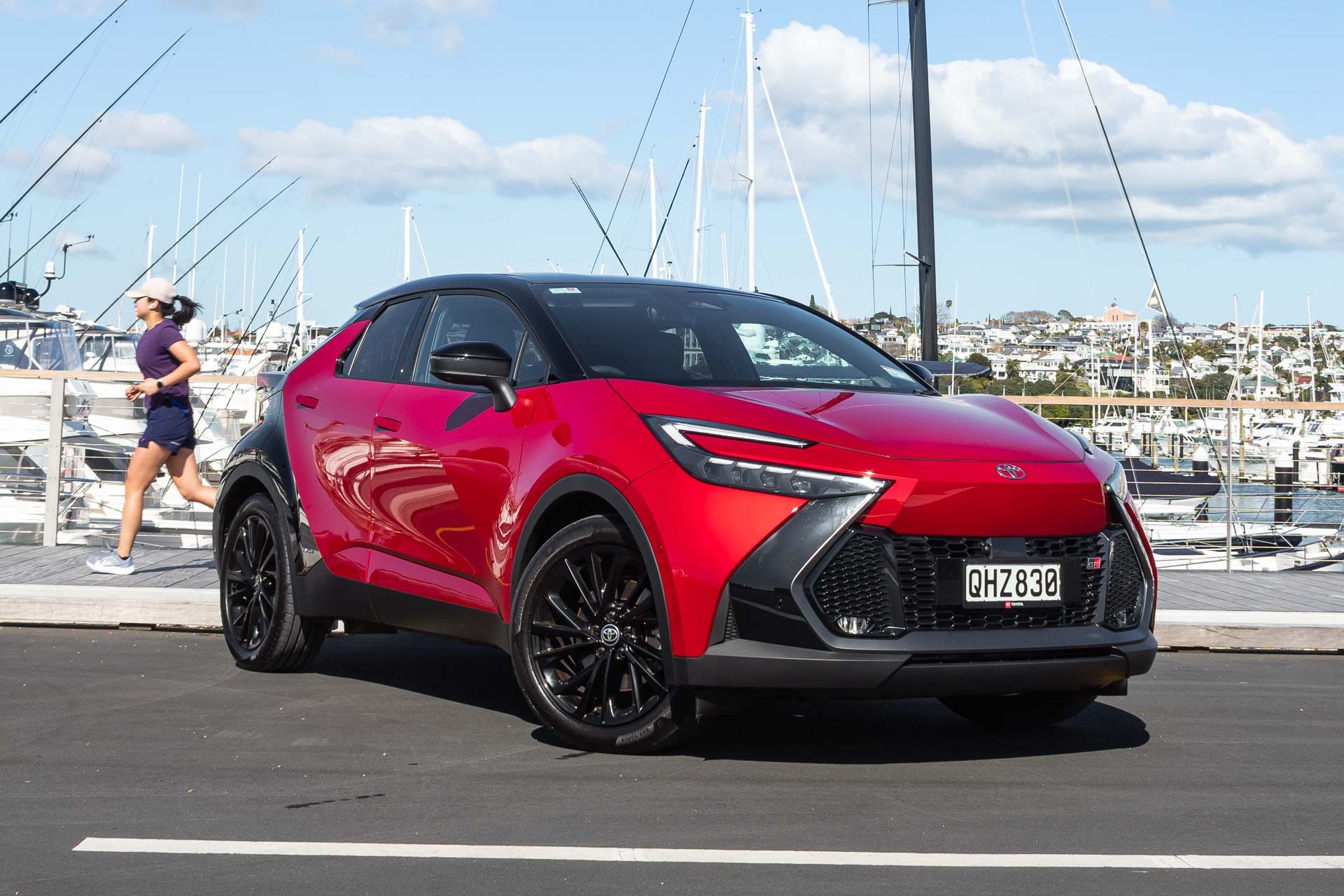
Compact cars have evolved significantly over the past decade, bridging the gap between efficiency, affordability, and practicality.
While they are smaller than traditional SUVs, some models offer comparable cargo capacity, flexible interiors, and elevated seating positions that make them practical for a variety of daily tasks. These vehicles provide the convenience of a compact footprint while delivering the versatility often associated with larger SUVs.
Modern compact cars that offer SUV-like practicality achieve this through smart interior design, adjustable seating configurations, and cleverly engineered storage solutions.
High ground clearance, hatchback layouts, and foldable rear seats further enhance their usability, allowing drivers to transport groceries, luggage, or sports equipment without the bulk of a traditional SUV.
Many also feature advanced safety systems, technology integrations, and efficient drivetrains, making them appealing to a broad audience.
However, not all compact cars succeed in providing these benefits. Some are limited by small cargo areas, inflexible interiors, and low seating positions that reduce visibility and utility.
Drivers seeking SUV-like functionality in a smaller package may be disappointed if the vehicle cannot accommodate passengers and cargo efficiently or lacks the adaptability required for active lifestyles.
This article examines both types of compact vehicles. The first section highlights five compact cars that successfully combine small size with SUV-level practicality, offering versatility, storage, and functionality without sacrificing drivability.
The second section identifies five models that fail to deliver on practicality, demonstrating where compromises in design, layout, or utility can limit usability.
By comparing these vehicles, readers can identify which compact cars provide genuine SUV-like convenience and which fall short.
Understanding these differences ensures informed choices for drivers seeking efficiency, versatility, and functionality in a smaller, manageable package.
Also Read: 5 Lightweight Cars That Feel Fast vs 5 That Feel Sluggish
5 Compact Cars That Offer SUV Practicality
Compact cars that provide SUV-level practicality combine maneuverability, efficiency, and versatility. These vehicles allow drivers to enjoy the convenience of a small footprint while still offering the space, flexibility, and usability commonly associated with larger SUVs.
Their appeal lies in balancing everyday drivability with functional interior design, making them suitable for urban commutes, weekend getaways, and family needs.
Successful compact cars in this category prioritize clever interior layouts, fold-flat rear seats, and elevated cargo areas. Many feature hatchback designs or high-roof configurations that enhance storage without increasing the vehicle’s overall size.
Ground clearance may also be slightly higher than traditional sedans, improving visibility and adding a light-duty off-road capability.
Beyond cargo space, these cars often provide thoughtful passenger accommodations. Legroom, headroom, and configurable seating allow for multiple occupants to travel comfortably, while versatile interiors enable drivers to transport bulky items when necessary.
Safety and technology features further contribute to overall practicality, ensuring that drivers are well-equipped for various scenarios.
This section highlights five compact cars that successfully deliver these SUV-like benefits. Each vehicle has been selected for its combination of storage flexibility, passenger comfort, and daily usability.
By examining these models, readers can understand how automakers have engineered compact vehicles to meet the practical demands of drivers who need more than what a traditional small car offers.
These vehicles demonstrate that small size does not necessarily mean sacrificing functionality, proving that compact cars can be both efficient and highly practical for everyday life.
1. Honda HR-V (2019–2025)
The Honda HR-V stands out as a compact vehicle that delivers SUV-level practicality without compromising its manageable size. Its design emphasizes versatility and functionality, with a cleverly engineered interior that adapts to various needs.
The HR-V’s Magic Seat system allows rear seats to fold in multiple configurations, including a tall mode for upright storage, a utility mode for flat cargo, and a long mode to accommodate longer items.
Cargo space is generous for a vehicle of its class. With seats upright, the HR-V provides enough room for groceries, sports equipment, or luggage.
When the rear seats are folded down, the flat floor creates a spacious area for larger items, rivaling many traditional SUVs. The hatchback design further enhances access to the cargo area, making it easy to load and unload.
Passenger comfort is also a priority. The HR-V offers adequate legroom and headroom for front and rear occupants, making longer trips comfortable. Elevated seating positions enhance visibility and create a sense of spaciousness that is often lacking in compact cars.
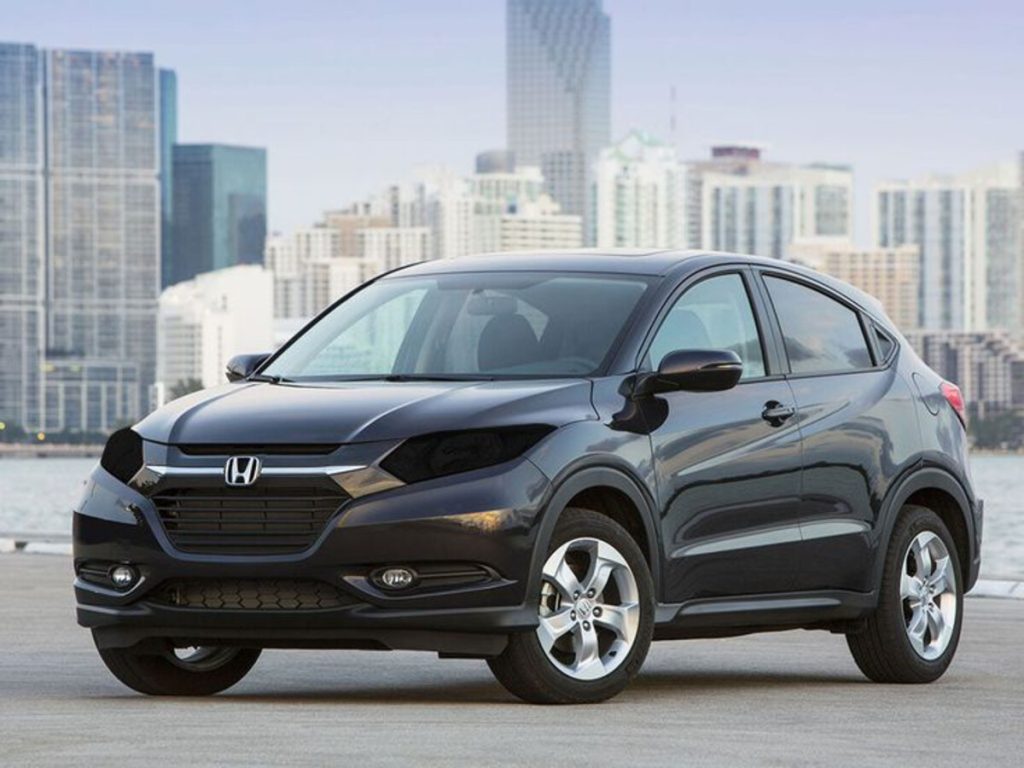
The HR-V also excels in usability and drivability. Its compact dimensions make it easy to navigate tight city streets and park in crowded areas, while maintaining a stable and comfortable ride on highways. Advanced safety features and efficient powertrains enhance its practicality, combining convenience, protection, and fuel economy.
Overall, the Honda HR-V demonstrates how compact cars can deliver SUV-like versatility. Its adaptable interior, elevated seating, and cargo capacity make it a standout choice for drivers who require space and functionality without the bulk of a traditional SUV.
2. Mazda CX-30 (2020–2025)
The Mazda CX-30 successfully blends compact size with SUV practicality, offering drivers a versatile and enjoyable driving experience. Its interior design focuses on functionality, with foldable rear seats that expand cargo capacity when needed.
While smaller than midsize SUVs, the CX-30 provides ample room for groceries, luggage, and everyday essentials, making it highly adaptable for both urban and recreational use.
Passenger comfort is another strength. The cabin features supportive seats, adequate legroom, and headroom for front and rear passengers. Elevated seating positions improve visibility, enhancing driver confidence in city and suburban traffic.
The vehicle’s ergonomically designed controls and intuitive infotainment system further contribute to a practical, user-friendly experience.
The CX-30 also offers efficient powertrains and light off-road capability. Its higher ground clearance compared to sedans allows it to handle uneven surfaces, dirt roads, or snowy conditions without compromising comfort or drivability. Fuel efficiency remains competitive for a compact SUV, balancing performance and economy effectively.
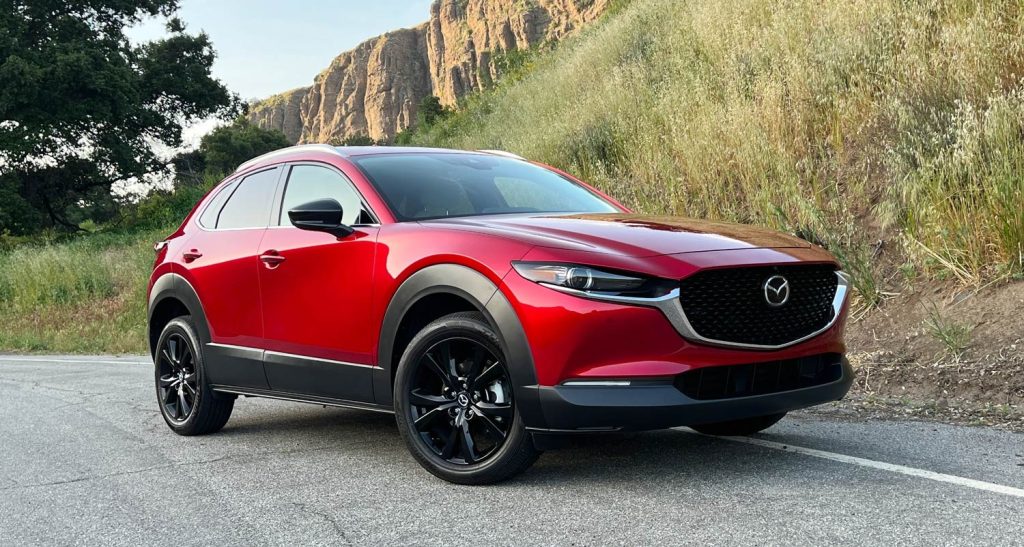
Storage solutions include accessible door pockets, cup holders, and a practical center console, making daily tasks more convenient. The rear hatch opens wide, allowing easy loading of bulky or awkward items, which is a critical aspect of SUV practicality.
Mazda’s emphasis on quality materials, functional design, and driving engagement ensures that the CX-30 delivers real-world usability.
Its combination of compact dimensions, versatile cargo space, comfortable seating, and elevated driving position proves that compact vehicles can achieve SUV-level practicality while remaining easy to drive and park in tight spaces.
3. Toyota C-HR (2020–2025)
The Toyota C-HR is a compact crossover that excels in providing SUV-level practicality while maintaining a small, city-friendly footprint.
Its hatchback design and elevated cargo floor allow for flexible storage solutions, giving drivers the ability to carry groceries, luggage, or larger items with ease. Folding the rear seats creates a flat load floor, enhancing its utility for occasional long trips or bulky cargo.
Passenger comfort is a priority for the C-HR. The vehicle provides adequate headroom and legroom for front and rear passengers, and elevated seating positions improve visibility in traffic. The cabin design balances a compact footprint with functional space, ensuring occupants feel comfortable even on longer journeys.
Practicality extends to daily usability. The C-HR’s compact dimensions make it easy to maneuver through tight urban streets, park in crowded areas, and navigate suburban roads. Its ride quality is tuned for comfort, providing a smooth experience over varying surfaces.
Additionally, Toyota includes safety features such as lane-keeping assist, adaptive cruise control, and automatic emergency braking, enhancing peace of mind for drivers and passengers alike.
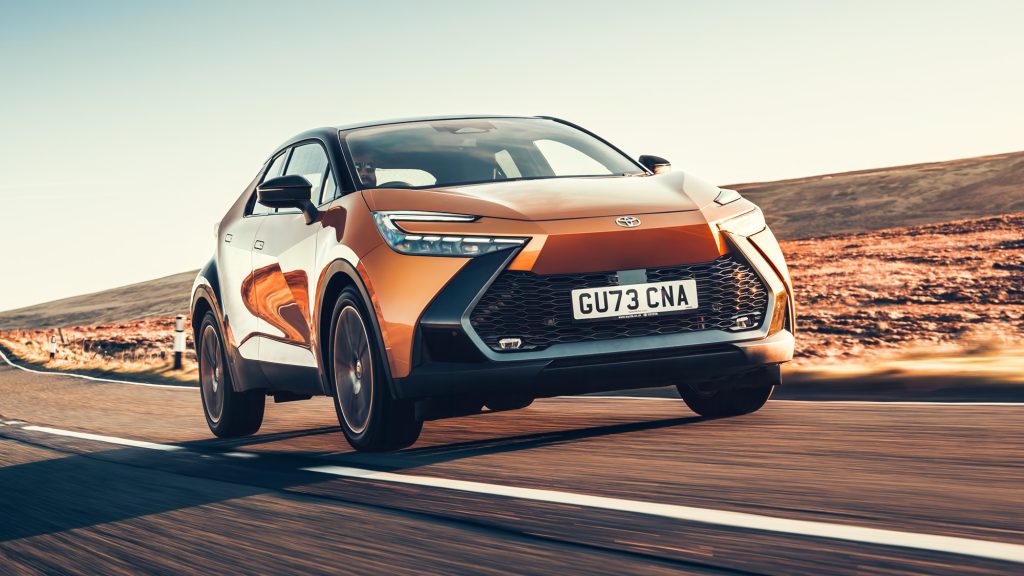
The vehicle’s fuel efficiency is competitive, further increasing its appeal for everyday use. Storage solutions such as door pockets, a center console, and accessible rear cargo area make it convenient to organize smaller items without sacrificing space for larger loads.
Overall, the Toyota C-HR demonstrates how compact cars can deliver SUV-like functionality. Its versatile interior, elevated seating, and cargo flexibility make it suitable for drivers seeking practicality without the bulk of a larger vehicle.
The combination of comfort, maneuverability, and usability solidifies the C-HR as a strong contender in the compact crossover segment.
4. Subaru Crosstrek (2020–2025)
The Subaru Crosstrek is a compact crossover that effectively delivers SUV practicality in a small package. Its standard all-wheel-drive system, elevated ground clearance, and flexible interior layout make it ideal for a variety of driving conditions, from city streets to light off-road excursions.
Cargo space is enhanced by split-folding rear seats, which create a flat and versatile load area capable of handling sports gear, luggage, or weekly shopping. The hatchback design allows for easy loading and unloading of larger items, while thoughtfully designed interior storage solutions add to daily convenience.
Passenger accommodations are comfortable, with supportive seats and sufficient legroom and headroom for both front and rear occupants. Elevated seating positions improve visibility and provide the sense of spaciousness associated with larger SUVs.
Interior ergonomics are designed for practicality, with easily accessible controls, cup holders, and storage compartments that enhance usability.
The Crosstrek’s compact dimensions make it highly maneuverable in urban settings. Drivers benefit from easy parking and nimble handling without sacrificing the ability to carry multiple passengers or cargo efficiently. Fuel efficiency remains reasonable for its class, and the vehicle performs reliably across various terrains and weather conditions.
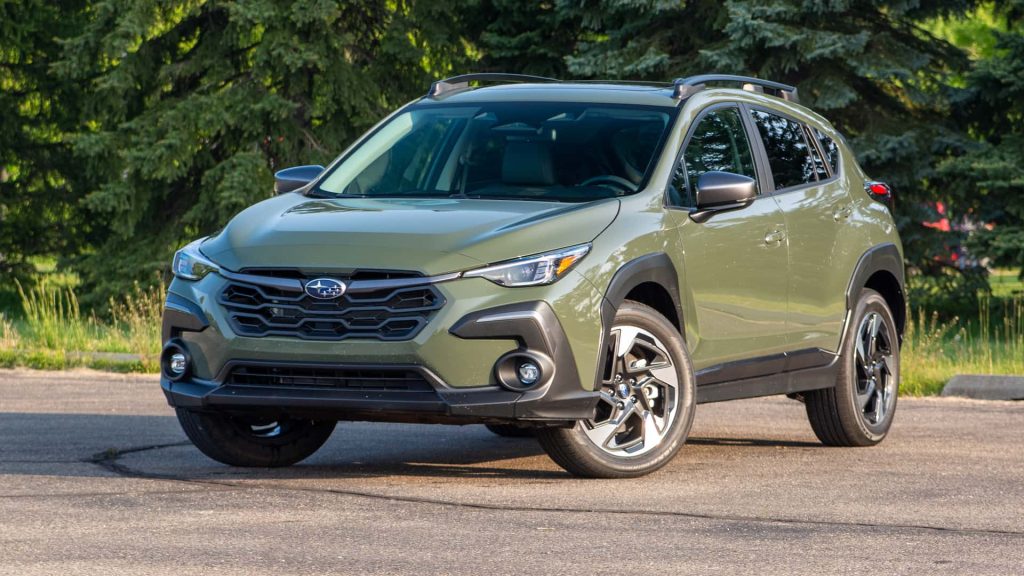
Safety and convenience features, including EyeSight driver-assist technology, adaptive cruise control, and collision mitigation, further support practical usability. These elements make the Crosstrek a dependable choice for daily commuting, errands, and weekend adventures.
Subaru’s emphasis on versatility, comfort, and capability ensures that the Crosstrek offers SUV-like practicality while remaining compact enough for easy maneuvering.
Its combination of elevated driving position, flexible cargo space, and adaptable interior makes it an ideal option for buyers seeking a practical yet manageable compact vehicle.
5. Kia Seltos (2021–2025)
The Kia Seltos is a compact crossover that successfully merges a small footprint with SUV-level practicality. Its interior is designed to maximize passenger comfort and cargo utility, making it suitable for urban driving and weekend getaways alike.
The rear seats fold flat to expand the cargo area, creating a spacious platform for larger items while retaining seating flexibility.
Passenger space is well-considered, offering ample headroom and legroom for all occupants. Elevated seating provides better visibility, which enhances driving confidence and safety. The Seltos also includes a wide array of storage compartments, cup holders, and door pockets, helping keep daily items organized and accessible.
The Seltos performs well on a variety of road surfaces due to its higher ground clearance, available all-wheel drive, and stable chassis. Maneuverability remains excellent for a compact vehicle, making it easy to park and navigate city streets without compromising cargo and passenger capacity.
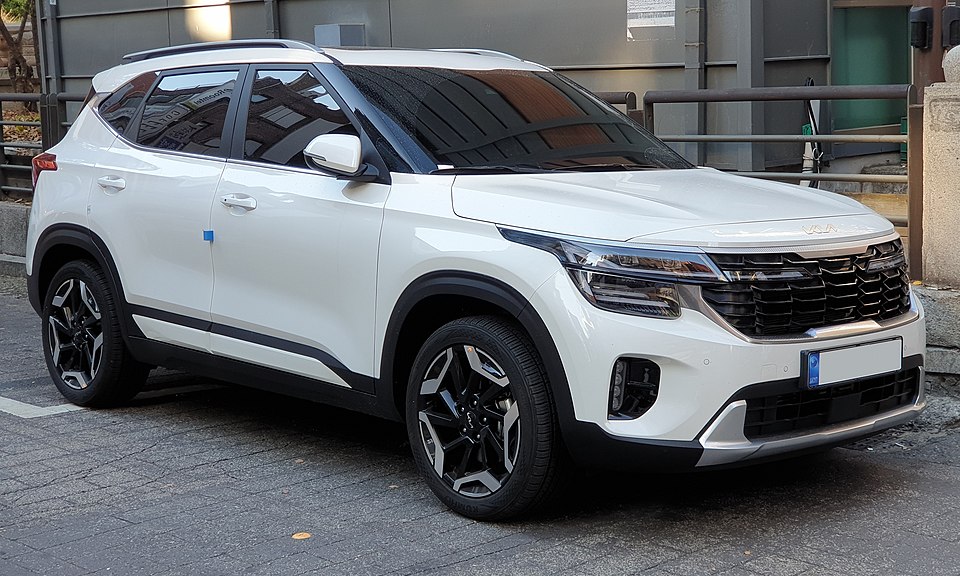
Practicality is further enhanced by fuel-efficient powertrains, modern infotainment, and safety features such as lane departure warning, forward collision warning, and blind-spot monitoring.
The combination of technology, space, and usability ensures that drivers can carry passengers, groceries, or recreational gear comfortably and efficiently.
Overall, the Kia Seltos demonstrates that compact vehicles can deliver SUV-like versatility. Its flexible interior, elevated driving position, and thoughtful design make it an excellent choice for drivers seeking practical, functional, and manageable transportation without moving into a larger SUV category.
5 Compact Cars That Don’t Offer SUV Practicality
Not all compact cars succeed in delivering SUV-level practicality. While some manage to combine small size with versatile interiors and elevated usability, others fall short, leaving drivers with limited cargo space, cramped interiors, or low seating positions.
For buyers seeking the convenience and adaptability of an SUV in a compact package, these shortcomings can be frustrating.
Vehicles that fail to offer practical usability often struggle with inflexible interiors. Limited legroom, insufficient headroom, and non-folding rear seats reduce the ability to carry multiple passengers or larger items.
Cargo areas may be shallow, irregularly shaped, or difficult to access, making everyday tasks like grocery shopping or transporting recreational gear less convenient.
Lower seating positions can also limit visibility, which reduces driver confidence in traffic or during parking maneuvers. Additionally, some models prioritize styling, performance, or affordability over interior flexibility, resulting in compromises that hinder their utility for families or active lifestyles.
This section highlights five compact cars that, despite their size and urban-friendly dimensions, fail to provide SUV-like practicality. Each model is analyzed based on interior flexibility, cargo capacity, passenger comfort, and overall usability.
By examining these vehicles, readers can better understand where compromises in design or layout make compact cars less functional for those seeking versatility.
Recognizing the limitations of these models helps prospective buyers avoid vehicles that may not meet their practical needs.
For drivers prioritizing cargo space, flexible interiors, and elevated seating positions, understanding which compact cars underdeliver ensures more informed decisions.
This comparison emphasizes that small size alone does not guarantee practicality, and careful evaluation is necessary to select vehicles that genuinely support daily and recreational demands.
1. Mini Cooper Hardtop (2020–2025)
The Mini Cooper Hardtop, while stylish and fun to drive, offers limited SUV practicality. Its compact dimensions make city driving and parking easy, but the interior layout compromises usability. Rear seats are tight, providing minimal legroom for passengers, and the low roofline reduces headroom, particularly in the back.
Cargo space is very limited. The small trunk can handle only a few shopping bags or a small suitcase, and folding the rear seats offers only modest additional room.
The hatchback design, while convenient for accessing the cargo area, does not compensate for the overall lack of storage capacity. Longer trips or transporting bulky items often require creative packing or additional cargo solutions.
Practical usability is further restricted by the vehicle’s low seating position. Visibility can be challenging in traffic, especially for shorter drivers, reducing driver confidence in crowded urban environments. Interior storage is also minimal, with few compartments or cup holders for daily convenience.
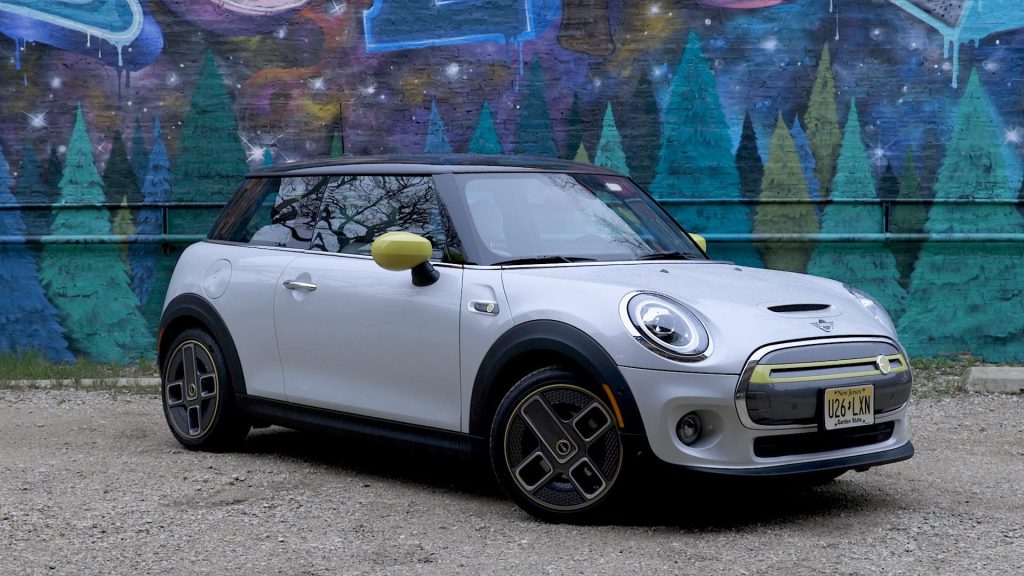
Despite its premium styling, performance, and driving enjoyment, the Mini Cooper Hardtop demonstrates that design and fun factor often come at the expense of functionality. Buyers who need SUV-like versatility may find this vehicle insufficient for family use, cargo transport, or extended travel.
The Mini Cooper Hardtop exemplifies how compact cars that prioritize style and driving dynamics can compromise practicality.
For drivers seeking space, flexible seating, and cargo capacity comparable to small SUVs, this model falls short, highlighting the importance of evaluating usability alongside aesthetics and performance.
2. Fiat 500 (2019–2022)
The Fiat 500 is an iconic compact car known for its retro styling and city-friendly footprint, but it provides very limited SUV practicality. Its small dimensions make it extremely easy to park and maneuver in urban areas, yet interior space is minimal for passengers and cargo alike.
Rear seating is cramped, with limited legroom and headroom, making it uncomfortable for adult passengers on longer trips.
The low seating position further reduces visibility and can create a feeling of confinement in traffic or while parking. Interior storage is sparse, with small door pockets and a limited glovebox, offering little flexibility for organizing daily essentials.
Cargo space is extremely restricted. The trunk is shallow and narrow, capable of handling only a few grocery bags or a small suitcase. Folding the rear seats provides some additional room, but the increase is minimal, and the space remains insufficient for larger or bulkier items.
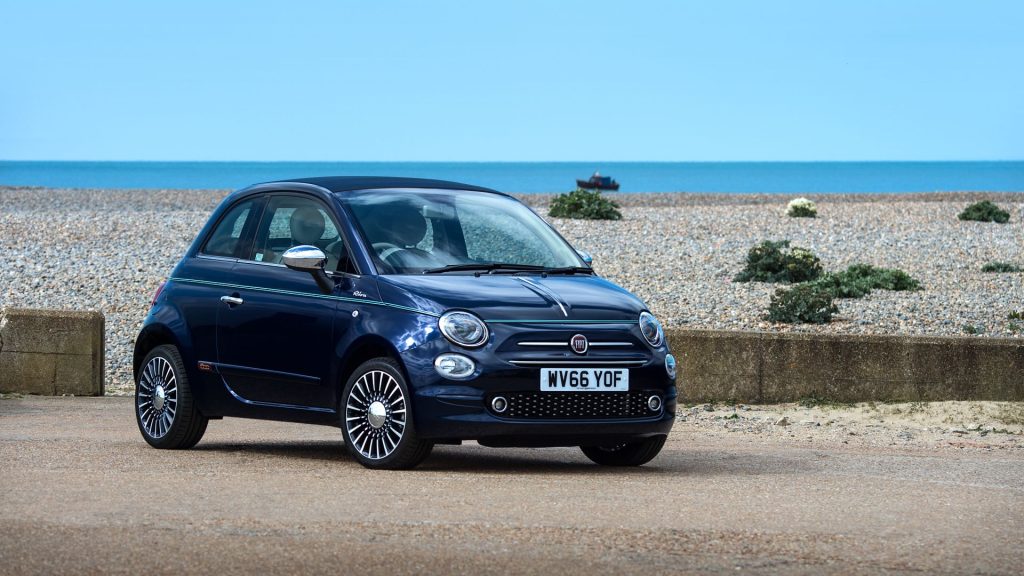
Weekend trips, family errands, or transporting recreational gear often require additional solutions such as roof boxes or external storage.
The Fiat 500 prioritizes style, affordability, and compact city driving over practical usability. While it is efficient and maneuverable, it fails to deliver the space, flexibility, or interior adaptability that drivers might expect from vehicles offering SUV-like convenience.
This car highlights the trade-offs inherent in ultra-compact designs. Drivers seeking practicality, cargo versatility, and comfortable rear seating in a small package will find the Fiat 500 lacking, demonstrating that compact size alone does not ensure SUV-level usability.
3. Smart Fortwo (2020–2022)
The Smart Fortwo is an ultra-compact city car designed primarily for maneuverability and parking convenience, but it offers almost no SUV-level practicality. Its extremely small footprint is ideal for crowded urban environments, yet interior space is extremely limited, making it unsuitable for families or carrying larger cargo.
Passenger accommodations are minimal. The Fortwo seats only two occupants, and legroom and headroom are tight even in the front row.
The low seating position reduces visibility, and the compact cabin can feel confined on longer drives. There is no rear seating to expand passenger capacity, which greatly limits versatility.
Cargo capacity is among the smallest in the compact car segment. The trunk offers space for only a couple of small bags, and there is no folding seat option to increase usable storage. Daily tasks like grocery shopping or transporting gear are difficult without relying on external storage solutions such as roof-mounted carriers.
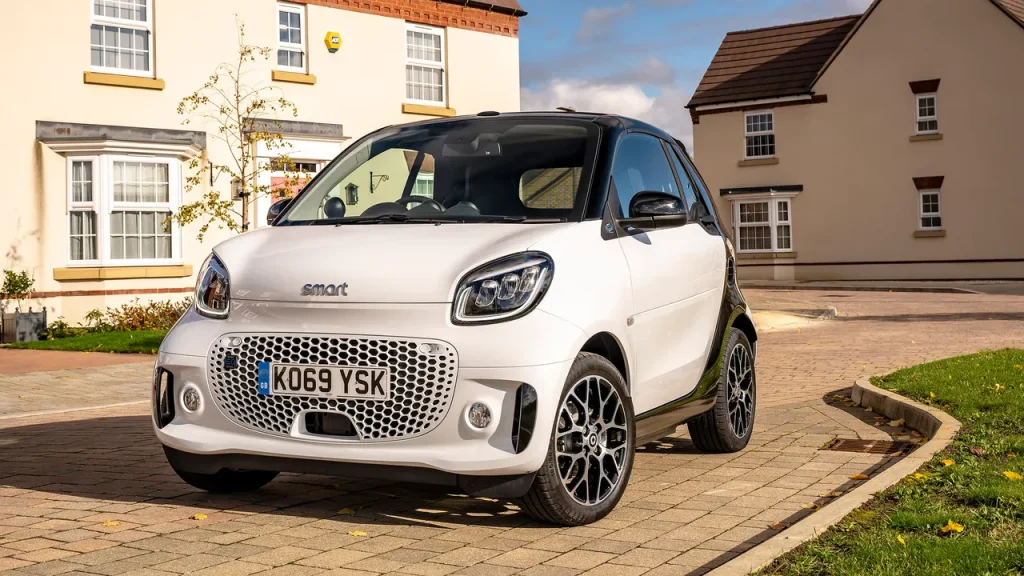
Despite its efficiency, fuel economy, and agility, the Smart Fortwo fails to provide any of the practical attributes associated with small SUVs. It sacrifices flexibility and functionality entirely for city convenience and ease of parking.
The Fortwo demonstrates that a vehicle’s compact size and maneuverability do not guarantee usability. For buyers seeking space, cargo capacity, or the elevated versatility of an SUV in a small package, this model falls dramatically short.
Its limitations highlight the trade-offs of prioritizing ultra-compact design over real-world practicality.
4. Toyota Yaris Hatchback (2020–2023)
The Toyota Yaris Hatchback is a subcompact car that offers efficiency and affordability but struggles to deliver SUV-like practicality. Its small interior limits passenger comfort, particularly in the rear seats, which are tight for adults. Headroom and legroom constraints reduce usability for taller passengers and can make longer trips uncomfortable.
Cargo space is restricted. The trunk holds only small luggage or groceries, and folding the rear seats provides limited additional room. Its low cargo floor and compact hatch opening make loading larger items challenging.
The Yaris prioritizes a small footprint and low weight over interior versatility, meaning that users cannot rely on it for tasks commonly handled by compact SUVs.
The low seating position further reduces visibility compared with elevated SUV-style seating, making it less convenient for driving in dense traffic or maneuvering through parking lots. Interior storage options are minimal, limiting day-to-day usability for items like water bottles, electronics, or small bags.
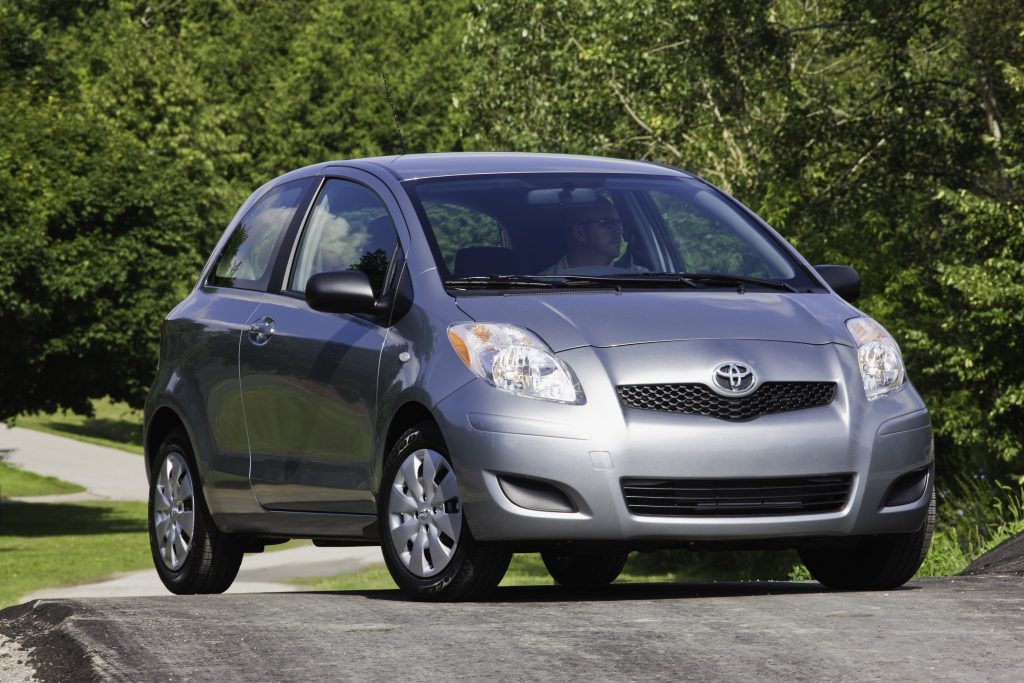
While the Yaris excels in reliability, fuel economy, and urban maneuverability, it lacks the flexibility and cargo adaptability needed to serve as a practical SUV alternative. Drivers seeking real-world versatility, passenger comfort, and storage capacity will find the Yaris inadequate for their needs.
The Yaris Hatchback highlights how subcompact vehicles often sacrifice usability for efficiency and affordability. It is ideal for commuting but fails to provide the space and flexibility expected of compact cars aspiring to deliver SUV practicality.
5. Hyundai Accent Hatchback (2020–2023)
The Hyundai Accent Hatchback is a budget-friendly compact car that offers efficient urban driving but provides very limited SUV practicality.
Interior space is modest, particularly in the rear seats, which are cramped for adults and restrict passenger comfort. Headroom is limited, and the low seating position reduces visibility compared with compact crossovers.
Cargo capacity is small. The trunk accommodates only a few grocery bags or small luggage, and folding the rear seats offers minimal additional space.
The hatchback layout does not compensate for its lack of flexibility, making it unsuitable for carrying larger or bulkier items. This limits usability for families or drivers with active lifestyles who require versatile storage.
Daily practicality is further constrained by minimal interior storage options and a compact cabin layout. Cup holders, door pockets, and compartments are limited, reducing convenience for organizing smaller personal items.
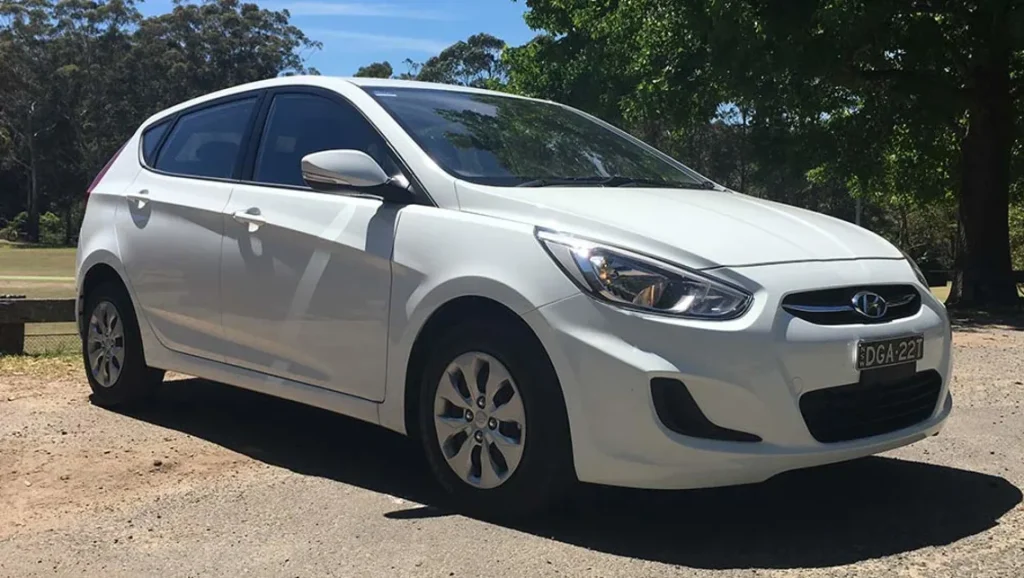
While the Accent is reliable and fuel-efficient, its usability for everyday tasks requiring flexibility is restricted. The Hyundai Accent Hatchback demonstrates that affordability and efficiency do not always equate to practical versatility.
Drivers seeking SUV-like functionality such as elevated seating, flexible cargo space, and rear passenger comfort will find the Accent lacking.
Its small size and limited interior adaptability highlight the trade-offs inherent in budget-oriented compact cars, reinforcing the importance of evaluating practicality alongside economy and design.
Compact cars have evolved to provide a balance of efficiency, maneuverability, and, in some cases, SUV-like practicality.
Certain models manage to combine a small footprint with versatile interiors, elevated seating, and flexible cargo solutions, making them suitable for both urban driving and weekend trips.
Vehicles such as the Honda HR-V, Mazda CX-30, Toyota C-HR, Subaru Crosstrek, and Kia Seltos exemplify this combination. These cars offer adaptable rear seating, fold-flat cargo areas, and elevated driving positions that enhance visibility and usability.
Thoughtful interior design, efficient layouts, and supportive passenger accommodations allow drivers to transport passengers and cargo comfortably without moving into a larger SUV category. Fuel efficiency, manageable size, and driver-friendly features further increase their practicality for daily use.
In contrast, some compact cars prioritize style, affordability, or performance over versatility, resulting in limited SUV-like functionality.
Models like the Mini Cooper Hardtop, Fiat 500, Smart Fortwo, Toyota Yaris Hatchback, and Hyundai Accent Hatchback struggle with cramped interiors, minimal cargo space, and low seating positions.
These limitations reduce comfort, usability, and flexibility for passengers and cargo, making them less suitable for drivers seeking practical, multi-purpose vehicles.
While these cars excel in maneuverability and efficiency, they fail to provide the adaptable space and elevated usability associated with compact SUVs.
Understanding the differences between these groups helps buyers make informed decisions. For those seeking genuine versatility and real-world functionality, models offering SUV practicality provide comfort, storage, and usability without sacrificing drivability.
Conversely, compact cars that fall short in practicality highlight the trade-offs inherent in smaller, budget-friendly, or style-focused designs.
Evaluating passenger comfort, cargo capacity, interior flexibility, and elevated seating ensures buyers select a compact car that meets both their daily and occasional needs, avoiding compromises that may impact convenience and usability.
Also Read: 5 EVs With Great Range in Winter vs 5 That Fail Miserably
