
Imagine climbing into your pickup at dawn for a long drive across the country. Within the first hour, your back starts to ache, your shoulders tense up, and the sound of wind and tires begins to feel like torture. You glance at the odometer, realize you still have hundreds of kilometres to cover, and start plotting out rest stops for painkillers and caffeine just to make it through the day.
Now, picture the reverse situation. You’re gliding down open roads, barely aware of the hours passing. The cabin stays quiet, the seat supports your back perfectly, and the suspension smooths out every rough patch of pavement.
When you reach your destination, you step out relaxed and ready to work. That’s what happens when a truck is designed by people who understand how exhausting long-distance driving can be.
True long-haul comfort distinguishes serious work trucks from cheap imitations built for looks alone. Some manufacturers recognize that their customers spend entire days behind the wheel and engineer cabins that reduce fatigue and protect the driver’s body. Others focus on style over function, creating vehicles that punish rather than support anyone who drives them too far.
Poor seat design, inadequate insulation, and stiff suspension setups can turn a strong-looking truck into a painful endurance test. After several hours, discomfort becomes a distraction, and productivity drops.
Comfort in a work truck isn’t about luxury; it’s about endurance. A supportive seat, effective suspension, and quiet, well-organized cabin allow drivers to stay sharp and comfortable on long routes. These features determine whether a truck becomes a dependable partner or a daily ordeal.
So, which models keep drivers refreshed at the end of a journey, and which leave them sore and drained? Here are ten trucks that reveal both sides of that reality.
Trucks are Great for Long Drives
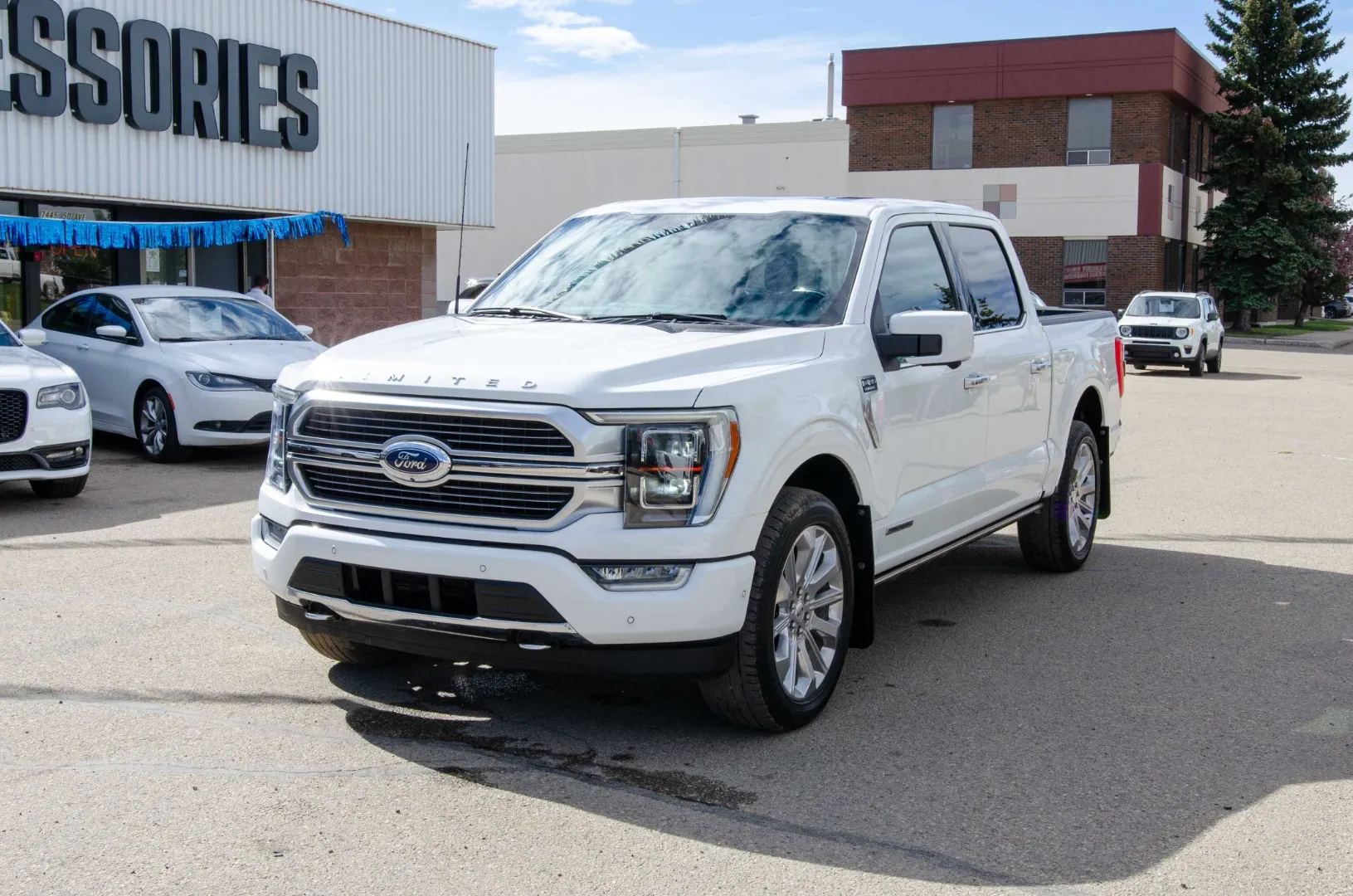
1. Ford F-150 Limited 2022-2024
Luxury car comfort wrapped in a work truck body defines what Ford achieved with the F-150 Limited. Those massaging seats aren’t gimmicks; they actually reduce fatigue during marathon driving sessions by keeping blood flowing and muscles from cramping.
Real leather that feels premium rather than plasticky wraps surfaces your body contacts regularly, making the cabin pleasant rather than cheap. When manufacturers actually invest in quality materials and thoughtful design, long drives become tolerable instead of torturous.
Sound insulation in this F-150 reaches levels that shame luxury sedans costing twice as much. Highway cruising happens in near silence, with wind and road noise kept outside where they belong.
Conversations happen at normal volumes rather than shouting matches, and phone calls work without asking people to repeat themselves constantly. This quietness reduces mental fatigue enormously because your brain isn’t processing constant noise for hours. When cabins stay quiet, drivers arrive fresher and less stressed.
Suspension tuning strikes a perfect balance between capability and comfort. That setup soaks up highway imperfections smoothly while still handling payload and towing duties without wallowing. Expansion joints that jar your spine in lesser trucks get absorbed without drama. Potholes that would make you spill coffee barely register.
This compliance creates relaxed driving experiences where the road’s condition doesn’t dictate your comfort level. When suspension engineering prioritizes occupants rather than just capability numbers, long drives become pleasant.
Adaptive cruise control and lane-keeping assistance reduce driving workload during highway slogs. These systems handle boring parts of highway driving competently, letting drivers relax rather than maintaining constant vigilance.
Yes, you still monitor what’s happening, but the mental load decreases dramatically when systems handle throttle and steering inputs. This reduced workload means arriving less exhausted even after full-day drives. When technology actually helps rather than annoys, it justifies its existence.
Seating position adjustability accommodates different body types properly. Drivers can find comfortable positions regardless of whether they’re tall, short, heavy, or slim. Lumbar support adjusts through wide ranges, finding sweet spots that support rather than creating pressure points.
When seats fit bodies properly, circulation stays good, and pain doesn’t develop. This attention to ergonomics shows Ford understands people actually use these trucks for work involving long drives.
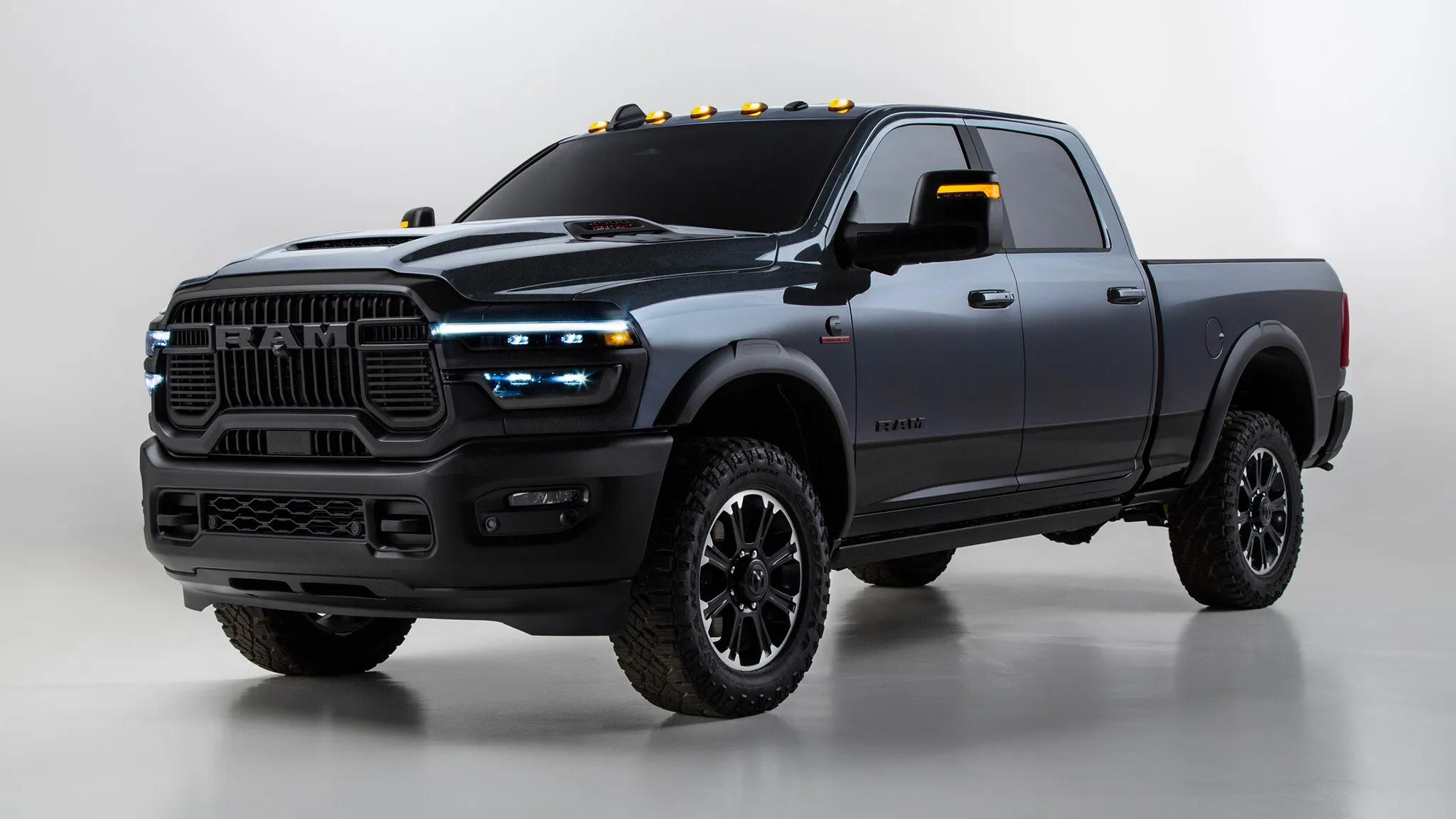
2. Ram 2500 Laramie 2021-2024
The Ram 2500 Laramie redefines what a heavy-duty truck can feel like inside, turning long hours behind the wheel into a genuinely comfortable experience. Its Uconnect infotainment system operates quickly and logically, removing the frustration that often comes from sluggish or confusing technology.
The premium sound setup transforms listening sessions, producing clear, rich tones that make music and podcasts enjoyable instead of hollow background noise. When every surface looks and feels upscale, time on the road becomes less tiring and far more enjoyable.
Ram’s unique rear coil spring suspension separates it from rivals that still rely on leaf springs. This design smooths out bumps and road imperfections with surprising grace, preventing the jolting ride common in unloaded work trucks.
When carrying cargo, the suspension maintains composure and balance rather than collapsing or bouncing harshly. The result is a ride that remains stable and composed even during long stretches of highway driving.
Inside, seating quality stands above what most expect in a heavy-duty model. The front seats provide lasting support without creating soreness, and the cushioning remains comfortable throughout full workdays. With multiple adjustment options, occupants of all sizes can find positions that reduce fatigue and improve comfort, turning tough jobs into manageable drives.
Storage design inside the Laramie demonstrates a clear understanding of how owners actually use their trucks. The large center console easily accommodates laptops, gear, and daily essentials without clutter, while ample small-item compartments keep things neatly organized.
Modern diesel refinement completes the experience. The 6.7-litre Cummins engine operates smoothly, with reduced vibration and minimal clatter. Combined with strong cabin insulation, it produces a calm and quiet driving environment. This level of polish proves that diesel power no longer means sacrificing comfort for capability, making the Ram 2500 Laramie a standout for long-haul practicality.
Also Read: 5 Trucks From the 80s That Outlast Modern Ones vs 5 That Don’t
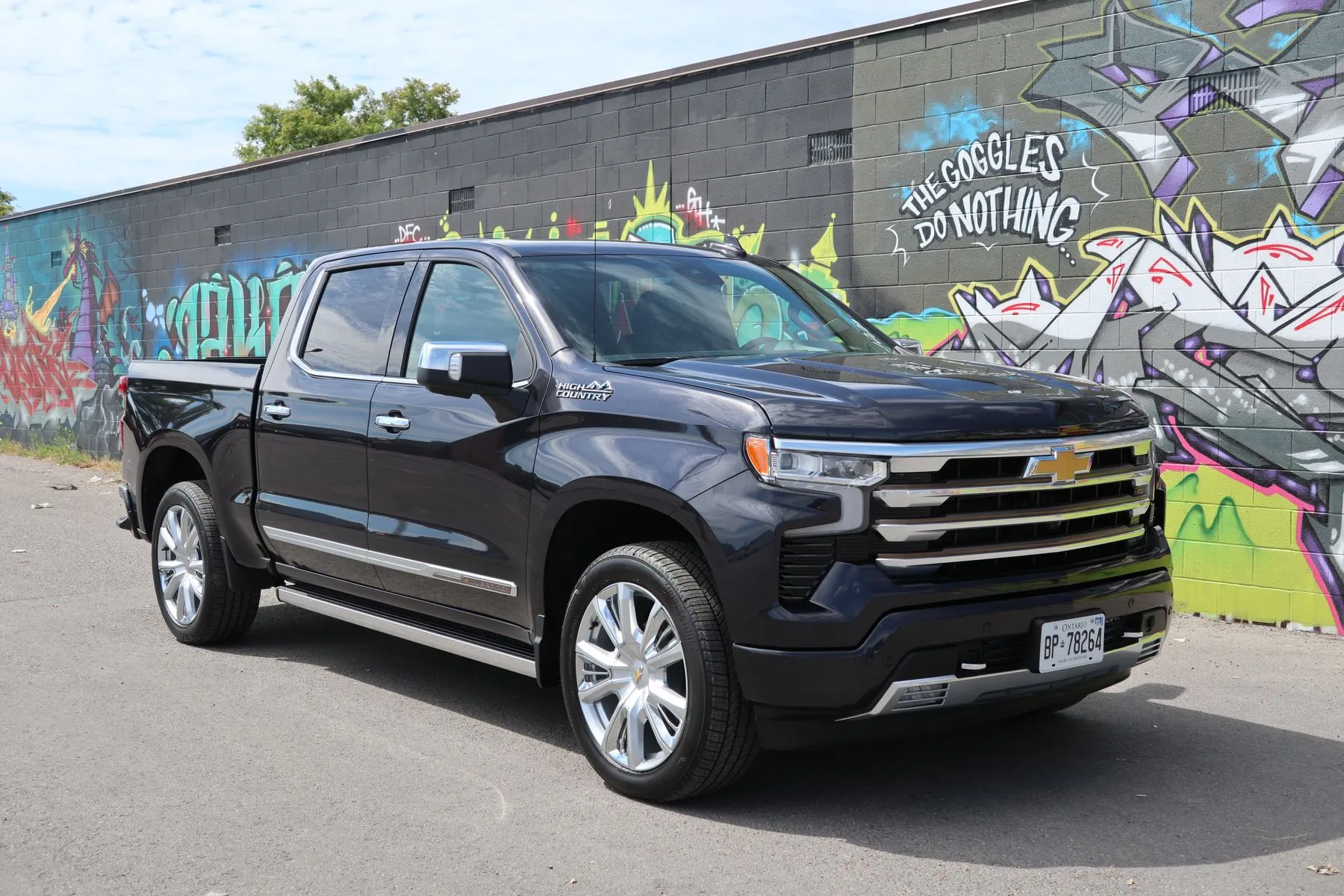
3. Chevrolet Silverado 1500 High Country 2022-2024
Premium trim levels in the Silverado 1500 deliver comfort that makes long trips feel shorter than they are. That cabin design prioritizes driver and passenger well-being with thoughtful touches throughout.
Soft materials cover surfaces, hands, and arms contact regularly, preventing the cheap feeling that develops in lesser trims. When interiors feel genuinely nice, time passes more pleasantly because you’re not constantly reminded you’re sitting in something that cost-cutters designed.
Multi-flex tailgate provides functionality that improves truck usability dramatically. That ability to configure the tailgate in various positions makes loading and unloading easier, reducing physical strain during stops.
When reaching cargo becomes easier, the entire trip feels less exhausting because you’re not wrestling with tailgates and cargo constantly. Smart features that reduce physical effort matter enormously during long working days involving extensive driving.
Magnetic Ride Control suspension adapts to road conditions instantly, providing comfort when possible and control when needed. This system reads road conditions constantly, adjusting damping to optimize ride quality.
Smooth highways get comfortable suspension settings, while rough roads get firmer control, preventing harshness. This adaptability creates consistently pleasant rides regardless of pavement quality. When suspension responds intelligently to conditions, comfort stays high throughout varying road situations.
Technology integration works smoothly without the frustrating glitches that plague some competitors. Apple CarPlay and Android Auto connect reliably, navigation provides accurate guidance, and voice controls actually understand commands.
When technology functions properly, it reduces frustration rather than creating it. This reliability makes long drives less stressful because you’re not fighting malfunctioning systems while trying to concentrate on driving.
Climate control systems maintain comfortable cabin temperatures efficiently without excessive noise. That ability to stay comfortable regardless of outside conditions reduces fatigue by preventing the constant adjustments needed in lesser trucks.
Set your temperature and forget it, letting systems handle the work. This consistency matters during all-day drives where temperature swings would otherwise require constant attention. When climate systems just work, one less thing demands your attention.
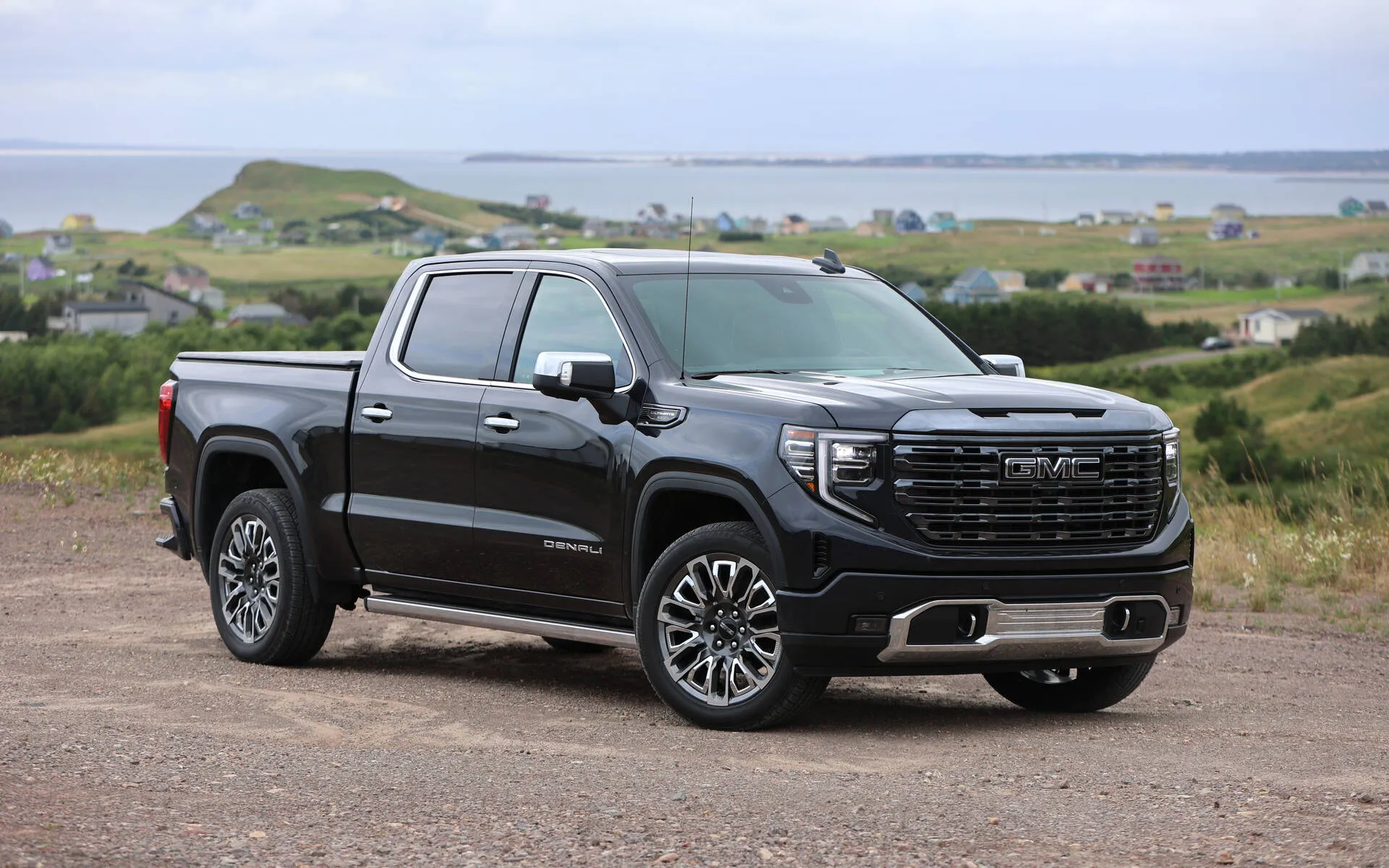
4. GMC Sierra 1500 Denali 2023-2024
The Denali nameplate represents authentic refinement, not just decorative trim and marketing language. Its CarbonPro bed construction blends toughness with reduced weight, improving efficiency while maintaining full utility.
Inside, the cabin showcases premium craftsmanship, with upscale materials that create a setting closer to a high-end SUV than a typical pickup. This careful attention to detail ensures that the higher price feels warranted, especially for those spending long hours behind the wheel.
A standout feature is the heads-up display, which projects essential driving information directly onto the windshield. This innovation helps drivers maintain focus on the road rather than glancing down repeatedly at the gauges.
Over long stretches of highway travel, this thoughtful design minimizes eye strain and mental fatigue, making extended driving both safer and more comfortable. When technology enhances concentration rather than distraction, it becomes a meaningful upgrade rather than a novelty.
Sound isolation in Denali models is exceptional, creating a cabin experience that rivals many full-size luxury sedans. Road and wind noise are almost completely muted, allowing effortless conversation and crystal-clear audio playback. The reduction in ambient noise drastically cuts fatigue during lengthy trips, leaving drivers and passengers refreshed instead of drained by constant auditory stress.
Adaptive suspension tuning allows effortless adjustment for different driving conditions. Softened settings ensure highway comfort, while firmer calibrations maintain stability during towing or rough roads. This adaptability eliminates compromise, giving one truck the flexibility to handle multiple roles seamlessly.
Complementing this refinement is an impressive sound system engineered for clarity and depth. Music reproduction feels immersive, while spoken content comes through with sharp precision.
Such immersive audio transforms ordinary commutes and road trips alike, ensuring that every journey feels engaging, relaxing, and genuinely enjoyable, proving that Denali models deliver luxury with substance, not just appearance.
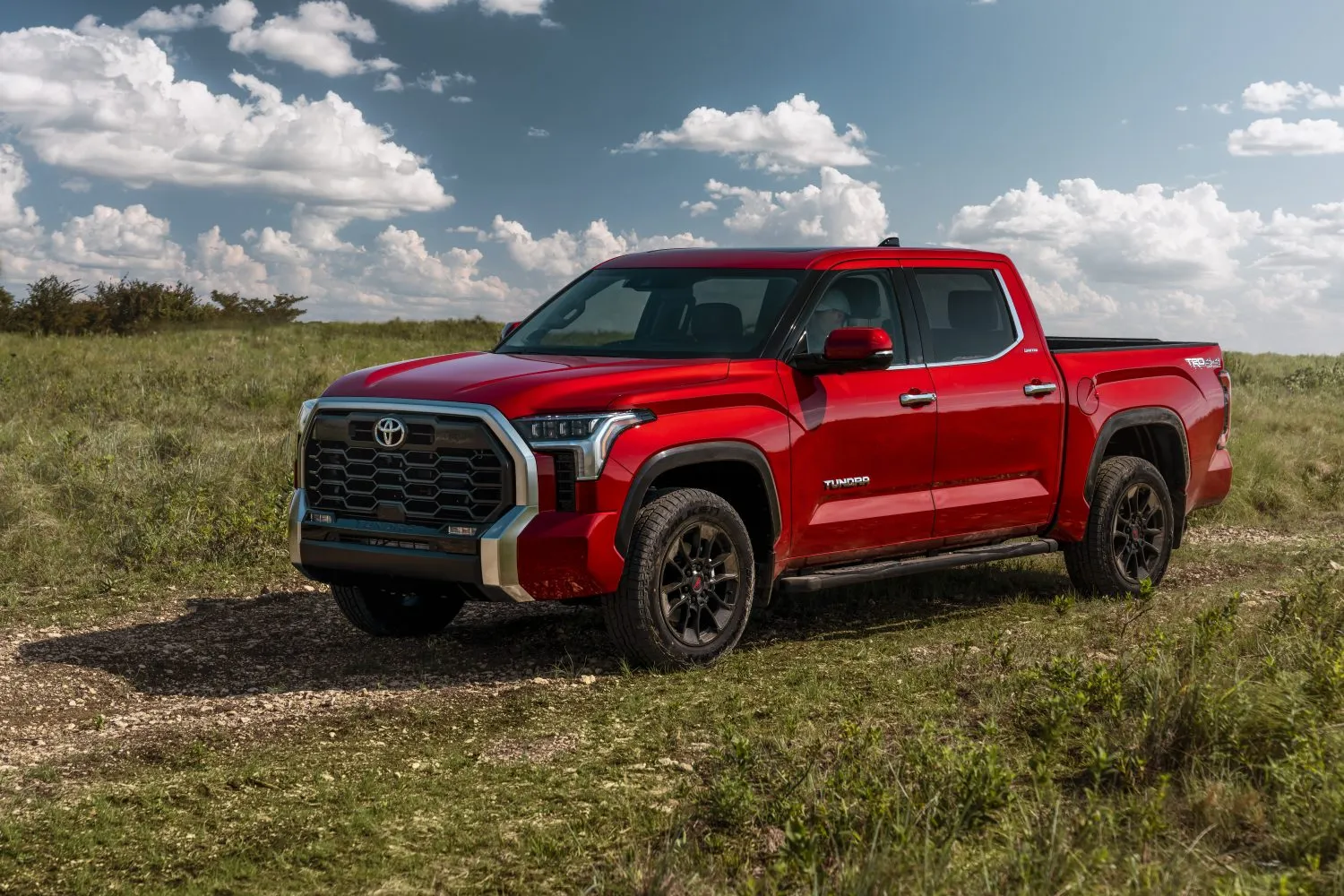
5. Toyota Tundra Limited 2022-2024
Reliability reputation makes Tundra ownership stress-free, eliminating worries about breakdowns during long trips. That peace of mind matters enormously when covering serious distances, knowing your truck won’t leave you stranded.
When vehicles prove dependable through years of use, confidence builds that lets you focus on driving rather than listening for warning sounds. This psychological comfort reduces stress during long drives because you trust your truck.
The hybrid powertrain in modern Tundras delivers fuel economy that reduces range anxiety and fuel stop frequency. Better mileage means covering more distance between fillups, making trip planning easier and reducing interruptions.
When trucks go farther on each tank, long drives become simpler because you’re not constantly calculating range and planning fuel stops. This efficiency advantage translates directly into reduced stress during marathon driving sessions.
Seating comfort improved dramatically in recent Tundra generations. Those front seats provide proper support without creating pressure points during extended sitting. Materials feel quality rather than cheap, and adjustability accommodates different body types.
When seats stay comfortable after six hours, trucks become viable for the long-distance work many buyers actually do. This basic ergonomics done properly matters more than fancy features that don’t address fundamental comfort needs.
Technology features work reliably without the glitches plaguing some competitors. Systems respond quickly, connections stay stable, and features function as advertised. This reliability means technology helps rather than frustrates, reducing stress during drives.
When you trust that systems will work properly, you use them confidently rather than avoiding them because of past bad experiences. Reliable technology enhances ownership rather than complicating it.
Build quality shows Toyota’s attention to longevity with solid construction that resists squeaks and rattles. Interiors stay tight and pleasant through years of use rather than developing the annoying noises that plague cheaper trucks.
This quality maintains pleasant cabin environments that don’t drive occupants crazy with constant rattling. When trucks feel solid year after year, pride of ownership stays high, and drives remain pleasant regardless of vehicle age.
Trucks That Wear You Out
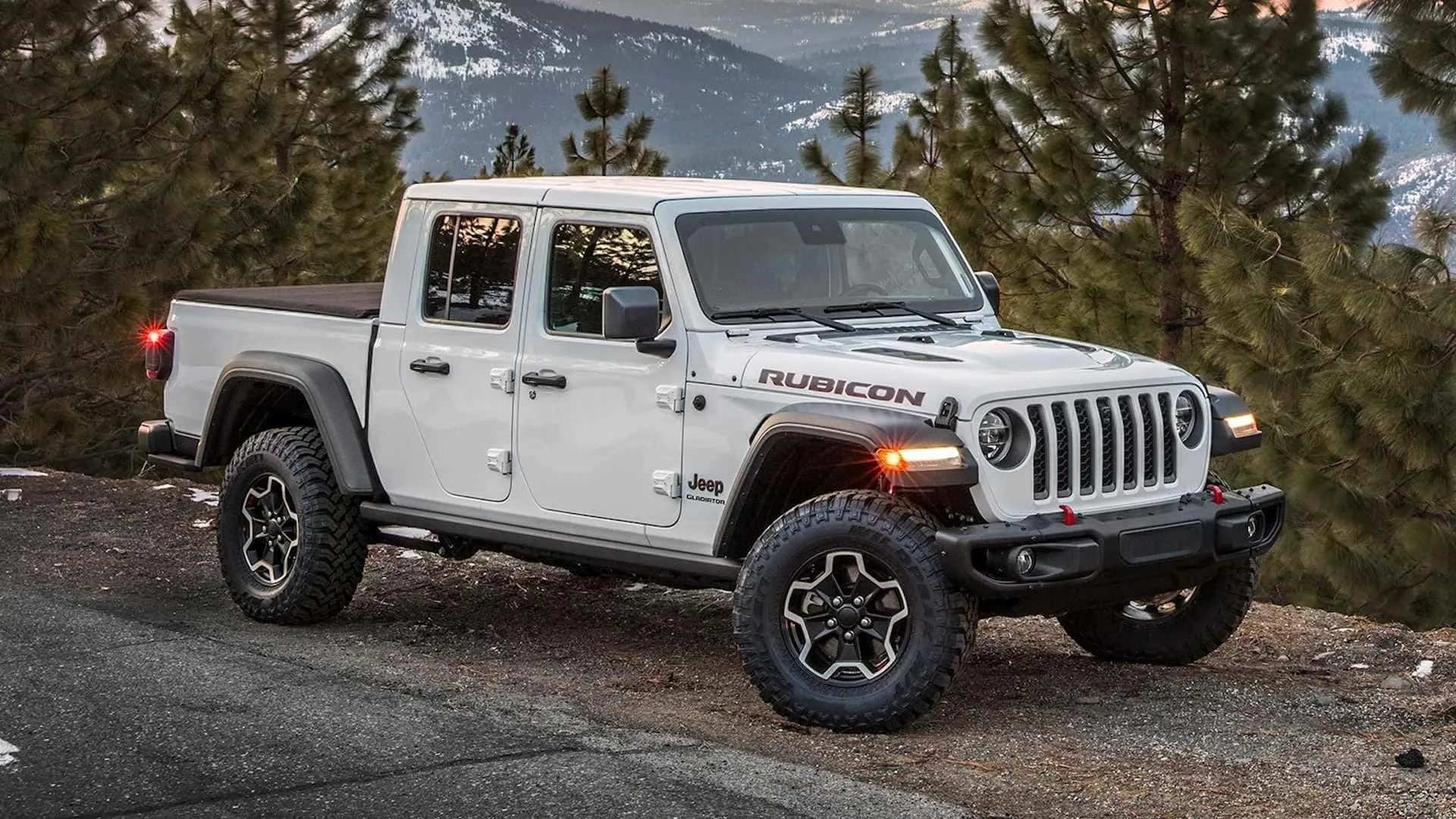
1. Jeep Gladiator 2020-2024
The solid axle setup at both ends gives this truck exceptional durability, but a punishing ride on highways. Every bump, ripple, or crack on the road sends sharp feedback through the chassis, leaving occupants jolted and fatigued.
Potholes strike with alarming force, and uneven surfaces keep the cabin vibrating nonstop. Over long distances, this stiffness wears on drivers, turning otherwise simple journeys into physically demanding experiences. Trucks built mainly for rugged roads often compromise ride comfort, and this one proves that balance is difficult to achieve.
Wind noise presents another major drawback. The box-like shape and removable roof panels produce poor aerodynamics, allowing air turbulence to roar through the cabin at high speeds.
Normal conversation becomes a challenge, and entertainment systems struggle to overcome the constant background noise. Even short highway stretches begin to feel tiring as the relentless sound grinds down concentration and patience.
The seating arrangement also leaves much to be desired. While fine for short commutes, these seats lack proper lumbar support and ergonomic shaping for extended travel.
Cushion firmness feels inconsistent, creating pressure points that become painful as time goes on. Limited seat adjustments make it difficult for drivers and passengers to find truly comfortable positions, forcing them to endure stiffness during longer drives.
Fuel economy fails to impress, thanks to the vehicle’s weight and poor aerodynamics. The shape increases drag, reducing efficiency both in the city and on highways. Frequent fuel stops become part of every long trip, disrupting travel flow and adding frustration.
A short wheelbase compounds these issues by making the truck feel twitchy at speed. Crosswinds cause noticeable sway, and constant steering corrections are required to keep it centered. Maintaining straight-line stability demands continuous attention, leaving drivers mentally and physically drained after hours on the road.
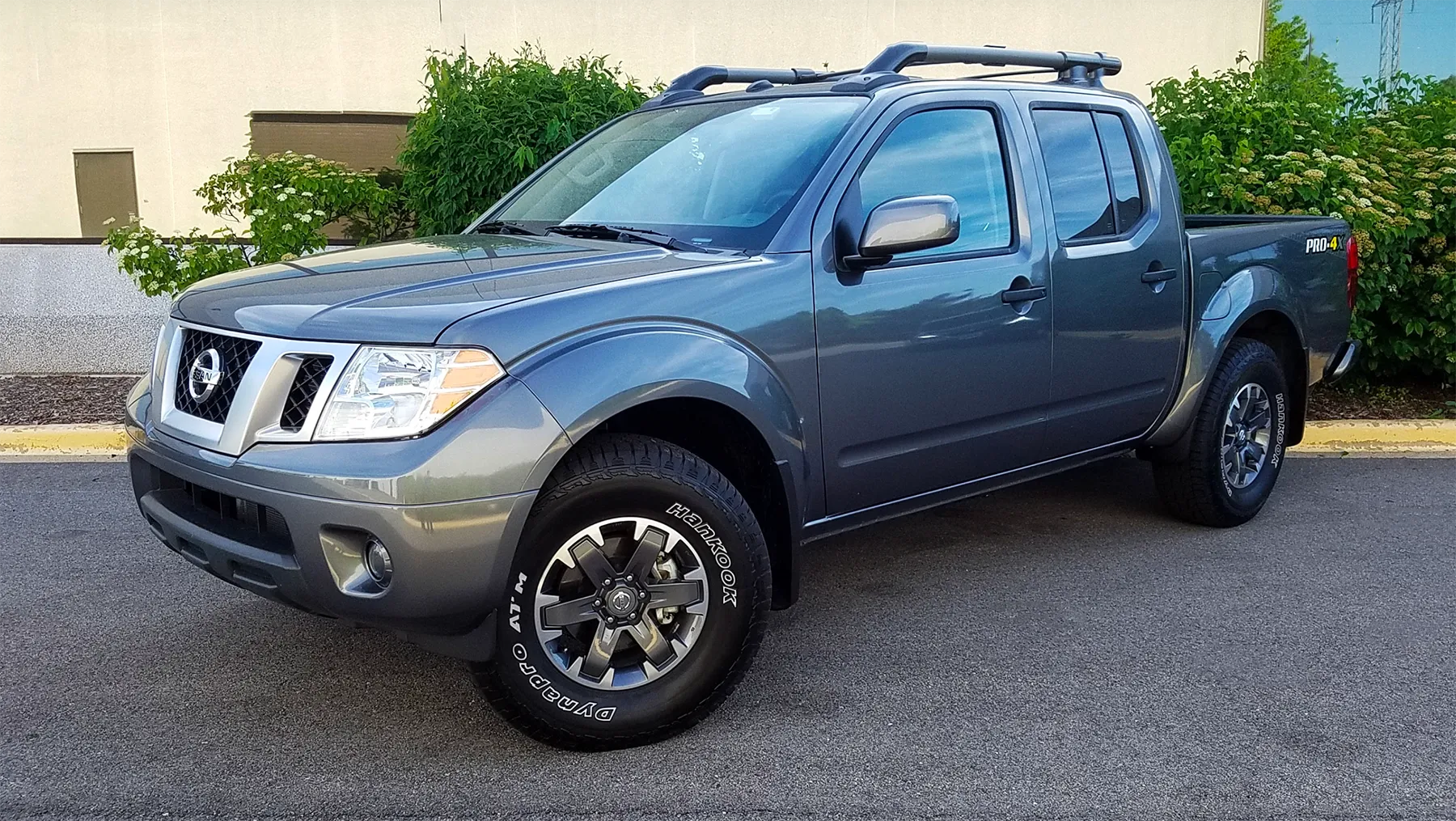
2. Nissan Frontier Pro-4X 2020-2023
Off-road suspension tuning creates a harsh ride quality that punishes highway occupants. That setup, optimized for trail crawling, transmits every pavement imperfection directly into the cabin.
Smooth highways feel tolerable, but any road roughness creates jarring impacts. This harsh ride accumulates into serious fatigue during long drives because your body absorbs constant impacts. When suspension prioritizes capability over comfort, daily driving suffers dramatically.
Cabin noise levels reach ear-ringing proportions during highway speeds. Wind noise, road noise, and tire roar combine into a cacophony that makes long drives exhausting. Conversations require raised voices, and entertainment systems disappear under noise levels.
This constant auditory assault creates mental fatigue that makes drives feel longer than they are. When sound insulation proves inadequate, highway cruising becomes unpleasant endurance rather than relaxing transport.
Seats provide minimal support and uncomfortable cushioning that creates problems during extended sitting. Those seats feel like sitting on dining chairs rather than proper truck seating.
Lack of adjustability means finding comfortable positions proves impossible for many drivers. After two hours, discomfort develops into pain that makes continuing miserable. When seats fail at their basic job of comfortable support, trucks fail as long-distance vehicles.
Power delivery from the V6 engine feels adequate around town but struggles during highway passing and hill climbing. That lack of reserve power creates stress when trying to pass slow traffic or maintain speeds on grades.
Constant downshifting and high revs make the engine sound strained and unhappy. This inadequate power turns highway driving into work rather than relaxed cruising. When trucks lack power for highway conditions, driving becomes more demanding and exhausting.
Technology features feel dated and frustrating compared to competitors. That infotainment system responds slowly, connectivity proves unreliable, and navigation provides questionable guidance.
These technological shortcomings add frustration during long drives when you need systems that actually work. When technology fights you rather than helping, stress levels increase, and driving becomes more exhausting than it should be.
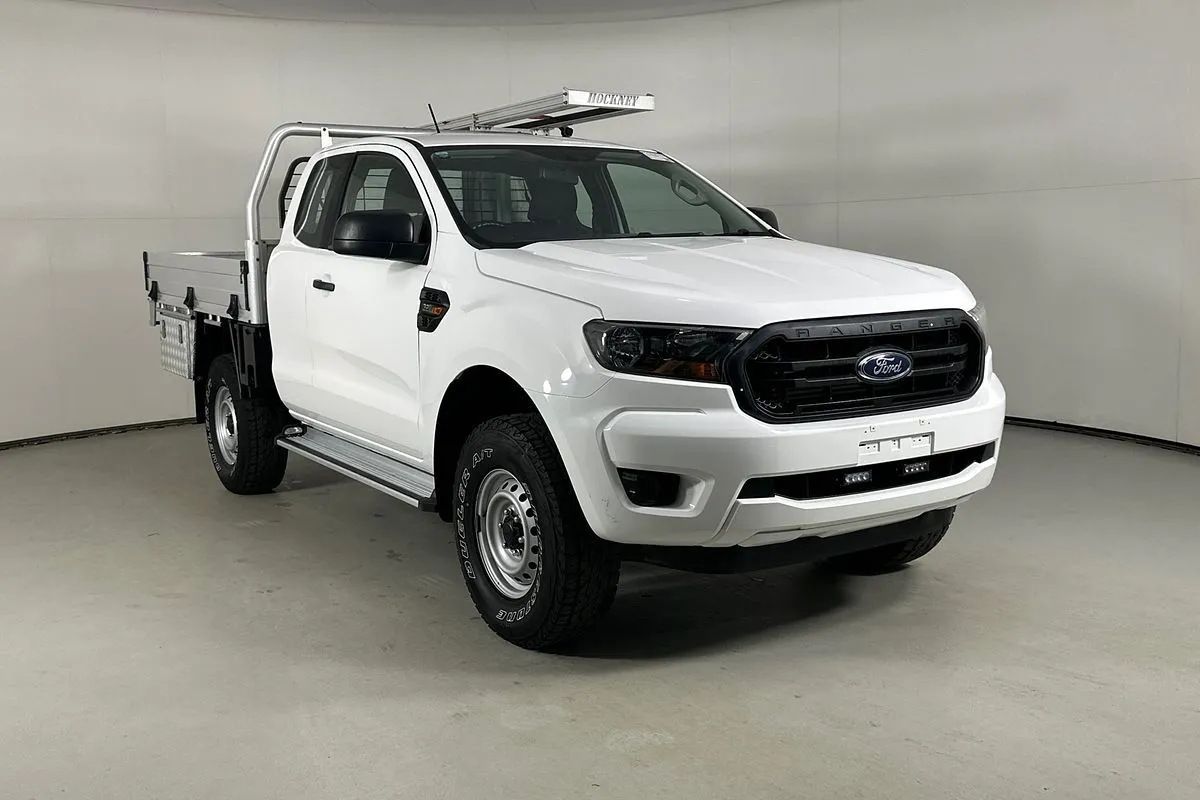
3. Ford Ranger XL 2019-2023
The entry-level trim makes cost-cutting obvious from the moment you step inside. Hard plastics dominate the interior, and most materials look and feel inexpensive. Every surface communicates that this truck was built to meet a low budget rather than to provide comfort or refinement. Spending long hours inside quickly becomes tiresome because the cabin never feels inviting or pleasant.
The narrow interior dimensions worsen the experience. Space is limited across the shoulders, leaving larger passengers squeezed tightly together. During extended trips, this confinement turns uncomfortable, and the inability to move or stretch only amplifies fatigue. Claustrophobia sets in as time passes, blending physical and psychological strain into one exhausting experience.
The seating design reinforces that cost-saving approach. These basic seats provide little adjustability or cushioning, offering almost no lumbar support. After a short time, discomfort begins to build, and after several hours, it turns into genuine pain.
Instead of supporting long-distance travel, these seats turn every journey into a test of endurance. Trucks meant for real work should keep drivers comfortable, not wear them out. For diesel versions, engine refinement remains another weakness.
The characteristic clatter of the motor fills the cabin, and vibrations at idle make every stop irritating. Sound insulation is too thin to mask the noise, so conversations require raised voices, and listening to music becomes difficult. Over long distances, this constant mechanical racket drains energy and concentration.
Ride quality also suffers due to suspension tuning focused on heavy loads. When carrying weight, it performs adequately, but when unloaded, the truck punishes its occupants. Every bump, crack, or expansion joint sends a jolt through the cabin.
Long highway drives become uncomfortable marathons instead of smooth cruises. A truck that rides this harshly when empty loses the balance true versatility requires.
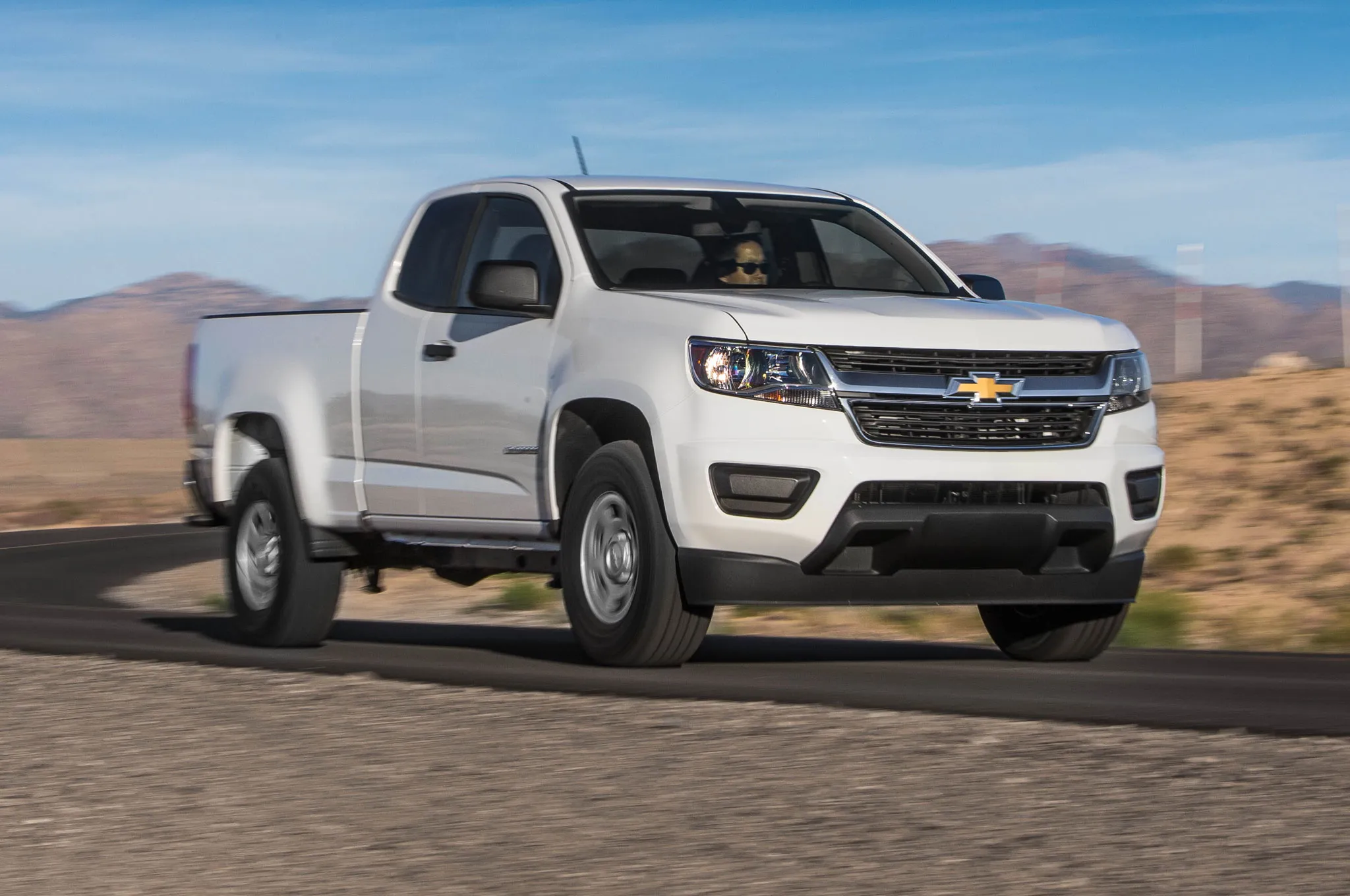
4. Chevrolet Colorado Work Truck 2015-2020
The dated interior design and materials feel old, even when trucks were new. Hard plastics everywhere create a cheap impression that never improves through ownership. Controls feel flimsy, and surfaces look and feel budget-grade.
This cheap environment makes long drives unpleasant because your surroundings constantly disappoint. When cabins feel like they’re from different eras than their model years, satisfaction stays low.
Seats provide terrible support with thin cushioning that compresses into discomfort quickly. Those seats clearly prioritize cost over comfort, giving up on ergonomics entirely. Lumbar support doesn’t exist, and adjustability proves minimal.
After two hours, pain develops, making longer drives torture tests. When seats hurt this badly, trucks become unsuitable for anything beyond short local trips. Extended highway driving becomes physical punishment.
Four-cylinder engine struggles badly with highway driving, lacking power for passing or hill climbing. That engine sounds strained constantly during highway speeds, and acceleration feels dangerously slow when trying to pass.
This inadequate power creates stress during highway driving because you can’t confidently execute passes. When trucks lack power for their size and weight, driving becomes work rather than relaxing transport.
Road noise intrudes constantly because sound insulation proves inadequate for highway speeds. Tire roar, wind noise, and general road sounds fill the cabin at levels requiring raised voices for conversation.
Music and entertainment get drowned out by ambient noise. This constant auditory assault creates mental fatigue that accumulates through long drives. When you arrive with ringing ears, you realize proper sound insulation matters enormously.
Ride quality feels harsh and unsettled, with suspension that transmits impacts directly to occupants. That setup bounces and hops rather than absorbing road imperfections smoothly.
Pavement seams jar you, potholes feel catastrophic, and highway driving creates constant vibration. This ride’s harshness makes long drives exhausting because your body never rests from constant impacts. When suspension fails at its basic job, comfort becomes impossible.
Also Read: 5 Trucks That Outsold Expectations vs 5 That Flopped
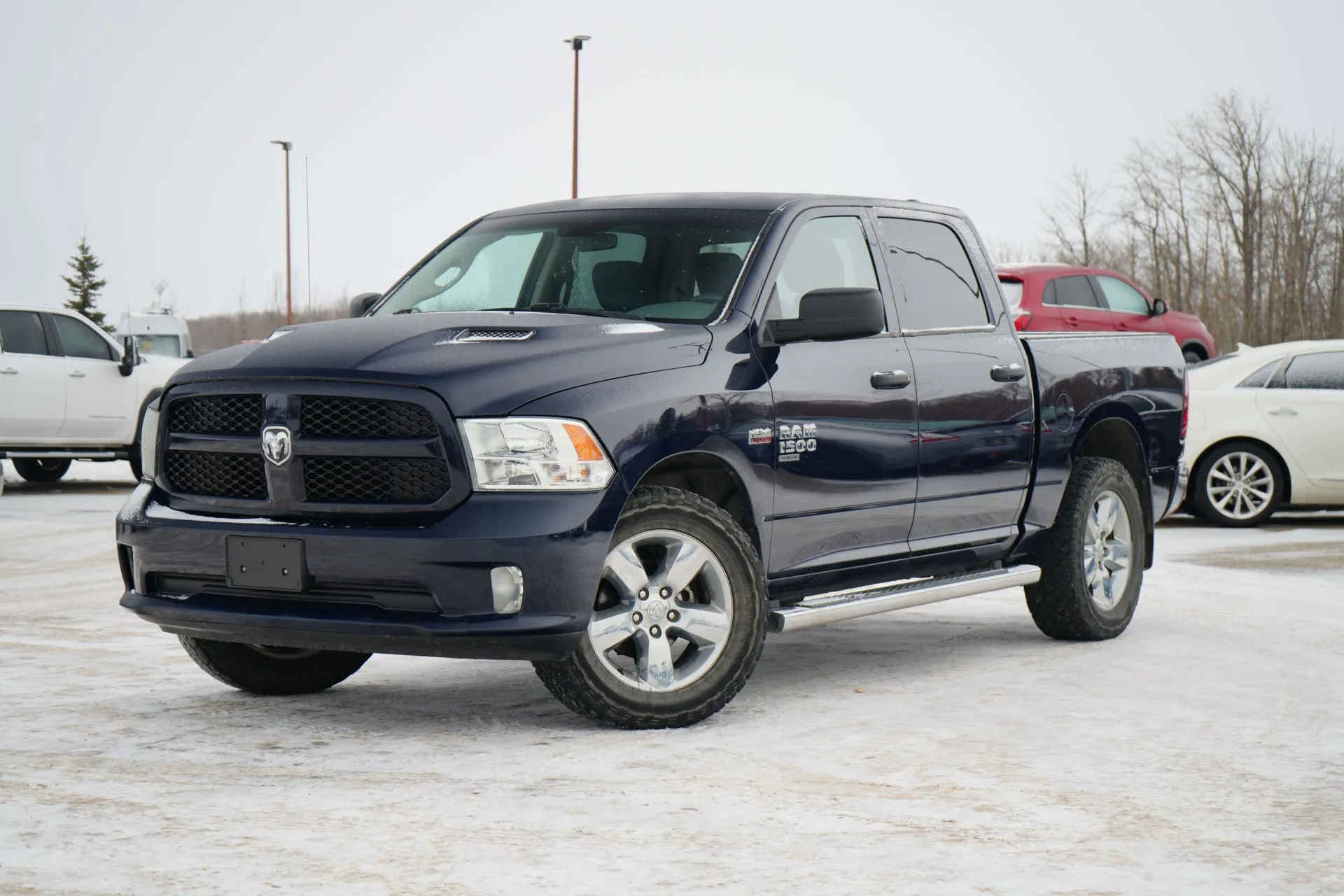
5. Ram 1500 Classic 2019-2023
The aging platform of this truck makes its limitations evident from the moment you step inside. Its structure feels stuck in the past, carrying along flaws that newer models have already left behind. The result is a vehicle that reminds you of how far the segment has advanced, particularly in terms of comfort and refinement.
Inside, the materials look and feel substandard, giving off a dated impression that prevents the cabin from feeling inviting. Long journeys become tedious because the truck constantly reminds you of its outdated roots. When a vehicle feels older than it is, whole satisfaction naturally drops.
Seat comfort is another major weakness. Compared with newer Ram models, this truck’s seats provide little support or flexibility. Limited adjustments and poor cushioning turn long drives into endurance tests, with pressure points developing after just a few hours.
Outdated seat design makes every trip more draining, and the difference becomes striking when compared with modern rivals.
The rear leaf-spring suspension contributes to a rough, unsettled ride. While it performs reasonably well when carrying heavy loads, the experience turns unpleasant when the truck is empty. Every bump and ripple on the highway is transmitted directly into the cabin, making extended travel uncomfortable and tiring.
Noise insulation is also below par. Wind, tire, and road sounds invade the interior, forcing passengers to raise their voices and straining their concentration on long trips. The constant noise leads to mental fatigue, further diminishing comfort.
Technology fares no better. The infotainment setup feels clunky, with slow responses and limited connectivity options. Instead of simplifying the driving experience, it often frustrates the user.
In a market where technology enhances comfort and convenience, this system feels like a relic of the past. Altogether, the outdated design leaves this truck lagging in nearly every important category.
