
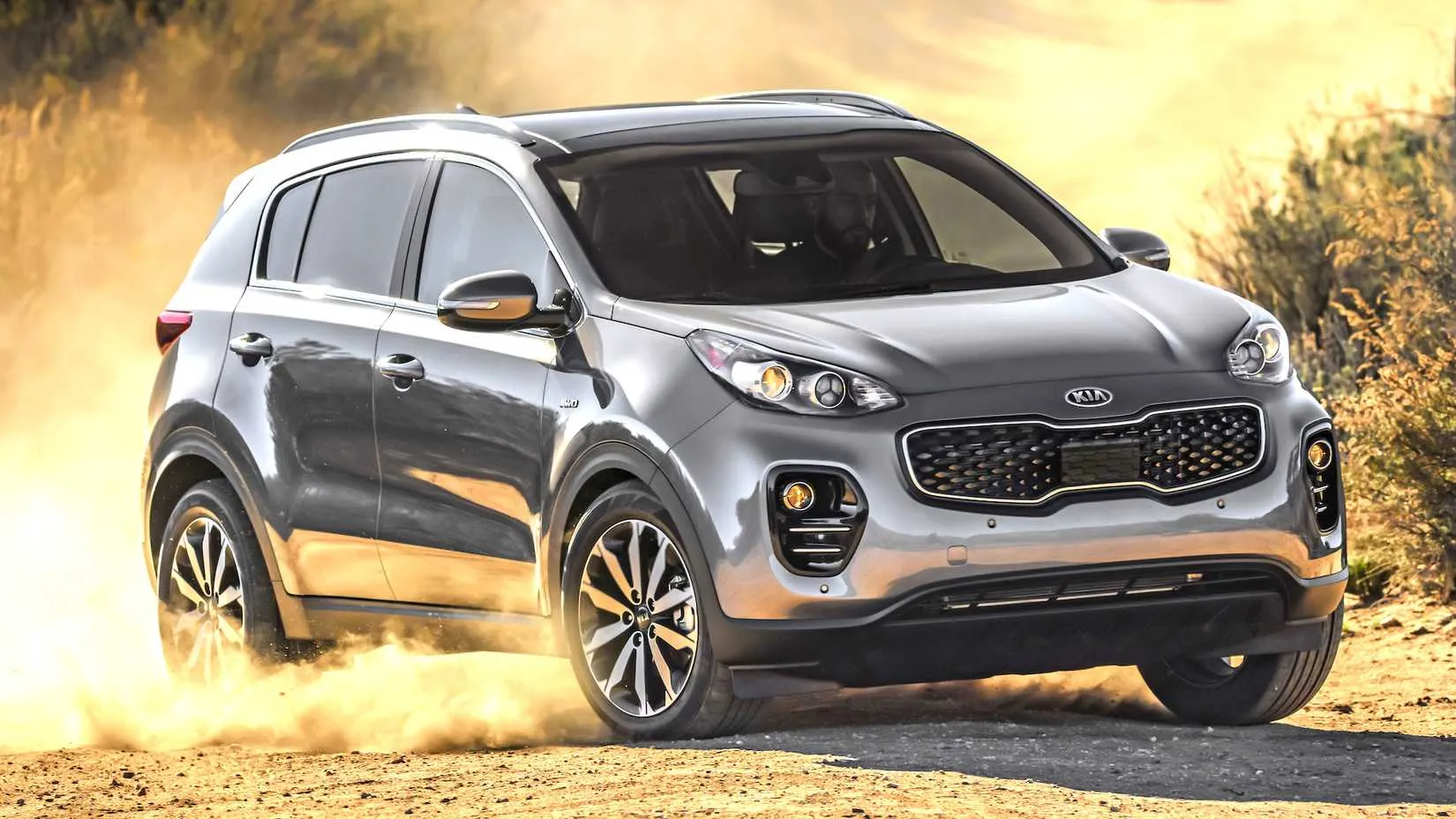
Some automobiles earn a permanent place in their owners’ lives, cherished like part of the family and kept long after newer models arrive. Others lose their appeal almost instantly, leaving driveways as quickly as they entered, victims of disappointment and regret.
This striking difference exposes important lessons about what truly defines a good vehicle. When people hold onto a car for a decade or more, it reflects genuine trust and satisfaction.
Longevity in ownership isn’t about sentiment alone; it’s proof of quality, durability, and consistent value that withstands time and temptation.
Vehicles that remain in families for years usually share traits. They start every morning, cost little to maintain, and never drain the owner’s patience.
They provide quiet dependability through daily routines and long journeys alike, earning loyalty through reliability rather than flash. Owners often grow attached because these cars never let them down.
On the other side are those that disappoint soon after purchase. Attractive at first glance, they lure buyers with modern gadgets and sleek styling, only to reveal flaws that make ownership a nightmare.
Frequent repairs, unreliable performance, and frustrating features quickly turn enthusiasm into resentment. Many drivers trade them away early, accepting financial loss just to escape.
This pattern appears repeatedly across brands and segments. Some models are built to last and retain affection for years, while others prove difficult to live with from the start. Recognizing the difference is key to avoiding costly mistakes and ensuring peace of mind.
In our analysis today, we will look at ten examples divided between two extremes: five that inspire remarkable devotion and five that owners abandon in frustration.
Whether you’re shopping for your next car or evaluating your current one, knowing which vehicles deserve long-term trust can help secure satisfaction and lasting value.
Cars That Owners Keep for a Decade
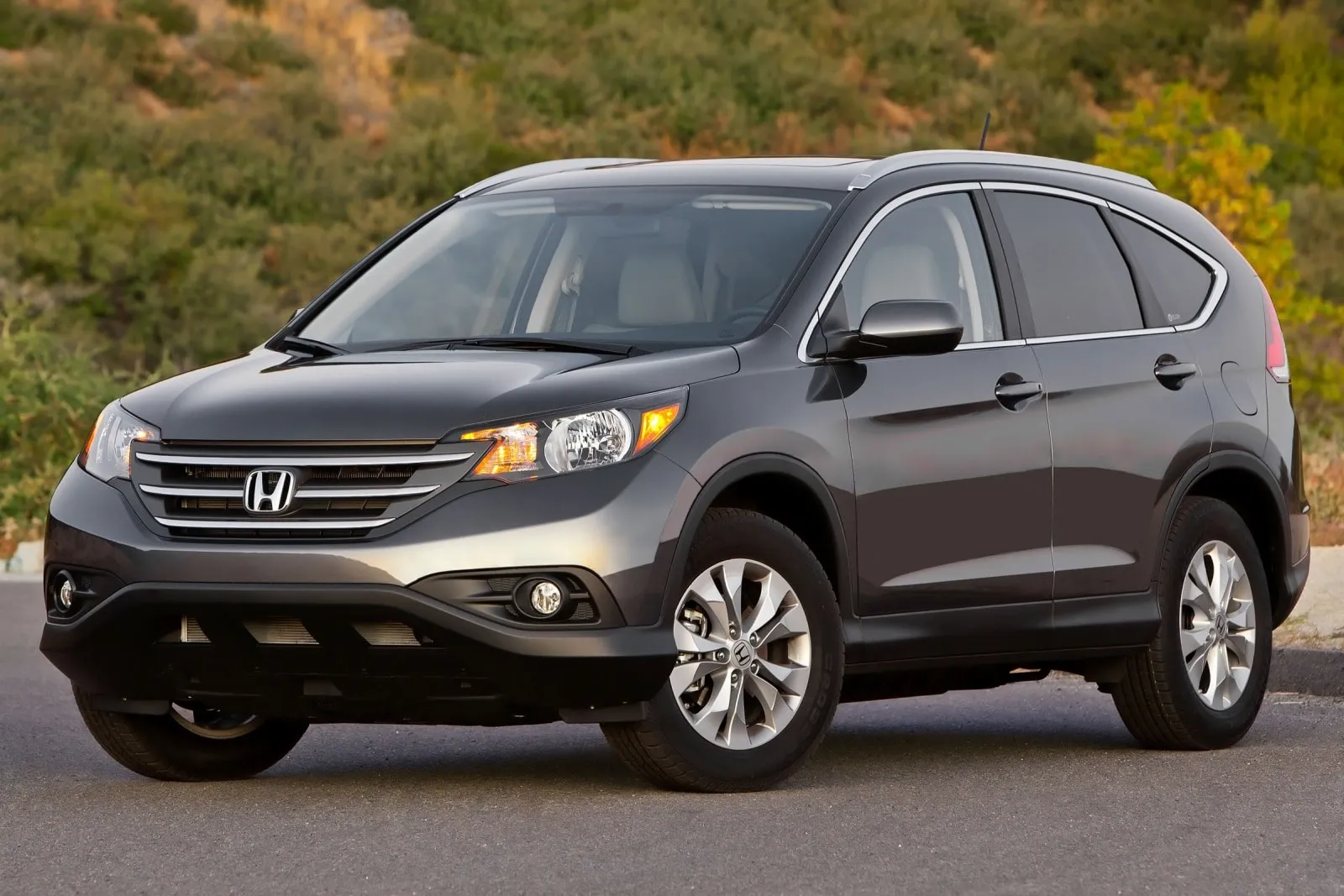
1. Honda CR-V EX (2012-2016)
Ask any Honda service department which vehicles they see with original owners after ten years, and fourth-generation CR-Vs dominate their lists.
These compact crossovers inspire loyalty through a simple formula: they just keep working without drama or expensive surprises. Owners develop genuine affection for vehicles that never strand them, never bankrupt them, and never make them regret their purchases.
Reliability is legendary because Honda engineers these CR-Vs properly. Engines last hundreds of thousands of kilometres without major failures. Transmissions move smoothly for the entire ownership period.
Nothing breaks catastrophically. Regular maintenance keeps everything running beautifully. Owners tell stories about reaching 300,000 kilometres on original powertrains without rebuilds, creating confidence that inspires decade-long commitments.
Running costs stay remarkably low throughout ownership. Fuel economy remains excellent even as vehicles age. Insurance rates are moderate. Parts are affordable when replacements become necessary.
Any mechanic can service these CR-Vs competently without expensive dealer visits. These factors combine to create total ownership costs that justify keeping vehicles long-term rather than trading for newer alternatives.
Interior quality holds up impressively well. Seats maintain their support and comfort. Dashboard plastics don’t crack or fade excessively. Everything feels solid rather than worn out.
After a decade, these CR-Vs still feel decent inside, not ancient or falling apart. This durability makes continued ownership pleasant rather than embarrassing.
Practical design ages gracefully because Honda prioritized function over trendy styling. These CR-Vs look dated but not offensively so.
Cargo space remains generous. Seating accommodates families comfortably. Everything still works as intended without feeling obsolete. Practicality never goes out of style, making these vehicles useful regardless of age.
Technology is basic but functional. Entertainment systems might lack modern features, but they still operate reliably.
Climate controls work perfectly. Everything functions as it should without expensive electronic failures that plague newer vehicles. Simple reliability beats fancy features that break constantly.
Emotional attachments develop because these CR-Vs never disappoint. Owners remember countless reliable trips, zero roadside breakdowns, and minimal repair bills. These positive experiences create loyalty that new car marketing can’t overcome. Why replace something that works perfectly?
Resale values stay surprisingly strong because smart buyers recognize Honda quality. When owners finally do sell, they’re shocked by how much their decade-old CR-Vs still command. This retained value validates their decisions to keep vehicles long-term, proving that loyalty was financially wise.
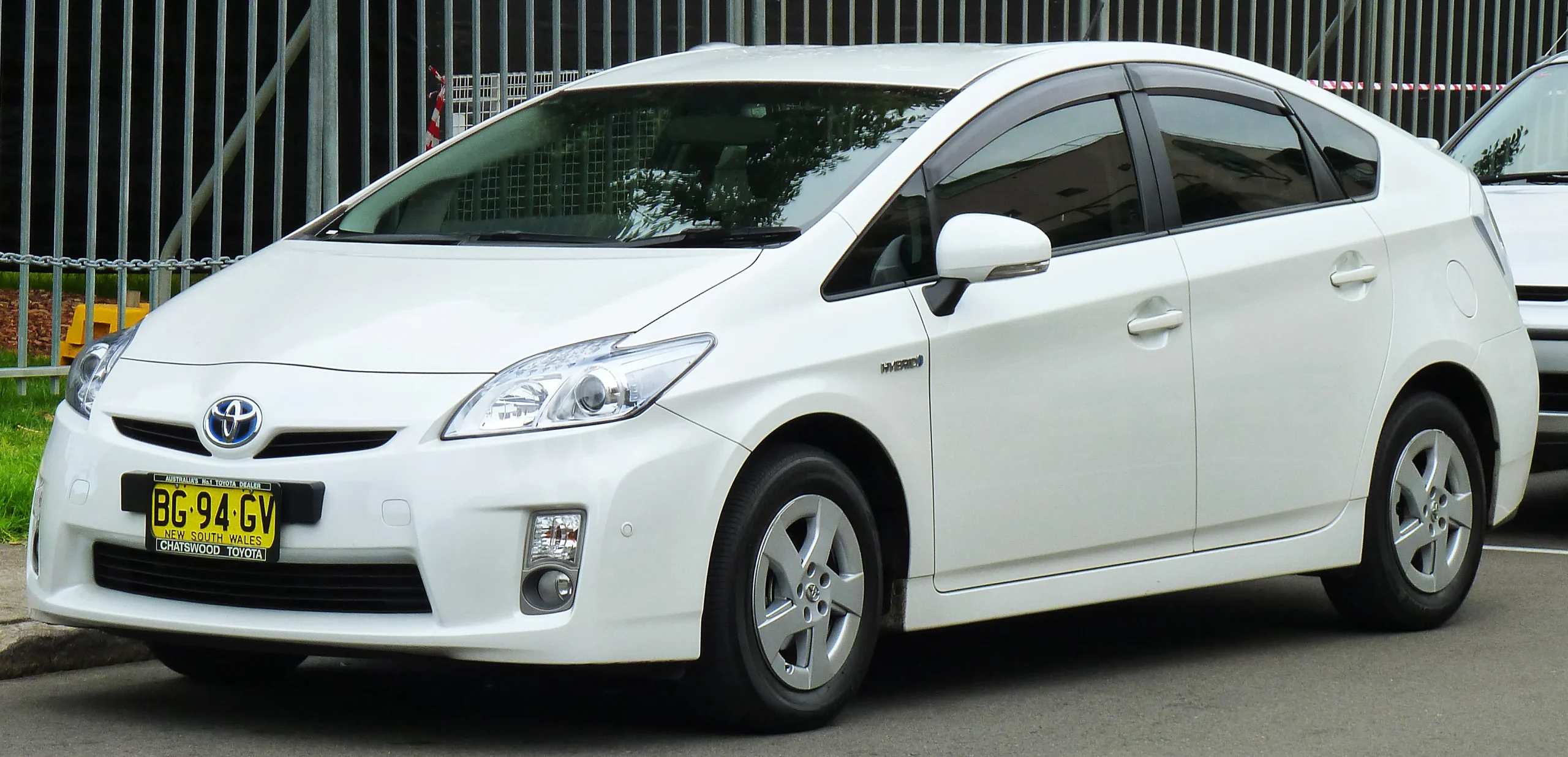
2. Toyota Prius Three (2010-2015)
The third-generation Prius stands as proof that hybrid engineering has reached full maturity, delivering vehicles that owners cherish for years without hesitation.
With unmatched fuel efficiency, rock-solid dependability, and minimal upkeep costs, these hybrids represent more than just cars; they are wise long-term investments that reward patience and practicality.
Even after years of service, their fuel economy remains extraordinary. Drivers routinely achieve mileage figures that rival or surpass newer models.
The continued savings at the pump make ownership financially rewarding, encouraging people to keep their Priuses longer rather than trade them for something less efficient.
The hybrid system itself has earned legendary status for reliability. Early fears about costly battery replacements have proven exaggerated, as countless examples run well past 250,000 kilometres on their original packs.
Replacement prices have also fallen, removing the biggest worry once associated with hybrid ownership.
Operating expenses are remarkably low. Regenerative braking greatly extends brake pad life, oil changes are few, and mechanical failures are rare.
Insurance rates stay moderate, and replacement parts are inexpensive. These factors combine to make the Prius one of the most economical vehicles ever built to maintain.
While not luxurious, the interior holds up admirably. Materials resist wear, controls remain responsive, and seats continue to offer support. The cabin feels tidy and fully functional, even after many years on the road.
Practical design further strengthens its appeal. The hatchback layout provides generous storage space, excellent visibility, and seating comfort for four adults. Despite its age, the Prius still feels purposeful and easy to live with.
Technology might appear simple by modern standards, yet it remains reliable. Navigation systems, audio units, and climate controls all operate flawlessly.
Long-term owners develop a deep attachment to these cars, proud of their efficiency, reliability, and environmental responsibility qualities that make replacing them unnecessary.
Also Read: 5 Cars From the 70s Worth Restoring vs 5 That Aren’t
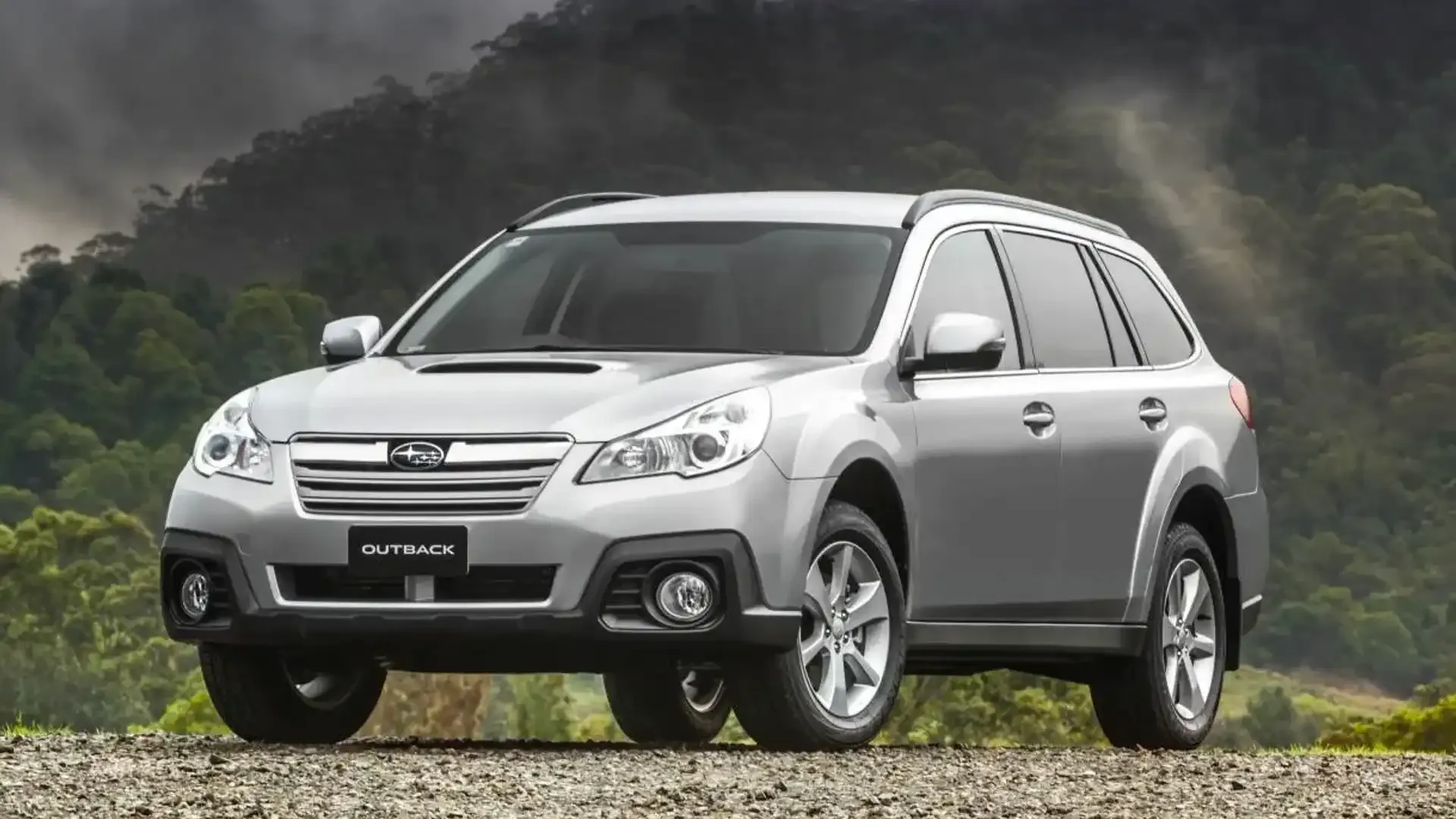
3. Subaru Outback Limited (2013-2019)
All-wheel-drive capability combined with legendary reliability creates vehicles that owners refuse to sell.
These fourth and fifth-generation Outbacks inspire decade-long loyalty through practical designs that handle varied conditions without drama. Families discover these wagons meet every need while delivering reliability that builds trust and affection.
All-wheel drive is standard, providing year-round capability that owners come to depend on. Winter driving becomes stress-free.
Light off-road adventures are possible. This versatility makes these Outbacks indispensable to owners who experience varied conditions, creating dependency that prevents selling.
Reliability is excellent with proper maintenance. Boxer engines last hundreds of thousands of kilometres. Transmissions remain smooth. Nothing breaks catastrophically.
Regular service keeps everything running beautifully. Owners develop confidence that these Outbacks will continue serving faithfully for years to come.
Practicality is exceptional with generous cargo space and comfortable seating. Families appreciate room for people and stuff.
Roof rails accommodate additional cargo. Everything is designed for real-world use rather than style. This functionality makes these Outbacks useful regardless of age.
Interior quality holds up well with durable materials throughout. Seats maintain comfort and support. Dashboard plastics age acceptably. Everything still feels solid rather than worn out. After years of use, these cabins remain pleasant places to spend time.
Running costs stay reasonable throughout ownership. Fuel economy is decent for all-wheel-drive vehicles. Insurance rates are moderate. Parts are affordable. Mechanics are familiar with Subaru systems. Everything combines to create manageable long-term costs.
Safety features and crash ratings remain excellent. Owners feel confident transporting families in vehicles that protect well. Eyesight driver assistance works reliably without annoying false alarms. These safety attributes reinforce decisions to keep vehicles long-term.
Community culture supports long-term ownership. Subaru owners form passionate communities sharing maintenance tips and modifications. This support network makes keeping vehicles easier and more enjoyable. Belonging to these communities reinforces ownership commitments.
Emotional attachments develop through countless reliable adventures. Owners remember family trips, winter drives, and camping expeditions. These memories create bonds that transcend vehicles as mere transportation, making selling emotionally difficult even when financially possible.
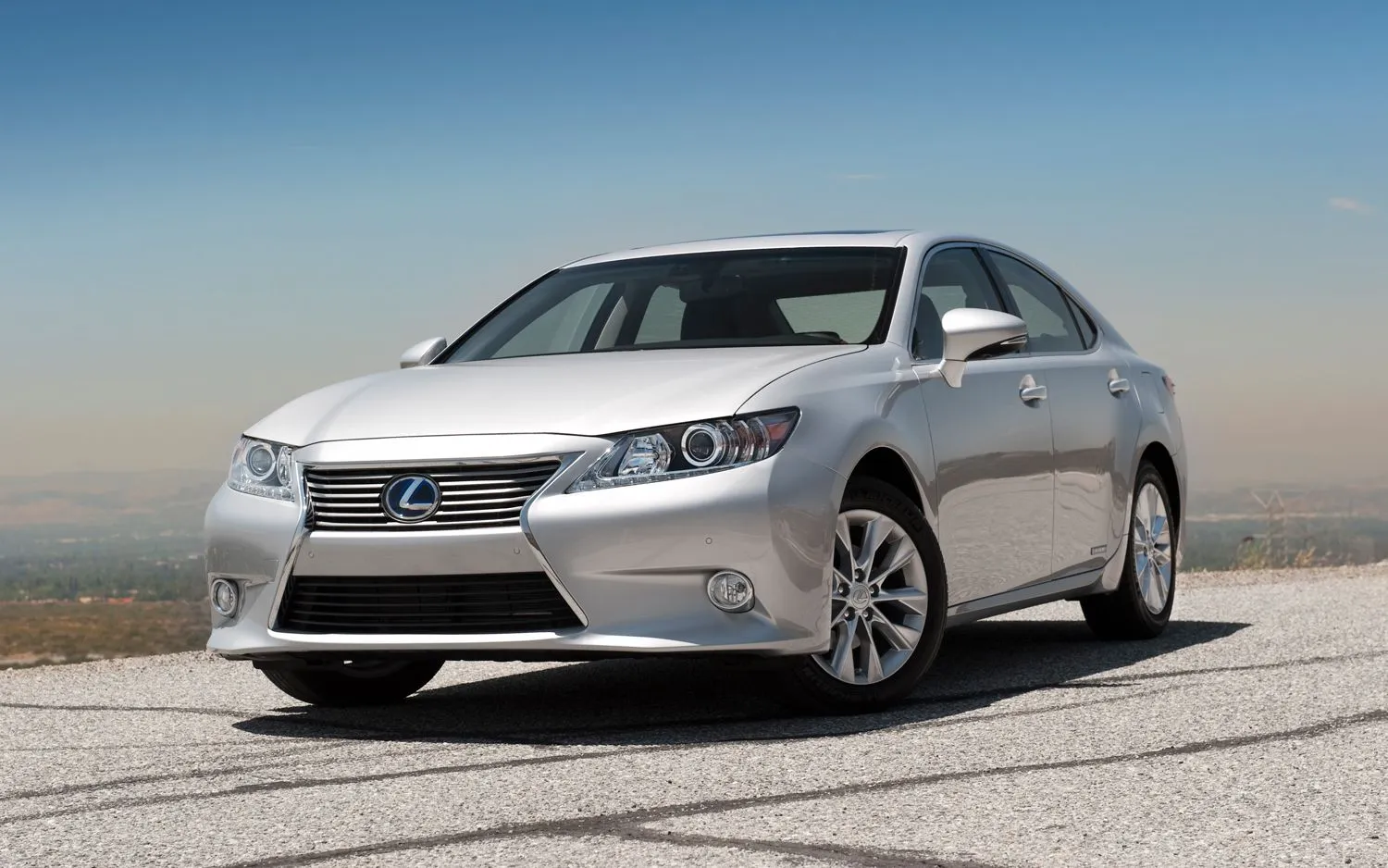
4. Lexus ES 350 (2013-2018)
Blending long-lasting Toyota dependability with refined luxury, the sixth-generation ES has become a favorite among drivers who value comfort and durability over flash.
These sedans redefine what true luxury means, offering peace of mind and confidence without the constant mechanical worries that often accompany European brands. Owners soon realize that real prestige lies in reliability rather than in a fancy badge.
Built with the same precision as Toyota’s most dependable models, the ES stands out for its unmatched mechanical strength.
The engines run smoothly for hundreds of thousands of miles with basic care, while transmissions move seamlessly year after year. Mechanical failures are rare, allowing owners to enjoy luxury without anxiety about costly repairs.
The cabin showcases lasting craftsmanship. Leather remains supple, wood trim stays flawless, and every switch and panel feels solid. Even after a decade, the interior maintains an upscale aura, proving that Lexus quality endures where others fade.
Comfort remains a hallmark. The suspension delivers a calm, composed ride that absorbs imperfections easily, while insulation keeps road noise at bay. Even as mileage rises, these cars preserve their signature serenity, turning long drives into moments of quiet relaxation.
Ownership expenses stay refreshingly low for such refinement. Parts are easy to source and affordable, routine servicing is straightforward, and fuel use remains efficient. Insurance premiums are reasonable, ensuring that luxury remains accessible as time goes on.
Though the tech features may not be cutting-edge, everything functions with dependable consistency.
Navigation works accurately, audio systems sound crisp, and controls respond precisely. Timeless styling ensures the ES remains dignified long after newer designs arrive. Conservative lines age gracefully, preserving its elegant appearance.
Strong resale value completes the picture, rewarding long-term loyalty. Owners cherish the stress-free experience, finding no reason to part with a car that continues to deliver effortless comfort and dependable sophistication.
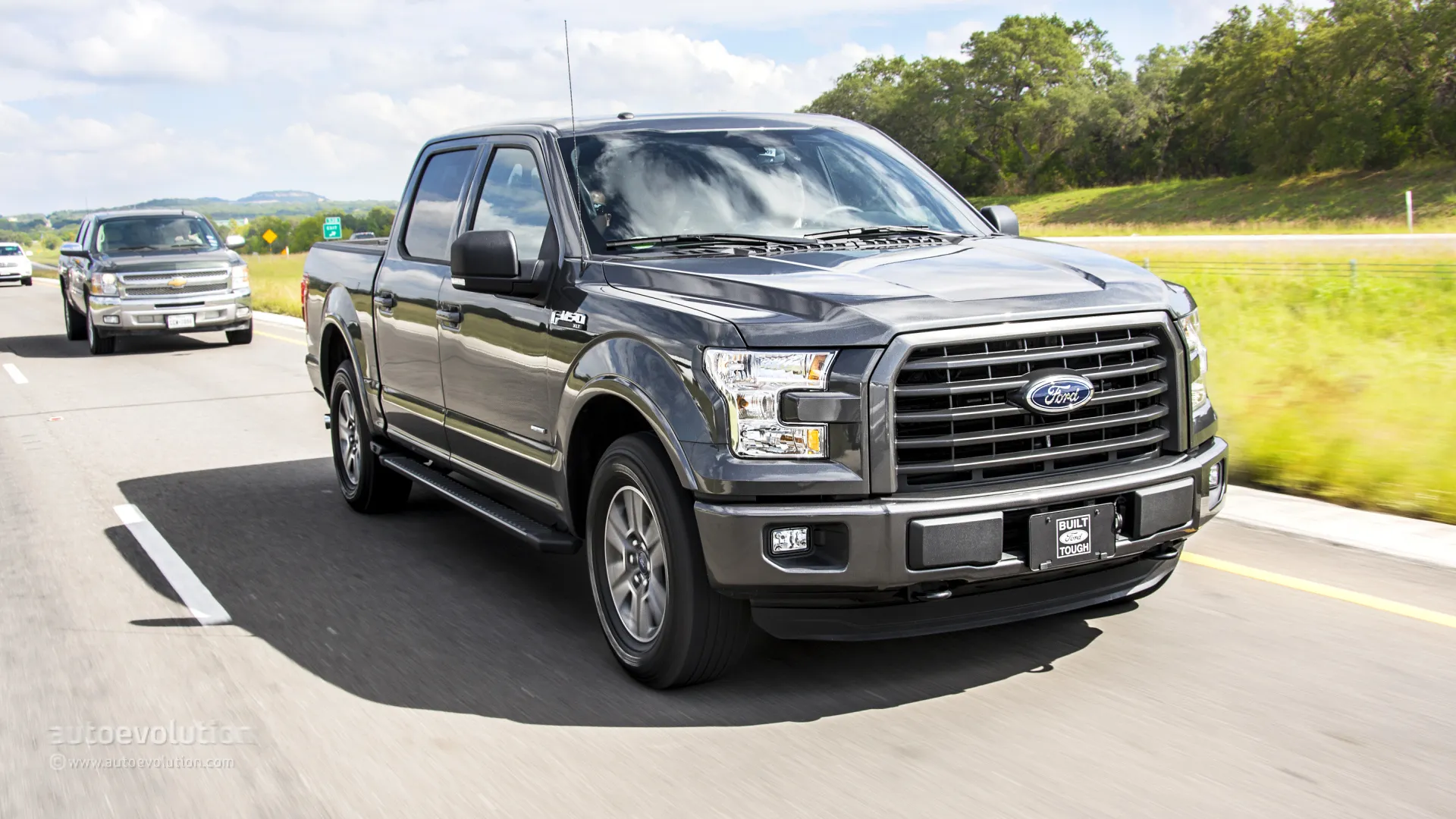
5. Ford F-150 XLT (2015-2019)
America’s best-selling truck inspires remarkable loyalty through capability and reliability that owners depend on daily. These thirteenth-generation F-150s prove their worth through years of faithful service, becoming indispensable tools and trusted transportation that families refuse to replace.
Aluminum bodies reduce rust concerns that traditionally killed trucks. These F-150s maintain structural integrity far longer than previous generations. Owners appreciate trucks that don’t dissolve into rust after years in harsh climates, creating confidence in long-term durability.
Powertrains are surprisingly reliable despite turbocharging. EcoBoost engines deliver adequate power while achieving decent fuel economy.
Transmission moves smoothly throughout ownership. Regular maintenance keeps everything running properly. Owners develop trust that these trucks will continue serving faithfully.
Capability is exceptional with generous towing and payload ratings. Families use these F-150s for everything from daily commuting to hauling boats and campers. This versatility makes them indispensable, creating dependency that prevents selling.
Interior quality is decent and holds up acceptably. Seats remain comfortable. Dashboard materials age well. Everything still functions properly after years of use. Cabins feel workmanlike rather than worn out, making continued ownership pleasant.
Running costs are manageable despite the truck size. Fuel economy is decent for the capability provided. Insurance rates are moderate.
Parts are affordable and readily available. Mechanics are familiar with F-150 systems. Everything combines to create reasonably long-term costs.
Practicality is unmatched with bed space accommodating countless uses. Crew cabs seat families comfortably. Everything is designed for real-world utility. This functionality makes these trucks useful regardless of age.
Community pride reinforces ownership. F-150 owners form passionate groups celebrating their trucks. This culture makes keeping vehicles part of identity rather than just transportation decisions.
Emotional bonds develop through years of dependable service. Owners remember countless projects completed, trips taken, and problems solved thanks to their trucks. These memories create attachments that make selling emotionally difficult even when financially possible.
Cars They Ditch Fast
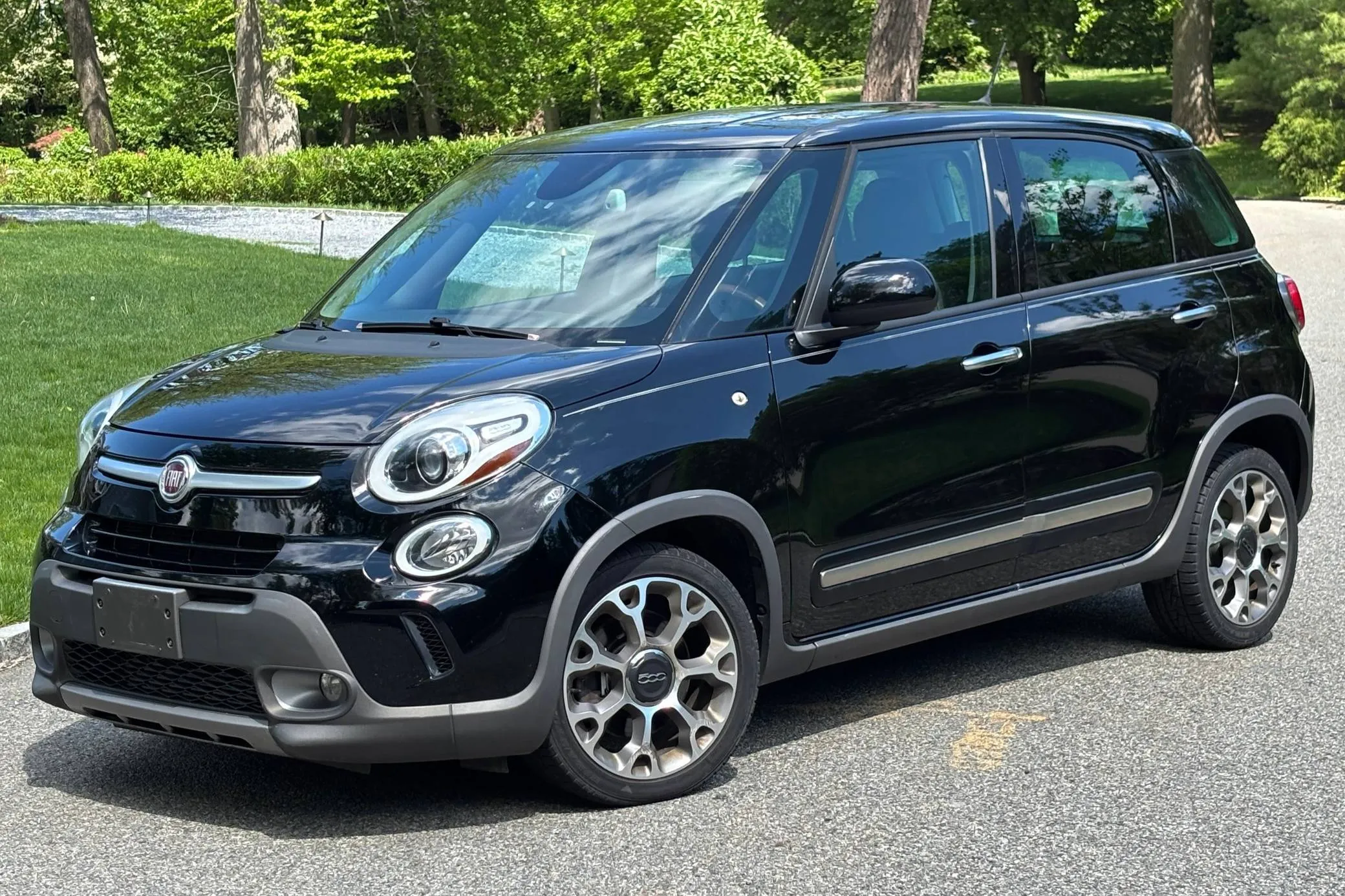
1. Fiat 500L Trekking (2014-2019)
What begins as a charming Italian novelty quickly turns into regret for many who choose these disappointing crossovers. From the moment they drive off the lot, buyers realize they’ve made a mistake.
Each day of ownership feels like a battle against endless breakdowns and poor construction, and three years can feel like an eternity trapped in frustration.
Dependability is practically nonexistent. Electrical faults show up almost immediately, followed by transmission failures and engine troubles that worsen with time.
It’s as if the entire vehicle was designed to fall apart early. Owners spend more time waiting for repairs than enjoying the drive, watching patience fade with every visit to the service center.
Inside, the quality is shockingly substandard for something sold at a premium price. The cabin is filled with brittle plastic, rattles, and creaks.
Seats offer little comfort, and surfaces wear out far too quickly. Within a short span, the interior looks aged and neglected, making long rides feel punishing rather than pleasurable.
Driving these 500Ls is equally disappointing. Acceleration is weak, steering feels clumsy, and the ride is rough on every surface. There’s no enjoyment behind the wheel, only the sense of operating something hastily put together.
Maintenance drains wallets faster than expected. Replacement parts are costly and often difficult to find. Dealer labor charges add insult to injury, turning every month into a financial headache.
Resale values collapse once word spreads about the model’s constant failures. Used examples sit unwanted on lots, depreciating at alarming rates and leaving owners desperate to unload them.
Technology brings more irritation than convenience, with malfunctioning infotainment systems and unreliable connections.
Space inside is tight and impractical for families or travel. Ownership becomes an exhausting emotional burden marked by repairs, expenses, and regret that overshadows any initial excitement.
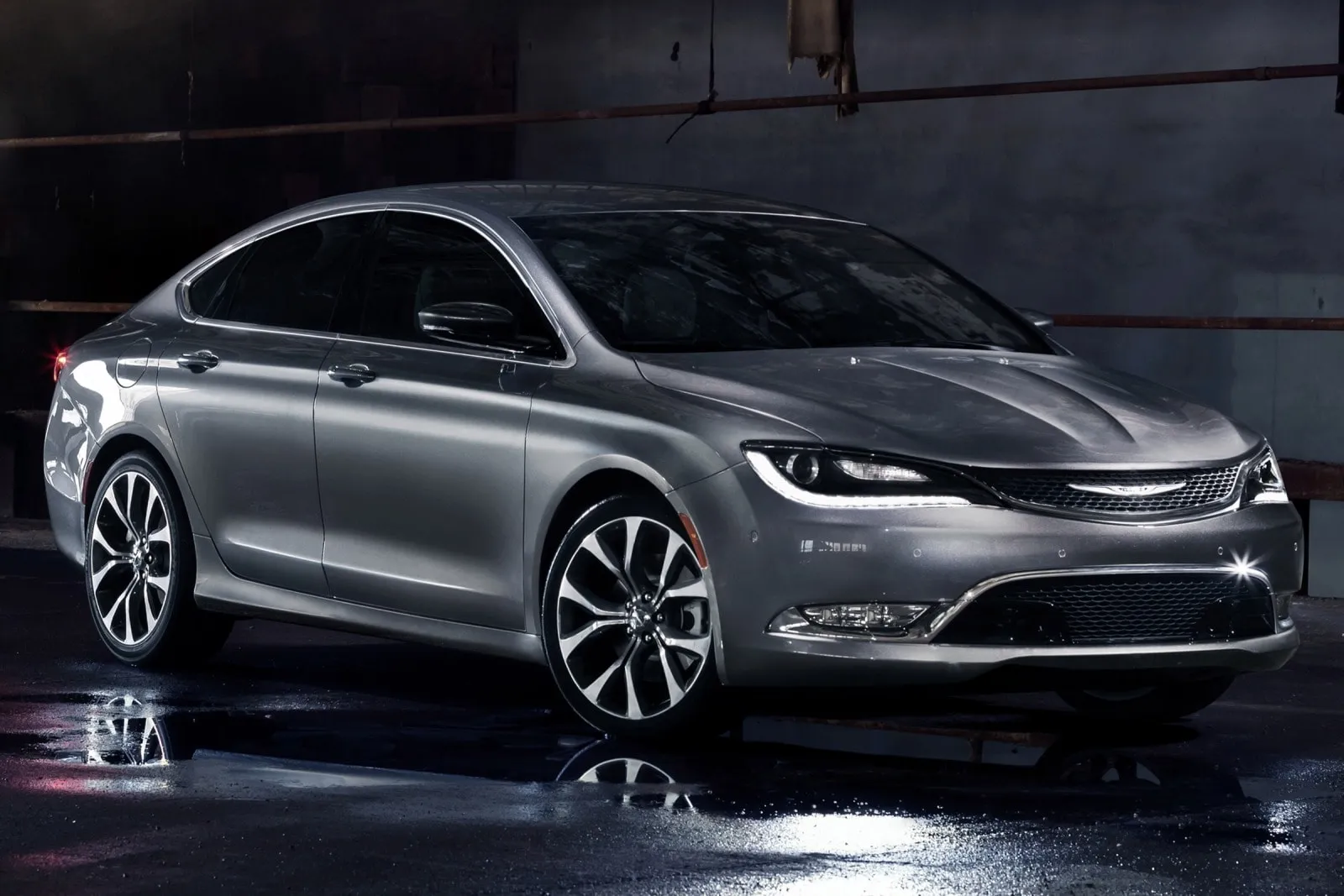
2. Chrysler 200 Limited (2015-2017)
Discontinued after just three model years, these sedans proved so problematic that even Chrysler gave up on them.
Owners discover why almost immediately, then spend ownership periods regretting purchases and planning escapes. Even two-year ownership feels excessive when reliability is nonexistent.
Transmissions are catastrophically unreliable. Nine-speed units hesitate, shudder, and fail regularly. Repairs are expensive and often temporary.
Owners lose confidence immediately as gearboxes malfunction constantly. This single problem destroys any goodwill these sedans might have generated.
Electrical systems malfunction constantly. Infotainment crashes regularly. Sensors fail frequently. Warning lights appear constantly for issues that are expensive to diagnose. Every electrical component seems designed to fail prematurely.
Interior quality deteriorates rapidly. Cheap plastics crack easily. Seats lose support quickly. Everything rattles constantly.
After minimal use, these cabins feel worn out and poorly made. Nobody enjoys spending time inside these disappointing interiors.
Driving experience is mediocre at best. Performance is adequate but unrefined. Handling is numb. Ride quality is inconsistent.
Nothing about operating these 200s is pleasant or engaging. They’re merely adequate transportation when they’re actually working.
Running costs exceed expectations through constant repairs. Parts aren’t particularly expensive, but you need them constantly. Dealer visits become routine rather than occasional. Reliability is so poor that budgeting for repairs becomes necessary.
Resale values plummeted immediately and never recovered. Discontinuation killed any remaining worth. Nobody wants these sedans even at deep discounts. Owners lose massive amounts trying to escape vehicles that became worthless almost instantly.
Brand discontinuation creates parts concerns that scare remaining owners. Will components be available in the years to come? This uncertainty accelerates decisions to dump these 200s before support disappears completely.
Emotional exhaustion develops through constant problems and disappointments. Owners remember endless frustrations and mounting regrets.
These negative experiences create desperate desires to escape at any cost. Most get traded quickly regardless of financial losses, with three-year ownership considered remarkably patient.
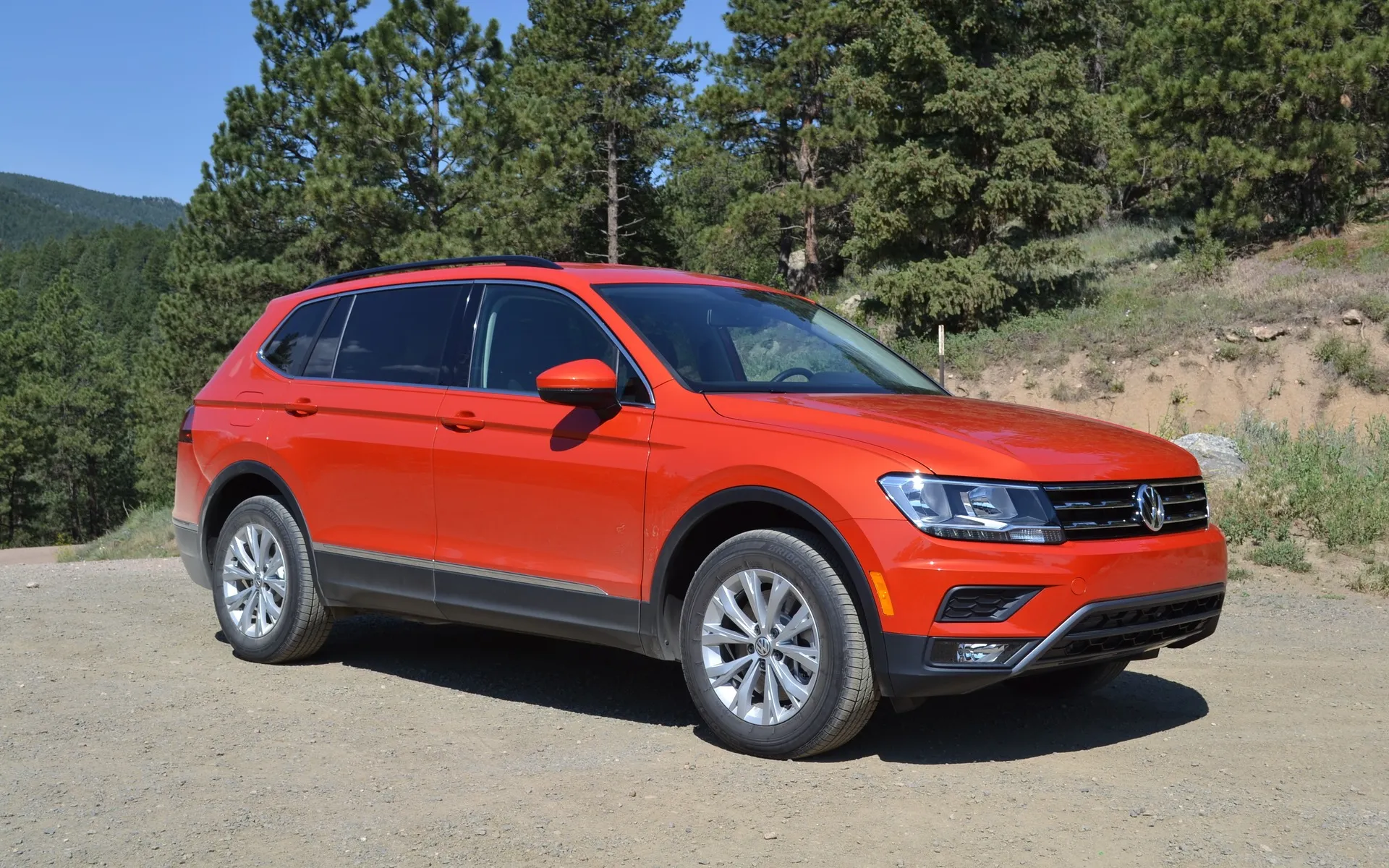
3. Volkswagen Tiguan S (2018-2021)
German automakers often promise precision, quality, and dependability, but these compact SUVs fail to live up to that reputation. Many owners quickly learn that the Volkswagen Tiguan’s sleek design hides a range of costly problems.
What should be a smooth ownership experience instead turns into a series of mechanical and electrical frustrations that drain both time and money. Engine reliability is one of the biggest disappointments. The turbocharged units produce decent power but suffer from long-term durability issues.
Carbon buildup leads to expensive cleaning services, timing chains wear out too soon, and excessive oil consumption becomes common. These problems appear early in ownership, leaving drivers frustrated and uncertain about long-term performance.
Transmission behavior also causes concern. DSG gearboxes, while quick and efficient on paper, often develop hesitation, jerky moves, or complete failures when maintenance schedules are ignored.
Even the traditional automatic transmissions display roughness that detracts from the whole driving experience.
Electrical reliability is equally weak. The infotainment system frequently freezes, sensors fail without warning, and dashboard alerts pop up constantly.
These electronic malfunctions are costly to diagnose and rarely fixed for good, causing owners to lose trust in the brand’s engineering.
The interior feels far less premium than expected. Plastics scratch and crack easily, panels rattle after minimal use, and entire build quality seems inconsistent. Despite its high price tag, the cabin ages poorly compared to rivals.
Ownership costs rise quickly due to the high cost of parts and dealership labor rates. Frequent repairs and maintenance add financial strain, and resale value drops rapidly as reliability concerns become well-known.
Technology that should simplify life instead complicates it with laggy screens and confusing interfaces. Combined with limited cargo space and a surprisingly tight interior, the Tiguan ultimately proves more frustrating than functional, leaving many owners eager to move on.
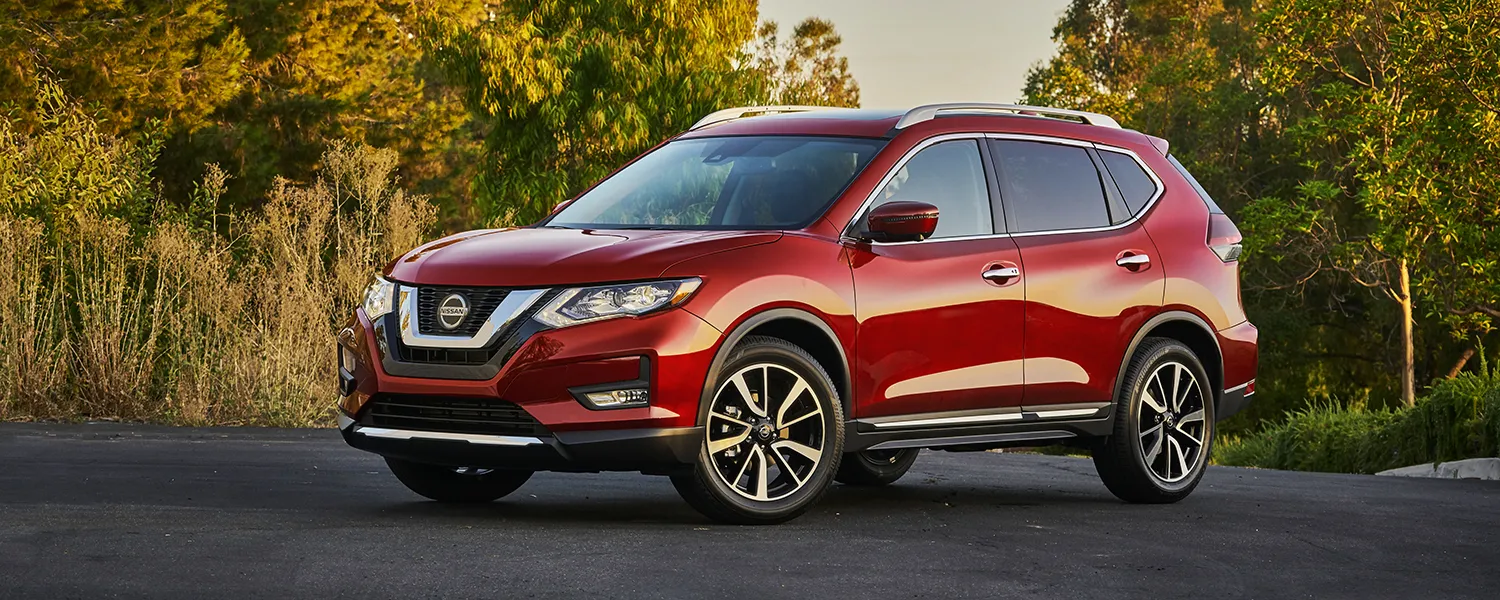
4. Nissan Rogue SL (2014-2018)
CVT transmissions single-handedly destroy these otherwise acceptable crossovers.
Owners discover transmission problems quickly, then spend ownership periods worrying about catastrophic failures that bankrupt them. Even three-year ownership feels risky when transmissions are ticking time bombs.
CVT reliability is absolutely terrible. These continuously variable transmissions shudder, hesitate, and fail prematurely. Replacement costs exceed vehicle values, forcing owners to scrap otherwise functional crossovers. This single issue destroys any value proposition.
Interior quality deteriorates rapidly. Cheap materials fall apart quickly. Seats lose support prematurely. Everything rattles constantly. After minimal use, these cabins feel worn out and poorly constructed. Nobody enjoys spending time inside these disappointing interiors.
Driving experience is mediocre with an annoying CVT drone. Acceleration feels sluggish despite adequate power. Handling is numb and disconnected. Nothing about operating these Rogues is pleasant or engaging. They’re merely transportation when CVTs are actually functioning.
Running costs spike when transmissions fail. Repairs are catastrophically expensive. Most owners can’t afford fixes, forcing them to scrap vehicles. Even without failures, anxiety about potential problems creates stress that ruins ownership.
Resale values collapsed as CVT problems became widely known. Nobody wants these Rogues used because everyone knows they’re ticking time bombs. Depreciation is brutal, erasing huge percentages immediately. Selling becomes difficult even at lowball prices.
Reliability concerns extend beyond transmissions. Electrical issues develop. Other components fail prematurely. Nothing inspires confidence that these crossovers will last long-term.
Emotional trauma develops through constant anxiety about past failures. Owners remember stress and worry rather than pleasant experiences. These negative feelings create desperate desires to escape at any cost.
Most owners trade these Rogues as quickly as possible, with many calling three years the maximum tolerable period. Some dump them even sooner, accepting massive losses just to escape vehicles that create constant anxiety.
Also Read: 5 Sports Cars Worth Restoring in 2025 vs 5 That Aren’t
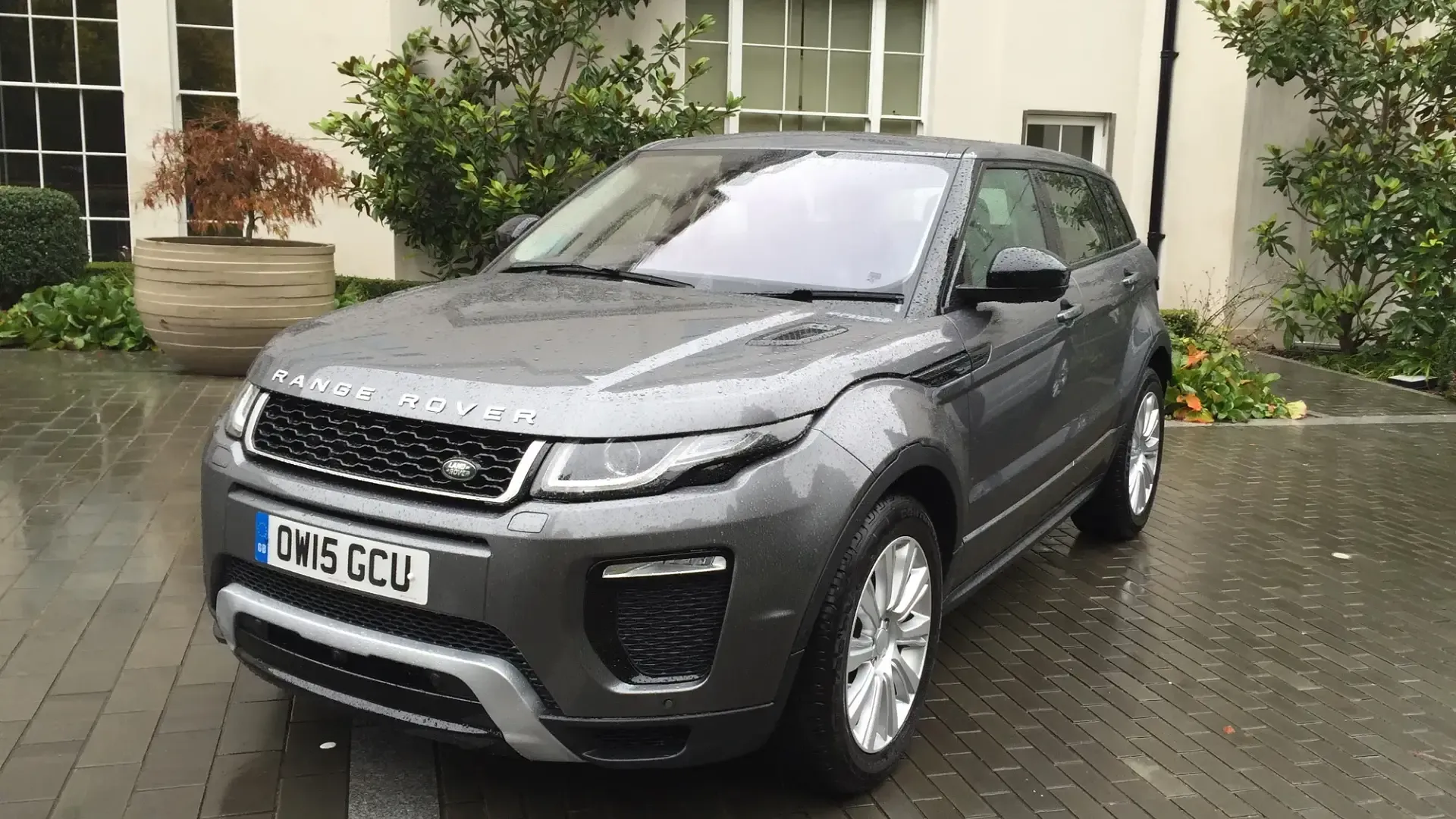
5. Range Rover Evoque Pure (2016-2020)
British automakers often market their vehicles as symbols of refinement and prestige, but these compact luxury SUVs fall far short of that promise.
Many owners quickly realize that beneath the stylish exterior lies a world of frustration. Instead of sophistication and reliability, they encounter an endless list of problems that turn ownership into an expensive and exhausting experience.
Electrical systems are among the biggest culprits. Touchscreens freeze without warning, sensors malfunction repeatedly, and dashboard warnings appear constantly.
Every electronic feature seems unpredictable, leading to frequent trips to service centers. Diagnosing these problems costs a fortune, and even after repairs, the same issues often return.
Mechanical reliability fares no better. Engines suffer from oil leaks, turbocharger failures, and unpredictable performance.
When running smoothly, the vehicles perform adequately, but those moments are short-lived. Transmission troubles are also common, especially with the nine-speed units that deliver jerky moves, hesitation, and shuddering under acceleration.
The interior, marketed as luxurious, quickly shows its flaws. Soft-touch materials degrade, dashboard panels crack, and leather surfaces wear prematurely. Within a short period, cabins that once looked refined begin to feel cheap and worn.
Maintenance expenses climb rapidly. Dealer labor costs are high, and replacement parts carry steep prices. Frequent mechanical and electronic failures make ownership financially draining.
Resale values collapse as reliability issues become widely known. Used buyers avoid these models, causing rapid depreciation. Selling one often means taking a huge loss, no matter how new it looks.
Every day usability is also disappointing. The compact interior feels cramped, and cargo space is minimal. Infotainment systems glitch constantly, making once-promising technology a source of frustration.
As time goes on, owners grow weary of the constant repairs and costs, often replacing their Range Rover Evoques long before the lease ends simply to escape the headaches.
