
When vehicles cross the five-year mark, ownership costs often start to rise. Warranties begin to fade, parts wear out, and reliability becomes a daily concern. Yet, not every car turns into a financial burden after this period.
Some models continue to perform with remarkable consistency, keeping warranty claims low and maintenance needs predictable even beyond the fifth year.
These vehicles are built with proven engineering, durable materials, and well-tested drivetrains. They are not just reliable on paper but in real-world conditions, where countless owners have driven them through time without major complaints.
Their long-term dependability makes them favorites among those who value peace of mind and low repair bills.
Manufacturers behind these models often focus on quality control and simplicity in design.
Cars that avoid excessive complexity tend to age better, as fewer parts fail and service networks remain confident in their maintenance. From dependable sedans to durable SUVs, these vehicles share one trait: consistency.
The following list highlights twelve models known for keeping warranty claims impressively low after year five. Each one has built a reputation for mechanical stability, minimal electrical problems, and long-term owner satisfaction.
Whether you’re looking for a used car that won’t drain your savings or simply appreciate machines that last, these models prove that dependability doesn’t fade with time. They show what happens when smart engineering meets long-term reliability.
Also Read: 12 Models Where Certified Pre-Owned Really Pays Off
1. Toyota Camry
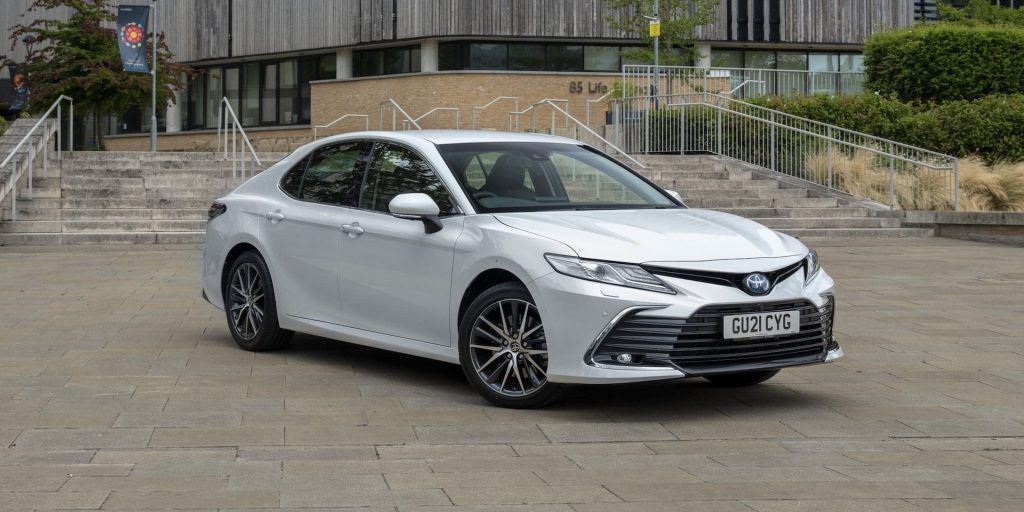
The Toyota Camry has earned its place as one of the most trusted sedans for long-term ownership. Beyond the five-year mark, its reliability continues to impress owners who prioritize low maintenance costs and steady performance.
The Camry’s design has always leaned toward practicality, and that approach pays off when the vehicle ages gracefully with fewer warranty claims than most competitors.
Toyota’s commitment to proven mechanical setups is a big reason behind this reputation. The Camry uses naturally aspirated engines that have been refined for decades, minimizing complex parts that tend to fail over time.
The 2.5-liter four-cylinder engine is particularly known for its consistent efficiency and low oil consumption, while the optional V6 has shown excellent durability when maintained properly.
The transmission in the Camry also contributes to its longevity. Toyota’s automatic gearboxes are known for smooth operation and minimal mechanical stress, even after years of use.
Many owners report trouble-free performance beyond 100,000 miles, with few issues related to slipping gears or rough shifting. This stable drivetrain combination reduces warranty claims significantly during the later years of ownership.
Interior quality also helps preserve the Camry’s reputation. Soft-touch materials, solid switches, and durable fabrics hold up to years of use without showing much wear. Electronics such as the infotainment system, power accessories, and sensors tend to perform reliably, preventing costly visits to the service department.
Another factor is Toyota’s vast service network. Parts are affordable and widely available, making it easier for owners to maintain their vehicles on schedule. Regular oil changes and transmission fluid checks are usually enough to keep the car running efficiently.
The Camry’s resale value remains strong even after year five because of its reputation for minimal repair costs. Insurance companies and extended warranty providers often rate the Camry as low-risk, further confirming its dependability.
Many owners report that even at the seven- or eight-year mark, the Camry still feels composed and confident. Suspension components, brakes, and steering systems tend to hold up better than average, requiring fewer replacements or warranty repairs.
Overall, the Camry is a practical and long-lasting choice for anyone seeking a sedan that stays dependable long after the factory coverage expires. Its mix of solid engineering, easy upkeep, and strong parts support makes it one of the lowest-claim vehicles in its segment after five years of ownership.
2. Honda CR-V
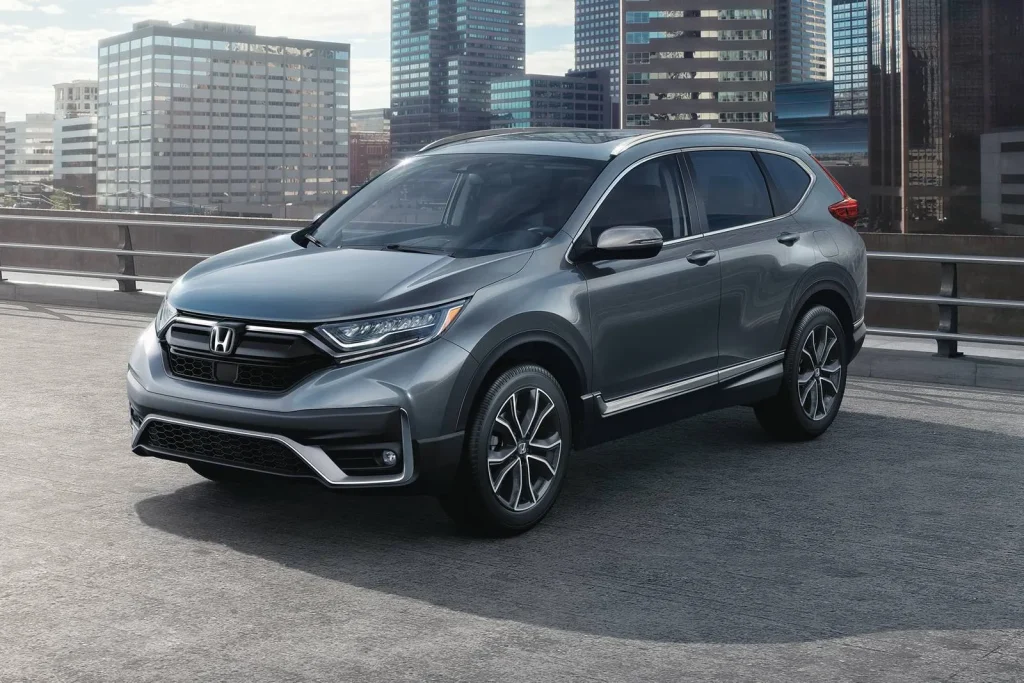
The Honda CR-V stands as one of the most dependable compact SUVs on the road. Its reputation for staying trouble-free beyond five years is backed by thousands of owners who appreciate its smooth reliability and consistent performance.
Honda designed the CR-V with longevity in mind, balancing efficiency and durability without unnecessary complexity.
One reason for the CR-V’s low warranty claims is its refined powertrain. The 2.4-liter and later 1.5-liter turbocharged engines have proven reliable when maintained properly. They deliver good fuel economy while maintaining solid internal build quality, minimizing oil leaks or timing chain issues.
Paired with Honda’s continuously variable transmission (CVT), the system is tuned for gentle acceleration, which reduces mechanical strain and extends component life.
Honda also focuses on using high-quality materials inside and out. The CR-V’s interior surfaces resist fading, cracking, or peeling, even in harsh climates.
Seats maintain their shape well, and electrical components such as the climate controls and safety sensors rarely cause issues after the fifth year. These details reduce the chances of expensive warranty claims tied to cabin wear or electronic failures.
Suspension components in the CR-V are built to handle years of real-world use. Many drivers praise the vehicle for maintaining ride comfort and composure even after high mileage.
The suspension bushings, control arms, and steering linkages typically last longer than average, requiring fewer replacements during the first decade of ownership.
The CR-V’s reliability also benefits from Honda’s careful attention to rust prevention and body integrity. Its underbody coatings and paint quality hold up against corrosion, which means fewer structural or cosmetic warranty claims as the vehicle ages.
Honda’s widespread dealer network and easily available replacement parts help keep ownership costs under control.
Routine services are straightforward, with few hidden maintenance requirements. Owners who keep up with scheduled care often report that the CR-V continues to perform like new well past the 100,000-mile mark.
Even after year five, this SUV feels solid and well-assembled, maintaining the quiet, confident drive that made it popular in the first place.
The combination of smart engineering, durable materials, and low-stress design makes the CR-V one of the most reliable models for those who want lasting value and minimal service visits over time.
3. Lexus RX 350
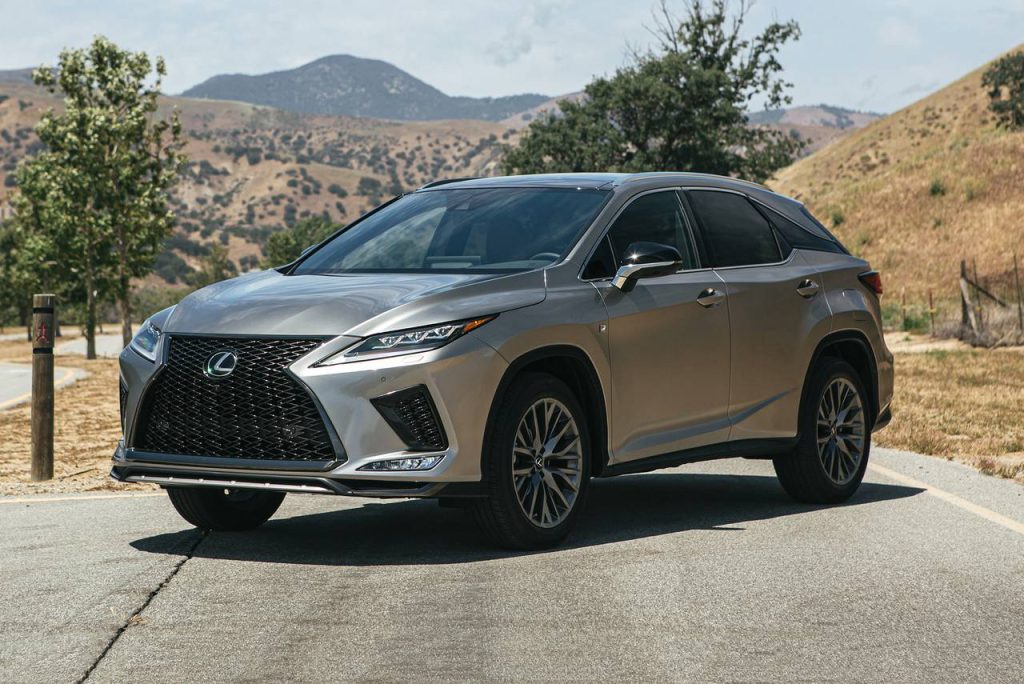
The Lexus RX 350 is one of the most trouble-free luxury SUVs ever produced. Even after five years of ownership, it continues to record some of the lowest warranty claim rates in its class. This model’s combination of Toyota-backed engineering and Lexus-level refinement results in long-term dependability that few premium vehicles can match.
Under the hood, the RX 350 uses a naturally aspirated 3.5-liter V6 engine. This powerplant is known for its smooth performance and strong internal durability. It uses a well-proven timing chain design and sturdy aluminum components that rarely give trouble.
Owners frequently report minimal issues with oil leaks, engine mounts, or cooling systems well beyond the five-year mark.
The automatic transmission also contributes to the RX’s low repair record. Lexus tuned the gearbox for smooth, unhurried shifts that minimize mechanical wear.
When paired with regular fluid changes, it easily lasts for years without major service needs. The drivetrain, in general, is built with a conservative approach that favors reliability over aggressive performance.
Inside the cabin, the RX 350 maintains a high standard of material quality. Leather seating surfaces resist cracking, switchgear retains its solid feel, and infotainment systems remain responsive even after years of use.
Owners experience very few electrical or connectivity issues compared to other luxury SUVs, which often face complex electronic failures.
The suspension setup also deserves credit for the RX’s longevity. Its components are tuned for comfort but built with strength, reducing premature wear. Struts and bushings typically last longer than average, and the steering remains precise after many years on the road.
Another key factor behind its low warranty claim rate is Lexus’s strict quality control. Each vehicle goes through multiple inspection points during production, minimizing the chances of early component failure.
Combined with the brand’s excellent service network and owner support, the RX 350 continues to perform smoothly even past the 100,000-mile milestone.
Resale value remains strong as well, reflecting how much confidence buyers have in this SUV’s long-term reliability. Even used examples command a premium, which is a direct result of their reputation for staying problem-free long after factory coverage ends.
The RX 350 offers a comfortable, quiet ride with the kind of endurance that makes ownership stress-free. For anyone wanting luxury without the worry of high maintenance bills after year five, it stands as one of the best options available.
4. Mazda CX-5
The Mazda CX-5 has built a reputation as a stylish yet dependable compact SUV that continues to perform well beyond its warranty period.
After five years, many owners find that it remains solid, efficient, and free from the costly mechanical issues that often affect competitors. Mazda’s careful engineering and attention to build quality are key reasons behind its strong reliability record.
The CX-5’s engines, especially the SkyActiv-G 2.5-liter variant, are designed with long-term durability in mind. They use high compression ratios for better efficiency but rely on proven materials and construction methods.
When maintained with regular oil changes, these engines show little sign of wear even at higher mileage. Few reports of timing chain problems or gasket leaks exist, keeping warranty claims low.
Mazda’s transmission design is another advantage. Instead of adopting complex systems, the company chose a conventional automatic setup that provides smooth shifting and proven reliability.
This design avoids many of the long-term issues seen in continuously variable or dual-clutch systems, ensuring consistent performance as the years go by.
Inside, the CX-5 feels more premium than most in its class. The materials resist fading, stitching holds up well, and electronics rarely fail.
Infotainment systems and driver-assist features work consistently, reducing owner frustration and potential warranty repairs. Many owners report that even after several years, the cabin remains free of rattles and worn surfaces.
The suspension system plays a major role in maintaining comfort and control over time. Components are sturdy yet flexible, keeping the ride composed even as the miles add up. Steering components also hold up well, with few complaints about play or noise after extended use.
Mazda’s paint quality and corrosion resistance have improved significantly, which helps the CX-5 maintain its good looks while preventing structural wear. Combined with a well-designed body and durable undercoating, this SUV ages gracefully in different climates.
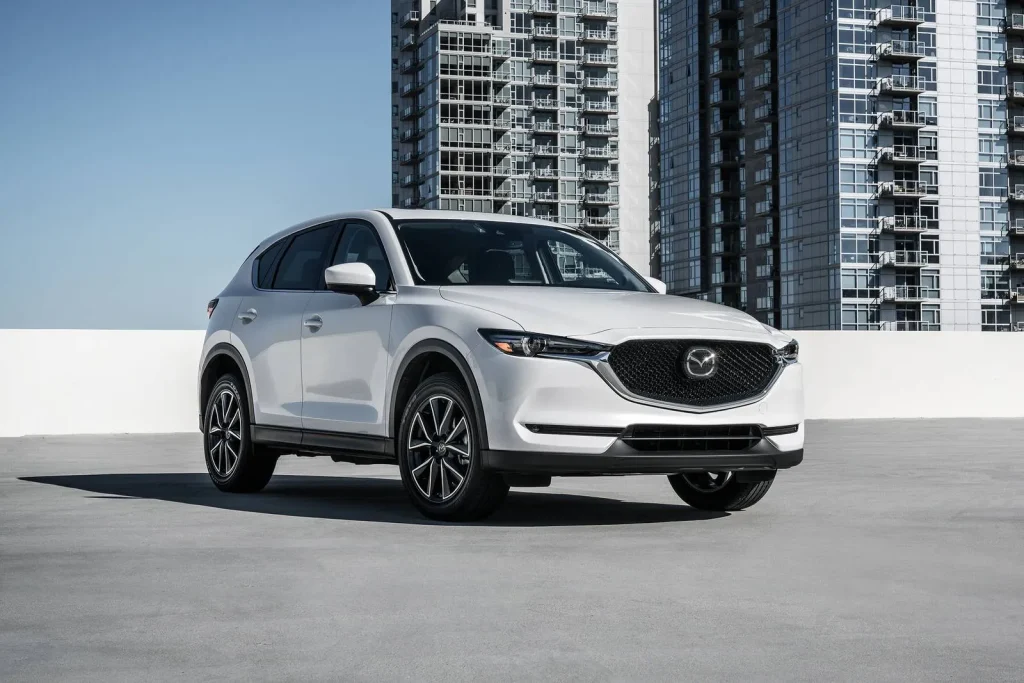
Owners who follow basic maintenance schedules often find that their CX-5s deliver dependable service with minimal unplanned repairs. The model’s balance of engineering precision and simplicity helps avoid frequent warranty claims after year five.
In the used market, the CX-5 is viewed as a smart buy for drivers who want both style and reliability. It remains quiet, efficient, and easy to maintain, making it one of the most dependable SUVs in its segment for long-term ownership.
5. Subaru Outback
The Subaru Outback is known for its long-term toughness and consistent reliability even after the five-year point. It combines utility, comfort, and a proven drivetrain setup that keeps owners satisfied for years.
Warranty claim data shows that the Outback performs well above average once factory coverage ends, especially in engine and suspension durability.
One major factor behind its reliability is Subaru’s boxer engine design. The horizontally opposed cylinders create a balanced layout that reduces vibration and internal stress.
When maintained with timely oil and coolant changes, these engines can easily exceed 150,000 miles without significant issues. Subaru has refined this setup over several decades, ensuring strong reliability after the initial warranty period.
The Outback’s all-wheel-drive system is another strong point. Subaru’s symmetrical layout provides equal power distribution, which not only improves traction but also helps extend component life.
The system avoids the complexity of electronically controlled multi-clutch setups found in some rivals, reducing potential repair points and keeping warranty claims minimal in later years.
Transmission reliability has also improved with newer generations. Subaru’s continuously variable transmission (CVT) was once a concern, but updates and better fluid management have made it far more durable. Owners who follow maintenance intervals generally report smooth operation well past year five.
Inside the cabin, materials are sturdy and practical. Cloth and leather seats retain their shape, while switches and screens continue to function properly.
Subaru’s focus on ergonomics means fewer electrical malfunctions and reduced strain on connectors or wiring, both of which are common sources of warranty claims in other models.
The suspension system is built to handle rough terrain, which means it holds up well under everyday driving. Components such as control arms and struts last longer than typical crossover parts, offering continued comfort and control after years of use.
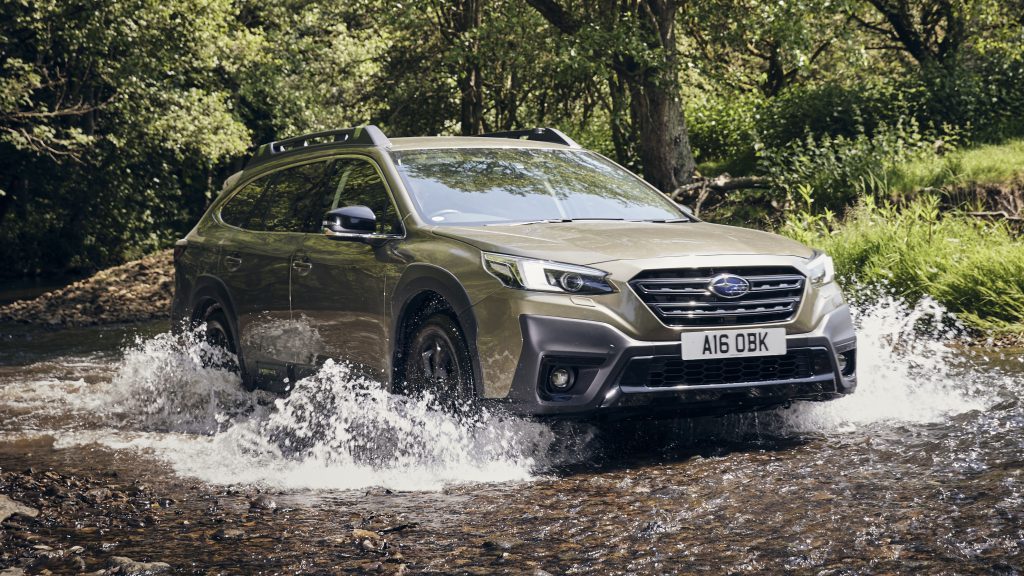
Rust protection is another advantage. Subaru improved its undercoating process, and owners in regions with heavy snow and salt report fewer corrosion-related issues than before. This has helped keep both body integrity and resale value high beyond the five-year mark.
Owners who stay on top of scheduled maintenance usually experience steady performance with very few surprises. The Outback’s reputation for resilience, practicality, and solid engineering makes it one of the most dependable wagons for long-term ownership.
Whether used for family travel or outdoor adventures, it consistently proves that well-built vehicles can remain trustworthy far past their initial warranty period.
6. Toyota RAV4
The Toyota RAV4 continues to set benchmarks for reliability among compact SUVs. After the five-year mark, it stands out as one of the least problematic models in its category. Owners appreciate its balance of efficiency, practicality, and proven mechanical design that requires little attention beyond regular servicing.
The RAV4’s engines are a major reason behind its success. The 2.5-liter four-cylinder has been refined over multiple generations to deliver dependable power and fuel economy.
Its simple yet durable construction limits potential leak points and minimizes oil consumption over time. Many owners report consistent performance well beyond 100,000 miles without significant issues.
Toyota’s transmission tuning adds to the reliability story. The RAV4 uses conventional automatic gearboxes that have shown excellent durability under normal driving.
The shifts are smooth, and the mechanical components rarely suffer from major wear, even in older models. This conservative engineering approach keeps long-term maintenance costs low.
The vehicle’s interior also holds up exceptionally well. Materials are chosen for endurance rather than flashiness. Controls, seat fabrics, and dashboard surfaces remain solid after years of use, helping to prevent expensive warranty claims tied to interior wear or malfunctioning electronics.
Toyota’s attention to build quality is visible in the RAV4’s quiet cabin and consistent fit and finish.
Even after extended ownership, squeaks and rattles are uncommon. Electrical systems, including sensors and infotainment components, perform steadily over time, avoiding the glitches that often trouble other brands.
Suspension and steering parts are equally robust. The RAV4 rides comfortably on a setup that prioritizes reliability over complexity. Its struts and stabilizers have long service lives, and replacements are straightforward when eventually needed.
Toyota’s reputation for durability is reinforced by its customer service and parts support. Owners benefit from easy access to affordable components and mechanics familiar with the platform. Regular maintenance, such as oil and fluid changes, is usually enough to keep the RAV4 running like new.

After five years, the RAV4 remains one of the most cost-effective SUVs to own. Warranty claim data consistently shows it among the lowest in its class for powertrain and electrical issues. Many drivers keep their RAV4s for more than a decade without encountering major repairs, which speaks to Toyota’s engineering consistency.
For anyone seeking a reliable compact SUV that requires minimal attention after the warranty expires, the RAV4 stands as a proven example of dependable design. It’s practical, efficient, and engineered for longevity in everyday use.
7. Honda Accord
The Honda Accord remains one of the most reliable midsize sedans even after many years on the road. Past the five-year mark, it consistently records low warranty claim rates, thanks to its balanced engineering, simple design, and reputation for mechanical honesty.
The Accord’s durability has made it a staple among buyers who want dependable performance without premium maintenance costs.
Under the hood, Honda’s naturally aspirated engines are the heart of its reliability. The 2.4-liter four-cylinder and the later 1.5-liter turbocharged variant are both efficient and built with robust materials.
Honda’s focus on precision machining helps the engines maintain smooth operation long after most warranties end. When serviced with regular oil and coolant changes, they can run quietly and cleanly well past 150,000 miles.
The transmission plays a big role in the Accord’s long-term dependability. Honda’s automatic gearboxes are known for their durability when properly maintained.
The company improved fluid flow and clutch management in later generations, reducing wear and eliminating many of the issues seen in older transmissions. Even the CVT versions have earned praise for their longevity when serviced regularly.
Inside, the Accord’s interior is built to last. Buttons, switches, and infotainment components are made from materials that resist fading and cracking.
Electrical systems are straightforward, with fewer failure points compared to competitors that rely heavily on complex electronics. This simplicity keeps warranty claims low, especially in categories such as climate control and driver-assist systems.
Suspension and steering components have also proven strong over time. The Accord balances comfort and control without relying on fragile systems. Ball joints, control arms, and bushings generally last longer than average, and replacements are easy to source when needed.
The body structure of the Accord holds up well against corrosion, even in harsh weather conditions. Honda’s paint quality and underbody protection have improved across generations, reducing rust-related issues and helping the car retain its clean appearance well into old age.
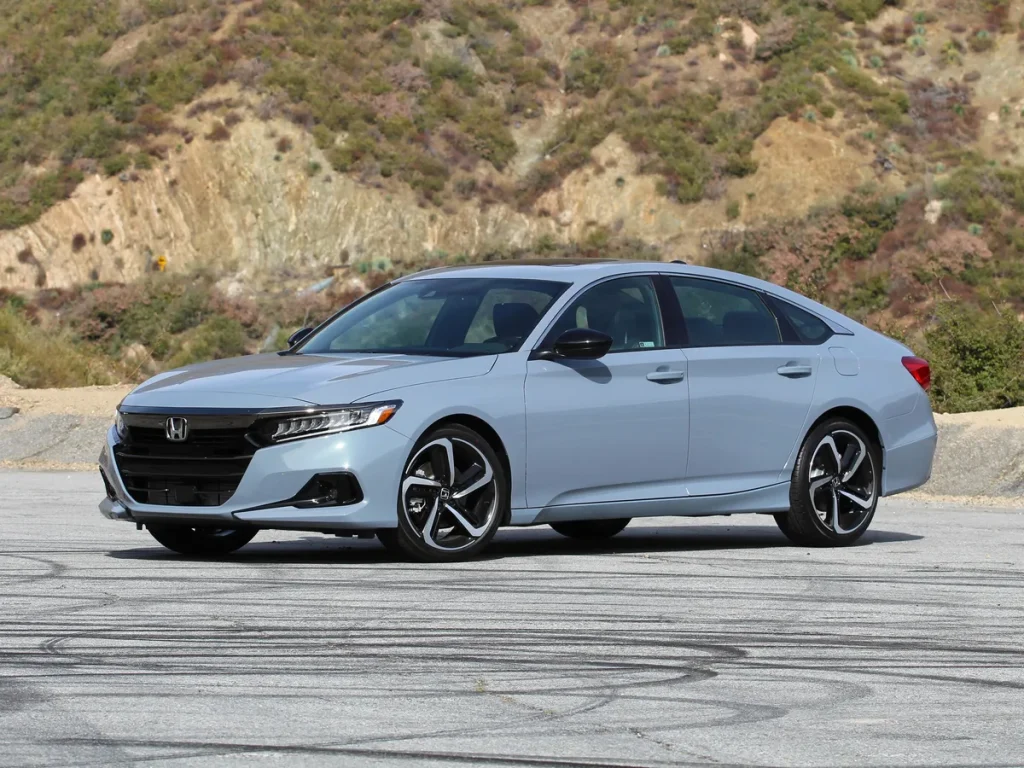
Owners who follow basic maintenance schedules often experience minimal issues even as their cars age. Warranty claim data reflects this consistency, showing very few complaints about major mechanical or electrical failures after the five-year mark.
The Accord’s reputation for reliability isn’t just marketing is supported by real-world performance over decades of production.
For those looking for a sedan that keeps repair costs predictable and avoids post-warranty surprises, the Honda Accord is an excellent choice. Its mix of refined design, proven powertrains, and easy serviceability make it one of the most trustworthy vehicles on the road.
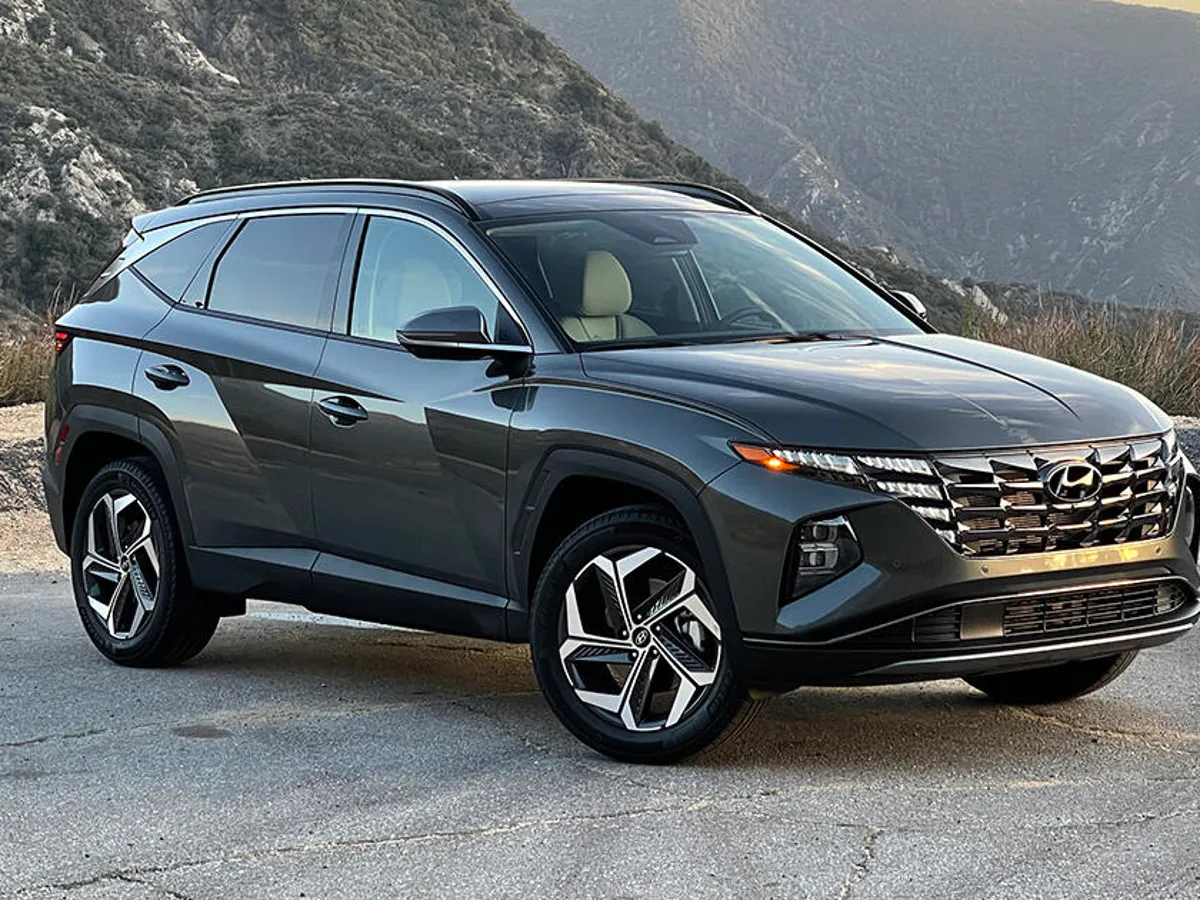
8. Hyundai Tucson
The Hyundai Tucson has evolved into one of the most reliable compact SUVs in its segment. Over the years, Hyundai has worked hard to improve build quality, and the results are clear once the warranty period ends. The Tucson keeps repair claims impressively low after five years, showing that the brand’s focus on long-term dependability is paying off.
The Tucson’s powertrains have been carefully designed for balanced performance and durability.
The 2.0-liter and 2.4-liter engines used in earlier models are known for their sturdy construction, with solid cylinder heads and timing chain systems that last for the life of the vehicle. Later turbocharged variants also perform well when maintained according to the schedule.
Transmission reliability has been a standout area for the Tucson. Hyundai’s six-speed automatic gearbox is simple and proven, with very few long-term issues.
Its smooth operation and low maintenance needs have earned it a reputation for dependability beyond the warranty years. Drivers who stay on top of fluid changes rarely face transmission-related claims.
The Tucson’s interior quality is another strength. Hyundai improved materials significantly, creating cabins that resist wear and retain their fit and finish for years.
Seat fabrics remain firm, control buttons stay responsive, and infotainment systems tend to age gracefully. Electrical problems are uncommon, which helps reduce service visits long after initial coverage ends.
Suspension and braking systems in the Tucson are durable and designed for daily use. Components last longer than average, even on rough roads, and replacements are reasonably priced when necessary. The steering system also holds up well, keeping the vehicle responsive and stable over time.
Body integrity is solid, with strong corrosion protection and well-applied paint that prevents fading. The structure remains quiet and free from rattles as the vehicle ages, which contributes to the feeling of lasting quality.
Hyundai’s extended warranty programs have pushed the company to maintain strict production standards. That commitment benefits owners long after official coverage expires. Many Tucson drivers report few mechanical issues even after seven or eight years of use, a clear sign that the SUV is built to last.
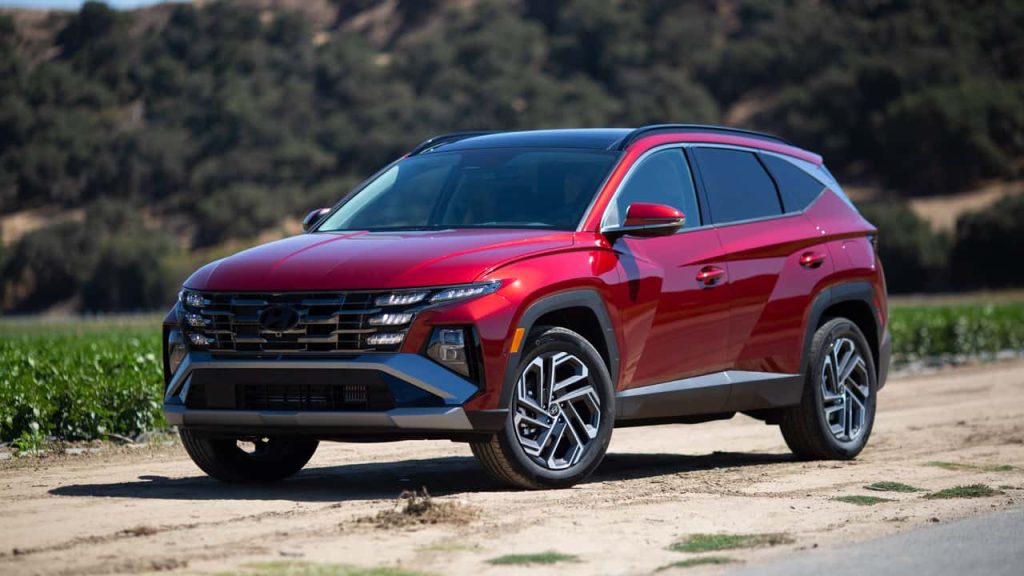
Affordable parts and wide service availability further enhance the ownership experience. Routine maintenance is straightforward, and the Tucson’s design avoids the complexity that leads to frequent warranty claims.
For buyers seeking an affordable SUV with lasting reliability, the Hyundai Tucson stands out. Its strong engines, dependable transmission, and durable build help it remain a trusted companion well past the five-year ownership point.
9. Toyota Highlander
The Toyota Highlander has built a steady reputation for long-term reliability and low repair costs, even beyond the five-year mark. This midsize SUV is one of Toyota’s most consistent performers, earning trust from families and fleet owners who need a dependable vehicle that stands the test of time.
The Highlander’s engines have always been central to its success. The 3.5-liter V6 and the 2.5-liter hybrid system both deliver strong, efficient performance while keeping internal wear minimal.
Toyota’s engineering focus on balanced power delivery ensures these engines remain smooth and durable even after years of daily driving. With regular oil changes and coolant service, they easily surpass 150,000 miles without major issues.
The automatic transmission in the Highlander is another reason for its longevity. Toyota uses a tried-and-tested design that emphasizes steady gear changes and minimal friction.
This approach keeps mechanical stress low and reduces the risk of early failures. Many owners report seamless performance long after their warranties have expired, with only basic maintenance required.
Interior durability also plays a key part in the Highlander’s long-term satisfaction. The materials are chosen for their endurance and comfort rather than luxury flash.
Seats resist sagging, controls retain their crisp feel, and infotainment components hold up well. The simplicity of Toyota’s design philosophy helps prevent the small electrical or electronic problems that can plague other SUVs as they age.
The Highlander’s chassis and suspension components are designed to handle real-world conditions. Its parts are built for strength, allowing the vehicle to maintain ride comfort and stability for many years. Ball joints, struts, and bushings are known for their long service life, leading to fewer suspension-related warranty claims after five years.
Corrosion resistance is another strength. Toyota’s anti-rust coatings and underbody protection keep the Highlander’s frame and panels in good condition even in regions with heavy salt exposure. This focus on durability keeps structural warranty issues extremely rare.
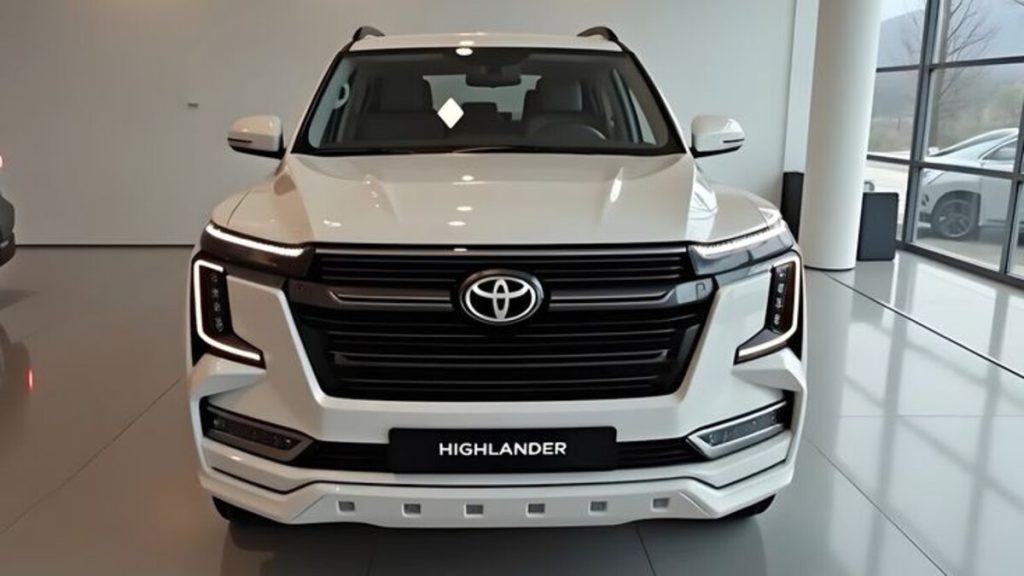
The hybrid version adds another layer of dependability. Toyota’s hybrid systems have an impressive record for lasting well beyond their warranty period with minimal degradation. Batteries and electric motors are carefully managed by the car’s computer systems, helping them stay efficient long-term.
When considering resale value, the Highlander consistently ranks among the best in its segment. That’s because buyers know these SUVs stay dependable for years with minimal repair costs. Its combination of reliable powertrains, strong structure, and straightforward maintenance keeps warranty claims exceptionally low after year five.
The Toyota Highlander is ideal for drivers who value security and durability over flash. It remains one of the most trustworthy SUVs for families who expect their vehicle to perform reliably for a decade or more.
10. Kia Soul
The Kia Soul has grown from a quirky compact car into a surprisingly reliable long-term performer. Past the five-year ownership mark, it continues to impress with minimal repair issues and low warranty claim rates. Kia’s commitment to better engineering and improved materials has helped the Soul become one of the most dependable options in its class.
The Soul’s engines have proven remarkably steady over time. The 2.0-liter four-cylinder used in most models is simple, efficient, and known for its consistent performance. It avoids the complexity of turbochargers and high-stress components, making it easy to maintain and less prone to expensive repairs. Many Souls reach well beyond 120,000 miles with few complaints.
Transmission design has also improved significantly. Kia’s six-speed automatic is durable, smooth, and inexpensive to service. The brand made adjustments to its clutch packs and valve bodies, which cut down on early wear.
This improvement has led to noticeably fewer post-warranty transmission claims, especially among daily drivers who stick to scheduled maintenance.
The Soul’s interior is designed with practicality in mind. Hard plastics and durable fabrics resist scratches, fading, and tearing. Buttons and screens hold up under regular use, and electrical issues are rare. Unlike many compact cars that develop rattles over time, the Soul’s sturdy frame and simple layout help it maintain its solid feel.
The suspension setup is another reason for its low ownership costs. Its straightforward design makes it easy to service and resistant to early wear. Components such as control arms and bushings often last longer than expected, keeping repair needs minimal.
Kia’s focus on quality control and extended warranty coverage has improved manufacturing precision. Even though the Soul is often sold at a modest price, it benefits from the same inspection standards used on the brand’s higher-end models. This translates to dependable performance long after initial warranty coverage expires.
Rust protection and paint quality have also been strengthened in recent years. The body panels resist corrosion, while the paint maintains its color for years, preventing the surface issues that often drive up repair costs as vehicles age.
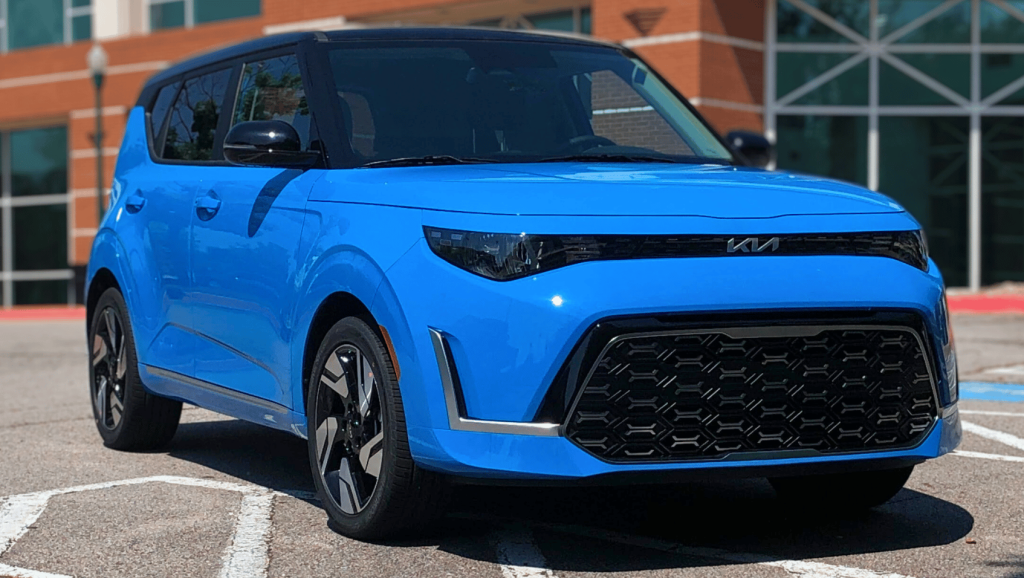
The Soul’s simplicity is what keeps it reliable. There are fewer complex components to fail, and the parts that do require replacement are affordable and widely available. Owners who keep up with oil changes, filters, and basic maintenance often report years of worry-free driving.
As a result, the Kia Soul has earned a reputation for being one of the most dependable compact vehicles on the used market. Its blend of durability, easy service, and strong design makes it a smart long-term choice that rarely needs major warranty support after the fifth year.
11. Nissan Altima
The Nissan Altima has become a dependable midsize sedan that continues to hold up well after the five-year ownership mark. Known for its smooth ride and solid powertrain performance, it maintains one of the lower warranty claim rates in its segment.
Nissan’s gradual improvements in build quality and mechanical design have helped the Altima remain a smart, low-maintenance choice for long-term drivers.
Engine reliability is one of the Altima’s strong points. The 2.5-liter four-cylinder engine is well-known for its simple structure and balanced power delivery. When properly maintained, it runs cleanly and quietly for years without major issues.
Oil consumption and gasket leaks are rare, and the timing chain setup has proven durable over high mileage. The optional 3.5-liter V6 also performs consistently, offering additional strength without adding complexity.
The continuously variable transmission (CVT) once caused some concern in earlier years, but Nissan’s refinements have made newer versions far more reliable. The company improved fluid cooling and belt materials, helping reduce slippage and internal wear.
When serviced at regular intervals, the CVT can easily last past 100,000 miles without needing replacement. This improvement has reduced warranty claims considerably after the five-year mark.
Inside, the Altima’s cabin demonstrates strong resilience. The materials resist fading and cracking, while seats remain supportive. Controls and infotainment systems are straightforward, which minimizes electrical issues.
Nissan has avoided overcomplicating the interior layout, keeping the design user-friendly and less prone to long-term failures.
The suspension and steering setup provides comfort while holding up well to everyday wear. Struts, control arms, and bushings typically outlast those in similar midsize sedans. Even after years of driving, the car maintains a composed feel on the road.
Rust protection and paint durability are solid as well. The underbody coatings resist corrosion, and panels maintain their shine for years, keeping the Altima looking fresh even in regions with harsh winters.
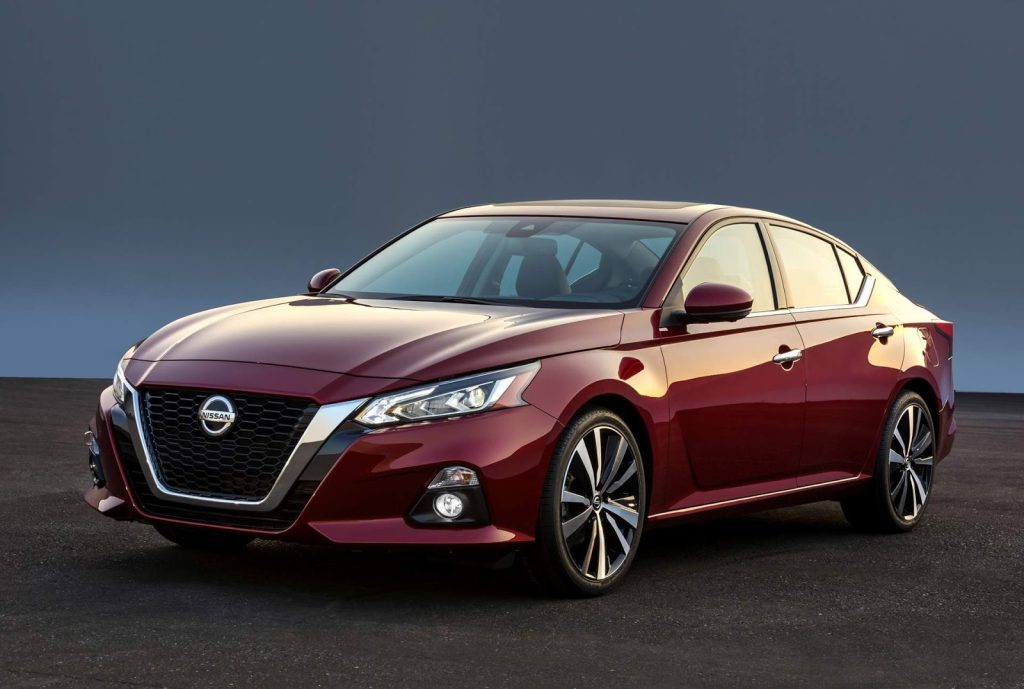
Owners who stay up to date on oil changes and CVT service intervals report minimal repairs even at higher mileage. The Altima’s simplicity and improved engineering have turned it into one of Nissan’s most stable long-term models.
With its smooth driving character, durable drivetrain, and low cost of ownership, the Altima has quietly become a strong option for buyers who value reliability beyond the warranty period.
It balances comfort, efficiency, and practicality without introducing unnecessary complications. For those looking for a sedan that delivers predictable performance year after year, the Altima remains a dependable pick.
12. Ford F-150
The Ford F-150 continues to hold its title as one of the most reliable and durable full-size trucks available. Even after five years, it maintains a low rate of warranty claims, particularly in powertrain and structural categories.
Ford’s attention to improving long-term quality and component durability has made the F-150 a favorite among both personal and commercial owners.
Engine reliability is one of the main reasons for its strong track record. The 5.0-liter V8, along with the EcoBoost V6 options, have shown excellent longevity when maintained regularly.
The engines are built using robust materials and benefit from improved cooling and lubrication systems. Many F-150s continue running smoothly well past 150,000 miles, often without major repairs.
The transmission in the F-150 also performs well over time. Ford’s ten-speed automatic, used in recent models, provides smooth shifting and efficient power delivery. When serviced on schedule, it remains trouble-free beyond the warranty period. Earlier six-speed versions are equally reliable, thanks to proven design and accessible maintenance.
The suspension system is built to handle heavy loads and rough conditions. Components like control arms, shocks, and leaf springs are designed for durability, allowing the truck to retain its ride quality and stability over years of use. Owners report minimal issues even under frequent towing or hauling.
Inside, the F-150’s interior materials are made to endure constant use. Switches, seat fabrics, and infotainment systems hold up well over time. The cabin remains free from squeaks and rattles longer than many competitors, a reflection of Ford’s improved assembly precision.
Rust prevention has also advanced. Aluminum body panels resist corrosion far better than steel, while the frame receives strong protective coatings. This keeps the truck solid and attractive after years of exposure to moisture or road salt.
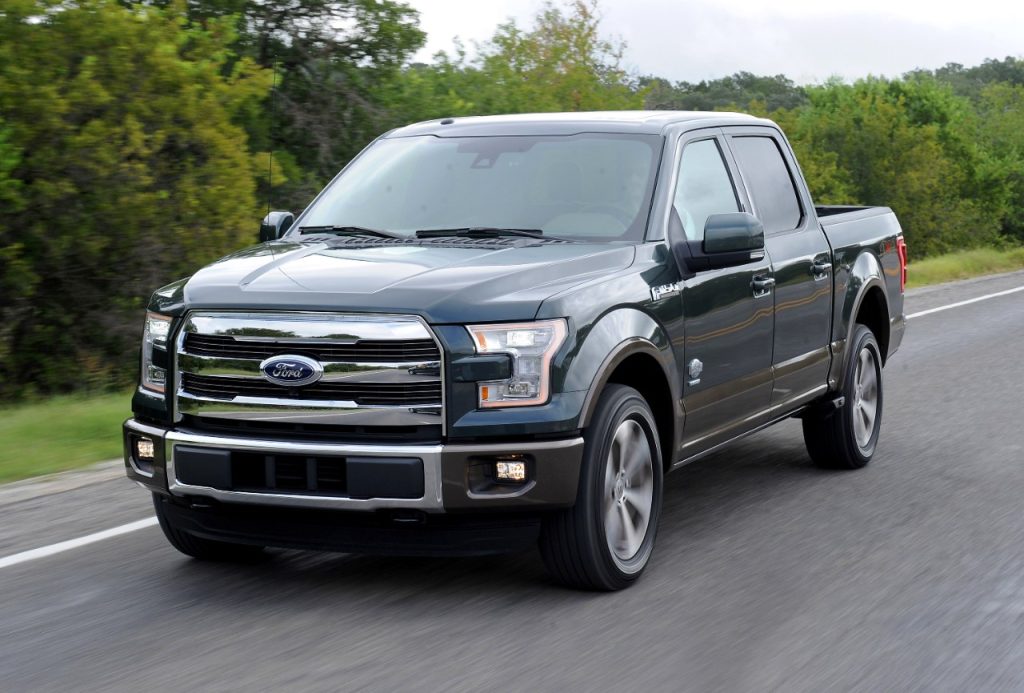
The F-150’s simplicity in mechanical layout makes it easier to maintain than many modern trucks.
Replacement parts are widely available and affordable, which keeps long-term ownership costs reasonable. Many fleet operators keep their trucks well beyond ten years because of this predictable reliability.
With consistent quality control, strong powertrain choices, and a proven structure, the Ford F-150 remains one of the best long-term investments in the truck market.
It delivers power and performance without sacrificing dependability, showing that a workhorse can age gracefully with minimal warranty support after the fifth year.
Also Read: 12 Vehicles That Make Family Life Easier
