
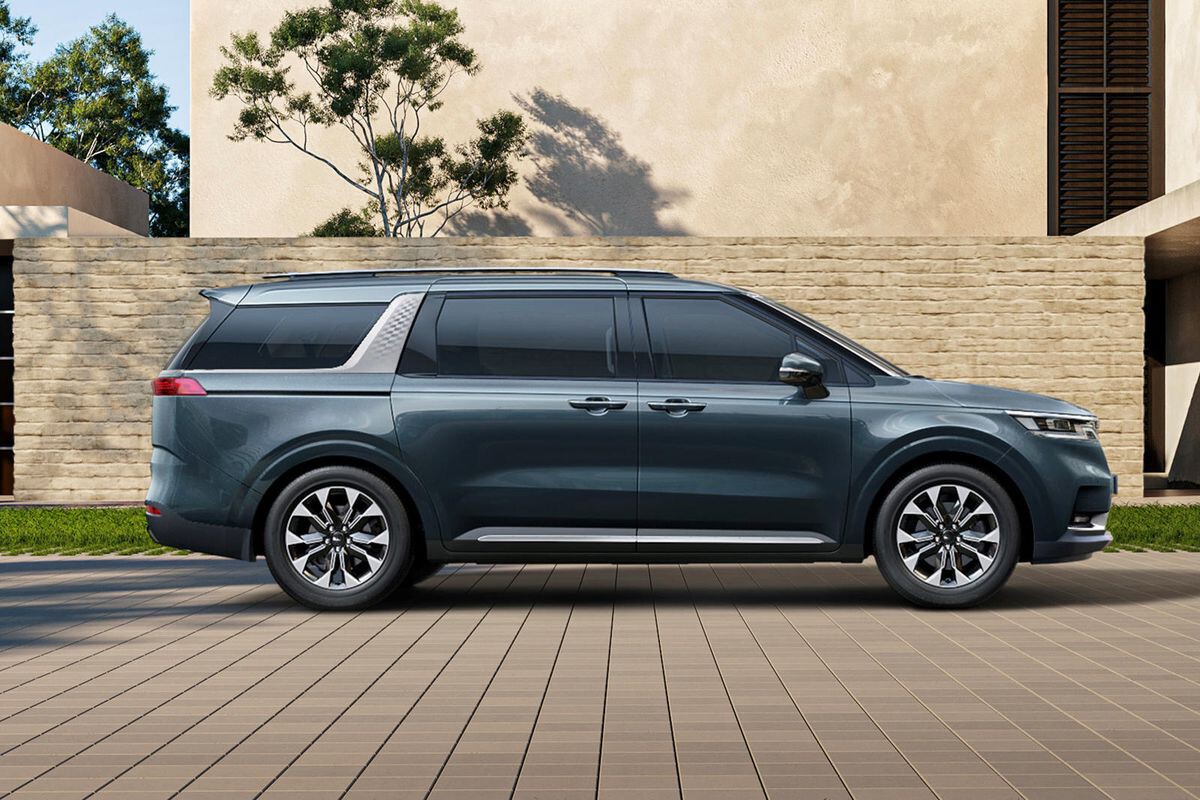
For families, a minivan is more than just transportation it’s a long-term investment in daily life. These vehicles carry kids to school, haul groceries, endure road trips, and often serve as a family’s dependable companion for years.
Yet, not every minivan ages the same way. Some retain their comfort, reliability, and refinement well into high mileage, while others turn into costly maintenance projects that constantly demand repairs.
Understanding which minivans stand the test of time and which tend to wear out early can save owners thousands of dollars and countless headaches.
The best minivans share common traits: strong build quality, proven drivetrains, easy parts availability, and consistent reliability records.
They tend to have engines and transmissions that withstand heavy daily use, along with interiors that remain solid even after years of family life. These models are known for requiring only routine maintenance, which makes them valuable long-term purchases.
On the other hand, some minivans that seem appealing when new may start showing signs of trouble as the miles climb. Issues like transmission failures, electrical malfunctions, rust, or interior degradation can make ownership more expensive and frustrating than expected.
Frequent small repairs can quickly add up, turning what once seemed like a smart buy into a financial burden.
This article examines both sides of the story first focusing on five family minivans that age gracefully, showing reliability and comfort even as mileage rises, followed by five that tend to nickel-and-dime owners over time.
Each section looks at real-world performance, durability, and maintenance trends to highlight what makes one group a wise choice and the other worth avoiding for budget-conscious families.
Also Read: 5 Trucks That Stay Reliable Off-Road vs 5 That Constantly Break Down
5 Family Minivans That Age Gracefully
When choosing a minivan, longevity and dependability matter more than flashy styling or cutting-edge technology. Families rely on these vehicles every day, expecting them to perform consistently under demanding conditions.
A well-designed minivan should retain its strength and comfort even after years of heavy use, offering smooth performance, solid reliability, and low maintenance costs. Some models achieve this balance exceptionally well, maintaining their value and drivability long after their odometers have crossed six figures.
Minivans that age gracefully share certain characteristics. They are built on proven mechanical platforms, feature sturdy engines with long service lives, and use transmissions known for durability rather than complexity.
Their interiors are practical and hard-wearing, designed to resist the wear and tear of children, luggage, and frequent use.
These vehicles also tend to have simple, dependable electronics, meaning fewer surprises as the years go by. Strong resale values further reinforce their reputation for reliability, showing that real-world owners trust them to last.
These minivans prove that thoughtful engineering can withstand time and usage. Their components age predictably, and when maintenance is performed on schedule, they continue to deliver smooth performance without draining the owner’s budget.
Many of these vehicles also benefit from wide parts availability and straightforward servicing, allowing owners to keep them running without excessive expense.
In this section, five minivans are highlighted for their ability to remain dependable, comfortable, and cost-effective long after newer models have entered the market.
Each one has earned its place through proven reliability records, consistent owner satisfaction, and a design philosophy focused on endurance rather than trend-following.
These are the family haulers that continue to perform year after year, making them ideal long-term choices for buyers who value practicality and peace of mind.
1. Toyota Sienna
The Toyota Sienna has built its reputation on consistency, reliability, and long-term durability. Families who own one often keep it for well over a decade, confident in its proven drivetrain and solid construction.
Unlike many competitors that experiment with complex transmissions or fragile components, the Sienna keeps things practical, which contributes to its longevity.
The earlier generations equipped with the 3.5-liter V6 engine are particularly well-regarded. This engine is known for lasting beyond 250,000 miles with regular maintenance, offering smooth power delivery and steady highway performance.
The automatic transmission, when serviced properly, rarely causes trouble, which adds to the Sienna’s dependable nature. Many owners report years of problem-free operation aside from routine items like brakes, tires, and fluids.
Toyota also focused on interior durability. Materials are sturdy, easy to clean, and capable of withstanding the chaos of family life.
The ride quality remains composed even as the miles add up, making it ideal for long road trips or daily commutes. Later all-wheel-drive variants also give the Sienna a rare advantage in poor weather conditions, something few other minivans offer.
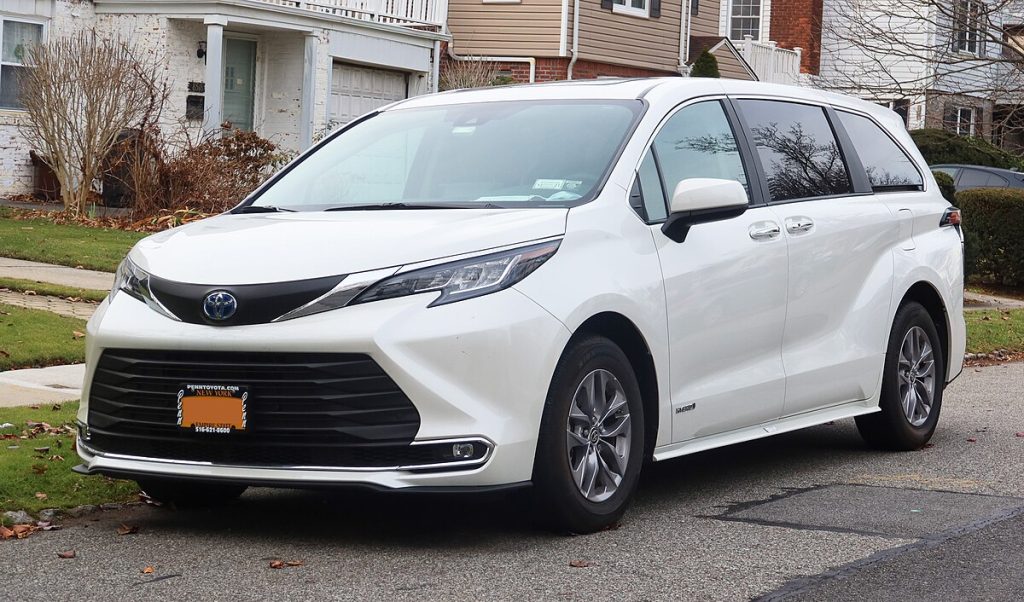
The reason for highlighting the Sienna is simple: it proves that reliability doesn’t have to come at the expense of comfort or practicality.
It delivers the peace of mind families need, year after year. For anyone seeking a vehicle that can handle years of carpooling, vacations, and daily errands without constant repair bills, the Sienna stands as one of the most trustworthy options on the used market.
2. Honda Odyssey
The Honda Odyssey is another minivan that earns long-term loyalty from families thanks to its blend of reliability, strong performance, and family-focused comfort. Its reputation is built on a solid mechanical foundation and thoughtful engineering that prioritizes longevity.
Earlier models with the 3.5-liter V6 engine and smooth automatic transmission have proven exceptionally durable when maintained regularly. The Odyssey’s drivetrain delivers dependable power for highway travel and city driving alike, and many examples easily surpass 200,000 miles without major issues.
The vehicle’s structure and suspension are robust, designed to handle the weight and demands of family use without losing ride comfort.
Inside, the Odyssey demonstrates how quality design contributes to aging gracefully. Seats remain supportive, materials resist fading and wear, and cabin features are laid out intuitively. Sliding doors and storage compartments continue to function smoothly even after years of use, reflecting Honda’s commitment to practical longevity.
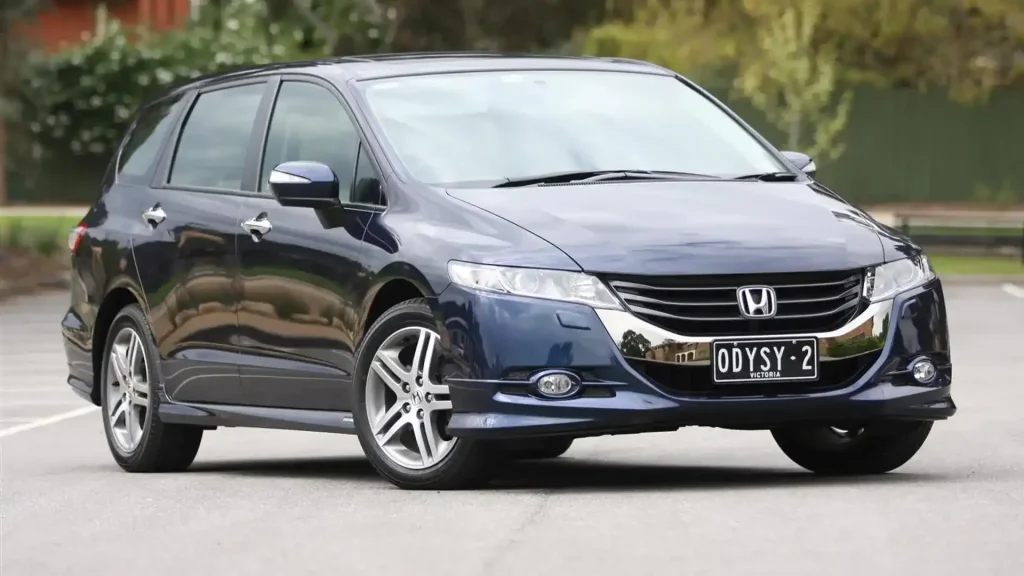
One reason the Odyssey stands out is the way it balances refinement with reliability. It doesn’t just survive high mileage it stays enjoyable to drive. Steering remains precise, the suspension retains its composure, and the overall feel of solidity endures. This makes it a strong option for buyers who want something that feels new even after a decade of ownership.
Writing about the Odyssey is essential because it represents how careful design and consistent engineering can deliver years of trustworthy service.
It’s a minivan built for real families who rely on it daily and expect it to perform without drama. That long-term dependability makes it a vehicle worth recognizing among those that truly age with grace.
3. Kia Sedona
The Kia Sedona has quietly earned a reputation as a long-lasting and value-driven minivan that performs beyond expectations.
While it may not have the brand prestige of Toyota or Honda, the Sedona’s combination of solid construction, comfortable interiors, and mechanical reliability makes it an excellent long-term family vehicle. Its understated durability often surprises owners who discover how well it holds up over the years.
The 3.3-liter V6 engine found in later models provides a dependable balance of power and efficiency. It’s paired with a smooth-shifting transmission that, with regular fluid changes, can easily surpass 200,000 miles.
Kia improved the build quality and corrosion resistance of the Sedona over time, resulting in a model that ages gracefully with fewer rust or body issues than earlier generations.
Inside, the cabin materials are well-chosen and designed to resist the wear caused by family life. Seats remain comfortable, and the climate controls, electronics, and interior fittings tend to retain functionality as the years pass.
The Sedona’s ride comfort is another reason it deserves mention its suspension remains soft and composed even with age, providing a stable and quiet drive on long trips.
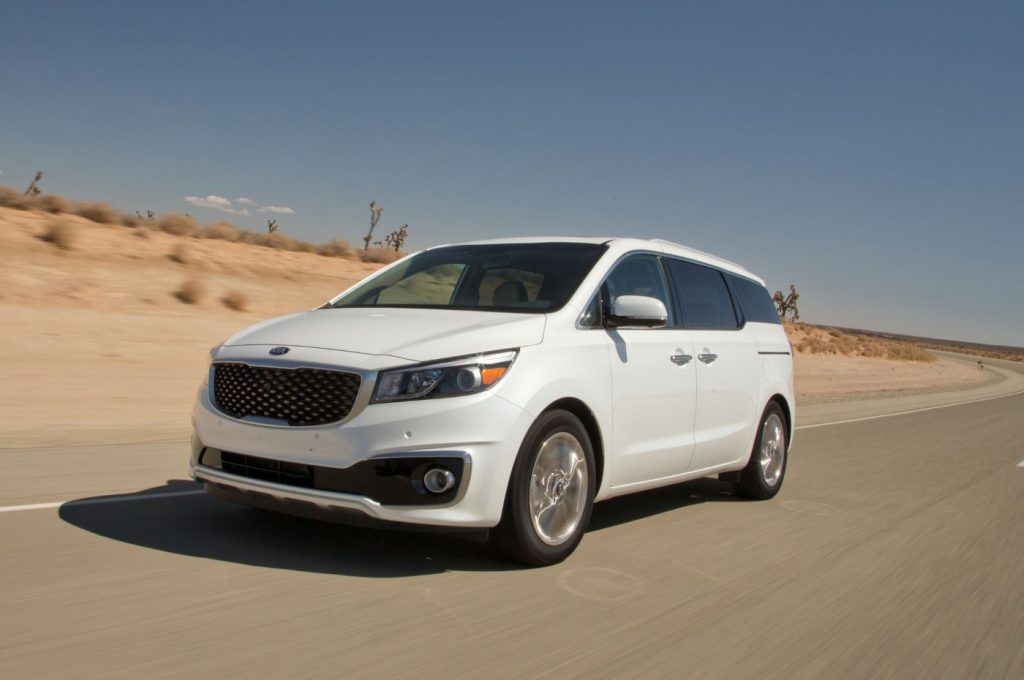
The reason for including the Sedona is that it proves a practical, reliable minivan doesn’t need to come from the most recognized nameplates to age well.
Its mechanical simplicity, well-executed design, and affordability make it an excellent choice for families seeking dependable transportation without excessive ownership costs.
The Sedona stands as an example of Kia’s growing engineering maturity and a reminder that true value lies in longevity, not just reputation.
4. Chrysler Pacifica
The Chrysler Pacifica represents one of the most refined and versatile minivans in recent years, offering excellent comfort, advanced safety features, and strong performance that holds up well with time. Unlike earlier Chrysler minivans, the Pacifica introduced a new level of quality and engineering focus, helping it maintain reliability as it ages.
Under the hood, the 3.6-liter Pentastar V6 engine delivers consistent power and has proven its endurance across multiple Stellantis products. This engine, paired with a well-tuned transmission, continues to perform smoothly well past 150,000 miles when properly maintained.
Chrysler also improved the Pacifica’s build materials and noise insulation, allowing it to retain a refined, quiet ride even after years of use.
The Pacifica’s cabin plays a key role in its long-term appeal. The Stow ’n Go seating system, high-quality upholstery, and well-designed storage areas make it practical for growing families.
Electronics and infotainment systems are generally reliable, and updates over time have made the vehicle more resistant to the common issues that plagued earlier minivan generations.
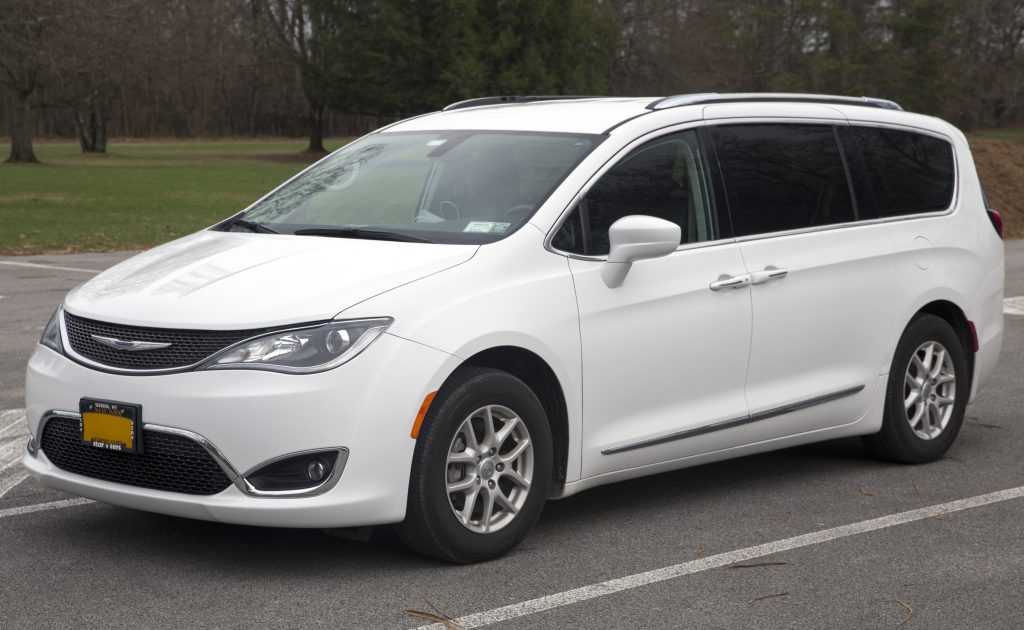
The reason for writing about the Pacifica lies in how it demonstrates Chrysler’s comeback in long-term dependability.
It combines modern convenience with mechanical integrity, aging gracefully in both function and feel. Owners who maintain their Pacifica routinely often find it continues to deliver premium comfort and utility for many years.
For buyers seeking a modern, feature-rich minivan that remains strong with age, the Pacifica offers a balance of refinement, durability, and everyday practicality that makes it a standout among family vehicles.
5. Mazda5
The Mazda5 stands apart from typical minivans by combining compact practicality with long-term reliability and engaging road manners.
While it doesn’t offer the size or power of larger models, its efficient design and solid mechanical foundation make it one of the most durable and user-friendly family haulers for smaller households. Over the years, it has proven that simplicity and smart engineering often age better than overcomplicated technology.
Powered by Mazda’s dependable 2.5-liter four-cylinder engine, the Mazda5 delivers consistent performance with minimal maintenance needs.
The engine’s naturally aspirated design ensures fewer mechanical failures, while the straightforward automatic transmission contributes to its longevity. Owners often praise its ability to handle city driving, commuting, and weekend trips without excessive wear or repair costs, even past 150,000 miles.
Inside, the Mazda5’s cabin materials are functional and hard-wearing. While it’s smaller than typical minivans, it uses space efficiently, offering flexible seating and cargo arrangements that remain practical years after purchase.
The sliding rear doors and easy maneuverability make it ideal for urban families, while the overall simplicity of its layout reduces long-term electronic or mechanical complications.
The reason for highlighting the Mazda5 is its balance of affordability, dependability, and design clarity. It’s proof that a minivan doesn’t have to be oversized or expensive to provide long-lasting value. Mazda focused on essentials solid mechanics, accessible maintenance, and a driving experience that remains enjoyable even after years of ownership.
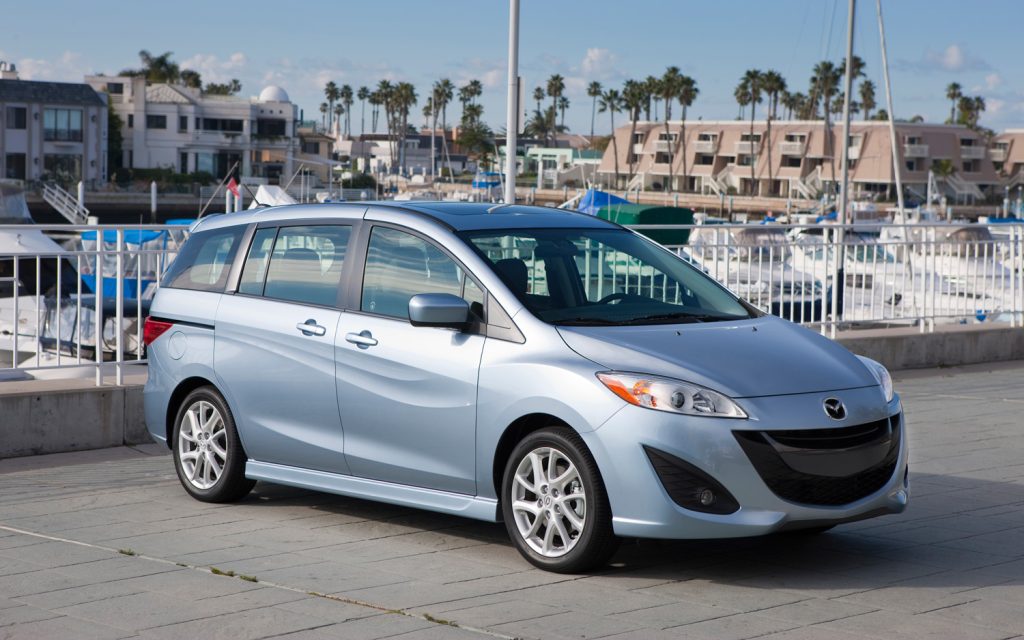
Though no longer produced, the Mazda5 continues to be a smart used purchase for families who want practicality without the bulk of full-size minivans.
Its proven reliability, low upkeep costs, and tidy driving dynamics make it one of the few compact people movers that truly age with grace.
5 That Nickel-And-Dime You
Not every minivan lives up to its promise of family-friendly reliability. Some start strong but gradually turn into costly ownership experiences filled with repairs, parts replacements, and unexpected downtime.
These models might appear attractive with low used prices or flashy features, but beneath the surface lie weak mechanical designs, unreliable transmissions, or aging components that don’t stand the test of time.
What begins as a practical purchase soon becomes an expensive routine of small but constant expenses truly earning the phrase “nickel-and-dime you.”
Minivans are supposed to simplify family life, not complicate it. However, certain models struggle to balance comfort, durability, and cost. Whether due to poor engineering decisions, cost-cutting during production, or reliance on delicate electronic systems, these vehicles often become financial burdens once the warranty expires.
Even basic maintenance can reveal deeper issues, from corroding undercarriages to failing power doors or expensive sensors.
This section focuses on those minivans that promise much but deliver headaches as they age. They might have impressive interiors or sleek styling, but their long-term reliability falls short compared to competitors. For many owners, what seemed like a great deal at the dealership often leads to a chain of service visits and unexpected bills.
The purpose of this list is to help families identify models that are best avoided when shopping used. By highlighting their most common trouble spots and explaining why they fail to maintain value or reliability, readers can make informed choices and save significantly over time.
While these vans may have once offered comfort and innovation, their ongoing costs and maintenance challenges make them less appealing for anyone seeking a truly dependable family vehicle.
1. Chrysler Town & Country
The Chrysler Town & Country was once marketed as a premium minivan loaded with luxury touches and advanced convenience features. However, its reputation for reliability never matched its upscale image.
Beneath the leather seats and power-operated amenities lies a series of mechanical and electrical weaknesses that have frustrated owners for years. Transmission issues, power door malfunctions, and persistent engine troubles make this van costly to maintain as it ages.
The six-speed automatic transmission used in many models is prone to harsh shifting and premature failure. Repairing or replacing it can cost thousands, which erases any savings from buying the van at a lower used price.
The 3.6-liter Pentastar V6 offers decent power but is known for issues such as oil leaks, valve cover gasket deterioration, and misfires caused by faulty ignition coils. On top of that, suspension components wear quickly, leading to clunking noises and uneven tire wear.
Inside, the Town & Country impresses initially with its soft-touch materials and Stow ’n Go seating, but its electronics tend to fail over time.
Power windows, sliding doors, and touchscreens often need repairs, adding to maintenance costs. Even routine work like alternator or starter replacement can be surprisingly expensive due to cramped engine bay design.
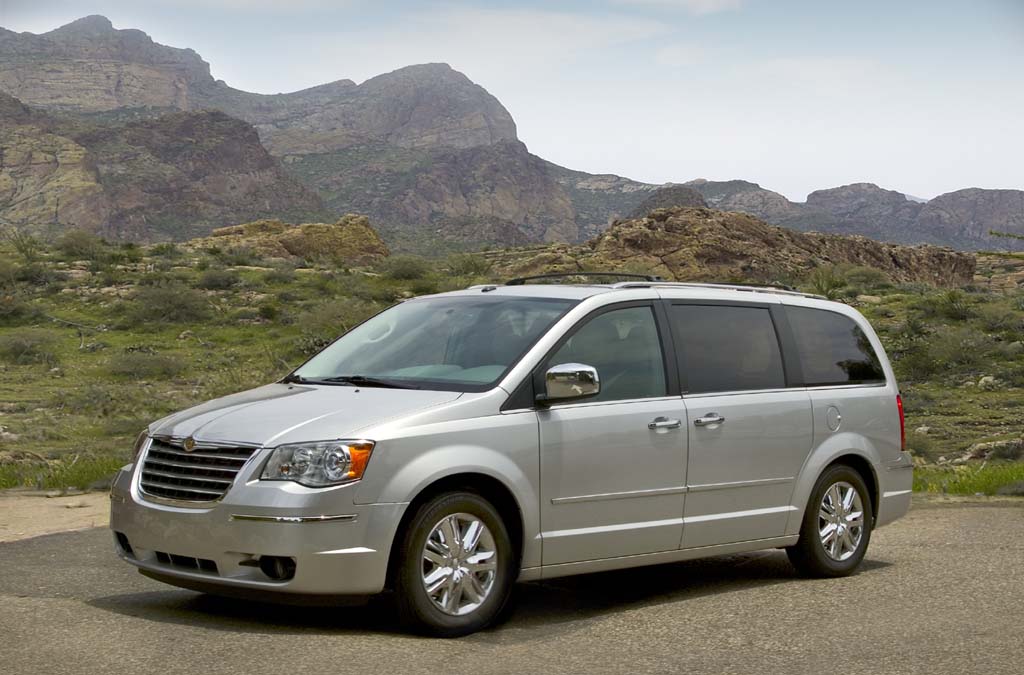
This vehicle earns a spot on this list because it shows how luxury features don’t always translate into lasting value. Many owners report constant small repairs that drain their wallets slowly but steadily.
While the van remains comfortable and well-equipped, the number of mechanical and electrical issues makes it an unreliable long-term companion for families seeking peace of mind.
2. Dodge Grand Caravan
The Dodge Grand Caravan shares much of its DNA with the Chrysler Town & Country, including both strengths and weaknesses, but with even fewer refinements.
Once a favorite for its affordability and spaciousness, it now ranks among the least dependable minivans for long-term ownership. Its budget-friendly appeal often masks chronic reliability problems that start to show once it crosses the 100,000-mile mark.
One of the most common complaints involves the automatic transmission, which is prone to erratic shifting and torque converter failures. The repair costs can be high, and rebuilt units don’t always solve the issue.
The 3.6-liter engine performs well when new but develops oil leaks and cooling problems with age. The electrical system is another trouble spot, with malfunctioning sensors, power locks, and air conditioning units that often fail at inconvenient times.
Interior materials also show wear quickly. Seats lose their shape, door handles break, and interior panels rattle after years of use.
Many owners report frustration with power sliding doors that jam or stop functioning altogether. The combination of mechanical wear and interior deterioration means maintenance costs climb rapidly.
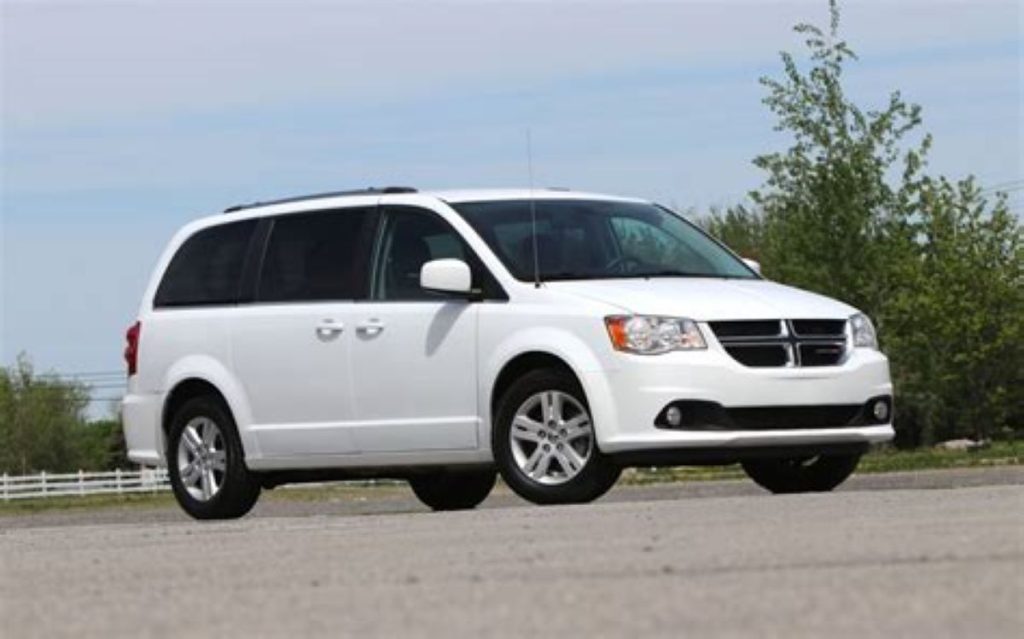
The Grand Caravan is featured here because it demonstrates how a low purchase price can hide long-term expenses. It served many fleets and rental services, which only adds to the wear when purchased used.
While it remains functional for short-term needs, keeping it reliable over several years becomes a financial drain. Families expecting durability and dependability are often surprised by how quickly the bills add up.
3. Nissan Quest
The Nissan Quest once stood out for its bold styling and comfort-oriented design, but those qualities did little to offset its long-term reliability issues.
Despite offering a refined ride and decent features, it quickly gained a reputation for expensive upkeep, limited parts availability, and troublesome electronics. The later generations, especially those produced from 2011 onward, are particularly known for these problems.
A major issue lies with Nissan’s continuously variable transmission (CVT), which often suffers from premature failure. Many owners report slipping, hesitation, or total loss of drive at relatively low mileage.
Replacing or rebuilding the CVT can cost more than the vehicle’s resale value, making it a financial trap for unsuspecting buyers. Additionally, the 3.5-liter V6, while smooth and powerful, can develop oil leaks, failing engine mounts, and coolant leaks from the radiator or water pump.
Interior and electrical reliability also raise concerns. The power sliding doors and rear liftgate frequently malfunction, sensors trigger warning lights unnecessarily, and infotainment screens go blank without explanation.
Parts for the Quest are harder to find compared to more common competitors, adding delays and costs to repairs.
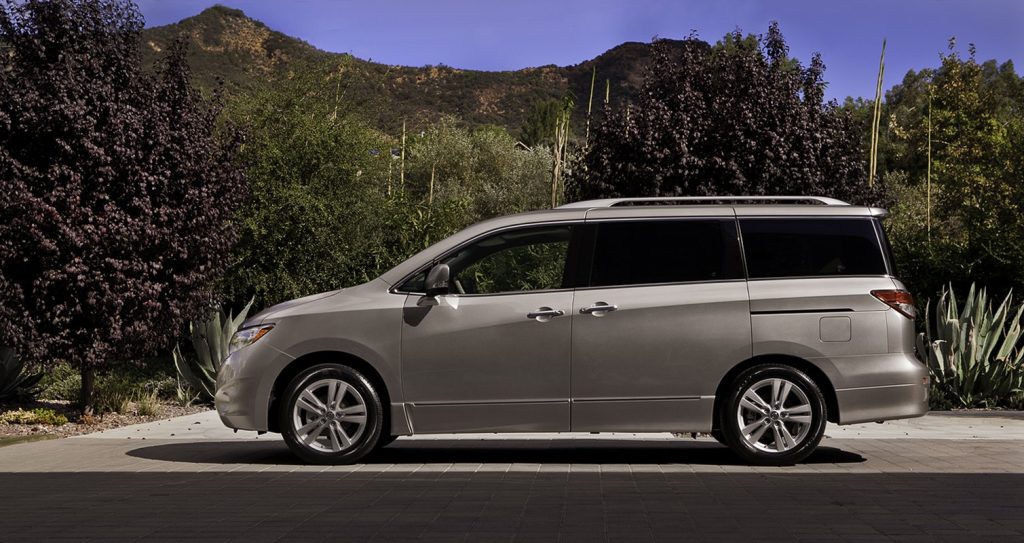
The Quest is included in this list because it perfectly illustrates how design innovation can’t compensate for mechanical fragility. Its unconventional shape and luxurious interior options appealed to families seeking something different, but ownership beyond a few years becomes increasingly difficult.
Those considering a used model often face rising repair bills that outweigh any initial savings, especially since the CVT transmission remains its most vulnerable point. For anyone valuing predictable maintenance and longevity, the Quest tends to turn convenience into a costly commitment.
4. Chevrolet Uplander
The Chevrolet Uplander was GM’s attempt to modernize its minivan lineup, blending car-like design with SUV-inspired styling. While it offered competitive space and features during its short production run, its long-term ownership record proved disappointing.
The Uplander is now widely considered one of the least dependable minivans to maintain beyond its early years, thanks to fragile components, poor corrosion protection, and expensive repair tendencies that frustrate owners.
Under the hood, the 3.9-liter V6 delivers modest power but lacks long-term durability. Oil leaks, transmission failures, and cooling system problems become common as mileage climbs.
The four-speed automatic transmission often exhibits slipping and delayed shifting, requiring costly rebuilds. Engine mounts also wear prematurely, contributing to vibration and drivability issues. Combined with frequent electrical faults ranging from faulty sensors to dashboard warning lights, the result is an ownership experience filled with repair shop visits.
Interior quality was another weak point. The cabin materials age poorly, door handles break easily, and seat mechanisms jam over time. The rear suspension and wheel bearings wear quickly, causing uneven tire wear and poor ride comfort.
Rust is particularly problematic, especially in regions exposed to road salt, leading to frame corrosion that can render the vehicle unsafe.
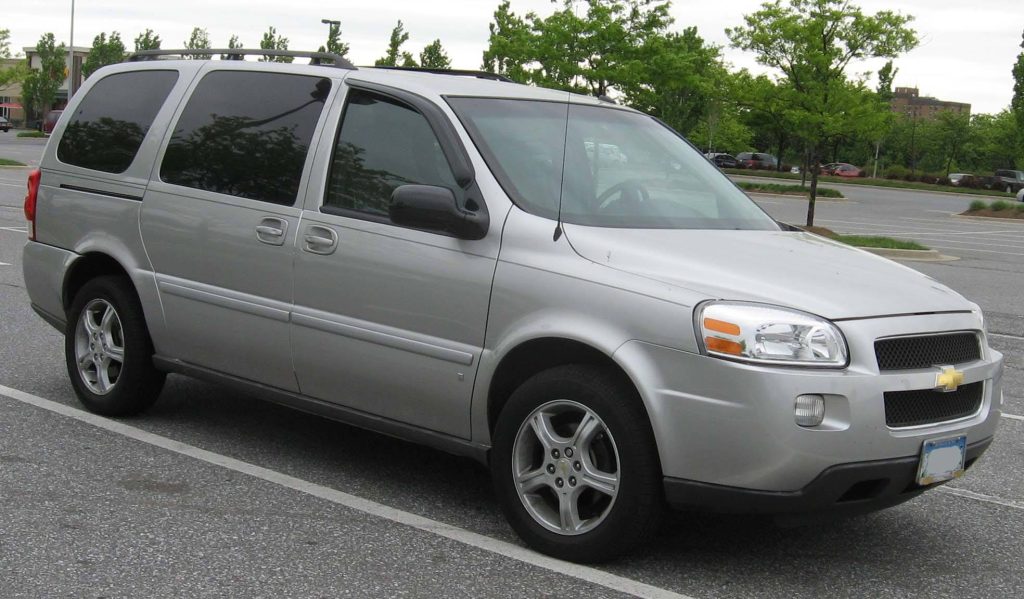
The Chevrolet Uplander earns its place on this list because it represents a model that seemed promising but failed to age gracefully. While it offered a comfortable ride and family-friendly space, it lacked the engineering robustness found in rivals.
Repair costs accumulate gradually each small fix adding up until the total exceeds the vehicle’s value. For families seeking reliability and predictable ownership, the Uplander stands as a cautionary example of how short-term affordability can lead to long-term expense.
5. Volkswagen Routan
The Volkswagen Routan seemed like a smart blend of European refinement and American practicality when it arrived, but in reality, it was more of a rebadged Chrysler Town & Country with a few styling tweaks and a higher price tag.
Unfortunately, it inherited most of the Chrysler model’s weaknesses especially in terms of reliability and maintenance costs. Despite the Volkswagen badge, the Routan failed to offer the engineering consistency that buyers expected, and its upkeep quickly became an expensive exercise.
Under the hood, the Routan shares the same 3.6-liter Pentastar V6 and six-speed automatic transmission used in Chrysler’s lineup. Both components are known for transmission failures, oil leaks, and premature wear of engine mounts.
Routine services often reveal a list of developing issues, including sensor malfunctions, erratic electrical systems, and unpredictable braking performance due to faulty ABS modules.
Interior build quality doesn’t match Volkswagen’s usual standards either. Plastic trims crack, power doors malfunction, and infotainment units frequently freeze or fail.
Replacement parts are more expensive because they’re sourced through Volkswagen’s supply chain, even though the components are often identical to those found in Chrysler vans. This leads to higher ownership costs for essentially the same underlying vehicle.
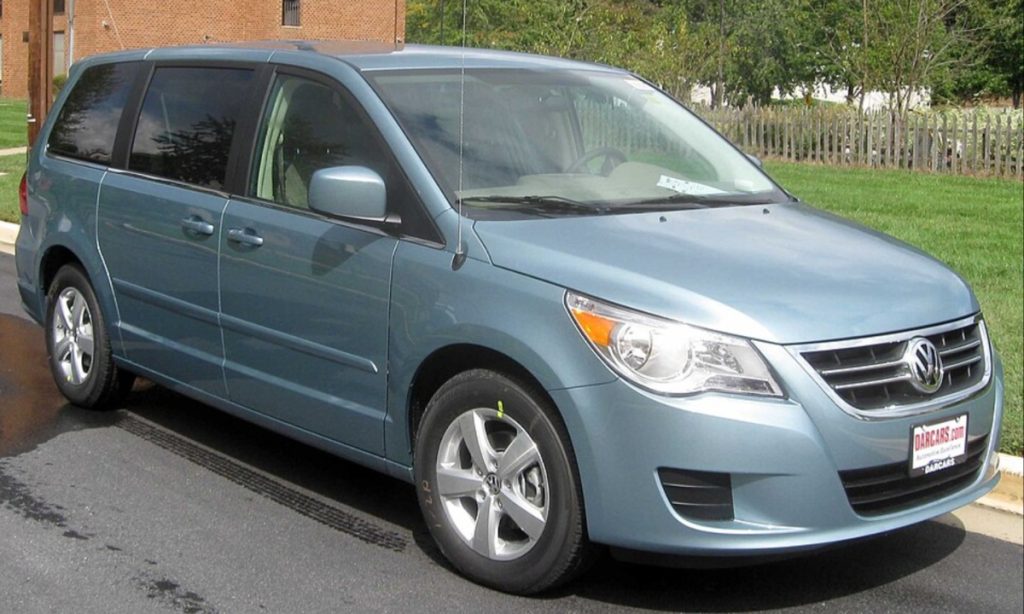
The Routan earns its place on this list because it represents how badge engineering can sometimes mislead buyers. Many assumed it would deliver the durability of German engineering, but it ended up being one of the most expensive vans to maintain in its class.
Between its unreliable drivetrain, costly electronics, and poor parts availability, it often turns from a family-friendly choice into a persistent financial burden. For used-van shoppers, it stands as a clear example of how appearances can hide expensive long-term problems.
Also Read: 5 Cars That Survive Neglect vs 5 That Fall Apart Fast
