
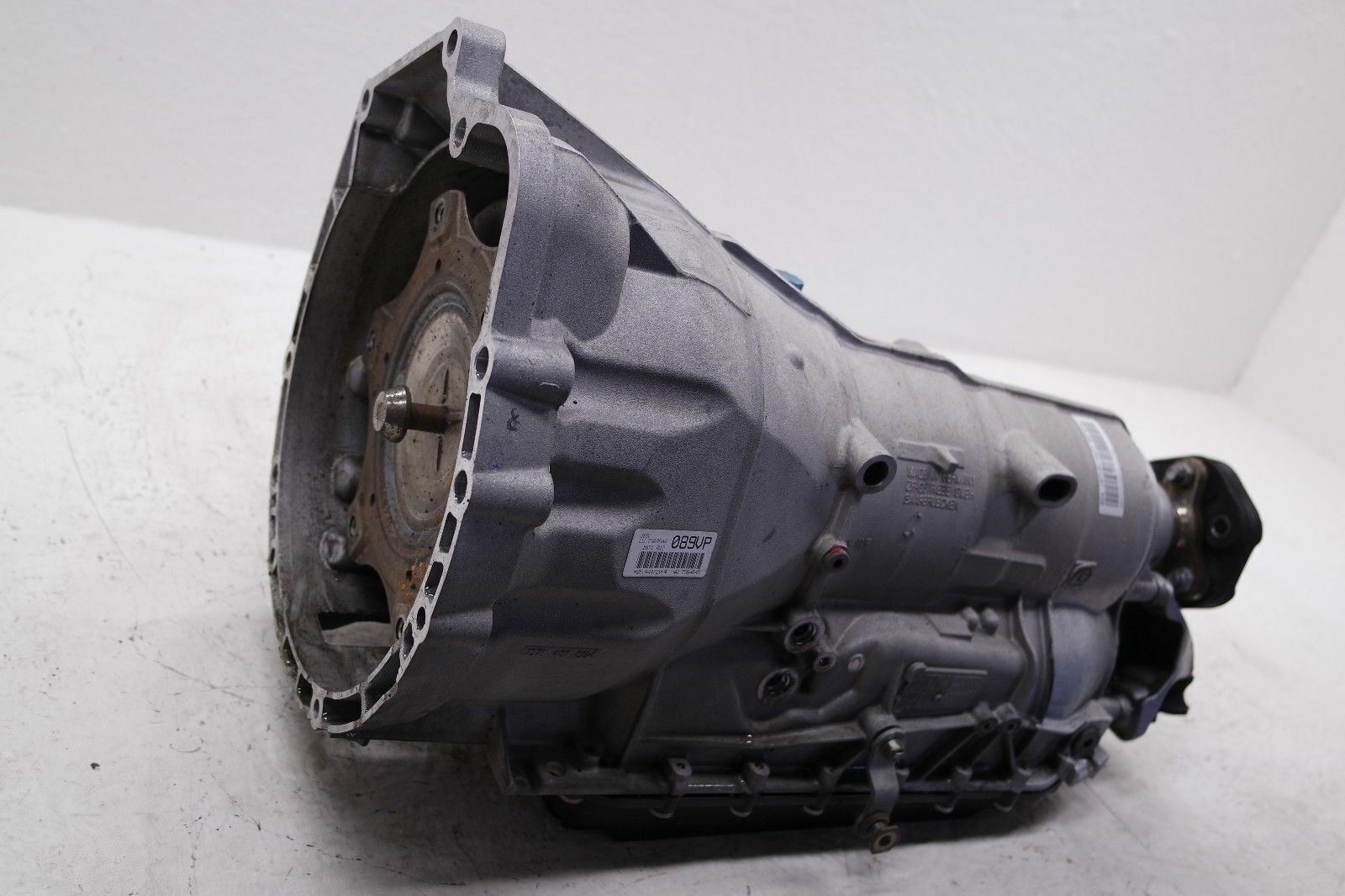
A vehicle’s transmission is one of the most critical components affecting both performance and longevity. It determines how power from the engine is delivered to the wheels, influences fuel efficiency, and directly impacts the overall driving experience.
Yet, not all transmissions are built to endure high mileage. Some are engineered to last for decades, consistently handling stress, heat, and heavy use without failure, while others are prone to early wear, costly repairs, or complete failure well before reaching 150,000 miles.
Understanding which transmissions are reliable and which tend to falter can save owners substantial amounts in repair bills and downtime.
Transmissions that last tend to have robust engineering, proven designs, and high-quality materials. Whether automatic or manual, they maintain smooth shifting and resist wear even under repeated heavy use.
Vehicles equipped with these transmissions allow owners to drive with confidence, knowing that maintenance is predictable and costly failures are rare.
Many long-lasting transmissions are found in vehicles from manufacturers with strong reliability reputations, and they often share designs across multiple models, further confirming their durability.
Conversely, some transmissions struggle under normal driving conditions. They may overheat, slip, hesitate, or fail completely at relatively low mileage. Repairs on these units can be prohibitively expensive, sometimes approaching the cost of replacing the vehicle itself.
Complex electronics, poor lubrication systems, or weak internal components often contribute to their short lifespans. Owners of vehicles with fragile transmissions often face frustration, unpredictable expenses, and reduced resale value.
This article examines two sides of transmission longevity. The first section highlights five transmissions known for reliability and the ability to surpass 250,000 miles with proper maintenance.
The second section focuses on five transmissions notorious for premature failure, rarely surviving 150,000 miles without major repair. Each example explains why the transmission performs as it does and what makes it worth considering or avoiding when buying a vehicle.
Also Read: 5 Trucks That Stay Reliable Off-Road vs 5 That Constantly Break Down
5 Transmissions Happy At 250k
Long-lasting transmissions are a cornerstone of vehicle reliability, giving owners peace of mind and consistent performance over many years. Vehicles equipped with robust transmissions can reach 250,000 miles or more without major issues, allowing drivers to focus on driving rather than frequent repairs.
These transmissions are engineered with durable components, precise tolerances, and effective cooling and lubrication systems, which help them withstand the stresses of everyday driving, towing, and long-distance travel.
Several factors contribute to a transmission’s longevity. Simplicity is key: designs that avoid overly complex electronics or delicate components tend to age more gracefully. Automatic transmissions with sturdy torque converters, well-machined gears, and reliable valve bodies resist slipping and overheating.
Manual transmissions, when properly lubricated and driven responsibly, often last hundreds of thousands of miles due to their simpler mechanical design. Manufacturer attention to engineering details, along with proven service intervals, further ensures that the transmission remains functional over the long term.
Vehicles with transmissions known for exceptional durability often combine this reliability with strong engines and supportive chassis design. This synergy reduces unnecessary strain on drivetrain components, contributing to overall longevity.
Additionally, these transmissions are generally easy to service, with parts readily available, which makes preventive maintenance more straightforward and cost-effective.
Highlighting transmissions capable of exceeding 250,000 miles is essential for buyers who value reliability, low maintenance costs, and long-term ownership satisfaction.
By examining examples of well-engineered units, we can see how thoughtful design and quality manufacturing allow these transmissions to perform consistently, even under demanding conditions.
In the following section, five transmissions that exemplify durability and resilience are detailed, showing why they are trusted by drivers who expect their vehicles to remain dependable well beyond the 200,000-mile mark.
1. Toyota A340E/A343E Automatic Transmission
The Toyota A340E (used in front-wheel-drive models) and its variant A343E (all-wheel-drive models) are legendary for their durability, commonly lasting well beyond 250,000 miles with proper maintenance.
Found in vehicles such as the Toyota Camry, RAV4, and Lexus ES 300, these transmissions have earned a reputation for reliability due to their simple yet effective engineering.
One key factor contributing to their longevity is the robust internal design. The A340E/A343E uses a proven planetary gearset and a dependable valve body, both of which tolerate heat and stress remarkably well.
The torque converter is strong, capable of handling repeated load changes without slipping, while hydraulic circuits are designed to maintain proper fluid pressure under extended use. This allows smooth shifting even after high mileage.
Toyota’s consistent attention to maintenance also plays a role. Regular fluid changes and filter replacements keep the transmission functioning optimally for hundreds of thousands of miles. Many owners report minimal issues aside from routine maintenance, and repair costs are relatively affordable if a rebuild is ever needed.
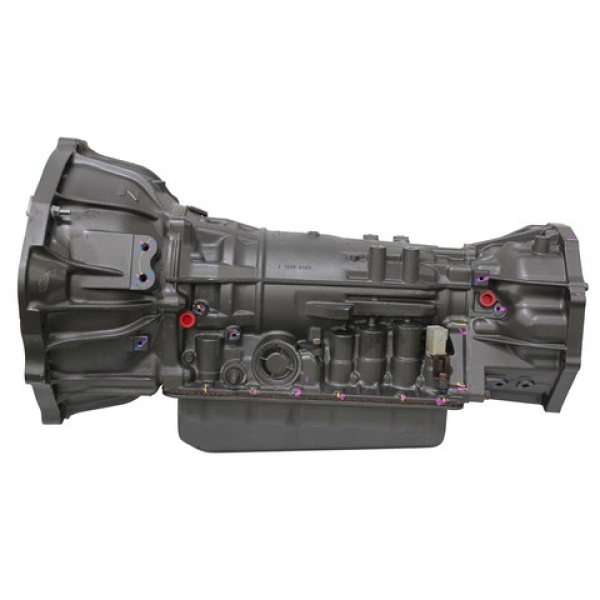
These transmissions are also praised for their smoothness and predictability. Shifts remain consistent throughout their lifespan, which reduces stress on the engine and drivetrain. Additionally, their widespread use across Toyota’s lineup ensures that replacement parts are readily available, further contributing to long-term ownership convenience.
The reason for highlighting the A340E/A343E is that it demonstrates how thoughtful engineering and simplicity result in extraordinary durability.
Vehicles equipped with these transmissions can handle decades of daily driving without the high repair costs that plague less reliable designs. For anyone seeking a dependable car that will go the distance, this transmission is an ideal example of long-term reliability.
2. Ford 4R70W/4R75W Automatic Transmission
Ford’s 4R70W and 4R75W automatic transmissions, found in vehicles such as the Ford F-150, Crown Victoria, and Expedition, are well-known for their ability to surpass 250,000 miles under careful maintenance.
These four-speed automatic units combine strong internal components with proven hydraulic control systems, giving them remarkable resilience in both passenger cars and trucks.
One reason these transmissions last so long is their sturdy internal construction. The planetary gearset, clutch packs, and torque converter are engineered to handle high torque loads without excessive wear.
Cooling and fluid circulation are efficient, preventing overheating during towing or highway driving common causes of premature failure in other transmissions.
Owners also benefit from Ford’s simple design and widespread availability of replacement parts. Even older 4R70W units are supported with aftermarket rebuild kits, making major repairs manageable and cost-effective.
Routine maintenance, such as fluid and filter changes, ensures that these transmissions continue to perform reliably well beyond the 200,000-mile mark.
Another advantage is their adaptability. These transmissions were used in a variety of applications, from sedans to heavy-duty trucks, demonstrating their ability to handle diverse driving conditions. Drivers report consistent shift quality and minimal slipping or hesitation over the life of the transmission.
The 4R70W/4R75W stands out because it combines durability, accessibility, and proven performance. For buyers who plan to drive extensively or tow regularly, these transmissions offer confidence that the vehicle will remain dependable far beyond typical service life expectations, making them a prime example of long-lasting engineering.
3. Honda J-Series Automatic Transmission
Honda’s J-Series automatic transmission, often paired with V6 engines in vehicles like the Accord, Odyssey, and Pilot, is renowned for its exceptional longevity.
With careful maintenance, these units regularly surpass 250,000 miles, providing owners with dependable service for years. Their reputation stems from a combination of solid engineering, precise hydraulic control, and high-quality materials.
A key factor in the J-Series’ durability is its robust internal design. Gearsets, clutches, and the torque converter are built to tolerate repeated stress without significant wear. Honda’s focus on efficient hydraulic circuits and smooth fluid flow ensures shifts remain precise even after heavy use.
The transmission’s internal components are also less prone to overheating compared with many contemporaries, reducing the risk of early failure.
Routine maintenance plays a critical role as well. Regular fluid changes and inspections help maintain consistent performance and prevent wear from debris or old fluid breakdown. Even high-mileage examples often continue to deliver smooth shifting and reliable performance, demonstrating the resilience of the design.
Honda’s transmissions are also mechanically straightforward, which simplifies repairs and minimizes downtime. Replacement parts are widely available, and rebuilds are typically less expensive than those for more complex units.
The reason for highlighting the J-Series is its proven track record. Owners seeking a reliable V6 vehicle that can endure daily commuting, highway driving, and occasional towing find this transmission particularly valuable.
Its combination of engineering simplicity, reliability, and long service life exemplifies how careful design produces a transmission capable of thriving well past 250,000 miles. For anyone focused on durability and long-term value, the Honda J-Series transmission remains one of the best options available.
4. ZF 8HP Automatic Transmission
The ZF 8HP automatic transmission, used in a wide range of luxury and performance vehicles including BMW, Jeep, and Dodge, has earned a reputation for exceptional durability and precision.
Unlike many modern transmissions that suffer from complexity-related failures, the 8HP’s advanced engineering allows it to handle high torque, repeated use, and diverse driving conditions with minimal issues, often surpassing 250,000 miles.
The 8HP employs a sophisticated eight-speed design that optimizes gear ratios for smooth acceleration and fuel efficiency. Its high-quality clutches, planetary gearsets, and hydraulic control system are engineered to reduce wear, heat, and stress on components.
This allows it to maintain consistent shift quality and reliability even under demanding conditions such as towing or spirited driving.
Another factor contributing to the 8HP’s longevity is effective cooling and lubrication. The transmission manages heat efficiently, preventing overheating that can degrade other automatic units over time. Vehicles with proper fluid maintenance often report seamless operation well into high mileage, with very few major issues.
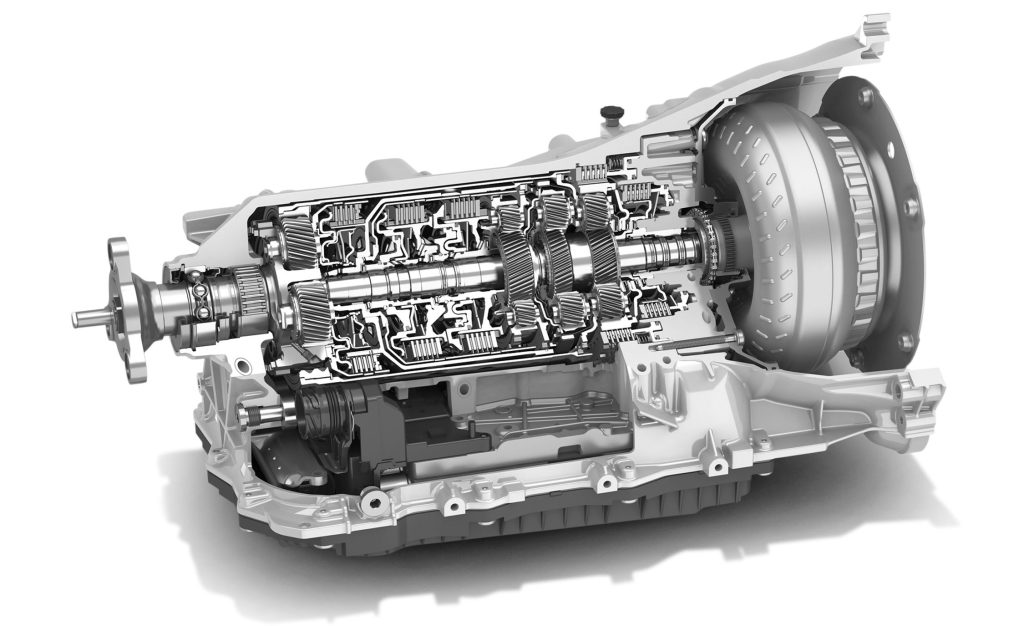
ZF’s widespread adoption also ensures parts availability and service knowledge, making maintenance more predictable. While more expensive than older designs, the cost is offset by long-term reliability and fewer unplanned repairs.
The 8HP is highlighted because it represents a modern transmission that combines advanced engineering with proven durability.
Its ability to handle diverse vehicles and driving conditions while maintaining consistent performance exemplifies how careful design, high-quality materials, and proper maintenance can yield a transmission that remains reliable far beyond typical expectations.
5. GM 4L80E Automatic Transmission
The GM 4L80E automatic transmission, widely used in trucks, SUVs, and large sedans, is celebrated for its extraordinary durability and ability to surpass 250,000 miles when properly maintained. Known for handling heavy loads, towing, and repeated highway use, it has become a benchmark for long-lasting transmissions in the General Motors lineup.
One reason for its longevity is its robust internal construction. The 4L80E features heavy-duty planetary gearsets, reinforced clutch packs, and a torque converter capable of withstanding substantial stress without premature wear.
Its electronic controls are reliable and relatively simple compared with modern, more complex units, reducing the risk of costly failures. The transmission also benefits from excellent cooling and fluid management, which prevents overheating a common cause of failure in less durable units.
Maintenance is straightforward, with routine fluid changes and inspections keeping the transmission in excellent condition for decades of use. Many truck and SUV owners report seamless operation even under heavy towing, highway travel, and frequent city driving.
When repairs are necessary, parts are widely available, and rebuilds are well-documented, making it easier for owners to extend the life of their vehicles.
The 4L80E stands out because it combines strength, reliability, and simplicity. Its design emphasizes longevity over flashy features, ensuring that it can endure harsh driving conditions without constant attention.
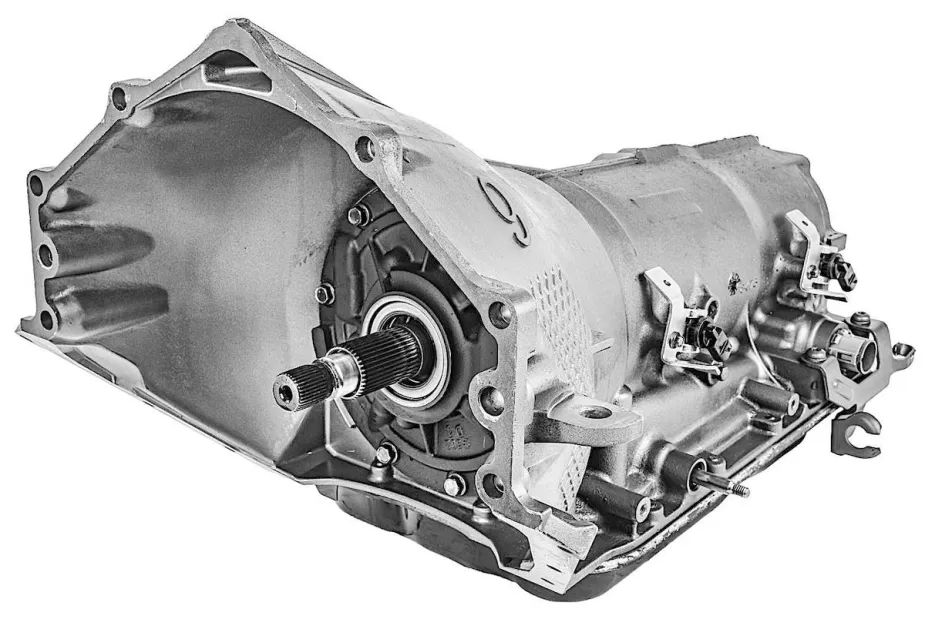
Vehicles equipped with this transmission often outperform competitors in high-mileage scenarios, making it a trusted choice for buyers seeking long-term dependability.
Highlighting the 4L80E demonstrates how heavy-duty engineering and conservative design choices result in a transmission that continues to deliver smooth, reliable performance even after 250,000 miles.
For anyone looking for a truck, SUV, or large sedan that can endure years of demanding use, this transmission is a prime example of durability and resilience.
5 That Won’t See 150k
While some transmissions are engineered to endure hundreds of thousands of miles, others are prone to early failure, leaving owners with costly repairs or complete replacements well before 150,000 miles.
These fragile units often suffer from poor design choices, weak internal components, or reliance on complex electronics that cannot withstand real-world stresses. Recognizing which transmissions fall into this category is essential for anyone seeking a reliable vehicle or minimizing unexpected expenses.
Several factors contribute to premature transmission failure. Overheating, inadequate lubrication, and weak materials often cause slipping, harsh shifts, or total breakdown.
Vehicles that use these transmissions may also include sophisticated electronic controls or continuously variable designs that are highly sensitive to maintenance lapses.
Even small issues, such as degraded fluid or worn sensors, can trigger cascading failures, resulting in expensive repairs or complete replacement of the unit.
These transmissions are commonly found in vehicles with ambitious engineering goals, where performance or efficiency was prioritized over durability.
While they may initially provide smooth operation and modern features, their long-term reliability is often disappointing. Owners frequently face frequent maintenance, expensive repairs, and a reduction in resale value due to the high likelihood of failure.
This section focuses on five transmissions notorious for not reaching 150,000 miles under normal driving conditions. Each example illustrates why the transmission struggles and the common symptoms that indicate early wear.
Highlighting these units helps prospective buyers make informed decisions, avoiding vehicles that may become financial liabilities.
By understanding which designs are prone to failure, drivers can prioritize long-term reliability and avoid the frustration, downtime, and expense associated with short-lived transmissions.
1. Chrysler 62TE Automatic Transmission
The Chrysler 62TE automatic transmission, found in models such as the Chrysler 300, Dodge Charger, and Jeep Grand Cherokee, has earned a reputation for premature failure and costly repairs.
Despite offering smooth shifts when new, its durability is limited, and many examples fail well before reaching 150,000 miles. The transmission’s design struggles under heavy use, and electronic components often exacerbate reliability issues.
One major weakness of the 62TE is its valve body and clutch packs. These internal components wear quickly under stress, leading to slipping, harsh shifts, or complete transmission failure.
Owners frequently report hesitation or sudden gear changes, which can be both dangerous and expensive to repair. Torque converter issues are also common, contributing to overheating and reduced fluid pressure, accelerating component wear.
Electronic controls compound the problem. Sensors, solenoids, and the transmission control module can fail, triggering warning lights or erratic behavior.
Even minor electrical issues may render the transmission inoperative, requiring expensive diagnostics and repairs. Additionally, Chrysler’s tight packaging makes mechanical repairs labor-intensive, driving up service costs.
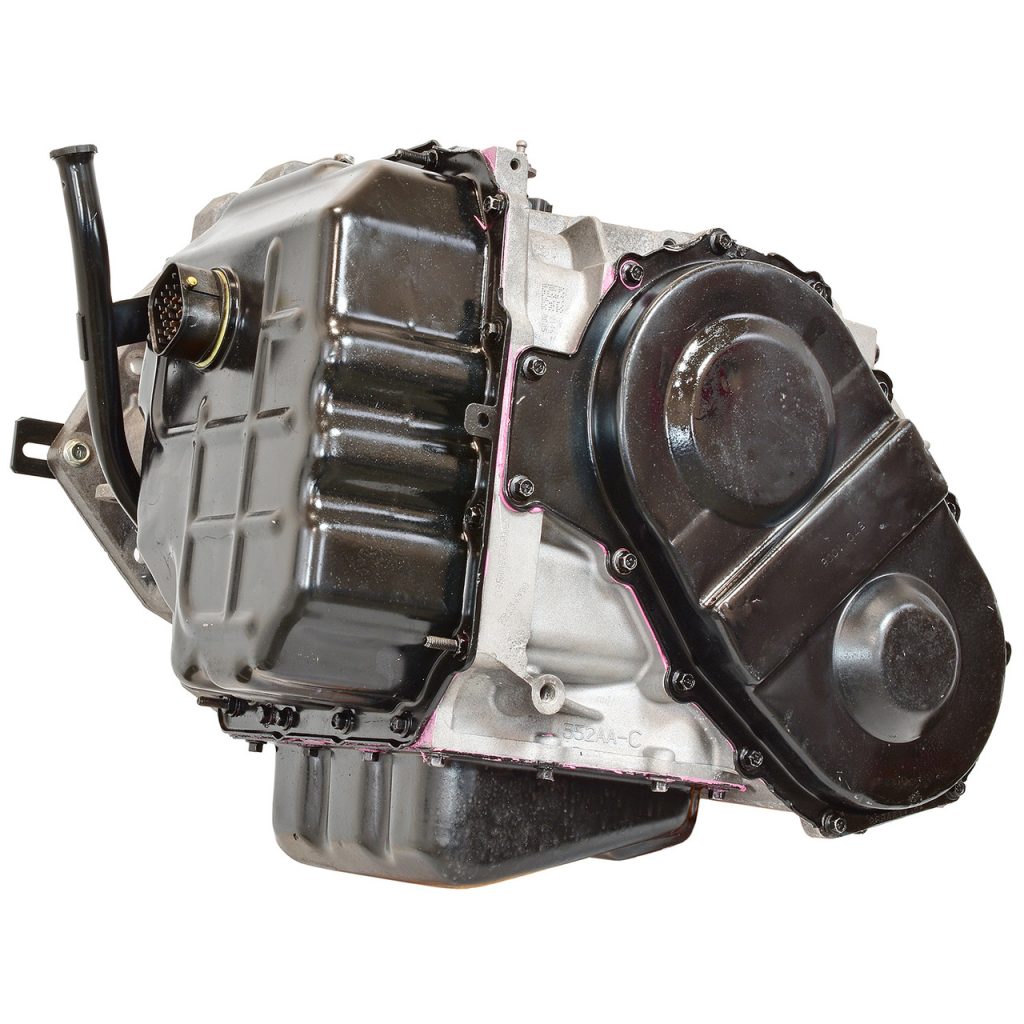
The reason for highlighting the 62TE is its clear pattern of unreliability. While initially smooth and responsive, it does not withstand long-term use without frequent maintenance or major repairs.
For buyers seeking dependable performance over time, vehicles equipped with this transmission are a high-risk choice, as they often demand repeated attention and high costs before reaching 150,000 miles.
The 62TE demonstrates how ambitious engineering paired with delicate components can result in a transmission that struggles under real-world conditions.
2. Honda CVT (Honda Accord/CR-V 2003–2015)
Honda’s continuously variable transmissions (CVTs) from early 2000s to mid-2010s models, particularly in the Accord and CR-V, are notorious for failing prematurely.
While CVTs offer smooth acceleration and improved fuel efficiency, these early units were prone to overheating, belt or pulley wear, and premature component failure, often not surviving past 120,000–150,000 miles.
One critical issue is the steel belt and pulley system. With high mileage or heavy loads, the belt stretches or slips, causing jerky acceleration, loss of power, or complete transmission failure. Heat buildup further accelerates wear, and early CVTs lacked the robust cooling systems needed for long-term durability.
Electronic control is another vulnerability. Sensors and software manage gear ratios continuously, but failures in these systems often result in erratic performance or the transmission entering “limp mode.” Repairs are expensive, and replacement units are costly due to limited availability for older CVT models.
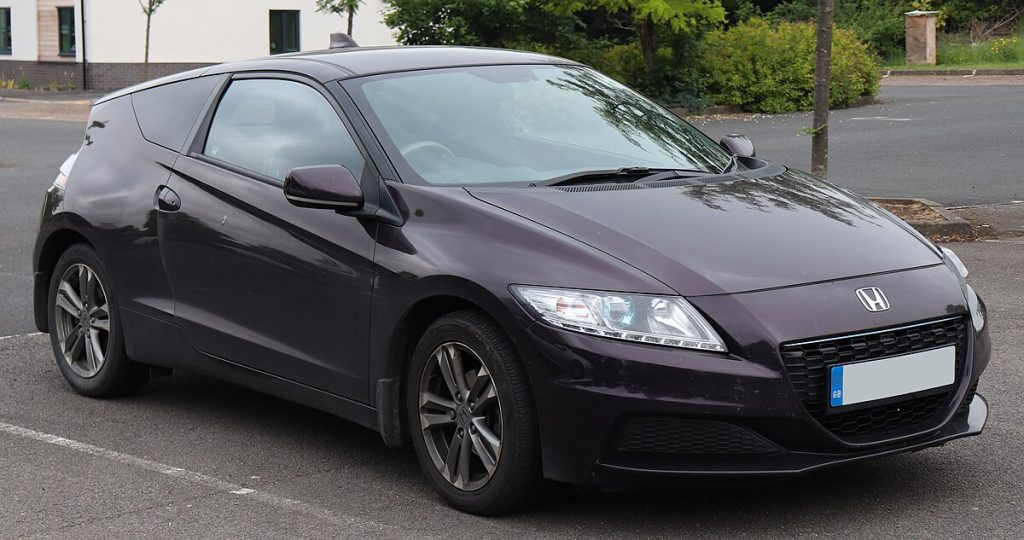
The reason for including Honda’s early CVT is that it highlights how advanced technology can compromise longevity. While offering efficiency and smooth operation initially, the combination of delicate mechanical parts and electronics often leads to failure before 150,000 miles.
Buyers seeking reliability should approach these vehicles with caution or ensure CVT replacements and maintenance history are carefully reviewed.
3. Ford 6F35 Automatic Transmission
The Ford 6F35 automatic transmission, used in vehicles like the Ford Fusion, Escape, and Lincoln MKZ, is known for durability issues that prevent it from reliably reaching 150,000 miles.
While it offers smooth shifting and decent fuel efficiency when new, its long-term performance is limited by internal design weaknesses and sensitivity to fluid maintenance.
One significant problem lies in the clutch packs and planetary gearsets. Under repeated stress, these components wear prematurely, leading to slipping, delayed engagement, and erratic shifting.
Overheating exacerbates wear, and some owners report complete transmission failure at relatively low mileage. The transmission’s compact design also complicates repairs, resulting in higher labor costs compared with simpler, more durable units.
Electronic controls play a critical role in 6F35 failures. The transmission control module (TCM) manages gear shifts, but sensor failures or software glitches often result in harsh shifts, unintended downshifts, or limp mode activation.
Even minor electronic faults can prevent proper operation, leaving owners with expensive repairs and limited options for reliable replacement components.
The 6F35 struggles under towing or high-load conditions, making it ill-suited for drivers who frequently haul cargo or drive in stop-and-go traffic.
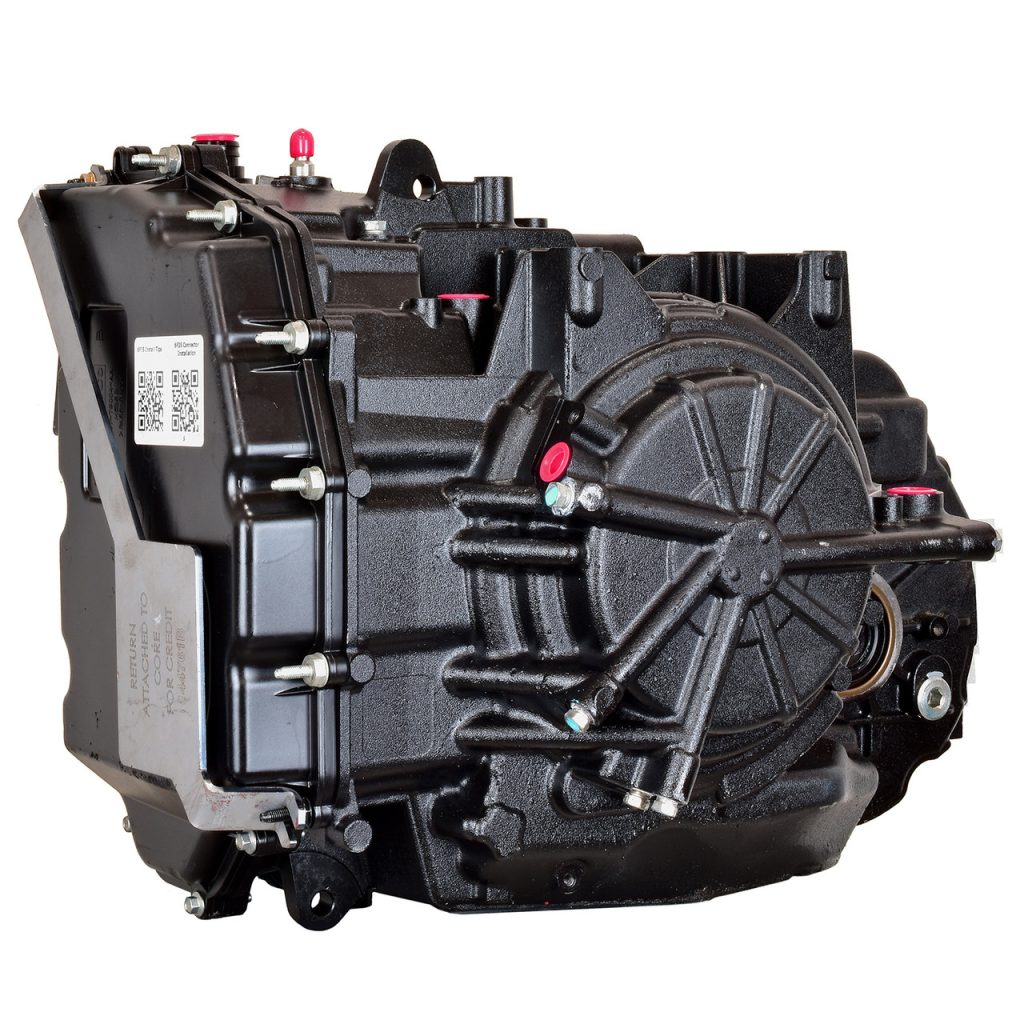
While it may survive moderate use for some years, the risk of early failure remains high, and owners frequently report repair costs escalating before the transmission reaches 150,000 miles.
This transmission is highlighted because it demonstrates how a modern design focused on efficiency and smooth operation can compromise longevity.
Buyers seeking predictable, long-term reliability should be cautious with vehicles equipped with the 6F35, as the combination of sensitive electronics, clutch wear, and limited repair options often leads to costly failures well before the 150,000-mile mark.
4. Nissan RE0F10A/JF011E CVT
Nissan’s RE0F10A and JF011E continuously variable transmissions (CVTs), found in vehicles such as the Altima, Rogue, and Sentra, are infamous for early failures.
These transmissions were designed for fuel efficiency and smooth operation, but their durability often falls short, with many units failing before reaching 150,000 miles.
A core weakness is the steel belt and pulley system, which is highly susceptible to stretching and wear. Overheating, heavy loads, or delayed fluid changes accelerate degradation, causing slipping, shuddering, and loss of drive. Early models lacked robust cooling systems, leaving them vulnerable to thermal stress during normal driving conditions.
Electronic controls also contribute to premature failure. The transmission’s TCM monitors and adjusts pulley ratios continuously, but sensor or software malfunctions frequently result in erratic behavior.
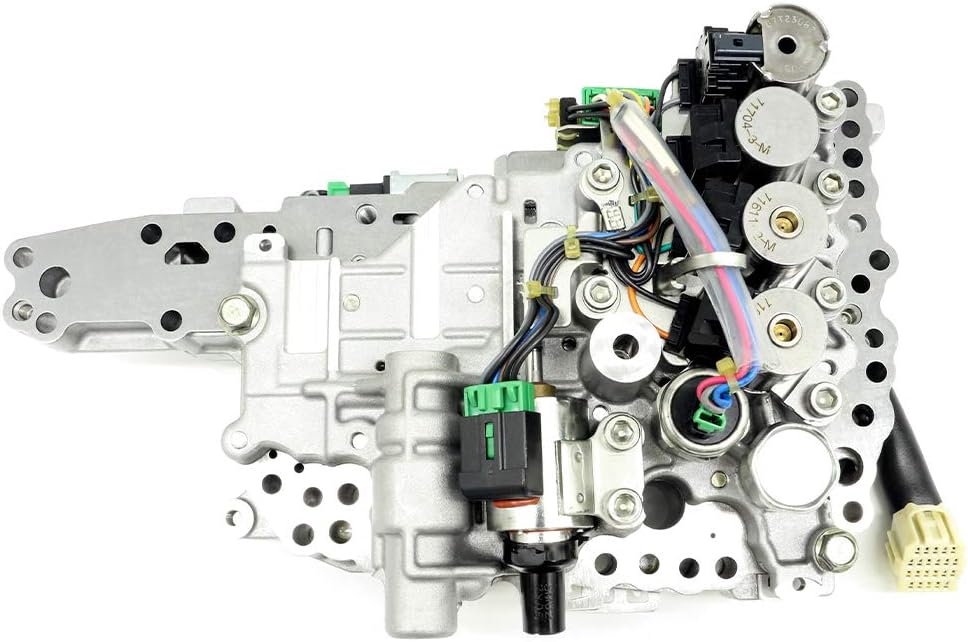
Many owners report limp mode activation, harsh jerking, and warning lights, all of which indicate imminent failure. Repair costs are high, and replacement units remain expensive and difficult to source for older vehicles.
The RE0F10A/JF011E earns its place on this list because it illustrates how CVT designs, while offering efficiency and smooth operation, can compromise longevity if components or electronics fail prematurely.
Drivers seeking reliability and low maintenance costs often face frustration and repeated repairs before 150,000 miles, making these Nissan CVTs a high-risk choice.
5. BMW ZF 6HP Automatic Transmission (Early Models)
The early versions of BMW’s ZF 6HP automatic transmission, used in models such as the 3 Series, 5 Series, and X5, are known for impressive performance but limited longevity. While the 6HP provides smooth, precise shifting and responsive handling, certain models particularly those produced in the early 2000s are prone to failure before 150,000 miles.
A common weakness lies in the mechatronics unit, which controls gear changes electronically. Over time, solenoids and sensors can fail, resulting in harsh shifts, delayed engagement, or complete transmission malfunction. In addition, worn clutch packs and valve bodies exacerbate shifting problems, especially under heavy load or spirited driving conditions.
Cooling and lubrication are also critical concerns. In early units, overheating is common, particularly in hot climates or vehicles subjected to frequent city driving. Heat accelerates wear on internal components, increasing the likelihood of early failure. Fluid contamination or neglect of regular maintenance further reduces lifespan.
Repair costs for the ZF 6HP are high, and replacement units can be expensive due to the transmission’s complexity. While later revisions improved reliability, early models remain a cautionary example of how advanced engineering does not always equate to long-term durability.
The 6HP is included in this list because it demonstrates that even high-quality, performance-oriented transmissions can fail prematurely if design vulnerabilities and maintenance requirements are not properly managed.
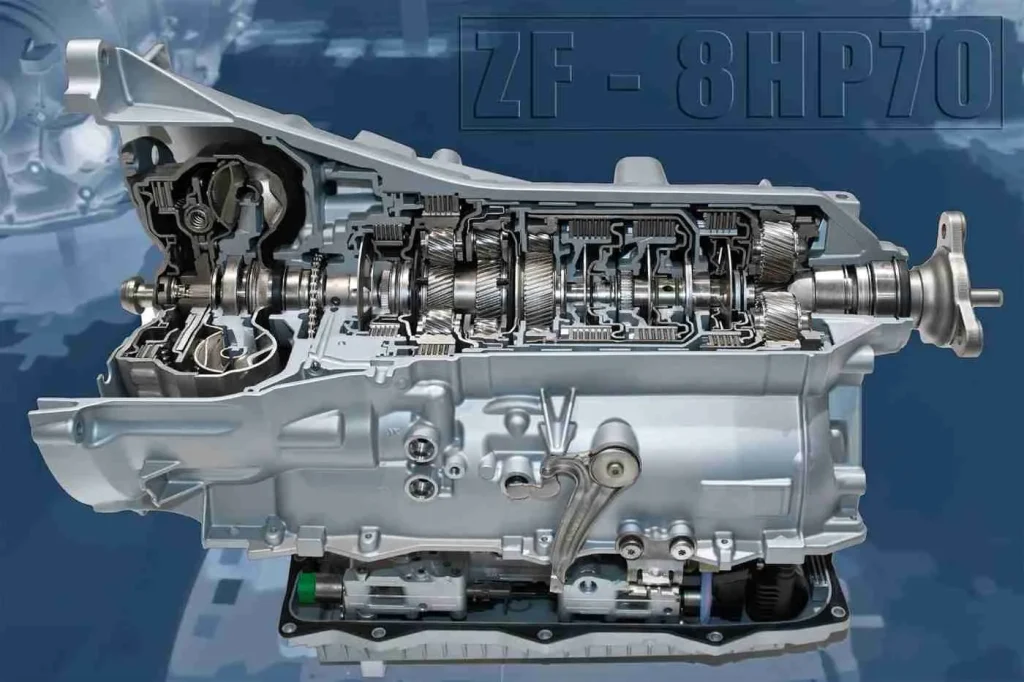
Prospective buyers should exercise caution and ensure thorough service history verification when considering vehicles equipped with these early ZF units.
Transmissions are among the most critical components in any vehicle, directly affecting performance, efficiency, and long-term reliability.
While some transmissions can endure hundreds of thousands of miles, others fail prematurely, often creating unexpected expenses for owners. Understanding which units fall into each category is essential for informed vehicle selection and long-term ownership satisfaction.
Also Read: 5 Used Police-Spec Cars Worth Buying And 5 Ex-Fleet Cars To Skip
