
When considering a vehicle purchase, maintenance costs often play a significant role. One factor that can dramatically affect repair bills is the type of engine: turbocharged or naturally aspirated.
Turbo engines offer higher power outputs and better performance in smaller packages, but they often come with increased complexity and higher long-term maintenance costs. Naturally aspirated engines, by contrast, tend to be simpler, easier to maintain, and less prone to expensive repairs over time.
Turbocharging introduces additional components such as turbochargers, intercoolers, and high-pressure fuel systems. These parts can fail, and repairs or replacements can be costly.
Heat management is another concern, as turbo engines often operate at higher temperatures, which can place extra stress on engine internals, gaskets, and exhaust systems. Oil quality and maintenance intervals become more critical, making ownership potentially more demanding.
Naturally aspirated engines typically avoid these complexities. With fewer components under stress, simpler cooling and fuel systems, and lower operating pressures, these engines are often more forgiving when it comes to wear and tear.
Repairs are generally straightforward and less expensive, which can make them appealing for owners prioritizing reliability and low maintenance costs.
This article compares ten vehicles with non-turbo and turbo versions, highlighting which options keep repair bills down. Each section examines factors such as engine design, maintenance requirements, common issues, and real-world costs.
The goal is to provide readers with practical insights that help them choose vehicles that combine performance and reliability without excessive financial burden.
By understanding the differences between turbocharged and naturally aspirated engines, buyers can make informed decisions.
Whether prioritizing longevity, ease of maintenance, or overall cost of ownership, this guide offers clear examples of models where simpler designs translate to lower repair bills, and where forced induction might add long-term expenses.
Also Read: 5 Used Police-Spec Cars Worth Buying And 5 Ex-Fleet Cars To Skip
1. Honda Civic (Non-Turbo)
The Honda Civic with a naturally aspirated engine is widely known for reliability and low maintenance costs. Its simple engine design allows for fewer points of failure, making repairs and upkeep more affordable compared to turbocharged models.
Owners frequently report that high-mileage Civics maintain consistent performance without expensive engine work.
One of the reasons the non-turbo Civic keeps repair bills down is the absence of forced induction. Without a turbocharger, there are no high-pressure components, intercoolers, or complex plumbing that can fail.
The engine runs at lower stress levels, which reduces wear on pistons, valves, and gaskets. Oil and cooling systems experience less strain, which further contributes to longevity.
Routine maintenance is straightforward. Changing oil, replacing spark plugs, and servicing the timing belt or chain follow standard intervals without requiring specialized tools or procedures.
These factors make DIY maintenance more feasible, and even professional servicing tends to be less expensive compared to turbo engines.
The simplicity of the naturally aspirated Civic also benefits owners in terms of fuel quality requirements. Turbocharged engines often require premium fuel to prevent knocking and maintain performance, whereas non-turbo Civics operate efficiently on regular fuel.
This not only lowers operational costs but also reduces the risk of engine damage from improper fueling.
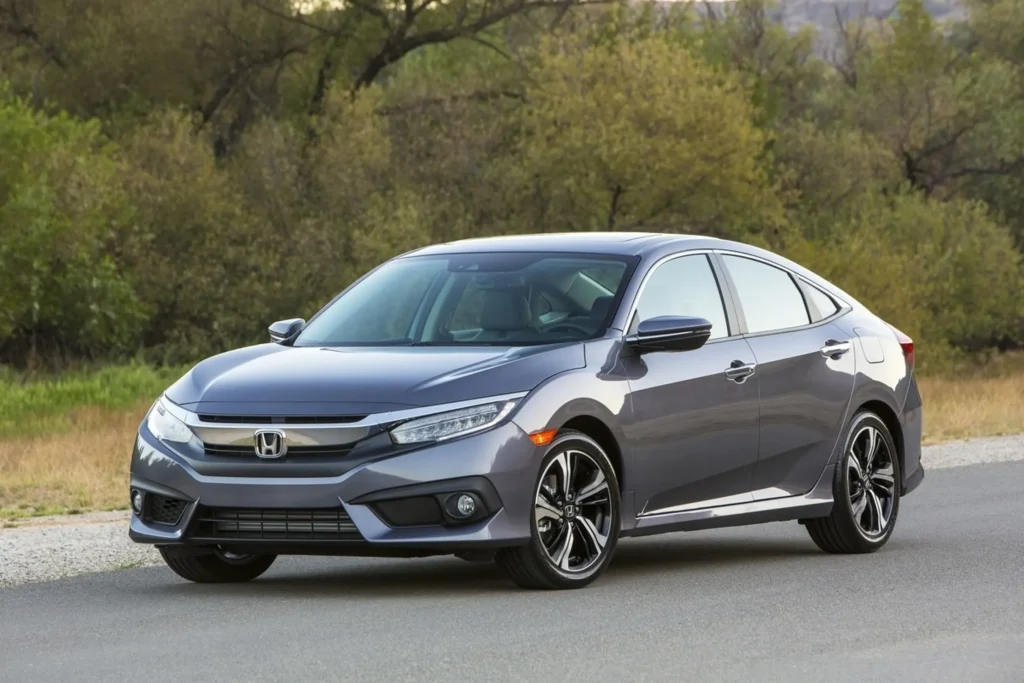
Another advantage is predictability in repairs. The Civic’s NA engines have a long history of consistent issues, mostly minor and inexpensive. Components such as water pumps, alternators, or sensors are easier to replace, and mechanics are familiar with common problems, reducing labor costs.
Overall, the Honda Civic non-turbo provides a blend of practicality, longevity, and low-cost maintenance. Its simplicity and proven engineering ensure that owners spend less on unexpected repairs while still enjoying reliable performance over hundreds of thousands of miles.
2. Volkswagen Golf GTI (Turbo)
The Volkswagen Golf GTI is a sporty hatchback featuring a turbocharged engine. While it delivers excellent performance, turbocharging introduces complexity that can increase repair bills over time. High-pressure fuel systems, intercoolers, and turbo components are all additional points of potential failure compared to non-turbo versions.
Turbocharged engines, like the one in the Golf GTI, generate more heat and operate at higher pressures. This places stress on pistons, gaskets, and bearings.
Over time, components may wear faster, and repairs such as turbo replacements or head gasket fixes can be costly. Maintaining the engine’s performance often requires careful attention to oil quality and service intervals.
Routine maintenance is more demanding. Turbo engines are sensitive to neglect; overdue oil changes or low-quality fuel can accelerate wear on the turbo and associated parts. While modern GTIs have improved reliability, owners still face higher long-term maintenance costs compared to naturally aspirated Golfs.
Despite these challenges, the GTI offers strong performance and driving enjoyment. Many enthusiasts are willing to accept higher repair costs in exchange for faster acceleration and sporty handling. However, for owners prioritizing low-cost ownership, the turbo system introduces potential expenses that can accumulate over time.
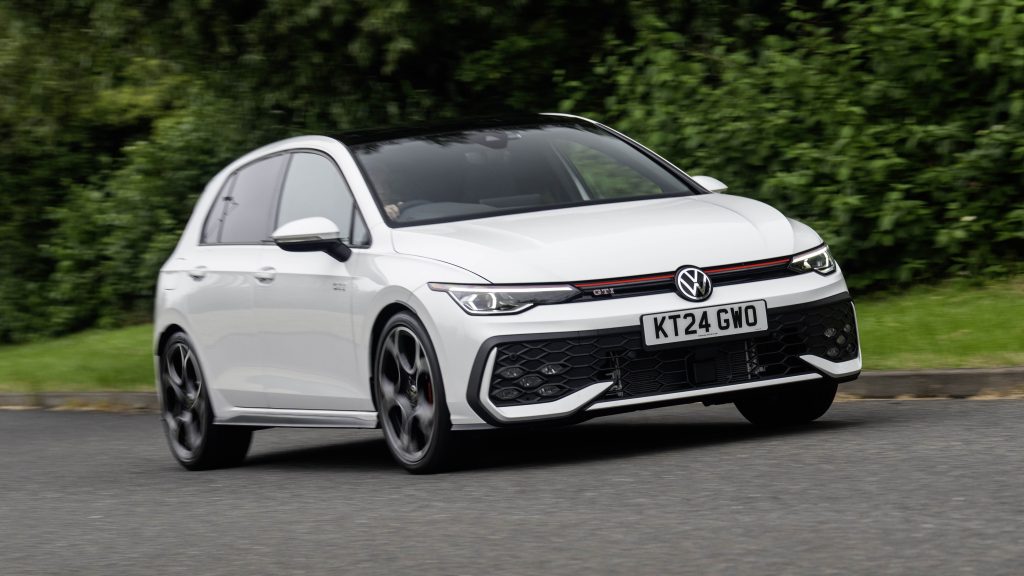
Another factor is the potential for more frequent part replacement. Components such as turbochargers, wastegates, and intercoolers may require attention after significant mileage. Labor costs for turbo engine servicing are often higher due to the complexity and compact packaging under the hood.
Overall, the Volkswagen Golf GTI demonstrates the trade-off between performance and maintenance costs. Turbocharging enhances driving dynamics but comes with increased repair risk and expenses. Buyers must weigh the appeal of added power against the potential for higher long-term maintenance bills.
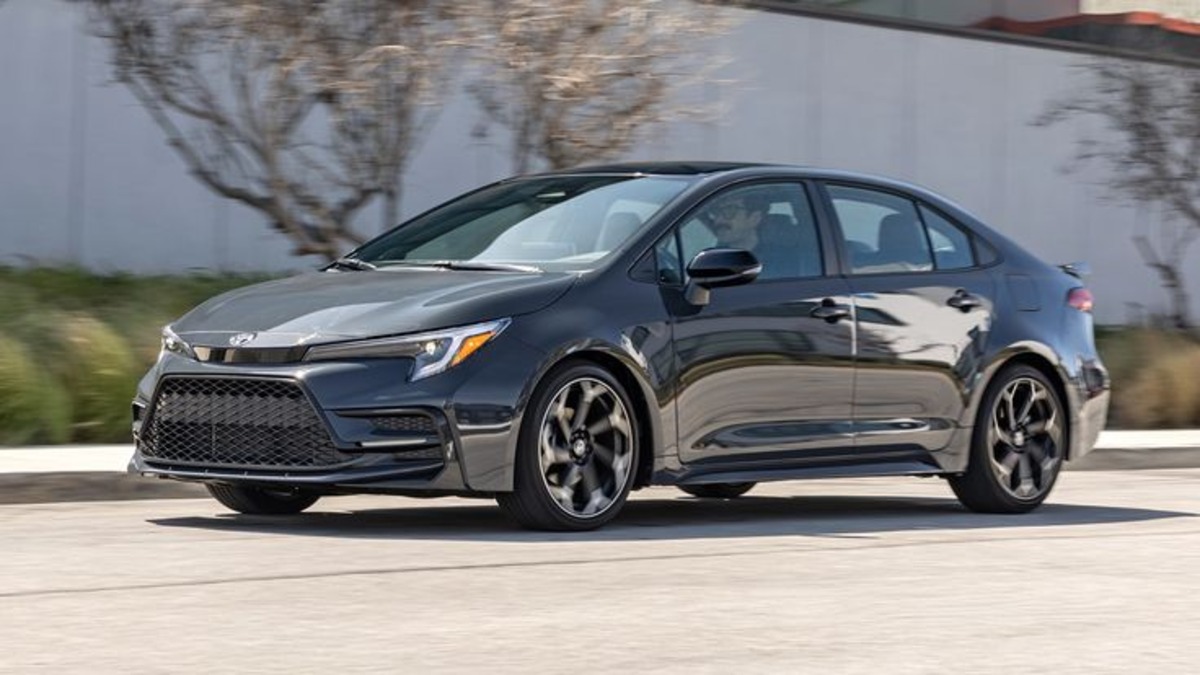
3. Toyota Corolla (Non-Turbo)
The Toyota Corolla with a naturally aspirated engine is renowned for reliability and low repair costs. Its simple engine architecture contributes to its reputation as a practical and affordable car to maintain. Owners often report that even after 200,000 miles, major repairs are rare and inexpensive compared to turbocharged models.
One reason for the Corolla’s low-cost maintenance is the absence of a turbocharger. Without forced induction, there are fewer components that can fail, such as turbo housings, intercoolers, or high-pressure fuel lines.
This reduces the likelihood of costly repairs over time. The engine runs at moderate stress levels, which lessens wear on pistons, valves, and gaskets, enhancing longevity.
Routine maintenance is straightforward. Oil changes, spark plug replacements, and timing belt or chain inspections follow predictable schedules. The simplicity of the system makes DIY maintenance feasible and reduces labor costs at repair shops. Mechanics are highly familiar with the Corolla, which further lowers service expenses.
Fuel requirements are another advantage. Non-turbo engines like the Corolla’s operate efficiently on regular gasoline, avoiding the need for premium fuel that turbocharged engines often require. This reduces operating costs and minimizes the risk of engine damage from improper fuel use.
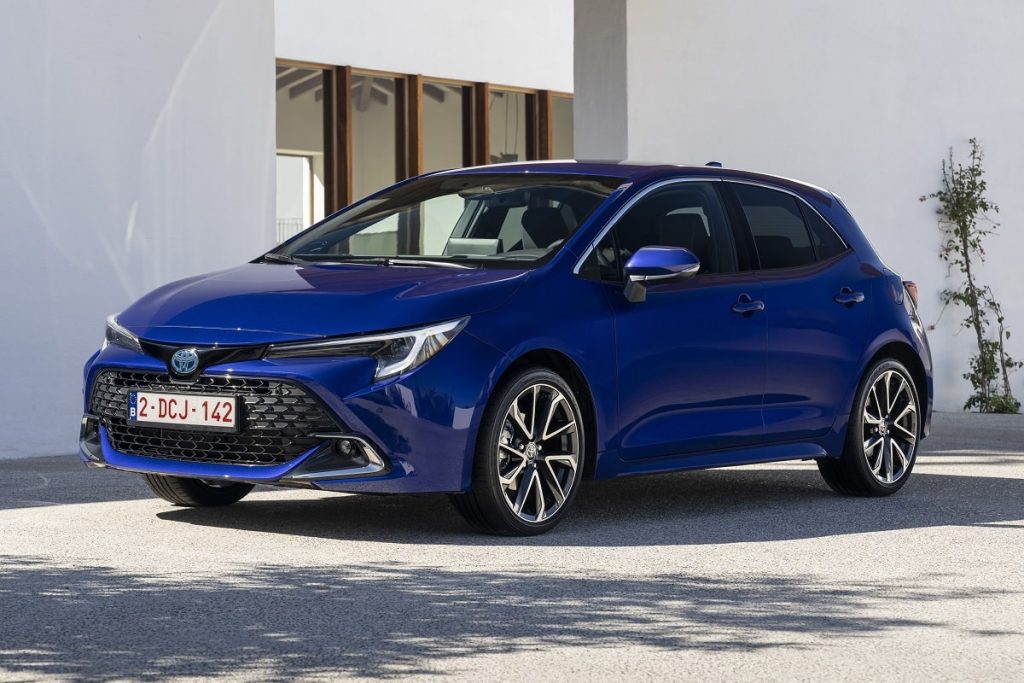
The Corolla’s reputation for predictable reliability extends to other systems as well. Components like water pumps, alternators, and sensors are generally easy and inexpensive to replace. Minor repairs are straightforward, which helps maintain low total ownership costs.
Overall, the Toyota Corolla non-turbo offers an ideal balance of reliability, affordability, and simplicity. Its proven design ensures that repair bills remain manageable while maintaining dependable performance over high mileage.
4. Ford EcoBoost F-150 (Turbo)
The Ford EcoBoost F-150 features a turbocharged engine that provides impressive power and towing capability, but it comes with higher maintenance and repair considerations. Turbocharged engines involve additional components such as turbochargers, intercoolers, and high-pressure fuel systems, all of which can increase repair costs over time.
Turbo engines, like the EcoBoost, generate more heat and operate under higher pressures. This stresses internal components, including pistons, gaskets, and bearings. Over time, parts may require replacement or repair, resulting in higher expenses compared to naturally aspirated versions of the F-150.
Maintenance for the EcoBoost engine is more demanding. Proper oil quality and regular fluid changes are critical to prevent premature wear on the turbo and other engine components. Ignoring service intervals or using low-quality fluids can lead to significant damage and costly repairs.
Turbocharged engines may also require more frequent part replacements. Components like turbochargers, wastegates, and intercoolers can fail or degrade after prolonged use, and labor costs for these repairs tend to be higher due to the complexity and tight packaging of the engine bay.
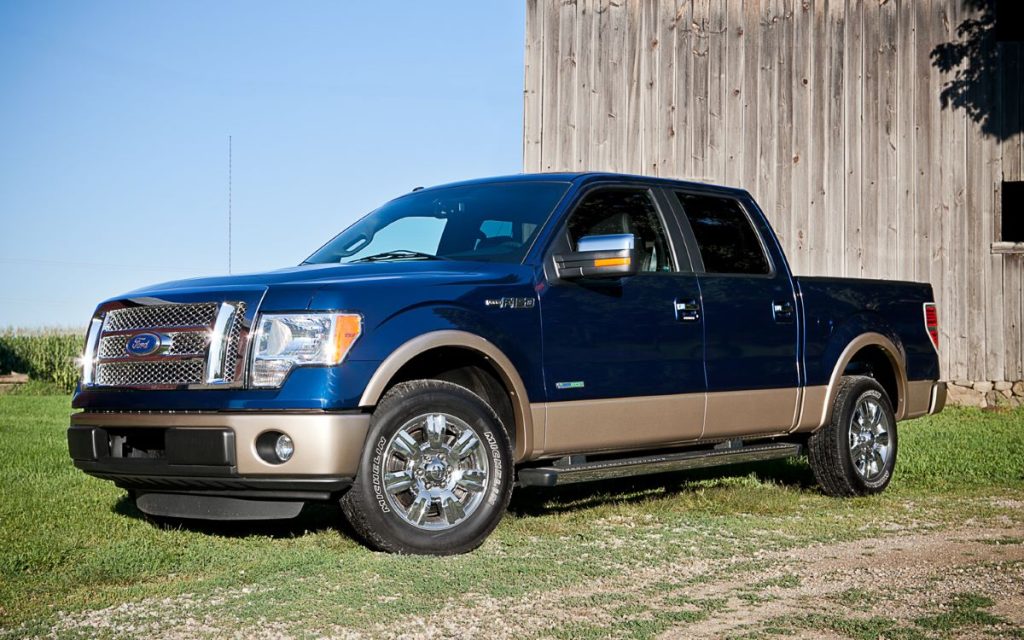
Despite the higher costs, the EcoBoost engine delivers strong performance and fuel efficiency compared to non-turbo options. Drivers enjoy better acceleration and towing capabilities, but these benefits come with trade-offs in long-term maintenance and potential repair bills.
Overall, the Ford EcoBoost F-150 demonstrates the balance between power and cost. While turbocharging provides enhanced performance, it also introduces complexity and higher repair risk.
Buyers who prioritize low maintenance costs may prefer non-turbo engines, while those seeking maximum performance accept the possibility of increased expenses.
5. Nissan Sentra (Non-Turbo)
The Nissan Sentra with a naturally aspirated engine is known for reliability and cost-effective maintenance. Its simple design reduces the likelihood of expensive repairs, making it a practical choice for long-term ownership. Owners often report smooth operation and minimal major issues, even at high mileage.
One of the main advantages of the non-turbo Sentra is the absence of a turbocharger. Without forced induction, there are fewer components prone to failure, such as turbo housings or high-pressure fuel systems. The engine runs under lower stress, which decreases wear on pistons, valves, and gaskets, extending the lifespan of the vehicle.
Routine maintenance is straightforward. Oil changes, spark plug replacement, and timing belt or chain service follow standard intervals. The simplicity of the engine design makes DIY maintenance feasible and keeps professional service costs low. Mechanics are familiar with common issues, further reducing labor expenses.
Fuel costs are also lower. Naturally aspirated engines like the Sentra’s typically run efficiently on regular gasoline, unlike turbocharged engines that often require premium fuel. This reduces operating costs while minimizing risks associated with improper fuel use.
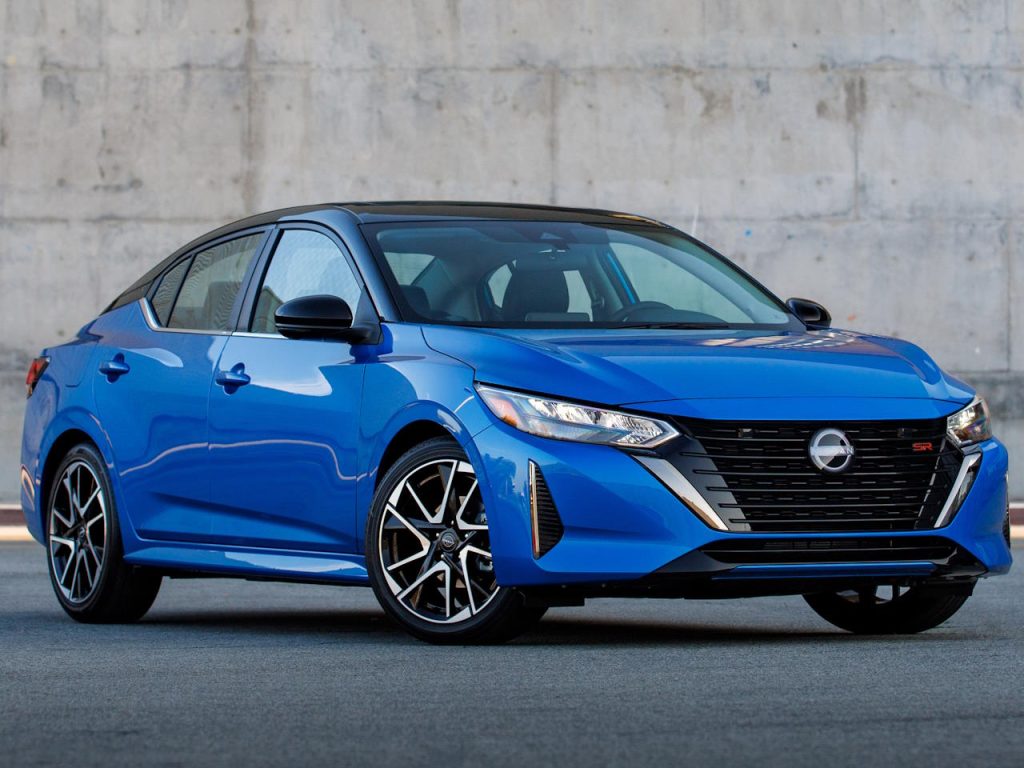
Predictability in repairs adds to cost savings. Common issues with non-turbo Sentras usually involve minor components like sensors, alternators, or water pumps, which are inexpensive to replace. Major engine repairs are rare, further keeping ownership costs down.
Overall, the Nissan Sentra non-turbo combines practicality, affordability, and reliability. Its simple design ensures low repair bills while delivering consistent performance, making it an ideal option for buyers seeking a dependable, low-maintenance vehicle.
6. Volkswagen Jetta GLI (Turbo)
The Volkswagen Jetta GLI features a turbocharged engine, offering sporty performance and enhanced acceleration. However, the complexity of turbocharging introduces additional maintenance considerations and potential repair costs.
Components like the turbocharger, intercooler, and high-pressure fuel system add points of failure not present in naturally aspirated models.
Turbo engines in vehicles like the GLI operate at higher pressures and temperatures, placing stress on internal components. Pistons, valves, and gaskets are exposed to more intense conditions, increasing the likelihood of wear and the potential for costly repairs over time. Proper maintenance is crucial to prevent damage.
Routine maintenance for turbo engines is more demanding. Regular oil changes with high-quality fluids, monitoring of cooling systems, and attention to engine performance are required to keep the turbo functioning reliably. Delayed service or neglect can lead to expensive failures, particularly with the turbocharger.
Turbocharged engines may also require part replacements more frequently. Components such as the turbo itself, wastegate actuators, and intercoolers can degrade after extended use. Labor costs for turbo engine repairs tend to be higher due to the complexity and compact packaging of engine components.
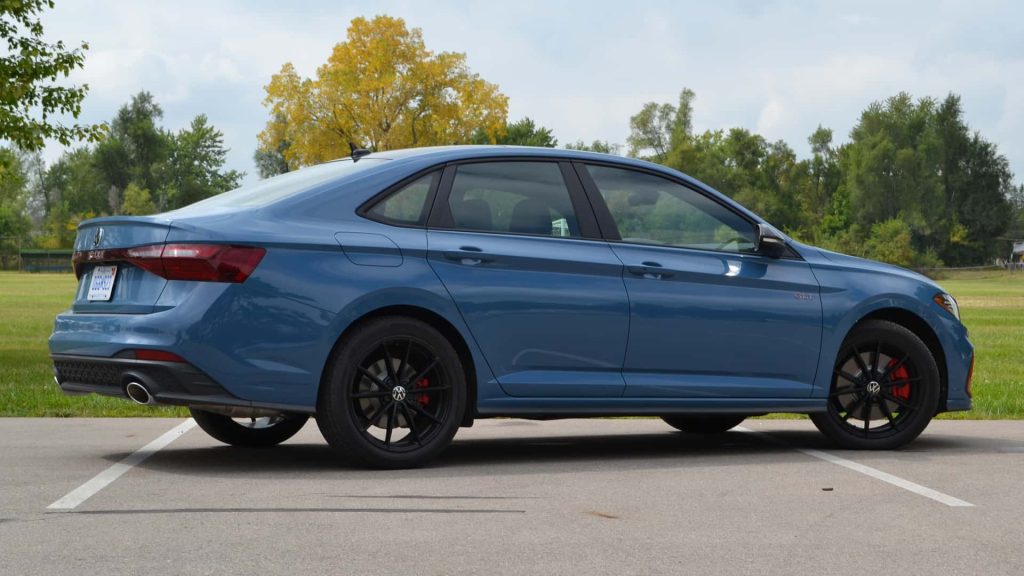
Despite these potential costs, the Jetta GLI delivers strong performance and engaging driving dynamics. Many owners accept higher repair expenses for improved acceleration, power, and overall driving enjoyment. However, buyers focused on low-cost maintenance may find non-turbo Jettas more practical for long-term ownership.
Overall, the Volkswagen Jetta GLI demonstrates the trade-offs between performance and cost. Turbocharging enhances speed and efficiency but increases the complexity and likelihood of repair expenses. Prospective owners must weigh the appeal of sporty driving against potential maintenance challenges.
7. Hyundai Elantra (Non-Turbo)
The Hyundai Elantra with a naturally aspirated engine is known for affordability and low maintenance costs. Its simple design ensures fewer points of failure, making it an appealing choice for buyers who prioritize reliability and low repair bills. High-mileage Elantras often continue to run smoothly with minimal issues.
One reason the non-turbo Elantra keeps repair costs low is the absence of forced induction. Without a turbocharger, there are no high-pressure fuel systems, intercoolers, or turbo components that can fail.
The engine operates at moderate stress levels, reducing wear on critical parts such as pistons, valves, and gaskets, which contributes to long-term reliability.
Routine maintenance is simple and affordable. Oil changes, spark plug replacement, and inspection of the timing belt or chain follow standard intervals. Mechanics are highly familiar with the Elantra’s engine design, which helps reduce labor costs for repairs and maintenance.
Fuel costs are another advantage. Naturally aspirated engines operate efficiently on regular gasoline, avoiding the need for premium fuel that turbo engines often require. This not only lowers operating expenses but also minimizes risks associated with improper fueling.
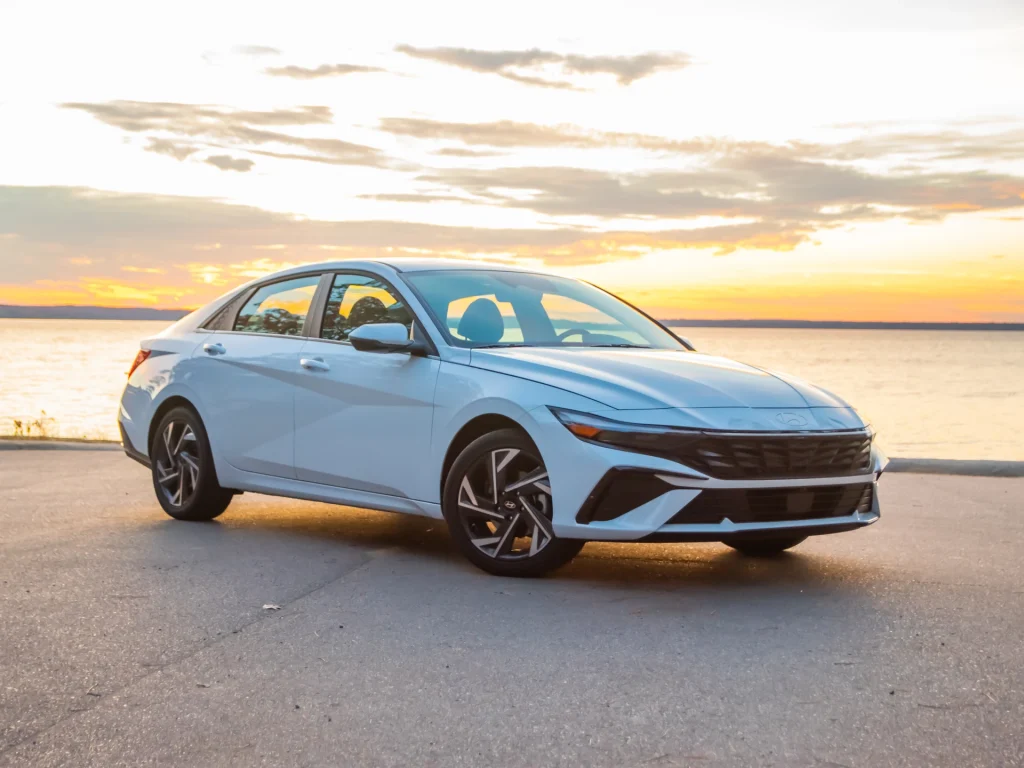
Predictable repairs further contribute to affordability. Most issues with the non-turbo Elantra involve minor components, such as sensors, alternators, or water pumps, which are inexpensive to replace. Major engine failures are rare, making ownership less stressful and more cost-effective.
Overall, the Hyundai Elantra non-turbo combines simplicity, reliability, and low-cost maintenance. Its proven design allows owners to enjoy dependable performance without worrying about expensive repairs, making it a practical choice for long-term ownership.
8. Ford Focus ST (Turbo)
The Ford Focus ST is a sporty hatchback featuring a turbocharged engine, delivering higher performance and faster acceleration. While this makes the car exciting to drive, the complexity of the turbo system can lead to higher maintenance and repair costs compared to naturally aspirated versions.
Turbocharged engines like the one in the Focus ST operate at higher temperatures and pressures. This additional stress affects pistons, gaskets, and other internal components, increasing the likelihood of wear over time. Components such as the turbocharger, intercooler, and high-pressure fuel system are additional points of potential failure.
Routine maintenance for turbo engines is more critical. High-quality oil, regular fluid changes, and careful monitoring of engine performance are essential to prevent premature wear on turbo components. Neglecting service intervals can result in costly repairs, particularly if the turbocharger fails.
Parts replacement may occur more frequently in turbo engines. The turbocharger, wastegate, and intercooler can degrade after extended use, and labor costs are often higher due to the engine’s complexity. Owners of the Focus ST must consider these factors when evaluating long-term costs.
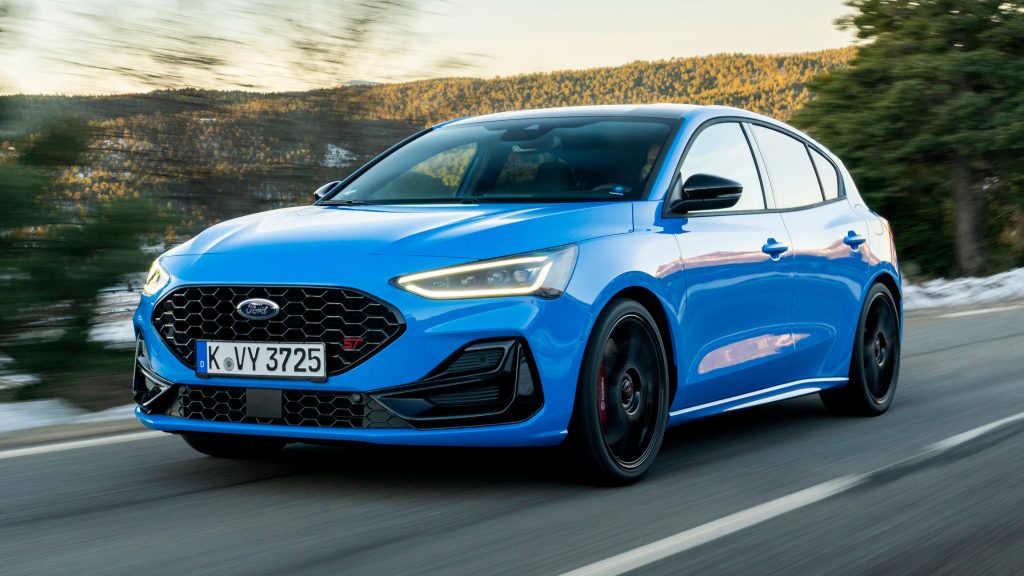
Despite the higher expenses, the Focus ST offers enhanced performance, handling, and driving excitement. Many enthusiasts are willing to accept increased repair bills in exchange for the fun-to-drive experience that turbocharging provides. However, for those prioritizing low maintenance costs, non-turbo models may be more practical.
Overall, the Ford Focus ST highlights the trade-off between performance and affordability. Turbocharging boosts power and responsiveness but introduces complexity and higher potential repair costs. Prospective buyers must weigh the benefits of performance against long-term maintenance considerations.
9. Mazda3 (Non-Turbo)
The Mazda3 with a naturally aspirated engine is widely praised for reliability and low maintenance costs. Its simple engine design ensures fewer components that could fail, making it a practical choice for buyers focused on long-term affordability. High-mileage Mazda3 models often remain reliable with minimal major repairs.
One of the main advantages of the non-turbo Mazda3 is the absence of forced induction. Without a turbocharger, there are no high-pressure fuel lines, intercoolers, or turbo components that could fail. The engine operates under moderate stress, which reduces wear on pistons, valves, and gaskets and contributes to long-term durability.
Routine maintenance is straightforward and cost-effective. Oil changes, spark plug replacements, and timing belt or chain inspections follow predictable intervals. Mechanics are familiar with the Mazda3, which helps keep labor costs low, and many owners can perform simple maintenance tasks themselves.
Fuel requirements are also favorable. Naturally aspirated engines run efficiently on regular gasoline, avoiding the need for premium fuel that turbo engines often require. This reduces operating costs and lowers the risk of engine damage due to improper fueling.
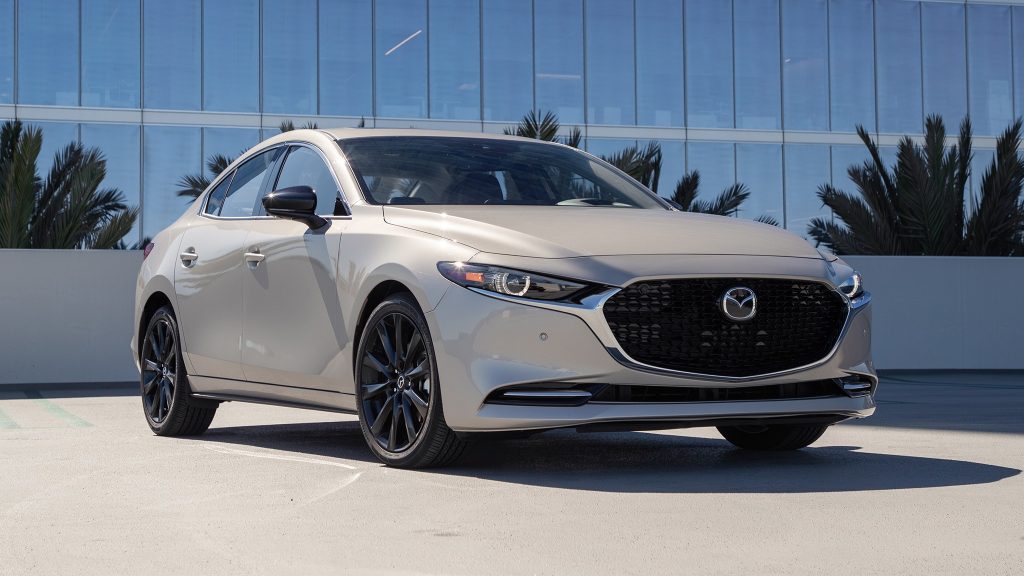
Repair predictability adds to affordability. Most common issues with the non-turbo Mazda3 involve minor components like sensors, alternators, or water pumps, which are inexpensive to replace. Major engine failures are rare, making ownership stress-free and more economical.
Overall, the Mazda3 non-turbo combines reliability, simplicity, and low-cost maintenance. Its proven design ensures consistent performance over high mileage while keeping repair bills manageable, making it an excellent choice for practical and budget-conscious buyers.
10. Volkswagen Tiguan (Turbo)
The Volkswagen Tiguan with a turbocharged engine offers strong performance and a smooth driving experience, but the turbo system adds complexity that can increase repair costs. Components such as the turbocharger, intercooler, and high-pressure fuel system create additional points of potential failure compared to non-turbo versions.
Turbocharged engines, like the Tiguan’s, operate at higher pressures and temperatures, placing stress on internal components. Pistons, gaskets, and valves experience additional strain, which may lead to wear over time. Repairing or replacing turbo components can be expensive, especially if neglected.
Maintenance for turbo engines is more demanding. Regular oil changes with high-quality fluids, monitoring of engine performance, and timely servicing of the cooling system are essential to maintain reliability. Failure to follow these routines can result in costly damage to the turbo system.
Parts replacement may occur more frequently in turbo vehicles. Components such as the turbocharger, intercooler, and wastegate may degrade over time, and labor costs tend to be higher due to the engine’s compact design and complexity. Owners must consider these factors when evaluating long-term costs.
Despite higher maintenance requirements, the Tiguan’s turbo engine delivers strong acceleration and enhanced driving enjoyment. Many drivers accept increased repair bills for the improved performance and responsiveness that turbocharging provides. However, for buyers focused on minimizing costs, non-turbo alternatives may be more practical.
Overall, the Volkswagen Tiguan turbo illustrates the trade-off between performance and affordability. Turbocharging boosts power and responsiveness but introduces additional complexity and higher potential repair costs. Prospective owners must weigh the benefits of performance against long-term maintenance considerations.

Choosing between turbocharged and naturally aspirated engines can significantly influence long-term repair costs and overall vehicle ownership expenses. Turbo engines provide higher power output and improved acceleration, making them attractive for performance enthusiasts.
However, this added complexity often comes with increased maintenance requirements and higher potential repair bills over time. Naturally aspirated engines, by contrast, rely on simpler designs and fewer components, which generally translates to lower maintenance costs and reduced likelihood of major repairs.
The vehicles highlighted in this article demonstrate the differences in reliability and repair expenses between non-turbo and turbo versions. Naturally aspirated models, such as the Honda Civic, Toyota Corolla, Nissan Sentra, Hyundai Elantra, and Mazda3, are celebrated for their simplicity.
These engines operate under moderate pressures, reducing wear on critical internal components such as pistons, valves, and gaskets. Fewer components under stress mean that repairs are generally straightforward, and many routine maintenance tasks can be performed with minimal cost.
Non-turbo engines also have the advantage of fuel flexibility. They typically run efficiently on regular gasoline, avoiding the need for premium fuel that turbocharged engines often require.
This contributes not only to lower operational costs but also reduces the risk of engine damage from improper fueling. Furthermore, predictable repair patterns make it easier for owners to anticipate expenses, as most issues involve minor components like sensors, alternators, or water pumps.
Turbocharged vehicles, including the Volkswagen Golf GTI, Ford EcoBoost F-150, Volkswagen Jetta GLI, Ford Focus ST, and Volkswagen Tiguan, offer enhanced performance and responsiveness.
These engines achieve higher power outputs by compressing intake air and increasing combustion efficiency.
However, turbocharging introduces additional components such as turbochargers, intercoolers, and high-pressure fuel systems. These parts are more prone to wear or failure, particularly if maintenance intervals are neglected or low-quality oil is used.
Turbo engines also operate at higher pressures and temperatures, which increases stress on internal components and can shorten their service life. Owners may face more frequent part replacements, and labor costs for turbo engine repairs are often higher due to the complexity and tight packaging of engine components.
While these vehicles deliver superior acceleration and sporty driving dynamics, the long-term maintenance costs can be substantially higher than naturally aspirated counterparts.
Routine maintenance plays a critical role in managing both types of engines. Non-turbo engines generally require straightforward services such as oil changes, spark plug replacements, and timing belt or chain inspections.
Turbo engines demand additional attention, including high-quality oil, careful monitoring of engine performance, and timely servicing of the cooling and turbo systems. Failure to adhere to these maintenance practices can lead to costly repairs, especially in high-mileage turbocharged vehicles.
The comparison between non-turbo and turbo vehicles highlights a key trade-off: simplicity versus performance. Non-turbo engines offer predictable reliability, lower repair bills, and reduced maintenance complexity.
Turbo engines provide enhanced power, acceleration, and driving enjoyment but at the cost of increased complexity and potential long-term expenses. Prospective buyers must weigh these factors carefully when choosing a vehicle based on their priorities, whether that is low-cost ownership or enhanced performance.
Ultimately, naturally aspirated engines remain a practical choice for those seeking long-term reliability and minimized repair bills. Turbocharged engines are ideal for drivers willing to invest in performance and accept higher maintenance costs.
By understanding these differences, buyers can make informed decisions that align with both their driving preferences and financial expectations, ensuring ownership remains satisfying and sustainable.
Also Read: 5 Trucks That Mix Strength and Style vs 5 That Don’t
