In the automotive world, mileage has always been a defining metric of a car’s life. For decades, American buyers viewed 100,000 miles as the point where vehicles started falling apart.
But times have changed. Modern engineering, improved materials, and better maintenance practices have extended the lifespans of many vehicles well beyond what most drivers expect.
Some cars, once dismissed as short-lived or too fragile, have proven themselves surprisingly resilient routinely crossing 200,000 miles or more with grace.
Here are nine cars that handle high mileage far better than expected vehicles that defy their reputations and prove themselves as true long-term champions on American roads.
1. BMW 3 Series (E90 and F30 Generations)
German luxury cars are often labeled as high-maintenance money pits once the odometer climbs past 100,000 miles. However, the BMW 3 Series, especially the E90 (2006–2013) and F30 (2012–2019) generations, tells a different story.
Owners who stay on top of maintenance especially fluid changes and cooling system care find these cars capable of running 200,000 miles or more with minimal drama.
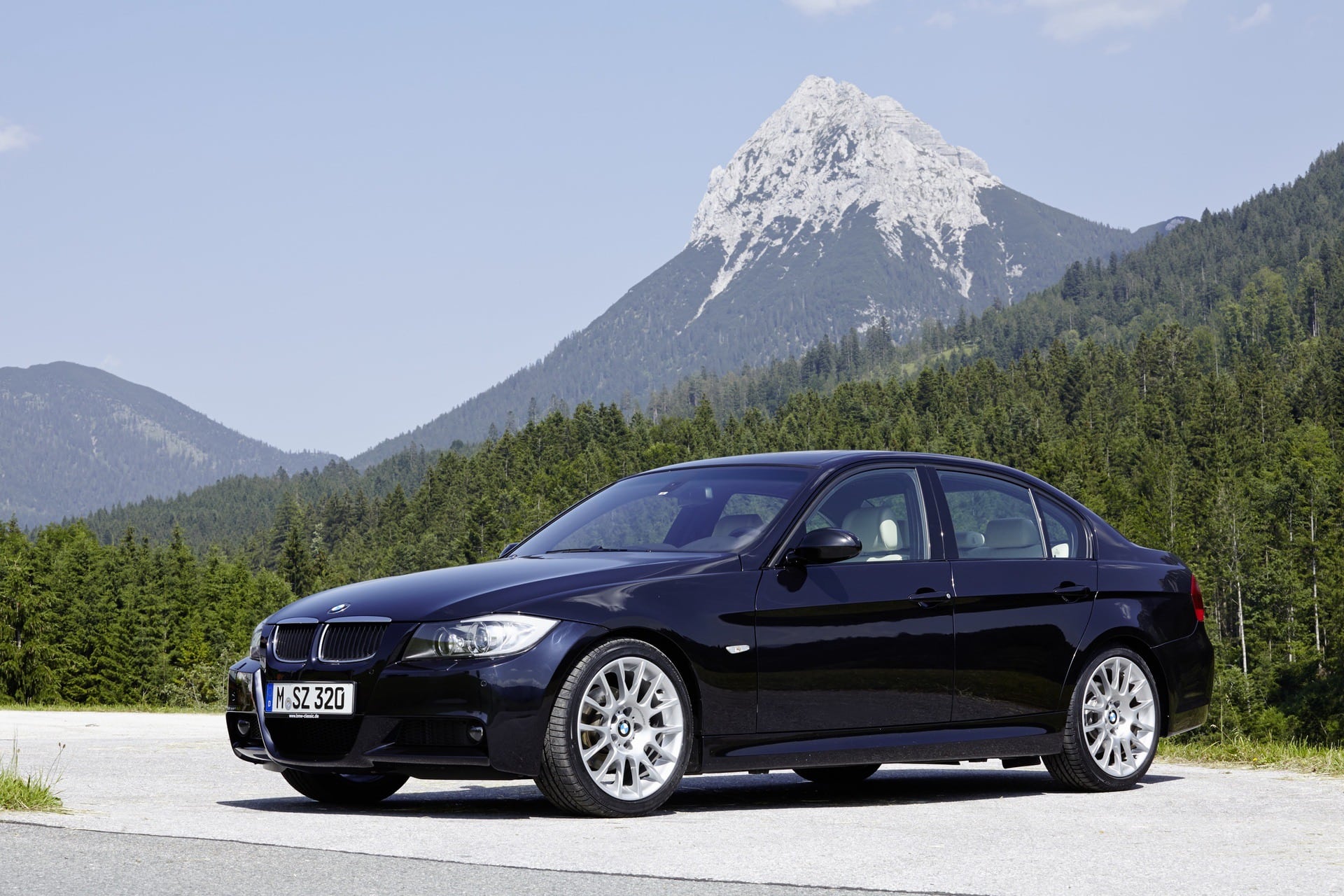
The inline-six engines, such as the N52 and later B58, are impressively durable. The chassis remains tight, steering sharp, and interior quality solid, even after years of use. The key is preventive maintenance rather than reactive repairs.
A sports sedan that not only drives beautifully but also ages gracefully when cared for something few expect from a luxury German nameplate.
Sporty, reliable, and consistently successful, the BMW 3 Series has embodied dynamic driving pleasure for over 40 years. Thanks to the vision of former BMW head of design Paul Bracq, the thrill and emotion of driving became accessible to the middle class, a legacy that the 3 Series continues to uphold today.
With the introduction of the BMW E21 in the 1970s, Bracq laid the distinctive foundation for what would become an unprecedented success story. The enduring popularity of the 3 Series is a key factor in BMW’s position as a leading manufacturer of premium vehicles.
Across seven generations, the BMW 3 Series has been continuously refined, emerging as a benchmark for sportiness in the middle-class segment.
Every iteration has focused not only on design, driving dynamics, and individuality but also on engine technology. Through meticulous research and engineering, the 3 Series’ lively engines have become increasingly efficient while reducing emissions.
The model lineup has expanded to cater to a wide range of preferences, from the classic Sedan to the Touring wagon, the Coupé, Cabrio, and even the 3-door compact. All variants strike a careful balance between agility, functionality, and safety, maintaining broad appeal across different age groups.
This versatility has captivated both consumers and the trade press, as evidenced by numerous awards and accolades. Central to this enduring success is the BMW 3 Series’ consistently sporty character, which has been honed and enhanced with each successive generation.
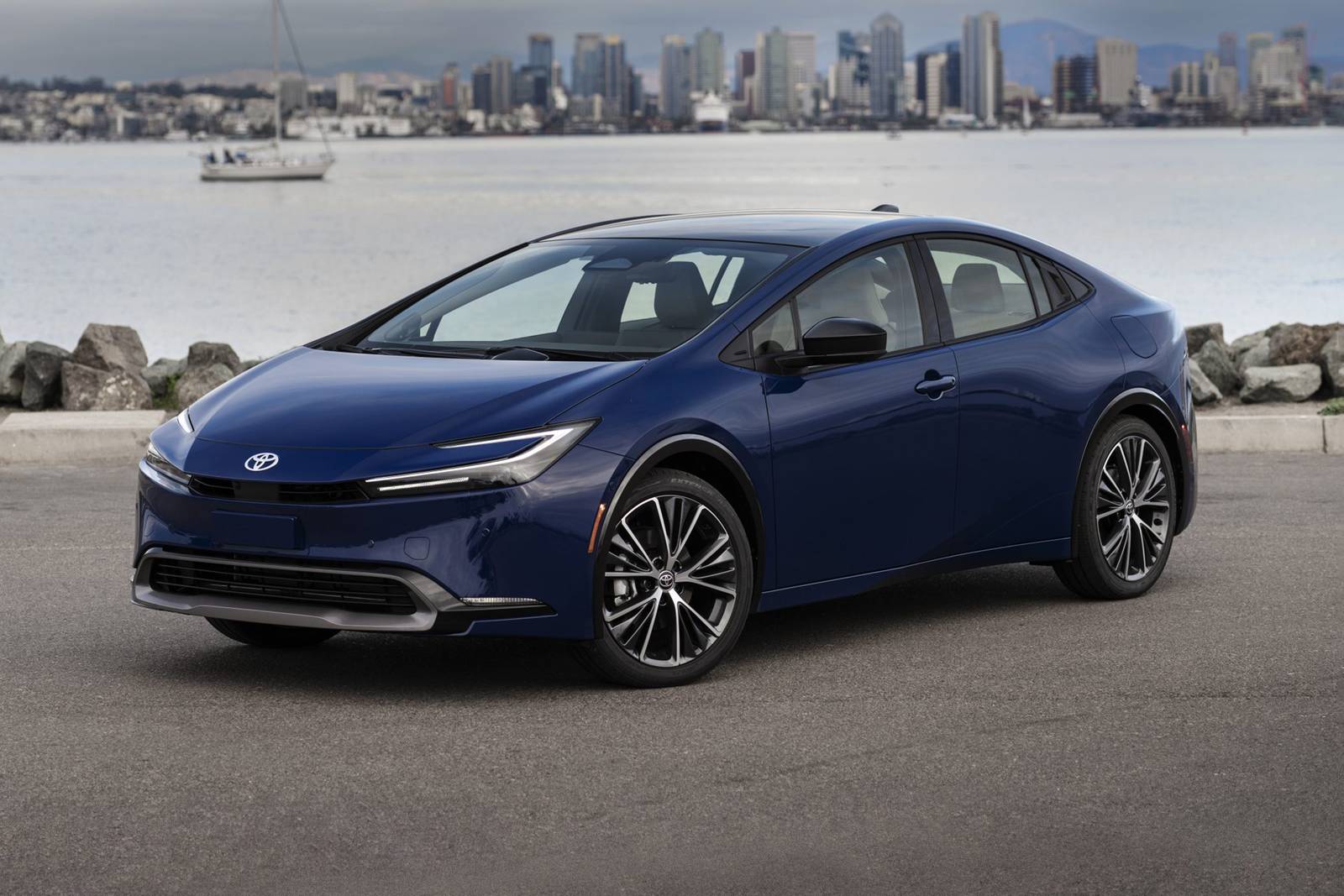
2. Toyota Prius
The Toyota Prius isn’t exactly a surprise when it comes to longevity but the scale of its durability is what impresses most.
Early critics assumed the hybrid system would fail prematurely, with expensive battery replacements ruining long-term ownership. Yet real-world data tells a different story.
Thousands of Priuses across the US have surpassed 300,000 miles with original hybrid batteries still running strong.
Taxi fleets from New York to Los Angeles swear by their reliability. Regular oil changes, timely fluid service, and tire rotations are all the Prius really needs.
Even in older models from the mid-2000s, the hybrid drivetrain continues to deliver stellar fuel economy and seamless performance. Few cars prove that eco-friendly can also mean indestructible like the Prius does.
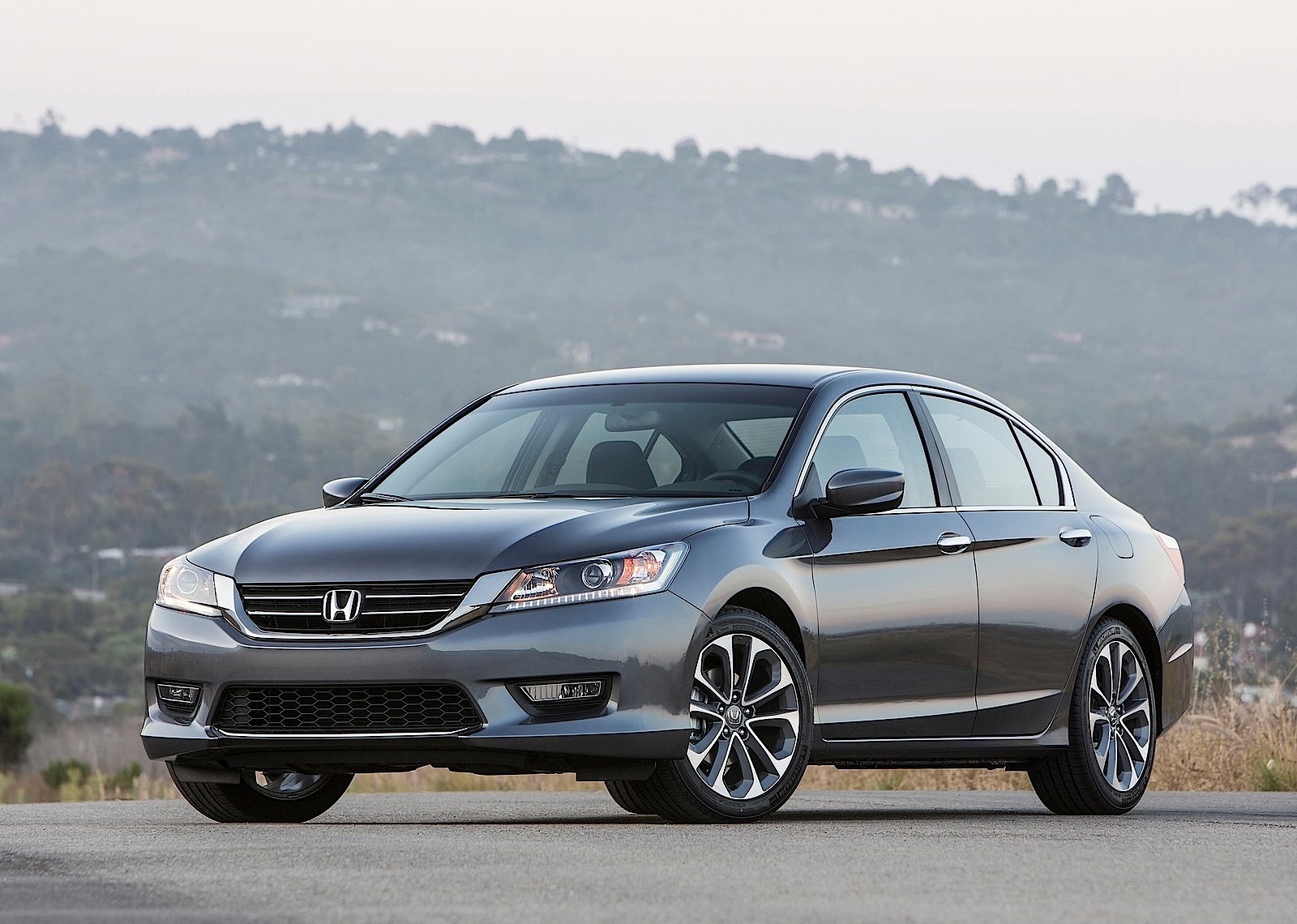
3. Honda Accord (2008–2017)
The Honda Accord’s reputation for reliability is already legendary, but what surprises many is just how well newer generations handle very high mileage.
The eighth and ninth generations (2008–2017) are particularly impressive for their ability to retain both performance and comfort well past 200,000 miles.
The 2.4-liter inline-four is nearly bulletproof, and even the optional V6 holds up with proper care.
Transmissions, once a weak point in earlier Hondas, are solid in these models. Interior materials resist wear, and the suspension components are inexpensive to replace when needed.
An Accord with 180,000 miles still drives better than some newer midsize sedans with a fraction of that mileage a testament to Honda’s meticulous engineering.
The Accord delivers a balance of responsiveness when needed and relaxed, efficient cruising, resulting in strong fuel economy. The sedan handles spirited driving with ease, thanks to a suspension that provides crisp, confident handling while still offering a comfortable, composed ride.
Its spacious interior and large trunk make it ideal for families, accommodating both passengers and cargo comfortably. Reliability scores are strong, and projected five-year ownership costs are around average for the midsize car segment.
Although the Accord is widely praised, some buyers might note its lack of an all-wheel-drive option. While the Toyota Camry offers AWD along with solid driving dynamics and a pleasant cabin, the Accord still outperforms it in handling and overall driving enjoyment.
On the other hand, the Honda Civic, a smaller sibling to the Accord, shares similar engines, handling, and features while offering slightly better fuel economy, though at the expense of interior and cargo space.
Also Read: 12 Cars With the Best Fuel Efficiency Under $25K
4. Subaru Outback (2010–2019)
Subaru’s all-wheel-drive system has always been a favorite for those in snowy states like Colorado, Vermont, and Maine.
However, older Subarus had a reputation for head gasket failures that scared many buyers away. That changed around 2010, when Subaru improved its engines and sealing technology.
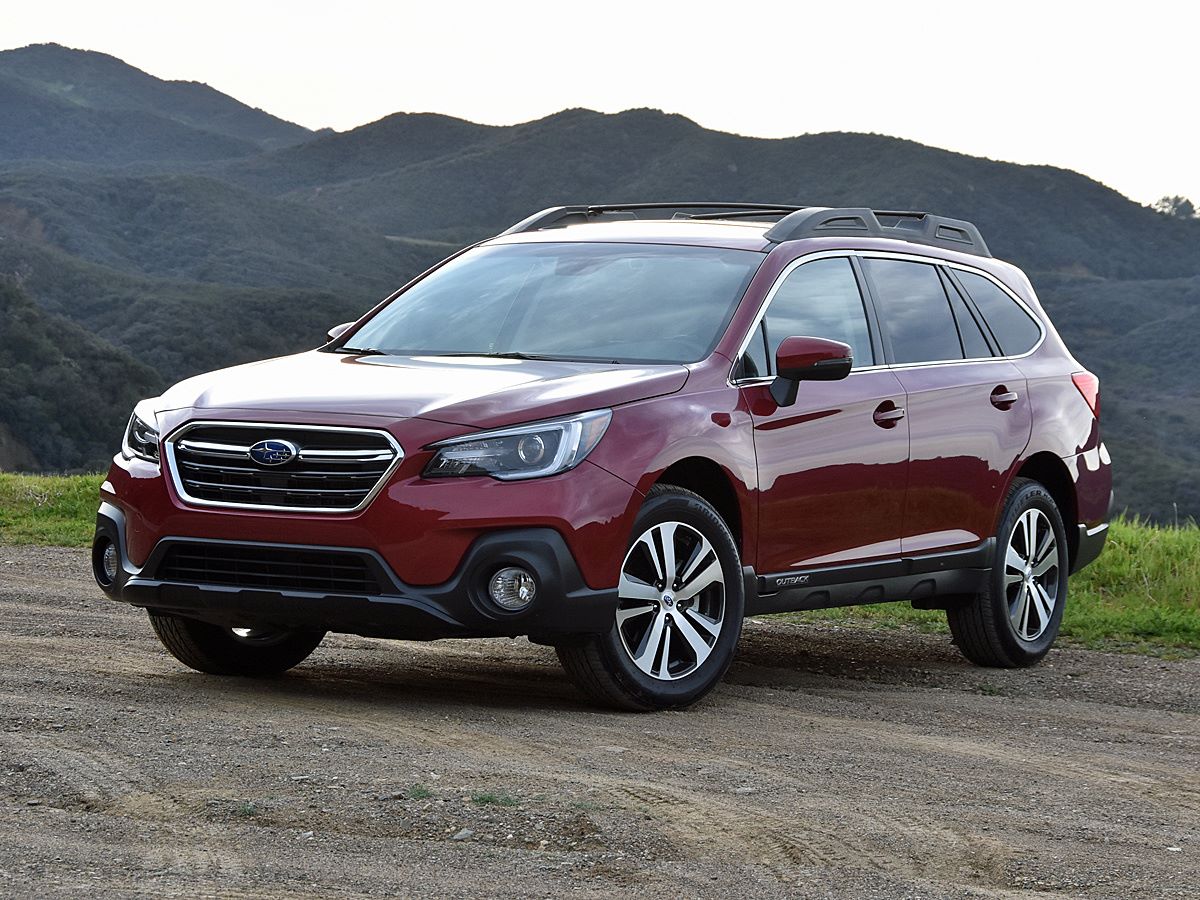
The Outback’s 2.5-liter flat-four, when maintained with regular oil changes and cooling system attention, can now easily exceed 250,000 miles.
The continuously variable transmission (CVT), often feared by used-car buyers, has also proven more durable than expected when serviced at proper intervals.
The result is a rugged wagon-SUV hybrid that’s not only great for outdoor adventures but also for the long haul literally.
5. Ford F-150 (2011–2020)
Full-size trucks are expected to work hard, but the Ford F-150 often gets overlooked for long-term reliability in favor of its Japanese rivals.
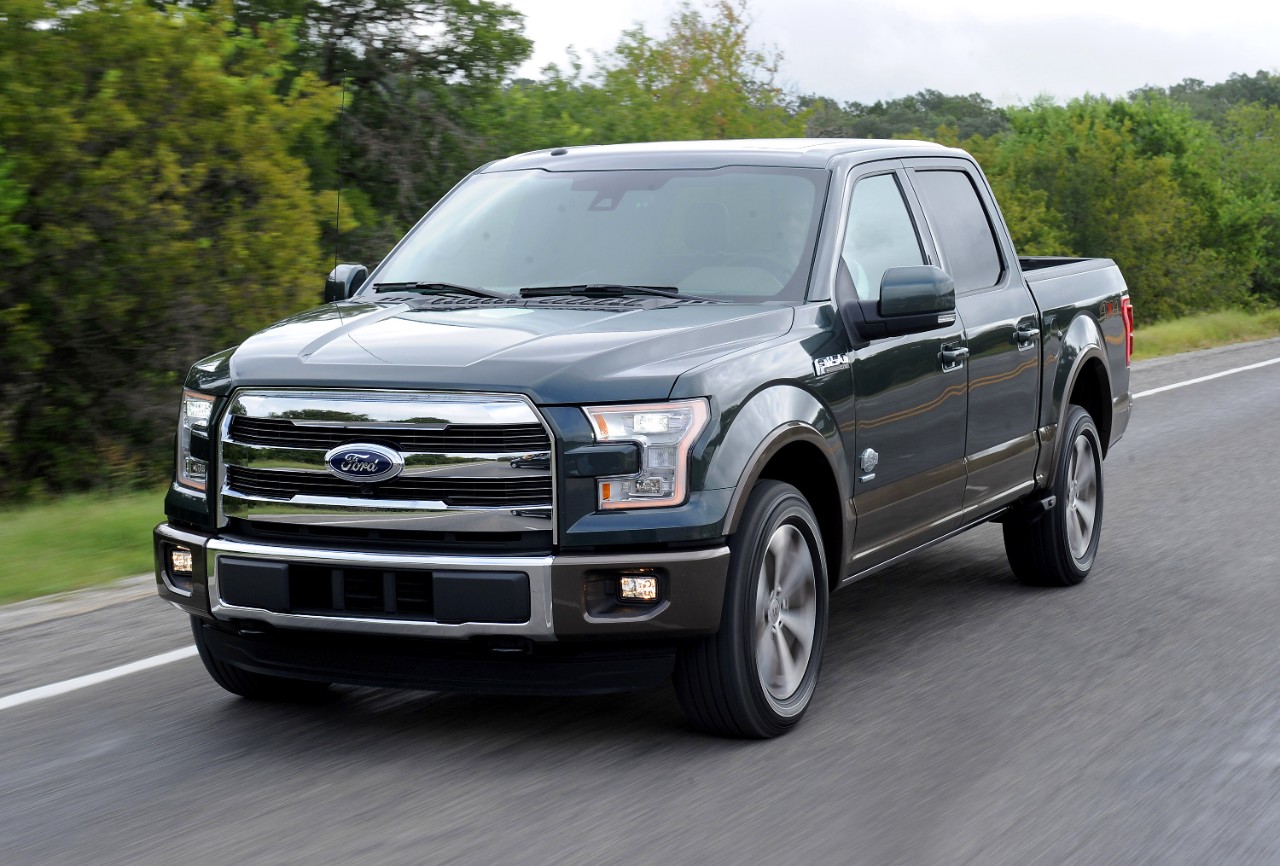
Yet the aluminum-bodied F-150s, especially those with the 5.0-liter “Coyote” V8 or 3.5-liter EcoBoost engines, have shown remarkable endurance.
Many examples with over 250,000 miles still serve as daily workhorses across the country. The 5.0-liter V8, in particular, is known for handling long highway runs, heavy loads, and rough conditions without major engine issues.
Even the interior materials hold up well an area where trucks used to fall short. With its blend of capability and durability, the modern F-150 is a testament to how far American trucks have come.
The 2014 Ford F-150 is a highly versatile full-size pickup truck that offers configurations for nearly every type of buyer. From the work-focused XL to the luxurious Limited and the off-road-ready SVT Raptor, the F-150 lineup caters to a wide range of needs and preferences.
The 2014 F-150 is offered in several trim levels, including XL, STX, XLT, FX2, FX4, Lariat, King Ranch, Platinum, Limited, Tremor, and SVT Raptor. Power comes from four engine options. The base 3.7-liter V-6 delivers 302 horsepower and 278 lb-ft of torque. Moving up, two V-8 engines are available: a 5.0-liter producing 360 hp and 380 lb-ft, and a 6.2-liter offering 411 hp and 434 lb-ft.
The lineup is rounded out by the twin-turbo 3.5-liter EcoBoost V-6, which generates 365 hp and 420 lb-ft. All engines are paired with a six-speed automatic transmission, complete with a shifter-mounted manual mode. Rear-wheel drive is standard on most trims, while four-wheel drive is optional.
Fuel economy varies by engine and drivetrain: the naturally aspirated V-6 achieves 17/23 mpg city/highway; the EcoBoost V-6 rates 16/22 mpg in rear-drive trim and 15/21 mpg with four-wheel drive; the 5.0-liter V-8 earns 15/21 mpg; and the 6.2-liter V-8 reaches 13/18 mpg in rear-drive models, 12/16 mpg in four-wheel-drive trucks, and 11/16 mpg in the SVT Raptor.
The F-150 offers a variety of rear axles, including a locking 4.10 differential for the Tremor sport truck. Tow capacities range from 5,500 to 11,300 pounds depending on configuration. Three bed lengths and three cab styles are available, though some trims have restrictions: the Tremor comes only as a regular cab, while the King Ranch, Platinum, and Limited are exclusive to the SuperCrew.
The F-150 earned the title of 2012 Truck of the Year, with judges praising its ability to perform under heavy towing and hauling. The EcoBoost engine in particular was highlighted for delivering V-8-like performance while maintaining reasonable fuel economy for a full-size pickup.
Also Read: 5 Pickups That Look Tough vs 5 That Look Awkward
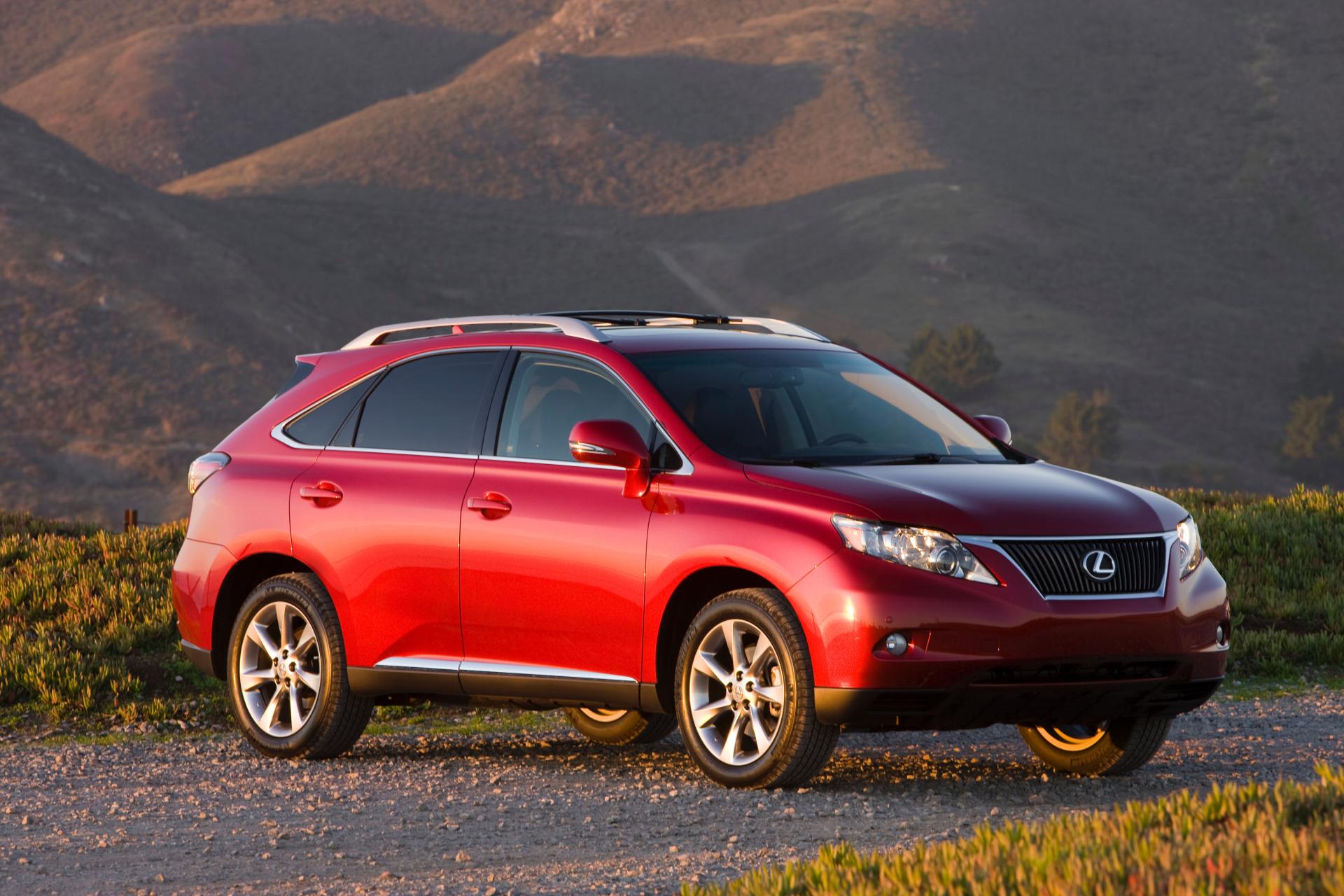
6. Lexus RX (2007–2015)
When people think of Lexus reliability, the RX doesn’t always get the same recognition as the LS or ES sedans. But this mid-size luxury crossover quietly racks up serious mileage with minimal issues.
Equipped with the proven 3.5-liter V6, the RX 350 and RX 450h (hybrid) can easily last 300,000 miles or more. The hybrid version, in particular, has become a favorite among families and rideshare drivers who want both comfort and longevity.
The cabin materials resist wear beautifully, the suspension tuning remains plush, and electronic systems rarely fail. It’s one of those vehicles that does everything well and keeps doing it long after others are retired.
The 2011 Lexus RX 350 is a luxury crossover SUV that delivers exactly what most shoppers are looking for: smooth driving dynamics, ample passenger and cargo space, advanced technology, high-quality interior materials, and excellent build quality.
While some buyers may prefer a vehicle with more than five seats or sportier performance, those options are readily available elsewhere. For the majority, the RX 350 strikes a perfect balance, offering broad appeal that hits the “just right” zone.
Following a redesign the previous year, the 2011 RX 350 returns largely unchanged, which is a positive. It offers the hallmarks of a Lexus crossover, including a best-in-class interior adorned with premium fabrics, leather, and rich wood trim.
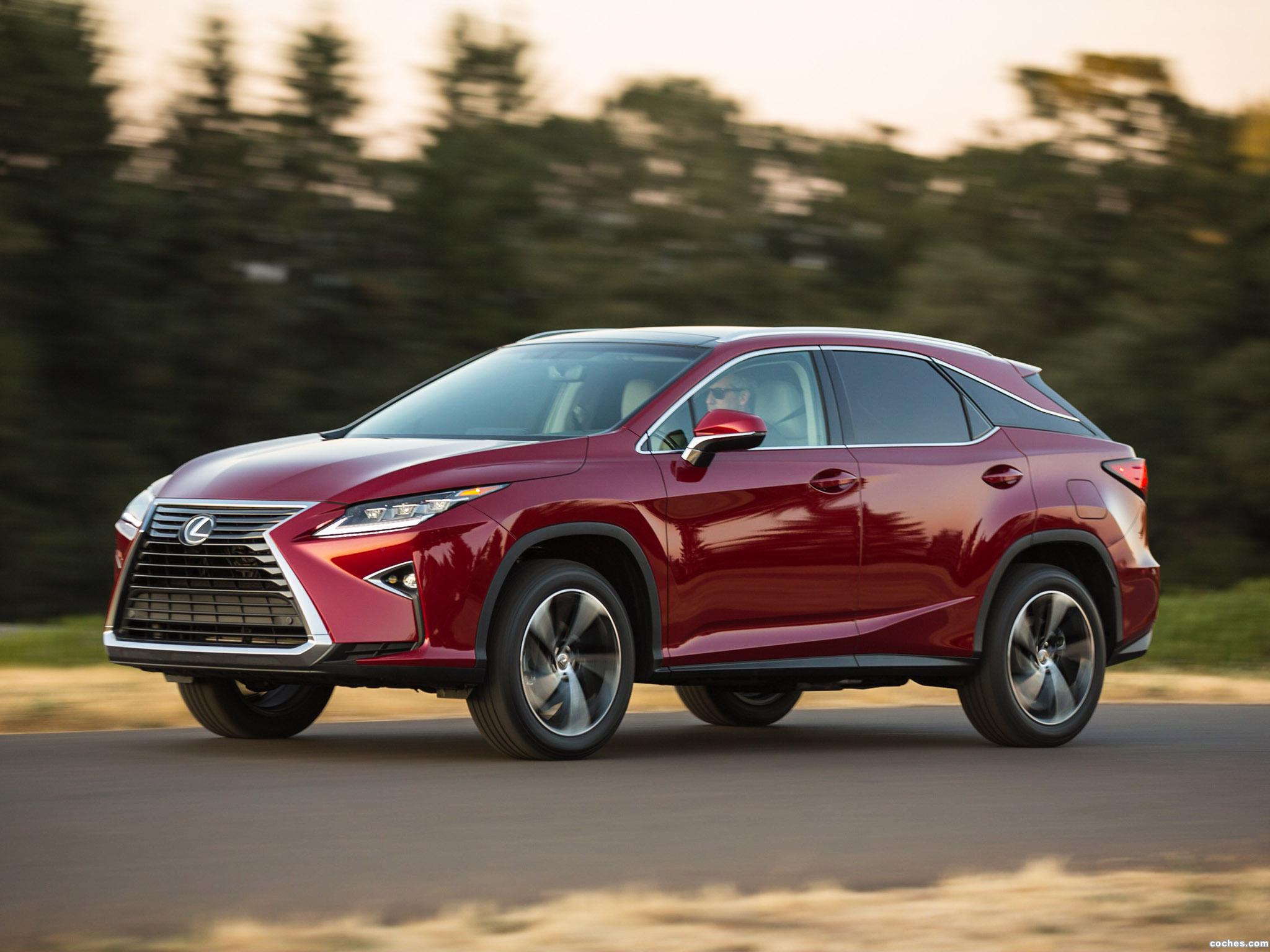
On the road, the RX 350 is remarkably quiet, with a ride as smooth as Barry White’s voice. Power comes from a 275-horsepower V6 engine that provides brisk acceleration while maintaining respectable fuel economy.
Beyond comfort and refinement, the RX 350 caters to both practical drivers and tech enthusiasts. Cargo space is generous, making it suitable for trips to the hardware store or extended family road trips.
Optional features, though pricey, add modern conveniences, such as Lexus’ Remote Touch interface, a mouselike controller with tactile feedback that is more intuitive than many competing systems. Entertainment options, including a high-end Mark Levinson audio system and rear-seat video screens, further enhance the luxury experience.
While the 2011 RX 350 impresses on many fronts, some shoppers may still consider alternatives. Vehicles like the 2011 Lincoln MKT, 2011 Mercedes-Benz R-Class, and 2011 Volvo XC90 offer a third row of seating for larger families.
Those seeking a sportier driving experience might prefer the 2011 Acura MDX, 2011 BMW X5, or Infiniti FX35. Nonetheless, for most buyers, the RX 350’s blend of luxury, comfort, and utility is hard to beat.
Under the hood, the 2011 Lexus RX 350 is powered by a 3.5-liter V6 producing 275 horsepower and 257 lb-ft of torque. It comes exclusively with a six-speed automatic transmission, with the choice of front-wheel drive or all-wheel drive. In testing, a front-wheel-drive RX 350 accelerated from 0 to 60 mph in 7.1 seconds, demonstrating a balance of performance and everyday usability.
7. Chevrolet Tahoe (2015–2020)
The Chevy Tahoe might not have the refinement of a Lexus or the economy of a Prius, but it’s an American workhorse with an unexpected talent for staying alive.
Built on a robust truck platform and equipped with tried-and-true V8s, the Tahoe regularly crosses 250,000 miles without major powertrain issues.
Fleet use by police departments, schools, and government agencies proves the point these SUVs endure constant use and heavy loads daily.
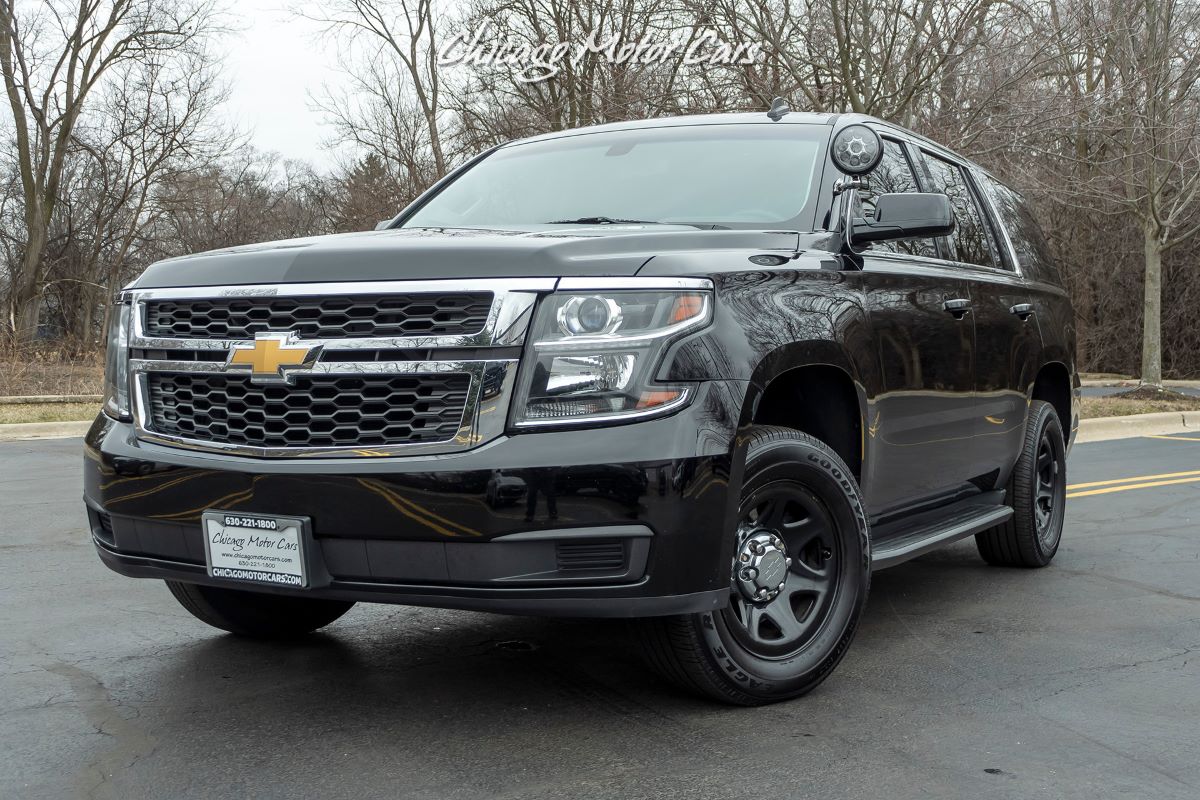
The 5.3-liter EcoTec3 V8 is known for its simplicity and durability, while the six-speed and later ten-speed transmissions handle power efficiently.
For large families or frequent road-trippers, a well-kept Tahoe offers confidence that few other full-size SUVs can match over the long run.
Most midsize and smaller SUVs have moved to carlike unibody construction to enhance ride quality, driving dynamics, and fuel efficiency, but large SUVs largely remain truck-based, retaining body-on-frame construction. The 2018 Chevrolet Tahoe exemplifies both the strengths and limitations of this traditional approach.
On the positive side, the Tahoe offers impressive towing capability, handling up to 8,600 pounds, making it ideal for hauling boats, campers, and trailers.
Standard power comes from a 355-horsepower V8, with an optional 420-hp V8 available for those seeking extra performance. The cabin is well-appointed, user-friendly, and easy to access, with a quiet ride and effective air conditioning that comfortably serves the spacious interior.
However, the Tahoe has its drawbacks. Its driving experience can feel sluggish compared with more carlike SUVs, and its cargo space has some compromises due to the body-on-frame design.
Efforts to improve efficiency, including a low front air dam, reduce off-road capability by limiting ground clearance. Buyers intending to tackle anything beyond light off-roading would benefit from the Tahoe’s Z71 package, which is specifically tailored for more rugged use.
Options for large SUVs are limited but notable. The Ford Expedition has undergone significant updates, offering ample space and capability, while the Toyota Sequoia provides a more affordable alternative with superior cargo and passenger space.
For those who do not plan to tow heavy loads, crossovers like the Honda Pilot and Volkswagen Atlas deliver three-row seating, comfortable interiors, and a host of modern technology features, offering a practical alternative to traditional truck-based SUVs.
8. Mazda3 (2014–2021)
Mazda’s image has long been tied to fun-to-drive compact cars rather than bulletproof reliability, but the Mazda3 breaks that stereotype. The SkyActiv-G engines introduced in 2014 turned the brand’s reputation around with efficiency and endurance.
Owners frequently report reaching 200,000 miles with minimal issues no oil-burning, no timing chain drama, and no major electronic faults. The interior holds up well, and the driving experience remains engaging even after years of commuting.
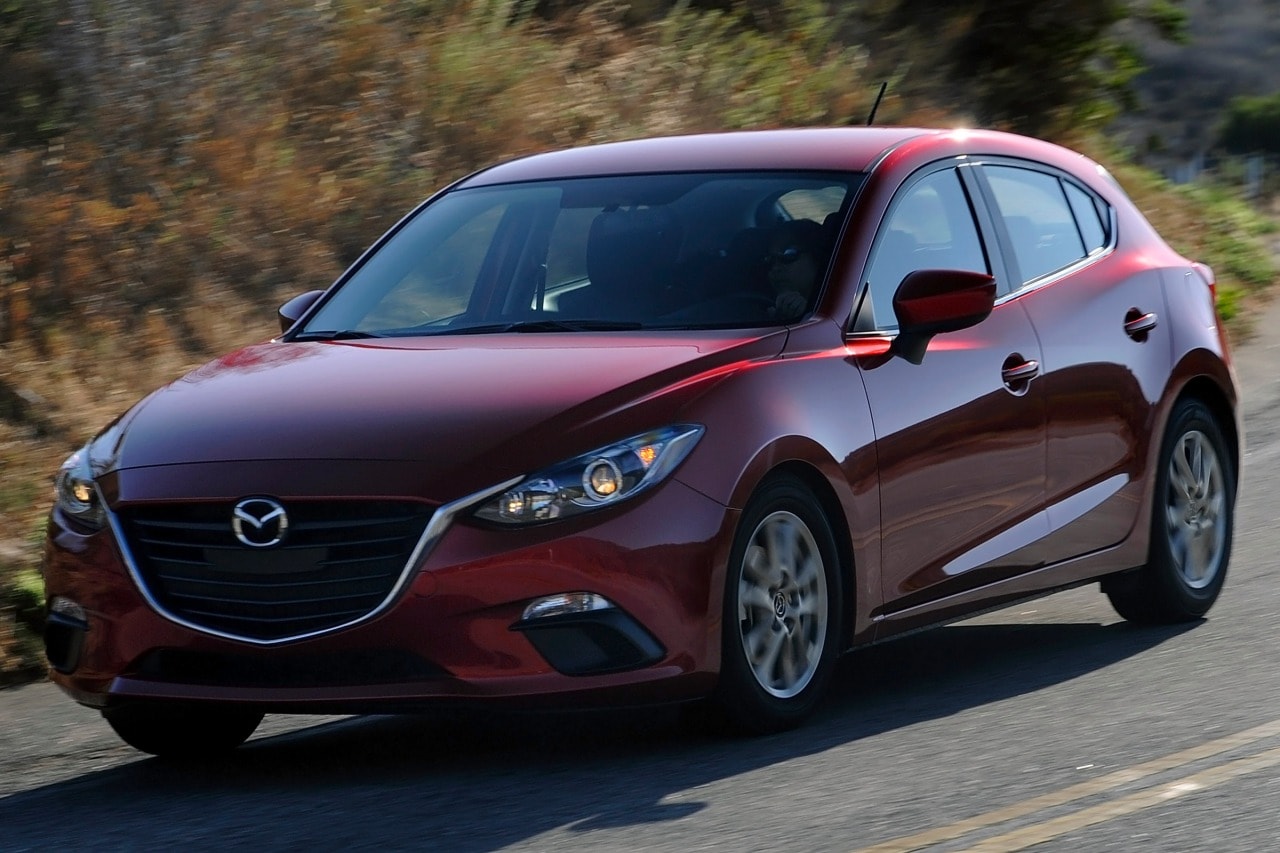
Mazda also managed to balance lightness and durability, avoiding the fragile feel that often plagues compact sedans. For those who love driving but want a long-lasting daily, the Mazda3 is a smart, underrated pick.
9. Volkswagen Passat (2012–2019)
Volkswagen doesn’t typically make it onto high-mileage reliability lists, but the American-built Passat from the Chattanooga plant is a hidden gem.
The 1.8-liter and 2.0-liter turbo engines, when serviced with quality oil and regular maintenance, can last far longer than their reputation suggests.
Many owners report crossing 200,000 miles with little more than routine maintenance. The automatic transmissions, previously a VW weak spot, are stronger in these generations.
The Passat’s roomy cabin and highway-friendly ride make it a long-distance champion, perfect for road trippers who don’t want to sacrifice comfort for reliability.
It’s proof that Volkswagen, when built for the American market, can deliver both European style and impressive longevity.
One of the more intriguing options in the midsize sedan segment is the 2014 Volkswagen Passat. As the only European entrant in its class, the Passat brings a sense of Old World refinement, evident in its clean exterior styling, functional and uncluttered interior, and composed, confident highway ride.
It also stands out for offering a diesel engine option, which delivers fuel economy on par with hybrid sedans, a rarity in this segment. At the same time, the Passat has plenty of North American influence, particularly its spacious interior and ample cargo capacity, which remain among its most appealing attributes.
This generous space is no accident: the Passat is built in Tennessee specifically for the American market. The midsize sedan is well-suited for long-distance cruising on U.S. highways, offering a serene, comfortable ride, and for those wanting extra performance, a 3.6-liter V6 engine is available.
Most buyers opt for more practical engines, though, and the base 2.5-liter five-cylinder, while adequate, has somewhat lackluster fuel economy and a slightly coarse power delivery. Fortunately, for 2014, Volkswagen began phasing in a new 1.8-liter turbocharged four-cylinder engine.
While it produces the same 170 horsepower as the outgoing 2.5 engine, it delivers more torque for passing maneuvers and better overall fuel efficiency. Initially, the 1.8T comes standard on SEL models, but over the course of the year, it is expected to replace the 2.5-liter unit across all trims. For drivers focused on maximum efficiency, the TDI diesel engine remains a strong choice despite its higher cost.
Although the 2014 Passat has much to offer, it competes in a crowded and capable segment. The 2014 Nissan Altima and Honda Accord are strong alternatives, with base four-cylinder engines offering superior fuel economy compared to the Passat’s 1.8T and 2.5 engines.
The Altima also boasts a richly appointed interior, while the Mazda 6 delivers the sportiest handling of the group. Additionally, the stylish 2014 Ford Fusion, particularly in its Hybrid form, presents a compelling alternative for those considering a diesel Passat. Even with these rivals, the 2014 Volkswagen Passat remains highly recommended, particularly when equipped with the 1.8T or TDI engines.
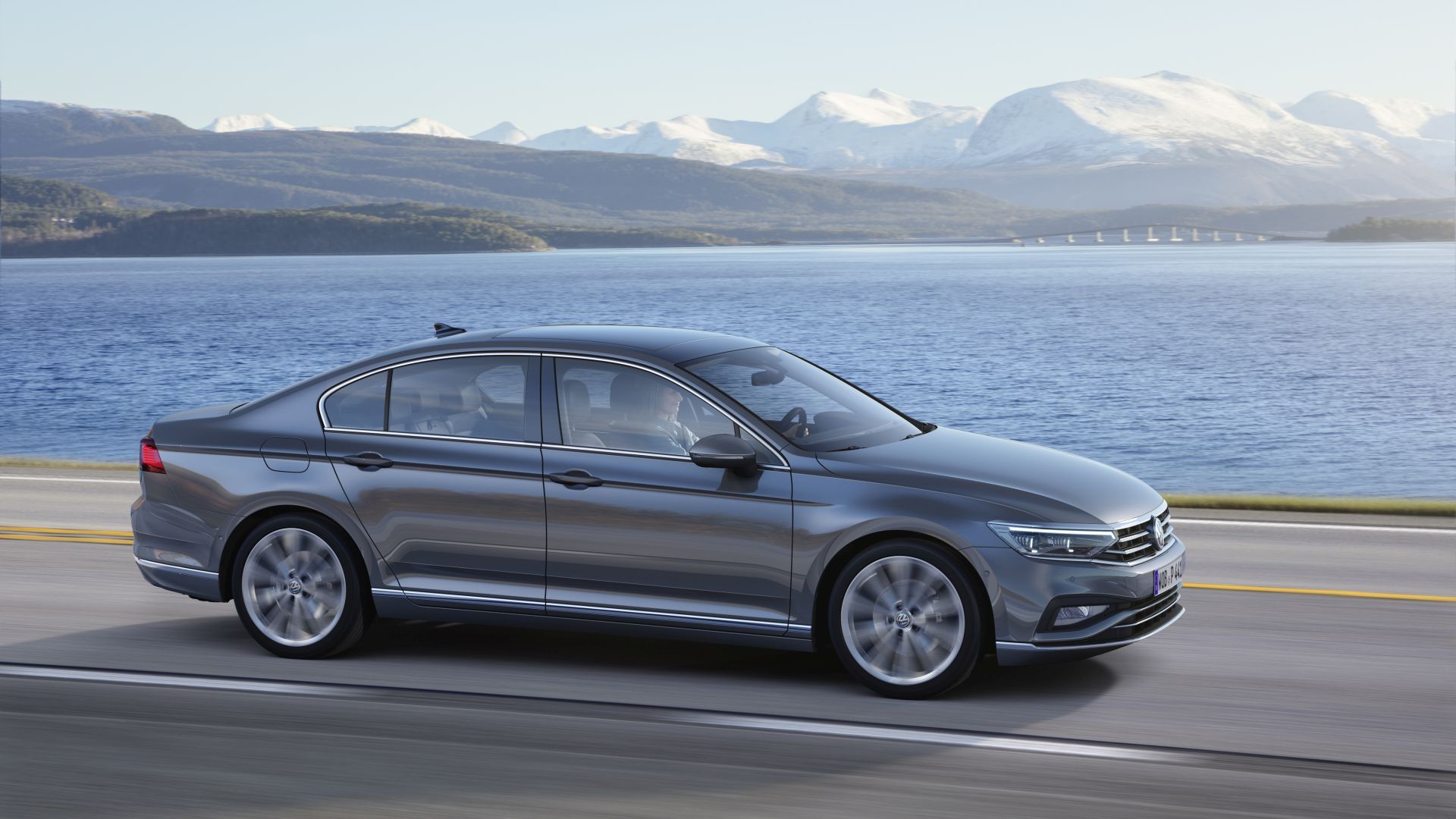
In terms of performance, the 2014 Passat is front-wheel drive and offers four distinct engines. The S, SE, and Wolfsburg trims feature the 2.5-liter inline five-cylinder engine, producing 170 horsepower and 177 lb-ft of torque, paired with either a five-speed manual or six-speed automatic (automatic only on the Wolfsburg).
Fuel economy for the manual Passat 2.5 is estimated at 26 mpg combined (22 city/32 highway), while the automatic drops slightly to 25 mpg combined (22 city/31 highway), below average for the segment.
Volkswagen’s new 1.8-liter turbocharged four-cylinder engine, producing the same 170 hp but with 184 lb-ft of torque, is gradually replacing the 2.5-liter unit. Currently, the 1.8T is standard on the Sport and SEL trims but will eventually become the base engine across all Passats.
The SEL 1.8T comes with a six-speed automatic, while the Sport and S trims can also have a five-speed manual. Fuel economy is estimated at 28 mpg combined (24 city/34 highway) with the automatic and 28 combined (24 city/35 highway) with the manual, a strong showing for a four-cylinder midsize sedan.
High mileage doesn’t automatically mean high risk anymore. The cars on this list show that with proper maintenance, even vehicles once doubted for their long-term potential can outlast expectations.
Whether it’s a luxury sedan, family SUV, or compact commuter, today’s engineering has stretched the meaning of “end of life” for cars far beyond the old 100,000-mile benchmark.
For American drivers who value durability and smart ownership, these nine vehicles represent more than just good choices they symbolize the new era of automotive endurance.