Commuting is often seen as one of the least enjoyable parts of daily life. Sitting in traffic, navigating unpredictable drivers, and dealing with the wear and tear of the road can quickly turn a morning routine into a daily grind. But the right car can make all the difference.
A vehicle that blends comfort, performance, technology, and personality can turn even the dullest stretch of highway into an experience worth looking forward to.
For the American driver, who often spends over an hour on the road each day, driving something that enhances that time is an underrated luxury.
Here are nine cars that make every commute genuinely enjoyable vehicles that excel in the real world, where convenience and comfort meet character and capability.
1. Mazda3
Mazda has a knack for infusing fun into everyday driving, and the Mazda3 is the perfect example of that philosophy.
Available as a sleek sedan or a stylish hatchback, the Mazda3’s crisp steering and responsive handling make it one of the most engaging commuter cars in its class.
The upscale interior, complete with supportive seats and intuitive controls, elevates the experience beyond typical compact cars.
The available turbocharged engine adds real zest, making acceleration brisk without sacrificing fuel efficiency.
For those who want a car that feels alive even in stop-and-go traffic, the Mazda3 turns every trip into something more enjoyable than it has any right to be.
Mazda has, however, kept the manual transmission exclusive to the hatchback, leaving the sedan without an option for purists seeking an extra layer of driver-focused engagement.
Nevertheless, the 3 Sedan excels in the interior department, offering materials and design that feel more at home in an entry-level luxury vehicle than a compact sedan. The craftsmanship and attention to detail are rare for this class.
In contrast to the Corolla’s uninspired cabin and the Elantra’s plasticky tech-heavy interior, the 2024 Mazda 3 projects maturity, refinement, and confident individuality. In a market where safe choices dominate, it’s a bold move, but one that largely pays off.
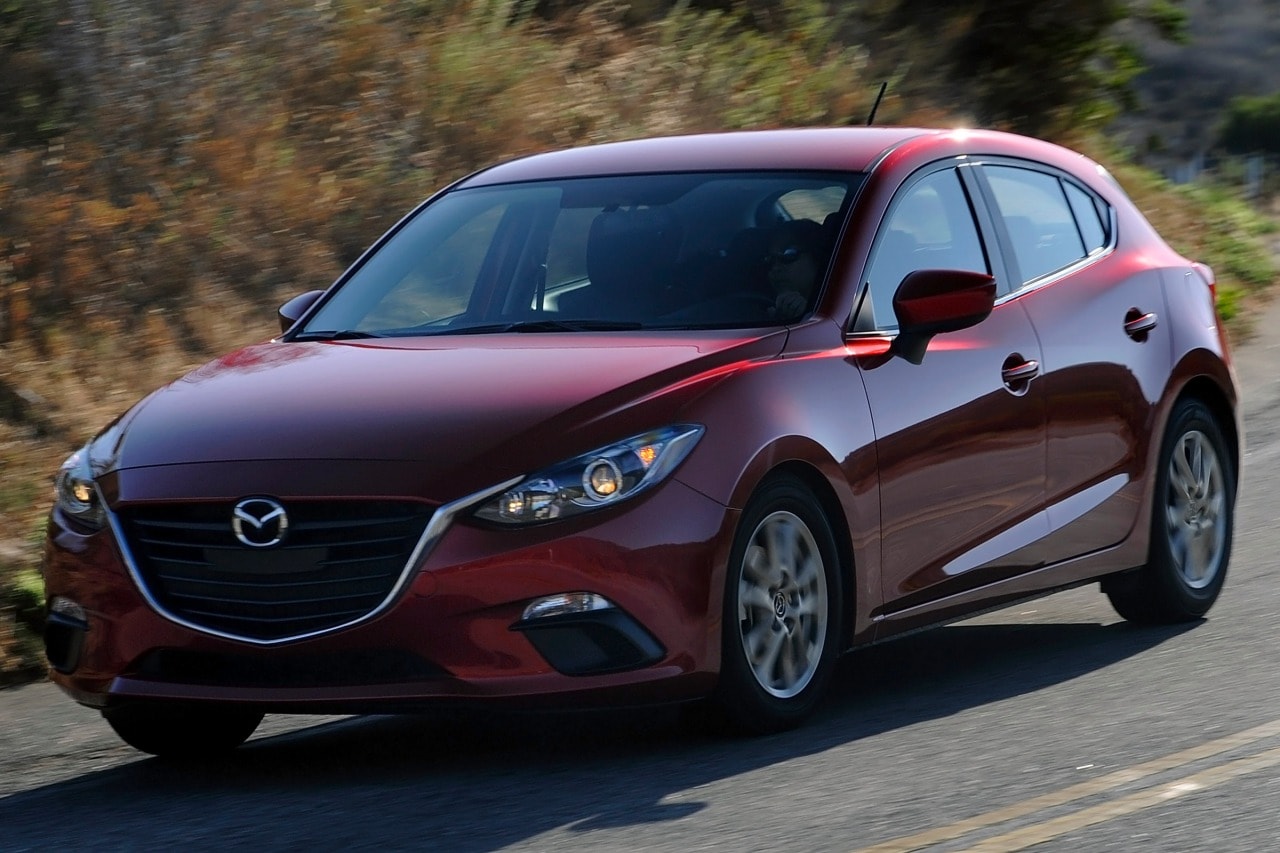
Mazda has introduced a new Carbon Turbo trim for the 2024 3 Sedan, starting at $31,750 before the $1,185 destination charge. Among the key upgrades are a standard 10.25-inch infotainment display on top trims, replacing the previous 8.8-inch unit, and an enhanced suite of standard safety features. Additionally, the base 2.5 S trim now starts at $24,170.
The 2024 Mazda 3 Sedan is offered in six distinct trims. The base 2.5 S FWD starts at $24,170, followed by the 2.5 S Select Sport FWD at $24,690. The 2.5 S Preferred FWD is priced at $26,190. All-wheel drive becomes standard from the 2.5 S Carbon Edition AWD at $29,060.
Turbocharged performance is available in the new 2.5 Carbon Turbo AWD at $31,750, while the top-tier 2.5 Turbo Premium Plus AWD commands $35,450. These prices are competitive with rivals such as the Toyota Corolla, starting at $22,050, and the Honda Civic at $23,950, exclusive of Mazda’s $1,185 destination and handling charge.
It’s rare to see a car become more affordable over time, but Mazda has managed that with its capable compact hatch and sedan. Among the 2024 lineup, the 2.5 S Preferred Package stands out as the sweet spot. At $26,190, it offers a step up from the base trims while staying under the $30,000 mark.
Standard features include an eight-way power driver’s seat with memory, heated front seats, and a leatherette-trimmed interior. Engines are tied to specific trims, so those seeking more power should consider moving up the lineup to access turbocharged options.
2. Honda Accord
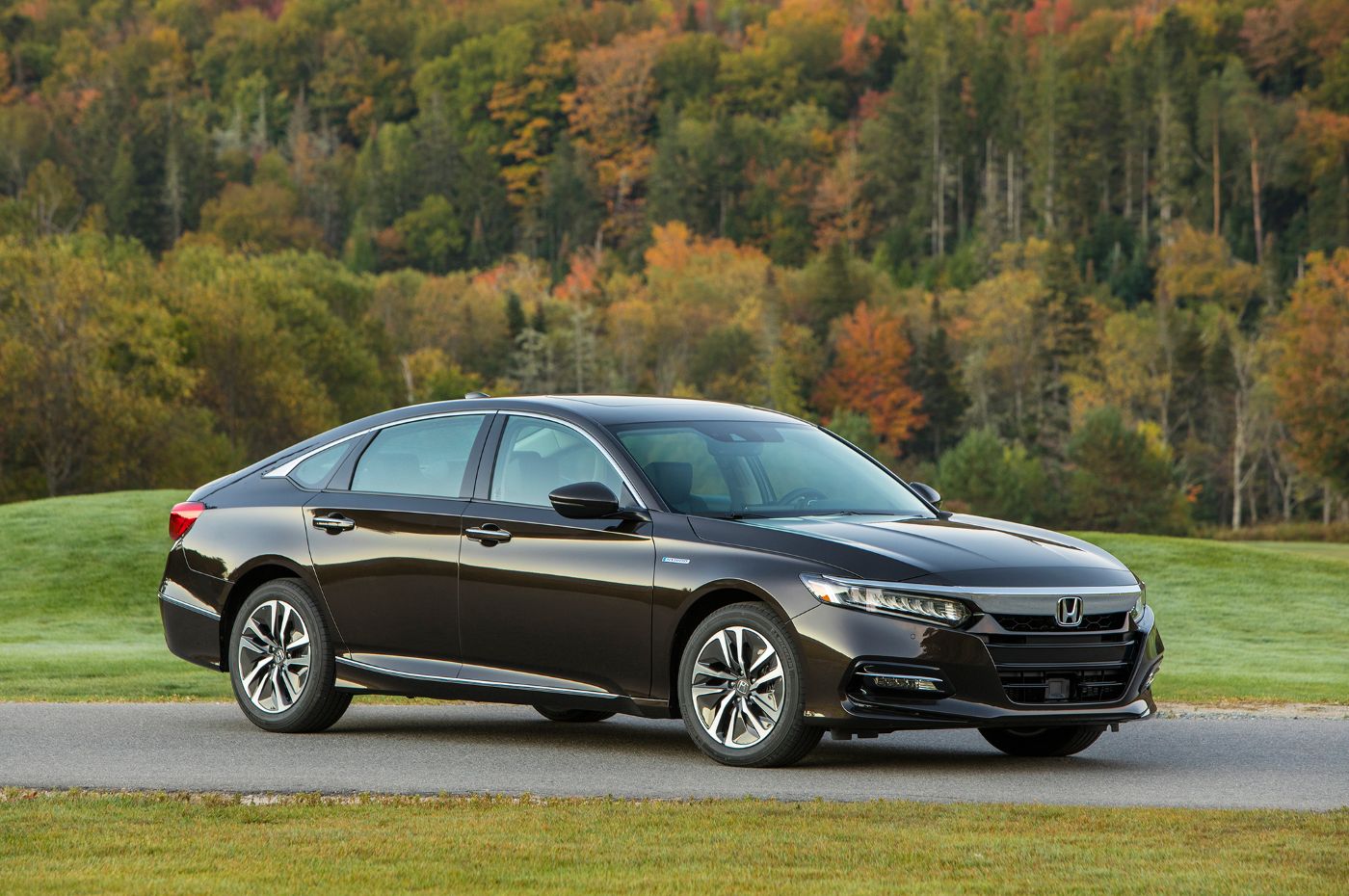
Few cars embody everyday excellence like the Honda Accord. Its roomy interior, refined suspension, and quiet cabin make it ideal for long commutes, while the latest model’s hybrid option delivers stellar fuel economy perfect for those with lengthy drives or unpredictable gas prices.
The Accord’s seats strike the right balance between comfort and support, and the infotainment system is simple enough to operate without distractions.
Whether you choose the gas or hybrid version, the Accord is one of those rare sedans that feels just as good on a Monday morning rush hour as it does on a weekend drive down the coast.
Offering three powertrain options, including a hybrid, the Accord strikes a balance between efficiency and performance.
The two gasoline four-cylinder engines can be paired with either an engaging manual transmission or a smooth-shifting 10-speed automatic, giving drivers flexibility without sacrificing fun. Handling is a hallmark of the Accord, with an athletic chassis, lightly weighted steering, and a well-balanced ride standard across the lineup.
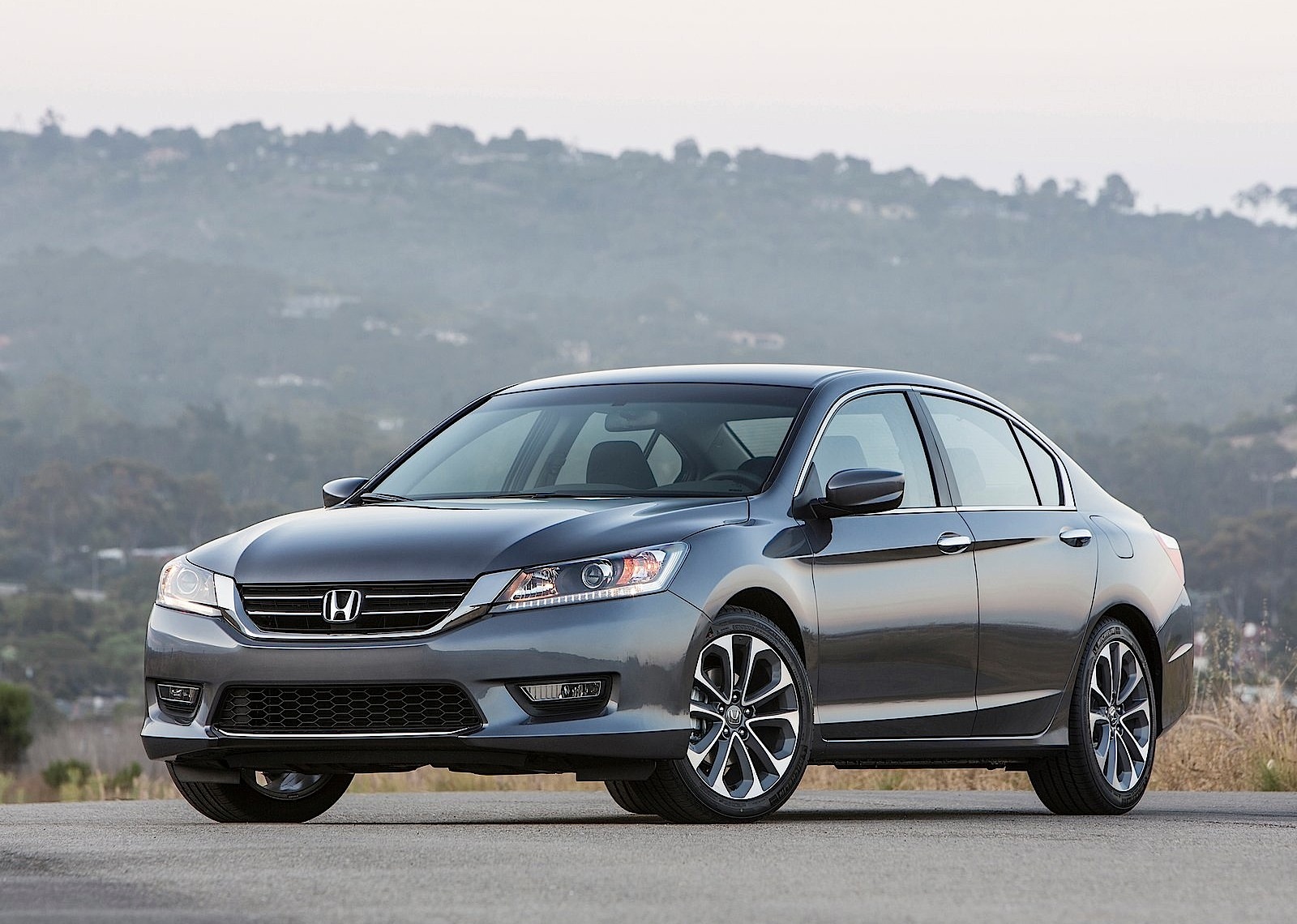
In addition, a suite of driver-assistance features, including automated emergency braking, lane-keeping assist, and adaptive cruise control, comes standard, making the 2020 Accord not only the best-driving family sedan but also one of the best-equipped choices in its segment, a combination that makes it an easy recommendation for today’s buyers.
The 2020 Honda Accord carries over unchanged from the 2019 model. Since the all-new redesign in 2018, prices have climbed slightly for each trim, but the list of features, both standard and optional, remains consistent.
The 2020 Accord’s price range spans from $25,265 to $37,395, depending on trim and options. For those seeking both a driver-focused experience and a practical family sedan, the Sport trim with the six-speed manual transmission is our top pick.
The manual adds a level of engagement that’s rare in this class, while the Sport trim also brings 19-inch wheels, a 12-way power driver’s seat, and an infotainment system with Apple CarPlay and Android Auto integration, making it a well-rounded choice.
The base engine is a 192-hp turbocharged 1.5-liter four-cylinder, but our favorite is the 252-hp turbocharged 2.0-liter four-cylinder, which can be paired with either the six-speed manual or the smooth 10-speed automatic.
Both engines operate smoothly, but the 2.0-liter provides a surge of power capable of spinning the front tires in first gear. A hybrid model is also available, combining a four-cylinder engine with two electric motors for enhanced efficiency.
The Accord’s chassis is well-tuned, allowing the driver to confidently push the car through corners with minimal body roll. Steering is light, appropriate for the class, and while a touch more road feedback would be welcome, it remains precise and predictable.
3. Tesla Model 3
For drivers who crave cutting-edge technology, the Tesla Model 3 transforms every commute into a glimpse of the future. Its instant torque delivers effortless acceleration, making merging and passing stress-free.
The minimalist interior, centered around a large touchscreen, keeps the cabin uncluttered and serene. Autopilot features, while not a substitute for full attention, can significantly reduce fatigue on long drives.
With regenerative braking and low operating costs, the Model 3 is also a smart financial choice for those racking up miles. For tech-savvy commuters who value efficiency and innovation, it’s hard to top what Tesla brings to the table.
For all of its futuristic ambitions, the Tesla Model 3 presents itself as a relatively conventional four-door sedan. While it incorporates numerous design cues from the more expensive Model S, making it instantly recognizable as a Tesla, the Model 3 is taller and less sporty in appearance compared to its sleeker sibling.
Its front end features a blunt, upturned snout reminiscent of both the original Tesla Roadster and the sealed prow of the Model X, reflecting its design lineage.
That connection extends beyond aesthetics, as the Model 3 shares the DNA of its predecessors through its architecture and the substantial lithium-ion battery pack mounted in the floor. On our test vehicle, we noted some concerns with large and inconsistent panel gaps, raising questions about assembly quality.
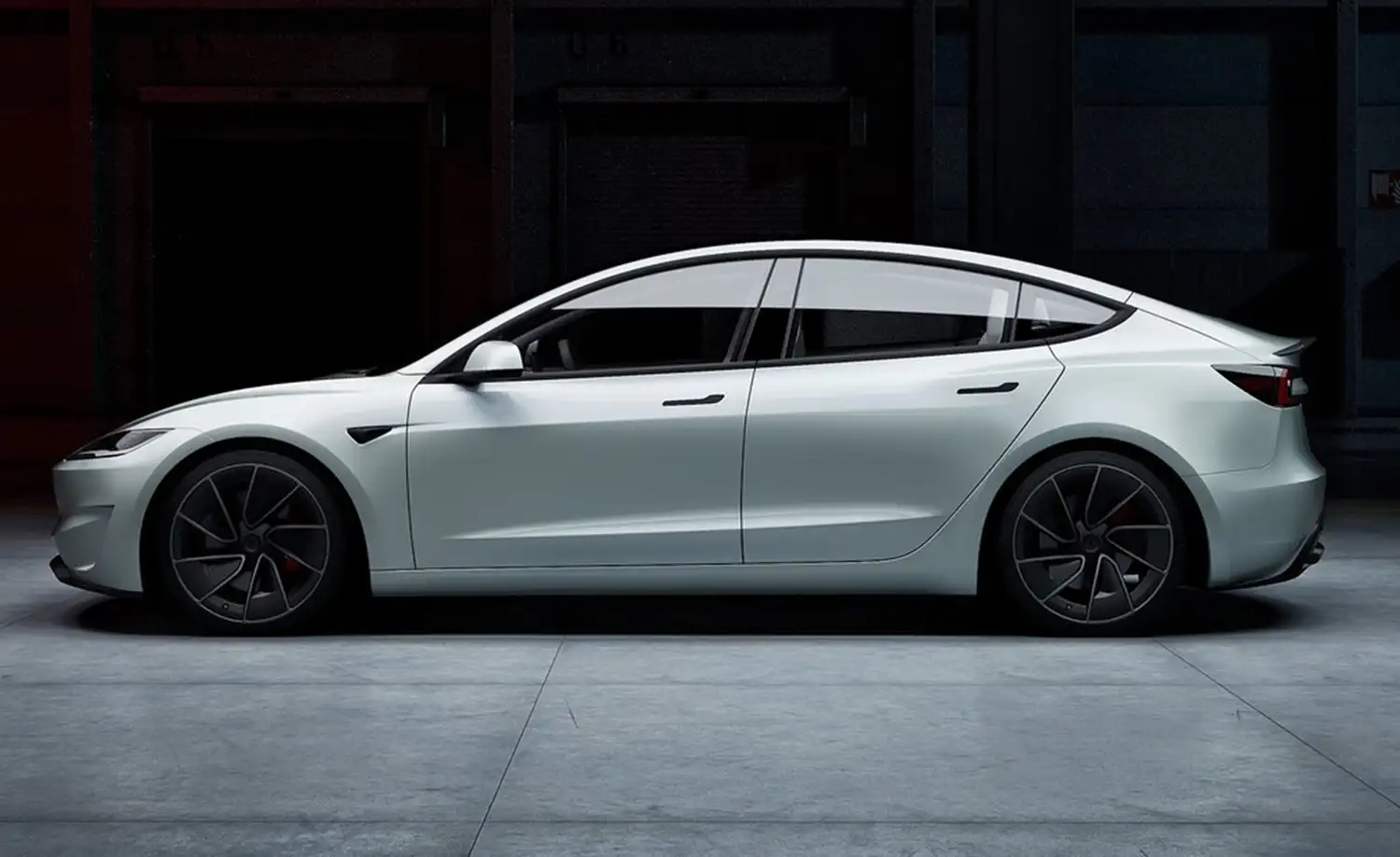
The 2018 Model 3 was one of the most anticipated vehicles of the decade. While the Model S revolutionized perceptions of electric vehicles, the Model 3 was designed to make EVs more accessible and affordable. Original pricing ranged from $47,200 for the Mid Range trim, $50,200 for the Long Range, and $65,200 for the Performance model.
The base car is rear-wheel drive with a rear-mounted electric motor, while all-wheel-drive versions add a front motor along with enhancements like Ludicrous Mode. The Performance variant, the most appealing to driving enthusiasts, boosts the Long Range motor’s output from 346 horsepower to 450, drawing power from the same 80.5-kWh lithium-ion battery pack.
When driven up to moderate limits, the Model 3 is solid and satisfying, demonstrating eager directional changes, quick steering response, sharp turn-in, and well-controlled body motions. However, it is slightly less engaging than the best sports sedans and does not offer the refined isolation found in similarly priced competitors.
While the robust structure suppresses harsh impacts, tire noise remains noticeable over uneven pavement. The low-mounted battery mass contributes to a flat and stable cornering attitude, effective on both tracks and winding country roads, though overall suspension refinement lags on rippled surfaces.
The Model 3 supports multiple charging options, including Tesla’s Supercharger network, adapters for public DC fast chargers, and 240-volt or 120-volt home charging setups. The EPA estimates the Long Range version can travel 310 miles on a single charge, exceeding any non-Tesla EV, while the Standard Range is rated for 220 miles per charge.
4. BMW 3 Series
The BMW 3 Series remains a benchmark for drivers who want both luxury and engagement. Its precise steering, balanced chassis, and strong powertrains ensure that even mundane commutes feel composed and lively.
Inside, high-quality materials and a premium sound system create a cabin that feels like a personal sanctuary.
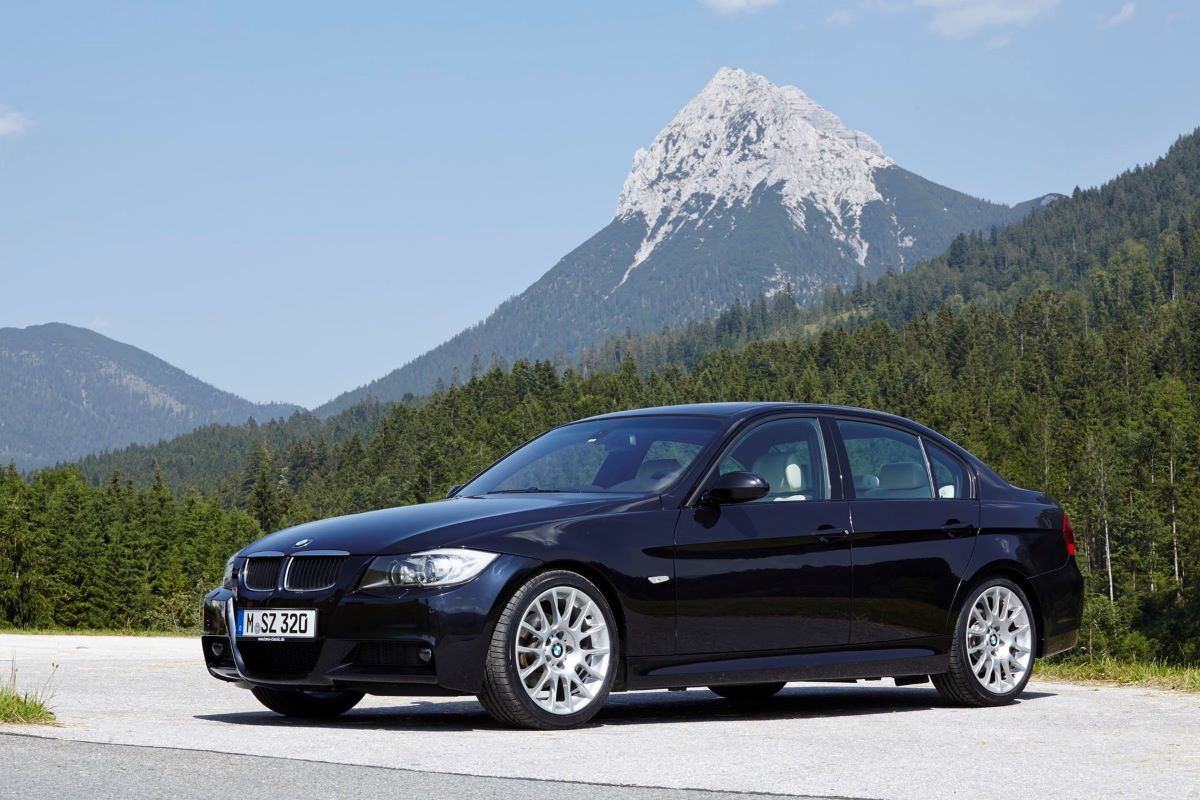
The iDrive system has become more intuitive over the years, and the latest models include features like adaptive cruise control and lane-keeping assist.
Whether you’re weaving through city streets or gliding down the highway, the 3 Series keeps you connected to the drive a rare trait in today’s world of numb, isolated sedans.
5. Hyundai Ioniq 6
The Hyundai Ioniq 6 is one of the newest EVs that truly understands what a commuter needs. Its smooth, whisper-quiet ride and striking aerodynamics make it both serene and efficient.
The long range well over 300 miles depending on configuration means most drivers won’t need to charge every day.
The interior feels more like a lounge than a cabin, with ambient lighting and eco-friendly materials enhancing the sense of calm.
Hyundai’s driver-assist systems, including Highway Driving Assist 2, add a layer of convenience for those long freeway stretches. The Ioniq 6 isn’t just a comfortable car it’s a vision of commuting done right.
Hyundai made a major impression last year with the introduction of the Ioniq 5, a compact all-electric SUV with retro-cool styling. This year, the automaker follows up with the Ioniq 6, a sleek electric sedan that shares much of the same hardware and features as the Ioniq 5 but adopts a more aerodynamic, low-slung form.
Its striking design tends to divide opinions, people either love it or hate it, but there’s broad agreement on its impressive aerodynamics, which help it achieve a maximum EPA-estimated range of 361 miles.
In real-world testing, the Ioniq 6 often exceeded its EPA estimates, demonstrating its efficiency and solid engineering. While the Ioniq 6 excels in many areas, it is not without minor flaws, which we cover in detail below, but overall it stands out as an excellent option among EV sedans, competing with models such as the Tesla Model 3, BMW i4, and Polestar 2.
On the road, the Ioniq 6 delivers an engaging driving experience. Our dual-motor all-wheel-drive Limited model sprinted from 0 to 60 mph in 4.6 seconds on the test track, a touch slower than a Tesla Model 3 but still impressively quick.
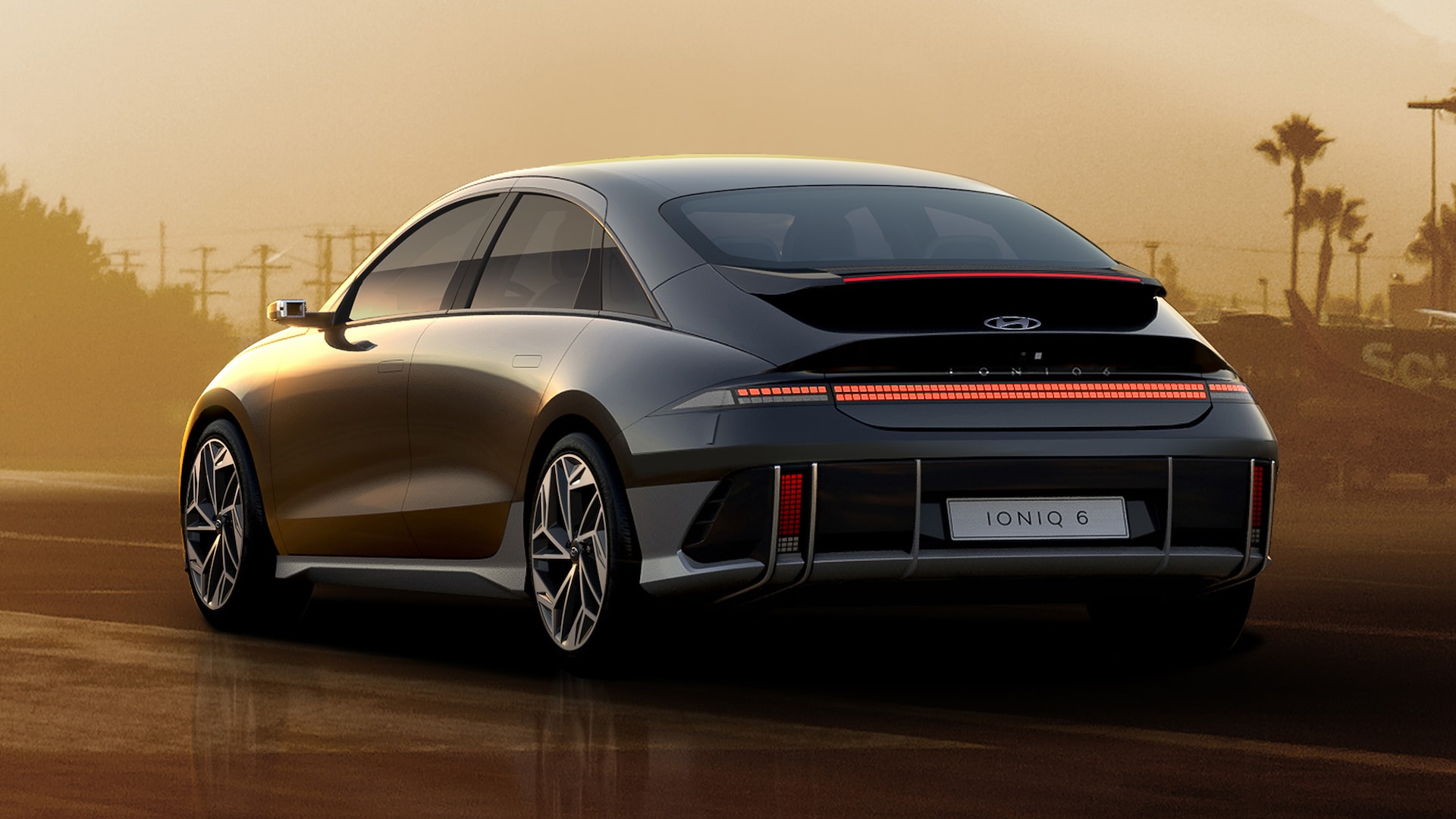
Acceleration is smooth and progressive, and the sedan remains grippy and stable through corners, providing a fun driving experience on twisty roads. Braking is equally commendable, with well-managed transitions between regenerative and conventional braking, allowing smooth stops whether coasting or pressing the brake pedal.
Comfort in the Ioniq 6 is excellent, thanks to pliant suspension that absorbs road imperfections while keeping the cabin quiet. Wind noise is minimal at highway speeds, and the optional ventilated front seats add to passenger comfort, though some drivers may desire additional lumbar and thigh support
. Rear seat headroom is limited due to the sloping roofline, and the middle seat is best suited for short trips. The climate system heats or cools the cabin quickly, and the seat controls, though functional, are integrated into the touchscreen, which can be slightly distracting compared to physical buttons.
Inside, the Ioniq 6 is both stylish and functional, though its design requires some adaptation. Slimmed-down front doors relocate traditional controls, and rear ingress requires a slight lean due to the roofline, but legroom is excellent.
Some minor issues include limited rear headroom, a thick center console reducing knee space, and restricted rear visibility because of small windows and thick pillars.
Storage is reasonable for a sedan, with a trunk measuring 11.2 cubic feet, which is less than competitors on paper but performs similarly in practical tests. Interior storage includes a sizable center console bin and multiple nooks for smaller items. Rear legroom facilitates easy car seat installation, though accessing the LATCH anchors can be tricky.
The Ioniq 6 demonstrates strong range and efficiency. Our dual-motor Limited trim exceeded its EPA range estimate, covering 303 miles in real-world testing, while the single-motor version with a larger battery is rated for 361 miles.
Energy consumption was impressive at 27.5 kWh per 100 miles, and the vehicle is compatible with 350-kW DC fast chargers, allowing 10% to 80% charge in just 18 minutes under ideal conditions.
Value-wise, the Ioniq 6 is competitively priced compared to the Ioniq 5, offering high-quality cabin materials and a robust warranty package: 10 years/100,000 miles for the battery and powertrain, five years/60,000 miles basic coverage, and three years/36,000 miles of free maintenance. Hyundai also provides two years of free 30-minute Electrify America charging sessions, adding convenience for EV owners.
The Ioniq 6 excels in fun and functionality, with acceleration, handling, braking, ride quality, and powertrain performance all finely tuned. Its low center of gravity gives the sedan exceptional balance, making it one of the more engaging EVs to drive.
The 2023 Hyundai Ioniq 6 is offered in four trims: SE Standard Range, SE, SEL, and Limited, each providing a mix of power and features to suit different buyers.
6. Toyota Camry Hybrid
It’s hard to have a discussion about great commuter cars without mentioning the Toyota Camry Hybrid. This sedan blends Toyota’s bulletproof reliability with stellar fuel economy, often topping 50 mpg combined.
Its hybrid powertrain delivers smooth acceleration, and the suspension tuning is ideal for absorbing bumps without feeling floaty.
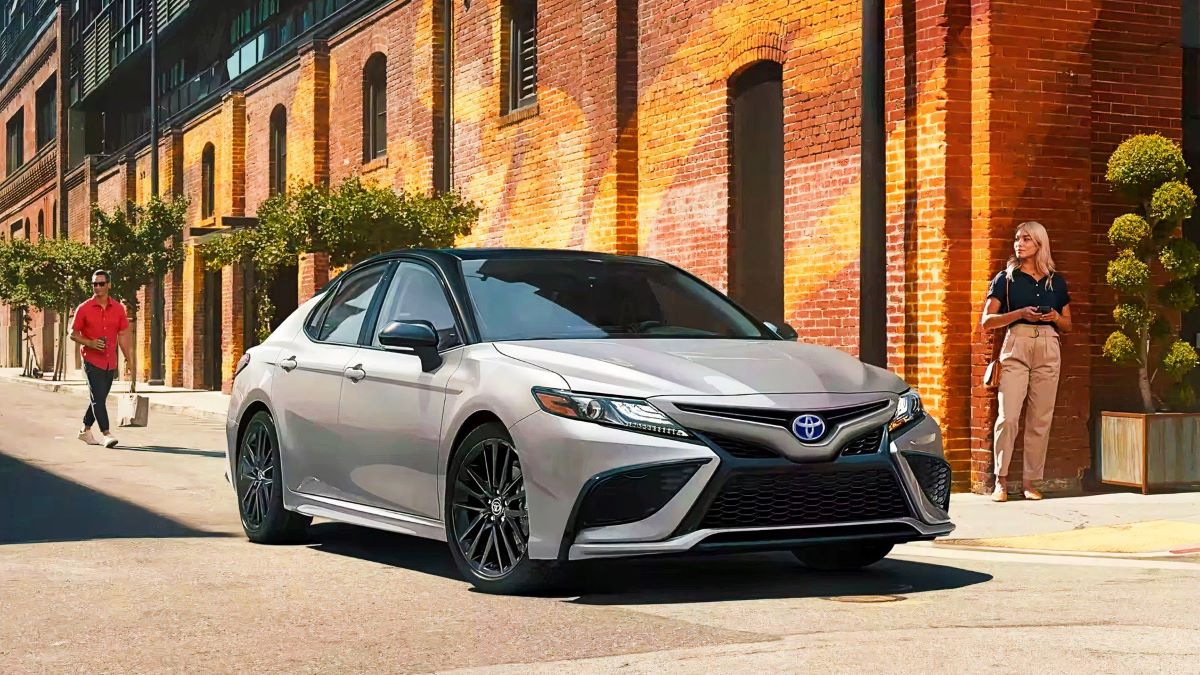
Inside, the Camry Hybrid offers generous space and user-friendly tech, making it easy to live with day in and day out.
It’s not flashy, but that’s exactly the point it’s a car designed to make your daily routine as stress-free as possible. For commuters who prioritize dependability and comfort, few cars do it better.
7. Volvo XC60
For those who prefer something with a bit more space and presence, the Volvo XC60 is the SUV that makes commuting feel like self-care.
Every detail of this Scandinavian-inspired interior from the clean design to the plush seating emphasizes relaxation. The suspension smooths out rough roads, and the advanced driver assistance systems are among the best in the business.
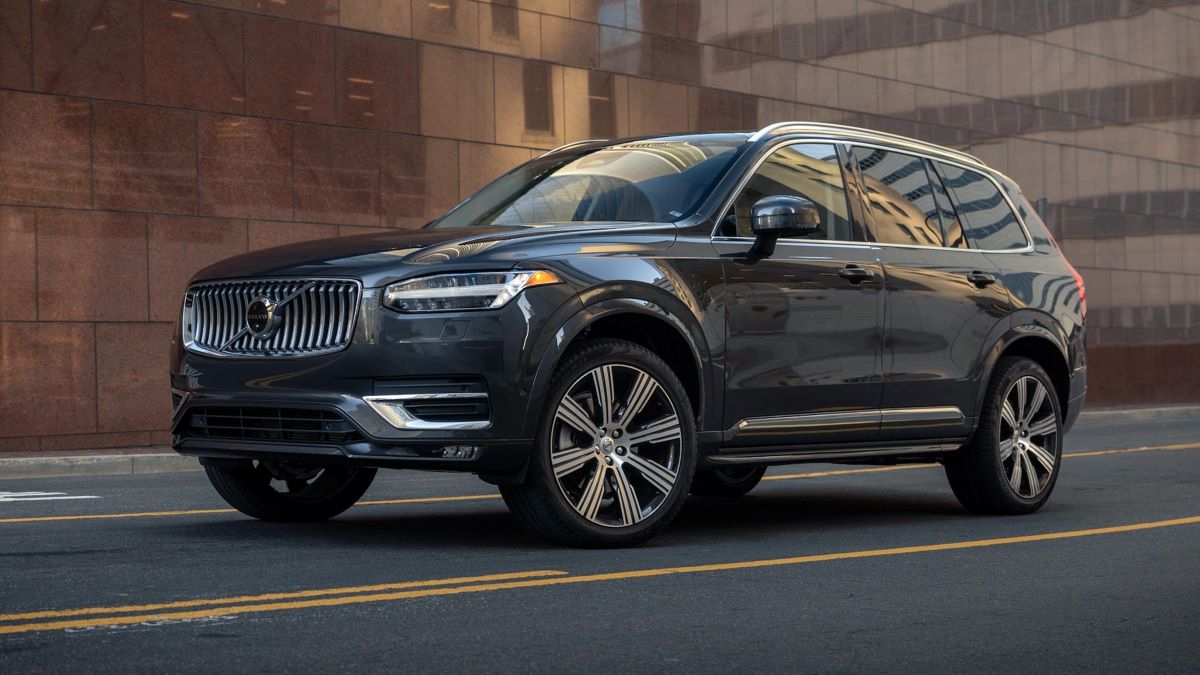
With options like the plug-in hybrid T8 Recharge, drivers can even enjoy electric-only commuting for shorter trips.
The XC60 isn’t about flash; it’s about refinement and peace of mind, making it a perfect antidote to the stress of daily driving.
8. Mini Cooper S
If your commute involves city streets and tight parking, few cars make urban driving more enjoyable than the Mini Cooper S. Its compact dimensions and go-kart-like handling make it ridiculously fun in traffic, darting between lanes with precision and agility.
The turbocharged engine provides more than enough pep, while the interior combines charm with premium touches like customizable ambient lighting and leather trim.
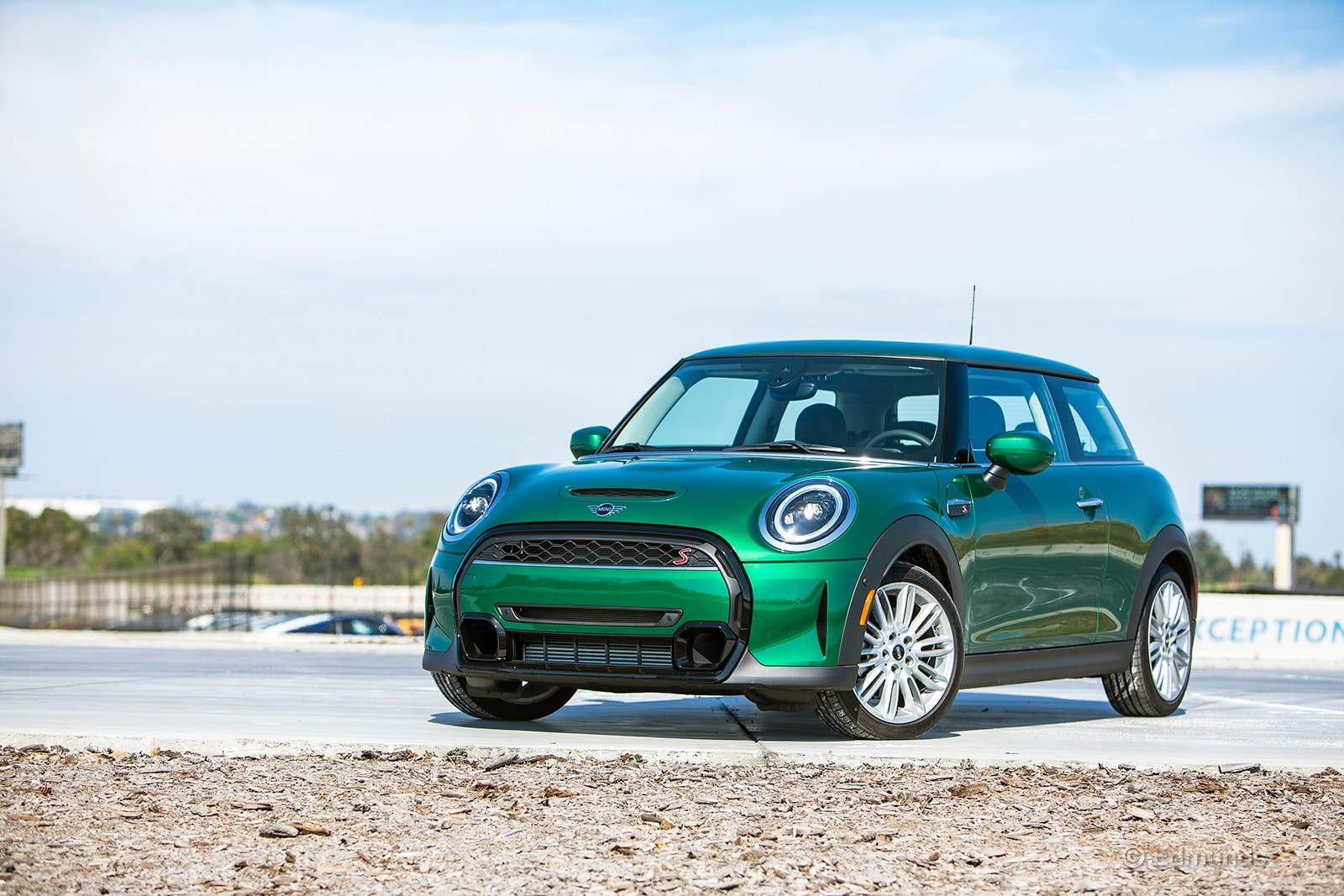
Every drive in a Mini feels like an event, and that personality shines through whether you’re zipping to work or running errands. For those who want a daily dose of joy on every commute, the Cooper S delivers in spades.
9. Lexus ES 350
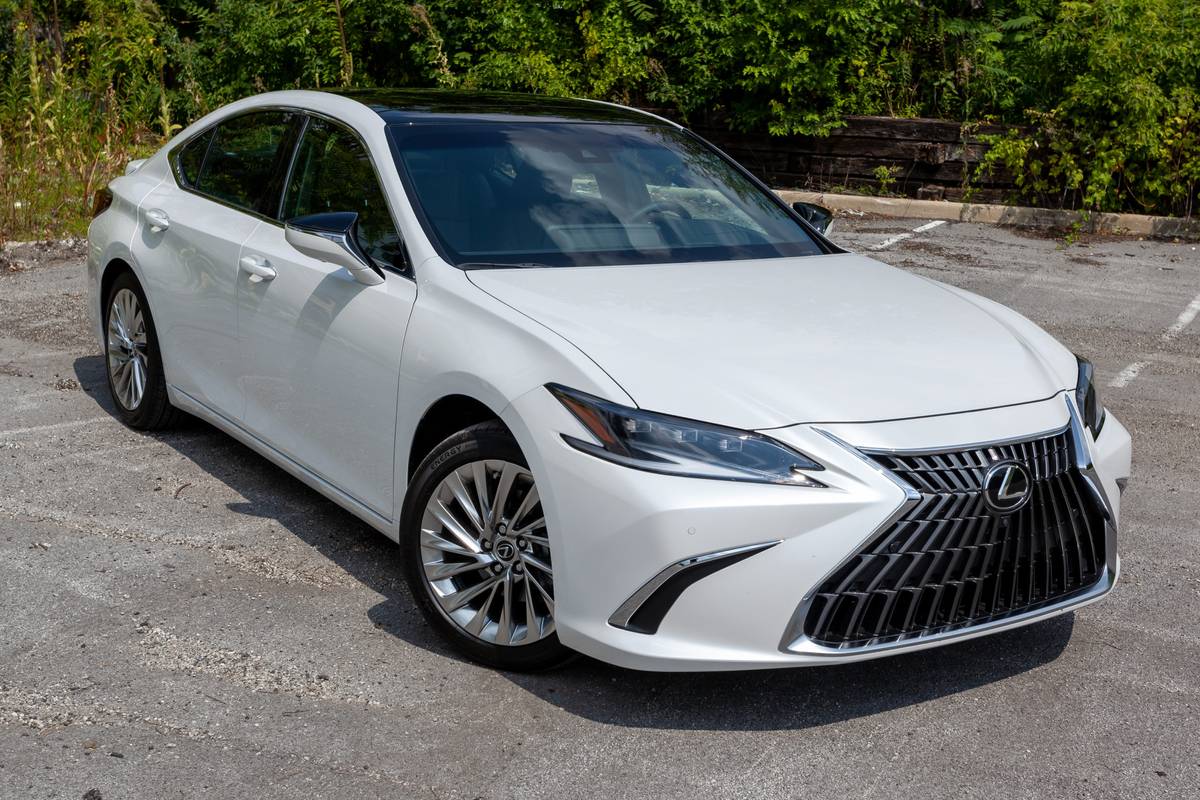
Some commuters just want quiet, comfort, and calm and the Lexus ES 350 delivers all three flawlessly. This midsize luxury sedan glides over the road with a whisper-quiet cabin and an ultra-smooth V6 engine.
The seats are among the most comfortable you’ll find in any car under $50,000, and the build quality feels impeccable.
Lexus’ reputation for reliability adds another layer of confidence, ensuring that the ES 350 won’t let you down, no matter how many miles you pile on. For those who want to transform their daily drive into a moment of relaxation, the ES is as good as it gets.
A great commuter car isn’t just about getting from point A to point B it’s about how you feel along the way.
The seventh-generation Lexus ES has been on the market for a few years, and for 2021, the lineup expands with the four-cylinder-powered ES 250, joining the V6-equipped ES 350 and the ES 300h hybrid models.
While the ES 250 is less powerful than the ES 350, producing 203 horsepower compared to 302 hp, it offers nearly the same suite of features at a lower price. It also boasts something no other ES model has: standard all-wheel drive, which may appeal to buyers in regions with inclement weather.
Aside from its engine, the ES 250 shares much of its structure and amenities with the ES 350 and 300h, delivering a comfortable, well-appointed midsize luxury sedan experience. The vehicle is a competent cruiser, though the modestly powered four-cylinder engine does limit its performance.
With a 0-60 mph time of 8.8 seconds, the ES 250 lags behind competitors such as the Audi A4, BMW 3 Series, and Mercedes-Benz C-Class, making the V6-powered ES 350 a more compelling option for those who prioritize power. Nevertheless, the ES 250 remains a solid choice for those who value luxury, comfort, and all-wheel-drive capability over outright performance.
Fuel economy is a strong point for the ES 250, with an estimated 28 mpg combined (25 city/34 highway), which is higher than many other AWD four-cylinder midsize luxury sedans, though these rivals generally offer more power. Overall, the ES 250 presents good value, delivering a premium cabin, high-quality materials, and typical Lexus craftsmanship, including tight panel gaps, well-finished controls, and detailed stitching.
The main drawback remains the engine: the four-cylinder feels underpowered and produces more noise than expected, diminishing the otherwise refined Lexus experience.
While the ES 250 does not match the driving dynamics of its V6 sibling or rivals in its class, it offers a distinctive design, spacious and well-crafted interior, and a comfortable, composed ride. It is a clear step above the Toyota Avalon on which it is based, though the powertrain leaves room for improvement.
Whether you prefer the sporty precision of a BMW 3 Series, the effortless economy of a Camry Hybrid, or the futuristic calm of a Tesla or Ioniq 6, these vehicles each offer something that elevates the daily grind.
Americans spend thousands of hours behind the wheel over a lifetime, and driving a car that makes you smile or at least helps you unwind is more than just a luxury; it’s a smart investment in your everyday happiness.