
In the evolving landscape of the American automotive market, the compact SUV has become the sweet spot for drivers who crave versatility without sacrificing agility.
Once known for being clunky or top-heavy, today’s small crossovers have matured into machines that merge practicality with performance offering tight handling, quick steering response, and a sense of control that rivals even sporty hatchbacks.
For urban commuters and spirited drivers alike, these SUVs deliver a surprising blend of fun and function. Here are eight compact SUVs that feel more like hatchbacks when you get behind the wheel.
1. Mazda CX-30
Mazda has a knack for making ordinary vehicles feel extraordinary, and the CX-30 is a perfect example. Built on the same platform as the Mazda3 hatchback, it inherits that car’s precise steering, responsive suspension, and well-balanced chassis.
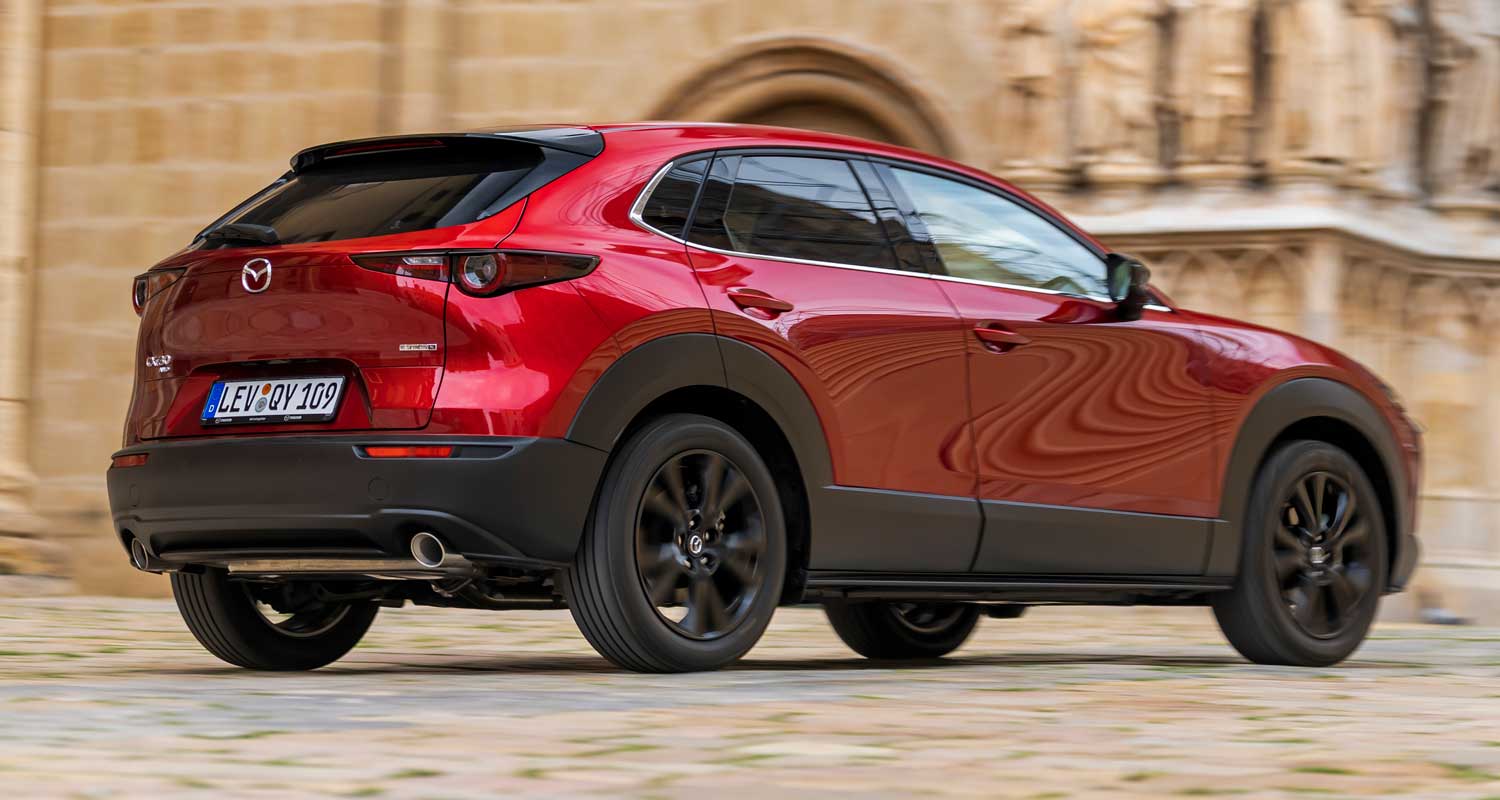
The CX-30’s tuning makes it a driver’s car in disguise it corners with composure and stays planted through turns. Inside, the low seating position and snug cockpit further enhance that “hatchback” feel.
Opt for the turbocharged 2.5-liter engine, and you’ll have up to 250 horsepower to play with enough to make even twisty canyon roads entertaining.
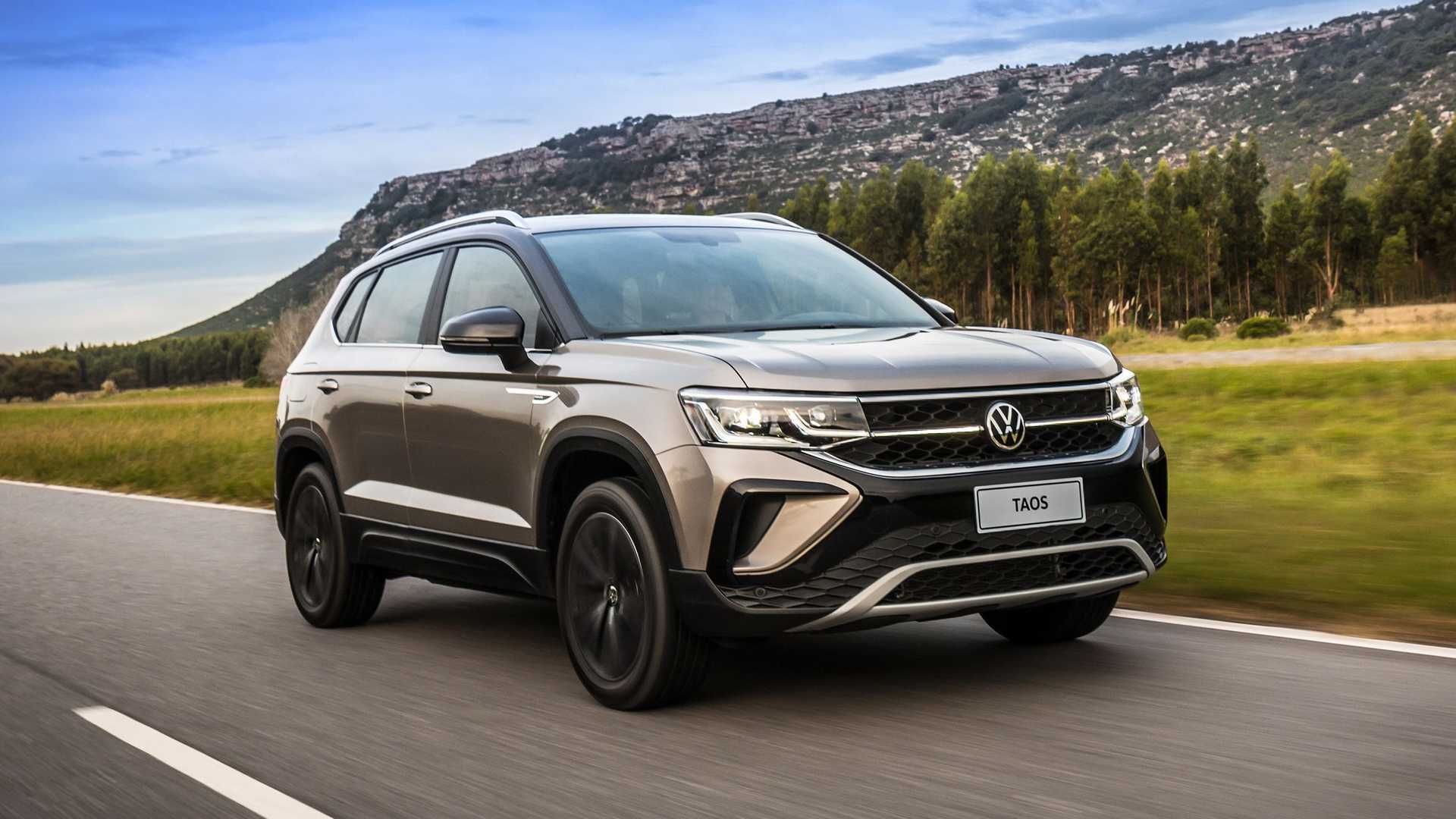
2. Volkswagen Taos
Volkswagen’s reputation for sharp-handling hatchbacks like the Golf has clearly rubbed off on the Taos. Despite being a small SUV, it carries the same DNA that made the Golf such a driver’s favorite.
The Taos feels light on its feet, with a nimble steering setup and a refined suspension that’s tuned for both comfort and precision.
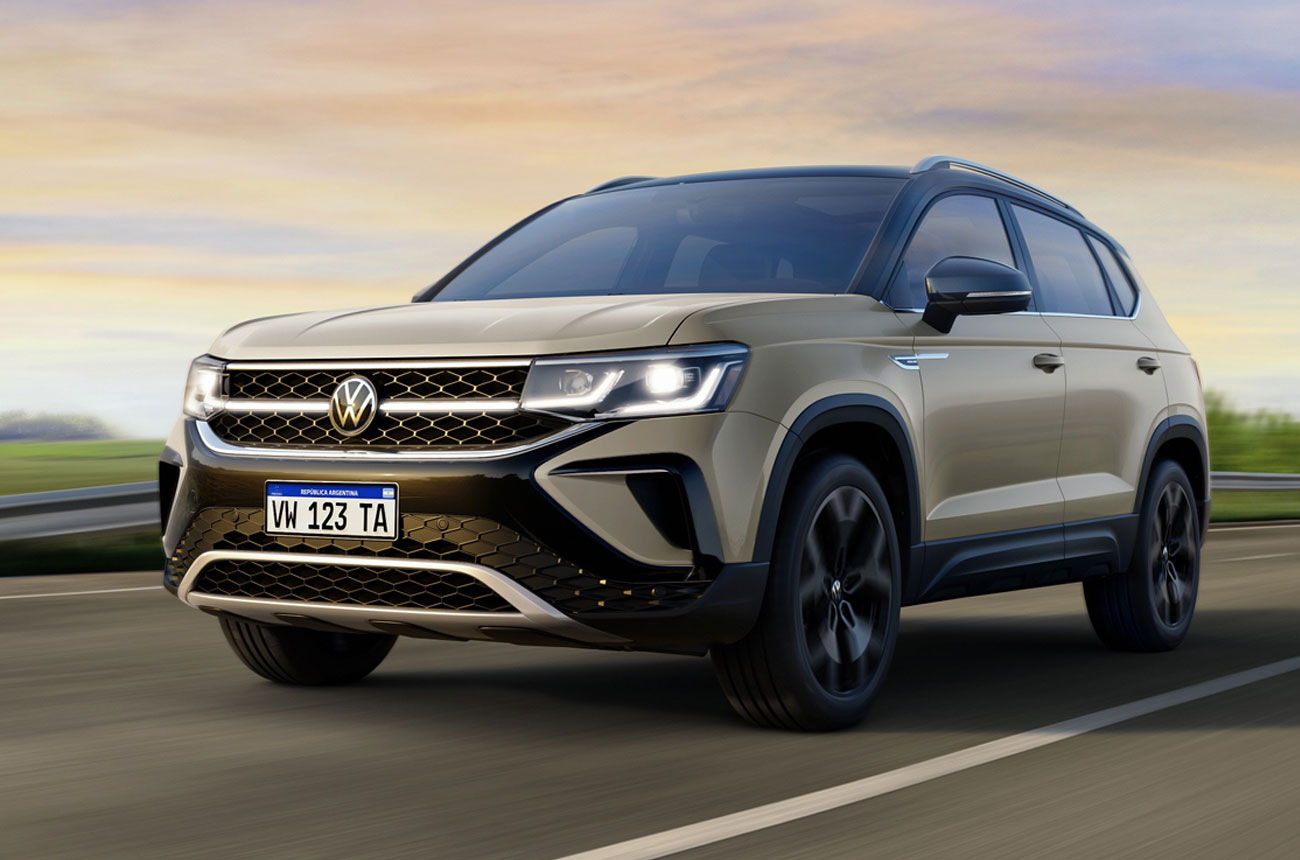
The 1.5-liter turbocharged engine delivers a lively punch that complements the SUV’s composed chassis. The result is a compact SUV that feels just as confident on winding backroads as it does weaving through city traffic.
Subcompact SUVs appeal to buyers seeking space, affordability, and a sense of belonging in a world where SUVs dominate the roads. Among more than 20 competitors, the Volkswagen Taos stands out for satisfying another modern demand, excellent fuel efficiency.
Offered in both front- and all-wheel drive, every Taos delivers impressive real-world mileage, powered by a thrifty 158-horsepower 1.5-liter turbocharged four-cylinder engine.
While it lacks the option for a tow hitch, making the larger Volkswagen Tiguan a better choice for hauling, the Taos provides plenty of cargo room, even with the rear seats up, making grocery runs and weekend errands a breeze.
Competing closely with top contenders like the Kia Seltos and Chevrolet Trailblazer, the Taos combines an attractive starting price with a roomy interior to make a compelling case in this class.
In testing, an all-wheel-drive Taos SEL exceeded expectations by achieving an outstanding 40 mpg during a 200-mile, 75-mph highway loop, four miles per gallon higher than its EPA estimate. While the interior uses abundant hard plastics to help keep costs low, this does make rivals such as the Mazda CX-30 feel notably more upscale in comparison.
The Taos doesn’t see any major design updates for 2023, but Volkswagen has added more standard safety tech across the lineup. All trims now include forward collision warning with automatic emergency braking and pedestrian monitoring, blind-spot monitoring, and rear cross-traffic alert.
The base S trim gains larger 18-inch wheels on all-wheel-drive models, while the top SEL trim now comes standard with a panoramic sunroof.
The 2023 Volkswagen Taos starts at $25,450 for the base S trim and goes up to $35,830 for the fully loaded SEL. The mid-tier SE model, priced at around $30,220, offers the best balance of features and value.
It comes equipped with 18-inch wheels, blind-spot monitoring, heated front seats, remote start, and wireless smartphone charging. For an additional $1,450, opting for all-wheel drive not only enhances traction but also upgrades the rear suspension from a basic torsion-beam to a more advanced independent multilink setup.
Under the hood, every Taos is powered by Volkswagen’s turbocharged 1.5-liter four-cylinder engine, producing 158 horsepower and 184 lb-ft of torque. Front-wheel-drive models use an eight-speed automatic transmission, while all-wheel-drive versions come with a seven-speed dual-clutch automatic.
The drivetrains also differ in suspension design: front-drive models employ a torsion-beam rear setup, whereas AWD models feature a multilink suspension for improved handling and comfort.
In performance testing, the front-wheel-drive Taos narrowly edged out the AWD version to 60 mph, by just a tenth of a second. Standard 17-inch wheels come on the base model, with larger 18- and 19-inch options available for higher trims.
Overall, the 2023 Volkswagen Taos continues to be an efficient, well-rounded, and attractively priced subcompact SUV that blends practicality and comfort with just enough refinement to stand out in a crowded segment.
3. Mini Countryman
The Mini Countryman proves that fun doesn’t have to end when you trade in your Cooper hatchback for something more practical.
The Countryman still carries the Mini spirit playful handling, tight steering, and that “go-kart” sensation that enthusiasts love. With standard front-wheel drive and optional ALL4 all-wheel drive, it offers excellent grip and cornering stability.
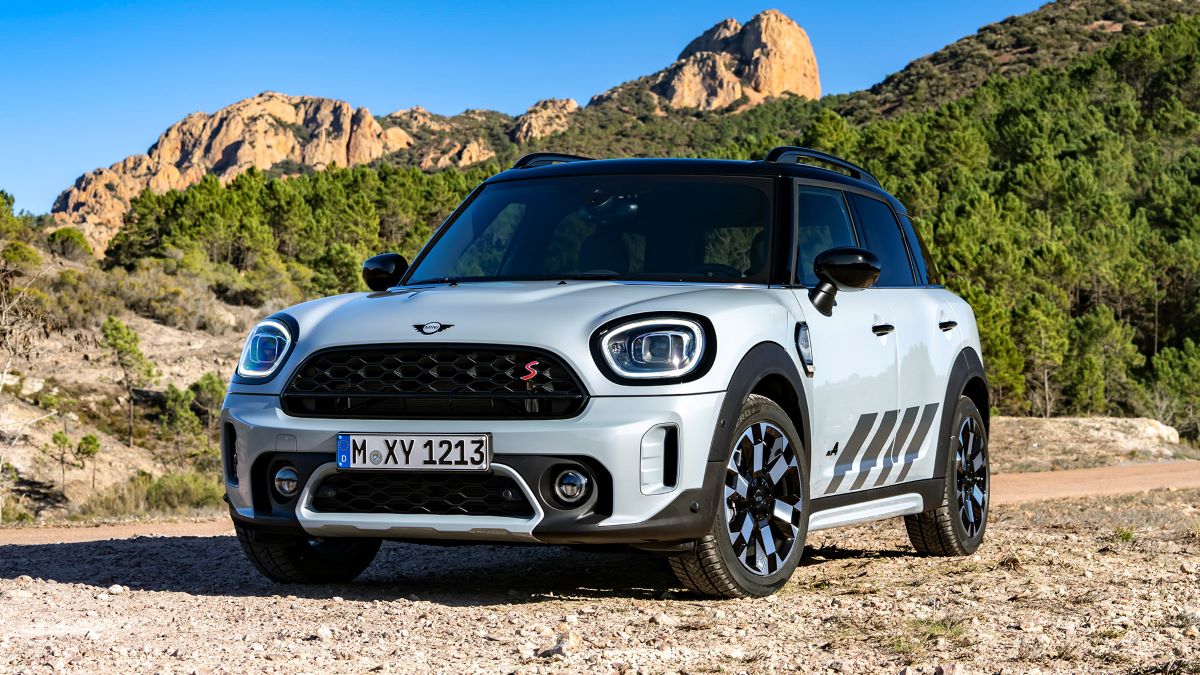
Even though it’s larger than a typical Mini, the Countryman’s short wheelbase and stiff suspension tuning ensure it remains one of the most engaging compact SUVs you can buy.
For maximum thrill, the John Cooper Works edition packs serious punch while maintaining impeccable balance.
4. Hyundai Kona N
When Hyundai decided to create a performance version of its subcompact Kona, the result was something unexpected: a crossover that behaves like a hot hatch.
The Kona N shares its 276-horsepower turbocharged engine with the Veloster N, and the handling is just as sharp. Its electronically controlled limited-slip differential, adaptive dampers, and precise steering make it one of the most dynamic SUVs in its class.
On a twisty road, it feels more like a rally car than a family vehicle. The Kona N demonstrates that practicality and performance don’t have to be mutually exclusive a rare find in this category.
Beneath the Hyundai Kona N’s aggressive, vented front end lies the same turbocharged 2.0-liter four-cylinder engine found in the high-performance Veloster N.
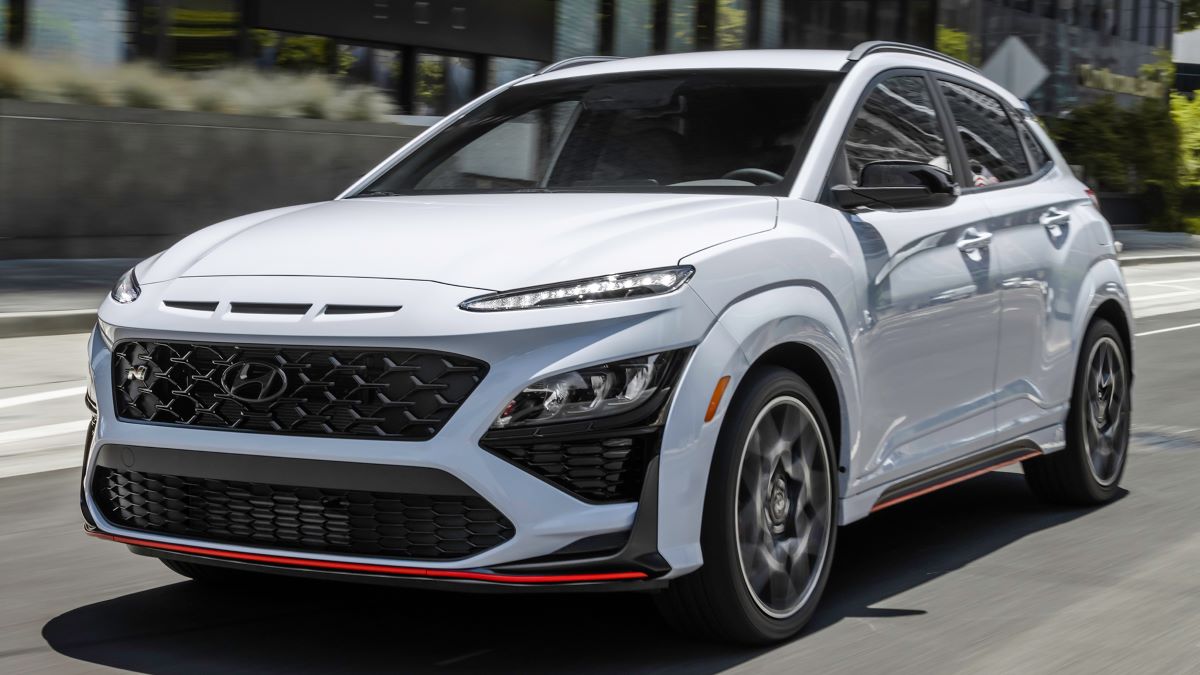
Under normal conditions, it produces 276 horsepower, but pressing the red button on the steering wheel unleashes an extra 10 horsepower for a 20-second burst of overboost.
Unlike its smaller sibling, the Kona N doesn’t come with a manual transmission, gear shifts are handled by an eight-speed dual-clutch automatic that sends power exclusively to the front wheels.
During our test drive, the Kona N delivered an exhilarating experience, darting through corners with enthusiasm and making great use of its temporary power boost. At the test track, it rocketed from 0 to 60 mph in just 4.8 seconds.
While we found the steering could benefit from being a touch quicker, it still provided commendable feedback and engagement. The cabin, however, could use better sound insulation, as noticeable road noise seeps in at highway speeds. Still, the Kona N’s spirited performance and playful handling more than make up for this minor drawback.
Also Read: 12 Top Sedans With the Best Dashboard Layouts
5. Honda HR-V (2023 and Newer)
The latest-generation Honda HR-V borrows heavily from the Honda Civic’s architecture, and that’s a very good thing. It benefits from the Civic’s well-tuned suspension and steering, delivering handling that’s more athletic than most crossovers in its price range.
The HR-V feels grounded and responsive, with minimal body roll and excellent feedback through the wheel.
For daily commuters who miss the days of driving a compact hatch but need more space, the HR-V strikes an ideal balance. It’s easy to park, easy to toss into corners, and comfortable enough for long drives.
The 2025 Honda HR-V brings much of the practicality and appeal of the popular CR-V but in a smaller, subcompact form. Inside, it offers an airy cabin with ample storage compartments, modern technology, and a solid array of driver-assistance features.
However, its biggest drawback lies under the hood, a sluggish 2.0-liter four-cylinder engine paired with a continuously variable automatic transmission (CVT). This setup makes the HR-V one of the slowest crossovers in its class.
Many are hoping for a future hybrid version with improved performance, but for now, this remains the sole powertrain option, limiting its excitement for drivers who value spirited performance. For those seeking a more engaging subcompact SUV, the Mazda CX-30 and Hyundai Kona stand out as better alternatives.
Pricing for the 2025 Honda HR-V starts at $26,850 for the LX trim and reaches up to $30,950 for the top-tier EX-L. The mid-level Sport trim, priced at $28,950, offers the best value with its sportier design and extra standard features. All-wheel drive remains an optional $1,500 upgrade across all trims.
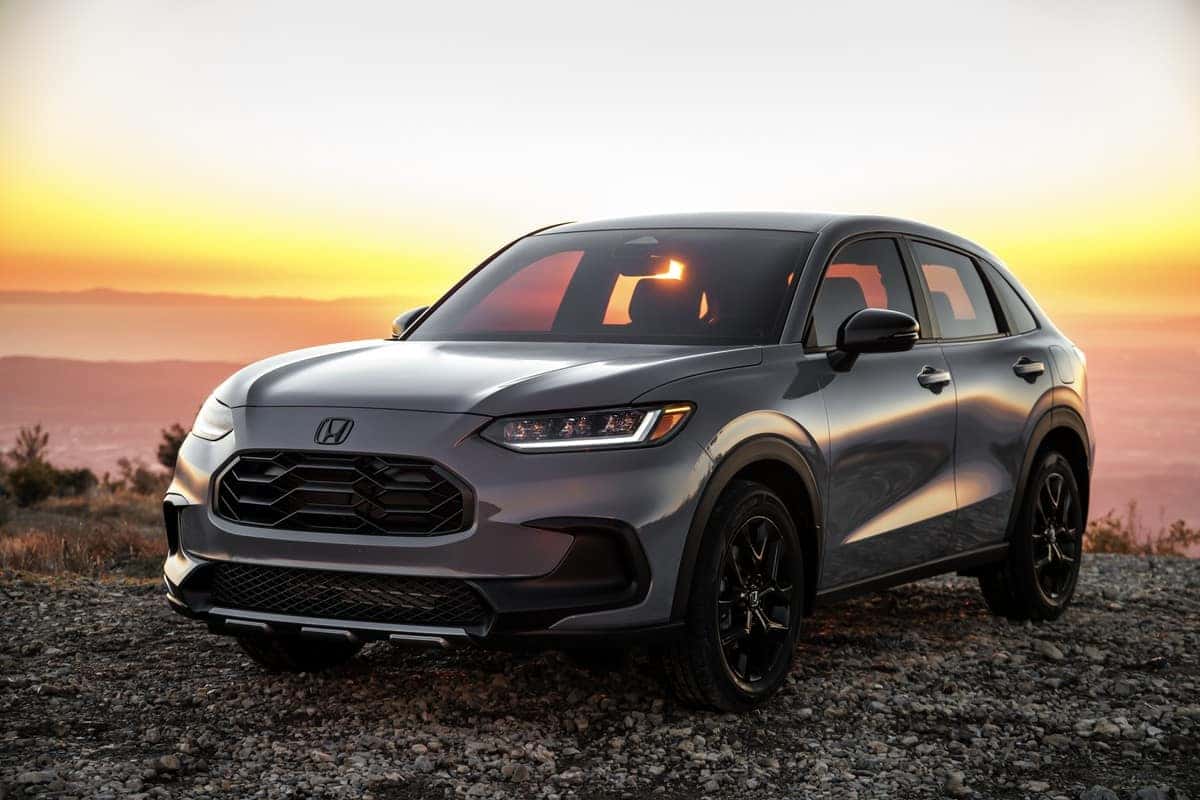
Under the hood, the HR-V uses a 2.0-liter four-cylinder engine producing 158 horsepower, the same base engine found in the Honda Civic.
Unfortunately, in the heavier HR-V, it feels noticeably underpowered. Since it shares its platform with the Civic, there’s hope that the 180-hp turbocharged 1.5-liter or a hybrid variant could eventually join the lineup.
For now, front-wheel drive and CVT come standard, while all-wheel drive is optional. Performance-wise, the HR-V accelerates from 0 to 60 mph in 9.4 seconds, over a second slower than the non-turbo Mazda CX-30, making highway merges and overtakes feel sluggish.
Fuel economy is respectable, with front-wheel-drive models rated at 26 mpg city and 32 mpg highway. Opting for all-wheel drive slightly lowers those figures to 25 mpg city and 30 mpg highway. In real-world testing, however, the HR-V exceeded expectations, achieving 32 mpg on the highway and covering 440 miles on a single tank.
Inside, the HR-V features a clean and functional design inspired by the Civic, offering supportive front seats and generous adjustment options.
Though the cabin isn’t flashy, it’s thoughtfully laid out with plenty of practical storage. Cargo space is another highlight, accommodating seven carry-on suitcases behind the second row and expanding to 22 with the seats folded.
Every HR-V includes either a 7.0- or 9.0-inch touchscreen infotainment system with Apple CarPlay and Android Auto; wireless connectivity and a wireless charging pad are exclusive to the EX-L trim. SiriusXM and a Wi-Fi hotspot are also available for added convenience.
Safety remains a strong point, with standard automated emergency braking, lane-departure warning with lane-keeping assist, and adaptive cruise control. The HR-V also holds a top safety rating from the National Highway Traffic Safety Administration (NHTSA).
While Honda’s warranty coverage is more basic than competitors like Hyundai and Kia, it includes a complimentary one-year maintenance plan, something those rivals don’t offer.
Coverage includes a three-year/36,000-mile limited warranty, a five-year/60,000-mile powertrain warranty, and one year or 12,000 miles of scheduled maintenance.
Overall, the 2025 Honda HR-V continues to deliver practicality, comfort, and reliability, though its lackluster performance keeps it from being a top contender in the subcompact SUV segment.
6. Toyota Corolla Cross Hybrid
Toyota’s Corolla Cross may not sound like a sporty machine, but the hybrid version changes that perception. Thanks to its electrified powertrain and tuned chassis, it handles with surprising confidence.
The hybrid’s lower center of gravity and firm suspension tuning contribute to improved stability and responsiveness. Steering inputs are crisp, and it stays poised even during quick lane changes.
While it may not have the outright enthusiasm of a hot hatch, it’s undeniably more composed than older Toyota crossovers.
The added benefit of stellar fuel economy makes it a smart pick for those who want efficiency and engagement in one package.
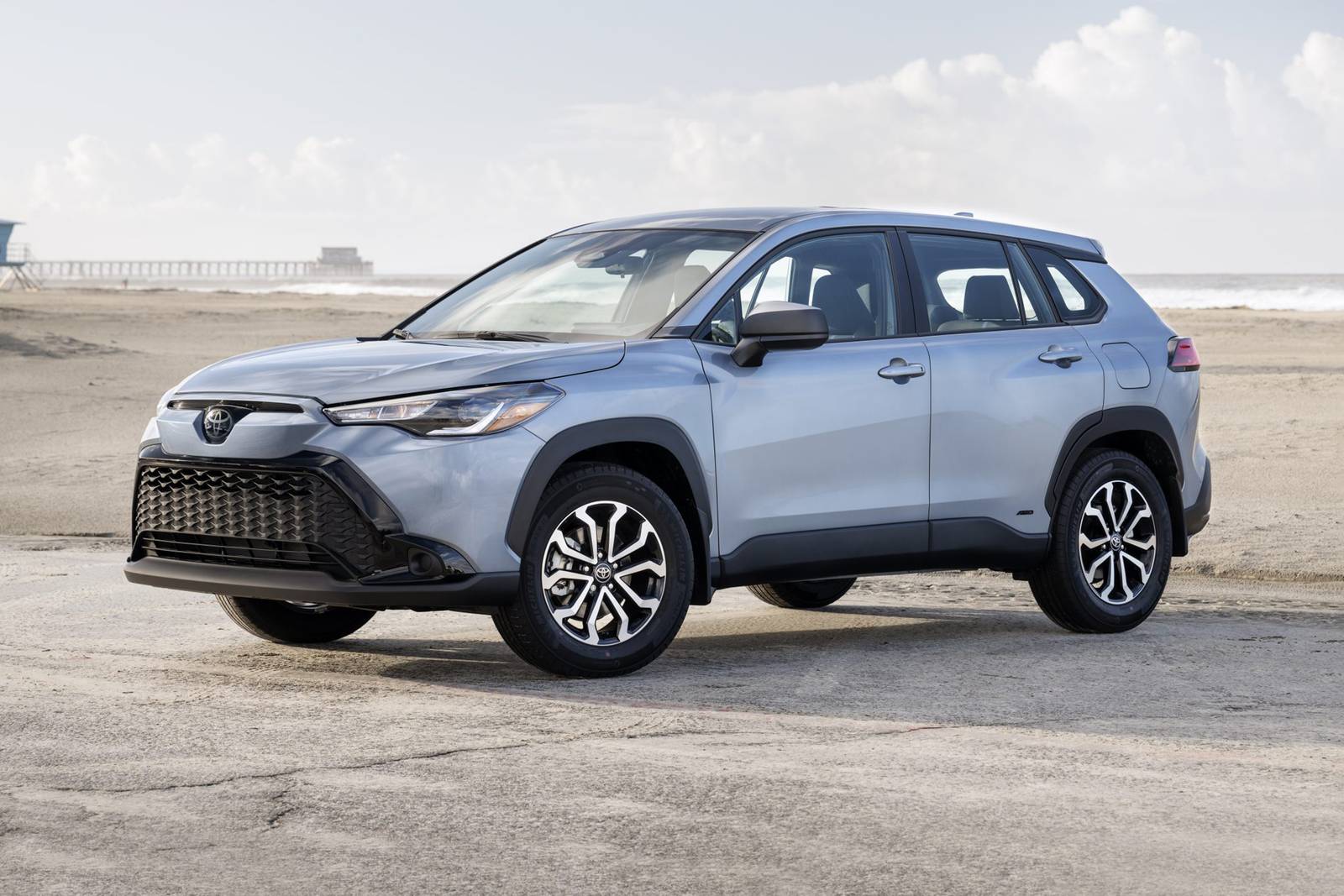
The 2025 Toyota Corolla Cross holds the title of the smallest SUV in Toyota’s U.S. lineup, measuring roughly 4 inches shorter than the RAV4. Positioned strategically, the hybrid variant, the Corolla Cross Hybrid, serves as a bridge between the RAV4 Hybrid and Toyota’s sedan-based hybrids like the Prius and Camry.
This makes it an excellent choice for buyers seeking a fuel-efficient yet practical option in the subcompact crossover segment.
Monthly fuel cost estimates in New Jersey come to about $88 for the Corolla Cross Hybrid S, compared to $157 for the average compact SUV, proof of its strong value in fuel savings.
As for updates, the 2025 Corolla Cross sees only subtle changes. Toyota has added a new paint color option, black side mirror accents, and a shark-fin-style antenna to give it a slightly sharper look.
The hybrid model now features a small but noticeable addition, a new HEV badge on the rear bumper, rounding out the minimal visual updates for this model year.
7. Subaru Crosstrek
The Subaru Crosstrek has long appealed to drivers who love the utility of an SUV but the maneuverability of a compact car. Its standard all-wheel-drive system and low center of gravity (thanks to Subaru’s boxer engine layout) give it a planted, balanced feel through turns.
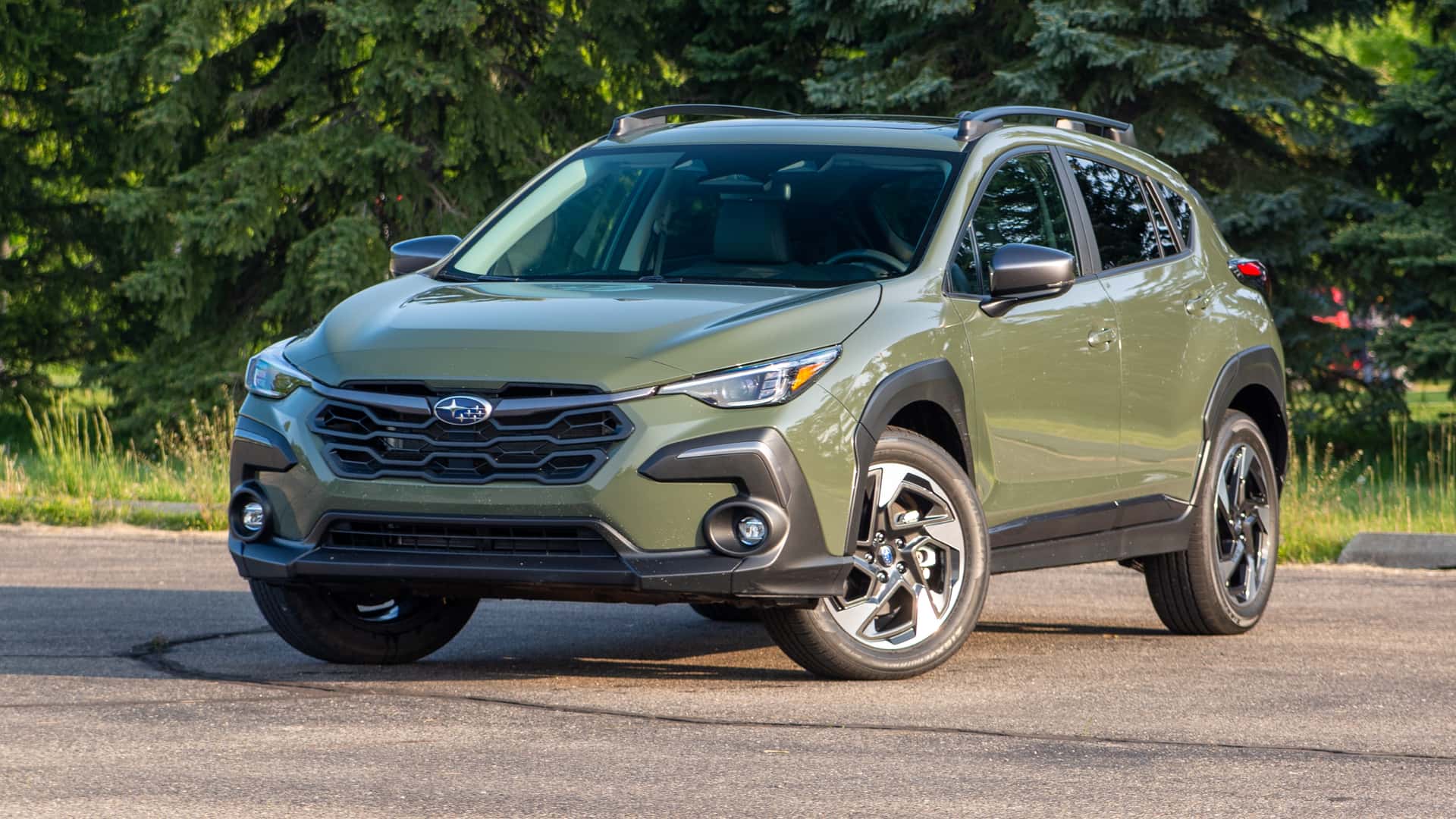
The latest generation improves on that formula with a stiffer chassis and better steering feel.
The Crosstrek doesn’t pretend to be a sports car, but it delivers predictable and confidence-inspiring handling that makes it enjoyable to drive, especially in poor weather conditions or on uneven terrain. It’s proof that fun and functionality can coexist seamlessly.
If REI ever needed an extra-small SUV for its catalog’s scenic backdrops, the Subaru Crosstrek would be the perfect fit. With its pronounced fender arches and raised roof rails, it effortlessly embodies the rugged, outdoorsy aesthetic of a go-anywhere adventure vehicle.
Beyond its looks, the Crosstrek backs up the style with substance, featuring an elevated stance that delivers 8.7 inches of ground clearance and standard all-wheel drive to help tackle rough or uneven terrain with confidence.
In earlier years, the Crosstrek’s weak base engine and sluggish acceleration left drivers underwhelmed. However, the 2021 model received a much-needed performance boost with the addition of a 2.5-liter four-cylinder engine.
Standard on the Sport and Limited trims, this engine produces 182 horsepower, dramatically improving acceleration and overall drivability. The 152-horsepower base engine remains a bit of a weak spot, but for those seeking more punch, the 2.5-liter option makes the Crosstrek far more appealing.
In Edmunds’ testing, the 2021 Crosstrek earned a solid 7.9 out of 10 rating. With the 2.5-liter engine, it accelerates from 0–60 mph in 8.4 seconds, a significant improvement over the base model.
Steering is communicative, and its off-road capability is above average for the class. Handling on pavement, however, is less impressive, as the hard tires offer modest grip and the high ride height contributes to noticeable body roll through corners.
Comfort-wise, the Crosstrek delivers a smooth and quiet ride suited for long drives. The cabin is calmer with the larger engine, though pushing hard on the throttle still produces some growl.
The front and rear seats are supportive over extended trips, though the front seats could use more side bolstering. The climate control system is straightforward, featuring large, clearly marked dials, though a few vents are placed inconveniently.
Inside, the Crosstrek’s cabin shines in practicality and layout. The high-resolution displays feature simple menus and large text, while the raised driving position enhances visibility.
Ample adjustment options in the steering wheel and seating position make it easy to find a comfortable setup. Interior space is generous, with good legroom in both rows, although taller passengers may find the rear slightly tight.
Tech features include standard Apple CarPlay and Android Auto integration, providing seamless smartphone connectivity. Voice commands are effective, requiring only minor phrasing tweaks, and the available eight-speaker Harman Kardon audio system delivers clear, powerful sound.
The navigation system is easy to read, and driver-assist features like lane-keeping assist work smoothly without feeling intrusive.
Storage capacity sits just below average for the segment, offering 20.8 cubic feet behind the rear seats and up to 55 cubic feet when they’re folded. Smaller storage compartments are limited but practical, and the tall roofline makes installing child seats easy.
Fuel economy is respectable, with the 2.5-liter/CVT combo rated at 29 mpg combined (27 city/34 highway). Real-world testing returned 27.5 mpg, slightly below estimates but still solid for a compact SUV. Its 16-gallon fuel tank gives it an edge in range compared to most rivals.
Value-wise, Subaru packs in a strong mix of features and build quality for the price. The cabin materials feel upscale, especially in the top Limited trim, with soft-touch finishes throughout. The brand’s three-year/36,000-mile warranty is standard but noteworthy for including items like wiper blades and brake pads.
Ultimately, the 2021 Subaru Crosstrek stands out for its rugged charm, improved powertrain, and unmatched off-road potential in its class. It’s an ideal entry point for outdoor enthusiasts who want style, reliability, and newfound horsepower without breaking the bank.
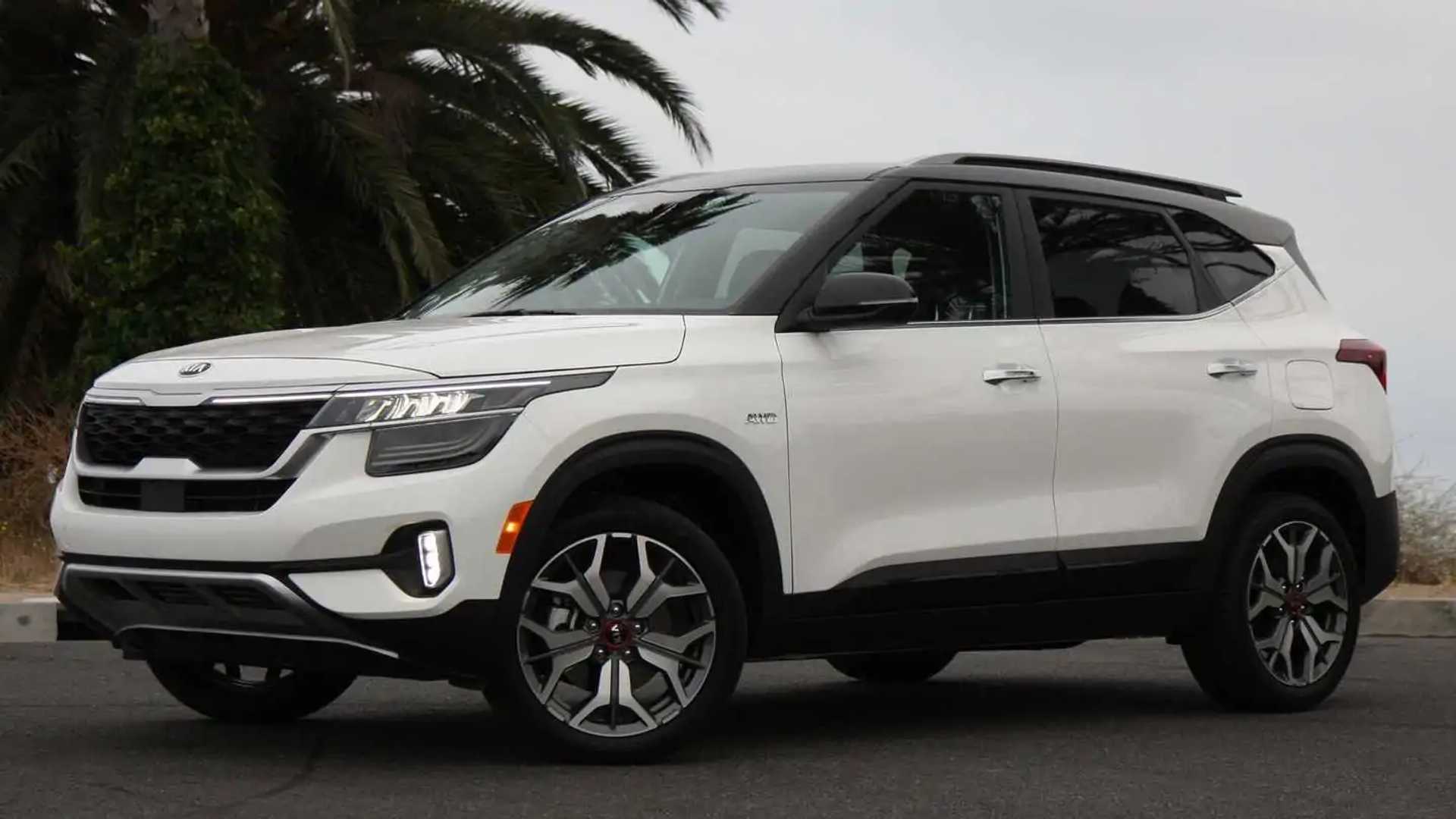
8. Kia Seltos SX Turbo
Kia has been stepping up its performance and design game, and the Seltos SX Turbo is a prime example of that progress.
The 1.6-liter turbocharged engine, paired with a dual-clutch transmission, gives it a lively character, while the chassis remains well-tuned for agile handling. The steering is light yet precise, and body motions are well-controlled through corners.
It strikes a near-perfect balance between comfort and sportiness something rare in its price bracket. For drivers looking for a small SUV that feels just as playful as it is practical, the Seltos SX Turbo deserves a test drive.
Kia equips the Seltos with two available four-cylinder engines: a 2.0-liter unit that produces 146 horsepower and a turbocharged 1.6-liter version that delivers 175 horsepower.
During testing with the turbocharged 1.6-liter engine, its performance proved to be impressively strong, easily outpacing expectations.
Our test model accelerated from 0 to 60 mph in just 6.6 seconds, showcasing its energetic character. The base engine pairs with a continuously variable automatic transmission (CVT), while the turbocharged variant features a seven-speed automatic transmission.
All-wheel drive comes standard with the turbo engine, though it’s offered as an option on models equipped with the non-turbo 2.0-liter engine.
On the road, the Seltos delivers a firm yet mostly smooth ride, with handling that stands out in its class. It feels more composed and engaging than many of its competitors, including the Jeep Compass and Mitsubishi Outlander Sport, offering a driving experience that’s both confident and fun.
Today’s compact SUVs aren’t the clumsy, softly sprung machines they once were. Automakers have learned that buyers want an elevated driving position and extra cargo room without giving up the sharp reflexes and responsiveness of smaller cars.
With platforms often shared with sporty compacts, these SUVs offer a driving experience that feels familiar to anyone who’s loved a hot hatch or a nimble sedan.
The result? A new generation of vehicles that blur the line between fun and functional.
Whether it’s Mazda’s elegant precision, Hyundai’s N-tuned energy, or Subaru’s balanced poise, there’s a compact SUV for every driver who wants it all space, comfort, and driving engagement.
If you’ve been reluctant to move on from your beloved hatchback, these eight compact SUVs might just change your mind.
They deliver the same thrill, with a little extra ground clearance and practicality to boot proof that driving fun doesn’t have to end when life demands more space.
