In today’s automotive market, SUVs dominate the landscape from city-friendly crossovers to rugged off-road machines.
However, one of the biggest concerns for buyers isn’t just the sticker price, but what happens after the purchase. Maintenance, repairs, and replacement parts can add thousands to ownership costs over the years.
That’s why choosing a model known for reliability and low long-term maintenance can save owners from major headaches and major bills.
Fortunately, some of today’s SUVs combine modern technology, comfort, and dependability without punishing you at the repair shop.
Here are eight new SUVs that offer surprisingly low long-term maintenance costs each representing excellent value for American buyers who think beyond the showroom floor.
1. Toyota RAV4
The Toyota RAV4 continues to lead the compact SUV market for one simple reason it’s built to last. Toyota’s legendary reliability translates directly into minimal long-term expenses.
According to multiple ownership studies and repair cost databases like RepairPal and Consumer Reports, RAV4 owners typically spend less than $450 per year on maintenance, significantly below the segment average.
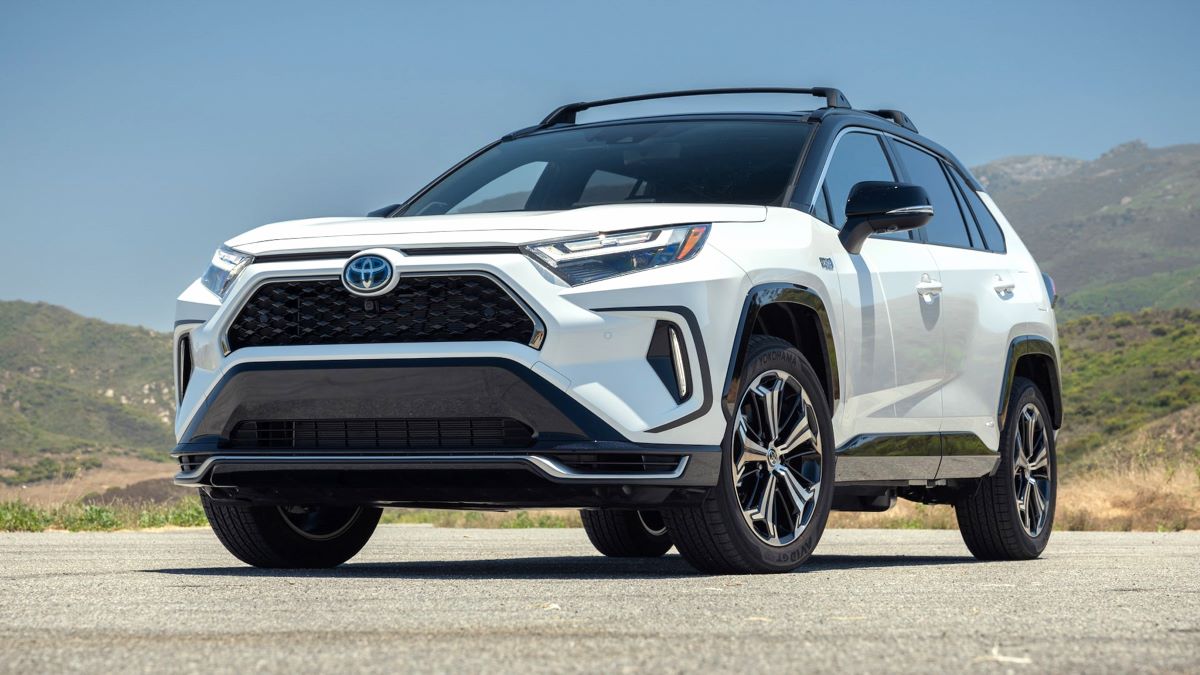
The RAV4’s 2.5-liter four-cylinder engine and proven transmission are engineered for durability, with few major issues reported over 10 years of use.
Parts are widely available, and Toyota’s hybrid models add further savings through reduced brake and fluid wear. For drivers who want peace of mind, the RAV4 remains one of the smartest SUV buys on the road.
2. Honda CR-V
Honda’s CR-V is another perennial favorite among practical SUV shoppers. With a reputation built on efficiency and dependability, the CR-V delivers excellent fuel economy and low repair frequency.
The 1.5-liter turbocharged engine has matured well in newer models, addressing early reliability concerns.
Routine services such as oil changes and brake replacements are affordable, while major components rarely fail even after 150,000 miles.
Honda’s simple engineering philosophy prioritizing tried-and-true mechanical systems over unnecessary complexity keeps long-term maintenance remarkably low.
For American families seeking a vehicle that just keeps going with minimal fuss, the CR-V checks every box.
Before the redesigned 2023 CR-V made its debut, the 2022 Honda CR-V Hybrid continued unchanged. This generation marked the first time a hybrid version of the CR-V was available in the U.S., giving Honda customers a hybrid option with the versatility and practicality of an SUV rather than the sedan-focused Honda Insight or Accord Hybrid.
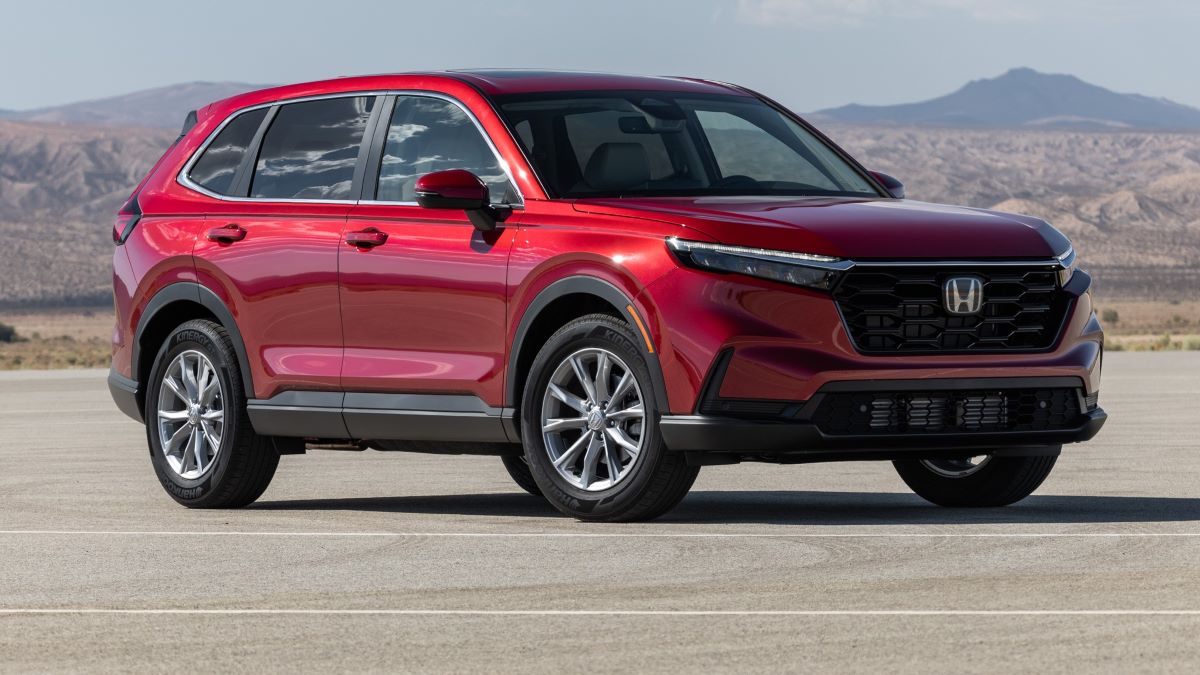
When compared to a fully loaded Toyota RAV4 Hybrid, the Honda CR-V Hybrid delivers excellent value. You’re getting a wealth of features for the price, but the appeal extends beyond that.
The CR-V Hybrid excels in interior usability, offering an exceptionally spacious and flexible center console storage setup along with wide-opening rear doors that make entry and exit effortless.
However, the Honda begins to show its age in a few areas, including its dated design, lower efficiency compared to the Toyota, and a smaller 7.0-inch infotainment screen that feels behind the times. Additionally, cabin noise at highway speeds is more noticeable than we’d like.
That said, this isn’t a two-way battle. Ford’s Escape Hybrid and Hyundai’s stylish Tucson Hybrid both offer compelling alternatives. The CR-V Hybrid still has plenty going for it, reliability, practicality, and comfort, but it’s worth test-driving the competition before making a final decision.
Instead of the standard CR-V’s 1.5-liter turbocharged four-cylinder engine, the hybrid version pairs a 2.0-liter naturally aspirated four-cylinder with an electric starter-generator and motor. All CR-V Hybrids come standard with all-wheel drive and a continuously variable automatic transmission (CVT).
Combined system output is rated at 212 horsepower. Fuel efficiency is impressive at 40 mpg in the city and 35 mpg on the highway, compared to 27/32 mpg for the standard AWD CR-V.
When it comes to acceleration, the CR-V Hybrid reaches 60 mph in a respectable 7.5 seconds, about 0.3 second quicker than its non-hybrid sibling.
Also Read: 5 Pickup Trucks That Always Sell for Top Dollar vs 5 That Don’t
3. Subaru Forester
Subaru’s Forester offers a unique combination of all-wheel drive capability and long-term affordability. Unlike many AWD SUVs that demand higher maintenance, Subaru’s symmetrical system is both reliable and easy to service.
The 2.5-liter Boxer engine is known for longevity when properly maintained, and the latest models have improved in terms of oil consumption and gasket durability.
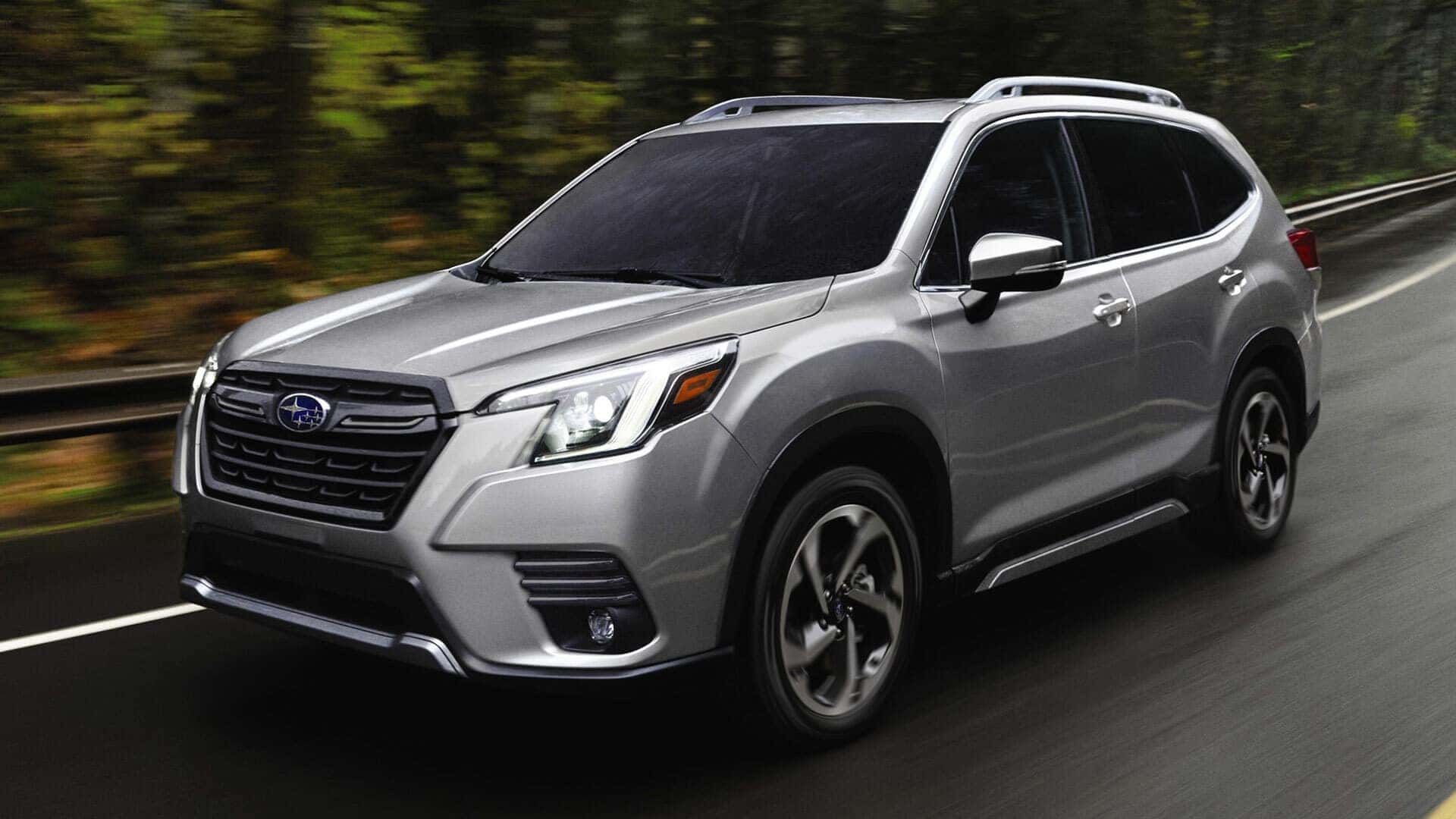
Annual maintenance costs hover around $450–$500, far less than competitors with similar performance.
For drivers in regions with snow or rain or anyone who values road confidence without expensive upkeep the Forester is a dependable long-term investment.
4. Hyundai Tucson
Hyundai’s transformation over the past decade is one of the auto industry’s most impressive success stories. Once seen as a budget brand, Hyundai now competes head-to-head with Toyota and Honda and the Tucson exemplifies this progress.
The Tucson not only offers bold styling and an upscale cabin but also remarkably low ownership costs. Hyundai’s 10-year/100,000-mile powertrain warranty is unmatched in the segment, providing peace of mind that few rivals can offer.
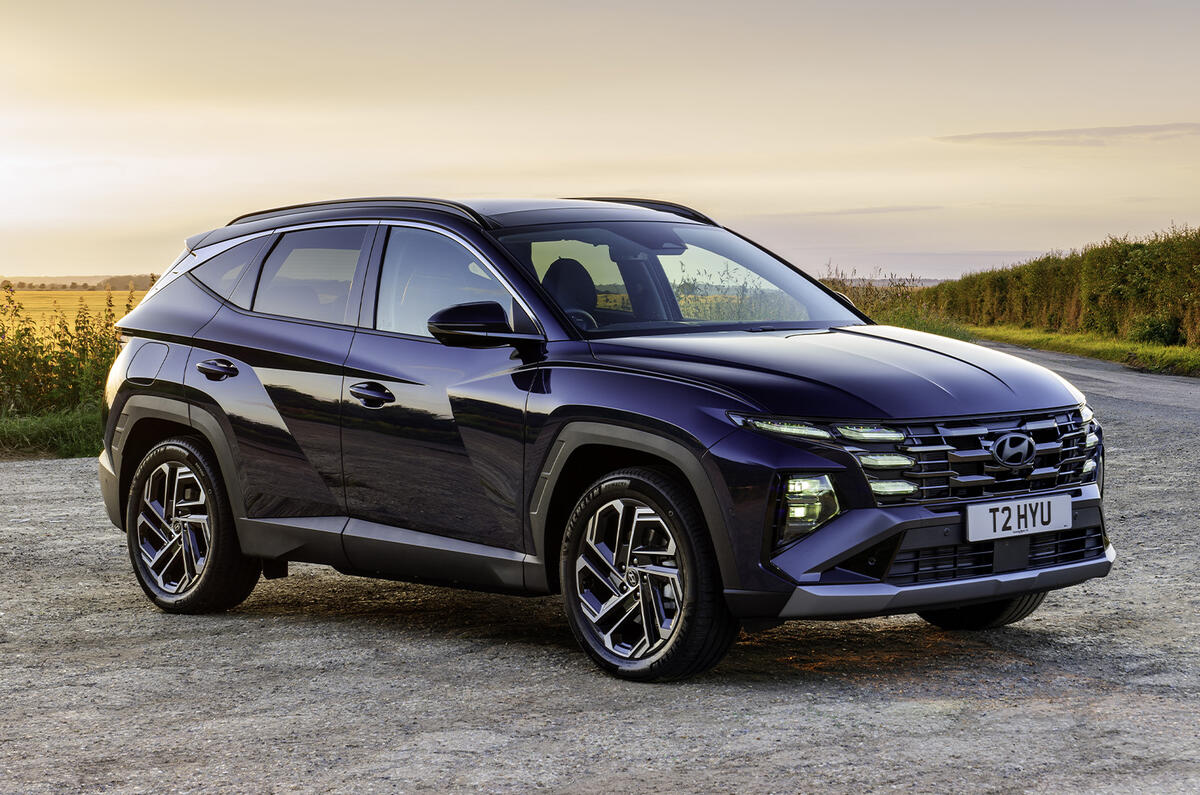
Real-world data shows annual maintenance costs under $400 on average, thanks to reliable powertrains and affordable parts. For budget-conscious buyers who still want tech, comfort, and long-term confidence, the Tucson stands out as a smart choice.
The redesigned Tucson enters the market with high expectations, and the stakes couldn’t be higher. The outgoing Tucson was Hyundai’s best-selling model in the first half of 2020, even with some mixed reviews, and the 2022 Tucson is set to take its place with major upgrades.
One thing is immediately clear, Hyundai continues to lead with daring design. Much like the striking 2020 Sonata midsize sedan, the new Tucson is built to turn heads.
The transition from concept to production has been surprisingly faithful, retaining many elements from the Vision T Concept, including the distinctive LED daytime running lights integrated seamlessly into the grille.
The redesigned Tucson is such a strong effort that it should have competitors like Honda and Toyota taking notice. Its bold, futuristic design is far more appealing in person, but what truly stands out is the impressive interior.
A sweeping design arc runs from the dashboard through to the rear seats, and the crisp, responsive digital displays enhance the cabin’s modern appeal.
The Tucson also introduces a clever “diffuse” climate control mode that distributes air more softly throughout the cabin, an unusually thoughtful touch. Still, we’d prefer the return of a physical volume knob and fewer touch-sensitive controls for easier use.
When driving the hybrid model, we were pleased with its smooth low-end electric torque and familiar power delivery. In contrast, the gas-only version’s 2.5-liter I-4 engine exhibits uneven throttle response that can be bothersome.
The ride leans toward the firmer side, which helps deliver strong grip and minimal body roll, though some drivers may find themselves wishing for a bit more comfort. In a recent comparison test against the Honda CR-V, the Tucson came up short, primarily due to the Honda’s superior powertrain and overall packaging.
More stylish, spacious, and efficient than ever, the 2022 Tucson presents a compelling value on paper, offering an impressive array of features for the money.
However, its unrefined driving dynamics affect everyday comfort and usability. As much as there is to admire about the new Tucson, there remain areas that need further polish. Be sure to check out our full pros and cons breakdown for a deeper look.
5. Mazda CX-5
The Mazda CX-5 is often praised for its premium feel and sporty handling but what surprises many owners is how inexpensive it is to maintain over time.
Mazda’s naturally aspirated 2.5-liter engine avoids the complexity of turbochargers and hybrid systems, making it easier and cheaper to service. With average annual maintenance around $450, the CX-5 performs exceptionally well in long-term reliability studies.
Mazda’s attention to build quality and use of durable materials also reduces the likelihood of interior wear and minor repairs. For those who want an SUV that’s as enjoyable to drive as it is affordable to own, the CX-5 is one of the best-kept secrets in the segment.
Budget-conscious buyers will find the 2.5 S Preferred trim especially appealing, as it offers features such as leather upholstery, heated and power-adjustable front seats, and a moonroof.
Stepping up from there is the Carbon Edition, which stands out with its distinctive color combination, though skipping it means a considerable jump to the Premium Plus trim.
The 2025 Mazda CX-5 lineup is divided into two main categories: the 2.5 S and the 2.5 Turbo. The 2.5 S trims are powered by a 2.5-liter four-cylinder engine producing 187 horsepower and 186 lb-ft of torque, while the 2.5 Turbo variants add a turbocharger for a significant boost in performance.
Interestingly, Mazda provides separate power figures depending on the type of fuel used. On premium fuel, the turbocharged engine generates 256 horsepower and 320 lb-ft of torque, while on regular fuel, it delivers 227 horsepower and 310 lb-ft. Both powertrains are paired with a six-speed automatic transmission and come standard with all-wheel drive.
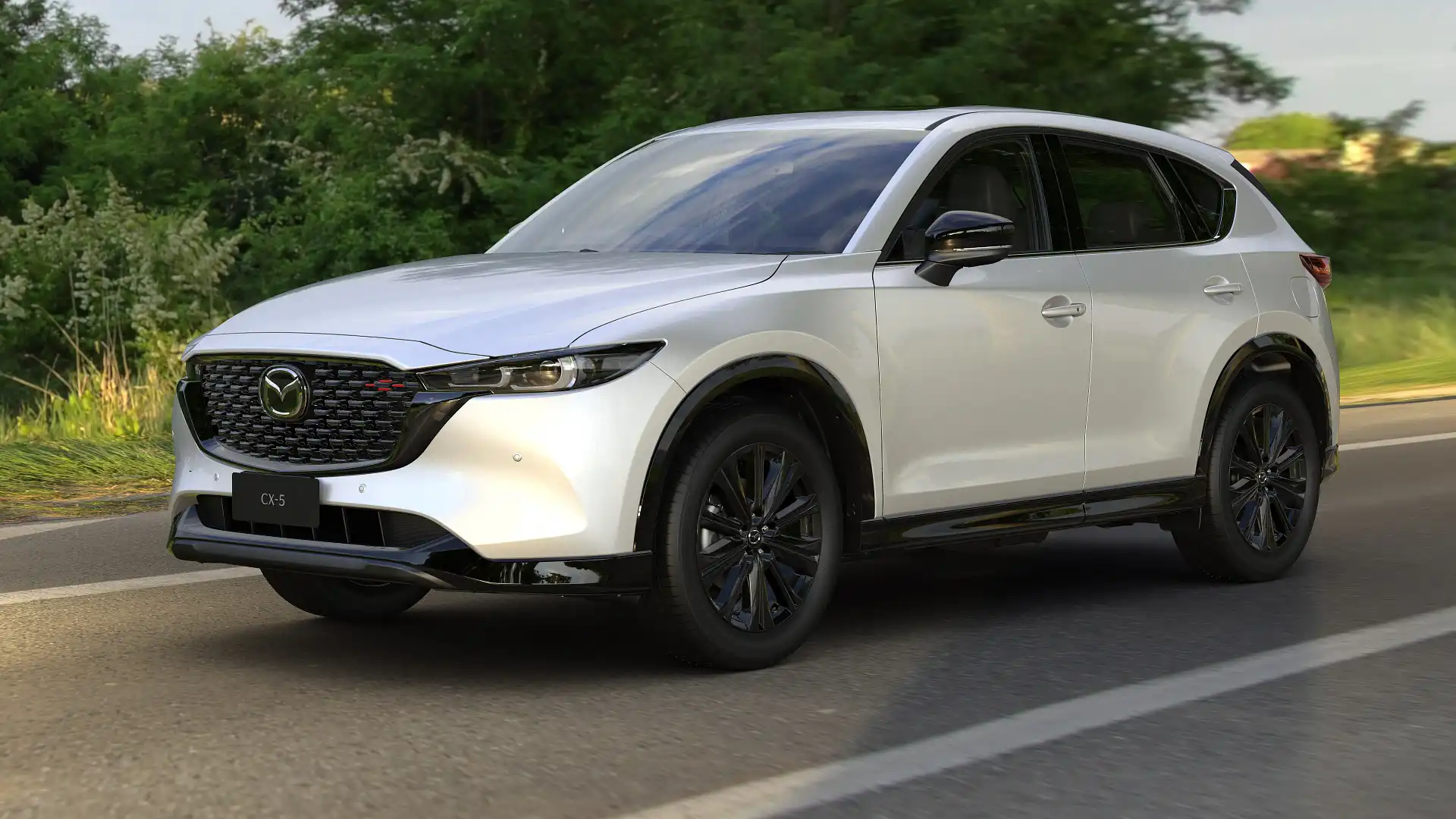
The base 2.5 S trim makes a strong entry point with 17-inch gray-painted alloy wheels, LED headlights, push-button start, and cloth seats complemented by a leather-wrapped steering wheel and shifter.
It also includes a 10.25-inch infotainment display with Apple CarPlay and Android Auto, Mazda Connected Services with a one-year trial, a four-speaker sound system, and a suite of driver-assistance technologies such as forward collision warning with automatic braking, blind-spot monitoring with rear cross-traffic alert, lane departure mitigation, and adaptive cruise control.
Next up, the 2.5 S Select builds on that with body-color bumpers and trim, keyless entry, dual-zone automatic climate control, a power-adjustable driver’s seat, heated front seats, and synthetic leather upholstery with suede inserts. The 2.5 S Preferred trim adds premium touches such as a power liftgate, sunroof, memory settings for the driver’s seat, a power-adjustable passenger seat, and full leather upholstery.
For those seeking turbocharged performance, the Carbon Turbo blends elements of the Carbon Edition and Premium Plus trims while being powered by the stronger engine.
It includes exclusive Zircon Sand Metallic or Rhodium White paint options, black exterior accents, 19-inch black wheels, a Terracotta leather interior with black suede inserts, heated and ventilated front seats, wireless charging, wireless smartphone connectivity, a head-up display, and a 360-degree camera with parking sensors.
The Turbo Premium variant adds even more comfort and technology, including heated outboard rear seats, a heated steering wheel, windshield wiper de-icers, black leather seats with red stitching, and Traffic Jam Assist, a semi-autonomous feature that helps control speed and steering in slow-moving traffic.
At the top of the range, the Turbo Signature trim delivers the ultimate CX-5 luxury experience. It features bright silver wheels and exterior accents, body-colored trim, LED and ambient interior lighting, a black headliner, premium brown leather upholstery, and real wood interior trim.
It also includes a built-in navigation system, driver attention warning, and rear automatic braking, ensuring a refined and safe driving experience.
Also Read: 10 Models That Don’t Need Premium Fuel To Perform Long-term
6. Toyota Highlander
For larger families or those who need three-row versatility, the Toyota Highlander is one of the most dependable mid-size SUVs available today.
The Highlander’s V6 (or hybrid four-cylinder) powertrain has a proven record of reliability, and Toyota’s parts network ensures repairs remain affordable.
Even as a more complex vehicle, annual maintenance costs average around $500 impressively low for its size and capability. Hybrid variants also see extended brake and engine life, further lowering costs over the long haul.
It’s no surprise that Highlanders regularly pass 200,000 miles with minimal major repairs, making it a favorite for long-term owners.
The midrange XLE trim offers the best value in the 2025 Toyota Highlander lineup, providing a balanced mix of price, comfort, and features that most families will find ideal. The 2025 Highlander is a midsize three-row SUV with seating for up to eight passengers, offered in five trim levels: LE, XLE, XSE, Limited, and Platinum.
Every version is powered by a 265-horsepower turbocharged four-cylinder engine paired with an eight-speed automatic transmission.
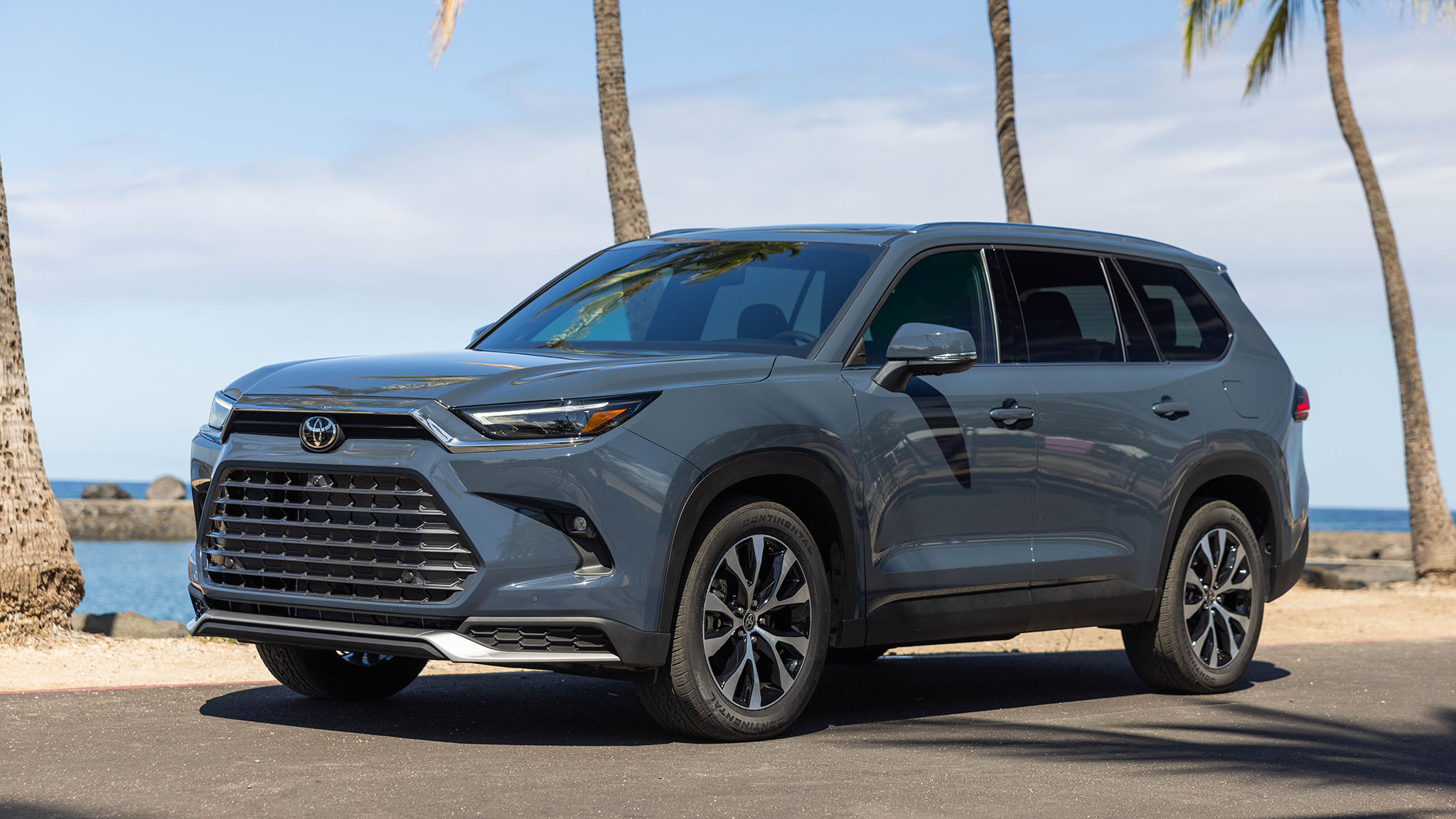
Standard safety technologies include frontal collision warning with automatic braking, adaptive cruise control, a lane-keeping system, and blind-spot monitoring with rear cross-traffic alert, ensuring peace of mind on every drive.
Stepping up to the XLE trim brings more convenience and comfort. This version adds roof rails, a sunroof, and a hands-free liftgate for easier access to the cargo area. The cabin receives upgrades such as synthetic leather (SofTex) upholstery, heated front seats, a power-adjustable passenger seat, and second-row captain’s chairs that reduce seating capacity to seven.
Other additions include wireless smartphone charging, an auto-dimming rearview mirror, and second-row sunshades for passenger comfort. Buyers can also opt for a second-row bench seat at no extra cost or add a navigation system for added convenience.
For those looking for a sportier edge, the XSE trim builds on the XLE’s equipment with unique design elements and performance enhancements. An intercom system allows the driver’s voice to project through the speakers, making communication easier with passengers in the rear seats.
The Limited also comes with an upgraded 11-speaker JBL audio system and front and rear parking sensors for added convenience. Like the XLE, a second-row bench seat remains a no-cost option.
At the top of the lineup, the Platinum trim comes fully loaded with premium features and advanced technologies. It rides on 20-inch alloy wheels and includes adaptive headlights that swivel with the steering wheel for better visibility on curves.
The cabin adds a panoramic sunroof, a head-up display that projects key information onto the windshield, and a digital rearview mirror that provides a clear view even when the cargo area is full. Passengers in the second row benefit from heated seats, while the surround-view camera system offers a top-down perspective to make tight parking situations easier to navigate.
The 2025 Toyota Highlander lineup caters to a wide range of buyers, from those seeking practicality and safety to those desiring sportiness or luxury, while maintaining the strong reliability and family-friendly appeal the Highlander name is known for.
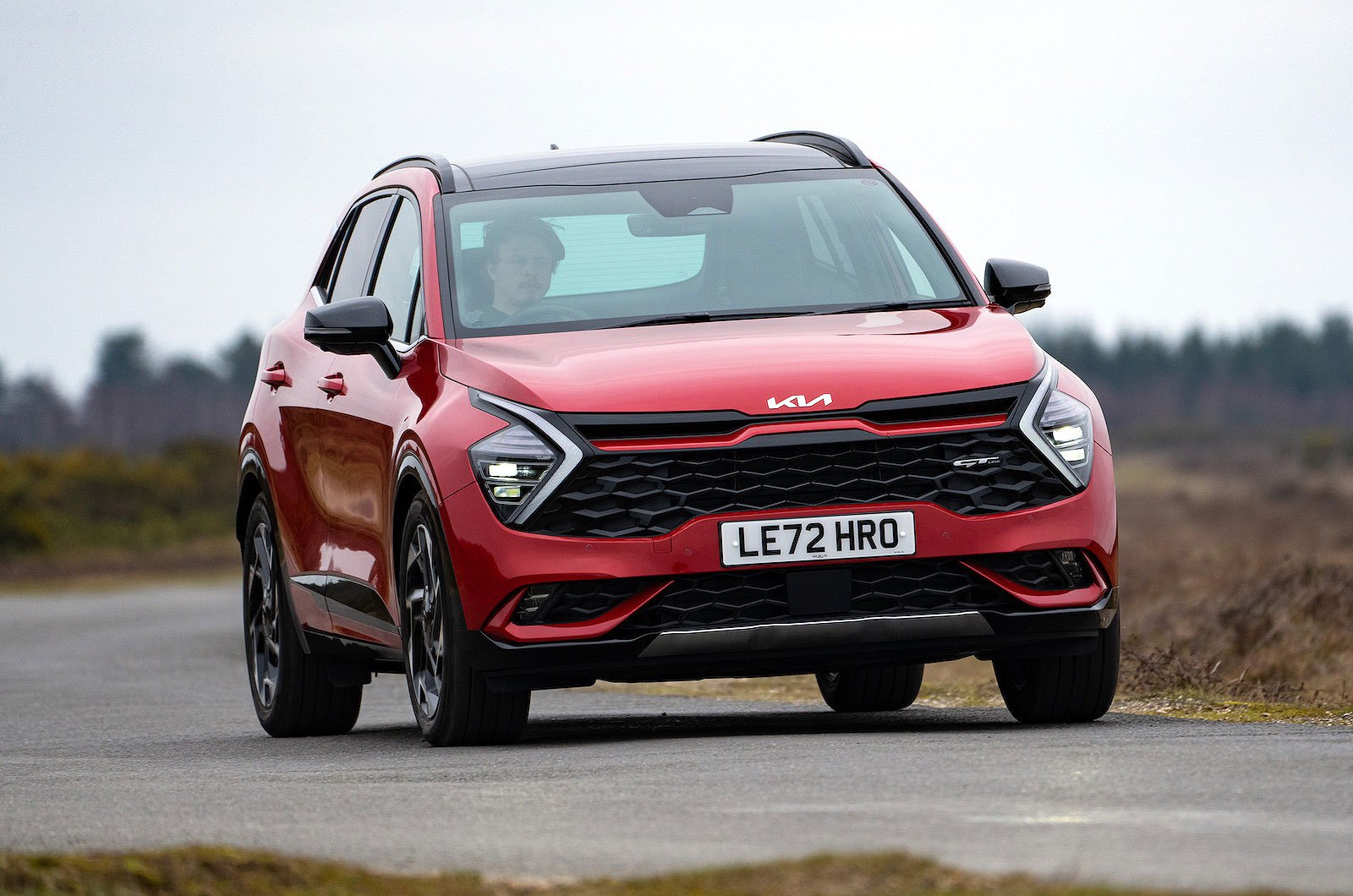
7. Kia Sportage
The latest Kia Sportage has grown in size and sophistication, but it remains one of the least expensive SUVs to maintain. Sharing many components with the Hyundai Tucson, it benefits from the same long warranty coverage and reliability focus.
Kia’s newer engines and transmissions have demonstrated strong durability, while improvements in parts quality have dramatically reduced the need for unscheduled repairs.
With average annual maintenance costs around $400, the Sportage offers big value for small money. Combined with its striking design and modern tech features, it’s a practical pick for U.S. buyers who want long-term value without sacrificing style.
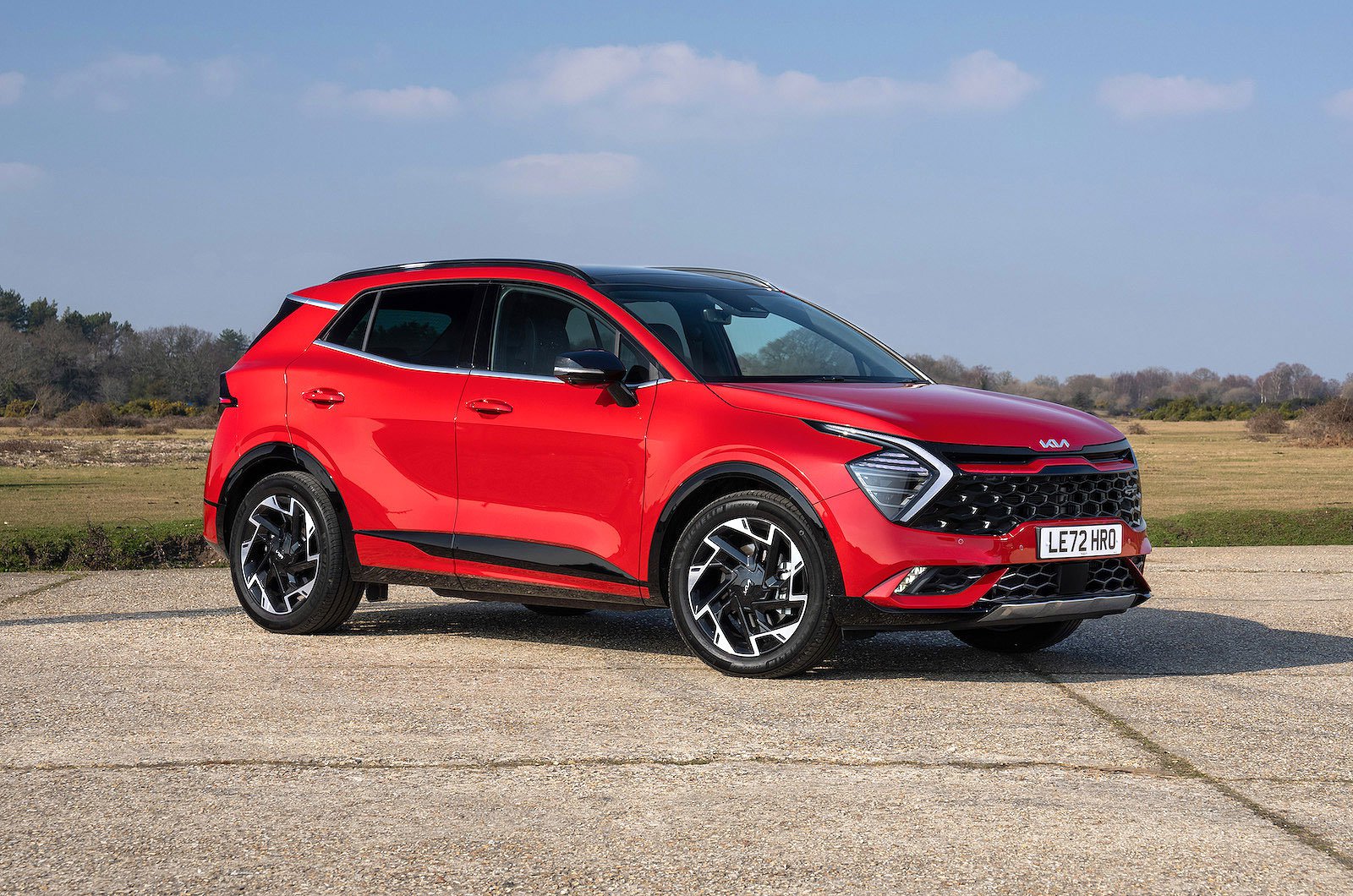
The 2025 Sportage handles competently, though it isn’t especially exciting to drive. Steering is balanced and well-weighted, and the ride quality is mostly smooth. The brakes work well and bring the Sportage to a stop quickly and confidently.
Every Sportage is equipped with a 2.5-liter four-cylinder engine that puts out 187 horsepower and 178 pound-feet of torque. It’s paired with an eight-speed automatic transmission. Front-wheel drive is standard in most trims, and all-wheel drive is available.
The engine is sufficient for motoring around town, but it can feel underpowered when the SUV is merging or passing on the highway. It also tends to whine when pushed hard. The transmission works fine and mostly blends into the background.
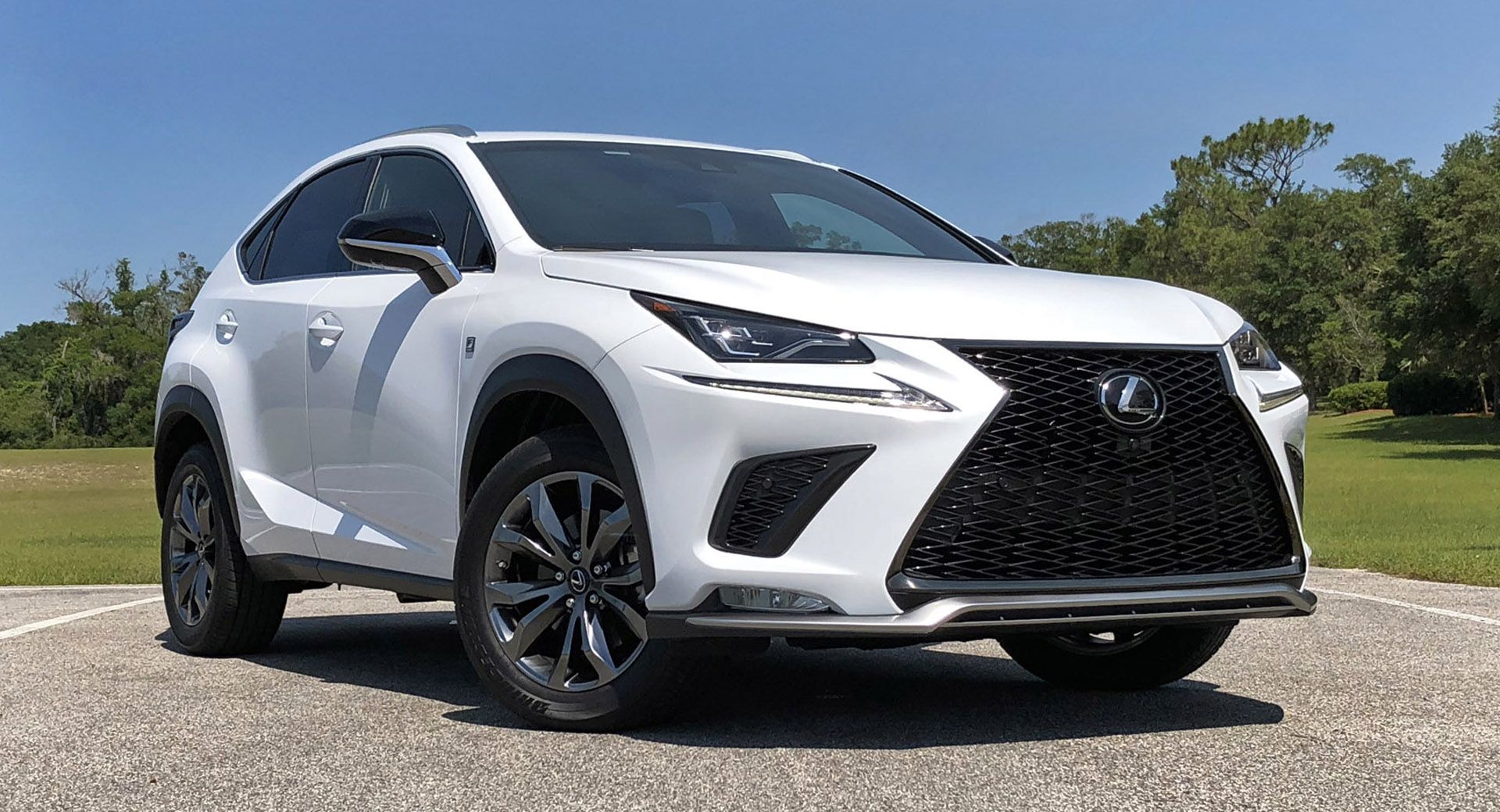
8. Lexus NX
It might seem surprising to see a luxury SUV on this list, but Lexus is no ordinary brand when it comes to dependability. The NX, built on Toyota’s robust platform, inherits its parent company’s reliability DNA.
Owners report significantly fewer repairs than typical luxury models, and long-term maintenance averages only slightly higher than mainstream compact SUVs around $550 annually.
The hybrid variant adds even greater efficiency and reduced wear on key components. Lexus also provides top-tier service and long-term parts availability, ensuring smooth ownership even after warranty coverage ends.
For those who want upscale comfort and low running costs, the NX is the smart luxury play.
SUV ownership doesn’t have to mean high costs down the road. By picking a model known for dependability and manageable upkeep, you can enjoy modern technology, comfort, and performance without dreading future repair bills.
The Lexus NX has long held the role of the middle child in the brand’s SUV family. It’s larger and more expensive than the subcompact UX, yet not as spacious, luxurious, or cushioned as the flagship RX.
A major redesign in 2022 modernized the NX with fresh styling, updated technology, and the introduction of two fuel-efficient hybrid powertrains.
Looking ahead, the 2026 NX may receive a mild refresh, potentially featuring subtle styling updates, added features, and improvements to the interior controls for a more intuitive layout. Aside from those tweaks, though, the NX will likely remain true to its familiar and balanced formula.
When it comes to ownership costs, the NX 350h stands out for its impressive efficiency. In New Jersey, the estimated monthly fuel cost is around $118, compared to the $171 average for a midsize SUV—showing how the hybrid system delivers real savings at the pump.
Although it fits snugly between the UX and RX in Lexus’ SUV lineup, the NX may be the perfect size for most modern drivers. The RX has grown considerably over the years, making the NX a more manageable option for city living and smaller families.
It retains the same luxurious craftsmanship and high-quality materials that define Lexus vehicles while offering sharper, sportier handling due to its smaller and lighter build.
Add to that the fact that the NX is nearly $10,000 less expensive than the RX, and it’s easy to see why this compact luxury SUV hits the sweet spot for urban buyers seeking refinement, practicality, and value.
The vehicles listed here represent some of the best values in long-term ownership proof that smart buyers can have both reliability and refinement in one package.