
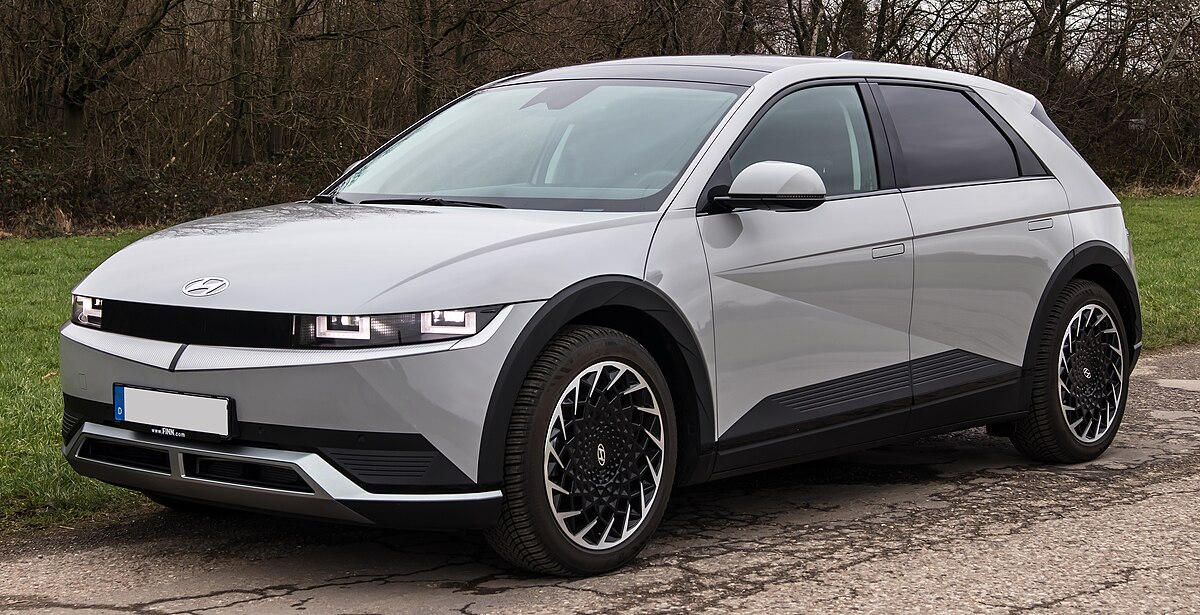
Finding a car that balances comfort, practicality, and driving pleasure can be a challenge, especially for taller drivers. Standard seating positions and limited legroom often leave long-legged drivers cramped and fatigued, making daily commutes or long road trips less enjoyable. However, not all vehicles are created equal.
From compact SUVs to luxury sedans and even sports cars, certain models provide surprisingly generous headroom, legroom, and ergonomically designed seating that accommodates taller frames without sacrificing style or performance.
In this guide, we explore 10 cars that are surprisingly comfortable for tall drivers, highlighting models like the Kia Soul, Hyundai Ioniq 5, and Mercedes-Benz S-Class, among others.
Each vehicle stands out for thoughtful interior design, adjustable seating, and intelligent use of space. Whether you prioritize affordability, luxury, or sporty dynamics, there is a car on this list that keeps taller drivers comfortable and confident behind the wheel.
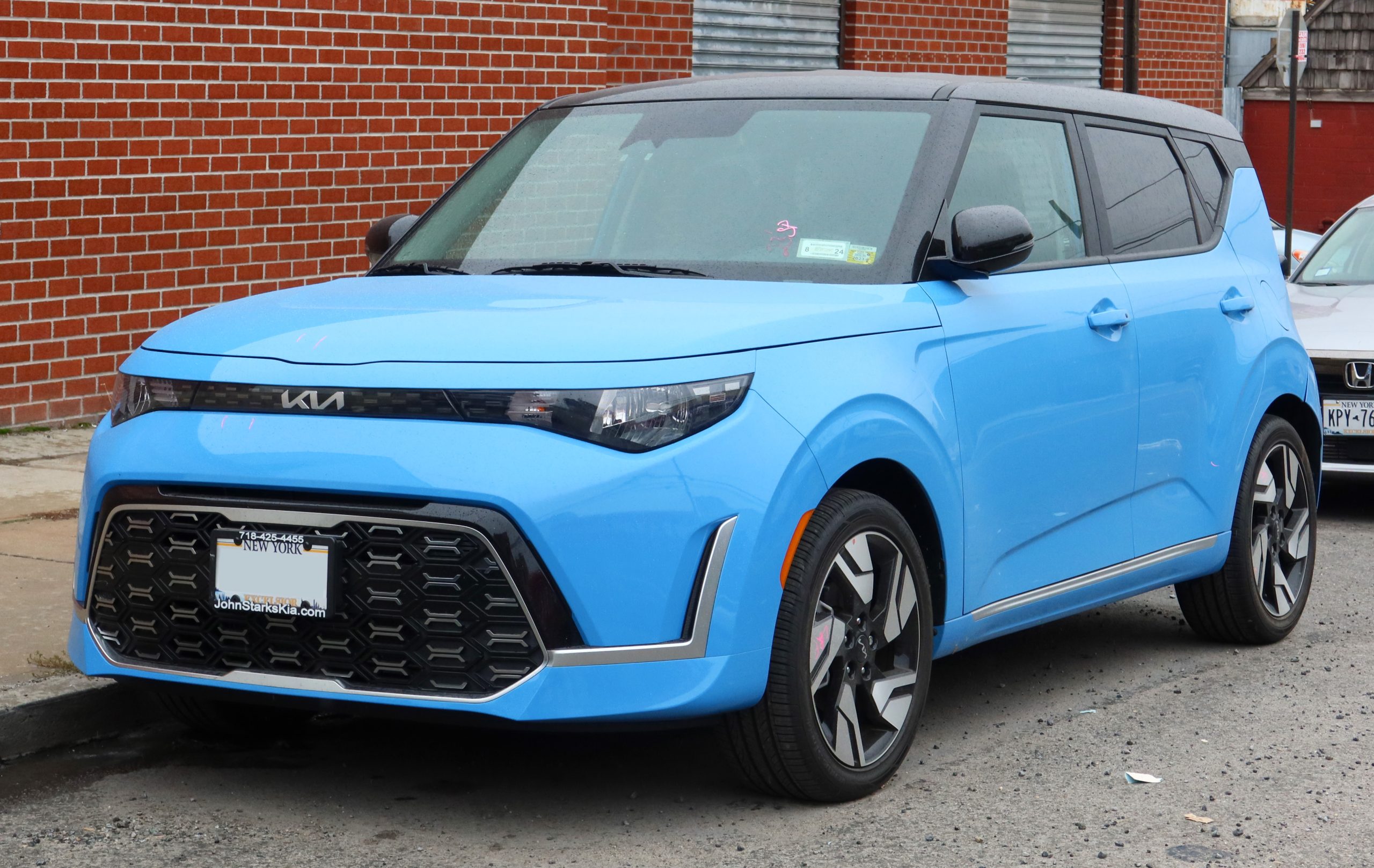
1. Kia Soul: Compact Comfort Meets Practicality
Despite being a smaller vehicle, the Kia Soul provides highly accommodating ergonomics, especially for taller drivers. Its low hip point and tall roof create ample headroom at 39.9 inches in the front and 41.1 inches of legroom.
The front seat offers solid under-thigh support, and the steering wheel telescopes to keep controls comfortably within reach. Entry and exit are easy due to wide doors, and the upright cabin design allows four adults to travel long distances comfortably.
Rear seats, however, can make installing a car seat challenging because anchors are deeply inset and tethers are not easily accessible. The interior design is simple and functional, making it easy to adjust for drivers of different sizes.
The Soul is powered by a 2.0-liter engine that is not the fastest in its class, taking 8.5 seconds to accelerate from 0 to 60 mph. It feels lively around town, and the steering is natural, offering handling comparable to sportier rivals such as the Mazda CX-30 and Mini Countryman.
The ride is firm yet controlled, absorbing larger bumps without harshness, although the brake pedal is touchy at low speeds. All-wheel drive is not available, but visibility is excellent due to tall, narrow windows. Driver-assist features are accurate and reliable, with minimal false alerts, compensating for the absence of a surround-view camera.
The Kia Soul comes with a wide range of technology that is simple to use. Most trims feature a 10.25-inch touchscreen with native navigation, although the interface feels slightly dated.
Apple CarPlay and Android Auto are standard, and wireless charging is offered on select trims. An optional Harman Kardon stereo delivers strong bass and clear sound quality for many types of music. These features make the cabin functional, entertaining, and convenient for everyday use.
The Soul’s boxy shape creates a practical cargo area, offering 24.2 cubic feet of space behind the rear seats. Folding the rear seats reveals a large hump at the base, which limits the ability to carry longer items. Storage throughout the cabin is adequate, with multiple bins and cubbies for front passengers.
The Soul is priced affordably for a subcompact SUV. Materials are not luxurious, but soft-touch elements such as synthetic leather on armrests and a leather-wrapped steering wheel enhance the interior. Standard and optional equipment are plentiful, and even fully loaded models stay under $25,000. The EPA estimates fuel economy at 30–31 mpg combined, although real-world driving may fall slightly below this figure.
The Kia Soul makes clever use of its boxy design to provide spacious seating and cargo areas while remaining fun to drive. Distinctive styling, a practical interior, and generous features make it a strong choice in the subcompact SUV segment. Acceleration is modest, and all-wheel drive is unavailable, but the Soul delivers comfort, versatility, and affordability that appeal to a wide range of drivers.
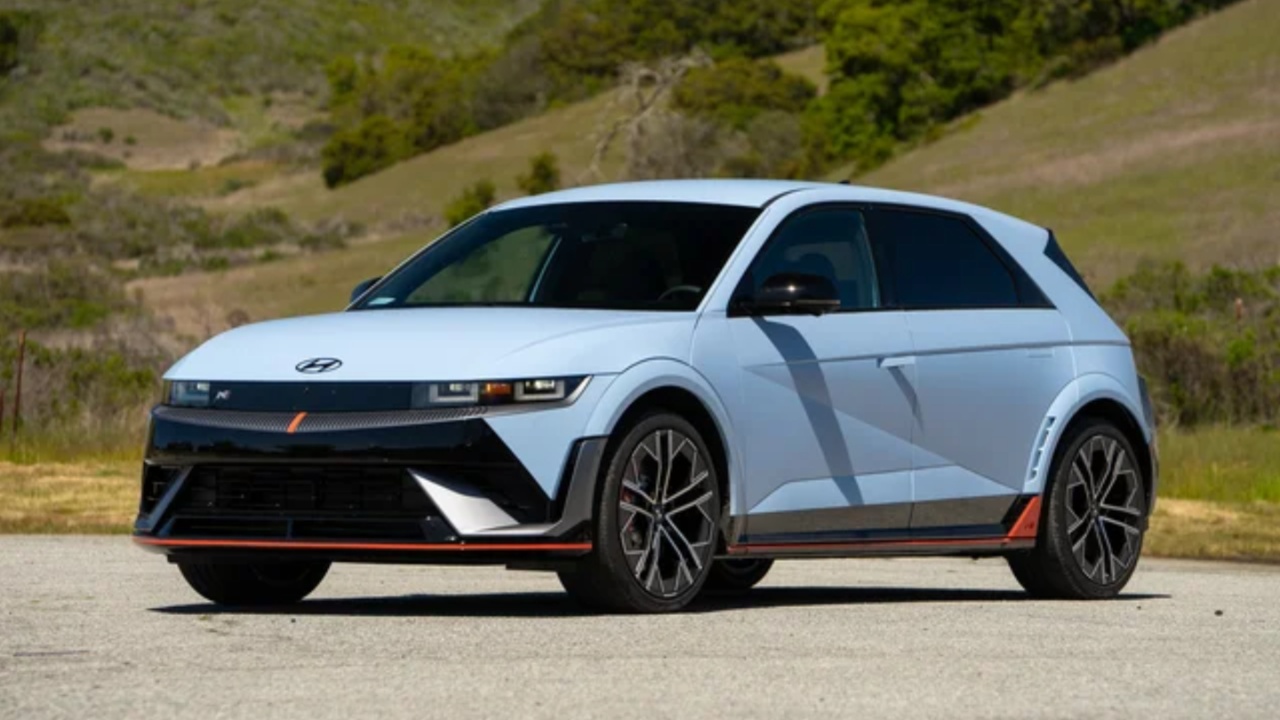
2. Hyundai Ioniq 5: Spacious, Comfortable, and Fun to Drive
The Hyundai Ioniq 5 impresses with its spacious cabin and thoughtful ergonomics. Front headroom measures 39.8 inches with 41.7 inches of legroom, allowing drivers to sit comfortably with elbows naturally bent while steering. The Limited-trim model features a sliding center console, which can be moved rearward to stretch legs across the flat floor during stops or highway driving.
The driver’s seat includes an extending ottoman, though it is slightly short for full calf support. Rear passengers benefit from generous legroom, making the Ioniq 5 more accommodating for tall occupants than its platform cousin, the Kia EV6.
The Ioniq 5 delivers a dynamic yet composed driving experience. The dual-motor Limited trim accelerates from 0 to 60 mph in 4.7 seconds, while the single-motor version remains capable for merging and passing. Adjustable brake regeneration allows smooth stopping, and handling is confident on twisty roads.
The XRT trim adds ride height and all-terrain tires, enabling light off-road capability without sacrificing comfort. The ride quality is supple, absorbing road imperfections with minimal jostling.
Front visibility is excellent, though thick rear pillars create blind spots that the available surround-view camera system helps mitigate. Hyundai’s SmartSense safety suite, including adaptive cruise control, blind-spot monitoring, and lane centering, performed reliably during testing.
The 2025 Ioniq 5 features a slightly larger touchscreen with improved graphics, more accurate navigation, and greater customization. The Bose audio system in Limited trim delivers clear and robust sound.
Multiple USB-C ports and a wireless charger make device management easy. Wireless Apple CarPlay and Android Auto are standard, along with the ability to connect two devices simultaneously. The movable center console adds flexibility, although its practical use is limited.
Cargo space is a notable limitation for the Ioniq 5. The rear hatch offers 27.2 cubic feet of storage behind the second row, which is less than competitors like the Mustang Mach-E or Tesla Model Y. The front trunk is minimal, only large enough to hold the included charging cable. Rear seats fold flat for longer items, and the cabin includes numerous cubbies for small items.
The Ioniq 5 represents strong value despite being less affordable than some other EVs. Build quality is excellent, with no rattles or creaks observed in testing. Hyundai’s long warranty and extensive list of standard features add to the value proposition, making the Ioniq 5 a well-rounded choice for buyers seeking comfort, reliability, and advanced technology.
Battery improvements for 2025 have increased range, with the XRT achieving 259 miles and the Limited 282 miles in independent testing, exceeding EPA estimates.
The Ioniq 5 supports high-powered 350-kW fast charging and the new Tesla-style NACS port, enabling use of Supercharger stations with an adapter. Charging performance is among the fastest in its class, outpacing rivals such as the Mustang Mach-E and Volkswagen ID.4.
The Ioniq 5 combines distinctive retro-inspired styling, fun driving dynamics, and versatile comfort. It stands out as one of the most enjoyable, fast-charging, and practical electric SUVs on the market, with the XRT trim adding dirt-friendly capability for added versatility.
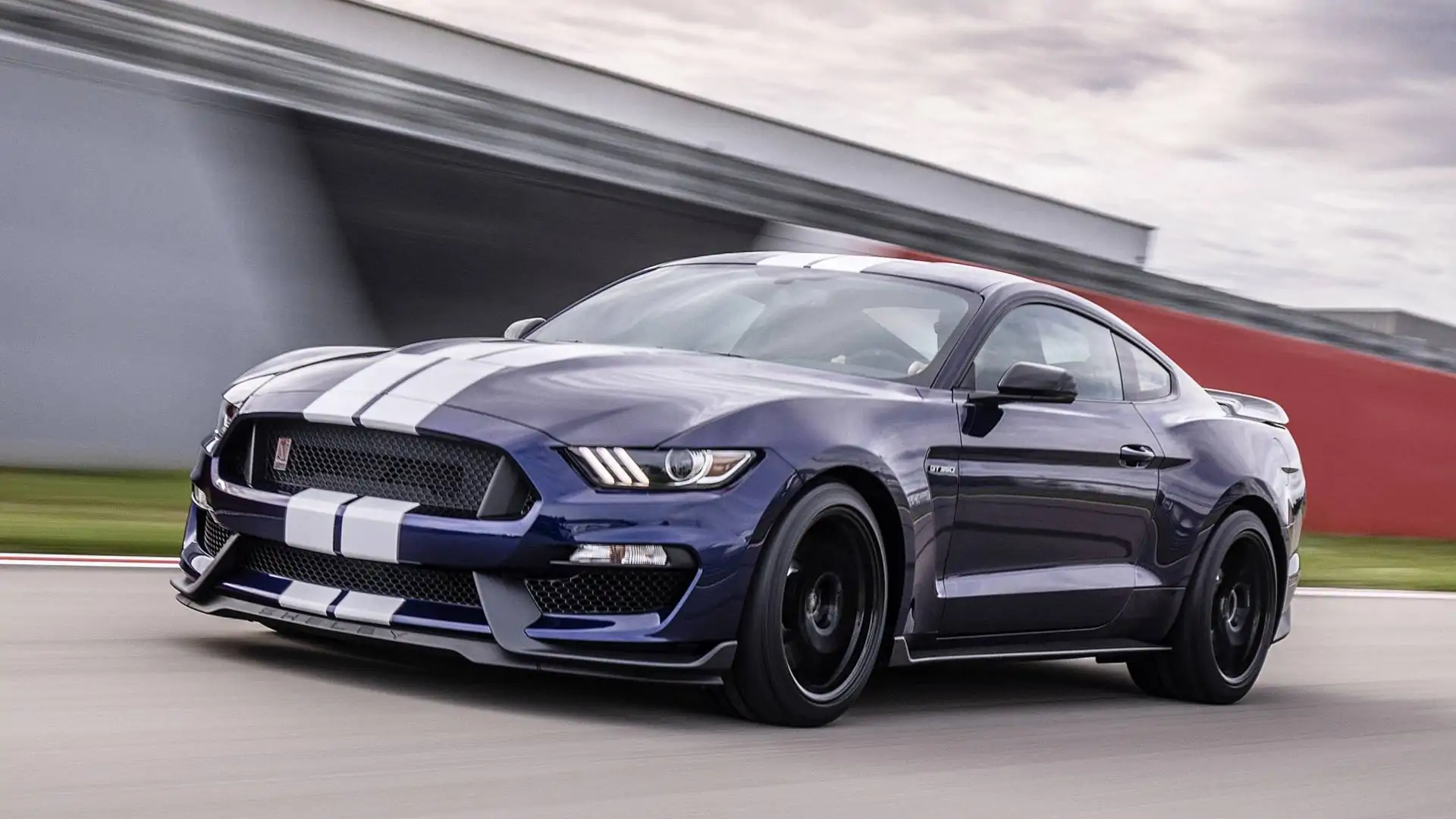
3. Ford Mustang: Iconic Performance Meets Usable Comfort
The new S650-generation Ford Mustang is well-suited for tall drivers, offering 44.5 inches of front legroom. Coupe headroom is more average at 37.6 inches, though the convertible provides much more. Reclining the seat allows a reasonably upright posture, but taller drivers may find the steering wheel slightly far away.
The six-speed manual GT shifter is easy to reach, and the front seats provide a good driving position. Rear seats are cramped, and entry and exit can be awkward in tighter spaces, particularly with the long doors of the coupe. Convertible models improve rear access.
The Mustang offers strong performance across its lineup. The EcoBoost accelerates from 0 to 60 mph in 5.6 seconds, the six-speed GT in 4.8 seconds, and the 10-speed automatic GT in 4.3 seconds. Quarter-mile times are equally impressive, with the GT automatic reaching 113.1 mph.
Braking is effective, taking about 100 feet from 60 mph, with good pedal feel and stability. Handling benefits from Pirelli P Zero tires, achieving 0.97 to 0.98 g on the skidpad.
The Mustang is engaging on back roads while remaining manageable in daily driving, with the four-cylinder EcoBoost providing ample power and the V8 GT offering plenty of torque for highways and traffic. Both manual and automatic transmissions work well, though enthusiasts prefer the six-speed manual.
Ride quality is balanced for both comfort and performance. Standard non-adjustable suspension absorbs most road irregularities, while the optional MagneRide adaptive suspension is stiffer but rewarding for enthusiasts.
Recaro sport seats provide support but may be tight for larger drivers, while more relaxed seats are available with heating and ventilation. Climate control is less intuitive, requiring interaction with digital menus, and center vents have limited airflow. Cabin noise is reasonably well controlled, with tire and road noise noticeable but not intrusive.
The Mustang features a fully digital instrument panel paired with a 13.2-inch touchscreen using Ford Sync 4. Navigation is efficient and easy to use. Optional 12-speaker B&O audio delivers decent volume but lacks nuance at high levels.
USB charging ports are abundant, and driver-assist technology includes automatic emergency braking and blind-spot monitoring. Lane-keeping assist can be inconsistent, sometimes struggling to center the car.
Trunk capacity is 13.5 cubic feet for fastbacks and 11.4 cubic feet for convertibles, making it practical for daily use and travel. Rear seats fold flat to accommodate longer items, and interior storage for small items is adequate. Car seat installation is possible but challenging due to the limited rear space.
The EcoBoost achieves 26 mpg combined, and the V8 GT matches its 18 mpg EPA rating. Entry-level EcoBoost models are affordable and provide access to an American icon, while the GT competes with higher-end rivals such as the Toyota GR Supra, BMW M240i, and Nissan Z.
Mustang interiors use some cheaper materials, and warranties are modest, offering three years/36,000 miles bumper-to-bumper and five years/60,000 miles for the powertrain, with roadside assistance included.
The Ford Mustang delivers strong performance, usable comfort, and iconic styling. It remains engaging to drive on the road or track, offers personalization options, and maintains its reputation as an American classic despite some interior compromises and limited rear seating.
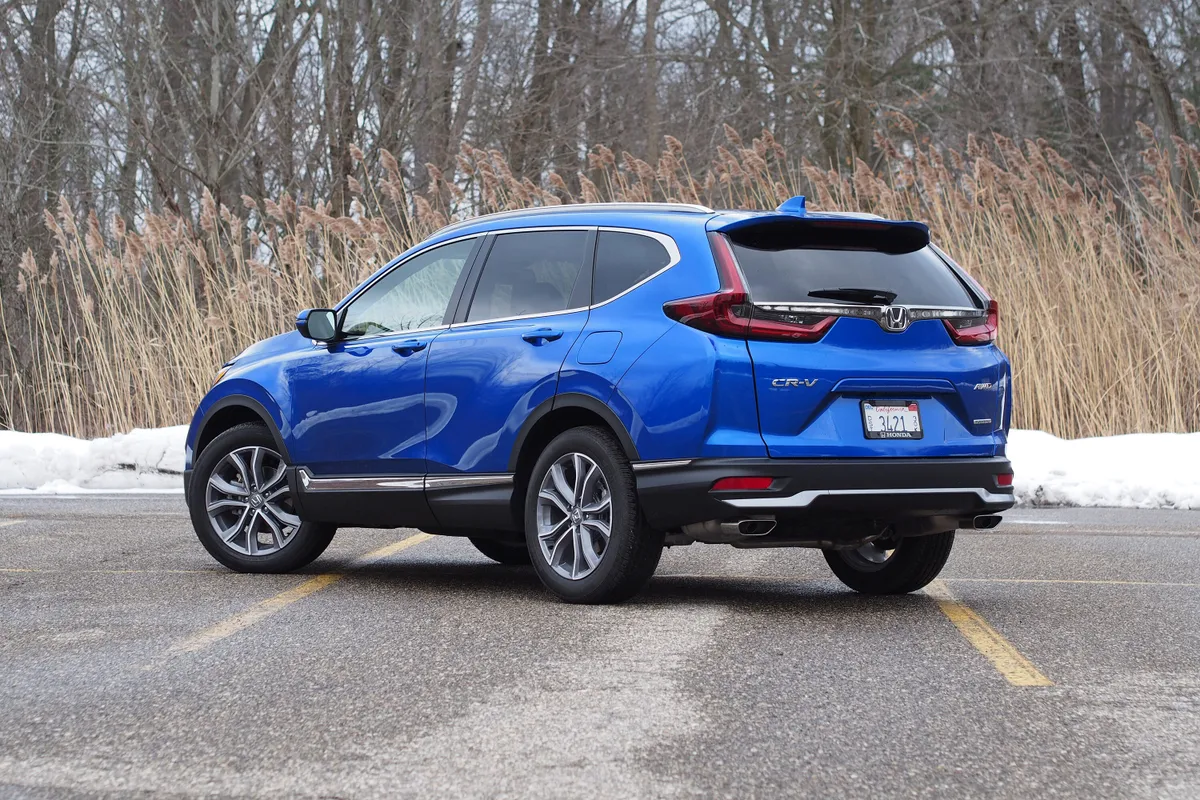
4. Honda CR-V: Comfortable, Practical, and Reliable
The Honda CR-V delivers an impressively spacious and comfortable cabin. Unlike many compact SUVs that feel upright and cramped, the CR-V offers a car-like seating position with a low hip point, providing 40.0 inches of headroom and 41.3 inches of legroom. Front seats include generous side bolstering for lateral support, which is especially beneficial for taller drivers.
Entry and exit are effortless due to large door openings and well-positioned seats. Rear passengers enjoy above-average legroom, and installing car seats is straightforward thanks to the thoughtful layout. Controls are easy to reach and operate, and physical climate controls allow adjustments without distraction.
The CR-V is not a performance SUV, but it is responsive and composed on the road. The hybrid Sport Touring model accelerates from 0 to 60 mph in 8.0 seconds, which is typical for its class. The brakes are effective and provide smooth, predictable stopping.
Steering is responsive, offering sufficient feedback for confident handling around corners. Ride quality is one of the CR-V’s strongest attributes, absorbing bumps without jostling passengers. Visibility is good at the front but limited in the rear; parking cameras help compensate for this. Advanced driver-assist features are reliable, though some rivals offer a more extensive suite of technologies.
The CR-V includes a range of usable tech features, though it lags behind some competitors. A 9-inch infotainment screen is standard and supports wireless Apple CarPlay and Android Auto, along with a wireless charging pad.
The system is responsive and easy to navigate, though some rivals offer larger or more customizable displays. Multiple USB ports are available on most trims, providing convenient charging options for all passengers.
Cargo space is above average for a compact SUV, though hybrid models lose some capacity and do not include a spare tire. The cargo area has ample width and vertical height, making it easy to fit bulky items. Interior storage is functional with phone compartments, cupholders, a sizable under-armrest bin, and practical door pockets. While not the most innovative layout, the storage is sufficient for daily use and errands.
Fuel efficiency is a strength of the CR-V, particularly in hybrid models. Non-hybrid CR-Vs achieve an EPA-estimated 30 mpg combined, while hybrids reach up to 40 mpg, dropping to 37 mpg with all-wheel drive. Real-world testing showed 33.3 mpg on a highway-biased route, though city driving can allow the hybrid to maximize its efficiency.
The CR-V demonstrates solid build quality with a smooth and quiet ride. While some hard plastics are present, soft surfaces and thoughtful design elements help maintain a refined feel.
Pricing is slightly higher than some competitors, but the combination of comfort, ergonomics, and reliability justifies the cost. Warranty coverage is average for the class, and free maintenance or extended protections are limited compared with certain rivals.
The Honda CR-V may not stand out with bold styling, but it excels in blending practicality, comfort, and reliability. Its responsive controls, solid handling, and spacious interior make it one of the most well-rounded and user-friendly compact SUVs on the market.
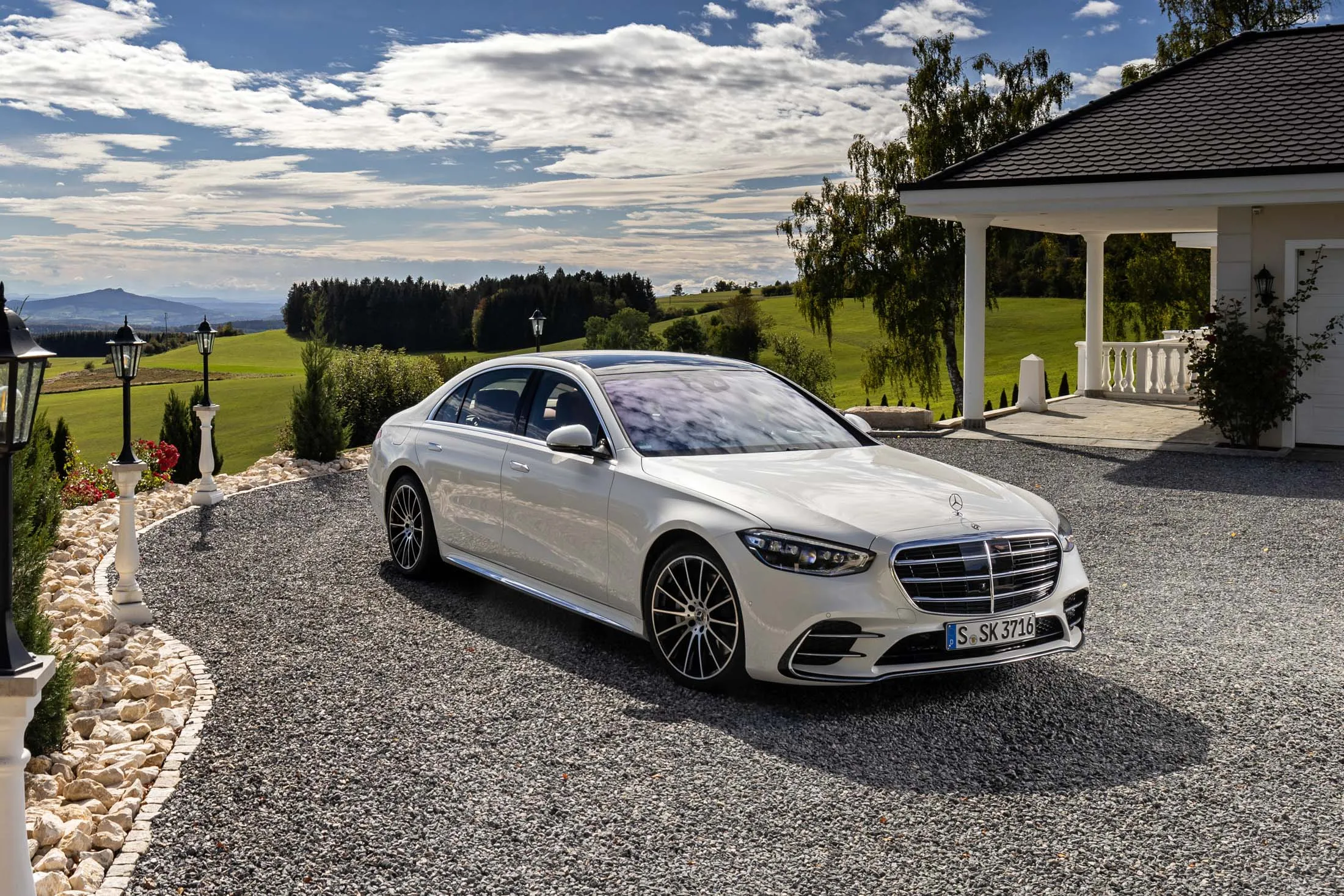
5. Mercedes-Benz S-Class: Luxury, Comfort, and Advanced Technology
The Mercedes-Benz S-Class is one of the most spacious and comfortable luxury sedans available. Front passengers enjoy 41.7 inches of legroom and 42.1 inches of headroom, allowing tall drivers to sit without sliding the seat back.
Plush seats and a refined ride enhance comfort, and the S-Class outshines rivals like the BMW 7 Series, which has a more upright seating position and slightly less space for the driver. Rear seats are equally accommodating, especially when equipped with optional power-adjustable, heated, ventilated, and massaging seats. Heated armrests and four-zone climate control make the rear seating area just as comfortable as the front.
The S-Class is not a sports car, but the latest generation combines smooth acceleration with composed handling. The S 580 with its V8 engine accelerates from 0 to 60 mph in 4.7 seconds, with generous low-end torque allowing effortless highway passing.
The air suspension keeps the ride smooth while remaining controlled in corners. Sport+ mode lowers the vehicle slightly to improve handling, and optional rear-axle steering enhances high-speed stability and makes parking easier. The car balances athleticism and comfort effectively.
Ride quality is a standout feature of the S-Class. Even at highway speeds, the cabin remains whisper quiet, with minimal wind and road noise. Heated and massaging front seats provide exceptional support, while rear passengers benefit from similar amenities in top trims. The suspension system absorbs bumps and imperfections without transferring jostling to occupants, creating a serene and refined experience.
The S-Class cabin is visually striking and thoughtfully designed. The MBUX infotainment system integrates most vehicle controls into a large central screen, while essential physical controls remain easy to use. Outward visibility is excellent despite the car’s size.
The S-Class comes packed with technology, including wireless Apple CarPlay and Android Auto, wireless charging, multiple USB-C ports, a head-up display, and advanced voice control. The Burmester audio system delivers exceptional sound quality, making it one of the best in-car audio experiences available. A wide range of driver assistance features is included, though there is no hands-free driving mode.
Despite its size, the S-Class has limited cargo space at 12.9 cubic feet, less than competitors like the BMW 7 Series and Porsche Panamera. The space is deep and accessible, while cabin storage is abundant, with compartments for water bottles, phones, sunglasses, and other small items. Rear seats provide ample room for installing child seats, aided by wide doors and generous legroom.
The Mercedes-Benz S 580 4Matic achieves an EPA-estimated 20 mpg combined, with real-world testing reaching 23.7 mpg, impressive for a V8 sedan. While the S-Class is more expensive than rivals such as the Audi A8, BMW 7 Series, or Lexus LS 500, it delivers unmatched luxury, refinement, and build quality.
Standard warranties include four years/50,000 miles for basic coverage, powertrain, and rust, along with roadside assistance, though service visits are not included.
The S-Class combines cutting-edge technology, supreme comfort, and understated performance, making it a benchmark in the full-size luxury sedan segment. Its spaciousness, refinement, and advanced features make it one of the most desirable vehicles in its class.
Also Read: 10 Cars That Don’t Chew Through Wheel Bearings
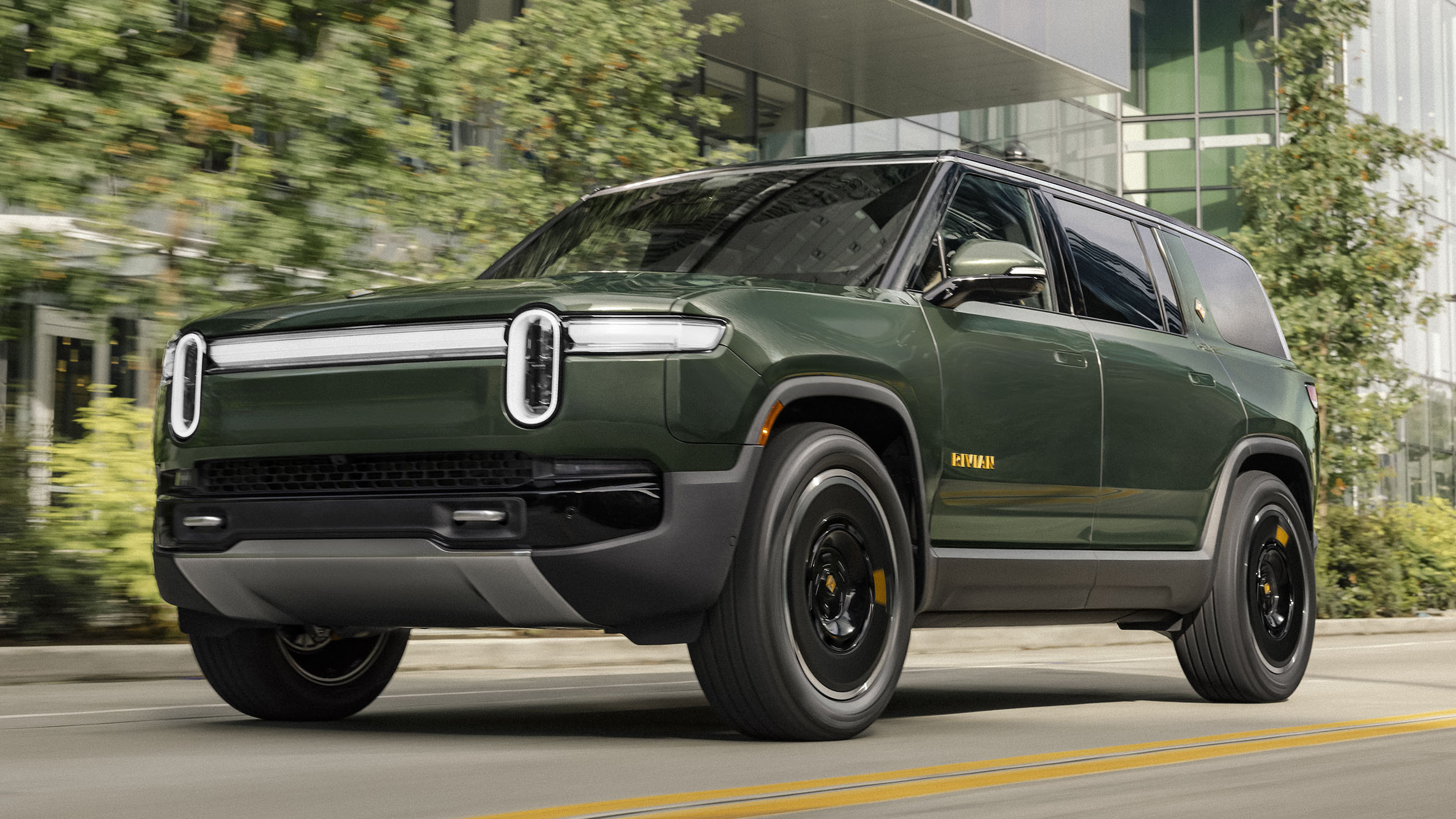
6. Rivian R1S: Spacious, Powerful, and Tech-Focused Electric SUV
The Rivian R1S is a three-row electric SUV that prioritizes space and comfort, making it suitable for families and tall drivers. Its upright seating position provides 41.1 inches of headroom and 41.4 inches of legroom, along with a commanding view of the road or trail. Wide-opening doors and an adjustable air suspension make entry and exit effortless.
Front and second-row seats offer ample space, though the front seats could benefit from adjustable lateral bolsters and thigh extensions. The third row is best for short trips, providing limited legroom but adequate support for passengers up to six feet tall. Car seat installation is straightforward in the second row, while the third row presents more of a challenge.
The R1S delivers impressive performance across its configurations, including two, three, or four electric motors. The tri-motor 850-horsepower variant accelerates from 0 to 60 mph in just 2.9 seconds, rivaling high-performance sports cars.
Despite its size, the SUV is easy to drive, with a smooth ride and strong regenerative braking that allows slowing without heavy brake usage. Its mass is noticeable around tight turns, emphasizing that the R1S is designed more for comfort and utility than aggressive cornering.
Technology such as a surround-view camera, adaptive cruise control, lane-keeping assist, and a hands-free driving system enhances confidence, though the latter can disengage unexpectedly in certain conditions.
The R1S offers a robust infotainment system, though it lacks Apple CarPlay and Android Auto. Navigation is responsive and can filter charging stations by network, including Tesla Superchargers.
Voice controls powered by Alexa work effectively, and device integration is strong with six USB-C ports and dual wireless charging pads. A smartphone app acts as a digital key for remote access. The audio system is adequate, while a removable Bluetooth speaker under the center console is ideal for outdoor use.
Cargo space is one of the R1S’s strengths. With the third row up, the rear area provides 17.6 cubic feet, expanding to 90.7 cubic feet when both rear rows are folded flat.
The split tailgate and adjustable air suspension simplify loading, and the large front trunk includes a storage bin for charging cables and small items. In-cabin storage is functional, though the absence of a glovebox is notable. Towing capacity is a class-leading 7,700 pounds, adding to the SUV’s versatility.
The R1S carries a luxury-adjacent price, comparable to top trims of competitors like the Kia EV9. Build quality has improved in recent models, and the SUV comes with a long list of standard features. Warranty coverage includes a four-year/50,000-mile basic warranty. Battery and drivetrain coverage depends on the battery pack, with the base pack offering eight years/120,000 miles, while larger packs extend to 150,000 miles.
The Rivian R1S stands out for combining high performance, family-friendly interior space, and advanced technology. Its commanding driving position, strong acceleration, and large cargo capacity make it a versatile electric SUV that balances everyday usability with off-road capability and adventure-ready features.
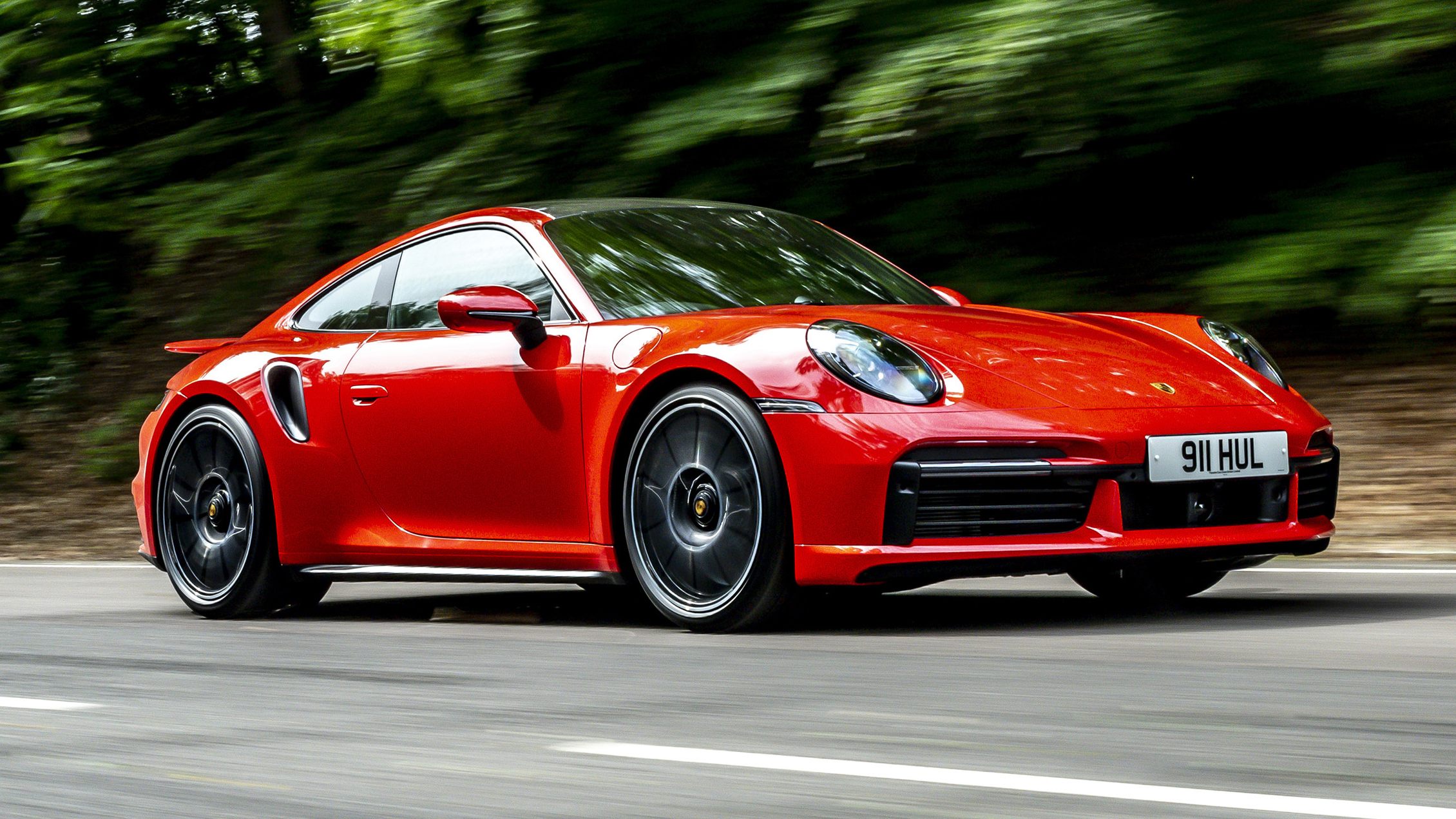
7. Porsche 911: Iconic Performance and Precision Engineering
The Porsche 911 is a sports car that prioritizes driver-focused ergonomics over cabin spaciousness. Its front seat slides far back and features a low H-point, giving tall drivers a snug, cockpit-like feel. The telescoping steering wheel allows for a comfortable hand position close to the chest, providing confidence during aggressive driving.
While the 911 is more spacious than the 718 Cayman, its rear seats are optional and only suitable for young children. Forward visibility is excellent due to the low hood and relatively small pillars, making it practical for daily driving despite its performance focus.
Performance is where the 911 truly shines. The base Carrera coupe accelerates from 0 to 60 mph in 3.5 seconds and completes the quarter mile in 11.7 seconds. Launch control simplifies quick starts, and the eight-speed dual-clutch automatic transmission is both smooth and quick, typically selecting the correct gear.
A manual transmission is available in the Carrera T for enthusiasts. The rear-engine layout enhances traction by placing weight over the rear axle. Steering is precise and responsive, and braking is exceptionally strong, allowing shorter stops than most vehicles. The adaptive suspension balances ride comfort with handling prowess, making the 911 agile on twisty roads without compromising daily usability.
Despite being a sports car, the 911 offers comfort suitable for daily driving. Seats are well-padded and supportive, although base sport seats have limited adjustment. The adaptive suspension smooths bumps while maintaining handling performance.
While engine growl is always present, wind and road noise are well controlled, and the optional sport exhaust provides an engaging yet not overwhelming sound. The cabin allows long drives without undue strain on the driver or passenger.
The 911 combines tactile and digital controls for an intuitive experience. Physical switches manage climate settings, while a responsive touchscreen handles infotainment functions. Starting in 2025, a fully digital instrument cluster replaces the analog tachometer, providing clear gauge displays and optional navigation integration.
Apple CarPlay and Android Auto are included, both connecting wirelessly, though minor connectivity issues may occur. USB-C ports are available for charging, and optional driver-assist features like adaptive cruise control and parking assist can be added.
Cargo space is limited to a 4.6-cubic-foot front trunk, enough for two small carry-on bags. Rear seats can be used for extra storage, but accessing items is awkward. Interior storage is minimal, with small cupholders, pockets, and bins. Installing child seats is challenging due to the restricted rear space, making the 911 a poor choice for families compared with the Panamera, Cayenne, or Macan.
The base Carrera coupe achieves an EPA-estimated 21 mpg combined, which is competitive for a six-cylinder sports car. The 911’s base price is just the beginning, as numerous options for performance, driver aids, and aesthetics can significantly increase cost.
Build quality is tight, and the car feels solid, though some features like adaptive cruise control require an extra payment. Warranty coverage is four years/50,000 miles for both basic and powertrain protection, with roadside assistance included.
The Porsche 911 combines thrilling performance, precise handling, and driver-focused ergonomics. While limited in storage and rear seating, it remains one of the most rewarding sports cars for daily driving and spirited road performance. Its timeless design and engineering excellence ensure it stands apart in its class.
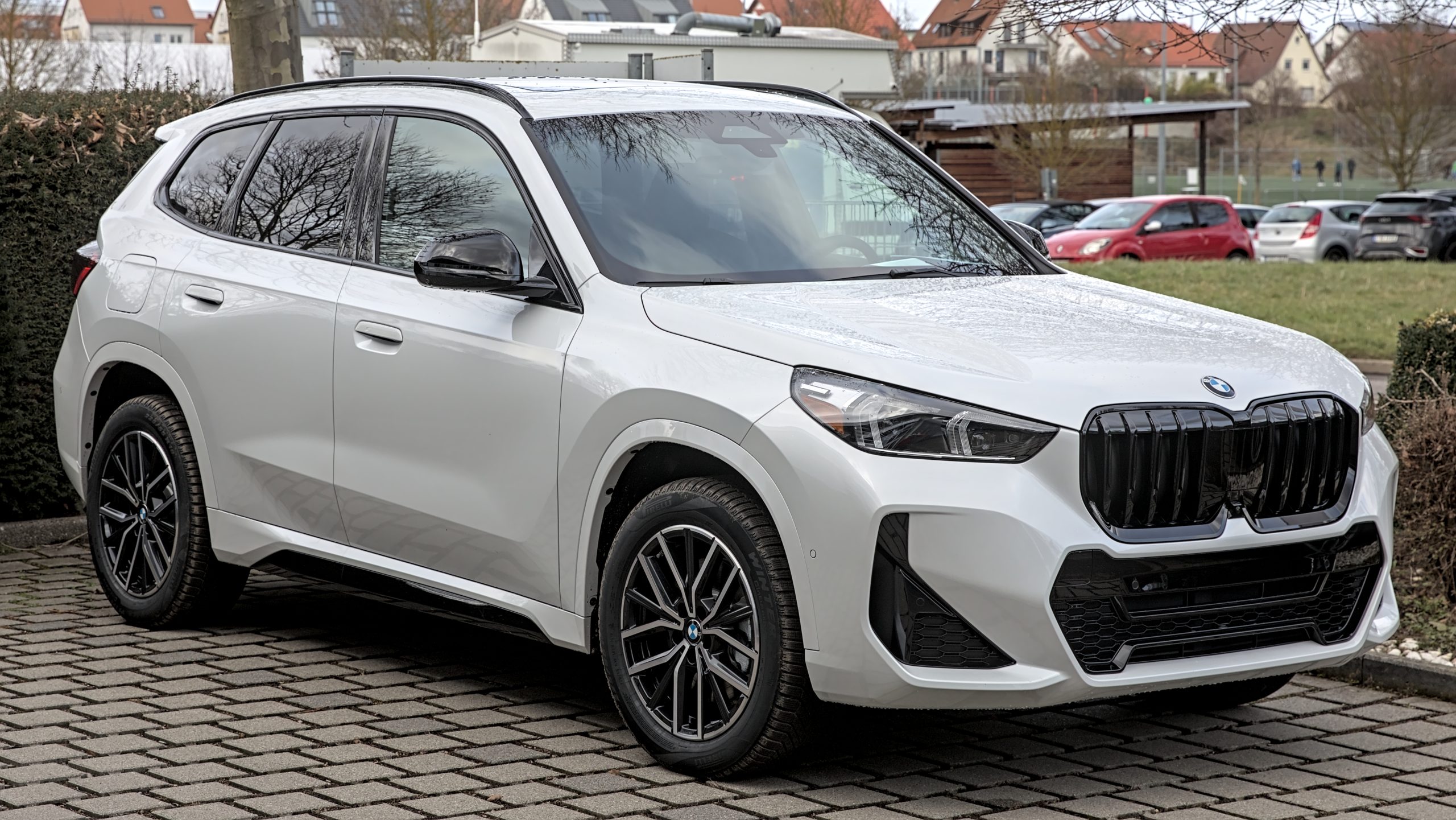
8. BMW X1: Compact Luxury with Surprising Space and Performance
The third-generation BMW X1 maximizes interior space within its subcompact frame. A low H-point and slim seats create more usable cabin volume, while the available panoramic sunroof adds headroom and an airy feel.
The M Sport package improves comfort with extendable seat bottoms that enhance under-thigh support, complementing the 40.4 inches of front legroom. The thick-rimmed steering wheel telescopes well, keeping controls comfortably within reach. Though BMW’s smallest SUV, the X1 feels roomy behind the wheel and accommodates tall drivers with ease.
Performance in the X1 is strong for a subcompact luxury SUV, especially with the M Sport package, which adds 19-inch wheels and adaptive suspension. Our test model accelerated from 0 to 60 mph in 5.9 seconds, quicker than rivals like the Audi Q3 and Mercedes-Benz GLB.
The four-cylinder engine delivers smooth power, but transmission tuning can leave the X1 feeling hesitant during quick bursts. Around corners, the X1 remains balanced and controlled, with firm steering and high grip thanks to the M Sport setup. At city speeds, the X1’s light steering and responsive brakes make parking easy, but the engine stop-start system can interrupt smooth takeoffs.
Comfort depends on configuration. The M Sport seats are supportive through corners but slightly firm for daily driving. The adaptive suspension adds a firmer feel that can make rough roads less forgiving, while non-M Sport setups are softer and more comfortable.
Ventilated front seats are unavailable, and climate controls are managed via the touchscreen, which some may find distracting compared with traditional physical buttons.
Interior space is generous for the class, with ample legroom and headroom in both rows. Entry and exit are easy thanks to tall doors, and forward visibility is good, though shorter drivers may need to adjust seating for optimal head-up display use.
BMW’s iDrive infotainment has improved with this generation, offering wireless Apple CarPlay and Android Auto, seamless USB-C charging, and an optional Harman Kardon audio system. Selectable driving modes link to lighting and sound, though these features feel more gimmicky than practical. Optional adaptive cruise control is missing in some trims, but blind-spot and lane-departure warnings function reliably.
The X1 provides 26 cubic feet of cargo space, slightly less than previous models but still competitive among subcompact luxury SUVs. The rear seats fold in a split configuration for versatility, and the center console accommodates oversized items. Car seat installation is straightforward, with easily accessible anchor points in the rear bench.
EPA estimates place the X1 at 28 mpg combined, and our real-world testing recorded 27.1 mpg, which is reasonable for its class.
Pricing can rise quickly with optional features, making it a more expensive choice, but the SUV’s build quality, refined materials, and three years of included maintenance help justify the cost. The interior feels durable, with minimal cheap plastics where it counts, contributing to a sense of lasting value.
The BMW X1 combines compact dimensions with surprisingly spacious interiors, confident handling, and strong performance. It suits tall drivers and offers a premium, well-built cabin, making it one of the more compelling options in the subcompact luxury SUV segment.
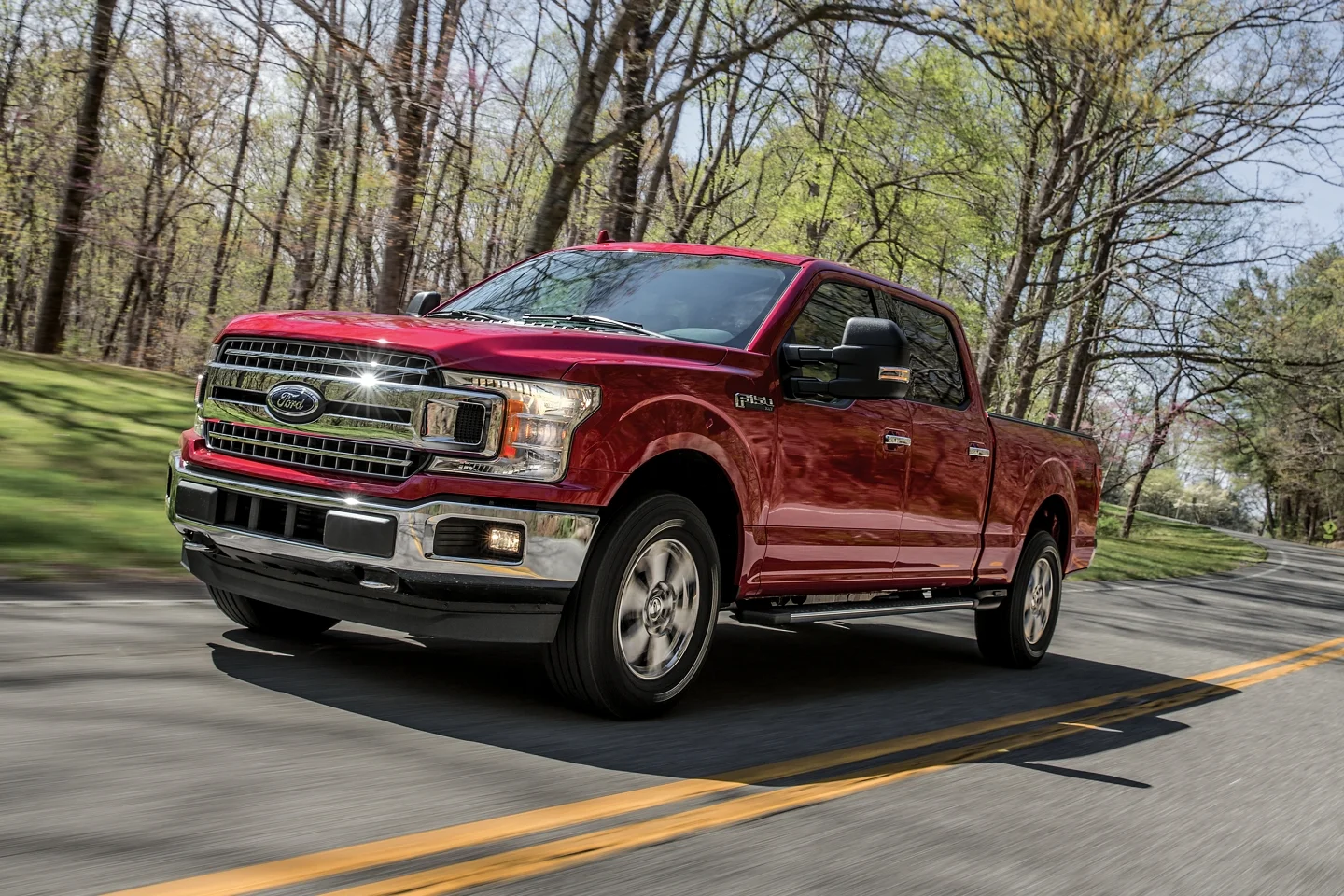
9. Ford F-150: Spacious, Capable, and Versatile
The Ford F-150 is generously sized, making it highly accommodating for tall drivers. Front headroom measures 40.8 inches, with 43.9 inches of legroom across regular, extended, and crew cab configurations.
This spaciousness extends to the all-electric F-150 Lightning, which maintains interior dimensions despite housing an underfloor battery pack. The upright seating position provides a commanding view of the road and easy access to controls, ensuring comfort for long drives.
The F-150 offers multiple powertrain options, including turbocharged V6s, a V8, and a V6 hybrid. Our test model, the PowerBoost hybrid, accelerated from 0 to 60 mph in 5.8 seconds, which is competitive for a pickup. The steering feels direct and precise, enhancing maneuverability in tight spaces and stability at highway speeds.
Handling is confident despite the traditional rear leaf springs, while brakes deliver strong stopping power. The truck supports advanced driver assistance features, including BlueCruise hands-free driving and Pro Trailer Backup Assist. Off-road-focused trims like the Tremor and FX4 add suspension upgrades, all-terrain tires, and protective skid plates for trail-ready performance.
Front seats are supportive and can include heating, ventilation, and massaging functions. Crew cab models provide ample space for passengers and car seats, with lower attachment points easily accessible.
The extended SuperCab’s clamshell rear doors aid entry and exit. Road, tire, and wind noise are minimal, though the PowerBoost hybrid emits noticeable vibrations while charging. Climate control is intuitive, using simple physical knobs for easy adjustment.
All 2025 F-150s feature a 12-inch touchscreen with modern connectivity, including multiple USB-A and USB-C ports, wireless charging, and standard wireless Apple CarPlay and Android Auto.
The FordPass app enables remote vehicle functions, while the “Phone as a Key” system adds convenience. The Pro Power Onboard system converts the truck into a generator with outputs ranging from 2.0 kW to 7.2 kW, useful for outdoor activities or off-grid tasks.
The SuperCrew configuration provides multiple storage options, including a versatile front center console and a 60/40-split rear seat that covers a full-width storage box. With both rear seats folded, the area becomes nearly flat for larger cargo. While not as configurable as competitors like the Ram 1500, the F-150’s cargo solutions are practical and thoughtfully designed.
The F-150 leads its class in towing and hauling, with maximum capacities of 13,500 pounds and 2,440 pounds, respectively. Optional features like a split-opening tailgate, power up-and-down functionality, and a tailgate step enhance usability. Fuel economy ranges from 19 mpg combined for the 5.0-liter V8 to 23 mpg combined for the hybrid, which is typical for a full-size pickup. Off-road trims like the Tremor achieve 17–18 mpg.
The F-150 offers a wide range of trims and options, making it highly customizable and adaptable to various needs. While its warranty coverage is comparable to competitors, the truck’s reliability, off-road capability, hybrid efficiency, and strong performance make it a standout in the segment. Its popularity and well-designed interior and exterior also contribute to its lasting appeal.
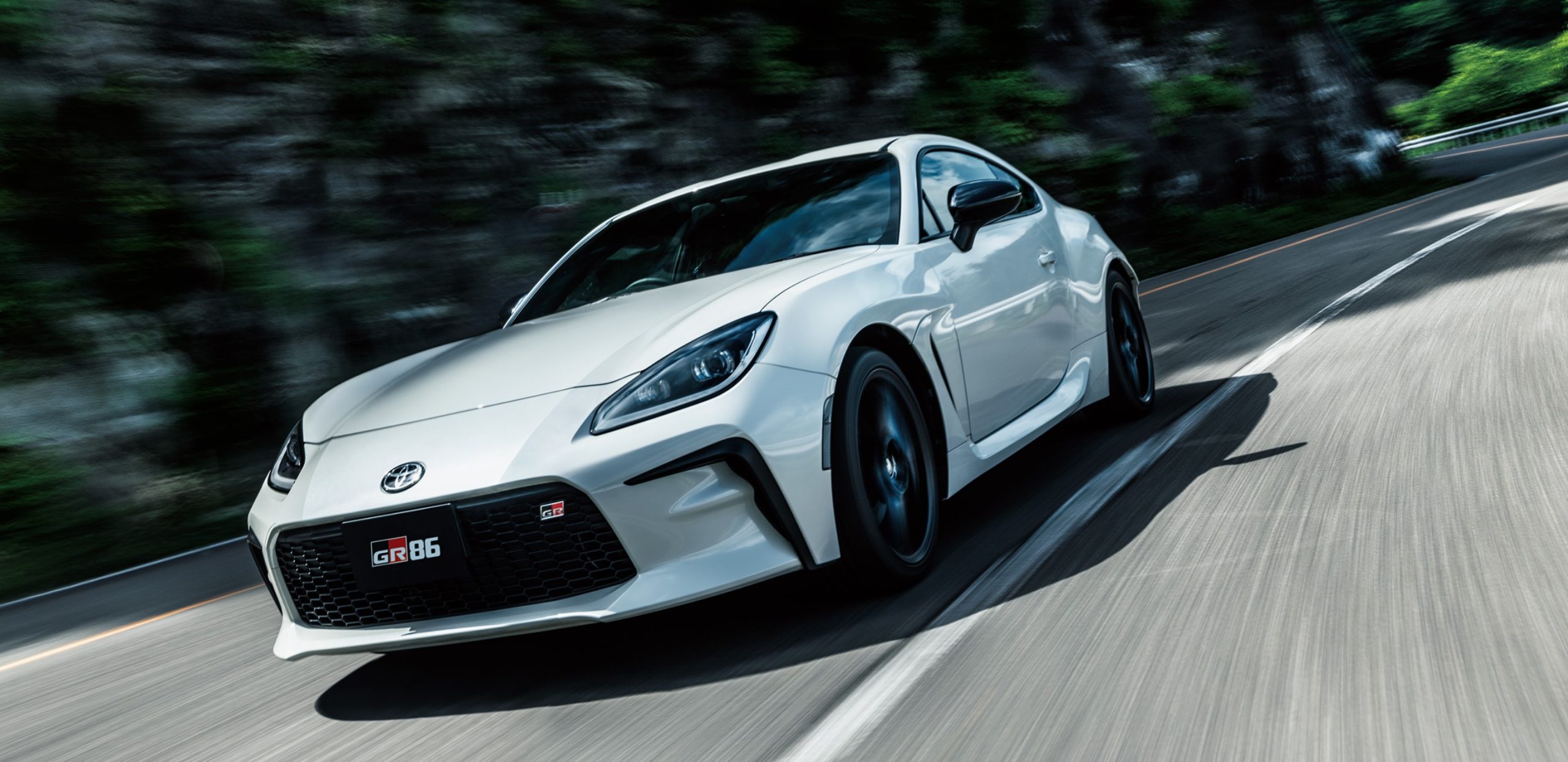
10. Toyota GR86 and Subaru BRZ: Small Sports Cars Designed for Driving Enthusiasts
The Toyota GR86 and Subaru BRZ are compact sports cars that manage to accommodate tall drivers better than many small performance vehicles. Their low H-point seating and thoughtfully designed cockpit provide a surprisingly comfortable fit, even though interior dimensions remain modest with 37.0 inches of headroom and 41.5 inches of legroom.
Taller drivers may find them cramped on long road trips, but for shorter drives and spirited runs, these coupes are practical enough. The GR86 and BRZ offer a small steering wheel, which improves entry and exit, and their compact dashboards enhance forward visibility, making them easy to focus on driving. Rear seats are minimal and best used for storage rather than passengers.
Both models shine in handling and driving dynamics. The GR86 features precise steering and, when equipped with high-performance summer tires, provides excellent grip and balance.
Its suspension is slightly firm, making rough roads more noticeable, but it delivers agile cornering and confident braking. At the Edmunds test track, a manual GR86 accelerates from 0 to 60 mph in six seconds, while the automatic takes 6.9 seconds but offers convenience in heavy traffic with paddle shifters and Track mode.
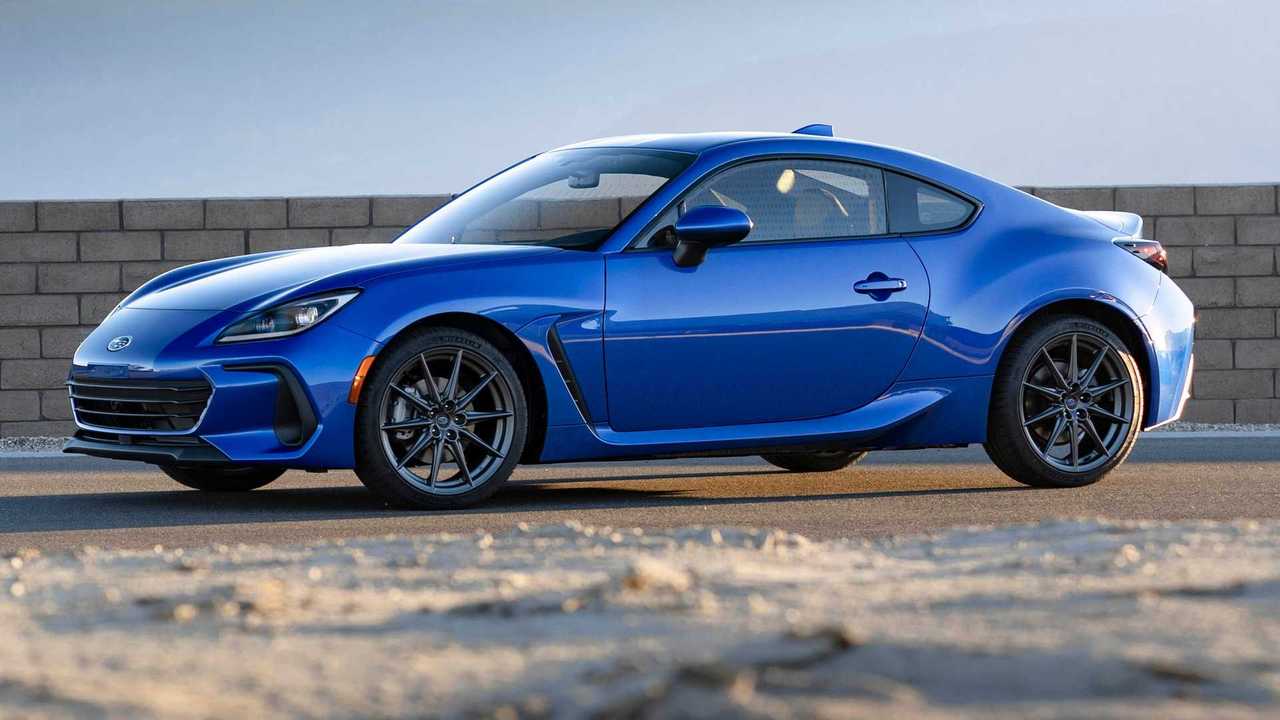
The BRZ offers similar driving enjoyment, with quick, accurate steering and a well-tuned suspension that supports playful handling. The larger engine in the current BRZ enhances power delivery across the rev range. A manual BRZ Limited accelerates to 60 mph in 6.1 seconds, closely matching the GR86.
Automatic transmission variants provide paddle shifters and slightly slower acceleration. Both cars allow drivers to adjust or fully disengage traction and stability systems for track use, giving enthusiasts control over the car’s behavior.
Comfort in both vehicles reflects their sporty intentions. GR86 has a firmer ride than the BRZ, which can be fatiguing after long drives, while the BRZ offers a bit more compliance at higher speeds. Both models have manually adjustable seats with improved bolstering that hold occupants securely without being restrictive.
Dual-zone climate control works effectively, though road and tire noise is prominent, and engine noise can be intrusive rather than engaging. These cars are built for responsive handling rather than refined isolation.
The GR86 and BRZ interiors are functional, placing emphasis on driving rather than luxury. Both feature a straightforward digital instrument cluster and a low-profile dashboard for excellent visibility. Apple CarPlay and Android Auto are standard, though neither car offers built-in navigation.
USB ports allow convenient device charging, and center touchscreens are responsive and easy to use. Audio systems are adequate but struggle to overcome interior noise at moderate volumes. Both cars include adaptive cruise control and lane departure warning, with traction and stability systems adjustable for daily or track use.
Cargo space is limited but usable. Both cars provide about 6.3 cubic feet in the trunk, expandable by folding rear seats, which can hold wheels or other bulky items. Interior storage includes small cupholders and rear-seat space suitable for jackets or bags. Child seat installation is technically possible but challenging due to the limited rear seat space.
Thanks to their lightweight designs and efficient engines, the GR86 and BRZ achieve reasonable fuel economy for sports cars. EPA estimates range from 22–24 mpg for manuals and 24–28 mpg for automatics, with real-world testing confirming these figures.
Both cars offer strong value, with GR86 and BRZ models delivering precise handling, solid construction, and spirited driving at a price far below many competitors. Standard warranties include three years/36,000 miles bumper-to-bumper and five years/50,000 miles powertrain coverage, with roadside assistance included. The GR86 also offers two years of complimentary maintenance.
Driving comfortably should not be a luxury reserved for those of average height. The vehicles in this roundup show that automakers are increasingly mindful of taller drivers, offering interiors with generous headroom, legroom, and adjustable ergonomics that cater to different body types.
From the boxy practicality of the Kia Soul to the high-tech luxury of the Mercedes-Benz S-Class and from the agile comfort of the Porsche 911 to the family-friendly Rivian R1S, each car provides a distinct combination of space, style, and usability.
Even performance-focused vehicles like the Toyota GR86 and Subaru BRZ prove that sports cars can be accommodating. By considering seat adjustability, steering wheel reach, and cabin layout, tall drivers can reduce fatigue, improve visibility, and enjoy a more comfortable driving experience. These 10 models show that height does not have to mean compromise when it comes to comfort, functionality, and driving pleasure.
