When most people think of spacious vehicles, SUVs usually come to mind. However, the modern hatchback segment has evolved far beyond its compact reputation, offering surprising roominess, flexible cargo areas, and smart design that often outperform larger crossovers.
Today’s hatchbacks combine practicality with enjoyable performance, impressive fuel economy, and advanced technology, all while maintaining a smaller footprint and lower cost. In “12 Hatchbacks That Offer More Space Than SUVs,” we explore a diverse lineup that proves you do not need a towering vehicle to enjoy comfort and versatility.
From the electric 2025 Nissan Leaf and stylish 2025 Mazda3 to the sporty 2025 Honda Civic Type R and efficient 2025 Toyota Prius, these hatchbacks demonstrate how clever engineering can deliver SUV-like storage in a more agile and efficient package. Whether you value efficiency, driving fun, or everyday convenience, these models redefine what it means to drive smart and spacious.
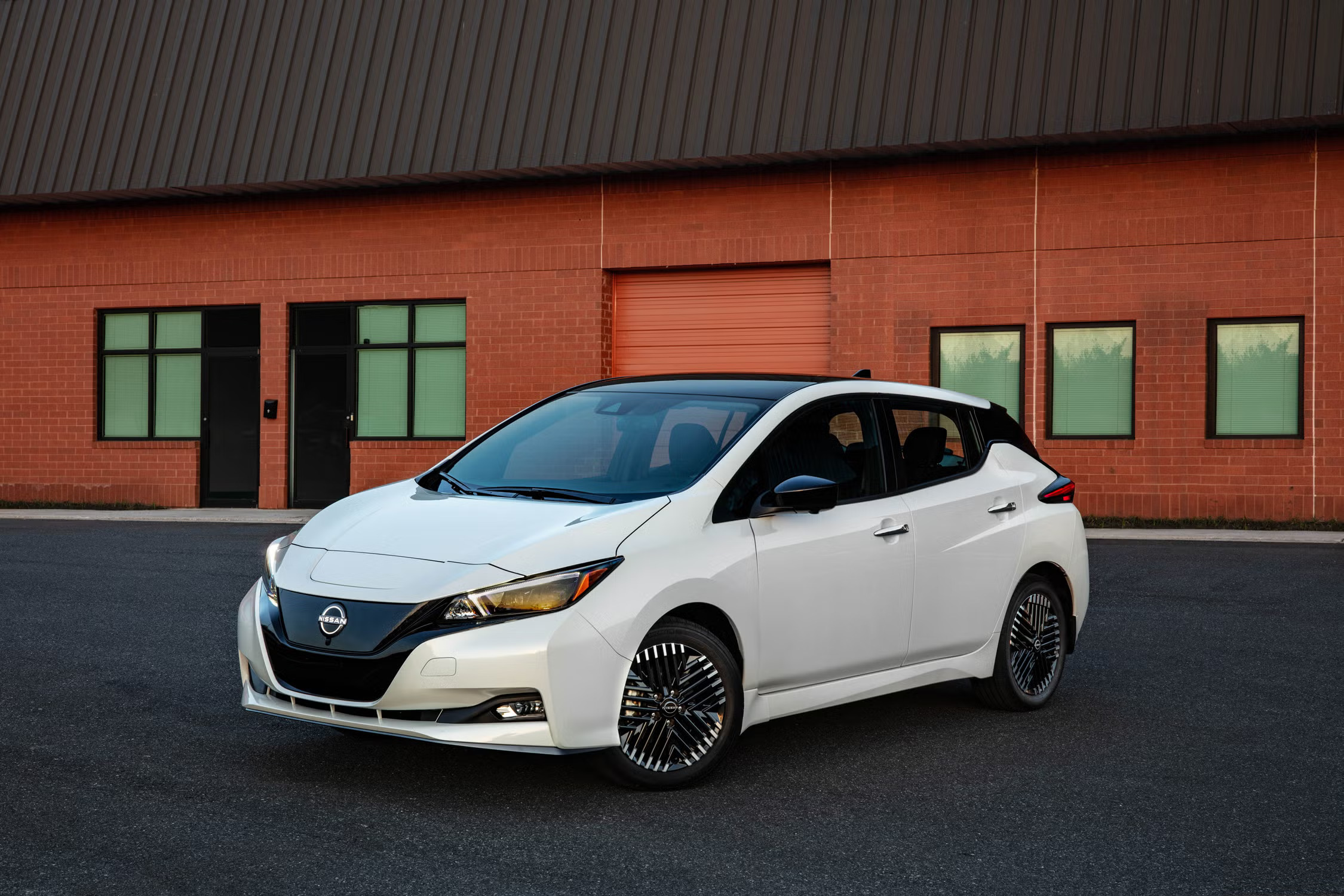
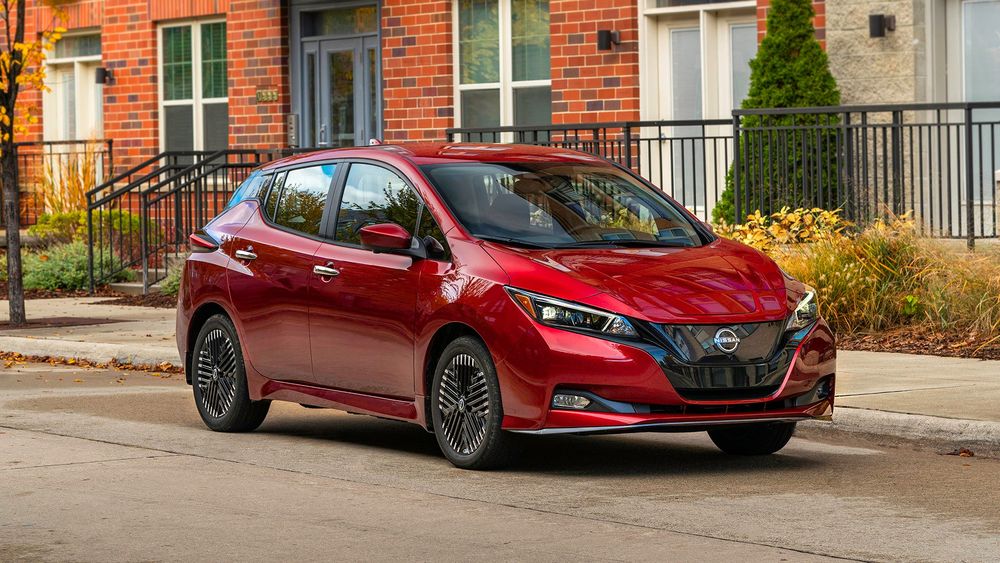
1. 2025 Nissan Leaf: An Affordable and Practical Electric Hatchback
The 2025 Nissan Leaf remains one of the most accessible ways to enter the world of electric driving. As one of the pioneers of EV technology, it continues to offer a comfortable and quiet ride with solid visibility and a smooth driving experience. While it may not match the range or charging speed of newer rivals, the Leaf’s affordability and practicality make it a strong choice for eco-conscious drivers on a budget.
Cargo capacity is one of its biggest advantages, providing 23.6 cubic feet of space behind the rear seats and 30 cubic feet when folded. This level of roominess makes it ideal for daily use, errands, or small family trips.
The Leaf delivers satisfying performance for city and suburban driving. The standard model accelerates from 0 to 60 mph in 7.8 seconds, while the Leaf Plus trims achieve it in 7 seconds flat.
These times are competitive with other mainstream EVs such as the Hyundai Kona Electric and Kia Niro EV. The e-Pedal system enhances driving engagement by allowing one-pedal operation, handling most braking through regenerative energy capture.
Smooth and instant torque makes the Leaf easy to control in traffic, and its low-mounted battery helps it stay balanced through turns. The ride is composed and predictable, offering confidence whether on winding roads or highway commutes.
The Leaf’s well-padded seats and balanced suspension create a pleasant driving experience. It absorbs bumps effectively, maintaining a steady and composed feel without being too soft or stiff. Cabin noise is minimal since the electric powertrain eliminates engine sound, and wind and road noise remain at manageable levels.
Inside, the cabin feels open and well-proportioned. There’s ample legroom and headroom for both front and rear passengers, although the driving position may feel slightly high for taller individuals. Large windows contribute to excellent visibility, though the thick rear pillars introduce a mild blind spot.
Every Leaf includes a user-friendly touchscreen with Apple CarPlay and Android Auto. Upgrading to the SV Plus trim brings ProPilot Assist, an advanced system combining adaptive cruise control and lane-keeping assistance for smoother highway driving.
The Leaf Plus provides an EPA-estimated 212-mile range, while the standard Leaf offers 149 miles. In testing, the Leaf Plus exceeded expectations with 237 miles of real-world range and solid energy efficiency.
Given its fair pricing, well-appointed interior, and generous storage space, the 2025 Nissan Leaf stands out as a practical, value-driven EV that blends economy with everyday usability.
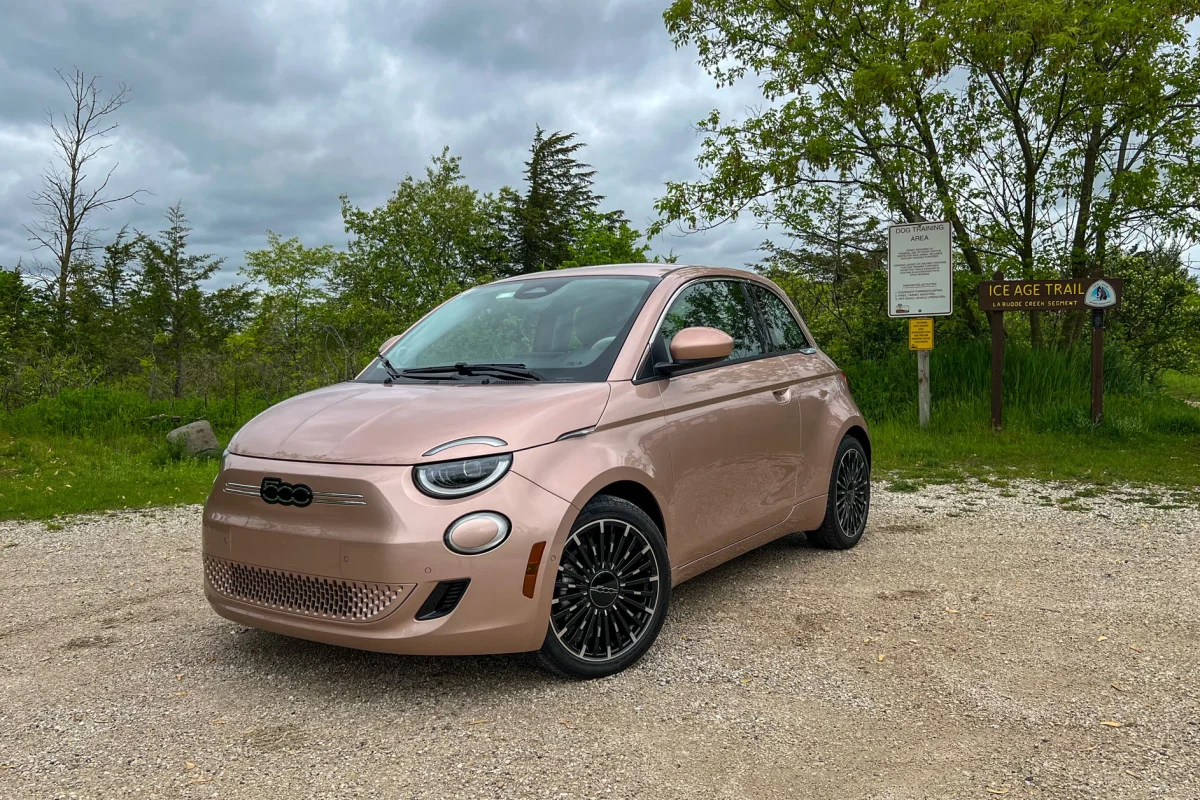
2. 2024 Fiat 500e: Stylish City Commuter with Compromised Practicality
The 2024 Fiat 500e brings Italian charm and compact efficiency to the electric vehicle market. Designed primarily for city use, it stands out for its distinctive styling, nimble handling, and small footprint.
However, its appeal is limited by minimal cargo space, a short driving range, and a cramped rear seat. The 500e is best suited for urban commuters who value design and maneuverability more than versatility or long-distance comfort.
The Fiat 500e delivers a smooth and pleasant driving experience within city limits. Its 0 to 60 mph time of 8.1 seconds is typical for a compact EV, providing enough power for quick starts and urban traffic.
Braking performance is a strong point, with shorter stopping distances than many competitors. Drivers can also enjoy one-pedal driving thanks to a well-calibrated regenerative braking system that makes stop-and-go travel convenient.
Handling is responsive and secure. With the battery mounted beneath the cabin, the car benefits from a low center of gravity that reduces body roll during cornering. The light steering makes parking and tight turns simple, though it lacks detailed feedback. The 500e feels agile and easy to control, which enhances confidence in crowded city settings.
The 500e provides a surprisingly comfortable ride for a small car. It is not luxurious, but it handles uneven road surfaces without feeling overly stiff. The front seats have decent padding but limited lateral support, making them less suitable for extended trips. Cabin insulation could be improved, since road and wind noise are more noticeable than in other electric vehicles of similar size.
The climate control system is straightforward and user-friendly. Physical buttons for fan speed and temperature adjustment are a welcome feature, avoiding the overreliance on touch controls that some rivals exhibit.
Inside, the 500e has an attractive and practical layout. The driver benefits from good visibility, intuitive controls, and a 10.25-inch touchscreen that is within easy reach. The infotainment menus are clear and simple, although screen resolution and response time feel dated compared to more modern systems. Wireless Apple CarPlay and Android Auto are included as standard, and the connection is stable and reliable.
The front cabin offers plenty of headroom and legroom, but the rear seat space is extremely limited. It is suitable only for children or very short trips. With only two doors, getting in and out of the back requires some effort. The compact design works well for two adults, but is far less accommodating for passengers
Cargo capacity is the 500e’s weakest point. With only 7.5 cubic feet of space behind the rear seats, it holds little more than a few grocery bags. The rear seats fold down, but not flat, so the increase in space is modest.
Storage for small items is also scarce, with narrow door pockets, a small center bin, and just two cupholders. The car includes anchors for child seats, but the limited interior space and two-door layout make installation difficult.
The Fiat 500e offers an EPA-estimated range of 149 miles, which is shorter than most competitors. In real-world testing, it managed 159 miles, reflecting strong efficiency at 25.9 kWh per 100 miles. While this is an efficient result, the small battery size restricts travel distance and makes the 500e unsuitable for longer commutes or road trips.
In terms of value, the 500e is priced competitively but trails rivals in range, space, and interior quality. The cabin materials feel basic, with extensive use of hard plastic. On a positive note, Fiat provides a four-year or 50,000-mile basic warranty and an eight-year or 100,000-mile powertrain warranty, which adds some peace of mind.
The 2024 Fiat 500e is a stylish and agile electric vehicle that thrives in urban environments. Its compact size, easy handling, and distinctive design make it ideal for city driving.
However, its limited cargo space, small rear seat, short range, and modest interior quality reduce its practicality. For buyers who prioritize flair and city convenience over functionality, the 500e is a charming choice, but those seeking more space and versatility will find better options elsewhere.
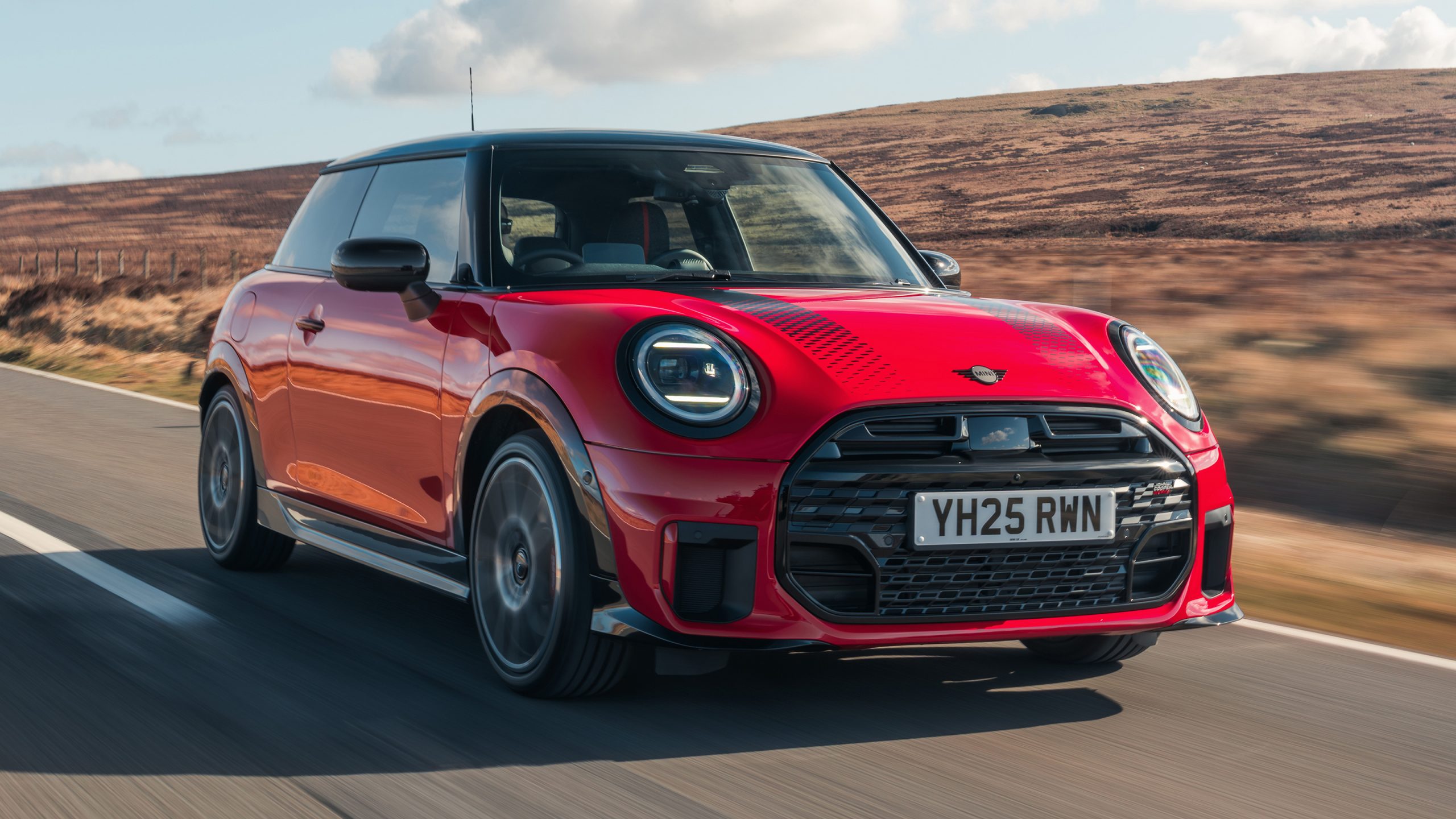
3. 2025 Mini Cooper: Iconic Style Meets Modern Refinement
The 2025 Mini Cooper continues to embody the playful spirit and distinctive design that have defined the brand for decades. With its signature charm, sporty attitude, and updated interior technology, this hatchback remains one of the most characterful small cars on the road.
However, despite improvements in comfort and tech, it still suffers from limited practicality, tight rear seating, and a high price tag that may deter value-focused buyers.
The 2025 Mini Cooper S offers a 6.4-second 0 to 60 mph sprint, delivering lively acceleration that feels right for city and highway driving. However, the car has lost some of its former playfulness. Its handling is less sharp and balanced than before, with reduced grip through corners.
The automatic transmission shifts smoothly but lacks paddle shifters or manual control options, which limits driver engagement. At low speeds, the engine operates quietly and efficiently, though at higher speeds, the Cooper feels less composed, with braking and cornering performance that fall short of hot hatch standards.
Despite its sporty intentions, the Cooper S offers a comfortable and composed ride. The front seats are supportive, providing good back and side bolstering, while the firm suspension keeps body movement in check without being overly stiff.
Larger bumps are noticeable, especially up front, but cabin comfort remains solid. The climate control system is strong and effective, cooling the car quickly, and noise insulation is well executed, keeping wind and road sounds minimal for a compact hatchback.
The refreshed interior design gives the Mini Cooper a futuristic feel. Its circular center screen dominates the dashboard and controls nearly all functions, resulting in a sleek, minimalist look.
While the graphics are sharp and colorful, the system’s reliance on touch inputs makes simple tasks cumbersome. Front-seat occupants enjoy good visibility and headroom, but the rear seats are cramped, suitable mainly for short trips or children.
Technology is a highlight. The infotainment system supports wireless Apple CarPlay and Android Auto, and an available Harman Kardon audio system provides premium sound. Navigation is intuitive and responsive. Safety features such as adaptive cruise control, lane keeping assist, blind-spot monitoring, and a surround-view camera are all available, though turning specific features off requires going through several menus.
Practicality remains limited. The two-door Mini Cooper offers just 13.1 cubic feet of cargo space behind the rear seats, expanding to 40 cubic feet with them folded. Small-item storage is modest, with narrow door pockets and limited cubby space. Installing child seats is challenging due to the small rear door openings.
Fuel efficiency is a strong point, with the Cooper S rated at 32 mpg combined, aligning with real-world results and slightly outperforming some rivals.
Build quality is excellent, featuring premium materials and solid construction. While the Mini costs more than many competitors, its upscale feel, personality, and craftsmanship make it appealing to buyers who value style and refinement over space and performance. The 2025 Mini Cooper remains a fun, well-made hatchback that prioritizes individuality and design flair over practicality.
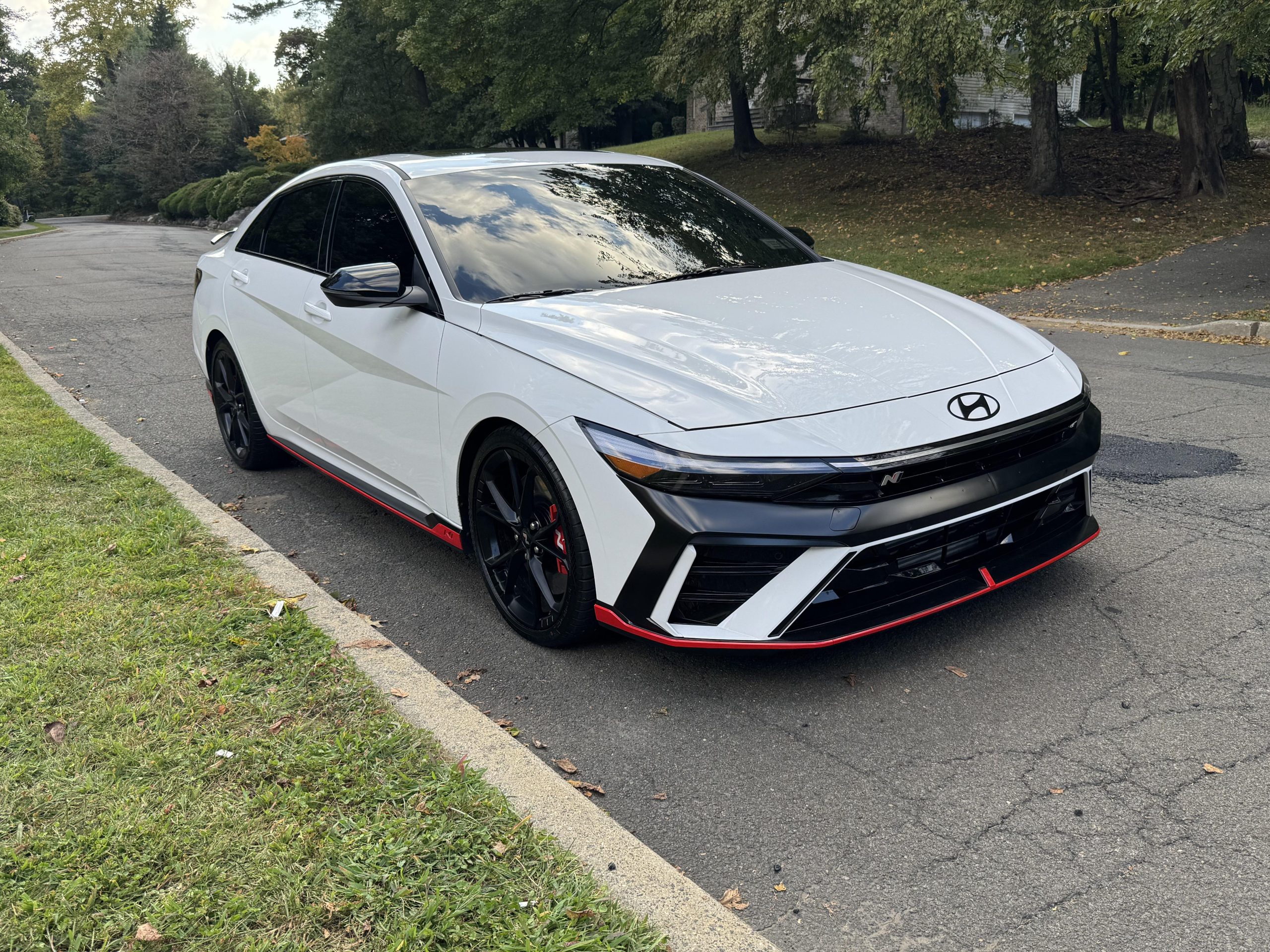
4. 2025 Hyundai Elantra N: Everyday Practicality Meets Track-Ready Performance
The 2025 Hyundai Elantra N delivers a compelling mix of power, precision, and everyday usability. It caters to driving enthusiasts who want thrilling performance without sacrificing comfort or affordability.
With its spacious cabin, strong feature list, and exceptional warranty coverage, the Elantra N remains a standout among performance sedans. Some interior materials and ride comfort issues hold it back slightly, but the car’s driving dynamics more than make up for it.
The Elantra N is one of the best-handling front-wheel-drive cars available today. Its steering is sharp, accurate, and communicative, giving drivers confidence through corners. The suspension tuning keeps the car stable over bumps and delivers excellent grip. Power comes from a turbocharged 2.0-liter engine that offers strong low- and midrange response with minimal torque steer.
Acceleration depends on the transmission choice. The six-speed manual version reaches 60 mph in 6.4 seconds, while the dual-clutch automatic accomplishes it in 5.5 seconds. The manual gearbox isn’t the quickest, but it remains satisfying and easy to use. The automatic transmission shifts smoothly and keeps the engine in its power band, providing quick response for both city and highway driving.
The Elantra N’s sport-tuned suspension gives it excellent body control but also makes for a firmer ride. Over rough pavement, the car can feel stiff, though it becomes composed at higher speeds.
The front sport seats are supportive and well-bolstered, keeping drivers secure during spirited cornering without feeling confining. Wind and road noise are noticeable, especially at highway speeds, but the climate control system is effective and simple to operate.
Inside, the Elantra N provides ample passenger space for a compact sedan. The driving position is easy to adjust, and the pedals are well placed for performance driving. Rear headroom is slightly limited for taller passengers, yet visibility remains good. Hyundai’s decision to keep physical buttons for essential functions is practical, though some could be labeled more clearly.
The infotainment system includes Apple CarPlay, Android Auto, and built-in navigation with responsive voice controls. Safety features such as lane keeping assist, blind-spot monitoring, and forward collision avoidance perform reliably, though adaptive cruise control is not offered.
With 14.2 cubic feet of trunk space, the Elantra N offers a decent amount of cargo room for daily use. A fixed rear chassis brace limits access through the rear seats but enhances body rigidity for better handling. Cabin storage is limited to small bins and narrow door pockets.
Fuel economy sits at 23 to 24 mpg combined, depending on the transmission. In real-world testing, efficiency can reach up to 33 mpg with careful driving.
Value is one of the Elantra N’s strongest traits. It undercuts rivals like the Honda Civic Type R and Volkswagen Golf R while offering Hyundai’s generous 10-year/100,000-mile powertrain warranty and three years of complimentary maintenance. For enthusiasts seeking high performance, practicality, and long-term peace of mind, the 2025 Elantra N is a standout choice.
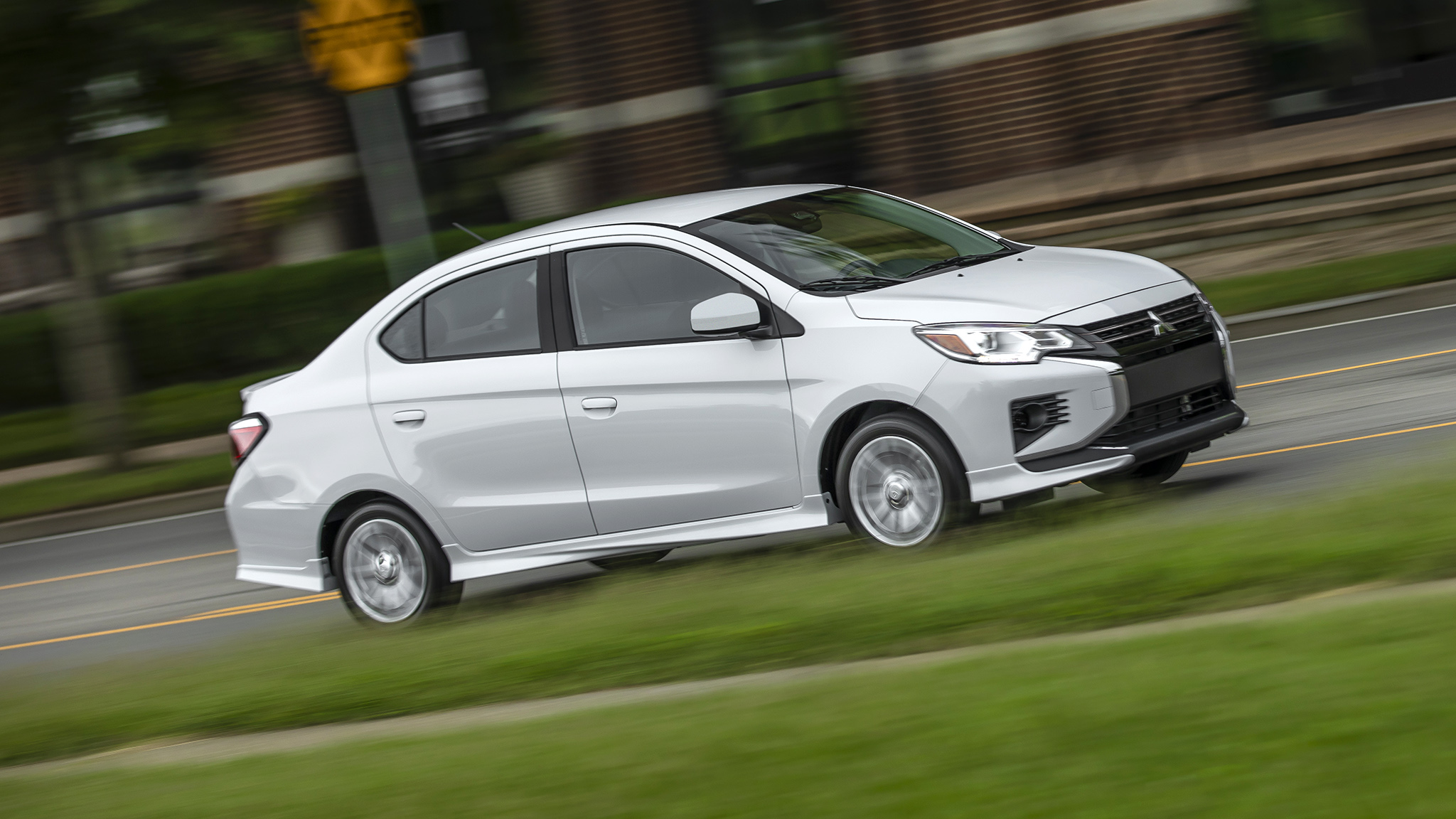
5. 2024 Mitsubishi Mirage: Budget-Friendly Efficiency with Big Cargo Space
The 2024 Mitsubishi Mirage is one of the few remaining subcompact hatchbacks on the market, appealing to buyers who prioritize affordability and fuel efficiency above all else. With a starting price below $20,000, this car offers impressive mileage and a practical cargo area. However, its underpowered engine, dated cabin, and lack of refinement make it a tough sell for anyone seeking comfort or driving excitement.
Power comes from a 1.2-liter three-cylinder engine producing just 78 horsepower, paired with a continuously variable transmission (CVT). Weighing only about 2,100 pounds, the Mirage still struggles to accelerate with confidence.
The 0 to 60 mph sprint takes roughly 11 seconds, and the CVT often keeps the engine at high revs, creating excessive noise without adding much speed. Around town, the Mirage feels sluggish, and highway merging requires patience and planning. Handling is adequate for city streets but lacks stability and precision at higher speeds.
What the Mirage lacks in power, it makes up for in efficiency. The EPA rates it at 36 mpg in the city and 43 mpg on the highway, numbers that few gas-only vehicles can match. For buyers who prioritize low running costs and fuel savings, this level of efficiency is a strong selling point.
Inside, the Mirage reflects its bargain-basement price. The cabin is filled with hard plastics and minimal design flourishes. Seating comfort is basic, with adequate legroom in the front but cramped space in the rear.
The back bench is flat and best suited for short trips or children. Despite the sparse materials, visibility is good, and controls are logically placed. Ride quality is acceptable on smooth surfaces but becomes choppy on rougher roads.
Cargo capacity is one of the Mirage’s stronger features. With 17.1 cubic feet of space behind the rear seats and 47 cubic feet available when the seats are folded, this tiny hatchback offers more room than expected, rivaling larger models in practicality.
Every Mirage includes a 7-inch touchscreen with Apple CarPlay and Android Auto, along with Bluetooth and a four-speaker sound system. The interface is simple, though not particularly fast or advanced.
Safety equipment includes automatic emergency braking with pedestrian detection as standard, while higher trims add lane departure warning and automatic high-beam headlights. More advanced features found in modern rivals are not available.
While the Mirage’s performance and comfort are limited, its value and warranty coverage stand out. Mitsubishi backs the car with a five-year/60,000-mile basic warranty, a 10-year/100,000-mile powertrain warranty, and two years/30,000 miles of free maintenance.
The 2024 Mitsubishi Mirage remains a practical choice for budget-minded shoppers seeking low costs, excellent fuel economy, and generous cargo space. It lacks refinement and performance, but as basic, dependable transportation, it fulfills its mission effectively.
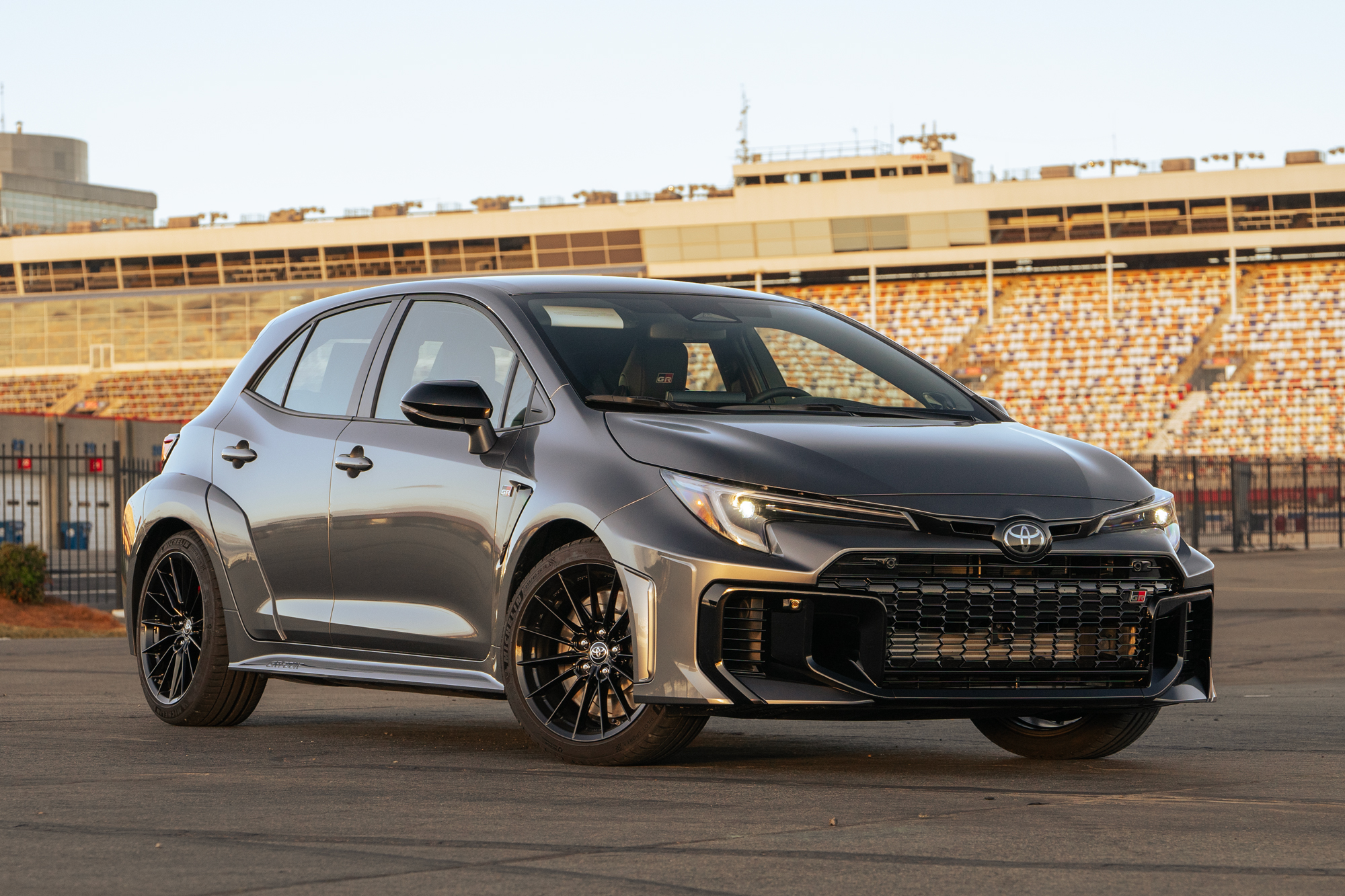
6. 2025 Toyota GR Corolla: Rally-Bred Thrills with Everyday Practicality
The 2025 Toyota GR Corolla brings Toyota’s rally heritage to life in a compact, all-wheel-drive hatchback that balances performance with everyday usability. It features a turbocharged engine, sharp handling, and engaging driving dynamics that appeal to enthusiasts who want excitement in a practical package.
For 2025, Toyota has introduced a new eight-speed automatic transmission, a retuned suspension, and increased torque, all aimed at improving responsiveness and drivability.
The GR Corolla’s 1.6-liter turbocharged three-cylinder engine delivers impressive performance despite its small size. With the six-speed manual transmission, it accelerates from 0 to 60 mph in 5.4 seconds, rivaling the Honda Civic Type R. The gearbox feels direct and satisfying, with short, precise shifts that make every drive engaging.
The standard all-wheel-drive system provides excellent traction, allowing the car to handle corners with remarkable stability and control. Steering feels well-weighted and communicative, while braking performance is strong, bringing the car to a stop from 60 mph in 111 feet. Whether on twisty roads or a racetrack, the GR Corolla feels planted, agile, and confident.
Despite its performance focus, the GR Corolla manages to stay livable for daily driving. The suspension is firm but compliant enough to handle rough pavement without punishing the driver. The front sport seats are supportive and comfortable, keeping occupants secure through tight turns while remaining easy to get in and out of.
Road and tire noise are noticeable, particularly at higher speeds, yet the growl of the turbocharged engine and its distinctive exhaust note will appeal to enthusiasts. The climate control system is effective and helps maintain a pleasant cabin temperature even during spirited drives.
The GR Corolla’s interior takes cues from the standard Corolla Hatchback but adds performance-oriented details such as synthetic suede accents on the steering wheel and shift lever. The cabin feels snug yet functional, with excellent visibility from the driver’s seat.
Rear space is limited, and the Morizo Edition removes the back seats entirely to save weight. Cargo capacity measures 17.8 cubic feet, which is suitable for everyday use but less than some competitors offer.
Technology focuses on simplicity. A touchscreen with Apple CarPlay and Android Auto comes standard, and Toyota Safety Sense 3.0 includes blind-spot monitoring, rear cross-traffic alert, and automatic emergency braking. Adaptive cruise control and lane keeping assistance are available, but they can feel overly cautious.
The GR Corolla achieves 24 mpg combined, which is modest for a compact car but acceptable given its performance focus. Toyota supports the vehicle with a three-year/36,000-mile basic warranty, a six-year/60,000-mile powertrain warranty, and two years of free maintenance.
The 2025 Toyota GR Corolla offers an ideal mix of excitement and practicality. It may not be the most refined hatchback in its class, but it delivers thrilling performance, everyday usability, and genuine character that make it a standout choice for driving enthusiasts.
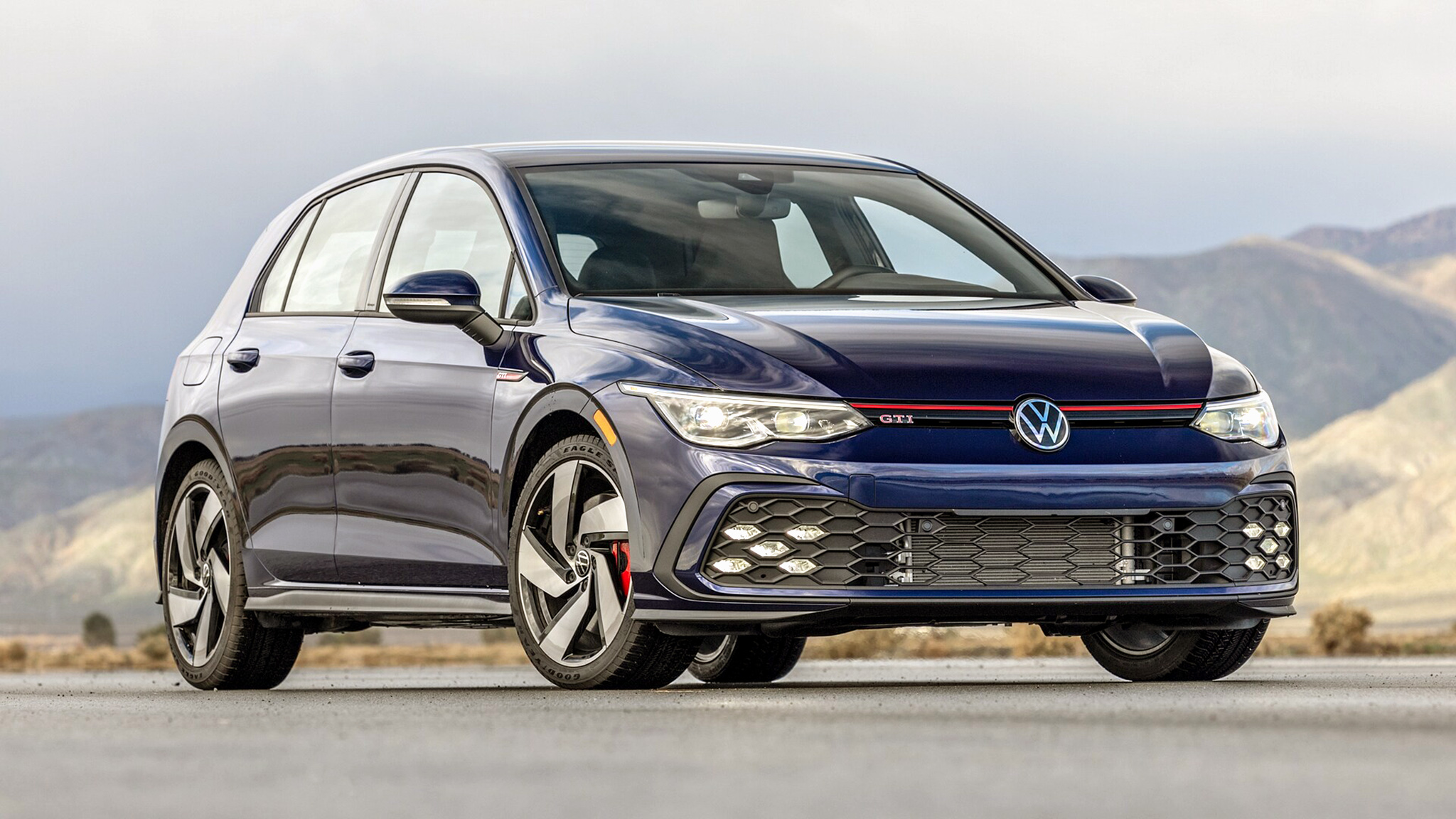
7. 2024 Volkswagen GTI: A Perfect Blend of Fun and Functionality
The 2024 Volkswagen GTI continues to define the hot hatch segment with its mix of driving excitement, practicality, and refinement. It balances daily usability with performance in a way few cars can, offering sharp handling, brisk acceleration, and impressive cargo space.
With 19.9 cubic feet of storage behind the rear seats and 34.5 cubic feet when folded, it stands out as one of the most versatile sporty hatchbacks available today. Though its high starting price and frustrating touch controls may detract from the experience, the GTI remains an enthusiast favorite.
Under the hood, the GTI’s turbocharged engine delivers responsive power and quick acceleration. The dual-clutch automatic version sprints from 0 to 60 mph in 5.9 seconds, while the manual transmission takes 6.5 seconds.
Both gearboxes are engaging, with the dual-clutch offering smooth operation in traffic and the manual providing more involvement on winding roads. Braking performance is excellent, stopping from 60 mph in just 103 feet, and the GTI’s handling precision sets a high standard for front-wheel-drive cars. The steering feels tight and communicative, making this hatchback both lively and confident in corners.
The GTI is known for its balanced ride, offering a comfortable experience without sacrificing sportiness. Models equipped with adaptive suspension allow drivers to switch between Comfort and Sport modes, providing flexibility for city commuting or spirited drives.
The supportive seats and available three-zone climate control enhance comfort, but the capacitive touch controls for temperature adjustment are cumbersome and often distract from driving.
The interior combines practicality with a modern, driver-focused layout. Visibility is strong, and seating adjustments make it easy to find the right driving position. The cabin offers generous space for front passengers and decent room in the back, although taller occupants may find legroom tight.
Unfortunately, Volkswagen’s touch-sensitive controls extend beyond the climate system to the steering wheel and lighting functions, making them overly sensitive and frustrating in use.
The infotainment touchscreen looks sleek and supports wireless Apple CarPlay and Android Auto, though it can lag occasionally. Voice commands are impressively capable, responding to conversational phrases like “my feet are cold.” The suite of driver aids, including adaptive cruise control, lane-keeping assist, and blind-spot warning, operates smoothly and intuitively.
Practicality is one of the GTI’s strongest points. The wide hatch opening and nearly flat-folding seats make it easy to haul gear or groceries. Small-item storage is plentiful, though the cupholders are oddly placed. Fuel economy is solid for a performance hatch, with an EPA estimate of 27 mpg combined and an observed 30.8 mpg in real-world testing.
The GTI costs more than some rivals, but its upscale materials, engaging drive, and long list of features justify the price. Volkswagen backs it with a four-year/50,000-mile warranty and two years of free maintenance, reinforcing its reputation as a well-rounded and rewarding choice for those who want both practicality and performance.
Also Read: 10 Cars With Window Regulators That Don’t Fail Every Winter
8. 2025 Mazda3: Upscale Design Meets Sporty Performance
The 2025 Mazda3 continues to impress with its mix of premium styling, agile handling, and refined interior quality. Known for offering a luxury feel at an accessible price, the Mazda3 stands out among compact hatchbacks.
It delivers a smooth ride, precise steering, and a cabin that rivals higher-end vehicles. Though the rear seat is tighter than in some competitors, the hatchback maintains a strong balance of sophistication, practicality, and fun.
With 20.1 cubic feet of cargo space behind the rear seats and 47.1 cubic feet with them folded, the Mazda3 ranks among the most spacious models in its class. This flexibility makes it ideal for both daily driving and weekend trips. For 2025, Mazda adds a built-in Amazon Alexa for enhanced convenience, while the base trim now comes as a hatchback, lowering the cost of entry for this stylish model.
Mazda’s focus on driving enjoyment shines in the 2025 Mazda3. The steering feels sharp and direct, giving the car a strong sense of control whether tackling tight city corners or cruising on the highway. The suspension achieves a fine balance between comfort and sportiness, softening bumps while maintaining excellent composure through turns.
Engine choices include a smooth and efficient four-cylinder as well as a turbocharged option that provides quick acceleration and confident passing power. Drivers who enjoy a responsive and connected driving feel will appreciate how well the Mazda3 performs compared with others in its class.
Inside, the Mazda3 features one of the most refined interiors in the compact segment. The minimalist design uses high-quality materials and precise craftsmanship to create a clean, upscale atmosphere. The front seats offer excellent comfort and support on long drives, while the rear seats are slightly tight for taller passengers. Visibility is good from all angles, and the hatchback layout makes entry and exit easy.
The infotainment system is centered around a large display and now integrates Amazon Alexa voice control, allowing drivers to manage navigation, entertainment, and smart-home functions through simple commands.
The Mazda3 delivers strong fuel efficiency across its lineup, appealing to those who want performance without excessive fuel costs. With its combination of reliability, elegant styling, and dynamic handling, the 2025 Mazda3 continues to set the standard for compact hatchbacks that offer both everyday practicality and genuine driving pleasure.
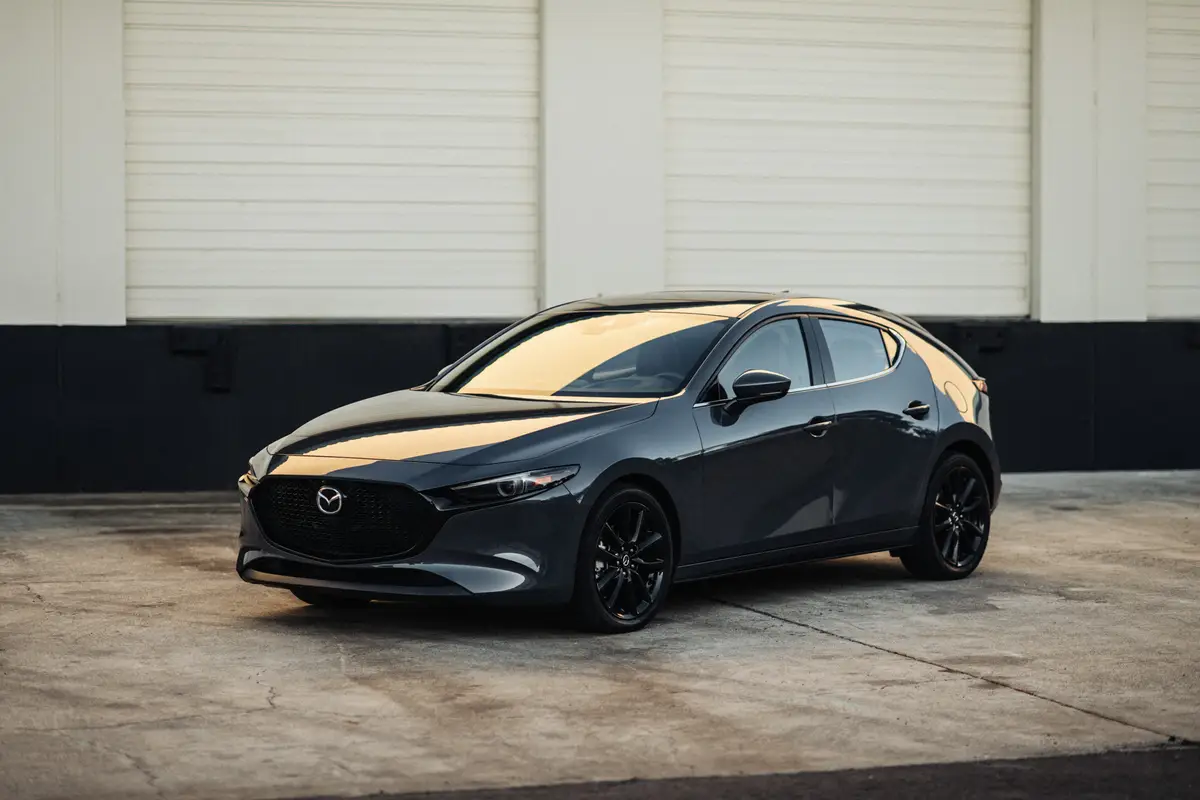
9. 2025 Subaru Impreza: Practicality and All-Weather Confidence
The 2025 Subaru Impreza continues to be a dependable choice for those who prioritize utility and year-round capability. Standard all-wheel drive sets it apart from most compact hatchbacks, giving it a clear advantage in rough weather and on slick roads. While its base engine lacks excitement, the Impreza makes up for it with strong practicality, a spacious interior, and an easy-to-use infotainment system.
The hatchback offers 20.4 cubic feet of cargo space behind the rear seats and an impressive 56 cubic feet when they are folded down, giving it the largest storage capacity in its class. For drivers who value space and confidence in all conditions, the Impreza remains a smart and capable pick.
The Impreza’s new RS trim introduces a slightly stronger engine, though it still trails some rivals in speed. It takes about 8.4 seconds to reach 60 mph, which is slower than competitors like the Honda Civic and Mazda3. The continuously variable transmission (CVT) is responsive enough for city driving but feels sluggish during highway merges or passes.
Handling is stable and predictable rather than sporty. The car maintains control through corners with minimal body roll, and the steering is light and precise, making it easy to maneuver in tight spaces. The Impreza’s strength lies in its balanced nature rather than performance thrills.
Comfort is a standout feature for this hatchback. The front seats are supportive and soft, and even the rear seats offer decent comfort for longer trips.
Ride quality is smooth, absorbing bumps without much harshness, though the engine gets noisy under hard acceleration. The cabin remains quiet otherwise, and the dual-zone climate control adds convenience. However, the lack of rear air vents may disappoint some passengers.
Inside, the Impreza is roomy, offering generous headroom and legroom in both rows. Visibility is excellent thanks to a low hood and large windows. The available 11.6-inch infotainment display is easy to use and supports both Apple CarPlay and Android Auto (wirelessly on higher trims).
The Impreza’s cargo area is among the best in the segment, and interior storage options are practical, with well-sized door pockets and small bins for essentials. Fuel economy is respectable at 30 mpg combined for the base engine and 29 mpg for the RS.
With standard AWD, generous space, and a strong set of safety features, the 2025 Subaru Impreza stands out as a value-packed and versatile hatchback, even if it lacks the polish and punch of sportier rivals.
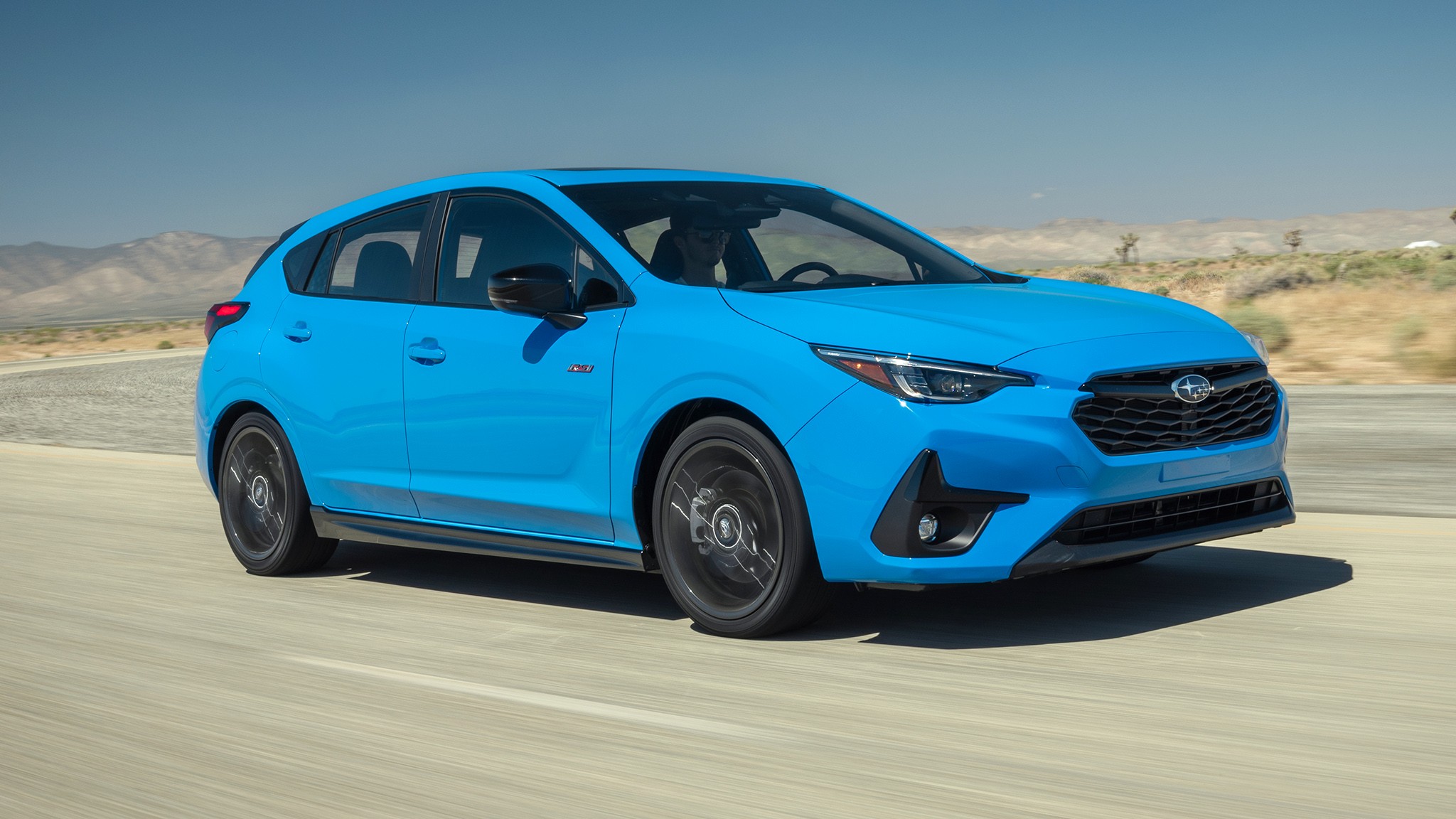
10. 2025 Honda Civic Type R: The Perfect Blend of Power and Practicality
The 2025 Honda Civic Type R sets a high standard for hatchbacks that balance thrilling performance with everyday usability. With sharp handling, a powerful turbocharged engine, and precise steering, it delivers an engaging driving experience few rivals can match.
Despite its track-ready focus, the Type R remains comfortable and functional, making it equally at home on winding roads and city streets. It’s 24.5 cubic feet of cargo space make it the most spacious hatchback in its class, surpassing the Toyota GR Corolla and Volkswagen Golf R.
The Civic Type R’s performance is both powerful and refined. Its turbocharged engine enables it to accelerate from 0 to 60 mph in just 5.5 seconds, ahead of competitors like the Hyundai Elantra N and only slightly behind all-wheel-drive models. Braking performance is equally strong, stopping from 60 mph in 108 feet, while its 1.07 g skidpad rating reflects exceptional cornering grip.
The Type R’s strength lies in its responsiveness and balance. Steering is direct and communicative, gear shifts feel crisp, and each control point responds instantly. Whether taking on sharp turns or daily commutes, it delivers a level of precision and confidence rarely found in this price range.
The Civic Type R pairs its sporty attitude with surprising comfort. The adaptive suspension’s Comfort mode helps absorb bumps and imperfections, maintaining composure even on rough pavement. The sport seats are both supportive and comfortable, providing a secure fit for spirited driving while remaining pleasant during longer trips.
Inside, the cabin combines functionality with racing-inspired details such as red carpeting, aluminum accents, and Type R badging. The driver’s seating position is excellent, with a low stance and adjustable controls that promote a sense of connection. Rear passengers enjoy good legroom, though the absence of a center armrest and rear air vents is noticeable.
A high-mounted touchscreen with responsive menus complements standard wireless Apple CarPlay and Android Auto. The Bose sound system provides impressive clarity, and safety features like blind-spot warning and lane-keeping assistance enhance convenience without dulling the driving excitement.
Practicality remains a standout trait. The 24.5-cubic-foot cargo area easily fits luggage, groceries, or gear, while multiple storage compartments make organizing small items simple.
Fuel efficiency is solid for its performance category, delivering 27.6 mpg during testing. Although priced higher than a standard Civic, the 2025 Civic Type R justifies its cost with its mix of precision, comfort, and everyday usability, making it one of the most compelling performance hatchbacks on the market.
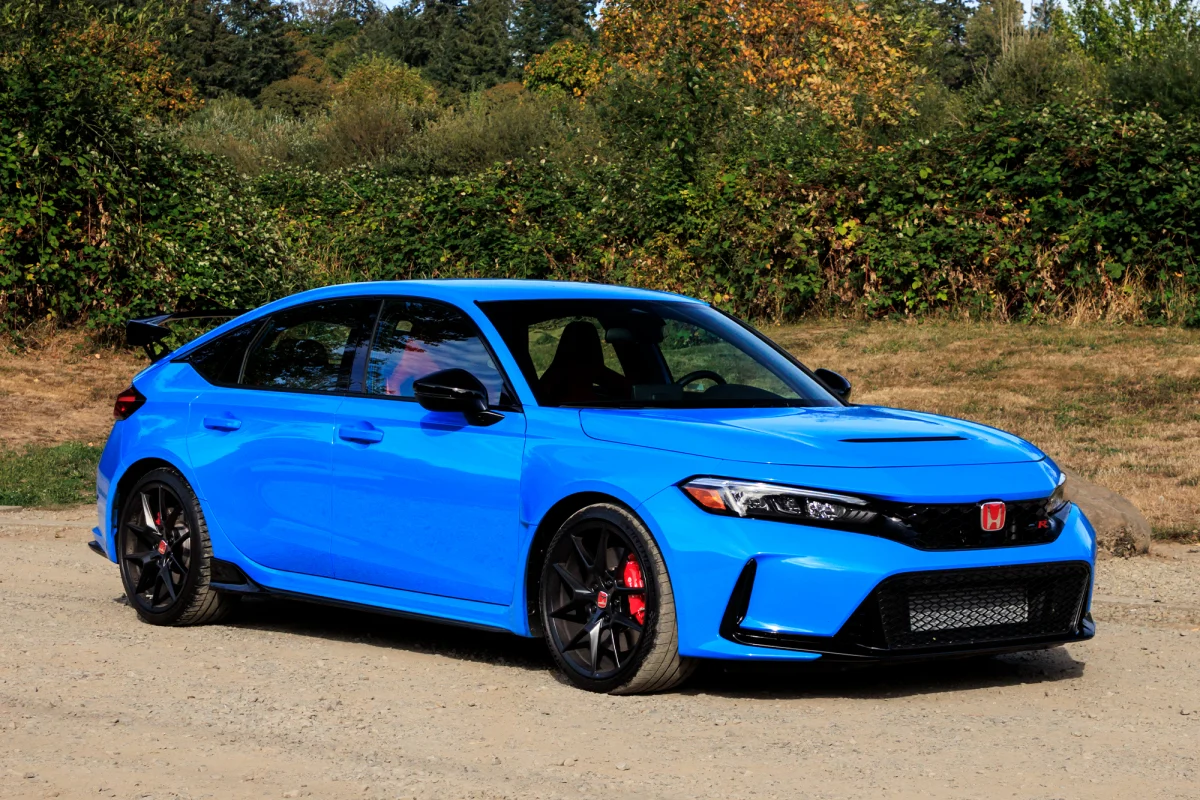
11. 2025 Kia Soul: Funky Style Meets Everyday Practicality
The 2025 Kia Soul continues to stand out with its bold design and versatile character. Its boxy shape provides SUV-like headroom and an elevated driving position, making it appealing to drivers who want practicality without committing to a full crossover.
Beyond its distinctive looks, the Soul offers a comfortable interior, solid handling, and exceptional value backed by Kia’s class-leading 5-year/60,000-mile basic warranty and 10-year/100,000-mile powertrain warranty.
The Soul’s 2.0-liter four-cylinder engine delivers modest power but feels lively in city driving. It accelerates from 0 to 60 mph in 8.5 seconds, a respectable figure for its class. Steering is responsive and well-weighted, giving the Soul confident handling that rivals sportier models like the Mazda CX-30 and Mini Countryman.
The suspension keeps the ride firm yet composed, handling bumps and uneven pavement with ease. While all-wheel drive isn’t available, the front-wheel-drive setup feels stable and secure in most driving situations.
Visibility is excellent thanks to tall windows and the upright seating position. Even though it lacks a surround-view camera, its driver assistance systems, including lane-keeping assist and forward collision warning, perform accurately without unnecessary alerts.
Inside, the Soul emphasizes comfort and simplicity. The upright design creates a spacious cabin with generous headroom and legroom for both rows. The front seats are supportive for long drives, and the wide door openings make entry and exit easy.
Four adults can travel comfortably, though installing child seats can be a challenge due to recessed anchors. Wind and tire noise are noticeable at higher speeds, but the cabin remains calm enough for relaxed cruising.
The interior materials are durable and thoughtfully arranged, with synthetic leather on the door armrests and textured panels adding visual interest.
Technology is a strong point for the Kia Soul. Most trims feature a 10.25-inch touchscreen with navigation, Apple CarPlay, and Android Auto. The system’s layout could be more modern, but it functions reliably. The available Harman Kardon sound system enhances the driving experience with rich audio quality.
Cargo capacity is another advantage. With 24.2 cubic feet of space, the Soul’s deep cargo well outperforms many small SUVs. The seats fold for added versatility, though the load floor isn’t completely flat. Multiple small bins and cupholders provide plenty of space for personal items.
Fuel economy is rated at 30–31 mpg combined, competitive for the class. The Kia Soul also delivers excellent value, offering an upscale feel and generous features at an affordable price. Its quirky style, roomy interior, and impressive warranty make it one of the most distinctive and practical subcompact SUVs on the market.
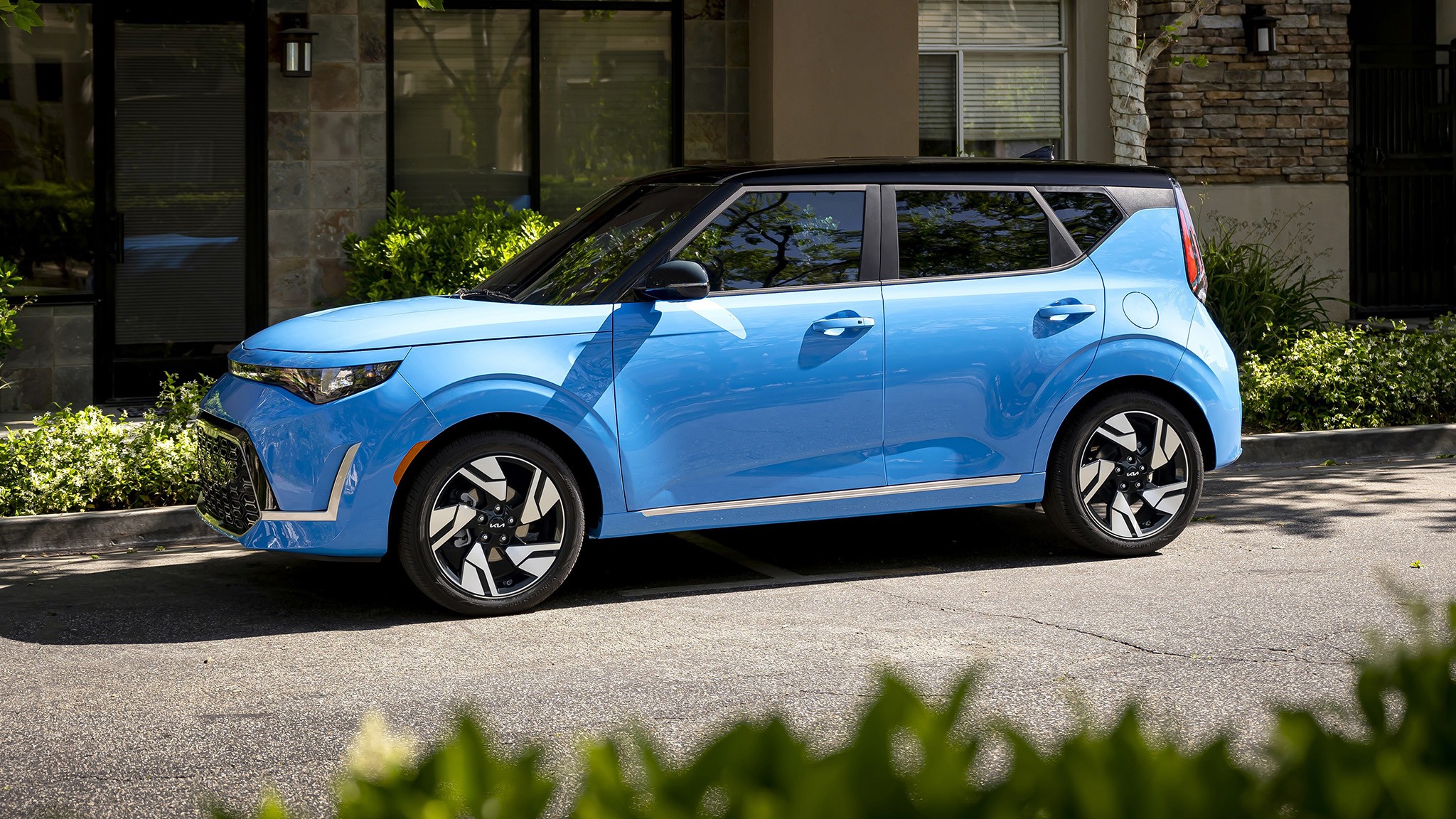
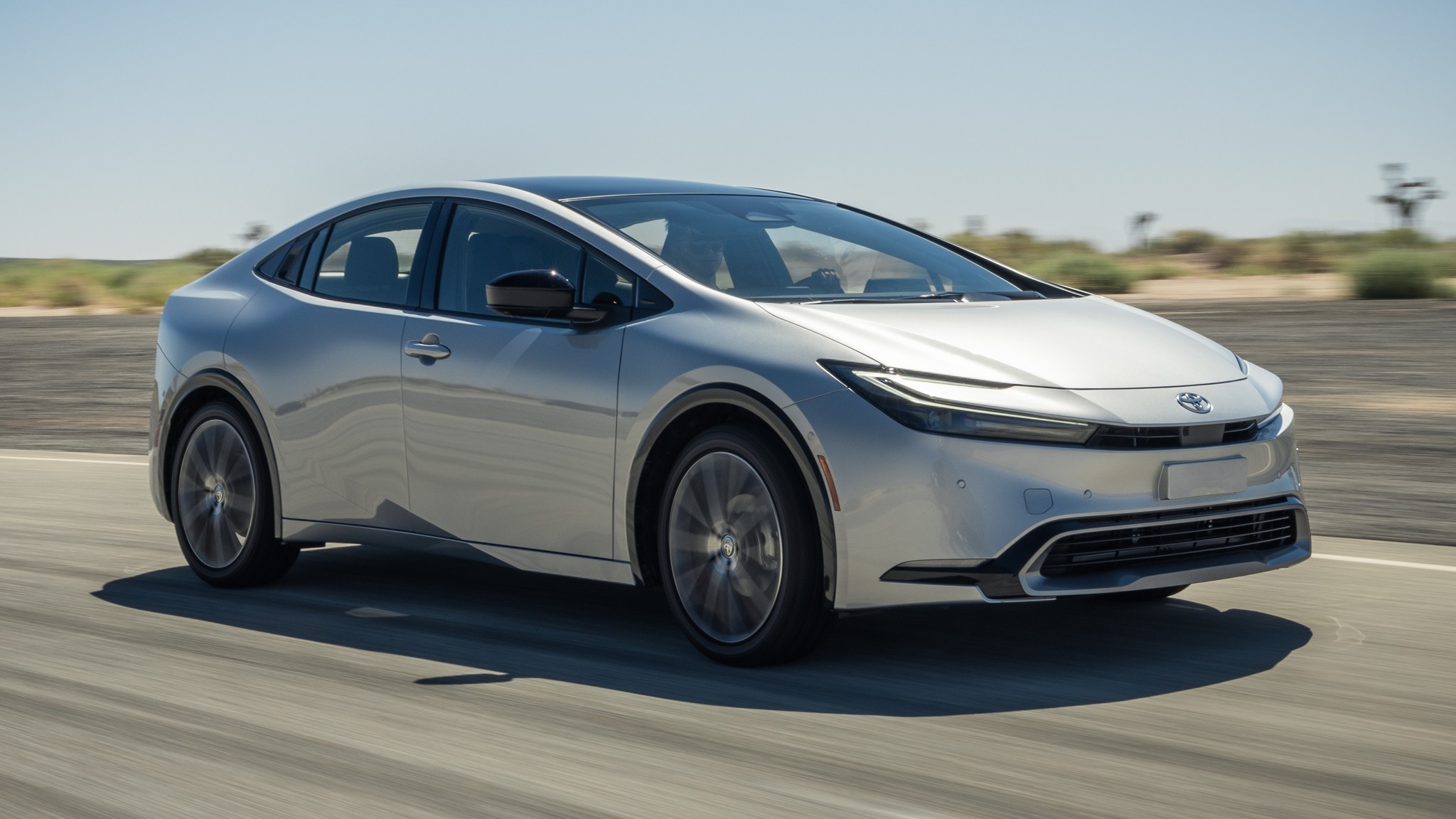
12. 2025 Toyota Prius: Efficiency Meets Modern Refinement
The 2025 Toyota Prius continues to uphold its reputation as the symbol of hybrid efficiency while introducing a sharper design and improved performance. Its aerodynamic profile maximizes fuel economy while offering a roomy, hatchback-style cabin that blends practicality with futuristic appeal.
With combined fuel economy figures exceeding 50 mpg, the Prius remains a leader for drivers seeking a balance between sustainability, comfort, and technology.
The Prius feels more energetic than ever, with a front-wheel-drive model reaching 0 to 60 mph in 7.7 seconds. This makes it quicker than rivals such as the Kia Niro, though slightly behind the Honda Civic Hybrid.
The hybrid system transitions smoothly between electric and gasoline power, delivering quiet and composed performance in both city and highway driving. Handling is stable and predictable, though the economy-focused tires limit grip when cornering.
Driver assistance features perform reliably. The lane-keeping assist and adaptive cruise control operate naturally, while Toyota’s Proactive Driving Assist gently adjusts speed to help drivers anticipate changing traffic conditions. Rear visibility is somewhat restricted due to the sloped rear window, but the Prius remains secure and confidence-inspiring on the road.
Inside, the front seats provide strong support and remain comfortable during long drives. Rear-seat passengers have good legroom, although the sloping roofline reduces headroom for taller occupants. Road and wind noise can be noticeable, especially during acceleration, and the single-zone climate control system may feel limited for some passengers.
The dashboard layout is simple and functional, but the digital driver display can be difficult to read when the steering wheel blocks part of it. The display also feels cluttered with too much information. Cabin materials have improved, with more soft-touch areas, although some hard plastics are still present.
The 12.3-inch touchscreen on higher trims uses Toyota’s latest multimedia system, which includes Google-based navigation, wireless Apple CarPlay, and Android Auto. Wireless charging is available, but it can cause devices to heat up after long use. Several USB-C ports are placed throughout the cabin for convenience.
Cargo space measures 20.3 cubic feet, offering more room than most sedans but less than the Kia Niro. The hatchback layout makes it easy to load and unload larger items. Small-item storage is practical, with a deep center console, a rubberized shelf under the dash, and oversized cupholders.
Fuel economy continues to define the Prius. The base LE trim achieves 57 mpg combined, while higher trims average 52 mpg. Real-world testing results closely match these estimates.
Toyota’s hybrid warranty coverage provides additional confidence with up to 10 years or 150,000 miles for the battery. Although top trims raise the price closer to hybrid SUVs, the 2025 Prius distinguishes itself through its combination of sleek design, modern technology, and outstanding fuel efficiency, making it an excellent choice for eco-conscious drivers.
As this list of “12 Hatchbacks That Offer More Space Than SUVs” shows, bigger is not always better. The newest generation of hatchbacks provides impressive versatility, ample cargo capacity, and engaging performance that often surpasses what many compact SUVs can deliver.
From the affordable 2024 Mitsubishi Mirage to the high-performance 2025 Toyota GR Corolla and refined 2025 Toyota Prius, each model showcases how this segment adapts to different lifestyles without giving up practicality.
These cars prove that you can enjoy plenty of room for passengers and luggage while benefiting from responsive handling, excellent fuel economy, and easy maneuverability.
In a market dominated by SUVs, these hatchbacks remind drivers that smart design and thoughtful engineering can offer the best combination of utility and enjoyment. For anyone seeking the ideal balance of space, style, and everyday usability, these twelve hatchbacks are strong alternatives to larger vehicles.
Also Read: 5 Cars That Stay Beautiful Over Time vs 5 That Age Ugly