Technology has become a defining part of the driving experience, and a vehicle’s infotainment system now plays a central role in how drivers connect, navigate, and stay entertained.
The most effective systems combine clarity, responsiveness, and ease of use, ensuring that every function feels natural rather than distracting. “10 Cars With the Most Intuitive Infotainment Systems” highlights vehicles that excel in these areas by integrating advanced technology with driver-focused design.
Whether it is Kia’s voice-controlled assistant, Jeep’s versatile Uconnect interface, or Audi’s sleek digital cockpit, each model offers a seamless balance between innovation and simplicity. These vehicles prove that advanced features do not have to be overwhelming when executed thoughtfully.
From family vehicles to high-end luxury models, they demonstrate how intuitive design and smart engineering can transform infotainment into a true extension of the driving experience, enhancing both comfort and control on every trip.
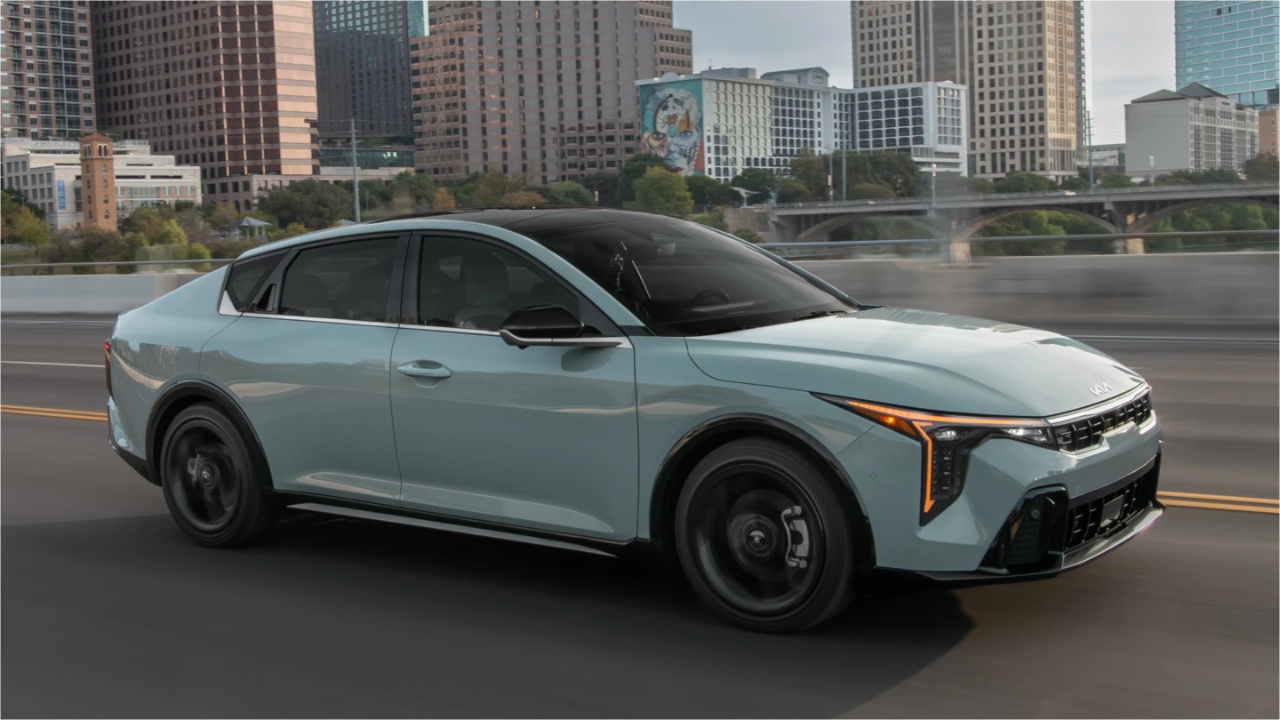
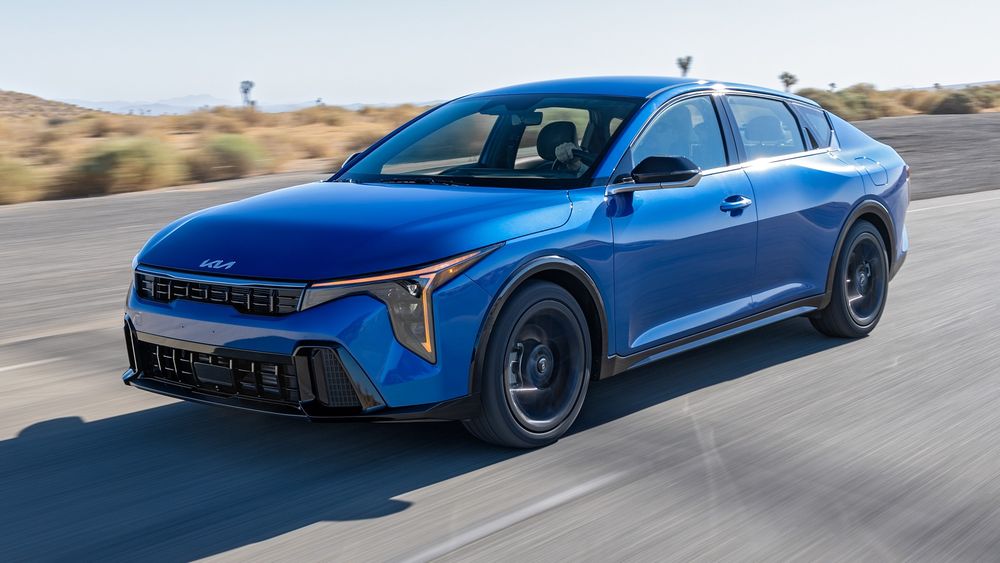
1. 2025 Kia K4: A Stylish, Tech-Savvy Compact Sedan
The 2025 Kia K4 marks the debut of a new compact sedan that blends elegant design, advanced technology, and impressive practicality. With high scores for Infotainment (9.3/10) and Interior (8.3/10), the K4 stands out as one of the most modern and comfortable vehicles in its class. While it may not deliver thrilling performance, it distinguishes itself with intuitive systems, an upscale cabin, and excellent value.
Kia has equipped the K4 with one of the best infotainment systems among compact cars. Standard features include a 12.3-inch touchscreen, wireless Android Auto and Apple CarPlay, and a four-speaker audio system. Optional features add navigation and an eight-speaker Harman Kardon stereo.
The system’s layout is simple and well-organized, allowing most functions to be accessed within a few taps. Essential controls are managed by physical buttons, making it easy to adjust settings while driving. The K4 also includes an AI-powered voice assistant that recognizes natural speech and can even suggest activities or places to visit, enhancing convenience and driver engagement.
The K4 is available with two four-cylinder engines, including a 190-horsepower turbocharged engine in the GT-Line Turbo trim. This version reaches 60 mph in 7.3 seconds, which is respectable for a small sedan. However, the engine response can feel sluggish, particularly from a stop, and the base engine struggles during highway merges or overtaking.
The brakes offer smooth and confident stopping power, and the steering is light but lacks road feedback. The sport suspension in the GT-Line Turbo delivers controlled handling but can feel stiff on rough pavement. Despite this, the K4 provides a secure and composed ride. Visibility is excellent, aided by advanced driver-assistance systems and a high-definition surround-view camera that makes parking and city driving easier.
Inside the cabin, the K4 offers a thoughtful control layout with a high-quality finish. The large touchscreen is within comfortable reach, and physical buttons for key functions enhance usability. One drawback is the small climate control display, which can be partially obscured by the steering wheel, though redundant buttons for temperature and fan speed help reduce inconvenience.
The K4 provides impressive space for passengers, with ample legroom and headroom even for taller occupants. Large door openings make entry and exit simple, and accessible LATCH anchors make installing child safety seats easier than in many competitors. The K4’s interior feels spacious, refined, and well-suited for daily family use.
The sedan version of the K4 features 14.6 cubic feet of trunk space and a wide cargo opening that simplifies loading larger items. Rear seatbacks can be released from the trunk for added practicality. Inside, the large cupholders can accommodate oversized bottles, and the center console provides adaptable storage. A hatchback variant is expected to offer even greater cargo flexibility.
Value is one of the K4’s strongest advantages. Even the base model includes a 12.3-inch touchscreen that surpasses many optional systems in competitors like the Honda Civic and Toyota Corolla. The GT-Line Turbo trim enhances the sense of luxury with ventilated front seats, premium materials, and advanced camera features that are uncommon in compact sedans.
Fuel economy for the base engine is 34 mpg combined, while the turbocharged version achieves 29 mpg combined. These figures are competitive but do not match the efficiency of hybrid rivals. Kia’s five-year/60,000-mile basic warranty and 10-year/100,000-mile powertrain warranty further strengthen the K4’s value proposition.
The K4’s exterior styling is bold and expressive, featuring distinctive body lines and a sleek profile that differentiates it from typical sedans. Inside, it continues this theme with unique color options and an elegant design that gives the cabin a premium atmosphere uncommon at this price point.
The 2025 Kia K4 may not be the most dynamic sedan to drive, but it excels in technology, comfort, practicality, and design. With its class-leading infotainment system, spacious interior, and strong value, the K4 brings freshness and personality to the compact sedan segment, setting a new benchmark for style and usability in its class.
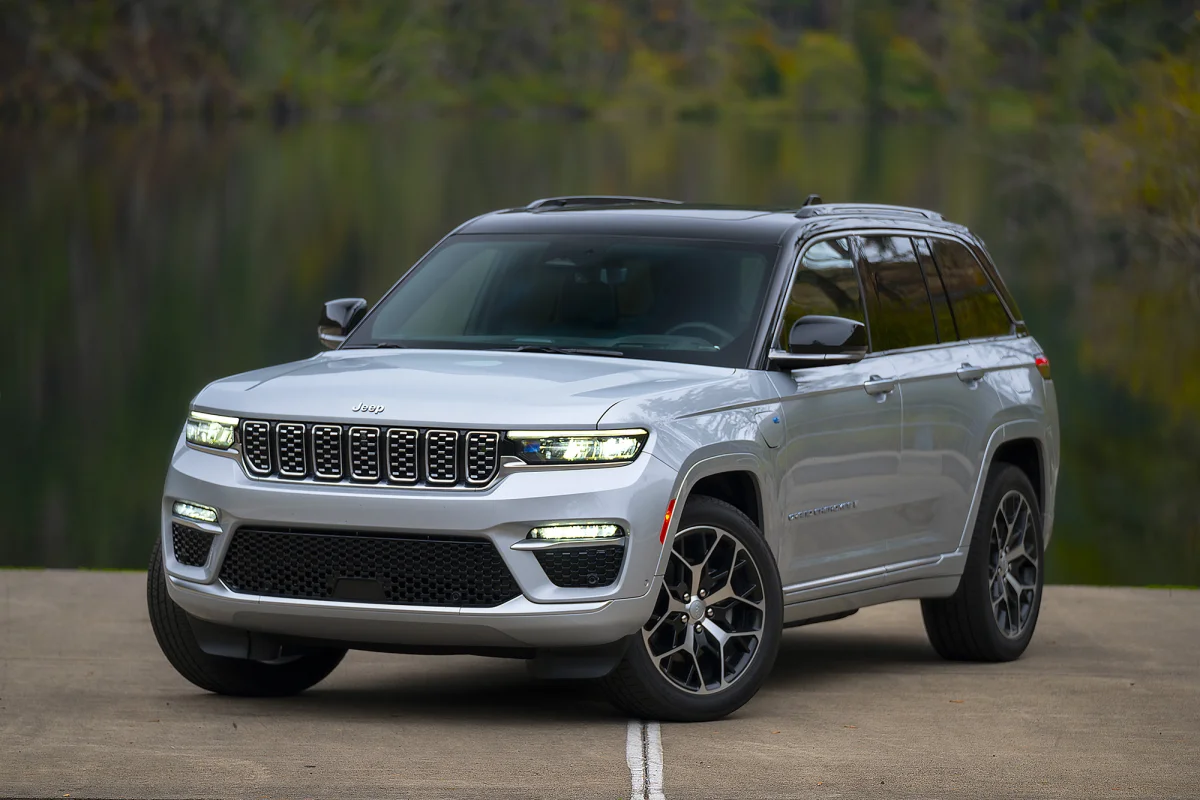
2. 2025 Jeep Grand Cherokee 4xe: High-Tech Power with Rugged Capability
The 2025 Jeep Grand Cherokee 4xe brings plug-in hybrid technology to one of Jeep’s most established SUVs, combining advanced infotainment, strong performance, and genuine off-road ability. With an Infotainment Score of 9.3/10 and an Interior Score of 7.2/10, it delivers a modern and connected driving experience, although its hybrid system and ride quality could use refinement.
Technology is the Grand Cherokee 4xe’s strongest suit. The SUV features Jeep’s 10.1-inch Uconnect 5 touchscreen, praised for its responsive interface, sharp graphics, and easy-to-navigate menus. Standard tech includes wireless Apple CarPlay and Android Auto, navigation, Amazon Alexa, Wi-Fi hotspot, and voice recognition.
Higher trims add a 19-speaker McIntosh premium sound system, offering exceptional audio clarity. A 10.25-inch digital instrument cluster complements the setup, allowing for a customizable driving display.
Despite its excellent layout, the screen’s angle can catch glare in direct sunlight, and wireless phone connectivity occasionally drops. However, the abundance of USB ports (up to 12) provides excellent device support.
Safety and driver assistance are comprehensive, including adaptive cruise control, lane-keeping assist, and forward collision warning, though testers noted inconsistent responses and occasional false alerts.
The Grand Cherokee 4xe delivers both power and efficiency. Its turbocharged four-cylinder engine, paired with electric motors, produces impressive combined output. The SUV accelerates from 0 to 60 mph in 5.5 seconds, outpacing the V6 version by a wide margin. Despite this, the hybrid system lacks smooth coordination between gas and electric power, especially in stop-and-go traffic, where transitions can feel jerky.
Handling is steady, but the vehicle’s hefty weight becomes noticeable in corners. Still, the 4xe maintains Jeep’s signature off-road capability, performing well on rough terrain with excellent traction and torque control. The only limitation comes from inconsistent throttle response during technical maneuvers.
Inside, the Grand Cherokee 4xe balances functionality and sophistication. Seating is spacious, with enough legroom for adults up to six feet tall. The second-row seats recline, and the wide door openings make entry and exit easy.
However, rear seat comfort is slightly compromised by thinner cushions due to the battery placement beneath the seats. The added weight from hybrid components also makes the ride a bit firmer than in the standard Grand Cherokee.
The climate control system effectively maintains cabin temperature but lacks strong airflow at higher speeds. The hybrid powertrain provides quieter operation in electric-only mode, though road noise is still audible on highways. Visibility is affected by large front pillars and side mirrors, making the optional surround-view camera a valuable addition.
Cargo capacity remains strong, with 37.7 cubic feet of space behind the rear seats, identical to the gasoline model. The battery’s placement under the rear seat allows the full cargo area to remain available.
Rear seats fold flat for transporting large items, though the high load floor can make lifting heavier objects challenging. Cabin storage is generous, with ample cupholders and deep center bins. The 4xe’s 6,000-pound towing capacity gives it an advantage over many plug-in rivals.
Efficiency is moderate for a plug-in hybrid SUV. The 4xe delivers about 25 miles of electric range and an EPA-estimated 23 mpg combined once the battery is depleted. Real-world tests recorded around 22 mpg and 20 miles of electric driving, which are acceptable given its power output but below the segment’s most efficient competitors.
While pricing is higher than the gas-only Grand Cherokee, the 4xe adds distinctive technology, premium features, and electric driving capability. Its average warranty coverage and higher cost may deter some buyers, but its mix of strength, sophistication, and hybrid innovation appeals to those seeking adventure with modern refinement.
The 2025 Jeep Grand Cherokee 4xe delivers a blend of power, luxury, and technology rarely found in plug-in SUVs. It accelerates quickly, offers a rich suite of features, and retains genuine off-road ability. However, its firm ride, hybrid roughness, and premium price limit its appeal for comfort-focused buyers. The 4xe stands out as a bold choice for drivers who value innovation and capability in equal measure.
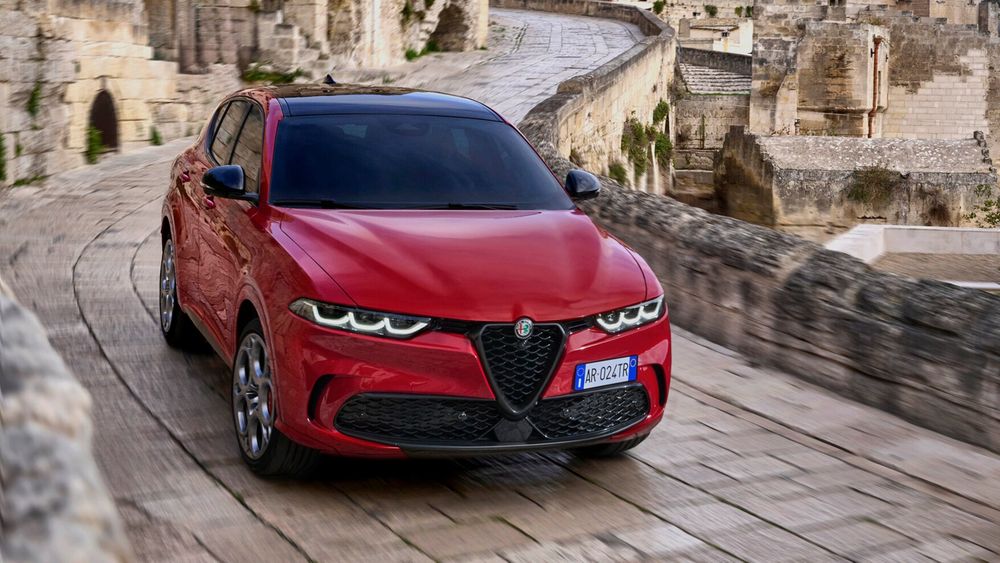
3. 2025 Alfa Romeo Tonale: Stylish Performance Meets Plug-In Efficiency
The 2025 Alfa Romeo Tonale combines Italian design, advanced technology, and spirited performance in a luxury plug-in hybrid SUV. With an Infotainment Score of 9.2/10 and an Interior Score of 7.9/10, it delivers a blend of sophistication and driving enjoyment that makes it stand out in the compact SUV class.
The Tonale offers impressive plug-in efficiency, refined craftsmanship, and dynamic handling that cater to drivers who value both excitement and practicality.
Technology defines the Tonale’s identity. Every trim includes a 12.3-inch digital gauge cluster and a 10.25-inch touchscreen, both highly customizable with up to five driver profiles.
This feature allows multiple users to save preferences for navigation, seat positions, and display layouts. Standard equipment includes wireless Apple CarPlay, Android Auto, Amazon Alexa, navigation, and wireless charging. A Harman Kardon premium audio system is available for enhanced sound quality.
The infotainment system offers clear menus and sharp graphics, though some icons are small and screen transitions can occasionally lag. Wireless phone connectivity is reliable, but the charging pad sometimes struggles to maintain a steady connection.
Standard driver-assistance features include adaptive cruise control, automatic emergency braking, and lane-keeping assist, though the lane feature disengages sooner than expected during longer drives.
The Tonale upholds Alfa Romeo’s reputation for dynamic performance. Its plug-in hybrid setup combines a turbocharged engine with electric motors, producing quick acceleration and seamless power delivery. In testing, it reached 0–60 mph in 5.8 seconds, ranking among the quickest in its class. The steering is precise, and the chassis delivers strong grip and balance, encouraging spirited driving on twisty roads.
Drivers can use electric-only mode for up to 33 miles, ideal for short daily trips without consuming fuel. Once the battery depletes, the Tonale transitions to hybrid mode efficiently, returning 33 mpg combined and achieving impressive fuel savings in mixed driving. Charging takes just a few hours with a 240-volt outlet, but the small 11.2-gallon fuel tank limits range during long journeys.
Inside, the Tonale emphasizes sporty comfort. The front seats are well-bolstered and available with heating and ventilation, while the rear seats offer reasonable room for adults. Materials such as leather, suede, and metallic accents give the cabin a premium atmosphere, though taller drivers may find the driving position slightly high. The large aluminum paddle shifters add a tactile and performance-oriented touch.
Cargo capacity stands at 22.9 cubic feet, sufficient for daily errands but smaller than some boxier competitors. The cabin provides useful storage with deep bins, large cupholders, and a front tray. Child-seat installation is simple thanks to accessible LATCH anchors, though top tethers are placed under the cargo cover.
The 2025 Alfa Romeo Tonale delivers a distinctive combination of style, technology, and efficiency. Its firm ride and limited ergonomics are minor trade-offs for the engaging performance, refined materials, and advanced plug-in hybrid system it offers. For drivers seeking a compact luxury SUV that balances sustainability with Italian flair and driving passion, the Tonale remains one of the most appealing choices in its class.
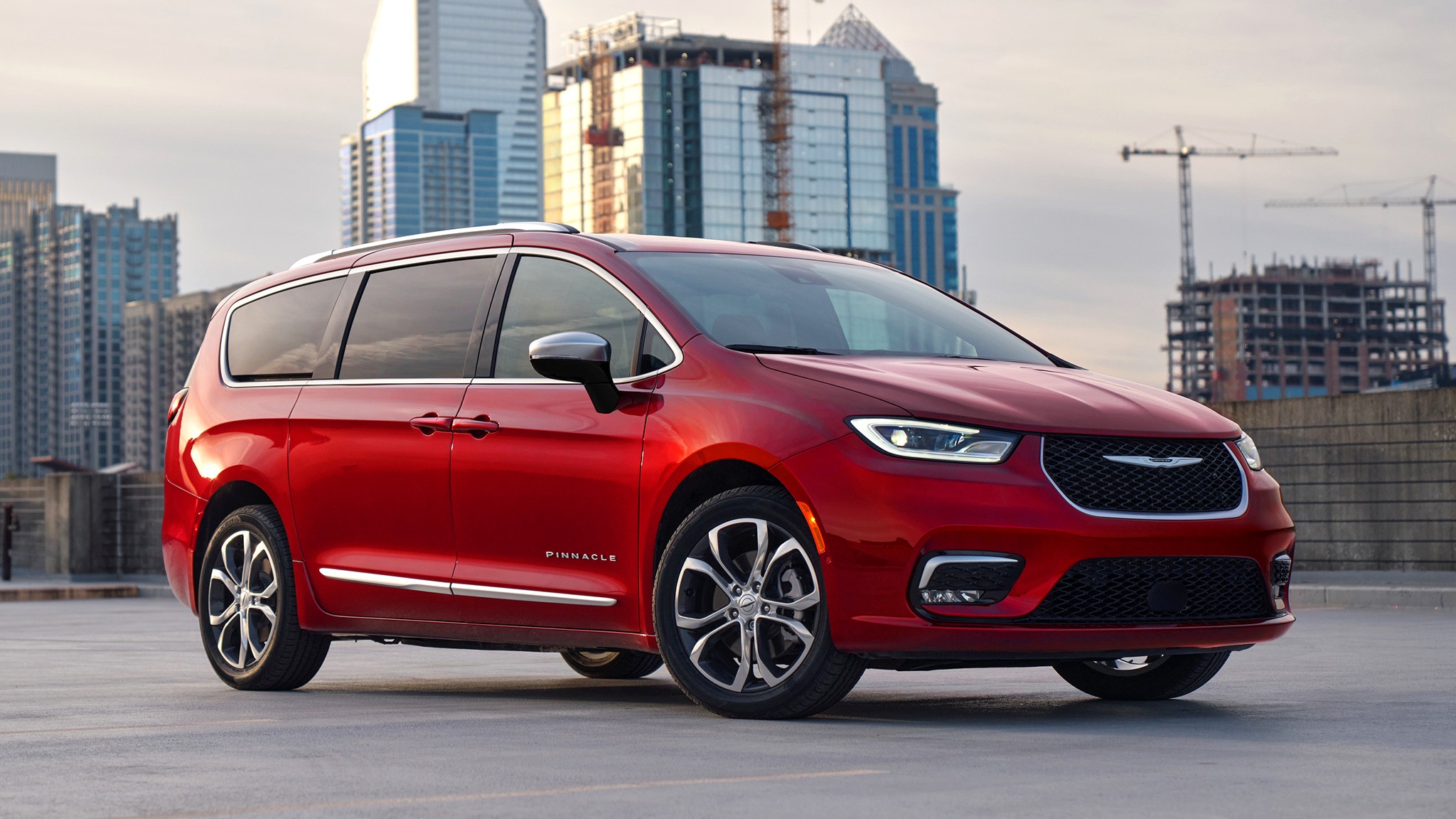
4. 2025 Chrysler Pacifica: Family-Friendly Tech and Everyday Practicality
The 2025 Chrysler Pacifica continues to define family transportation with its smart technology, versatile seating, and thoughtful design. With an Infotainment Score of 9.2/10 and an Interior Score of 7.5/10, it stands out for its intuitive tech interface and clever storage, though it falls slightly short in performance and fuel efficiency compared to newer rivals.
The Pacifica’s strength lies in its advanced Uconnect infotainment system, which uses a 10.1-inch touchscreen with crisp graphics and responsive operation. The layout combines touch and physical controls, ensuring ease of use while driving. It supports wireless Apple CarPlay, Android Auto, Amazon Alexa, Bluetooth, and multiple USB ports.
Optional upgrades include navigation, premium Alpine or Harman Kardon audio systems, and a rear-seat entertainment system that streams content directly to seatback screens. Additional tech features like Wi-Fi connectivity and remote access via the Uconnect app enhance everyday convenience.
Safety and driver assistance remain priorities. The Pacifica comes standard with adaptive cruise control, lane-keeping assist, and forward-collision warning with pedestrian detection. An optional 360-degree camera system aids in parking and low-speed maneuvering, providing families with greater confidence in tight spaces.
Power comes from a 3.6-liter V6 engine paired with a nine-speed automatic transmission. The setup provides steady acceleration and smooth cruising, though rivals like the Toyota Sienna and Honda Odyssey deliver slightly sharper refinement.
The transmission occasionally hesitates during downshifts, particularly on inclines, but it performs smoothly under normal driving conditions. Steering is light and predictable, while the suspension delivers a composed and comfortable ride, easily absorbing road imperfections. Engine noise remains moderate, although it becomes more audible during hard acceleration or highway climbs.
Inside, the Pacifica prioritizes comfort and practicality. The front seats are supportive and available with heating and ventilation, while Chrysler’s signature Stow ’n Go second-row seats fold completely into the floor to create a flat cargo area.
This feature enhances flexibility, though comfort and cushioning are slightly reduced compared to traditional captain’s chairs. The third row accommodates adults for short trips and folds neatly into the floor when not needed.
Visibility is excellent, thanks to large windows and a high driving position. The dashboard features an intuitive control layout, with climate and audio functions clearly labeled. A standout ergonomic touch is the radio volume and tuning controls located on the back of the steering wheel.
The Pacifica’s storage versatility is one of its biggest advantages. A deep well behind the third row and numerous bins, cubbies, and cupholders ensure families have space for everyday items. Child-seat installation is simple due to wide door openings and accessible LATCH anchors. The Pacifica also offers a towing capacity of 3,600 pounds, matching other minivans in its class.
Fuel economy is adequate but not exceptional. The FWD model achieves 22 mpg combined, while the AWD version returns 20 mpg combined, slightly behind class leaders. Pricing ranges widely depending on trim, with the upscale Limited AWD version costing around $55,000. While it includes premium touches, some hard plastics detract from its luxury appeal.
The 2025 Chrysler Pacifica remains a top contender for families seeking a blend of comfort, convenience, and technology. It may not be the quickest or most fuel-efficient minivan, but its clever interior layout, easy-to-use infotainment system, and family-oriented features make it one of the most practical and tech-forward vehicles in its class.
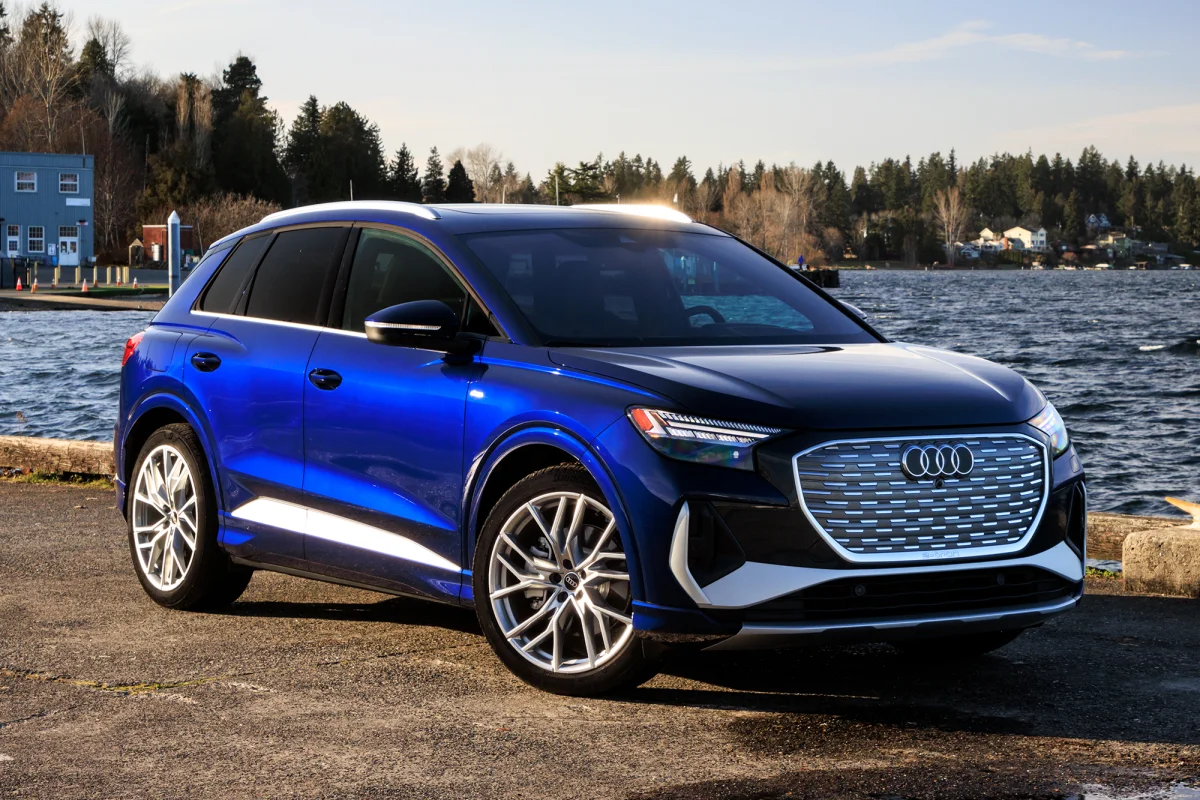
5. 2025 Audi Q4 e-tron: Luxury Tech Meets Everyday Usability
The 2025 Audi Q4 e-tron delivers a refined blend of technology, comfort, and practicality, positioning itself as a well-rounded compact luxury electric SUV. With an Infotainment Score of 9.0/10 and an Interior Score of 8.3/10, it emphasizes digital sophistication and cabin quality, though it trails some competitors in ride comfort and driving range.
The dual-motor Q4 55 e-tron generates strong acceleration, reaching 0 to 60 mph in 5 seconds, rivaling other luxury EVs in its segment. Power delivery is smooth and instant, giving drivers ample confidence during highway merges or quick passes.
Steering feels accurate and balanced, contributing to composed handling in daily driving, even if it lacks the sportiness of performance-oriented rivals. The suspension provides stability on smooth roads but can feel unsettled over rough pavement. Braking is predictable during normal driving, though stopping distances in emergency scenarios are slightly longer than ideal.
Higher trims, including Premium Plus and Prestige, add advanced driver-assistance features such as adaptive cruise control, lane-keeping assist, and forward-collision warning, which function reliably and enhance everyday safety. However, the absence of a surround-view camera common in this price range is a noticeable omission.
Inside, the Q4 e-tron prioritizes comfort and simplicity. The front seats feature four-way lumbar support and extendable thigh cushions, ensuring a supportive driving position, though the lack of seat ventilation is disappointing for a luxury vehicle.
Rear passengers enjoy generous legroom thanks to a flat floor design, while the middle seat remains tight for adults. The dual-pane windows and quiet electric motors keep cabin noise low, creating a serene atmosphere on the road. Climate controls are intuitive, though air vents can direct airflow uncomfortably toward the driver’s hands.
Entry and exit are effortless, with wide door openings and a convenient step-in height. Installing child seats is straightforward due to Audi’s well-designed sliding LATCH anchors, which reduce the chance of misplacement.
Technology is the Q4 e-tron’s standout feature. A standard 11.6-inch touchscreen provides crisp graphics and responsive controls, paired with wireless Apple CarPlay, Android Auto, and an eight-speaker sound system.
Upper trims add a digital instrument cluster, augmented reality head-up display, and an optional 10-speaker Sonos system. The head-up display projects navigation directly onto the windshield, and the myAudi app allows smartphone-based key access and remote vehicle management.
The Q4 e-tron offers 24.8 cubic feet of cargo space behind the rear seats, expanding when folded flat. Storage solutions include a large center bin, deep cupholders, and a rubberized tray for small items. Towing capacity reaches 2,600 pounds, slightly below class leaders.
Pricing remains competitive, particularly for the single-motor variant, which makes premium EV ownership more accessible. While some interior plastics and trim lack the refinement of pricier rivals, the Q4 e-tron’s upscale design and strong build quality maintain its luxury feel.
Backed by Audi’s standard warranty and roadside coverage, the 2025 Q4 e-tron excels through its smart technology, comfortable interior, and approachable performance. It may not lead in range or ride comfort, but it succeeds as a stylish, tech-forward, and highly usable luxury EV for daily life.
Also Read: 10 Cars With Window Regulators That Don’t Fail Every Winter
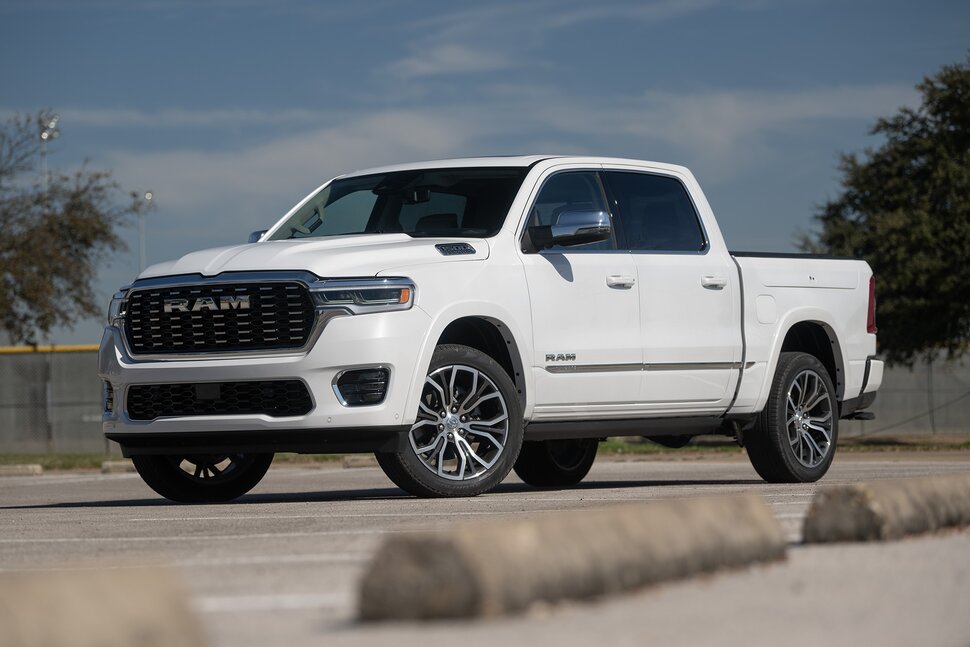
6. 2025 Ram 1500: Power, Comfort, and High-Tech Appeal in a Modern Pickup
The 2025 Ram 1500 redefines what a full-size pickup can be, combining immense power with luxury-level comfort and cutting-edge technology. With an Infotainment Score of 9.0/10 and an Interior Score of 6.4/10, it strikes a balance between rugged capability and refined sophistication.
Though its infotainment system occasionally falters and reliability remains a question, the Ram 1500 continues to set a benchmark for comfort and ride quality in its class.
For 2025, Ram replaces its iconic V8 engine with a turbocharged straight-six, a move that enhances both performance and fuel efficiency. The standard version produces 420 horsepower, while the high-output variant boosts output significantly, achieving a 0–60 mph sprint in just 4.7 seconds, placing it among the fastest full-size trucks on the market.
Even the off-road-focused RHO trim manages an impressive 4.9-second time. The coil-spring rear suspension provides a smoother, more composed ride than traditional leaf-spring setups, and steering remains predictable even at highway speeds.
The hands-free driver-assist system performs reliably, maintaining lane position and adjusting speed seamlessly through adaptive cruise control. For adventure seekers, the RHO’s elevated ground clearance and specialized suspension make it a capable off-road performer.
The Ram 1500’s standout attribute is its exceptional ride comfort. The coil-spring setup absorbs imperfections gracefully, delivering a car-like smoothness rare in this segment. The cabin is quiet, with minimal wind or road noise. Both rows of seats offer excellent support and space, while rear passengers enjoy particularly generous legroom.
Access can be challenging without the optional air suspension or running boards, though the air suspension’s lowering feature adds convenience. The spacious backseat area also makes installing child seats simple, despite slightly awkward LATCH anchor placement.
Tech is both a strength and a frustration for the Ram 1500. The top Tungsten trim introduces a 14.5-inch touchscreen and an additional passenger display. The interface looks modern and supports wireless Apple CarPlay and Android Auto, but Android Auto occupies a smaller section of the screen, limiting visibility.
The system can occasionally lag, slowing down adjustments. Still, connectivity is robust, featuring six USB ports, dual wireless charging pads, and a Wi-Fi hotspot.
Functionality remains central to the Ram’s design. The truck features an adaptable center console with sliding storage, fold-up rear seats with hidden compartments, and a well-designed bed. Payload capacity peaks at 2,300 pounds, while towing tops out at 11,580 pounds, slightly below Ford’s F-150 but still competitive.
Fuel economy ranges between 17 and 23 mpg combined, depending on configuration. Pricing sits on the premium side, but the Ram justifies it through refinement, performance, and comfort.
Backed by a three-year/36,000-mile basic warranty and five-year/60,000-mile powertrain coverage, the 2025 Ram 1500 stands as a near-perfect fusion of strength and sophistication. For drivers who value both power and poise, it remains one of the most desirable full-size pickups available today.
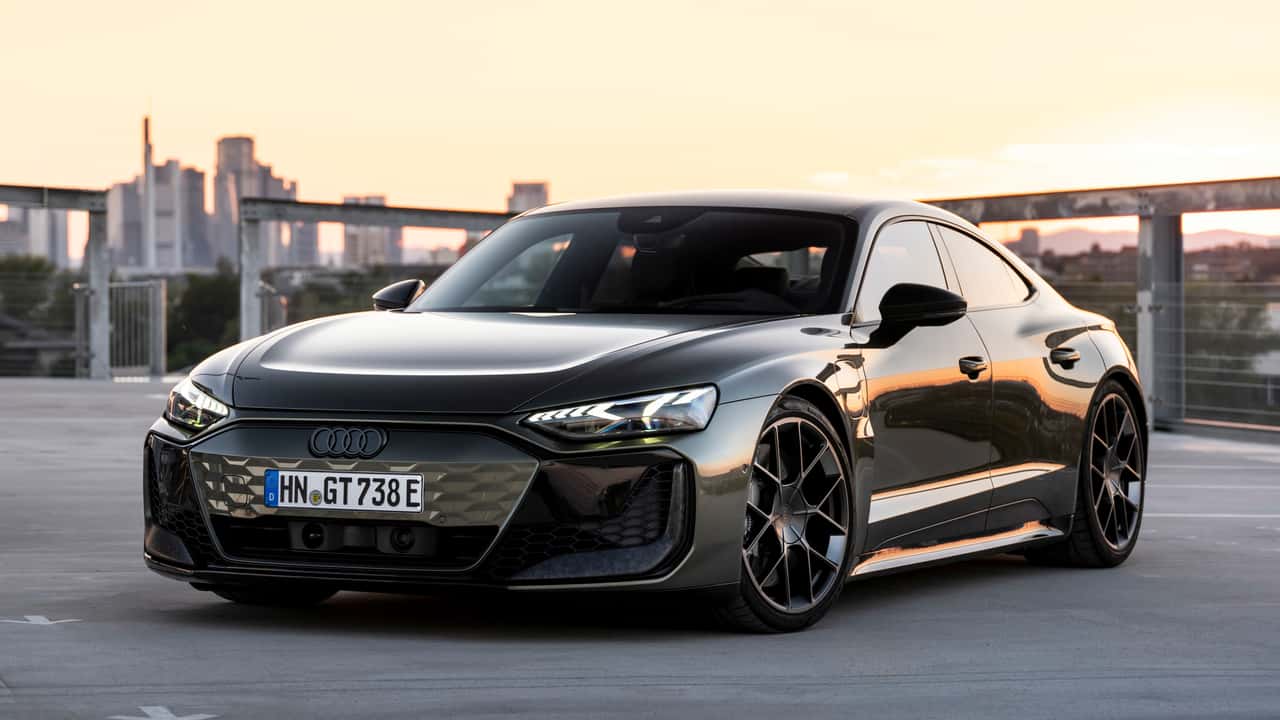
7. 2025 Audi e-tron GT: Electrifying Power Meets Sophisticated Luxury
The 2025 Audi e-tron GT represents the pinnacle of Audi’s electric innovation, merging breathtaking performance with refined luxury and state-of-the-art technology. With an Infotainment Score of 9.0/10 and an Interior Score of 6.0/10, this grand touring sedan delivers thrilling acceleration, composed handling, and futuristic design.
Built on the same platform as the Porsche Taycan, the e-tron GT maintains a distinct Audi identity through its design language, user-friendly interface, and focus on comfort. While practicality takes a back seat, its speed, driving dynamics, and fast-charging capabilities make it one of the most compelling EVs on the road.
The e-tron GT’s dual-motor powertrain produces 670 horsepower in the base trim and an astounding 912 horsepower in the RS Performance version. The RS model rockets from 0 to 60 mph in just 2.1 seconds, placing it among the quickest production cars available.
Audi’s two-speed rear transmission optimizes both acceleration and efficiency, while its advanced cooling system ensures consistent output during demanding drives.
Standard all-wheel drive, optional all-wheel steering, and an adaptive air suspension work together to balance agility and comfort. Carbon-ceramic brakes provide confident stopping power, allowing the GT to handle sharp turns and high speeds with composure.
Powered by a 97.0-kWh lithium-ion battery, the e-tron GT delivers up to 300 miles of range in the base S model with 20-inch wheels. The RS Performance trim offers around 280 miles, surpassing expectations in real-world conditions.
Audi’s charging performance is equally impressive, with 320-kW DC fast charging that replenishes the battery from 10 to 80 percent in just 18 minutes. The S model achieves an efficiency rating of 91 MPGe city and 88 MPGe highway, remaining competitive within the high-performance EV segment.
Inside, the e-tron GT’s cabin blends sportiness with elegance. The interior features angular dashboard lines, premium materials, and customizable upholstery options, including a leather-free package crafted from recycled materials.
The front seats are low and supportive, offering available massage, heating, and cooling functions. Rear passengers enjoy decent legroom, though headroom is tight due to the coupe-like roofline. Cargo space is modest but practical, with both a rear trunk and a front frunk providing flexibility for short trips.
Audi equips the e-tron GT with cutting-edge technology, including a 10.1-inch infotainment touchscreen, a 12.3-inch digital instrument cluster, and a 16-speaker Bang & Olufsen audio system.
Wireless Apple CarPlay, Android Auto, and device charging come standard, complemented by voice recognition and augmented reality navigation that projects guidance into the driver’s line of sight. A Wi-Fi hotspot and smartphone-based remote parking add further convenience.
The e-tron GT comes loaded with driver-assistance features, including adaptive cruise control, lane-keeping assist, blind-spot monitoring, and automatic emergency braking. Though crash-test results are pending, Audi’s build quality inspires confidence.
Backed by a four-year/50,000-mile vehicle warranty and an eight-year/100,000-mile battery warranty, the e-tron GT justifies its premium price through craftsmanship, technology, and performance. While limited in space, it stands out as a luxurious, electrifying grand tourer that embodies the future of Audi’s design and innovation.
8. 2025 Hyundai Elantra Hybrid: Efficient, Affordable, and Surprisingly Refined
The 2025 Hyundai Elantra Hybrid blends strong fuel economy, thoughtful design, and modern technology into a compact sedan that feels more premium than its price suggests. With an Infotainment Score of 8.9/10 and an Interior Score of 8.5/10, it offers a polished experience for budget-conscious buyers.
Even the base model impresses with a digital instrument cluster and wireless smartphone integration, features often limited to higher trims in competing models. The infotainment system is straightforward and quick to respond, offered through an 8-inch touchscreen or an available 10.25-inch display, both featuring sharp visuals and intuitive menus.
The Elantra Hybrid delivers a composed and enjoyable drive for a car focused on efficiency. Its hybrid system combines smooth electric and gasoline power, providing better acceleration than the standard Elantra. It reaches 60 mph in 9.0 seconds, feeling responsive for a compact hybrid. The automatic transmission operates fluidly, contributing to a relaxed driving experience.
The suspension handles city bumps with confidence, though rougher roads can create mild vibrations. Hyundai’s SmartSense driver-assistance suite enhances safety, offering effective adaptive cruise control, lane keeping assistance, and blind-spot monitoring that perform reliably without false alerts.
Inside, the Elantra Hybrid mirrors the standard Elantra’s layout but adds a sense of refinement. The front seats are supportive and comfortable for long drives, while access is easy thanks to wide doors and a low seating position. The rear seats are less spacious, especially for taller passengers, due to limited legroom and a flat cushion.
Installing child seats can be a tight fit, though multiple LATCH anchors improve flexibility. The cabin’s standout feature is its physical control setup, which uses buttons and knobs for climate and lighting functions, providing intuitive operation. The main drawback is cabin noise, as tire and wind sounds are more noticeable at higher speeds.
Tech integration is a highlight for the Elantra Hybrid. It includes dual digital displays, wireless Apple CarPlay and Android Auto (with the 8-inch screen), and an optional Bose premium sound system. Curiously, the larger screen requires a wired connection for smartphone use.
Hyundai’s digital key adds modern convenience, allowing drivers to unlock and start the car via smartphone. Cargo capacity is solid at 14.2 cubic feet, with fold-flat rear seats enhancing versatility for larger items.
Fuel economy is where the Elantra Hybrid truly shines. It achieves 50–54 mpg combined, with real-world testing reaching 55 mpg, rivaling leaders like the Toyota Prius and Corolla Hybrid. Hyundai’s five-year/60,000-mile basic warranty and 10-year/100,000-mile powertrain warranty reinforce its long-term value.
Some hard plastics in the cabin remind you of its economy roots, but the combination of efficiency, tech, comfort, and practicality makes it an excellent compact hybrid choice. The Elantra Hybrid stands out as a smart, stylish, and efficient daily driver that exceeds expectations for its price.
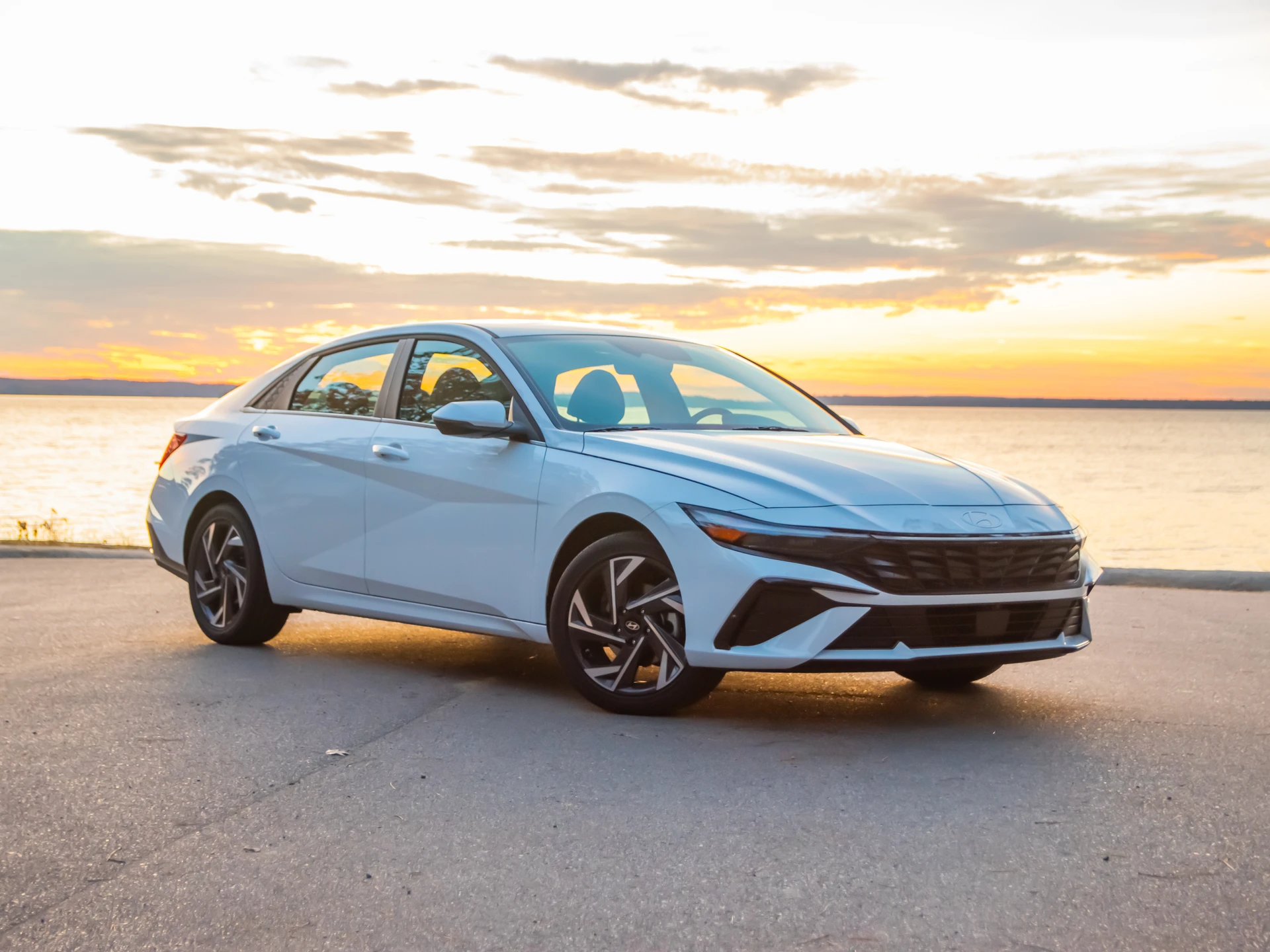
9. 2026 Mercedes-Benz GLC Plug-In Hybrid: Luxury Meets Efficiency
The 2026 Mercedes-Benz GLC Plug-In Hybrid blends elegance, innovation, and performance into a compact luxury SUV that prioritizes refinement and modern convenience. With an Infotainment Score of 8.9/10 and an Interior Score of 8.0/10, it stands out for its sophisticated design and exceptional technology.
The cabin exudes quality through its polished materials and elegant layout, centered around an 11.9-inch touchscreen that anchors the intuitive MBUX infotainment system. Standard features such as navigation, wireless Apple CarPlay and Android Auto, and wireless charging enhance usability.
The MBUX interface is responsive and visually sharp, while the voice-activated assistant is praised for its precision and natural speech recognition, setting a benchmark in luxury car tech. Although mastering the system’s many functions requires time, its depth and capability reward the effort.
The GLC balances power and poise with its turbocharged four-cylinder engine paired to a mild hybrid system, delivering a refined yet energetic drive. It reaches 0–60 mph in 6.1 seconds, offering smooth acceleration and quick, seamless gear shifts. The braking system is strong and predictable, providing reassuring control.
Handling is composed, aided by optional summer tires that improve grip and cornering stability. Steering precision contributes to a confident driving experience, especially in winding conditions.
Ride comfort meets luxury-class expectations with a supple yet firm suspension that smooths out road imperfections. Visibility is mostly clear, supported by 360-degree cameras and driver-assistance systems that simplify parking and tight-space navigation.
Inside, the GLC demonstrates Mercedes-Benz’s focus on craftsmanship and quiet comfort. The front seats are firm and supportive, offering broad adjustment options but lacking the plushness of some competitors.
The rear seats provide ample headroom and legroom, surpassing the Genesis GV70, though stepping over side rails is slightly cumbersome. The cabin remains impressively quiet, aided by the mild hybrid’s ability to glide silently at low speeds.
When the engine engages, some coarse noise enters the cabin, falling short of six-cylinder rivals’ refinement. The vertical touchscreen dominates the dash, yet essential controls like seat heaters are easily accessed through physical shortcuts.
Mercedes-Benz continues to lead in infotainment innovation. The MBUX system features crisp visuals, augmented reality navigation, and six USB-C ports for connectivity. The wireless charger is convenient, though slightly obstructed when cupholders are in use.
Cargo space measures 21.9 cubic feet, modest for the class but functional for daily needs, with rear seats that fold nearly flat for added flexibility. The GLC can tow 3,500 pounds, below the Audi Q5 and BMW X3, yet remains versatile. Fuel economy is excellent, achieving an EPA-estimated 26 mpg combined and a tested 27.9 mpg, outperforming most competitors.
The 2026 GLC Plug-In Hybrid upholds Mercedes-Benz’s reputation for understated luxury. While priced on the higher end of its class, it delivers a premium experience that feels complete and refined. Its four-year/50,000-mile warranty and roadside assistance are solid, though maintenance coverage is not included.
With its timeless design, serene cabin, and advanced tech, the GLC appeals to drivers seeking a calm, capable, and intelligent luxury SUV that favors sophistication over flash.
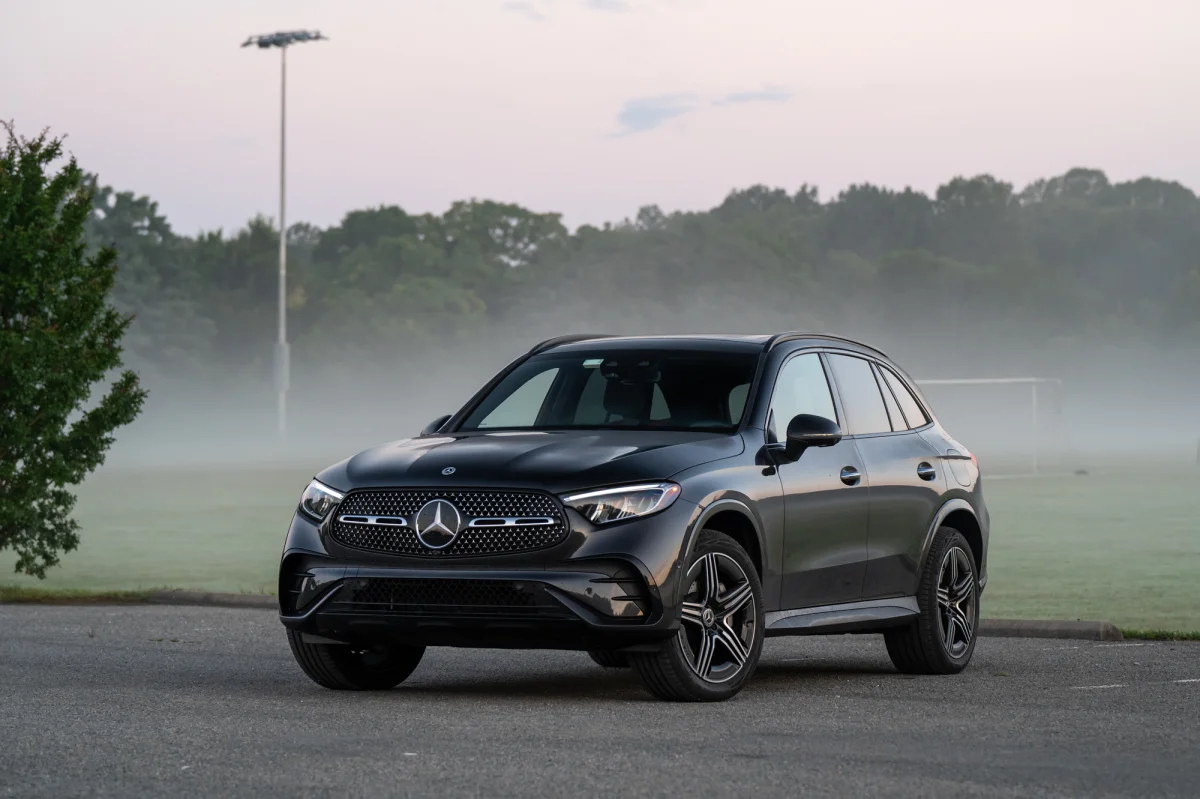
10. 2025 GMC Canyon: A Tech-Savvy and Capable Midsize Truck
The 2025 GMC Canyon stands out among midsize pickups for its blend of technology, off-road ability, and towing power. Earning an Infotainment Score of 8.9/10 and an Interior Score of 7.9/10, the Canyon pairs rugged functionality with modern convenience.
Every trim comes with an 11.3-inch infotainment touchscreen, giving it a high-tech edge over competitors that reserve larger screens for higher trims. Standard features include wireless Apple CarPlay, Android Auto, voice recognition, Wi-Fi hotspot, and satellite radio, with wireless charging available as an option.
The system is responsive and easy to navigate, offering one of the best user experiences in the midsize pickup segment.
The Canyon delivers a well-balanced mix of capability and comfort. Its turbocharged four-cylinder engine provides strong acceleration, although the AT4X trim’s added off-road equipment slightly dampens responsiveness. In testing, the AT4X reached 0–60 mph in 8.2 seconds, while standard models are expected to achieve closer to 6 seconds.
The steering is well-weighted and stable, making highway driving confident and composed. Off-road, the Canyon’s AT4X trim excels, handling rocky trails and steep obstacles with ease thanks to its advanced suspension setup. The truck’s confident braking and surefooted handling contribute to its reputation as one of the better-driving pickups on the road.
The Canyon strikes a good balance between ruggedness and daily comfort. Its suspension effectively absorbs bumps and rough terrain, delivering a ride that feels controlled and compliant. The AT4X’s suspension enhances smoothness further, especially on uneven roads.
The seats, while soft and adequately cushioned, lack thigh support and contouring, especially in longer drives. GMC’s climate control system is excellent, featuring physical knobs and buttons that make temperature adjustments effortless. The cabin remains quiet during city and highway driving, and rear passengers benefit from dedicated air vents, a feature not always found in midsize trucks.
GMC equips the Canyon with some of the best in-car technology in its class. The infotainment system runs on Google-based software, allowing users to sync contacts, saved addresses, and calendars when logged into a Google account.
The voice assistant performs reliably, handling commands for navigation, climate, and information requests. Driver-assistance features such as adaptive cruise control, lane-keeping assist, and multiple camera views (including an optional underbody camera) enhance convenience and safety.
Utility remains a core strength: the Canyon’s 5-foot bed supports a maximum payload of 1,700 pounds and a towing capacity of 7,700 pounds, making it one of the most capable trucks in its class.
The Canyon positions itself as a slightly more premium alternative within the midsize pickup market, reflected in its higher starting price. Fit and finish are solid, though the interior materials don’t quite justify the price premium over the Chevrolet Colorado, its corporate twin.
Still, the Canyon’s technology, towing power, and refinement make it a compelling choice for drivers seeking both comfort and capability. Backed by a three-year/36,000-mile basic warranty, a five-year/60,000-mile powertrain warranty, and five years of roadside assistance, the 2025 GMC Canyon blends modern tech, off-road toughness, and practicality into one well-rounded package.
The vehicles featured in “10 Cars With the Most Intuitive Infotainment Systems” show how well-designed technology can improve both comfort and convenience behind the wheel. Each model, from the practical Chrysler Pacifica to the performance-focused Audi e-tron GT, presents a system that blends function with sophistication.
These infotainment setups allow easy access to navigation, entertainment, and smartphone features while keeping the driver’s attention where it belongs. With crisp graphics, quick responses, and simple layouts, they set a strong example of how in-car tech should work.
As innovation continues to advance, these vehicles demonstrate that the best technology supports the driver rather than distracting them. By focusing on ease of use and seamless connectivity, they redefine what drivers can expect from modern infotainment systems, creating experiences that feel natural, efficient, and perfectly suited to everyday life.
Also Read: 5 Cars That Combine Comfort & Speed vs 5 That Fail at Both