
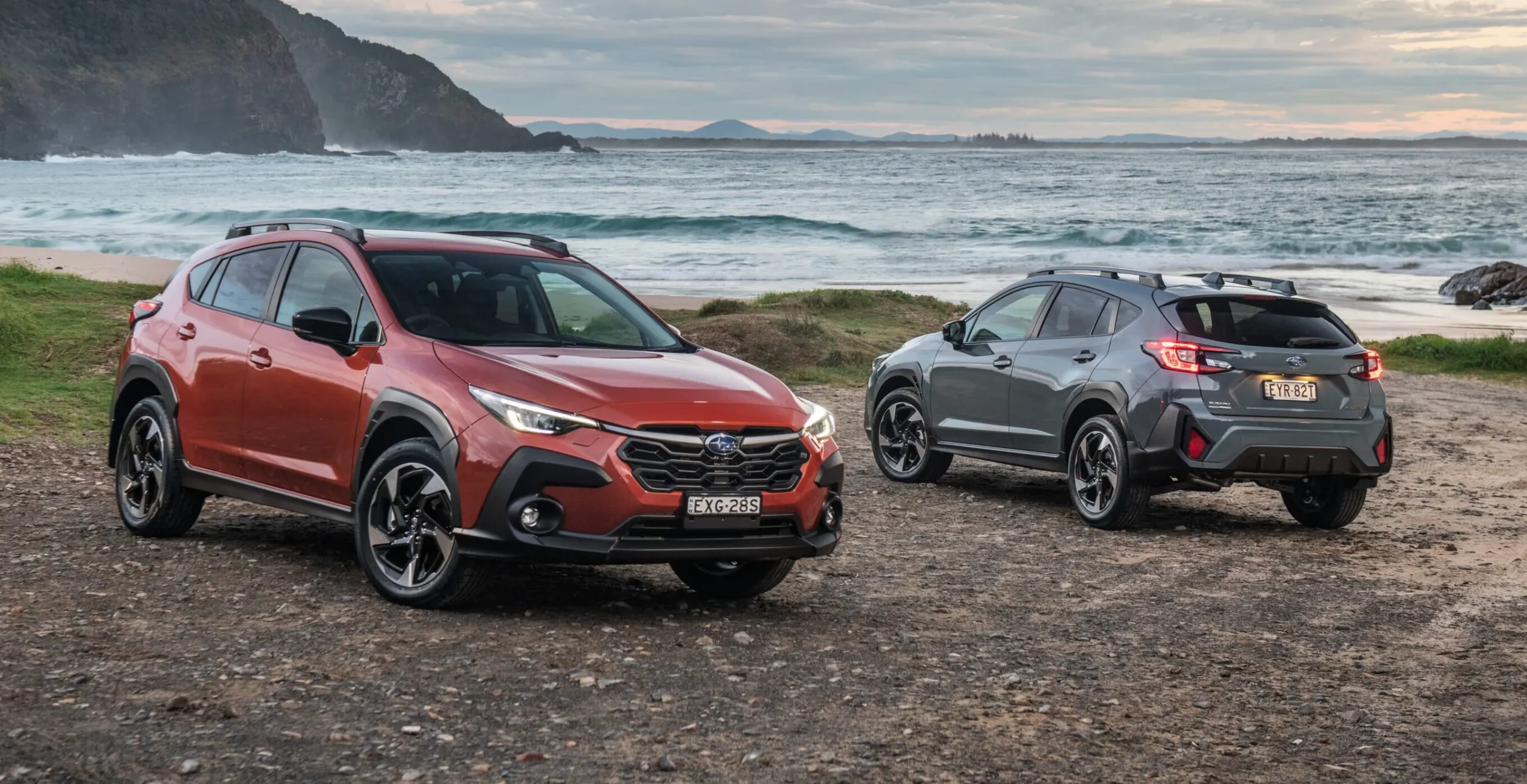
Choosing a compact SUV often feels like going through a crowded marketplace where every option claims superiority. Buyers want a vehicle that looks impressive, performs well, and retains its charm long after purchase.
Many small SUVs lose that initial spark within a few years as paintwork dulls, interiors wear out, and mechanical parts demand costly attention. Yet, a select few manage to defy this pattern entirely. Some compact SUVs carry a rare blend of craftsmanship and endurance that allows them to age with grace.
Their secret lies in careful engineering, long-lasting materials, and aesthetics that remain appealing even as design trends move. While others grow outdated and uninspired, these models continue to look relevant and refined, earning admiration long after leaving the showroom.
Durability depends greatly on how a vehicle is built. Precision assembly and high-quality components make a remarkable difference in how well an SUV endures the years. Style also influences longevity; designs that avoid temporary fashion cues tend to remain attractive for decades.
Reliability ties everything together, as engines and transmissions that run smoothly over extensive mileage prove the value of robust engineering. The models featured here showcase the best examples of compact SUVs that withstand time both mechanically and visually.
They preserve comfort, dependability, and visual appeal even after others in their category fade from memory. Whether it’s the meticulous craftsmanship associated with Japanese automakers or the technical excellence found in German vehicles, each of these SUVs exemplifies endurance and elegance.
They represent how smart design and sturdy build quality can transform ordinary transportation into something lasting. These vehicles remind buyers that when true quality is built into a machine, it continues to deliver satisfaction year after year.
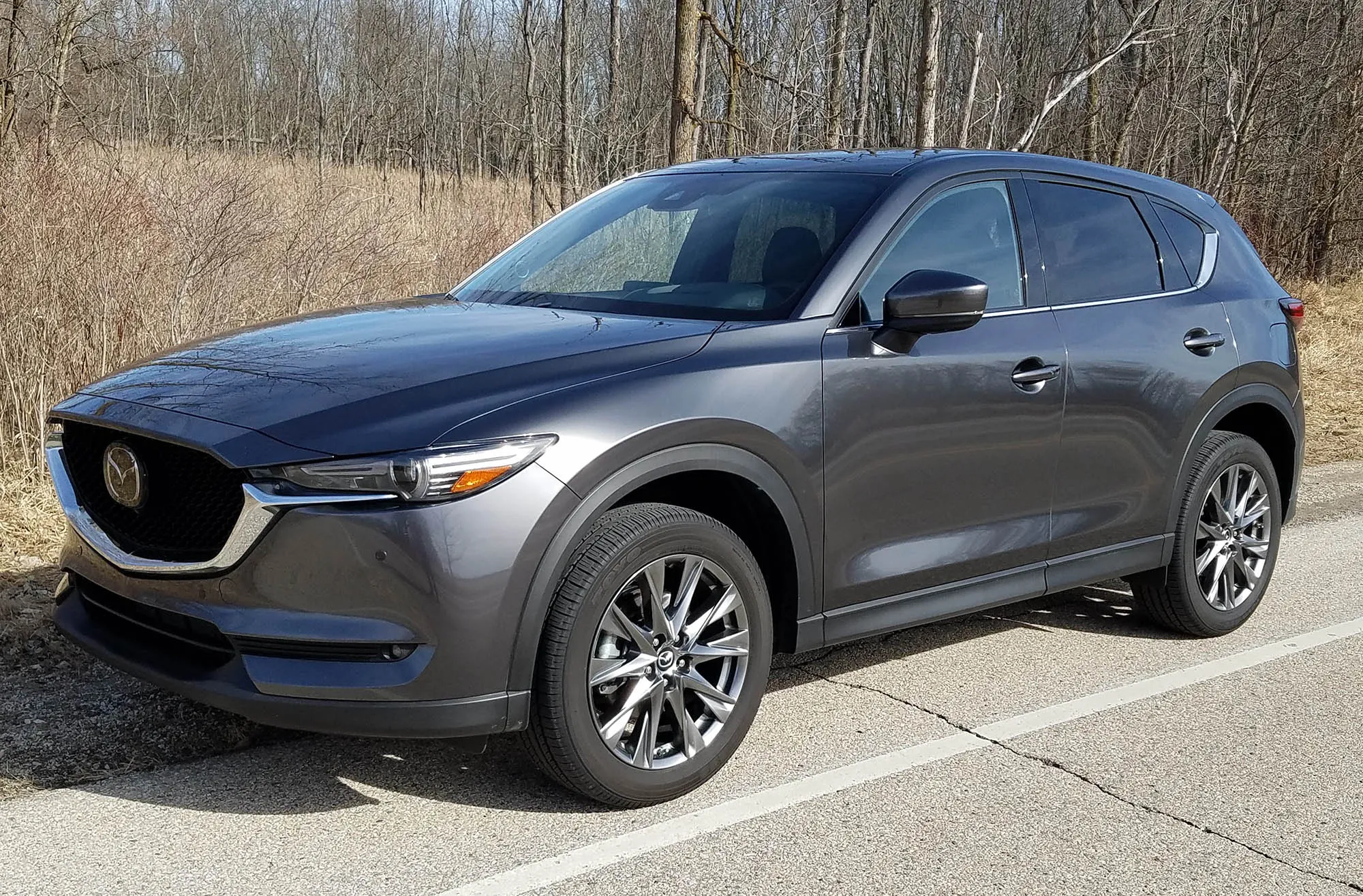
1. Mazda CX-5 (2017-2021)
Mazda developed the CX-5 with the mindset of crafting something refined instead of an ordinary family SUV. Engineers in Japan focused on every minor element, ensuring that every component felt solid and well-made.
The careful construction gives the vehicle impressive durability, standing up well against wear that typically weakens lower-quality competitors as time goes on.
The striking Soul Red Crystal color remains vivid even after years in harsh sunlight. Unlike many paint finishes that lose brightness, Mazda’s unique layering process keeps its deep shine intact. Inside, the materials prove equally resilient.
Premium trims feature leather seats that age gracefully without cracking, while the dashboard and panels maintain their smooth texture without turning hard or brittle. Performance comes from a naturally aspirated 2.5-liter four-cylinder engine designed for consistency instead of high power figures.
It provides sufficient acceleration while staying dependable through extensive mileage. Without turbochargers, upkeep is simpler and mechanical stress is reduced. The six-speed automatic gearbox delivers refined changes and stays trouble-free when serviced regularly.
Driving dynamics remain one of the CX-5’s greatest strengths. The suspension offers a mix of comfort and agility that keeps the vehicle enjoyable to handle on long drives or winding roads. Steering feels precise and communicative, helping it stand apart from other compact SUVs.
Mazda’s corrosion protection is known to be thorough, with factory coatings preventing underbody rust even in regions where salt exposure is common. Combined with lasting appeal and strong resale value, the 2017-2021 CX-5 remains a dependable and stylish long-term purchase.
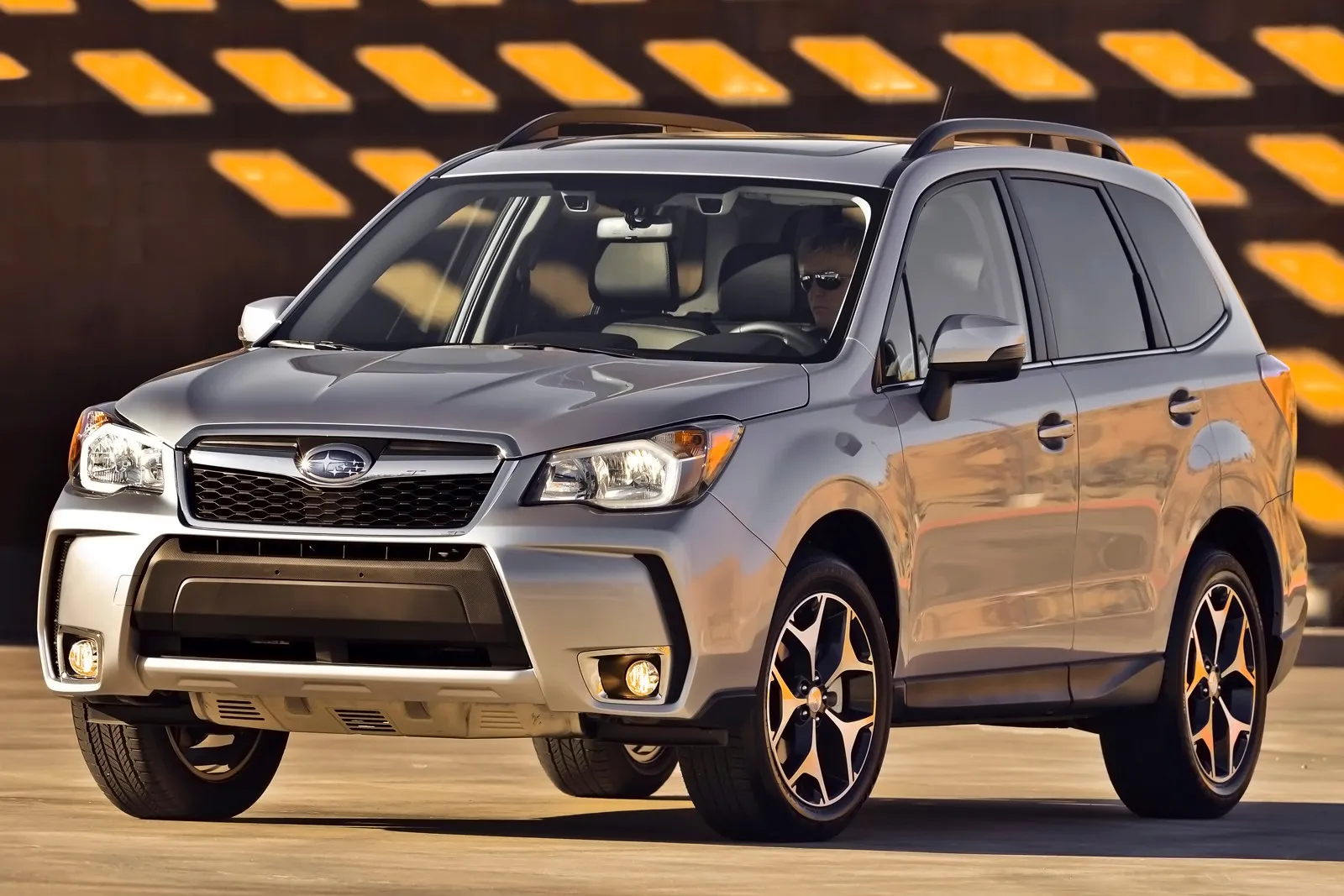
2. Subaru Forester (2014-2018)
The Subaru Forester’s long-lasting reputation rests on its boxer engine and symmetrical all-wheel drive, both designed for endurance over raw power. The flat engine layout keeps weight balanced and vibrations minimal, reducing long-term wear on parts.
Subaru built the Forester to last, with tight body panels and strong rigidity that keep it free from rattles as the years pass. Generous sound insulation preserves the cabin’s quiet nature, even with age. Its all-wheel drive system operates full-time, ensuring smoother power distribution and even component wear.
When continuously variable transmissions receive timely fluid changes, they remain reliable for hundreds of thousands of kilometers. Owners who follow Subaru’s maintenance schedule often enjoy trouble-free use well past 200,000 kilometers.
Inside, the Forester’s practicality shows in its durable cargo space and easy-folding rear seats that stay functional through heavy use. The interior design withstands daily hauling, camping, and family errands without losing utility.
Safety remains one of its lasting strengths. Subaru’s EyeSight driver assistance system stays dependable as time goes on, provided the sensors and cameras are kept clean. Its accuracy allows older Foresters to maintain competitive safety standards.
Built for rugged conditions, the Forester’s high ground clearance and smart approach angles protect it from underbody damage on rough roads. Skid plates further guard key components from debris.
Strong aftermarket support and a dedicated owner community keep parts accessible and repairs affordable, ensuring these vehicles stay reliable, capable, and valuable far beyond their expected lifespan.
Also Read: 10 Electric SUVs That Make Sense for Families
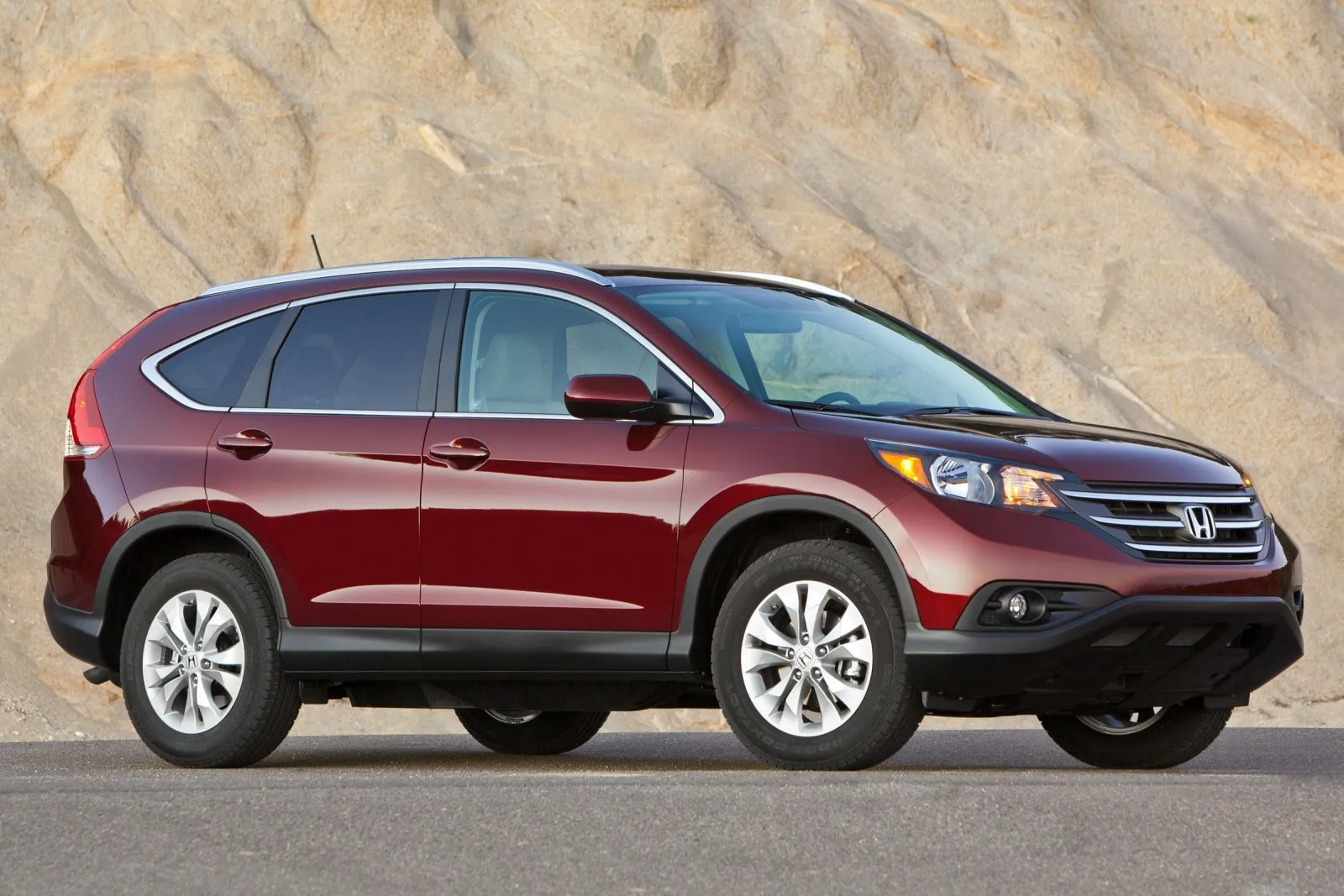
3. Honda CR-V (2012-2016)
Honda’s long-standing reputation for reliable engines is perfectly reflected in the CR-V’s 2.4-liter Earth Dreams motor.
This naturally aspirated four-cylinder delivers smooth, efficient power and uses a timing chain instead of a belt, reducing costly maintenance. Its simple valve design limits potential failures, and many units easily exceed 300,000 kilometers with basic care like oil changes and new spark plugs.
Paired with this engine, Honda’s five-speed automatic transmission showcases refined engineering. It changes seamlessly, adapts well to driving conditions, and lasts remarkably long when serviced every 60,000 kilometers. Wear occurs gradually, offering clear signs before any major issue arises.
The CR-V’s suspension system, featuring MacPherson struts up front and a multi-link rear setup, absorbs rough roads without losing comfort or stability. Bushings and shocks hold up longer than expected, staying firm even after years of driving.
Inside, practicality defines the cabin’s design. Hard plastics, though not luxurious, resist scratches and fading, while the cloth seats in base trims maintain their shape and appearance. These materials contribute to an interior that stays functional and tidy for years.
Models equipped with real-time all-wheel drive offer dependable traction without unnecessary complications. The system activates only when needed, reducing mechanical stress and improving fuel efficiency.
The CR-V’s cargo area remains one of its strengths, built with sturdy hooks, covers, and tie-down points that endure heavy family use. Combined with resilient body panels and paint that withstands chips and weathering, this SUV maintains its appeal and durability over the long run.
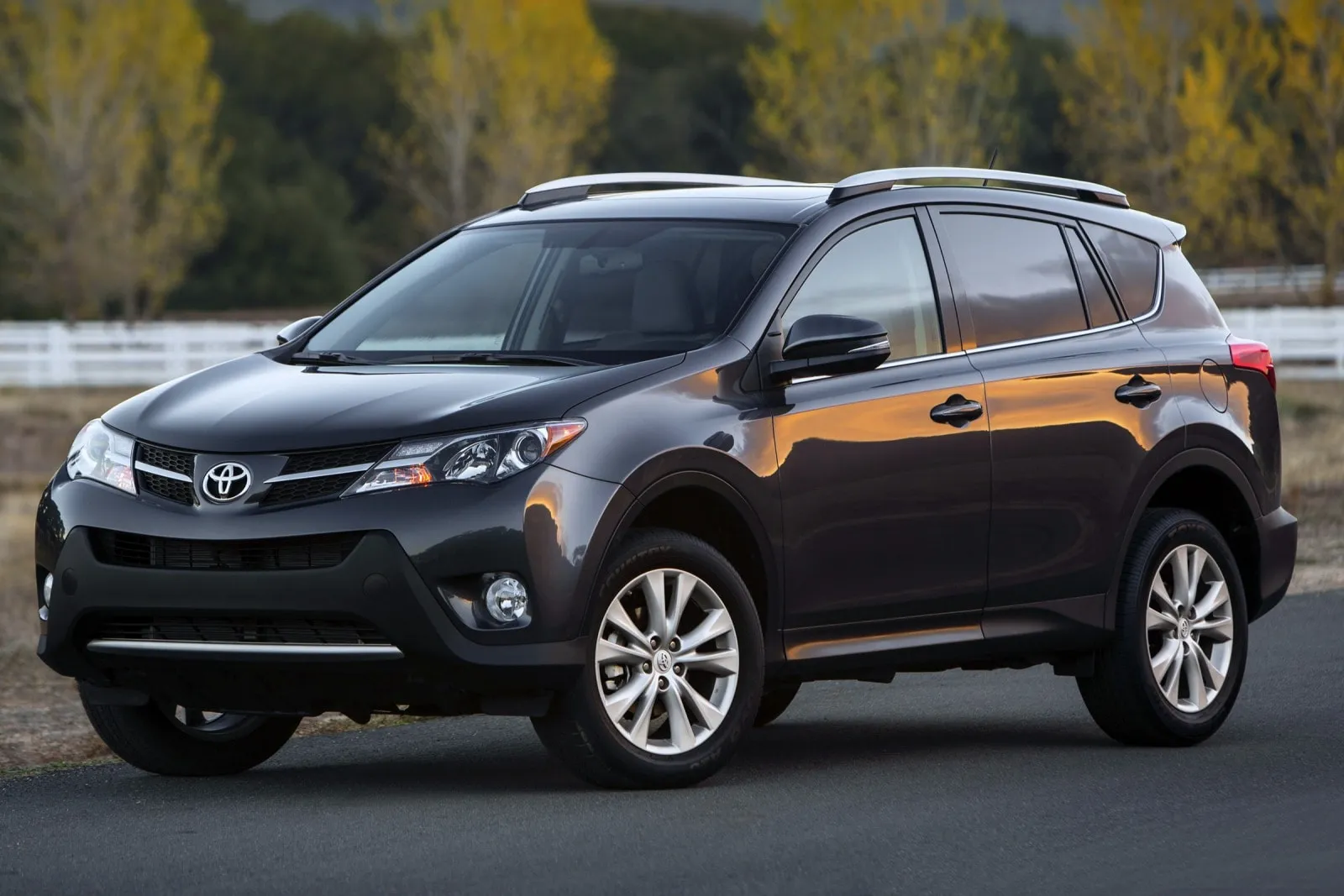
4. Toyota RAV4 (2013-2018)
Toyota built these RAV4s during a period when the company prioritized reliability above trendy features. Engineers selected components based on proven durability rather than cutting-edge technology.
This conservative approach results in vehicles that maintain their functionality long after flashier competitors have been scrapped.
Engine options included a 2.5-liter four-cylinder that produces adequate power without stress. Toyota tuned this engine for low-end torque, making it ideal for family duties. Internal components wear slowly because the engine never works particularly hard under normal driving conditions.
Oil consumption issues that plagued some Toyota engines don’t affect these RAV4 powerplants when proper maintenance occurs. Six-speed automatic transmissions handle power smoothly while proving remarkably durable.
These gearboxes move intelligently without hunting between gears constantly. Transmission coolers keep fluid temperatures reasonable even during extended highway driving or when towing light loads. Proper fluid maintenance ensures these transmissions operate smoothly past 250,000 kilometers.
Chassis construction emphasizes longevity through robust design and quality materials. Toyota engineers specified thicker metal in stress areas, preventing cracks that develop in lesser vehicles. Spot welds remain solid even as vehicles age, maintaining structural rigidity that newer, flimsier SUVs lack.
Electronic systems in these RAV4s avoid unnecessary complication that causes problems in aging vehicles. Climate control systems use proven components rather than experimental technology.
Window regulators function reliably because Toyota selected motors and mechanisms based on durability testing. Power locks continue working smoothly because actuators receive proper sealing against moisture intrusion.
All-wheel drive systems operate simply and reliably when engaged. Toyota’s design sends power to the rear wheels through a center coupling that requires minimal maintenance.
Fluid changes at recommended intervals keep this system functioning properly through high mileage. Front-wheel drive models eliminate this system, reducing potential maintenance issues.
Paint quality on these RAV4s meets Toyota’s traditional standards for durability. Primers and base coats bond properly to metal, preventing peeling that ruins older vehicles. Clear coats maintain their gloss longer than many competitors when vehicles receive occasional washing and waxing.
Interior materials might feel basic compared to luxury alternatives, but they resist aging impressively. Dashboard plastics don’t crack even in harsh sunlight, and door panels maintain their integrity through countless opening and closing cycles. Seats provide adequate comfort while resisting the sagging that affects many aging vehicles.
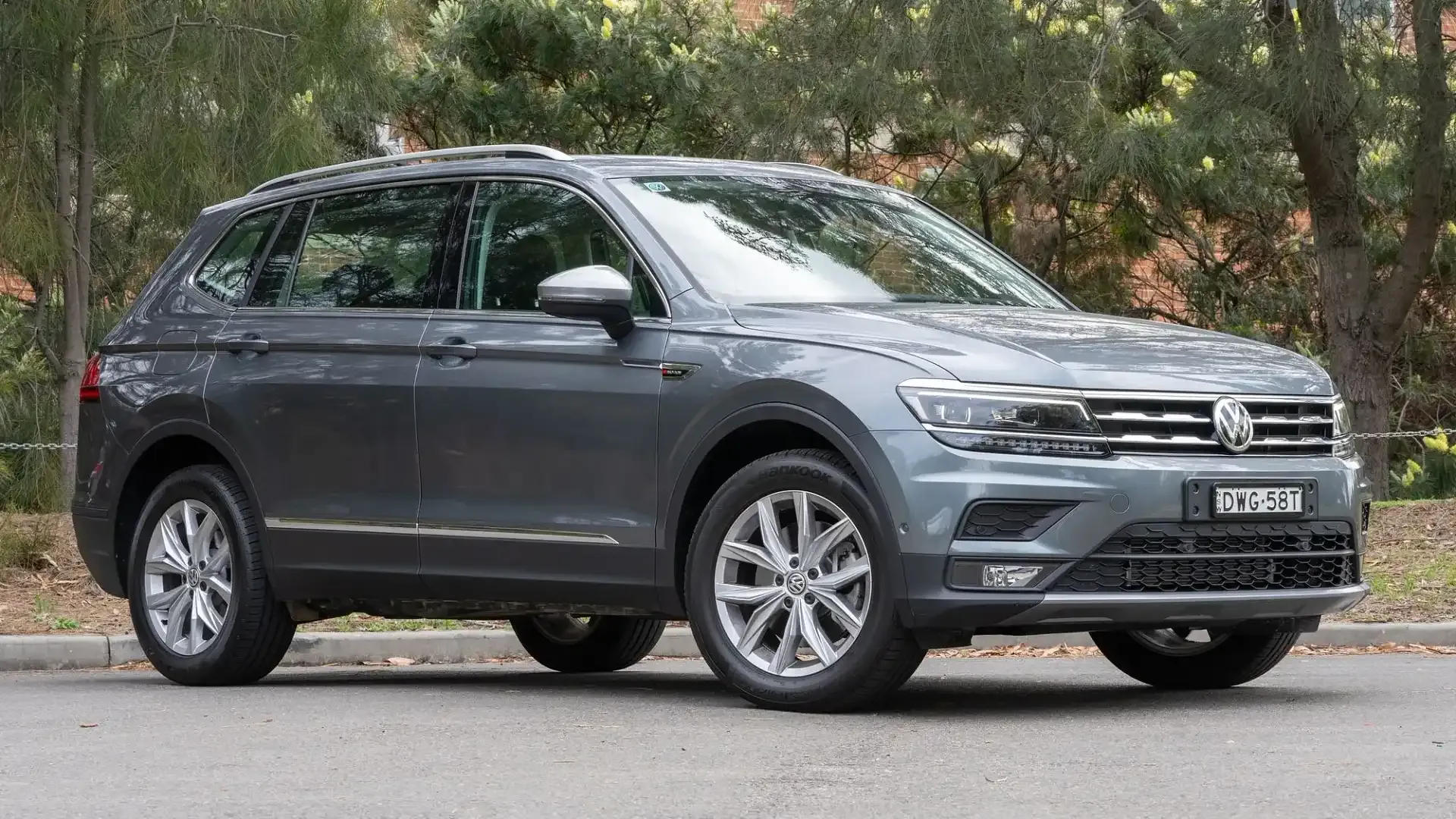
5. Volkswagen Tiguan (2018-2021)
The second-generation Volkswagen Tiguan showcases the precision of German engineering in a compact SUV form. Its tight panel alignment, solid-closing doors, and premium interior materials create a sense of durability uncommon in its class. This careful craftsmanship ensures the vehicle remains sturdy and refined even after years of use.
Under the hood, the turbocharged four-cylinder engine delivers strong performance with solid reliability when serviced regularly. Direct injection systems benefit from periodic carbon cleaning, while well-timed oil changes keep the turbocharger functioning smoothly for the long term.
The eight-speed automatic transmission operates seamlessly, offering quick and refined moves. Though it requires specific maintenance, adherence to service intervals ensures dependable performance. Volkswagen’s updates to the mechatronic system further enhance longevity compared to earlier designs.
All-wheel drive models use a Haldex coupling that efficiently transfers power to the rear wheels when traction is lost. Regular fluid changes keep this system in peak condition, reducing the likelihood of expensive repairs.
Inside, the Tiguan blends elegance with practicality. Scratch-resistant plastics, durable leather seats, and well-organized infotainment systems give the cabin lasting appeal. The touchscreens stay responsive, and safety features like backup cameras and parking sensors maintain accuracy as time goes on.
Ride comfort remains impressive thanks to finely tuned MacPherson struts and a multi-link rear suspension that balances handling and smoothness.
Rust protection is another strong point, with galvanized steel panels and multi-layer coatings guarding against corrosion even in harsh winter environments, preserving the Tiguan’s structure for years.
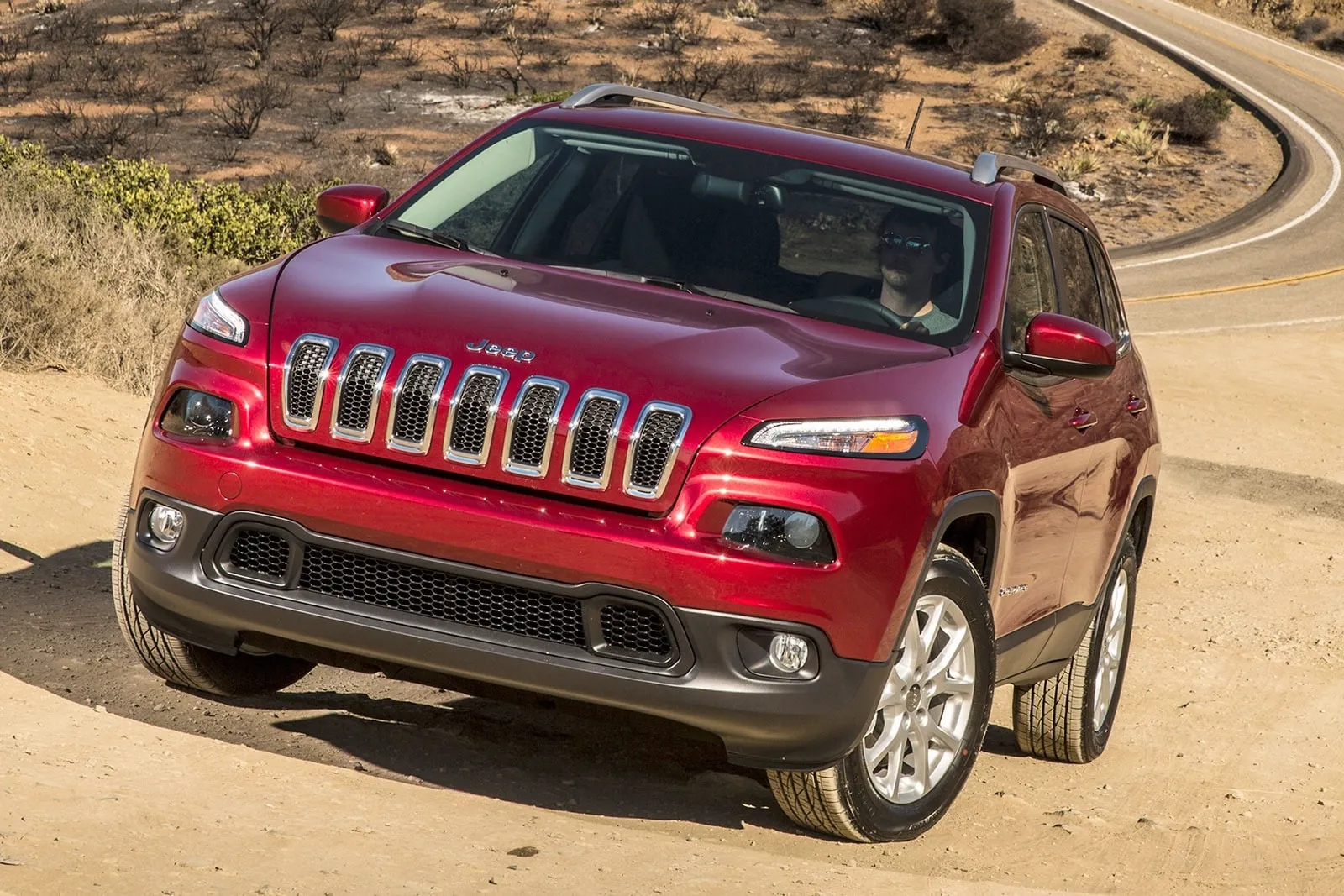
6. Jeep Cherokee (2014-2018)
Chrysler’s pairing of the 3.2-liter V6 engine with a nine-speed automatic transmission delivers better results than early reports suggested. Software refinements improved movement quality, making power delivery smooth and consistent. The V6 offers strong performance while maintaining respectable fuel efficiency for a midsize SUV.
The Cherokee’s four-wheel-drive systems provide real off-road ability uncommon in this class. The Active Drive Lock setup, featuring a locking rear differential, handles challenging roads with confidence. These mechanical components hold up well when maintained properly, outlasting many electronic traction systems under rough conditions.
Its exterior design, once polarizing, has aged gracefully. Sharp contours and the unique front fascia give it a recognizable look that remains appealing. LED headlights and taillights continue working reliably, and the lenses resist discoloration even after years of exposure.
Inside, Chrysler emphasized solid construction and functionality. The cabin materials feel sturdy, controls are logically placed, and the Uconnect system remains quick and intuitive with age. Seating comfort exceeds expectations, with supportive front seats and flexible rear space that folds easily for expanded cargo capacity.
For buyers who opted for the 2.4-liter Tigershark engine, reliability remains strong when routine oil changes are followed. The timing chain design minimizes long-term maintenance expenses.
Built for both on-road comfort and light off-road use, the Cherokee’s suspension components endure demanding conditions without early wear. Paint and clear coat quality are improved, helping the SUV maintain its glossy finish and structural integrity through years of driving.
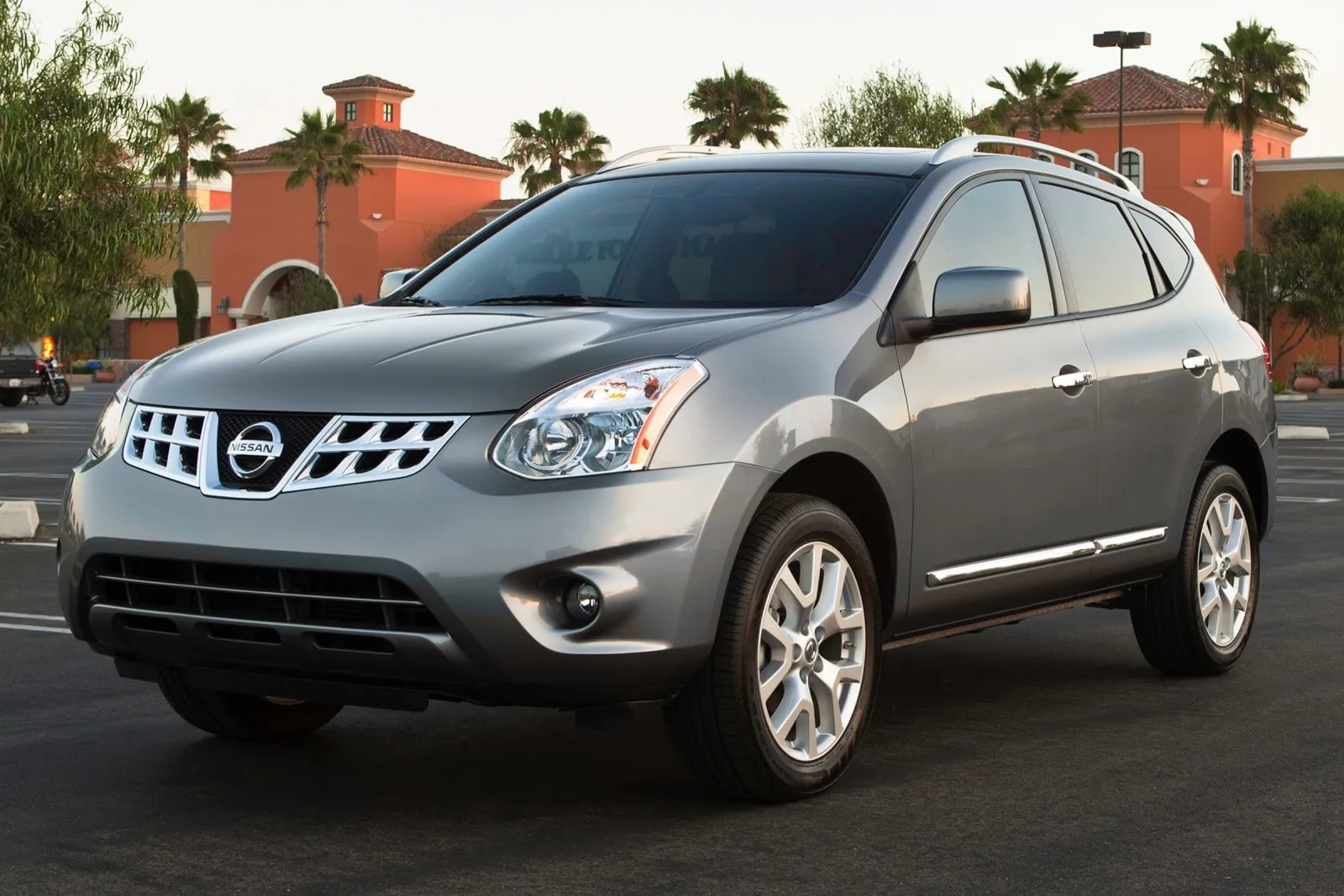
7. Nissan Rogue (2014-2020)
Nissan designed this generation Rogue for comfort and practicality rather than sporting pretensions. CVT transmissions receive criticism but prove reasonably reliable when fluid changes occur at recommended intervals. Partnered with a 2.5-liter four-cylinder engine, these powertrains provide smooth, quiet operation ideal for family duties.
Ride quality emphasizes comfort over sharp handling, creating a compliant character that absorbs road imperfections gracefully.
Suspension tuning focuses on isolating passengers from bumps rather than providing sporty feedback. This soft setup suits the Rogue’s mission perfectly while components prove durable through extended use.
Interior space ranks among the best in the compact SUV segment. Rear seats slide and recline, allowing passengers to customize comfort. Cargo areas offer generous capacity with seats up and expand impressively when rear seats fold flat. Storage cubbies throughout the cabin provide practical spaces for daily items.
All-wheel drive systems work automatically, sending power rearward when sensors detect front wheel slip. This setup requires minimal driver input while providing adequate traction in slippery conditions. System components prove durable when basic maintenance occurs, rarely requiring repairs before vehicles reach high mileage.
Safety equipment includes standard features that were optional on many competitors. Forward collision warning and automatic emergency braking systems continue functioning reliably as vehicles age. These technologies help older Rogues maintain their safety credentials against newer competitors.
Exterior styling avoids extreme design elements that quickly look dated. Clean lines and subtle character features create an inoffensive appearance that ages gracefully. LED daytime running lights add a modern touch that helps these vehicles look current even years after production ended.
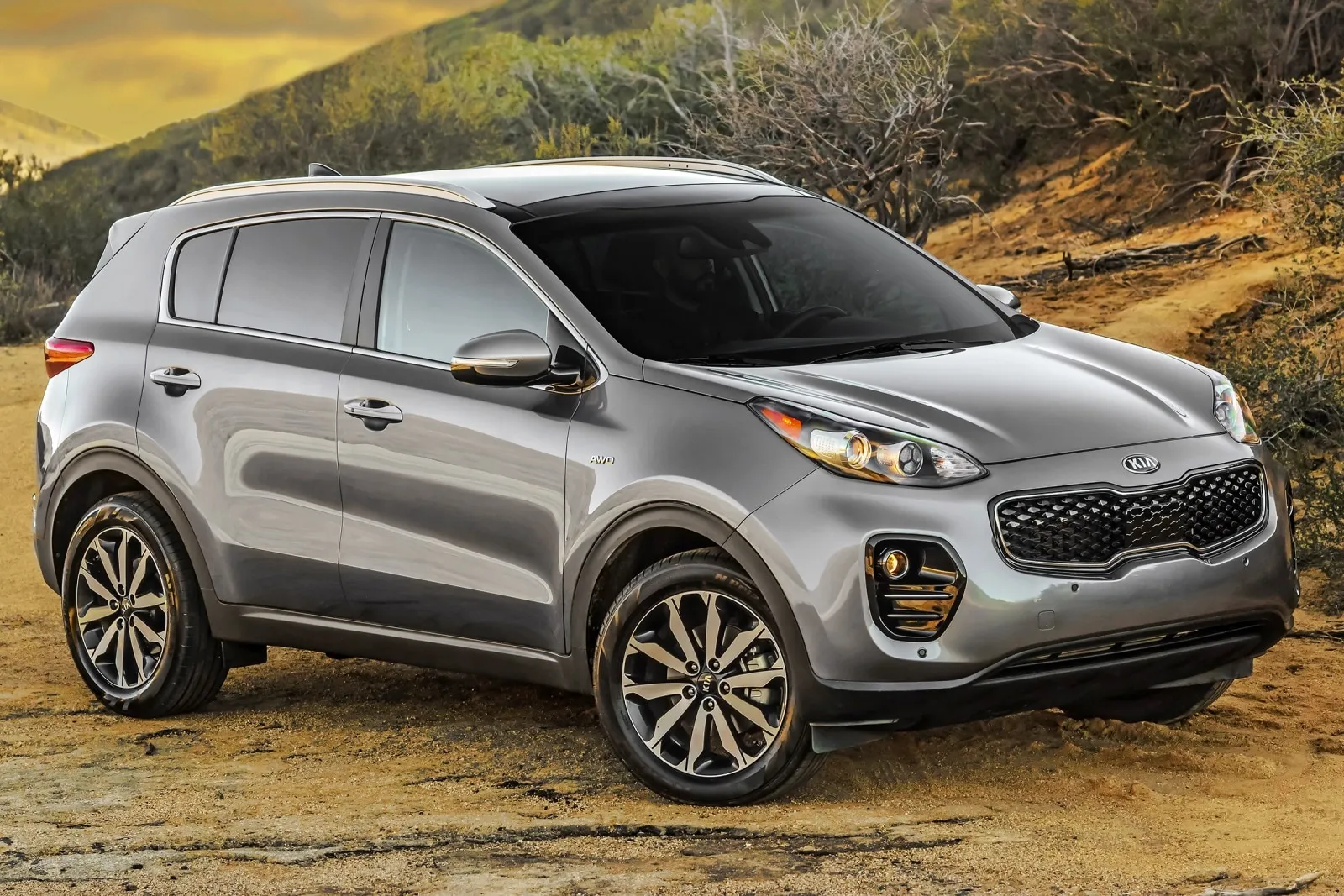
8. Kia Sportage (2017-2021)
Kia transformed its reputation during this generation, producing vehicles that rival established competitors in quality and refinement. Ten-year powertrain warranties demonstrate confidence in reliability, and these Sportages justify that confidence through consistent performance as they age.
Turbocharged 2.0-liter engines provide strong acceleration while maintaining reasonable fuel economy.
Direct injection systems require occasional carbon cleaning, but this preventive maintenance keeps engines running smoothly. Turbochargers prove durable when quality oil changes happen regularly, often lasting beyond 200,000 kilometers without issues.
Interior design combines style with quality materials throughout the cabin. Soft-touch surfaces appear in strategic locations while durable hard plastics occupy high-wear areas. This thoughtful material selection helps interiors maintain their appearance as vehicles accumulate miles.
Infotainment systems use responsive touchscreens with Apple CarPlay and Android Auto integration. These connectivity features remain current even as vehicles age because phones handle most processing rather than aging vehicle computers. Backup cameras maintain clear images through extended use when lenses receive occasional cleaning.
All-wheel drive systems engage automatically based on driving conditions, providing traction when needed without driver intervention. These systems use electromagnetic couplings that require minimal maintenance beyond occasional fluid changes. Durability proves acceptable when basic service occurs at recommended intervals.
Body construction uses high-strength steel in critical areas, providing crash protection while resisting deterioration. Multiple layers of corrosion protection applied during manufacturing help prevent rust formation. Examples from harsh climates show minimal rust issues even after years of exposure.
Paint quality meets modern standards with durable base coats and clear coats that maintain their appearance. Stone chip resistance exceeds expectations for vehicles in this price range. Colors remain vibrant when vehicles receive basic care like regular washing.
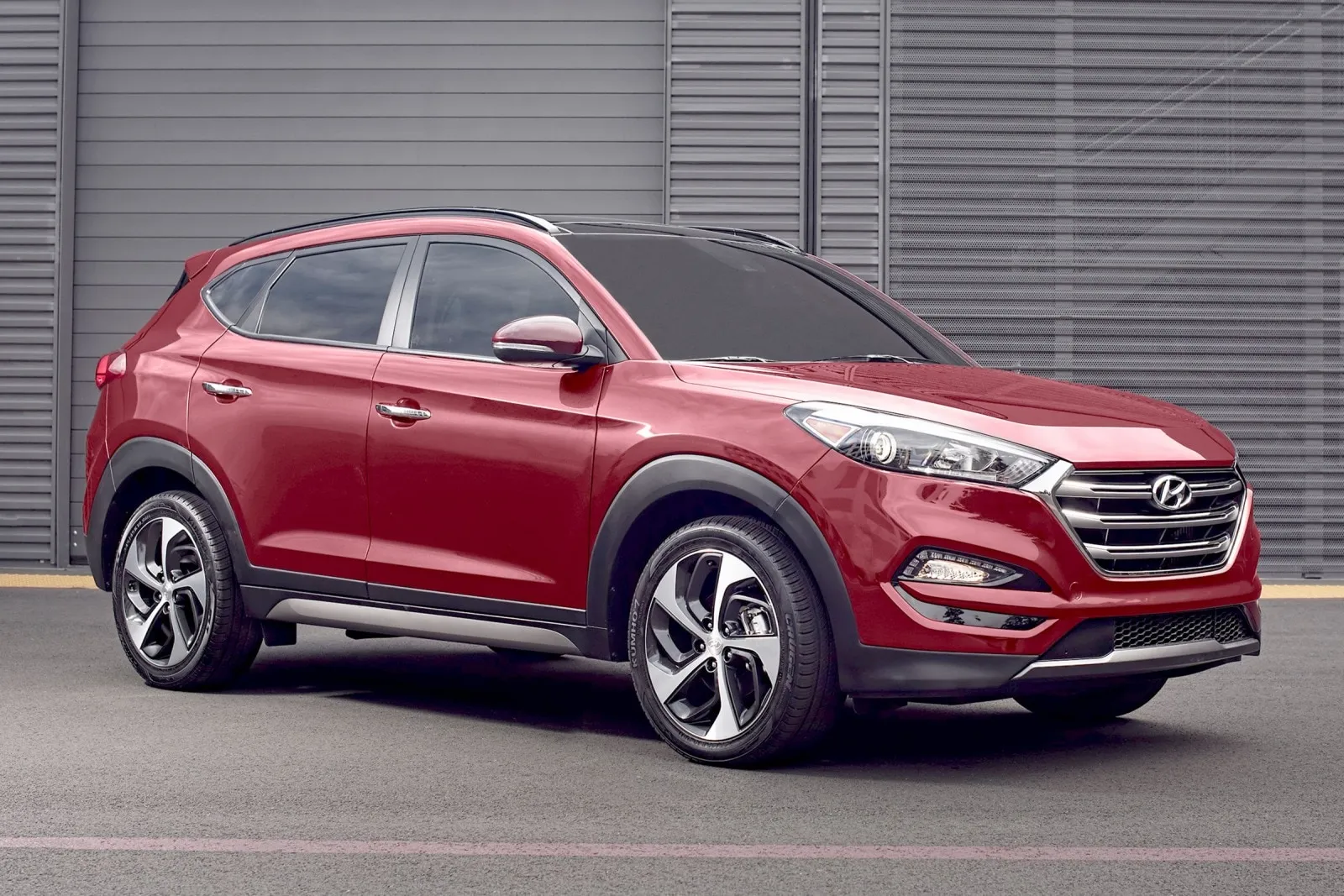
9. Hyundai Tucson (2016-2021)
Hyundai shares mechanical components with its Kia corporate sibling but wraps them in distinctive styling. Aggressive front fascia and flowing bodylines create an appearance that stands out from conservative competitors. This bold design aged better than expected, remaining interesting rather than looking dated.
Interior layouts emphasize usability with straightforward control placement and logical menu structures. Climate controls use physical buttons and knobs that continue functioning reliably as vehicles age. Infotainment screens respond quickly to inputs without the lag that plagues some systems.
Seating comfort receives praise from owners who spend hours behind the wheel. Front seats provide good support without feeling overly firm, and rear seats accommodate adults comfortably. Cargo capacity meets segment expectations with useful tie-down points and storage solutions.
All-wheel drive systems operate automatically, distributing power based on traction needs. These setups require minimal driver input while providing adequate capability for typical weather conditions. Components prove reasonably durable when basic maintenance occurs at specified intervals.
Safety equipment includes forward collision warning, lane keeping assist, and automatic emergency braking. These systems continue functioning properly as vehicles age when sensors and cameras remain clean. This technology helps older Tucsons compete with newer vehicles in safety ratings.
Build quality improved dramatically compared to earlier Hyundai products. Panel gaps align consistently, doors close solidly, and interior materials resist wear better than previous generations. This attention to construction quality extends vehicle life by preventing the deterioration that plagues poorly built competitors.
Warranty coverage at ten years and 100,000 miles for powertrain components demonstrates the manufacturer’s confidence in reliability. This generous coverage protects owners from expensive repairs during the critical early years when most problems surface.
Also Read: 10 SUVs with a ‘Sweet-Spot’ Powertrain Combo to Target
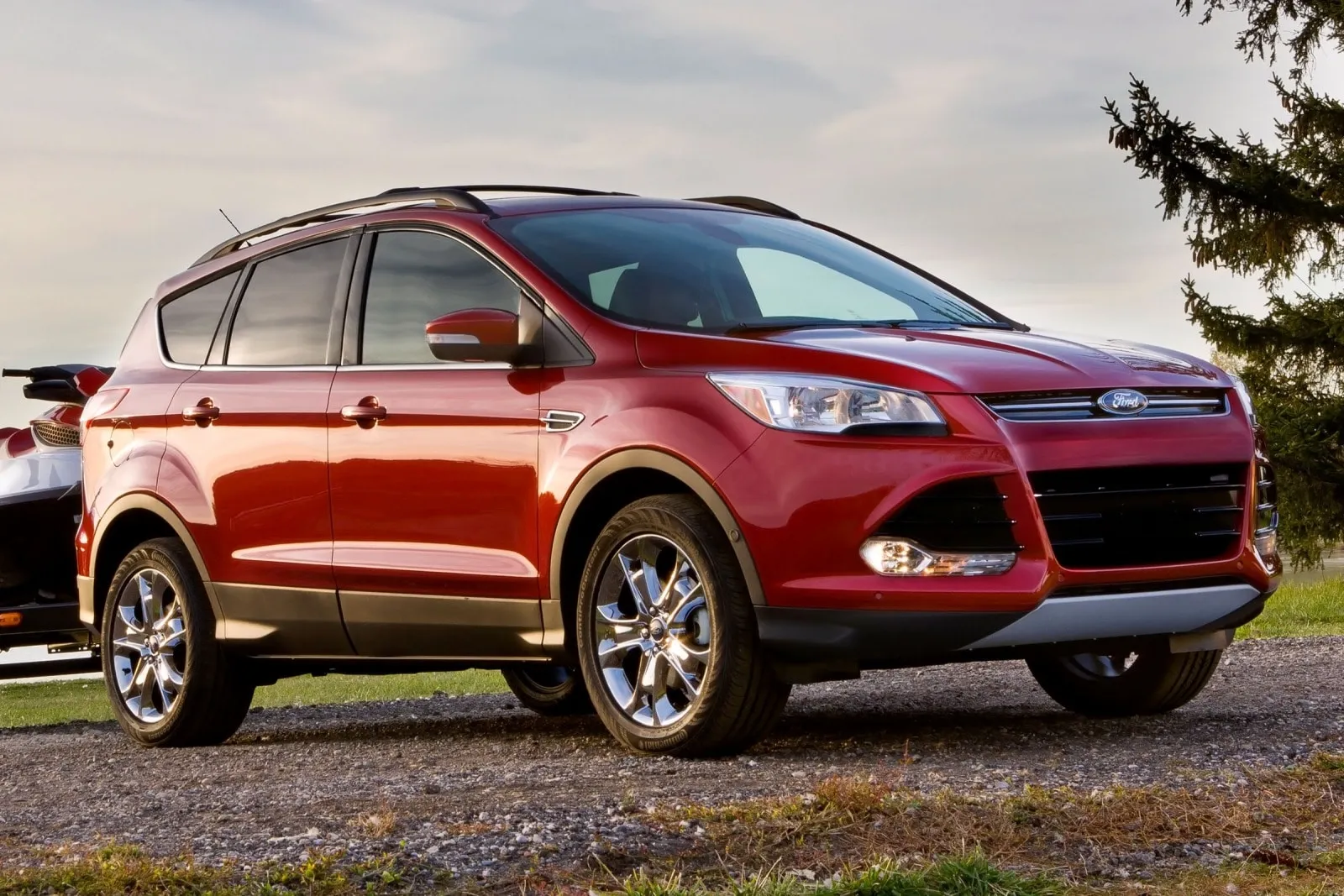
10. Ford Escape (2013-2019)
EcoBoost engines define this generation Escape, bringing turbocharged efficiency to the compact SUV segment.
The 1.6-liter and 2.0-liter turbocharged four-cylinders provide strong performance while maintaining decent fuel economy. These engines require quality oil changes at specified intervals but reward proper maintenance with reliable service.
Intelligent all-wheel drive systems engage automatically when sensors detect wheel slip. This setup provides traction in slippery conditions without constant power delivery to the rear wheels. Simpler mechanical design reduces maintenance requirements compared to full-time systems.
Interior design focuses on practicality with ample storage solutions throughout the cabin. Center console bins accommodate large items, door pockets hold water bottles securely, and cargo areas provide tie-down points for securing loads. These practical touches maintain their usefulness as vehicles age.
Handling characteristics lean toward the sporty end of the segment spectrum. Suspension tuning provides decent feedback without punishing rides over rough pavement. This balanced setup makes Escapes enjoyable to drive even as odometers climb into six figures.
Technology features include Sync infotainment systems that continue functioning reliably as vehicles age. Voice recognition improves with software updates when available. Touchscreens maintain their responsiveness through extended use when protected from extreme heat.
Build quality meets expectations for Ford products with consistent panel gaps and solid door closures. Interior materials might not feel premium, but they resist wear adequately. Dashboard plastics avoid the cracking that affects many aging vehicles when protected from harsh sunlight.
Safety equipment includes standard features like stability control and multiple airbags. Higher trims added blind spot monitoring and rear cross-traffic alert. These systems continue functioning properly when sensors remain clean and aligned.
Body panels use steel construction with adequate rust protection for most climates. Corrosion issues remain minimal when vehicles receive basic care. Paint quality holds up reasonably well against stone chips and weather exposure.
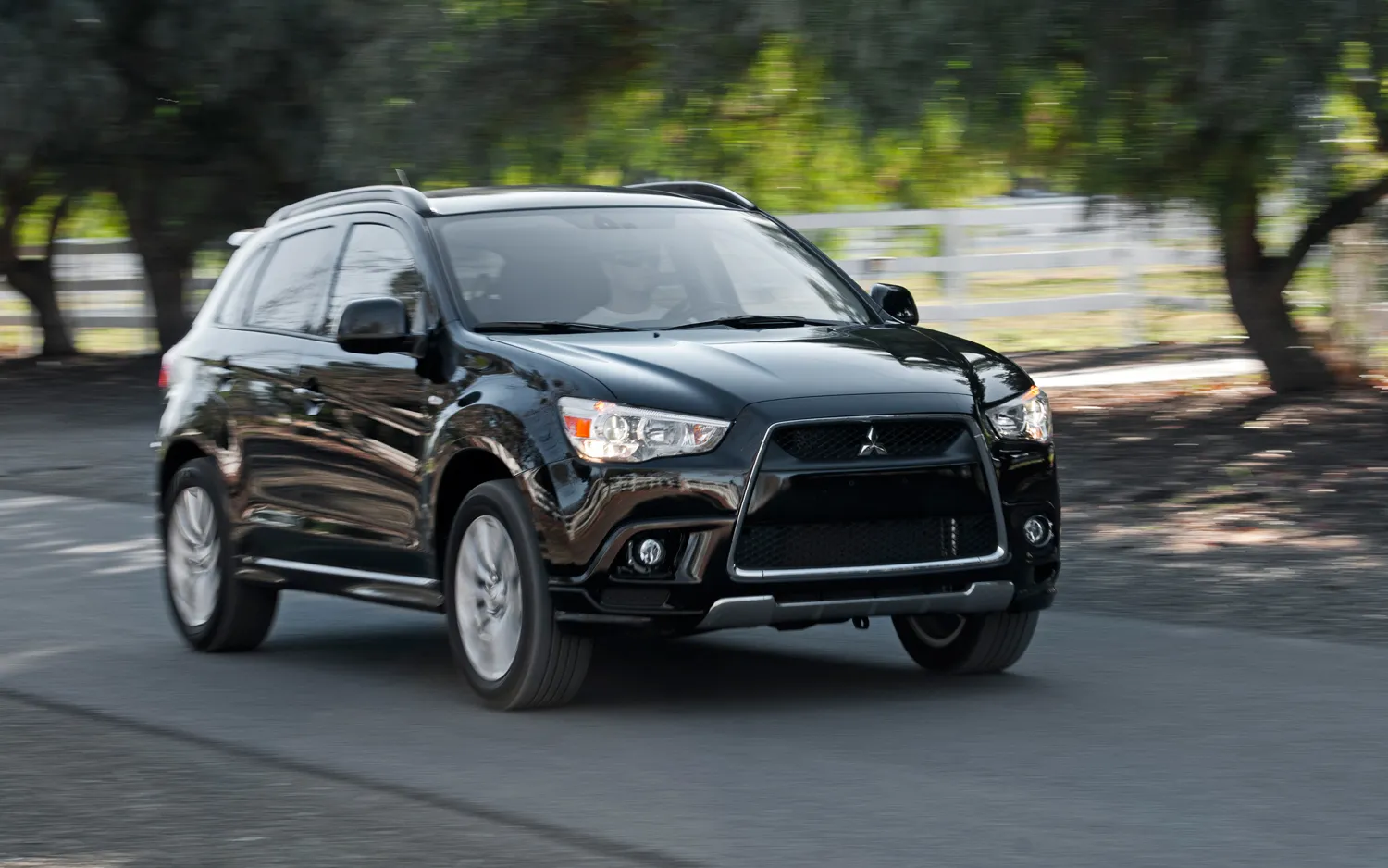
11. Mitsubishi Outlander Sport (2011-2020)
Mitsubishi positioned the Outlander Sport as an affordable entry into compact SUV ownership. Basic construction and proven mechanical components result in vehicles that serve reliably when properly maintained.
Naturally aspirated 2.0-liter and 2.4-liter four-cylinder engines provide adequate power without complicated technology. These basic powerplants prove reliable through high mileage when oil changes occur regularly. Timing chains eliminate belt replacement intervals, reducing long-term maintenance costs.
CVT transmissions receive mixed reviews but prove reasonably durable when fluid changes happen at recommended intervals.
These continuously variable transmissions provide smooth power delivery ideal for relaxed driving. Avoiding aggressive acceleration and maintaining proper fluid levels extends transmission life considerably.
All-wheel drive systems engage automatically when sensors detect front wheel slip. This simple setup requires minimal maintenance while providing adequate traction in poor weather. Mechanical components prove durable through extended use when basic service occurs.
Interior design emphasizes functionality over style with straightforward layouts and practical materials. Hard plastics throughout might not impress initially, but they resist scratches and wear effectively. Cloth seats prove surprisingly durable, avoiding the tears that affect many aging interiors.
Cargo space meets segment expectations with rear seats that fold reasonably flat. Tie-down hooks and storage bins provide practical solutions for securing loads. These features maintain their usefulness throughout the vehicle’s service life.
Ride quality favors comfort over sporty handling. Suspension tuning absorbs bumps gracefully while providing adequate body control. Components prove reasonably durable through extended use, resisting premature wear that affects some competitors.
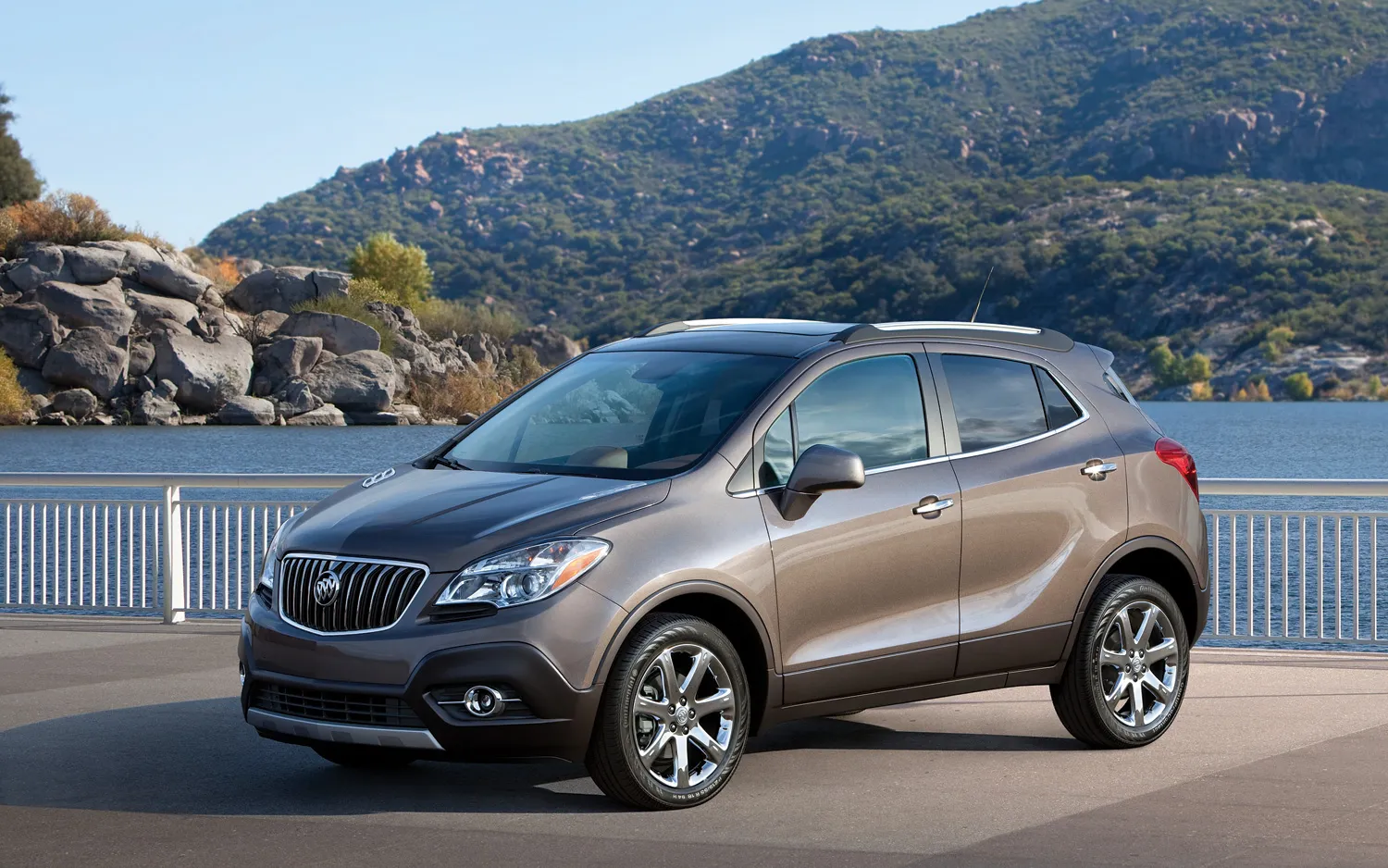
12. Buick Encore (2013-2019)
General Motors introduced the Encore as a refined option within the subcompact SUV category, emphasizing a touch of luxury uncommon in vehicles of its size.
The interior design stands out through its upscale materials and quiet atmosphere, helping the vehicle retain its premium feel even after years of use. Its strong build quality prevents early wear, keeping both looks and performance intact as time goes on.
Power comes from a turbocharged 1.4-liter four-cylinder engine that strikes a balance between lively city driving and modest fuel consumption. Routine oil changes using quality lubricants preserve engine health, and when treated with care, the turbo components deliver lasting performance.
The six-speed automatic transmission offers smooth gear changes and consistent dependability over the long term. Since it uses a conventional design rather than a dual-clutch system, it avoids many age-related complications, particularly when the transmission fluid is replaced as recommended.
Inside, the Encore impresses with its finish and layout. Surfaces feel soft to the touch, and controls move with accuracy. The dashboard arrangement remains intuitive, offering physical knobs for quick adjustments.
The suspension is tuned for comfort, soaking up rough surfaces without making the ride harsh. While compact on the outside, the vehicle glides smoothly over uneven roads, perfectly suited for everyday city travel.
Optional all-wheel drive activates automatically when traction decreases, providing stability without unnecessary mechanical complications.
Storage is thoughtfully arranged, with folding rear seats that create more cargo flexibility. Precision is evident throughout, from tight body panels to a sturdy frame that feels more substantial than its size suggests.
Safety systems include multiple airbags and stability control as standard, while advanced trims add technologies like forward collision and lane departure alerts. The exterior resists rust effectively, and its paintwork remains bright and durable for years when given basic care.
