
Few things say “reliability” more clearly than a car that continues to run smoothly even after the odometer crosses half a million miles. For most vehicles, reaching that kind of distance is unthinkable.
Yet some models continue to prove that thoughtful engineering, proper maintenance, and durable components can stretch the lifespan of a car far beyond what most owners expect.
These long-lasting machines are more than just transportation. They become part of a driver’s life, trusted for thousands of trips, weather changes, and years of use.
What separates these vehicles from others isn’t luck it’s design integrity, solid powertrains, and consistent build quality. When maintained properly, these cars refuse to slow down.
Some of these models come from brands famous for longevity, while others have earned their reputation quietly, through loyal owners who put them through real-world conditions.
What they all share is mechanical strength and resilience under pressure. Many continue to operate with their original engines and transmissions, requiring only regular maintenance and minor repairs.
These vehicles represent the peak of dependability. They show that quality materials, sensible engineering, and driver care can make any car last longer than expected. Whether it’s a tough pickup, a family sedan, or a capable SUV, each of these fifteen cars has proven its ability to endure.
Let’s take a closer look at the cars that don’t quit even after hundreds of thousands of miles. Each one has a story of strength and consistency that keeps it running as smoothly at 500,000 miles as it did when new.
Also Read: 10 Proven Oils And Intervals For Engines Past 150,000 Miles
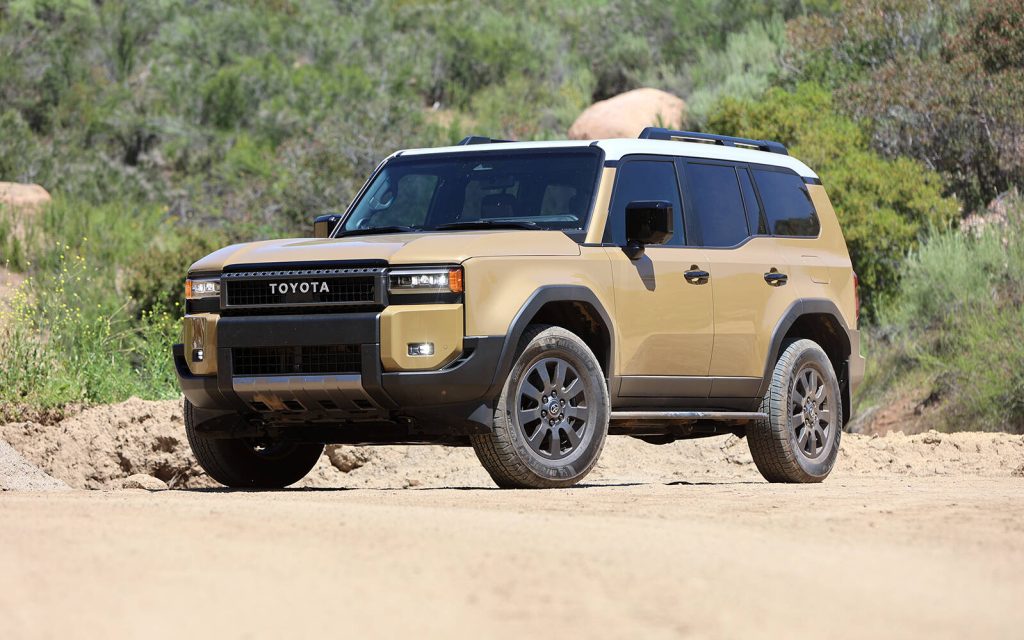
1. Toyota Land Cruiser
The Toyota Land Cruiser stands as one of the most durable vehicles ever built. Known for its rugged construction and proven engine design, it has been trusted across deserts, mountains, and city streets for decades. Many examples still run strong with original drivetrains after half a million miles.
Its reliability comes from a focus on mechanical simplicity and overbuilt components. The engines, especially the inline-sixes and V8s, are designed to handle continuous stress. With proper maintenance, they show little sign of wear even at extreme mileage.
The transmission and suspension are equally robust. The heavy-duty frame resists corrosion, and the drivetrain tolerates demanding use. Owners often report that even after years of off-road travel, the vehicle still feels tight and composed.
Comfort is another factor that contributes to its longevity. The Land Cruiser’s cabin materials are thick and resistant to wear, keeping the interior solid over time.
Regular oil changes, timely fluid replacements, and attention to rust prevention can keep these SUVs running indefinitely.
This vehicle also benefits from excellent parts availability worldwide. Mechanics are familiar with its systems, making upkeep straightforward. That global support network helps the Land Cruiser stay reliable long after newer vehicles give up.
It’s not uncommon to see Land Cruisers with over 500,000 miles still running smoothly, many with original engines. They remain as capable as ever, proving that durability and thoughtful design can outlast trends and technology cycles.
2. Honda Accord
The Honda Accord has built its legacy on dependability and mechanical consistency. Known for refined engines and strong build quality, it’s one of the few midsize sedans that can easily reach half a million miles with regular care.
Its four-cylinder and V6 engines are well balanced, offering smooth power delivery without excessive strain.
These engines have proven themselves in millions of vehicles, maintaining performance even with age. The transmissions, whether automatic or manual, are built to last when serviced routinely.
The Accord’s chassis construction contributes greatly to its longevity. Its suspension design offers both comfort and control, and the body structure resists flexing over time. Even after years on the road, it maintains a stable, composed ride.
Interior quality also helps it age gracefully. Materials inside hold up well under daily use, and the design keeps controls intuitive, reducing wear on switches and trim. It’s a car built with longevity in mind, not just style or trend.
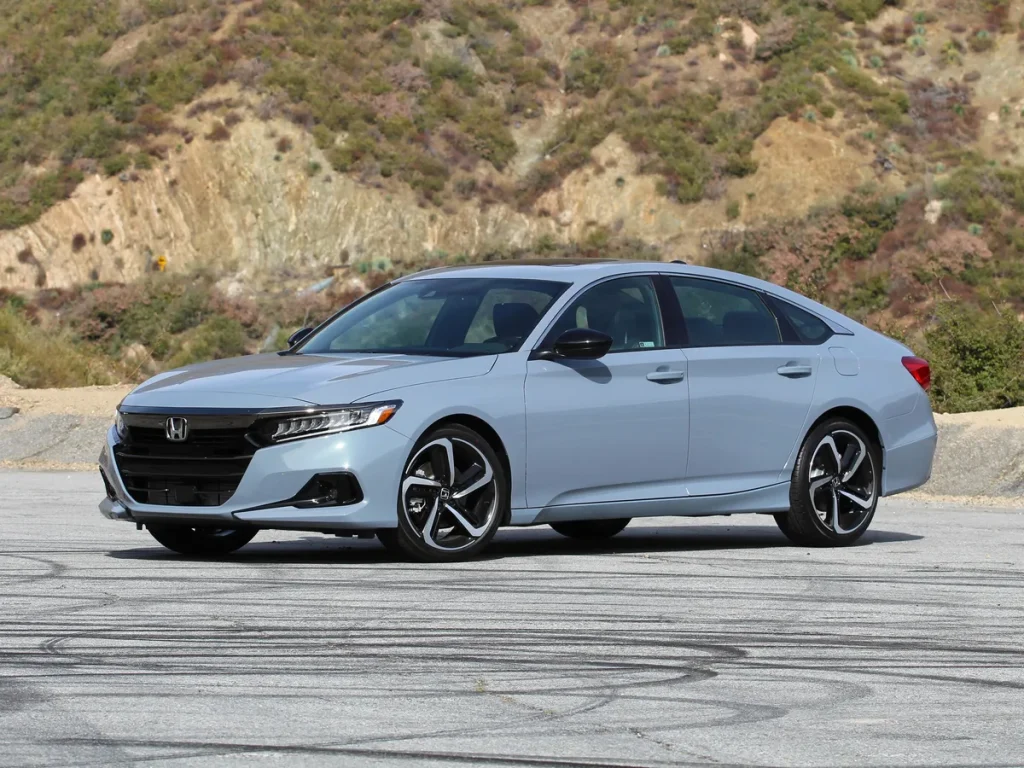
Many owners who follow basic maintenance schedules timely oil changes, cooling system checks, and transmission fluid replacements, report minimal major repairs even past 400,000 miles. Reaching 500,000 isn’t a surprise for a well-kept Accord.
It’s practical, reliable, and inexpensive to maintain. These qualities make it a favorite among drivers who value consistency over flash. The Accord continues to prove that strong engineering and thoughtful design are what keep a car running smoothly for decades.
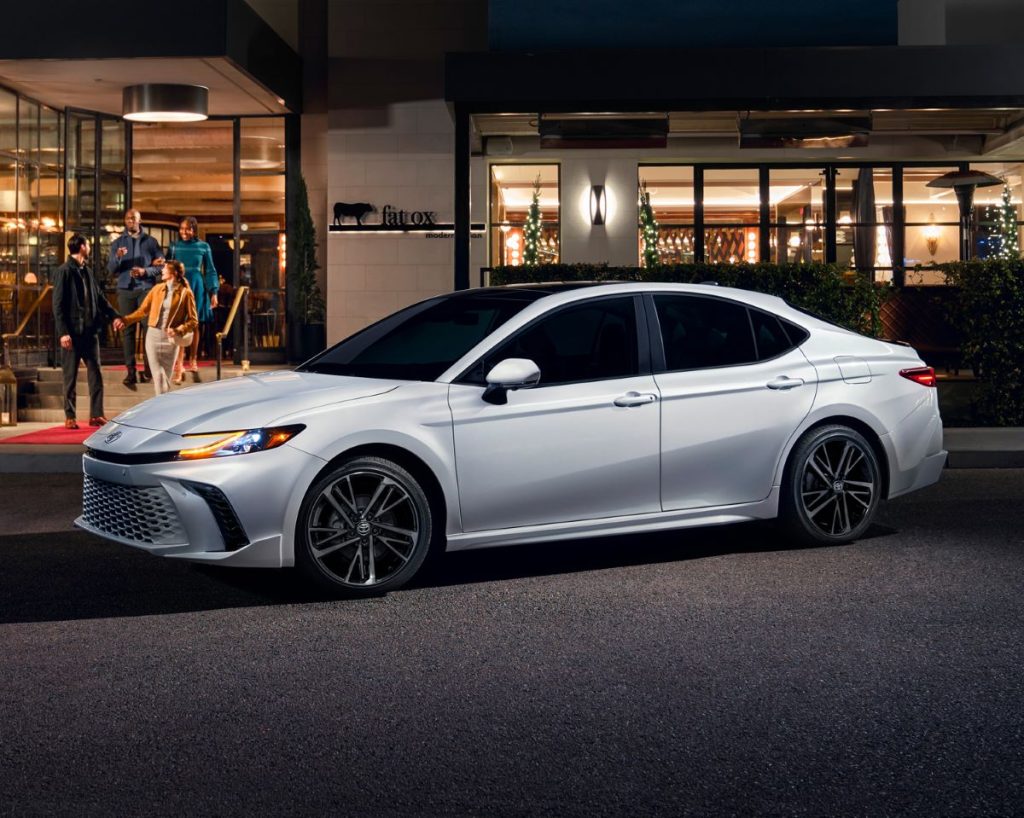
3. Toyota Camry
The Toyota Camry’s reputation for reliability is almost unmatched. Built to handle daily driving, long commutes, and years of consistent use, it’s one of the easiest cars to keep running smoothly beyond 500,000 miles.
Its engines are known for their endurance. The 2.4-liter and 3.5-liter options have been refined over generations to prioritize smoothness and low internal stress. Combined with a transmission that shifts cleanly and resists wear, the Camry delivers dependable performance year after year.
One reason it lasts so long is that its components are built to endure heat, vibration, and long operating hours. The cooling system, engine mounts, and electrical parts show impressive durability even after years of service.
The Camry’s simple design also helps. It avoids unnecessary complexity, making it easier and cheaper to maintain. Replacement parts are widely available, and mechanics are familiar with its systems, which keeps repairs affordable and straightforward.
Inside, the cabin remains solid even after extensive use. Seats, door panels, and controls resist premature wear, giving the car a well-kept feel even at high mileage. Regular maintenance and attention to fluids are often all it takes to keep it in top condition.
Thousands of Camrys across the world continue to run strong with odometers reading well beyond 400,000 miles. For drivers who value steady performance and low stress, the Camry proves that reliability is built through engineering discipline, not luck.
4. Honda Civic
The Honda Civic is one of those rare compact cars that refuses to quit. It’s been known for decades as a simple, durable, and economical vehicle that outlasts many of its competitors. When cared for correctly, a Civic can easily run past 500,000 miles without major trouble.
The foundation of its longevity lies in its engine design. Honda’s four-cylinder engines are precision-built, featuring lightweight components and efficient cooling.
They’re engineered to minimize internal friction, allowing smoother operation over long distances. Even after hundreds of thousands of miles, the engine can still idle quietly and deliver good fuel economy.
Transmission reliability is another highlight. The manual versions are almost bulletproof, while the automatic transmissions last exceptionally long with timely fluid changes. Many owners have reported that even with regular city use, the drivetrain remains responsive and consistent.
The Civic’s structure adds to its endurance. The unibody frame is sturdy, resisting rust and maintaining alignment over the years. Suspension components are simple and inexpensive to replace, keeping the car driving tight and composed even with age.
Interior longevity also sets it apart. Honda used durable fabrics and materials that resist wear from sunlight and constant use. The seats often hold shape even after years of commuting, and the controls stay functional.
Maintenance plays a key role in the Civic’s extended life. Owners who change fluids on schedule and use genuine parts usually face minimal engine wear. Timing belt replacements and regular valve adjustments keep performance consistent.
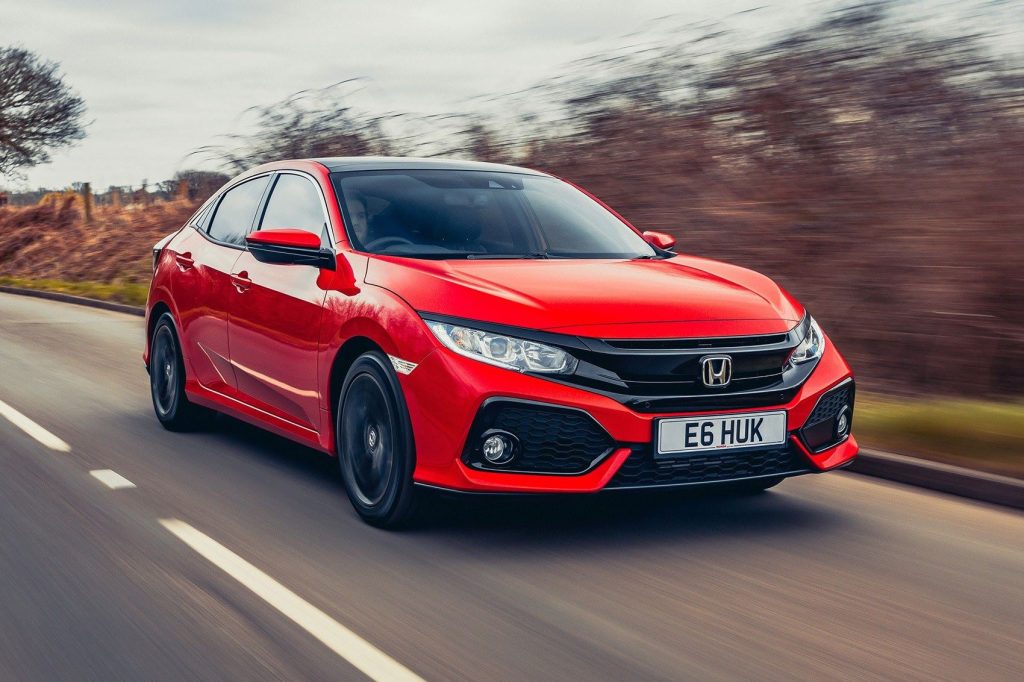
Fuel efficiency adds another reason for its long-term value. Because it sips fuel instead of guzzling it, the Civic encourages careful driving habits, which naturally reduce stress on the engine.
Many of these cars from the 1990s and 2000s are still running strong today, proving how well-engineered they were. Few vehicles combine such simplicity, reliability, and affordability while holding up gracefully for half a million miles.
5. Toyota 4Runner
The Toyota 4Runner has earned a place among the toughest SUVs ever produced. It’s a body-on-frame design built for durability rather than luxury, and that rugged approach has helped it survive more than 500,000 miles for countless owners.
At the heart of its longevity is the proven engine lineup. Toyota’s V6 and V8 engines are designed for continuous load, with thick blocks, strong pistons, and cooling systems meant to handle off-road temperatures.
Even after years of towing or mountain travel, these engines maintain steady compression and oil pressure. The transmission and drivetrain components are built to match the engine’s toughness.
The 4Runner’s four-wheel-drive system uses heavy-duty gears and transfer cases that handle extreme terrain without failure. With regular servicing, these components rarely break down, even after decades.
Rust protection is another area where the 4Runner excels. Toyota uses treated steel and protective coatings, giving the frame exceptional resistance to corrosion. For drivers in snowy climates or coastal regions, this makes a major difference in long-term survival.
Inside, the design is functional and long-lasting. The upholstery withstands dirt, sun, and moisture with minimal wear. Switchgear remains solid, and mechanical controls age better than delicate electronics.
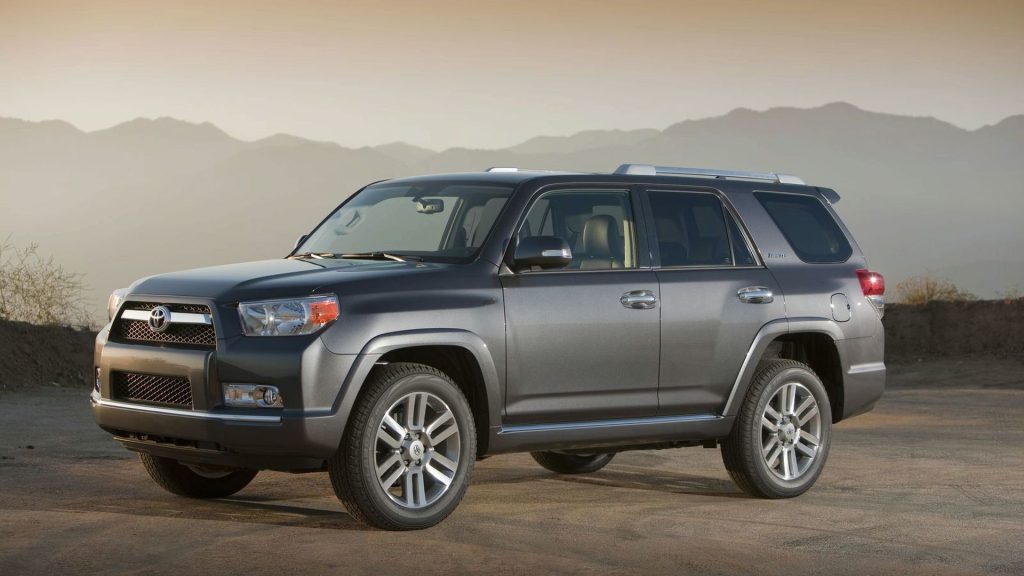
Owners who maintain them carefully often report that the only replacements needed are consumables brakes, tires, and suspension parts. The rest of the vehicle tends to remain original.
Beyond the mechanics, the 4Runner inspires loyalty because it feels just as solid after years of use as it did new. The steering stays tight, the ride feels consistent, and the engine sound remains reassuringly steady.
Even examples from the early 2000s are regularly seen with odometers nearing 600,000 miles, still hauling gear or serving as daily drivers. The 4Runner proves that when a vehicle is built with strength in mind, longevity naturally follows.
6. Lexus LS400
The Lexus LS400 changed perceptions about what a luxury car could be. When it arrived in the early 1990s, it set a new standard for reliability and smoothness. Decades later, many of these cars are still on the road with over 500,000 miles, running quietly and comfortably.
Its secret lies in Toyota’s engineering philosophy. The LS400’s 4.0-liter V8 was designed with extreme precision.
It uses high-quality alloys, tight tolerances, and an advanced balancing system that reduces vibration. The result is an engine that barely strains, even after years of operation.
The transmission complements the engine’s refinement. It shifts seamlessly and withstands long-term use with minimal wear when maintained properly. Lexus built the drivetrain with a focus on smooth operation rather than chasing raw power, which pays off in longevity.
Suspension durability is another strength. The LS400 rides on a double-wishbone setup that balances comfort with structural integrity. Components are sturdy, and replacements are easy to source even decades later.
Inside, the car showcases some of the most durable materials ever used in a luxury sedan. Real wood trim, thick leather, and carefully assembled panels resist cracking and fading. Even after hundreds of thousands of miles, many LS400 interiors remain quiet and solid.
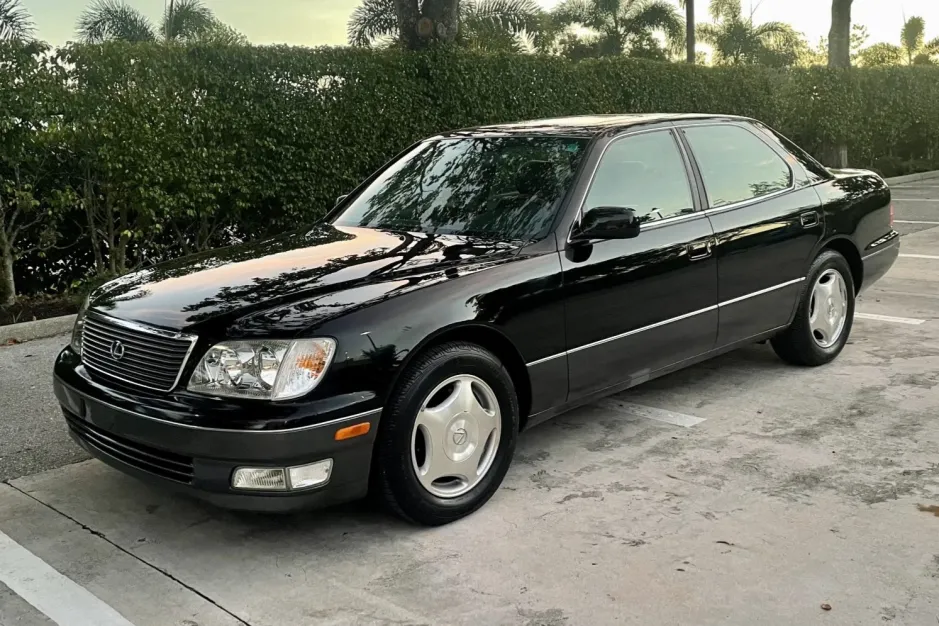
Electrical reliability also stands out. Lexus used advanced diagnostics and wiring insulation to prevent long-term faults. As a result, most of the original electronics continue to function flawlessly.
Owners who perform routine service oil changes, timing belt replacements, and coolant flushes often find the LS400 almost impossible to wear out. The car’s build quality reflects Toyota’s goal to make it run perfectly even after extreme mileage testing.
Few luxury vehicles combine comfort, silence, and endurance like the LS400. It remains a symbol of engineering done right proof that refinement and longevity can exist together in one timeless package.
7. Toyota Corolla
The Toyota Corolla has earned its global reputation not through flash or power, but through its sheer dependability.
Millions of owners have trusted this compact sedan to start every morning, year after year, and many examples have crossed 500,000 miles with minimal repair needs.
Its success starts with simplicity. The Corolla’s four-cylinder engines, particularly the 1.8-liter and 1.6-liter variants, are built to be nearly indestructible.
These engines use conservative tuning that prioritizes efficiency and temperature control over maximum output. They rarely overheat, consume little oil, and maintain consistent compression even after hundreds of thousands of miles.
The transmission design is just as strong. Manual gearboxes in older models are especially reliable, using mechanical linkages that hold up under stress.
Automatic versions are known for long lifespans too, provided fluid changes are done on time. The gearing ratios keep the engine within its comfort zone, reducing long-term strain.
Durability continues with the suspension and chassis setup. Toyota avoided overcomplication, instead focusing on proven materials and straightforward geometry. Control arms and bushings are easy to replace, helping the Corolla feel steady and balanced even after years on rough roads.
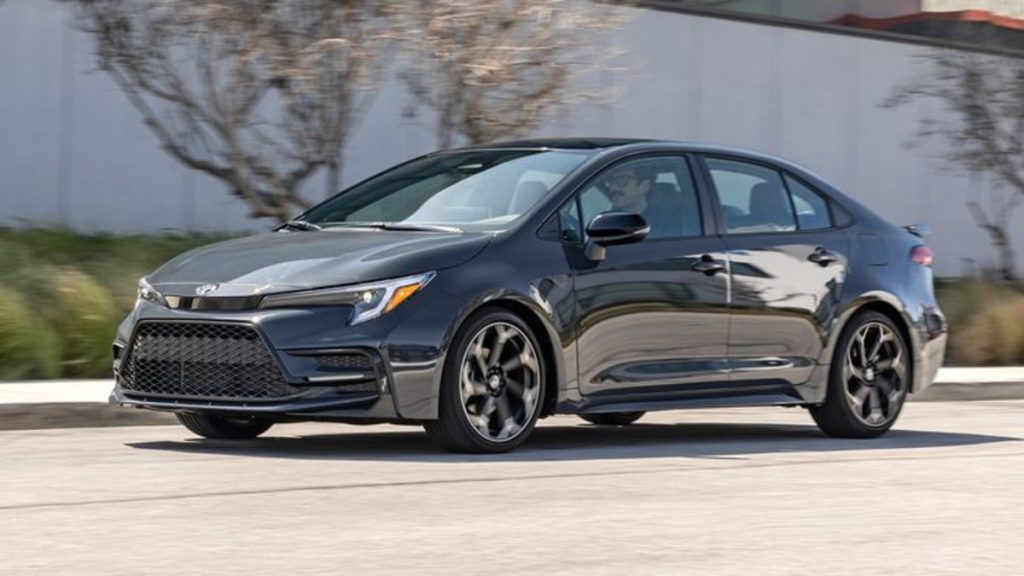
Corrosion resistance has also been a long-standing focus. Many Corollas from the early 2000s still retain solid underbodies thanks to effective rustproofing. For owners in regions with heavy road salt, this quality extends structural life considerably.
Inside, the car is basic but lasting. The fabric resists wear, plastics don’t fade quickly, and the switches hold up to repeated use. Many Corollas remain clean and functional after decades, with original components still operating normally.
The secret to keeping a Corolla alive for half a million miles is regular care. Oil changes, spark plug replacements, and timing belt checks keep the car efficient and smooth. The lightweight design also means fewer parts endure heavy stress.
The Corolla doesn’t pretend to be exciting, but its reliability is unmatched. Owners who drive conservatively and maintain it with discipline often find that it just doesn’t quit.
It’s an ideal companion for those who value consistency over flash, proving that endurance can sometimes be more satisfying than speed.
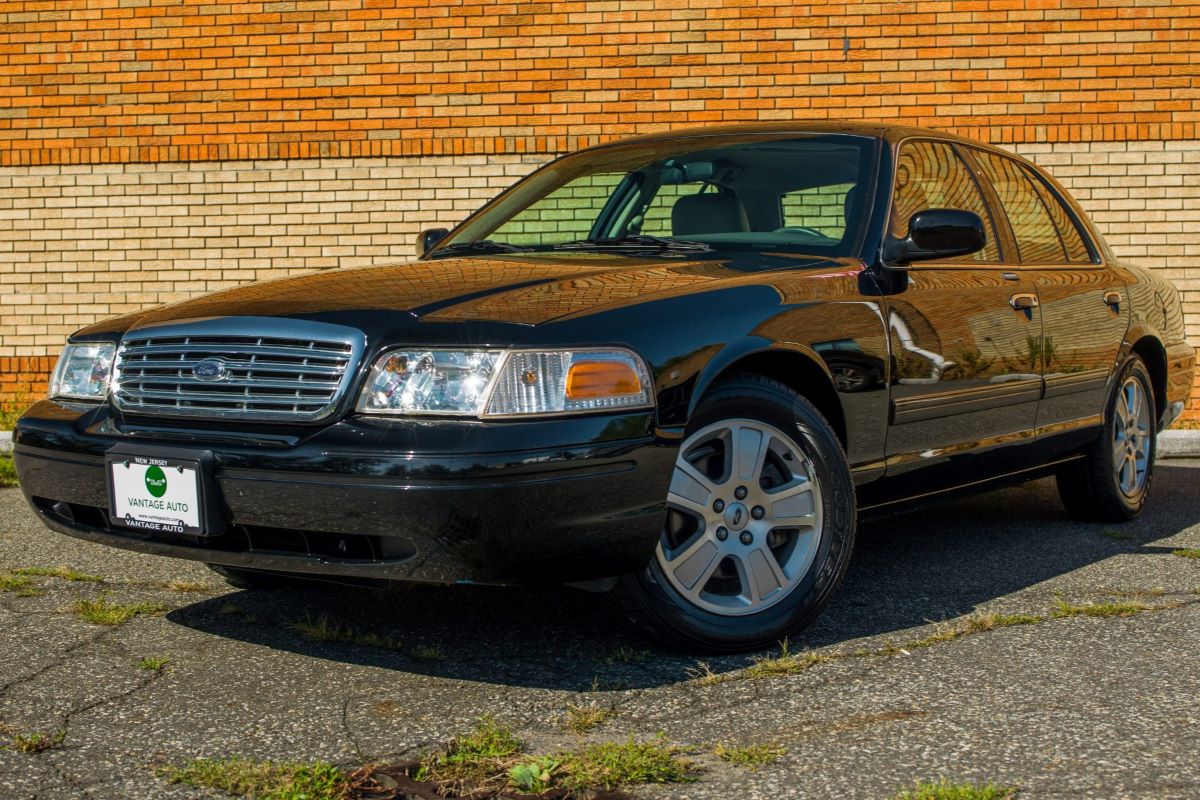
8. Ford Crown Victoria
The Ford Crown Victoria may have disappeared from showrooms, but it still runs strong in fleets and among enthusiasts who appreciate toughness.
Known for serving as taxis and police interceptors, this full-size sedan is one of the few vehicles that regularly exceeds 500,000 miles while staying mechanically sound.
Under its hood lies the 4.6-liter V8, a member of Ford’s Modular engine family. It’s not a high-revving powerhouse, but its construction is sturdy.
The aluminum heads and iron block handle stress effortlessly, and with consistent oil changes, the internals remain remarkably clean. Many examples have original engines well past half a million miles.
The transmission, typically a four-speed automatic, is equally impressive. Designed for fleet abuse, it handles heavy use, long idling, and high-speed driving without issue. Regular fluid flushes and filter changes help it shift smoothly even after decades of service.
The rear-wheel-drive platform plays a big role in the Crown Vic’s lifespan. Its body-on-frame structure, similar to a truck, is incredibly resistant to wear.
This design allows it to absorb punishment from poor roads and hard braking without bending or cracking. For taxi services, this meant fewer structural failures and easier repairs.
Suspension parts are heavy-duty, and replacements are inexpensive. That’s why these cars remained economical for fleets they were built to be serviced easily. Steering and brakes also hold up well, offering consistent feedback even as miles accumulate.
Inside, durability extends to the basics. Vinyl seats, simple controls, and tough carpeting mean fewer issues from daily wear. Police units often logged extreme use, yet interiors stayed intact.
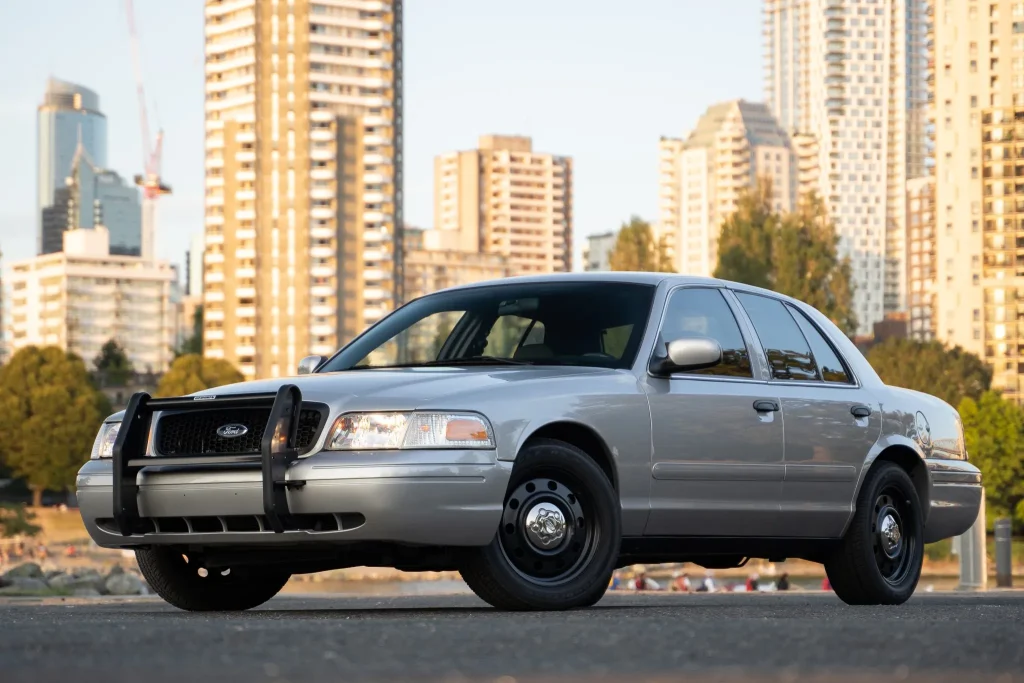
The Crown Victoria’s reputation as a “forever car” comes from how predictable it is. It doesn’t rely on complex electronics, and its mechanical simplicity makes it easier to maintain. Regular coolant changes and proper tire alignment keep it running straight and cool.
Many of these cars continue to serve in rural towns and private fleets, long after newer models have retired. It’s a perfect example of engineering built around endurance instead of fashion, proving that straightforward design often stands the test of time.
9. Subaru Outback
The Subaru Outback has long been known as a dependable companion for drivers who live in regions with rough weather.
With its balanced all-wheel-drive system and tough build, it’s no surprise that many Outbacks cross the 500,000-mile mark and remain steady performers.
The heart of the Outback’s reliability is its boxer engine layout. The horizontally opposed cylinders reduce vibration and distribute weight evenly, helping the engine stay smoother over time.
The 2.5-liter and 3.6-liter engines, when maintained properly, can last for decades. Regular oil changes and timing belt replacements are crucial for keeping these engines healthy.
Subaru’s symmetrical all-wheel-drive system is another factor in its longevity. It distributes power evenly to all wheels, reducing strain on any single axle. The driveline is simple yet durable, and when fluids are replaced on schedule, it operates reliably even under snowy or muddy conditions.
The transmission whether manual or automatic, has proven to be sturdy when serviced correctly. Many owners have reported that the gearbox remains responsive well past 300,000 miles, and with continued care, reaching 500,000 isn’t out of reach.
The Outback’s structure is built to resist fatigue. Reinforced steel in critical areas keeps the chassis rigid while absorbing vibration. The suspension uses long-travel struts designed for comfort and strength, which helps the car maintain composure even after years of heavy use.
Inside, the materials are practical and wear-resistant. The seats often retain their shape, and controls rarely fail. Subaru focused on functionality, ensuring that the Outback stays comfortable no matter its age.
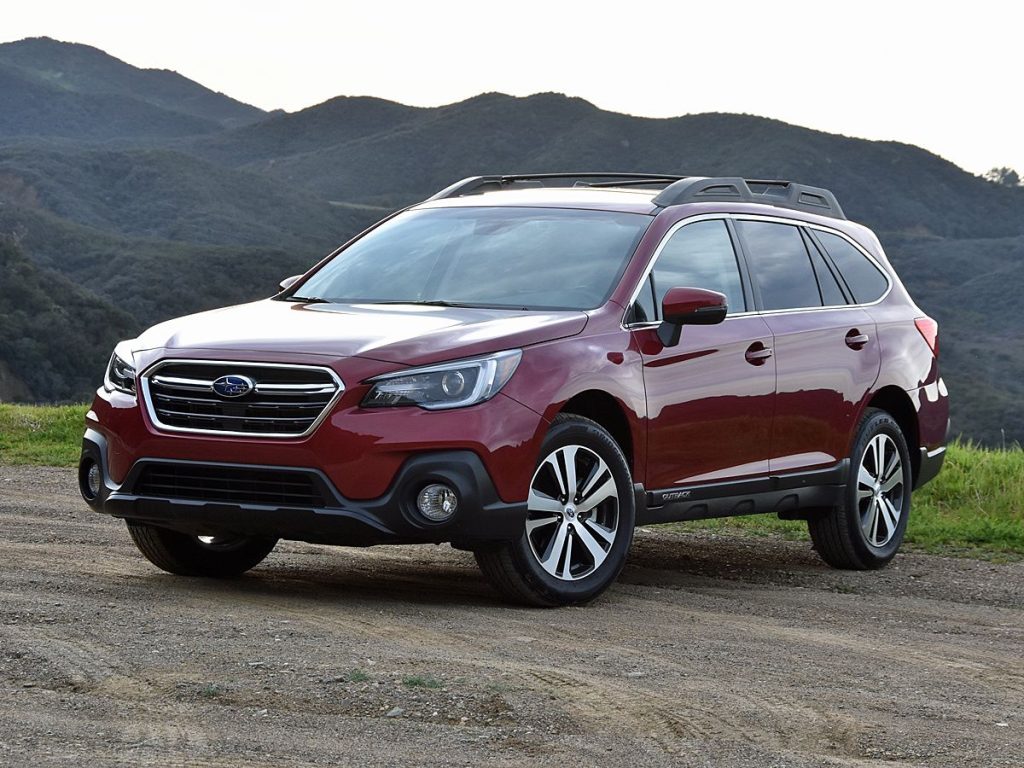
Regular maintenance makes the biggest difference. Keeping up with oil intervals, replacing spark plugs, and checking differential fluids ensures a long life. Subaru owners who stay attentive to small details often see their cars surpass half a million miles without any serious breakdowns.
The Outback’s combination of strength, stability, and balance makes it one of the most long-lasting wagons ever produced. For those who value all-weather security and mechanical honesty, it stands as proof that thoughtful engineering leads to lasting trust.
10. Chevrolet Silverado 1500
The Chevrolet Silverado 1500 has built its reputation on strength and endurance. Across multiple generations, it has proven that a properly maintained truck can surpass 500,000 miles and still start every morning without hesitation.
The heart of the Silverado’s resilience is its V8 engine lineup. The small-block engines, particularly the 5.3-liter and 6.0-liter variants, are renowned for simplicity and balance.
They use durable crankshafts, strong pistons, and reliable oiling systems. These engines rarely show serious wear if oil changes are performed on schedule, even after decades of towing or hauling.
Transmission durability is equally impressive. The 4L60E and 6L80 automatic gearboxes, common in Silverado models, are engineered for both strength and smoothness. With fluid changes every 50,000 miles, these transmissions maintain crisp shifts far beyond what most owners expect.
The truck’s body-on-frame construction is another reason for its longevity. This setup absorbs vibration and keeps structural stress off the cabin. It’s also easier to repair, making the Silverado practical to maintain over long ownership.
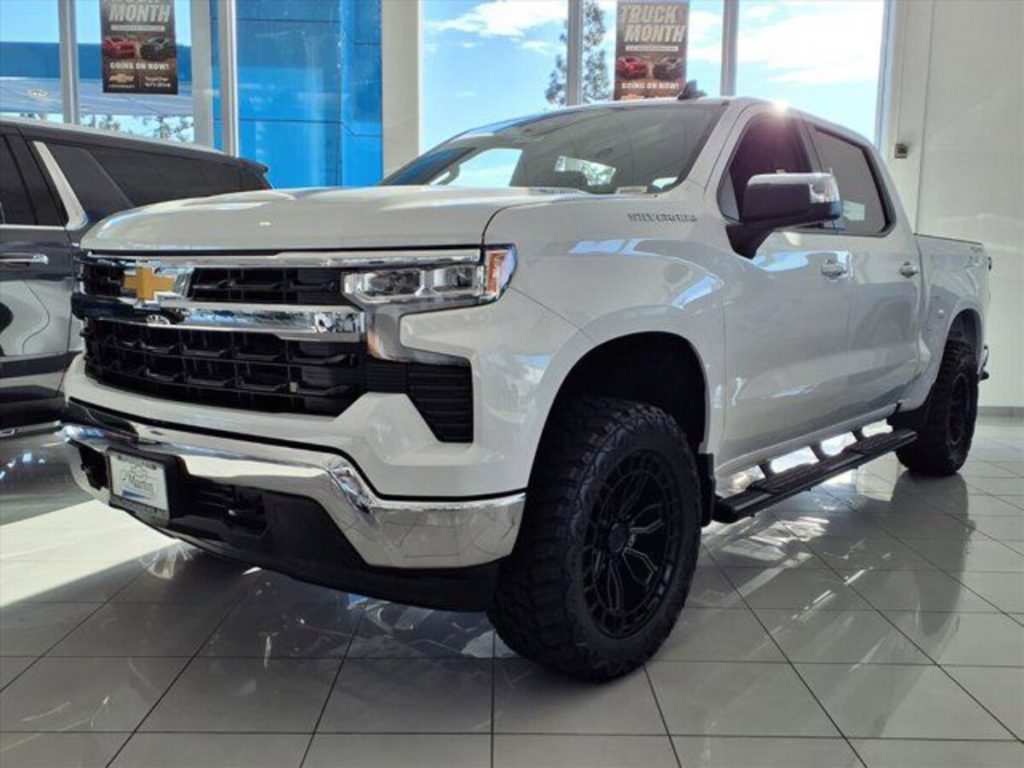
Suspension parts are designed to take abuse. Heavy-duty control arms, shocks, and leaf springs make the Silverado capable of carrying loads without damaging ride quality. Even older trucks retain solid alignment if components are replaced when needed.
Inside, the Silverado may not be luxurious, but it’s durable. The seats resist tearing, switchgear is sturdy, and the dash materials hold up well against sunlight and rough use. Many owners still use early 2000s models daily with the original interior mostly intact.
The key to longevity is basic care. Regular oil service, transmission fluid replacements, and rust prevention under the frame keep it alive for hundreds of thousands of miles. The truck’s cooling system is robust, and when properly flushed, overheating is rare.
Many Silverado owners report reaching half a million miles while still towing trailers, hauling wood, or performing daily commutes.
The combination of mechanical toughness and repair-friendly design makes it one of the longest-lasting American pickups ever built. It stands as proof that a well-maintained work truck can remain dependable long after many others have retired.
11. Volvo 240
The Volvo 240 has a legendary reputation for durability. Built from the mid-1970s through the early 1990s, it became known for being nearly indestructible. Many are still on the road today, quietly running past 500,000 miles with only routine maintenance.
The secret to its longevity lies in Volvo’s engineering philosophy during that era. The 240’s inline-four “Redblock” engine was overbuilt in nearly every way. Its cast-iron block, forged crankshaft, and simple overhead cam design made it nearly immune to neglect.
Even after hundreds of thousands of miles, compression often remains strong, and oil consumption stays low.
The transmission options manual or automatic, are equally resilient. The manual gearbox in particular is known for precise engagement even at high mileage. The automatics, while slower, are famously robust if the fluid is kept clean.
Another reason the 240 lasts so long is its structural integrity. The body panels are thick steel, and the unibody construction was reinforced in key areas to handle impacts and stress. This rigidity helps prevent creaks and rattles even as the car ages.
Rust resistance is excellent for its era. Volvo used high-quality paint coatings and drainage designs that kept corrosion to a minimum. Many 240s from the 1980s still have solid frames, even in cold climates.
The interior reflects the same approach. The materials are heavy-duty, from the seat fabric to the dashboard plastics. Switches are mechanical and long-lasting, avoiding the electronic issues common in newer cars. The simplicity of the design also means fewer points of failure.
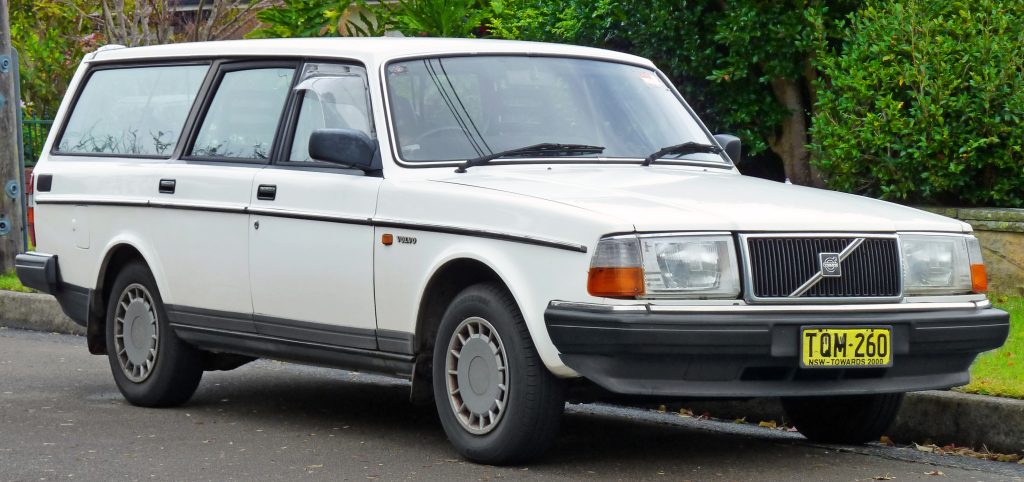
Maintenance is straightforward, with easy access to components under the hood. Routine oil changes, coolant flushes, and occasional belt replacements are usually enough to keep it running smoothly. Owners who follow basic service schedules often find the car almost impossible to wear out.
The Volvo 240 wasn’t designed to be fast or flashy. It was designed to be safe, stable, and enduring.
Its charm lies in that reliability steady performance, predictable handling, and unmatched toughness. Decades later, it continues to represent what long-lasting engineering truly means.
12. Mercedes-Benz W123
The Mercedes-Benz W123 remains one of the most respected examples of automotive endurance. Produced between the late 1970s and mid-1980s, it became a global symbol of quality and reliability. Many of these sedans have exceeded 500,000 miles, with some well-maintained examples crossing the million-mile mark.
The most famous version is the 300D diesel. Its five-cylinder engine is slow by modern standards but incredibly tough.
Built with heavy internal components and low-stress operation, it thrives on long-distance travel. The mechanical fuel injection system and simple valve design mean there’s very little to fail, even with old age.
The transmission, whether manual or automatic, matches the same philosophy. It’s over-engineered for smooth, steady shifting and rarely breaks when serviced correctly. Drivers who change the fluid and filters on time often report transmissions lasting as long as the engines.
The W123’s body construction sets it apart from nearly every rival of its time. The steel used was thick, and the assembly quality was exceptional.
Even after decades of exposure, doors close with a solid feel, and frames remain square. Rust protection was advanced for its era, allowing many of these cars to remain structurally sound today.
Inside, the W123 feels built to last. Seat springs are firm, fabrics resist tearing, and every switch feels mechanical rather than fragile. The climate controls, gauges, and even window regulators tend to work for decades.
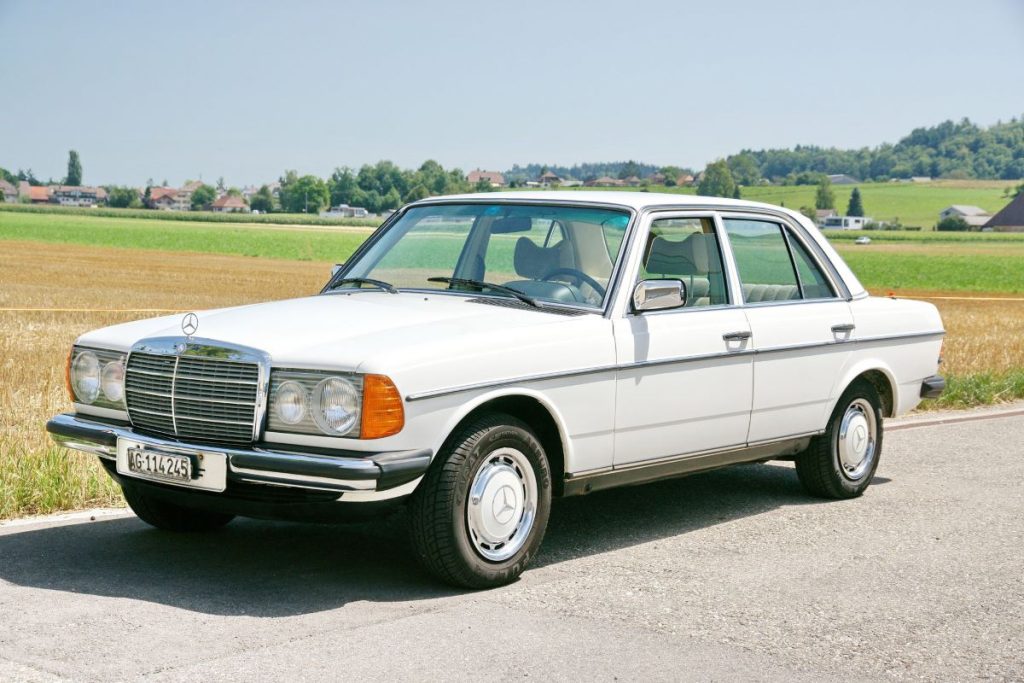
Electrical simplicity helps it stay reliable. Without complex electronics or sensors, the car avoids the problems that plague newer models. Routine maintenance oil, fuel filters, and valve adjustments is all that’s needed for decades of use.
Mechanics often call the W123 “a car built to be rebuilt.” Its parts are accessible, and repairs can be done repeatedly without major cost. This is why many taxis across Africa, Asia, and Europe continue to run these cars well past 500,000 miles.
Few vehicles combine engineering excellence and timeless durability like the W123. It remains proof that thoughtful mechanical design, rather than high-tech complexity, is the real key to lasting smoothness and dependability.
13. Lexus GX 470
The Lexus GX 470 combines luxury with true toughness. Built on the same foundation as the Toyota Land Cruiser Prado, it has the mechanical strength of a rugged off-roader but the refinement of a high-end SUV. Many examples have exceeded 500,000 miles with minimal trouble, earning it a loyal following.
The 4.7-liter V8 under the hood is one of Toyota’s most durable engines. It uses a timing belt system that, when replaced on schedule, can run smoothly for decades.
The engine’s smoothness comes from balanced internal components and efficient oil circulation. Even after hundreds of thousands of miles, it maintains quiet operation and solid performance.
The transmission complements this reliability. The five-speed automatic shifts gently and resists overheating under stress. Regular fluid changes keep it in excellent shape, allowing seamless power delivery for years. Many GX 470s still operate on their original transmission even after 20 years of service.
Its body-on-frame structure plays a vital role in endurance. This setup provides the strength to handle heavy loads and rough terrain without damaging the cabin or suspension. The frame design also makes it easier to repair or service, which extends the vehicle’s useful life.
Suspension durability is impressive. The GX 470’s adjustable system balances comfort with ruggedness, using components that are easy to replace if needed. When maintained properly, the ride remains smooth and stable even with significant mileage.
Inside, Lexus focused on materials built to last. Leather seats, real wood accents, and thick carpeting hold up surprisingly well over time. Electronics like climate control, navigation, and window switches often remain fully functional long after other SUVs of its era start showing age.
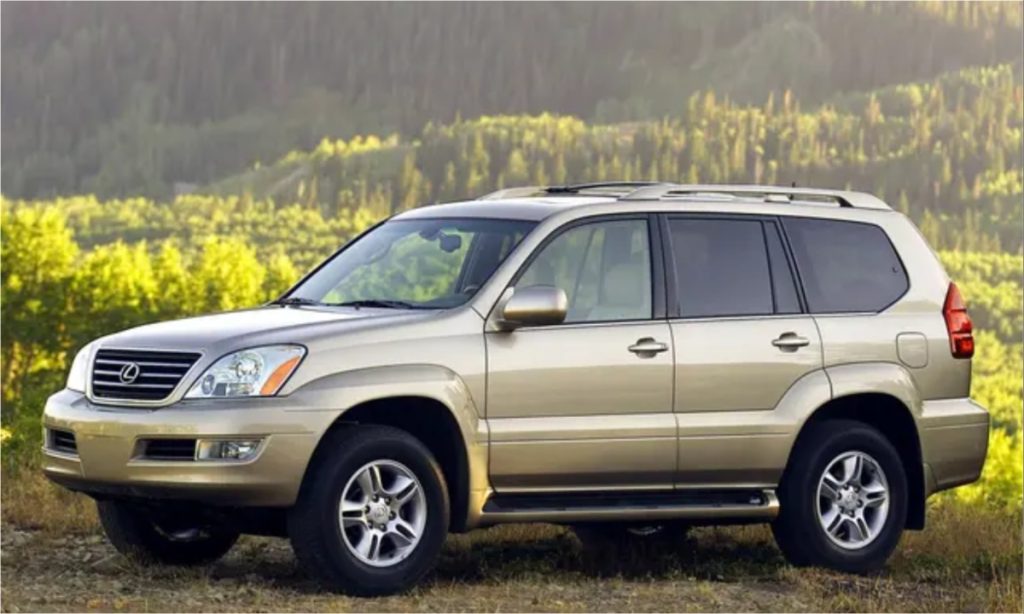
Regular service is all it takes to keep it going strong. Oil changes, cooling system maintenance, and periodic differential fluid checks are the main ingredients for half a million trouble-free miles.
The GX 470’s mix of strength, smoothness, and refinement makes it a rare combination of comfort and endurance.
It’s a vehicle that feels dependable even when the odometer shows numbers most cars never reach. Owners keep them for decades because they simply refuse to wear out.
14. Mazda6
The Mazda6 stands out as a sedan that feels refined yet remains impressively long-lasting. It’s one of those cars that quietly proves that reliability isn’t limited to Toyota or Honda. With proper care, the Mazda6 can surpass 500,000 miles while still delivering a smooth and responsive driving experience.
Mazda’s engine engineering has always emphasized balance and precision. The 2.5-liter four-cylinder found in later generations is remarkably well-built, using lightweight components and efficient combustion control.
It runs cool, burns clean, and rarely develops internal problems. Even early models with the 2.3-liter engine have proven capable of extreme mileage when maintained on schedule.
The transmission plays an equal part in the car’s longevity. The six-speed automatic shifts cleanly and doesn’t hunt for gears, reducing unnecessary wear.
The manual transmission options are even more durable, favored by drivers who appreciate control and long-term simplicity. When transmission fluid changes are performed regularly, failures are almost nonexistent.
Chassis strength also helps the Mazda6 endure. The structure is well-balanced, with reinforcement in the frame and suspension mounting points that prevent stress cracks or alignment issues. This rigidity allows the car to stay stable even after years of driving on imperfect roads.
Suspension components are straightforward and easy to maintain. MacPherson struts in the front and a multi-link setup in the rear deliver both comfort and control, and replacements are affordable. Owners who refresh bushings and shocks every few years often report that the car still feels solid after hundreds of thousands of miles.
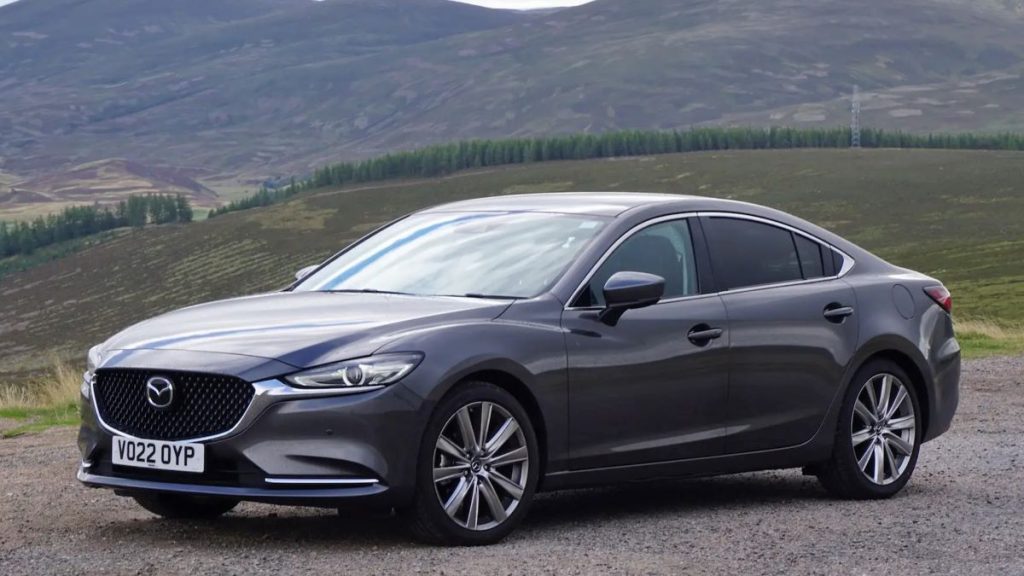
The cabin design contributes to its lasting appeal. Materials age gracefully, the seating remains supportive, and the dashboard layout stays free of creaks. Electronics are reliable, especially in newer models, with few issues reported even after extensive use.
Maintenance is straightforward: oil changes every 5,000 miles, periodic coolant service, and regular spark plug replacement.
Mazda6 owners who stay disciplined with upkeep find themselves rewarded with an engine that still idles smoothly long after most cars have been retired.
What makes the Mazda6 special is its mix of reliability and personality. It doesn’t just survive half a million miles it does so with a sense of refinement and engagement that keeps driving enjoyable from the first mile to the last.
15. Nissan Xterra
The Nissan Xterra is a rugged SUV built with a simple purpose: to handle punishment without complaint.
It’s one of those vehicles that consistently surprises people with how far it can go. Many Xterras have exceeded 500,000 miles thanks to their mechanical toughness and low-maintenance design.
The backbone of this SUV’s reliability is its powertrain. The 4.0-liter V6 engine, part of Nissan’s VQ family, is known for smooth power delivery and long-term resilience.
It uses a timing chain instead of a belt, eliminating one of the most common high-mileage maintenance concerns. With routine oil changes, this engine can last decades without needing internal repairs.
Its five-speed automatic and six-speed manual transmissions are built to handle both city and off-road use. When serviced regularly, these gearboxes maintain smooth shifts and remain free of major issues even past 300,000 miles.
Many owners who have replaced simple components like seals or fluid lines report their original transmissions still running perfectly at double that distance.
The body-on-frame construction makes the Xterra incredibly durable. It absorbs impacts and off-road vibrations that would damage a unibody SUV.
The chassis is strong, with good resistance to flex, and when kept clean from rust, it can last indefinitely. Suspension parts like control arms and shocks are sturdy but also easy to replace, which helps extend the vehicle’s lifespan.
The interior is simple, functional, and built for wear. Hard plastics, rugged fabrics, and minimal electronics mean fewer failures over time. Switches, seats, and storage panels stay solid even under constant outdoor use.
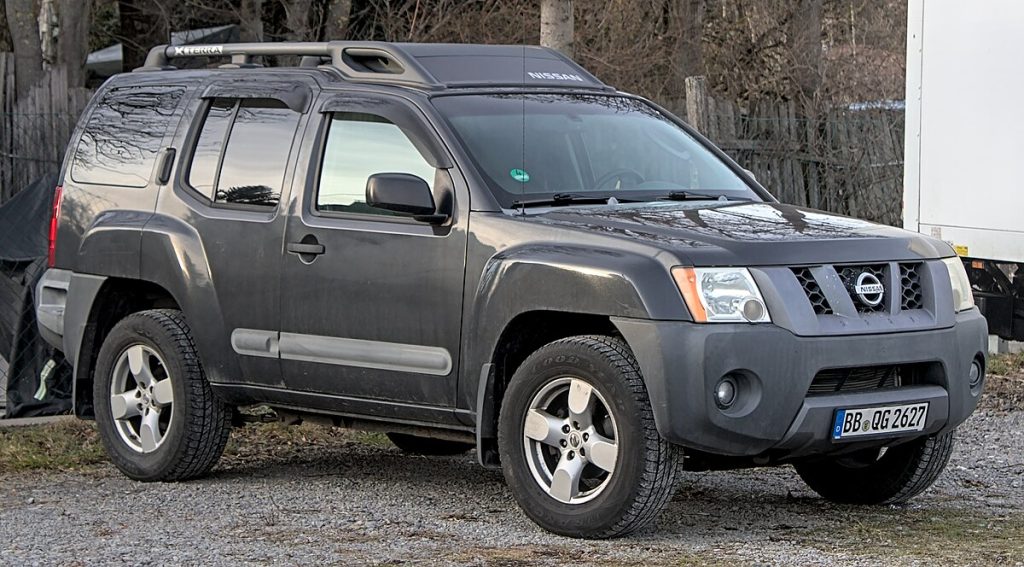
Regular maintenance plays a big role in reaching 500,000 miles. Oil service, differential fluid changes, and brake inspections keep it running reliably. The engine’s robust cooling system and ample space under the hood also make it easy to work on, reducing repair costs.
The Xterra’s charm lies in its honest design. It doesn’t pretend to be luxurious it focuses on durability and practicality. For people who maintain their vehicles and value mechanical strength over fancy features, the Xterra continues to be one of the most dependable long-distance survivors ever built.
These fifteen vehicles prove that exceptional engineering and consistent maintenance can keep a car running smoothly beyond 500,000 miles. Models like the Lexus LS400, Ford Crown Victoria, Subaru Outback, and Mazda6 show that durability isn’t tied to luxury or cost.
Each combines strong mechanical design with accessible upkeep, making long-term ownership realistic. Trucks such as the Nissan Xterra and Chevrolet Silverado further highlight that proper care can turn dependable engines into lifetime performers.
Together, they remind drivers that reliability is built on simplicity, quality parts, and the kind of engineering meant to last for generations.
Also Read: 12 Sedans Under $15k That Make Great 200,000-Mile Buys
