
There’s something special about a car that carries racing heritage beneath its sheet metal. Not every machine that feels alive on the road comes with a famous badge or a record-breaking pedigree. Some models stay under the radar, quietly sharing DNA with cars that have dominated circuits, rallies, and endurance tracks for decades.
These are the vehicles that connect everyday drivers to the spirit of motorsport without needing a race license. They might not make headlines or sit in collectors’ garages, yet they channel the same instincts that once powered championship-winning machines.
Their engines, suspensions, and chassis designs often trace back to factory programs or racing divisions built for speed and precision.
True racing DNA is not about raw horsepower alone. It’s about feedback, balance, and control of the sensations that make a car come alive when pushed hard. The driver feels part of the machine, every input rewarded with a direct, mechanical response. That connection is what separates these underrated performers from ordinary commuters.
Many of these cars were overshadowed by louder rivals or overlooked because of badge perception. Some were engineered during a brand’s golden era, while others inherited technology developed on track. Each offers a reminder that racing influence can exist in places most people never expect.
This collection celebrates twelve machines that deserve recognition for their pure driving character. From hot hatches tuned for precision to sedans hiding track-ready balance, every one of them was shaped by competition and engineered for engagement.
They might not wear racing stripes or boast supercar prices, but their DNA tells another story one that began with the sound of engines pushing limits and the pursuit of perfection on the tarmac.
Also Read: 12 Models That Keep Warranty Claims Low After Year Five
1. Mazda MX-5 Miata
Few cars capture the essence of pure driving better than the Mazda MX-5 Miata. It’s proof that racing DNA isn’t measured in horsepower alone. The Miata carries a philosophy rooted in lightweight design, mechanical purity, and balance principles shared by classic race cars that won hearts through finesse rather than brute force.
Every generation of the MX-5 has stayed true to that formula. Its small size, perfect weight distribution, and precise steering deliver feedback few cars can match. It’s not about chasing lap times; it’s about connection. On a winding road, the Miata feels alive, communicating every shift in grip and every ounce of motion through the chassis and steering wheel.
Mazda’s engineering approach draws directly from racing culture. The company’s motorsport history, from Le Mans success with the 787B to grassroots racing programs, shaped the Miata’s DNA. Engineers focused on reducing weight instead of simply adding power, believing agility is what makes a driver faster and more confident.
The Miata’s engine sits low and centered, keeping balance ideal through corners. Its manual gearbox is crisp and perfectly matched to the car’s personality. Every shift feels deliberate, every throttle input met with eager response. This simplicity is what makes it feel so genuine.
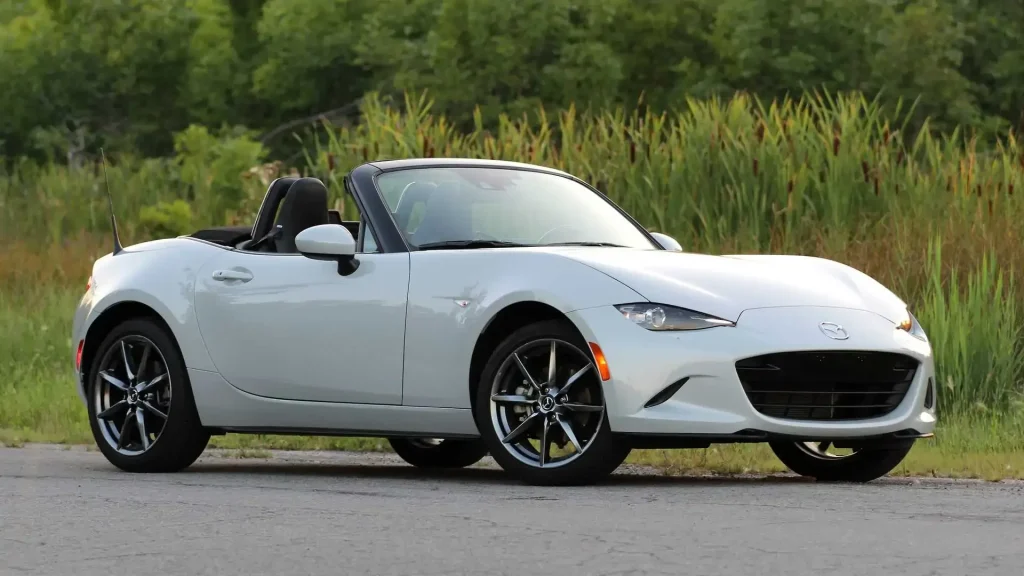
Inside, the cockpit is built for the driver. The seating position places you close to the center, with minimal distractions and everything within easy reach. The thin steering wheel, clear instruments, and short-throw shifter reflect the mindset of a racing car where driver focus comes first.
Even decades after its debut, the MX-5 remains a favorite among weekend racers and track-day enthusiasts. It proves that racing spirit isn’t about prestige or price but about design purity and mechanical honesty. Few vehicles deliver such an authentic connection between road and driver, making the Miata a timeless expression of racing passion.
2. Honda Civic Type R
The Honda Civic Type R stands as one of the most thrilling front-wheel-drive performance cars ever created. Its heritage is built on Honda’s deep involvement in racing, from Formula 1 to touring cars. Every aspect of the Type R carries lessons learned from competition, crafted into a car that transforms ordinary streets into something far more alive.
Its turbocharged engine is a masterpiece of engineering. Compact, powerful, and eager to rev, it reflects Honda’s unmatched experience in building high-performance motors.
Acceleration feels immediate, and the powerband stays energetic through every gear. Combined with the precise six-speed manual transmission, it creates a rhythm that rewards skill and confidence.
The chassis is where the Civic Type R truly shows its racing roots. Suspension geometry, steering calibration, and weight balance have all been tuned for precision. It corners with sharpness and control, communicating every change in surface and grip through the seat and steering wheel. There’s no artificial filter it feels real, alive, and ready to be pushed.
Honda’s history in motorsport shapes everything about this car. Technologies like lightweight materials, adaptive damping, and aerodynamic tuning were influenced by decades of competitive development. The large rear wing isn’t just for show; it provides real downforce at speed, enhancing stability in high-speed corners.
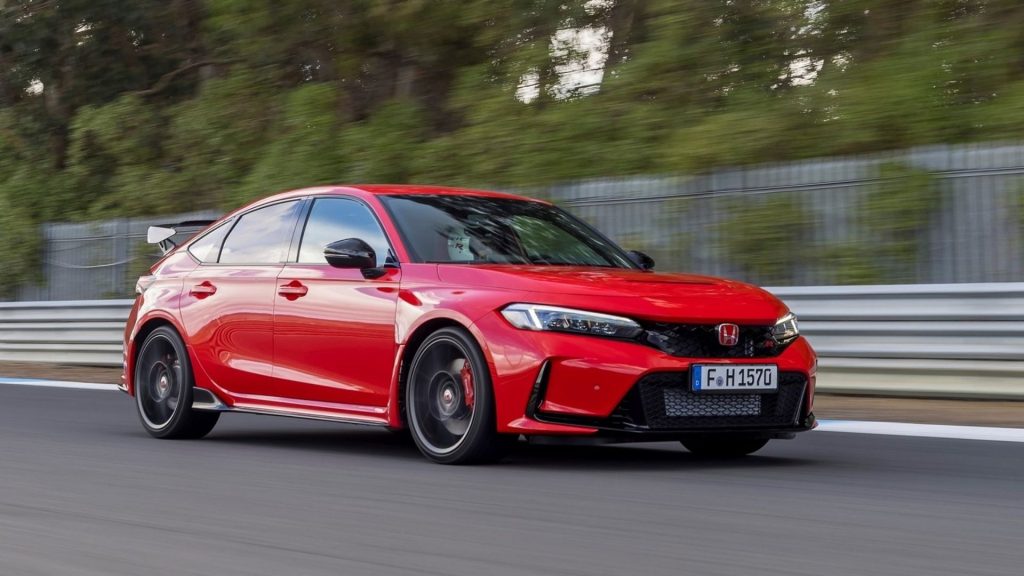
Inside, the red bucket seats, metallic shift knob, and purposeful design create a focused environment. It’s a cabin built for performance but still comfortable enough for daily driving. The moment you sit behind the wheel, you sense the intent a car made to honor speed and precision.
The Honda Civic Type R proves that race-inspired engineering can exist in a practical, everyday package. It blends efficiency, precision, and excitement in a way few others manage. For drivers who crave a direct connection to racing heritage, the Type R remains one of the most complete and rewarding cars available today.
3. Subaru WRX
The Subaru WRX has long been a hero for drivers who value control, balance, and rally-bred strength. It’s not just another sporty sedan; it’s a machine built from decades of rally competition, where traction, grip, and driver confidence decide victory. Every aspect of the WRX reflects that raw, competitive history.
At the heart of the WRX is its signature turbocharged flat-four engine. The sound is unmistakable a deep, mechanical pulse that hints at the car’s racing bloodline. Power delivery feels robust, and the torque comes on early, giving that instant punch that rally drivers rely on when launching out of tight corners.
Subaru’s symmetrical all-wheel-drive system is the WRX’s biggest advantage. It’s engineered to maximize traction under any condition, whether the road is wet, icy, or loose gravel.
This gives the car a planted and confident feel, especially when cornering hard. The balance between power and grip keeps the car stable while still allowing a playful attitude when pushed.
Handling is sharp and communicative. The steering provides a direct sense of the road surface, and the suspension setup strikes the right balance between comfort and performance.
Even on imperfect roads, the WRX feels unshaken, ready for a challenge. That combination makes it perfect for drivers who love spirited drives without sacrificing everyday usability.
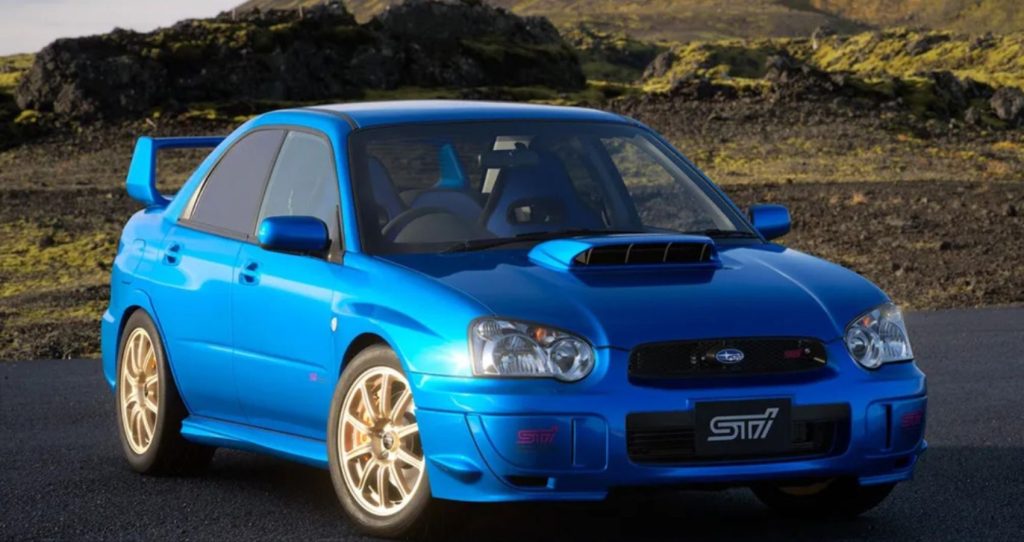
Inside, the cabin keeps the driver in focus. Supportive sport seats, a short-throw shifter, and clear gauges reflect a car designed by people who understand performance. Subaru also ensures the WRX remains practical, offering space and comfort that many high-performance cars lack.
The WRX has become more than just a car; it’s a symbol of reliability and purpose. It channels Subaru’s decades-long presence in the World Rally Championship, where the brand earned its reputation for durability and speed.
Even after years of evolution, the WRX continues to honor that identity. It’s a car for those who crave genuine performance, backed by a story written on rally stages around the world.
4. BMW 228i M Sport
The BMW 228i M Sport captures the essence of German precision with a strong link to the brand’s racing heritage. While not the most powerful car in BMW’s lineup, it represents balance, responsiveness, and a pure connection to driving the same values that made BMW successful on racetracks for decades.
The 228i’s turbocharged four-cylinder engine delivers a confident mix of efficiency and punch. Its powerband feels smooth and eager, pushing the car forward with controlled aggression. Paired with an eight-speed automatic or manual transmission, the shifts are crisp, allowing drivers to stay engaged in every moment behind the wheel.
What truly defines the 228i M Sport is its chassis tuning. The steering is light yet accurate, allowing for precise cornering and quick response. BMW’s near-perfect weight distribution gives it a planted feel through turns, echoing the dynamics that made the M division famous.
The suspension setup strikes harmony between sporty feedback and comfort, giving it a wide personality equally happy on a racetrack or a highway.
BMW’s motorsport history runs deep, and that influence shows in every curve and surface of the 228i. Aerodynamic design, strong braking performance, and sharp handling reflect lessons learned from endurance racing and touring car competition. Even small details, like the seating position and steering feel, are shaped by that track-tested heritage.
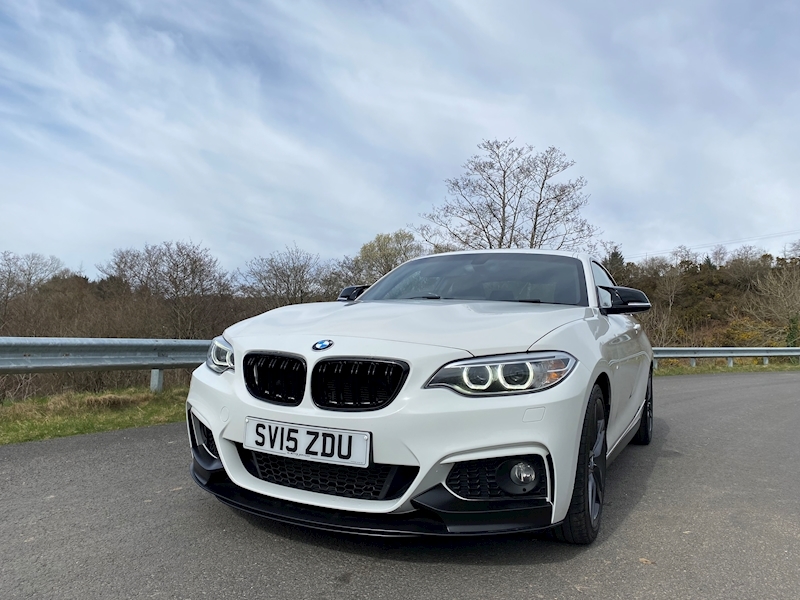
Inside, the cabin is focused yet refined. The M Sport package adds supportive seats, thicker steering, and brushed metal accents that complement the performance feel. It’s comfortable enough for long drives but maintains the spirit of a true driver’s car.
The 228i M Sport proves that high-performance driving doesn’t always require massive power or extravagant styling. It’s about precision, control, and feedback qualities that define real racing DNA. For drivers who appreciate subtlety and skill, this BMW remains one of the most engaging and rewarding coupes on the road.
5. Nissan 370Z
The Nissan 370Z is one of the few modern sports cars that still carries the old-school spirit of raw performance. It’s built for those who believe driving should feel mechanical, powerful, and completely involving. For more than a decade, the 370Z has remained a favorite among purists who value skill over software.
Under the hood sits a 3.7-liter V6 engine that delivers a muscular 332 horsepower. The throttle response is immediate, and the sound of the engine under load feels pure and unfiltered. Every rev sends a reminder of Nissan’s racing legacy that began with the Fairlady Z and evolved through the brand’s GT and touring car programs.
The chassis of the 370Z is tight and balanced. Its short wheelbase gives it quick reflexes, while the rear-wheel-drive setup provides that classic sports car feel. The steering is heavy in the best way, offering resistance that rewards precision. Whether carving through mountain roads or attacking a racetrack, the car feels alive under your control.
Nissan gave the 370Z a manual gearbox option that enthusiasts love. It includes SynchroRev Match, a system that automatically blips the throttle during downshifts, making gear changes perfectly smooth. For those who prefer traditional driving, it’s one of the most satisfying manual transmissions on the market.
The design of the 370Z is bold yet simple. Its low stance, wide fenders, and sculpted lines remind you this is a car built for performance first. The cabin follows that same philosophy with deep bucket seats and a straightforward layout focused on driving.
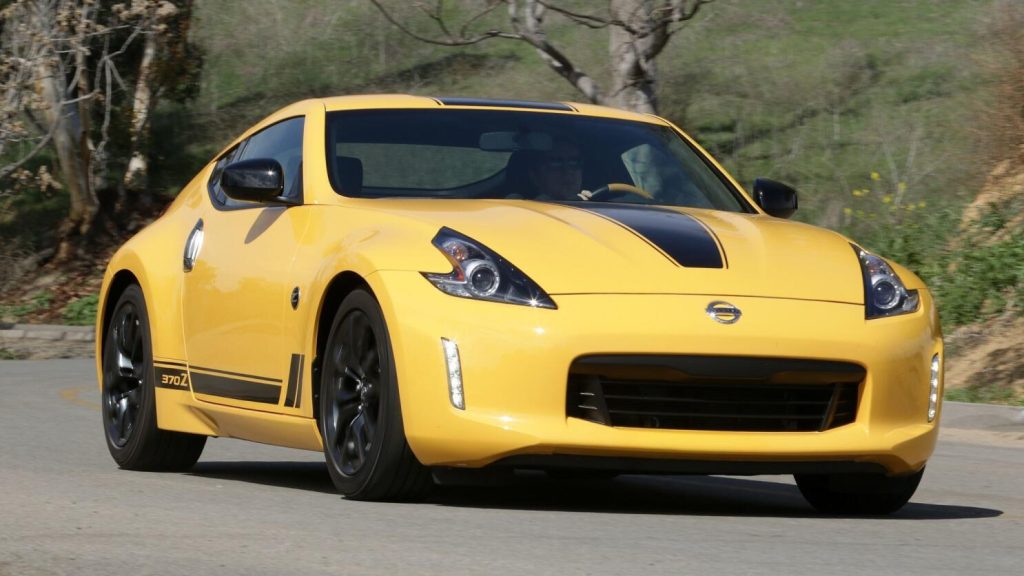
Nissan’s heritage in motorsport is deeply connected to the Z badge. From its success in SCCA racing to the endurance tracks of Le Mans, the Z family has proven its strength repeatedly. The 370Z keeps that tradition alive, showing that real performance isn’t about fancy electronics but about the driver’s connection to the car.
Even as the industry moves toward hybrid and electric performance, the 370Z remains a true symbol of analog driving pleasure. It’s raw, responsive, and built to make every corner feel personal. That’s the kind of racing DNA that can’t be faked.
6. Toyota Celica GT-Four
Few cars represent motorsport heritage as authentically as the Toyota Celica GT-Four. Born from Toyota’s rally dominance in the late 1980s and 1990s, this car carries genuine Group A racing blood in its veins. It wasn’t just inspired by competition; it was built to win.
Powering the Celica GT-Four is Toyota’s legendary 3S-GTE turbocharged engine. Compact yet ferocious, it produced serious power for its time and was designed to handle the harsh demands of rally racing. The sound of the turbo spooling and the surge of boost create a sense of urgency that never fades.
Its all-wheel-drive system gave the GT-Four an edge over its rivals. It could transfer power intelligently, keeping traction even on slippery or uneven surfaces. The car’s grip and predictability made it a monster in tight corners and loose gravel, echoing the control its rally version showed on world stages.
The suspension tuning was another highlight. It provided stability at high speeds but allowed just enough compliance for imperfect roads. That combination made it versatile, working beautifully on both tarmac and dirt. Few performance cars of its era could handle such variety with the same confidence.
The design, especially in the ST205 generation, remains iconic. The aggressive front end, large fog lamps, and functional rear spoiler all came from Toyota’s racing experience. Inside, the focus stayed on the driver, with clean instrumentation and seating designed to support spirited driving.
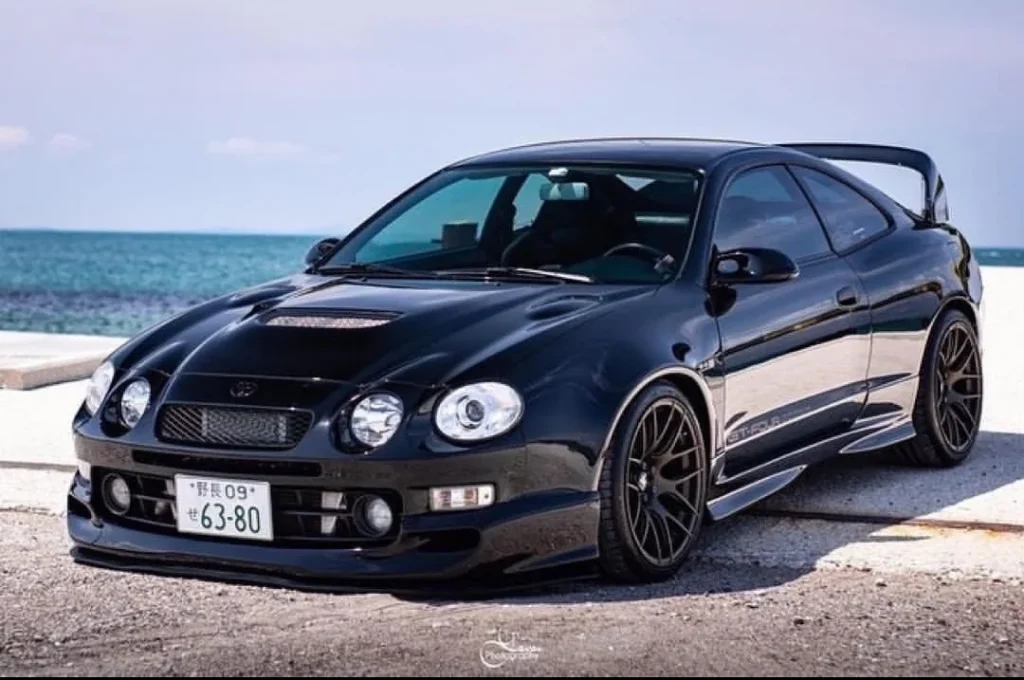
Toyota’s rally achievements with the Celica GT-Four cemented its legacy. Multiple World Rally Championship titles proved that the technology and engineering behind it were world-class. Even today, enthusiasts seek it for its connection to an era when Toyota was a dominant force in global motorsport.
The Celica GT-Four represents authenticity in performance. It was built with a clear purpose to compete and to win and that spirit still defines its character decades later. For anyone who loves cars with real racing history, few names command the same respect.
7. Mazda RX-7
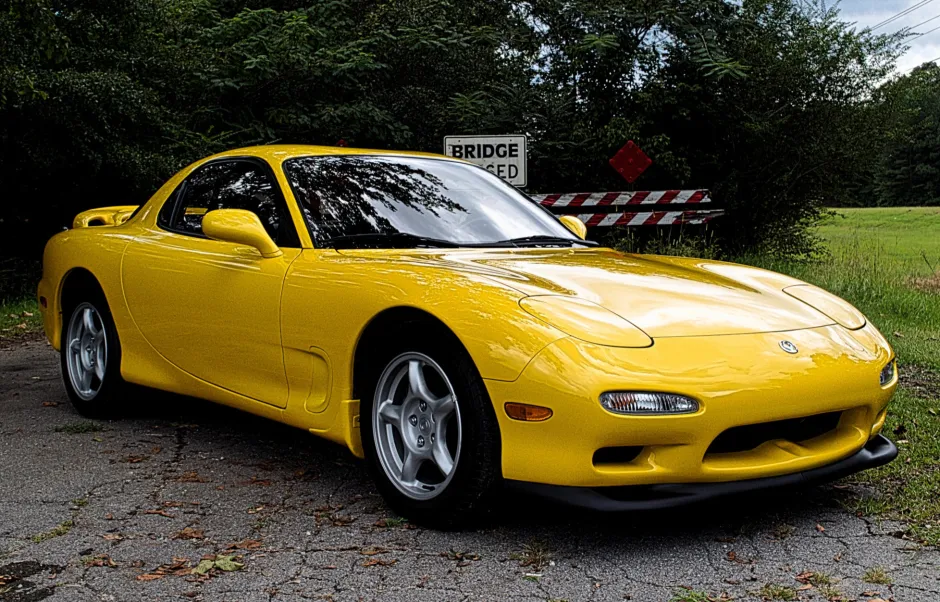
The Mazda RX-7 is one of those rare cars that feels more alive the faster you drive it. It was never just another sports car; it was Mazda’s engineering masterpiece that proved innovation could win on the track. Powered by the revolutionary rotary engine, the RX-7 became a legend through both endurance racing and street performance.
Its heart, the twin-rotor 13B engine, is a mechanical wonder. Unlike conventional piston engines, it spins smoothly with little vibration, allowing for incredibly high revs.
The turbocharged versions pushed the limits of what compact engines could achieve, delivering a powerband that felt explosive yet refined. The sound alone sets it apart a sharp, high-pitched tone that screams racing heritage.
Mazda engineered the RX-7 with perfect balance in mind. The lightweight chassis, low center of gravity, and rear-wheel-drive layout create harmony between agility and stability. Every movement feels deliberate, every corner feels precise. It rewards skill and punishes mistakes, a trait only true driver’s cars possess.
On the track, the RX-7 made its name through endurance races such as the 24 Hours of Le Mans, where it proved that reliability and performance could coexist. Its success inspired generations of tuners and racers who saw the rotary engine as a blank canvas for pushing limits.
The exterior design reflects its purpose. The sleek, flowing lines and pop-up headlights give it a timeless appearance that still turns heads decades later. Inside, the cockpit is snug and purposeful, with all controls angled toward the driver. It feels intimate, like sitting inside a machine that’s built solely for motion.
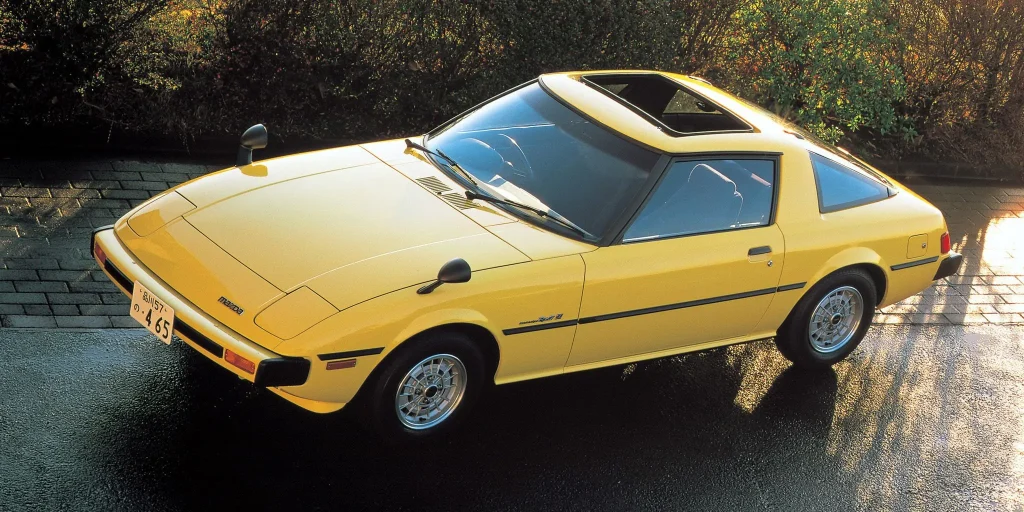
Mazda’s racing DNA is deeply embedded in this car. Every drive feels like a conversation between driver and machine, where precision, sound, and balance merge into something unforgettable. The RX-7 doesn’t rely on brute power; it wins hearts through grace and engineering brilliance.
Even today, it stands as proof that passion and creativity can outperform pure numbers. It’s not just a car; it’s a reminder that racing spirit lives through innovation, not conformity.
8. Mitsubishi Lancer Evolution IX
The Mitsubishi Lancer Evolution IX is one of the most respected performance sedans ever built. It carries a fierce rally heritage, shaped by years of competition in the World Rally Championship. Every component of the Evo IX was designed to bring motorsport technology to the streets, and it succeeded with unmatched precision.
Power comes from the 2.0-liter turbocharged inline-four, a compact yet aggressive engine that feels unstoppable once the boost hits. Its responsiveness and mid-range torque make acceleration immediate and forceful. The sound of the turbocharger winding up adds to the intensity, giving the car a mechanical edge that never fades.
The all-wheel-drive system is a masterpiece of engineering. It features Mitsubishi’s Active Yaw Control, which adjusts torque distribution between the rear wheels to maintain balance through corners. This system made the Evo IX one of the sharpest-handling sedans of its time, capable of outpacing many sports cars on technical roads.
The chassis is rigid and communicative. Steering feels natural and quick, offering perfect feedback through your hands. The suspension setup is firm but controlled, ensuring grip remains consistent even under heavy load. The car’s poise during aggressive driving reflects the fine-tuning born from rally stages across the globe.
Inside, the Evo IX feels focused and stripped of unnecessary luxury. The Recaro seats grip you tightly, and the simple dashboard reminds you that this car was built for purpose, not for show. Everything you touch feels functional and race-ready.
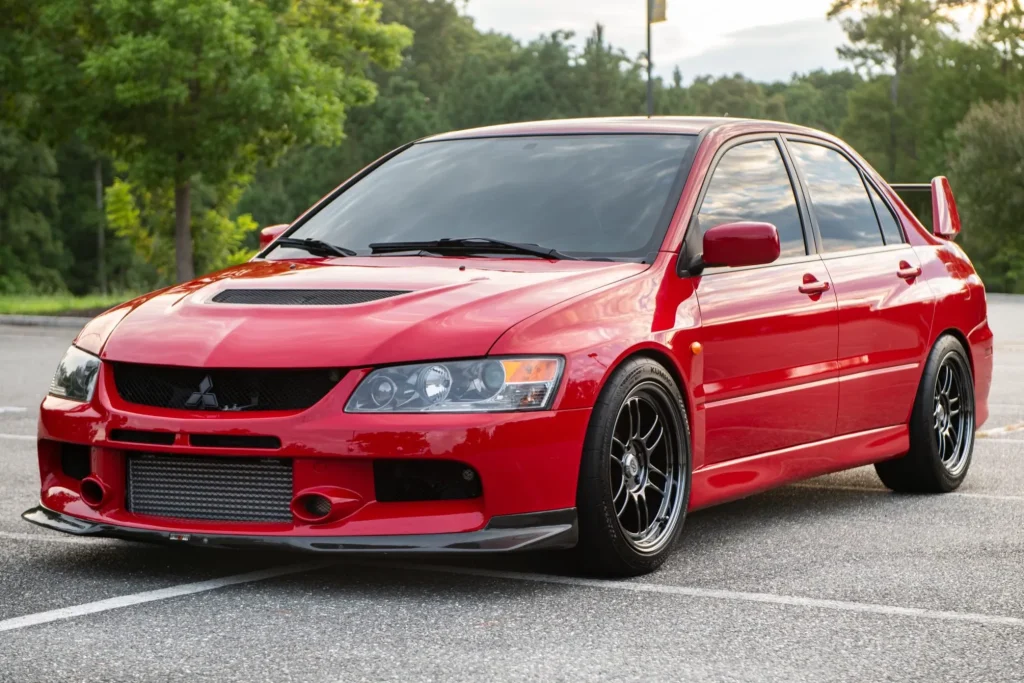
Its success in motorsport is undeniable. The Lancer Evolution dominated rallying alongside its archrival, the Subaru WRX STI, proving that Mitsubishi could match precision with ferocity. Each generation refined the formula, and the Evo IX stands out as the most balanced and complete of them all.
Even years after production ended, the Evo IX’s reputation continues to grow. It remains a benchmark for what a performance sedan should be lightweight, powerful, and perfectly tuned for real driving. For enthusiasts, it’s not just a car; it’s a legend that carries true racing DNA in every part of its design.
11. Lotus Exige
The Lotus Exige is proof that raw engineering and simplicity can outperform brute power. It was never built to impress with big numbers; it was designed to show what precision and lightness can achieve when paired with true racing focus. Every inch of the Exige feels like it was created for a single purpose to dominate corners.
At its heart lies a compact supercharged four-cylinder engine that delivers a sharp, aggressive punch. The power feels instant, and the car’s low weight makes acceleration brutally effective. The sensation is pure and unfiltered, with every input translating directly into motion. There’s no excess, no softness, just immediate response.
The chassis is a work of art. Lotus engineers are known for their obsession with handling, and the Exige is the clearest expression of that philosophy. The aluminium frame provides stiffness without unnecessary mass, allowing the suspension to work with surgical precision. Cornering feels effortless yet thrilling, as the car grips and flows with total control.
Steering feedback is exceptional. You feel every texture of the road, every change in surface, and every ounce of grip. It’s the kind of feedback that professional drivers crave, giving complete awareness of what the tires are doing at any moment.
The design mirrors its purpose. Compact dimensions, aggressive aerodynamics, and functional vents make it clear that this machine was born for performance. Inside, the cabin is stripped to essentials firm seats, a simple dash, and a metal gear lever that clicks with satisfying precision. It’s not about comfort; it’s about connection.
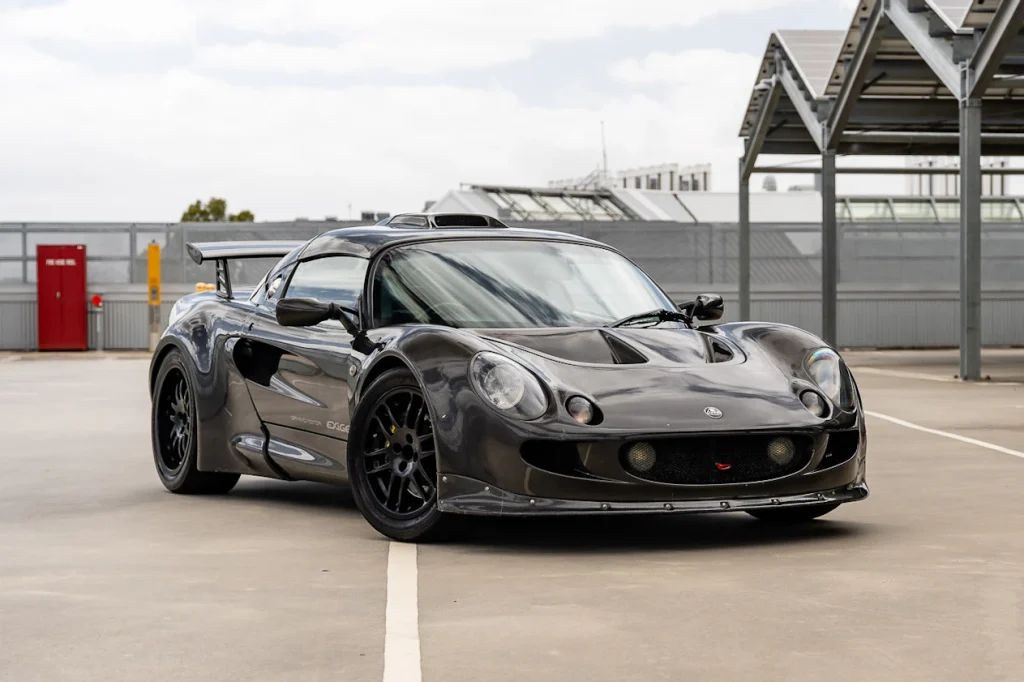
The Exige traces its DNA directly from Lotus’s legendary racing history. The brand’s victories in Formula 1, endurance racing, and lightweight engineering all live inside this car’s character. It doesn’t try to imitate anything; it represents the purest version of what a driver’s car should be.
Few vehicles communicate racing intent as clearly as the Exige. It’s not about luxury or daily convenience it’s about the joy of mastering physics, one corner at a time. That’s what makes it one of the most underrated yet authentic sports cars ever built.
12. Alfa Romeo 4C
The Alfa Romeo 4C is a reminder that passion still has a place in modern performance cars. It carries the emotion of Italian racing heritage in a compact, lightweight form that feels both elegant and fierce. Every drive feels like an event, where mechanical purity meets artistry.
Under its sculpted rear glass sits a 1.75-liter turbocharged engine that delivers more excitement than its size suggests. The sound, the vibration, and the immediate surge of power create an experience that feels alive. The 4C’s mid-engine layout ensures perfect balance, and its carbon-fiber chassis keeps weight astonishingly low.
That lightness defines how it drives. Turn the wheel, and the 4C responds instantly, with razor-sharp agility. It dances through corners, communicating every detail through unassisted steering. There’s no filter between driver and machine just direct, mechanical feedback that makes every maneuver feel deliberate.
Acceleration feels explosive. The turbo’s punch combines with the car’s featherweight body to deliver rapid speed without excess horsepower. Braking is equally sharp, controlled by massive Brembo calipers that resist fade even after repeated hard use. The sensation of stopping power perfectly matches its racing intentions.
The cabin feels focused yet emotional. Minimalist materials, exposed carbon fiber, and a driving position close to the ground give it the feel of a proper race car. There’s no insulation from sound or vibration intentionally so. The car invites you to hear and feel every mechanical beat.
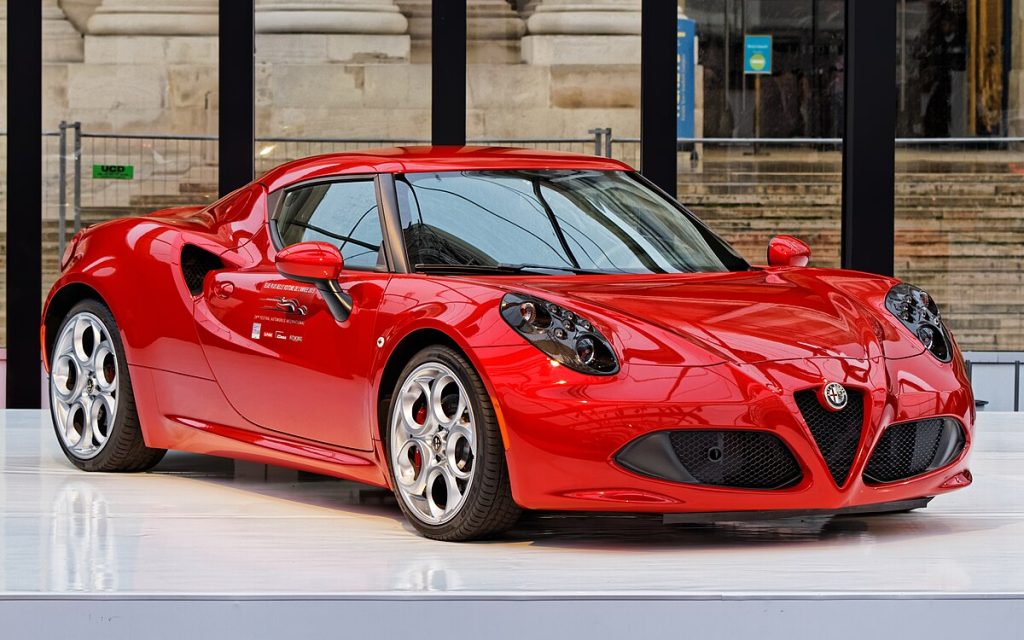
Alfa Romeo built the 4C with one goal: to bring back the purity of sports car driving that made the brand famous. It’s inspired by models like the 33 Stradale and 8C Competizione, but scaled down into something more accessible. Its connection to Alfa’s motorsport heritage runs deep, visible in its lightness, control, and emotional design.
The 4C may not chase lap records, but it delivers something rarer authenticity. It represents the kind of racing soul that modern cars often forget. Every moment behind the wheel feels handcrafted, every response feels intentional. It’s the kind of car that reminds you why driving matters.
True performance has never been about flashy badges or marketing claims. It’s about engineering that carries purpose, precision, and passion. The twelve cars featured here share one quality that separates them from the rest genuine racing DNA that runs through every nut and bolt.
Each of these machines represents a philosophy born from motorsport. Whether it’s the Subaru WRX channeling rally grit, the Porsche Cayman S mastering balance, or the Mazda RX-7 redefining innovation, every car tells a story written on the track. They were built not just to move fast but to connect deeply with the driver.
Cars like the Mitsubishi Lancer Evolution IX and Toyota Celica GT-Four prove that racing technology can live within everyday machines.
Their success on real rally stages transferred directly into road cars that continue to inspire loyalty. Others, such as the BMW 228i M Sport and Acura NSX, remind us that precision and control can be just as thrilling as raw horsepower.
The Nissan 370Z and Lotus Exige show two sides of the same racing spirit one through muscular simplicity and the other through featherweight finesse. Both celebrate the purity of mechanical connection, where skill matters more than software. And then there’s the Alfa Romeo 4C, a modern symbol of passion that feels handcrafted in every sense.
Together, these cars prove that true driving excitement comes from authenticity. They don’t depend on gimmicks or excess; they thrive on balance, feel, and honest performance. Each one rewards commitment, teaching the driver to trust instinct and respect momentum.
In a time when technology often isolates drivers from the road, these machines keep the relationship personal. They demand attention, skill, and emotion qualities that define real racing heritage. They remind us why motorsport matters, not just as competition but as inspiration for what cars can achieve.
Whether from Japan, Germany, Britain, or Italy, these underrated icons stand united by one shared truth: racing DNA is not about fame. It’s about the unspoken connection between driver and machine, a feeling that never fades, no matter how far the road stretches ahead.
Also Read: 12 V8 Cars That Go the Distance Without Major Rebuilds
