
Few things ruin a warm-weather drive faster than an air conditioner that stops working. One moment, you are enjoying the open road, and the next, you are stuck in a stifling car with hot air and no relief.
Sweat pours down your face as you roll down the windows, only to invite dust and mosquitoes inside. The frustration deepens when you see the repair estimate, which can easily match a month’s rent, turning a simple comfort into an expense many would rather avoid.
Experienced used car buyers know that not all air conditioning systems are built the same. Some vehicles come with units that last for years with minimal upkeep, while others seem to fail just after the warranty expires.
Choosing the right model can make the difference between years of smooth, cool drives and repeated trips to mechanics for short-lived fixes.
Automakers that prioritize quality use strong compressors, reliable hoses, and durable seals that withstand years of use.
Their climate control systems continue to function efficiently through intense heat, rarely needing major repairs or full replacements. When maintained properly with regular servicing and clean filters, these systems can keep blowing cold air year after year without costing a fortune.
Our list today features ten used vehicles known for air conditioning systems that remain dependable long after they leave the showroom.
These are not just cars that cool well when new, but models that continue performing effectively at high mileage, often past 200,000 kilometers, with few issues reported by owners.
For anyone searching the used car market, understanding which models hold up best as time goes on can save both money and frustration. With careful selection, you can enjoy steady comfort on every drive, confident that your car will keep its cool even when the weather does not.
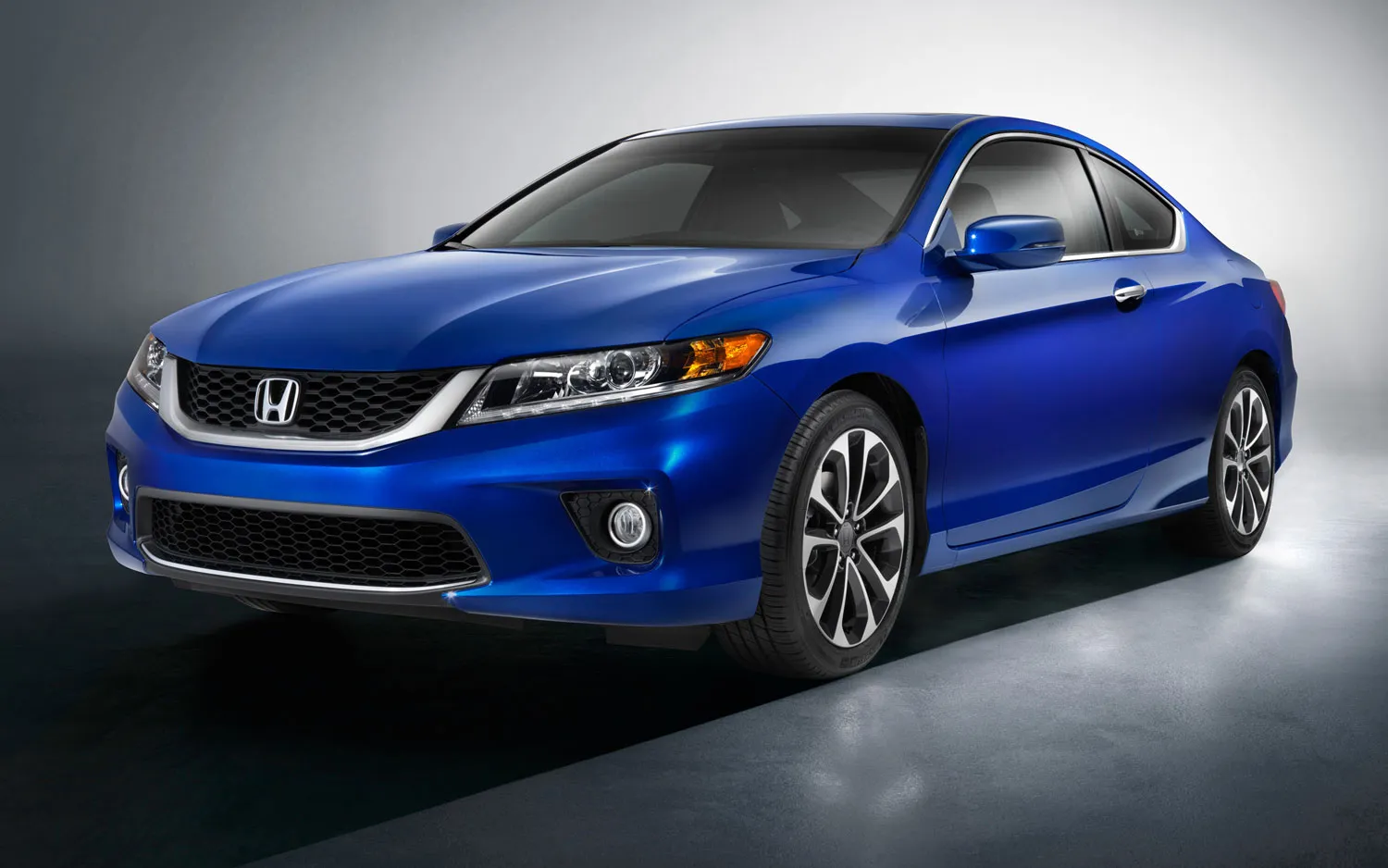
1. Honda Accord EX (2013-2017)
Japanese engineering meets reliable climate control in these ninth-generation sedans. AC systems in these Accords demonstrate what happens when manufacturers actually care about long-term quality rather than just passing initial quality checks.
Compressors last the vehicle’s lifetime in most cases, evaporators rarely leak, and expansion valves function properly for years without intervention.
Build quality separates these Honda systems from cheaper alternatives. Components are sized appropriately for expected loads rather than engineered to minimum specifications. Compressor clutches engage smoothly without the shuddering that indicates marginal designs.
Condensers are positioned well to avoid rock damage while receiving adequate airflow. Everything suggests thoughtful engineering that considered real-world usage. Refrigerant charge remains stable because seals are quality pieces that don’t deteriorate rapidly.
Many owners report never adding refrigerant even after eight years of ownership. This stability indicates systems built properly from the beginning, using components that actually seal rather than slowly leaking throughout their service lives.
Electrical components controlling AC operation prove equally reliable. Pressure switches function correctly without false readings. Temperature sensors remain accurate.
Blower motors operate smoothly at all speeds without developing annoying vibrations or failing prematurely. These supporting components match the main system quality, creating cohesive packages that work reliably.
Cabin air filters are easily accessible, encouraging regular replacement that maintains system efficiency. Clean filters reduce strain on blower motors and improve cooling performance. Honda made maintenance simple, which helps these systems last because owners actually service them.
Resale values reflect this AC reliability. Buyers recognize Honda’s climate control quality, making these Accords attractive in used markets. Working AC is expected rather than a pleasant surprise, which speaks volumes about system dependability.
What separates these Accord AC systems from problematic alternatives is Honda’s refusal to compromise quality for cost savings. They engineered systems to last, creating vehicles that keep you comfortable for years without expensive repairs.
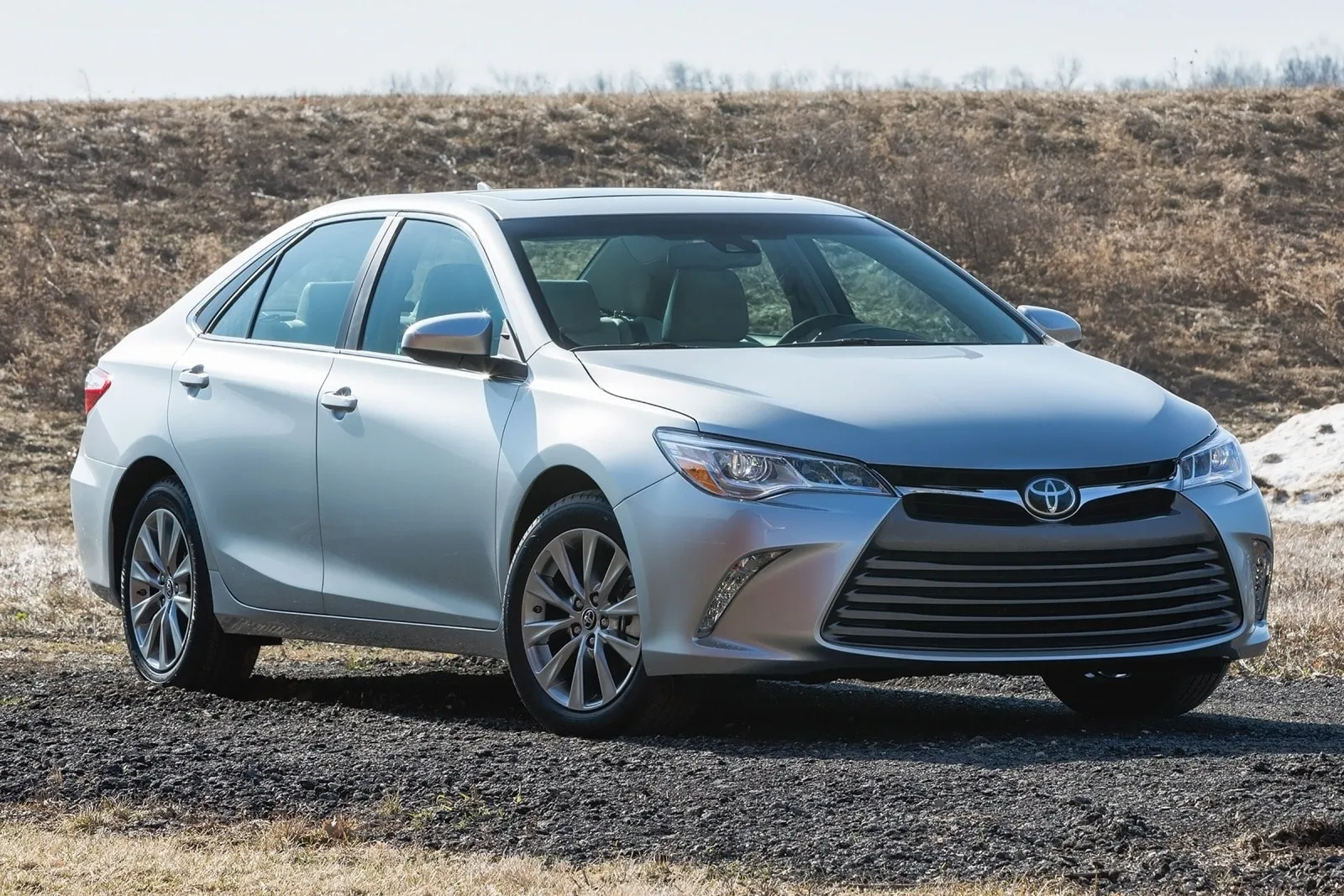
2. Toyota Camry LE (2012-2017)
Legendary Toyota reliability extends to climate control systems in these seventh and eighth-generation sedans. AC systems simply don’t fail in these Camrys unless owners completely neglect basic maintenance or damage components through accidents.
Compressors routinely last 300,000 kilometres, evaporators remain leak-free, and expansion valves function properly throughout vehicle lifespans. Design philosophy prioritizes durability through proven components rather than cutting-edge technology.
Nothing fancy or complicated means fewer potential failure points. Simple designs executed properly outlast sophisticated systems using marginal components. Toyota understands this fundamental truth and engineers accordingly.
Compressor design is straightforward and robust. Variable displacement systems adjust cooling capacity efficiently without complicated electronics that fail.
Clutches engage smoothly and last indefinitely with proper refrigerant charge. Everything is sized conservatively, meaning components operate well within their capabilities rather than constantly working at maximum stress.
Condenser positioning protects these critical components from road debris while ensuring adequate airflow. Robust construction resists corrosion in harsh climates.
Refrigerant passages are properly sized, preventing restrictions that reduce efficiency and increase compressor load. Every detail suggests careful engineering.
Electrical systems controlling AC operation are reliable and straightforward. Simple switches and sensors function correctly for years.
Blower motors are quality pieces that operate smoothly at all speeds. Resistor packs rarely fail compared to domestic alternatives. Everything works as intended throughout vehicle lifespans.
Cabin air filter access is simple, encouraging regular replacement. Clean filters maintain airflow efficiency, reducing strain on blower motors and improving cooling performance. Toyota made routine maintenance easy, which helps systems last because owners actually perform service.
What makes these Camry AC systems special is how boringly reliable they are. Nothing breaks, nothing leaks, nothing requires attention beyond basic maintenance. This reliability is exactly what used car buyers should prioritize.

3. Mazda CX-5 Touring (2013-2018)
First-generation CX-5 models demonstrate that mainstream Japanese manufacturers consistently build reliable AC systems. Climate control in these compact crossovers proves remarkably durable, with compressors lasting vehicle lifetimes and evaporators remaining leak-free through years of service.
Mazda clearly studied what makes AC systems reliable and implemented those lessons properly. Component quality exceeds expectations for vehicles at this price point. Compressors are robust units that handle daily cycling without premature wear.
Condensers are positioned well to avoid damage while receiving adequate cooling airflow. Expansion valves function properly for years. Everything suggests Mazda prioritized quality rather than just meeting minimum standards.
Refrigerant systems maintain proper charge because seals are quality pieces. Many high-mileage examples still blow ice-cold air on the original refrigerant charge, indicating properly sealed systems. This longevity saves owners from constant recharge expenses that plague vehicles with cheap seals.
Electrical components are equally reliable. Pressure switches provide accurate readings for years. Temperature sensors remain precise. Blower motors operate smoothly without developing vibrations or noise. Resistor packs rarely fail. Everything works as designed throughout vehicle lifespans.
Cabin air filters are reasonably accessible, though not quite as easy as some competitors. Regular replacement maintains system efficiency and reduces strain on components. Mazda’s maintenance schedule includes filter replacement recommendations that help systems last.
Service accessibility is adequate for most routine work. Compressor replacement is straightforward if ever needed. Evaporator access is reasonable compared to vehicles requiring dashboard removal. These practical considerations help keep repair costs manageable if problems do occur.
What separates these CX-5 AC systems from unreliable alternatives is Mazda’s commitment to building systems that actually work long-term. Components are quality pieces properly assembled, creating climate control that lasts.
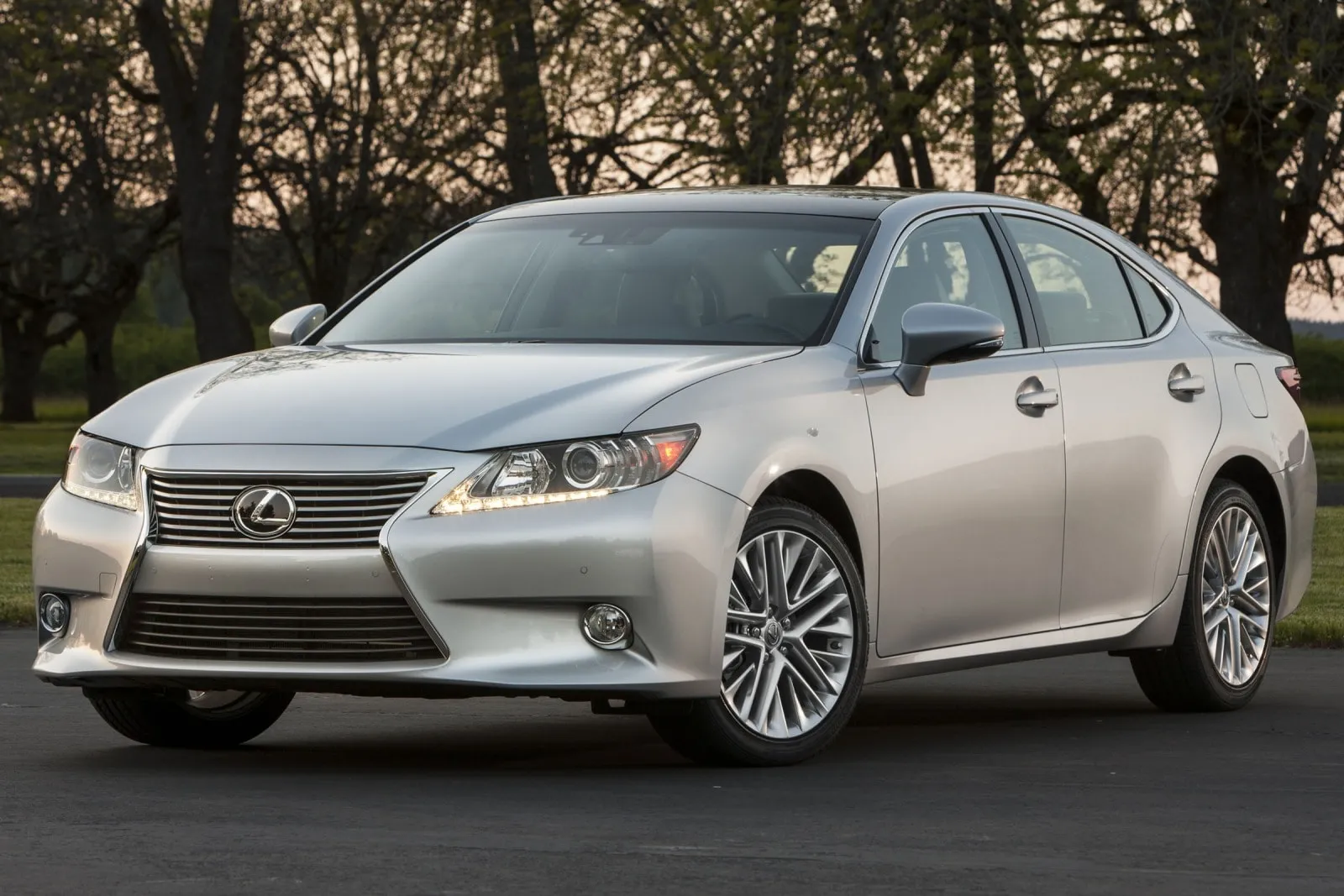
4. Lexus ES 350 (2013-2018)
Luxury reliability meets climate control excellence in these sixth-generation sedans. AC systems in these Lexus models represent Toyota engineering elevated to premium standards.
Compressors last indefinitely, evaporators never leak, and expansion valves function flawlessly for hundreds of thousands of kilometres. This is what reliable air conditioning looks like when cost isn’t the primary engineering constraint.
Component quality is exceptional throughout these systems. Compressors are oversized relative to cooling demands, meaning they operate well within capabilities.
This conservative sizing dramatically extends service life. Condensers are robust units positioned to avoid damage while receiving optimal airflow. Every component is specified for longevity.
Refrigerant systems remain perfectly sealed for years because Lexus uses premium seals and fittings. Many owners report never adding refrigerant even after ten years of ownership.
This stability indicates systems engineered properly from the beginning, using materials that actually last rather than slowly deteriorating.
Multi-zone climate control systems add potential failure points, but Lexus implements them reliably. Additional actuators and blend doors function properly for years.
Electronic controls operate flawlessly. Everything works as intended without the malfunctions common in cheaper vehicles attempting similar features.
Cabin air filtration systems are more sophisticated than mainstream brands, yet remain reliable. Filters are easily accessed for replacement. Clean filters maintain system efficiency and improve air quality. Lexus made maintenance straightforward despite premium features.
Service costs are moderate despite luxury positioning. Parts availability is excellent because these ES models share components with Toyota vehicles. Independent mechanics can service them competently. Repairs rarely become necessary anyway.
What makes these Lexus AC systems special is how luxury execution enhances already-excellent Toyota engineering. They took reliable systems and refined them further, creating truly bulletproof climate control.

5. Subaru Outback Limited (2015-2019)
All-wheel-drive wagons demonstrate reliable AC despite operating in harsh conditions. Climate control systems in these fifth-generation Outbacks prove remarkably durable, with compressors lasting vehicle lifetimes and evaporators remaining leak-free through years of varied use.
Subaru clearly engineered these systems to handle the demanding conditions that all-wheel-drive vehicles typically encounter. Component design accounts for rough-road usage that wagons experience. Mounting systems isolate AC components from excessive vibration.
Line connections are robust to prevent leaks from stress. Condensers are positioned to avoid damage while ensuring adequate cooling. Everything suggests engineering that considers actual usage patterns.
Compressors are quality units that handle constant cycling without premature wear. Variable displacement systems adjust output efficiently. Clutches engage smoothly and last indefinitely with proper maintenance. Everything is designed for longevity rather than minimum acceptable performance.
Refrigerant systems maintain charge because seals are quality pieces that resist degradation. Many owners report excellent cooling performance even after years of ownership without recharges. This reliability saves money while ensuring consistent comfort.
Electrical components are reliable despite operating in varied conditions. Pressure switches function correctly. Temperature sensors remain accurate. Blower motors operate smoothly. Everything works as intended throughout vehicle lifespans.
Cabin air filter access is straightforward, encouraging regular replacement. Clean filters maintain efficiency and reduce component strain. Subaru’s maintenance schedule includes filter replacement intervals that help systems last.
Service accessibility is reasonable for most work. Component placement allows adequate access for repairs when needed. These practical considerations help keep potential repair costs manageable.
What separates these Outback AC systems from unreliable alternatives is Subaru’s success in engineering for real-world conditions. They built systems that handle rough use reliably, creating climate control that actually lasts.
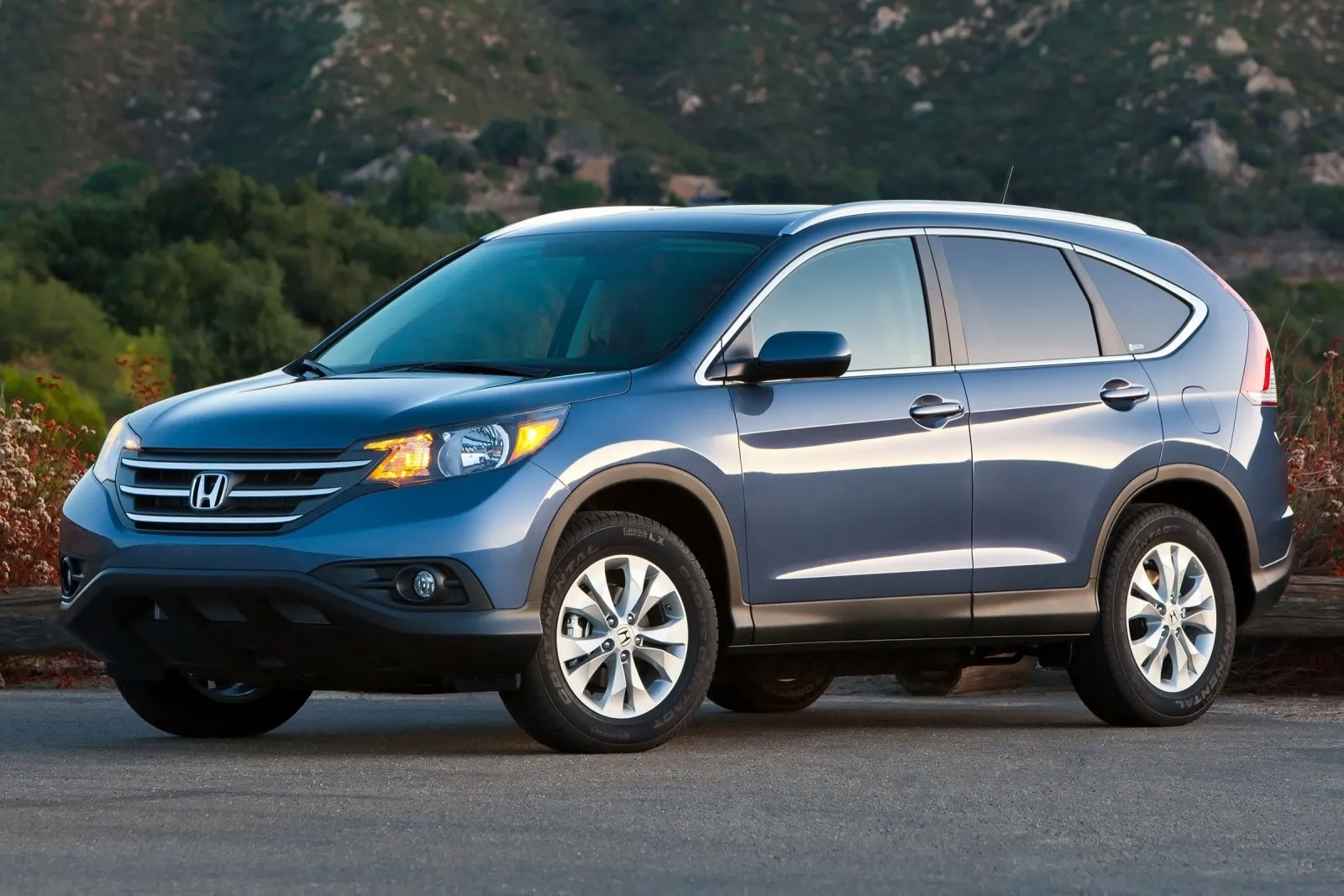
6. Honda CR-V EX (2012-2016)
The fourth-generation Honda CR-V upholds the brand’s strong reputation for dependable air conditioning performance. These compact SUVs showcase impressive consistency, with compressors often lasting the entire lifespan of the vehicle and evaporators staying free from leaks long after most rivals require repairs.
Honda’s long history of refinement across millions of models clearly shows in the way these systems continue to function reliably for years. Each component reflects solid craftsmanship and proper engineering.
The compressor runs quietly with minimal vibration, while the condenser’s placement ensures steady airflow and protection from damage. Everything works together efficiently, showing the attention to detail that has become a hallmark of Honda design.
The refrigerant setup remains stable thanks to well-sealed lines and durable fittings. Many older CR-Vs still cool effectively on their original refrigerant, evidence that the materials and seals resist the slow leaks that plague lesser systems.
Electrical parts also hold up impressively, with sensors, switches, and motors functioning as intended even after extended use.
Routine upkeep is simple, further enhancing longevity. The cabin filter is easily replaced, encouraging owners to maintain airflow and efficiency without much effort. This practical design choice contributes greatly to the system’s long-term durability.
When repairs are needed, parts are easy to find and fairly priced. Independent shops can handle maintenance without specialized equipment, keeping costs low throughout ownership. The combination of reliability, ease of care, and affordability makes the CR-V’s air conditioning system one of the best in its class.
Because of this dependability, used CR-Vs continue to attract strong demand. Buyers expect the air conditioning to work perfectly, and it usually does. Honda’s commitment to lasting quality ensures that drivers can count on consistent comfort no matter how old their vehicle becomes.
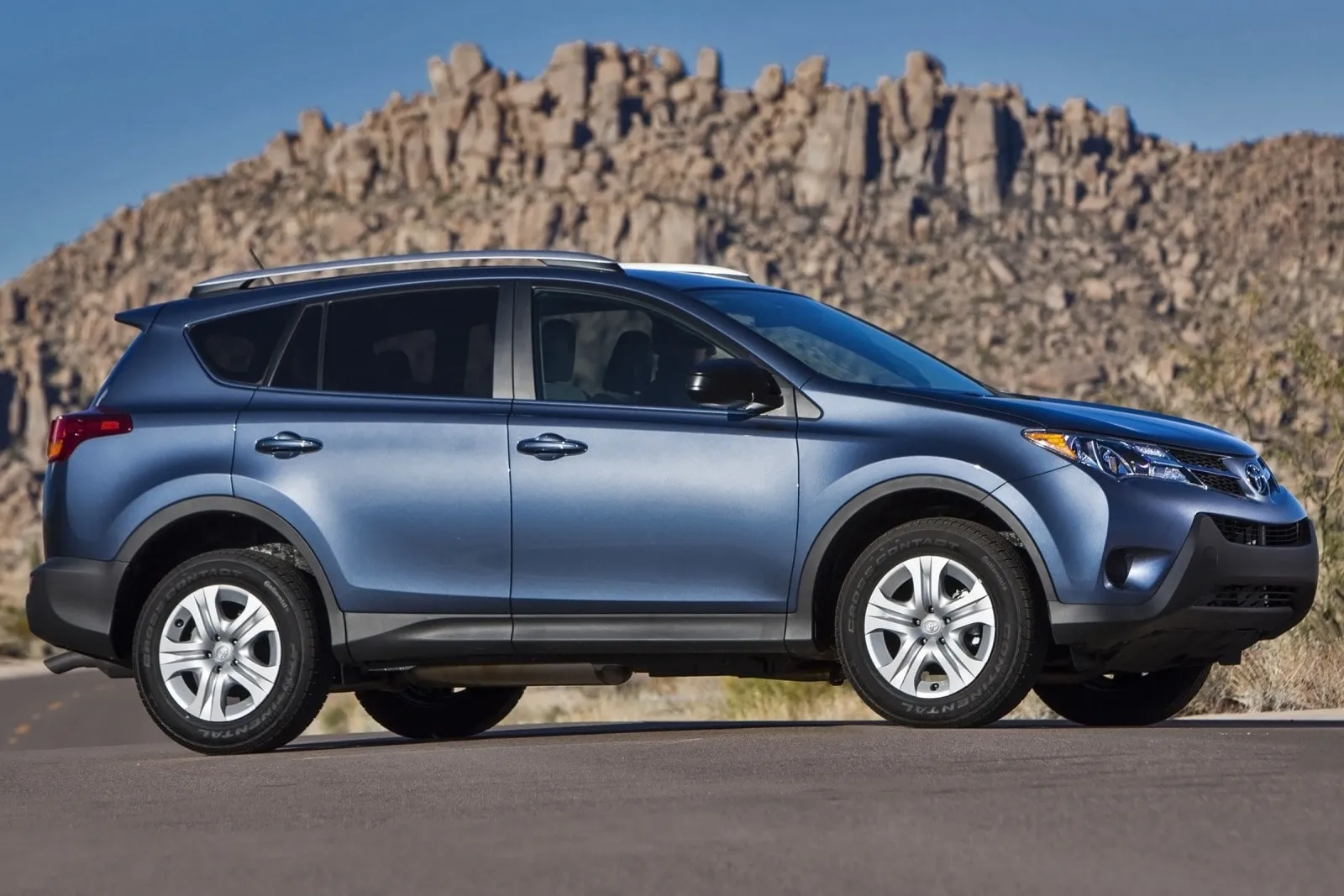
7. Toyota RAV4 XLE (2013-2018)
Fourth-generation RAV4 models deliver reliable climate control that matches Toyota’s reputation. AC systems in these compact crossovers prove remarkably durable, with compressors lasting indefinitely and evaporators remaining leak-free through years of service. Toyota clearly prioritizes AC reliability as much as mechanical dependability.
Component quality is excellent throughout these systems. Compressors are robust units that handle daily operation without excessive wear. Condensers are positioned well and constructed to resist corrosion. Expansion valves function properly for years. Everything is built to last.
Refrigerant systems maintain proper charge because seals are quality pieces that don’t deteriorate rapidly. Many owners report excellent cooling even after years without recharges. This stability saves money while ensuring consistent comfort.
Electrical components controlling AC operation are reliable. Pressure switches function correctly. Temperature sensors remain accurate. Blower motors operate smoothly without developing issues. Everything works as intended throughout vehicle lifespans.
Cabin air filters are reasonably accessible for regular replacement. Clean filters maintain efficiency and reduce component strain. Toyota’s maintenance schedule includes filter replacement recommendations that help systems last.
Service accessibility is adequate for routine work. Component placement allows reasonable access when repairs become necessary.
These practical considerations help keep potential costs manageable. Resale values reflect Toyota’s reliability. Buyers actively seek RAV4s, knowing they’re purchasing proven dependability. Working AC is expected, which speaks volumes about system quality.
What separates these RAV4 AC systems from problematic alternatives is Toyota’s refusal to compromise quality. They engineered systems to last, creating climate control that remains reliable for years.
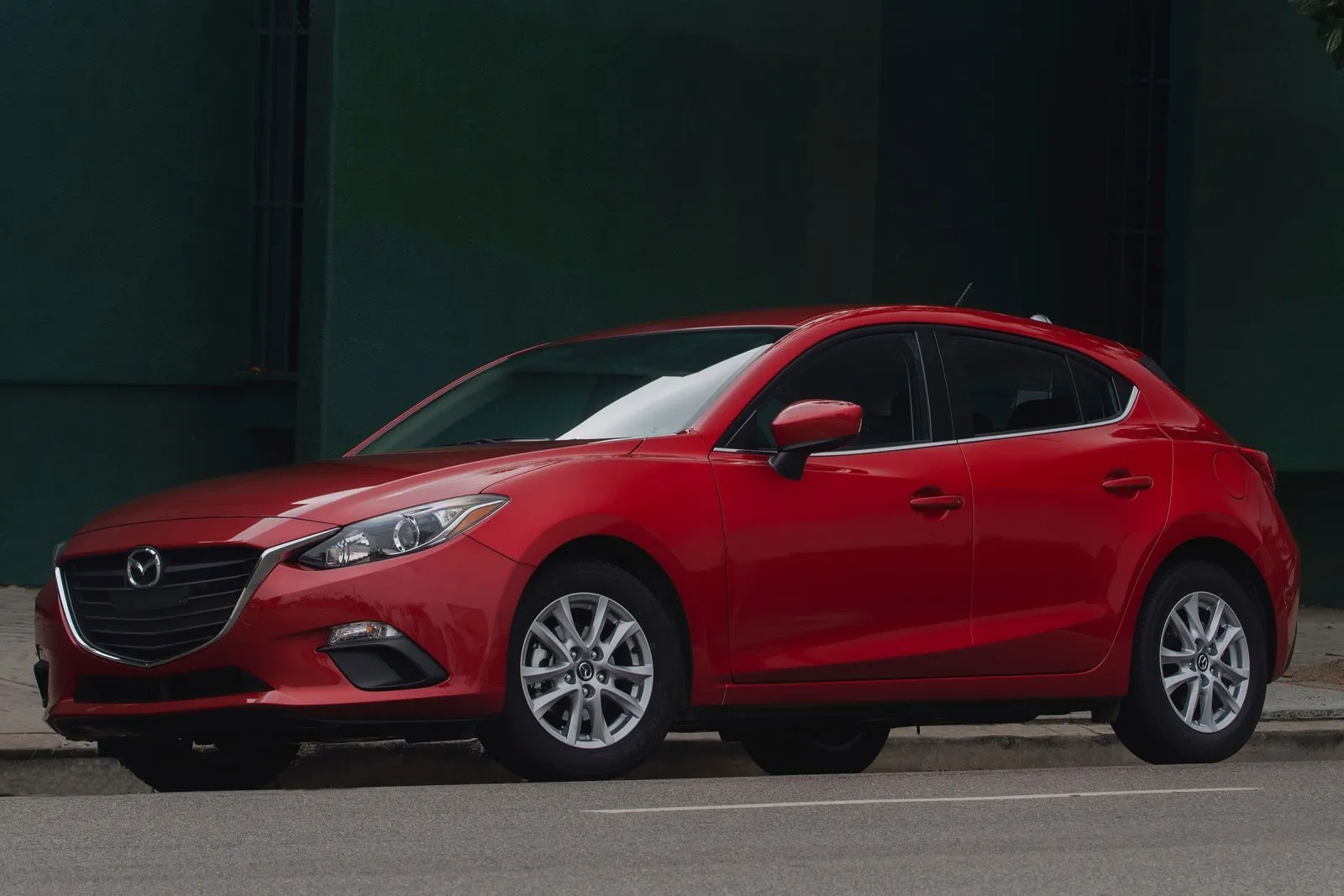
8. Mazda 3 Touring (2014-2018)
The third-generation Mazda3 stands out for its dependable air conditioning performance, proving that compact cars can deliver lasting comfort when engineered thoughtfully.
These systems rarely fail, with compressors often lasting as long as the car itself and evaporators holding up for years without developing leaks.
Mazda’s attention to detail shows in how smoothly everything works, even after extensive use in varying climates. Each component reflects deliberate engineering and strong manufacturing standards.
The compressor runs quietly and efficiently, while the condenser is designed to resist damage and corrosion from road debris.
Expansion valves regulate flow consistently, ensuring the system cools effectively under different driving conditions. Everything feels balanced, with durability clearly built into the design.
Mazda’s use of high-quality seals and fittings helps the refrigerant system remain tightly closed as time goes on. Many older models continue blowing cold air on their original charge, a clear sign of excellent sealing and precise assembly. This reduces the need for frequent servicing or costly refills.
Electrical elements are equally well-executed. Sensors respond accurately, blower motors maintain steady airflow, and control systems function predictably across all settings. Owners rarely experience failures in these components, which adds to the whole reliability record.
Regular maintenance is simple and inexpensive. Cabin air filters are easy to access and replace, helping preserve efficiency while minimizing stress on the blower motor. Affordable parts and the wide availability of trained technicians make upkeep straightforward.
The reason these Mazda3 systems last is rooted in consistent engineering discipline. Mazda didn’t rely on flashy features but instead focused on using durable parts and practical layouts.
The result is an air conditioning setup that performs faithfully as time goes on, keeping drivers cool without adding unnecessary maintenance headaches or financial strain.
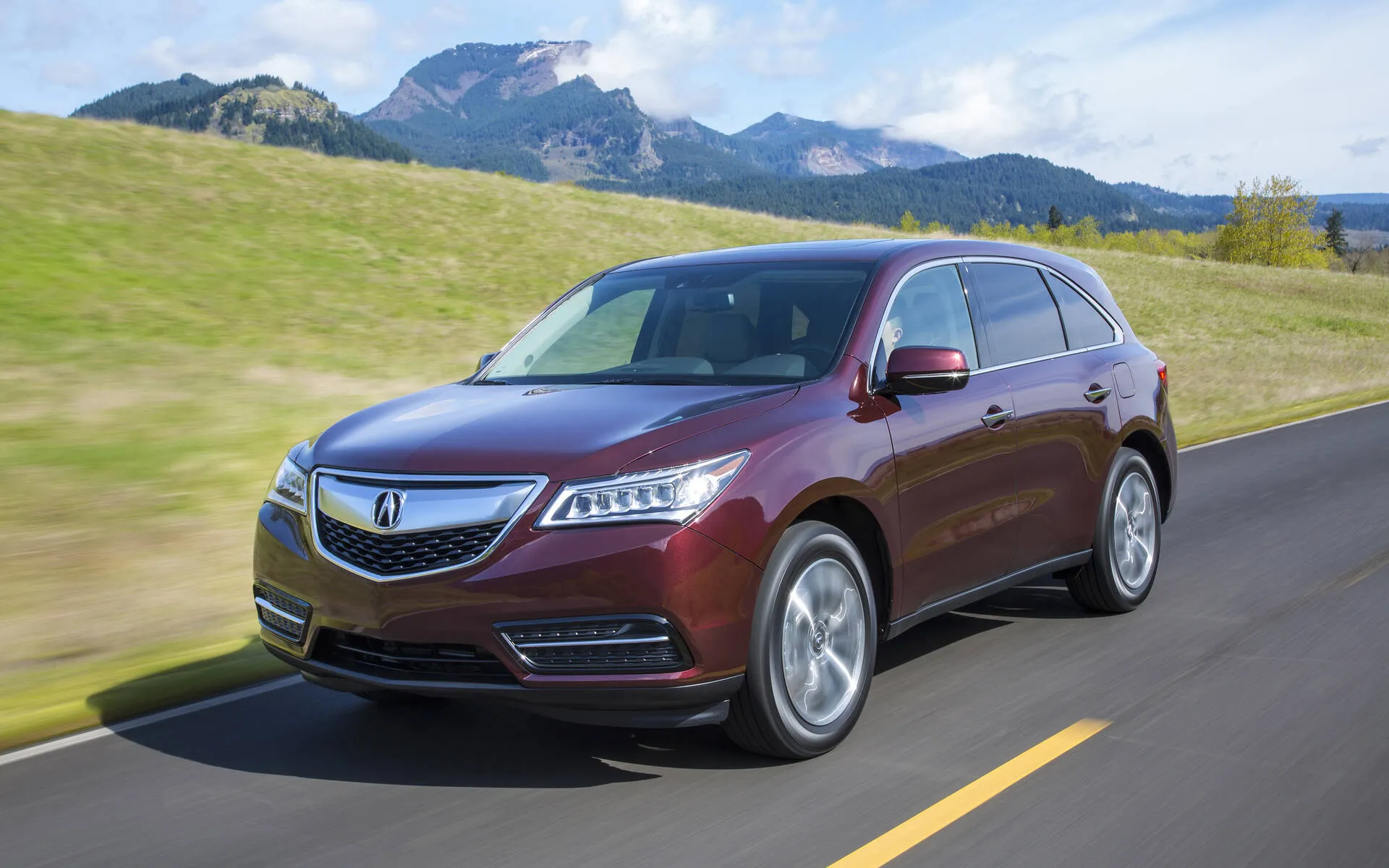
9. Acura MDX (2014-2018)
The third-generation Acura MDX showcases how luxury and reliability can coexist in a climate control system built to endure. These air conditioning units perform consistently well even after years of use, maintaining strong cooling power without developing leaks or compressor failures.
Acura’s engineering team clearly drew from Honda’s deep experience to deliver systems that stand the test of time. Every component within the system feels deliberately overbuilt rather than merely adequate.
The compressor operates with quiet confidence, sized generously for the vehicle’s demands. Condensers are sturdy and well-protected, allowing steady airflow while resisting corrosion and damage.
Each part reflects Acura’s goal of ensuring long-term dependability instead of simply meeting production targets.
Despite the added complication of multi-zone functionality, the MDX manages to avoid the reliability pitfalls common in luxury SUVs.
Actuators and blend doors continue to move smoothly after years of service, and the digital controls remain intuitive and responsive. The electronic interface works seamlessly, offering precise temperature management without glitches or lag.
Refrigerant retention remains a standout strength. Owners frequently report their vehicles maintaining cold air performance for well over a decade on the original charge, evidence of meticulous sealing and quality materials.
Electrical sensors, switches, and blower motors all continue to perform predictably, requiring little attention.
Routine upkeep is straightforward, with cabin air filters easily replaced and regular maintenance keeping the system efficient. Parts are widely available, and repair costs remain reasonable even when handled outside dealership networks.
What truly defines the MDX’s air conditioning reliability is Acura’s thoughtful approach to design. The brand took proven Honda engineering principles and refined them for premium expectations, producing a cooling system that quietly delivers comfort year after year without burdening owners with frequent or costly repairs.
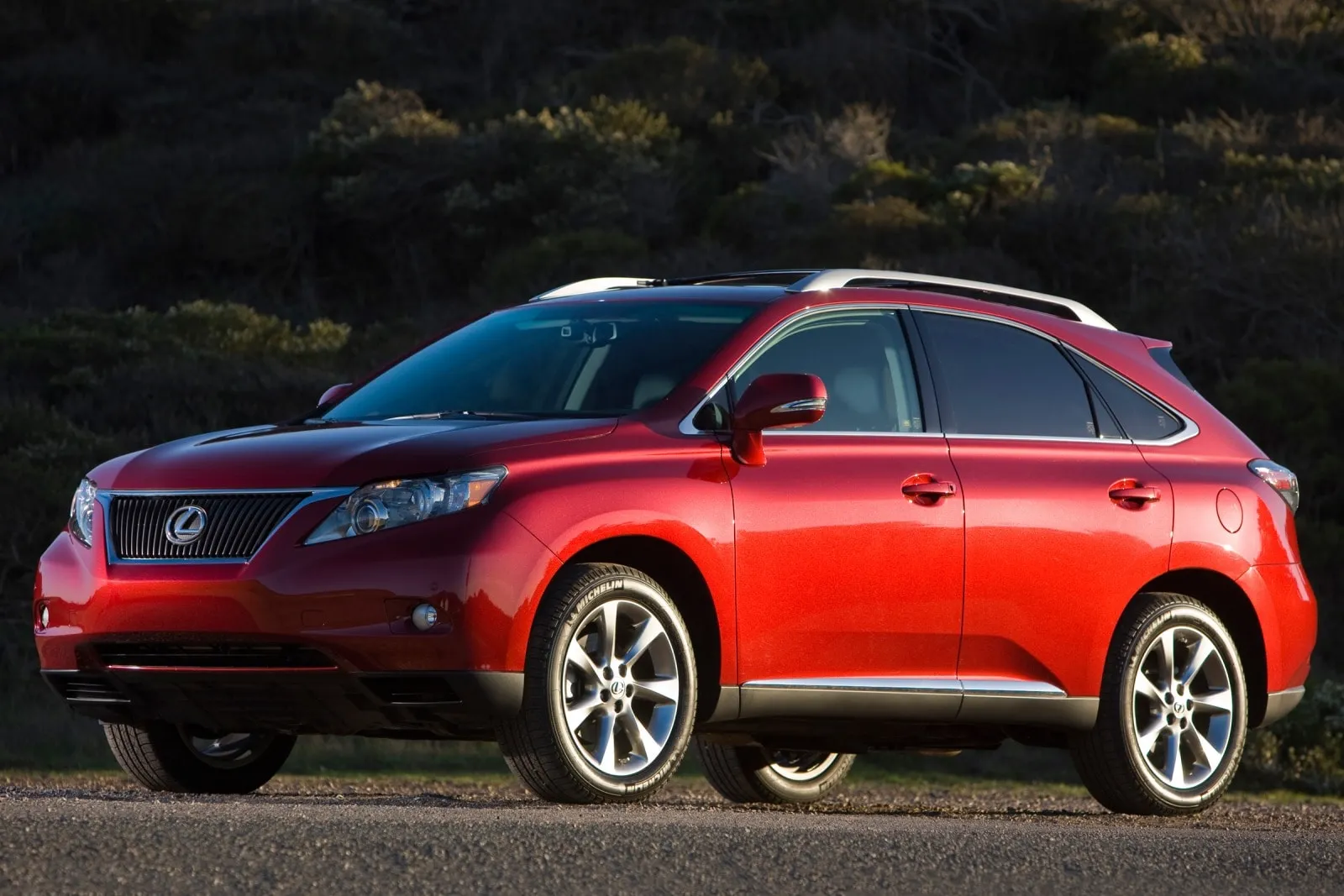
10. Lexus RX 350 (2010-2015)
The third-generation Lexus RX stands as a fine example of dependable luxury, with air conditioning systems that continue to deliver exceptional performance long after leaving the showroom.
These vehicles maintain steady cooling for years, with compressors that rarely fail and evaporators that remain sealed and efficient.
The system reflects Toyota’s disciplined approach to engineering, refined further through Lexus craftsmanship to meet the expectations of premium buyers. Every major component within the system has been designed with durability in mind.
The compressor runs smoothly and quietly, sized generously for the SUV’s cooling needs. Condensers are solidly built and smartly positioned to receive optimal airflow while avoiding exposure to road debris. Each element within the setup feels engineered to last rather than merely perform adequately.
Refrigerant retention is another strength that highlights the RX’s reliability. Owners frequently report decades of use without the need for recharging or replacing major parts.
The seals hold firm, and the system’s internal design prevents leaks that plague many competing models. Even with complicated multi-zone configurations, the temperature distribution remains consistent across the cabin.
Electronic controls, sensors, and blower motors all maintain steady performance as time goes on.
Actuators and valves work silently in the background, allowing drivers and passengers to enjoy effortless climate management. The interface responds precisely, giving users confidence that the system will deliver without fail.
Maintenance is straightforward and inexpensive for a luxury vehicle. Replacement parts are widely available, and skilled independent technicians can perform most services without difficulty.
What truly defines the RX’s air conditioning excellence is how Lexus elevated Toyota’s dependable engineering into something refined and enduring.
The result is a climate system that blends quiet sophistication with long-term reliability, keeping owners comfortable through years of driving without constant adjustments or expensive repairs.
