
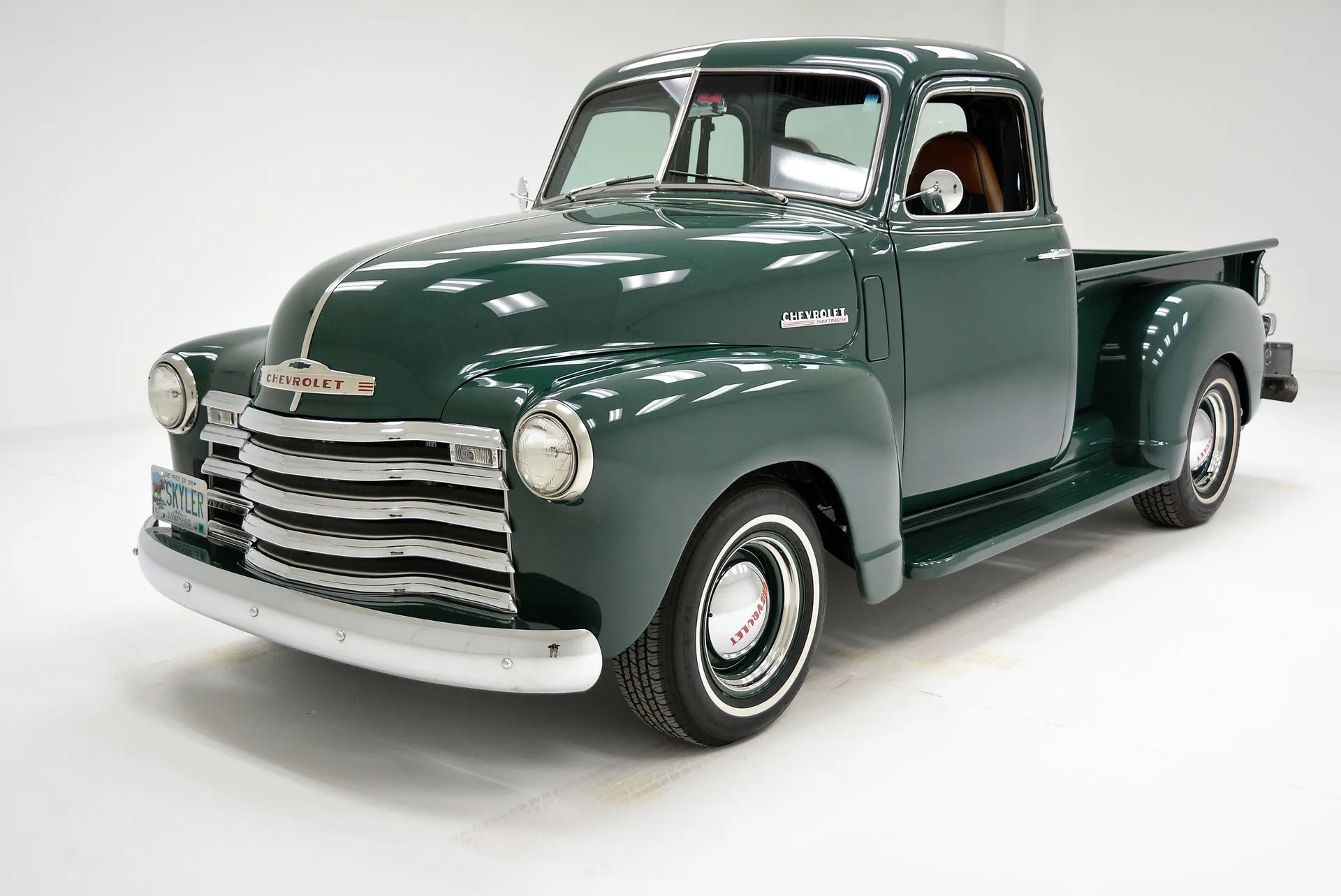
Pickup truck evolution tells two competing stories about what matters for long-term ownership. Modern trucks arrive loaded with technology promising convenience, efficiency, and capability through electronic wizardry.
Touchscreens control everything, cameras eliminate blind spots, turbocharged engines claim impressive power with better fuel economy, and automated systems handle tasks that drivers once performed manually. Marketing materials showcase these features as revolutionary improvements over outdated predecessors.
Older trucks counter with mechanical simplicity that survives decades without catastrophic electronic failures. Physical buttons and knobs continue functioning when touchscreens die. Naturally aspirated engines run indefinitely with basic maintenance, while turbocharged alternatives fail expensively.
Manual transmissions outlast complicated automatics by hundreds of thousands of miles. Body-on-frame construction tolerates abuse that crumples modern aluminum structures.
Which approach wins for owners keeping trucks beyond warranty periods? Technology delivers genuine improvements when systems function properly, but complications create expensive failures as vehicles age.
Simple mechanical systems lack modern conveniences but survive neglect that destroys sophisticated alternatives. Purchase price differences compound these factors as technology adds thousands to initial costs while increasing long-term repair expenses.
We will examine ten trucks, split evenly between old-school simplicity and new technology. Five older models demonstrate why mechanical durability matters more than modern features for long-term ownership.
Five newer trucks showcase how technology improves capability when reliability matches innovation. Understanding these differences helps buyers choose trucks that match their actual needs rather than marketing hype.
Let’s examine these contrasting philosophies to determine which approach creates better long-term value.
5 Old-School Trucks
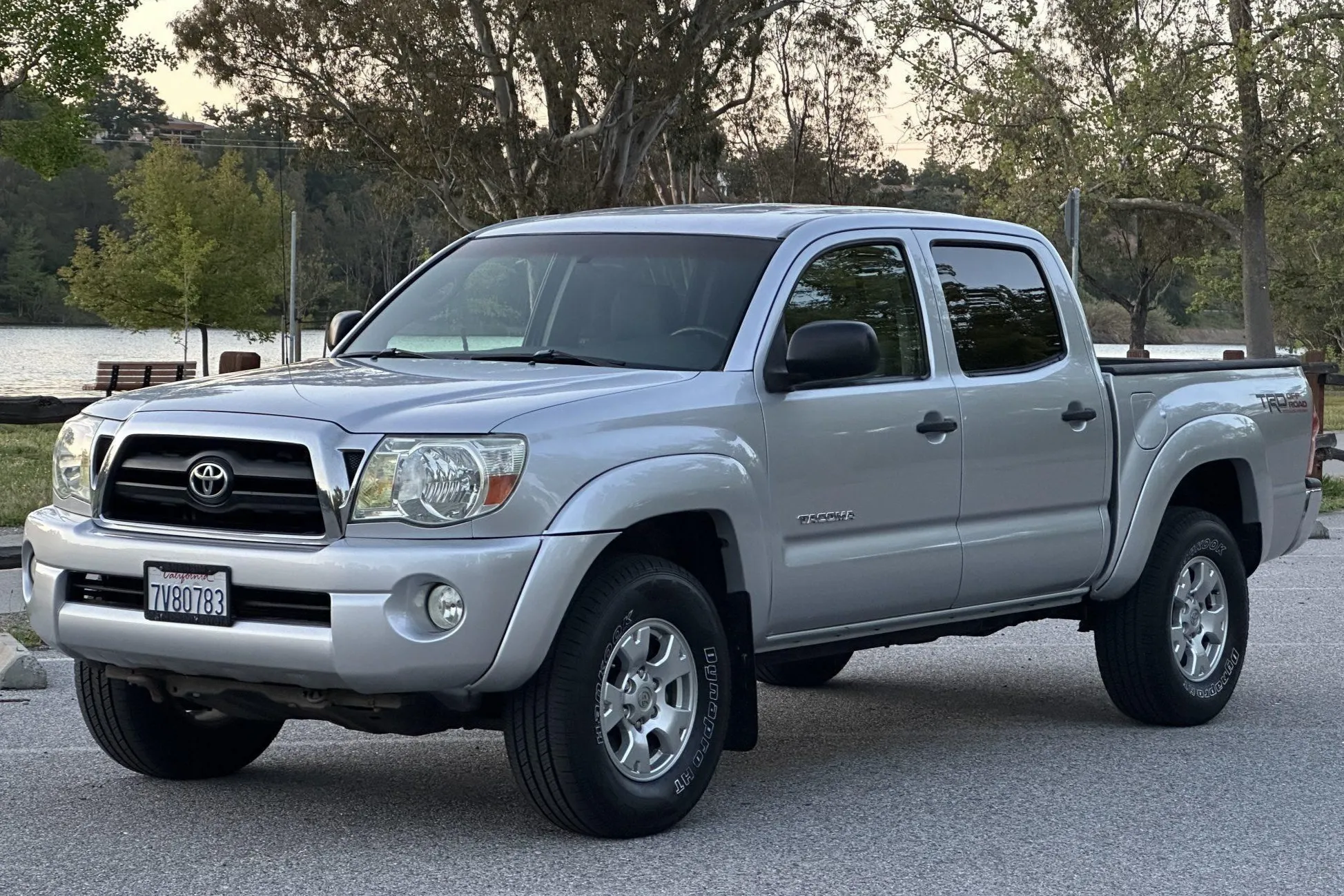
1. Toyota Tacoma (2005-2015)
Legendary reliability stems from conservative engineering that prioritizes durability above innovation. Toyota refined proven components through the decades rather than chasing technological trends.
Body-on-frame construction survives abuse that totals unibody vehicles. Even after 300,000 miles of hard use, these Tacomas maintain structural integrity while mechanical systems continue functioning properly.
V6 power comes from the bulletproof 4.0-liter engine that refuses to quit regardless of maintenance quality. All-aluminum construction reduces weight while the timing chain design eliminates belt replacement intervals.
Variable valve timing provides adequate technology without excessive complications that fail expensively. Oil consumption remains minimal when synthetic lubricants receive changes at reasonable intervals.
Four-cylinder option provides legendary efficiency for buyers prioritizing fuel economy over power. The 2.7-liter engine produces modest output but demonstrates reliability through extreme mileage.
Simple overhead valve design keeps maintenance costs minimal. These four-cylinders regularly surpass 400,000 miles with nothing beyond oil changes and occasional spark plugs.
Part-time four-wheel drive uses mechanical systems that survive when electronic alternatives fail. Manual engagement through a floor-mounted lever or a dashboard switch provides positive selection.
Low-range gearing multiplies torque for serious off-road work or difficult recoveries. Ground clearance and skid plates protect vulnerable components from trail damage.
Interior simplicity focuses on function rather than luxury, with physical controls for climate and audio systems. Buttons and knobs continue functioning when touchscreens in modern trucks fail expensively.
Cloth seats resist wear better than leather alternatives that crack and fade. Simple gauge clusters provide essential information without unnecessary digital complications.
Rust resistance meets Toyota standards with multiple protection layers applied during manufacturing. Examples from harsh winter climates maintain structural integrity despite years of salt exposure.
Frame construction uses thick metal that resists perforation better than modern aluminum. This durability keeps Tacomas roadworthy when competitors have succumbed to corrosion.
Aftermarket support remains extraordinary because enthusiast communities treasure these trucks. Finding replacement parts becomes straightforward when massive owner bases share knowledge.
Performance upgrades exist for owners seeking additional capabilities. This support network maintains older Tacomas economically, extending their useful lives indefinitely.
Resale values stay remarkably strong because buyers recognize Toyota’s reliability and simple engineering. Ten-year-old examples with 200,000 miles command prices that shock sellers accustomed to typical depreciation.
Clean examples with maintenance records sell quickly at premium prices. Strong demand from buyers seeking durable transportation keeps values elevated perpetually.
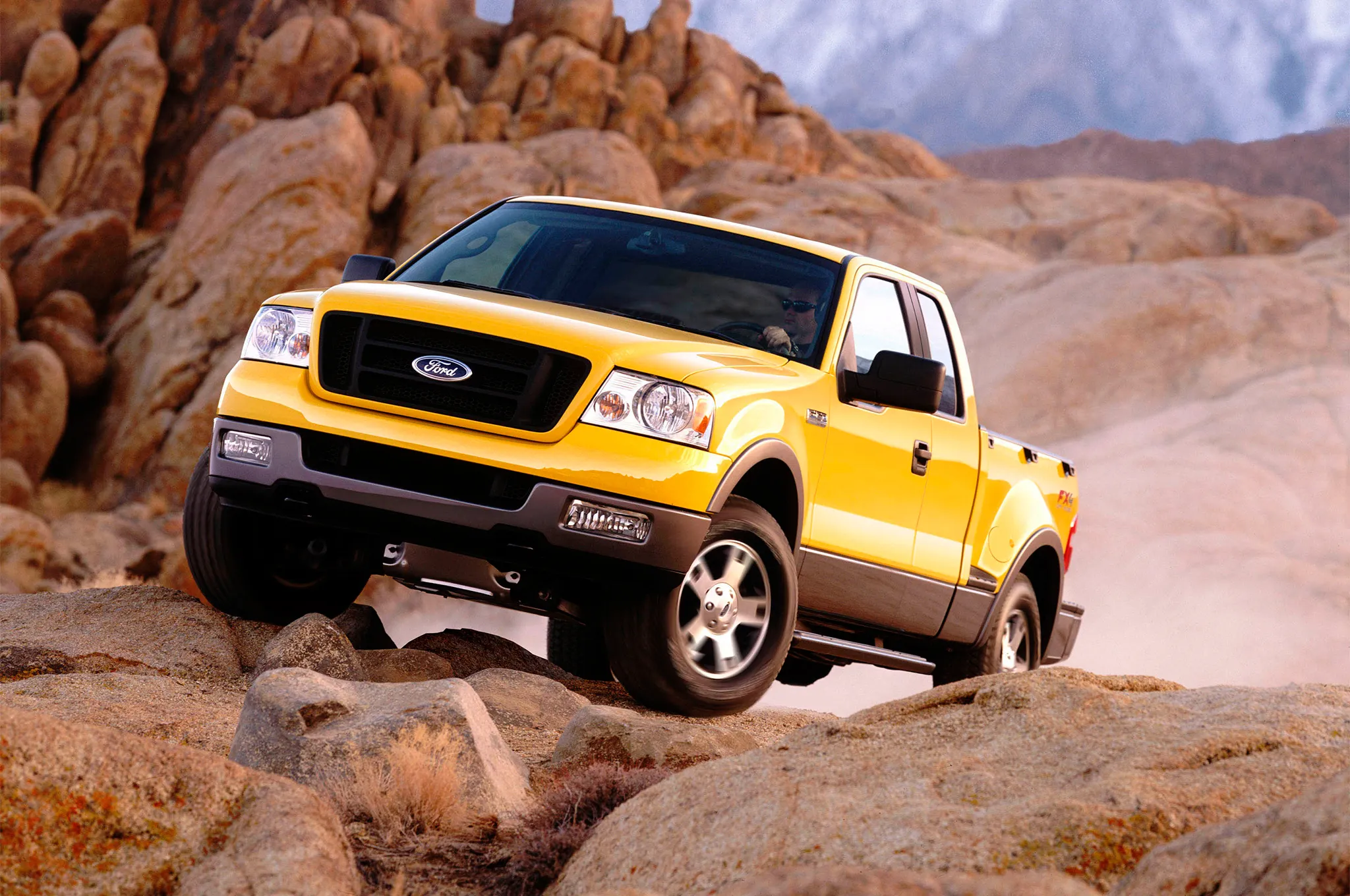
2. Ford F-150 (2004-2008)
Body-on-frame construction creates durability that aluminum replacements cannot match for abuse tolerance. Steel bodies survive minor collisions and trail damage that total modern aluminum trucks.
Repair costs stay reasonable when body panels bolt on rather than requiring specialized aluminum welding. This construction philosophy values long-term durability over weight savings.
V8 power from the legendary 5.4-liter Triton engine provides adequate output with reasonable reliability when maintained properly.
Iron block construction tolerates abuse while producing strong torque. Timing chain design eliminates belt replacement intervals. These engines regularly surpass 250,000 miles when spark plugs receive changes before breaking in cylinder heads.
Four-speed automatic transmission moves positively while proving durable through extensive towing and hauling. Simple design avoids modern ten-speed complications that fail expensively.
Torque converter lockup improves efficiency during highway cruising. Transmission coolers maintain proper fluid temperatures even during heavy trailer hauling.
Inline-six option in base models provides legendary reliability for buyers prioritizing economy over power. The 4.2-liter engine produces modest output but demonstrates bulletproof durability.
Overhead valve simplicity keeps maintenance costs minimal. These engines outlast flashier V8 alternatives through basic care.
Four-wheel drive uses mechanical systems that survive decades without electronic failures. Manual hubs on earlier models allow complete disconnection of the front drivetrain for improved efficiency.
Floor-mounted transfer case lever provides positive engagement without electronic complications. Low-range gearing enables serious off-road capability.
Interior design emphasizes function with physical controls for all systems. Climate knobs and buttons continue operating when touchscreens die.
Radio faces use simple designs that aftermarket replacements fit easily. Cloth seats prove more durable than leather alternatives through years of work truck use.
Electrical systems remain simple compared to modern trucks, with fewer electronic modules creating failure points. Basic wiring harnesses resist the gremlins plaguing computer-controlled alternatives.
When electrical problems occur, diagnosis becomes straightforward without requiring dealer scan tools. Repairs stay affordable when independent mechanics can troubleshoot systems.
Parts availability exceeds any modern truck because F-150 production volumes create massive aftermarket support. Replacement components cost less than alternatives, while selection spans budget to premium options. Junkyards overflow with donors when used parts become necessary. This part’s availability keeps repair costs reasonable indefinitely.
Service requirements stay minimal with basic maintenance, ensuring reliable operation through high mileage. Oil changes, brake service, and tire rotations represent routine items.
Spark plug replacement every 100,000 miles prevents expensive extraction procedures. Simple maintenance schedules allow owner servicing without specialized tools.
Resale values remain strong for clean examples because buyers seeking work trucks recognize durability advantages. High-mileage examples still command reasonable prices when the mechanical condition stays good.
Rust-free southern examples bring premium prices from buyers in harsh climates. This value retention reflects genuine utility rather than collector interest.
Also Read: 10 Trucks That Double as Lifestyle Statements
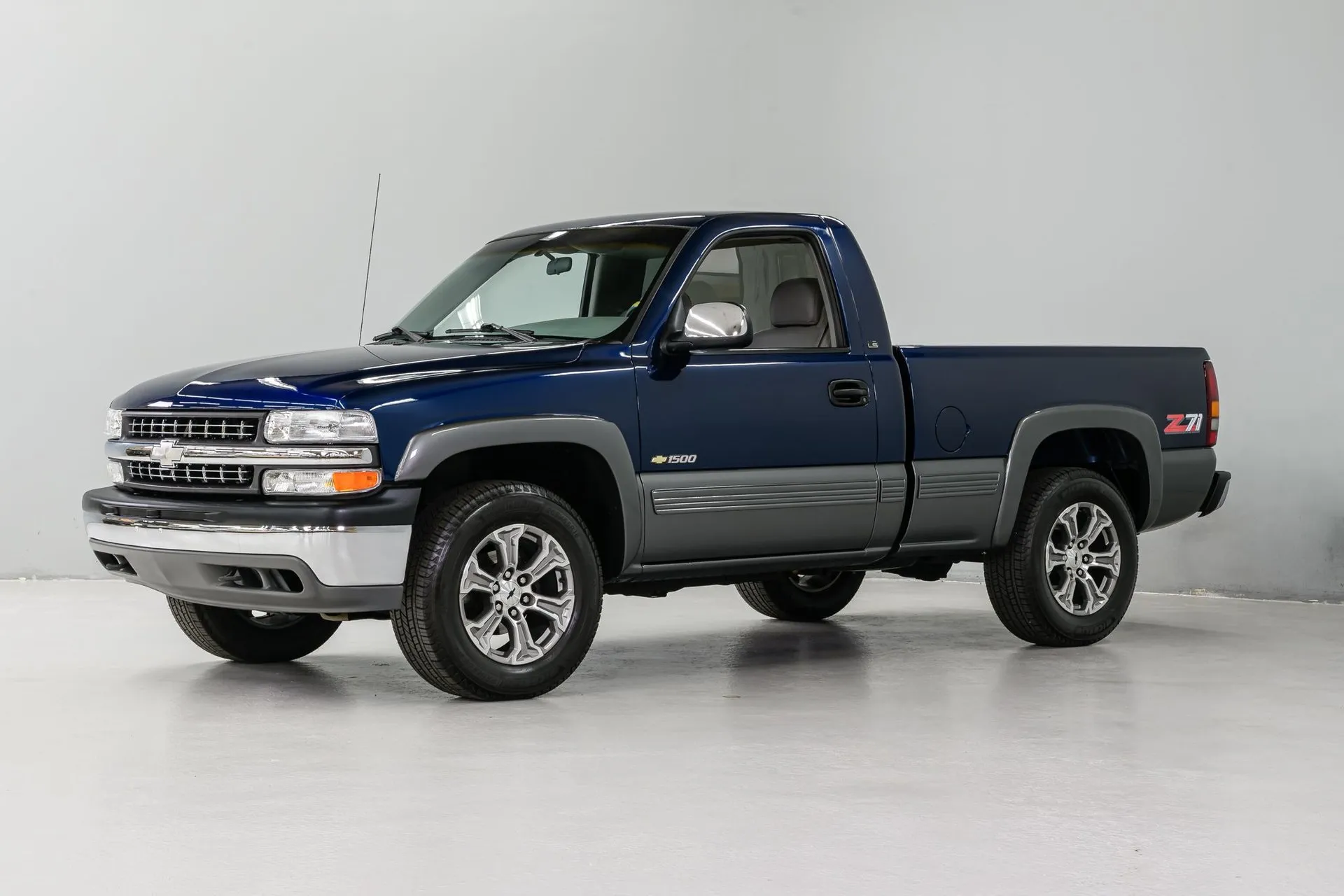
3. Chevrolet Silverado 1500 (1999-2007)
Classic body style defines pickup truck aesthetics that aged gracefully rather than looking dated. Simple lines and functional design create a timeless appearance.
Body-on-frame construction using thick steel withstands abuse that crumples modern alternatives. Even after decades of hard use, these Silverados maintain structural integrity.
V8 options include the bulletproof 5.3-liter and 6.0-liter Vortec engines, producing strong output. Iron block construction tolerates neglect, while aluminum heads reduce weight.
Push-rod overhead valve design keeps mechanical systems simple. These engines regularly exceed 300,000 miles when oil changes occur reasonably.
Four-speed automatic transmission moves smoothly while proving nearly indestructible when maintained. Simple hydraulic controls avoid electronic complications that fail expensively.
Gear ratios suit various tasks from daily driving to heavy towing. Transmission coolers maintain proper fluid temperatures during hard use.
Inline-six option provides legendary economy for buyers prioritizing fuel costs over performance. The 4.3-liter Vortec produces adequate output through proven design.
Simple construction keeps maintenance costs minimal while reliability exceeds expectations. These engines outlast many V8 alternatives through basic care.
Four-wheel drive uses robust mechanical systems that survive when electronic alternatives quit. Push-button engagement provides convenience without excessive complications.
Two-speed transfer case includes low-range gearing for serious work. Ground clearance suits most tasks without requiring suspension modifications.
Interior quality remains adequate with durable materials resisting wear through years of use. Physical controls for climate and audio systems continue functioning when touchscreens fail.
Bench seats in work trucks accommodate three passengers while providing durability. Simple gauge clusters deliver essential information without digital complications.
Electrical architecture stays refreshingly simple with minimal electronic modules creating failure points. When problems occur, diagnosis remains straightforward without requiring dealer equipment.
Repairs stay affordable when independent mechanics can troubleshoot issues. This simplicity extends service life substantially.
Resale values stay strong for clean examples because work truck buyers recognize proven durability. High-mileage examples with good mechanical condition still bring reasonable prices. Extended cab and crew cab configurations hold value better than regular cabs. This value retention reflects genuine utility and proven reliability.
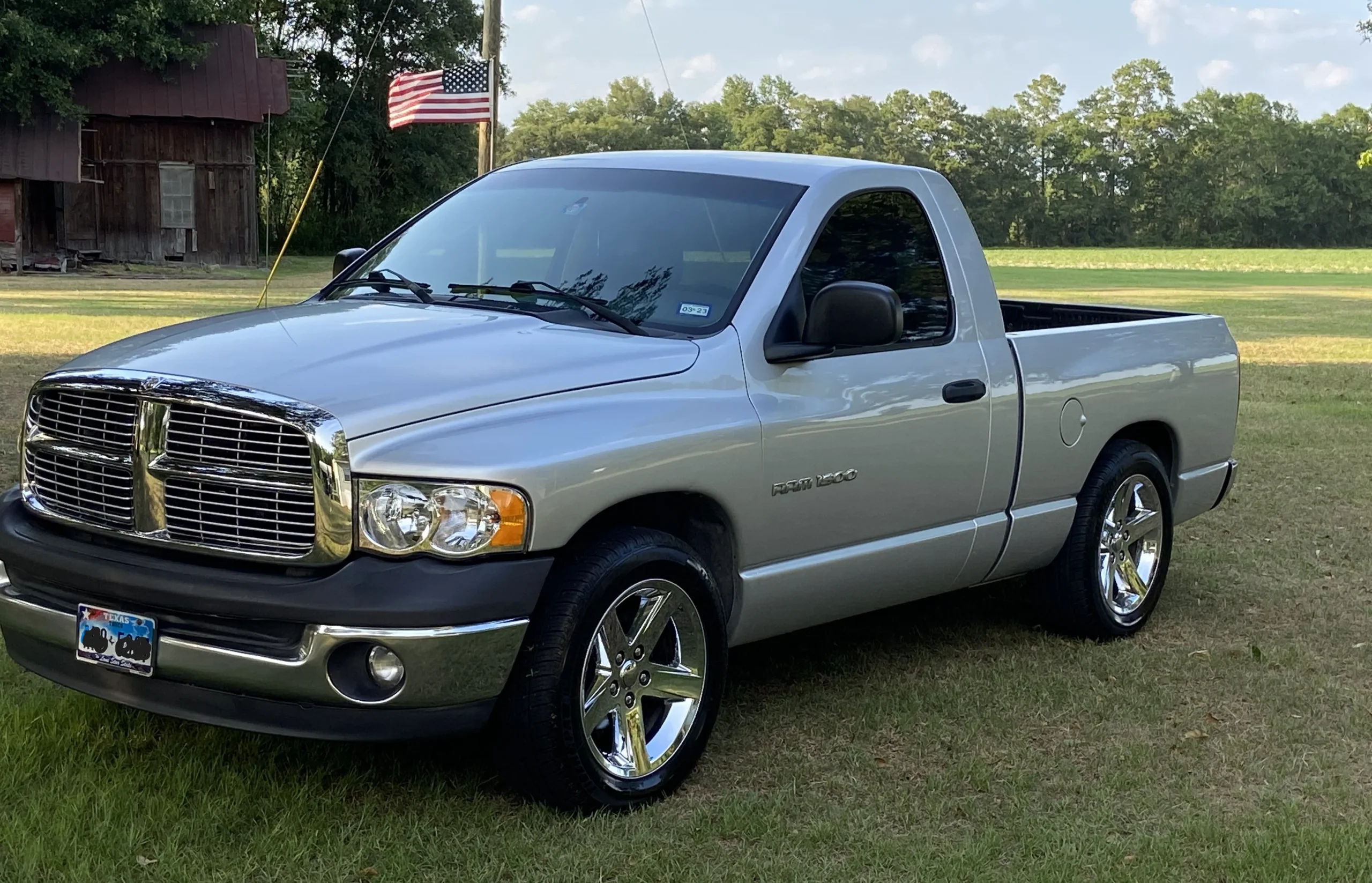
4. Dodge Ram 1500 (2002-2008)
Cummins diesel option in 2500 models provides legendary reliability, but this focuses on half-ton gas trucks. V8 options include the proven 4.7-liter and 5.7-liter Hemi engines, producing adequate output.
Simple overhead valve designs keep mechanical systems straightforward. These engines demonstrate reasonable reliability when maintained properly.
Body-on-frame construction uses thick steel that withstands abuse better than modern alternatives. Simple bolt-on panels allow affordable repairs after collisions or trail damage.
Paint quality varies, but is better than the reputation suggests when properly maintained. Rust protection improved during this generation compared to earlier models.
Four-speed automatic transmission movements adequately while proving durable through extensive use. Simple design avoids modern multi-speed complications that fail expensively.
Torque converter lockup improves highway efficiency. Transmission coolers maintain proper temperatures during towing when installed.
Coil spring rear suspension provides superior ride quality compared to leaf spring competitors. This setup improves handling while maintaining adequate load capacity.
Components prove durable through extensive use when overloading is avoided. Repair costs stay reasonable when replacement becomes necessary.
Electrical systems remain relatively simple compared to modern trucks. When problems occur, diagnosis stays straightforward for competent mechanics. Parts availability stays adequate, though not matching Ford or Chevy volumes. Independent shops can service these trucks without dealer equipment.
Aftermarket support exists for common repairs and upgrades. Performance parts remain available for Hemi engines from various suppliers. Suspension upgrades improve capability for off-road enthusiasts. This support keeps older Rams viable as work trucks or recreational vehicles.
Rust issues affect cab corners and bed floors in examples from harsh climates. Proactive maintenance prevents structural damage when caught early. Southern examples command premiums from buyers seeking rust-free trucks. Frame rust remains less common than body panel issues.
Resale values trail Ford and Chevy alternatives, but stay reasonable for clean examples. Hemi-equipped trucks hold value better than smaller engine options. Four-wheel drive models bring premiums in appropriate markets. This depreciation creates value opportunities for knowledgeable buyers.
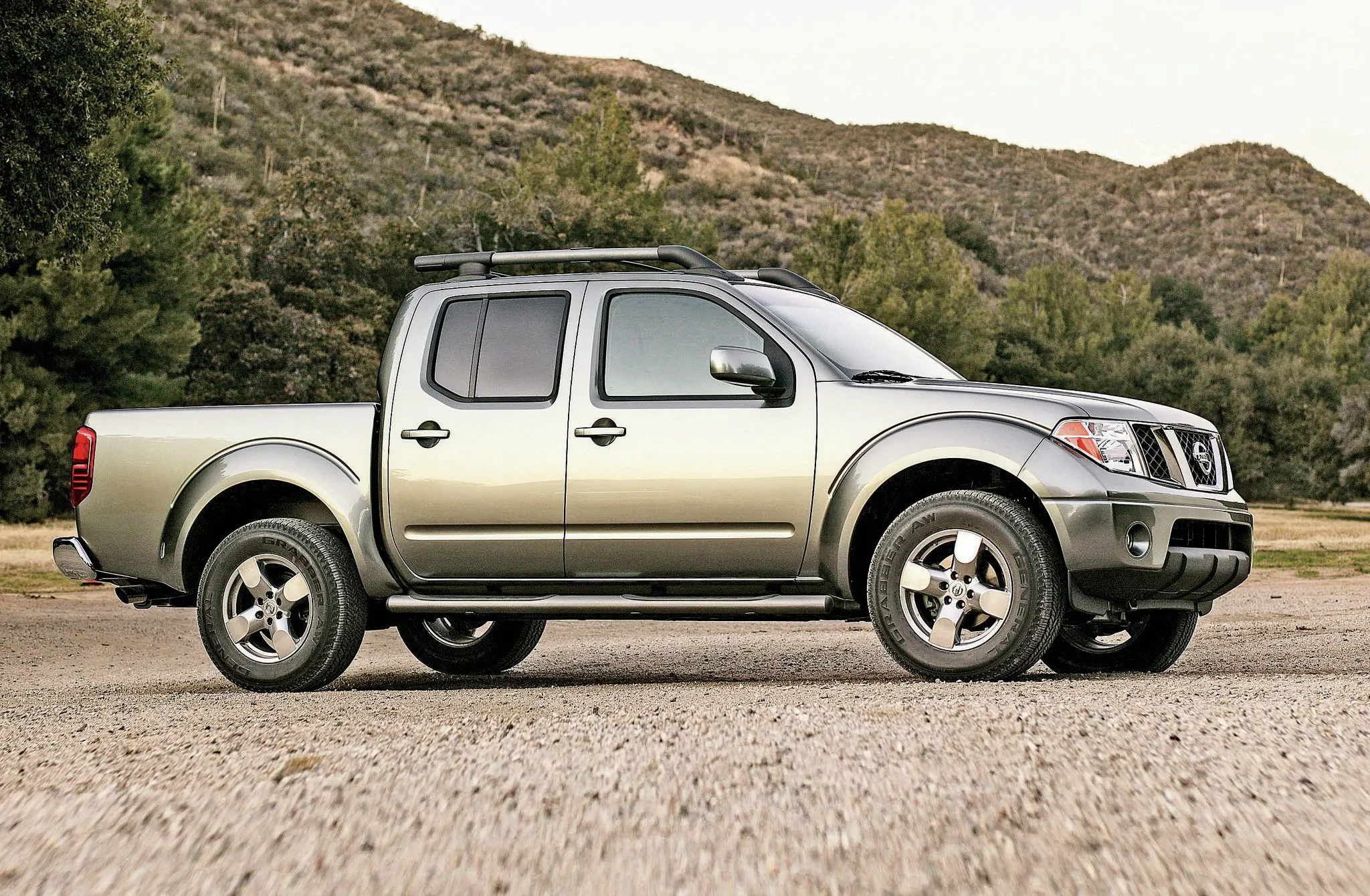
5. Nissan Frontier (2005-2021)
An extended production run allowed Nissan to refine systems for maximum reliability. Conservative engineering prioritizes durability over innovation. Body-on-frame construction survives abuse that damages unibody alternatives. Even after years of hard use, these Frontiers maintain structural integrity.
V6 power from the proven 4.0-liter engine provides adequate output with bulletproof reliability. Dual overhead cam design with variable valve timing delivers smooth power.
Timing chain eliminates belt replacement intervals while reducing maintenance costs. These engines regularly surpass 300,000 miles with basic care.
Five-speed automatic transmission moves smoothly while proving durable through extensive use. Simple design avoids modern multi-speed complications.
Gear ratios balance capability with fuel economy adequately. Transmission coolers maintain proper temperatures during towing when properly equipped.
Four-cylinder option provides excellent efficiency for buyers prioritizing fuel economy. The 2.5-liter engine produces modest output but demonstrates solid reliability. Simple overhead cam design keeps maintenance straightforward. These engines deliver longevity rivaling larger alternatives.
Part-time four-wheel drive uses mechanical systems that survive when electronic alternatives fail. Manual engagement provides positive selection without complicated electronics.
Low-range gearing enables decent off-road capability for recreational use. Ground clearance suits most tasks without modifications.
Interior design emphasizes function with physical controls for all systems. Buttons and knobs continue operating when touchscreens fail. Cloth seats resist wear better than leather alternatives. Simple gauge clusters provide essential information without digital complications.
Rust resistance meets Japanese standards with adequate protection for most climates. Examples from harsh winters show minimal corrosion when maintained. Frame construction resists perforation better than domestic alternatives. This durability extends service life substantially.
Parts availability stays adequate through Nissan dealers and aftermarket suppliers. Prices remain reasonable compared to domestic alternatives. Common wear items are stocked at most parts stores. This availability keeps maintenance costs controlled.
Resale values stay surprisingly strong because buyers recognize Nissan’s reliability and simple engineering. Clean examples with maintenance records command premium prices.
Four-wheel drive models hold value better than two-wheel drive alternatives. This value retention reflects genuine capability and proven durability.
5 New Tech Trucks
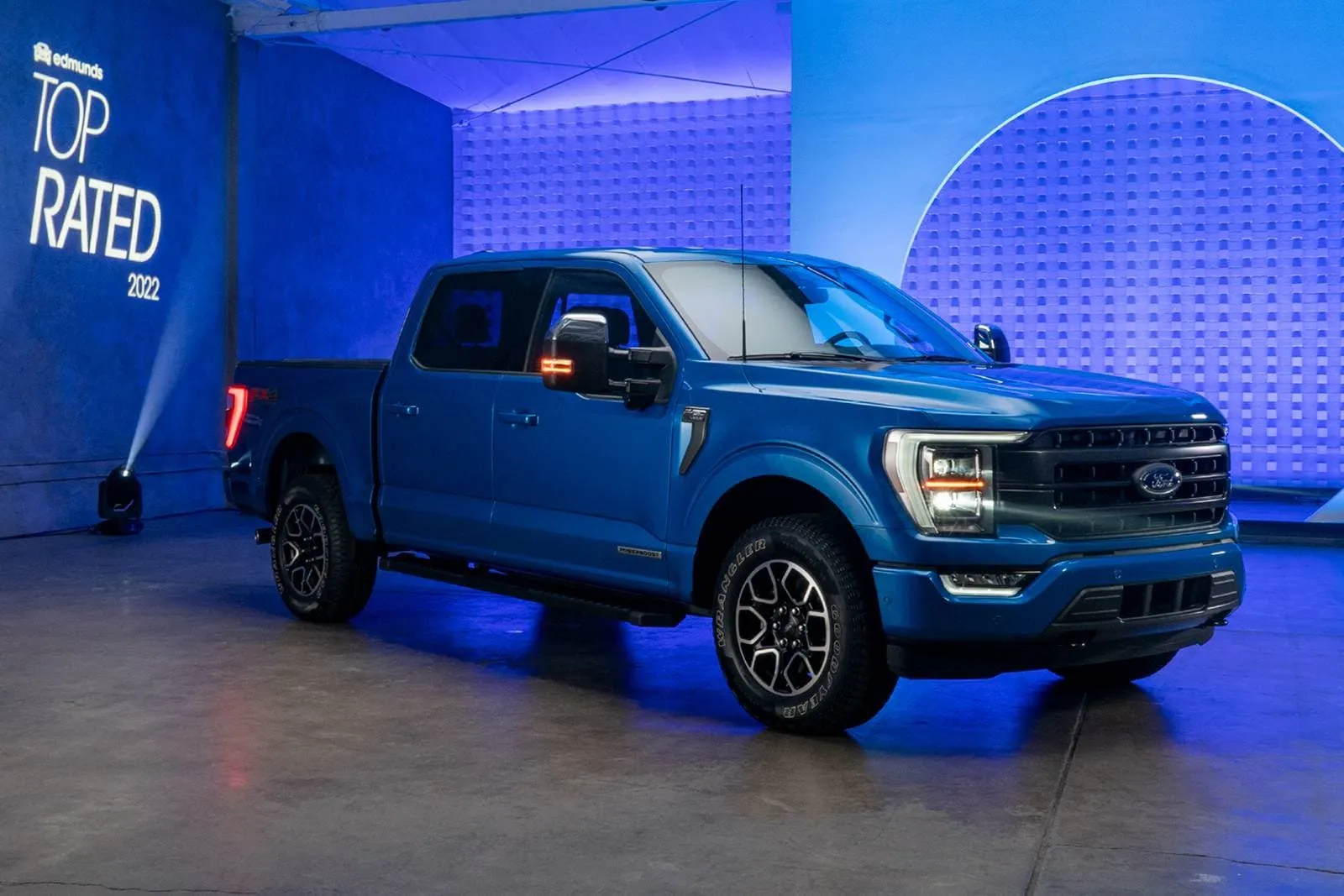
1. Ford F-150 (2021-2024)
Aluminum body construction reduces weight substantially while maintaining structural strength through advanced engineering.
Modern manufacturing techniques create panels rivaling steel durability. Weight savings improve fuel economy and payload capacity simultaneously. When damage occurs, specialized repair shops handle aluminum work competently at reasonable costs.
EcoBoost turbocharged V6 engines produce output rivaling larger V8s while improving efficiency. Advanced direct injection and variable valve timing optimize combustion.
Twin-turbocharger design delivers strong torque across usable RPM ranges. These engines demonstrate improving reliability as Ford refines technology through production experience.
The hybrid powertrain option provides impressive capabilities, combining a gasoline engine with an electric motor. An onboard generator produces substantial electrical power for work sites or camping.
Fuel economy improvements become noticeable during city driving when the electric assist operates. This technology adds genuine utility beyond mere efficiency gains.
Interior technology includes large touchscreens controlling climate, audio, and vehicle settings. Apple CarPlay and Android Auto integration provide smartphone connectivity.
Voice commands allow adjusting settings without removing hands from the steering wheel. When systems function properly, convenience exceeds traditional physical controls.
Camera systems eliminate blind spots through strategically placed lenses around the vehicle. A 360-degree view assists parking in tight spaces or hitching trailers.
Trailer backup assistance simplifies reversing by controlling steering automatically. These technologies reduce stress during challenging maneuvers.
Build quality improved substantially with tight panel gaps and solid construction. Interior materials feel premium while resisting wear through daily use. Sound insulation creates quiet cabins rivaling luxury vehicles. This refinement makes trucks comfortable for daily driving beyond work duties.
Long-term reliability remains unknown, but early indicators suggest proper engineering. Warranty coverage protects during critical early years when problems typically surface.
Dealer service networks handle repairs competently when issues occur. Time will reveal whether technology proves durable or creates expensive problems.
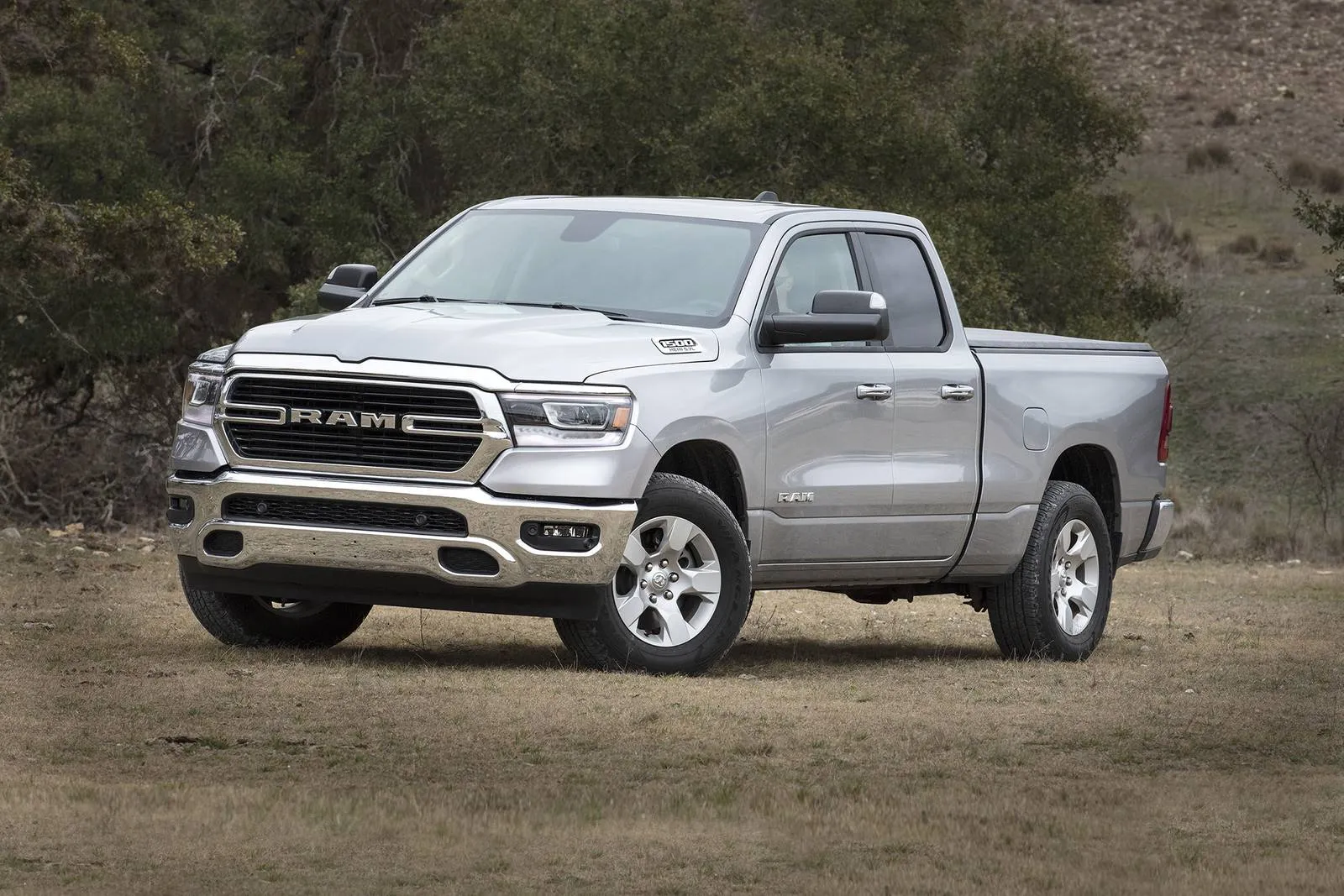
2. Ram 1500 (2019-2024)
A mild hybrid system provides efficiency improvements through a 48-volt electrical architecture. Belt-driven motor-generator assists acceleration while capturing energy during deceleration.
This technology improves fuel economy by approximately two to three mpg. The system adds minimal complication while delivering measurable benefits.
Air suspension option transforms ride quality while maintaining load capacity when needed. Adjustable ride height aids entry and exit while improving aerodynamics at highway speeds.
The system lowers the vehicle automatically at speed for efficiency gains. This technology provides genuine comfort improvements without compromising capability.
Interior luxury rivals premium SUVs with high-quality materials throughout the cabin. Massive touchscreen controls most functions through an intuitive interface.
Physical controls remain for critical functions like climate temperature. Sound system options include premium brands delivering concert-quality audio.
Turbocharged inline-six Hurricane engine replaces traditional V8 with impressive output and efficiency. Advanced engineering produces 420 or 540 horsepower, depending on configuration.
Smooth power delivery rivals larger displacement alternatives. Early reliability indicators suggest proper development, though long-term durability remains unproven.
Eight-speed automatic transmission moves smoothly while maintaining efficiency through well-spaced ratios. Electronic controls adapt movement patterns based on driving conditions and loads.
The rotary gear selector frees console space while providing intuitive operation. Proper maintenance should ensure durability matching predecessors.
Camera systems provide 360-degree visibility, eliminating blind spots. Surround-view cameras assist parking and maneuvering in tight spaces. Trailer camera integration allows monitoring cargo during travel. These technologies improve safety and convenience substantially.
Build quality ranks among segment leaders with excellent fit and finish throughout. Interior materials feel premium while resisting wear through daily use. Sound insulation creates remarkably quiet cabins at highway speeds. This refinement makes trucks suitable for luxury vehicle buyers.
Long-term reliability remains uncertain, but initial quality metrics suggest proper engineering. Warranty coverage protects against major issues during critical early years. Dealer networks provide competent service when problems occur. Extended ownership will reveal whether the complication creates expensive repairs or proves durable.
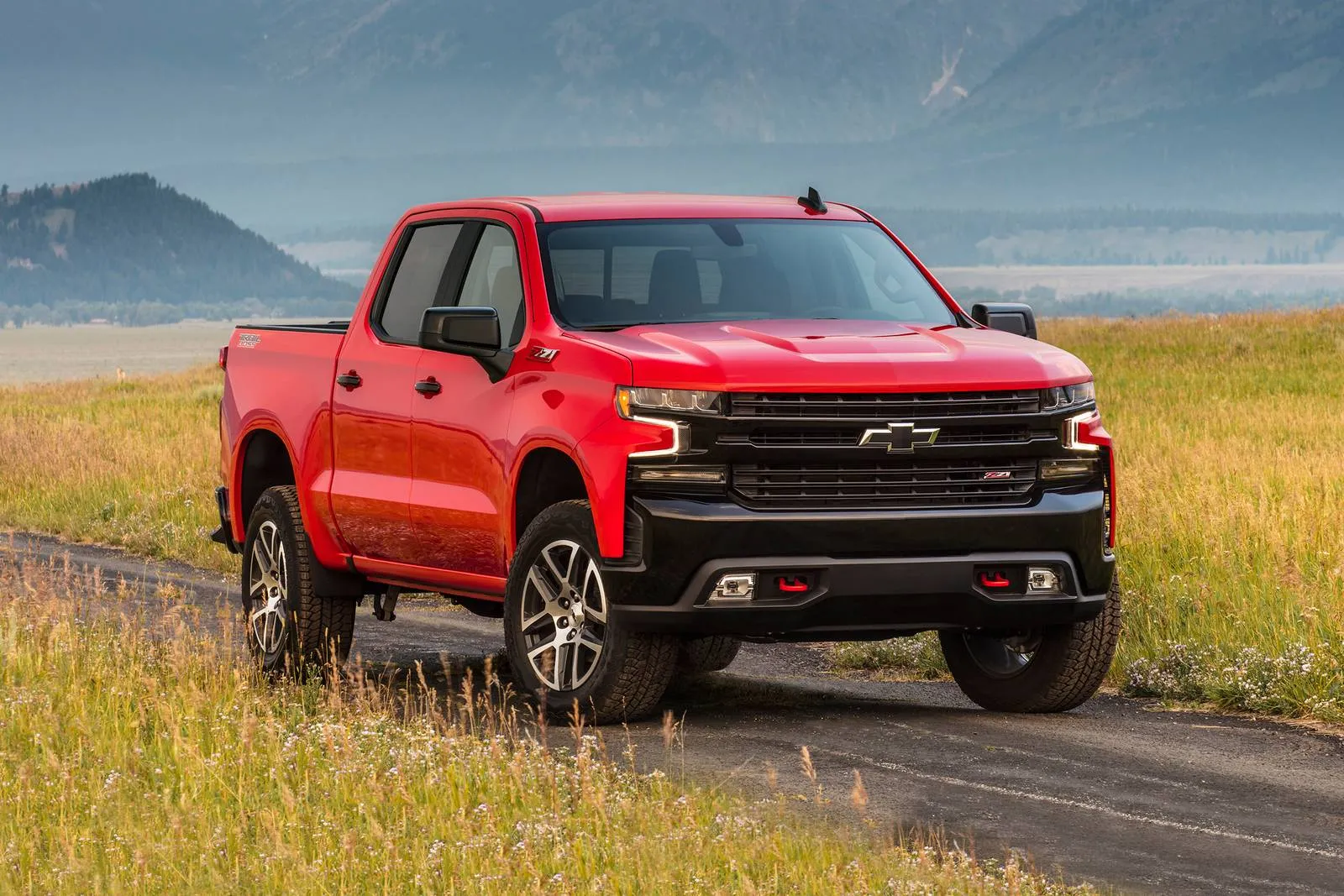
3. Chevrolet Silverado 1500 (2019-2024)
This pickup blends power, refinement, and technology to deliver an impressive balance between performance and practicality.
Its turbocharged 2.7-liter four-cylinder engine generates 310 horsepower with strong torque output, proving that smaller engines can still deliver capable strength when engineered correctly. It offers excellent fuel economy during real-world use, outperforming larger engines without sacrificing responsiveness or reliability.
A ten-speed automatic transmission works seamlessly to keep the engine at peak efficiency. The wide gear range ensures smooth acceleration and ideal power delivery in various conditions, while adaptive electronic controls tailor moves to match driving style or load weight.
Consistent servicing should preserve its long-term durability. The magnetic ride control suspension constantly adjusts damping to maintain comfort and handling precision. It reads the road in real time, ensuring composed movement even when driving over uneven surfaces or towing heavy loads.
Trailering features include multiple camera views that simplify the process of reversing and accurately aligning trailers. Tire pressure monitoring and weight distribution aids enhance safety and towing confidence. Inside, the cabin features a responsive touchscreen with intuitive controls, complemented by physical buttons for essentials.
Smartphone connectivity through Apple CarPlay and Android Auto operates seamlessly. A head-up display keeps vital information like speed and navigation directly in view, reducing driver distraction.
Driver assistance systems such as adaptive cruise control, lane keeping support, and emergency braking improve safety and ease fatigue during long journeys. The build quality feels solid, with refined materials, excellent insulation, and precise craftsmanship, ensuring quiet comfort and everyday usability.
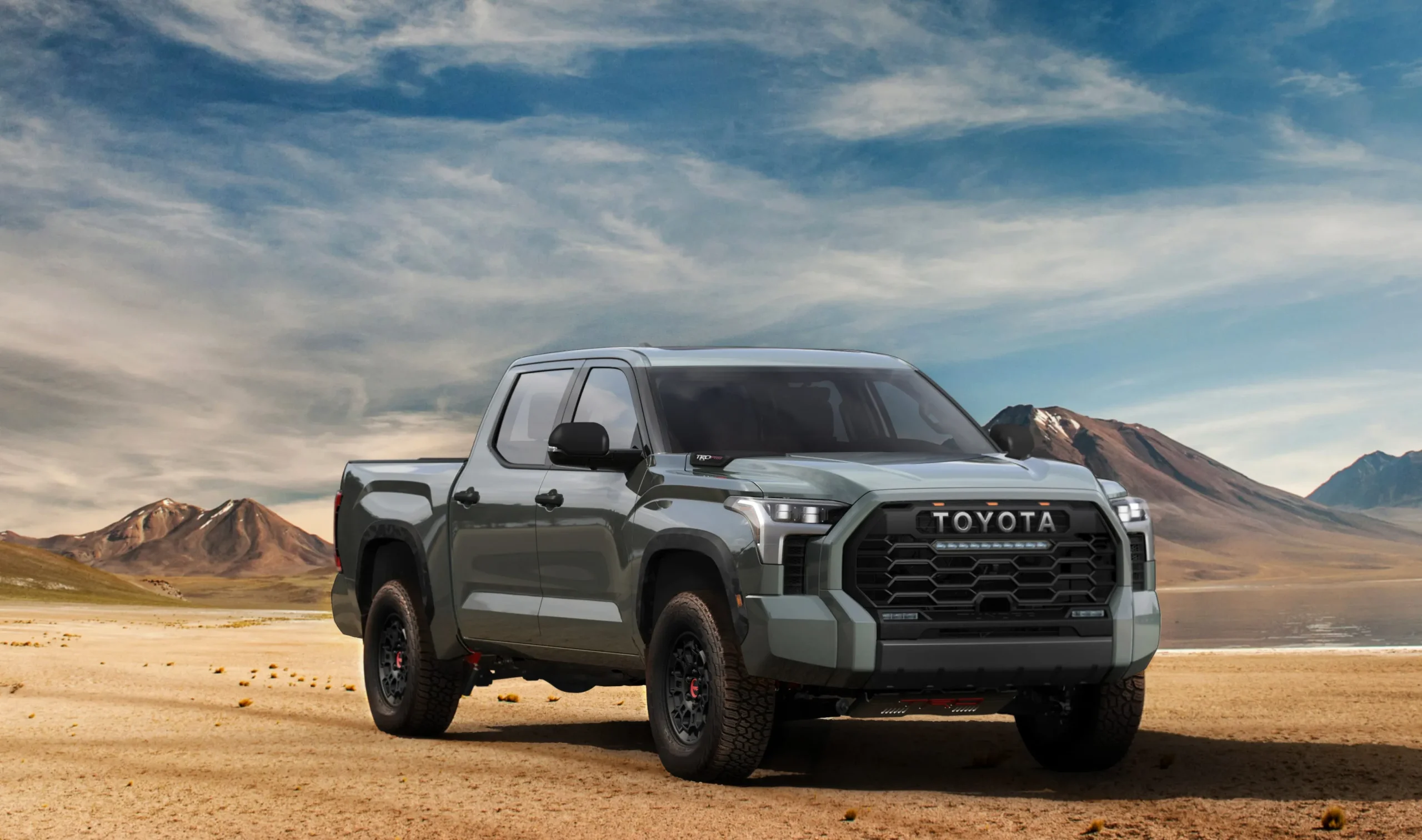
4. Toyota Tundra (2022-2024)
Twin-turbocharged V6 engine replaces legendary V8 with impressive output and improved efficiency. Advanced engineering produces 389 horsepower and 479 lb-ft torque.
Fuel economy improves by approximately three to four mpg compared to the previous V8. This powertrain demonstrates Toyota’s commitment to modern technology while maintaining a reliability focus.
The hybrid powertrain option adds an electric motor producing a combined 437 horsepower. The system improves fuel economy substantially while adding torque for towing.
Battery placement maintains bed space and payload capacity. This technology provides genuine benefits without compromising truck capabilities.
Coil spring rear suspension improves ride quality compared to leaf spring predecessors. An independent setup allows better wheel control during cornering and rough roads.
Load capacity remains adequate for most users despite suspension design changes. This engineering delivers improved comfort without sacrificing capability.
Interior quality improved dramatically with premium materials throughout the cabin. Large touchscreen controls most functions through a responsive interface. Physical controls remain for climate temperature and audio volume. Build quality rivals luxury brands with excellent fit and finish.
Advanced driver assistance systems include adaptive cruise control with stop-and-go capability. Automatic emergency braking prevents collisions with vehicles or pedestrians.
Lane departure warning with steering assistance maintains position during highway driving. These technologies improve safety while reducing driver fatigue.
Camera systems provide multiple views, assisting with parking and trailer maneuvering. 360-degree cameras eliminate blind spots during low-speed maneuvers. The straight path indicator assists backing trailers accurately. These technologies reduce stress during challenging situations.
Long-term reliability remains unproven, but Toyota’s reputation suggests proper development. Warranty coverage protects against major problems during critical early years. Dealer service networks provide competent repairs when issues occur. Toyota’s historical reliability suggests these trucks will prove durable, though technology adds some uncertainty.
Also Read: 10 Farm-Use Trucks That Won’t Complain at 250,000 Miles
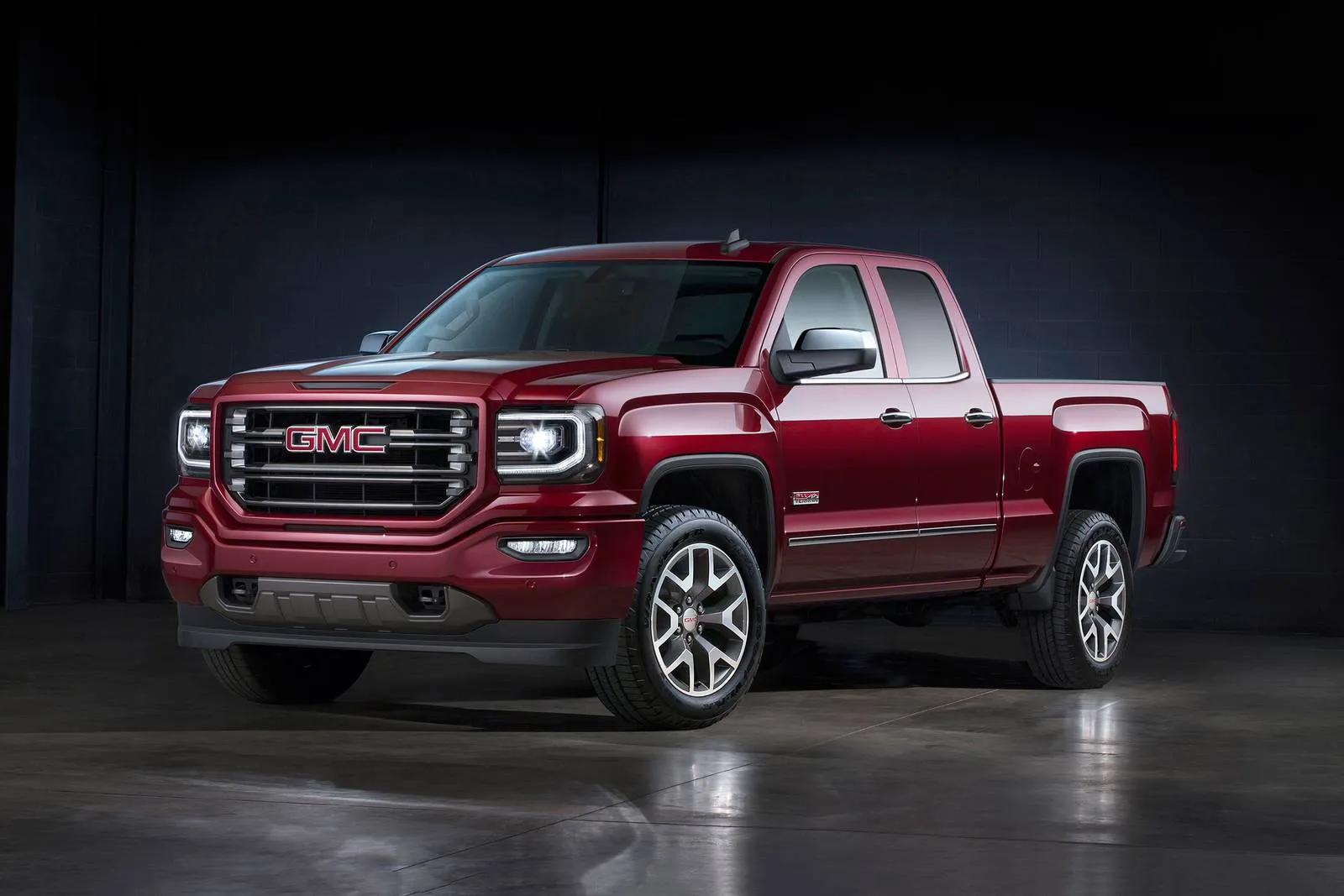
5. GMC Sierra 1500 Denali (2019-2024)
This luxury-focused truck aims to compete directly with upscale SUVs by combining refinement, technology, and durability. Its cabin features authentic leather, polished wood, and metal accents that raise the atmosphere beyond traditional pickup expectations.
Every surface and stitch reflects precise craftsmanship, validating the high price for those who want comfort without giving up strength and utility.
Under the hood, a turbocharged 3.0-liter Duramax inline-six diesel engine generates 305 horsepower and 495 lb-ft of torque, offering exceptional towing performance and superior fuel economy compared to gas engines. Its proven diesel heritage promises longevity when maintained properly.
The ten-speed automatic transmission delivers seamless moves, keeping the engine within its optimal range across diverse driving conditions, while adaptive logic refines performance based on road or trailer weight.
The adaptive ride control suspension fine-tunes damping constantly to balance ride comfort and stability, giving it the composure of a luxury SUV, whether cruising or towing.
A lightweight CarbonPro bed made from carbon fiber enhances strength while resisting dents and corrosion far better than steel. The versatile MultiPro tailgate adds six configurations, transforming loading, stepping, and working efficiency.
Inside, a head-up display keeps vital data like navigation, speed, and alerts within sight, reducing distractions. Safety technology covers adaptive cruise control, automatic braking, and lane-keeping functions that ease fatigue on long drives.
Multiple camera views, including a transparent trailer perspective, simplify parking and maneuvering. While long-term dependability remains to be proven, GM’s quality strides and warranty coverage offer strong early reassurance.
