
City driving tests vehicles in ways highway cruising never does. Constant acceleration and braking, extended idling at traffic lights, crawling through congested streets, and endless stop-start cycles separate capable urban warriors from machines that suffer miserably.
Some compact cars thrive in these conditions, maintaining smooth operation while delivering decent fuel economy even under brutal conditions. Their cooling systems handle prolonged idling, transmissions shift smoothly through countless cycles, and engines provide responsive power without overheating or stumbling.
Other compacts crumble under urban pressure like cheap biscuits in hot tea. Transmissions overheat and shudder, engines stumble and stall, cooling systems struggle to maintain proper temperatures, and fuel consumption skyrockets to embarrassing levels.
Owners experience frustration as vehicles designed for efficient transportation become expensive headaches requiring constant repairs. Warning lights illuminate dashboards with disturbing regularity while mechanics become uncomfortably familiar faces.
Cooling system capacity matters tremendously because stop-and-go driving generates heat without adequate airflow for dissipation. Transmission design becomes crucial as constant shifting between gears or ratios creates friction and heat.
Engine tuning affects how smoothly powerplants respond to frequent throttle changes characteristic of city driving. Fuel delivery systems must handle repeated transitions between idle and acceleration without stumbling or flooding.
This article examines ten compact cars split into two distinct groups. Five vehicles excel at city driving, maintaining composure and efficiency through brutal urban conditions.
Five others suffer miserably during stop-and-go traffic, developing problems that frustrate owners and drain wallets. Understanding these differences helps buyers choose vehicles suited for their actual driving conditions rather than marketing promises.
5 City-Proof Compact Cars
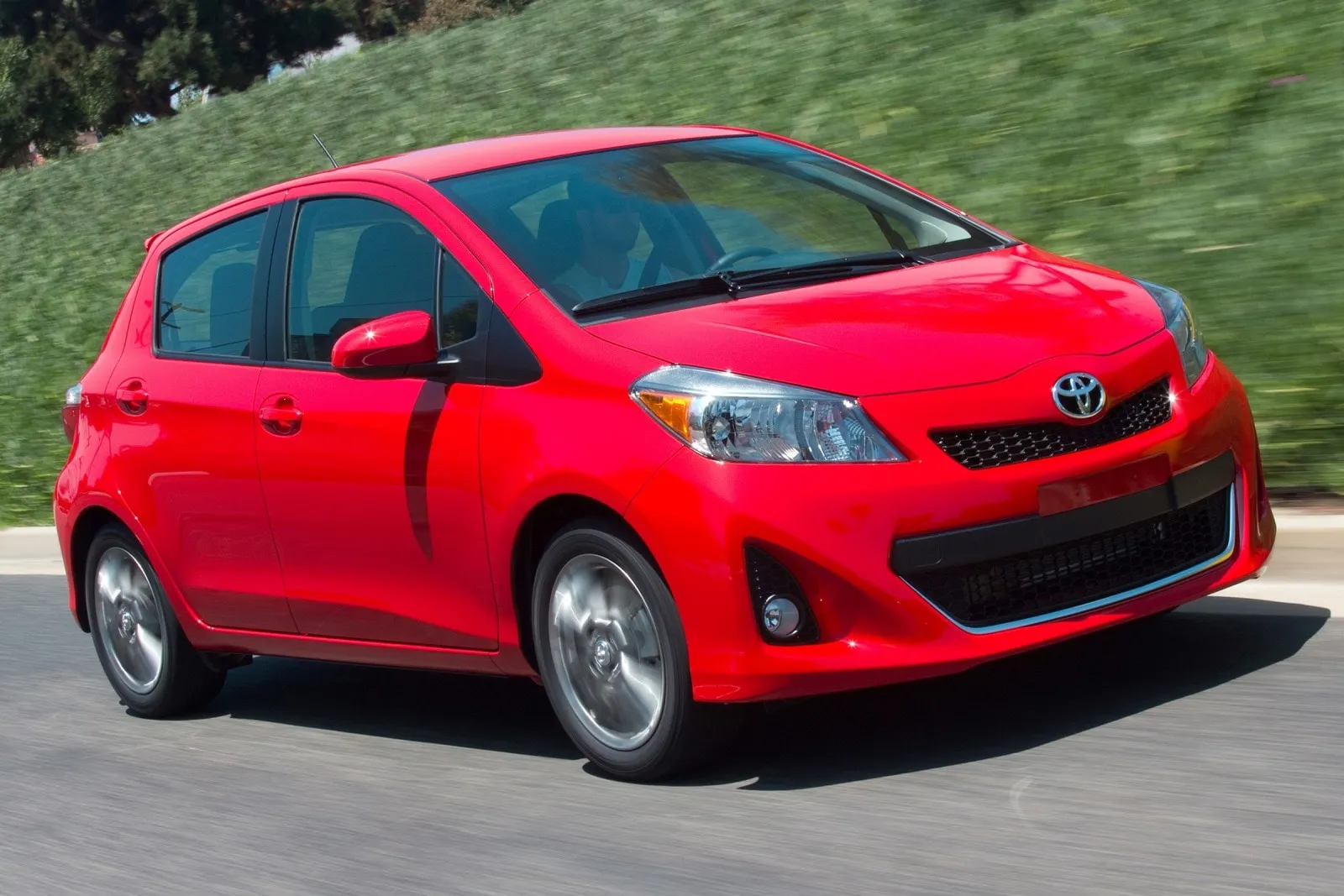
1. Toyota Yaris (2012-2018)
Japanese engineering focused on reliability creates a subcompact that handles city duties without complaint. Small dimensions make parking effortless, while a tight turning radius simplifies U-turns on narrow streets.
Even after years of brutal urban commuting, these Yaris models maintain mechanical integrity while systems continue functioning properly. Owners report trouble-free operation through hundreds of thousands of city miles.
Naturally aspirated 1.5-liter engine produces modest power through a simple design that prioritizes durability. Dual overhead cams with variable valve timing provide adequate technology without unnecessary complications.
Compression ratios deliver responsive low-end torque perfect for frequent acceleration from stops. The engine cooling system handles prolonged idling at traffic lights without overheating issues. A four-speed automatic transmission might seem outdated, but it proves ideally suited for city driving patterns.
Fewer gears mean less hunting between ratios during variable-speed crawling through congested streets. Simple hydraulic controls avoid electronic complications that fail expensively. Torque converter design handles countless stop-start cycles without the shuddering that plagues dual-clutch alternatives.
Fuel economy remains impressive despite the constant acceleration and braking characteristic of urban driving. Small displacement and lightweight construction reduce the energy required for repeated stops and starts.
Responsive throttle allows gentle acceleration that minimizes consumption during city driving. Owners regularly report city averages exceeding 30 mpg despite brutal conditions.
The brake system handles constant use without premature wear or fading during extended descents. Adequately sized rotors dissipate heat effectively while simple single-piston calipers prove durable.
Brake fluid maintains proper characteristics through normal service intervals. Pad and rotor life exceeds expectations given constant city braking demands.
Steering remains light and responsive, making parking maneuvers effortless in tight urban spaces. Electric power steering uses minimal energy while providing adequate feedback.
A small turning radius allows U-turns on narrow streets without multiple attempts. Parking becomes stress-free when dimensions allow fitting into tight spaces.
Visibility excels with large windows and thin pillars providing clear sightlines in all directions. City driving requires constant awareness of pedestrians, cyclists, and other vehicles appearing suddenly.
Excellent visibility reduces stress while improving safety during chaotic urban commuting. Backup visibility remains adequate without requiring camera assistance.
Clutch operation in manual transmission models stays light and progressive, preventing fatigue during extended city driving. Engagement point remains consistent through thousands of stop-start cycles.
Clutch life exceeds expectations when proper technique prevents excessive slipping. Five-speed gearbox provides adequate ratios for various city driving scenarios.
Also Read: 5 Cheap Cars That Offer Top-Tier Build Quality vs 5 That Don’t Work
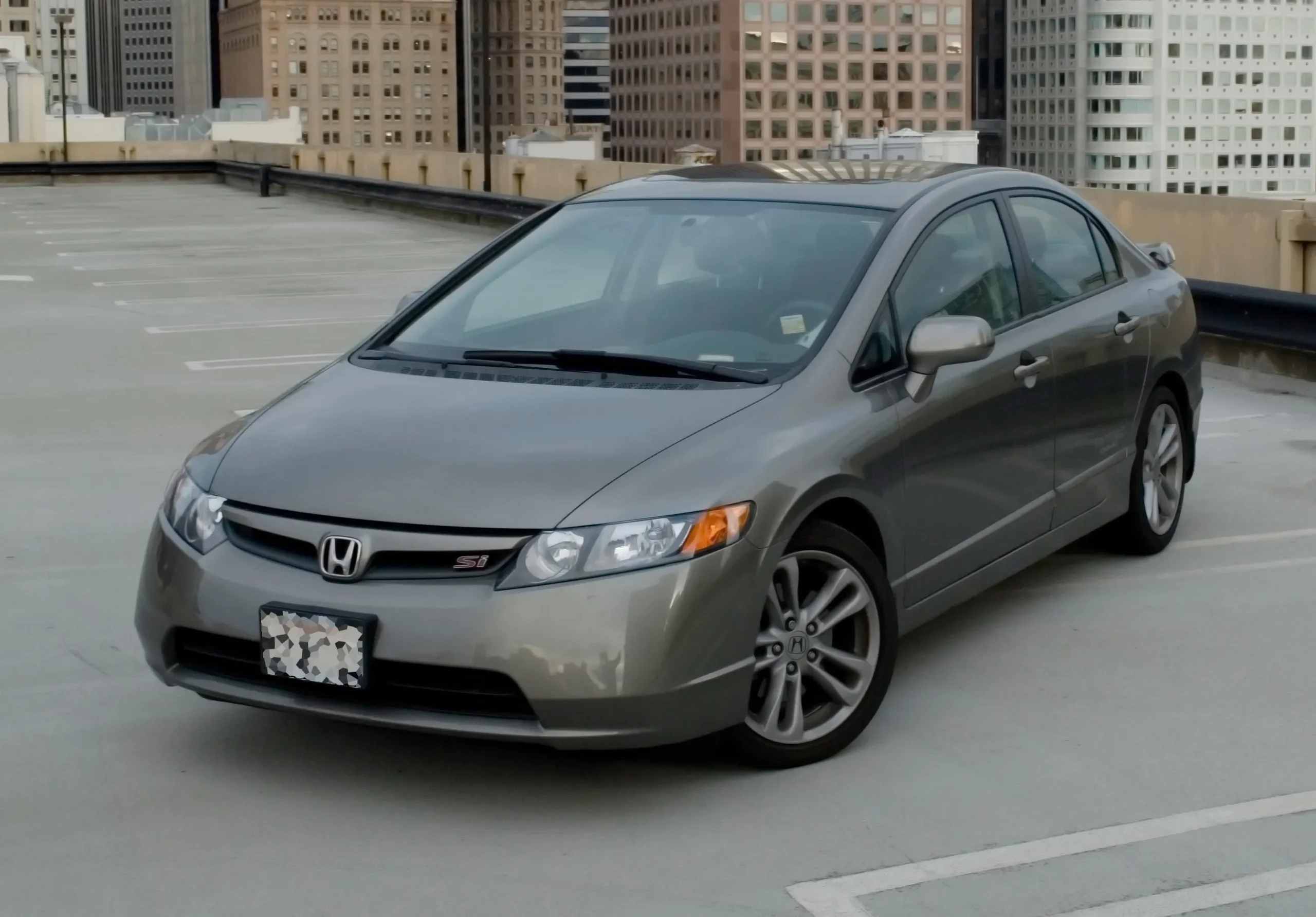
2. Honda Civic (2006-2011)
Eighth eighth-generation Civic demonstrates Honda’s engineering expertise applied to practical transportation. Compact dimensions suit urban environments, while interior space accommodates passengers comfortably.
Years of city commuting prove these vehicles handle stop-and-go conditions without developing chronic problems. Owners praise the reliability that allows focusing on driving rather than worrying about breakdowns.
Engine options include naturally aspirated 1.8-liter and 2.0-liter four-cylinders producing smooth power. Single overhead cam design keeps mechanical systems simple while delivering adequate performance.
Variable valve timing adjusts for different loads while maintaining efficiency. These engines respond crisply to throttle inputs without stumbling during frequent transitions between idle and acceleration.
Five-speed automatic transmission shifts smoothly through countless cycles without developing harsh behavior. Gear ratios suit city driving, with first gear providing strong launches from stops.
Torque converter lockup improves efficiency during steady cruising between lights. The transmission cooling system handles heat generated by constant shifting without overheating issues.
Fuel economy impresses despite brutal city driving conditions, with owners reporting averages around 28 to 32 mpg. The responsive engine allows gentle acceleration that minimizes consumption.
Lightweight construction reduces the energy required for repeated stops and starts. Efficient combustion maintains economy even during extended idling periods.
The brake system demonstrates Honda quality with a consistent pedal feel and minimal fade during hard use. Adequately sized rotors handle heat generated by constant city braking.
Simple single-piston front calipers prove durable through extensive use. Pad life meets expectations while rotors resist warping, which creates pulsation.
Steering provides adequate feedback while remaining light enough for easy parking maneuvers. Electric power steering on later models reduces parasitic drag while maintaining feel.
Turning radius allows navigation through tight urban spaces without excessive maneuvering. Parking becomes straightforward when dimensions fit typical city spaces.
Service costs stay reasonable with basic maintenance, ensuring reliable operation through high mileage. Oil changes at Honda’s recommended intervals keep engines running smoothly.
Transmission fluid changes maintain smooth shifting characteristics. Brake service and tire rotations represent routine maintenance items. This affordability makes Civics an economical city transportation.
Also Read: 5 Sedans With Robust Door Handles vs 5 That Snap in Cold Weather
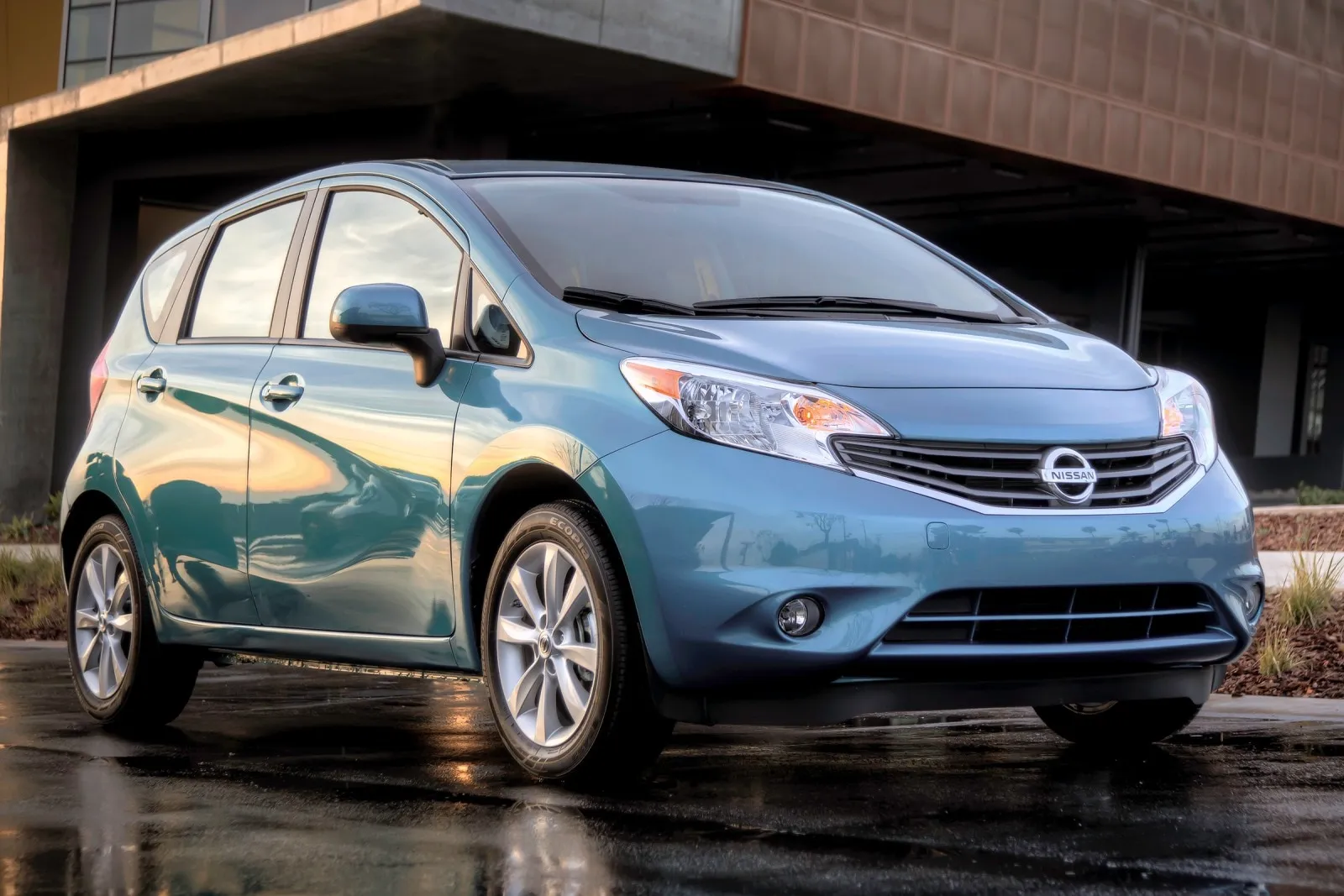
3. Nissan Versa Note (2014-2019)
Budget-focused hatchback provides surprising competence during urban commuting despite basic engineering. Compact exterior dimensions hide a spacious interior that accommodates passengers comfortably.
Years of city driving prove these Versas handle stop-and-go conditions without catastrophic failures. Owners appreciate reliable basic transportation that doesn’t demand constant attention.
CVT transmission suits city driving better than conventional automatics through smooth power delivery. Continuous variable ratios eliminate shift shock during acceleration and deceleration.
Programming allows responsive launches from stops without excessive engine noise. The transmission cooling system handles the heat generated during city driving when fluid maintenance occurs properly.
Naturally aspirated 1.6-liter engine produces adequate power through basic dual overhead cam design. Variable valve timing provides some efficiency improvements without excessive complications.
Compression ratios deliver responsive low-end torque suitable for frequent acceleration from stops. The engine responds adequately to throttle inputs during city driving without annoying delays.
Cooling system capacity meets requirements for normal driving with an adequate margin for city conditions. Radiator size suits engine output, while the electric fan operates reliably.
Temperature remains stable during prolonged idling at traffic lights. The system requires basic coolant maintenance at reasonable intervals without chronic problems.
Fuel economy remains acceptable for city driving, with owners reporting averages around 28 to 30 mpg. Small displacement and lightweight construction help minimize consumption during stop-and-go traffic.
Efficient CVT operation maintains reasonable economy despite brutal driving conditions. Gentle driving techniques improve consumption noticeably.
The brake system handles constant city use adequately with a consistent pedal feel throughout stops. Rotor sizes suit vehicle weight, while simple calipers prove durable. Pad life meets expectations for city driving patterns. Brake fluid maintains proper characteristics through normal service intervals.
Steering remains light and easy, making parking maneuvers effortless in tight spaces. Electric power steering consumes minimal energy while providing adequate response.
A small turning radius allows navigation through congested urban areas without difficulty. Parking becomes simple when compact dimensions fit tight spaces easily.
Visibility excels with large windows and thin pillars, creating excellent sightlines. City driving requires constant awareness of surrounding vehicles, pedestrians, and cyclists.
Good visibility reduces stress during chaotic urban commuting while improving safety. Backup visibility remains adequate without requiring camera assistance on base models.
Hatchback configuration provides cargo versatility useful for city dwellers. Rear seats fold to accommodate larger items when necessary. The cargo floor sits reasonably low, making loading easier. This practicality suits urban lifestyles where a vehicle serves multiple purposes.
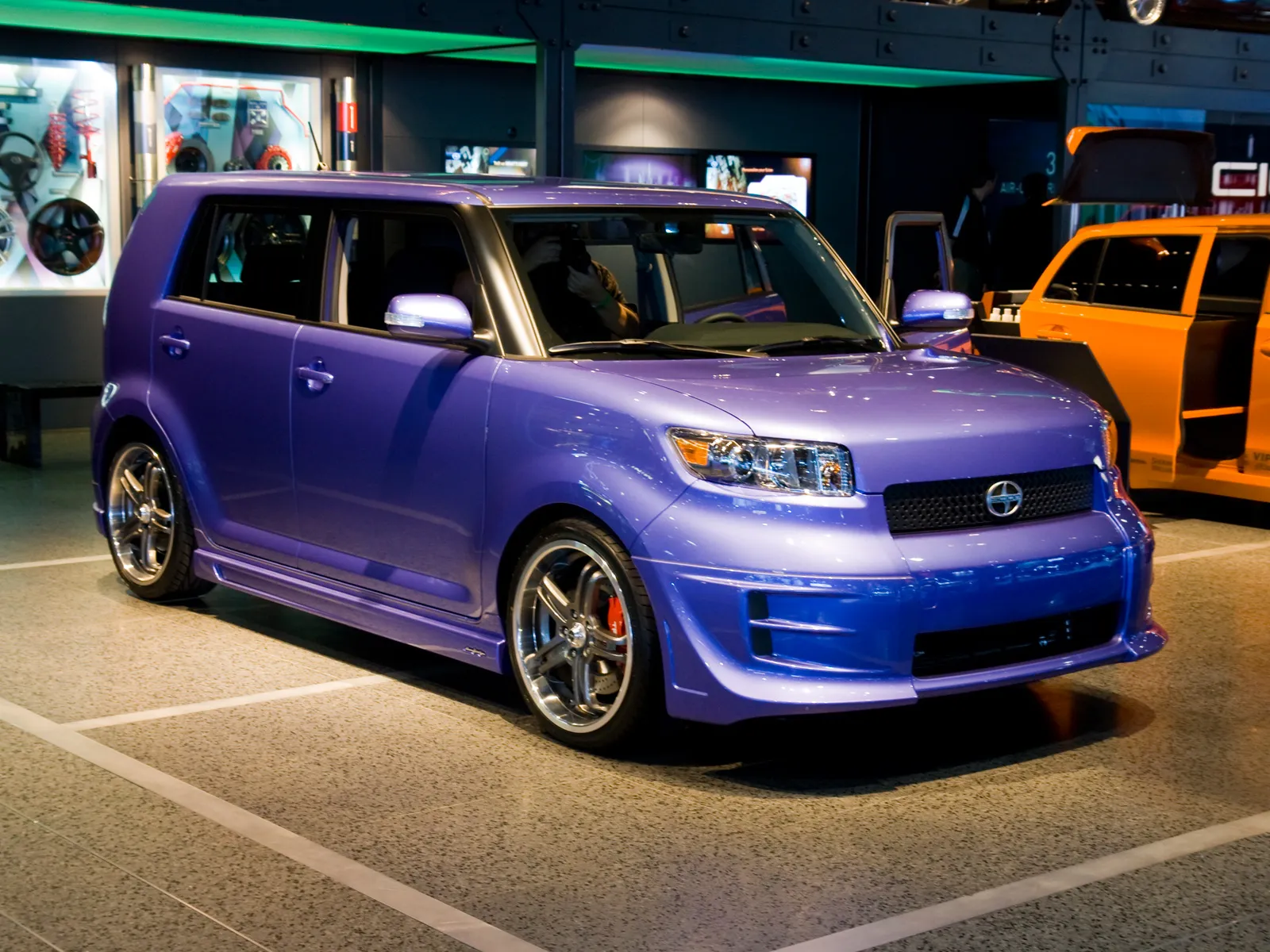
4. Scion xB (2008-2015)
Boxy shape provides exceptional interior space within compact exterior dimensions. Toyota reliability engineering ensures these vehicles handle brutal city driving without chronic problems.
Years of urban commuting prove xB models maintain mechanical integrity through constant stop-and-go cycles. Owners appreciate practical transportation that combines space with dependability.
Naturally aspirated 2.4-liter engine provides adequate power through proven Toyota design. Dual overhead cams with variable valve timing deliver responsive performance.
Compression ratios balance power output with efficiency suitable for city driving. The engine responds smoothly to frequent throttle changes without stumbling or hesitation.
Four-speed automatic transmission shifts positively through countless cycles without developing harsh behavior. Simple design avoids complications that plague more advanced gearboxes.
Torque converter handles stop-start cycles reliably without shuddering. Transmission cooling maintains proper temperatures during extended city driving.
Fuel economy remains acceptable for vehicle size, with owners reporting city averages around 22 to 25 mpg. Larger engine and boxy aerodynamics reduce efficiency compared to smaller alternatives. Responsive throttle allows smooth driving that minimizes consumption. Reasonable economy given interior space and utility.
The brake system handles constant use reliably with adequate rotor sizes for vehicle weight. Four-wheel disc brakes provide consistent stopping power through extended use. Simple caliper design proves durable while pad life meets expectations. Brake fluid maintains characteristics through normal service intervals.
Steering remains light despite a taller vehicle, making parking maneuvers easy in tight spaces. Electric power steering provides adequate response without excessive effort. Turning radius allows navigation through congested areas without difficulty. The boxy shape makes judging dimensions simple during parking.
Service costs stay reasonable with Toyota parts pricing and reliable operation. Basic maintenance keeps these xBs running smoothly through high mileage. Oil changes and brake service represent routine items. This affordability, combined with reliability, makes the xB an excellent city transportation.
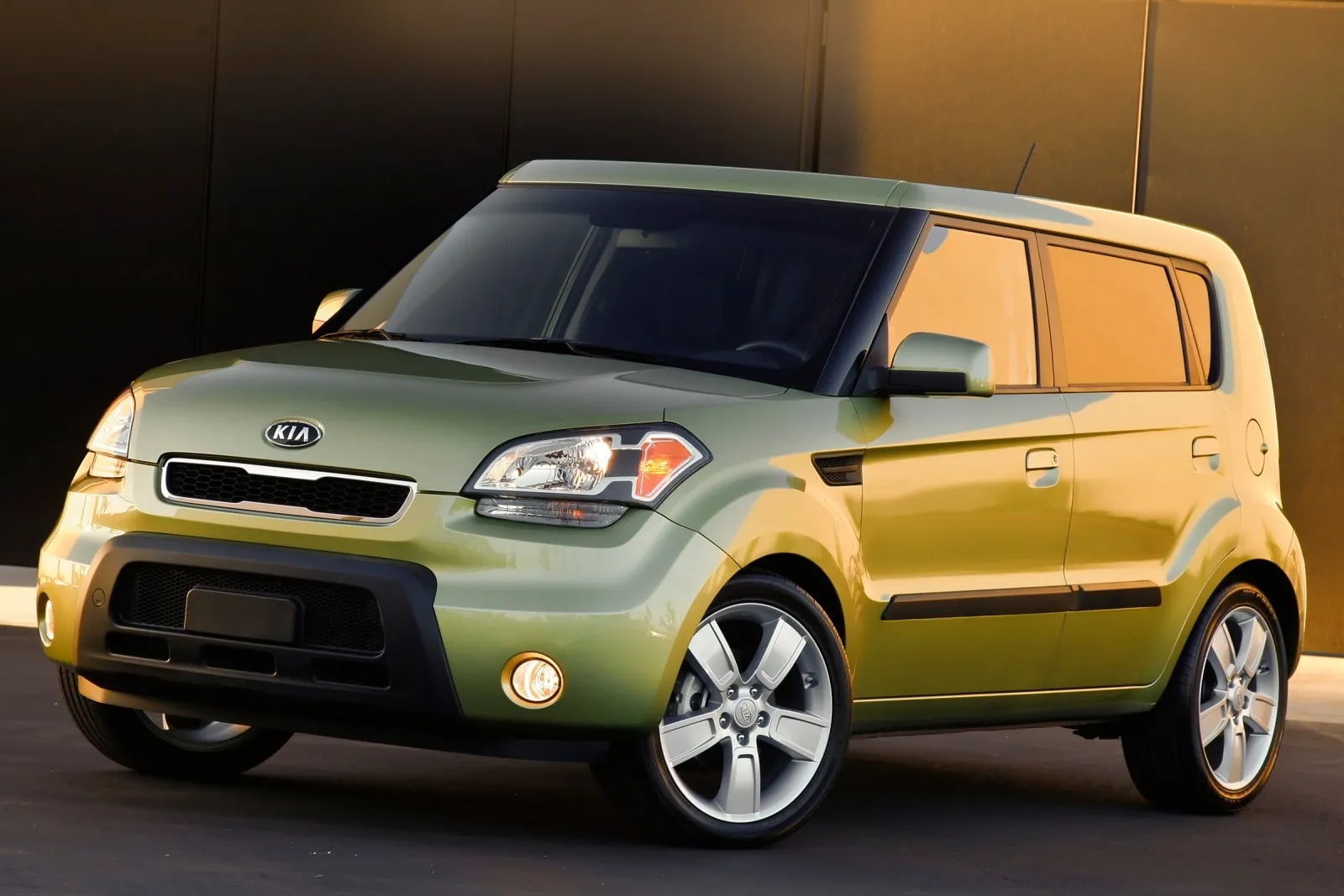
5. Kia Soul (2010-2013)
Korean engineering creates a practical urban runabout with distinctive styling. Compact footprint suits city environments while tall body provides generous interior space.
Years of stop-and-go driving prove these Souls handle urban conditions without catastrophic failures. Owners appreciate reliable transportation combining practicality with personality.
Naturally aspirated 1.6-liter and 2.0-liter engine options both provide adequate power for city driving. Dual overhead cam design with variable valve timing delivers responsive performance.
Compression ratios suit frequent acceleration from stops characteristic of urban driving. Engines respond smoothly to throttle inputs without stumbling during transitions.
Four-speed and six-speed automatic transmissions both handle city driving adequately. Four-speed simplicity proves durable while the six-speed provides better highway efficiency.
Both shift smoothly through countless cycles without developing harsh behavior. Transmission cooling maintains proper temperatures during extended urban use.
Cooling system capacity meets requirements with an adequate margin for challenging conditions. Radiator size suits engine output, while the electric fan operates reliably. Temperature remains stable during prolonged idling at congested intersections. The system requires basic maintenance without chronic problems.
The brake system provides consistent performance with adequate rotor sizes for vehicle weight. Four-wheel disc brakes deliver reliable stopping power through constant city use.
Simple caliper design proves durable while pad life meets expectations. Brake fluid maintains characteristics through normal service intervals.
Steering stays light and responsive, making parking effortless in tight urban spaces. Electric power steering provides adequate feedback while remaining easy to operate.
Turning radius allows navigation through congested areas without excessive maneuvering. The boxy shape makes judging dimensions simple during parking.
Service requirements stay reasonable with basic maintenance, ensuring reliable operation. Ten-year powertrain warranty provides peace of mind during early ownership years.
Oil changes and routine inspections keep these Souls running smoothly. Affordable maintenance makes the Soul an economical city transportation choice.
Stop-and-Go Sufferers
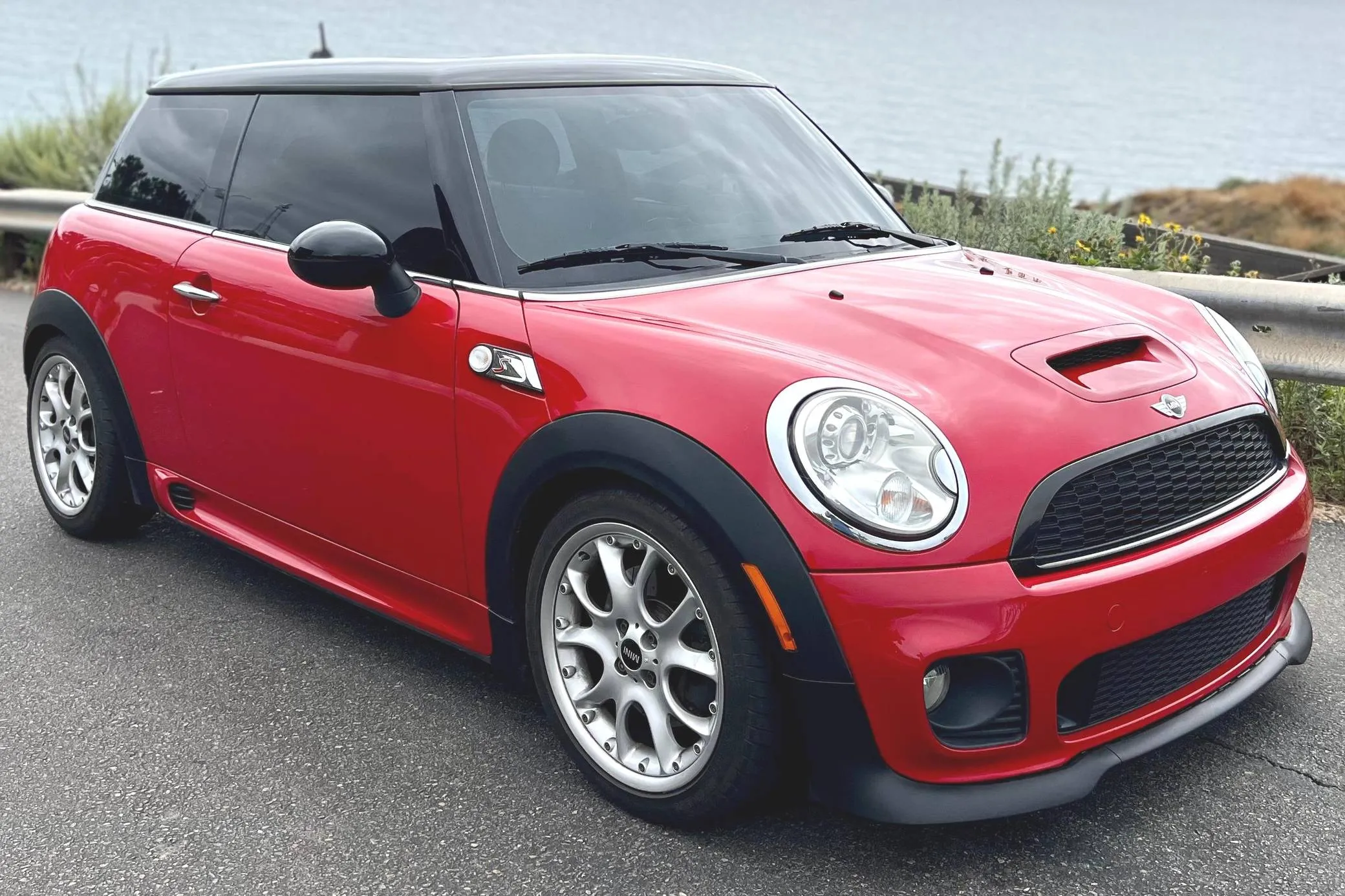
1. Mini Cooper S (2007-2013)
Turbocharged performance in a compact package creates thermal management challenges during city driving. The small engine bay leaves minimal space for adequate cooling system capacity.
Extended urban commuting reveals chronic overheating issues that frustrate owners seeking stylish transportation. Stop-and-go traffic becomes a nightmare as temperature gauges climb toward danger zones.
Turbocharged 1.6-liter engine produces impressive power but suffers during prolonged city driving. Direct injection and forced induction generate substantial heat within confined spaces.
Cooling system struggles to dissipate heat during traffic jams when airflow becomes minimal. Owners report frequent overheating warnings during extended urban commuting.
Six-speed automatic transmission overheats regularly during stop-and-go driving despite having a dedicated cooler. Constant shifting generates friction and heat that overwhelms cooling capacity.
Transmission enters limp mode to prevent damage, leaving drivers stranded in traffic. Fluid changes help, but don’t eliminate fundamental design limitations.
Clutch wear accelerates dramatically during city driving with manual transmission models. Constant slipping during stop-and-go traffic generates heat that degrades clutch material rapidly.
Replacement costs exceed typical compact car clutches substantially. Dual-mass flywheel adds expense when clutch service becomes necessary.
Carbon buildup on intake valves becomes severe during city driving patterns. Direct injection prevents fuel from washing valves clean during operation.
Short trips prevent the engine from reaching temperatures that burn deposits. Walnut blasting service becomes necessary every 30,000 to 50,000 miles at substantial cost.
Electrical system problems multiply as vehicles age through city driving cycles. Battery drain issues plague models with numerous electronic accessories.
Alternator struggles to maintain charge during extended idling with climate control operating. Warning lights illuminate frequently as sensors fail from thermal stress.
Repair costs shock owners accustomed to Japanese reliability and reasonable parts pricing. BMW parts pricing applies despite Mini branding and compact dimensions.
Labor rates reflect European vehicle complexity rather than simple subcompact engineering. Ownership costs escalate quickly when chronic problems develop.
Resale values suffer as potential buyers recognize Mini’s reputation for expensive city driving problems. Clean examples struggle to find buyers willing to accept maintenance costs.
Private party sales become difficult when inspection reveals deferred maintenance. This depreciation punishes original owners while warning savvy shoppers.
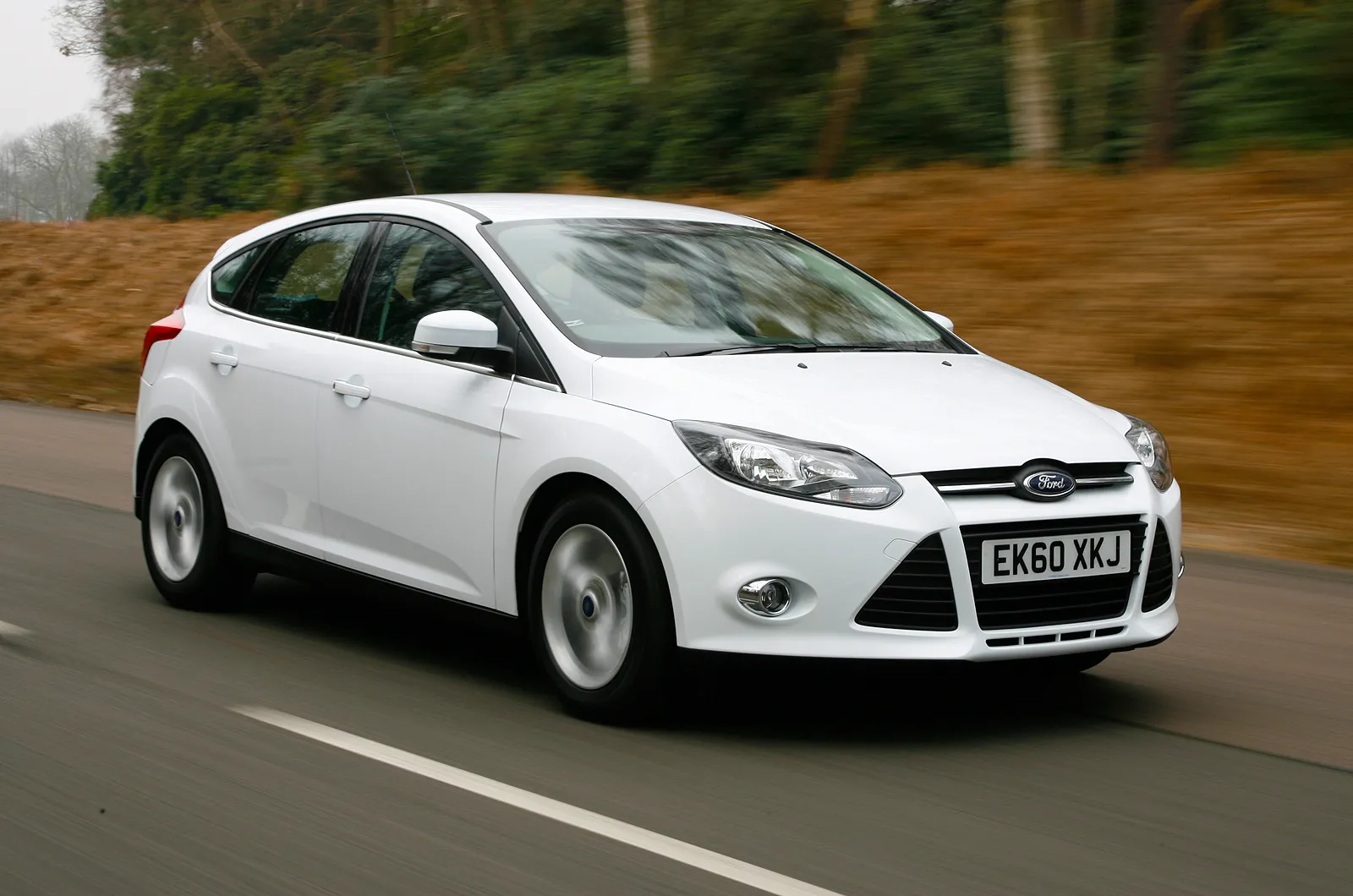
2. Ford Focus Automatic (2012-2016)
Dual-clutch transmission creates catastrophic problems during stop-and-go driving patterns. PowerShift’s automated manual suffers from fundamental design flaws exacerbated by city conditions.
Constant clutch slipping during crawling traffic generates excessive heat and wear. Owners report transmission failures requiring complete replacement at shocking costs.
DPS6 dual-clutch design proves unsuitable for typical city driving despite Ford’s marketing claims. Dry clutch packs overheat rapidly during stop-and-go traffic when constant slipping occurs.
Shuddering and jerking become severe as clutches wear prematurely. Multiple software updates fail to resolve fundamental hardware limitations.
Clutch replacement becomes necessary every 30,000 to 60,000 miles under city driving conditions. Replacement costs exceed $2,000 at dealers while independent shops struggle with specialized procedures.
Multiple clutch replacements during the ownership period create financial nightmares for unsuspecting buyers. Class-action lawsuits resulted in extended warranties covering transmission problems.
Transmission control module failures compound clutch problems with expensive electronic repairs required. Reprogramming attempts provide temporary relief before problems return. Replacement modules cost over $1,000 plus programming fees. Chronic electronic issues frustrate owners seeking reliable transportation.
Fuel economy disappoints despite small displacement and modern technology. Transmission inefficiency during constant slipping wastes fuel that should provide efficiency. Owners report city averages around 22 to 25 mpg rather than EPA estimates. Poor fuel economy adds insult to injury for owners facing repair bills.
Resale values collapsed as transmission problems became widely known among used car buyers. Clean examples sell for fractions of typical compact car values despite low mileage.
Private party sales become nearly impossible when buyers research transmission issues. This depreciation devastates owners who purchased based on Ford’s reputation.
Dealer service experiences frustrate owners as multiple repair attempts fail to resolve problems. Technicians lack proper training for dual-clutch systems despite widespread failures.
Loaner vehicles become unavailable as service departments overflow with transmission repairs. Extended downtime disrupts daily routines for owners who depend on vehicles.
Manual transmission Focus models avoid these problems completely through conventional clutch design. Buyers seeking Focus should specify a manual transmission to ensure reliability.
This limitation restricts options for drivers unable or unwilling to operate manual gearboxes. Automatic transmission preference becomes a liability when paired with the Focus.
Ford’s reputation suffered lasting damage from the dual-clutch transmission debacle. Buyers remember transmission problems when considering future Ford purchases.
This brand damage extends beyond Focus to taint the perception of Ford engineering. Recovery requires years of problem-free products rebuilding consumer trust.
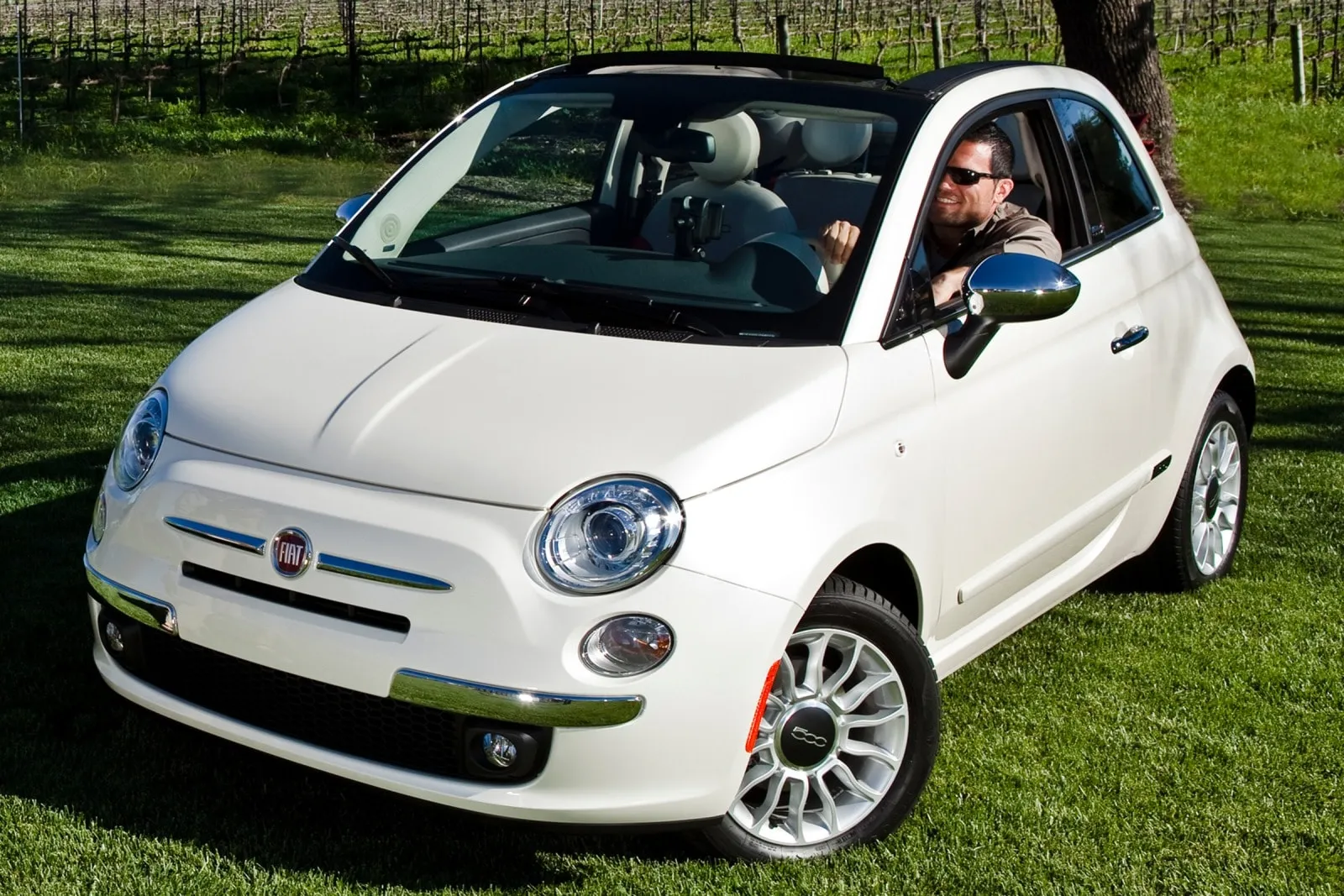
3. Fiat 500 Automatic (2012-2019)
Italian styling attracts buyers seeking European flair in compact dimensions. An automated manual transmission creates a frustrating city driving experience through jerky operation.
Stop-and-go traffic reveals transmission shortcomings that marketing materials never mentioned. Owners report chronic problems developing rapidly under urban commuting conditions.
An automated manual transmission lacks torque converter smoothness during crawling traffic. Single-clutch design creates gaps in power delivery during gear changes.
Jerking and lurching become severe during stop-and-go driving as clutch engagement occurs abruptly. Programming updates provide minimal improvement to a fundamentally flawed design.
Fuel economy disappoints during city driving despite subcompact dimensions and small displacement. Transmission inefficiency during constant clutch engagement wastes fuel.
Owners report city averages around 24 to 27 mpg rather than optimistic EPA estimates. A poor economy adds frustration for owners facing repair costs.
Repair costs shock buyers accustomed to domestic or Japanese reliability standards. Fiat parts pricing reflects European origin despite compact dimensions. Specialized tools and procedures increase labor costs at independent shops. Dealer service rates match luxury brands despite budget vehicle positioning.
Resale values plummet as transmission problems become known among used car buyers. Clean examples struggle to find buyers willing to accept reliability concerns. Private party sales become difficult when potential buyers research transmission issues. This depreciation punishes original owners severely.
Service experiences are frustrating as dealers lack adequate parts inventory and trained technicians. Appointment availability stretches weeks into the future for routine maintenance.
Loaner vehicles remain unavailable at most dealers serving budget brands. Extended downtime disrupts the lives of owners who depend on vehicles.
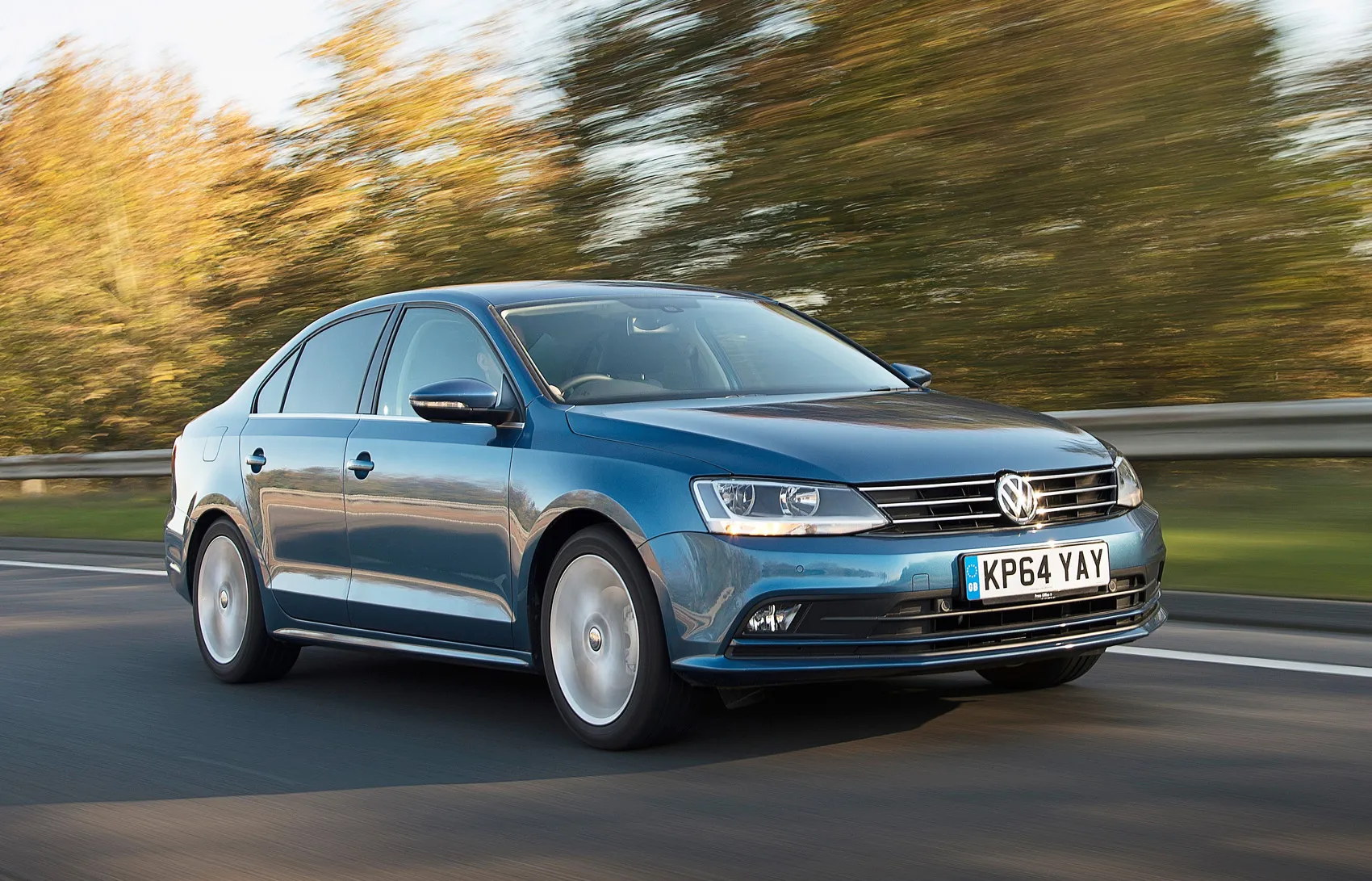
4. Volkswagen Jetta TSI DSG (2011-2018)
German engineering applied to dual-clutch transmission creates city driving problems. DSG’s automated manual suffers from mechatronic unit failures under stop-and-go stress.
Constant clutch engagement during crawling traffic generates heat that overwhelms cooling capacity. Owners report expensive repairs becoming necessary every 60,000 to 80,000 miles.
Seven-speed DSG transmission shifts quickly during spirited driving but suffers during urban commuting. Dry clutch packs overheat during prolonged stop-and-go traffic when constant slipping occurs.
Shuddering develops as clutches wear from thermal stress. Software updates provide temporary relief before problems return.
Turbocharged 1.8-liter and 2.0-liter engines perform adequately, but transmission problems overshadow performance. Direct injection creates carbon buildup requiring expensive cleaning services.
Timing chain tensioner failures plague earlier models, requiring engine disassembly. These engine issues compound transmission problems.
Fuel economy during city driving disappoints despite small displacement and modern technology. Transmission inefficiency during constant clutch engagement reduces economy.
Owners report city averages around 23 to 26 mpg rather than EPA estimates. Turbocharged engines require premium fuel, increasing operating costs.
Dealer service experiences vary widely, with some locations having competent technicians while others struggle. Diagnosis remains challenging as intermittent problems confuse service advisors.
Extended repair times result from parts availability issues and complex procedures. Loaner vehicle policies vary by dealer, leaving some owners without transportation.
Manual transmission Jetta models avoid DSG problems completely through conventional clutch design. Buyers seeking a Jetta should specify a manual transmission to ensure reliability.
This limitation restricts options for drivers preferring automatic transmissions. Six-speed manual proves durable and enjoyable when traffic allows.
Also Read: 5 Luxury Sedans That Age Well And 5 That Implode After Warranty
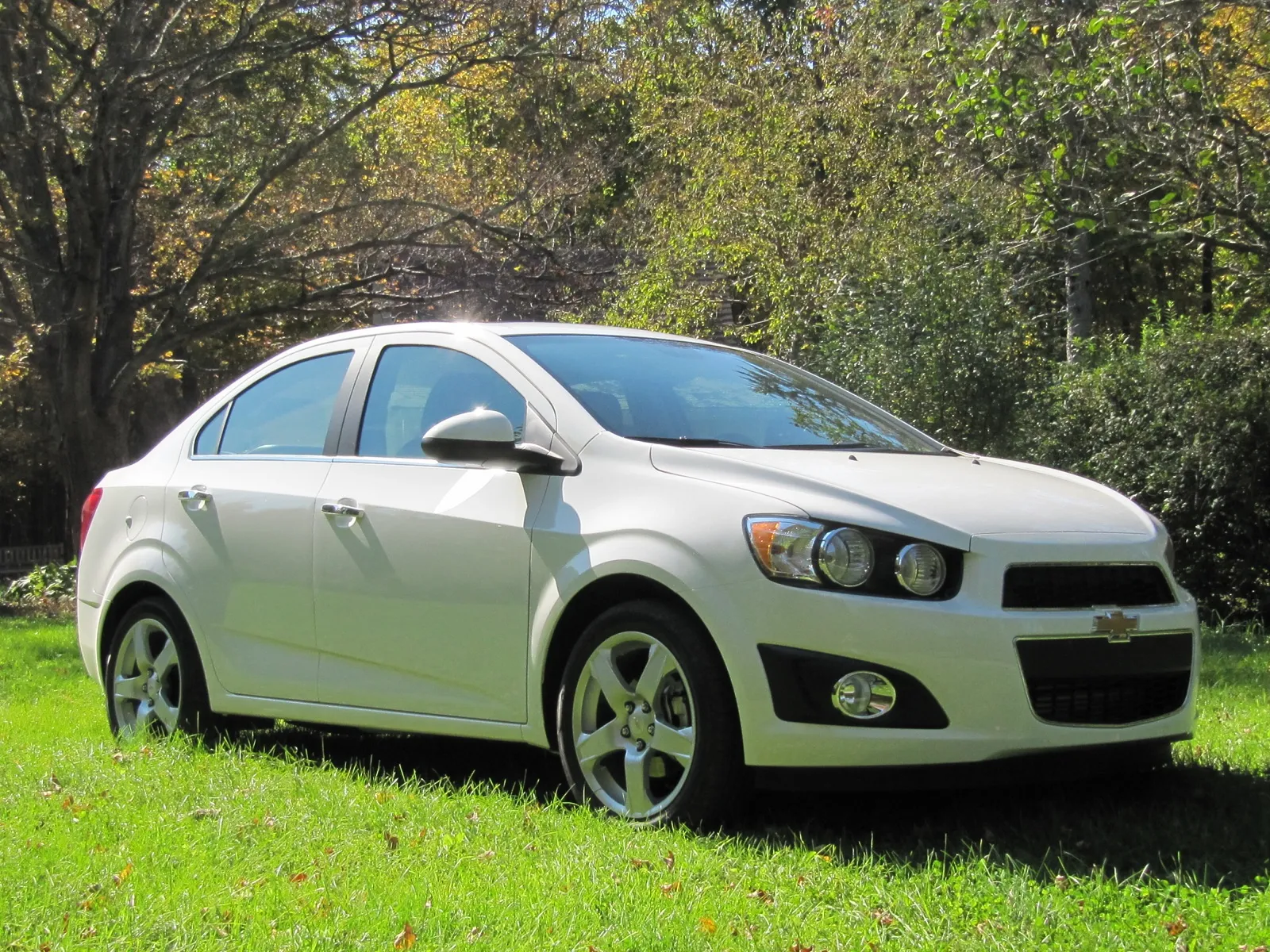
5. Chevrolet Sonic Automatic (2012-2020)
American budget compact suffers from inadequate engineering for city driving demands. Six-speed automatic transmission overheats regularly during stop-and-go traffic.
Small cooling system capacity proves insufficient for challenging urban conditions. Owners report chronic problems developing under typical city commuting patterns.
Six-speed automatic shifts roughly when cold, while hunting between gears during variable-speed crawling. Torque converter shudder develops as fluid deteriorates from thermal stress.
Transmission enters protective mode during severe overheating, limiting power and performance. Multiple fluid changes provide temporary relief before problems return.
Turbocharged 1.4-liter engine produces adequate power but suffers from reliability issues. Direct injection creates carbon buildup requiring expensive cleaning every 40,000 to 60,000 miles.
Turbocharger failures occur prematurely under city driving conditions when lubrication becomes compromised. Replacement costs exceed $1,500, including parts and labor.
Clutch packs in automatic transmission wear prematurely under city driving stress. Harsh shifting develops as clutches degrade from constant cycling.
Replacement requires complete transmission disassembly at costs approaching $2,000. Multiple clutch replacements during the typical ownership period create financial burdens.
Electrical system problems plague these Sonics as they age through city driving cycles. Battery drains mysteriously despite new batteries and alternator testing properly.
Body control module failures cause various warning lights and malfunctions. Diagnosis becomes expensive as technicians chase intermittent electrical gremlins.
Build quality proves inadequate with rattles and squeaks developing within the first year. Plastic interior components break easily from daily use. Dashboard cracks appear in hot climates from sun exposure. Poor construction quality disappoints buyers expecting domestic reliability improvements.
Resale values drop quickly as reliability problems become apparent to used car buyers. Clean examples struggle to compete against Japanese alternatives with better reputations.
Private party sales become difficult when potential buyers research reliability issues. This depreciation exceeds typical compact car patterns substantially.
