
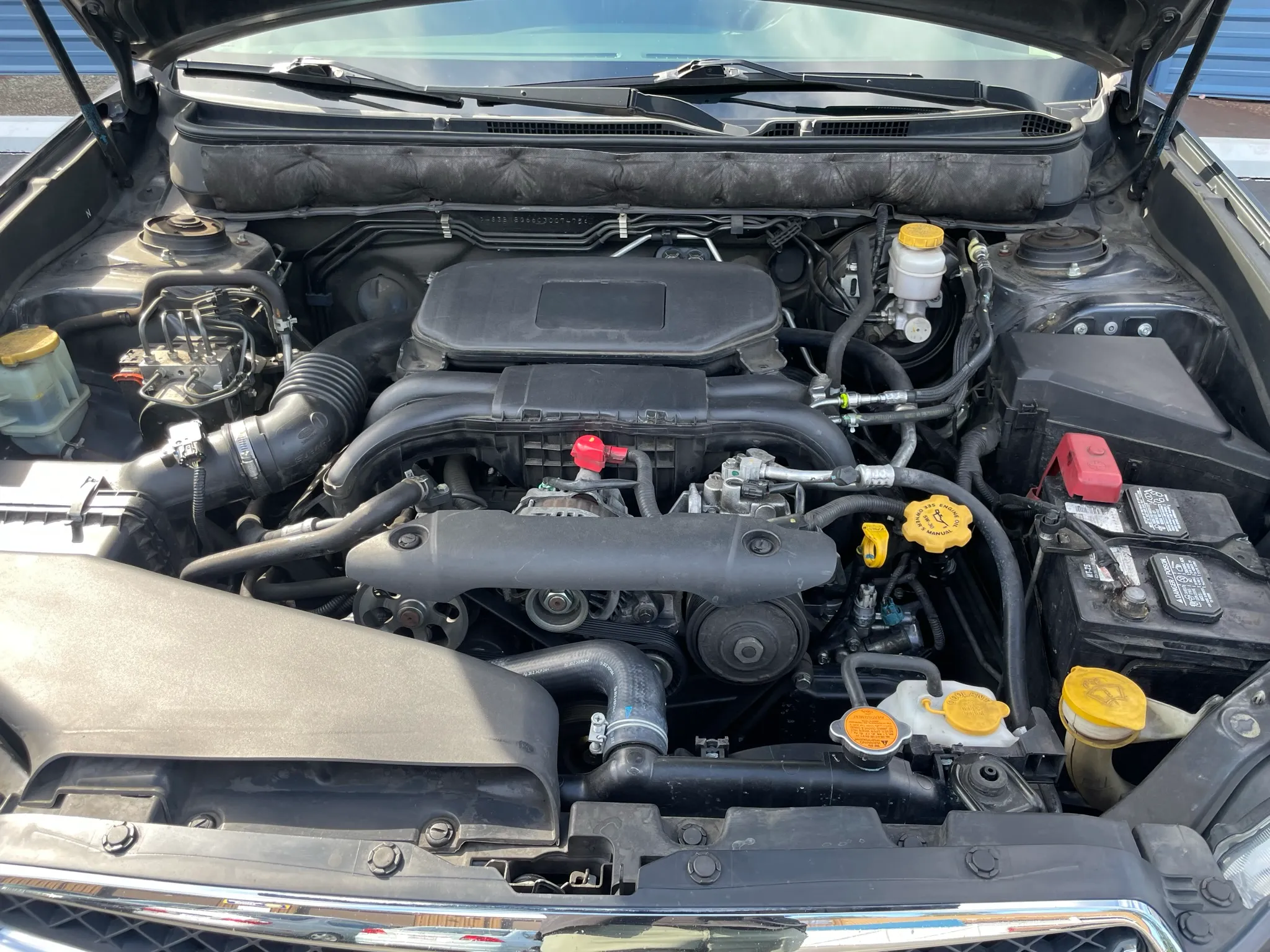
Head gasket failures haunted Subaru’s reputation for decades, like unwelcome relatives who never leave. Owners watched temperature gauges nervously while checking for milky oil and coolant loss. Forums overflowed with complaints about expensive repairs required every 100,000 miles.
Mechanics became wealthy by replacing head gaskets on otherwise excellent vehicles. This chronic problem tarnished Subaru’s reliability image despite boxer engines delivering impressive performance and all-wheel drive capability.
Around 2010, Subaru finally addressed these issues through improved gasket materials and better manufacturing processes. Engineers redesigned cooling systems while selecting components that withstand thermal cycling without failure.
Multi-layer steel gaskets replaced problematic composite materials that degraded from temperature fluctuations. These improvements transformed Subaru engines from maintenance nightmares into reliable powerplants matching Japanese competitors.
Vehicles equipped with these improved engines demonstrate remarkable durability through high mileage. Owners report trouble-free operation past 200,000 miles without head gasket replacements.
Oil stays clean while coolant remains where it belongs. Temperature gauges stay stable during hard driving or towing. This reliability revolution allows owners to focus on driving enjoyment rather than worrying about expensive repairs.
On this page, we will examine ten Subaru models equipped with engines from this improved era. Each vehicle demonstrates how proper engineering eliminates chronic problems while maintaining characteristic boxer engine benefits.
From practical Imprezas to performance-focused WRXs, these Subarus prove that learning from past mistakes creates genuinely reliable vehicles. Let’s examine these models that finally delivered the dependability Subaru always promised but couldn’t achieve until it fixed fundamental design flaws.
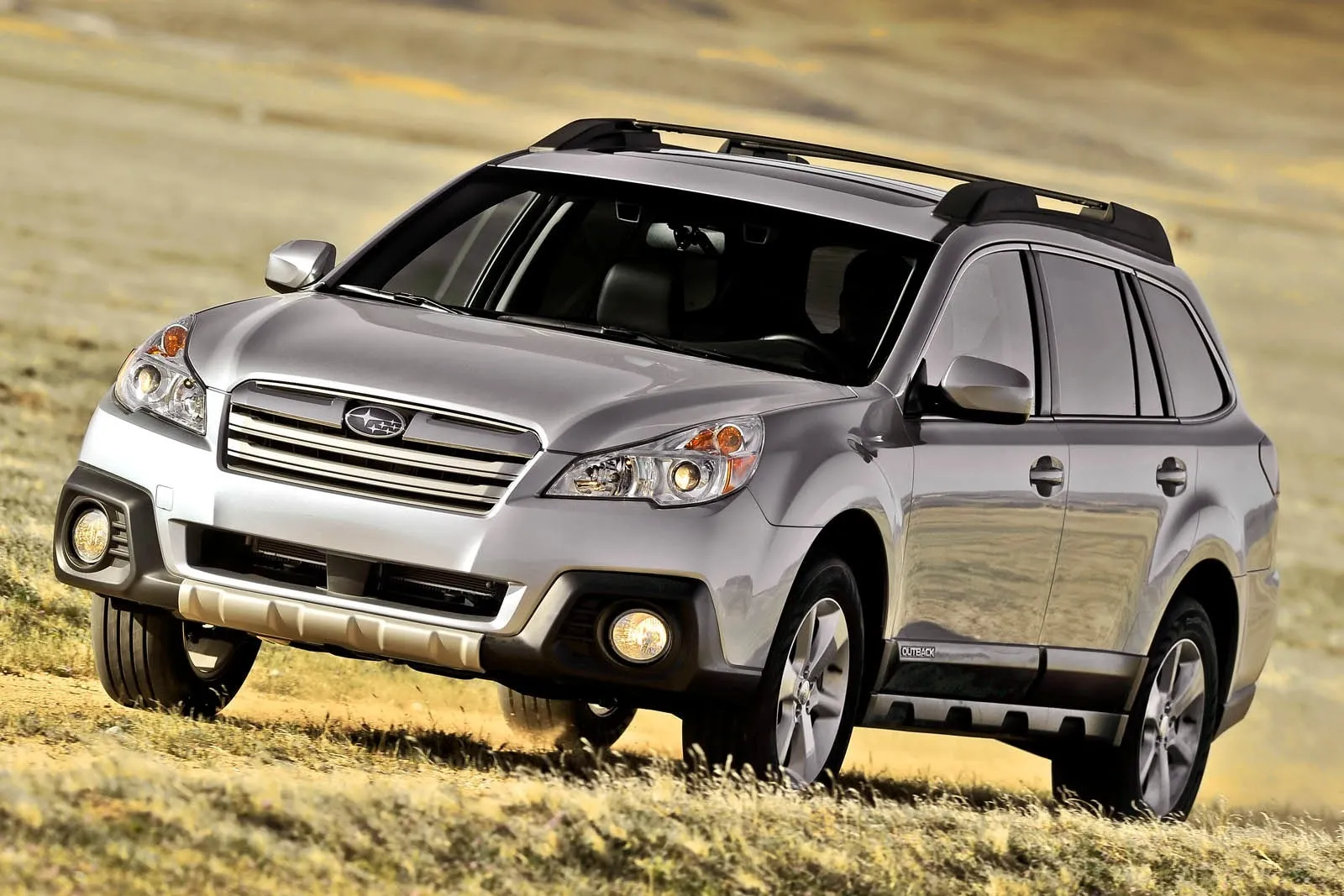
1. Subaru Outback (2013-2019)
Wagon versatility combined with all-wheel-drive capability creates practical family transportation. The revised FB25 2.5-liter boxer engine eliminated head gasket problems plaguing predecessors.
The naturally aspirated configuration provides adequate power through a simple design prioritizing reliability. Even after years of family duty and adventure trips, these engines maintain integrity without gasket failures.
Multi-layer steel head gaskets replaced composite materials that degraded from thermal cycling. This improvement alone solved decades of chronic problems.
Proper torque specifications and improved bolt patterns maintain clamping force through temperature changes. Cooling system redesign ensures even heat distribution, preventing hot spots that damage gaskets.
The timing chain design eliminates belt replacement intervals while reducing maintenance costs substantially.
Chain tensioners use improved hydraulic designs that maintain proper tension through extended mileage. Oil passages feeding tensioners receive adequate flow, preventing premature wear. These chains regularly last entire engine lifespans without replacement.
The CVT transmission receives criticism for its feel but proves reasonably durable when fluid changes occur. Programming keeps engine speeds reasonable during various driving scenarios.
The transmission cooling system maintains proper temperatures during towing or mountain driving. Proper maintenance intervals extend CVT life substantially beyond its early reputation.
Symmetrical all-wheel drive distributes power continuously to all wheels for maximum traction. The system operates full-time rather than engaging only when needed. This constant operation ensures predictable handling in various conditions. Winter capability exceeds front-drive alternatives substantially while providing year-round safety benefits.
Ground clearance at 8.7 inches allows tackling rough roads that damage lower vehicles. Adequate approach and departure angles prevent scraping during off-road adventures.
Skid plates protect vulnerable components from trail obstacles. This capability makes Outbacks suitable for outdoor recreation beyond typical wagon duties.
Interior space accommodates families comfortably with generous rear legroom and cargo capacity. Split-folding rear seats create versatile cargo configurations. Roof rails allow carrying kayaks, bikes, or cargo boxes. This practicality suits active lifestyles requiring versatile transportation.
Resale values stay strong because buyers recognize reliable transportation with practical capabilities. Clean examples with maintenance records command premium prices.
Rust-free examples from warm climates bring top dollar. This value retention reflects genuine quality improvements, eliminating previous reliability concerns.
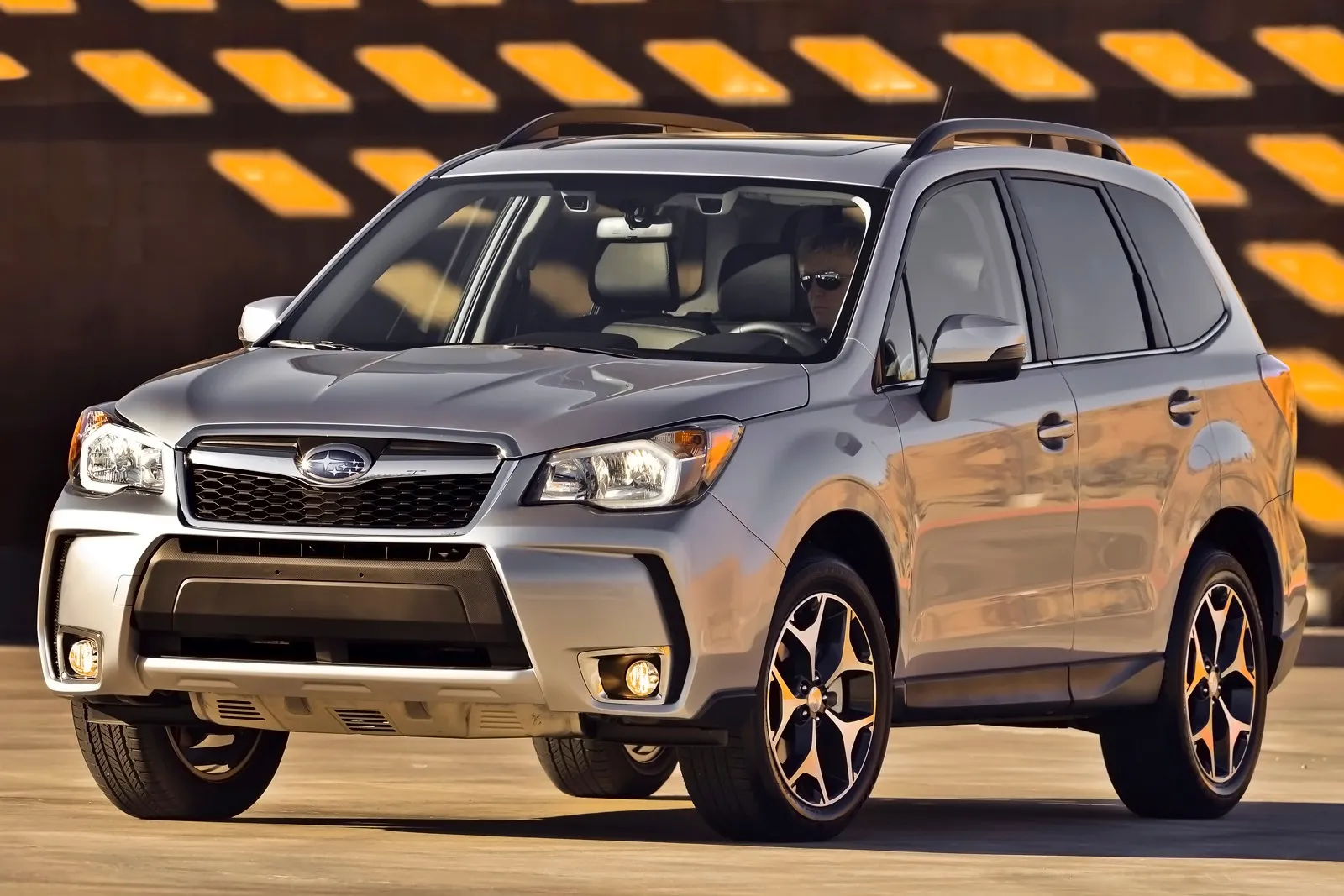
2. Subaru Forester (2014-2018)
Compact SUV dimensions provide car-like handling with commanding visibility. The FB25 2.5-liter boxer engine delivers reliable power through improved head gasket design.
The naturally aspirated configuration avoids turbocharger complications while providing adequate performance. Years of ownership prove these engines maintain integrity without chronic gasket failures.
Improved cooling system design ensures even heat distribution, preventing gasket damage. Larger radiator capacity handles heat generated during towing or mountain driving.
The electric cooling fan operates reliably through extended use. Temperature gauges remain stable during challenging conditions when proper coolant maintenance occurs.
CVT transmission programming suits the Forester’s mission, with responsive acceleration from stops. Simulated gear steps provide a more conventional feel compared to continuous ratio changes.
The transmission cooling system maintains proper temperatures during various driving scenarios. Fluid changes at recommended intervals ensure durability through high mileage.
Symmetrical all-wheel drive provides continuous power distribution for maximum traction and stability. The system operates transparently without driver intervention. Winter capability exceeds competitors substantially while providing year-round confidence. This full-time system ensures predictable handling in challenging conditions.
Ground clearance at 8.7 inches allows tackling trails that challenge typical crossovers. Adequate suspension travel absorbs obstacles without harsh impacts. Skid plates protect the oil pan and other vulnerable components. This capability enables outdoor adventures beyond mall parking lots.
Interior design prioritizes visibility with large windows and thin pillars. The driver sits higher than in typical sedans, providing a commanding view of the surroundings. Rear visibility remains excellent without requiring backup cameras. This visibility improves safety during city driving and parking maneuvers.
Cargo space suits families with adequate capacity for groceries, sports equipment, or camping gear. Rear seats fold flat, creating versatile loading configurations. Roof rails allow carrying additional cargo when the interior is full. This practicality makes Foresters suitable for active lifestyles.
Reliability reputation improved dramatically during this generation as head gasket problems disappeared. Owners report trouble-free operation through high mileage when basic maintenance occurs. This dependability transformed the Forester from a risky purchase into a recommended choice. Strong resale values reflect buyer confidence in improved engineering.
Also Read: 12 Subaru Models That Outlast Their Owners
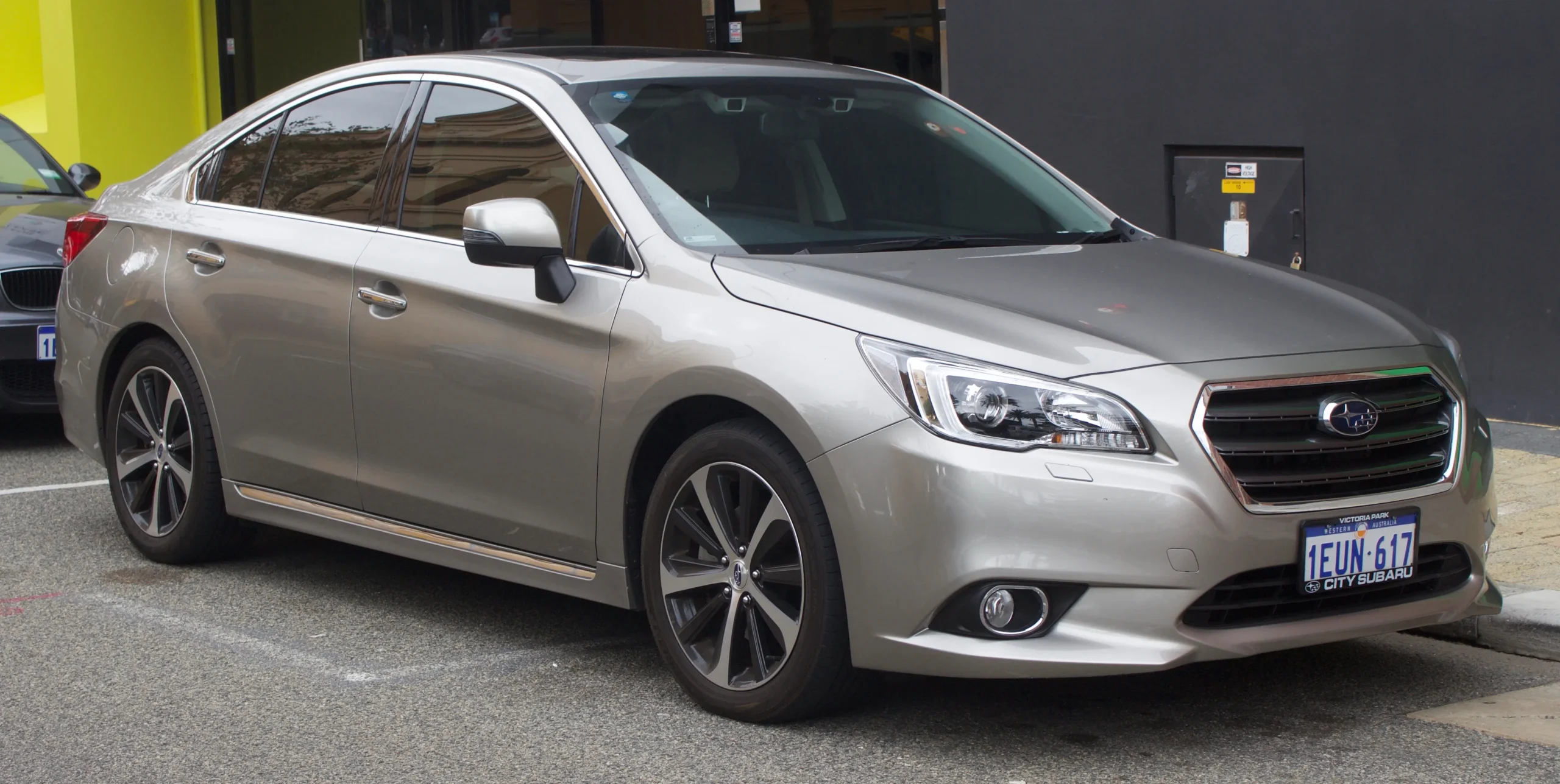
3. Subaru Legacy (2015-2019)
Midsize sedan dimensions provide a spacious interior within a manageable exterior size. The FB25 2.5-liter boxer engine delivers smooth power through improved gasket design, eliminating chronic failures.
The naturally aspirated configuration provides linear power delivery without turbo complications. Extended ownership proves these engines maintain reliability through high mileage.
Multi-layer steel gaskets withstand thermal cycling that destroyed composite predecessors. Improved bolt patterns maintain proper clamping force through temperature variations.
Cooling system redesign ensures even heat distribution across cylinder heads. These improvements solved decades of chronic problems definitively.
Symmetrical all-wheel drive operates full-time, providing continuous traction advantages. Power distribution happens automatically based on wheel slip conditions.
Winter capability surpasses front-drive competitors while providing year-round safety benefits. This system ensures predictable handling in challenging weather.
Interior quality improved substantially with better materials and assembly. The dashboard layout makes logical sense, with controls falling readily to hand. Seats provide comfortable support during extended drives. Sound insulation creates a quiet cabin at highway speeds.
The boxer engine mounting creates a low center of gravity, improving handling characteristics. Weight distribution approaches ideal with the engine positioned behind the front axle.
These factors make the Legacy handle better than typical midsize sedans. Cornering remains composed without excessive body roll.
Trunk space accommodates luggage for family trips with a generous capacity. Rear seats fold to accommodate longer items when necessary. A ski pass-through allows carrying long items while seating passengers. This practicality suits various transportation needs.
Fuel economy remains competitive for an all-wheel-drive sedan, with owners reporting averages around 26 to 29 mpg. Highway cruising produces impressive results when speeds stay reasonable.
City driving shows a slight efficiency penalty from the all-wheel-drive system. Real-world consumption meets or exceeds EPA estimates.
Resale values stay strong because buyers recognize reliable all-wheel-drive transportation. Clean examples command premium prices in markets where weather demands capability.
This value retention reflects genuine quality improvements and proven dependability. Buyer confidence grows as the head gasket’s reputation fades into history.
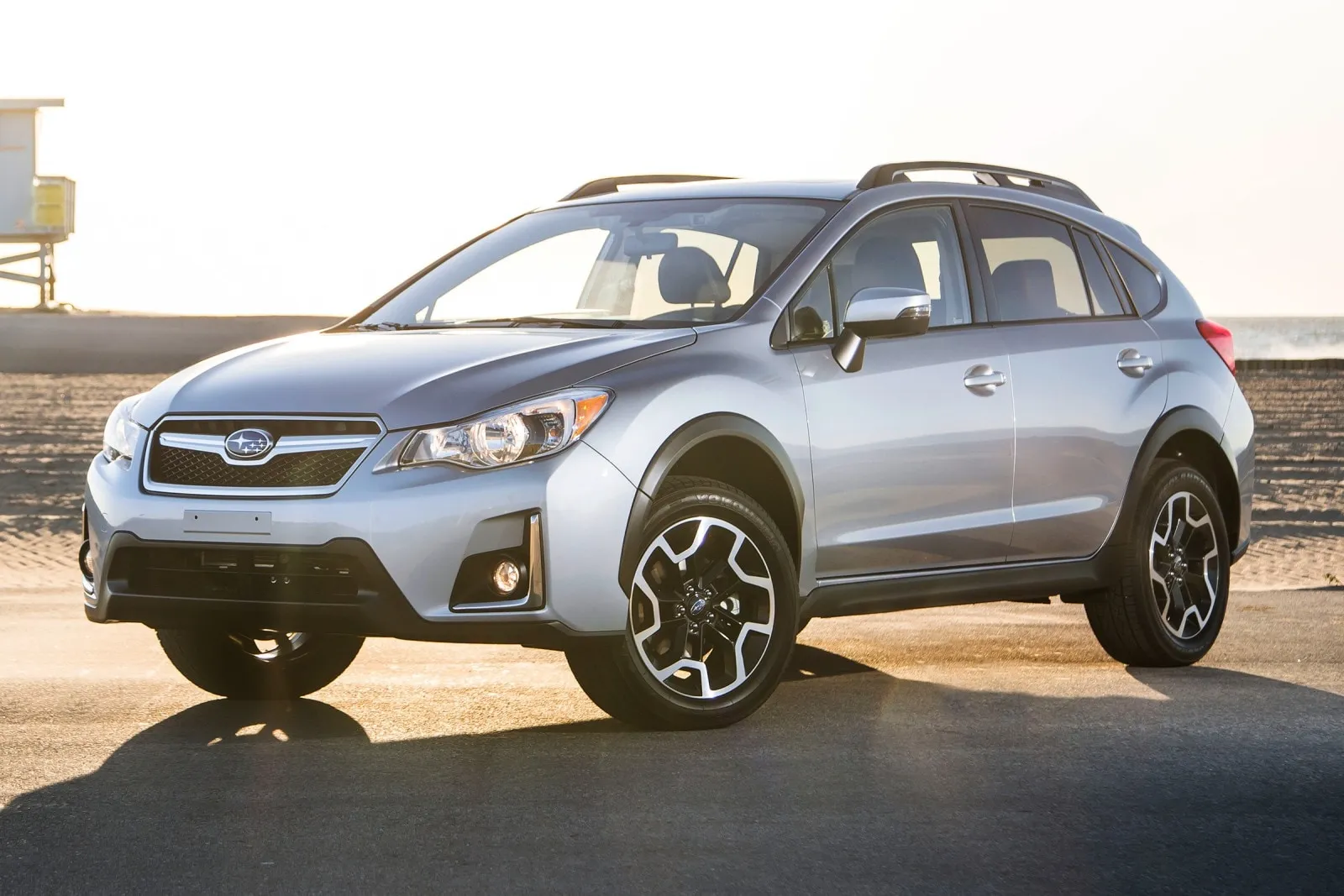
4. Subaru Crosstrek (2016-2020)
The raised Impreza variant provides extra ground clearance with rugged styling. The FB20 2.0-liter boxer engine produces modest power through a proven, reliable design.
Improved head gasket materials eliminate failures that plagued earlier engines. Years of ownership demonstrate these power plants maintain integrity through extended mileage.
Direct injection technology improves efficiency while maintaining reliability when carbon buildup receives attention. Fuel sprays directly into combustion chambers for precise metering.
This technology requires periodic intake valve cleaning to prevent performance degradation. When maintained properly, direct injection provides benefits without chronic problems.
The CVT transmission suits the Crosstrek’s mission, with adequate performance for daily driving. Programming keeps engine speeds reasonable during acceleration and cruising.
Manual mode allows selecting specific ratios when conditions demand. Transmission cooling maintains proper temperatures during various driving scenarios.
Symmetrical all-wheel drive provides continuous traction advantages during challenging conditions. The system distributes power automatically without driver intervention.
Winter capability exceeds typical crossovers while providing confidence year-round. This full-time system ensures predictable handling in various weather.
Ground clearance at 8.7 inches enables tackling trails beyond typical crossover capabilities. Adequate suspension travel absorbs obstacles without harsh impacts. Plastic cladding protects body panels from trail scratches. This capability makes Crosstreks suitable for outdoor adventures.
Compact dimensions make parking effortless in tight urban spaces. The turning radius allows U-turns on narrow streets without multiple attempts. Visibility remains excellent with large windows and thin pillars. These characteristics suit city driving while maintaining adventure capability.
Interior space maximizes efficiency within compact dimensions. Rear seats accommodate adults reasonably well despite the modest wheelbase. The cargo area provides adequate capacity for daily needs. Roof rails allow carrying additional equipment for recreation.
The boxer engine benefits include smooth operation with minimal vibration. The low mounting position improves handling and stability. The balanced design requires minimal counterweights. These advantages justify the boxer configuration despite manufacturing costs.
Fuel economy impresses for an all-wheel-drive vehicle, with owners reporting averages around 27 to 30 mpg. Highway driving produces excellent results when speeds stay moderate.
City operation shows where efficient CVT programming helps consumption. Real-world efficiency meets or exceeds EPA estimates.
Reliability reputation grows stronger as these Crosstreks accumulate mileage without head gasket failures. Owners report trouble-free operation through typical ownership periods.
This dependability makes Crosstreks recommended choices for buyers seeking capable transportation. Strong resale values reflect buyer confidence in proven engineering improvements.
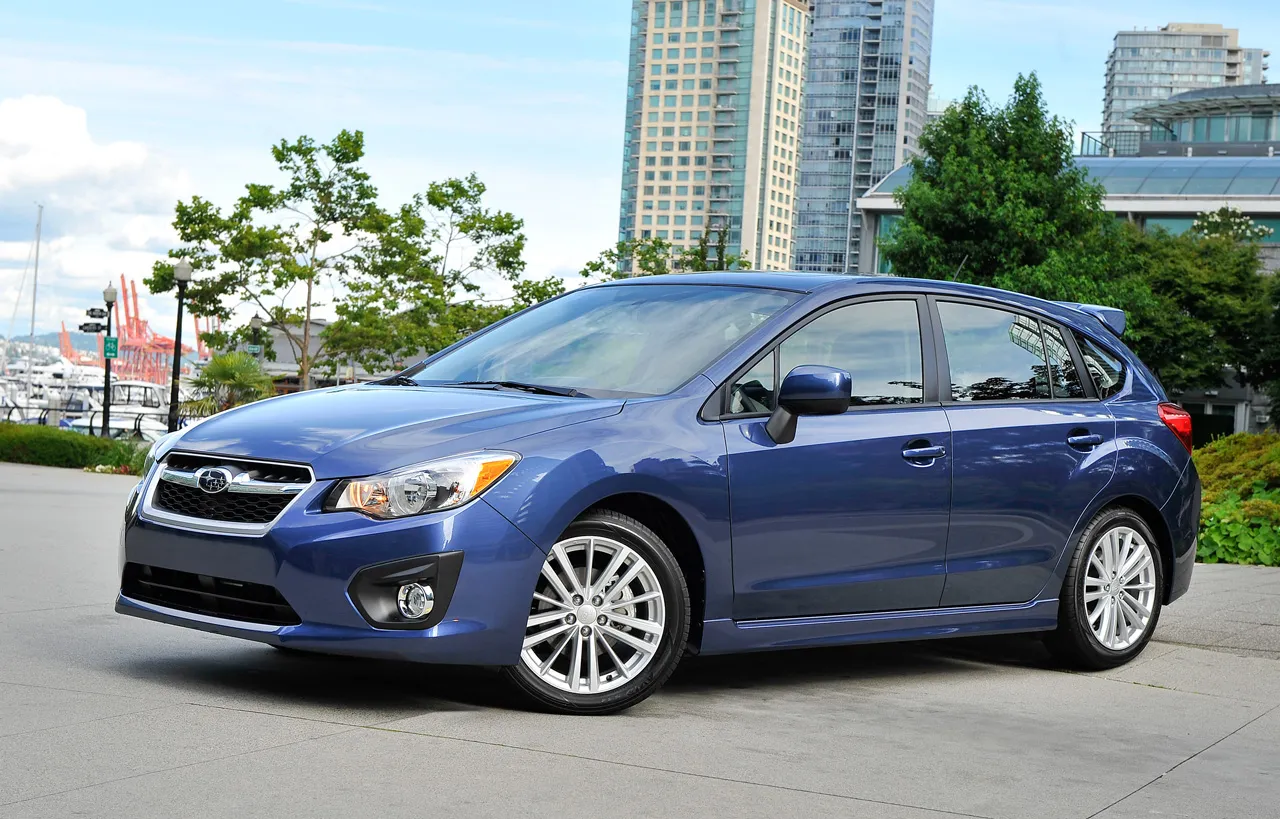
5. Subaru Impreza (2012-2016)
Compact sedan and hatchback configurations provide versatility for urban or suburban driving. The FB20 2.0-liter boxer engine replaced the older EJ25, resolving long-standing head gasket issues.
Improved materials and cooling system design ensure reliable operation through extended use. Owners report consistent performance without the failures that plagued earlier generations.
The engine uses a timing chain instead of a belt, eliminating periodic replacement intervals. Hydraulic tensioners maintain consistent pressure for precise timing.
This design reduces long-term maintenance costs and simplifies service. Timing chains in these engines routinely last beyond 200,000 miles without attention.
Fuel economy represents a major improvement, with real-world averages near 30 mpg for all-wheel-drive configurations. CVT programming emphasizes efficiency during cruising while providing acceptable acceleration when needed. The transmission cooling system maintains stable operating temperatures even in heavy traffic or hot climates.
The symmetrical all-wheel-drive system operates full-time for consistent traction. Power distribution occurs automatically based on wheel slip. This system provides confident handling during wet or snowy conditions. Predictable behavior under varying surfaces enhances driver confidence year-round.
Interior design prioritizes simplicity and visibility. Large windows reduce blind spots, while the high seating position improves situational awareness. Controls remain logically arranged, minimizing distraction during operation. Materials resist wear through years of daily use.
Chassis balance benefits from the boxer engine’s low center of gravity. Cornering remains composed, with minimal body roll during sharp turns. The electric power steering provides adequate feedback for confident maneuvering. Entire handling exceeds expectations for the class.
Cargo space in hatchback versions rivals small crossovers for practicality. Fold-flat rear seats allow transporting bulky items easily. Roof rails increase versatility for carrying bikes or cargo boxes. This practicality suits active lifestyles seeking efficient transportation.
Resale values remain steady due to Subaru’s growing reputation for reliability. Buyers appreciate the combination of efficiency, safety, and all-weather capability.
Maintenance costs stay manageable through the simplified engine design. These improvements make the Impreza one of Subaru’s most dependable compact models.
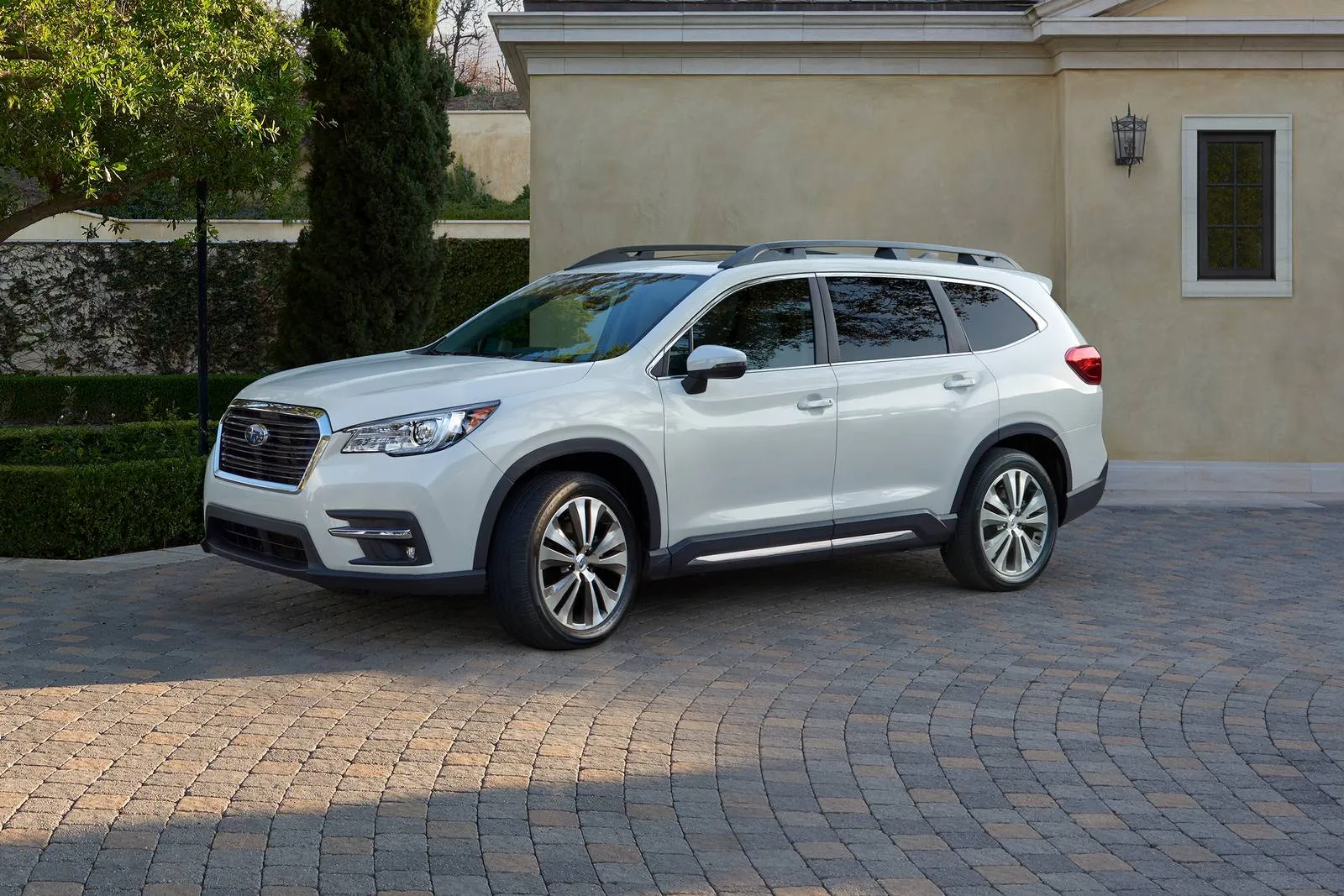
6. Subaru Ascent (2019-Present)
Subaru’s largest model delivers family-size capability with familiar engineering. The 2.4-liter turbocharged boxer engine produces strong torque through direct injection and intercooling.
Despite forced induction, reliability remains strong due to improved gasket materials and thermal management. Proper maintenance ensures long-term durability even under heavy loads.
The CVT transmission handles power efficiently while maintaining fuel economy. Reinforced components address concerns about early CVT durability.
Transmission fluid changes at recommended intervals preserve internal integrity. Cooling systems keep temperatures stable during towing or mountain driving.
Symmetrical all-wheel drive distributes power seamlessly for consistent traction. Torque vectoring improves cornering stability during spirited driving. Winter performance surpasses front-drive rivals substantially. This drivetrain ensures safe operation in challenging conditions year-round.
Interior comfort ranks among Subaru’s best, with high-quality materials and quiet operation. The three-row layout accommodates adults comfortably in all seating positions. Climate control zones provide tailored comfort for all passengers. Storage solutions throughout the cabin enhance family practicality.
Safety technology integrates adaptive cruise control, lane centering, and automatic braking. These systems reduce fatigue during long drives and improve reaction times in emergencies.
Camera-based monitoring operates smoothly without intrusive behavior. Driver confidence benefits from this comprehensive safety suite.
Fuel efficiency remains competitive for a large SUV, averaging 22 to 25 mpg in mixed driving. The turbocharged engine provides strong passing power without excessive consumption. Real-world users report smooth performance even when fully loaded.
Ride quality balances comfort with confident handling. Suspension tuning isolates bumps without excessive softness. Steering response feels natural for a vehicle of this size. Long highway drives remain comfortable and controlled.
Resale performance remains strong as reliability records accumulate. Owners report few major issues when following proper maintenance. The Ascent demonstrates Subaru’s ability to scale proven engineering into larger vehicles without compromising dependability.
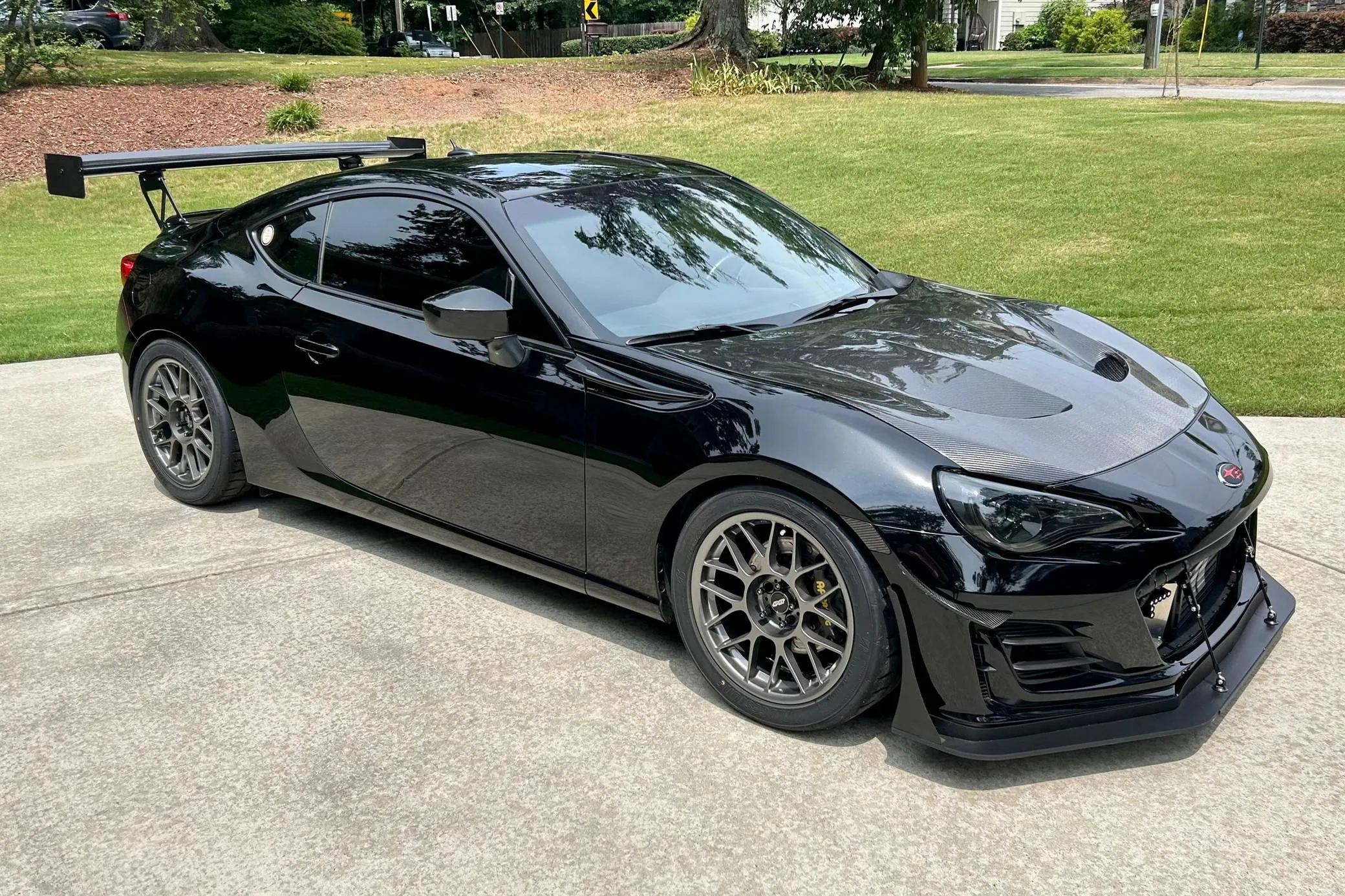
7. Subaru BRZ (2013-2020)
Compact sports coupe dimensions prioritize low weight and precise handling. The FA20 2.0-liter boxer engine produces 200 horsepower with high-revving character.
Although unrelated to Subaru’s traditional turbo engines, it benefits from similar reliability improvements. Multi-layer steel head gaskets and revised cooling eliminate prior weaknesses.
The naturally aspirated engine provides responsive throttle behavior without turbo lag. Direct injection technology improves efficiency while maintaining power delivery.
Occasional carbon buildup requires maintenance attention but poses no major reliability threat. Proper care ensures smooth operation through extended mileage.
The six-speed manual transmission engages positively with short, accurate throws. Synchros hold up well under spirited driving when fluid changes occur regularly. The optional automatic transmission includes paddle shifters for manual control. Both options prove durable under proper use.
Rear-wheel drive distinguishes the BRZ from Subaru’s typical lineup. The balanced weight distribution and low center of gravity create exceptional handling.
Stability control allows driver adjustment for track use or spirited street driving. The chassis provides neutral balance, rarely found in affordable sports cars.
Interior design prioritizes driver focus with supportive seats and minimal distraction. Gauges remain clear, and controls fall easily to hand. Materials withstand wear despite minimal padding. This simplicity contributes to the lightweight design philosophy.
Fuel economy remains respectable for a performance coupe, averaging 27 mpg combined. Highway cruising efficiency improves due to aerodynamic body design. Real-world consumption meets or exceeds factory estimates.
Long-term reliability reports show strong results when owners perform basic maintenance. Valve timing adjustments and carbon cleaning preserve performance. Engine and drivetrain components exhibit minimal wear through extended use. The BRZ combines reliable engineering with genuine driving enjoyment.
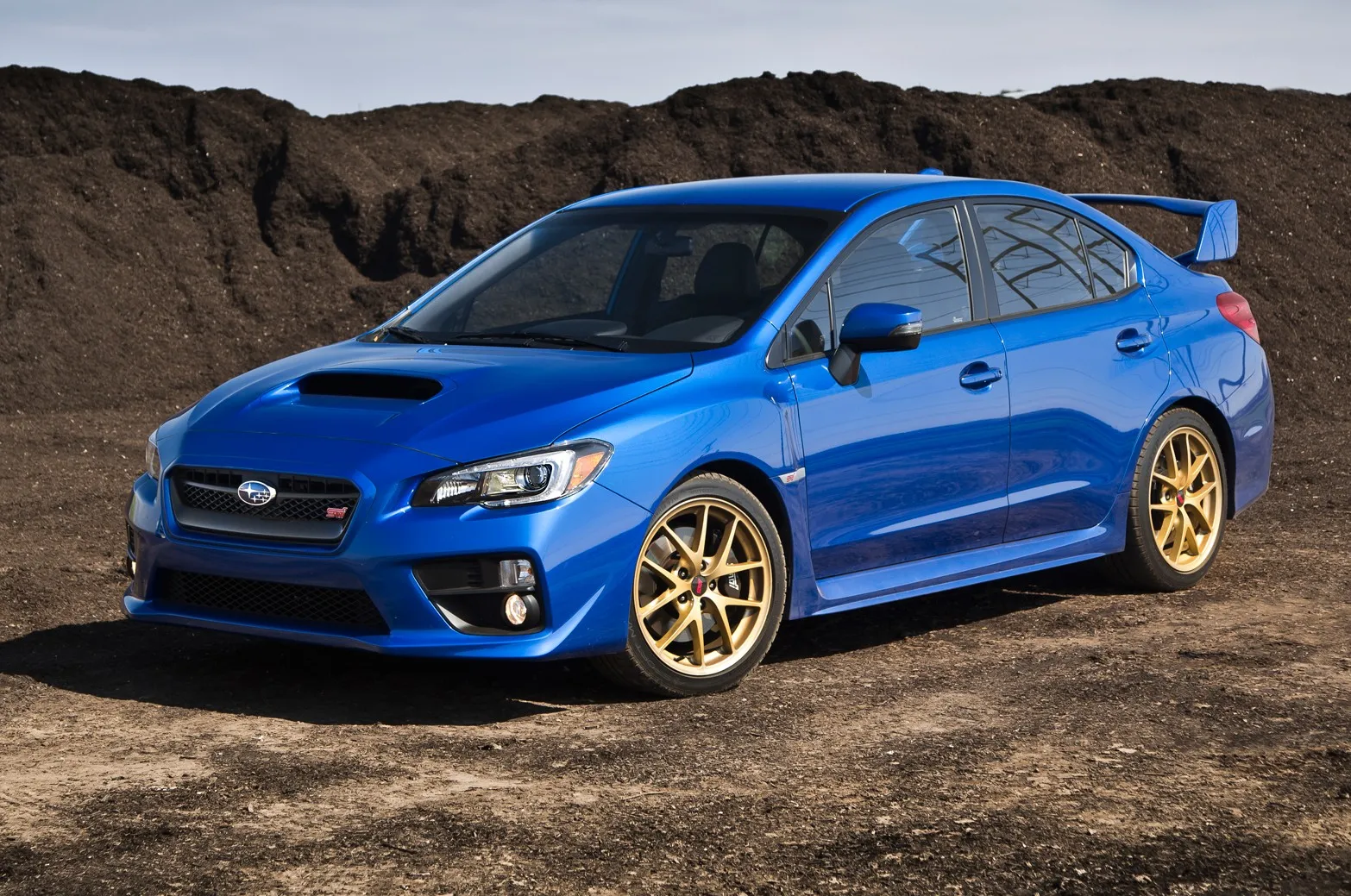
8. Subaru WRX (2015-2021)
Performance sedan engineering delivers rally-inspired capability with everyday usability. The FA20DIT 2.0-liter turbocharged boxer engine replaces older EJ designs plagued by head gasket failures.
The direct-injected configuration improves both power and durability. Revised materials and precise cooling eliminate historic weaknesses.
Power delivery feels strong throughout the rev range, with minimal turbo lag. The six-speed manual transmission offers robust construction for spirited driving. Synchros handle aggressive moves when fluid maintenance occurs. Optional CVT versions emphasize smoothness for daily use while maintaining quick responses.
Symmetrical all-wheel drive ensures maximum traction under acceleration or cornering. Torque distribution adapts instantly to changing grip conditions. This system provides confidence on wet, snowy, or uneven roads. Predictable handling contributes to high driver confidence.
The chassis features enhanced rigidity, improving handling precision and ride comfort. Suspension tuning strikes a balance between firmness and compliance. High-speed stability remains impressive for a compact sedan. Cornering composure rivals premium European competitors.
Interior appointments combine sportiness with practicality. Deeply bolstered seats hold occupants securely during aggressive maneuvers. Controls focus on functionality rather than decoration. Build quality remains solid, with minimal rattles or vibration through extended use.
Advanced safety features include stability control, traction control, and available driver assistance technology. These systems operate seamlessly without interfering with performance. Enhanced visibility through large windows supports safer driving in all environments.
Maintenance intervals require consistent attention, particularly for turbocharged components. Oil changes using high-quality synthetic lubricants preserve turbo longevity. When properly serviced, these engines achieve long lifespans without major failures.
Resale demand remains high due to the WRX’s enthusiast reputation and reliability. Clean examples command premium prices, reflecting confidence in improved engineering. This generation demonstrates Subaru’s mastery of combining performance and dependability.
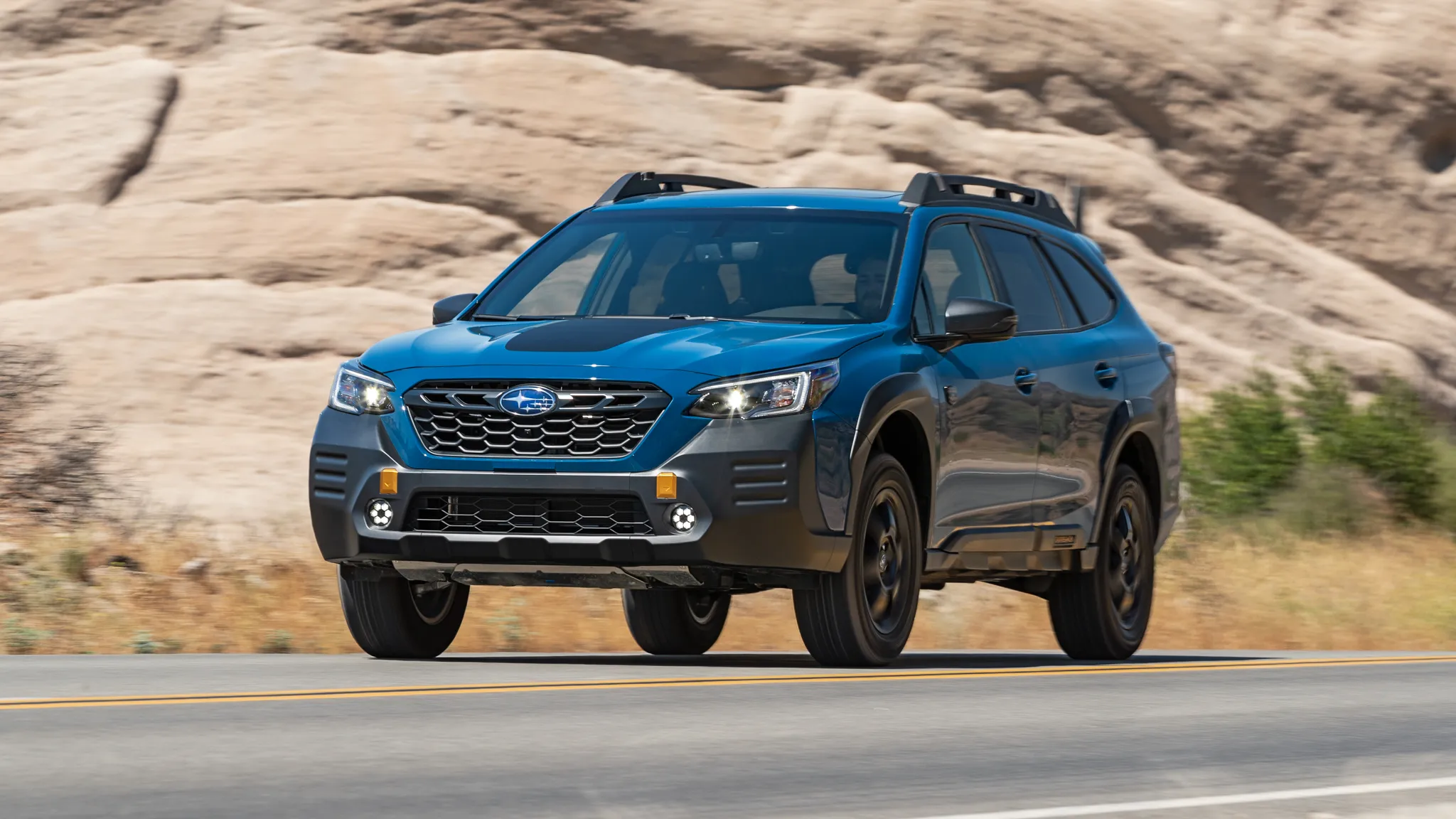
9. Subaru Outback Wilderness (2021-Present)
This rugged trim enhances off-road performance while retaining daily comfort. The 2.4-liter turbocharged boxer engine produces abundant torque for trail use and towing. Reinforced components and improved gasket designs ensure long-term durability. Cooling and lubrication systems maintain stability during demanding operation.
Increased ground clearance and all-road tires expand capability beyond standard models. Suspension tuning provides additional travel for uneven surfaces. Skid plates protect vital components from trail impacts. These upgrades deliver genuine off-road functionality without excessive harshness on pavement.
Symmetrical all-wheel drive with revised gearing maximizes low-speed traction. Hill descent control assists during steep declines by modulating braking automatically. The drivetrain provides consistent control under varying conditions.
Interior materials withstand heavy outdoor use, with durable upholstery and water-resistant surfaces. Large cargo capacity accommodates gear for camping or work. Roof rails support rooftop tents or cargo boxes for extended travel.
Technology features include a high-definition touchscreen, advanced navigation, and driver-assist systems. Cameras monitor the surroundings during off-road navigation. These tools improve safety and ease of operation on challenging roads.
On-road comfort remains excellent despite rugged enhancements. Cabin noise stays low, and ride quality remains composed. Steering precision ensures predictable handling at highway speeds.
Owners report strong reliability with minimal early issues. Regular maintenance ensures consistent performance under tough conditions. This trim demonstrates Subaru’s commitment to balancing durability, comfort, and capability in modern adventure vehicles.
Also Read: 12 New Subaru SUVs That Stay Strong After Years
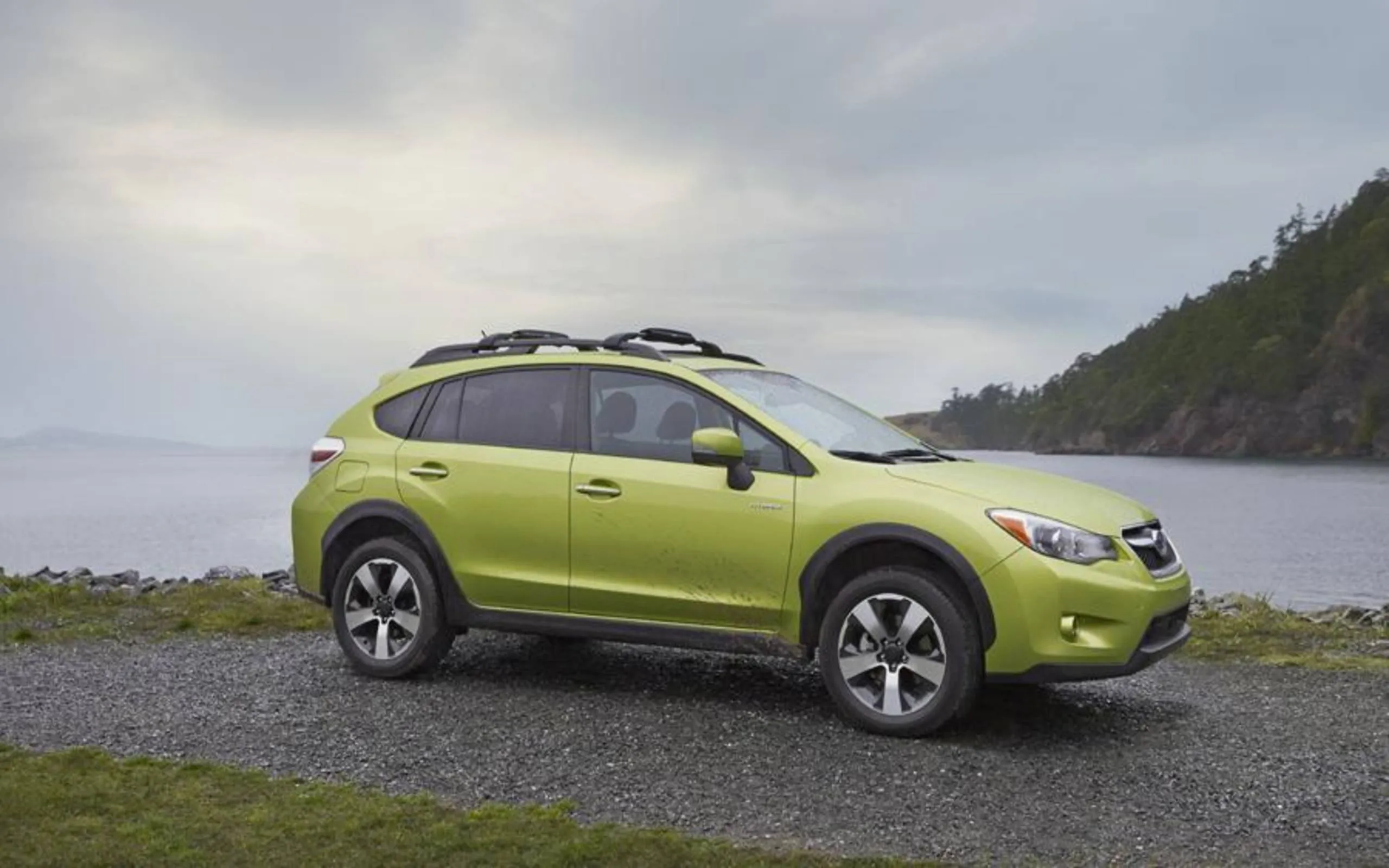
10. Subaru XV Crosstrek Hybrid (2014-2016)
Subaru’s first hybrid pairs the proven Crosstrek platform with electric assistance for improved efficiency. The FB20 2.0-liter boxer engine works alongside an electric motor integrated into the CVT. Combined output provides responsive acceleration while maintaining traditional Subaru dependability.
Battery placement beneath the cargo floor preserves a low center of gravity for stable handling. Regenerative braking captures energy efficiently without altering pedal feel. The hybrid system operates transparently, allowing seamless transitions between gasoline and electric power.
Fuel economy improves by several mpg over the standard model, particularly in city driving. Real-world averages around 31 mpg make it one of Subaru’s most efficient all-wheel-drive vehicles. Long-term reliability data show minimal hybrid-specific issues when maintenance occurs regularly.
All-wheel-drive performance remains uncompromised despite hybrid integration. Torque distribution operates continuously for consistent traction. This system performs reliably in adverse conditions like snow or rain.
Interior features mirror the conventional Crosstrek with added hybrid displays showing energy flow and battery status. The cabin retains durable materials and logical control placement. Cargo space remains practical, though slightly reduced by battery packaging.
Ride quality and noise isolation match non-hybrid versions, maintaining comfort for daily driving. Handling stays predictable with responsive steering and balanced weight distribution. The hybrid design complements Subaru’s established strengths without major compromises.
Resale values remain steady because of limited production and a strong reliability reputation. Buyers appreciate efficiency combined with all-weather capability. The XV Crosstrek Hybrid demonstrates successful early hybrid integration into Subaru’s lineup.
