
When a vehicle surpasses 100,000 miles, it enters a critical stage where maintenance quality determines whether it continues running smoothly or begins to deteriorate. Many drivers celebrate this milestone unaware that their vehicles now demand more meticulous care than ever before.
By this point, the original factory fluids have endured years of intense heat, pressure, and contamination, losing much of their protective effectiveness.
Major components designed for roughly 100,000 miles of service are nearing their wear limits. The difference between reliable operation and expensive mechanical failures over the next 50,000 miles depends almost entirely on how well the vehicle’s fluids are maintained during this period.
While most owners understand the importance of regular engine oil changes, six additional fluids require equal attention once the odometer reaches six figures. These include transmission fluid, coolant, brake fluid, power steering fluid, differential oil, and transfer case fluid.
Each of these fluids performs a vital function, shielding internal components from friction, corrosion, or excessive heat. Neglecting even one can turn a dependable vehicle into a costly repair project.
Proper fluid maintenance can easily extend a car’s lifespan beyond 200,000 miles while maintaining dependable performance and avoiding major component replacements.
Manufacturers often advertise “lifetime” or “extended” fluid intervals to make ownership appear more affordable, but real-world driving tells a different story.
Stop-and-go traffic, frequent short trips, heavy loads, and temperature extremes accelerate fluid degradation. As time goes on, heat, moisture, and contaminants compromise lubrication and corrosion resistance, regardless of marketing claims.
Owners who invest a few hundred dollars in preventive fluid maintenance can save thousands in potential repairs such as transmission rebuilds, cooling system replacements, or brake overhauls. This small investment in timely service protects expensive mechanical components and ensures lasting reliability.
This discussion highlights seven essential fluids that finally determine whether a high-mileage vehicle continues to perform efficiently or suffers premature failure. Each fluid serves a distinct purpose and follows a specific replacement schedule critical to long-term performance.
Understanding how these fluids function and servicing them at the correct intervals allows owners to preserve vehicle longevity, efficiency, and safety. With proper care, a vehicle can remain dependable and smooth-running well beyond the 100,000-mile mark, rewarding owners with years of reliable performance.
1. Transmission Fluid: Automatic Transmission Life Insurance
Automatic transmissions generate immense heat through friction as clutches engage and torque converters multiply engine output. Fresh transmission fluid lubricates the moving parts while carrying away heat that would otherwise damage internal components.
After 100,000 miles, this fluid has gone through thousands of heat cycles that weaken its protective additives and reduce its ability to prevent wear. When transmission fluid turns dark brown or black, it signals severe degradation that threatens the system’s survival and performance.
Owners of the Honda Accord (2013-2017) often encounter transmission issues after neglecting fluid changes. The continuously variable transmissions (CVTs) in these models require new fluid every 30,000 to 40,000 miles despite Honda’s vague service intervals.
Hesitation or juddering during acceleration usually points to clutch pack wear caused by degraded fluid. A complete transmission replacement can exceed $4,000 at dealerships, while a fluid change typically costs under $200. This dramatic difference underscores the importance of timely fluid service as preventive maintenance.
Replacing transmission fluid at the 100,000-mile mark prevents issues that can escalate quickly afterward. Fresh fluid restores effective lubrication and cooling, protecting the clutches, bands, and valve bodies from wear.
The detergents in the new fluid remove deposits that restrict oil passages, while friction modifiers promote smooth gear engagement and eliminate harsh shifting. Regular service before damage develops can extend transmission life by several years.
A single drain-and-fill procedure replaces only about half of the total fluid. Performing multiple drain-and-fill cycles with driving intervals between them provides a more complete flush.
Alternatively, professional fluid exchange machines can replace nearly 100 percent of the old fluid in one session, offering maximum protection for high-mileage transmissions.
Synthetic transmission fluids outperform conventional ones by resisting heat breakdown and reducing friction under demanding conditions such as towing or mountain driving.
Though slightly more expensive, they extend service intervals and enhance durability. Replacing the transmission filter during fluid service also removes metal particles and sludge that can restrict pressure flow.
Nissan Altima (2013-2018) CVTs are notorious for failures linked to neglected maintenance. Shuddering during acceleration often indicates CVT belt wear caused by poor lubrication.
Replacement can cost around $5,000, while preventive fluid changes cost less than $250. Owners who service their CVT fluid regularly report trouble-free performance beyond 150,000 miles, proof that fluid care directly determines transmission longevity.
2. Coolant: Engine Block Protection From Corrosion
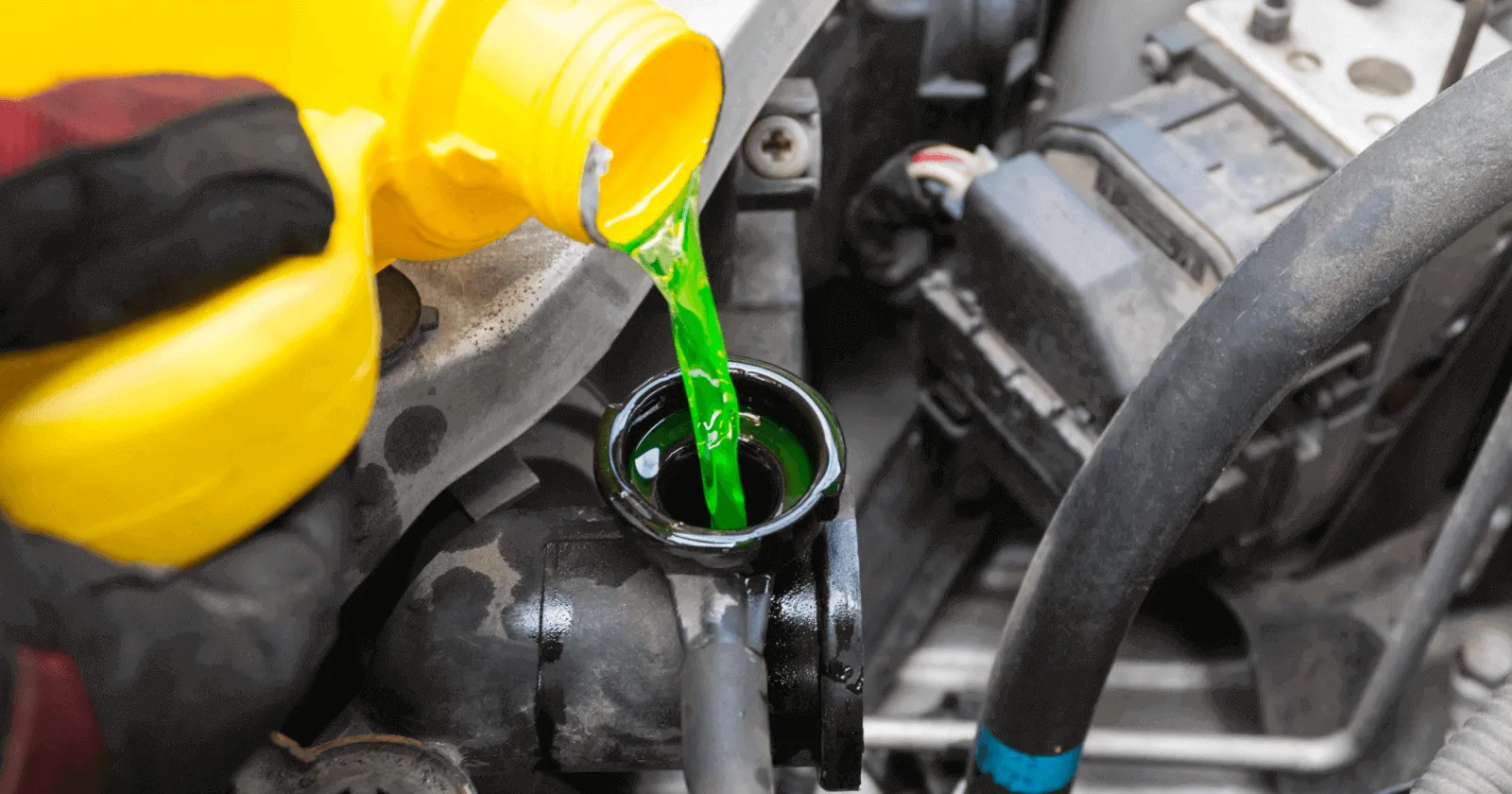
Coolant does far more than prevent freezing and overheating it also shields the engine’s metal components from corrosion. The additives within coolant protect aluminum and iron parts from rust and oxidation that can eat through metal as time goes on.
After 100,000 miles, these protective additives become depleted, leaving the engine increasingly vulnerable to internal corrosion and damage. Rusty or discolored coolant signals that corrosion has already begun attacking the engine block, cylinder heads, and radiator.
Replacing old coolant with fresh fluid restores the corrosion protection before severe damage occurs. Neglected coolant maintenance is a common cause of head gasket failure in Toyota Camry (2007-2011) engines.
Once corrosion compromises the mating surfaces between the cylinder head and the block, coolant and oil can mix, forming a milky sludge that destroys bearings.
A head gasket replacement can cost over $2,000, while a coolant service typically costs under $150, making regular maintenance an inexpensive way to prevent major engine failure.
Modern coolants that use Organic Acid Technology (OAT) provide longer-lasting protection compared to traditional green antifreeze. OAT coolants can last up to five years or 150,000 miles if kept clean and uncontaminated.
However, coolant color indicates type, not condition, so testing its pH and freeze protection is essential to assess health. A pH reading below 7.0 means acidity is attacking metal surfaces, and the coolant must be replaced immediately.
Performing a complete coolant flush removes rust, scale, and sludge that accumulate as time goes on. Flushing chemicals dissolve blockages that restrict coolant flow and reduce heat dissipation.
Multiple drain-and-fill cycles or professional flush machines ensure nearly total replacement of old coolant, restoring cooling efficiency and preventing overheating.
Flushing the heater core during coolant service also helps prevent restricted cabin heating caused by internal deposits. If heat output decreases during winter, partial blockage is likely. Backflushing the heater core restores proper flow and heat delivery while avoiding costly replacement.
Finally, replacing the radiator cap during coolant service maintains proper system pressure. A weak cap can allow coolant to boil at lower temperatures, causing overheating and coolant loss. A new cap costs less than $20 yet prevents thousands in potential damage.
Ford Focus (2012-2018) models often suffer from overheating neglected coolant service. Clogged radiators and corroded water pumps lead to catastrophic engine failure. Routine coolant replacement every 60,000 miles prevents these issues entirely, allowing many owners to reach over 200,000 miles without overheating problems.
Also Read: 10 Cars That Outlast Their Transmissions
3. Brake Fluid: Hydraulic Pressure Without Moisture
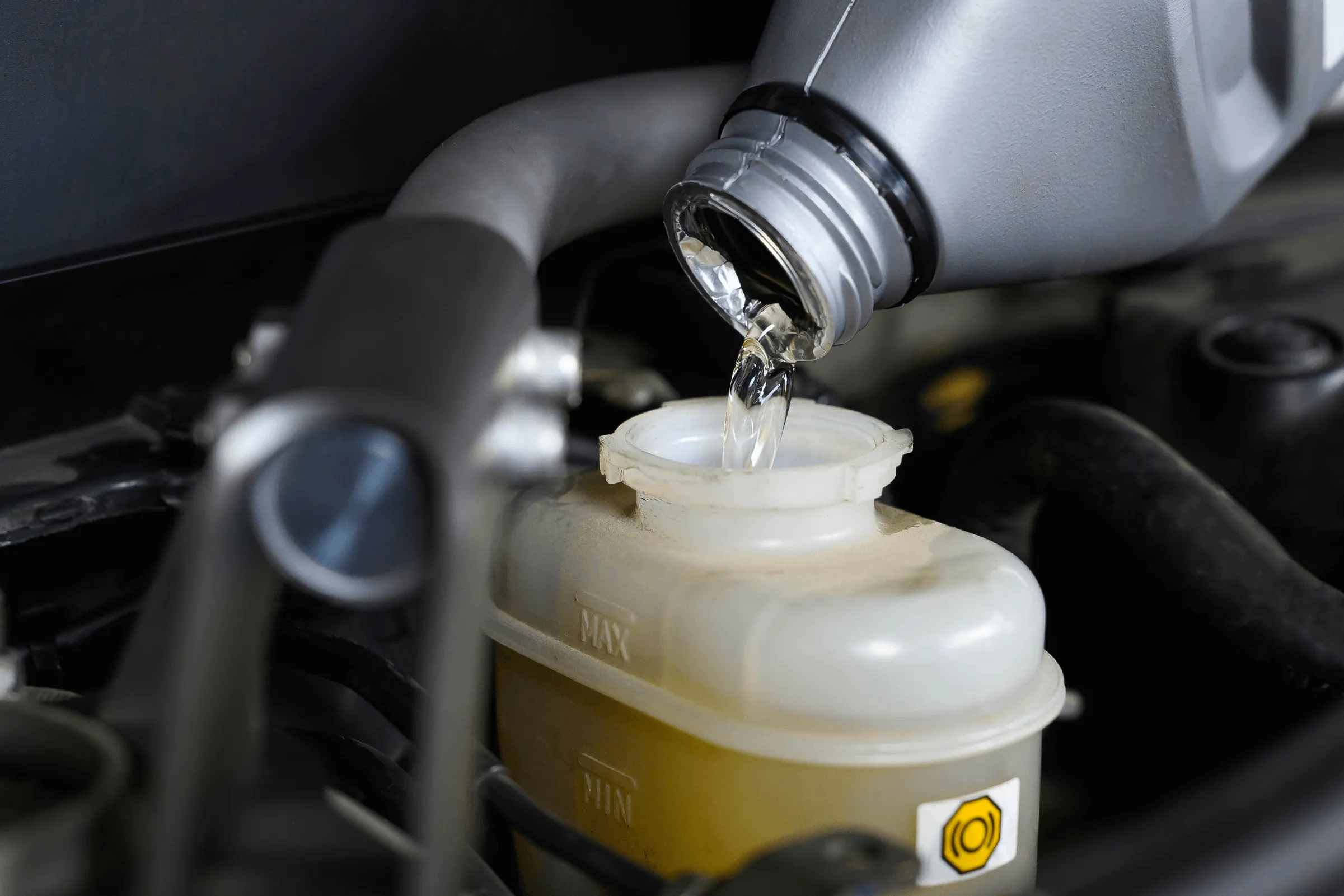
Brake fluid serves as the essential hydraulic medium that transfers pressure from the brake pedal to the calipers, forcing the pads against the rotors. This liquid must remain completely incompressible to ensure consistent and reliable stopping power.
However, brake fluid is hygroscopic; it absorbs moisture from the air over time, which gradually reduces its effectiveness.
After 100,000 miles, the water content in brake fluid often reaches dangerous levels, leading to brake fade, corrosion, and potential component failure. Replacing old fluid restores proper braking performance while protecting costly parts.
Chevrolet Malibu (2013-2016) models frequently experience premature ABS module failures when brake fluid is never changed. Moisture contamination corrodes internal valves and pump mechanisms within the ABS module.
Replacement of this unit can cost more than $1,200, while a complete brake fluid service costs less than $100. This stark cost difference highlights why timely fluid service is one of the most important preventive maintenance actions any owner can take.
When brake fluid becomes saturated with water, its boiling point drops drastically. During heavy or prolonged braking, this moisture turns into vapor, forming bubbles that compress under pressure instead of transmitting it.
The result is a spongy brake pedal and severely reduced stopping power. In extreme cases, complete brake failure can occur. Fresh fluid with the correct boiling point eliminates this risk and restores solid, confident pedal feel.
Brake fluids are categorized by type: DOT 3, DOT 4, and DOT 5.1, each offering different boiling points and service lifespans. DOT 4 provides better high-temperature performance than DOT 3 and suits most modern vehicles, while DOT 5.1 offers the highest boiling point for performance applications.
It is crucial never to mix DOT 5 silicone-based fluid with glycol-based alternatives, as doing so damages seals and metal components.
A complete brake fluid flush removes all contaminated fluid from the system. Starting at the master cylinder and bleeding each wheel ensures total replacement and removal of air bubbles. This service restores braking response to factory condition.
Caliper inspection during fluid service also prevents future issues. Corrosion from old fluid can seize pistons, causing uneven pad wear. For example, Honda CR-V (2012-2016) models commonly suffer caliper seizure from neglected brake fluid. Preventive fluid changes every 30,000 miles stop corrosion, extend component life, and maintain safe, reliable braking.
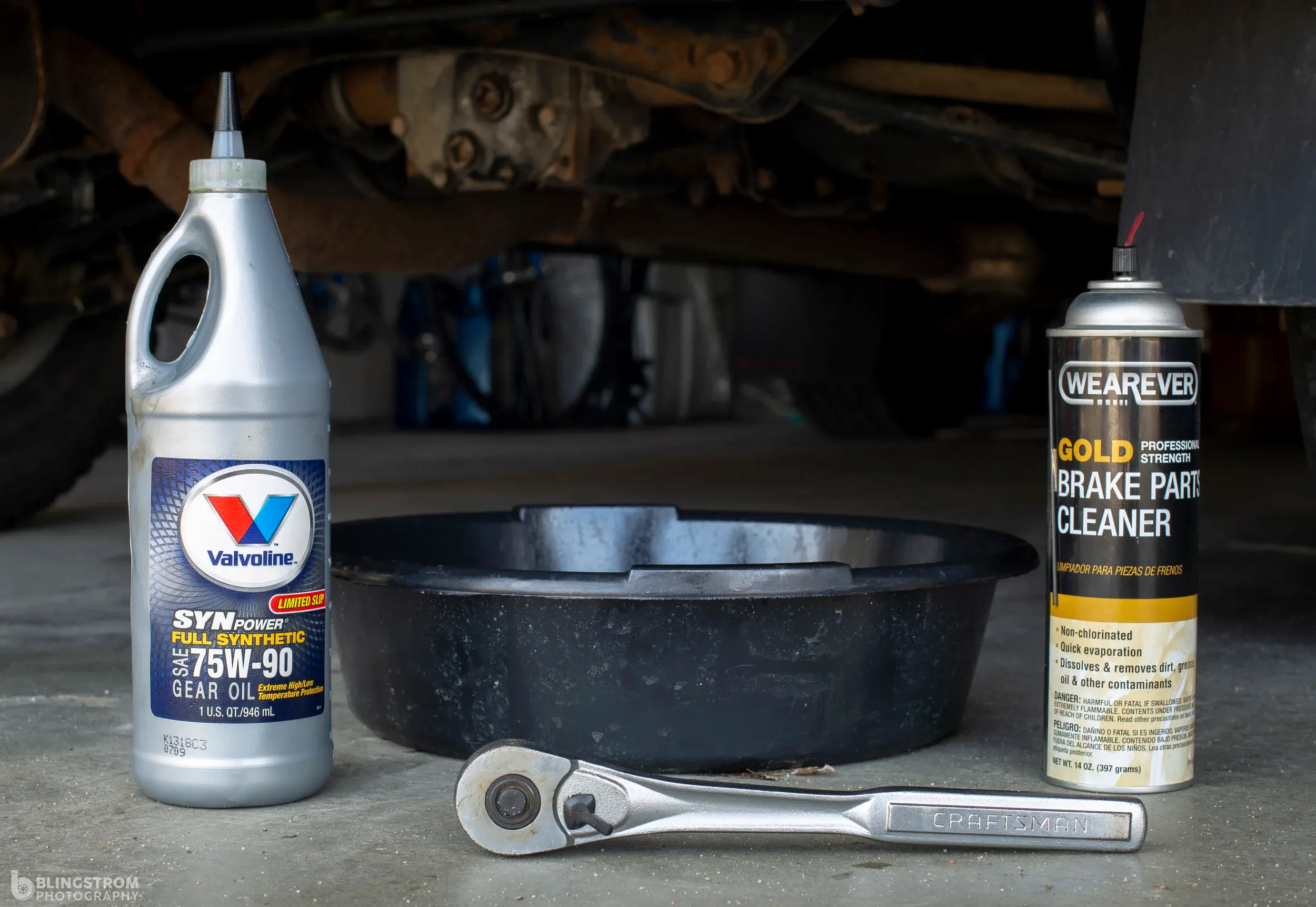
4. Differential Fluid: Gear Protection Under Extreme Pressure
Differential gears endure intense pressure while transferring engine power to the wheels. Specialized gear oil shields these components from friction and heat while handling extreme mechanical loads. After 100,000 miles, the additives that prevent wear and reduce pressure damage become depleted.
Metal particles from regular gear contact also contaminate the fluid, reducing its protective properties. Replacing the differential fluid at proper intervals helps prevent costly gear damage and ensures smooth operation.
Subaru Outback (2015-2019) models require consistent differential fluid changes despite Subaru’s vague service guidelines. A whining noise from the rear differential usually signals gear wear caused by contaminated fluid.
Rebuilding the differential can exceed $2,000, whereas a fluid change costs under $100. Owners who service their differentials every 30,000 miles often report quiet, trouble-free performance beyond 200,000 miles.
Limited-slip differentials contain friction modifiers that prevent clutch chatter when turning. As time goes on, these additives wear out, leading to binding or jerking sensations during low-speed turns. Adding the correct friction modifier or replacing the fluid entirely restores smooth performance and prevents premature wear.
Synthetic gear oils outperform conventional types by providing stronger film protection under heavy loads. They also flow better at low temperatures and resist breakdown during towing or aggressive driving. Though slightly more expensive, synthetic oils extend differential lifespan and reduce long-term maintenance costs.
Magnetic drain plugs capture fine metal particles that would otherwise circulate through the differential. Inspecting the plug during fluid service reveals wear conditions inside the unit. Light metallic residue is normal, but excessive debris or large metal fragments suggest emerging problems that need further inspection.
All-wheel-drive transfer cases demand the same maintenance attention as differentials. These units distribute power between axles while operating under high heat and stress. Neglected fluid causes whining or grinding noises, often signaling internal wear.
Jeep Grand Cherokee (2011-2019) models frequently suffer transfer case failures when fluid changes are ignored. Replacing the transfer case can cost up to $3,000, while regular fluid service costs under $150. Consistent maintenance prevents breakdowns and ensures long-term durability of four-wheel-drive systems.
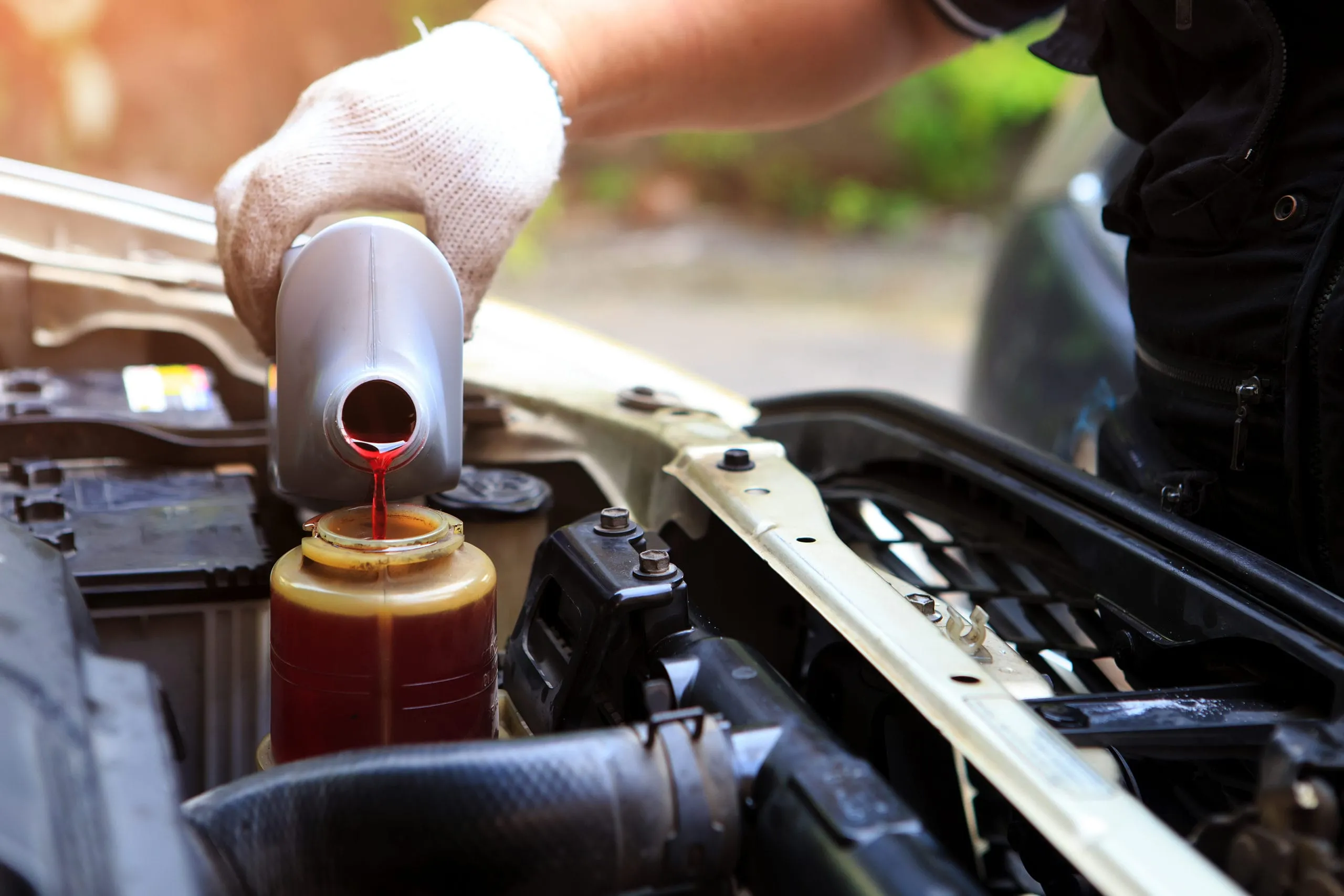
5. Power Steering Fluid: Hydraulic Assist Without Whining
Power steering systems rely on hydraulic pressure to amplify steering input, allowing effortless control of the vehicle. The fluid in this system carries hydraulic pressure while lubricating both the pump and steering rack components.
After 100,000 miles, contamination and additive depletion reduce its protective qualities, leading to premature wear. Dark or burnt-smelling fluid indicates degradation that can cause costly failures. Replacing the fluid restores smooth and quiet operation while preventing component damage.
Mazda CX-5 (2013-2016) models commonly experience power steering pump failures when fluid maintenance is ignored. A whining noise during turns often signals pump wear caused by contaminated fluid.
Replacing the pump can cost more than $800, while a fluid change costs under $75. This striking cost difference highlights why fluid service is essential for preventive maintenance that extends system life.
Inspecting the fluid level and color helps determine the condition. Clear red or light amber fluid indicates good health, while dark brown or black fluid suggests contamination that requires immediate replacement. Low fluid levels point to leaks that need prompt attention before pump damage occurs. Regular inspection allows early detection of issues before they escalate into expensive repairs.
A complete power steering fluid exchange removes old fluid from the entire system. Disconnecting the return line and running the engine while adding fresh fluid ensures nearly total replacement. While partial changes using simple suction tools help slightly, they do not remove deep-seated contamination.
Synthetic power steering fluids provide better protection than conventional types. They offer enhanced lubrication, superior heat resistance, and improved performance in extreme temperatures. These fluids also allow longer service intervals, reducing wear on the pump and steering rack.
During fluid service, inspecting or reconditioning the rack and pinion assembly prevents future leaks. Worn seals cause fluid loss and diminished hydraulic pressure. Addressing these issues early avoids expensive replacements later.
Ford Escape (2013-2019) models often suffer steering rack failures when maintenance is neglected. Leaking fluid under the vehicle typically signals deteriorated rack seals. A full rack replacement costs over $1,200, while preventive fluid service costs under $75. Regular fluid changes every 50,000 miles preserve steering performance and extend system lifespan.
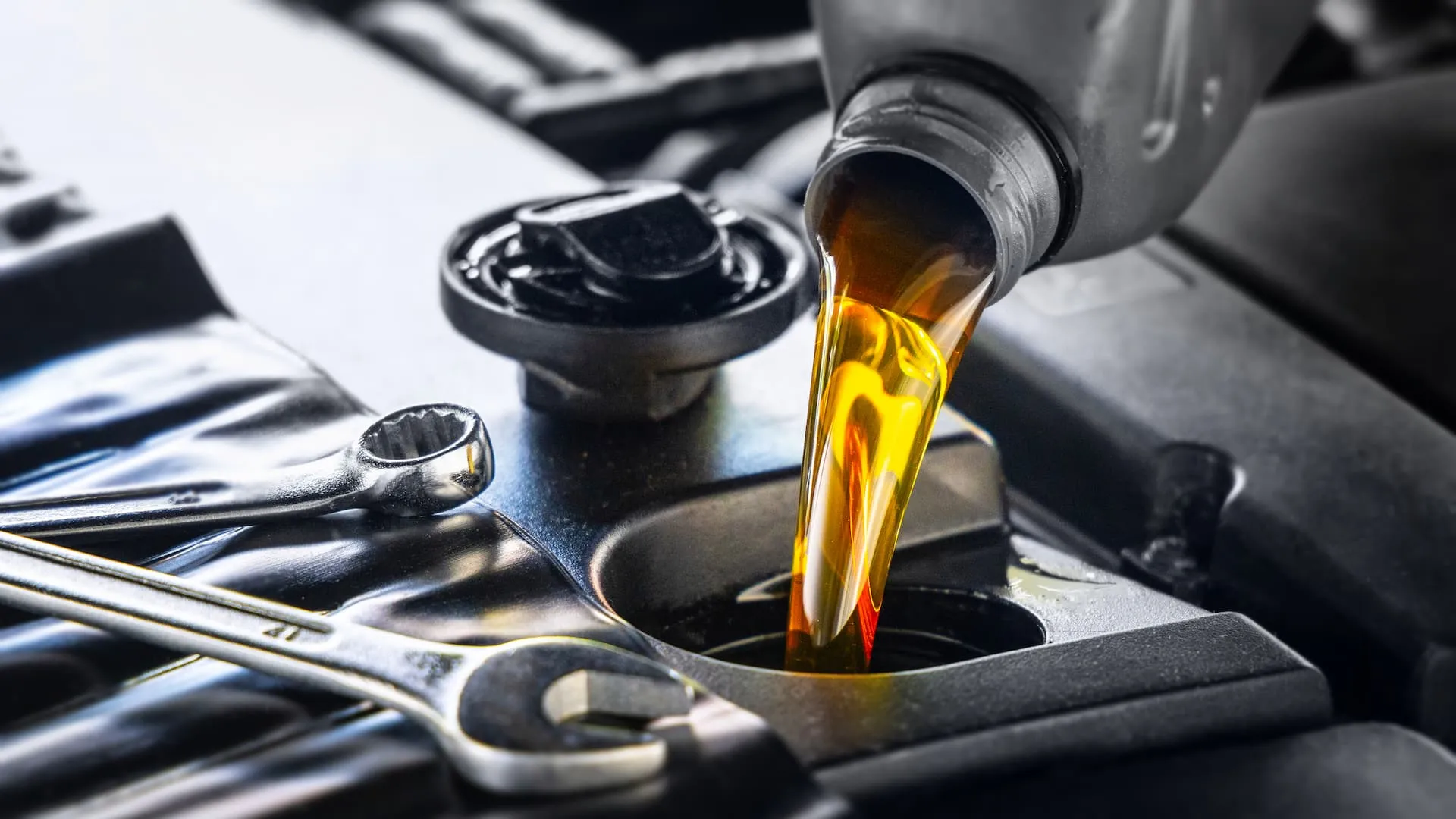
6. Engine Oil: Lubrication Quality After Break-In
Engine oil receives more attention than any other vehicle fluid, yet its quality becomes even more critical once an engine surpasses 100,000 miles. As engines age, worn piston rings and cylinder walls allow combustion gases to leak into the crankcase, contaminating the oil with blow-by.
This contamination accelerates wear and increases oil consumption. High-quality synthetic oils deliver superior protection for aging engines compared to conventional oils, making the switch essential rather than optional once mileage exceeds six figures.
Volkswagen Jetta (2011-2018) turbocharged engines often experience major failures when oil changes are delayed. Degraded oil leads to carbon buildup and turbocharger damage, both of which can require engine replacement, exceeding $8,000. Regular oil changes under $100 every 5,000 miles maintain reliability well beyond 150,000 miles.
Synthetic oils maintain their viscosity more effectively than conventional options, reducing wear during cold starts and providing stronger film strength under heavy loads.
Their detergents keep internal components clean, preventing sludge formation that can restrict oil passages. These advantages are particularly valuable for engines showing signs of age and wear.
Oil analysis offers valuable insight into internal engine condition by measuring metal content and contamination levels. Laboratory testing can identify elevated iron levels from bearing or cylinder wear and detect silicon contamination caused by faulty air filters. This preventive measure allows owners to address small issues before they cause severe damage.
Shorter oil change intervals help offset increased contamination in older engines. Changing oil every 3,000 to 5,000 miles minimizes buildup of harmful deposits. While more frequent service adds modest cost, it prevents far more expensive repairs.
High-mileage oil blends include seal conditioners that rejuvenate hardened gaskets, reducing leaks and oil loss. Additional detergents help clean internal deposits contributing to excessive consumption. These specialized oils improve longevity in engines over 100,000 miles.
Nissan Sentra (2013-2019) models commonly suffer from timing chain stretch due to neglected oil changes. The issue causes rattling on cold starts and eventually requires a chain replacement, costing more than $2,000. Consistent oil maintenance with premium synthetic oils prevents such wear entirely, extending the entire engine lifespan and maintaining smooth performance.
Also Read: 10 Cars That Rarely Suffer From Transmission Slips
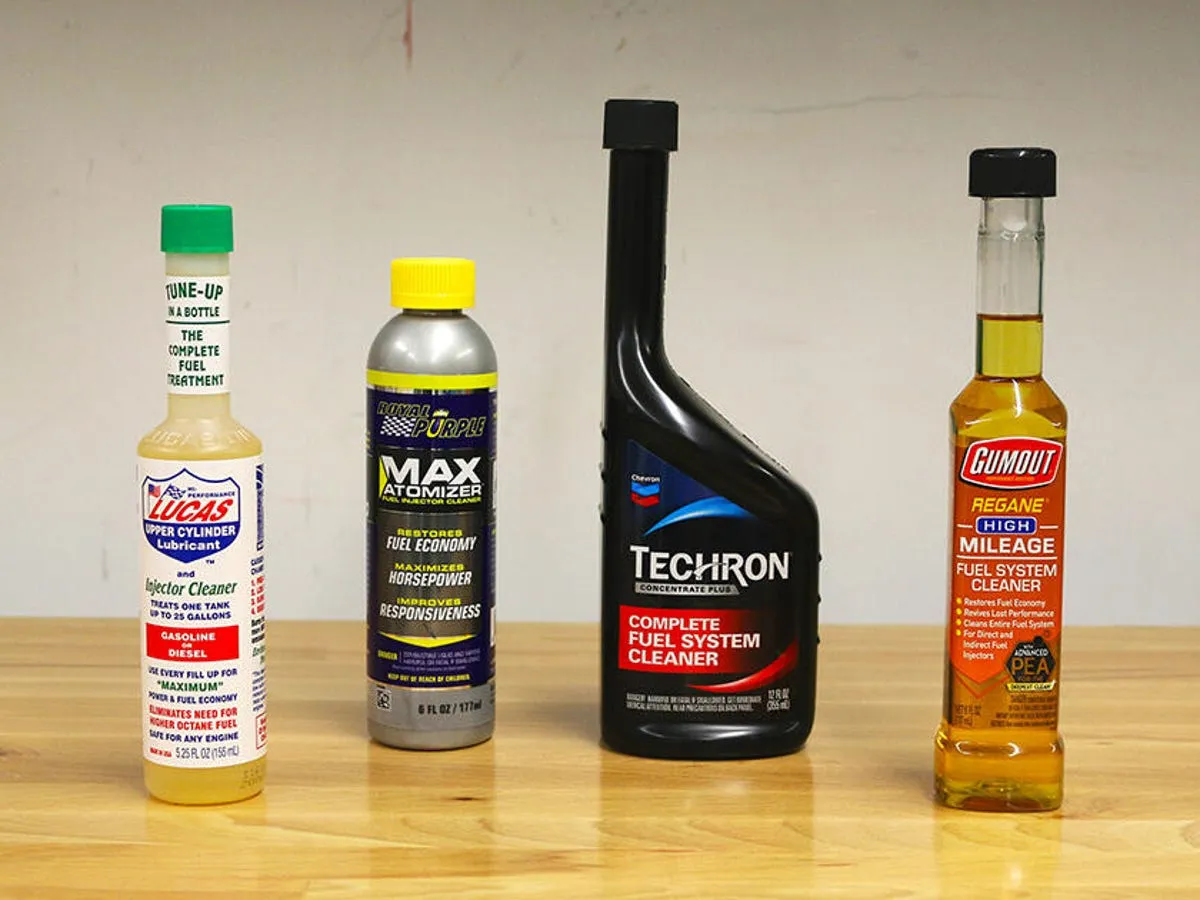
7. Fuel System Cleaner: Injector Protection From Deposits
Fuel injectors precisely deliver gasoline into each combustion chamber, ensuring the ideal air-fuel mixture for efficient power generation. As time goes on, particularly beyond 100,000 miles, microscopic carbon and varnish deposits begin to form on the injector tips. These buildups distort spray patterns and impair fuel atomization, causing rough idling, hesitation, and reduced power output.
As injectors become restricted, fuel economy worsens while tailpipe emissions increase noticeably. Regular maintenance through fuel system cleaning prevents this decline, preserving performance and avoiding costly injector replacements that can reach several hundred dollars.
The Hyundai Elantra (2011-2016) often develops injector clogging when routine maintenance is neglected. Symptoms such as uneven idling, misfires, and sluggish acceleration typically indicate restricted injectors.
A professional cleaning service ranges from $300 to $500, while preventive fuel additives usually cost less than $20 per treatment. Conducting injector cleaning approximately every 30,000 miles significantly reduces deposit buildup and extends injector service life.
Fuel quality plays an equally important role in maintaining injector performance. Gasoline brands meeting Top Tier standards contain enhanced detergent additives that limit deposit formation on injectors and valves. Consistently using these higher-quality fuels reduces the frequency of required cleanings and keeps the system operating efficiently.
Pour-in fuel additives offer simple, cost-effective protection by circulating concentrated detergents through the injectors during normal driving. When added every few tanks, these treatments prevent fresh carbon accumulation.
However, for more severe buildup, professional cleaning remains necessary. Technicians use specialized pressurized systems that push cleaning solutions through injectors, throttle bodies, and intake valves, effectively restoring original fuel system function.
Direct injection engines introduce an additional challenge: carbon buildup on intake valves. Because fuel does not wash over the valves in these systems, oily vapors from crankcase ventilation can cause thick deposits to form.
As time goes on, this restricts airflow and reduces efficiency. Walnut shell blasting, a process using finely ground walnut shells to remove carbon without harming aluminum, effectively resolves this issue.
The Kia Optima (2011-2016) frequently benefits from walnut blasting, with service costs typically between $400 and $600. Performing this maintenance every 40,000 to 60,000 miles maintains consistent performance, smoother acceleration, and improved fuel efficiency. Regular fuel system care ensures longevity and reliability well beyond 100,000 miles, protecting both performance and investment.
Once a vehicle exceeds 100,000 miles, regular maintenance becomes the way to lasting reliability and performance. Fluids that once protected effectively begin to lose their strength due to age, heat, and contamination. Replacing them on time prevents costly failures and keeps major systems functioning properly.
Each fluid, including engine oil, coolant, brake, and transmission fluid, plays an essential role in reducing wear, controlling temperature, and preventing corrosion. Neglecting them risks serious damage and expensive repairs. Consistent fluid care ensures smooth operation, long service life, and dependable performance well beyond 200,000 miles, protecting both safety and investment.
