
Nothing ruins a perfectly good car faster than a failing transmission. You’re cruising down the highway, enjoying your favorite music, and suddenly you feel that dreaded shudder.
Gears slip, strange noises emerge from underneath, and your stomach drops because you know what’s coming next. A transmission repair bill that could feed a small village for a month.
Automatic transmissions are supposed to make driving easier, smoother, and more comfortable than manual gearboxes. When they work properly, they’re fantastic. You don’t think about them, you don’t worry about them, they just do their job quietly in the background.
But when they fail? Brother, you’ll wish you had bought something else. Some transmissions are engineered so poorly that failure isn’t a question of “if” but “when.”
Here’s what really gets people angry: you can buy two cars at similar prices, maintain them the same way, yet one transmission lasts 300,000 miles while the other dies before 100,000.
That’s not fair, that’s not right, and it’s definitely not what you signed up for when you handed over your hard-earned money. Auto manufacturers know which transmissions are problematic, yet they keep installing them in vehicles and letting customers discover the problems after warranties expire.
We’ll examine five automatic transmissions that refuse to quit and five others that seem designed to self-destruct. Whether you’re shopping for a used car or trying to understand why your current vehicle keeps acting strange, this information could save you thousands of dollars and countless headaches.
5 Transmissions That Refuse to Die
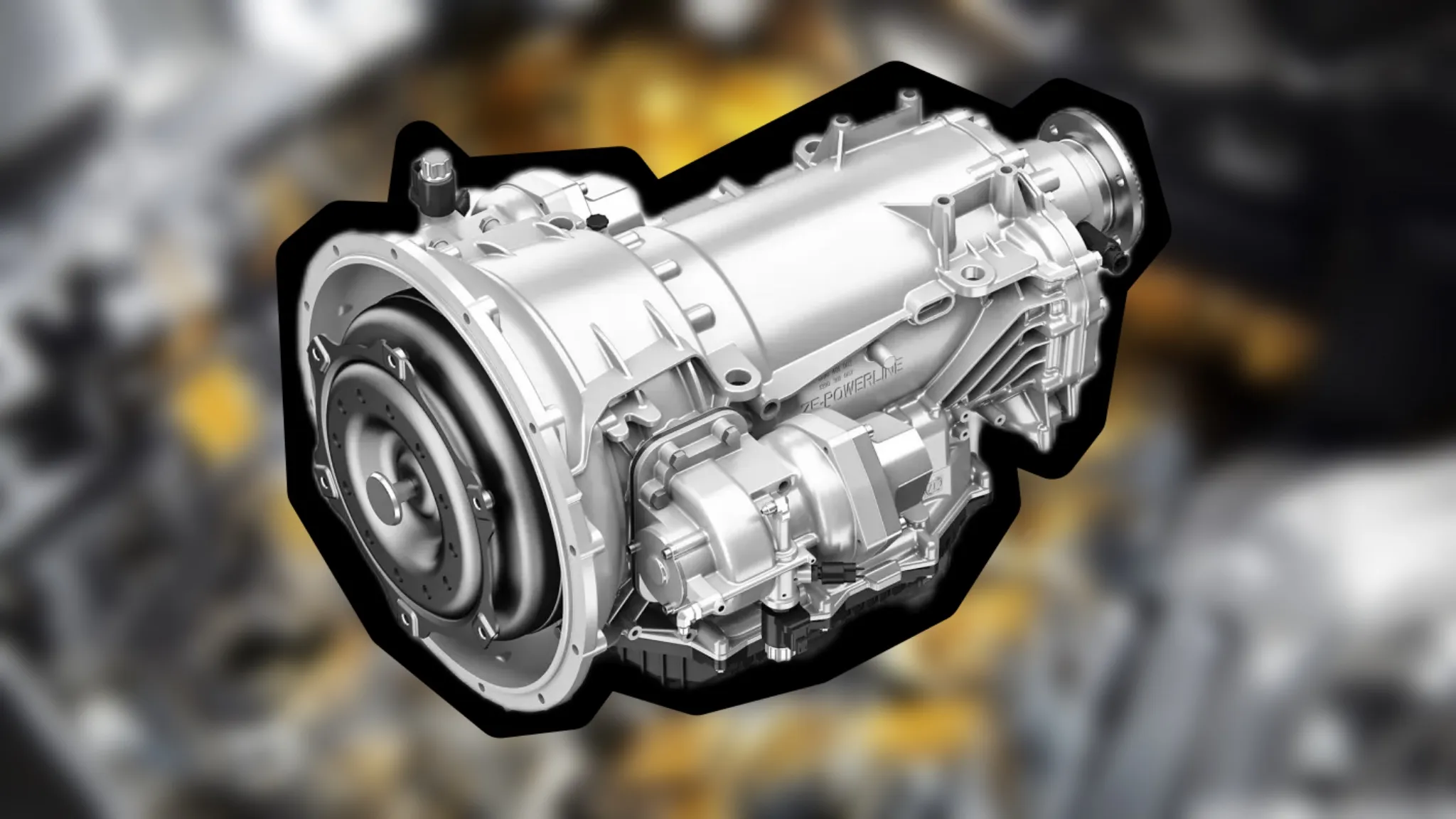
1. Aisin AS69RC Eight-Speed (2014 Ram 2500 Diesel)
Japanese precision engineering meets American truck toughness in this remarkable transmission. Aisin, a Toyota subsidiary, built the AS69RC eight-speed automatic specifically for heavy-duty applications, and Ram chose it for the 2014 Ram 2500 equipped with the Cummins diesel engine.
This combination creates a powertrain that can tow massive loads, handle daily abuse, and still be running strong when other trucks have been recycled into soup cans.
Eight speeds might sound complicated, but Aisin designed this transmission with simplicity and strength as priorities. Internal components are massively overbuilt compared to what you’d find in passenger car transmissions.
Clutch packs are thicker, shafts are larger in diameter, and the torque converter can handle punishment that would destroy weaker units. When you’re towing 17,000 pounds up a mountain grade, you need components that won’t give up halfway through the climb.
Heat is what kills most transmissions, but the AS69RC fights back with excellent internal cooling passages and a large external cooler.
Ram installed this cooler as standard equipment because they understood diesel truck owners would work their vehicles hard. Transmission fluid stays at safe temperatures even during extended towing sessions, which protects internal components from the thermal breakdown that causes premature wear.
Service intervals are reasonable at 60,000 miles under normal use, or 30,000 miles for severe duty like towing. Following these intervals keeps the transmission happy because fresh fluid maintains proper lubrication and hydraulic pressure.
Many owners report going 150,000+ miles on the original transmission with nothing more than fluid changes. Some have exceeded 300,000 miles without rebuilds, which is extraordinary for any automatic transmission, let alone one that’s been towing heavy trailers.
Repair costs are manageable when compared to proprietary transmissions from other manufacturers. Aisin sells parts separately, and many independent shops have learned to service these units. You’re not locked into dealer-only repairs at premium prices.
The availability of parts and knowledge means keeping your AS69RC running doesn’t require selling a kidney. Ram chose wisely when they partnered with Aisin, giving their heavy-duty truck customers a transmission that matches the legendary durability of the Cummins diesel engine it’s bolted to.
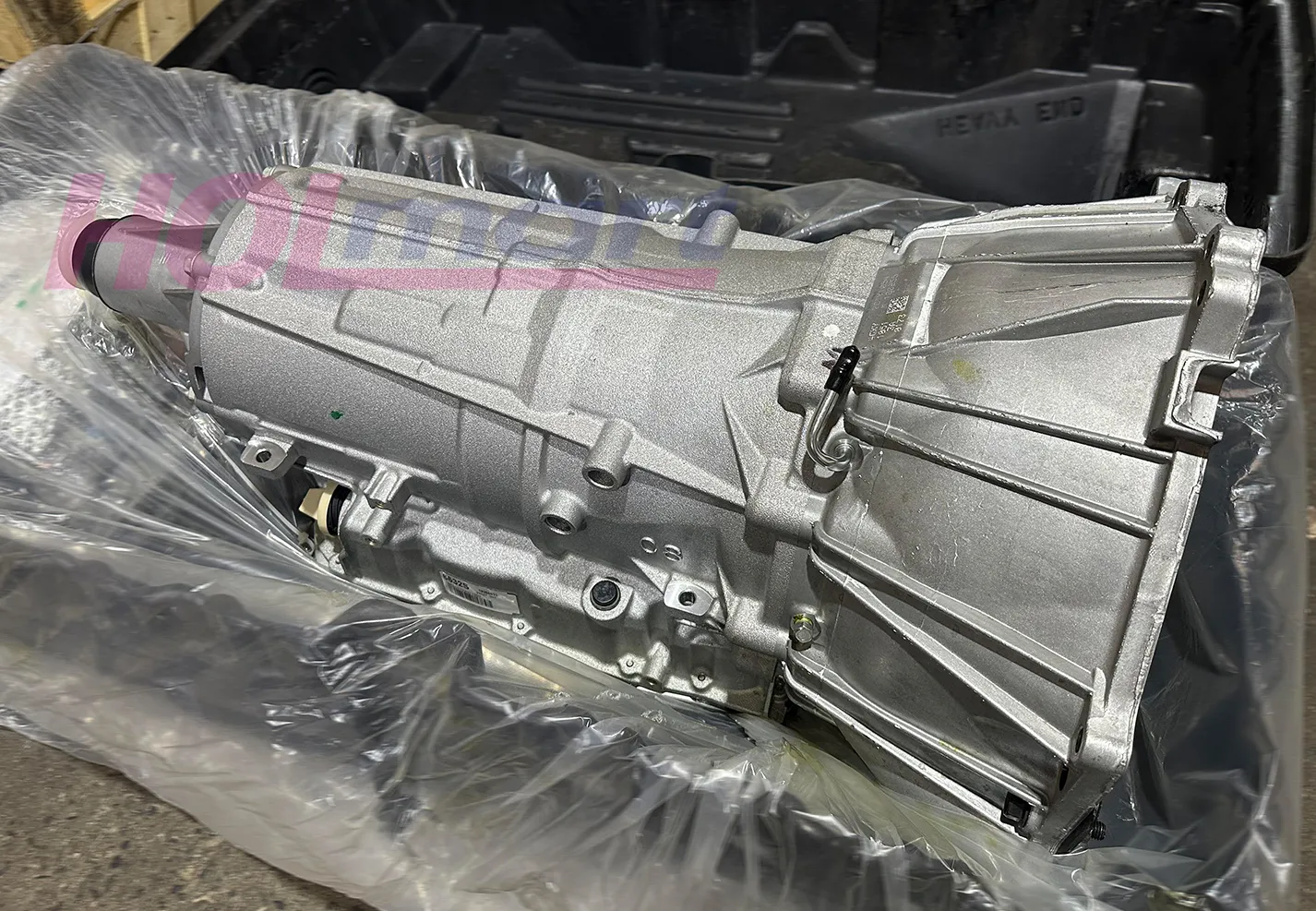
2. GM 6L80 Six-Speed (2009 Cadillac CTS-V)
General Motors learned from past mistakes when engineering the 6L80 six-speed automatic. This transmission appeared in the 2009 Cadillac CTS-V behind a supercharged 6.2-liter V8 producing 556 horsepower, which tells you everything about its strength. When an automaker trusts a transmission to handle that much power in a performance sedan, they’re confident in the engineering.
Longitudinal mounting means this transmission was designed for rear-wheel drive applications where torque loads are substantial.
GM used the 6L80 across its entire truck and performance car lineup, from Silverados to Camaros to Corvettes. That versatility proves the fundamental design is sound, because a transmission that works in a work truck and a sports car must be doing something right.
Internal construction uses six forward gears with smart ratios that keep engines in their power band. First gear is low enough for strong acceleration, sixth gear is tall enough for relaxed highway cruising, and the middle gears are spaced to minimize hunting between ratios.
This ratio spread reduces stress on components because the transmission isn’t constantly shifting back and forth searching for the right gear. Fluid capacity is generous at over 11 quarts, which helps with heat management and ensures adequate lubrication for all internal components.
Larger fluid volume takes longer to heat up and provides more thermal mass to absorb heat spikes during hard acceleration or towing. GM also included a transmission temperature gauge in many vehicles equipped with the 6L80, allowing drivers to monitor conditions and back off if temperatures climb too high.
Aftermarket support is massive because so many performance enthusiasts use these transmissions in modified vehicles. You can find upgraded clutch packs, stronger shafts, and improved valve bodies if you want to build a bulletproof unit. Even stock, the 6L80 handles 450+ horsepower reliably.
Change the fluid every 50,000 miles, install an auxiliary cooler if you tow or race, and this transmission will outlast the vehicle it’s installed in. GM finally got it right with the 6L80, creating a transmission that combines strength, smoothness, and longevity in one package.
Also Read: 10 Automatic Transmissions That Rarely Need A Rebuild
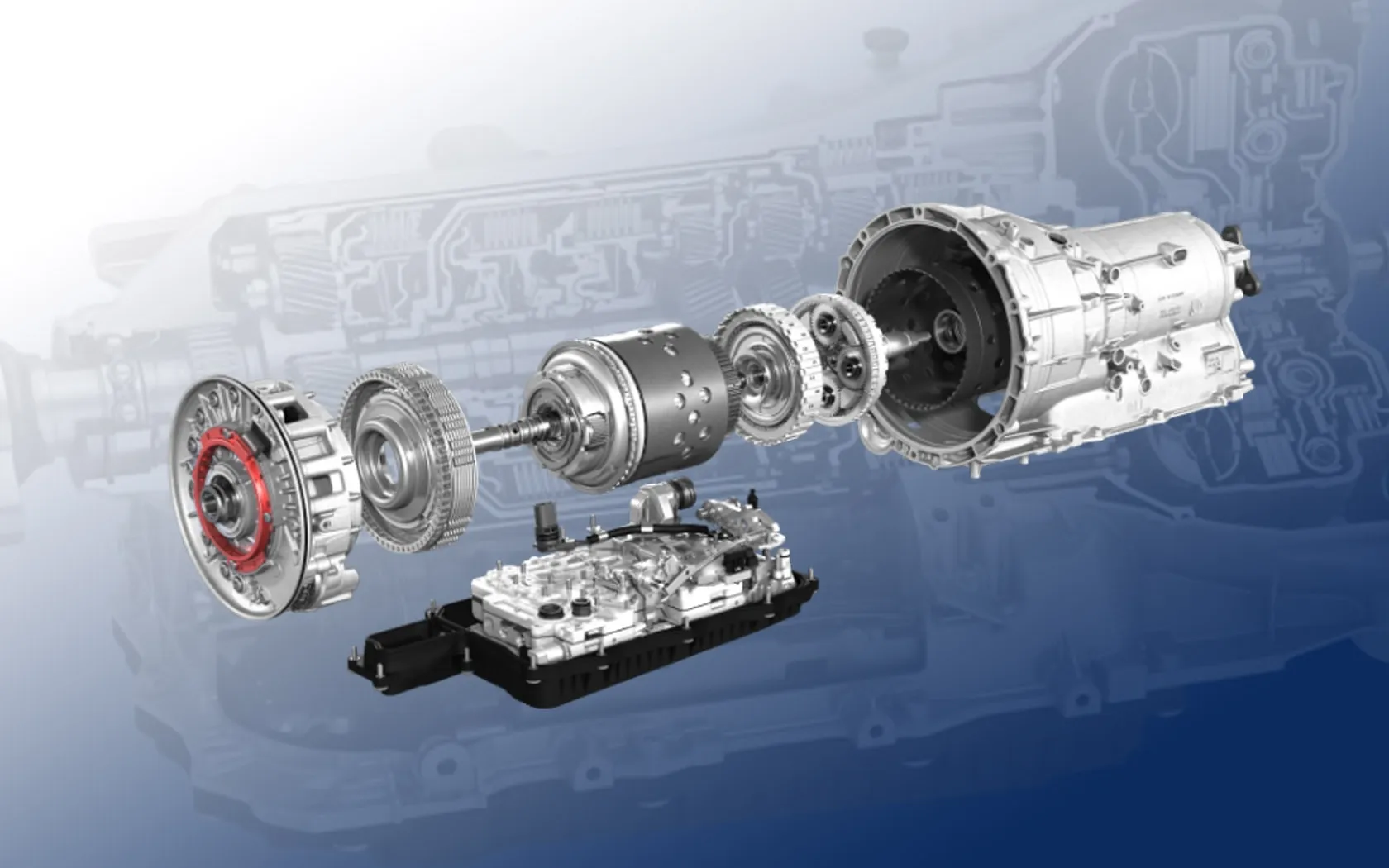
3. ZF 8HP70 Eight-Speed (2012 BMW 535i)
German engineering gets criticized for being overly complicated and unreliable, but ZF proved that Germans can build bulletproof transmissions, too.
The 8HP70 eight-speed automatic that appeared in the 2012 BMW 535i and dozens of other vehicles represents a masterpiece of transmission design. This unit is so good that manufacturers from BMW to Jeep to Rolls-Royce use it in their vehicles.
Eight speeds provide optimal gear ratios for any driving situation. Acceleration is smooth because the transmission can always find the right gear, and highway fuel economy improves because eighth gear allows the engine to loosen at lower RPM. ZF achieved this without creating a fragile, complicated mess.
Torque capacity reaches 516 lb-ft in the 8HP70 variant, which is enough for most applications. ZF offers stronger versions (8HP75, 8HP90) for vehicles with more power, but even the base 8HP70 handles modified engines producing well beyond stock power. Construction quality is exceptional, with precise manufacturing tolerances that reduce friction and improve efficiency.
Adaptive learning is where this transmission really shines. It monitors your driving style and adjusts move points, firmness, and timing to match. This intelligence reduces wear because the transmission isn’t fighting against your driving style; it’s working with you.
Service requirements are minimal compared to problematic transmissions. ZF recommends fluid changes every 60,000 to 80,000 miles, depending on application, and following this schedule keeps the unit running perfectly. Many owners report 200,000+ miles without issues beyond routine maintenance.
When a transmission is used by so many different manufacturers in vehicles ranging from sports cars to luxury sedans to SUVs, that’s proof of fundamental excellence. ZF built a winner with the 8HP series, and the 8HP70 variant shows that German engineering can prioritize reliability when engineers set out to do so.
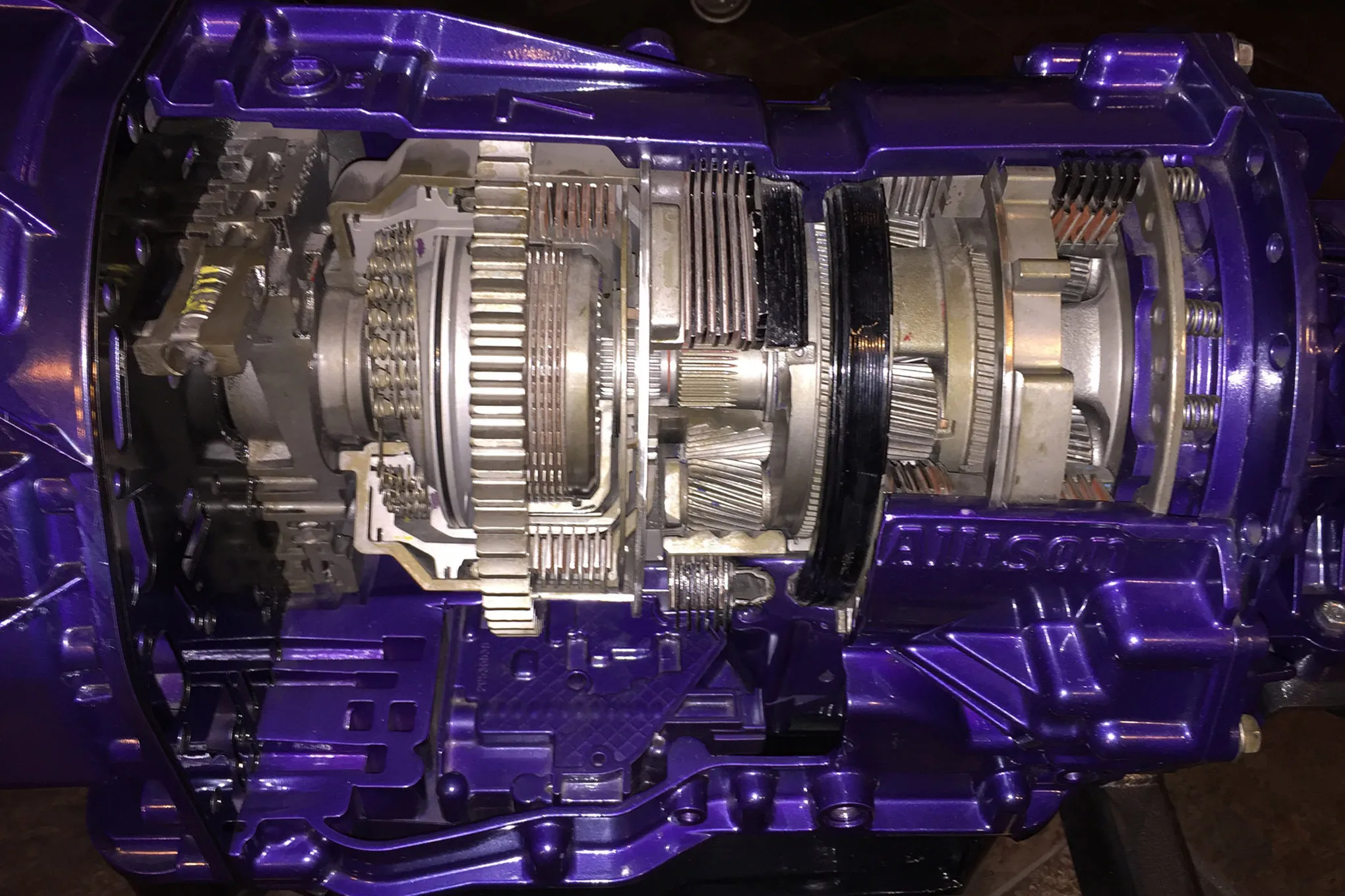
4. Allison 1000 Six-Speed (2011 Chevrolet Silverado 3500HD Diesel)
Commercial-grade engineering in a pickup truck sounds like overkill until you understand what Allison builds for a living.
This company makes transmissions for buses, medium-duty trucks, and military vehicles, where failure isn’t acceptable. The 1000 series six-speed automatic in the 2011 Chevrolet Silverado 3500HD diesel brings that same durability to civilian truck owners who need maximum reliability.
Six forward gears might seem basic compared to modern eight and ten-speed transmissions, but simplicity has advantages.
Fewer gears mean fewer clutch packs, fewer potential failure points, and easier maintenance. Allison designed the 1000 to handle extreme torque loads because it’s often paired with high-output diesel engines and used for serious towing applications.
Torque converter lockup happens in all six gears, which improves fuel economy and reduces heat generation. When the converter is locked, there’s no slippage, which means less wasted energy and lower transmission temperatures.
This full lockup capability is one reason Allison transmissions last so long, even under heavy use. Less heat means less wear, and less wear means longer life.
An external spin-on filter makes fluid changes simple and ensures clean fluid circulates through the transmission. Many modern transmissions have internal filters that require pan removal and make maintenance more complicated.
Allison kept it simple because they know their customers value serviceability. Drop the pan every 25,000 to 50,000 miles, depending on use, change the external filter, refill with fresh Dexron fluid, and you’re done.
Electronic controls are sophisticated but reliable. Unlike some transmissions where electronics fail more often than mechanical components, Allison’s control module rarely causes problems. When it does, replacement is straightforward and doesn’t require special programming.
Many diesel truck owners specifically seek out Silverados and Sierras equipped with the Allison because they know it’s the most reliable option.
Truck owners who tow fifth-wheel trailers, haul equipment, or work their trucks hard trust the Allison 1000 to get them home safely. That trust is earned through countless examples of these transmissions exceeding 400,000 miles without rebuilds.
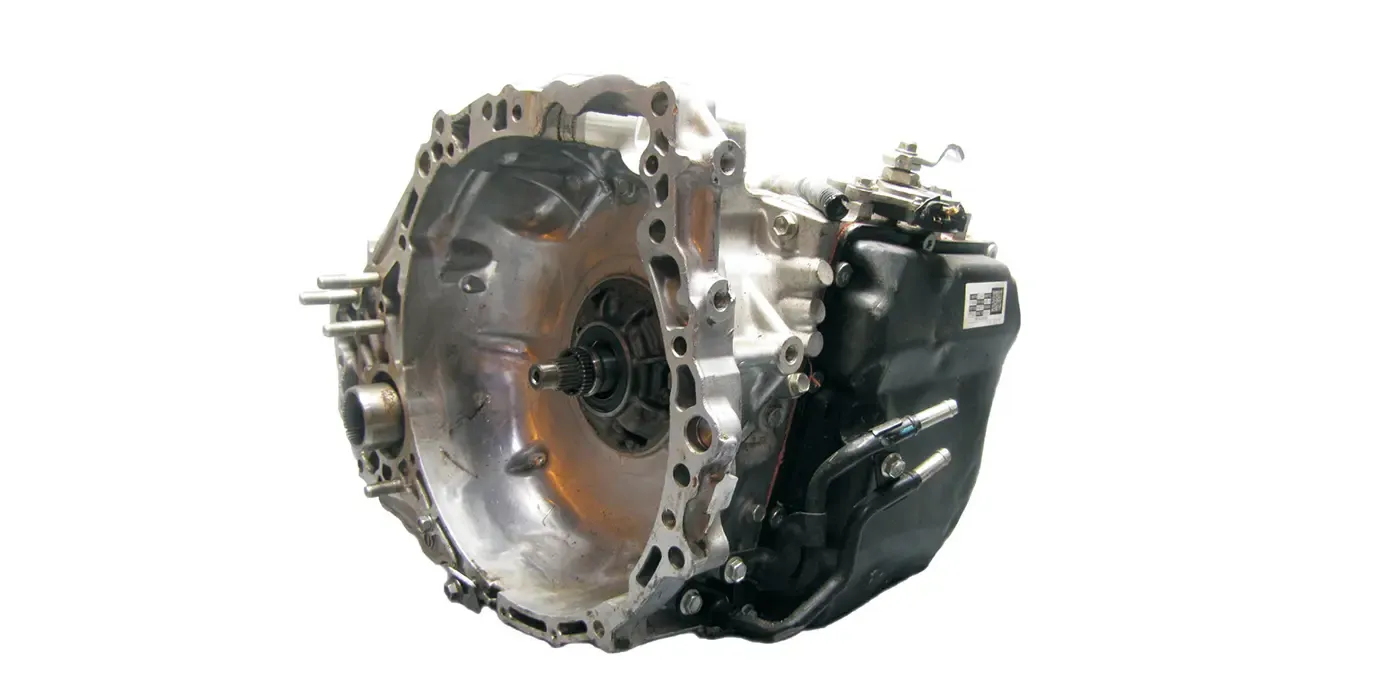
5. Aisin AW TF-80SC Six-Speed (2010 Volvo XC90)
Swedish cars aren’t known for bulletproof reliability, but Volvo made a smart choice when they selected the Aisin AW TF-80SC six-speed automatic for the 2010 XC90.
This Japanese-built transmission appears in Volvos, Opels, Saabs, and other European vehicles, proving its versatility and durability across multiple platforms and engine types.
Front-wheel drive and all-wheel drive applications both use this transmission, which demonstrates its adaptable design.
Transverse mounting requires different engineering than longitudinal layouts, but Aisin handled the packaging challenges without compromising strength. Internal components are sized appropriately for the torque loads they’ll encounter, and materials selection prioritizes durability over cost savings.
Six forward gears provide a good ratio spread for both performance and economy. First gear is low enough for strong starts, sixth gear is tall enough for relaxed highway cruising, and intermediate gears are spaced to minimize excessive shifting.
Cooling is adequate for normal driving, though enthusiasts who drive aggressively or tow heavy loads should consider adding an auxiliary cooler.
Like all automatic transmissions, the TF-80SC generates heat during operation, and keeping fluid temperatures under control extends lifespan. Adding a cooler is inexpensive insurance that pays dividends through improved longevity.
Maintenance intervals at 60,000 miles keep this transmission healthy. Fresh fluid maintains proper lubrication and hydraulic pressure, while also removing metal particles and friction material debris that accumulate during normal operation. Some owners extend intervals to 80,000 or 100,000 miles, but that’s false economy.
Fluid changes cost a few hundred dollars; transmission rebuilds cost thousands. Do the math and change the fluid. Volvo XC90s with the TF-80SC regularly reach 200,000+ miles when properly maintained, which is exactly what you want from a family SUV. Aisin proved again that Japanese transmission engineering sets the standard for reliability.
5 Transmissions That Fail Early
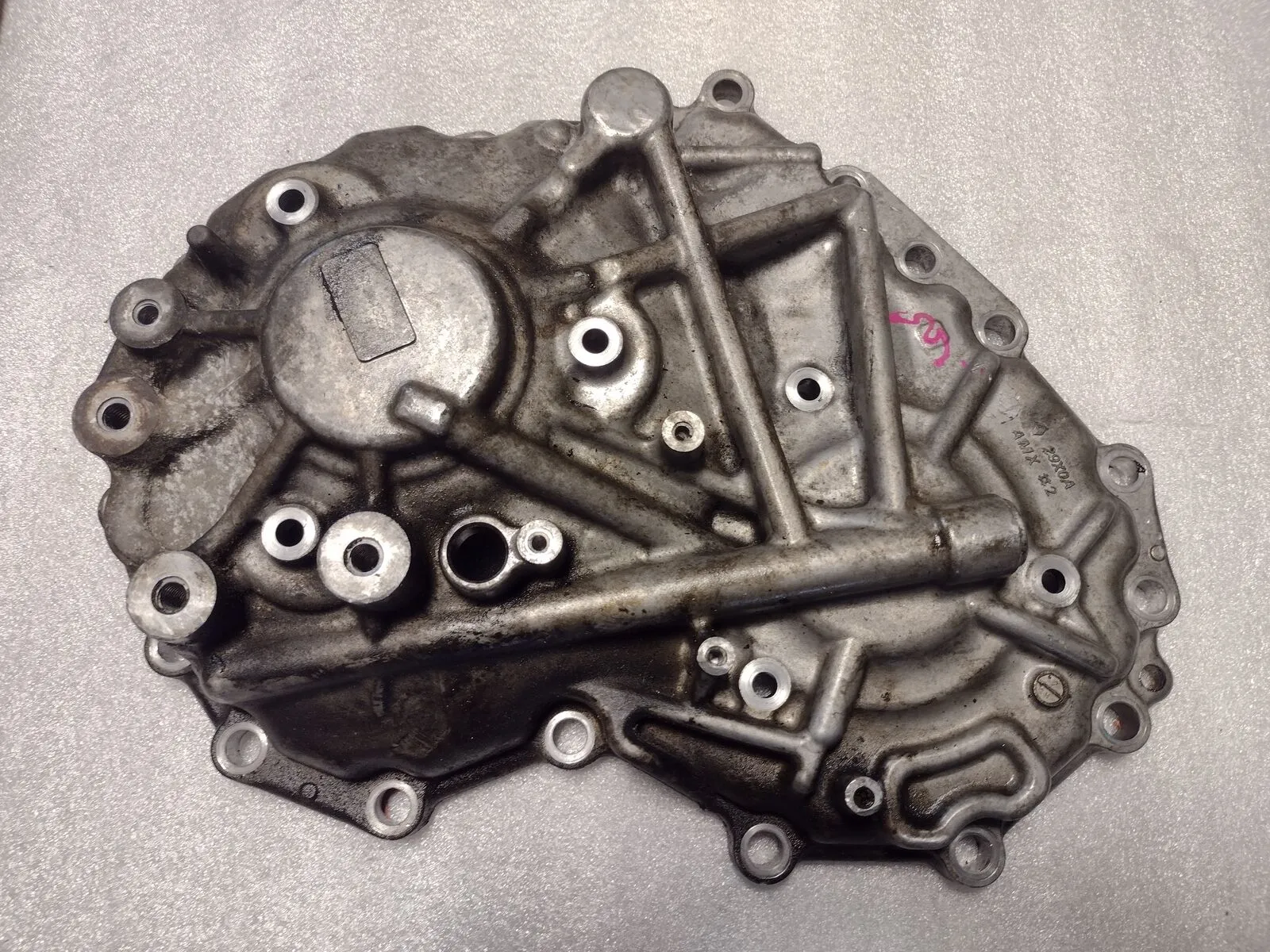
1. Nissan Jatco CVT (2013 Nissan Altima)
Continuously variable transmissions promise smooth power delivery and better fuel economy than traditional automatics.
Nissan’s Jatco CVT, which appeared in the 2013 Altima and many other Nissan vehicles, delivers neither reliability nor satisfaction. This transmission has ruined Nissan’s reputation, cost owners billions in repairs, and spawned multiple class-action lawsuits.
Steel belts running between variable-diameter pulleys sound good in theory, but practice reveals fundamental flaws. Those belts wear quickly, stretching and losing their ability to maintain proper grip on the pulleys.
When that happens, the transmission starts slipping, shuddering, and eventually fails. Many owners report issues before 60,000 miles, which is absolutely unacceptable for a modern transmission.
Heat generation in CVTs exceeds what traditional automatic transmissions produce because there’s constant friction between the belt and pulleys.
Jatco’s cooling system apparently wasn’t designed adequately because these transmissions run hot even under normal driving conditions. Hot fluid breaks down quickly, losing its lubricating properties and allowing accelerated wear of internal components.
Nissan issued multiple service bulletins and extended warranties for affected vehicles, a tacit admission that problems exist. But those warranty extensions don’t cover everyone, and many owners found themselves paying $4,000 to $7,000 for replacement transmissions on vehicles with relatively low mileage. That’s robbery, plain and simple, and it’s destroyed customer loyalty.
Fluid changes every 30,000 miles might help extend life slightly, but they won’t prevent the fundamental design flaws from causing failure. Even meticulously maintained Jatco CVTs fail prematurely. Some owners have replaced their transmissions two or three times in the same vehicle, which is absurd.
Nissan should have recalled these transmissions and made things right, but instead, they minimized the problems and left customers holding the bag. Avoid any Nissan with a Jatco CVT unless you enjoy gambling with your money and losing consistently.
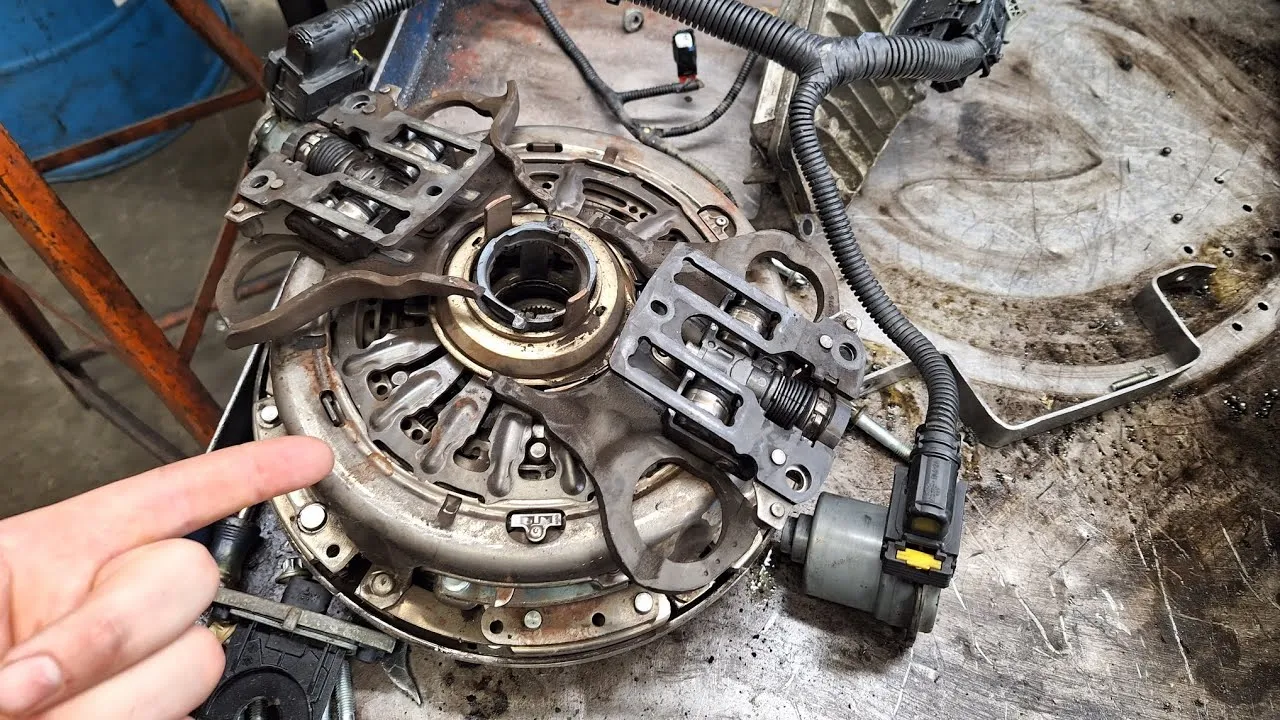
2. Ford DPS6 PowerShift Dual-Clutch (2012 Ford Focus)
Dual-clutch transmissions work beautifully in sports cars where quick movements and driver engagement matter. Putting one in an economy car driven primarily in stop-and-go traffic was a terrible idea that Ford should never have pursued.
The DPS6 PowerShift transmission in the 2012 Ford Focus and Fiesta has been an absolute disaster, generating lawsuits, buyback programs, and countless angry customers.
Two clutches handle odd and even gears respectively, allowing the transmission to pre-select the next gear for quick movements. This works fine at speed, but in traffic where you’re constantly starting and stopping, the clutches slip excessively.
That slipping generates enormous heat, which accelerates wear and causes premature failure. Many owners report shuddering, hesitation, and complete failure before 50,000 miles. Ford issued dozens of technical service bulletins attempting to address problems through software updates and component replacements.
Nothing worked. They replaced transmissions under warranty, then those replacements failed, too. Customers who bought Focuses thinking they were getting reliable, economical transportation instead got vehicles that spent more time at dealerships than in their driveways.
Class-action lawsuits eventually forced Ford to extend warranties and establish a buyback program for the worst cases. But compensation didn’t come close to covering the inconvenience, lost wages from missed work, and sheer frustration of dealing with repeatedly failing transmissions. Ford damaged their reputation badly with this debacle.
Manual transmission versions of the Focus and Fiesta don’t have these problems, which proves the issue isn’t the car itself but specifically the DPS6 transmission. If you absolutely must buy one of these Fords, get the manual.
Otherwise, stay far away. Life’s too short to deal with a transmission that was fundamentally flawed from day one and never properly fixed despite years of complaints. Ford learned an expensive lesson about putting inappropriate transmissions in economy cars, but customers paid the real price.
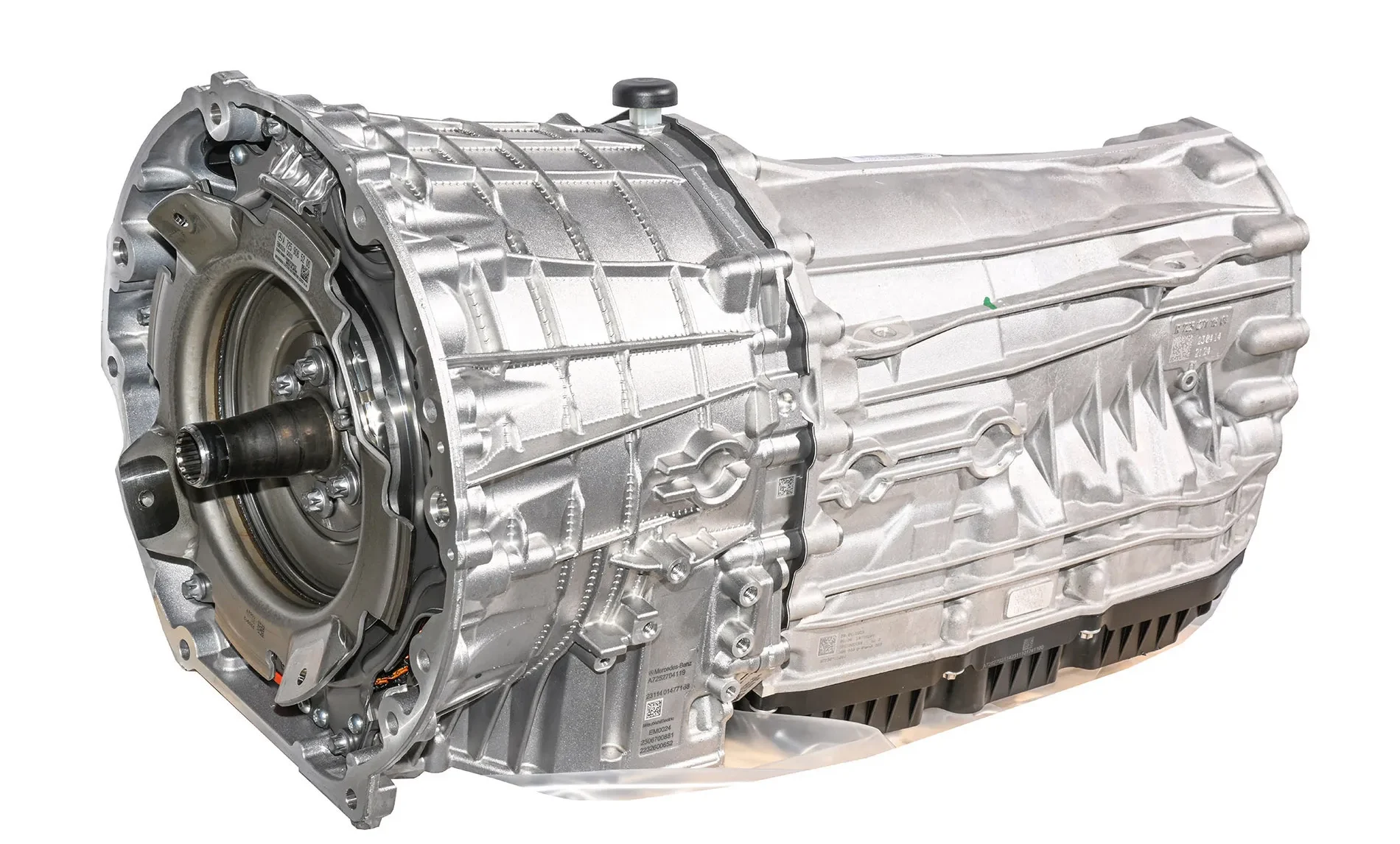
3. Mercedes-Benz 722.6 Five-Speed (2004 Mercedes-Benz E320)
German luxury cars are supposed to be engineered better than mainstream vehicles, but the 722.6 five-speed automatic that appeared in the 2004 Mercedes-Benz E320 and many other Mercedes models proves that even prestigious brands make junk.
This transmission has specific failure points that occur with depressing regularity, leaving owners stranded and facing repair bills that rival used car prices.
The conductor plate is the 722.6’s Achilles heel. This component contains electrical connectors and fluid passages that control shifting. It’s made from materials that degrade when exposed to heat and transmission fluid, which means failure is virtually guaranteed.
When the conductor plate fails, you get erratic shifting, limp mode activation, and eventually complete transmission failure.
Replacement costs $2,000 to $3,000 just for this one component. Valve body problems compound the conductor plate issues. Internal passages clog with debris from worn clutches and seals, disrupting hydraulic pressure and causing shifting problems.
Cleaning or replacing the valve body requires removing the transmission pan and substantial labor. Many shops recommend replacing both the conductor plate and valve body simultaneously because they fail together.
Five speeds seem outdated now, but that’s not the real problem. Mercedes could have built a reliable five-speed, but cost-cutting measures led them to use inferior materials in critical components. Plastic parts fail where metal should have been used, and seals deteriorate prematurely. Regular fluid changes help slightly, but they won’t prevent the fundamental design flaws from causing problems.
Many E-Class owners from this era have spent more on transmission repairs than they paid for their vehicles. That’s unacceptable for a luxury brand that charges premium prices. Mercedes eventually improved the 722.6 in later years, but early versions are problematic enough to avoid completely.
If you’re shopping for a used Mercedes from the mid-2000s, budget for transmission work or walk away. This isn’t a matter of “if” but “when,” and when it happens, you’ll understand why so many former Mercedes owners switch to Lexus or other Japanese luxury brands.
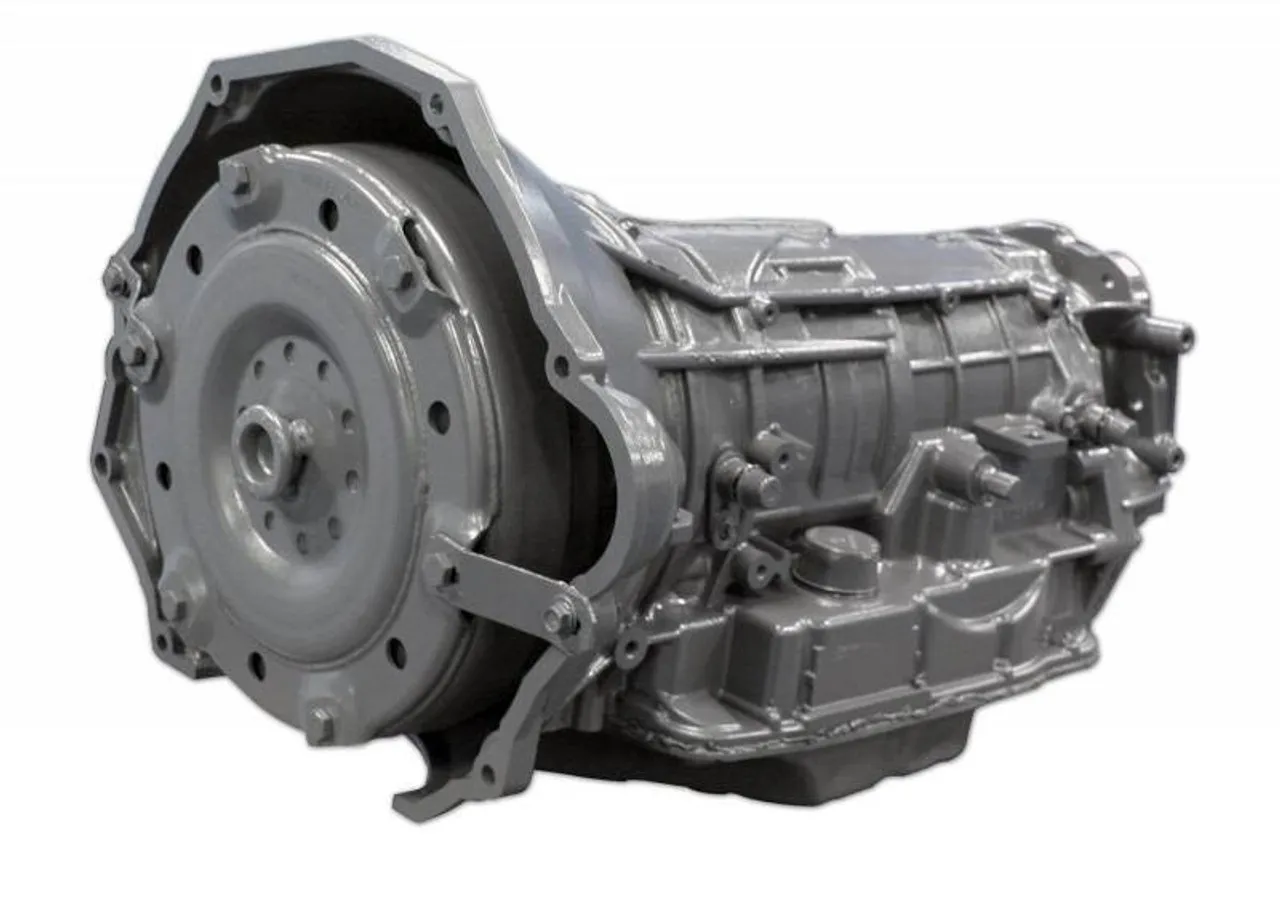
4. Dodge 68RFE Six-Speed (2013 Ram 2500 HEMI)
Ram trucks equipped with the HEMI V8 and 68RFE six-speed automatic offer strong acceleration and decent towing capacity. But this transmission has earned a reputation for premature failure that tarnishes the otherwise capable truck.
Chrysler designed the 68RFE for gas engines in heavy-duty applications, yet it struggles to handle the torque and heat that come with towing and hauling.
The torque converter lockup clutch is a common failure point. This clutch allows the converter to lock mechanically, eliminating slippage and improving fuel economy.
But the clutch material deteriorates prematurely, causing shuddering and eventual failure. When it fails, you’ll notice vibration at highway speeds, poor fuel economy, and eventually complete loss of lockup function.
Solenoid pack failures plague the 68RFE with frustrating regularity. These electronic components control movement timing and hydraulic pressure, and when they fail, you get erratic shifting, harsh engagements, and transmission fault codes.
Replacing the solenoid pack requires dropping the transmission pan and costs $500 to $1,000 in parts and labor. Some trucks need multiple replacements over their lifetimes.
Cooling capacity seems inadequate for towing applications. Many owners report transmission overheating when towing at or near the truck’s rated capacity, especially in warm weather or on hilly roads.
Installing an aftermarket auxiliary cooler helps, but that’s a band-aid solution for a problem that shouldn’t exist. A heavy-duty truck should handle its rated capacity without requiring owner modifications.
Ram offered the Aisin AS69RC as an option for diesel-equipped 2500s, which is what they should have done for HEMI trucks, too. The 68RFE was a compromise transmission that attempted to balance cost against capability and failed at both.
Repair costs accumulate quickly, and many owners report $3,000 to $5,000 in transmission work before 100,000 miles. That’s unacceptable for a truck that costs $40,000+ new. If you need a Ram 2500 with a gas engine, expect transmission troubles unless you get lucky.
Also Read: 10 Cars That Keep the Manual Transmission Alive in a World Gone Automatic
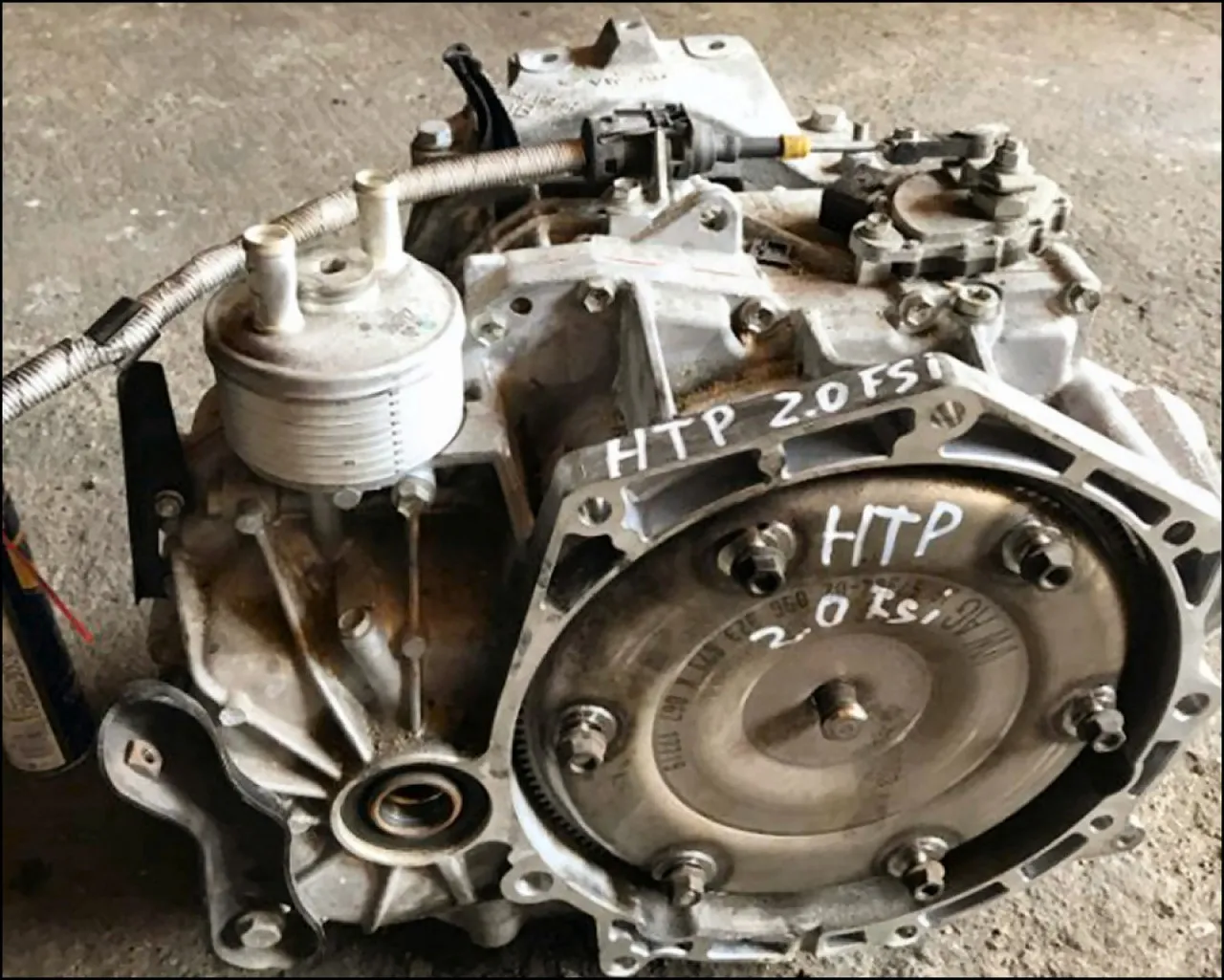
5. Volkswagen 09G Six-Speed (2008 Volkswagen Passat)
German engineering mystique took another hit with the 09G six-speed automatic used in the 2008 Volkswagen Passat and other VW Group vehicles.
This transmission suffers from multiple failure modes, expensive repairs, and a complete lack of support from Volkswagen. Owners feel abandoned by a manufacturer that sold them defective products and refused to take responsibility.
A mechatronic unit combines mechanical valve body components with electronic controls in one sealed assembly. When anything in this unit fails, you can’t repair individual components; you must replace the entire expensive assembly.
Costs range from $2,000 to $4,000 for parts alone, plus substantial labor charges. This isn’t a repair; it’s an extortion racket.
Torque converter shudder affects many 09G-equipped vehicles, especially during low-speed acceleration or when the transmission is cold.
That shudder indicates lockup clutch problems, and if ignored, leads to complete converter failure. Replacing the torque converter requires removing the transmission, which means you’re looking at a $2,000+ repair for what should be a routine maintenance item.
Diagnosis is difficult because Volkswagen dealers often blame software when hardware is actually failing. Owners spend hundreds on reflashing transmission control modules only to have problems return immediately.
Fluid changes help marginally, but Volkswagen initially claimed the transmission was “filled for life,” which was a lie. Nothing is filled for life; all automatic transmissions need fluid changes. By the time VW admitted this and revised its maintenance schedules, many transmissions had already been damaged by degraded fluid.
Buying a used Passat with the 09G transmission is a gamble with terrible odds. Even if it’s working fine when you buy it, failure is likely to come soon. German cars used to mean quality engineering, but the 09G proves that reputation is no longer deserved.
