
Electric vehicles have revolutionized the automotive industry, offering zero-emission transportation and impressive technological capabilities. However, one aspect that often catches new EV owners by surprise is how battery charge levels can affect cabin heating performance, especially during cold weather conditions.
Unlike traditional internal combustion engine vehicles that generate abundant waste heat as a byproduct of combustion, electric vehicles must draw power directly from their battery packs to warm the cabin, creating a unique challenge that varies significantly across different models and manufacturers.
The relationship between state of charge (SOC) and heating performance represents one of the most critical real-world considerations for EV ownership, particularly for those living in colder climates.
When an EV’s battery level drops, some vehicles implement aggressive power management strategies that can dramatically reduce heating output to preserve range and protect battery health.
This tapering can leave occupants uncomfortably cold during the final miles of a journey, transforming what should be a routine drive into an endurance test.
The experience of watching your heating effectiveness diminish as your battery percentage drops has become a common complaint among owners of certain EV models, particularly those with smaller battery packs or less sophisticated thermal management systems.
This comprehensive analysis examines twelve electric vehicles split into two distinct categories: six models that maintain strong, consistent cabin heating performance even at low battery states of charge, and six that implement noticeable heating tapering that can compromise comfort.
By understanding these differences, prospective EV buyers can make informed decisions based on their climate conditions, typical driving patterns, and personal comfort priorities.
Whether you’re considering your first electric vehicle or looking to upgrade, understanding how your potential EV handles this critical aspect of cold-weather operation is essential for long-term satisfaction.
6 EVs That Maintain Strong Cabin Heating at Low SOC
These exceptionally engineered electric vehicles feature thermal management systems with dedicated resistive heating elements, heat pump technologies that extract ambient energy efficiently, and battery management strategies that reserve adequate power for climate control even when state of charge drops to minimum levels.
Their thoughtful engineering includes powerful PTC heaters providing consistent cabin warmth without excessive battery drain, sophisticated heat pumps maintaining heating efficiency down to subzero temperatures, and energy management algorithms that prioritize passenger comfort while protecting battery cells from harmful discharge rates during extended heating demands.
From winter highway driving depleting battery reserves to emergency situations requiring prolonged cabin heating with minimal charge remaining, these remarkable EVs continue delivering strong heat output without forcing occupants into uncomfortable conditions or unsafe cold exposure.
1. Tesla Model Y Long Range
The Tesla Model Y Long Range stands as a benchmark for consistent cabin heating performance throughout its entire battery range, demonstrating Tesla’s mature approach to thermal management developed over more than a decade of EV production.
This midsize electric crossover utilizes an advanced heat pump system that was introduced in 2021, representing a significant improvement over earlier resistance heating methods.
The heat pump technology allows the Model Y to efficiently transfer heat rather than generate it through electrical resistance, resulting in significantly lower power consumption while maintaining comfortable cabin temperatures even when the battery state of charge drops into single-digit percentages.
What distinguishes the Model Y from many competitors is Tesla’s confidence in allowing the heating system to draw substantial power even at critically low battery levels.
Owners consistently report that cabin heating remains strong and effective down to approximately 5% SOC, with only minimal reduction in heating intensity.
This approach reflects Tesla’s comprehensive understanding of their battery management systems and their trust that drivers will monitor range appropriately.
The vehicle’s sophisticated software continuously calculates available range while accounting for heating demands, providing drivers with accurate arrival predictions that include climate control power consumption.
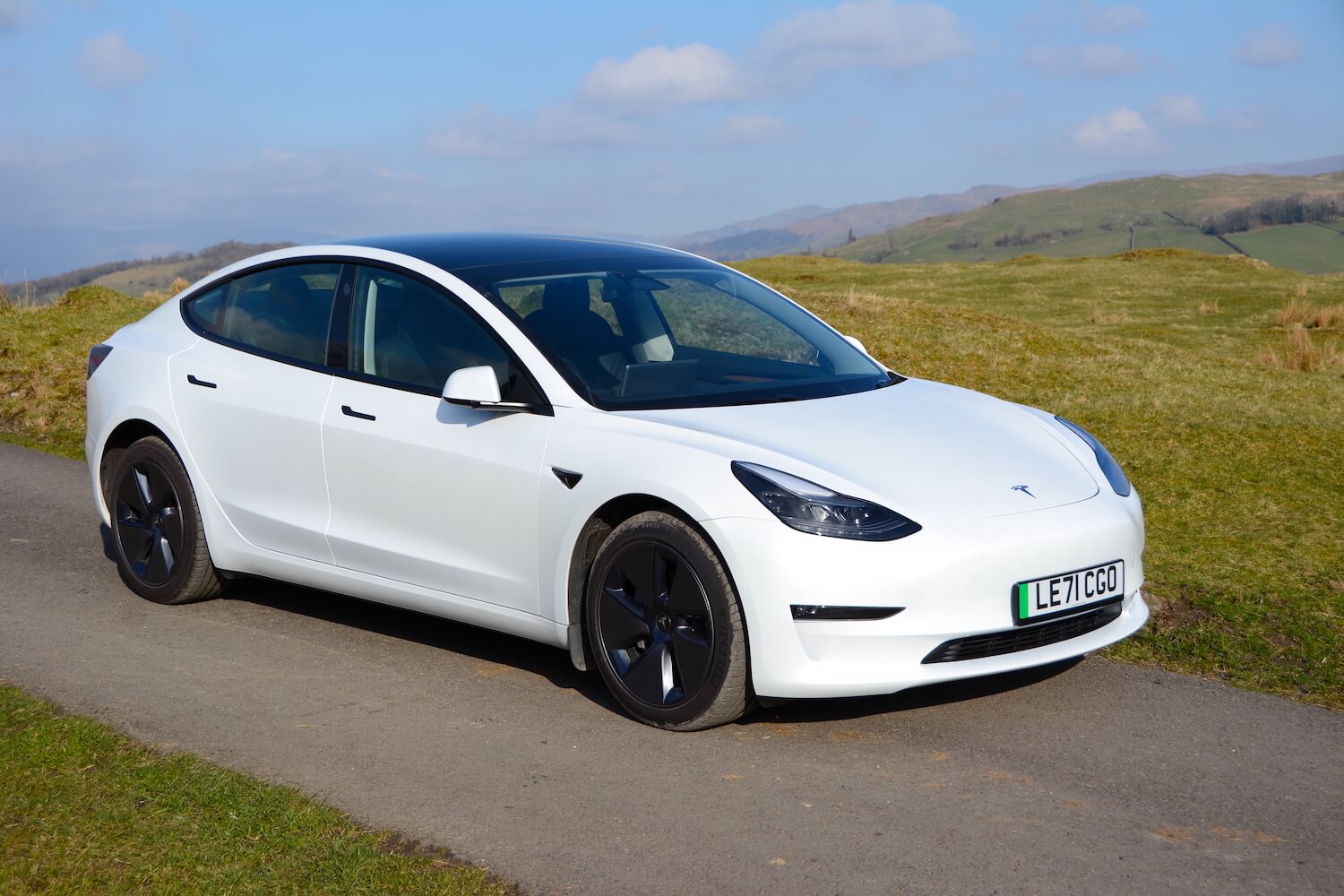
The Model Y’s heat pump system scavenges waste heat from the drive units, battery pack, and even the outside air when possible, maximizing efficiency across various operating conditions.
During extremely cold weather temperatures below minus 10 degrees Fahrenheit, the system intelligently combines heat pump operation with supplemental resistance heating to ensure rapid cabin warming.
Even in these challenging conditions, with the battery depleted to 10% or lower, the Model Y maintains sufficient heating output to keep occupants comfortable without forcing them to choose between warmth and reaching their destination.
The 75 kWh battery pack provides substantial energy reserves, meaning that even when depleted to 10%, approximately 7.5 kWh remains available, more than enough to power cabin heating for extended periods while still maintaining reserve capacity for driving.
This generous buffer, combined with the heat pump’s efficiency of achieving a coefficient of performance often exceeding 2.0 in moderate cold conditions, means the Model Y rarely forces occupants to choose between comfort and range anxiety during the critical final miles of a journey.
2. BMW iX xDrive50
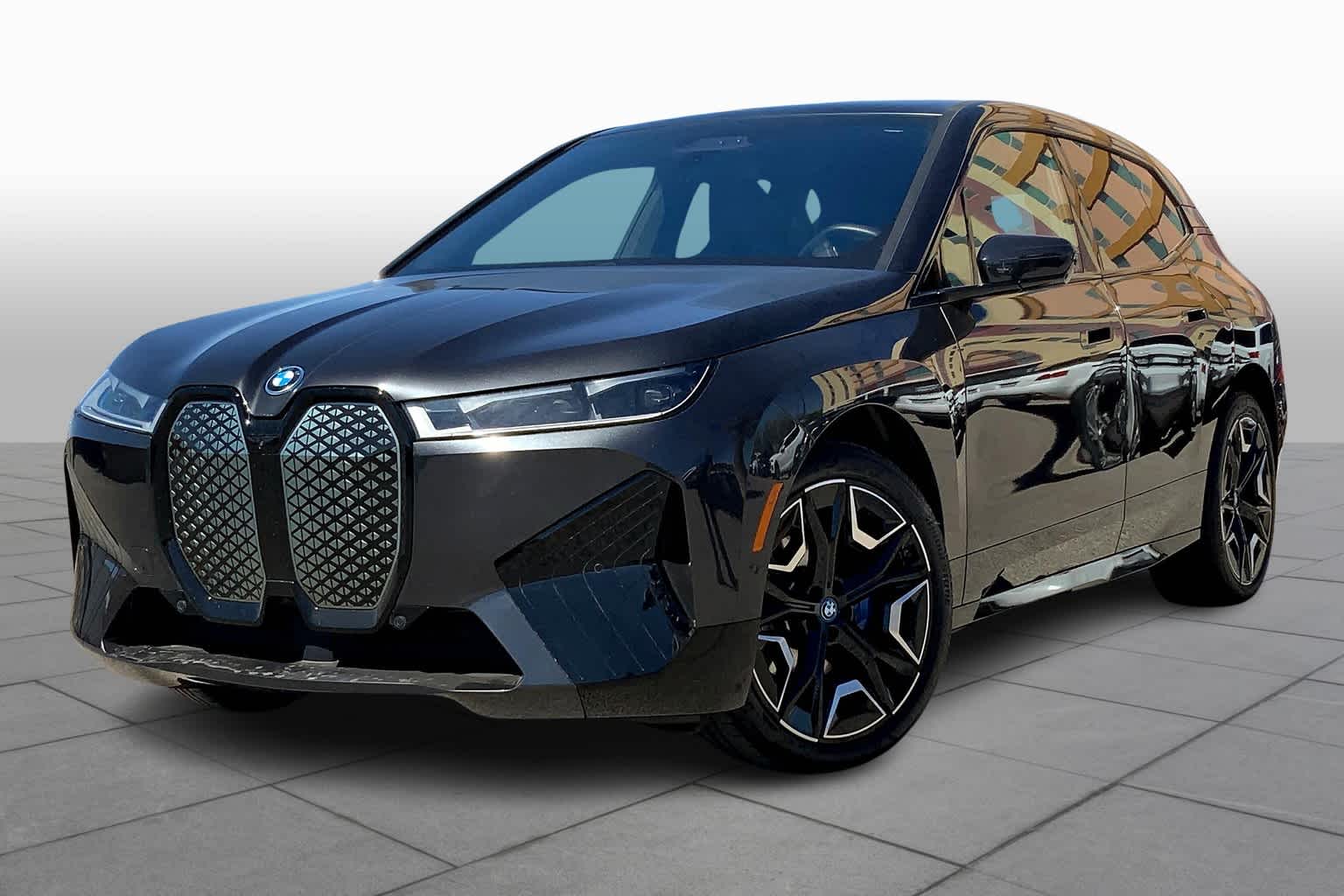
The BMW iX xDrive50 represents German engineering excellence applied to electric vehicle thermal management, offering one of the most robust and unwavering cabin heating experiences available in any EV regardless of battery charge status.
This flagship electric SUV features a sophisticated heat pump system integrated into BMW’s fifth-generation eDrive technology, coupled with a massive 111.5 kWh battery pack that provides both exceptional range and substantial energy reserves even when the state of charge drops to levels that would compromise comfort in lesser vehicles.
BMW’s approach to climate control in the iX demonstrates a clear prioritization of occupant comfort throughout the ownership experience.
The heating system maintains full functionality down to approximately 8% SOC, with drivers reporting no perceptible reduction in heating output or air delivery until the battery reaches extremely critical levels where the vehicle begins implementing more aggressive conservation measures across all systems.
This philosophy reflects BMW’s luxury brand positioning and their understanding that customers paying premium prices expect uncompromising comfort regardless of driving circumstances.
The iX’s thermal management system employs multiple strategies to maintain heating effectiveness while minimizing energy consumption.
The heat pump can operate efficiently in temperatures as low as minus 15 degrees Celsius, extracting thermal energy from the ambient air, drivetrain components, and battery thermal management system.
When temperatures drop below the heat pump’s effective operating range, the vehicle seamlessly supplements with resistance heating, but unlike many competitors, BMW doesn’t aggressively limit this supplemental heating even at reduced battery levels.
The system maintains cabin temperature setpoints precisely, with multiple climate zones allowing individual occupant preferences without compromising system performance. The vehicle’s intelligent predictive systems also enhance cold-weather performance.
By utilizing navigation data and real-time traffic information, the iX can optimize battery thermal management and cabin heating strategies throughout a journey, ensuring sufficient reserves remain for heating during the final approach to your destination.
The system learns from driving patterns and can automatically adjust heating strategies based on historical data, though it never compromises immediate comfort for theoretical future efficiency.
3. Mercedes-Benz EQS 450+
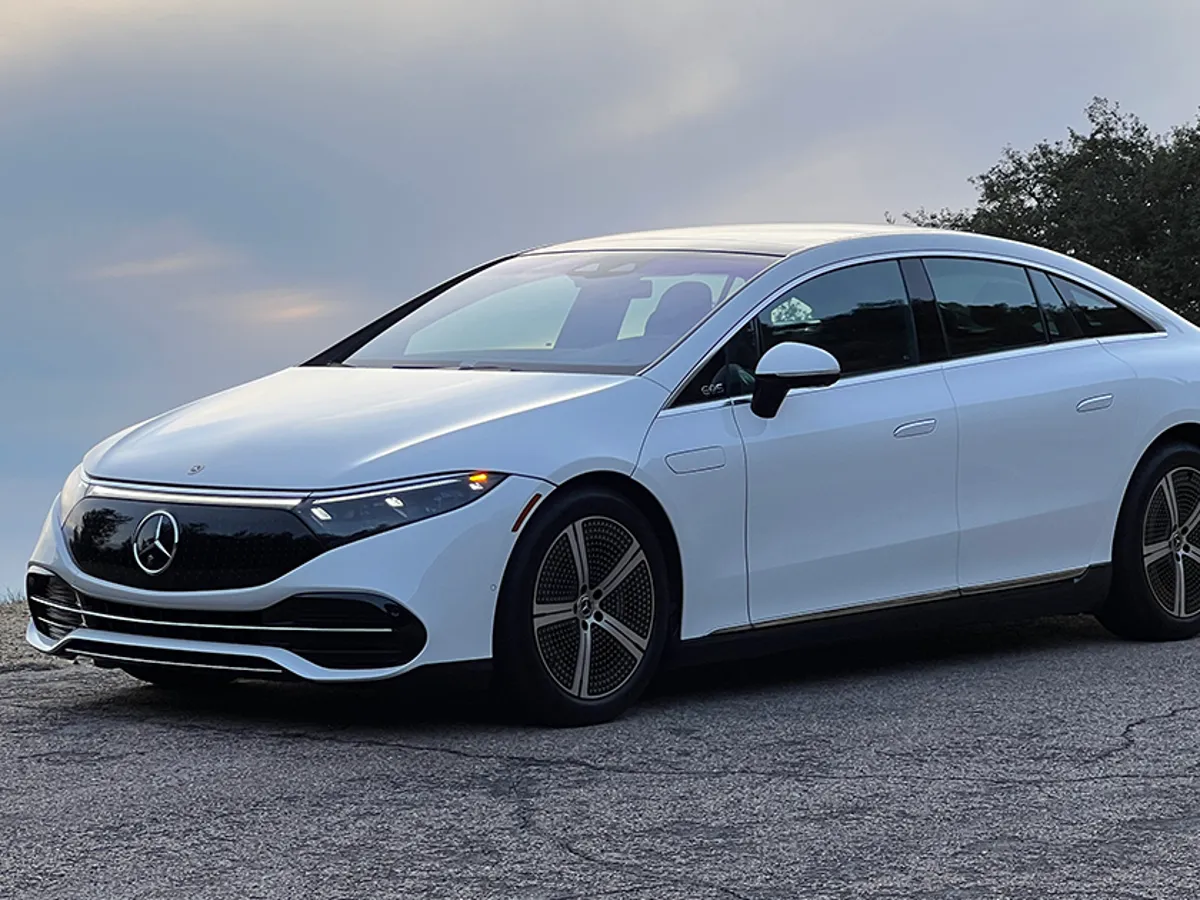
The Mercedes-Benz EQS 450+ brings the full weight of Mercedes’ luxury expertise to electric vehicle climate control, delivering what many reviewers consider the most comfortable and consistent heating experience available in any EV at any price point.
This flagship electric sedan features the innovative ENERGIZING Comfort system, which integrates cabin heating with ambient lighting, massage functions, and even fragrance delivery to create a holistic comfort environment that remains effective regardless of battery state of charge, maintaining full functionality down to approximately 6% SOC.
Mercedes engineers approached the EQS with a fundamental philosophy that thermal comfort represents a non-negotiable aspect of luxury vehicle ownership.
This perspective manifests in heating system programming that maintains aggressive cabin warming capability even when the battery reaches levels where most vehicles begin implementing significant power limitations.
The EQS employs a sophisticated heat pump system augmented by what Mercedes terms “intelligent waste heat utilization,” which captures thermal energy from every possible source, including the drive units, power electronics, battery conditioning system, and even the DC-DC converters that power auxiliary systems.
The EQS’s 107.8 kWh battery pack provides exceptional energy density and capacity, but the vehicle’s heating prowess stems from more than just battery size.
Mercedes developed a highly efficient heat exchanger network that maximizes thermal energy transfer while minimizing parasitic losses.
The heating system can maintain a comfortable 72-degree Fahrenheit cabin temperature in minus 10-degree Fahrenheit ambient conditions while consuming approximately 2-3 kW of power, roughly half the consumption of comparable vehicles using less sophisticated systems.
This efficiency means that even at low SOC, the heating system’s power draw represents a manageable load that doesn’t require aggressive tapering to protect range reserves.
The EQS’s exceptional aerodynamics and build quality contribute meaningfully to heating retention. With a drag coefficient of just 0.20 and meticulously sealed cabin construction, the vehicle retains heat exceptionally well once the cabin reaches desired temperature.
This thermal stability means the heating system cycles on less frequently at highway speeds, conserving energy during those critical final miles of a journey when battery reserves are depleted.
4. Porsche Taycan Turbo S
The Porsche Taycan Turbo S approaches cabin heating with characteristic Porsche engineering precision and performance orientation, maintaining aggressive heating capability even at remarkably low states of charge that would leave occupants of lesser vehicles reaching for blankets.
This high-performance electric sedan features a sophisticated heat pump system developed by Porsche specifically to deliver consistent thermal comfort during spirited driving and track sessions, where power demands fluctuate dramatically and the vehicle experiences extreme thermal stress that could compromise climate control in vehicles with less robust systems.
Porsche’s engineering philosophy for the Taycan emphasized that thermal comfort should never force drivers to compromise their driving experience or worry about range preservation during the final miles of a journey.
This commitment manifests in heating system calibration that maintains full output down to approximately 7-8% state of charge, with only minimal reduction in maximum heating capacity below that threshold.
Even when the battery reaches 5% a level where many vehicles implement severe power restrictions the Taycan continues delivering sufficient heating to maintain comfortable cabin temperatures in all but the most extreme cold weather conditions.
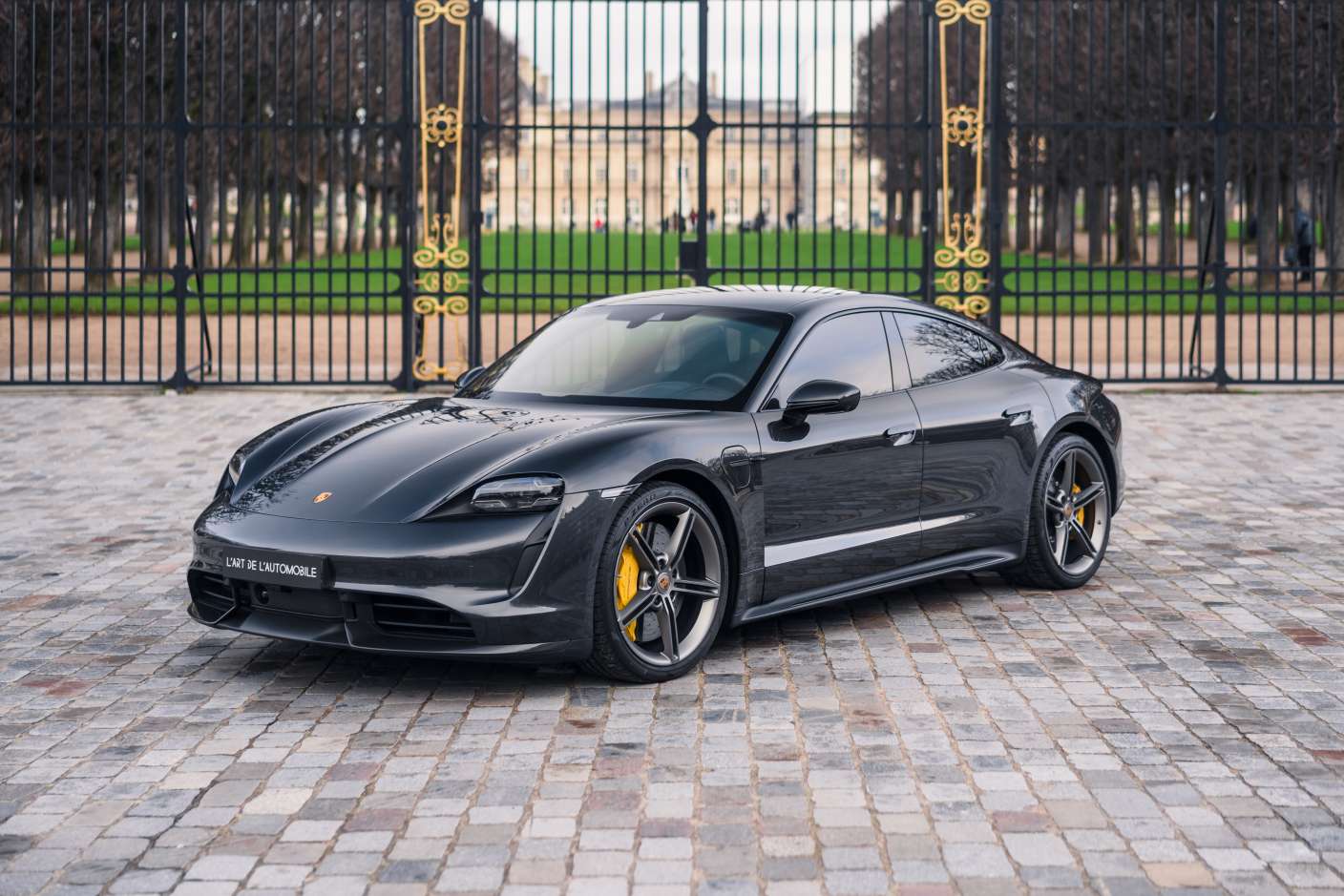
The Taycan’s 93.4 kWh Performance Battery Plus provides substantial energy reserves, but the vehicle’s heating excellence stems primarily from system efficiency and sophisticated thermal management integration.
The heat pump system operates as part of Porsche’s comprehensive thermal management network, which actively controls temperatures for the battery pack, drive units, power electronics, and cabin through an integrated approach that maximizes waste heat utilization.
When driving enthusiastically, the drive units and power electronics generate substantial thermal energy that the system captures and redirects to cabin heating, dramatically reducing the battery power required for climate control.
This waste heat harvesting remains effective even at low SOC because the drive units continue operating and generating heat regardless of battery charge level.
Porsche’s pre-conditioning capability also enhances cold-weather usability at low SOC. The vehicle can draw power from charging infrastructure to pre-warm the cabin before departure even when battery charge is relatively low, ensuring the journey begins with a warm cabin without depleting battery reserves that will be needed for driving and heating during the trip.
The My Porsche app provides detailed climate control scheduling and remote activation, with intelligent features that learn from usage patterns and can automatically prepare the vehicle based on detected routines.
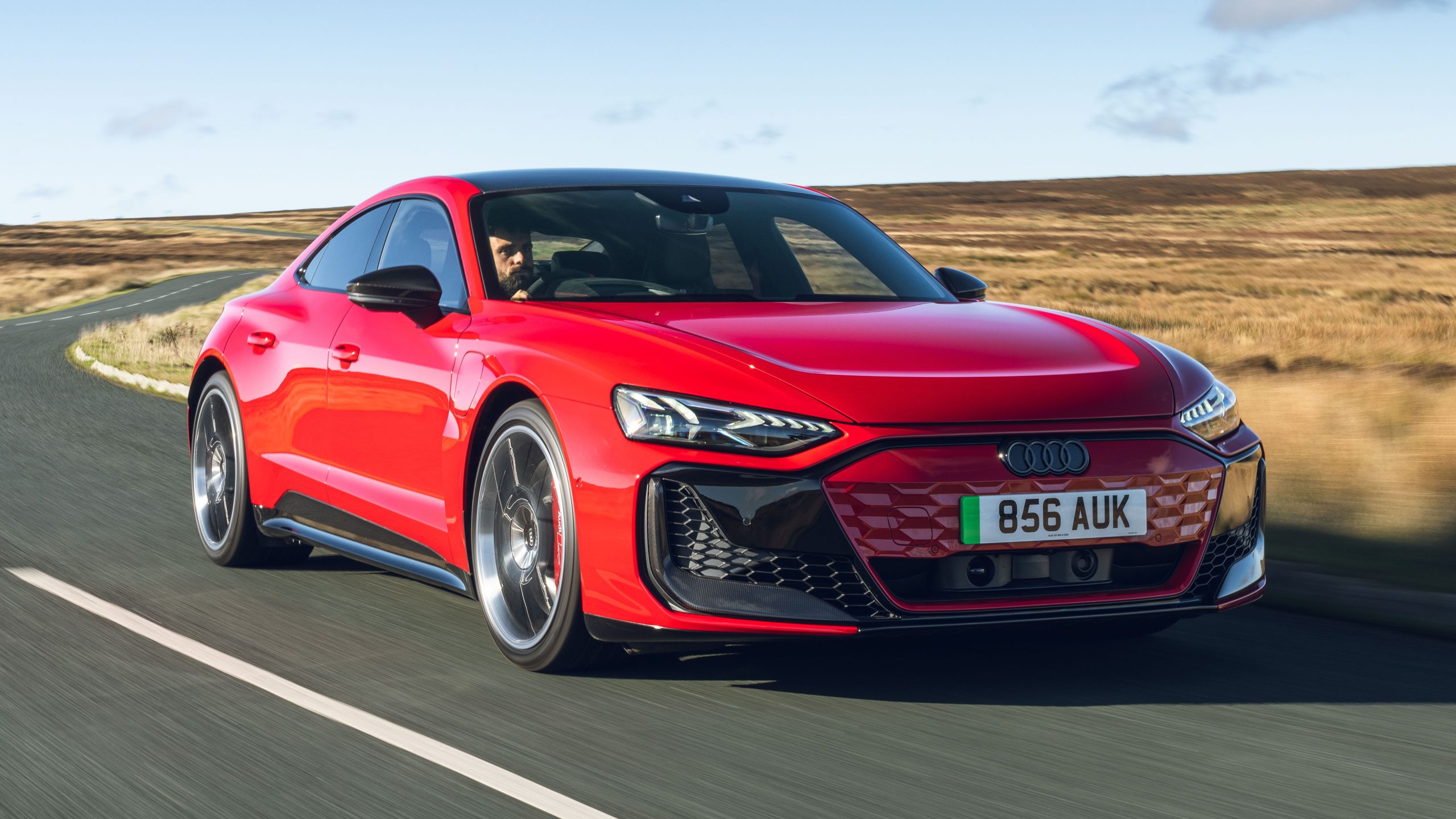
5. Audi e-tron GT
The Audi e-tron GT shares its fundamental platform and many technical components with the Porsche Taycan but implements Audi’s distinct luxury-oriented approach to thermal management and cabin comfort.
While Porsche emphasizes performance consistency, Audi focuses on refined comfort and ease of use, resulting in a heating system that maintains exceptional effectiveness at low states of charge while delivering a distinctly Audi experience characterized by whisper-quiet operation and precisely controlled climate delivery.
The e-tron GT maintains robust heating capability down to approximately 6-8% SOC, with occupants reporting no significant comfort compromise even during extended driving with critically low battery reserves.
Audi’s thermal management system in the e-tron GT employs a highly efficient heat pump coupled with sophisticated controls that continuously optimize performance based on ambient conditions, driving style, and battery state.
The system intelligently balances multiple heat sources, including the heat pump, waste heat from the drive units and power electronics, and targeted resistance heating elements to maintain desired cabin temperatures while minimizing total energy consumption.
This multi-source approach proves particularly beneficial at low battery states because the system can dynamically adjust which heating sources receive priority based on their instantaneous efficiency and available power reserves.
One distinctive aspect of the e-tron GT’s heating system involves Audi’s long-standing expertise in climate control user interfaces and automated comfort systems.
The vehicle features four-zone climate control with highly accurate temperature sensors and sophisticated airflow management that eliminates drafts and temperature stratification within the cabin.
This precision means the heating system achieves desired comfort levels using less energy than simpler systems that rely on higher output to overcome poor distribution.
Even at low SOC when the system may modestly reduce maximum heating capacity, the sophisticated distribution and control systems maintain comfortable and stable cabin conditions that many occupants find indistinguishable from full-power operation.
The vehicle’s extensive use of supplemental heated surfaces enhances low-SOC comfort significantly. Beyond the standard heated seats and steering wheel, the e-tron GT offers heated armrests and a heating element integrated into the center console that provides radiant warmth to occupants’ arms and hands.
These targeted heating elements consume minimal power compared to the main HVAC system but provide substantial perceived warmth, allowing occupants to reduce cabin air temperature while maintaining personal comfort.
This capability becomes particularly valuable at low battery states where modest reductions in HVAC power consumption can meaningfully extend available range.
Also Read: 10 Automatic Transmissions That Rarely Need A Rebuild
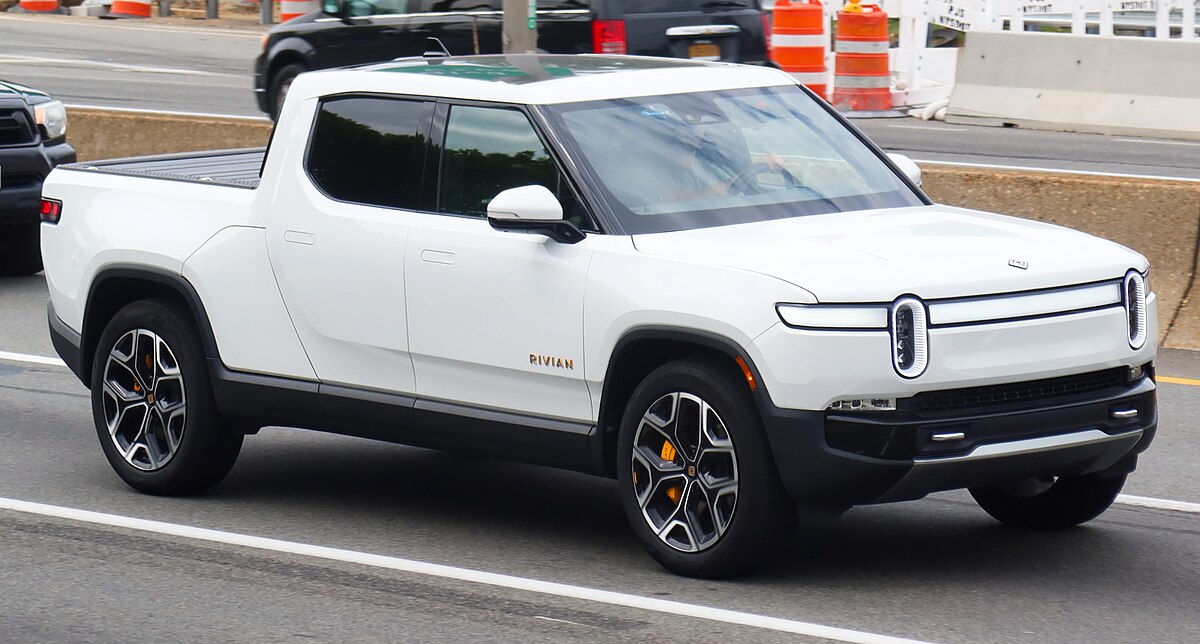
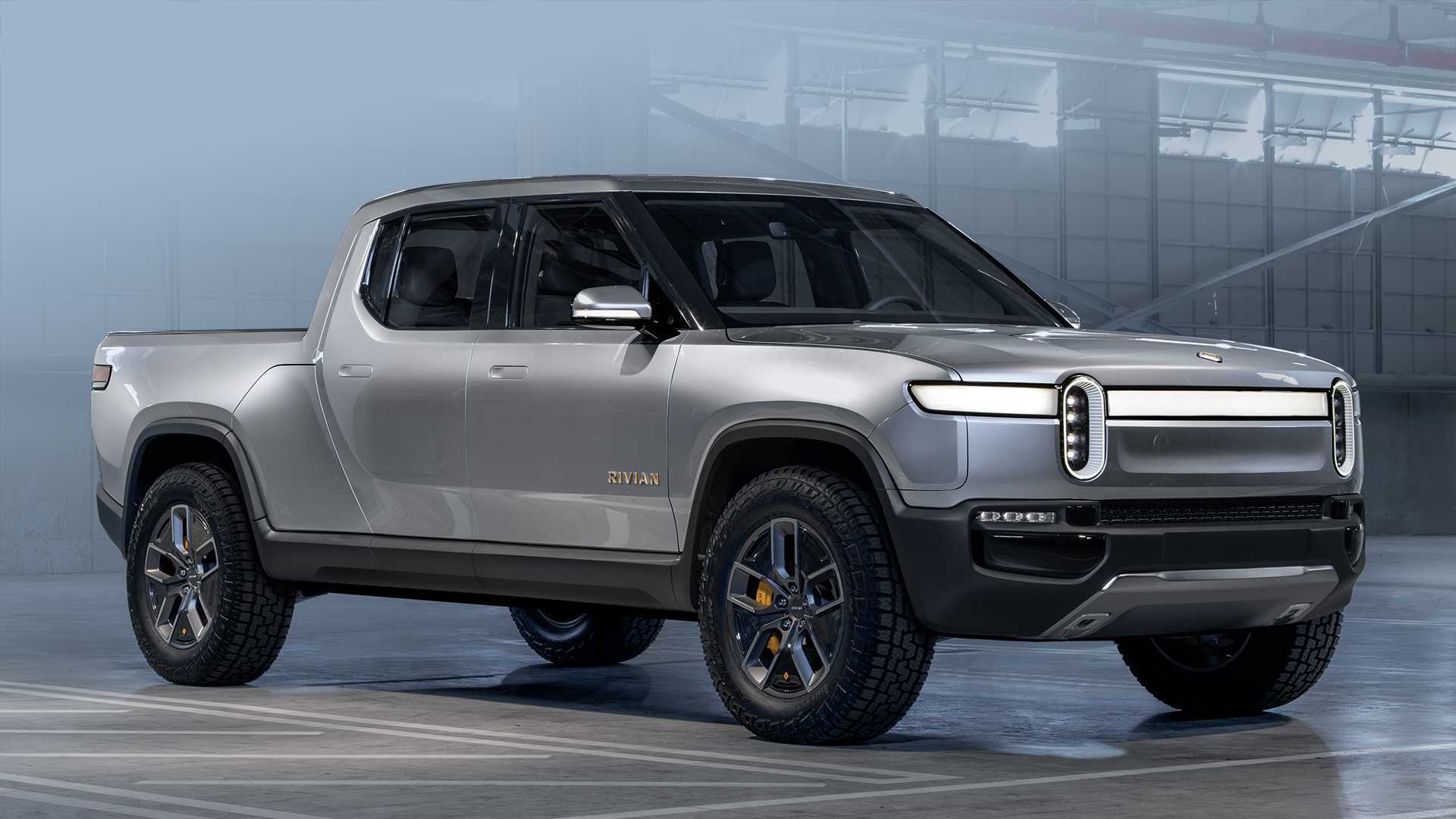
6. Rivian R1T
The Rivian R1T adventure truck takes a distinctly practical approach to cabin heating that prioritizes consistent comfort across the vehicle’s entire operating envelope, recognizing that truck owners frequently venture into remote areas where running out of battery charge with insufficient heating could create genuinely dangerous situations.
Rivian’s engineering team designed the R1T’s thermal management system with cold-weather camping, winter trail access, and remote adventure scenarios as primary use cases, resulting in heating performance that maintains robustness down to approximately 5% state of charge lower than virtually any other EV on the market.
The R1T employs a sophisticated heat pump system as the primary heating source, supplemented by resistance heating elements strategically positioned throughout the cabin to provide rapid warm-up and supplemental capacity during extreme cold.
What distinguishes Rivian’s approach involves their calibration philosophy that maintains heating system priority even at critically low battery states.
While many vehicles begin tapering heating output at 20-30% SOC, the R1T maintains full heating capability until the battery reaches truly critical levels around 5%, at which point the vehicle begins implementing graduated power limitations across all systems rather than targeting climate control specifically.
This approach reflects Rivian’s understanding of their customer base and intended use cases. R1T owners frequently travel in extreme weather conditions and remote locations where comfort and safety depend on consistent heating performance.
Rivian’s testing included extensive cold-weather validation in locations like Prudhoe Bay, Alaska, and Yellowknife, Canada, where temperatures regularly reach minus 40 degrees Fahrenheit.
Engineers found that maintaining heating effectiveness at low SOC proved essential for both occupant safety and customer confidence, particularly during unexpected situations like encountering closed charging stations or traffic delays that deplete battery reserves beyond initial planning.
The R1T features comprehensive heated surface coverage, including seats, steering wheel, and an optional heated windshield that provides additional comfort while improving visibility during winter conditions.
These supplemental heating elements remain fully operational even at very low SOC, providing targeted warmth that helps maintain comfort even if users choose to reduce cabin temperature to conserve energy.
The R1T’s Camp Mode feature which allows occupants to sleep in the vehicle while maintaining climate control includes special provisions for operating at low SOC, warning users about estimated runtime based on current battery reserves while maintaining their desired temperature settings without arbitrary limitations.
6 EVs That Taper Cabin Heating at Low SOC
These problematic electric vehicles suffer from thermal management systems that aggressively reduce heating output when battery charge drops, inadequate heat pump capacity that fails in extreme cold, and poorly calibrated energy management software that prioritizes range extension over passenger safety and comfort during low state of charge conditions.
Their flawed engineering includes undersized resistive heaters that cannot maintain cabin temperature when heat pumps become ineffective, battery management systems that severely limit HVAC power draw below thirty percent charge, and inadequate thermal insulation allowing rapid heat loss that overwhelms weakened heating systems.
From passengers experiencing progressively colder cabins as the charge depletes to dangerous situations where heating cuts entirely, leaving occupants at risk during winter emergencies, these troublesome EVs create uncomfortable and potentially hazardous conditions.
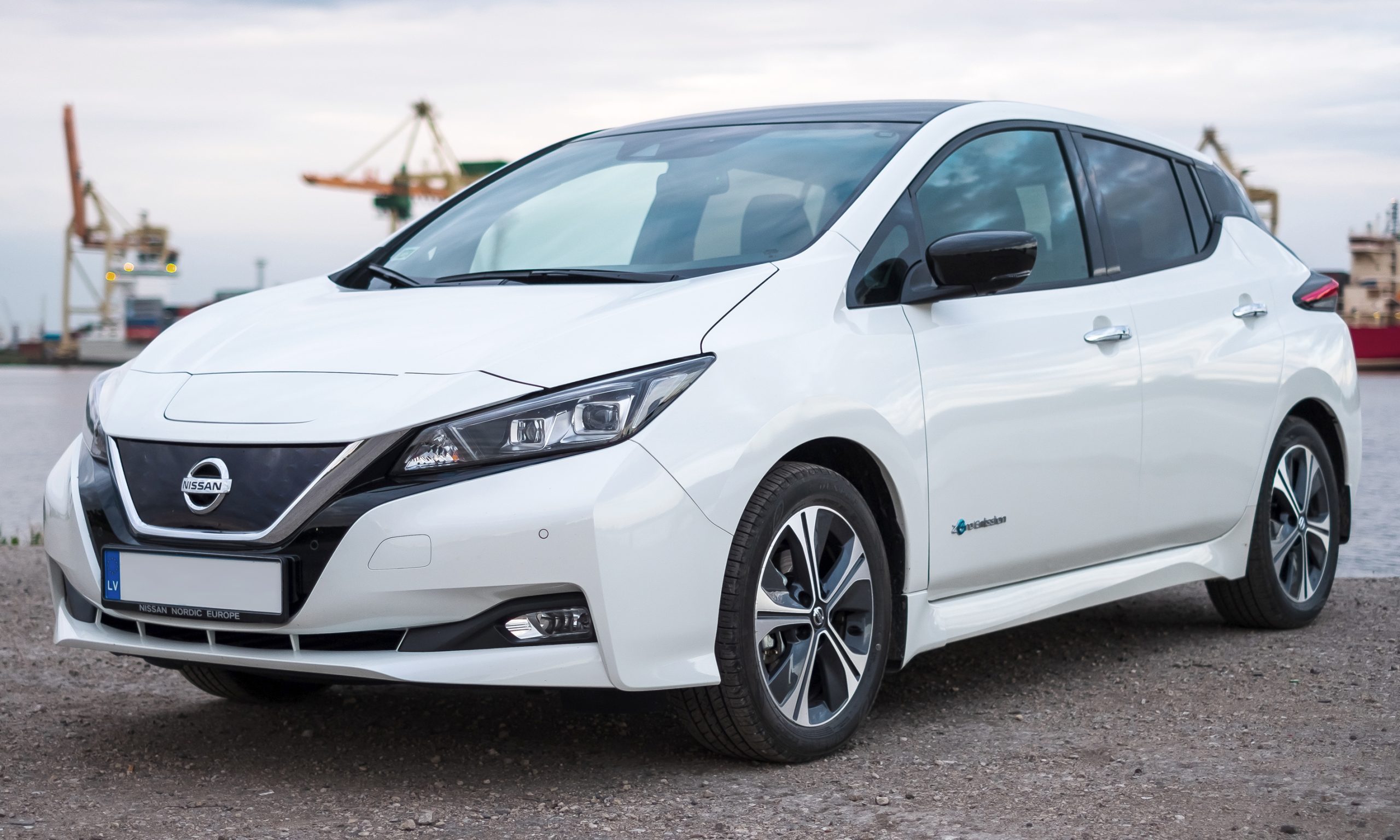
1. Nissan Leaf (40 kWh)
The Nissan Leaf 40 kWh model represents one of the more affordable entry points into electric vehicle ownership, but this accessibility comes with compromises in cold-weather heating performance, particularly as the battery state of charge depletes.
Owners consistently report that the Leaf begins implementing noticeable heating reductions once the battery drops below approximately 25-30% SOC, with progressively more aggressive tapering occurring as the charge level approaches 15-20%.
By the time the battery reaches 10%, heating output can diminish to the point where maintaining comfortable cabin temperatures becomes challenging in cold weather, leaving occupants uncomfortably chilly during what should be routine commutes.
The Leaf’s heating challenges stem primarily from its relatively small 40 kWh battery pack combined with Nissan’s conservative approach to battery management.
Unlike vehicles with larger batteries that maintain substantial energy reserves even at low percentage states of charge, the Leaf at 20% SOC retains only about 8 kWh of usable capacity a modest amount that must power both driving and climate control.
Nissan’s battery management system implements aggressive power limitations to ensure drivers can reach their destinations, prioritizing range preservation over occupant comfort.
This conservative approach reflects appropriate caution given the limited total capacity, but it creates genuinely uncomfortable situations for occupants during cold weather.
The heating tapering manifests in several noticeable ways. The most obvious involves reduced air temperature from the HVAC vents – instead of delivering consistently hot air, the system begins mixing in cooler air or reducing the heating element output, resulting in noticeably tepid airflow that struggles to maintain desired cabin temperatures.
The blower fan may continue operating at the selected speed, but the reduced air temperature means the system cannot maintain comfortable conditions, particularly during highway driving where cold air infiltration increases.
Occupants often find themselves gradually turning up the temperature setpoint in an attempt to maintain comfort, only to discover the system simply cannot deliver the requested heat output once the battery drops below critical thresholds. Many Leaf owners report developing strategies to cope with heating tapering during cold weather.
Common approaches include pre-conditioning the cabin while the vehicle is still plugged in, using heated seats and steering wheel preferentially over cabin air heating to minimize power consumption, dressing more warmly during winter driving, and planning routes to ensure charging opportunities before the battery depletes to levels where heating becomes compromised.
While these workarounds allow continued vehicle use, they represent significant comfort compromises that wouldn’t be necessary in vehicles with more robust low-SOC heating capability.
2. Chevrolet Bolt EV
The Chevrolet Bolt EV offers impressive range and value for its price point, but heating performance at low battery states represents one area where cost-optimization decisions manifest in reduced occupant comfort.
Bolt owners frequently report that heating output begins tapering noticeably once the battery drops below approximately 20-25% state of charge, with increasingly aggressive reductions occurring as the battery depletes further.
By the time the Bolt reaches 10% SOC, heating effectiveness can diminish by 40-50% compared to full-battery performance, leaving occupants uncomfortably cold during the final miles of longer journeys.
General Motors implemented conservative heating tapering in the Bolt as part of a broader battery protection and range optimization strategy.
The vehicle’s 65 kWh battery pack provides respectable capacity, but GM’s battery management system prioritizes ensuring drivers can reach their destinations over maintaining maximum comfort.
This philosophy reflects appropriate caution, running completely out of charge could leave occupants stranded in potentially dangerous situations, but the early initiation of heating tapering at relatively high SOC levels means drivers frequently experience compromised comfort during normal driving which includes deliberate charging stops and reasonable range buffers.
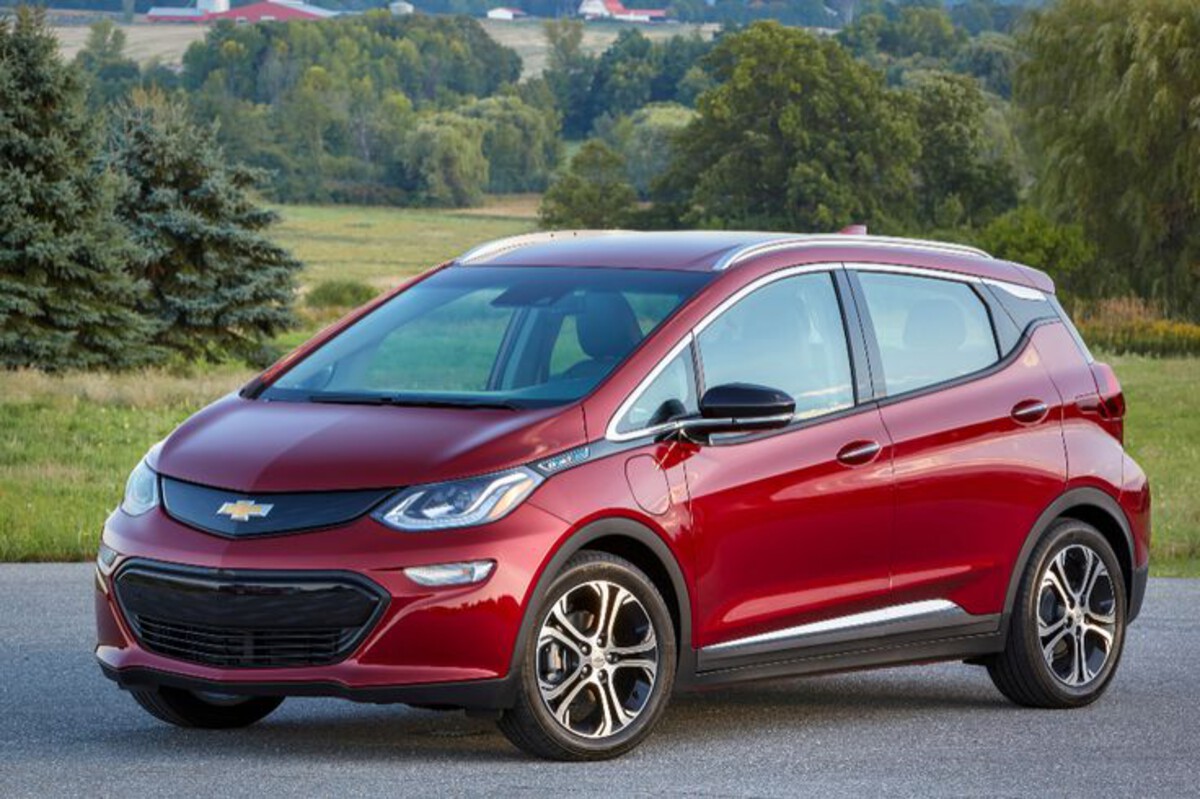
The Bolt’s heating system relies on resistance heating elements without the benefit of heat pump technology, making it inherently less efficient than newer vehicles with more advanced thermal management.
Resistance heating consumes approximately 3-5 kilowatts of power in cold weather conditions, representing a substantial load that becomes problematic as battery reserves dwindle.
When the battery management system detects low SOC, it implements graduated power limitations that progressively restrict the heating system’s maximum power draw.
These restrictions manifest as reduced air temperature from HVAC vents and diminished heating capacity that struggles to overcome cold air infiltration, particularly during highway driving.
Many Bolt owners in cold climates report that heating tapering significantly impacts their satisfaction with the vehicle and creates range anxiety beyond just concerns about reaching destinations.
The knowledge that heating will become inadequate during the final 15-20% of battery charge effectively reduces the vehicle’s usable range by requiring earlier charging stops to avoid uncomfortable conditions.
This practical range reduction particularly impacts longer trips where charging infrastructure spacing may force drivers to deliberately deplete batteries to lower levels than they would prefer.
3. Hyundai Kona Electric (39 kWh)
The Hyundai Kona Electric in its 39 kWh battery configuration represents Hyundai’s entry-level electric offering, providing affordable EV ownership but with notable compromises in cold-weather heating performance as battery charge depletes.
The compact battery pack combined with Hyundai’s conservative energy management approach results in heating tapering that begins surprisingly early, with owners reporting noticeable reductions in heating effectiveness starting around 30% state of charge.
By the time the battery reaches 15-20%, heating output can diminish substantially, leaving occupants uncomfortably chilly during cold weather driving.
Hyundai’s battery management philosophy in the base Kona Electric prioritizes battery longevity and ensuring adequate reserves for driving over maintaining maximum comfort.
This approach reflects reasonable engineering caution, given the limited 39 kWh capacity at 20% SOC, only about 7.8 kWh remains available, barely sufficient to power both driving and climate control for meaningful distances in cold weather.
However, the early initiation of heating restrictions means drivers frequently experience compromised comfort at battery levels where substantial reserves theoretically remain, creating a situation where the last 25-30% of battery capacity becomes increasingly uncomfortable to utilize during winter months.
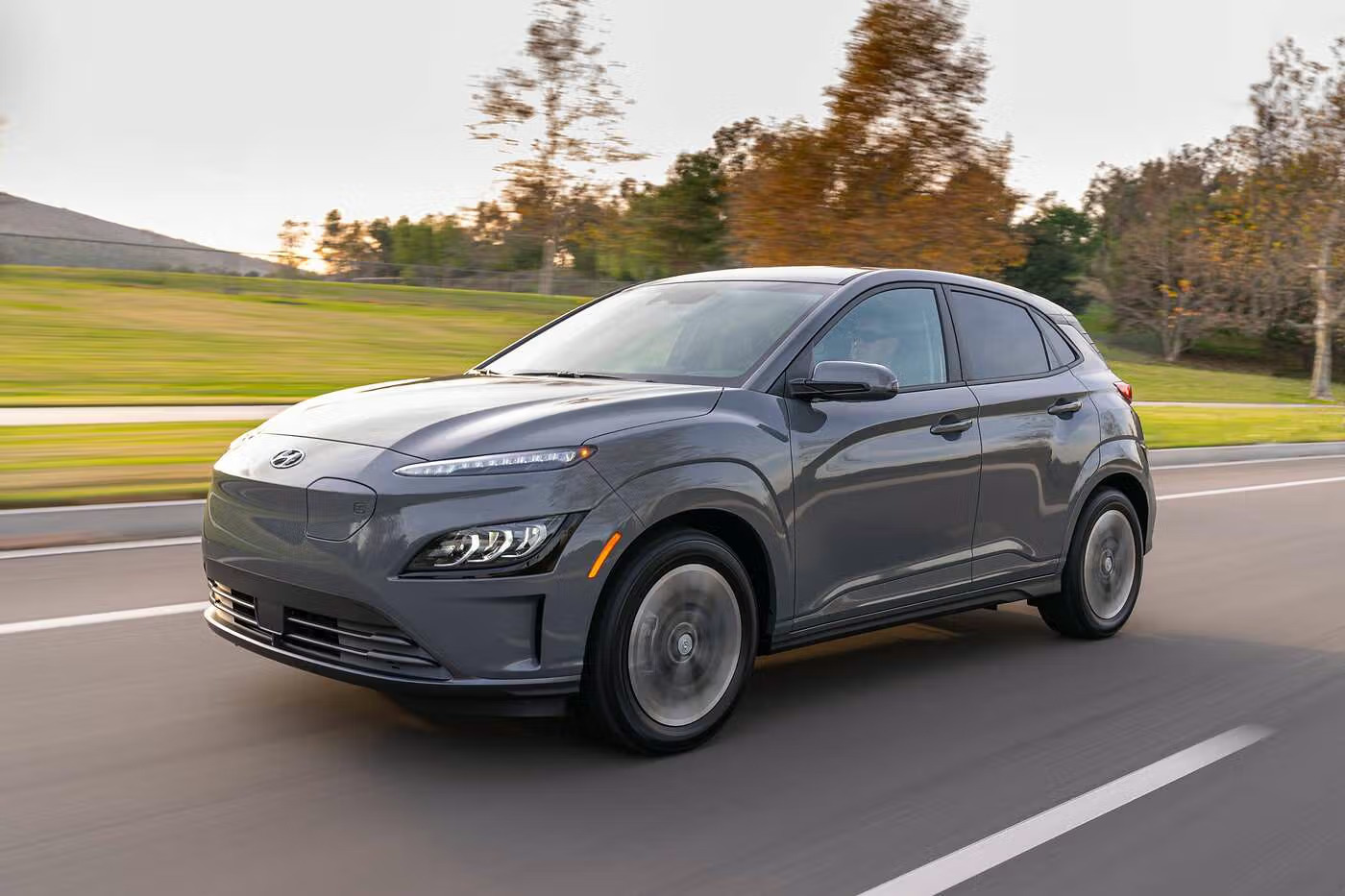
The heating tapering manifests through progressively reduced air temperature from the HVAC system, with the degree of reduction correlating to battery depletion severity.
At 25% SOC in temperatures around 20-30 degrees Fahrenheit, many owners report that cabin air temperature feels tepid rather than genuinely warm, requiring maximum fan speed and temperature settings to maintain marginally adequate comfort.
As the battery depletes further toward 15%, the heating system may deliver air that’s barely above ambient temperature, making it nearly impossible to maintain comfortable cabin conditions, particularly during highway driving, where cold air infiltration is greatest.
The Kona Electric’s user interface provides limited information about heating system status or energy consumption. The display shows remaining battery percentage and range estimate, but doesn’t clearly indicate when heating output is being restricted or provide granular information about climate control power consumption.
This opacity can leave drivers uncertain about whether reduced heating represents normal low-SOC tapering or potential system malfunction.
The range estimate attempts to account for climate control usage, but the calculation doesn’t always accurately reflect the heating tapering that occurs at low SOC, potentially leading drivers to believe they have adequate reserves for comfortable heating when in reality, significant tapering is imminent.
4. Volkswagen ID.4 (62 kWh)
The Volkswagen ID.4 with the standard 62 kWh battery represents VW’s mainstream electric offering for the North American market, providing practical packaging and reasonable range but with notable heating tapering characteristics that can compromise comfort during cold-weather driving at low states of charge.
While the ID.4 performs reasonably well when battery charge exceeds 30%, owners report progressively more noticeable heating reductions as the battery depletes below this threshold, with substantial tapering occurring once SOC drops into the 15-20% range.
By the time the battery reaches 10%, heating output can diminish to the point where maintaining comfortable cabin temperatures becomes challenging in subfreezing conditions.
Volkswagen’s energy management approach in the ID.4 reflects a measured compromise between occupant comfort and range preservation, but the calibration tends toward conservative heating restrictions that begin earlier than many owners expect.
The battery management system monitors multiple parameters, including battery temperature, ambient conditions, recent energy consumption rates, and remaining capacity to determine appropriate heating power limits.
When these algorithms determine that current consumption patterns could jeopardize the ability to reach a destination or charging station, the system implements graduated heating restrictions intended to preserve adequate reserves for driving.
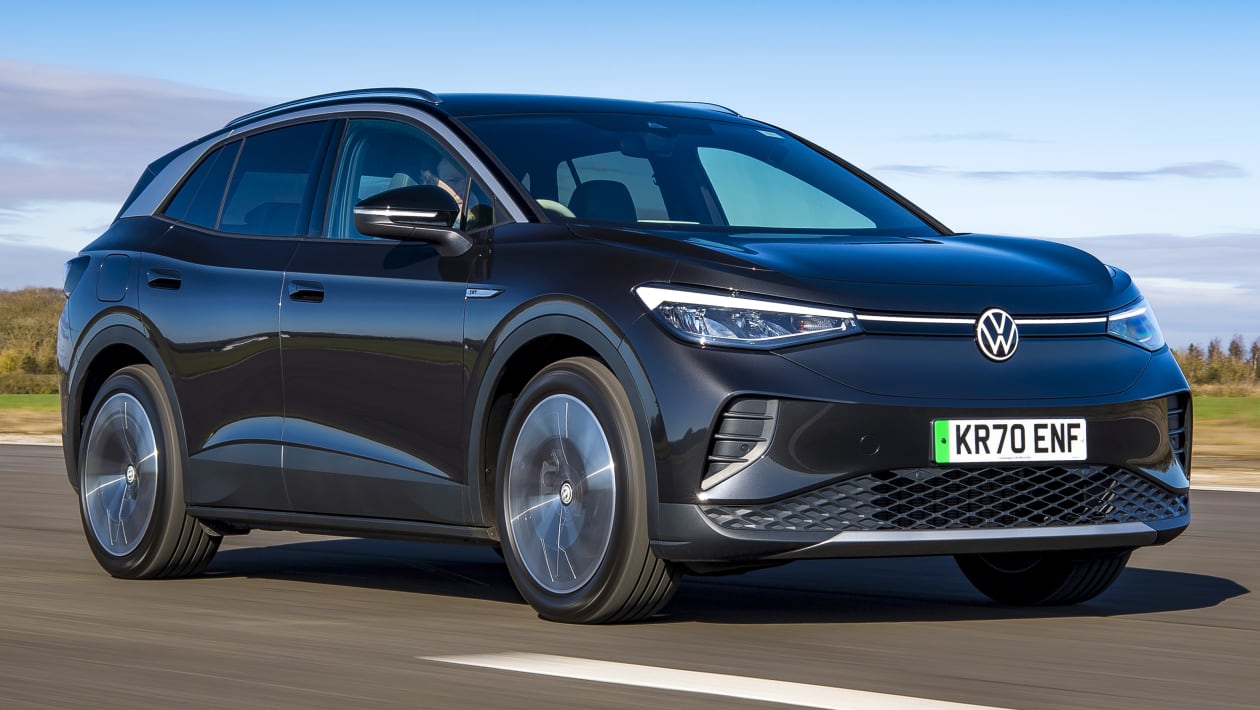
The ID.4 employs a heat pump system that provides reasonably efficient heating under most conditions, representing a significant advantage over resistance-only heating. However, the heat pump’s efficiency advantages diminish at low SOC when available power becomes restricted.
The heat pump compressor requires substantial electrical power to operate effectively, and when the battery management system limits available power, the heat pump cannot achieve its optimal performance.
The system may reduce compressor speed or cycle the compressor on and off more frequently, resulting in reduced heating output and less stable cabin temperatures.
During extremely cold conditions when the heat pump alone cannot provide adequate heating, the system adds supplemental resistance heating, but this supplemental capacity becomes increasingly restricted as SOC depletes.
One aspect that owners find particularly noticeable involves the ID.4’s relatively modest cabin insulation and air sealing compared to premium vehicles.
While adequate for most conditions, the ID.4’s insulation becomes a liability when heating output is restricted at low SOC. Cold air infiltration, particularly around door seals and through the greenhouse during highway driving, creates heat loss that the restricted heating system cannot adequately compensate for.
Cabin temperature can drop noticeably over 30-45 minutes of highway driving when the battery is below 20% and ambient temperatures are in the teens or lower, despite the climate control being set to maximum.
Many ID.4 owners in cold climates report adjusting their driving patterns to avoid situations where heating tapering becomes problematic.
Common strategies include charging to higher levels before departures, planning routes with charging stops that avoid depleting below 20% when possible, and accepting that winter range is effectively reduced by the need to charge before heating becomes uncomfortably compromised.
These adaptations allow successful vehicle operation but represent practical limitations that wouldn’t exist in vehicles with more robust low-SOC heating performance.
5. Ford Mustang Mach-E (Standard Range)
The Ford Mustang Mach-E with the standard range battery configuration offers sporty styling and impressive technology, but heating performance at low battery states represents an area where cost optimization and battery capacity limitations create noticeable comfort compromises.
The standard range Mach-E utilizes a 70 kWh battery pack (68 kWh usable), providing reasonable capacity for most driving scenarios, but owners report heating tapering that begins around 25% state of charge and becomes progressively more aggressive as the battery depletes further.
By 15% SOC, heating effectiveness can diminish substantially, and at 10% or below, maintaining comfortable cabin temperatures during cold weather becomes genuinely challenging.
Ford’s battery management strategy in the Mach-E implements graduated power restrictions as SOC depletes, with climate control representing one of the systems affected by these limitations.
The approach reflects Ford’s priority on ensuring drivers can safely reach destinations rather than maximizing comfort during the final miles of journeys with depleted batteries.
While this conservative philosophy provides important safety margins, the relatively early onset of heating restrictions means drivers frequently experience reduced comfort at battery levels where substantial energy reserves theoretically remain available.
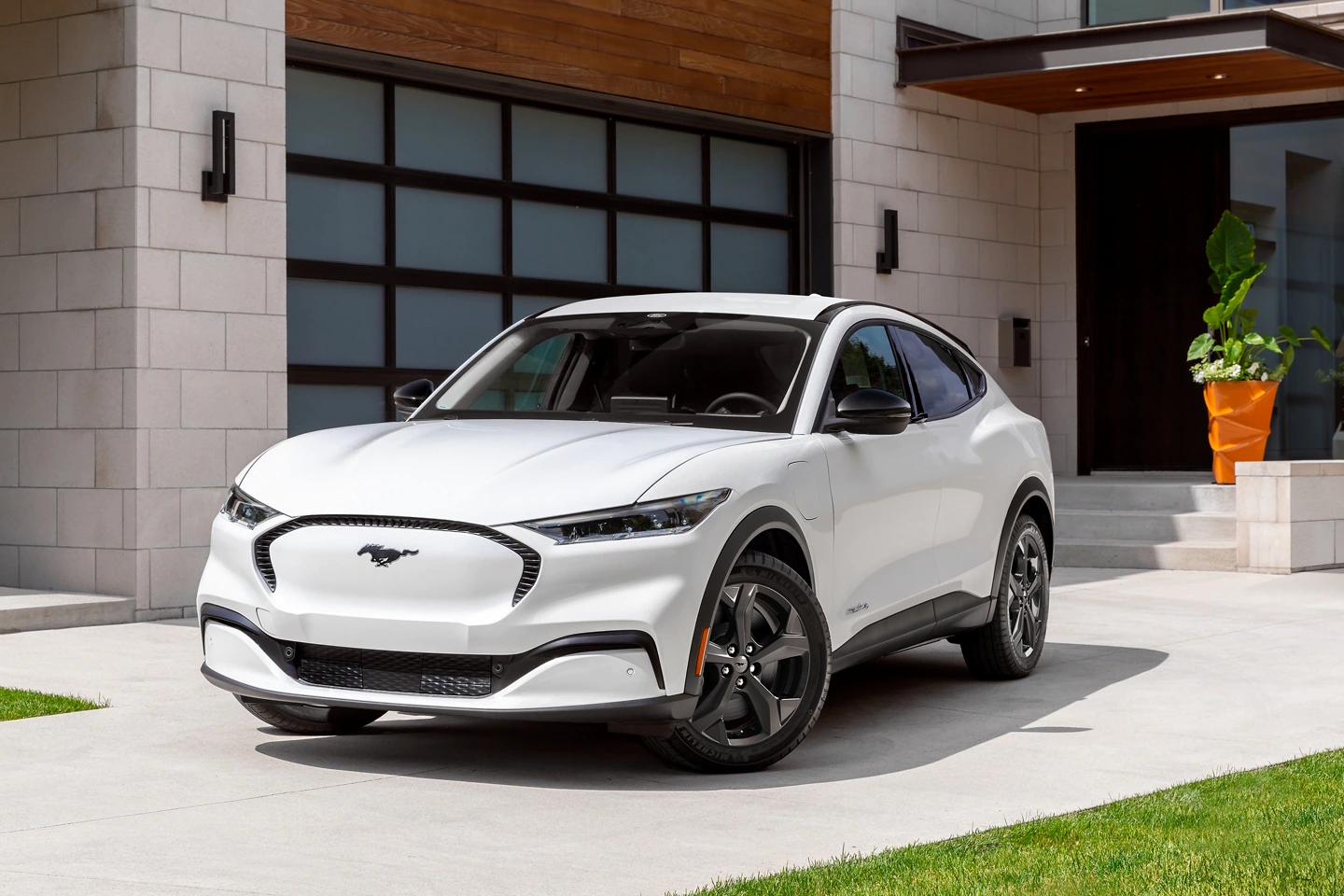
The Mach-E employs a heat pump system for primary cabin heating, representing a significant efficiency advantage over resistance-only heating when operating conditions are favorable.
However, the heat pump’s performance becomes limited at low SOC when available electrical power is restricted. The system’s compressor requires substantial current to operate effectively, and when battery management algorithms limit power delivery, the heat pump cannot achieve optimal output.
Owners report that heating air temperature from the vents becomes noticeably cooler once the battery drops below 20%, even with climate controls set to maximum temperature. The system continues operating but clearly cannot deliver the heating intensity available at higher charge levels.
Ford has released multiple software updates for the Mach-E addressing various systems, and some owners speculate that heating behavior may have changed following certain updates, though Ford hasn’t publicly detailed any modifications to heating tapering algorithms.
The company presumably continues refining these systems based on fleet data and customer feedback, but the fundamental challenge remains that the standard range battery provides limited energy reserves at low SOC percentages, requiring conservative heating management to maintain safety margins.
6. Mini Cooper SE
The Mini Cooper SE represents the smallest battery capacity vehicle in this analysis, with just 28.9 kWh of usable capacity powering this compact urban electric vehicle.
This limited battery size creates particularly acute heating challenges at low states of charge, with owners reporting that heating tapering begins remarkably early often around 35-40% SOC during cold weather and becomes progressively more severe as the battery depletes.
By the time the battery reaches 20%, heating output can diminish by 50% or more compared to full-battery performance, and below 15%, maintaining even minimally comfortable cabin temperatures becomes difficult in subfreezing conditions.
The Mini Cooper SE’s heating challenges stem from the fundamental physics of its tiny battery pack. At 30% SOC, only about 8.7 kWh remains available, barely enough to power 20-30 miles of winter driving while also maintaining cabin heating.
At 15%, a mere 4.3 kWh remains, which must cover both propulsion and climate control. These minimal energy reserves leave the battery management system with little choice but to implement aggressive heating restrictions to ensure drivers can reach destinations.
While this conservative approach provides necessary safety margins, it means that roughly the final third of the battery’s capacity effectively cannot be used comfortably during cold weather, substantially reducing the vehicle’s practical winter range.
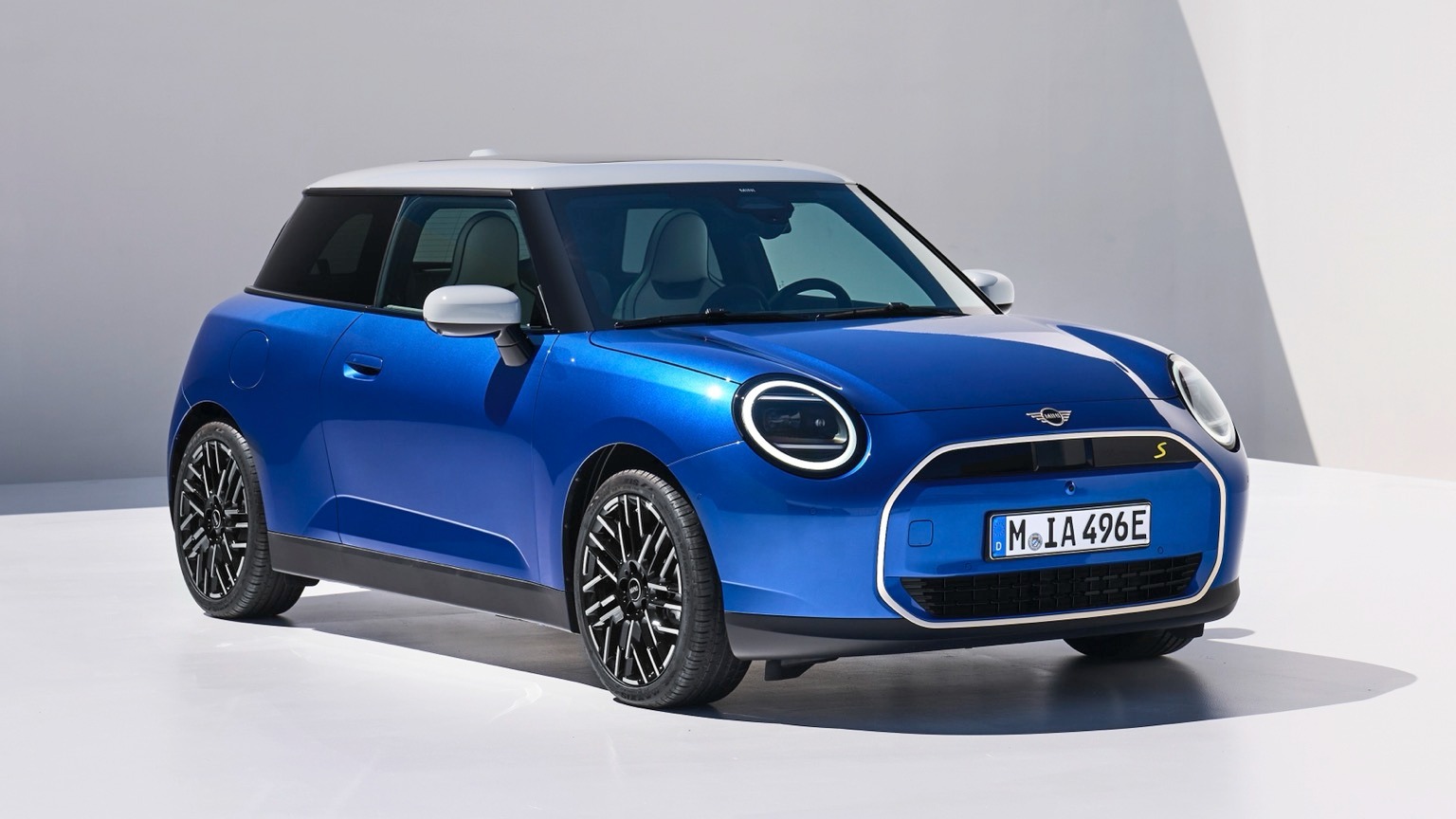
The Mini Cooper SE relies on resistance heating without any heat pump technology, representing a significant efficiency disadvantage compared to more advanced vehicles.
Resistance heating consumes approximately 2-4 kilowatts in cold conditions a substantial load relative to the tiny battery capacity. When the battery management system detects low SOC, it implements increasingly severe power restrictions on the heating elements, resulting in progressively cooler air delivery from the HVAC vents.
Owners report that below 20% SOC, the “heat” coming from vents feels barely warm to the touch, making it nearly impossible to maintain comfortable cabin temperatures, particularly during highway driving, where heat loss is greatest.
Many Mini Cooper SE owners in cold climates report that heating tapering substantially limits the vehicle’s practical winter utility.
The knowledge that heating becomes inadequate below 30-40% SOC effectively reduces usable battery capacity by a third during cold weather, transforming what’s already a limited-range vehicle into one requiring very frequent charging stops.
Owners develop strategies like pre-conditioning while plugged in, dressing warmly for winter drives, and planning routes to minimize time spent at low SOC levels, but these workarounds represent significant compromises compared to vehicles with more robust heating performance throughout their entire battery range.
Also Read: 10 Hyundai/Kia Engines From The ‘Safe Years’ That Age Well
