
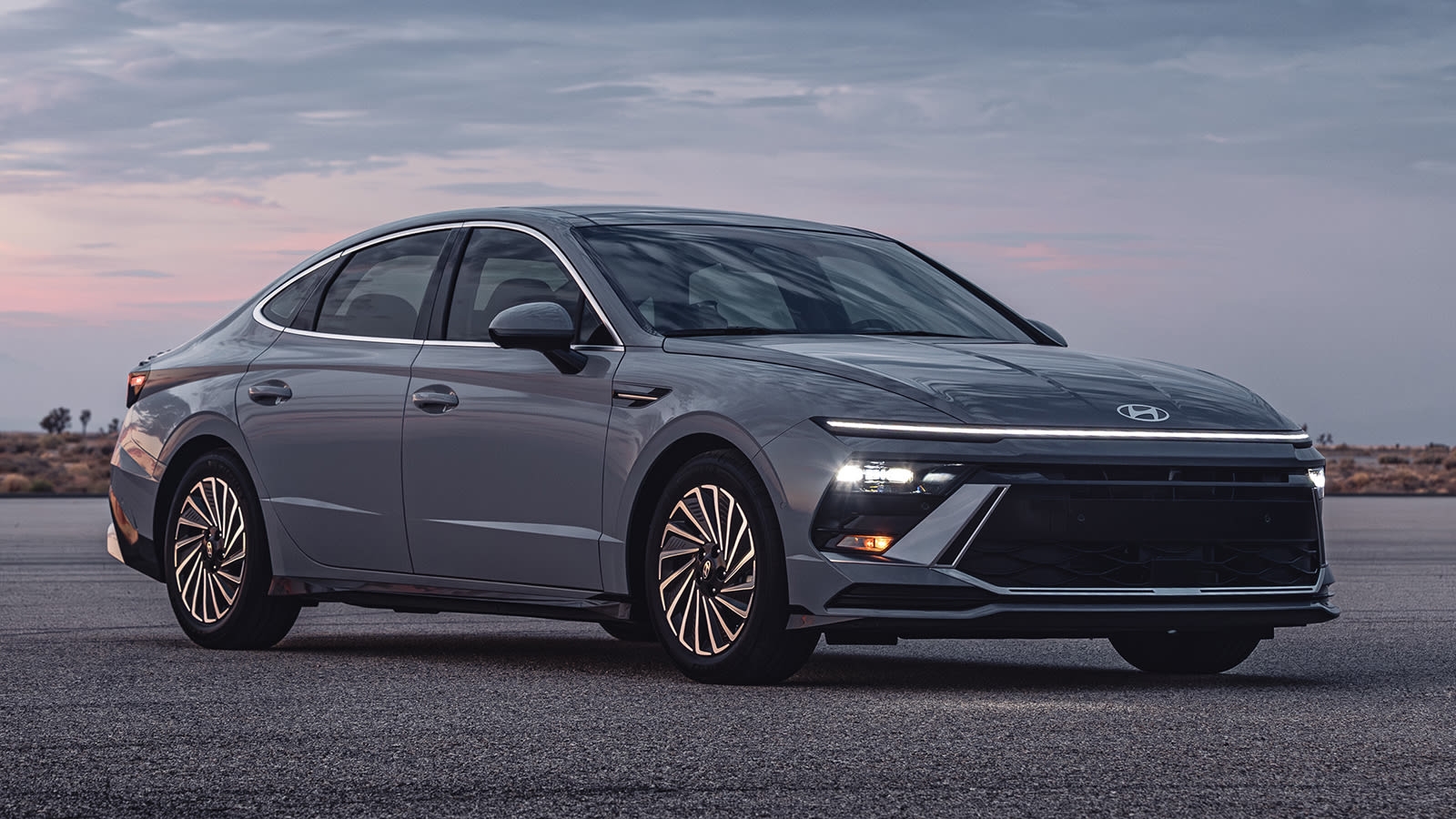
When it comes to long-term sedan ownership, few parts carry as much quiet importance as the ignition coil. Hidden beneath the engine cover, this small component transforms battery voltage into the spark that ignites each cylinder’s air-fuel mixture.
When ignition coils are built right, a car can start smoothly in any weather, idle quietly, and deliver consistent performance for hundreds of thousands of miles. When they fail, however, owners quickly feel it from rough starts and stumbling acceleration to flashing check-engine lights that never seem to go away.
In recent years, ignition coil reliability has become a clear separator between sedans that age gracefully and those that develop annoying quirks as they rack up mileage. Moisture intrusion, heat fatigue, and poor insulation materials can all cause intermittent misfires, especially in damp or cold weather.
Yet, some brands and models have engineered their systems so well that ignition issues are practically nonexistent, even after years of service.
This feature looks at both sides of that reliability divide. First, we highlight five sedans with bulletproof ignition coils cars known for starting reliably through thick fog, torrential rain, or subzero mornings without skipping a beat.
Then, we turn to five that tend to misfire when humidity creeps in, examining the design or maintenance factors that often lead to those issues.
Whether you’re shopping for a used sedan or simply want to understand how coil design impacts real-world dependability, this comparison gives you the inside view.
Each car here represents more than just a mechanical difference it shows how good engineering can spare drivers years of frustration or, in the worst cases, teach them why “smooth ignition” is never something to take for granted.
Also Read: 15 Cars That Mix Practicality With Style
5 Sedans With Bulletproof Ignition Coils
Some sedans earn loyal followings not just because of their looks or ride comfort but because they never let owners down in the small but vital areas. Ignition coil reliability is one such hidden strength.
A solid ignition system means consistent firing, cleaner combustion, and fewer headaches at high mileage. These are the cars that start the first time, every time even when the morning dew turns to frost or when summer humidity thickens the air.
Manufacturers that invest in robust coil materials, proper sealing, and intelligent placement under the hood end up saving their drivers thousands in repair costs over the long haul.
The design of these systems often reflects the overall engineering philosophy of the car a sign of how much attention was given to durability and ease of service. In other words, when a brand gets ignition right, chances are it got everything else right too.
The five sedans in this group have developed reputations for their no-nonsense reliability when it comes to spark delivery.
They shrug off moisture, extreme temperatures, and age without missing a beat. Mechanics frequently note how rarely they see ignition issues on these models, and owners praise their predictability an underrated quality in today’s tech-heavy cars.
From efficient Japanese designs to refined American setups, these vehicles prove that dependable ignition isn’t about chance. It’s the result of good materials, smart engineering, and testing that simulates real-world abuse.
The following five sedans demonstrate what it means to have “bulletproof” ignition coils the kind that stay strong long after the warranty expires and continue to perform with quiet confidence for years beyond expectations.
1. Toyota Camry (2014–2021)
The Toyota Camry has long been praised for reliability, and one of the most underappreciated reasons is its ignition system. Toyota’s coil-on-plug setup in these model years uses durable epoxy insulation and superior sealing against moisture key features that prevent breakdowns when humidity is high or when salt air creeps in near coastal regions.
Owners of the Camry often note how their cars start effortlessly even after weeks of sitting idle. The ignition coils on these models rarely fail before 150,000 miles, and even then, replacements are straightforward and affordable.
Toyota’s attention to coil placement positioned away from direct heat zones and sealed with tight-fitting boots ensures protection from both heat cycling and condensation.
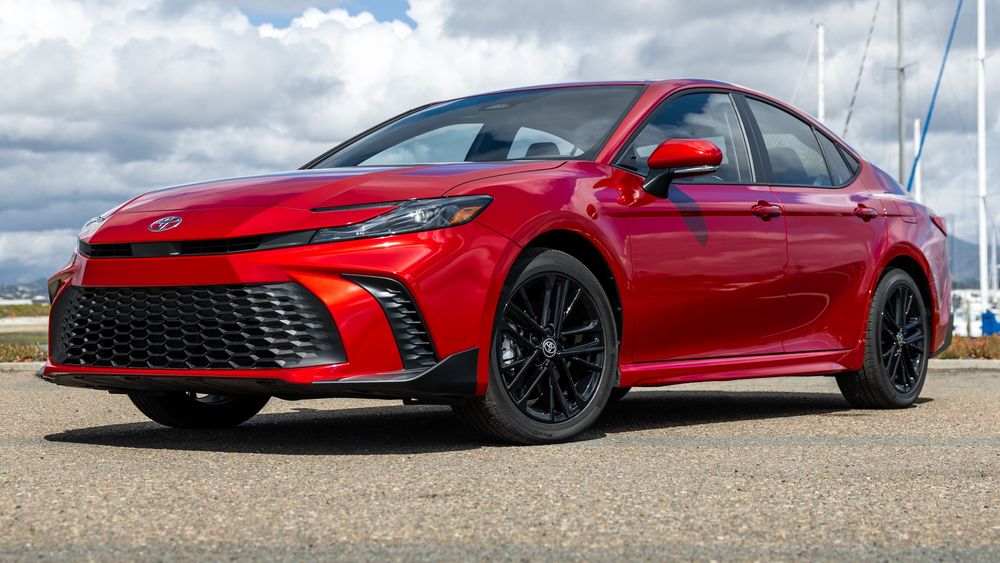
Mechanics appreciate how consistent the spark pattern remains, even on older Camrys with six-digit mileage. A balanced voltage output means no uneven firing or power loss, keeping the engine running smoothly in all seasons.
Toyota’s ignition design also integrates well with its ECU mapping, preventing false misfire codes that can plague less refined systems.
Part of what makes these coils “bulletproof” is Toyota’s commitment to component sourcing. The Denso-made coils used in the Camry are built to tight tolerances and use reinforced epoxy resins that resist cracking over time.
While other sedans may experience idle roughness in damp weather, the Camry keeps its composure thanks to its dependable spark delivery.
This combination of durable materials, precise engineering, and smart coil positioning is why so many Camrys continue to run flawlessly past 200,000 miles. It’s a textbook example of how strong fundamentals not flashy tech create reliability that lasts decades.
2. Honda Accord (2013–2020)
Few midsize sedans blend efficiency, power, and long-term dependability as well as the Honda Accord. The ignition coil design in these years plays a huge role in that reputation. Honda uses a high-resistance, double-sealed coil housing that keeps out water and oil vapor, both common causes of premature failure.
Accords are known for clean, consistent startups, even in damp or freezing conditions. Their ignition coils, mounted directly above the plugs with weather-sealed boots, resist arcing a common issue when coils age or when insulation breaks down.
Honda engineers also designed the coils to maintain steady energy output, reducing strain on both the battery and alternator.
Technicians frequently report that ignition coil replacements on Accords are rare before 180,000 miles. That’s because the coils are thermally stable and can handle the engine’s operating heat without internal shorting. The result is a steady idle, crisp throttle response, and fewer emission issues over time.
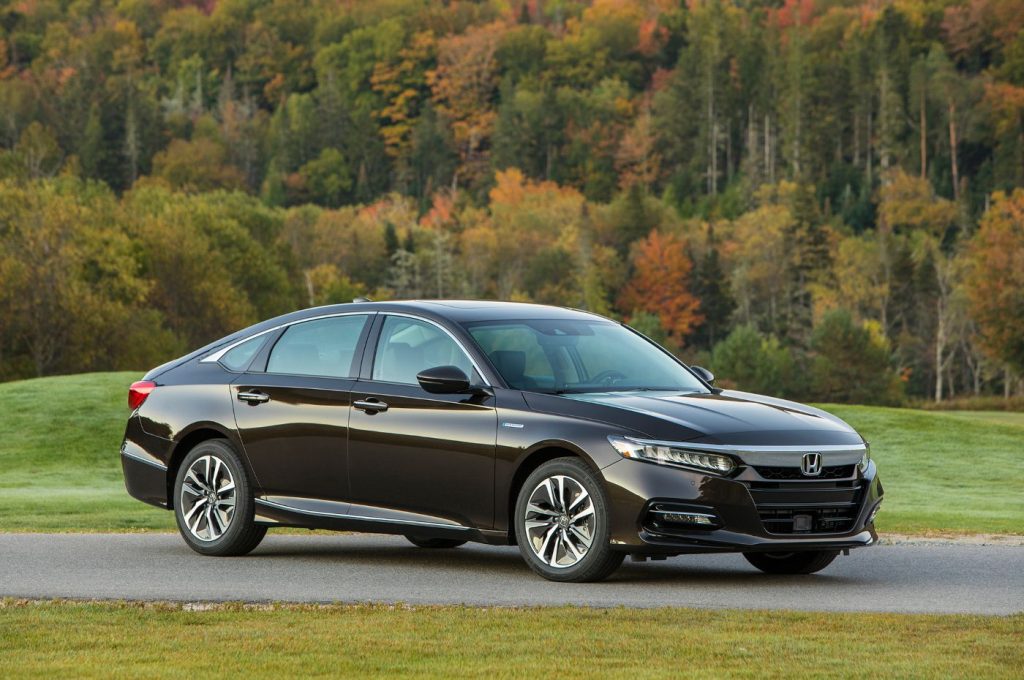
One standout feature is Honda’s coil voltage regulation strategy. The ECU adjusts spark timing with remarkable precision, ensuring each cylinder receives consistent energy regardless of weather or altitude. Even after years of driving through humid climates, owners rarely experience the misfire codes that plague cheaper systems.
In practical terms, that means an Accord driver can expect thousands of flawless starts with no hesitation or roughness. Combined with Honda’s efficient engines and low maintenance costs, these bulletproof ignition coils make the Accord one of the most confidence-inspiring sedans ever built. It’s reliability you can literally feel every time you turn the key.
3. Lexus ES 350 (2013–2021)
The Lexus ES 350 takes Toyota’s legendary ignition reliability and adds a layer of refinement. Built on the same foundation as the Camry but engineered for higher standards, this sedan features ignition coils that are nearly immune to moisture-related failures.
Lexus uses a specialized silicone-sealed coil design with improved thermal dissipation a combination that keeps performance consistent even in extreme humidity or long stop-and-go commutes.
These coils rarely produce weak spark signals or intermittent misfires, a testament to how carefully Lexus tests its electrical systems. The ES 350’s coil housing materials resist both heat expansion and contraction, a common cause of cracks that allow condensation to sneak in.
This stability keeps the ignition timing precise, maintaining smooth idle quality and throttle response even at high mileage.
Technicians often praise the ES for how little ignition maintenance it requires. While other premium sedans in its class might need replacement coils around 100,000 miles, the ES often surpasses 200,000 without a hiccup.
The coil boots are made from heat-resistant rubber that prevents voltage leaks another detail that keeps owners out of the repair shop.
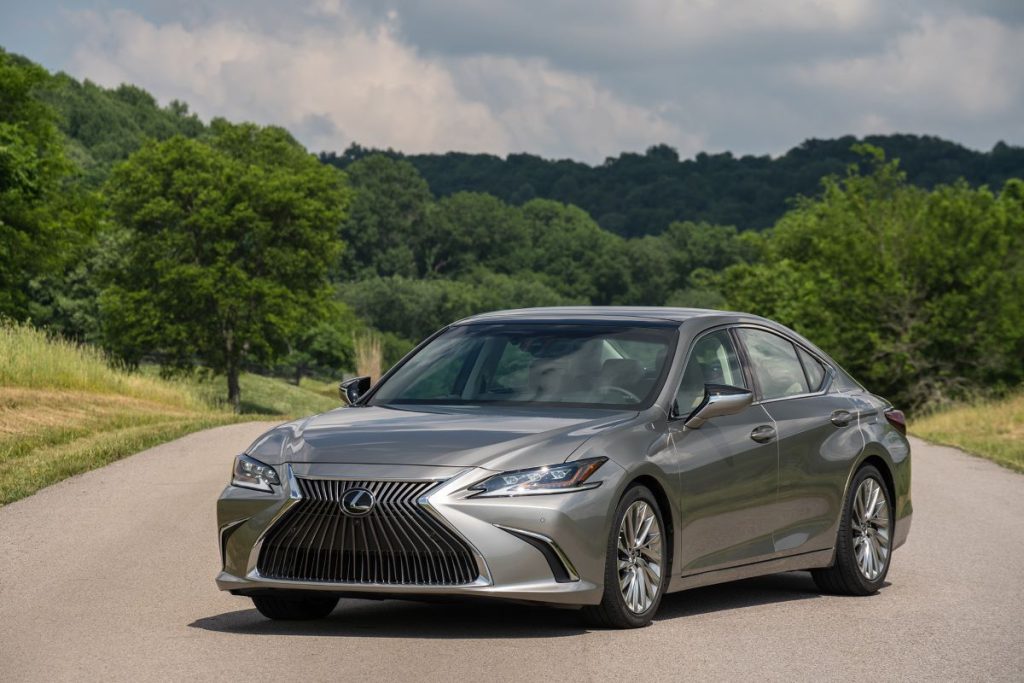
In damp or cold regions, where lesser cars sometimes hesitate to start, the ES 350 maintains its composure. The ignition system’s shielding and grounding minimize interference, resulting in instant ignition and a quiet idle. Lexus owners rarely experience misfire codes, even when using regular fuel or driving through heavy rain.
The end result is an ignition system that mirrors the car’s personality calm, smooth, and unwavering. For drivers who prioritize peace of mind and refined engineering, the ES 350 remains one of the most reliable sedans ever built when it comes to ignition coil durability.
4. Mazda6 (2015–2021)
Mazda’s reputation for lively driving dynamics often overshadows its quiet commitment to reliability. The Mazda6 exemplifies that balance.
Its ignition coils are robust, weather-resistant, and designed with a focus on electrical integrity. Mazda’s engineers placed each coil directly atop its spark plug but insulated them with thick, double-layer boots that resist both oil intrusion and moisture.
This attention to sealing makes a huge difference in damp climates, where misfires can appear after heavy rain or long storage. The Mazda6, however, fires up cleanly every time. The coils use advanced ferrite cores and heat-resistant epoxy resin to maintain consistent spark voltage, reducing strain on the ignition control module.
Owners of the Mazda6 frequently report that even after 150,000 miles, their engines still start with confidence and run without hesitation. Unlike some competitors, Mazda’s ignition coils don’t suffer from gradual voltage drop or degraded insulation, both common causes of rough idle and engine stumble.
Mechanics often describe the Mazda6’s ignition setup as “set it and forget it.” Replacement intervals are long, and failure rates are extremely low. The brand’s testing regimen includes exposing coils to cycles of condensation and vibration, ensuring reliability under real-world conditions.
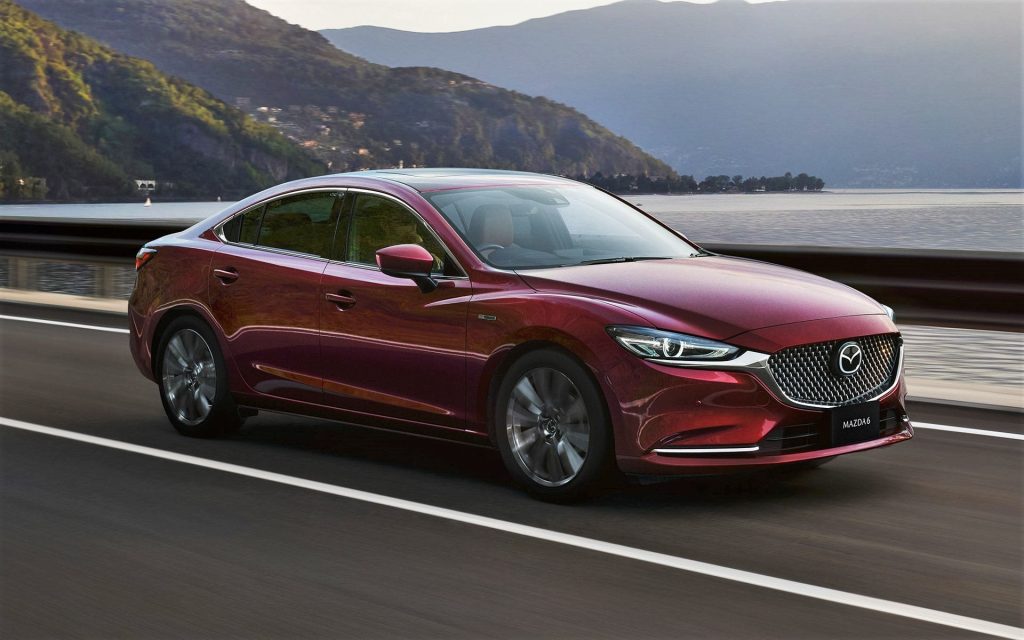
Even in humid coastal areas or during monsoon seasons, the Mazda6 proves resilient. Its ignition system keeps spark timing precise and consistent, helping maintain fuel efficiency and engine smoothness.
Drivers who appreciate both spirited handling and mechanical dependability will find the Mazda6’s ignition coils among the toughest in its class a true reflection of Mazda’s smart, detail-oriented engineering philosophy.
5. Chevrolet Malibu (2016–2022)
The Chevrolet Malibu might not be the flashiest midsize sedan on the road, but its reliability in everyday conditions has quietly earned it respect. A big part of that durability comes from its ignition coil design.
GM equipped these models with individual coil-on-plug systems that use reinforced resin casings and waterproof connectors. This ensures consistent voltage delivery and solid spark generation, even when moisture or dirt tries to interfere.
Unlike older GM setups that suffered from corrosion or coil cracking, the Malibu’s latest-generation ignition components were built with longevity in mind.
Each coil features high-quality insulation materials that resist both engine bay heat and environmental stress, a major reason these cars start easily in wet or foggy weather.
Owners appreciate how the Malibu rarely exhibits hesitation or misfire symptoms, even after years of daily driving. The coils are shielded within the cylinder head cover, protecting them from splashback and temperature extremes.
That protection helps the Malibu maintain smooth operation whether cruising through city traffic or long highway drives.
Technicians note that ignition coil replacements on these cars are seldom necessary unless another issue, like oil leakage from worn valve cover gaskets, compromises the seal. Otherwise, the Malibu’s ignition coils can easily outlast 150,000 miles without a hint of weakness.
The real strength of this system lies in GM’s updated coil design, which delivers strong, even spark energy across all cylinders. This not only reduces emissions and fuel waste but also extends the life of the catalytic converter.
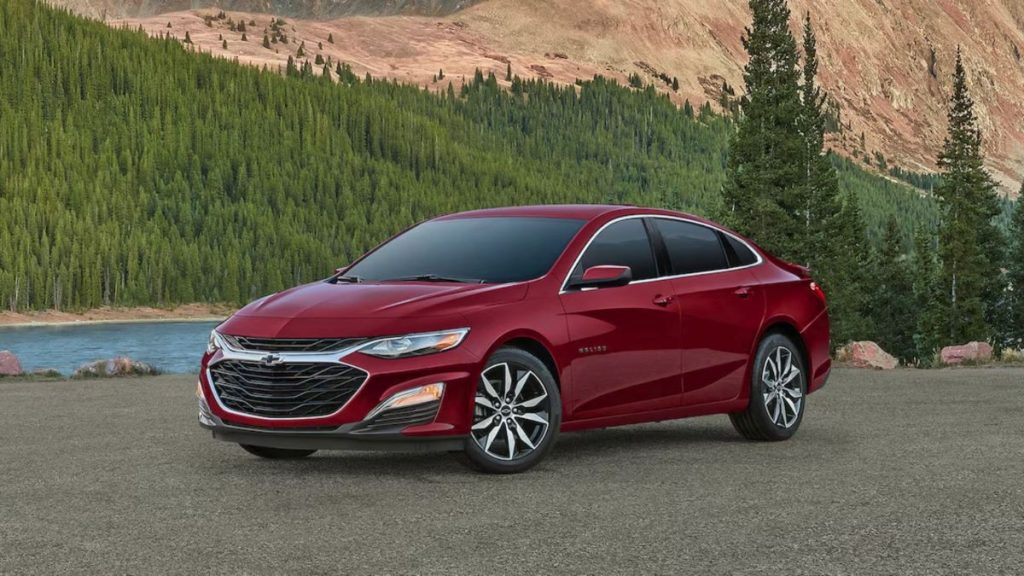
In regions where damp weather is a constant challenge, the Malibu remains a confident starter, never faltering after rain-soaked nights or chilly mornings.
For drivers who want American practicality paired with proven ignition reliability, the Chevrolet Malibu delivers more than expected. Its coils are quietly tough built to perform flawlessly no matter what the weather throws at it.
5 Sedans That Misfire in Damp Weather
Not every sedan handles moisture with grace. While some ignition systems are built to shrug off rain, others seem to develop a personality change the moment humidity rises. For many owners, this shows up as rough idling, stumbling starts, or that dreaded check-engine light flashing after a foggy morning commute.
When ignition coils or their boots aren’t properly sealed, damp air sneaks in, disrupting the voltage path and causing misfires that feel random but are actually signs of design weakness.
Some automakers save a few dollars by using less heat-resistant epoxy or thinner rubber insulation, and those shortcuts often reveal themselves only after years of exposure to weather.
Once the protective layers begin to crack or absorb moisture, the spark that should jump cleanly across the plug gap instead finds a path of resistance and that’s where the trouble begins.
These issues don’t necessarily make a car unreliable overall, but they can create a pattern of frustrating symptoms that appear seasonally or after heavy rain. Drivers may think it’s bad gas or a weak battery when, in reality, it’s simply the coils failing to insulate against moisture.
In this section, we’ll spotlight five sedans known to misfire in damp weather, whether due to poor coil design, cramped engine layouts, or weak electrical shielding. Each case shows how small engineering compromises can affect long-term dependability.
We’ll also look at what mechanics and owners report most often and why these cars, though otherwise solid, can stumble when the air gets thick.
These aren’t bad vehicles by any means many perform beautifully in dry conditions but their ignition coils remind us that sometimes, weather exposes the hidden flaws even in well-loved sedans.
1. BMW 328i (2012–2016)
The BMW 328i from this generation delivers refined performance and handling, but its ignition coils are a known weak spot especially when the weather turns damp. Owners often report sudden misfires after overnight rain or when humidity spikes, usually traced back to coil insulation breakdown.
BMW’s turbocharged four-cylinder engines produce plenty of heat under the hood, and that constant expansion and contraction eventually weakens the coil boots and seals.
Over time, moisture seeps in and creates electrical resistance, leading to incomplete combustion or rough idling. In cold or foggy climates, this can mean occasional hesitation right after startup or misfire codes that seem to come and go.
Technicians frequently point to the brand’s slim coil design, which prioritizes compact packaging over insulation thickness. The result is a coil that works perfectly when new but becomes sensitive to moisture once the protective layers degrade.
The issue isn’t catastrophic but can be frustrating especially for drivers who expect premium consistency from a luxury badge.
BMW has improved later coil versions, but replacements can still be expensive and may require all four to be changed at once to avoid uneven firing. When maintained carefully and kept dry, these engines perform beautifully, but in rainy regions or high-humidity environments, even well-maintained 328is can show misfire symptoms after a few years.
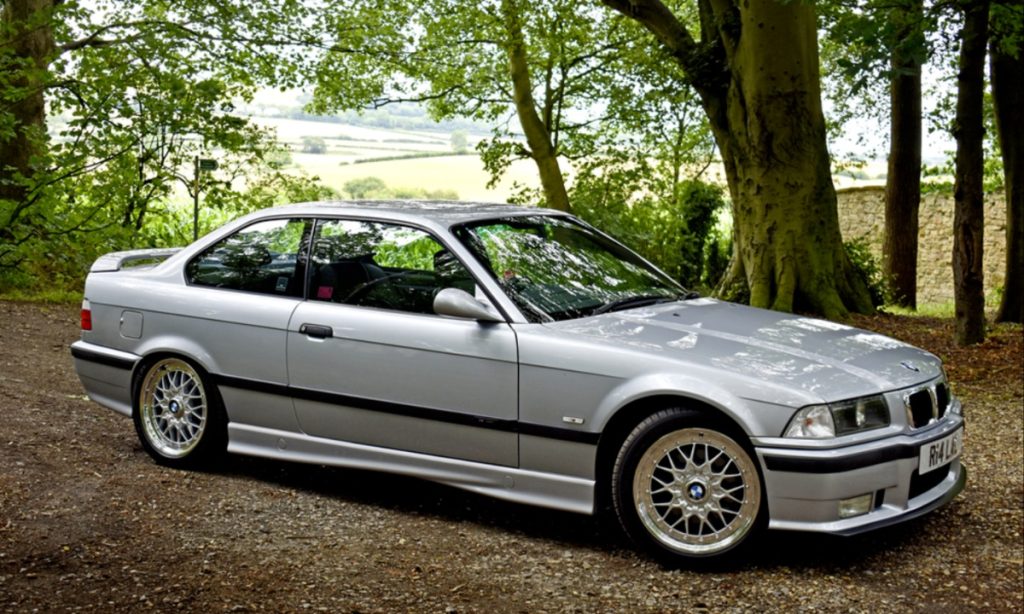
The car remains a joy to drive, yet it’s a clear example of how precision engineering sometimes leaves little margin for environmental realities.
The 328i teaches one key lesson: advanced performance components must still stand up to simple weather challenges something BMW owners in coastal or damp regions know all too well.
2. Volkswagen Passat (2013–2018)
The Volkswagen Passat blends German comfort with family practicality, but ignition coil reliability has long been its Achilles’ heel in humid weather. Many owners report misfires after rainstorms or when the car sits in dew overnight. The culprit? Coils that can’t fully seal against moisture intrusion.
VW’s coil packs use lightweight plastic housings that can develop tiny cracks over time due to heat cycling. When that happens, condensation finds its way into the plug well, causing weak spark signals or intermittent misfires. These symptoms tend to be worse on older Passats or cars driven infrequently, where moisture lingers around the coil boots.
In damp conditions, even a small amount of condensation can cause arcing visible as tiny white tracking marks on the coil. This weakens voltage delivery and triggers the classic rough idle or flashing check-engine light. Mechanics often recommend replacing all four coils at once, since a single weak one can throw off the balance of the ignition system.
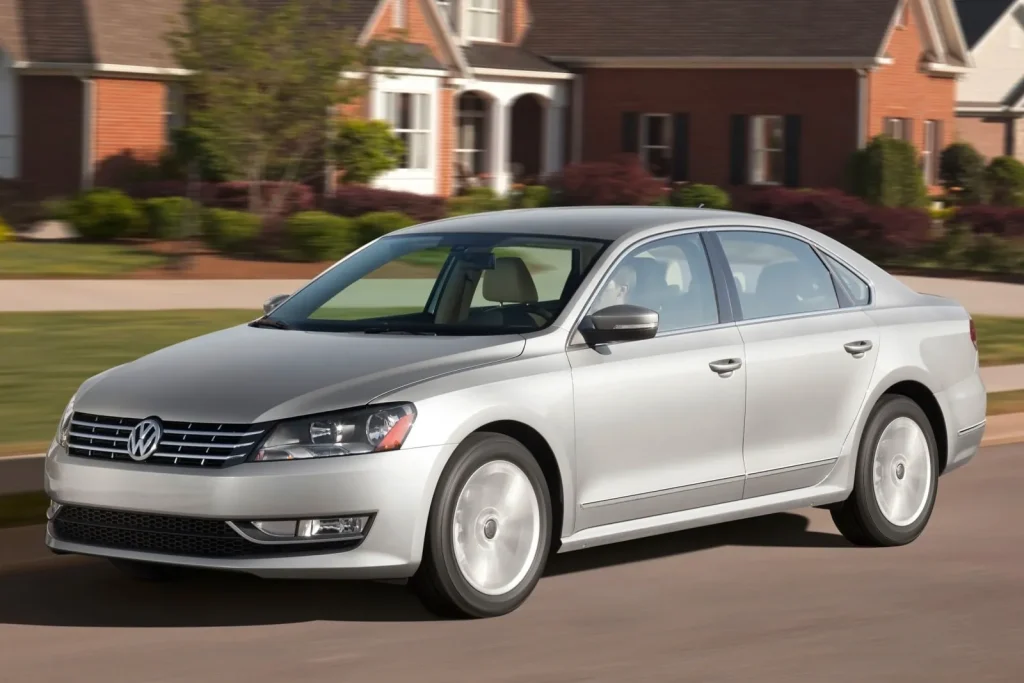
To Volkswagen’s credit, newer coil designs are more robust, but for this model range, water resistance was never its strong suit. Some owners install aftermarket coils with better sealing or use dielectric grease on the boots to reduce moisture impact simple steps that can dramatically improve reliability.
The Passat’s ignition performance in dry weather is excellent, offering smooth power and efficient combustion. It’s only when rain or fog rolls in that its weaknesses show. This sedan demonstrates how even well-engineered European cars can stumble from something as simple as damp air sneaking past a seal.
3. Ford Fusion (2013–2019)
The Ford Fusion earned praise for its design, safety, and comfort, but owners in humid or rainy regions often face one recurring frustration random misfires when the weather turns damp. The culprit typically lies in the ignition coils.
Ford’s coil packs on these models are compact and efficient, but they’re also positioned deep within the engine bay, where trapped moisture can linger after rain or washing.
The Fusion’s 1.5L and 2.0L EcoBoost engines generate plenty of under-hood heat, and when that heat meets lingering humidity, condensation can form inside the plug wells.
Over time, this moisture seeps into the coil boots, breaking down insulation and causing arcing. When that happens, the coils fail to deliver full spark energy, leading to hesitation or uneven idling.
Owners often report that the issue is more noticeable in cooler, damp mornings the car will start fine but stumble slightly until warmed up. Once dry, the problem disappears, which makes diagnosis tricky. Mechanics frequently find water traces or corrosion marks on the coil connectors, clear evidence of moisture intrusion.
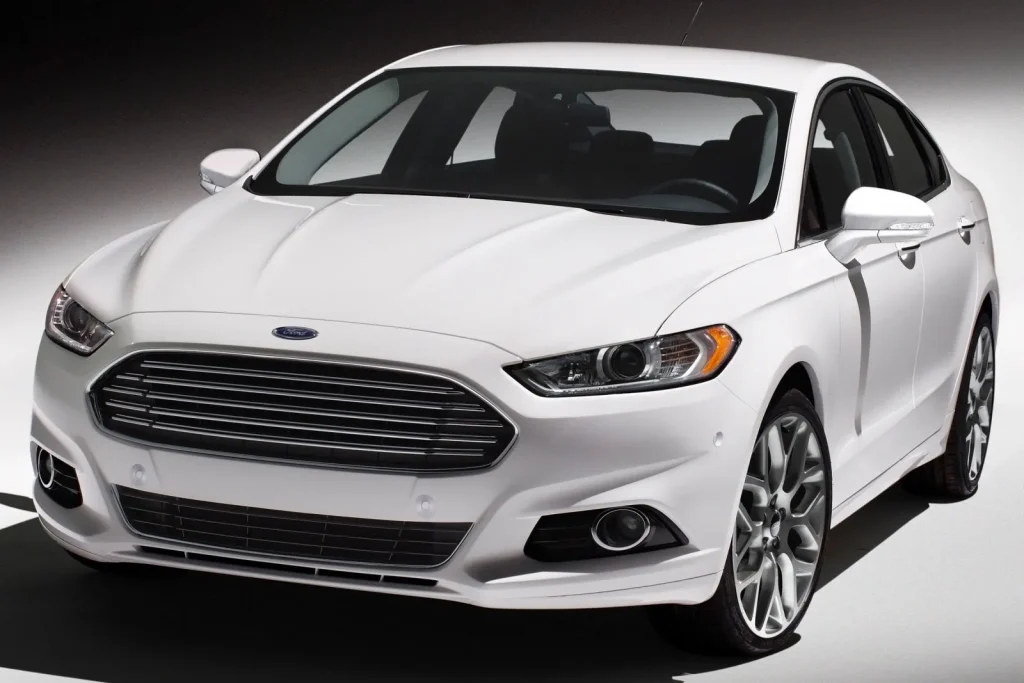
Ford did issue updated coil part numbers with improved sealing, but earlier models remain prone to intermittent misfires if not maintained carefully. Using dielectric grease and ensuring the valve cover gasket stays tight can help, yet many owners still experience moisture-related misfires by the 80,000-mile mark.
The Fusion remains a strong daily driver overall, but this ignition coil weakness is a reminder that even a well-balanced sedan can falter when exposed to the right environmental stress. In regions with frequent rainfall, coil insulation should have been stronger a small oversight that turned into one of the car’s most common service complaints.
4. Nissan Altima (2013–2018)
The Nissan Altima offers smooth power delivery and solid efficiency, but damp-weather misfires have been a recurring problem across this generation. The main reason lies in the design of its ignition coils and the shallow spark plug wells that make them vulnerable to moisture.
When rainwater or condensation seeps in especially after car washes or during humid nights the coils begin to short internally. The voltage that should fire the plug instead escapes along the outer surface, leading to a weak or intermittent spark. Over time, this damages both the coils and the plugs themselves.
Owners often notice the symptoms as light vibration at idle or a sudden check-engine light after a rainy weekend.
The issue is especially common in four-cylinder versions where the coil boots lack strong sealing rings. Mechanics frequently find traces of carbon tracking on the coil tips, clear evidence of voltage leakage due to dampness.
Nissan has updated replacement parts with better insulation, but the original equipment coils were particularly sensitive to humidity. In some cases, even a small crack in the coil body can cause repeated misfires in moist air.
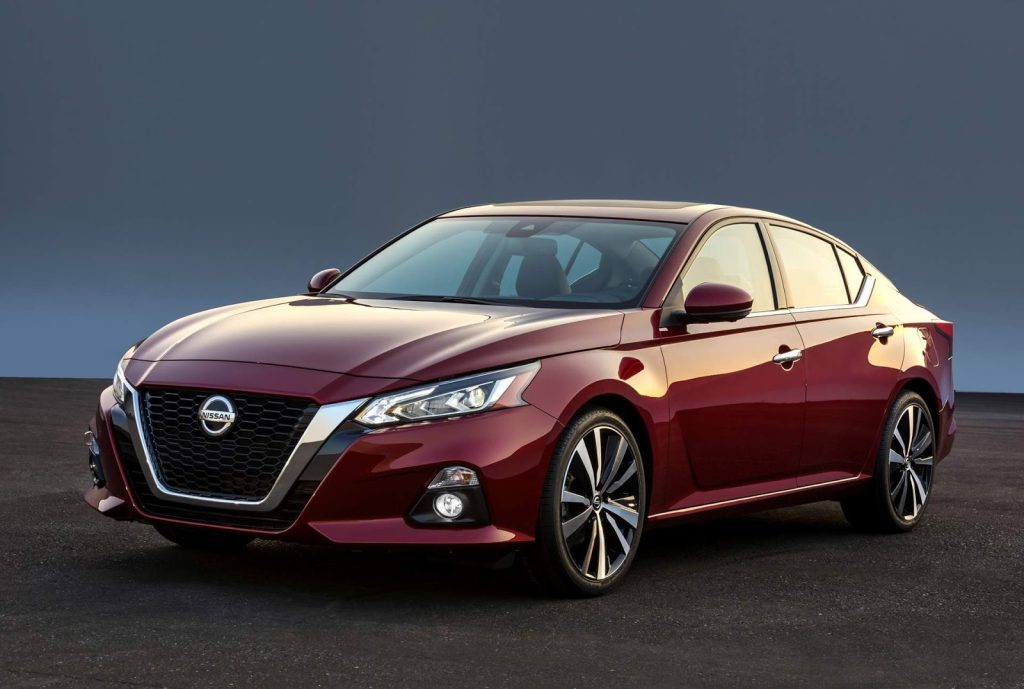
This problem doesn’t ruin the Altima’s reputation for affordability or comfort, but it does frustrate owners who expect consistent reliability. Preventive measures like applying dielectric grease and checking plug well gaskets can help, yet the car’s underlying coil design still makes it more vulnerable than most rivals.
The Altima’s engine runs beautifully in dry, moderate climates, but damp weather exposes a weak link in its ignition system. It’s a clear case of solid mechanical engineering undermined by small electrical vulnerabilities the kind that only show themselves after time and moisture work their way in.
5. Hyundai Sonata (2015–2020)
The Hyundai Sonata has earned a strong reputation for style and value, yet one subtle weakness lies beneath its otherwise dependable engines ignition coils that don’t always handle damp weather gracefully. Many owners report slight stumbles or hesitation during wet conditions, particularly on cooler mornings when condensation builds under the hood.
The issue stems from the coil housing design and the materials used in this generation. Hyundai’s coils feature a lightweight composite casing that performs well in dry heat but lacks deep sealing around the lower boot.
In regions with frequent humidity or rainfall, this allows fine moisture to reach the plug wells, interrupting spark consistency. Over time, this moisture can cause micro-cracks in the insulation or small arcs that gradually weaken the coil.
Technicians often see these symptoms appear between 70,000 and 100,000 miles. The car may start fine, then suddenly misfire on one cylinder when driven through heavy rain or after sitting overnight.
The pattern often disappears when the weather clears, making it one of those elusive, weather-dependent issues owners struggle to replicate at the dealership.
Hyundai did improve later replacement coils with thicker boots and better sealing material, but the earlier designs remain vulnerable. Drivers in coastal or humid regions find that regular plug inspections and applying dielectric grease around the boots help minimize problems. However, once a coil has begun to arc internally, replacement is the only long-term fix.
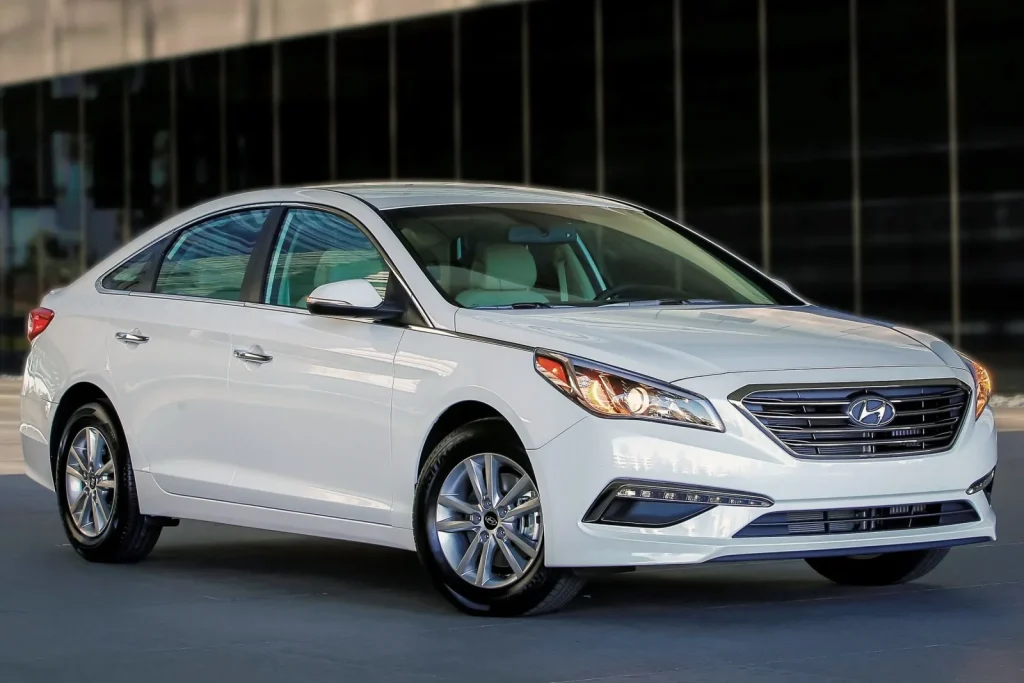
When running dry, the Sonata’s ignition system is smooth and efficient, offering excellent fuel economy and clean power delivery. But when damp air gets involved, the system’s sensitivity shows. It’s a good reminder that even reliable, well-built sedans can falter when one small part doesn’t account for weather extremes.
Despite this flaw, the Sonata remains a strong overall choice but owners in humid climates should know its coils can be the difference between a smooth start and a stubborn morning misfire.
Ignition coils rarely get attention until they fail, yet they quietly define how reliable a sedan truly feels.
Through the years, some automakers have mastered the art of coil durability, while others have learned the hard way that moisture, heat, and vibration can expose weaknesses that no amount of software can hide. The cars in this comparison prove just how much difference coil engineering can make.
On one side stand the sedans with bulletproof ignition coils models like the Toyota Camry, Honda Accord, Lexus ES 350, Mazda6, and Chevrolet Malibu. Each of these cars shows what happens when a manufacturer prioritizes durability from the start.
They feature tightly sealed coil housings, strong epoxy insulation, and boots designed to keep moisture and oil out for the long haul. The result is predictable performance regardless of weather.
Owners enjoy crisp startups, smooth idle, and years of service without a single misfire warning light. These cars represent the mechanical calm that every driver appreciates reliability that fades into the background because it simply works.
Then come the sedans that misfire in damp weather not poorly made, but clearly more vulnerable to moisture. The BMW 328i, Volkswagen Passat, Ford Fusion, Nissan Altima, and Hyundai Sonata all demonstrate how even capable vehicles can be tripped up by design shortcuts or insulation fatigue.
In many of these cases, the engines themselves are robust, but their coils sit too close to heat sources or lack sealing strong enough to resist humidity. When fog or rain arrives, misfires show up like clockwork, frustrating owners who expect consistent performance.
The contrast between these two groups underscores a key truth: reliability isn’t only about major components like engines or transmissions.
It’s also about the small systems that keep them running in harmony. Ignition coils may seem minor, but their role in maintaining combustion balance makes them the hidden guardians of smooth power delivery.
For buyers choosing their next sedan, knowing which models resist damp-weather troubles isn’t trivia it’s practical knowledge that prevents unnecessary repairs and stress.
Whether it’s a Camry starting on a foggy morning or a BMW coughing through drizzle, the spark that fires each cylinder tells a deeper story about engineering priorities and long-term dependability.
Also Read: 15 Cars That Offer True Peace of Mind
