

Turbocharged four-cylinder engines have changed how people view performance and fuel economy. They promise the strength of a six-cylinder while sipping less fuel an appealing trade for drivers who want power without a heavy fuel bill.
But there’s one thing that continues to puzzle many owners: the kind of gas these engines actually need. Some run smoothly on regular, while others demand premium to reach their full potential. Understanding which is which can make a big difference in your yearly fuel costs and long-term reliability.
Not every turbocharged engine is built with the same priorities. Certain models use moderate boost pressures and careful tuning, allowing them to perform well with regular gasoline. These are great for drivers who value efficiency, simplicity, and lower operating costs.
On the other hand, higher-output turbo fours are tuned for sharper throttle response and stronger torque. They thrive on premium fuel, which prevents knocking and lets the engine’s full performance map come alive.
Knowing where your car’s turbo falls in this range isn’t just about saving money at the pump it’s about making sure your engine stays healthy. Using the wrong octane can hurt performance, mileage, and even long-term reliability.
This guide looks at both sides: six turbocharged fours that handle regular fuel easily, and six that genuinely require premium to function as intended.
Whether you’re shopping for a new car or wondering about your current one, this list helps you match your priorities power or practicality, with the right engine setup.
Also Read: 12 Trucks With the Best Sound Insulation on The Road
6 Turbo Fours That Handle Regular Gas Well
Turbocharged engines have a reputation for needing premium fuel, but not every model fits that stereotype. Some of the most dependable and affordable vehicles on the road today use small turbo fours that work just fine on regular gas.
These engines are designed with careful tuning, moderate compression ratios, and efficient cooling systems that allow them to deliver strong performance without premium fuel costs.
For drivers who prioritize long-term ownership value, these powerplants represent the best of both worlds modern performance without financial strain.
Automakers like Toyota, Honda, Hyundai, and Ford have invested years into refining how turbocharged engines manage combustion.
Their focus has been on balance giving the driver enough torque for city traffic and highway merging, but not pushing the engine so hard that it becomes sensitive to fuel octane. This balance helps these vehicles maintain reliability, something many turbo skeptics worried about in earlier years.
Choosing a turbo four that can handle regular gas isn’t just about saving a few dollars per tank. It’s about minimizing ownership costs, avoiding engine knock worries, and keeping fuel options open wherever you drive.
It also means less sensitivity to variations in regional fuel quality, which can be helpful in areas where premium isn’t consistently available or can cost far more.
In this section, we’ll look at six vehicles whose turbocharged four-cylinder engines deliver dependable, efficient power while running on regular gasoline. They don’t compromise on smoothness or reliability, even without premium.
Each one offers a blend of smart engineering and practical value, making them ideal for drivers who want turbo efficiency without the luxury price tag attached to the fuel pump.
1. Toyota Camry 2.5L Turbo
Toyota’s 2.5-liter turbocharged four-cylinder, found in select Camry trims, is one of the most refined engines designed for regular gasoline.
While many associate the Camry with naturally aspirated engines, the new turbo variant has been engineered with efficiency and dependability as top priorities. It maintains Toyota’s focus on real-world usability rather than chasing high-output bragging rights.
This engine’s tuning is conservative yet smart. The turbo operates with a lower boost threshold, keeping cylinder pressures well within limits that regular gas can manage.
Advanced knock sensors and a well-calibrated ECU help the system adjust ignition timing dynamically, ensuring smooth combustion even when fuel quality varies. The result is an engine that offers excellent mid-range torque for overtaking and merging while keeping operating costs under control.
Toyota also pairs this engine with an eight-speed automatic transmission optimized for everyday driving. It ensures that power delivery remains responsive without straining the engine, which contributes to long-term durability.
Owners have praised the Camry turbo’s refined behavior, particularly its ability to deliver strong acceleration without the telltale turbo lag that plagues less efficient setups.
From a consumer standpoint, this engine’s biggest advantage is predictability. You can fill up with regular gas without second-guessing performance loss or reliability issues. Maintenance remains straightforward, with no special fuel system cleaning or octane conditioning required.
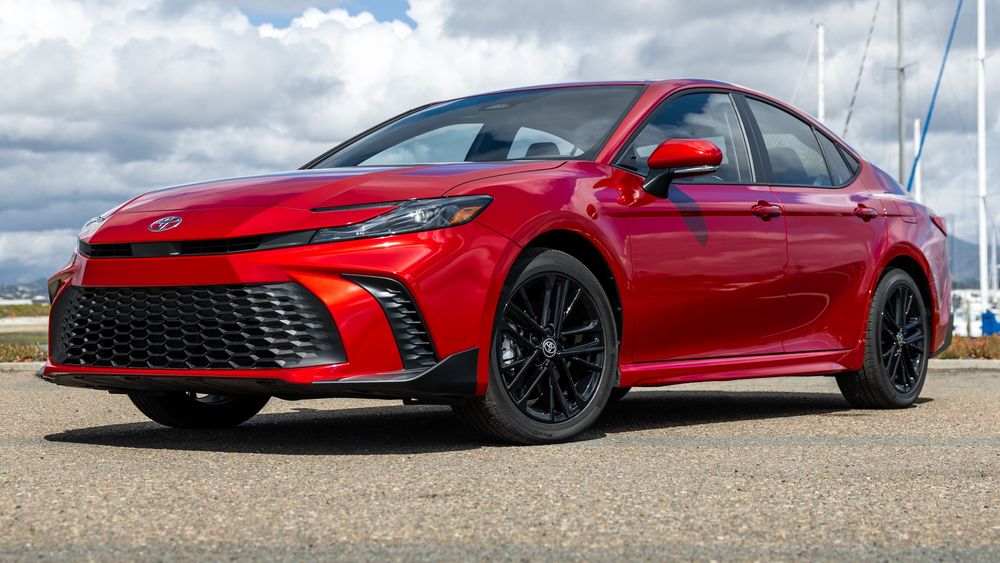
For a midsize sedan that serves families and commuters alike, this balance between technology and practicality defines why Toyota continues to dominate its segment. The Camry’s turbo four is proof that you can enjoy modern performance while keeping ownership costs sensible.
2. Honda Accord 1.5T
Honda’s 1.5-liter turbocharged four-cylinder is another standout example of a regular-fuel-friendly engine. Used across several Accord trims, it delivers strong torque at low RPMs while maintaining the company’s reputation for longevity.
The 1.5T has been tuned specifically for everyday reliability rather than high-end power, which allows it to run happily on regular gasoline without performance complaints.
At its core, Honda’s VTEC technology and direct injection system allow precise control over fuel and air mixture. The turbo operates with a moderate 16 psi of boost, and its cooling and compression setup is carefully balanced to prevent pre-ignition.
Knock sensors play a crucial role here, constantly adjusting timing to ensure smooth combustion. Even in hot climates or under load, the 1.5T remains efficient and responsive.
Drivers appreciate how this engine delivers immediate low-end power, something previous naturally aspirated models couldn’t match. On the highway, it offers confident passing ability while staying quiet and refined.
Fuel economy stays impressive, often exceeding 30 mpg in mixed driving one of the strongest results in its class for a turbocharged sedan using regular fuel.
Honda’s engineering goal was simple: create a small turbo engine that’s efficient, affordable to maintain, and durable over time. That’s why many Accord owners easily pass 150,000 miles with minimal engine-related issues.
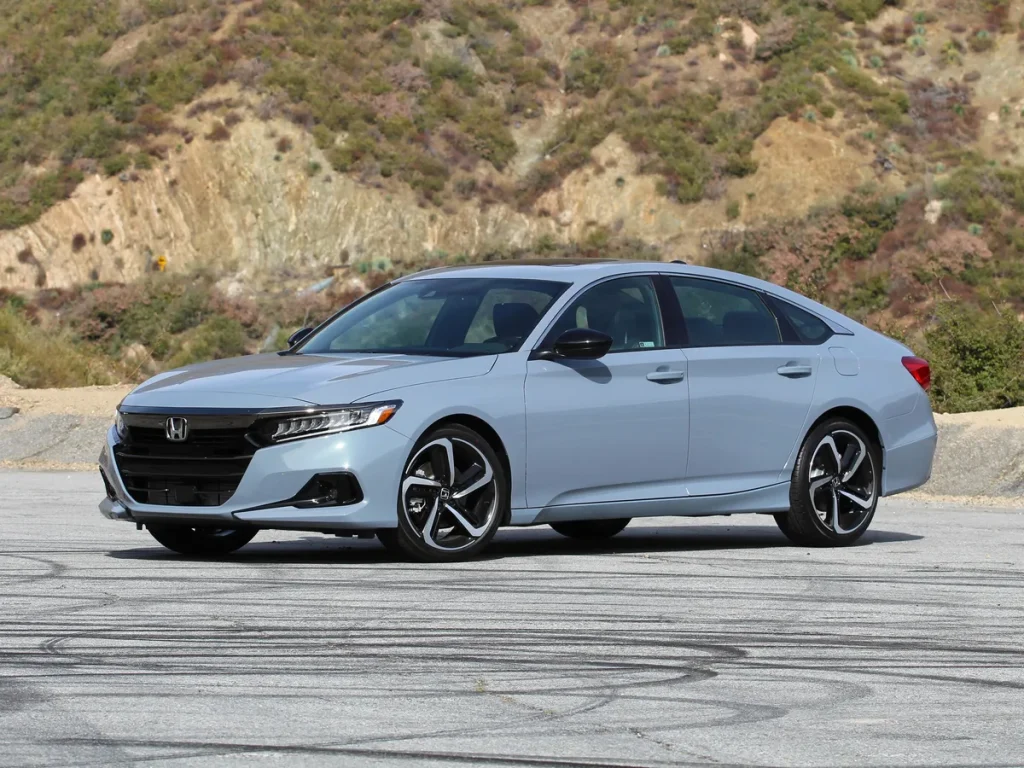
The ability to use regular gas further strengthens its value for long-term ownership. For those who want the sophistication of turbocharging without the added fuel cost, the Accord 1.5T represents the ideal middle ground between efficiency and everyday usability.
3. Ford Escape 2.0 EcoBoost
Ford’s 2.0-liter EcoBoost engine is one of the most user-friendly turbocharged fours on the market. It’s designed for everyday practicality, delivering strong power without needing premium fuel. For many owners, that means real savings every time they fill up.
This engine uses a twin-scroll turbocharger and direct injection setup that balances performance with fuel efficiency. Ford tuned it to generate torque early, keeping acceleration smooth while maintaining stable combustion on regular gasoline. It’s a practical design choice that benefits commuters and families alike.
The 2.0 EcoBoost produces around 250 horsepower and 280 lb-ft of torque, impressive figures for its size. What makes it stand out is its flexibility drivers can get solid towing power, confident highway merging, and smooth daily driving all from one efficient engine.
The Escape’s ECU adjusts ignition timing and air-fuel ratios automatically, adapting to variations in fuel quality. That means you won’t experience rough idling or hesitation, even if the gas station’s regular fuel isn’t top tier.
Owners appreciate how reliable this setup feels over time. As long as oil changes and maintenance are consistent, the EcoBoost engine has proven durable. It also avoids the pinging or knocking issues seen in high-strung turbos that demand premium.

The Escape’s 2.0 EcoBoost represents one of the best-balanced examples of modern turbocharging done right. It offers strong performance, flexibility, and easy ownership without raising fuel costs. For drivers who want a confident turbo SUV that stays reliable on regular gas, this Ford engine checks every box.
4. Chevrolet Equinox 2.0T
Chevrolet’s Equinox 2.0T shows how smart engine tuning can make turbocharging affordable. Its 2.0-liter turbocharged four-cylinder is designed to run cleanly on regular gasoline while still delivering the performance drivers expect from a modern crossover.
With 252 horsepower and 260 lb-ft of torque, the Equinox moves quickly when called upon. More importantly, it maintains consistent performance even without premium fuel. The direct injection system and variable valve timing work together to keep combustion smooth and efficient.
Chevrolet’s engineers built this engine to adapt easily to real-world fuel variations. The onboard sensors continuously adjust ignition timing and boost pressure, ensuring the engine remains responsive and quiet. There’s no harshness, knocking, or loss of confidence when accelerating hard.
Paired with a nine-speed automatic transmission, the Equinox 2.0T feels refined in both city and highway driving. Shifts are clean, and the power delivery stays even across the RPM range. That helps keep efficiency high while minimizing wear.
Drivers enjoy the convenience of using regular gas without giving up comfort or performance. Over years of ownership, this makes the Equinox easier and cheaper to maintain compared with competitors that require higher octane.
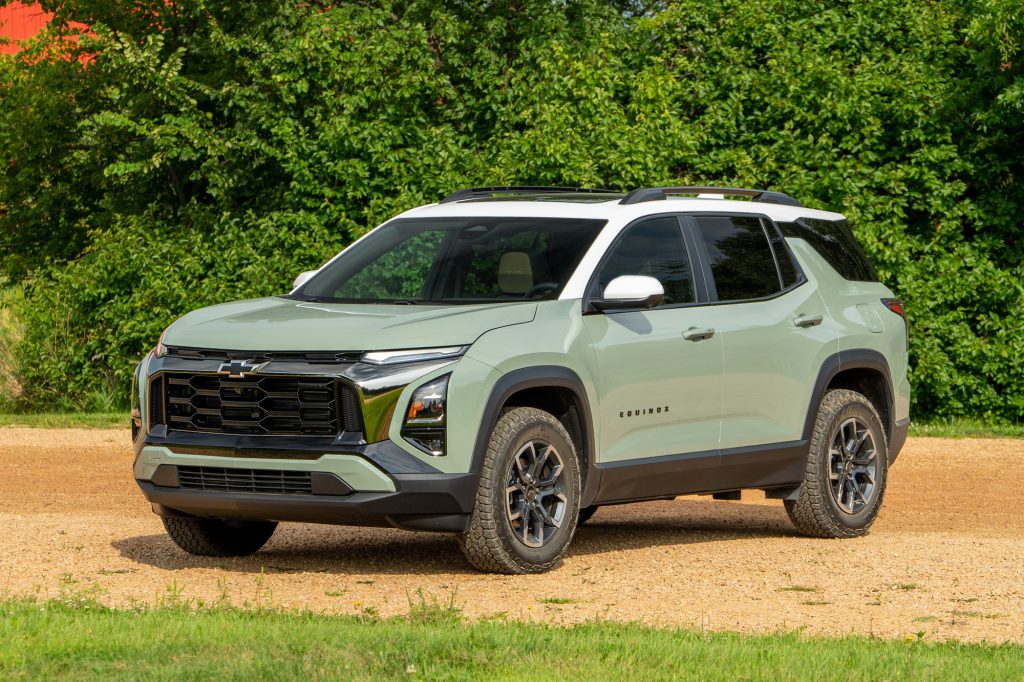
This setup is ideal for families who want an SUV that feels quick but remains practical at the pump. The Equinox 2.0T proves that careful engineering can make turbo performance accessible and affordable. It’s a confident, efficient choice that rewards drivers every time they refuel.
5. Hyundai Sonata 1.6T
The Hyundai Sonata’s 1.6-liter turbocharged engine has quietly built a reputation for being both efficient and low-maintenance. Unlike many small turbos that rely on premium fuel for best results, this one performs perfectly well on regular gasoline. It’s a smartly engineered engine that delivers refined power without stretching your fuel budget.
Hyundai tuned the 1.6T for steady, real-world performance rather than outright speed. Its turbo provides moderate boost, giving the car strong low-end torque for city use while avoiding high compression levels that demand premium fuel.
The system’s knock sensors and electronic management constantly optimize ignition timing, keeping operation smooth even under load.
The pairing with Hyundai’s eight-speed automatic transmission further enhances efficiency. Gear changes are quick and unobtrusive, helping the car stay within its most efficient rev range. Drivers experience a composed, quiet ride that feels more like a larger engine under light throttle.
Fuel economy is a major selling point here. Many owners report consistent mileage above 30 mpg while enjoying solid acceleration. The ability to use regular gas adds to its overall cost advantage, especially for long-term owners.
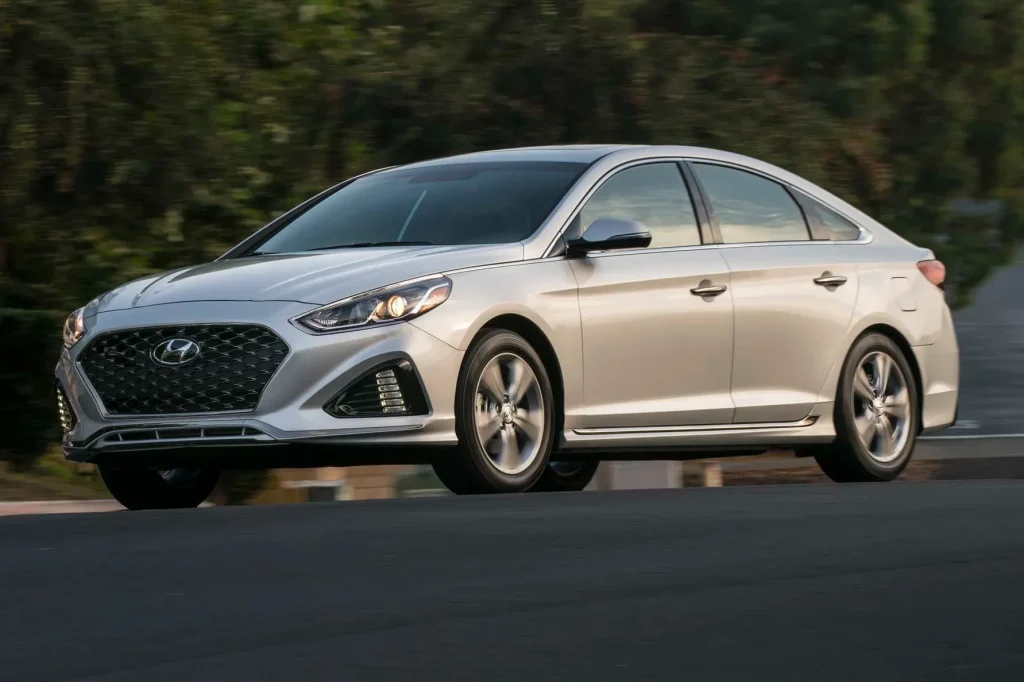
Maintenance is simple as well. Hyundai’s turbo system has proven reliable, requiring no special additives or premium-grade cleaning cycles. Regular servicing and quality fuel are all it needs to remain dependable over time.
For buyers seeking a midsize sedan with a premium feel but low operating costs, the Sonata 1.6T makes a convincing case. It’s efficient, durable, and refined showing that turbocharged engines don’t have to be fussy about what goes in the tank.
6. Subaru Outback XT
Subaru’s Outback XT is proof that practical performance can come without premium fuel. Its 2.4-liter turbocharged flat-four delivers strong power and confidence while remaining compatible with regular gasoline. This combination makes it one of the most versatile engines in its segment.
The horizontally opposed design of Subaru’s engine helps maintain excellent balance and cooling. That design choice, along with moderate turbo boost pressure, allows smooth combustion even with regular fuel.
The engine’s control module continuously monitors knock and adjusts timing, ensuring it stays reliable in all driving conditions.
With 260 horsepower and 277 lb-ft of torque, the Outback XT doesn’t feel underpowered at all. It tows confidently, climbs steep grades with ease, and still returns solid fuel economy. The power delivery is linear, making it comfortable for both city and highway driving.
Subaru’s use of direct injection and intercooling ensures that performance remains consistent regardless of fuel quality. This reliability, paired with the brand’s all-wheel-drive system, makes the Outback a top choice for buyers who live in mixed weather regions or do frequent long-distance travel.
Owners appreciate how this engine stays smooth and quiet, even under load. It’s designed to prioritize endurance and stability rather than peak output. This means fewer concerns about detonation or costly premium fuel refills.
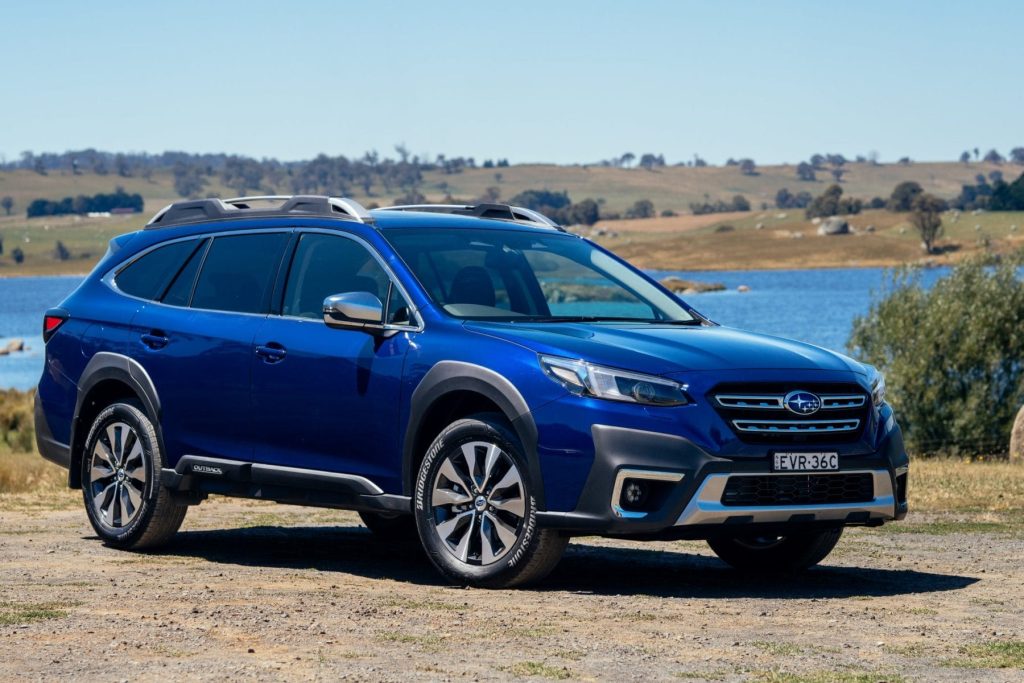
For anyone looking for a turbocharged crossover that doesn’t compromise on capability or cost, the Outback XT is hard to overlook. It’s rugged, efficient, and family-friendly while maintaining low running expenses proving once again that not every turbo engine needs premium to deliver solid performance.
6 Turbo Fours That Really Need Premium
While many turbocharged engines today can manage regular gas, some truly rely on premium fuel to perform as designed.
These engines are tuned for higher boost, tighter compression, and sharper response characteristics that demand a higher-octane mixture for smooth and safe operation. Using regular fuel in these setups can cause knocking, lower performance, and even long-term damage.
Manufacturers build these premium-dependent engines for buyers who value responsiveness and refined power. The engineering focus isn’t only on raw horsepower, but also on precision and control. Higher-octane fuel allows more aggressive ignition timing and greater efficiency under stress, which keeps turbo systems operating at peak capability.
In most cases, these engines can technically run on regular gas, but the trade-offs are steep. Power drops, throttle response dulls, and the computer often pulls back boost pressure to prevent detonation.
Over time, this can also leave more carbon deposits and reduce smoothness. The result is a car that feels less energetic than it should and may cost more in maintenance later.
Drivers who invest in performance-oriented models often accept the higher fuel cost because of how cleanly and consistently these engines run on premium. The difference isn’t subtle; premium allows these vehicles to deliver the experience they were engineered for.
In this next section, we’ll look at six turbo fours that genuinely require premium gasoline to stay at their best. These engines represent precision tuning and high-output design, where octane quality directly shapes the driving experience.
From sporty hatchbacks to refined crossovers, each example here reminds drivers that premium fuel isn’t just a suggestion it’s part of what keeps these engines smooth, responsive, and dependable over time.
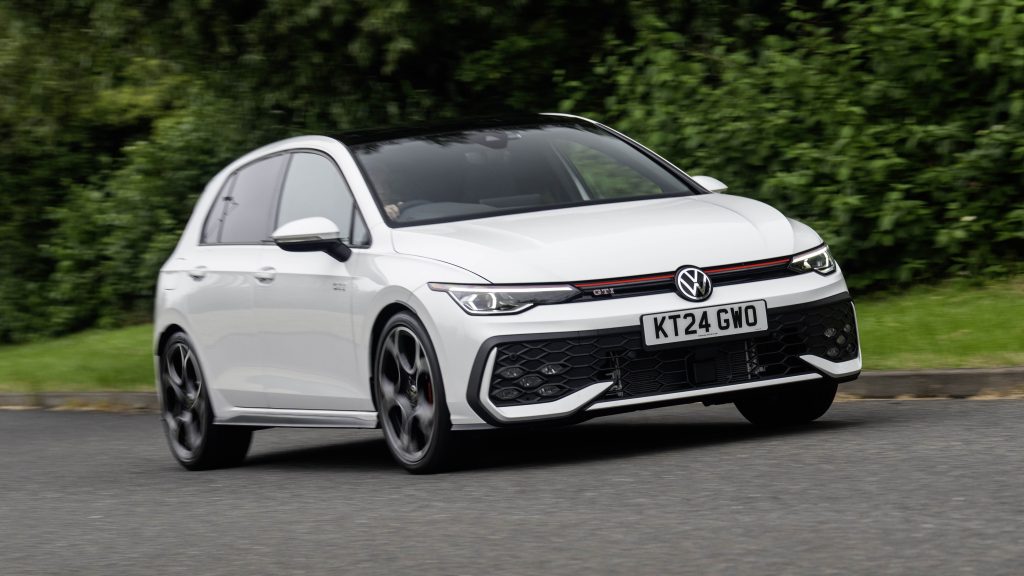
1. Volkswagen Golf GTI
The Volkswagen Golf GTI has long been one of the most refined turbocharged hatchbacks on the road. Its 2.0-liter TSI engine is tuned for precision and responsiveness, and it relies heavily on premium fuel to deliver its full character. This isn’t just a recommendation from the manufacturer it’s essential for maintaining the GTI’s performance and smoothness.
The turbo system in the GTI operates at relatively high boost levels, and the compression ratio is optimized for efficiency under premium combustion.
Running it on regular gas often triggers the knock sensors to pull timing, leading to reduced power and sluggish throttle response. The car still moves, but it feels less alive and less controlled.
Premium fuel allows the engine’s direct injection and turbo calibration to work as intended. It prevents pre-ignition, ensures stable combustion, and helps sustain the crisp acceleration GTI drivers expect. The difference can be felt even during everyday driving gear shifts are smoother, and the power delivery feels more linear.
In addition to performance, using the correct fuel also supports longevity. The GTI’s turbo, valves, and injectors benefit from cleaner, more efficient combustion. Regular gas can leave deposits over time, affecting the precision these engines depend on.
For buyers, the GTI represents a balance of everyday usability and spirited driving. But to truly experience that blend, premium fuel is non-negotiable. It’s what keeps this car sharp, reliable, and consistently enjoyable qualities that define why the GTI remains a benchmark among compact performance cars.
2. Mazda CX-5 Turbo
Mazda’s 2.5-liter turbocharged engine in the CX-5 is a strong performer, but it’s one that clearly benefits from premium gasoline. The company even publishes two power ratings: 227 horsepower on regular fuel and 256 on premium. That difference alone highlights how much the engine’s design depends on higher octane for full output.
Mazda engineers built this turbo four for torque and smoothness. The system uses a dynamic pressure turbocharger that quickly spools up to deliver strong low-end thrust.
Premium fuel allows it to maintain advanced ignition timing, helping the engine generate more power without knocking or strain. Regular gas limits that ability, forcing the ECU to reduce boost and timing.
Even though it can technically run on regular, owners who stick with premium consistently report better throttle response and fuel economy. The engine feels livelier, the transmission shifts more cleanly, and turbo lag is minimal. It’s an example of how premium fuel enhances the entire driving experience, not just top-end power.
From a long-term standpoint, premium also helps keep the combustion chambers cleaner. That reduces carbon buildup, which is a known concern with direct-injection systems. Mazda’s tuning is sensitive, and premium fuel provides the stability that the ECU needs to maintain efficiency.
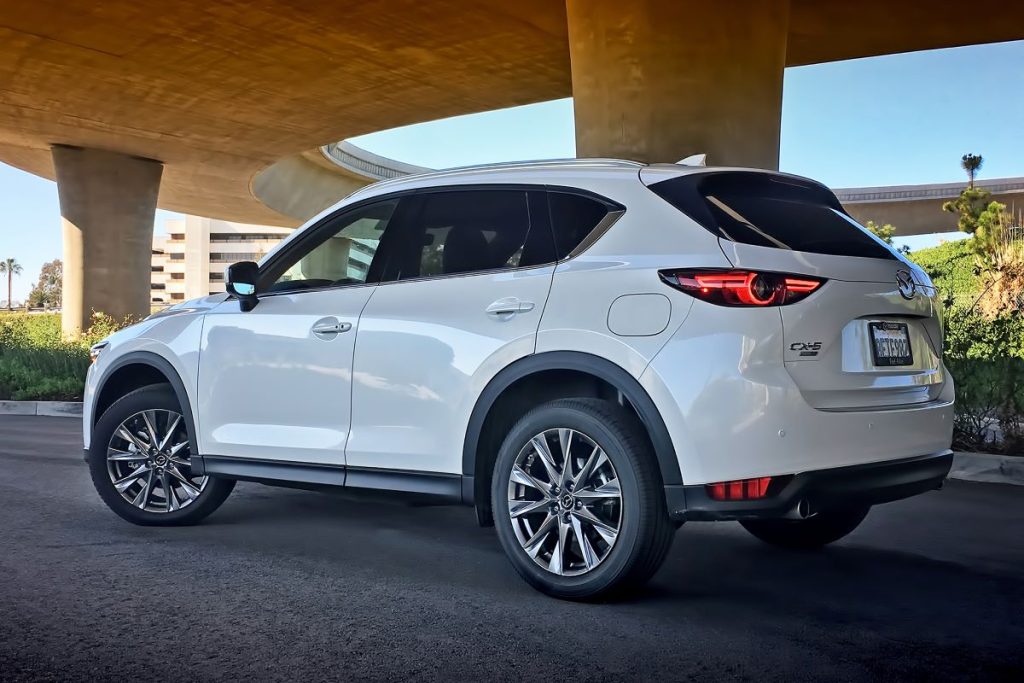
For drivers who enjoy the CX-5’s blend of comfort and power, paying extra for premium fuel is well worth it. It ensures smoother performance, better reliability, and the kind of refined acceleration that gives this SUV its distinct character.
3. BMW X3 2.0T
The BMW X3’s 2.0-liter turbocharged four-cylinder, known internally as the B48 engine, is engineered for precision and responsiveness. It’s one of the most refined powerplants in its class, but it depends on premium fuel to perform as intended.
This requirement isn’t about luxury it’s about maintaining the balance between efficiency, performance, and reliability that BMW tuning delivers.
Running on premium allows the X3’s turbo to operate at its designed boost levels without triggering knock control.
The engine’s high compression ratio and advanced variable valve timing are calibrated for higher-octane combustion. Regular fuel forces the ECU to retard ignition timing, reducing both power and throttle crispness.
On premium, the X3 feels energetic and confident. Acceleration is smooth, turbo response is quick, and gear changes from the eight-speed automatic remain sharp.
The difference is especially noticeable when merging onto highways or overtaking. Regular fuel can make those same situations feel slightly hesitant, which takes away from the car’s premium driving experience.
BMW’s direct-injection and Valvetronic systems are sensitive to fuel quality. Premium helps ensure cleaner combustion and protects the turbo from excessive heat buildup. Over time, using the right octane also keeps the intake valves cleaner and maintains consistent engine idle.

For a vehicle designed to deliver luxury and performance in equal measure, the small extra cost of premium fuel is justified. It keeps the X3’s driving dynamics intact and supports long-term engine health. For owners who value the refined feel that defines a BMW, premium fuel is part of what sustains that identity.
4. Mercedes-Benz C300
The Mercedes-Benz C300 uses a 2.0-liter turbocharged engine that’s finely tuned for high performance and smooth delivery. Like most engines in the Mercedes lineup, it’s built with a focus on precision and that means it’s optimized specifically for premium gasoline.
This turbo four operates with high compression and advanced boost management. It extracts substantial power for its size, but that capability depends on stable, high-octane combustion.
Premium fuel prevents knocking and lets the engine maintain its full 255 horsepower output. When regular gas is used, the system reduces timing to avoid detonation, noticeably dulling the car’s response.
Mercedes’ direct injection system uses extremely fine spray patterns for maximum efficiency. Premium fuel ensures that combustion remains clean and consistent, protecting components from carbon buildup and minimizing long-term wear. The result is a quieter, smoother engine that retains its performance character over years of use.

Drivers also benefit from improved throttle precision and smoother turbo spool when using premium. The C300 feels quicker, with effortless midrange torque that makes daily driving feel refined. Switching to regular fuel removes that polished acceleration feels flatter, and the car loses some of its signature refinement.
For a compact luxury sedan, the difference in behavior between regular and premium fuel is significant. Premium ensures that the C300 drives the way it was engineered to responsive, efficient, and quiet under load.
The car may tolerate regular in emergencies, but owners who care about preserving its quality and performance should stick with premium every time.
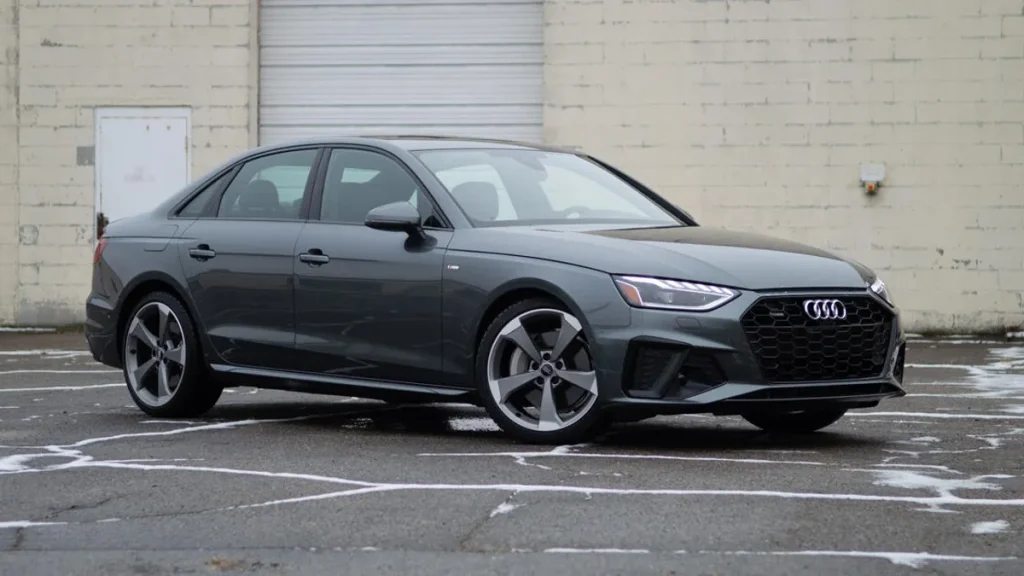
5. Audi A4 2.0T
The Audi A4’s 2.0-liter TFSI engine is one of the most advanced turbocharged fours in its segment. It blends efficiency with strong acceleration, but it also has a clear requirement premium gasoline. The engine’s tuning and compression are built around higher octane levels, allowing it to deliver smooth, consistent power in every driving situation.
On premium fuel, the A4 produces up to 261 horsepower and a healthy 273 lb-ft of torque. The turbo spools quickly, providing immediate response with minimal lag. Regular gas, however, limits ignition timing and reduces boost pressure, resulting in less power and slower acceleration.
Audi’s variable valve timing, high-pressure injection, and intercooling systems are optimized for controlled combustion. Premium fuel prevents pre-ignition, allowing these systems to work harmoniously without detonation. It also keeps internal temperatures stable, which supports both performance and longevity.
Drivers who consistently use premium report smoother idling, quieter operation, and stronger midrange pull. The transmission feels more connected, and the engine delivers the refined tone Audi owners expect. Regular gas can’t replicate that experience it makes the car feel less responsive and slightly coarse during acceleration.
Premium fuel also supports long-term cleanliness inside the combustion chamber. It helps prevent carbon buildup, a common issue in direct-injection engines like Audi’s. That means fewer maintenance concerns over time and more consistent performance.
For buyers, the A4’s premium fuel requirement isn’t a burden it’s part of what gives the car its identity. The combination of technology, refinement, and turbo precision depends on high-quality fuel to function as intended.
Using premium keeps the A4 running the way Audi designed it confident, composed, and rewarding to drive every day.
6. Volvo XC60 T5
Volvo’s XC60 T5 uses a 2.0-liter turbocharged engine that delivers impressive torque and refinement, but it achieves that performance only with premium gasoline. The engine’s compression ratio and turbo tuning are engineered for higher octane levels, giving it both smoothness and efficiency when the right fuel is used.
With premium, the XC60 T5 produces 250 horsepower and 258 lb-ft of torque, offering quick response without hesitation. Regular fuel, on the other hand, forces the ECU to reduce timing and limit boost, dulling performance. The result is a noticeable drop in acceleration and overall refinement.
Volvo emphasizes longevity and safety across all its vehicles, and using premium fuel plays directly into that goal. It ensures stable combustion, preventing pre-ignition that could stress internal components. Premium also supports cleaner operation, keeping the turbocharger and injectors free of excessive deposits.
Owners who use premium regularly find the engine quieter, especially at idle or under load. The throttle feels smoother, and the power delivery remains consistent across driving conditions. For a luxury crossover that prioritizes comfort, that refinement is part of what makes the XC60 worth its price.

Fuel economy is another factor. Premium fuel helps the ECU maintain ideal timing, which can actually improve mileage slightly compared to using regular. Over thousands of miles, that difference can offset some of the higher fuel cost.
For Volvo drivers who value long-term durability and refined performance, using premium is a must. It keeps the T5 engine efficient, powerful, and smooth exactly as the engineers intended. Regular gas might save a few rupees at the pump, but it takes away from what makes this crossover special.
Turbocharged four-cylinder engines have reshaped how drivers think about power and efficiency, but fuel choice still makes a major difference in how they perform.
Some engines like those in the Toyota Camry, Honda Accord, or Hyundai Sonata are tuned to balance moderate boost and smart ignition control, allowing them to run smoothly on regular gasoline.
They offer strong everyday performance, lower fuel costs, and long-term dependability without the added expense of premium fuel.
Others, such as the Volkswagen Golf GTI, BMW X3, and Audi A4, are engineered with higher compression and more aggressive timing.
These engines need premium gasoline to function at their best. Premium fuel keeps combustion stable, protects components from knock, and helps maintain the responsiveness that defines these performance-oriented models.
For car owners, the takeaway is straightforward check what your engine was designed for. Choosing the right fuel isn’t just about saving money; it’s about protecting your investment and ensuring consistent performance.
Regular-fuel turbos are ideal for cost-conscious drivers who want efficiency and reliability. Premium-dependent turbos reward enthusiasts who value sharper throttle response and smooth power.
Knowing which type you’re driving ensures you get the most from every drop, whether it’s regular or premium at the pump.
