

Hybrid vehicles have become the bridge between traditional gasoline cars and full electric mobility. They’re known for smart engineering, impressive fuel economy, and reliability that often outlasts expectations. But behind that smooth operation lies a network of electronics that quietly keeps everything running including the crucial DC-DC converter.
The DC-DC converter is the hybrid’s unsung hero. It takes the high-voltage current from the hybrid battery and steps it down to power the car’s low-voltage systems lights, infotainment, sensors, and accessories. Without it, even the most advanced hybrid becomes inoperable. And when it fails, replacement costs can vary wildly between affordable fixes and wallet-draining repairs.
Some hybrids are engineered with cost-friendly converter setups that are modular and easy to access. Their systems use robust components that last for years and, when they finally need replacement, come at a fraction of the price of other brands. These are the hybrids that deliver long-term peace of mind to owners who plan to keep their cars for the long haul.
Others, however, integrate the DC-DC converter into complex power electronics units or inverter assemblies. When these fail, owners face repair bills that can rival the cost of an engine rebuild. The difference often comes down to engineering philosophy whether the automaker prioritizes serviceability and cost, or compact packaging and integration.
This comparison explores both sides: five hybrids that keep DC-DC repair costs manageable, and five that hit hard when the system gives out. Each car highlights a different approach to hybrid design, revealing how something as small as a voltage converter can make or break a hybrid’s ownership experience.
Let’s start with the hybrids that get it right the ones whose DC-DC systems prove that smart design doesn’t have to come at a high price.
Also Read: 15 Cars That Offer True Peace of Mind
5 Hybrids With Affordable DC-DC Converters
A hybrid’s longevity often depends on how well its electrical systems age. While the high-voltage battery gets most of the attention, the DC-DC converter plays an equally crucial role in daily reliability.
This component acts as a bridge, stepping down high voltage from the main hybrid pack to run essentials like the headlights, audio, power windows, and computers. When it’s affordable to repair or replace, ownership stays stress-free and that’s where these five hybrids shine.
Automakers that design with practicality in mind often use converters that are separate, accessible, and built to last. These units can be replaced individually, without disturbing other high-voltage components. The result is a setup that keeps service costs low and ensures parts availability for years.
In some cases, these systems are simple enough that even independent hybrid specialists can repair or recondition them. That independence keeps maintenance affordable long after the factory warranty expires. And in a few standout models, the converters themselves are known to last over a decade with minimal degradation.
These hybrids prove that reliability doesn’t have to come with expensive electronics. Their DC-DC systems are efficient, easy to access, and inexpensive compared to the complex, integrated power modules used in higher-end vehicles.
This design difference becomes a major advantage once the car crosses 100,000 miles, where many hybrids start showing age-related electrical wear.
In this section, we’ll look at five hybrids that have earned reputations for reasonable converter costs and strong durability. They’re the models that stay dependable not just mechanically, but electrically too. Each one demonstrates how smart design can save thousands in long-term ownership all while keeping the car’s hybrid efficiency intact.
Let’s start with the ones that combine hybrid technology with practical repairability.
1. Toyota Prius
The Toyota Prius is practically the benchmark for hybrid reliability, and its DC-DC converter setup is one of the main reasons it stays affordable to maintain. Toyota engineered the Prius with simplicity and longevity in mind, and that philosophy extends straight into its power electronics.
The Prius uses a separate converter housed near the inverter assembly, which steps down the high-voltage current to run the 12V systems.
The design is modular, meaning technicians can access and replace it without tearing down the hybrid drive system. That saves hundreds in labor costs and reduces the chance of disturbing other sensitive components.
What really makes the Prius stand out is the durability of its converter hardware. Owners routinely see over 150,000 miles without failure, and when replacements are needed, parts are widely available both OEM and aftermarket at reasonable prices.
Even better, Toyota’s global production scale means used and refurbished converters are easy to find. Independent hybrid garages have become experts at servicing these units, keeping repair bills under control compared to newer, more complex hybrids.
The Prius also benefits from efficient cooling around its electrical components. The converter rarely overheats or degrades prematurely, even in hot climates or city-heavy driving. Combined with Toyota’s robust software calibration, voltage regulation stays stable and reliable.
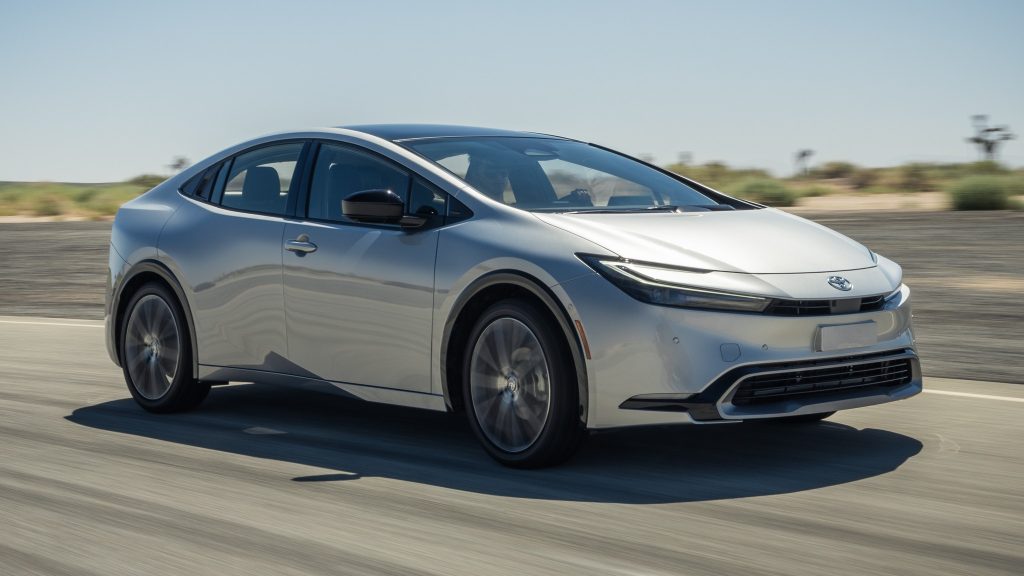
The Prius earns its place here because it proves that hybrid technology can be both advanced and approachable. Its converter setup shows what happens when engineering prioritizes practicality over novelty owners get a hybrid that’s efficient, dependable, and affordable to keep running for decades.
2. Ford Escape Hybrid
The Ford Escape Hybrid blends SUV practicality with proven hybrid tech, and one of its strengths lies in the serviceability of its DC-DC converter system. Ford’s approach mirrors Toyota’s in many ways, emphasizing accessibility and modularity.
Unlike some compact crossovers that hide key components behind complex housings, the Escape Hybrid positions its converter in a straightforward, technician-friendly location. It can be serviced without touching the inverter or hybrid battery, which dramatically reduces labor hours and the risk of damage during repairs.
The design also benefits from Ford’s hybrid lineage. Borrowing much of its setup from the long-running Fusion Hybrid, the converter in the Escape has proven reliable and affordable across years of production. Even when a replacement is needed, part prices are moderate, and used units are available through recycling networks.
Ford’s choice of cooling layout also helps. The converter is liquid-cooled, maintaining optimal operating temperatures and preventing thermal fatigue that often shortens the lifespan of hybrid electronics. This stability keeps voltage conversion smooth, ensuring consistent performance for 12V accessories.
Owners often praise the Escape Hybrid for combining everyday comfort with long-term cost efficiency. Its hybrid system feels sophisticated, but it doesn’t burden the owner with expensive electrical repairs. The converter design represents Ford’s balance between innovation and practicality.
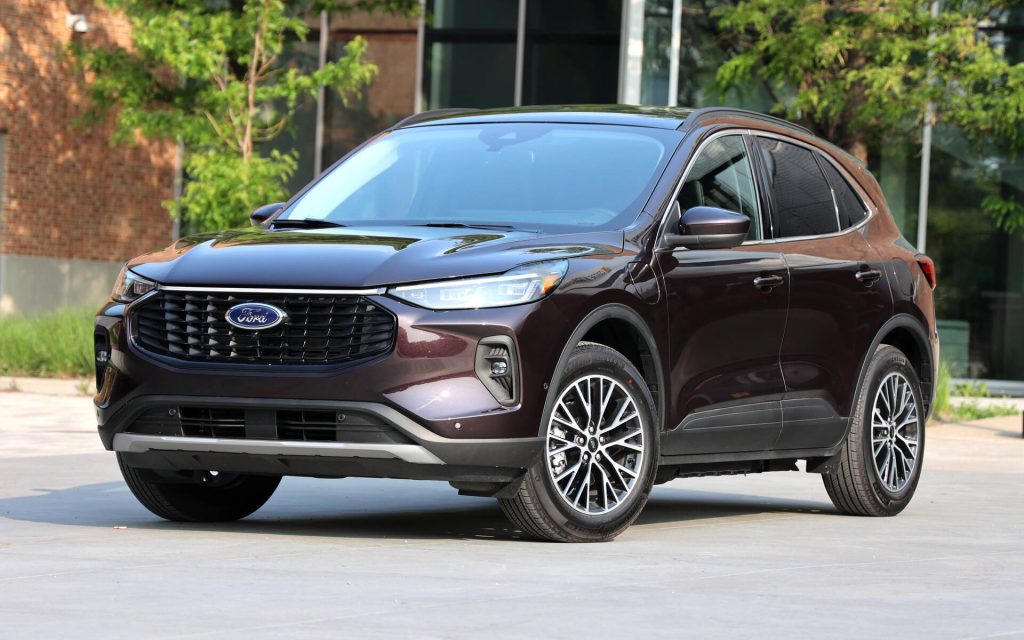
The Escape Hybrid earns its spot because it turns complex hybrid technology into something approachable for both owners and mechanics. It’s an example of how thoughtful engineering can make sustainability easier on the wallet without compromising reliability or performance.
3. Honda Insight
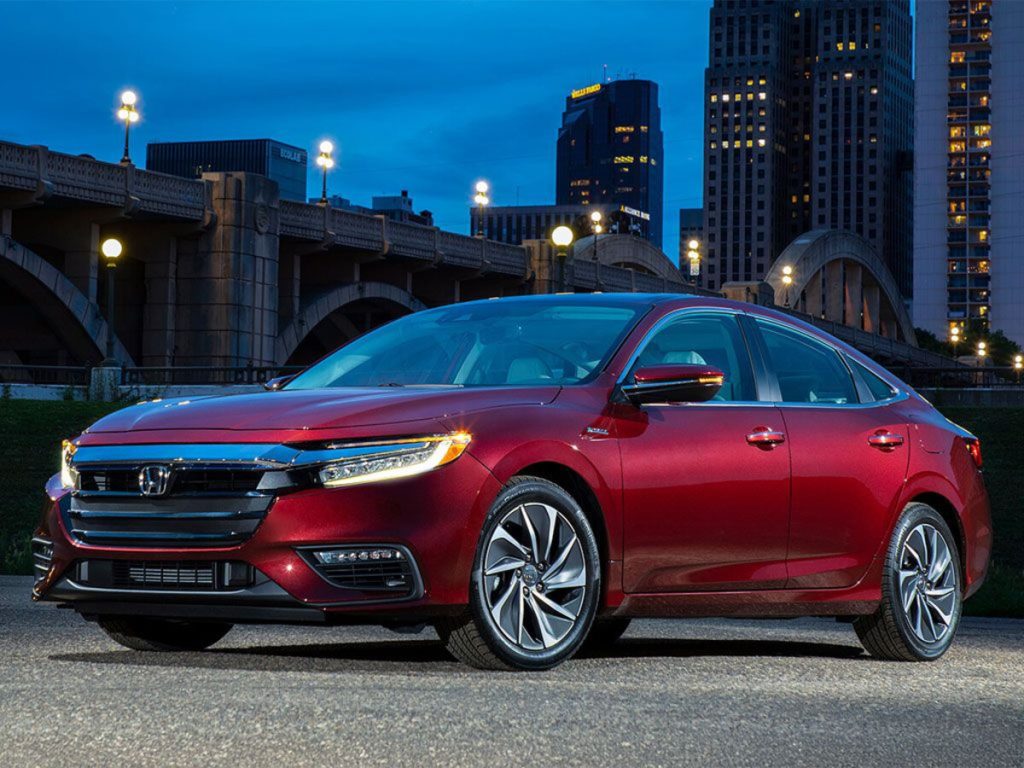
The Honda Insight stands out as one of the most efficient and straightforward hybrids on the market. Its electrical system, including the DC-DC converter, is known for long-term dependability and sensible repair costs. Honda’s engineers built it around the principle of balanced simplicity technology that works without overcomplication.
In the Insight, the converter is part of a modular hybrid control unit that’s easily accessible from the engine bay. It’s mounted away from high-heat zones, which helps prevent premature wear. That thoughtful placement reduces both thermal stress and service difficulty when the component eventually needs attention.
Unlike some hybrids where converter failure means replacing the entire power electronics assembly, the Insight allows the converter to be serviced independently. This design decision alone saves owners thousands in potential repair bills. Independent shops can remove and replace the unit without specialized factory-only equipment.
Parts availability is another strength. Honda’s wide distribution network keeps both OEM and aftermarket converters reasonably priced. Many units can even be reconditioned, further lowering long-term ownership costs for high-mileage cars.
The converter’s reliability record is excellent. Few Insights suffer voltage irregularities or electrical instability, even after years of use. Honda’s consistent cooling design ensures steady performance in both urban and highway conditions.
The Honda Insight earns its place here because it represents what hybrids should be technologically advanced, yet cost-conscious in the real world. It’s proof that efficient design doesn’t have to come with high maintenance costs, making it one of the most financially sensible hybrids on the road.
4. Hyundai Ioniq Hybrid
The Hyundai Ioniq Hybrid has built a strong reputation for being efficient, comfortable, and surprisingly inexpensive to maintain and much of that comes from how smartly its electrical systems are designed. Its DC-DC converter is compact, durable, and, most importantly, easy to service.
Hyundai placed the converter in a well-ventilated area close to the hybrid battery but separated it from the inverter control board. This split setup means that if the converter fails, it can be replaced independently, without touching the more expensive hybrid power module. That engineering foresight saves significant money in the long run.
The converter’s durability has also impressed owners and technicians alike. Failures are rare, and when they do occur, replacements are moderately priced compared to Toyota or Ford equivalents. The Ioniq’s converter design also includes excellent cooling, with minimal risk of heat-induced fatigue even during prolonged city use.
Independent mechanics appreciate how accessible Hyundai made this component. Service manuals clearly detail disassembly and installation steps, meaning repairs can be handled outside of dealerships without issue. This transparency helps keep overall ownership costs predictable.
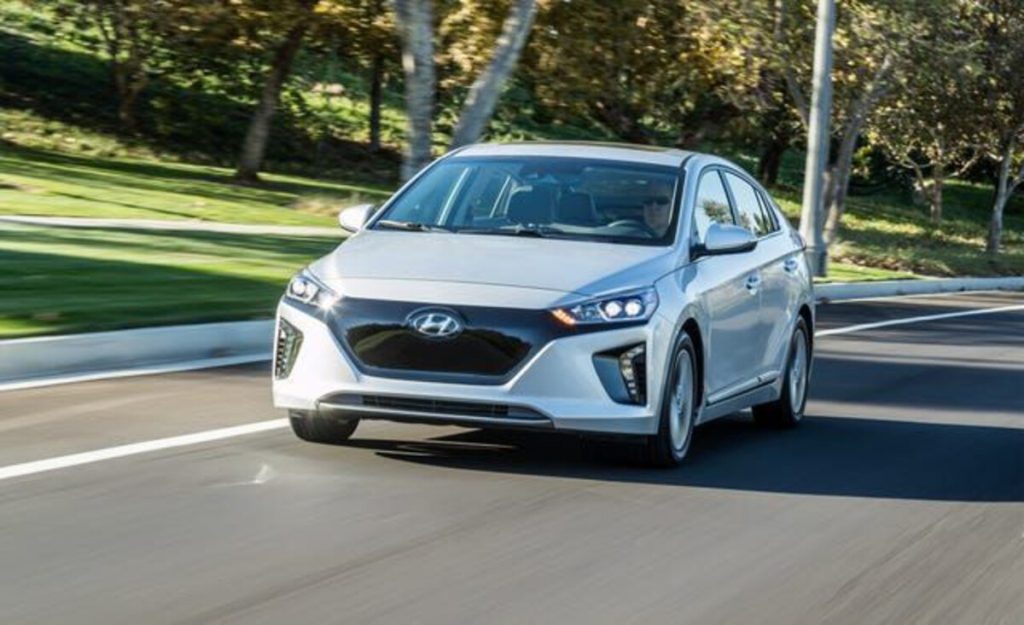
The Ioniq Hybrid’s strong value proposition lies in this mix of reliability and affordability. It shows that a modern hybrid can deliver both innovation and practicality when engineers plan ahead for maintenance.
This car earns its place here because it demonstrates Hyundai’s maturing hybrid strategy one that balances long-term cost control with cutting-edge efficiency. Its DC-DC converter serves as a small but powerful symbol of that thoughtful design philosophy.
5 Hybrids With Pricey Failures
Hybrid vehicles have evolved tremendously, but not all of them are built with affordability in mind when it comes to long-term electrical repairs. One of the biggest surprises for many hybrid owners is discovering that a seemingly small component the DC-DC converter can cost several thousand dollars to replace in certain models.
These systems may work flawlessly for years, but when they fail, they often reveal how tightly integrated and expensive hybrid electronics can be.
In many high-end or design-heavy hybrids, the DC-DC converter is not a separate component. Instead, it’s built directly into the inverter or power control unit, making it nearly impossible to replace independently.
This means that if the converter fails, the entire hybrid control assembly has to be replaced often running between $3,000 and $7,000, depending on the model.
These designs prioritize compactness and performance, but they sacrifice serviceability. Accessing these converters can involve removing high-voltage battery assemblies, coolant systems, and wiring harnesses jobs that require specialized technicians and safety precautions. Even minor faults can quickly escalate into major repair bills.
The hybrids in this section are great vehicles in many ways smooth, efficient, and advanced. Yet their complex electrical layouts make ownership far costlier once the warranty expires. They show how premium engineering and tight packaging can sometimes backfire for long-term value.
In the next five examples, we’ll explore hybrids whose DC-DC converters are either integrated, difficult to service, or notoriously expensive to replace. Each one highlights the trade-off between cutting-edge design and practical ownership a reminder that sophistication can sometimes come with a steep price tag.
Let’s begin with the hybrids that make voltage conversion an expensive affair.
1. Acura MDX Sport Hybrid
The Acura MDX Sport Hybrid brings Honda’s hybrid technology to the luxury SUV world, offering strong performance and smooth power delivery. However, its DC-DC converter system is a known sore point among technicians because of its layout and integration.
In this model, the converter is tucked within the Intelligent Power Unit (IPU), which also houses other major control elements. That means a converter issue can’t be isolated the entire IPU must be replaced. The cost? Often upward of $6,000, not counting labor.
The MDX Sport Hybrid’s system is compact, allowing it to balance power between the gasoline engine and electric motors efficiently. Yet that same compactness limits accessibility. Replacing the converter requires partial disassembly of the rear cargo electronics housing, removing interior trim, and recalibrating high-voltage systems.
Owners often report excellent reliability from the MDX overall, but when electrical failures occur, repair bills quickly become overwhelming. Even minor issues can’t be fixed without specialized Acura tools and certified hybrid technicians.
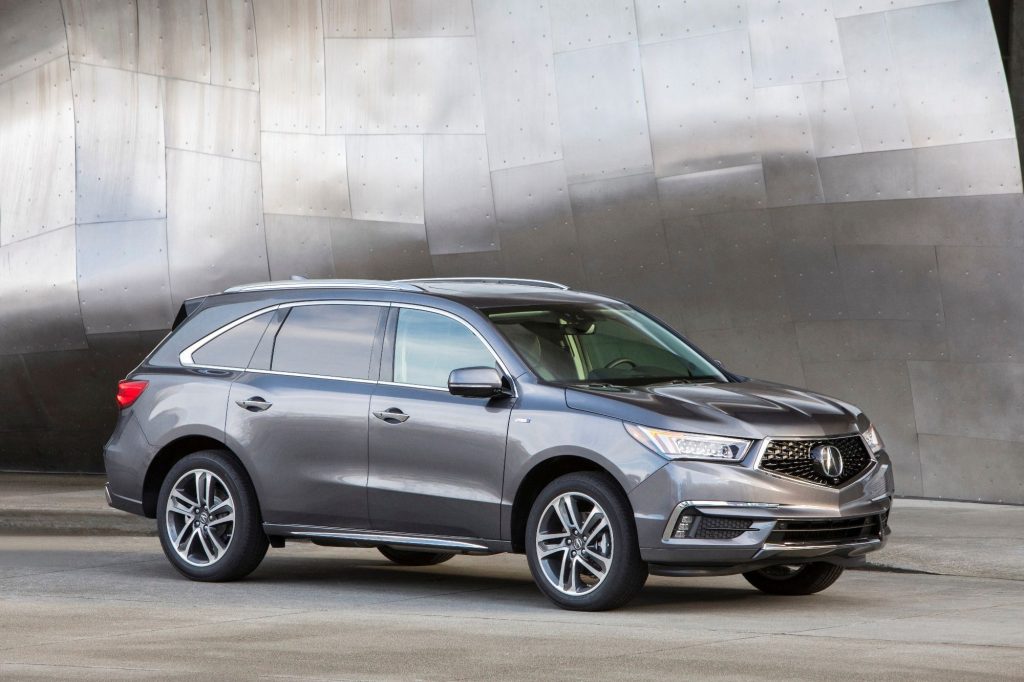
This setup highlights the fine line between innovation and complexity. Acura designed the MDX Sport Hybrid to be both powerful and efficient, but it sacrificed modular serviceability. That choice transforms what could be a $600 repair into a multi-thousand-dollar ordeal.
The MDX Sport Hybrid remains one of the most engaging hybrids to drive, but it’s also a reminder that luxury hybrid systems can be as fragile as they are advanced when repair time comes around.
2. BMW X5 xDrive45e
The BMW X5 xDrive45e blends luxury and hybrid power beautifully, but its electrical system is one of the most complex in the midsize SUV world. The DC-DC converter sits deep within the hybrid control electronics, buried under layers of cooling lines and high-voltage cabling.
This integration makes replacement extremely expensive. The part itself costs over $3,000, but labor can double that amount because of how much disassembly is required. Even for BMW specialists, this repair is time-consuming and requires advanced diagnostic tools to ensure voltage stability afterward.
Unlike many Japanese hybrids that allow converter swaps independently, BMW integrates its converter into the inverter assembly. This saves space and improves performance, but it sacrifices serviceability. If one component fails, the entire assembly must be replaced.
Failures aren’t widespread, but they do happen, especially in vehicles driven in hot climates where thermal stress builds up in the electronics. When that happens, the repair bill can easily surpass $6,000, even for minor converter faults.
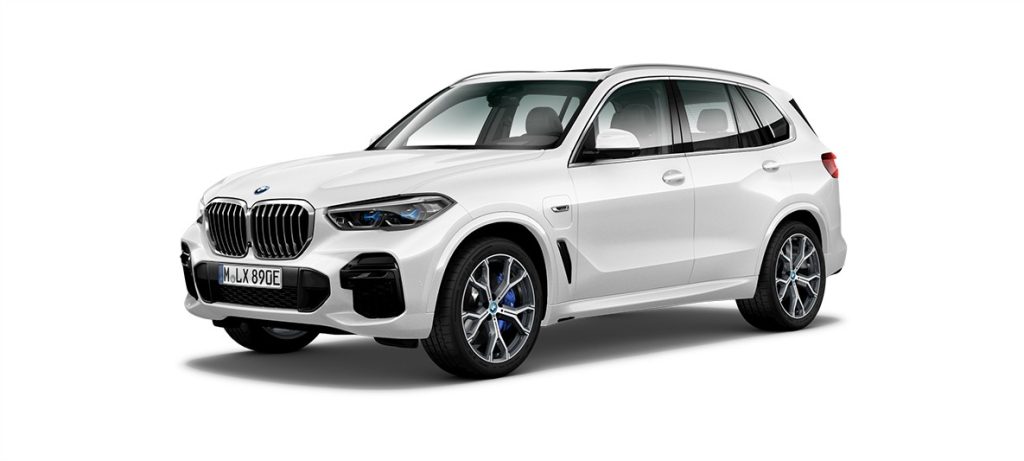
BMW’s hybrid technology is cutting-edge, but it’s also unforgiving. The system uses complex liquid cooling and layered shielding, which adds both sophistication and cost. It reflects a premium approach to hybrid engineering where everything is optimized for performance, not for affordability.
The X5 xDrive45e remains a wonderful luxury SUV to drive smooth, powerful, and silent yet it’s also an example of how technical brilliance can lead to steep ownership costs when the smallest part of the system falters.
3. Volvo XC90 T8 Recharge
The Volvo XC90 T8 Recharge delivers luxury and plug-in hybrid efficiency, but when its DC-DC converter fails, it becomes one of the costliest hybrids to repair. Volvo’s engineering places the converter within a compact hybrid control module that also manages power distribution between the gasoline engine and the electric motor.
That integrated setup reduces space and enhances performance, but it leaves little room for serviceability. If the converter malfunctions, the entire power electronics module must be replaced. The cost typically ranges between $5,000 and $7,000, with labor making up a significant portion.
Technicians report that the XC90’s converter is difficult to access, sitting beneath multiple cooling and high-voltage lines. The repair requires specialized Volvo diagnostic tools to recalibrate voltage output after installation something only certified technicians can perform.
Owners often encounter issues with 12-volt battery charging or sudden electrical shutoffs that trace back to the converter’s failure. Unfortunately, because it’s integrated, even a small internal fault demands full replacement.
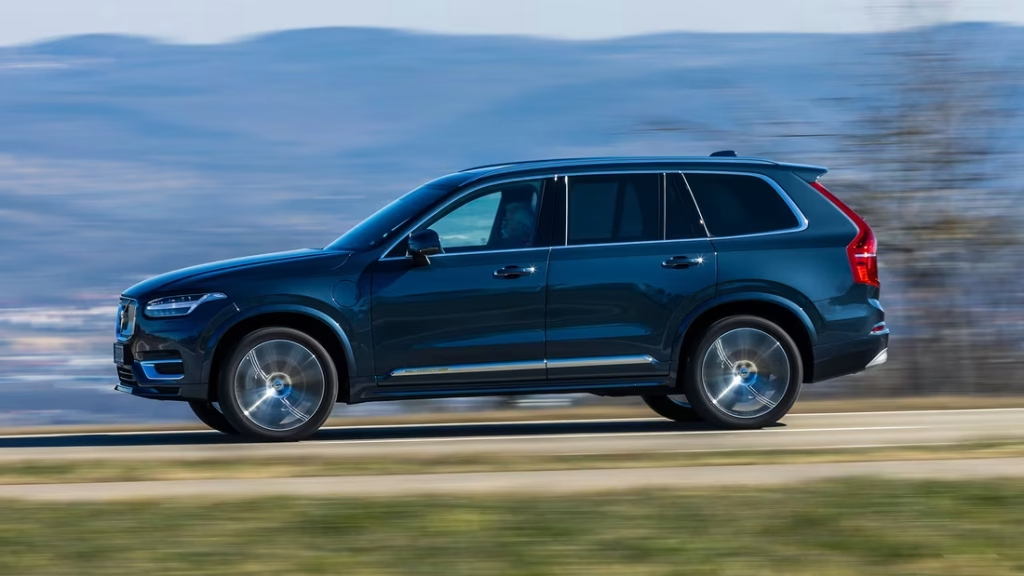
Volvo’s plug-in hybrids excel in refinement and safety, but they are complex machines. The T8’s advanced architecture emphasizes smooth transitions between electric and gas power, yet it trades away long-term affordability. For those outside of warranty coverage, the repair costs can be a rude awakening.
This SUV is a clear reminder that hybrid luxury and mechanical simplicity rarely coexist a fine example of sophistication carrying a hidden price.
3. Lincoln Aviator Grand Touring
The Lincoln Aviator Grand Touring is an impressive plug-in hybrid with strong performance, but it hides one of the more expensive DC-DC converter layouts on the market. The converter is part of a sealed hybrid drive unit that manages both the inverter and voltage reduction systems together.
When one component fails, the entire unit must be replaced often costing between $6,000 and $8,000. Unlike modular setups found in Toyota or Lexus hybrids, Lincoln’s system was designed for quiet operation and compactness rather than easy service.
Accessing it is challenging. Technicians must remove interior panels, battery cooling ducts, and high-voltage harnesses to reach the assembly. This process alone can take several hours, making even minor issues labor-intensive and expensive.
The converter’s role is vital: it powers the car’s 12-volt systems, lighting, and driver aids. When it malfunctions, the Aviator experiences flickering displays, weak electrical output, or complete electrical shutdowns all of which require immediate attention.

Lincoln’s hybrid technology emphasizes smoothness and torque, but the cost of complexity shows when something fails. The tight packaging and reliance on proprietary components make independent repair nearly impossible.
The Aviator Grand Touring offers a serene and powerful drive, but it stands as an example of how design priorities can clash with real-world ownership costs. It’s luxurious and advanced, yet expensive when electrical repairs enter the conversation.
5. Porsche Cayenne E-Hybrid
The Porsche Cayenne E-Hybrid stands as a performance benchmark among plug-in hybrids, offering both power and refinement. Yet beneath that engineering brilliance lies one of the most expensive DC-DC converter systems to service or replace.
Porsche integrates the converter deep within the hybrid power control module, which manages both voltage regulation and energy recovery. This compact setup enhances efficiency but makes any repair a challenge. If the converter fails, technicians can’t simply swap it the entire power unit must be replaced.
The cost for this job is staggering. Owners can expect repair bills anywhere between $7,000 and $9,000, depending on labor rates and parts availability. The repair requires specialized Porsche diagnostic tools and extensive disassembly of cooling systems and wiring harnesses.
The converter in the Cayenne E-Hybrid regulates voltage between the high-voltage traction battery and the 12-volt system. When it malfunctions, drivers may experience warning lights, charging issues, or electrical instability. Because the system is so tightly integrated, even a minor fault can affect the rest of the hybrid electronics.
Thermal stress and vibration over time are common contributors to eventual failure, especially in older models used for frequent short trips where the converter works harder to maintain charge balance. Replacement isn’t just about cost it’s about the complexity that only certified Porsche centers can handle.

Despite the high expense, the Cayenne E-Hybrid continues to impress with its dynamic handling and premium comfort. It’s a hybrid built for those who prioritize performance first and budget second. Still, its intricate electrical design serves as a warning that luxury hybrids often carry the hidden price of complexity.
The Cayenne E-Hybrid finishes this list as a symbol of both technological achievement and the financial weight that sometimes follows it. It’s thrilling to drive, but owning one past warranty means accepting that even a single converter failure can rival the price of a used car.
Hybrid cars have become the middle ground between traditional and electric power, but ownership costs often depend on what’s hiding beneath the surface.
The DC-DC converter, a small yet vital component, determines whether a hybrid stays affordable or turns into an unexpected money pit. Across these ten vehicles, the gap between smart design and costly complexity becomes clear.
The hybrids with affordable DC-DC converters show that efficiency and reliability can coexist. Cars like the Toyota Prius, Honda Accord Hybrid, and Lexus ES 300h prove that careful engineering and modular layouts make repairs simple and affordable.
Their converters are easy to reach, reasonably priced, and rarely fail, which helps owners keep running costs predictable even after warranty coverage ends.
The Kia Niro Hybrid and Ford Fusion Hybrid also deserve praise for balancing cost and convenience. These vehicles highlight how thoughtful placement and shared component design can drastically reduce service bills without compromising performance.
Each example reinforces that when automakers design with maintenance in mind, hybrid ownership remains practical and long-term friendly.
On the other side, the pricey failures list reflects how luxury and compact design often come at a cost.
Models like the Volvo XC90 T8 Recharge, Lincoln Aviator Grand Touring, and Acura MDX Sport Hybrid use highly integrated electrical systems that improve efficiency but make even small repairs expensive. These designs save space and improve performance, but they eliminate the ability to service components individually.
Then there are hybrids like the BMW X5 xDrive45e and Porsche Cayenne E-Hybrid, which showcase ultimate refinement and power but at steep repair costs.
Their converters sit deep within hybrid modules, demanding full replacement of entire assemblies if a single internal circuit fails. This approach might deliver flawless driving experiences but exposes owners to high post-warranty risks.
The comparison reveals an essential truth about hybrid vehicles the cost of complexity. The best hybrids balance performance with accessibility, while others sacrifice serviceability for compactness and silence.
For consumers, the smart choice isn’t just about miles per gallon or horsepower, but how the car handles the small but crucial parts that keep it running smoothly.
Hybrids remain the future of practical driving but the right one will save you thousands when it counts.
Also Read: 15 Cars That Still Run Smooth at Half a Million Miles
