
Few things test an SUV’s build quality more than a third row of seats. That extra stretch of metal, glass, and plastic often exposes how solidly a vehicle has been engineered.
Over time, vibrations from uneven roads, temperature shifts, and everyday use tell their story through creaks, rattles, and loose panels. For families, these noises aren’t just annoyances they’re signs of how well a vehicle has aged under stress.
Some SUVs manage to keep their interiors tight and composed even after years of hauling kids, gear, and groceries, while others start to sound worn long before their warranties end.
The difference usually lies in how the structure is reinforced, how interior panels are mounted, and whether quality materials are used behind the scenes.
Premium badges don’t always guarantee long-term silence, and affordable models can surprise with how well they resist wear. Real-world owners often find that the way an SUV feels at 50,000 miles says more about its engineering than any marketing claim ever could.
This comparison brings together two sides of that story: six three-row SUVs that stay impressively quiet and composed over time, and six that tend to loosen up as the years pass.
Each example represents a clear lesson in what works and what doesn’t when it comes to keeping family haulers free from the sounds of aging. By examining design choices, materials, and assembly consistency, it becomes easier to see why some brands succeed where others struggle.
Also Read: 12 Trucks With the Best Sound Insulation on The Road
6 SUVs With Third Rows That Stay Rattle-Free
A quiet cabin doesn’t happen by accident, especially in three-row SUVs. These vehicles stretch platforms to their limits, introducing long body panels, extra seat mounts, and more points of potential vibration.
To stay rattle-free, a model must be engineered with exceptional rigidity, carefully tuned suspension, and high-quality fastening methods that keep everything in harmony even after years of use.
It’s not just about luxury; it’s about structural honesty. Vehicles that hold their composure over time are often those built with tighter tolerances and smarter material combinations.
Many buyers assume a silent cabin means extra insulation or thicker glass, but the truth lies deeper in the way an SUV is built. Everything from spot weld placement to door seal composition can decide whether a vehicle still feels solid after 100,000 miles.
Some brands, particularly those with reputations for durability, have mastered this art through decades of refinement. They focus on how panels expand and contract in varying climates, how seats anchor to subframes, and how suspension components isolate noise without compromising ride feedback.
The six models that follow have proven their ability to stay composed long after lesser rivals develop creaks and vibrations. Each one reflects engineering discipline and consistent manufacturing standards.
They represent the kind of vehicles that continue to feel tight and refined through years of family road trips, school runs, and weekend adventures. Writing about them matters because these examples show how real durability is heard or, more accurately, not heard inside the cabin.
1. Toyota Highlander
The Toyota Highlander has become a benchmark for quiet longevity among family SUVs. While not the flashiest in its category, it demonstrates the kind of restraint and build discipline that prevents future headaches.
Toyota’s engineers have prioritized rigidity in both the platform and the body shell, resulting in a structure that resists flexing even under full passenger load. This foundation, combined with tight panel alignment and extensive sound-deadening beneath the floor, helps the Highlander remain impressively silent as miles accumulate.
Part of the secret lies in Toyota’s use of high-strength steel in critical points of the chassis. This design choice minimizes torsional movement, a key cause of interior rattles as vehicles age.
The cabin materials may appear simple, but they’re chosen for long-term stability dash panels that resist warping, clips that stay firm through seasonal changes, and weather stripping that maintains its seal for years.
The third-row area, often a source of squeaks in other SUVs, benefits from firm mounting points and reinforced seat brackets that don’t loosen over time.
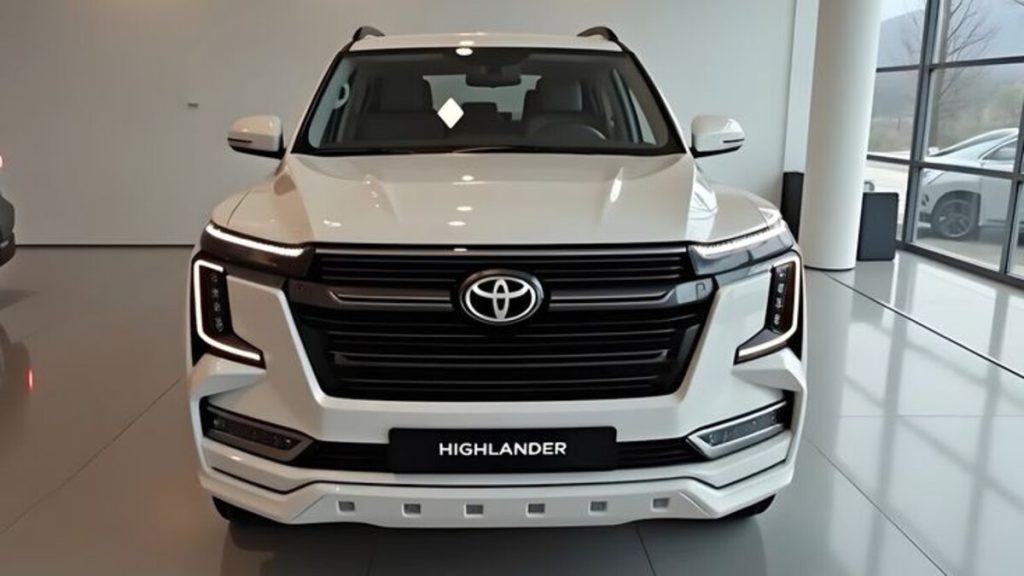
Owners often comment that the Highlander feels nearly as tight at 150,000 miles as it did when new. That consistency explains why the model holds such strong resale value. Writing about it here is essential because it demonstrates how smart engineering not just luxury features, defines lasting quality.
Toyota has focused on making sure every piece of the cabin works together quietly, even when the SUV is loaded to capacity or driven over rough pavement. In a segment filled with bulk and noise, the Highlander stands as proof that a solid structure speaks volumes through its silence.
2. Honda Pilot
The Honda Pilot is one of those SUVs that quietly earns loyalty rather than chasing attention. What makes it stand out is its ability to retain composure long after others begin developing interior noises.
Honda’s engineers have spent decades perfecting the unibody design that underpins the Pilot, and that shows in its aging grace.
The structure is stiff, the weld points are consistent, and the suspension bushings are tuned to absorb vibrations before they reach the cabin. These details don’t get headlines, but they make a major difference five or ten years down the line.
Inside, the Pilot feels solidly assembled, with minimal panel flex and a dashboard that doesn’t buzz even on rough asphalt. The third-row mounts are anchored deep into the frame rather than the floor pan alone, helping prevent squeaks as passengers climb in and out.
Honda also uses dense insulation around the rear quarter panels, which keeps the body from resonating under heavy loads.
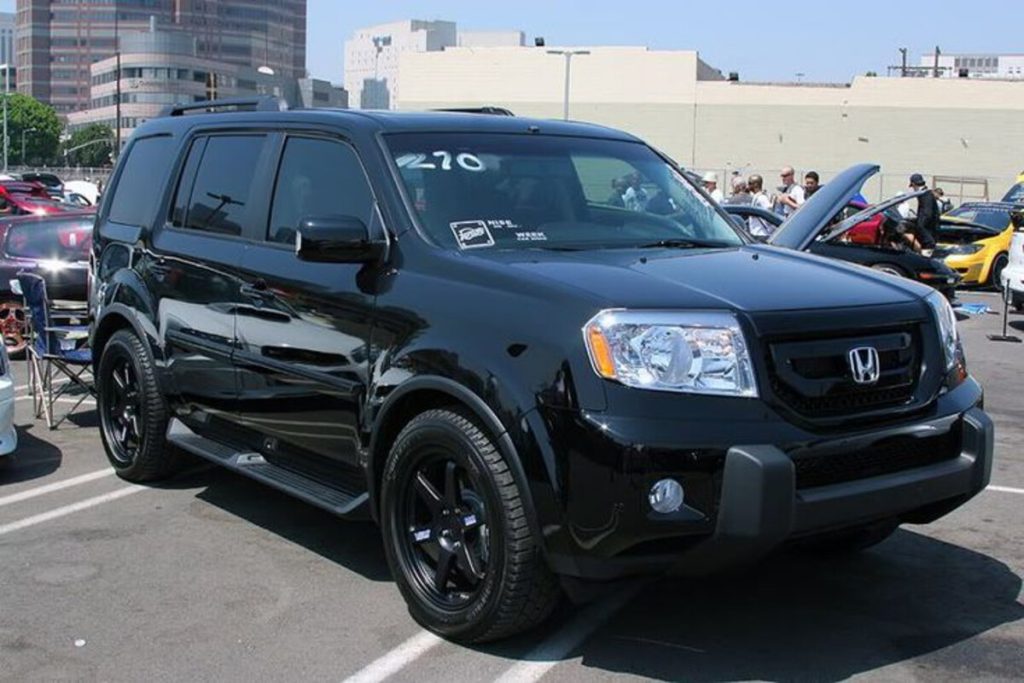
Many owners report that the Pilot’s silence isn’t a luxury gimmick it’s a result of design choices focused on long-term durability. Even after years of family duty, its doors still close with the same satisfying thud, and the cabin remains free of plastic-on-plastic noise.
Writing about the Pilot in this context highlights Honda’s rare mix of practicality and craftsmanship. It shows that attention to hidden details can yield vehicles that stay tight and rattle-free without relying on premium pricing.
3. Lexus GX
The Lexus GX might be based on a rugged SUV platform, but its structural toughness doubles as a reason it remains impressively rattle-free. Built on a traditional body-on-frame design, it combines off-road durability with Lexus-level refinement.
The solid ladder frame resists the kind of torsional twisting that unibody designs sometimes experience under load, which means fewer stress points where noises could develop. The GX also uses hydraulic body mounts that isolate cabin vibrations, giving passengers an unusually smooth and quiet experience even on broken pavement.
Inside, the craftsmanship is unmistakable. Every panel feels thick and securely fitted, the leather-trimmed surfaces stay taut over time, and the trim pieces resist creaking under pressure.
Lexus engineers go as far as testing cabin components at extreme temperatures to ensure adhesives and joints won’t loosen with age. It’s the sort of obsessive testing that results in long-term silence, even when the SUV is subjected to years of heavy use.
Owners often remark that their decade-old GX models still feel almost new inside, a testament to both the materials and the meticulous assembly process.
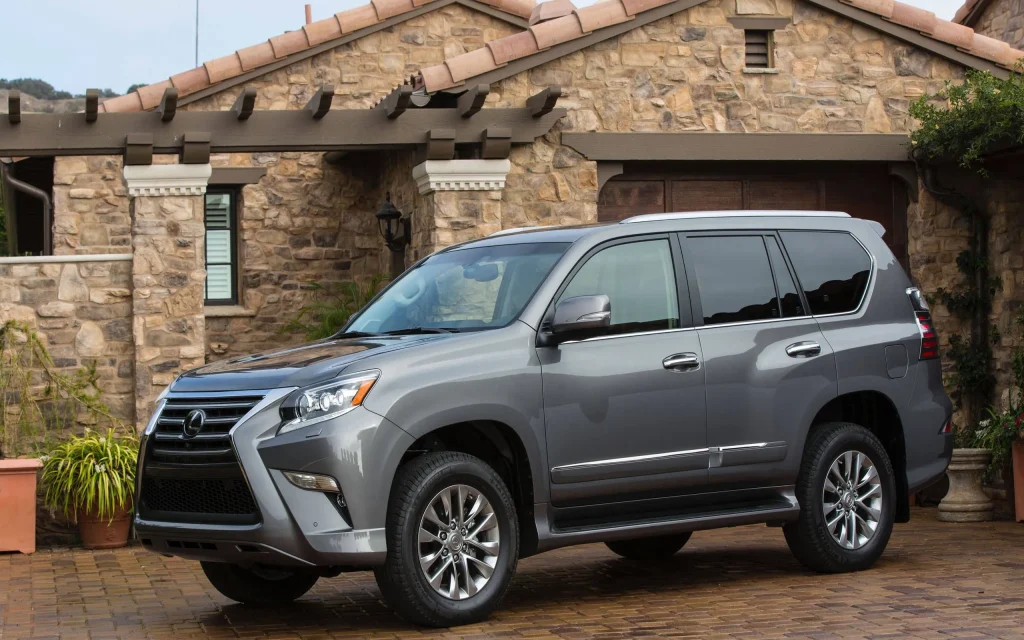
This SUV earns its place here because it proves that traditional engineering can coexist with modern comfort. The GX may not be the most efficient or modern design, but its quiet endurance is unmatched.
Writing about it emphasizes that longevity isn’t just about drivetrain reliability it’s about how a vehicle feels and sounds after thousands of miles of family use, road trips, and rough terrain.
4. Acura MDX
The Acura MDX has long stood out for its quiet sophistication and sturdy build. It shares engineering DNA with Honda but adds luxury refinement that enhances cabin silence. Its reinforced body structure uses ultra-high-strength steel in key areas, minimizing flex and keeping panels tightly fitted over time.
Acura’s attention to sound management is exceptional. Engineers applied acoustic sealants throughout the body, especially around door openings and roof joints, which often become problem zones in aging SUVs. Even the underbody panels are shaped to cut road noise before it reaches the interior.
Inside, every element feels precisely aligned. The dashboard, center console, and door panels stay solid even after years of exposure to heat and vibration. The third row, often an afterthought in many vehicles, benefits from secure seat anchor points that prevent clattering as passengers move around.
Owners consistently note that their MDX models stay composed after years of service. That quiet consistency helps maintain a premium feel long after newer models hit the market.
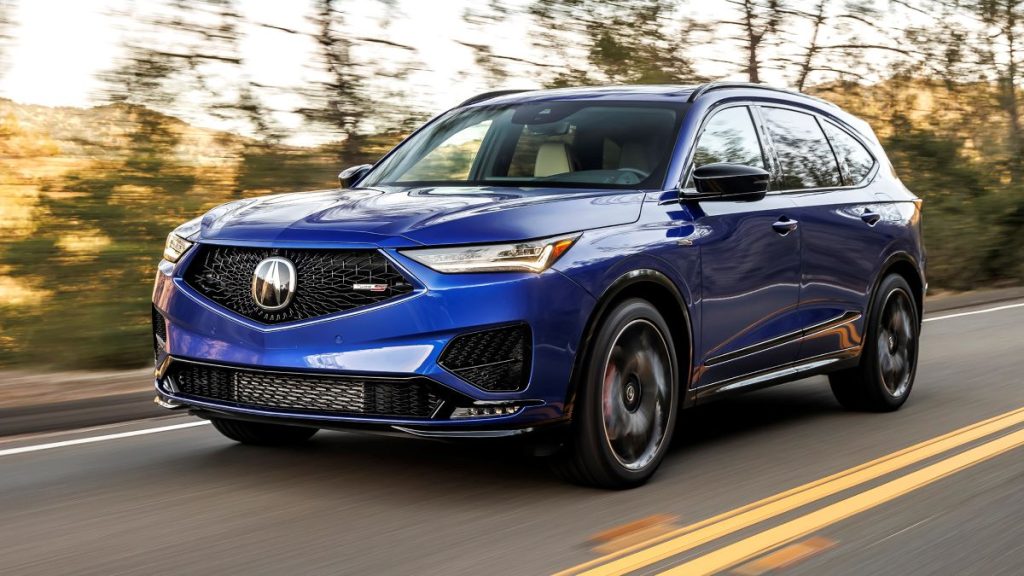
Writing about the MDX matters because it demonstrates the power of engineering discipline. Acura builds vehicles for drivers who value the sensation of lasting quality where every mile feels as firm and refined as the first. The MDX remains a symbol of how balance between performance and precision keeps an SUV truly rattle-free.
5. Kia Telluride
The Kia Telluride has redefined what buyers expect from a mainstream SUV. Despite its accessible price, it offers a solid, well-built feel that rivals luxury competitors. Kia achieved this through extensive chassis reinforcement and laser-welding techniques that reduce weak points across the body structure.
Every part of the cabin feels cohesive. The panels don’t shift, the doors shut with authority, and the trim materials hold up to heat and humidity. Kia also uses thick insulation behind the firewall and floor to block vibration paths that cause long-term creaks.
The third-row area shows real attention to detail. Seat mounts are bolted into cross-braced supports rather than the thin floorpan, helping prevent looseness as the vehicle ages. Even the roof lining is reinforced to avoid sagging or flexing under changing temperatures.
Owners often praise the Telluride for feeling new even after years of use. That’s not just a reflection of new design it’s proof that Kia’s manufacturing standards have reached a new level of precision.
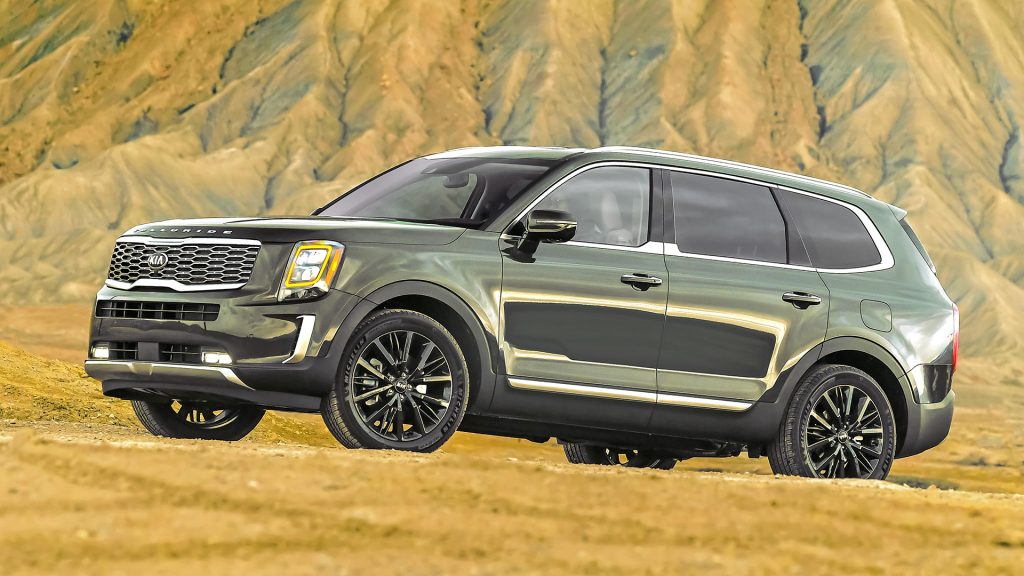
Writing about the Telluride here makes sense because it illustrates how a brand once known for economy cars now competes with the best in structural integrity. It’s a modern success story showing that quality control and thoughtful engineering can silence the passage of time better than any badge or price tag.
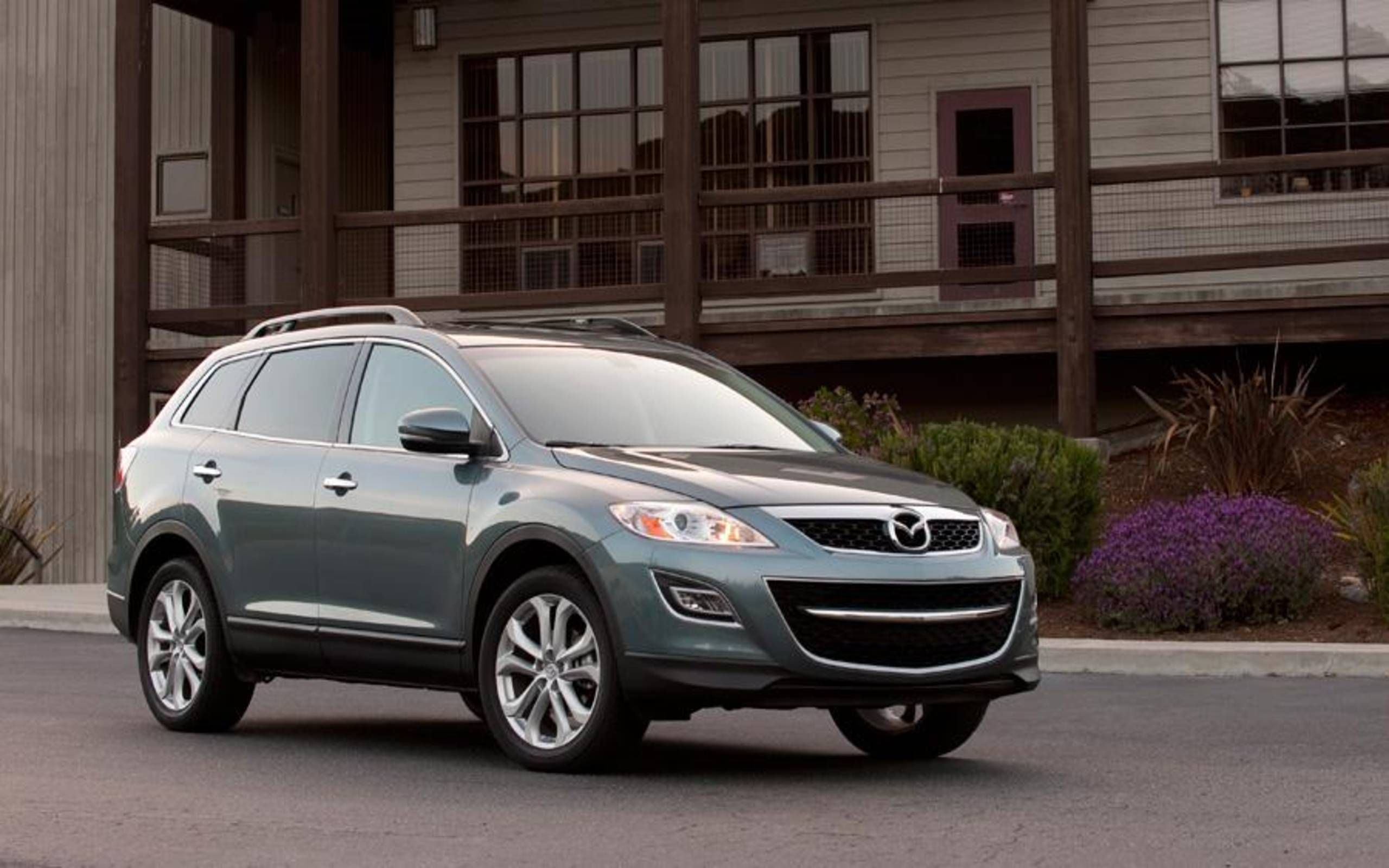
6. Mazda CX-9
The Mazda CX-9 is often overlooked beside flashier competitors, yet it stands among the most structurally refined SUVs in its class. Mazda’s engineers took a precision-first approach, tuning every weld and joint to minimize unwanted vibration throughout the frame. That effort pays off as the CX-9 stays remarkably quiet, even after years of family use.
The SUV’s platform uses a high percentage of high-tensile steel, giving it an almost sports-car level of rigidity. This stiffness reduces twisting forces that typically create cabin squeaks in long vehicles. The suspension mounts are double-reinforced, helping maintain alignment and silence under heavy loads.
Inside, materials are chosen for long-term stability rather than short-term gloss. The dashboard remains firm, the seats stay anchored, and there’s no buzz from trim pieces even on uneven roads. Mazda also installs vibration-reducing foam within hollow body sections, further cutting resonance that leads to rattles.
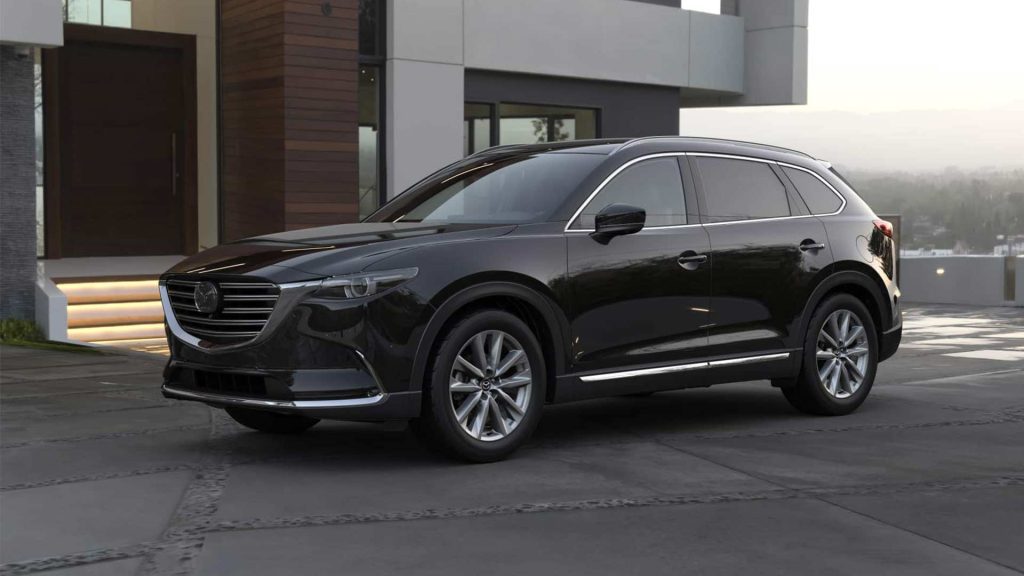
Owners frequently note how premium the CX-9 feels as it ages. It’s a vehicle that maintains composure not because it’s expensive, but because it’s built with care.
Writing about it matters because the CX-9 proves quiet strength isn’t reserved for luxury badges. It represents the kind of meticulous craftsmanship that makes daily drives feel calm and composed for years.
6 SUVs That Loosen Up By Year Five
Not every three-row SUV holds its composure as time passes. Some begin solid and confident but slowly lose that sense of cohesion by the fifth year.
The reasons often trace back to lighter construction, inconsistent assembly, or cost-cutting in hidden areas like interior clips and subframe reinforcements. When those details weaken, even minor vibrations can grow into full-fledged rattles.
A vehicle that develops noises early can still be mechanically reliable, yet feel prematurely aged. That difference is especially noticeable in larger SUVs, where longer body panels and heavier doors put constant stress on the structure.
Manufacturers that prioritize initial comfort sometimes overlook long-term durability in materials that face constant expansion, contraction, and impact fatigue.
By the time these SUVs cross 60,000 miles, owners often report squeaks from the third row, loose tailgates, and dashboard buzzes over rough roads. These issues rarely affect performance, but they change how drivers perceive quality. A quiet cabin reflects precision; a noisy one reveals compromise.
The following six examples represent vehicles that tend to loosen up by year five not to criticize their performance, but to highlight how build methods and material choices affect real-world longevity.
Writing about them matters because it helps buyers recognize that durability isn’t just about engines or transmissions.
It’s about how well the structure keeps its integrity after years of everyday life. These models show that attention to fine assembly details can make the difference between a confident, solid ride and one that starts to sound worn before its time.
1. Chevrolet Traverse
The Chevrolet Traverse starts strong, offering space and comfort at an attractive price. However, by the fifth year, many owners notice a shift in how tightly the vehicle feels assembled. The large body structure and extended wheelbase make it vulnerable to minor flexing that builds over time.
Interior rattles often begin near the rear hatch and third-row area. These panels experience repeated vibration from road surfaces and temperature swings, causing clips and fasteners to lose tension. GM’s focus on maximizing interior room sometimes came at the expense of extra bracing that could prevent this gradual looseness.
The dashboard and center console also tend to creak as the cabin plastics harden with age. These aren’t severe mechanical issues but are reminders of how interior material choices can impact long-term quality. Owners who frequently drive on uneven roads find the problem worsens sooner.
The Traverse still provides reliable performance and comfort, yet its structural integrity doesn’t age as gracefully as some of its competitors. That gradual loss of tightness affects how refined the SUV feels, even if the drivetrain remains dependable.
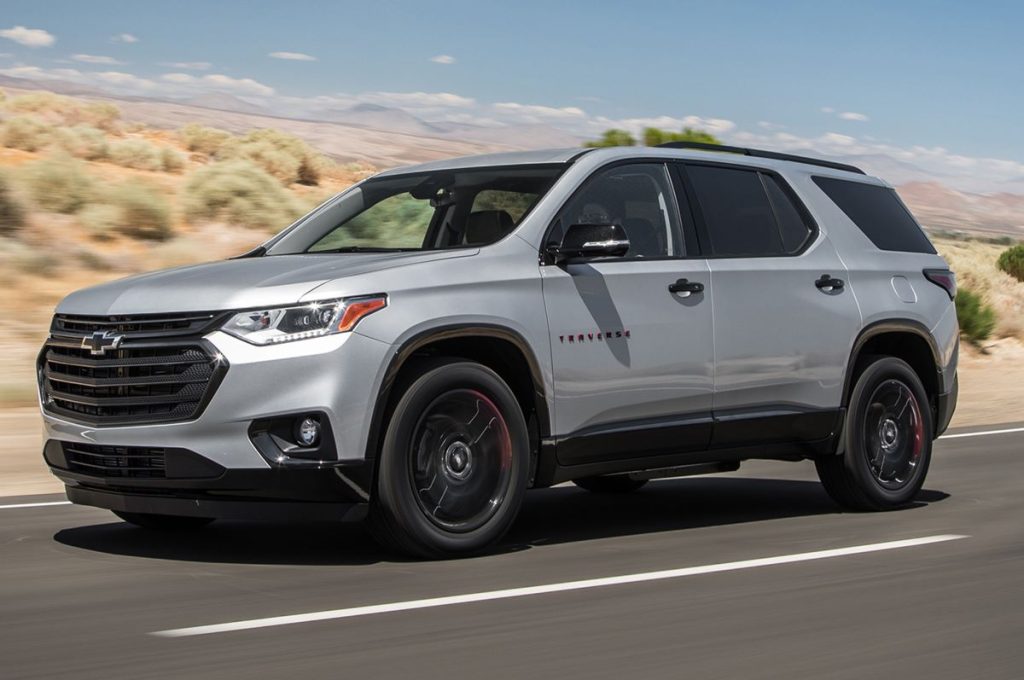
Writing about it is important because it shows how design priorities like maximizing space and reducing weight can influence cabin stability. The Traverse serves as a case study in how generous dimensions need equally generous reinforcement to preserve that solid, new-car feel.
2. Ford Explorer
The Ford Explorer has long been one of America’s most popular SUVs, but its later generations have struggled to maintain interior solidity as they age. Around year five, many owners report creaks from the doors, roof pillars, and rear seats. These sounds stem from a structure that, while strong, isn’t fully immune to body flex under stress.
Ford’s shift to a lighter unibody design improved handling and efficiency but introduced new vibration paths. Over time, those movements loosen interior fasteners, especially near the tailgate and seat mounts. Combined with firm suspension tuning, the constant road feedback eventually translates to small noises inside the cabin.
The Explorer’s interior materials also play a role. Hard plastics and lighter trim panels tend to separate slightly as adhesives wear. That’s why some models sound busier after several years, even if mechanically they remain solid.
Owners often describe this as a feeling rather than a failure the SUV still drives well, but it loses that “tight” sensation of its earlier years. Preventive maintenance like lubricating seals and tightening bolts helps, yet the tendency toward mild rattling is difficult to eliminate completely.
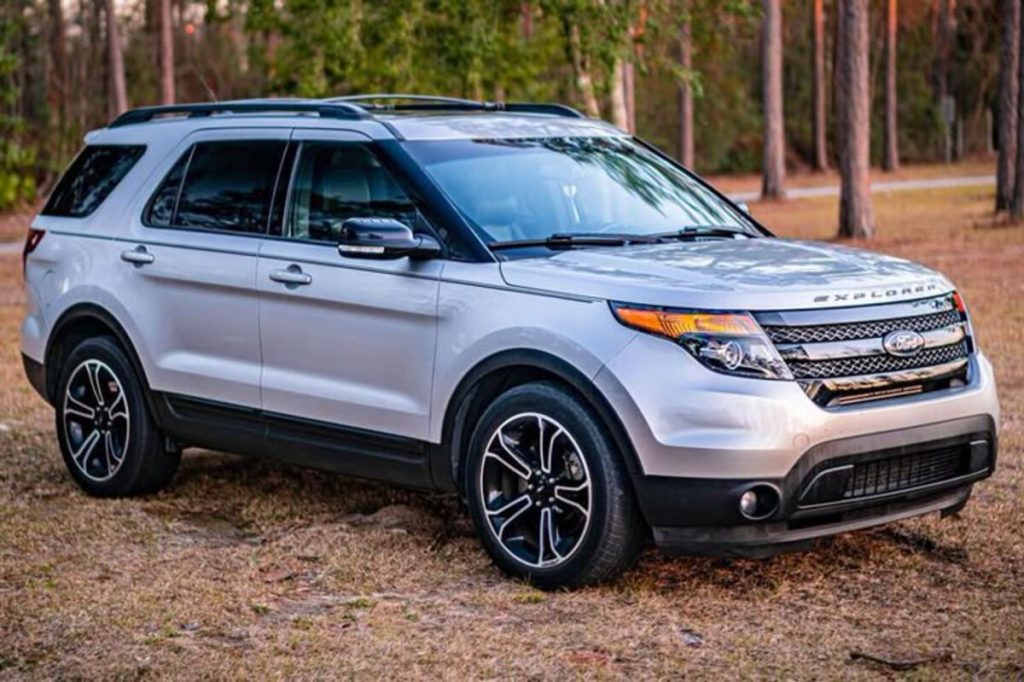
Writing about the Explorer matters because it highlights how balance between performance and refinement isn’t easy to sustain over time. Ford’s improvements in technology and powertrains are commendable, but cabin quietness remains an area where structural tuning could be more consistent.
3. Volkswagen Atlas
The Volkswagen Atlas impresses early with its spacious cabin and crisp handling, yet it doesn’t always maintain its composure as the years roll by. By the fifth year, small noises begin to emerge especially around the third-row seats and rear liftgate. The cause is often subtle body flex combined with complex interior trim fitment.
Volkswagen focused heavily on interior design and practicality, but that emphasis left limited margin for long-term structural rigidity. The large side panels and wide tailgate area tend to expand and contract under temperature shifts, causing gaps that lead to faint squeaks and rattles.
Inside, the Atlas features firm plastics and intricate panel junctions that look sharp when new but can separate microscopically with use. As the adhesive layers age, the precise German fit begins to soften, particularly in humid or rough-driving environments.
Owners frequently mention these sounds are minor yet persistent small reminders that the Atlas’s refinement is skin-deep rather than deeply engineered. Mechanically, it remains capable, but cabin solidity becomes its Achilles’ heel past the 60,000-mile mark.

Writing about the Atlas matters because it illustrates how design ambition must be matched by structural foresight. The SUV delivers space and style, but longevity of silence requires the kind of testing and bracing often reserved for more conservative builds. It’s a reminder that precision on paper doesn’t always translate into long-term quietness on the road.
4. Nissan Pathfinder
The Nissan Pathfinder has seen major transformations over its generations, but one challenge that continues to surface is cabin durability over time. By year five, owners often notice squeaks near the dashboard, second-row seat tracks, and tailgate area signs that interior fitment starts to loosen.
Part of the issue comes from Nissan’s shift toward softer ride tuning. While this improves comfort initially, it also places greater motion stress on the body joints and interior mounting points. Over time, even minor flexing can loosen trim clips and lead to faint rattling.
Materials also play a role. The plastics used in some Pathfinder generations harden and shrink slightly with temperature cycles, which causes friction between panels. As the structure settles, the noise becomes more noticeable, especially in warmer climates or on rougher roads.
Despite these issues, the Pathfinder remains a dependable family hauler with strong powertrains and safety features. The main concern is refinement rather than reliability. Drivers who keep their vehicles beyond the warranty period often comment that it begins to sound “well-used” before reaching high mileage.
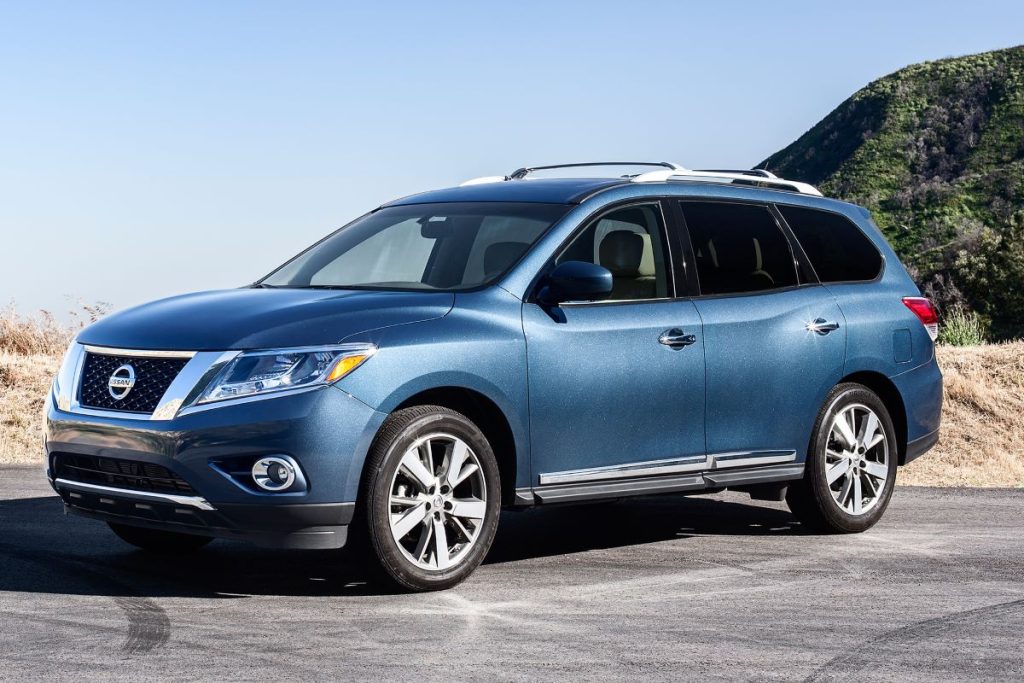
Writing about it here helps underline how comfort tuning and long-term silence don’t always align. The Pathfinder shows how small compromises in assembly precision and material quality can erode the perception of durability, even when the mechanics hold up well.
It’s a useful example of how refinement must extend beyond the drivetrain if a family SUV is to feel solid through every year of ownership.
5. Dodge Durango
The Dodge Durango stands out for its muscular performance and towing power, but that strength doesn’t always extend to cabin integrity over time. By the fifth year, many owners begin noticing small rattles near the dashboard and rear hatch area, especially in V8 models that produce stronger vibrations.
Its traditional rear-wheel-drive platform adds a sense of solidity at first, yet it also transfers more vibration through the structure.
Over time, those forces loosen interior fittings and create faint squeaks during acceleration or when driving over uneven pavement. The third-row seat frames, while sturdy, often develop clicking sounds as bolts and joints settle from repeated use.
Material aging contributes as well. The interior plastics and trim pieces, particularly around the center console, can dry out and shift slightly as temperature cycles cause expansion and contraction. These effects aren’t severe but chip away at the refined feel that buyers expect.
Despite these noise issues, the Durango remains mechanically robust and capable. It’s built for strength rather than silence, and that trade-off becomes clear with age. Owners who prioritize toughness overlook the minor rattles, but those seeking a calm, composed ride might notice the difference sooner.
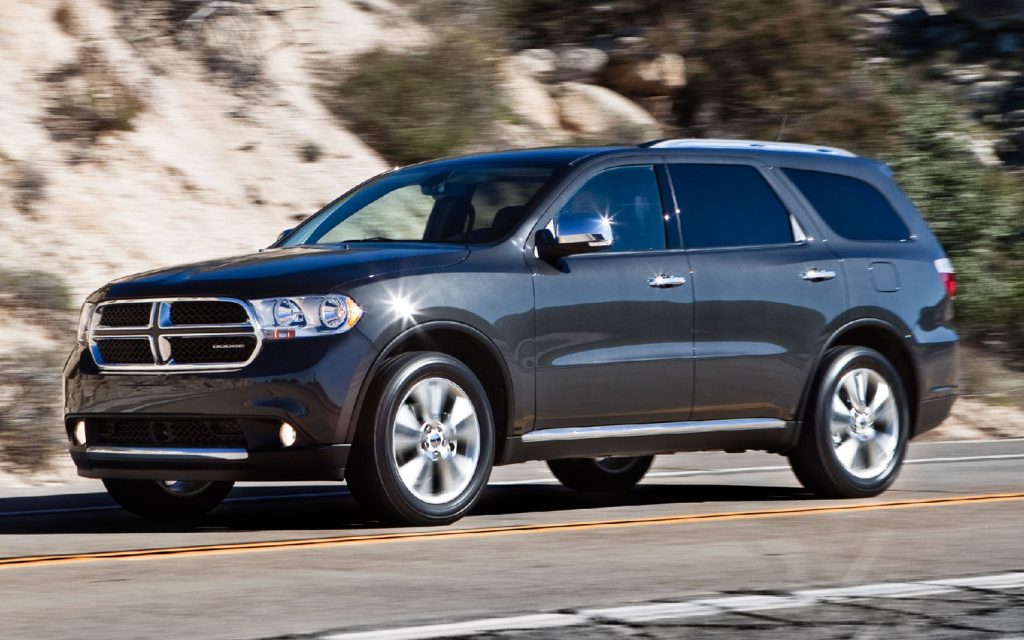
Writing about the Durango matters because it represents a clear example of performance taking precedence over long-term cabin precision. Dodge built it to last under pressure, not necessarily to stay whisper-quiet, reminding us that durability and refinement don’t always travel the same path.
6. GMC Acadia
The GMC Acadia offers family practicality with premium ambitions, yet its cabin refinement tends to fade sooner than expected.
Around year five, mild rattles and squeaks often emerge from door panels, roof rails, and the rear cargo area. The cause usually lies in the midweight body structure that prioritizes comfort but lacks extra rigidity.
GMC’s focus on smooth ride quality means softer suspension tuning, which increases body movement over time.
Those gentle oscillations gradually loosen fasteners and trim components, especially in the larger interior panels that span the rear quarters. In humid conditions, expansion and contraction amplify these minor shifts.
The third-row seats, designed for quick folding and flexibility, are another common noise source. Their folding mechanisms develop faint clicks after repeated use, particularly if the mounts aren’t regularly lubricated. The overall result is a vehicle that still drives well but loses that new-car hush after several years.
Despite this, the Acadia remains a practical and stylish SUV. Its engines are reliable, and its comfort levels remain high, but the small interior noises reflect where cost and convenience outweighed structural endurance.
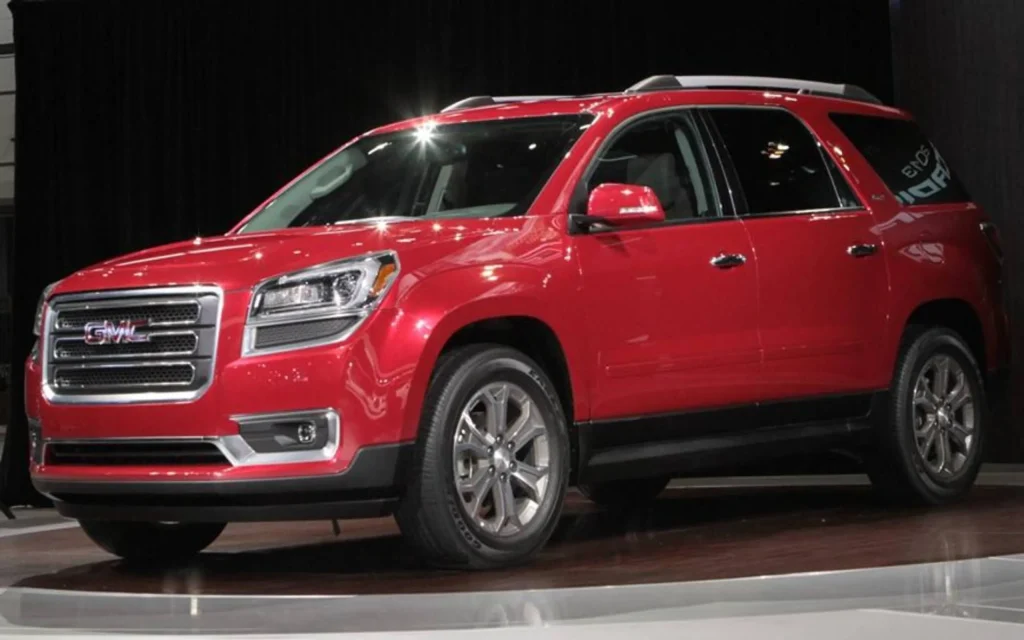
Writing about it is important because the Acadia captures the fine line between pleasant ride comfort and long-term tightness. It shows that even well-designed SUVs can feel older than they are if cabin solidity isn’t a lasting priority. For buyers seeking five-year quietness, it’s a lesson in how design trade-offs quietly reveal themselves through sound.
A quiet, solid SUV isn’t just about comfort. It’s an indicator of discipline in design, thoughtful engineering, and long-term reliability.
The difference between a vehicle that stays rattle-free and one that loosens up by year five often comes down to choices made far before it reaches a dealership lot. How a manufacturer welds, seals, and braces its body determines how a family experiences that SUV for years afterward.
The six rattle-free SUVs Toyota Highlander, Honda Pilot, Lexus GX, Acura MDX, Kia Telluride, and Mazda CX-9 share one fundamental trait: structural honesty. Each is built with precision in its platform and reinforced where it matters most.
They resist the fatigue that comes from everyday flexing, heavy passengers, and long commutes. These models prove that silence is earned through attention to invisible details metal thickness, bolt alignment, insulation density, and material endurance. They reflect a kind of engineering maturity that focuses on consistency over showmanship.
Their calm cabins are not accidents. They are the result of years of development aimed at ensuring owners never have to question build quality.
Even at 100,000 miles, doors shut firmly, seats remain anchored, and panels stay aligned. These SUVs demonstrate that refinement and durability can work together, rewarding drivers who value peace and reliability over flash.
On the other side, the six SUVs that loosen up Chevrolet Traverse, Ford Explorer, Volkswagen Atlas, Nissan Pathfinder, Dodge Durango, and GMC Acadia reveal how subtle compromises in design can surface years later.
None of these models fail mechanically; in fact, most remain strong performers. The issue lies in how their interiors handle long-term stress. Cost-saving in reinforcement, lighter materials, and softer ride setups create conditions where small vibrations multiply with time.
By the fifth year, these vehicles often feel older than their mileage suggests. Door panels begin to whisper, tailgates vibrate slightly, and seats develop faint clicks as mounting points settle.
These sounds don’t strand a driver, but they chip away at the sense of quality. They serve as daily reminders that refinement is fragile when structure and materials are stretched too thin.
What stands out across both groups is how sound or its absence tells the truth about a vehicle’s design integrity. Silence represents engineering foresight. Noise represents shortcuts.
The difference isn’t always visible during a test drive, but it becomes undeniable with ownership. A well-built SUV feels cohesive; it moves as one piece rather than a collection of parts.
Buyers seeking lasting refinement should look beyond touchscreens and horsepower figures. True quality is found in the quiet moments the calm during a rough road, the steady stillness of a parked vehicle, the lack of vibration when closing a door after five years.
The SUVs that remain rattle-free show what’s possible when a manufacturer treats every joint and fastener as a statement of pride. The ones that loosen up remind us that even strong performance can’t mask shortcuts in structure.
In the end, silence is the clearest sign of craftsmanship. A rattle-free cabin speaks of care, while a noisy one tells its own story. The lesson is simple: real quality doesn’t shout; it stays quiet.
