
Headlight clarity separates well-engineered sedans from vehicles that look neglected after minimal use. Fresh headlights provide crisp illumination while maintaining a crystal-clear appearance that keeps vehicles looking newer longer.
After just two summers, some vehicles develop cloudy, yellowed lenses that dim lighting output while creating an aged appearance. This degradation happens despite regular washing and careful ownership, frustrating buyers who expected better quality.
UV radiation from sunlight attacks polycarbonate headlight lenses, causing surface deterioration. Some manufacturers apply protective coatings that resist this damage for years, while others skimp on protection, allowing rapid degradation.
Lens thickness, coating quality, and manufacturing processes determine whether headlights maintain clarity or turn foggy quickly. Buyers purchasing used sedans can instantly judge previous quality by inspecting the headlight condition after a few years.
Cloudy headlights create multiple problems beyond aesthetics. Reduced light output compromises safety during night driving and poor weather. Hazy lenses scatter light beams, reducing effective illumination distance.
Vehicles fail safety inspections in jurisdictions measuring light output. Restoration costs $100 to $300 professionally, while replacement headlight assemblies run $500 to $2,000 per side, depending on the vehicle. These expenses add frustration to vehicles that should have better-engineered components.
Now, let’s examine twelve sedans split into two groups. Six vehicles feature headlights engineered properly to resist hazing through years of sun exposure. Six others develop cloudy, yellowed lenses embarrassingly fast despite being newer vehicles.
Understanding which sedans protect headlight clarity helps buyers avoid frustrating degradation while rewarding manufacturers who invest in quality components. Let’s examine these contrasting approaches to headlight engineering quality.
Headlights That Stay Clear
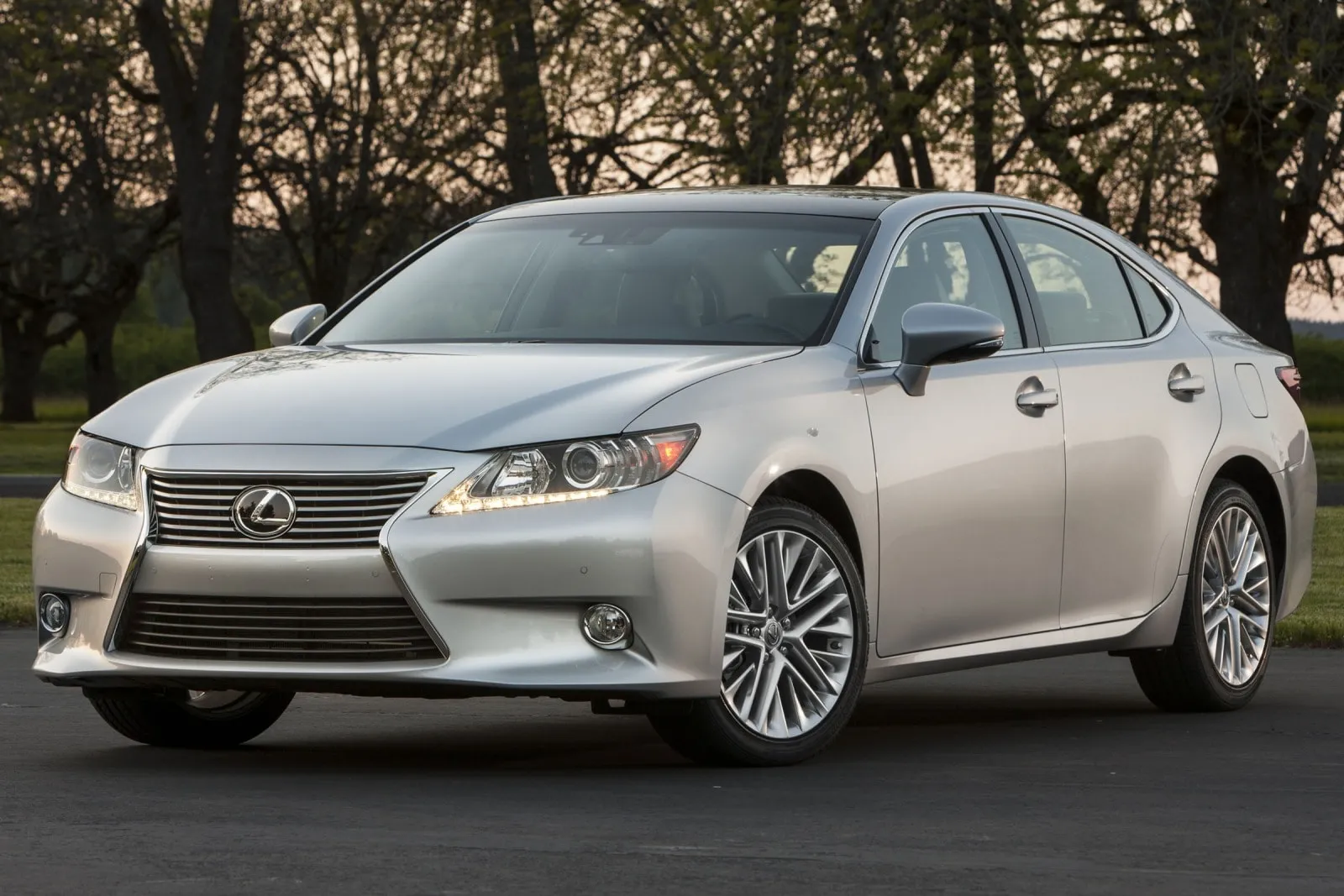
1. Lexus ES 350 (2013-2018)
Premium sedan engineering includes headlight protection that maintains clarity through extended ownership. Thick polycarbonate lenses resist UV damage better than thin alternatives.
Multiple protective coating layers shield against sun damage and environmental contaminants. After five years and beyond, these headlights maintain crystal clarity that keeps vehicles looking fresh.
Lexus applies factory UV-resistant hard coating, protecting lens surfaces from degradation. This treatment penetrates lens material rather than just coating the surface.
Multi-layer protection includes base coating, UV blocker, and scratch-resistant top layer. Manufacturing quality control ensures consistent application across all production units. This attention to detail justifies premium pricing through longevity.
Assembly seals prevent moisture intrusion that accelerates lens degradation. Quality gaskets maintain integrity through temperature cycling and aging.
Proper sealing keeps condensation from forming inside housings. Dry internal environment preserves lens clarity from the inside out. This attention to sealing details prevents common failure modes.
Japanese manufacturing standards ensure consistent quality across production runs. Quality control catches defective coatings before vehicles leave the factory.
Testing procedures verify UV resistance meeting specifications. This manufacturing discipline creates reliable long-term performance. Buyers receive genuinely protected headlights rather than marketing promises.
Owners report headlights maintaining clarity past 100,000 miles and ten years. Even vehicles living in harsh sunny climates show minimal hazing.
Carwash chemicals and road debris don’t create permanent damage. This longevity maintains vehicle appearance while preserving resale value. Clear headlights signal quality ownership to potential buyers.
Replacement headlight assemblies cost substantially but rarely become necessary during typical ownership.
When replacement does occur, Lexus quality ensures new units match original durability. Aftermarket alternatives exist but often lack OEM coating quality. This creates an incentive to maintain original headlights through proper care.
Polishing compounds and restoration treatments work effectively if minor hazing develops. Surface damage responds well to professional restoration. Protective coatings can be reapplied after restoration. This serviceability extends headlight life indefinitely when owners invest in maintenance.
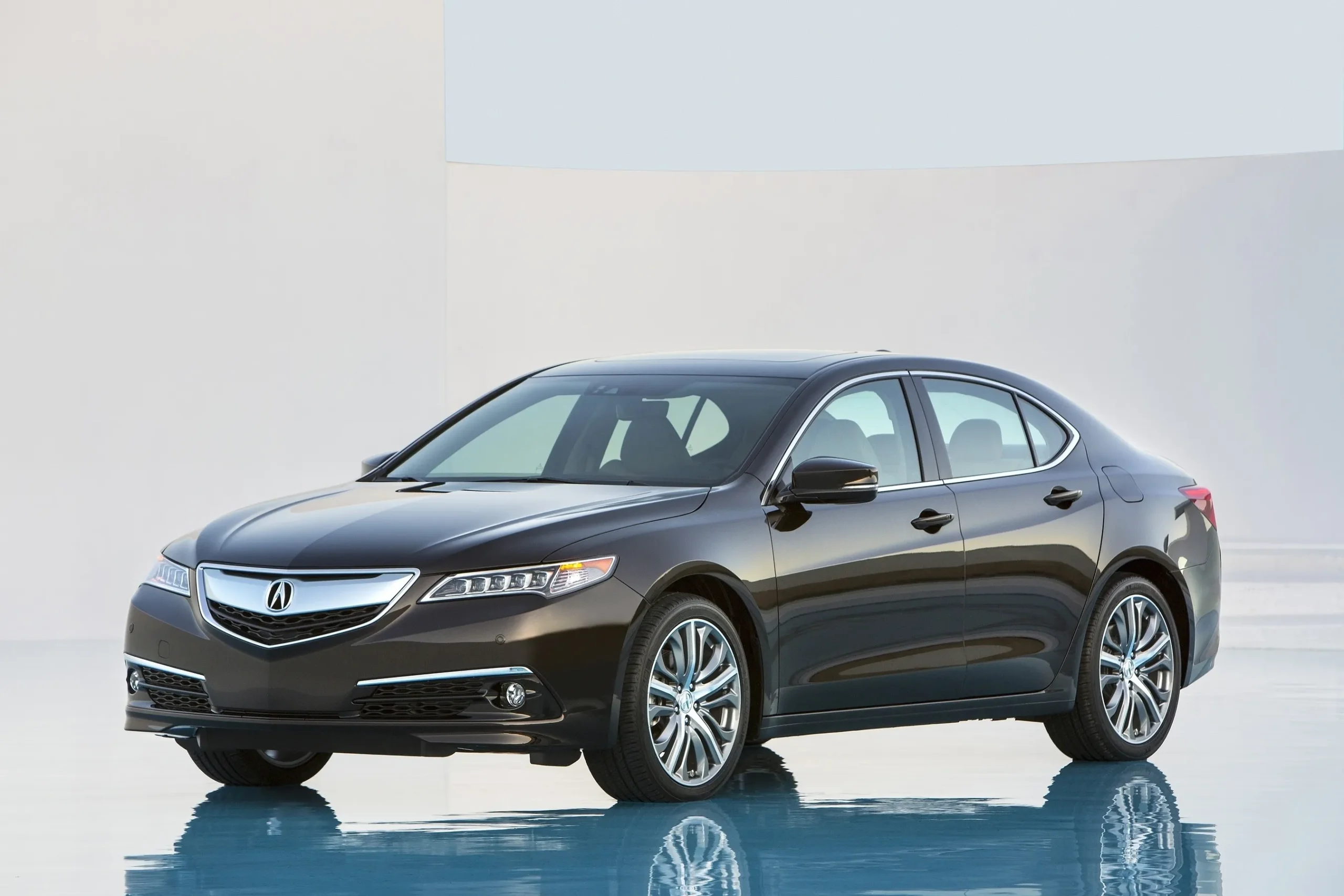
2. Acura TLX (2015-2020)
Honda’s luxury division engineers headlights resisting degradation through quality materials and protective treatments. Premium positioning demands that components maintain appearance through extended ownership.
Clear headlights after five years demonstrate an engineering commitment to quality. Owners enjoy crystal-clear illumination that keeps vehicles looking showroom fresh.
Polycarbonate lenses use premium grades that resist yellowing. Material selection prioritizes UV resistance over cost savings. Thicker lenses provide additional protection through material depth. Japanese suppliers meet strict quality specifications. This material quality forms the foundation for long-term clarity.
Assembly processes prevent moisture intrusion, extending lens life. Precision-fitted gaskets maintain seals through aging. Breather vents equalize pressure without allowing water entry.
Proper sealing keeps internal surfaces pristine. This engineering prevents condensation damage, destroying headlights from the inside.
Owners across various climates report headlights staying clear through typical ownership periods. Sunny southern states show minimal degradation over the years.
Northern examples exposed to road salt maintain clarity equally well. This consistent performance across environments validates engineering quality.
Jewel Eye LED headlights on higher trims use thick glass-like lenses virtually immune to hazing. LED technology generates less heat, reducing UV damage. Premium lens materials resist scratching and clouding. This advanced lighting technology eliminates headlight degradation concerns.
Aftermarket restoration products work well if minor hazing develops on halogen headlight models. Surface polishing removes thin degradation layers. Protective sealants extend clarity after restoration. This serviceability allows maintaining headlight appearance indefinitely through periodic maintenance.
Insurance companies appreciate maintained headlight output for safety compliance. Clear lenses pass inspection requirements without restoration.
Proper illumination reduces accident risk. This safety aspect makes headlight clarity important beyond mere appearance concerns, validating engineering investment.
Also Read: 5 Sedans That Hold Value for a Decade vs 5 That Plummet After 3 Years
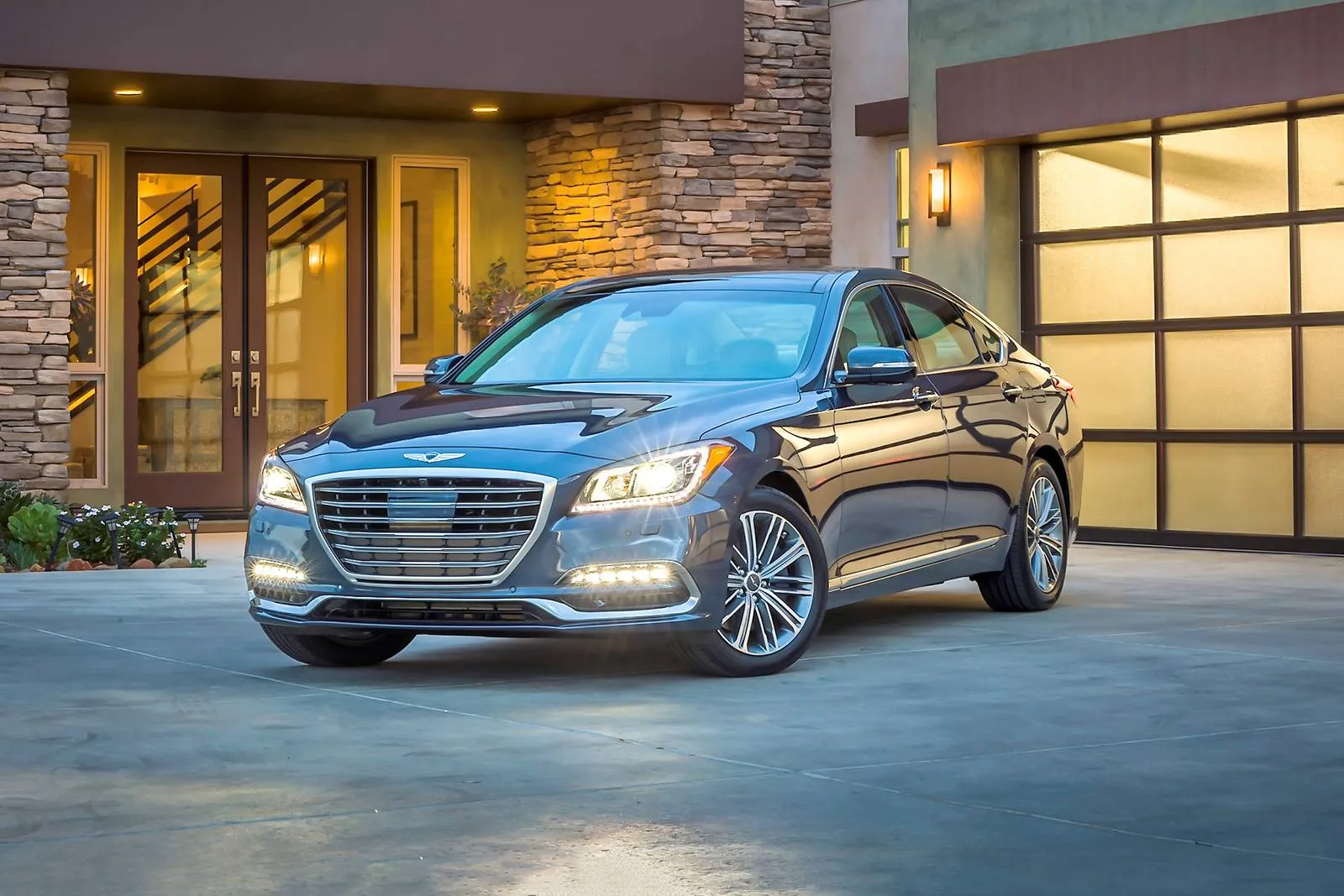
3. Genesis G80 (2017-2024)
Korean luxury brand proves quality engineering through headlights resisting degradation impressively. Premium positioning demands that components maintain a showroom appearance through ownership.
Thick protective coatings and quality materials prevent typical hazing. Clear headlights after years demonstrate Genesis’ commitment to genuine luxury quality.
Factory UV protection includes multiple coating layers bonded permanently. Chemical composition blocks harmful radiation effectively.
Heat-curing process ensures coating adhesion. Quality testing verifies protection effectiveness before vehicles ship. This thorough approach creates reliable long-term performance.
Polycarbonate lens thickness exceeds segment standards, providing additional UV filtering. Material selection prioritizes clarity retention over initial cost.
Premium polymer grades resist yellowing inherently. Korean manufacturing quality ensures consistency. This material quality creates a foundation for lasting clarity.
LED headlights standard across the lineup eliminate heat-related degradation. Solid-state lighting generates minimal thermal stress. Thick lens covers protect LED modules. Advanced optics maintain focus as components age. This technology prevents typical halogen headlight problems completely.
Assembly quality prevents moisture intrusion that accelerates lens damage. Precision manufacturing ensures gaskets seal properly.
Breather systems equalize pressure without water entry. Internal environments stay dry, preserving lenses. This attention to sealing details extends component life substantially.
Owners in sunny climates report headlights maintaining clarity through the years. Texas and Arizona examples show minimal degradation. Coastal humidity doesn’t affect Genesis headlights noticeably. This consistent performance validates engineering across environments.
Design aesthetic prioritizes clean lens appearance without excessive texturing. Smooth surfaces resist dirt accumulation. Simple washing maintains appearance. This design philosophy supports long-term clarity through easy maintenance.
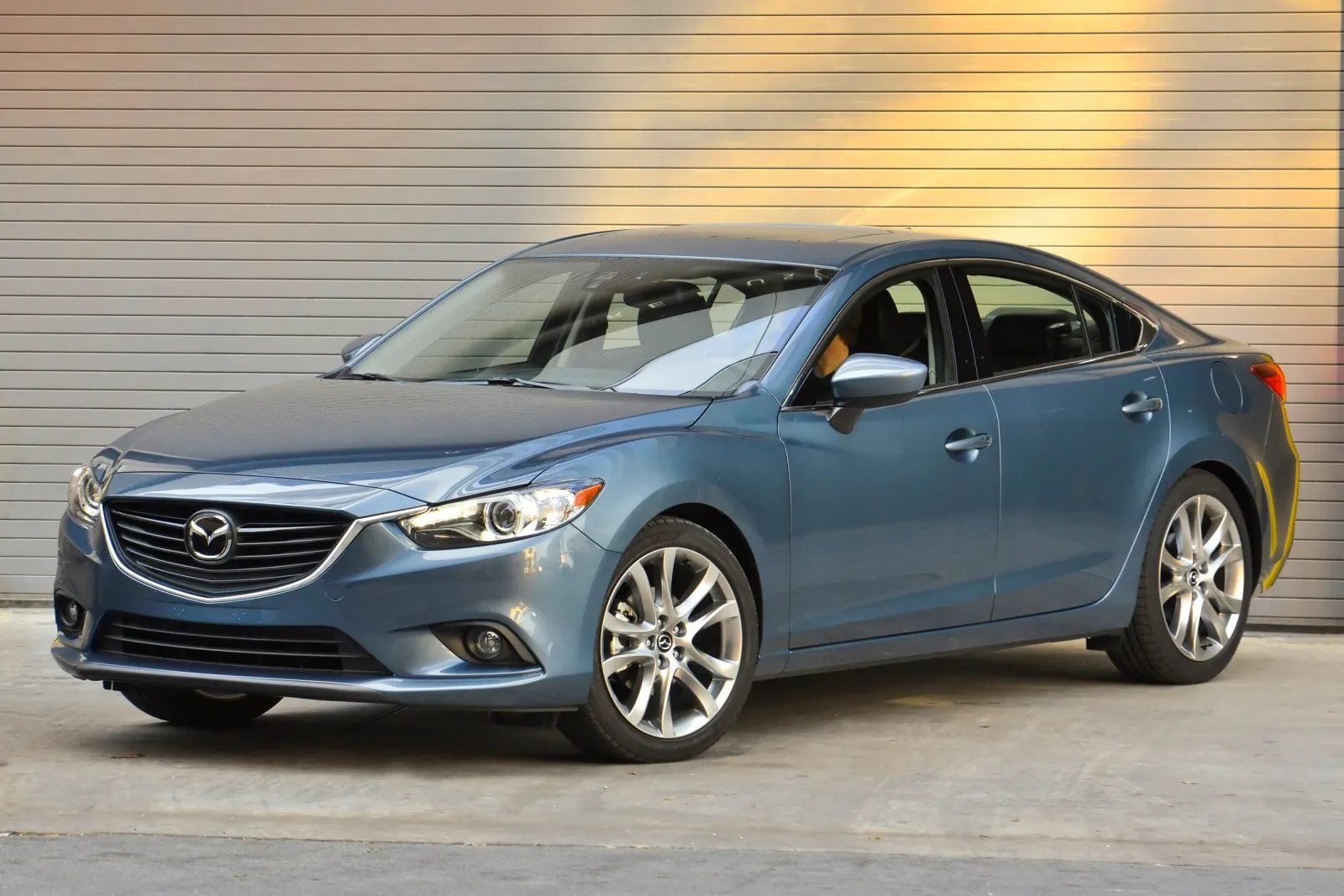
4. Mazda6 (2014-2021)
Japanese engineering excellence includes headlight protection exceeding expectations for mainstream pricing. SkyActiv philosophy prioritizes component quality throughout the vehicle.
Clear headlights after years demonstrate attention to detail, benefiting long-term owners. This quality separates Mazda from competitors, cutting corners on protective coatings.
Factory UV-resistant coatings protect lenses from sun damage effectively. The application process ensures complete coverage and proper adhesion.
Multi-layer protection includes base coat, UV blocker, and clear protective finish. Quality control verifies coating quality consistently. This manufacturing discipline creates reliable protection.
Soul Red Crystal paint demonstrates Mazda’s coating expertise, extending to headlights. Knowledge gained from paint technology transfers to lens protection.
Similar multi-layer approaches protect both paint and plastics. This technical competence benefits multiple vehicle components simultaneously.
Lens material selection prioritizes clarity retention and UV resistance. Premium polycarbonate grades cost more but resist yellowing.
Adequate thickness provides additional protection. Japanese suppliers meet strict specifications. This material quality forms the basis for long-term clarity.
Sealed beam construction prevents moisture accumulation inside housings. Quality gaskets maintain integrity through temperature cycling.
Breather vents function properly, preventing pressure buildup. Dry internal environment preserves lenses from the inside out. This sealing quality prevents common failure modes.
Owners report Mazda6 headlights staying clear through extended ownership periods. Examples exceeding 100,000 miles maintain crystal clarity. Various climates, from sunny to snowy, show consistent performance. This reliability validates engineering quality across environments.
Clear headlights on used Mazda6 examples indicate quality engineering and ownership. Buyers recognize well-maintained vehicles through inspection.
This appearance affects resale values positively, demonstrating that engineering quality pays dividends, creating genuine long-term value.
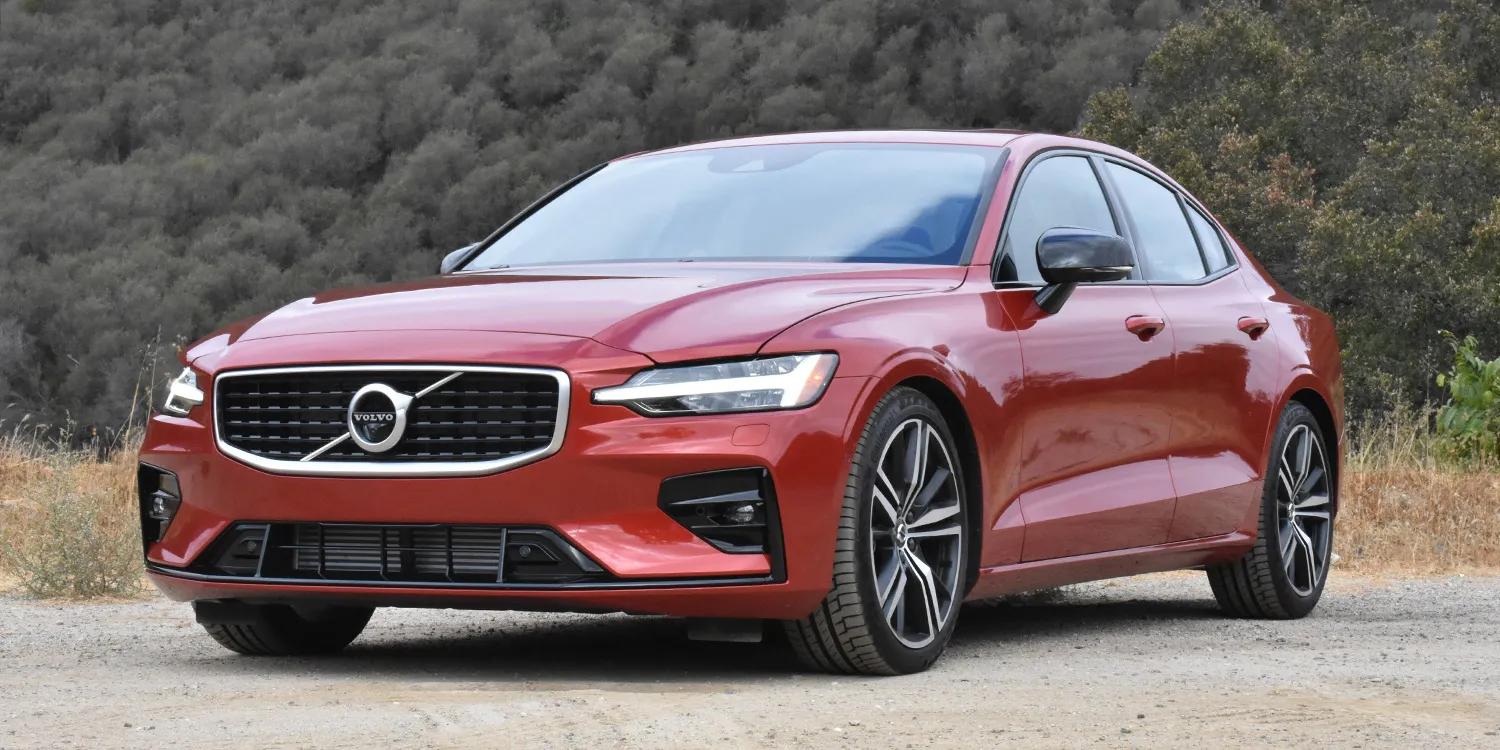
5. Volvo S60 (2019-2024)
Swedish engineering includes headlight protection meeting Scandinavian quality standards. Premium positioning demands components that survive harsh Nordic conditions.
Thick protective coatings resist UV damage and road debris. Clear headlights through ownership demonstrate Volvo’s commitment to safety and quality.
Factory coatings include scratch resistance, protecting against road debris damage. Multiple layers provide comprehensive protection. Chemical formulations block UV radiation effectively. Manufacturing processes ensure consistent application. This quality control creates reliable long-term performance.
LED headlight technology standard across the lineup eliminates heat degradation. Solid-state lighting generates minimal thermal stress.
Thor’s Hammer daytime running light design uses thick protective lenses. Advanced optics maintains focus indefinitely. This technology prevents typical headlight problems completely.
Assembly quality reflects Swedish engineering standards with precision manufacturing. Gaskets seal perfectly, preventing moisture intrusion.
Breather systems function properly without water entry. Internal components stay dry, preserving clarity. This attention to detail extends component longevity substantially.
Lens thickness exceeds typical standards, providing additional protection. Material selection prioritizes clarity, retention and impact resistance.
Premium polycarbonate grades cost more but perform better. Swedish suppliers meet strict specifications. This material quality supports long-term clarity.
Owners in various climates report headlights maintaining clarity through ownership. Northern European examples survive harsh conditions.
Sunny southern climates show minimal degradation. Coastal salt spray doesn’t affect Volvo headlights noticeably. This consistent performance validates engineering quality.
Design aesthetic prioritizes clean appearance with smooth lens surfaces. Minimal texturing prevents dirt accumulation. Simple washing maintains the showroom appearance. This design philosophy supports easy long-term maintenance.
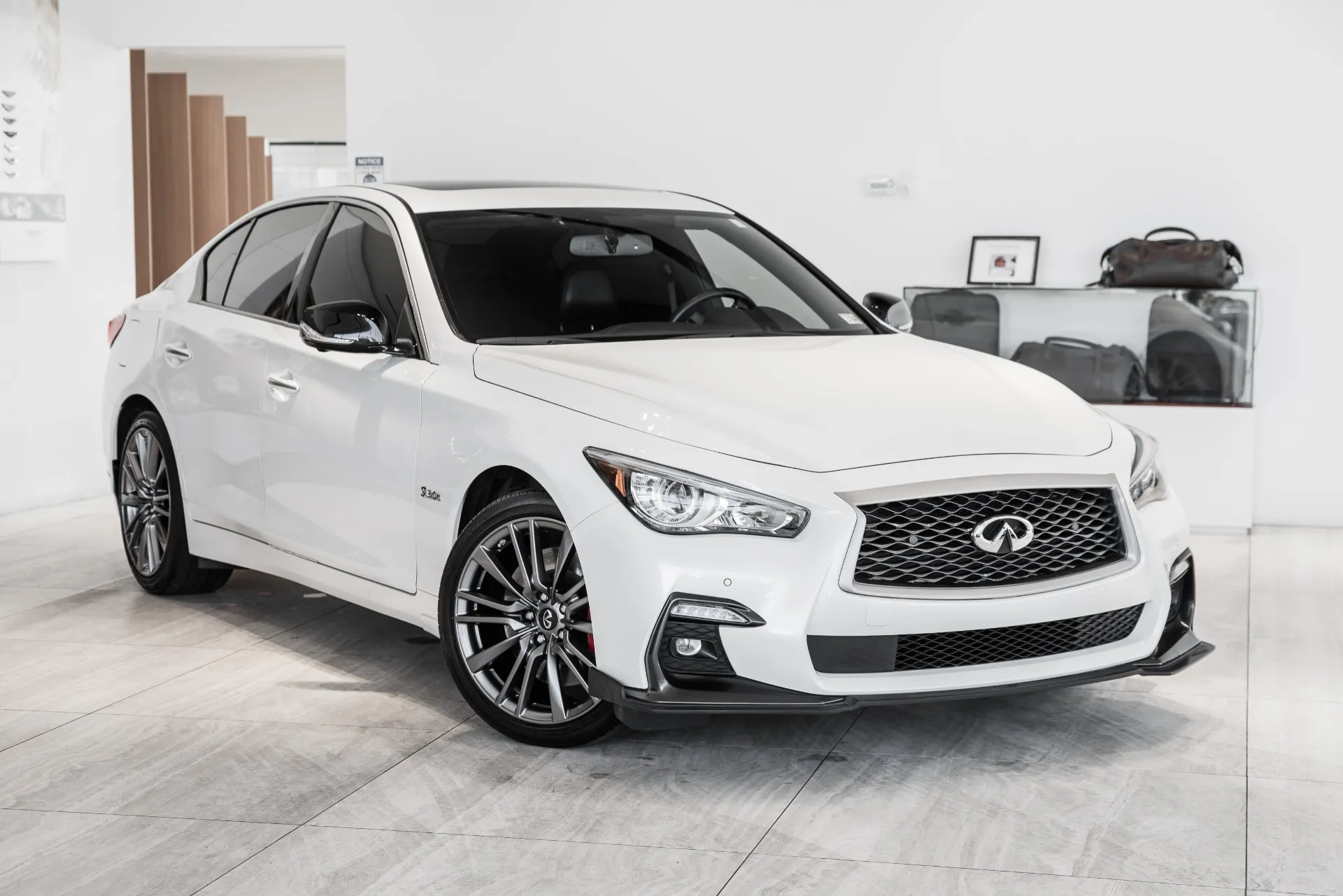
6. Infiniti Q50 (2014-2020)
Nissan’s luxury division engineers headlights resisting degradation through Japanese quality standards. Premium positioning requires components to maintain appearance through ownership.
Multi-layer protective coatings prevent UV damage effectively. Clear headlights after years demonstrate an engineering commitment to quality.
Factory UV protection includes advanced chemical formulations that block radiation. Application processes ensure complete coverage and adhesion.
Heat-curing bonds coatings permanently to surfaces. Quality testing verifies protection effectiveness. This manufacturing discipline creates reliable performance.
Polycarbonate lenses use premium materials that resist yellowing. Material selection prioritizes UV resistance and clarity retention. Adequate thickness provides additional protection. Japanese suppliers meet strict quality specifications. This material quality forms the foundation for longevity.
LED headlight options provide enhanced degradation resistance. Reduced heat generation protects lens materials substantially. Thicker protective covers shield LED modules. Advanced optics maintains performance indefinitely. This technology eliminates typical problems.
Assembly processes prevent moisture intrusion through precision manufacturing. Quality gaskets maintain seals through aging and temperature cycling. Breather vents equalize pressure properly. Internal environments stay dry preserving components. This sealing quality prevents failures.
Owners across climates report headlights staying clear through typical ownership. Sunny regions show minimal degradation over the years. Northern examples maintain clarity equally well. This consistent performance validates engineering across environments.
Design includes smooth lens surfaces resisting dirt accumulation. Minimal texturing simplifies cleaning and maintenance. Washing maintains appearance without special treatments. This design philosophy supports long-term clarity through ease of care.
Replacement costs stay reasonable for luxury positioning with competitive pricing. OEM assemblies provide quality matching originals. Aftermarket options exist for budget-conscious owners. Parts availability ensures repair accessibility, maintaining vehicles properly.
Headlights That Cloud Quickly
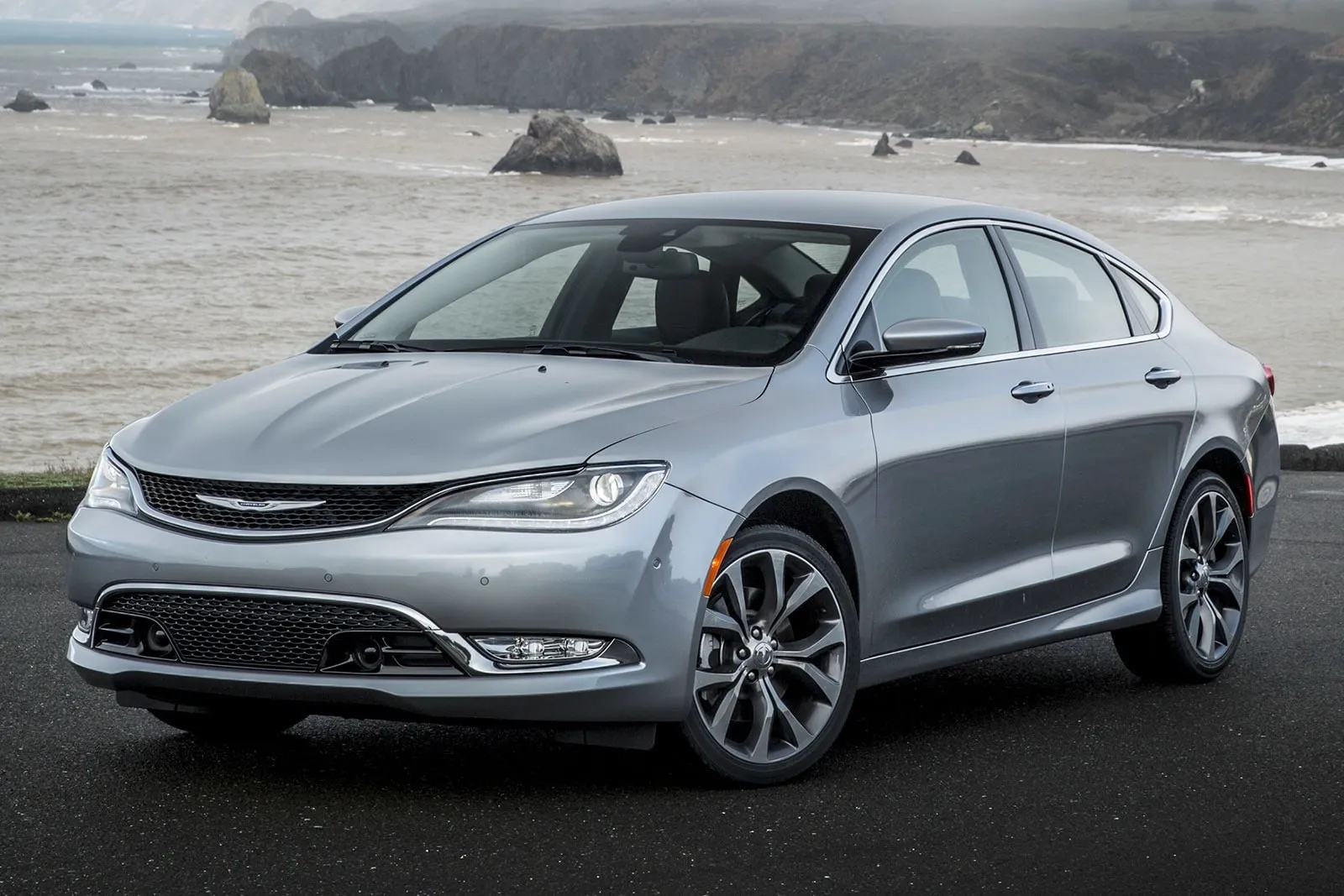
1. Chrysler 200 (2015-2017)
Budget-focused engineering shows clearly through the headlight degradation happening embarrassingly fast. After just two summers, many examples develop noticeable hazing.
Three years bring severe yellowing that dims output substantially. This rapid deterioration frustrates owners expecting better quality from modern vehicles.
Thin protective coatings fail quickly under UV exposure. Manufacturing processes don’t bond coatings adequately. Quality control apparently misses defective applications. Budget constraints result in minimal UV protection. This cost-cutting creates visible quality problems rapidly.
Polycarbonate lenses use thinner material than premium alternatives. Reduced thickness provides less inherent UV filtering.
Budget material grades yellow faster than premium alternatives. Cost reduction prioritizes initial savings over longevity. This penny-wise approach proves pound-foolish through rapid degradation.
Assembly quality allows moisture intrusion, accelerating lens damage. Gaskets don’t seal properly, allowing water entry. Internal condensation forms regularly. A wet internal environment damages lenses from the inside. This sealing failure compounds UV damage, creating rapid deterioration.
Owners report headlight hazing developing within 18 to 24 months. Sunny climates accelerate degradation dramatically. Even careful owners cannot prevent clouding. This rapid failure frustrates buyers expecting reasonable quality. Budget engineering shows consequences clearly.
Restoration becomes necessary frequently, with professional treatment costing $100 to $200. DIY kits provide temporary improvement requiring frequent reapplication. Without protective sealant, haziness returns within months. This ongoing maintenance cost adds frustration to the ownership experience.
Class-action potential exists if enough owners document premature headlight failure. The pattern of rapid degradation suggests a manufacturing defect, potentially.
Chrysler discontinued the model, avoiding ongoing complaints conveniently. Buyers are stuck with vehicles suffering from poor engineering quality unnecessarily.
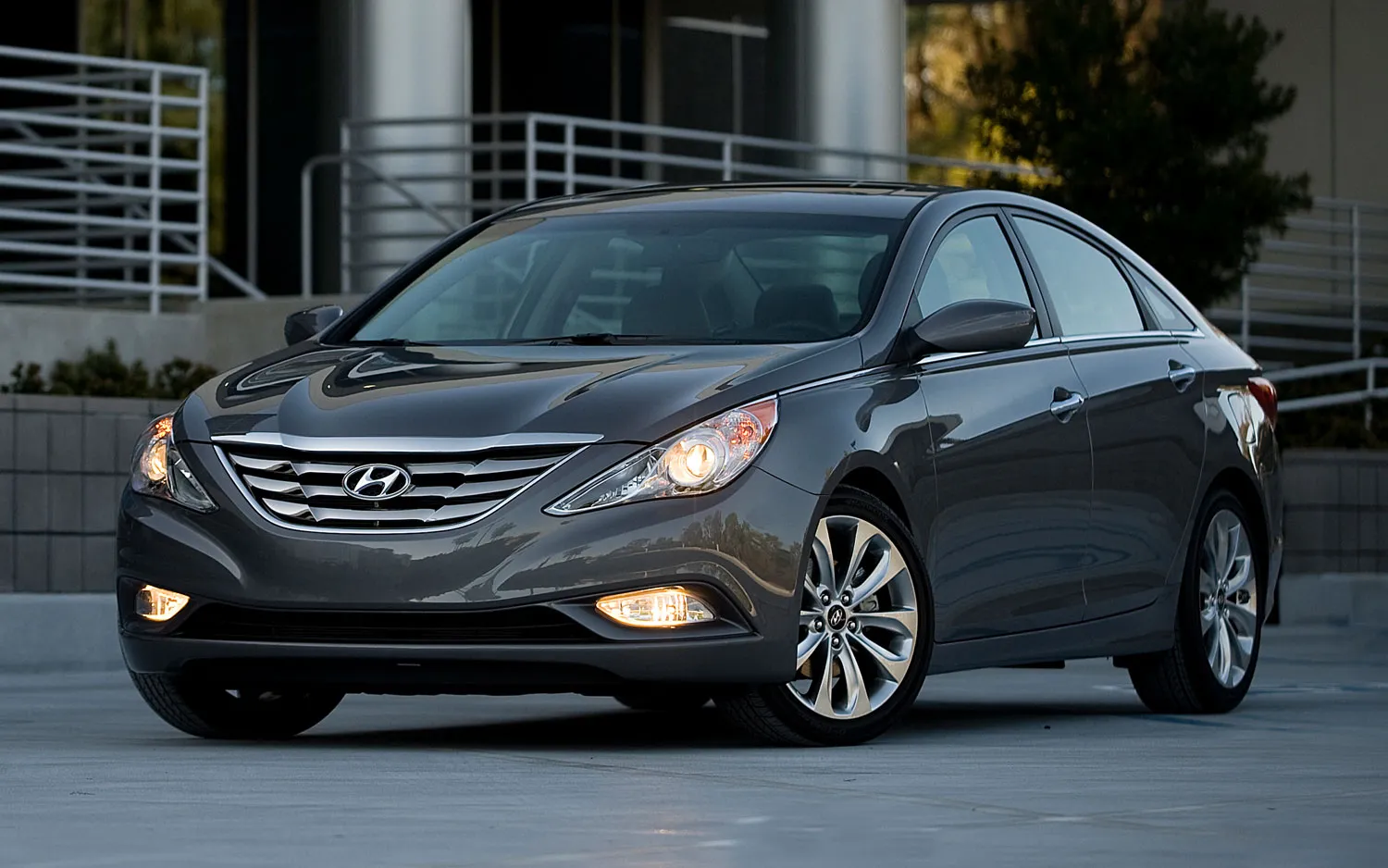
2. Hyundai Sonata (2011-2014)
Korean engineering during this period included headlight protection that failed rapidly. Many examples develop noticeable hazing after just two years. Severe yellowing becomes apparent after three to four years. This degradation happens despite regular washing and careful ownership, frustrating buyers.
Inadequate protective coatings fail quickly under sun exposure. The thin application doesn’t provide sufficient UV blocking. Manufacturing processes don’t ensure consistent coverage. Quality control misses defective applications regularly. This insufficient protection creates rapid visible degradation.
Lens material uses budget-grade polycarbonate that yellows quickly. Cost reduction prioritizes initial savings over longevity. Thin lenses provide minimal inherent UV filtering. Material selection proves penny-wise but pound-foolish. This budget approach shows consequences rapidly.
Moisture sealing allows condensation to form inside housings regularly. Poor gasket quality permits water intrusion. Internal moisture accelerates lens degradation substantially.
This sealing failure compounds UV damage, creating rapid deterioration. Assembly quality problems show clearly through the headlight condition.
Owners across climates report rapid headlight degradation. Sunny southern states show the worst problems fastest. Northern examples develop issues only slightly slower. This consistent failure pattern indicates a systematic engineering problem rather than environmental factors.
Restoration treatments provide temporary improvement requiring frequent reapplication. Professional services cost $100 to $200, lasting six months to one year. DIY kits work initially, but haziness returns quickly. This ongoing maintenance cost frustrates owners unnecessarily.
Replacement assemblies from dealers cost $400 to $600 each. Aftermarket alternatives provide savings with similar quality concerns. Many owners accept poor illumination rather than paying replacement costs. This compromise affects safety and vehicle appearance negatively.
Clear headlights on used Sonata examples from this generation indicate recent restoration or replacement. Buyers should verify headlight condition when inspecting used vehicles. Cloudy lenses require immediate attention, adding purchase costs. This problem affects vehicle values substantially.
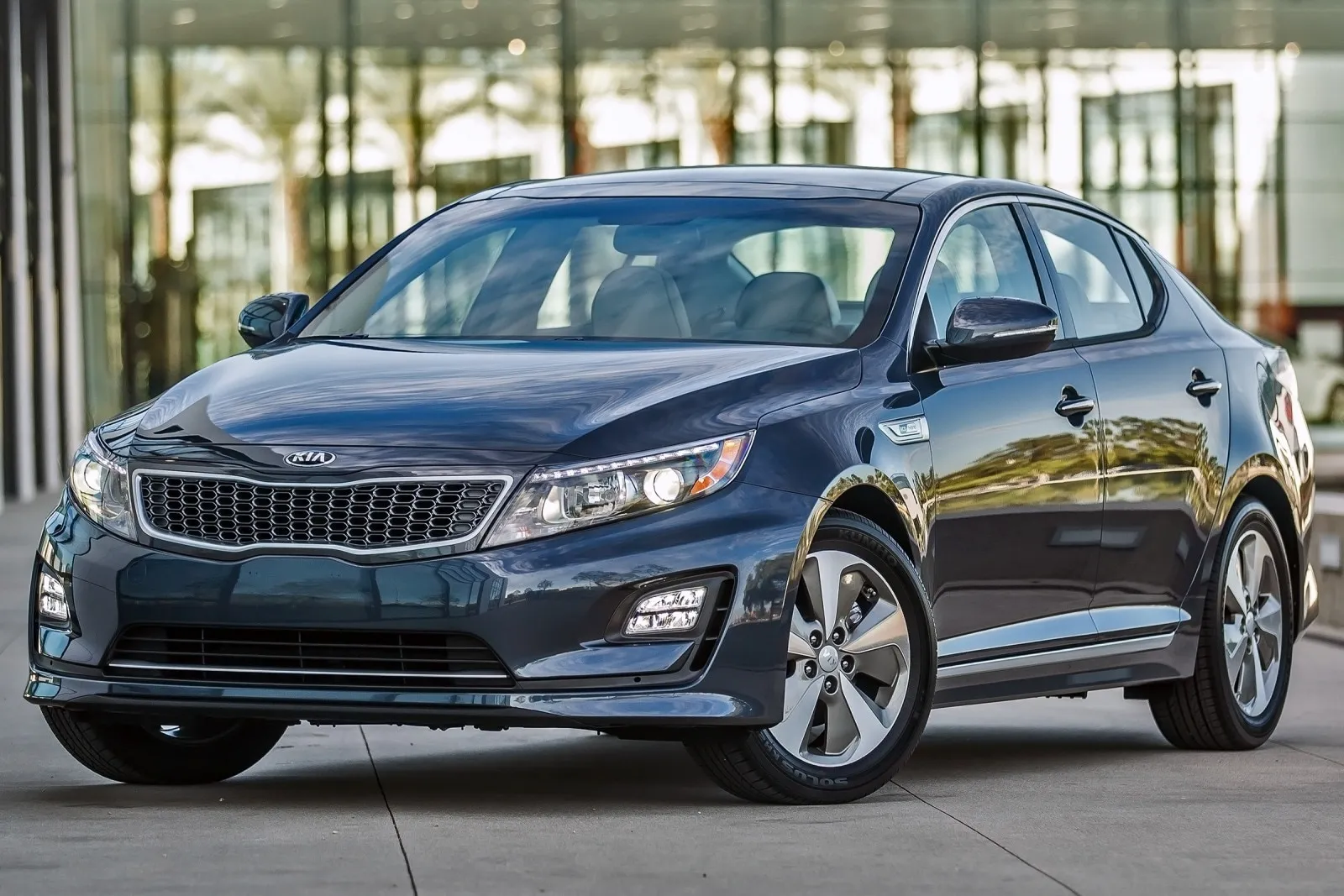
3. Kia Optima (2011-2015)
The corporate sibling to the Hyundai Sonata shares headlight degradation problems. Similar budget engineering creates rapid hazing after minimal exposure.
Two summers bring noticeable clouding, while four years produce severe yellowing. This deterioration frustrates owners expecting better quality from modern vehicles.
Protective coatings fail quickly, lacking adequate UV blocking. The thin application doesn’t provide sufficient protection. Manufacturing quality control misses defective coatings regularly. Budget constraints result in insufficient protection. This cost-cutting creates visible problems rapidly.
Lens materials use budget polycarbonate grades that yellow fast. Cost reduction prioritizes upfront savings over longevity. Thin lenses provide minimal inherent UV protection.
Penny-wise material selection proves pound-foolish quickly. This budget approach shows consequences clearly.
Assembly permits moisture intrusion through poor sealing. Gaskets don’t maintain integrity, allowing water entry. Condensation forms inside the housings regularly. Internal moisture accelerates degradation substantially. This sealing failure compounds UV damage dramatically.
Owners report headlights developing haze within two years. Sunny climates accelerate problems dramatically. Careful maintenance cannot prevent inevitable degradation. This rapid failure pattern indicates a systematic engineering deficiency clearly.
Restoration becomes a regular maintenance requirement, costing time and money. Professional treatments last six months to one year maximum.
DIY kits provide temporary improvement only. Protective sealants help, but don’t solve underlying problems. This ongoing expense frustrates owners unnecessarily.
Replacement costs range $350 to $550 per assembly from dealers. Aftermarket alternatives save money, but quality remains questionable.
Many owners defer replacement accepting poor illumination. This safety compromise results from budget engineering consequences.
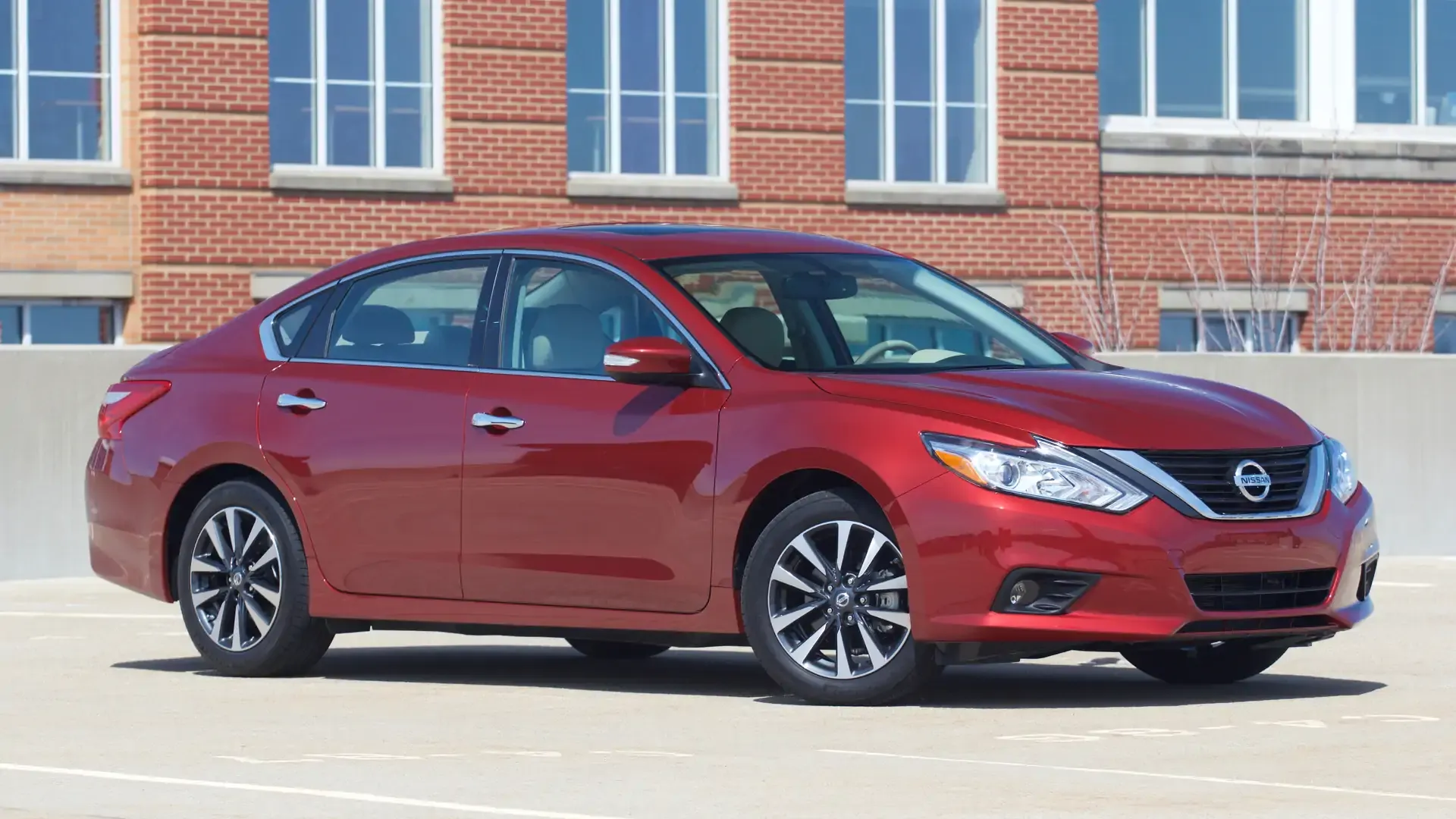
4. Nissan Altima (2013-2018)
Japanese brand reputation doesn’t prevent headlight degradation problems on this generation. Budget-focused engineering results in rapid hazing development.
Two years brings noticeable clouding, while four years produces reasonable yellowing. This deterioration disappoints buyers expecting Japanese quality standards.
Inadequate UV protection coatings fail quickly under sun exposure. Thin application doesn’t block radiation effectively.
Manufacturing processes don’t ensure proper adhesion. Quality control apparently misses defective applications. This insufficient protection shows consequences rapidly.
Lens materials use budget-grade polycarbonate rather than premium alternatives. Cost reduction prioritizes initial savings over longevity.
Thinner lenses provide less inherent UV filtering. Material selection proves short-sighted quickly. This budget approach creates visible problems.
Moisture sealing allows water intrusion through gasket failures. Poor assembly quality permits condensation formation.
Internal moisture accelerates lens degradation substantially. This sealing problem compounds UV damage, creating rapid deterioration. Assembly quality issues show clearly.
Owners report headlight hazing developing within 18 to 30 months. Sunny regions experience the worst problems fastest. Northern examples fare only slightly better. This consistent pattern indicates an engineering problem rather than environmental factors alone.
Restoration treatments provide temporary fixes requiring regular reapplication. Professional services cost $100 to $200 lasting limited time. DIY products work initially but haziness returns quickly. This maintenance cycle frustrates owners unnecessarily.
Replacement assemblies cost $300 to $500 each from Nissan dealers. Aftermarket options provide savings with variable quality. Many owners accept a degraded condition rather than paying replacement costs. This compromise affects safety and appearance negatively.
Resale values reflect typical headlight condition, with buyers expecting cloudy lenses. Market prices account for restoration needs. This reputation affects values negatively. Poor engineering decisions punish owners through depreciation and maintenance costs unnecessarily.
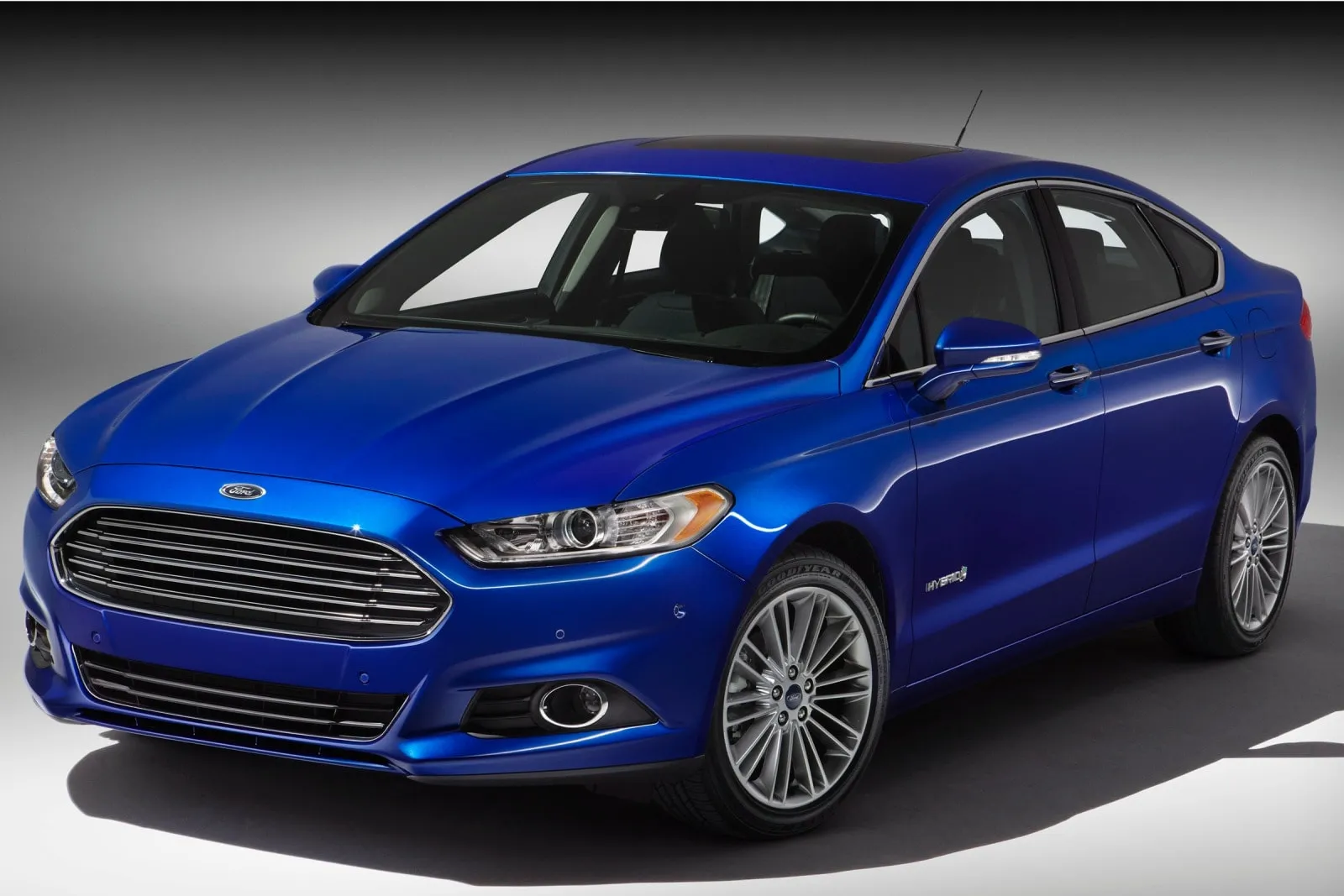
5. Ford Fusion (2013-2016)
American engineering during this period included inadequate headlight protection. Rapid degradation develops after minimal sun exposure.
Two summers bring noticeable hazing, while three to four years produce severe yellowing. This deterioration frustrates owners expecting reasonable quality from modern vehicles.
Protective coatings fail quickly, lacking sufficient UV-blocking chemicals. The thin application doesn’t provide adequate protection.
Manufacturing processes don’t bond coatings properly. Quality control misses defective applications regularly. This insufficient protection creates rapid visible degradation.
Lens materials use thinner polycarbonate than premium alternatives. Budget grades yellow faster under UV exposure. Reduced thickness provides less inherent filtering.
Cost reduction prioritizes upfront savings over longevity. This penny-wise approach proves pound-foolish through rapid problems.
Assembly quality allows moisture intrusion through seal failures. Gaskets don’t maintain integrity properly. Condensation forms inside the housings regularly.
Internal moisture accelerates degradation substantially. This sealing problem compounds UV damage, creating rapid deterioration clearly.
Owners across regions report headlight clouding within two years. Sunny climates show the worst problems fastest. Northern examples develop issues only slightly slower. This widespread pattern indicates a systematic engineering deficiency rather than isolated problems.
Restoration becomes regular maintenance, costing time and money repeatedly. Professional treatments last six months to one year.
DIY kits provide temporary improvement only. Without proper sealing, haziness returns quickly. This ongoing expense frustrates owners unnecessarily.
Replacement assemblies cost $350 to $600 per side from Ford dealers. Aftermarket alternatives save money, but quality varies. Many owners defer replacement, accepting poor illumination. This safety compromise results from budget engineering decisions.
Resale values suffer from a headlight condition affecting appearance and buyer perception. Cloudy lenses signal typical wear on these models.
Buyers discount prices, expecting restoration needs. Poor engineering quality punishes original owners through reduced values and ongoing maintenance costs, unnecessarily creating frustration.
Also Read: 5 Luxury Sedans Worth Maintaining Past 150,000 Miles vs 5 That Aren’t
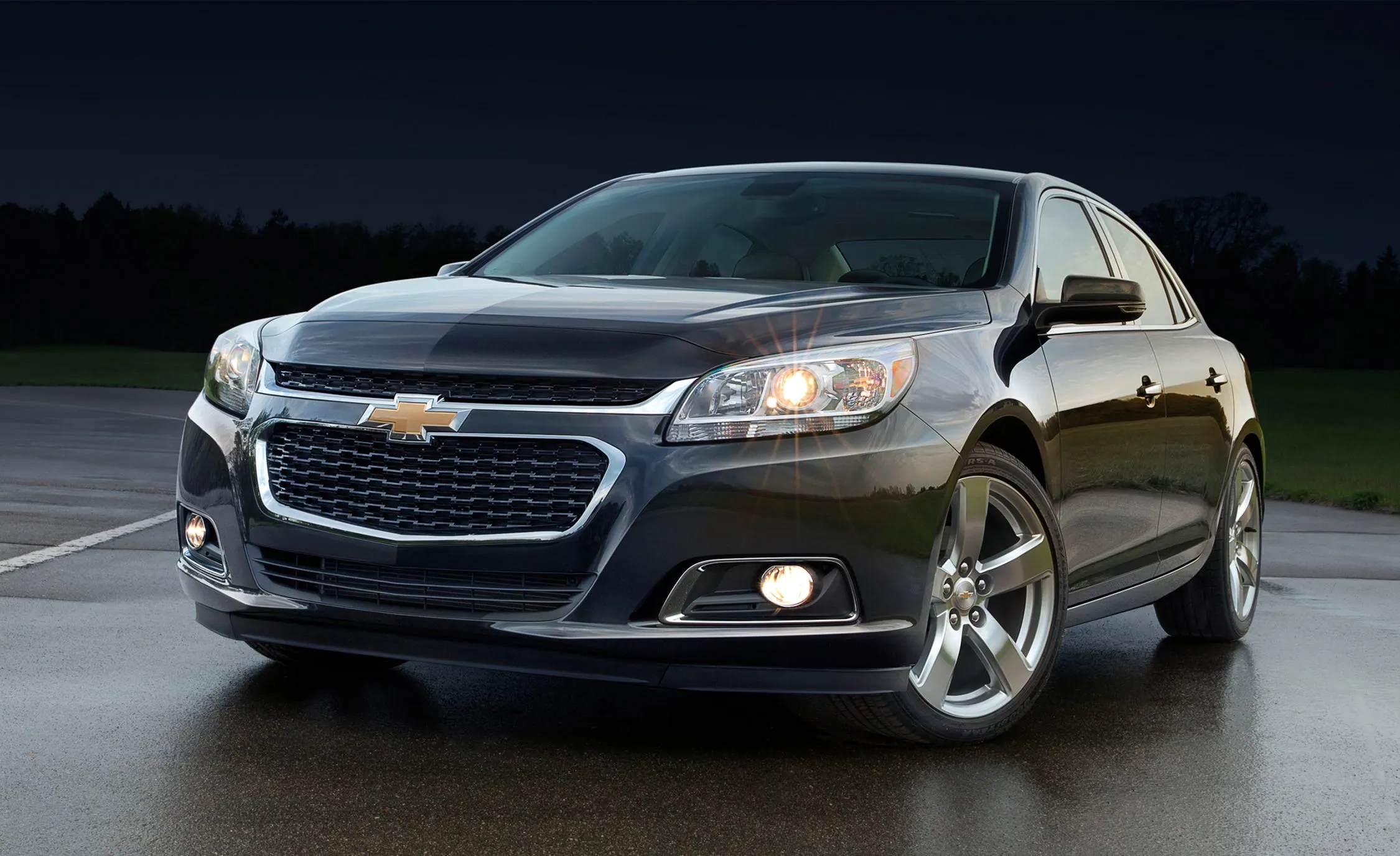
6. Chevrolet Malibu (2013-2015)
General Motors faced criticism for the headlight durability on this model generation, as the lenses began losing clarity far sooner than expected.
Many units showed visible fogging within two years of use, and by the third year, severe yellowing appeared. For a modern sedan from a major manufacturer, this decline disappointed buyers who expected stronger material protection and longer-lasting quality.
The problem stems largely from insufficient ultraviolet resistance in the protective coating. The thin film applied during production failed to block sunlight effectively, allowing early degradation.
Reports suggest that inconsistent factory quality control overlooked weak coating layers, likely due to cost-saving measures that minimized material expenses. The outcome was a quick and obvious deterioration that could have been avoided with better protection standards.
The lens construction relied on inexpensive polycarbonate that discolored rapidly under constant exposure. Thinner material meant weaker UV resistance, while the lower-grade formula lacked long-term stability.
This cost-reduction decision sacrificed endurance for minor savings during production, creating a problem owners could not avoid even with careful maintenance.
Moisture intrusion worsened the situation. Faulty sealing around the lens edges allowed water vapor to enter, leading to internal condensation.
The trapped moisture accelerated oxidation and surface wear, combining with sunlight exposure to produce severe hazing. Assembly weaknesses became visible through recurring fogging and water stains inside the units.
Drivers across different climates reported identical problems regardless of storage or cleaning habits. Vehicles in hot regions suffered most quickly, though even those in cooler zones experienced fading only slightly slower. This consistency revealed a widespread design flaw rather than random product failure.
Attempts to restore clarity usually offered short-term relief. Professional polishing services, often priced between $100 and $200, provided results that faded within months. Do-it-yourself kits worked briefly before the haze returned, forcing owners into repetitive upkeep cycles that increased long-term costs.
Used-car market values reflected the issue directly, with cloudy headlights becoming an expected flaw that buyers deducted from purchase prices.
The persistent defect tarnished the model’s reputation and lowered its resale value. Inadequate engineering decisions translated into avoidable depreciation, frequent maintenance expenses, and widespread owner dissatisfaction.
