College life in the U.S. can be unpredictable from late-night study sessions to cross-state road trips, students often demand a lot from their vehicles while offering them very little in return.
Between budget constraints, tight schedules, and sometimes forgetful maintenance habits, cars in college parking lots endure tough conditions.
What students need most isn’t a luxury badge or cutting-edge tech it’s a reliable, low-maintenance machine that will start every morning, even after weeks of dorm parking neglect.
These 10 college-proof cars have earned legendary reputations for taking abuse, skipping oil changes, surviving parking lot dings, and still getting their owners where they need to go.
1. Toyota Corolla
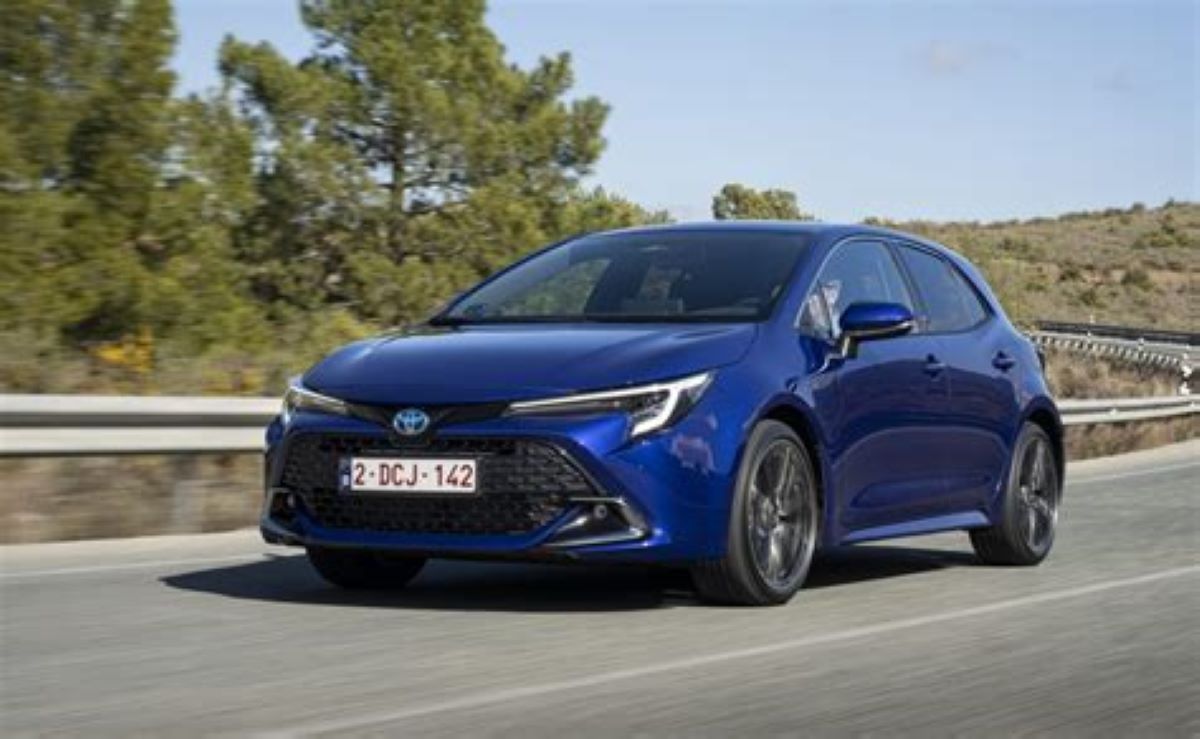
Few cars have earned as much trust from students (and their parents) as the Toyota Corolla. Known for its bulletproof reliability, the Corolla shrugs off years of neglect, whether it’s skipped oil changes or irregular servicing.
The 1.8-liter four-cylinder engine isn’t fast, but it’s nearly indestructible, and even older models routinely cross 250,000 miles.
For students, the appeal goes beyond reliability parts are cheap, fuel economy easily hits 35–40 mpg, and repairs can be handled by almost any small-town mechanic.
Whether you’re hauling textbooks or roommates, the Corolla always starts when it matters. If you’re shopping for a small, budget-friendly hybrid sedan, the choice is clear, literally, there’s no competition.
That’s because the Toyota Corolla Sedan dominates this segment to the point that other manufacturers rarely even try. Perhaps the real reason is that the market for compact petrol-electric sedans is relatively small.
You can also opt for the Corolla hatchback, and Toyota has even expanded the nameplate to the crossover market with the Corolla Cross compact SUV, further cementing its grip on this segment.
While the mild-hybrid Mazda 3 offers some competition, the Corolla Hybrid remains highly efficient and has received a range of updates for 2023.
This review focuses on the 2023 Toyota Corolla Sedan Ascent Sport Hybrid, but I’ll also highlight factors you might want to consider when choosing a Corolla sedan, including which features may justify spending a little more.
The hybrid Ascent Sport sedan starts at $31,180 before on-road costs, about $3,000 more than the petrol version, which consumes significantly more fuel.
Although just over $30,000 might seem reasonable for a small hybrid car in 2023, it’s worth noting that the 2022 model was $3,785 cheaper, a substantial increase for this particular petrol-electric Corolla.
If you want blind-spot monitoring and rear cross-traffic alert, it will cost an extra $1,000—an inclusion that arguably should be standard given the 14 percent price jump.
Upgrading to the SX grade ($31,280 Petrol; $33,780 Hybrid) adds features like an auto-dimming rearview mirror, rain-sensing wipers, DAB+ digital radio, wireless phone charging, leatherette steering wheel and shifter, LED fog lights, privacy glass, and the blind-spot and RCTA systems. Sat nav is standard on the SX petrol and all hybrid sedans.
For a sportier aesthetic, the ZR ($36,620 Petrol; $39,120 ZR Hybrid) brings 18-inch alloy wheels, heated front sports seats, power-adjustable driver’s seat, leatherette trim, head-up display, a new 12.3-inch digital instrument cluster, ambient lighting, and a nine-speaker JBL audio system.
If you crave a truly luxurious cabin, the Corolla won’t meet that expectation.
However, it does have appealing elements. The stitching on the cloth seats is neat, the media system is prominently positioned, and the new digital instrument cluster is a modern touch.
Storage options include cupholders between the front seats, door bottle holders, a compact glovebox, and a small cubby in front of the shifter, which houses a single USB-C port. A covered center armrest adds a 12V port suitable for a twin USB charger.
Additional controls include EV Mode, Drive Modes (Normal, Sport, Eco), traction control off, and an electronic parking brake. Single-zone climate control with an eco setting is standard.
Rear seating offers decent legroom, though headroom and toe room are slightly tight. There are no rear air vents, only a single map pocket, and small door pockets. ISOFIX child seat anchors and grab handles for outboard passengers are standard.
The boot is surprisingly large at 470 liters, though the gooseneck hinges and space-saver spare limit practicality slightly. The rear seatbacks must be folded manually from the seat tops.
The 2023 Corolla Hybrid retains the 1.8-liter naturally aspirated petrol four-cylinder paired with an electric motor, but it now features a high-output motor generator, revised power control unit, and downsized hybrid transaxle.
Toyota claims “improved performance,” with combined output rising to 103 kW, up 13 kW from the previous model. No combined torque is stated. An e-CVT and front-wheel drive are standard.
The non-hybrid 2.0-liter petrol engine produces 126 kW and 203 Nm, paired with a stepped CVT and physical launch gear.
The Corolla Hybrid drives inoffensively, yet surprisingly well. It may not thrill with raw power, but it’s responsive enough for quick moves from traffic lights or passing maneuvers. The hybrid powertrain and e-CVT can be noisy under acceleration, but performance is adequate for daily use.
Where the Corolla truly shines is its chassis. Suspension tuning is composed and compliant, offering a comfortable ride with confident handling. The steering is responsive and naturally weighted, providing an unexpectedly engaging driving experience.
The cabin remains quiet on typical commutes, with minimal road and wind noise. Adaptive cruise control and lane-keeping systems function well, though lane-centering can occasionally interrupt the driver.
Optional blind-spot and rear-cross traffic systems were not fitted on this press vehicle. Visibility and mirror positioning are satisfactory without these features.
If a small hybrid sedan is what you want, your choice is straightforward. For better value and extra features, the SX grade may be worth the upgrade.
Budget-conscious buyers will find the Ascent Sport Hybrid perfectly adequate, delivering excellent fuel efficiency, a comfortable ride, and Toyota’s renowned reliability, making it a strong option for commuters or rideshare drivers.
2. Honda Civic
Another college classic, the Honda Civic combines dependable performance with a youthful edge. Older Civics, especially from the 2000s and early 2010s, can take serious neglect and still hum along.
Their engines are known for surviving missed oil changes, while the manual transmissions are forgiving and almost unbreakable.
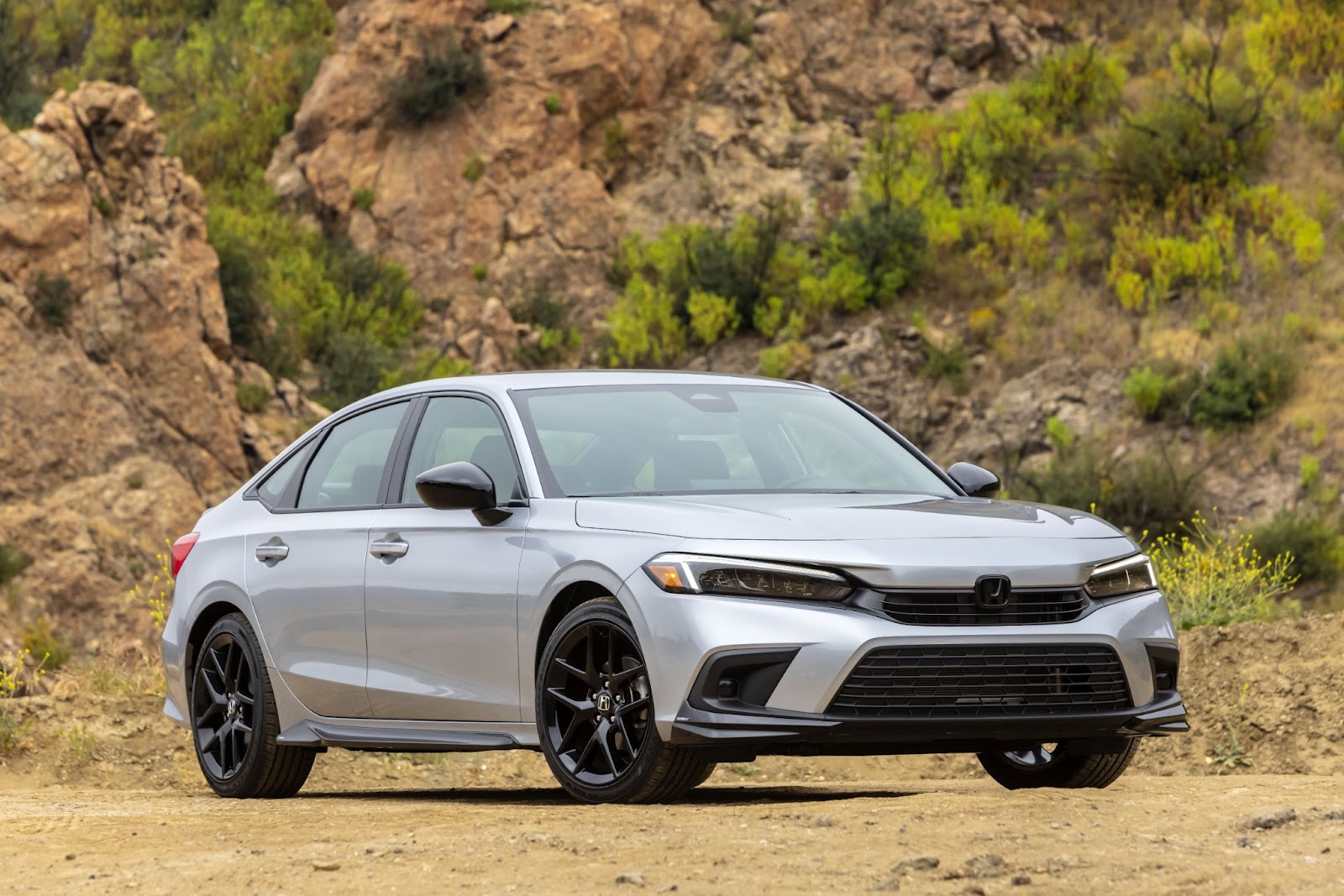
Plus, the Civic’s simple design makes it easy and cheap to fix when something does go wrong. Students love its blend of style and substance it looks good, sips fuel, and doesn’t complain even if you forget the last time you checked the oil cap.
3. Toyota Camry
Think of the Camry as the Corolla’s bigger, more mature sibling the one that gets through finals week without breaking a sweat. Its larger V6 or four-cylinder engines are among the most reliable in automotive history, often running for decades with basic maintenance.
The Camry is comfortable, quiet, and surprisingly resilient when maintenance gets skipped. It’s also a favorite among parents who want to send their kids to college in something safe and solid.
Even a used Camry with over 150,000 miles is still a better bet than many new budget cars.
The 2022 Toyota Camry carries a familiar nameplate, yet its bold styling and performance-focused variants make it almost unrecognizable compared with earlier generations. In fact, the current Camry may be the most compelling model the midsize sedan has ever offered.
The standard four-cylinder engine, while unremarkable, delivers excellent fuel economy and is more than adequate for everyday driving.
The hybrid model prioritizes efficiency, even if its acceleration is a bit lackluster. For drivers seeking excitement, the 301-hp V-6 is the standout, especially when paired with the sport-tuned Camry TRD, which provides a genuinely engaging driving experience.
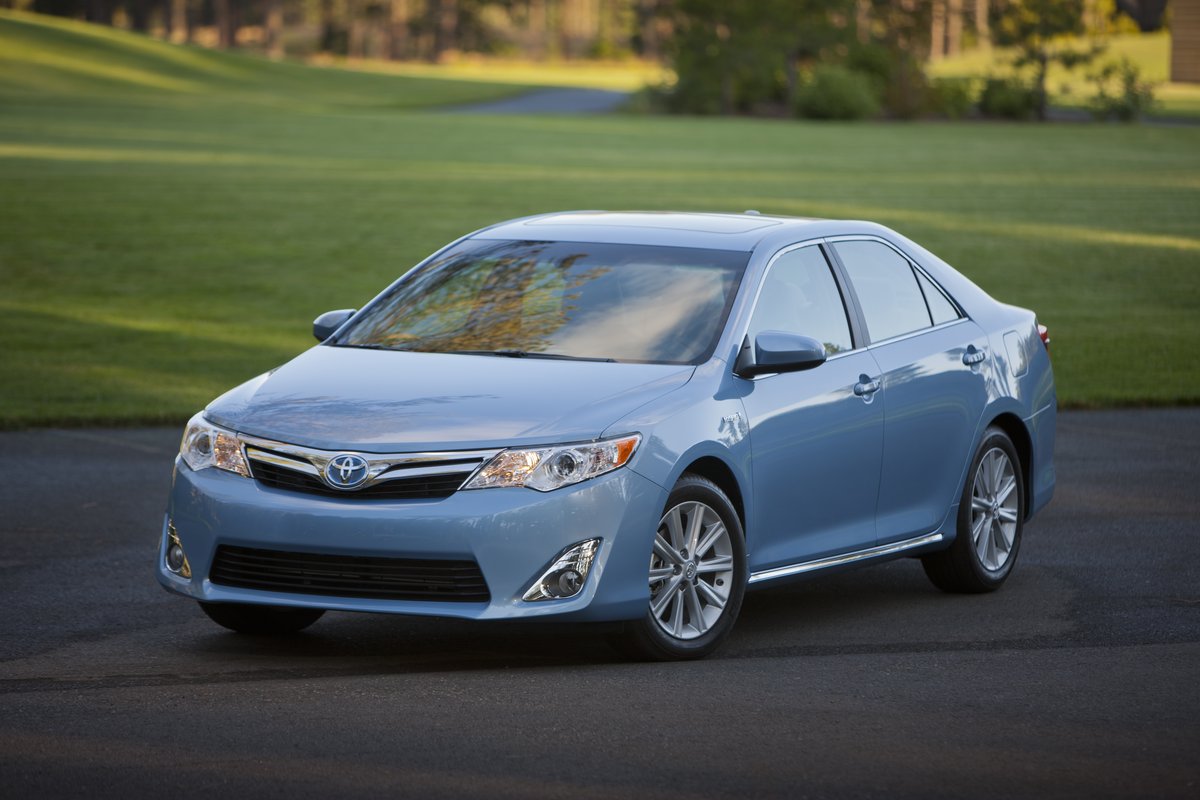
Although competitors like the Honda Accord and Hyundai Sonata may feel more refined overall, the Camry has its own strengths, including a comprehensive suite of standard active safety features and decades of proven reliability that have earned the brand goodwill.
For enthusiasts, the standout choice is the TRD model. Powered exclusively by the 301-hp V-6 and paired with an eight-speed automatic, it features a sportier body kit with a subtle rear spoiler, dual exhaust tips, and a retuned suspension lowered by 0.6 inches compared with regular Camrys.
The base four-cylinder engine mates to a smooth eight-speed automatic, but its acceleration is uninspiring. The hybrid model pairs a smaller version of this engine with two electric motors, delivering fuel efficiency rather than excitement.
The highlight of the lineup is the 301-hp V-6 found in XLE, XSE, and TRD trims. Driving the Camry is no longer a chore, the sedan offers a composed ride, responsive handling, and well-weighted steering that feels solid during cornering yet light in parking maneuvers.
Brakes are firm and responsive, even on the hybrid, which blends regenerative braking with traditional friction braking. At low speeds, however, the hybrid’s brake pedal can feel overly sensitive, resulting in slightly jerky parking maneuvers.
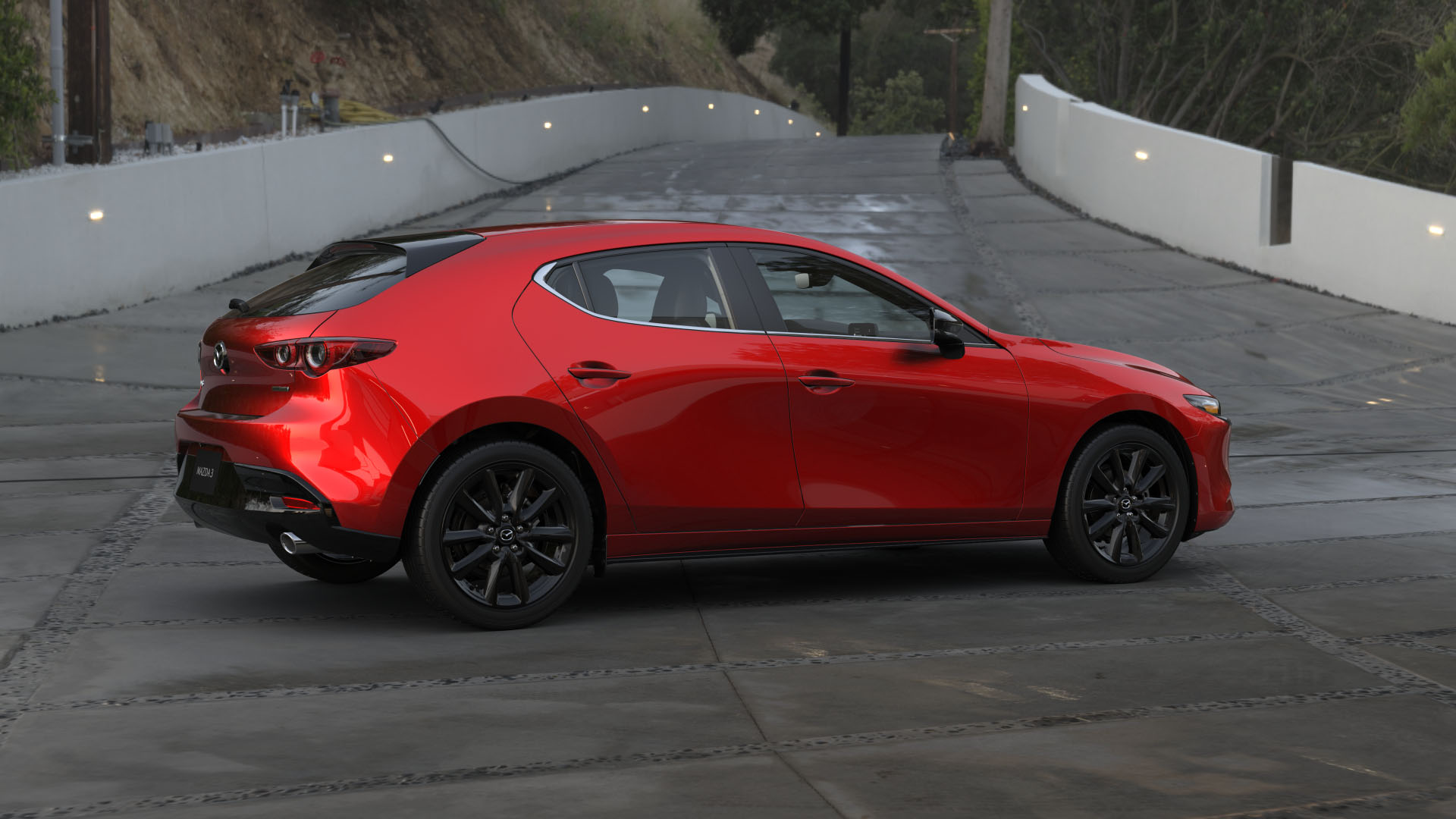
4. Mazda3
Mazda’s compact hatchback and sedan lineup has long been praised for its sporty driving feel and strong build quality. What makes the Mazda3 college-proof is its combination of reliability and fun it handles like a small sports car but doesn’t require the upkeep.
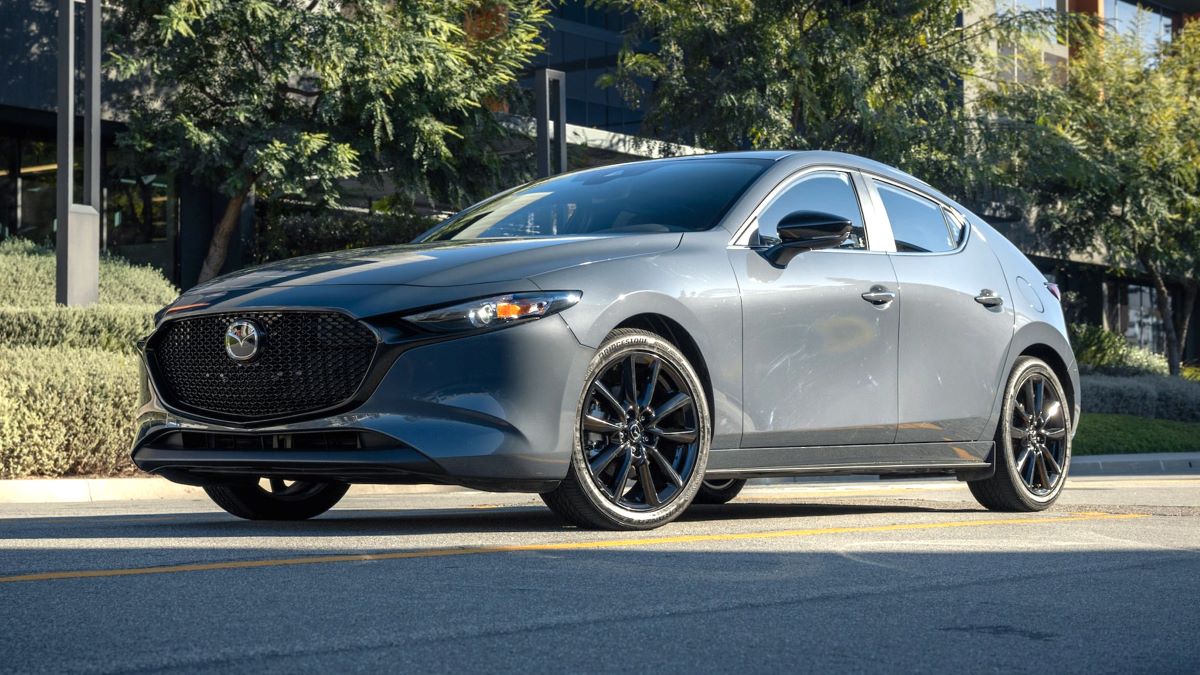
Older models (2009–2017) use engines that can easily go 200,000 miles with basic care.
Even if “basic care” occasionally gets forgotten between midterms and spring break, the Mazda3 usually forgives its owner. It’s also affordable to insure, another bonus for cash-strapped students.
Also Read: 12 Top Sedans With the Best Dashboard Layouts
5. Subaru Impreza
For students in snowier states like Michigan, Colorado, or Vermont, the Subaru Impreza is a godsend. Its all-wheel-drive system makes winter commutes safer, and its flat-four engine is well known for starting up reliably even in freezing conditions.
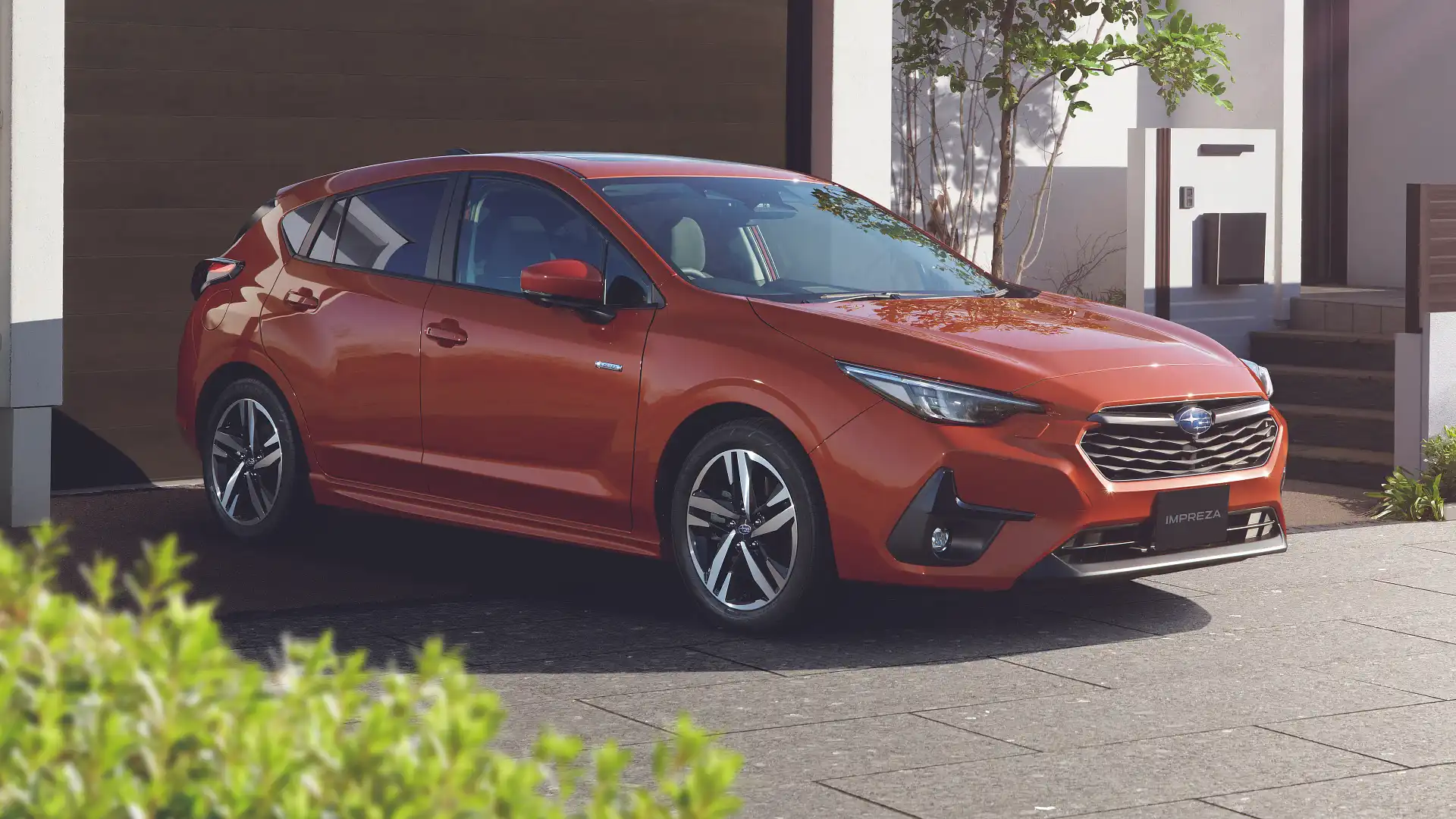
Subarus do require occasional oil checks, but the Impreza has proven to be one of the brand’s most durable and forgiving models.
The simplicity of its interior and its strong crash-test ratings make it a practical, all-weather companion for anyone heading to college in a colder climate.
6. Ford Focus (2008–2018)
The Ford Focus might not have the cult following of a Honda or Toyota, but it’s one of the most overlooked dependable compacts in the U.S. The naturally aspirated engines, particularly the 2.0-liter Duratec units, are tough and tolerant of missed oil changes.
While the dual-clutch automatics got a bad reputation, the manual transmission versions are almost bulletproof.
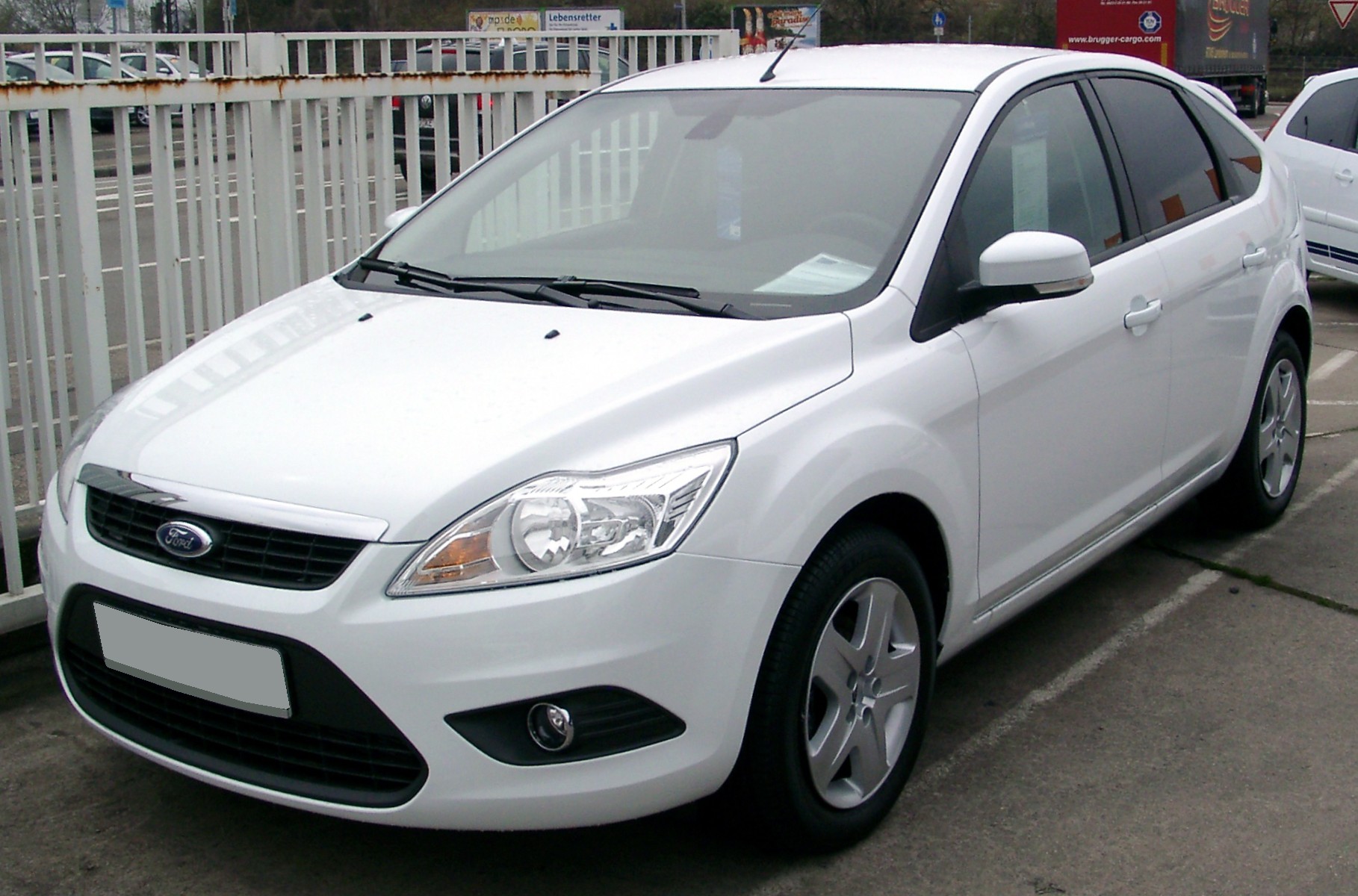
The Focus offers a comfortable cabin, decent tech for its era, and repair parts that are easy to find and inexpensive. For students who just need a car that will start every time, even after winter break, this one fits the bill.
When the Ford Focus arrived for the 2000 model year, it quickly stood out as an American compact with European-inspired handling wrapped in a stylish, edgy package.
In a segment typically dominated by imports, the Focus has been a rare domestic success. Even after years on the market, it continues to sell well, usually trailing only the Honda Civic and Toyota Corolla in popularity.
By the mid-2000s, however, the Focus had been aging without a major redesign. To keep it competitive, Ford refreshed the model for 2008.
While the updated Focus sports a fresh appearance, its mechanical underpinnings remain largely unchanged from the previous year. Still, Ford made notable improvements to the suspension, added a touch of horsepower, and upgraded the interior for a more modern feel.
The new cabin, particularly in SES trim, feels stylish and slightly upscale. Metallic-look surfaces accent the dashboard, while white-faced gauges with chrome rings add a touch of elegance absent from earlier models.
Blue gauge lighting contributes to a contemporary ambiance, signaling that the Focus has entered the 21st century. The standout interior upgrade, however, is the inclusion of the Microsoft-developed Sync system, which provides Bluetooth connectivity for phones and a voice-command interface for digital music players.
For 2008, a coupe body style joins the Focus lineup for the first time. At first glance, it might appear as if Ford simply reinvented the Escort ZX2, but the company says the coupe was added to satisfy buyer demand for sedans and coupes in this segment. Consequently, all hatchback variants, including the roomy Focus wagon, have been discontinued.
The refreshed 2008 Focus sports a look that has divided opinion. Some critics argue it pales compared to rivals like the Mazda3 and Honda Civic, while others appreciate its visual connection to other Ford models, such as the Fusion.
Regardless of styling opinions, the Focus remains a strong value proposition, thanks to a low base price, six standard airbags, and a wealth of available options. Buyers seeking precision handling or a premium ownership experience may want to consider alternatives.
For 2008, the Focus is powered by a single 2.0-liter inline-four engine producing 140 horsepower. A cleaner version of this engine, certified as PZEV for California-emissions states, delivers slightly less power at 130 hp.
All trims come standard with a five-speed manual transmission, while a four-speed automatic is optional. Manual-equipped Focus models are rated at an efficient 24 mpg city and 35 mpg highway, while automatics are nearly as efficient, though highway fuel economy drops by 2 mpg.
Also Read: 10 Best Cars For Ride-share Drivers in 2025 To Hit 300,000 Miles
7. Hyundai Elantra
In the past two decades, Hyundai has transformed from an underdog to a mainstream favorite, and the Elantra is a key reason why. The 2011–2019 Elantras in particular have proven impressively durable and inexpensive to run.
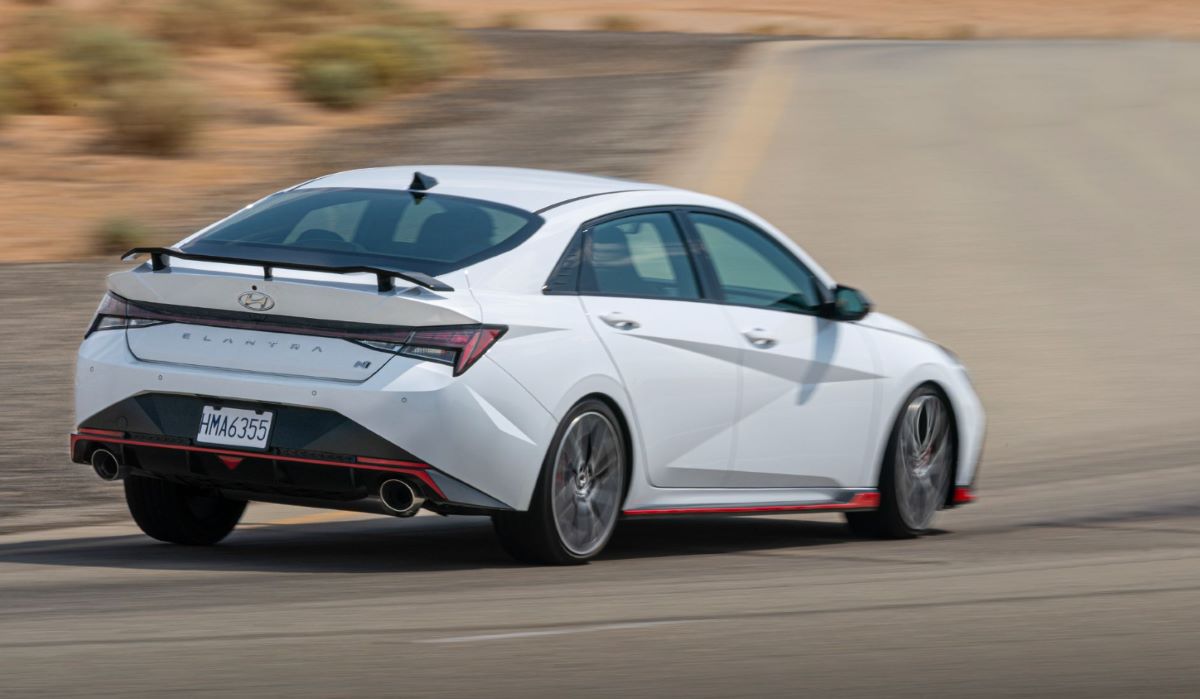
Their engines rarely complain, and they don’t suffer from the same costly maintenance issues as many competitors.
Even if you skip a few oil changes or ignore that check-engine light for a bit too long, the Elantra tends to take it in stride. It’s also a smart buy for students thanks to low insurance costs and solid safety ratings.
8. Honda Fit
The Honda Fit is the unsung hero of college cars small, efficient, and incredibly versatile. Despite its tiny footprint, the Fit’s “Magic Seat” system allows for impressive cargo space, perfect for moving dorm gear or hauling groceries.
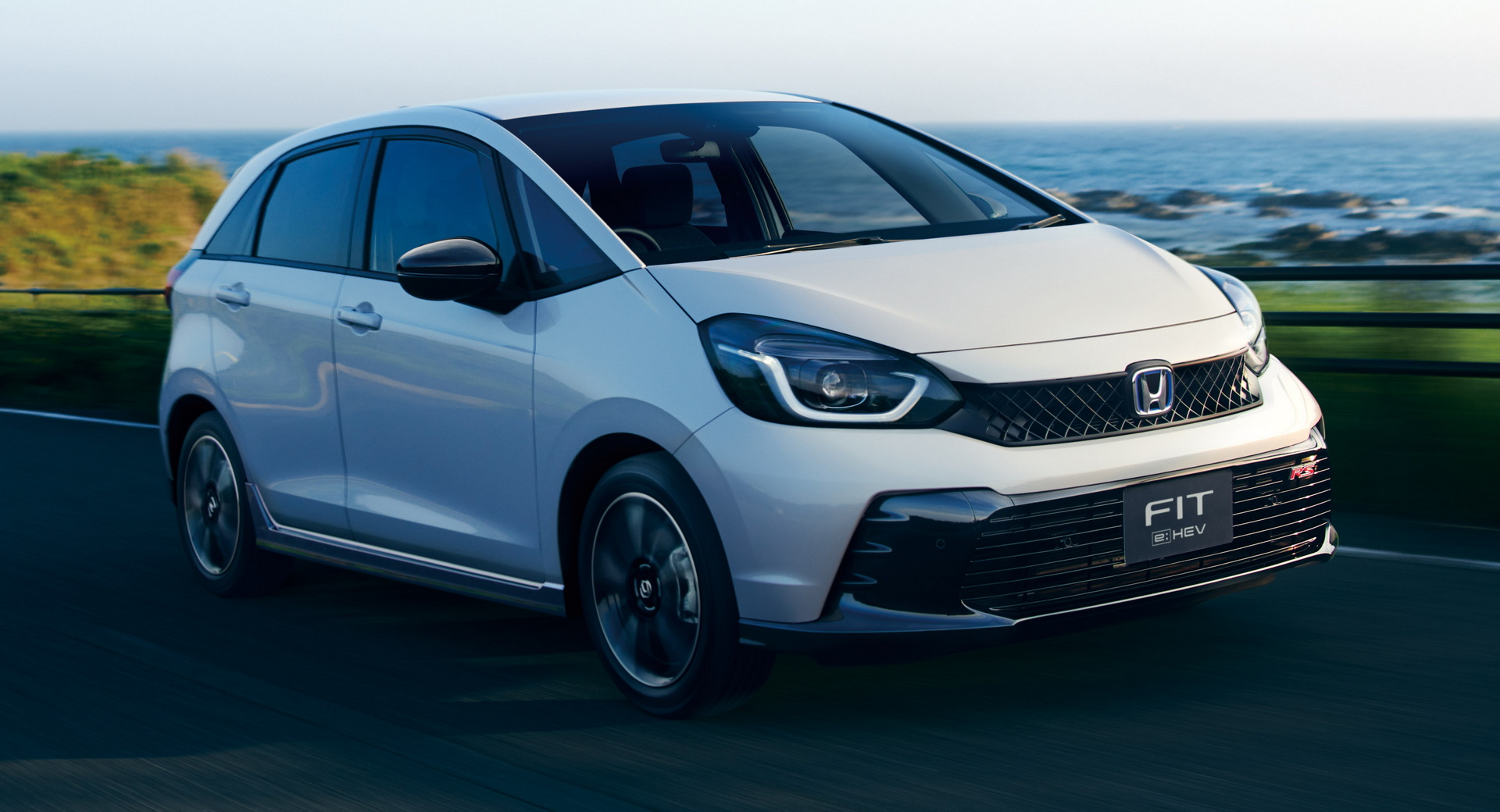
But what really makes it college-proof is its mechanical simplicity. The Fit’s 1.5-liter engine is nearly indestructible and extremely forgiving when it comes to neglected maintenance.
Even after years of tough use, most Fits still drive with the same cheerful reliability. It’s an ideal choice for urban campuses where parking space is tight.
Compared with other vehicles in Honda’s lineup, the 2020 Fit doesn’t grab headlines. It’s not as flashy as the Civic Type R or as widely popular as the CR-V. Yet this small hatchback stands out for being affordable, practical, and surprisingly versatile, an underrated player in the compact car segment.
One of the Fit’s defining features is its configurable rear seating, dubbed Honda’s “Magic Seats.” These fold in multiple ways to accommodate cargo of different shapes and sizes.
For instance, the rear seat bottoms can flip up to carry tall, narrow items like a TV, or the front passenger seat can recline to make room for longer objects. This clever system gives the Fit a utility advantage over many other pint-sized competitors.
Despite its modest four-cylinder engine, the Fit feels sprightly around town and reaches highway speeds more quickly than most compact hatchbacks and small crossovers.
It’s also very fuel-efficient, with real-world driving easily matching EPA estimates, a feat that many rivals struggle to achieve. Nimble handling further enhances the driving experience, making it enjoyable to navigate tight city streets.
As with most subcompact cars, some compromises exist in comfort, refinement, and features, but the Fit makes fewer sacrifices than most. During testing, the Fit exhibited a bit of squirm under hard braking, which may feel unsettling in a panic stop.
Taller drivers might also find the upright seating position less comfortable, and the infotainment system can feel slightly outdated and sluggish. Still, these drawbacks are minor compared with the Fit’s overall practicality and competitive pricing.
The 2020 Fit is offered in four trim levels: LX, Sport, EX, and EX-L. All trims are powered by a 1.5-liter four-cylinder engine driving the front wheels. A six-speed manual transmission is standard on LX and Sport trims, with a continuously variable automatic (CVT) optional. The EX and EX-L come standard with the CVT.
When paired with the manual, the engine produces 130 horsepower and 114 lb-ft of torque. Selecting the CVT slightly reduces output to 128 hp and 113 lb-ft of torque, but the difference is minimal in everyday driving.
9. Nissan Sentra (2013 and earlier)
Older Sentras might not excite anyone, but they’re quietly among the most reliable small sedans for budget-minded students. The pre-2014 Sentras, in particular, used simpler engines and transmissions that could take neglect better than newer CVT-equipped versions.
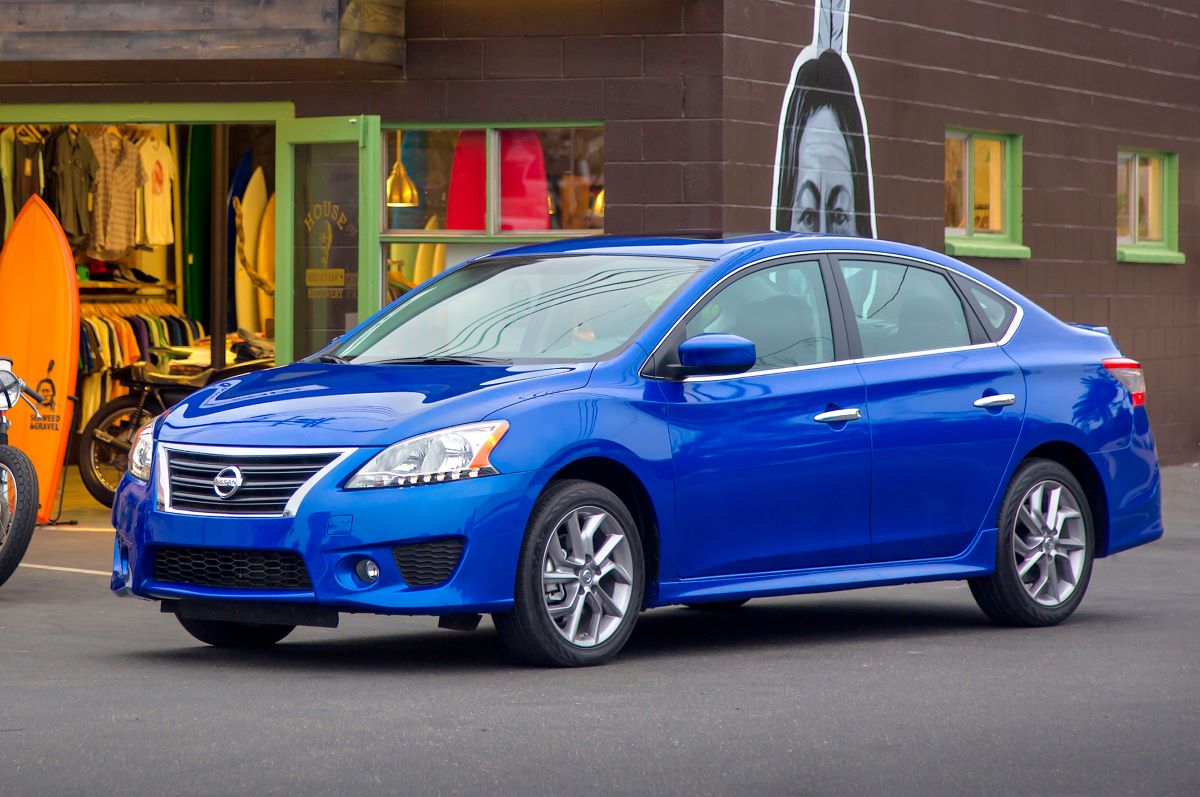
They’re cheap to buy, cheap to fix, and common enough that used parts are everywhere. Many students overlook the Sentra in favor of flashier choices, but for anyone who just wants something that always starts and doesn’t drain their wallet, it’s a hidden gem.
For buyers looking for an affordable new compact car, there’s no need to settle for a spartan experience. The 2025 Nissan Sentra proves just that.
Boasting a sleek, sporty exterior, a smooth ride over rough roads, and generous trunk space, the Sentra delivers a well-rounded package at a price below many competitors. While it won’t wow with raw speed or high-performance thrills, the combination of features, comfort, and value makes it one of the class leaders.
After minor updates last year, the 2025 Sentra focuses on technology enhancements. The SV midlevel trim now offers an optional package that includes a Wi-Fi hotspot and Nissan’s remote smartphone app services.
NissanConnect lets you lock or unlock them remotely. Want to preheat or cool the cabin before heading back? That’s covered too. And for long road trips with kids, the built-in Wi-Fi hotspot keeps tablets and devices connected and entertained.
10. Toyota Yaris
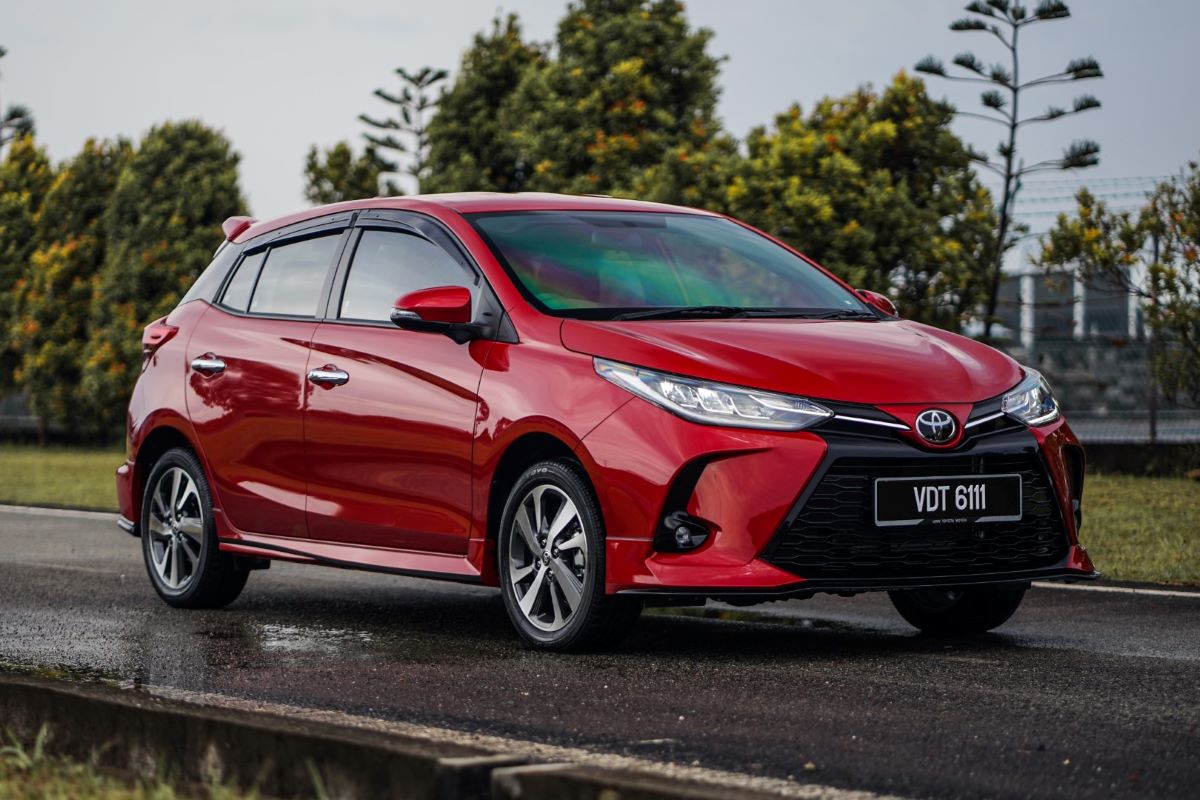
The Toyota Yaris might look unassuming, but it’s practically indestructible. It uses a simple 1.5-liter four-cylinder that rarely fails, and the car’s lightweight build means less strain on mechanical components.
Many Yaris owners report over 250,000 miles with nothing but routine maintenance and even when that routine isn’t so routine, the Yaris keeps going.
Its small size makes it ideal for campus parking lots, and its legendary reliability gives parents peace of mind. It’s the kind of car that will start every time, no matter how many exams you’ve forgotten to prepare for.
College is all about learning and sometimes that learning includes realizing that cars don’t take care of themselves.
For students who prioritize reliability over prestige, these 10 college-proof cars deliver exactly what matters most: consistent performance, cheap repairs, and the uncanny ability to forgive their owner’s mistakes.
Whether you’re driving across state lines for spring break or just heading to class after a long night of studying, these cars will start every time even when you’ve completely forgotten they exist.