
If you live in a northern state that deals with heavy snow, icy roads, and the inevitable salt used to melt it, you already know the toll it takes on vehicles.
Road salt accelerates corrosion, eating away at metal panels, suspension components, and underbodies over time. For many cars, this means a shorter lifespan or expensive rust repair work just a few years down the road.
However, not all vehicles are created equal some automakers have taken extra steps to protect their models from the effects of salt and moisture.
From special galvanization to advanced underbody coatings, these vehicles stand out for their superior corrosion protection.
Here are 10 cars with rust-resistant underbodies that hold up exceptionally well in the harshest winter conditions across the United States.
1. Volvo XC60
Volvo vehicles are built for Scandinavian winters, where salt and moisture are part of daily driving life.
The XC60’s underbody design reflects that heritage, with extensive use of galvanized steel, aluminum panels, and thick underseal coatings.
Volvo also integrates a wax injection into hollow body sections to prevent internal rust. In corrosion testing by European and North American automotive organizations, the XC60 routinely scores among the best for long-term rust protection.
That makes it an excellent choice for residents of states like Michigan, New Hampshire, and Pennsylvania, where winters can be brutal.
The luxury compact SUV class is crowded with strong contenders from many high-end automakers, but the lone Scandinavian entry manages to stand apart.
Since its 2018 redesign, the Volvo XC60 has distinguished itself with its signature “Thor’s Hammer” headlights, sleek taillights, elegant body contours, and a minimalist yet sophisticated interior crafted from premium materials.
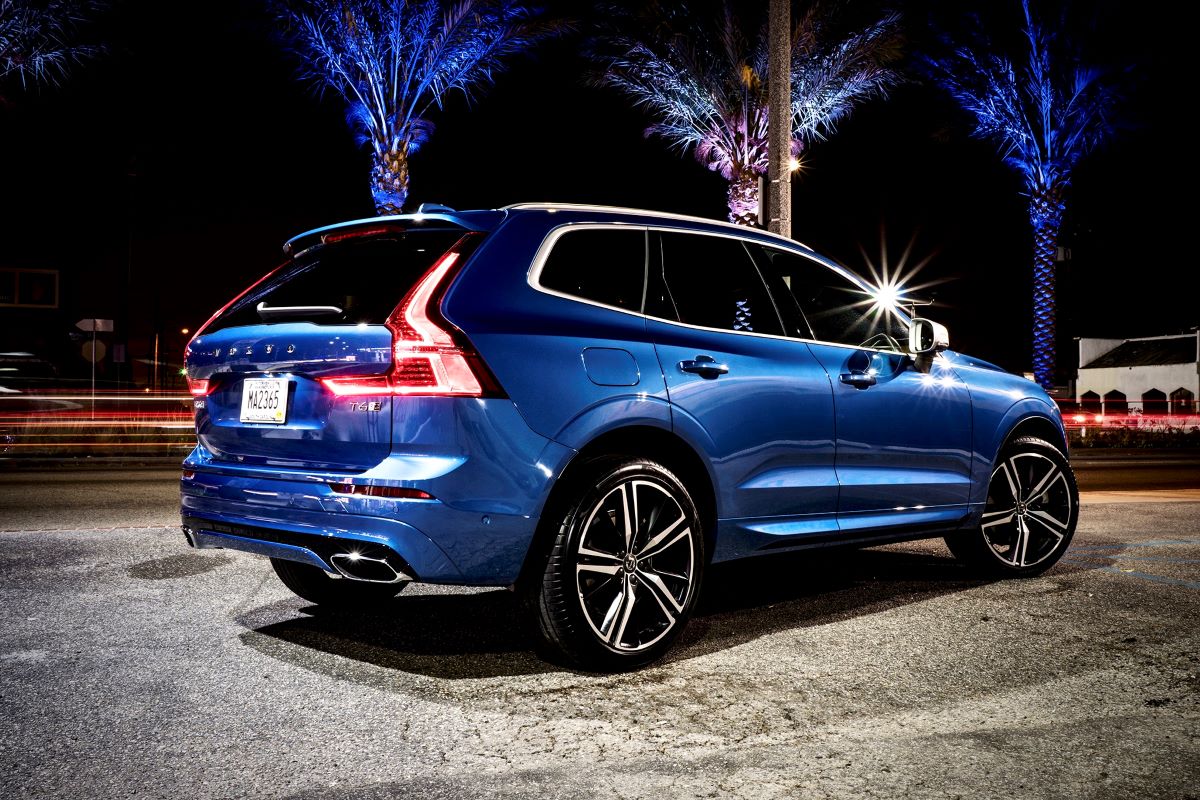
However, while it exudes refinement and comfort, the XC60 doesn’t offer the sharpest handling or the most supple ride in its class.
Like most premium SUVs, the XC60 offers a comfortable ride for the family, ample cargo capacity, and a generous list of advanced driver assistance features, including automatic emergency braking and evasive steering assist.
In terms of size, it fits neatly between Volvo’s smaller XC40 and larger XC90. For those seeking extra performance, Volvo offers the Polestar Engineered version based on the plug-in hybrid Recharge T8, putting it in the same league as German rivals like the BMW X3, Mercedes-Benz GLC, and Audi Q5.
For 2022, the XC60 received a subtle refresh featuring revised front and rear styling and updated powertrains.
Volvo also introduced a new Google-based infotainment system that incorporates Google Assistant, Google Maps, and Google Play.
The Recharge plug-in hybrid variant was also updated midyear, gaining a larger battery and a more powerful rear electric motor.
Together, they deliver a total of 455 horsepower and allow for about 36 miles of all-electric driving, impressive for a plug-in hybrid. Regularly recharging can significantly cut down on gasoline use.
Overall, the Volvo XC60 remains one of the most well-rounded choices in the compact luxury SUV segment, offering Scandinavian design flair, advanced safety tech, and plug-in efficiency. It competes confidently against models like the Acura RDX, BMW X3, Genesis GV70, and Mercedes-Benz GLC.
2. Toyota Tacoma
The Tacoma has long been a favorite among truck buyers, but Toyota faced major backlash in the mid-2000s due to severe frame rust issues. Since then, the automaker has overhauled its rust-prevention strategy.
Modern Tacomas feature a fully boxed frame that’s hot-waxed and sealed internally to block moisture intrusion.
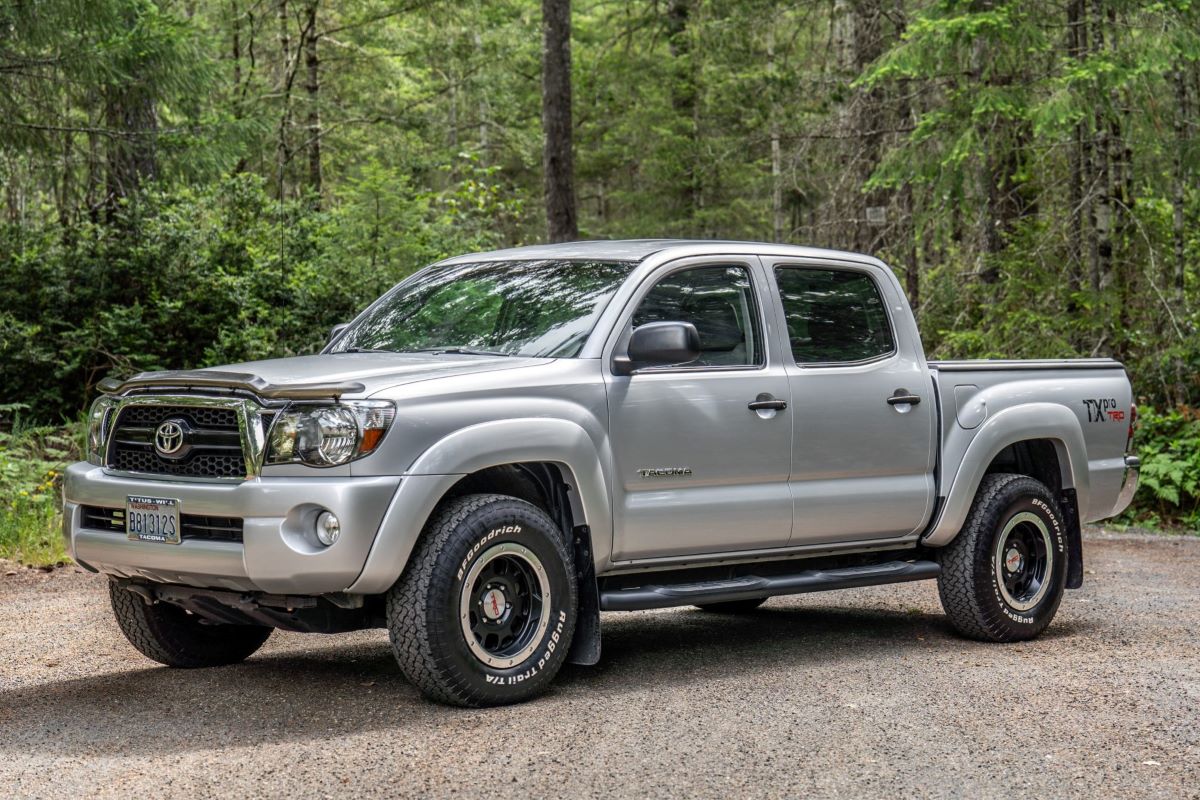
The underbody is treated with durable protective coatings, and Toyota has extended rust-perforation warranties to boost owner confidence.
Owners in Ohio, Maine, and Michigan have noted that post-2016 models hold up much better than older ones, making the Tacoma one of the most rust-resistant midsize trucks available today.
The Toyota Tacoma underwent a full redesign for 2024, so for the 2025 model year, the second year of its fourth generation, updates are minimal but thoughtful.
The 2025 Tacoma’s rear-wheel-drive setup includes a standard limited-slip differential, while the four-wheel-drive variants offer two distinct systems.
The base 4WD models feature a 2-speed transfer case, while the off-road-focused TRD Pro and Trailhunter trims come equipped with a locking center differential for maximum traction and control on difficult terrain.
Under the hood, most Tacomas are powered by a 2.4-liter turbocharged four-cylinder engine producing 278 horsepower.
However, the TRD Sport, TRD Off-Road, and Limited trims can be equipped with an optional hybrid powertrain that pairs this same turbo engine with an electric motor integrated into the transmission. Together, they produce a combined 326 horsepower. This potent hybrid setup comes standard on the TRD Pro and Trailhunter models.
Nearly all 2025 Tacoma variants feature an 8-speed automatic transmission, but for enthusiasts who prefer to shift their own gears, a 6-speed manual transmission remains available on the base SR model.
Manual-equipped Tacomas receive a slightly detuned version of the turbo-four, making 270 horsepower, and feature a smaller 8.5-inch rear differential. Torque is also limited in first gear to prevent axle windup during hard launches.
Built on Toyota’s robust TNGA-F platform, which also underpins the Tundra, Sequoia, and Land Cruiser, the Tacoma offers serious capability.
It boasts a maximum payload capacity of 1,705 pounds and a towing capacity of up to 6,500 pounds. Off-road performance remains a highlight, with up to 11 inches of ground clearance and approach, departure, and breakover angles of 33.8, 25.7, and 23.5 degrees, respectively.
Also Read: Top 12 Sports Cars That Rarely Break a Sweat
3. Subaru Outback
It’s hard to start a rust-resistant list without mentioning Subaru. The Outback, designed with rugged, all-weather use in mind, has a well-earned reputation in snowy states like Vermont, Maine, and Michigan.
Subaru uses a combination of galvanized steel panels and a thick, factory-applied undercoating that protects the floorpan and key suspension components.
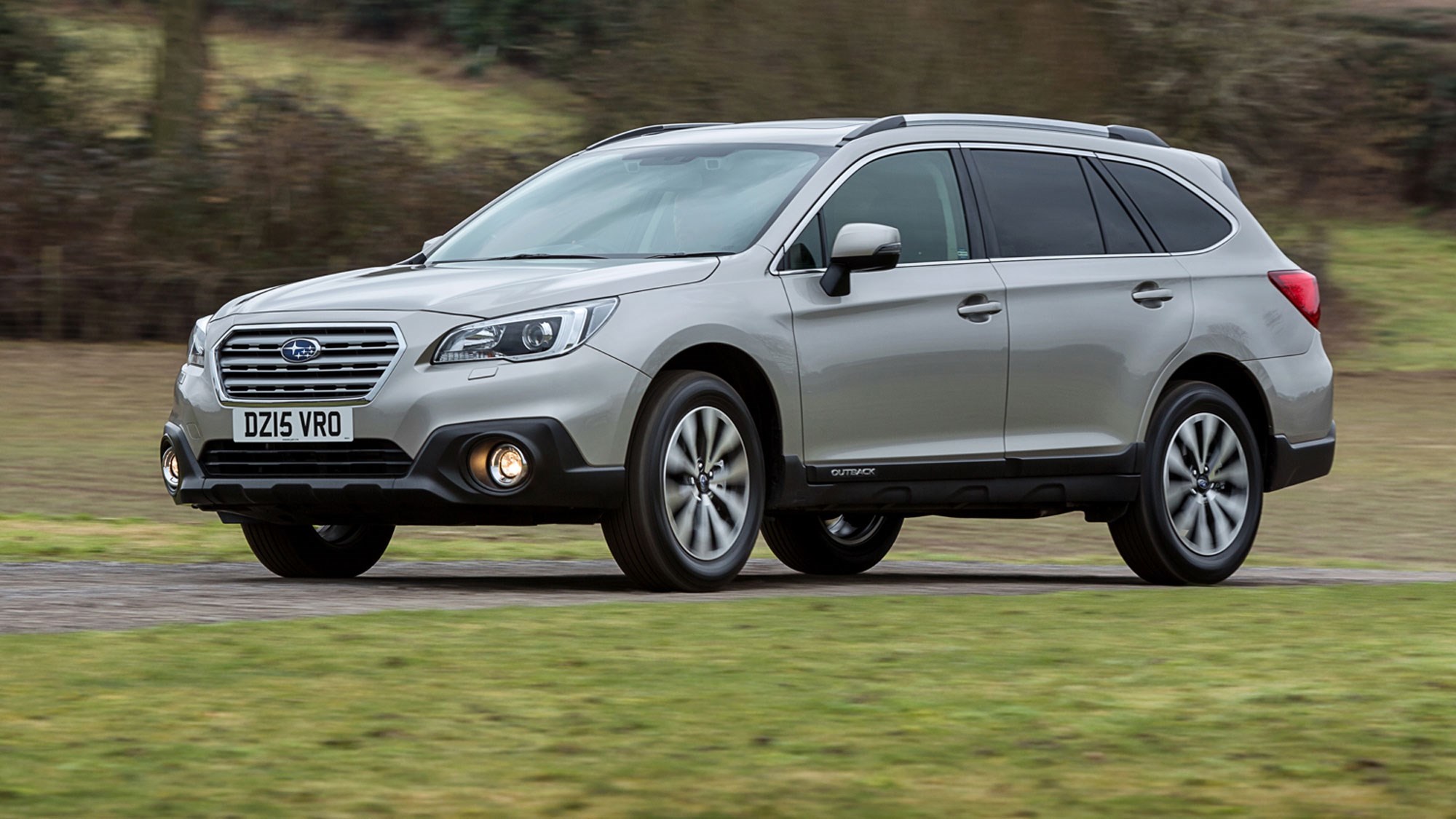
The vehicle’s symmetrical all-wheel drive system also encourages long-term use in winter environments, and Subaru’s unibody design helps limit moisture pockets where corrosion usually begins.
Older Subarus did have some rust issues, but models from 2015 onward have dramatically improved corrosion resistance.
4. Toyota 4Runner
Toyota’s 4Runner is famous for its body-on-frame construction and impressive longevity. It’s also one of the few SUVs with strong resistance to road-salt corrosion.
Toyota employs an extensive anti-corrosion process involving zinc-coated steel and multi-layer paint protection, while the underbody features robust wax-based coatings to shield against salt buildup.
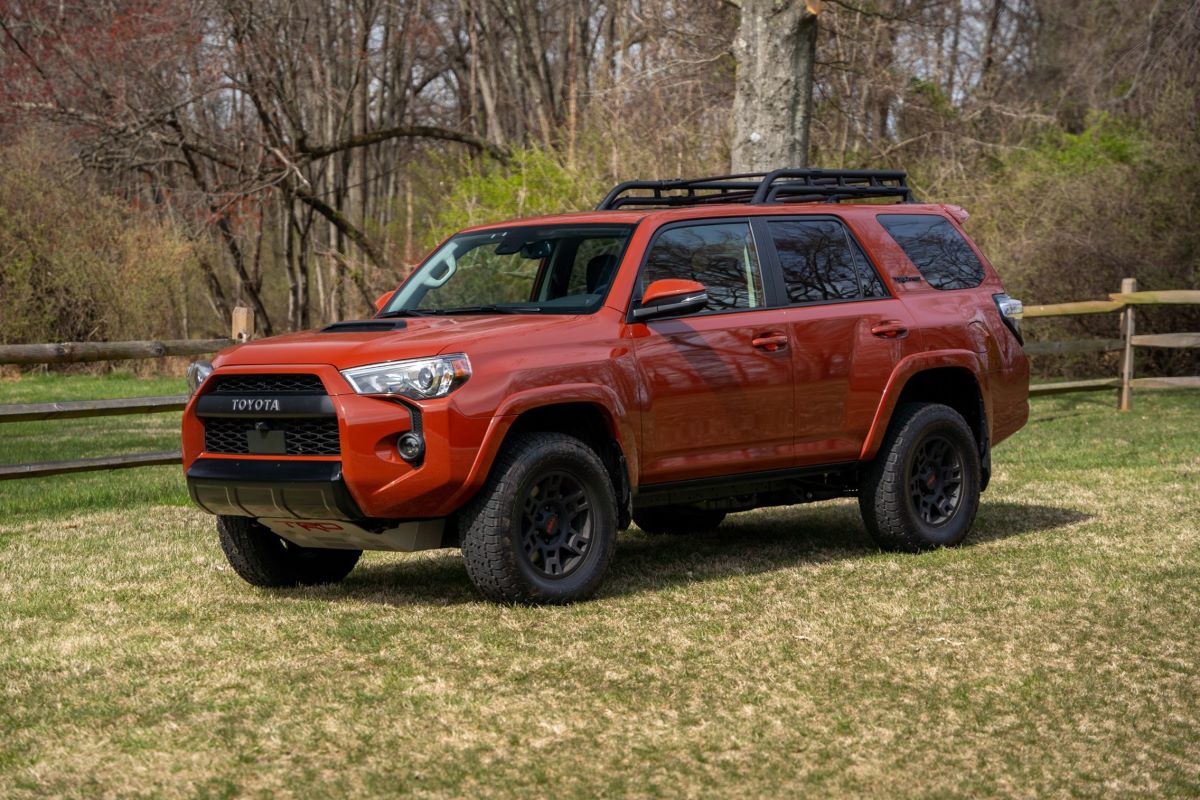
Owners in upstate New York and Minnesota often report 4Runners that remain structurally solid even after a decade of salt exposure. The frame’s open design also makes it easier to rinse off, preventing salt from collecting in hidden crevices.
5. Honda CR-V
The Honda CR-V, especially models from 2017 onward, offers some of the best corrosion protection in its class. Honda improved the underbody sealant, rocker panel drainage, and wheel-well coatings after earlier generations developed rust issues in northern climates.
The CR-V’s unibody construction minimizes exposed steel, and the brand’s advanced e-coat dipping process ensures that even hidden sections receive anti-corrosive coverage.
Combined with its popularity in snowy states like Wisconsin and Illinois, it’s a proven performer for drivers who face salted roads for months each year.
For buyers looking for the best balance of value, comfort, and features, the EX-L trim is the sweet spot in the 2026 Honda CR-V lineup. Priced roughly halfway between the base LX and the range-topping Sport Touring Hybrid, the EX-L delivers an impressive mix of refinement and practicality
. It includes upscale touches such as leather upholstery, a power liftgate, power-adjustable front seats, and an upgraded sound system, making it a great option for daily commuting or family use.
However, if maximum fuel efficiency is your goal, the Sport-L Hybrid is worth considering. It offers many of the same premium amenities as the EX-L but pairs them with the hybrid powertrain for improved mileage.
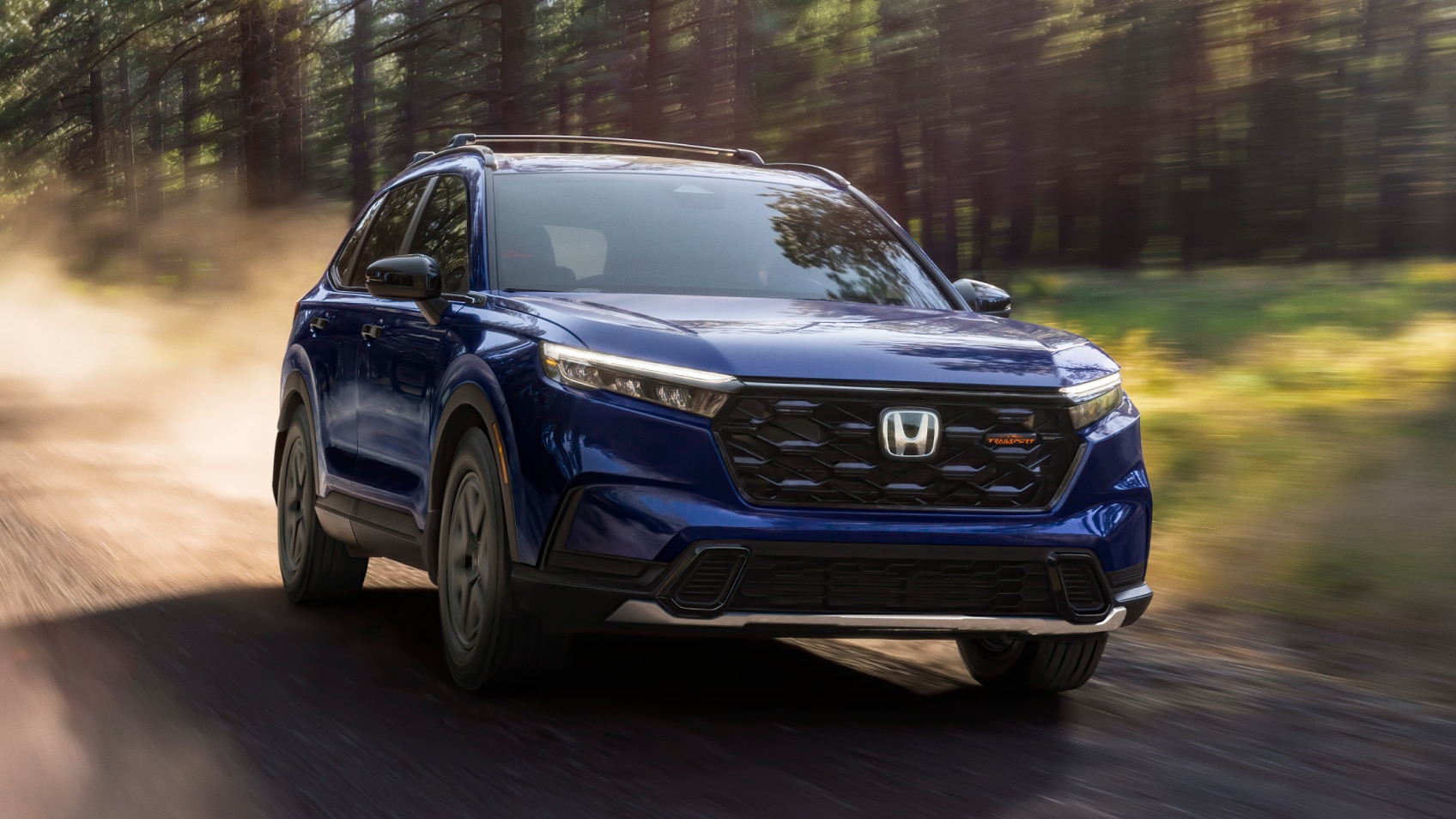
The 2026 Honda CR-V is offered in seven trims: LX, EX, EX-L, Sport Hybrid, TrailSport Hybrid, Sport-L Hybrid, and Sport Touring Hybrid. The LX, EX, and EX-L models feature a turbocharged four-cylinder engine, while the Sport, TrailSport, Sport-L, and Sport Touring trims use a hybrid setup that prioritizes efficiency.
Most versions come standard with front-wheel drive, though all-wheel drive is available across the lineup. The TrailSport and Sport Touring Hybrid models include AWD as standard equipment.
The base LX trim provides solid performance and a generous list of standard features. It comes with a 1.5-liter turbocharged four-cylinder engine that makes 190 horsepower and 179 lb-ft of torque, paired with a continuously variable transmission.
For those seeking a more premium experience, the EX-L builds on the EX with even more luxury. It adds a power liftgate, leather upholstery, power-adjustable front passenger seat, driver’s seat memory settings, a digital instrument display, an eight-speaker sound system, and front and rear parking sensors.
The Sport Hybrid trim introduces electrification to the lineup with a 2.0-liter hybrid four-cylinder engine that produces 204 horsepower and 247 lb-ft of torque.
It also adds roof rails, sporty dark exterior accents, and a leather-wrapped steering wheel. The Sport-L Hybrid trim combines the Sport’s athletic appearance with the EX-L’s upscale interior appointments for a well-rounded hybrid option.
New for 2026, the TrailSport Hybrid brings a more rugged personality to the CR-V family. It features standard all-wheel drive, 18-inch wheels with all-terrain tires, a power liftgate, heated steering wheel, and an eight-speaker audio system, making it ideal for drivers who want some light off-road capability.
Sitting at the top of the lineup, the Sport Touring Hybrid is the most luxurious and technologically advanced model.
The 2026 Honda CR-V lineup offers something for everyone, from the practical and well-equipped LX to the sophisticated and feature-packed Sport Touring Hybrid.
The EX-L stands out as the best all-around value, while the Sport Touring Hybrid delivers the most advanced technology and efficiency for those seeking a fully loaded experience.
Also Read: Top 10 Cars That Outlive Their Luxury Competitors
6. Mazda CX-5
Mazda has made major strides in rust prevention, particularly after receiving criticism for corrosion in early 2000s models.
The CX-5, introduced in 2012 and refined in later years, benefits from Mazda’s full-body zinc galvanization and a proprietary anti-corrosion coating that’s applied to the underbody and wheel wells.
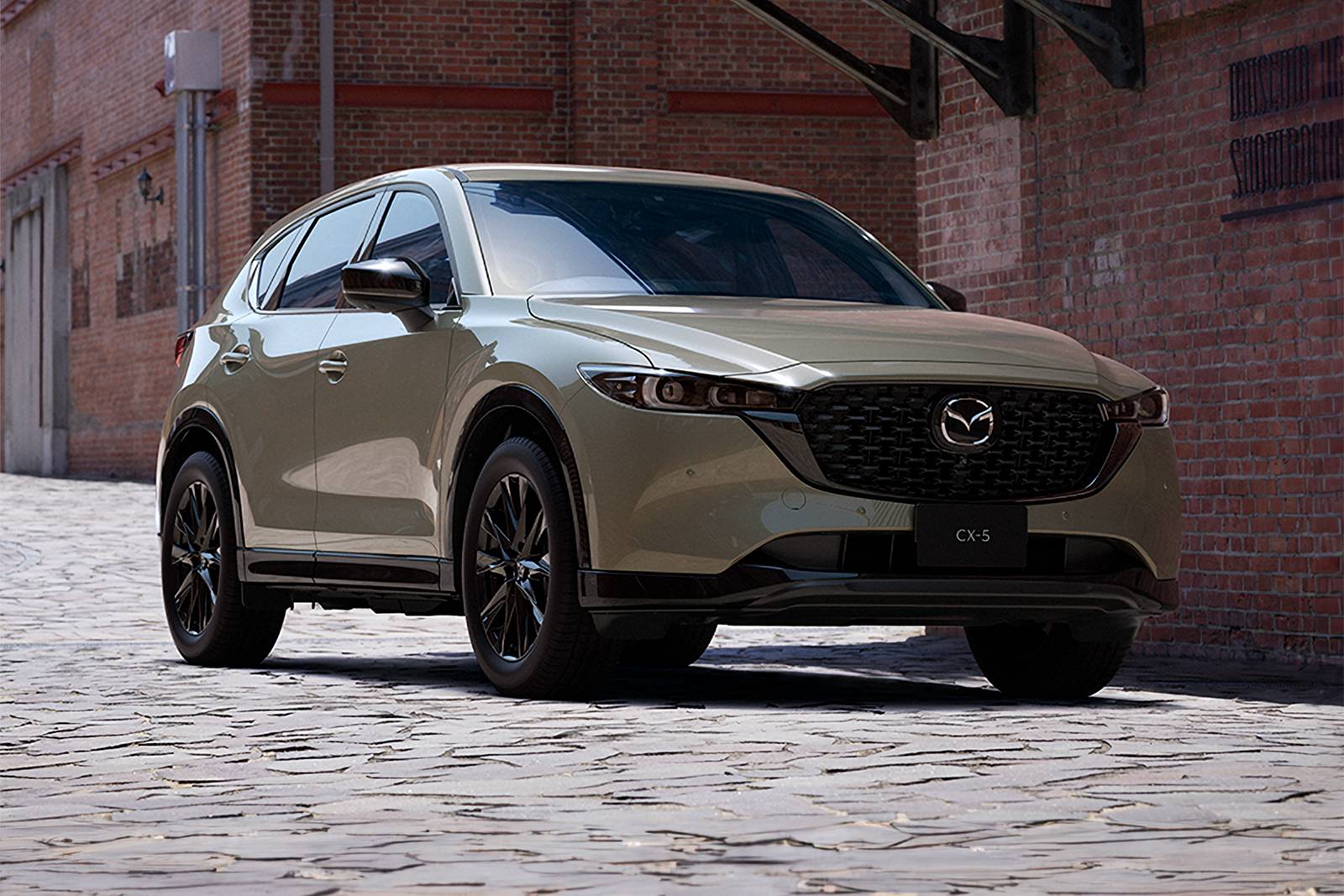
Owners in the Northeast consistently note how well CX-5s hold up to winter grime.
Mazda also improved water drainage design along the rocker panels, a subtle but important engineering choice that keeps saltwater from pooling in high-risk spots.
7. Audi Q5
Luxury SUVs aren’t often associated with corrosion issues, but Audi takes rust prevention seriously, particularly with the Q5. The German automaker uses a high proportion of aluminum panels and galvanized steel, creating a natural defense against oxidation.
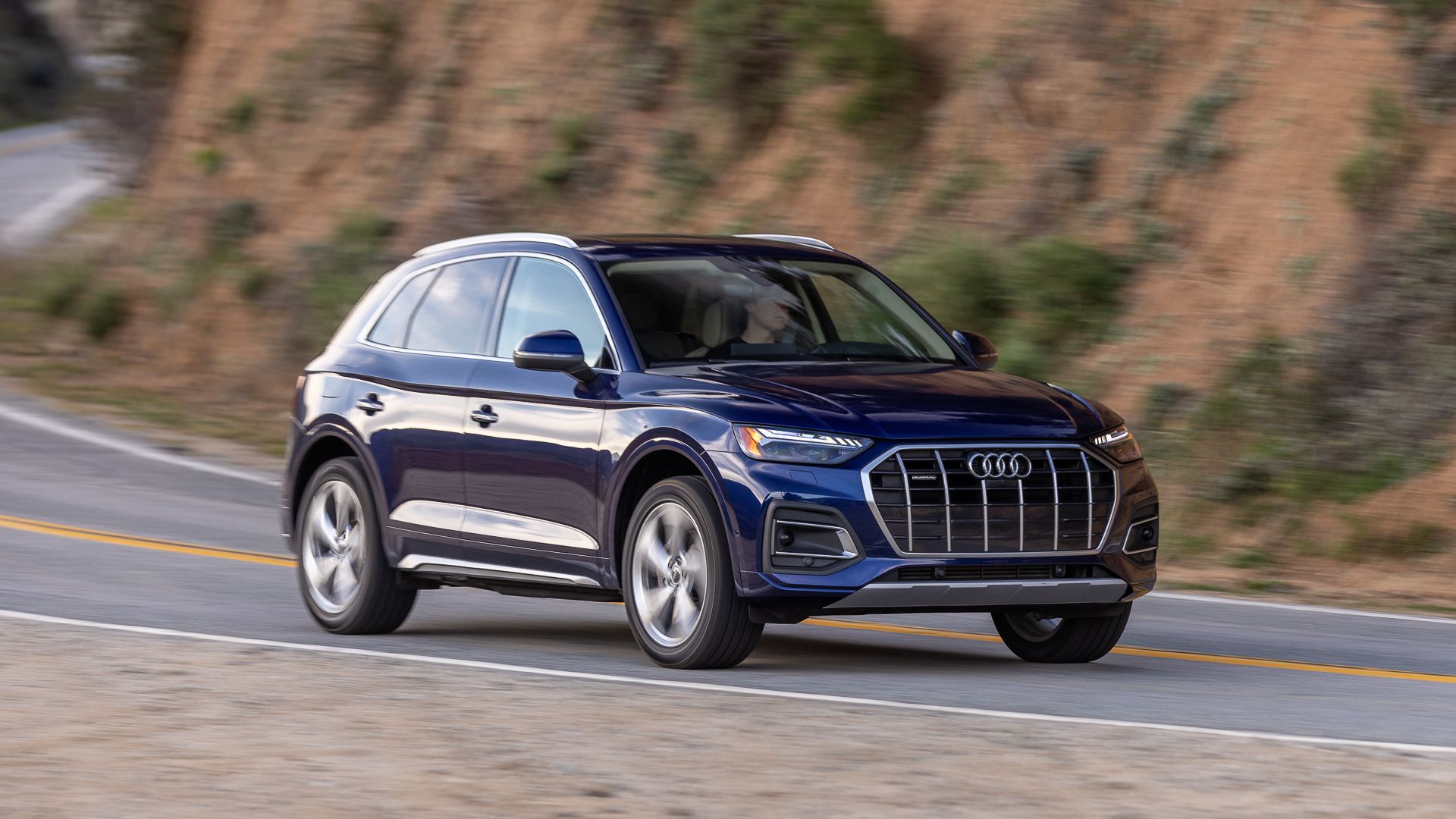
In addition, Audi applies a full-body electro-coating and a double-layer underbody sealant. The Q5’s design avoids moisture traps around suspension mounts and wheel wells, which often corrode first in other vehicles.
It’s a premium option that balances winter durability with refined comfort ideal for drivers who deal with salty highways but still want upscale styling.
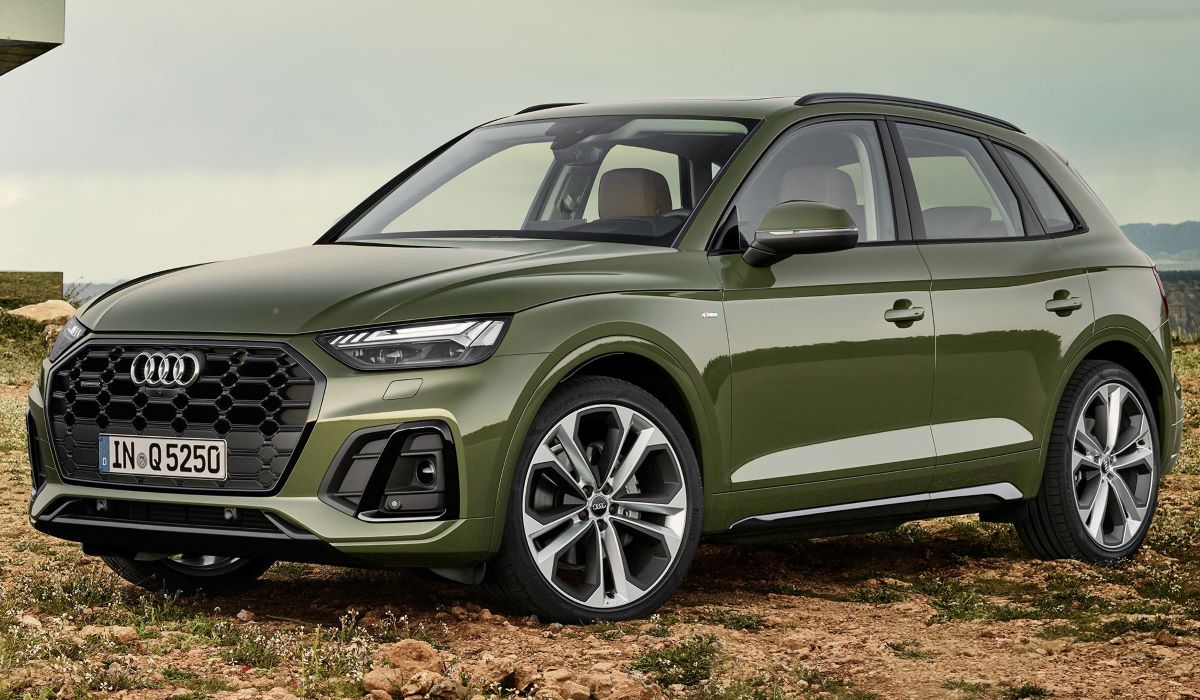
Audi has completely redesigned its Q5 compact SUV for the 2025 model year, marking the debut of the third generation.
This latest version brings refreshed styling, a modernized interior, and updated technology to keep it competitive in the ever-evolving luxury SUV market.
However, things might get a bit confusing for shoppers since Audi is still selling the previous second-generation Q5 alongside the new model. So, when browsing for a 2025 Audi Q5, it’s important to confirm whether you’re looking at the redesigned version, officially labeled the “All-new Q5”, or the outgoing one.
The big question, however, is whether you should opt for the old Q5 or the new one. Despite being a seven-year-old design, the outgoing second-generation Q5 continues to hold its own.
While it lacks the flashy oversized touchscreen found in many modern rivals, it still offers a near-equal level of technology and refinement. Its cabin remains comfortable, with top-notch materials and more space than you might expect.
The all-new third-generation Q5, on the other hand, builds on that strong foundation. It doesn’t reinvent the formula but enhances it with advanced tech, a more expressive design, and sharper detailing.
It’s an improvement in nearly every area, offering a more contemporary driving and ownership experience. Still, the older Q5 remains an appealing choice, particularly for buyers looking to score a deal on remaining inventory in 2025.
8. Ford F-150 (Aluminum Body Models)
Starting with the 2015 model year, Ford made a bold move by switching the F-150’s body to aluminum, instantly making it one of the most rust-resistant trucks on the market.
While the frame is still made of steel, Ford applies extensive anti-corrosion coatings and drain channels to prevent buildup of salt and moisture.
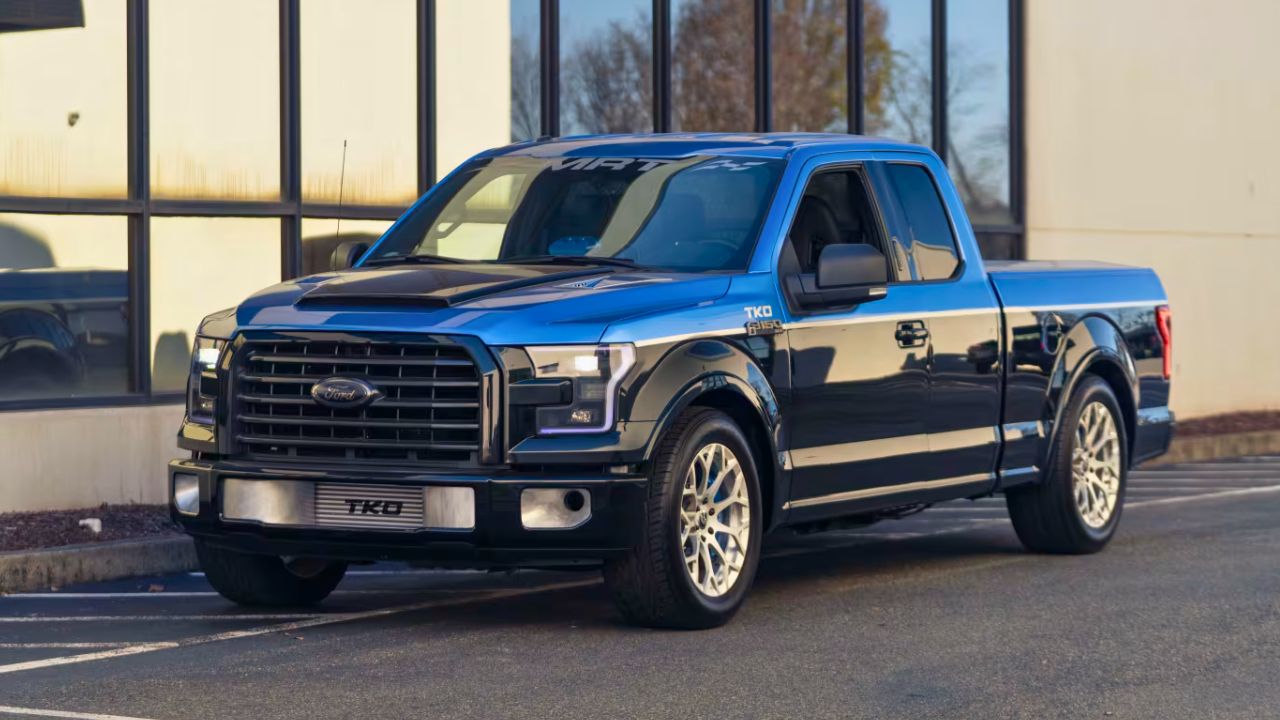
The result is a truck that won’t suffer the same rusted doors or fenders common in older generations.
In snowy regions like the Great Lakes area, the aluminum-bodied F-150 has proven its resilience, with owners reporting minimal visible corrosion even after years of salted-road exposure.
9. Lexus GX
The Lexus GX is a luxury SUV that combines Toyota’s bulletproof engineering with high-end materials and assembly quality.
Sharing its platform with the Toyota Land Cruiser Prado, it features the same rust-resistant frame coating process that Toyota developed after its early 2000s recall issues.
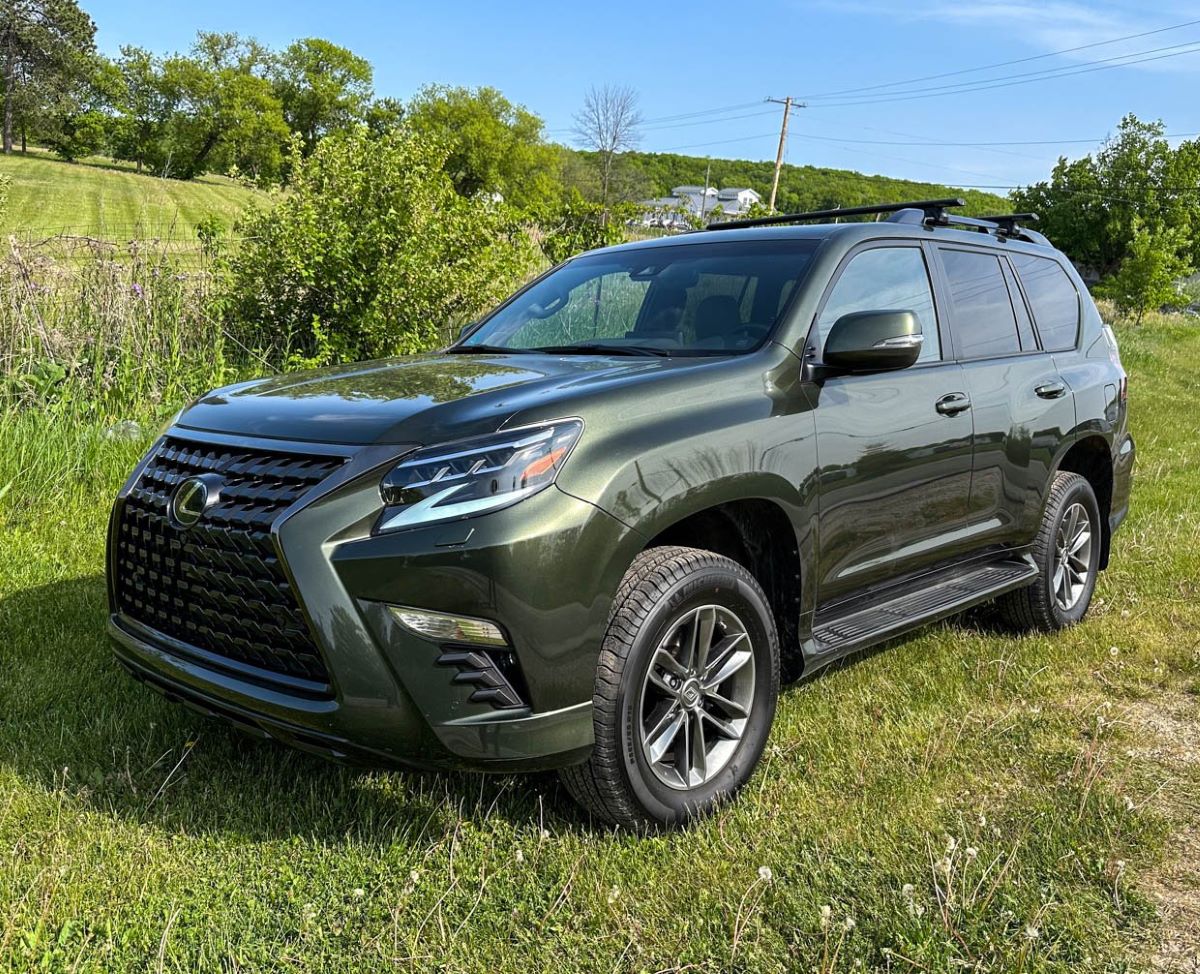
Lexus adds an extra level of finish to protect underbody welds and suspension mounts. Owners in New England frequently praise the GX for staying structurally sound long after comparable luxury SUVs start showing corrosion around their undercarriage.
While it’s not a budget option, its durability in harsh climates makes it worth the investment.
A little more than two years ago, in the summer of 2023, Lexus made headlines with a double world premiere, unveiling the three-row TX and the latest generation of the GX.
These two SUVs were designed to complement Toyota’s lineup, serving as luxury counterparts to the reborn Land Cruiser, the family-focused Grand Highlander, and the upcoming next-generation 4Runner.
Since then, both Toyota and Lexus have carefully refined these models, reinforcing their positions in the midsize crossover and SUV market. Their shared goal is clear: to solidify Toyota Motor Corporation’s dominance across both the rugged adventure SUV and family-oriented crossover segments.
Now entering the 2026 model year, Lexus has introduced the 2026 GX 550 for the U.S. market. Built on Toyota’s TNGA-F platform, the GX 550 combines a strong yet lightweight ladder frame with a double-wishbone front suspension and multi-link rear setup, delivering both comfort and durability.
It also offers Adaptive Variable Suspension (AVS) and Electronic Power Steering (EPS) for improved ride quality and handling.
Under the hood, all 2026 GX models feature a 3.4-liter twin-turbo V6 engine paired with a 10-speed automatic transmission. This setup produces 349 horsepower and 479 lb-ft of torque, offering a significant power increase over the previous V8 model’s 301 hp.
The GX 550 can also tow up to 9,096 pounds, making it a capable companion for both city cruising and off-road adventures. The lineup includes six trims: Premium, Premium+, Luxury, Luxury+, Overtrail, and Overtrail+, each with varying levels of refinement and off-road capability.
Every GX 550 comes standard with full-time four-wheel drive and a Torsen limited-slip locking center differential, while the Overtrail versions add an electronically controlled locking rear differential for improved off-road traction.
Though Lexus is often associated with luxury and urban sophistication, the GX remains a legitimate off-roader at heart, boasting impressive figures, a 26-degree approach angle, 24-degree breakover, and 21-degree departure, rivaling models like the 2026 Toyota Land Cruiser and 4Runner.
Inside, the GX 550 blends luxury with practicality. It features a large 12.3-inch infotainment display with wireless Apple CarPlay and Android Auto, a 120V AC inverter, prewired auxiliary switches, and even an onboard air compressor.
For audiophiles, an optional 21-speaker Mark Levinson sound system delivers premium audio quality. Pricing for the 2026 GX starts at $66,935 (including a $1,450 delivery and handling fee) and climbs to $83,400 for the fully equipped top-tier trims, before optional packages.
While some may balk at comparing a Lexus to a Jeep, the latter’s long-standing off-road heritage makes it a natural rival in this segment. Its 3.0-liter Hurricane twin-turbo inline-six engine delivers 420 horsepower and 468 lb-ft of torque, giving it a class-leading 10,000-pound towing capacity.
In short, the 2026 Lexus GX 550 elevates the brand’s rugged SUV lineup with more power, advanced technology, and refined comfort, reaffirming that luxury and capability can coexist seamlessly, even in the most demanding terrains.
10. Honda Ridgeline
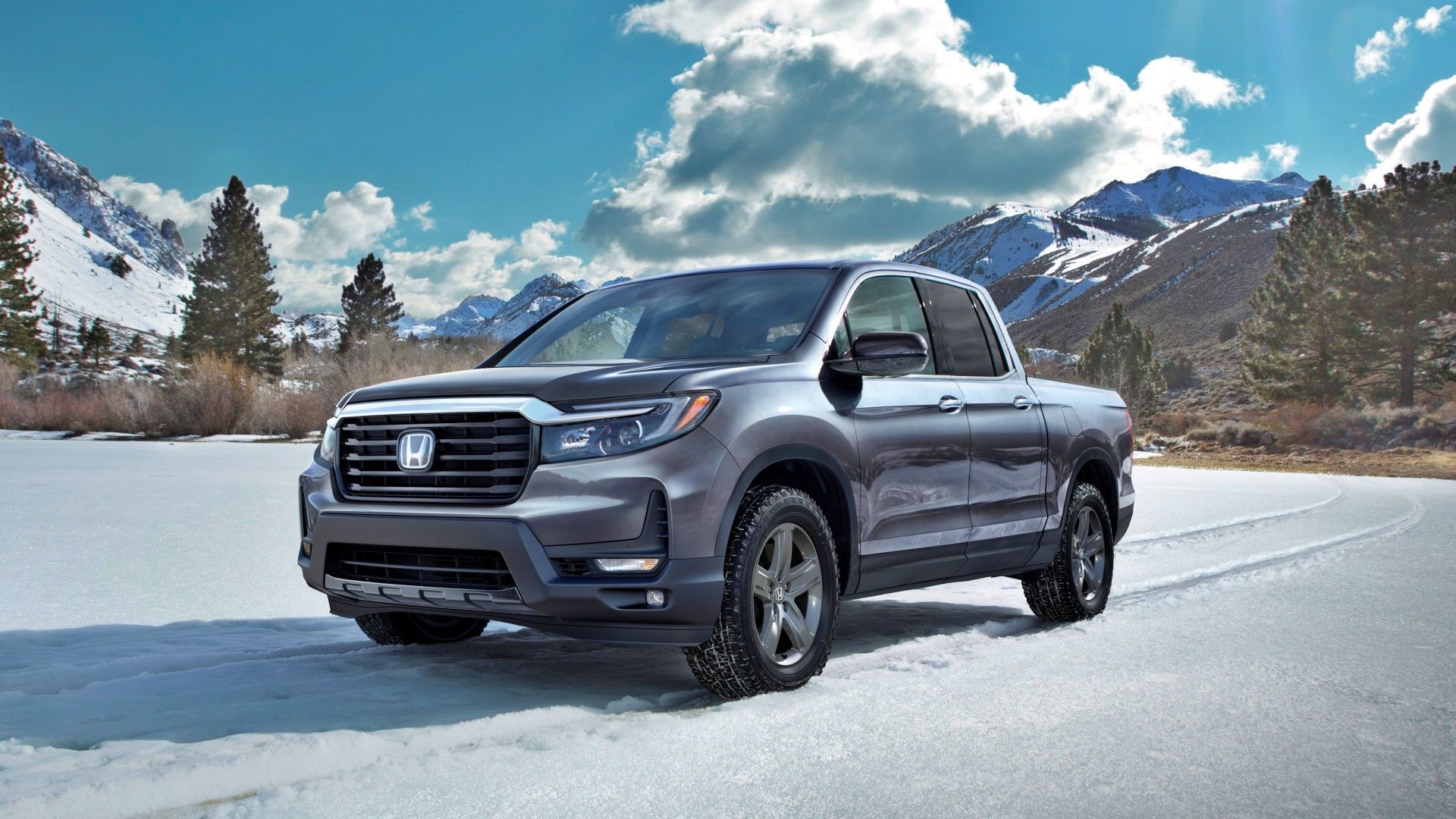
The Ridgeline stands out in the truck segment because of its unibody construction similar to an SUV which naturally reduces rust-prone joints and exposed seams.
Honda also applies extensive e-coating and uses stainless steel for many underbody fasteners and brackets. Post-2017 models, built at Honda’s Lincoln, Alabama plant, benefit from upgraded anti-corrosion measures aimed at improving performance in northern climates.
The result is a truck that resists the typical frame rust issues of body-on-frame rivals, making the Ridgeline a top pick for buyers in salt-heavy states who need both versatility and long-term durability.
Rust is one of the most insidious threats to a vehicle’s longevity, especially in road-salt states where winter maintenance is a yearly ritual.
In the world of midsize pickup trucks, the Honda Ridgeline stands out as something of an oddball — though mostly in a good way.
Unlike most of its competitors that rely on traditional body-on-frame construction, the Ridgeline rides on a unibody platform shared with Honda’s Pilot and Passport SUVs. It uses the same V6 engine and a similar all-wheel-drive system, making it behave more like a crossover than a conventional truck.
This design choice gives the Ridgeline a unique advantage: it’s significantly more comfortable and refined than many of its rivals, offering a smooth and composed ride on paved roads. While it’s not built for hardcore off-roading or heavy towing, the Ridgeline still delivers enough utility for everyday truck tasks.
For those who crave rugged performance and extreme terrain capability, however, more traditional trucks might be a better fit. With the recent refreshes to the Pilot and Passport, an updated Ridgeline is expected to follow soon, though it’s unlikely to arrive for the 2026 model year.
The Ridgeline’s appeal lies in its clever design and everyday practicality. Honda has infused its typical ingenuity into the truck’s construction, most notably with its innovative in-bed trunk, a feature that lets owners securely stow gear out of sight while keeping it easily accessible.
While regular washing, undercoating treatments, and rust checks can help, starting with a car designed to resist corrosion is the best long-term defense.
Automakers like Subaru, Toyota, Honda, and Volvo have invested heavily in improving their anti-rust technologies, and the vehicles on this list prove that progress.
Whether you’re looking for a rugged SUV, a reliable commuter, or a dependable truck, these ten models can handle the salty slush of winter without letting corrosion eat away your investment.
