Some cars age, while others mature into timeless works of design and engineering. The difference lies in how they combine performance, style, and emotional appeal. “10 Cars That Still Turn Heads After 10 Years” celebrates the models that have stood the test of time. These are vehicles that remain as eye-catching and desirable today as they were the moment they first rolled off the assembly line.
From luxury sedans to off-road icons and powerful sports coupes, these cars share a rare quality: they never lost their charm. Whether it is the confident presence of the Chrysler 300, the youthful energy of the Honda Civic, or the elegance of the Mercedes-Benz SLS, each has carved out a legacy built on craftsmanship and character.
These vehicles prove that true design excellence does not fade with age; it simply evolves, continuing to capture admiration every time they pass by.
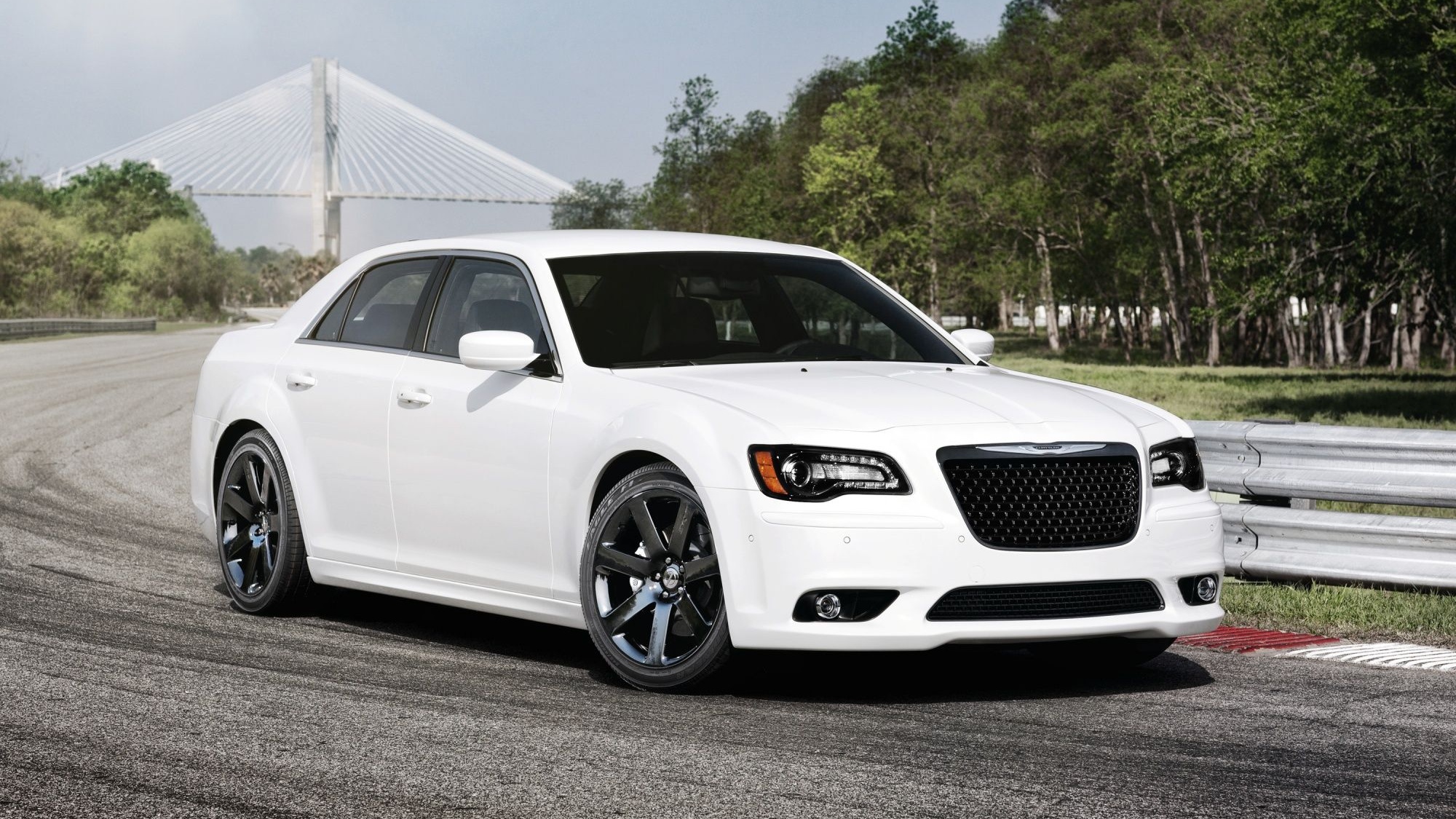
1. Chrysler 300: Classic Luxury with Modern Muscle and Presence
The Chrysler 300 remains one of the most distinctive full-size sedans on the road. Its bold, boxy design draws inspiration from luxury icons like Bentley and Rolls-Royce, giving it an upscale, timeless appeal that few mainstream cars can match.
With its strong performance, spacious interior, and refined technology, the 300 blends old-school charm with modern-day comfort. It stands out as a confident alternative for drivers who prefer elegance and power over subtlety.
The Chrysler 300 prioritizes smooth and powerful cruising. Buyers can choose between a capable V6 or an optional V8 engine, the latter providing serious muscle for highway passing and long-distance travel.
The eight-speed automatic transmission shifts cleanly and efficiently, with paddle shifters available for those who want manual control. The steering feels light in the city and firms up nicely at higher speeds, providing a balanced sense of stability.
Despite its size, the 300 handles confidently. Braking is strong and consistent, while the suspension, especially in the 300S, offers a sportier setup without sacrificing too much comfort. The car’s mass becomes noticeable on tight corners, reminding drivers that this is more of a luxury cruiser than a nimble sports sedan. Still, its confident road manners make it ideal for relaxed yet commanding driving.
Inside, the Chrysler 300 delivers on its near-luxury promise. The cabin isolates passengers from most road and wind noise, creating a quiet and serene driving environment. The climate control system works quickly and effectively, and the seats offer both plush cushioning and strong support.
Even the sportier trims maintain a high comfort level, although the firmer suspension can let some road imperfections through. Softer versions of the 300 provide a smoother, more traditional ride suited for long-distance cruising.
Space is one of the 300’s biggest strengths. The interior feels roomy, with generous legroom and headroom for all passengers. The wide door openings and flat roofline make entry and exit effortless.
Drivers of all sizes can find a comfortable position thanks to extensive seat and steering wheel adjustments. However, the high beltline and thick roof pillars limit visibility, making blind-spot monitoring and the rearview camera essential for safer lane changes.
The Uconnect infotainment system in the 300 is straightforward and responsive. Standard Apple CarPlay and Android Auto integration ensure easy smartphone connection, while the optional Alpine nine-speaker audio system delivers strong sound quality. Available safety features include lane departure warning, rear cross-traffic alert, and parking sensors, which enhance confidence while driving or parking.
Practicality remains impressive for a sedan of this size. The 16.3-cubic-foot trunk provides excellent capacity for luggage, and the 60/40-split rear seats add flexibility for larger items. Cabin storage is generous, with multiple cupholders and a wide center console for small belongings. Families will appreciate how easily child seats fit in the spacious back row, with enough width to fit three across.
Fuel economy is not the 300’s strong suit. The V8-powered 300S averages about 19 mpg combined, while real-world numbers tend to be slightly lower. However, the trade-off is smooth power delivery and effortless cruising capability. The interior materials are solid, with good fit and finish, but higher trims can become pricey when fully loaded.
The Chrysler 300 combines confident styling, strong performance, and a spacious interior in a package that feels both traditional and upscale. While it may not have the efficiency or badge prestige of luxury competitors, its commanding presence, comfort, and timeless design ensure it remains one of the most distinctive sedans on the road.
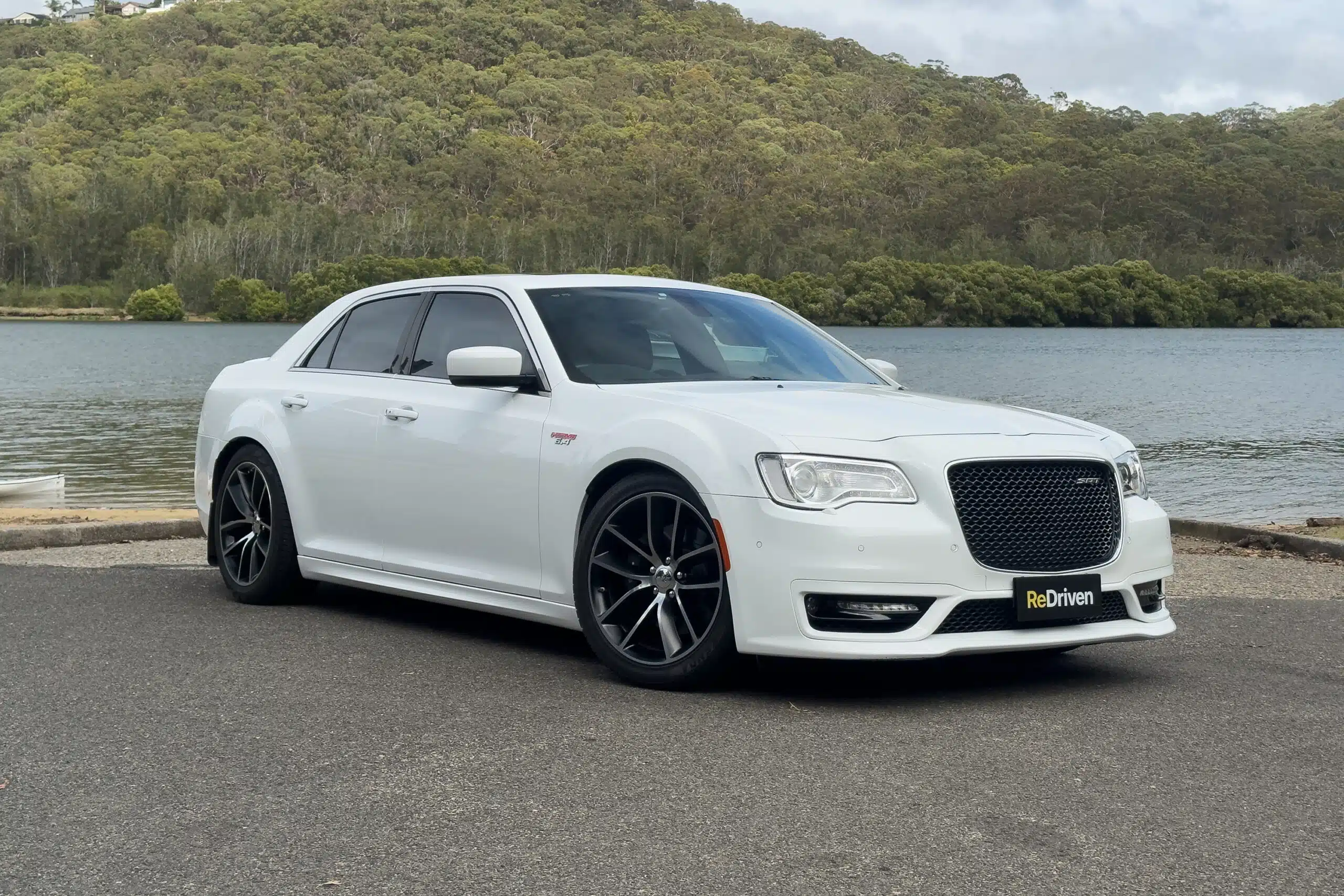
2. Honda Civic: A Perfect Blend of Efficiency, Comfort, and Style
The Honda Civic has long been admired for its balance of affordability, practicality, and understated design. It is not a car chosen for flashiness, but rather for its dependability and value. The Civic’s aerodynamic exterior contributes to impressive fuel efficiency, achieving 26 mpg in the city and 34 mpg on the highway.
With rising fuel prices, this efficiency makes the Civic an increasingly attractive option. Its clean, timeless design ensures that even older models continue to look stylish and relevant for years to come.
The Honda Civic Hybrid delivers an energetic and refined driving experience. Its hybrid powertrain produces strong performance, accelerating from 0 to 60 mph in just 6.6 seconds, which is quicker than most small sedans and even the sporty Civic Si. The Civic’s responsive handling and balanced suspension make it enjoyable to drive on city streets and highways alike.
Visibility is excellent thanks to slim roof pillars and side mirrors positioned on the doors, improving the view ahead. The sloping roofline slightly limits the view when checking over the shoulder, but the multi-angle rearview camera makes reversing and parking easier.
Honda includes several advanced driver-assistance features as standard, and while they are not the most advanced in the segment, they perform reliably. The Civic maintains a composed ride on both smooth and uneven roads, providing precise handling that stands out among compact hybrids.
Inside, the Civic Hybrid features a well-designed cabin that emphasizes function and ease of use. The controls are conveniently placed and simple to understand. The front seats offer generous space for both tall and shorter passengers, and the rear area provides good shoulder and legroom.
Taller passengers may find headroom slightly limited due to the sloping roofline. Road noise is noticeable but well controlled, while the car’s shape helps minimize wind noise, creating a calm driving environment.
The traditional climate controls are clear and easy to operate, allowing adjustments without distraction. Air distribution is even throughout the cabin, although the lack of rear air vents feels like a missed opportunity. The Civic’s interior materials and layout create a sense of quality that enhances its comfort and appeal.
The Civic’s technology is straightforward and thoughtfully arranged. Base models come with a 7-inch touchscreen, while higher trims offer a 9-inch display with built-in Google Assistant, navigation, and wireless Apple CarPlay and Android Auto. The top trims also include a Bose audio system that delivers excellent sound quality.
Storage space is generous, with the sedan offering 14.8 cubic feet of trunk capacity. The hybrid’s battery placement does not reduce this space. For greater versatility, the hatchback version provides 24.5 cubic feet of cargo room, surpassing competitors like the Toyota Prius.
The Civic Hybrid costs slightly more than rivals such as the Hyundai Elantra and Toyota Corolla, but its stronger performance, refined interior, and dependable build quality justify the difference.
Fuel economy is excellent at 49 mpg combined, and the car’s hybrid system maintains this efficiency even in real-world driving. The Civic Hybrid delivers a rare mix of practicality, comfort, and driving enjoyment that reaffirms Honda’s ability to create outstanding compact cars.
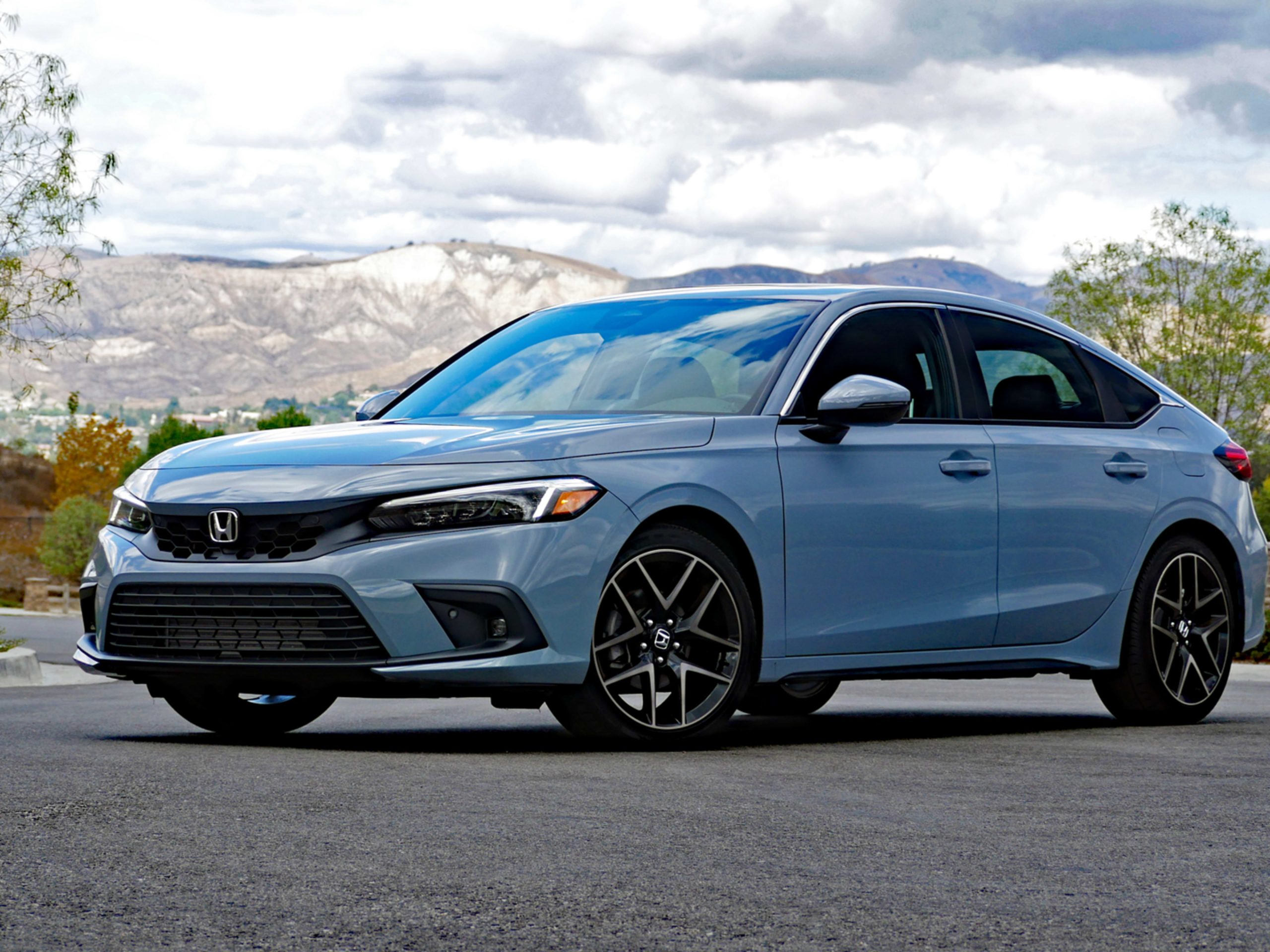
3. Ford Fusion: Spacious, Stylish, and Well-Balanced for Families
The Ford Fusion stands as an ideal step up from compact cars like the Honda Civic, offering more space, comfort, and timeless styling. Its clean and simple design ensures it remains attractive even after years of use, much like a classic outfit that never goes out of fashion. With enough room for growing families or active high schoolers, the Fusion provides practicality without sacrificing sophistication.
The Ford Fusion offers a diverse range of engines to suit different driving preferences. The base 2.5-liter four-cylinder engine produces 175 horsepower and pairs with a six-speed automatic transmission and front-wheel drive.
While this setup feels modest, higher trims introduce more excitement with turbocharged options: a 181-hp 1.5-liter and a 245-hp 2.0-liter engine. The latter can be paired with all-wheel drive for improved traction and control.
The Fusion balances comfort with agility, offering responsive steering and composed handling that give it a hint of sports-sedan character. Though it may not deliver the razor-sharp precision of true performance cars, it feels confident and well-grounded on the road.
For those seeking better fuel efficiency, the Fusion Hybrid combines a 2.0-liter four-cylinder engine with an electric motor, generating a combined 195 horsepower through a continuously variable automatic transmission. Drivers who want an eco-friendlier option can choose the Fusion Energi plug-in hybrid, which uses the same setup but includes a larger battery capable of up to 21 miles of electric-only range.
The trade-off for this efficiency is reduced cargo space, as the larger battery occupies much of the trunk. The plug-in version also features softer suspension and lighter steering, which make it less dynamic in handling compared to the standard models.
Across its range, the Fusion delivers solid efficiency. The plug-in hybrid version achieved 39 mpg in highway testing, while turbocharged models provide decent real-world fuel economy. However, drivers may find it challenging to consistently reach the official EPA estimates, especially in turbocharged variants.
Inside, the Fusion offers a cabin that can range from practical to luxurious depending on trim level. Base models feature cloth seating, while higher trims add premium leather and detailed stitching.
The layout is attractive, and the materials are well-chosen for the class. Standard gasoline models offer good cargo space, accommodating six carry-on bags, while the hybrid and plug-in versions sacrifice some trunk capacity due to battery placement.
Technology in the Fusion is centered around Ford’s Sync 3 infotainment system, known for its intuitive interface and quick response. The system supports both touch and voice commands, enhancing convenience for drivers.
Safety is a strong point for the Fusion, earning high marks in crash tests and including a standard suite of driver-assistance features. These include automated emergency braking, lane-keeping assist, and available adaptive cruise control.
Ford’s warranty coverage is typical for the segment, offering three years or 36,000 miles of basic coverage and five years or 60,000 miles for the powertrain. Though it lacks complimentary maintenance, its above-average roadside assistance adds value.
The Ford Fusion blends comfort, safety, and performance in a stylish package that appeals to families seeking practicality without giving up driving enjoyment.
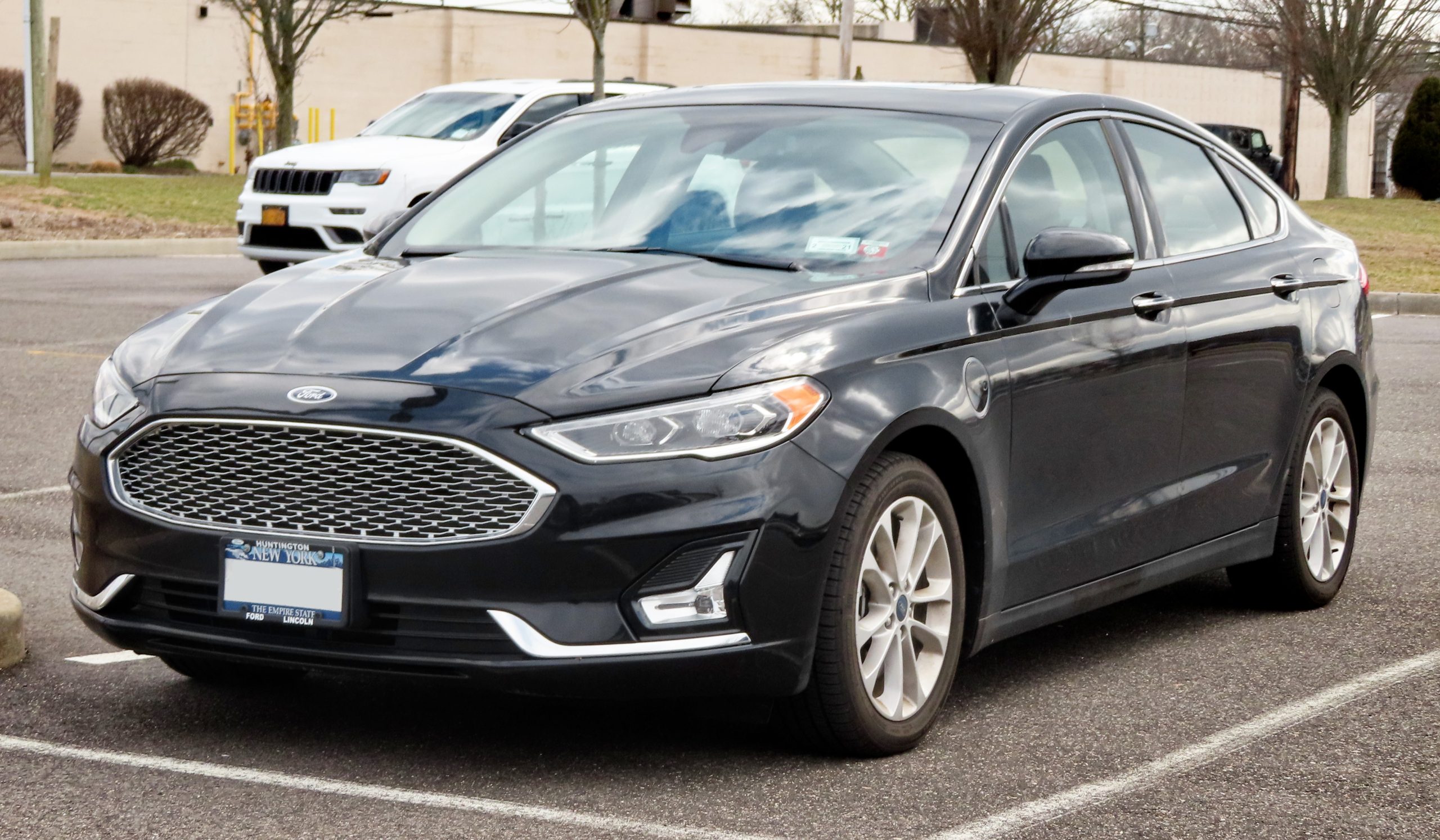
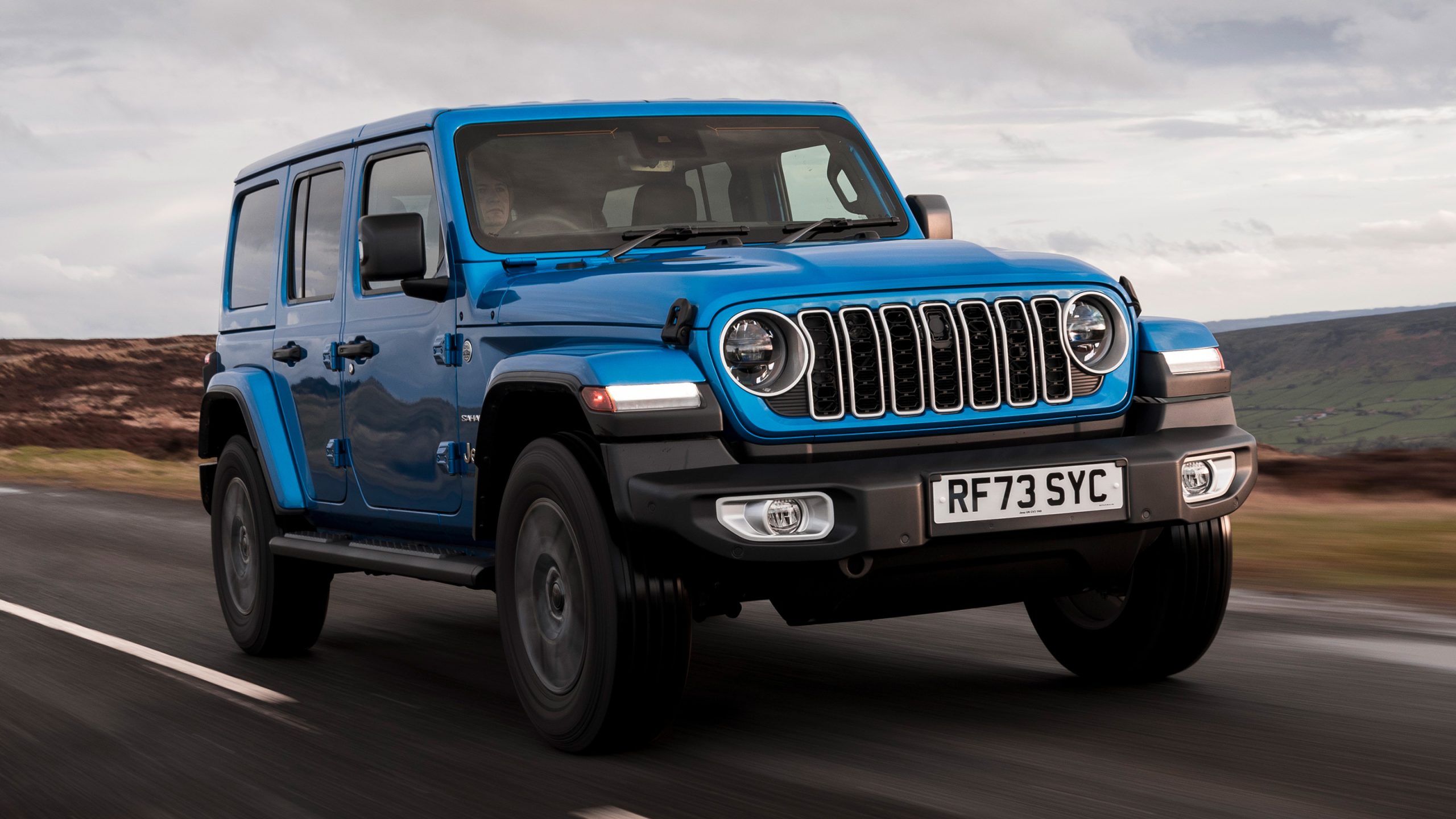
4. Jeep Wrangler: A Legendary Blend of Heritage, Adventure, and Rugged Design
The Jeep Wrangler is more than just an SUV; it is an icon that embodies freedom, adventure, and tradition. Its roots trace back to World War II, when Jeep first built military vehicles for the U.S. Army.
Decades later, the Wrangler still retains that same boxy, utilitarian look that made the original Jeep Willys famous. Jeep has resisted major design changes because its loyal fan base cherishes that timeless shape. Driving a Wrangler means experiencing a piece of history that remains unmistakably authentic.
The Jeep Wrangler is built for off-road excellence, and that is where it truly shines. The Rubicon trim, especially when equipped with the Xtreme Off-Road package, enhances its rugged capabilities with 37-inch tires and additional ground clearance. Whether tackling rocky trails, muddy terrain, or sand dunes, the Wrangler proves nearly unstoppable.
On paved roads, the experience is less refined. The suspension effectively smooths out bumps and potholes, allowing for a steady ride in urban areas. However, the steering feels loose and requires frequent corrections on highways, and the V6 engine’s acceleration is modest.
Braking distances are longer than ideal. While Jeep offers basic driver-assistance features such as blind-spot monitoring and adaptive cruise control, these remain optional for most trims rather than standard.
Comfort has never been the Wrangler’s strong suit. The front seats are firm and flat, providing limited support for long drives. Wind and tire noise are prominent, especially at higher speeds. Its high ground clearance makes climbing in a bit challenging for shorter drivers, though the pillar-mounted grab handles help. The cabin feels narrow, with an upright windshield that creates a tight but purposeful atmosphere.
Despite these drawbacks, the Wrangler offers a commanding driving position and simple, functional controls. The four-door Unlimited model is more practical for families, making it easier to install child seats. Compared to rivals like the Ford Bronco, the Wrangler’s cabin is more compact but still rugged and characterful.
Inside, the Wrangler features a responsive and easy-to-use touchscreen. Wireless Apple CarPlay and Android Auto are standard, along with specialized off-road apps that enhance trail navigation. Cargo capacity benefits from the Jeep’s boxy design, offering good space for gear.
However, the Bronco provides slightly more room. Storage for small items is limited, with shallow door nets and modest cubbies. When properly equipped, the Wrangler can tow up to 5,000 pounds and be flat-towed behind an RV.
The Wrangler’s wide price range from the base Sport trim to the powerful Rubicon 392 means there is a version for nearly every budget. Interior materials are durable and tactile, giving a quality feel despite its rugged purpose. Fuel economy ranges from 21 mpg combined for the four-cylinder to 17 mpg for the Rubicon, comparable to rivals like the Bronco.
Few vehicles capture the spirit of adventure like the Jeep Wrangler. With its unmistakable design, loyal community, and unmatched off-road ability, it remains a symbol of durability and freedom. The Wrangler continues to define what an authentic off-road SUV should be.
5. Mercedes-Benz G-Class: Iconic Luxury Meets Military Heritage
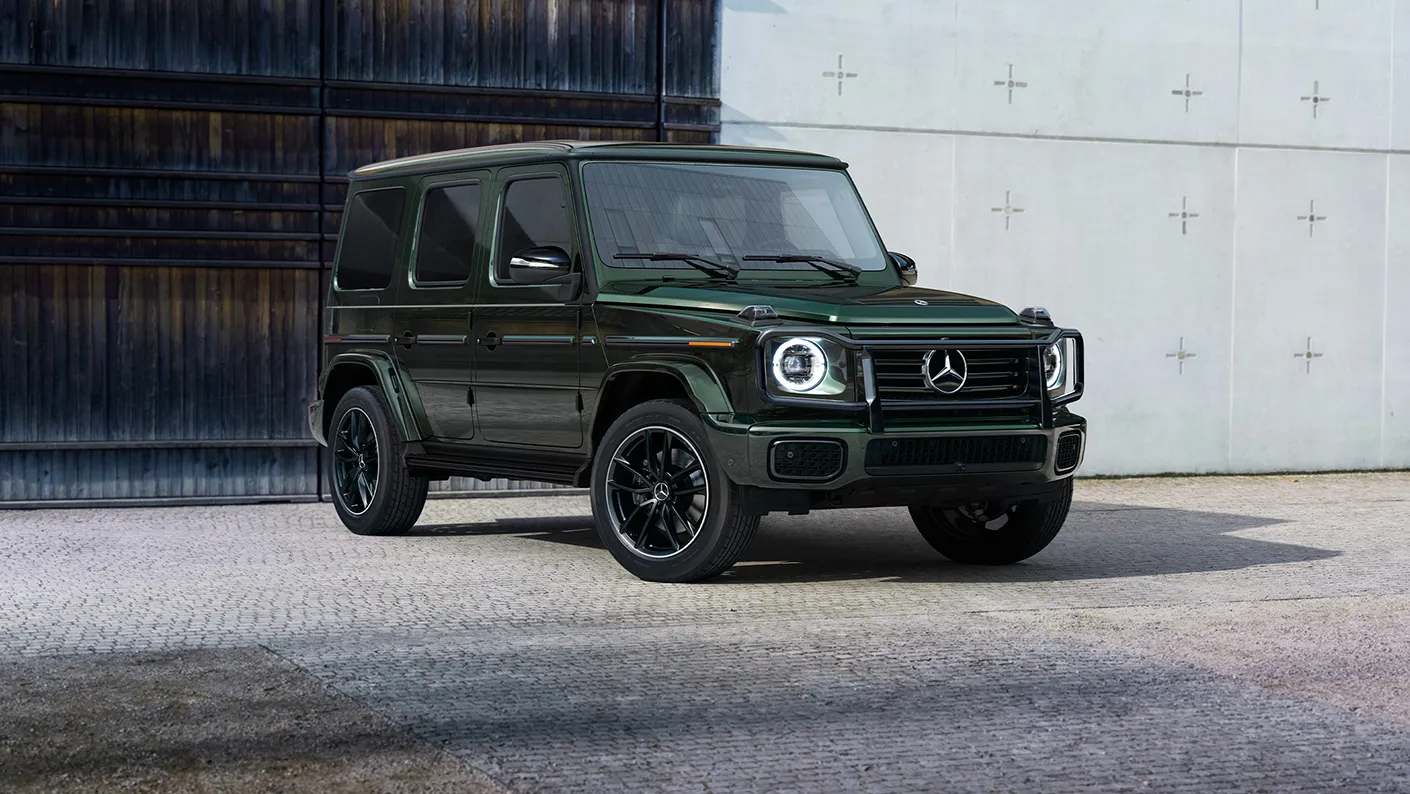
The Mercedes-Benz G-Class, also known as the G-Wagen, has remained one of the most recognizable SUVs in the world thanks to its military roots and boxy, timeless design. Originally engineered for off-road and military use, its tall stance, upright shape, and solid structure continue to define its character.
While it is far from affordable, starting around $105,750, the G-Class delivers a sense of prestige and exclusivity that keeps it desirable decade after decade. Regardless of the model year, its design consistency ensures that every G-Wagen feels classic and contemporary at the same time.
The latest G 550 comes with a turbocharged inline-six engine, replacing the traditional V8. While some drivers may miss the old V8’s growl, performance has improved significantly.
The G 550 accelerates from 0 to 60 mph in 5.1 seconds and completes the quarter mile in 13.7 seconds, making it quicker than the previous V8 model. Braking performance has also improved, stopping from 60 mph in just 108 feet, a remarkable result for such a large SUV.
However, its handling remains traditional and truck-like, with noticeable body roll during cornering and limited tire grip on sharp turns. The G-Class is built for capability and stability rather than agility, staying true to its rugged origins.
Ride quality in the G-Class is firm but composed. The suspension smooths out most bumps and rough pavement without becoming overly stiff. The seats are soft and well-padded, though they feel narrow for a large SUV. Adjustable bolsters provide extra support, but not enough for all body types.
Noise levels are impressively low inside the cabin. The inline-six engine produces a quiet hum, and road sounds are minimal. However, due to the upright design, wind noise becomes noticeable at highway speeds.
Inside, the G-Class balances opulence with utilitarian charm. High seats and tall windows provide a commanding view, but the design also brings limitations. The step-in height is considerable, and the narrow door openings require effort to climb through.
Rear-seat space is modest, and optional entertainment screens further reduce room. Visibility is restricted by thick roof pillars and the rear-mounted spare tire, making the surround-view camera especially useful.
The G-Class now features Mercedes’ modern infotainment system with a touchscreen, Apple CarPlay, and Android Auto. The interface is fast and easy to use. Driver-assistance systems include adaptive cruise control and parking sensors, though the lane-keeping assist can feel overly assertive.
Storage space is limited. The side-hinged rear door opens wide but requires clearance, and the cargo floor is high with an uneven surface when seats are folded. Cabin storage is modest for such a large SUV.
Fuel economy remains a weak point, with an estimated 18 mpg combined, only slightly better than the older V8. Despite this, the G-Class remains an aspirational vehicle. Its unmatched blend of luxury, durability, and heritage ensures it continues to stand as a symbol of both power and prestige.
Also Read: 10 Cars That Outsell Competitors Despite Weak Marketing
6. Ford Flex: A Practical, Boxy SUV That Prioritizes Space and Functionality
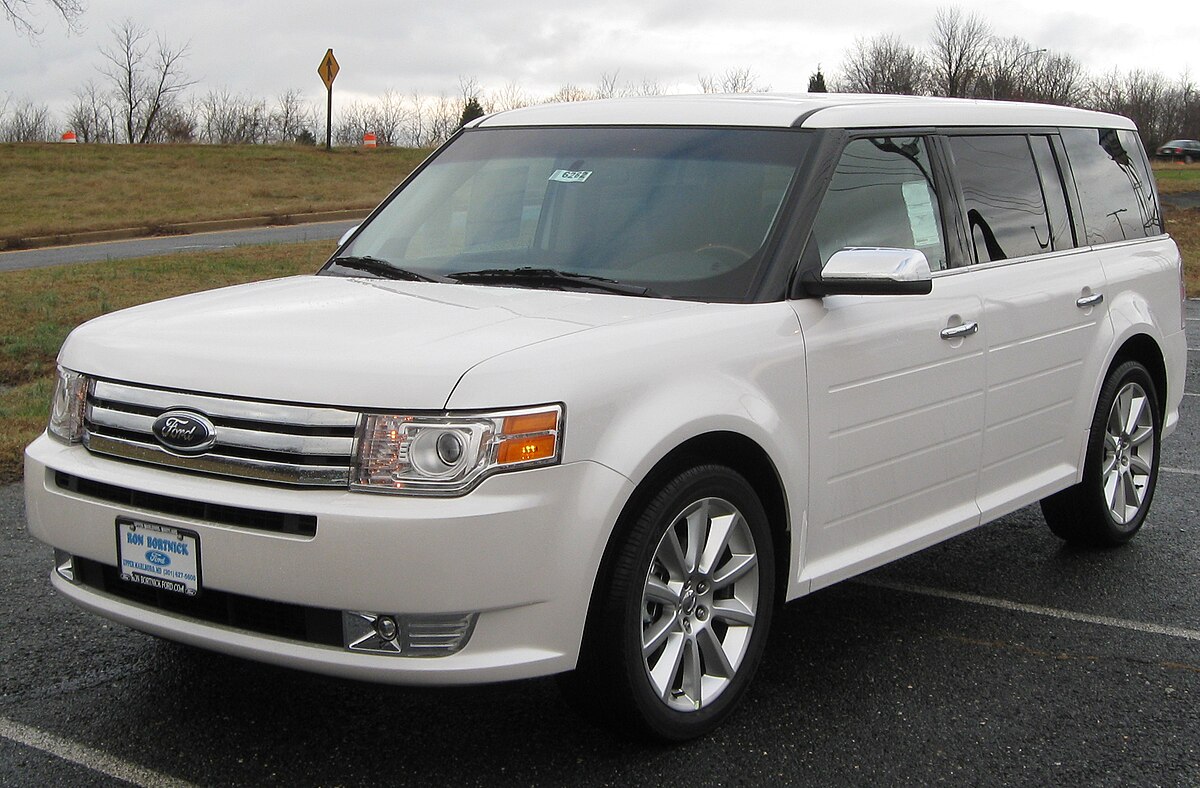
The Ford Flex stands out as a practical and stylish alternative to expensive luxury SUVs like the Mercedes-Benz G-Class. Its boxy exterior not only gives it a timeless appeal but also enhances functionality.
The design allows for easy entry and exit, excellent visibility, and some of the roomiest second- and third-row seats in the segment. For families who value space and versatility, the Flex continues to be a dependable and well-rounded choice.
The Ford Flex offers two engine options, with the most impressive being the 365-horsepower turbocharged V6 paired with all-wheel drive. This setup delivers strong acceleration, taking the Flex from 0 to 60 mph in 6.2 seconds, faster than most crossovers or minivans. Braking performance is solid as well, stopping from 60 mph in 120 feet, although the long pedal travel reduces feedback for the driver.
Steering feel is one of the Flex’s weaker aspects. It lacks responsiveness and feedback, which can make winding roads less engaging. While the Flex handles corners with less body lean than taller SUVs, its length and weight limit agility. The six-speed automatic transmission shifts slowly and can feel sluggish in normal driving, but acceleration becomes much more satisfying at full throttle.
The Flex delivers a firm and somewhat dated ride compared to modern crossovers. It manages bumps adequately, but noise from the road, tires, and engine can be noticeable.
The front seats are flat and offer minimal long-distance support, which might bother taller drivers on extended trips. In contrast, the second-row seats provide ample legroom and comfort, while the third row can accommodate adults for short rides.
When fitted with the optional 20-inch wheels, the Flex feels stiffer over cracks and uneven pavement. The EcoBoost engine’s rough tone also contributes to the cabin’s noise level. Despite these drawbacks, the seating layout and interior space make the Flex ideal for families and long-distance travel.
Functionality remains one of the Flex’s greatest strengths. The wide-opening doors and low step-in height make entry and exit easy, even for children and older passengers. Access to the third row is convenient, and visibility is excellent thanks to the upright windshield and large mirrors.
Interior materials and design show their age. The touch-sensitive controls for the climate and audio systems are frustrating to use, and the steering wheel buttons lack clarity. Minor rattles and misaligned panels are also noticeable. Despite these issues, the Flex excels in cargo capacity. Its flat load floor and boxy shape allow it to carry bulky items with ease, and few competitors can match its real-world storage flexibility.
Technology in the Ford Flex is anchored by the Sync 3 infotainment system, which remains responsive, intuitive, and easy to use. It represents a major improvement over earlier Ford interfaces. With its strong performance, impressive space, and user-friendly design, the Ford Flex continues to be a practical and distinctive SUV that focuses on utility and comfort rather than flash or trends.
7. Mini Cooper: A Stylish Icon That Balances Charm with Modern Performance
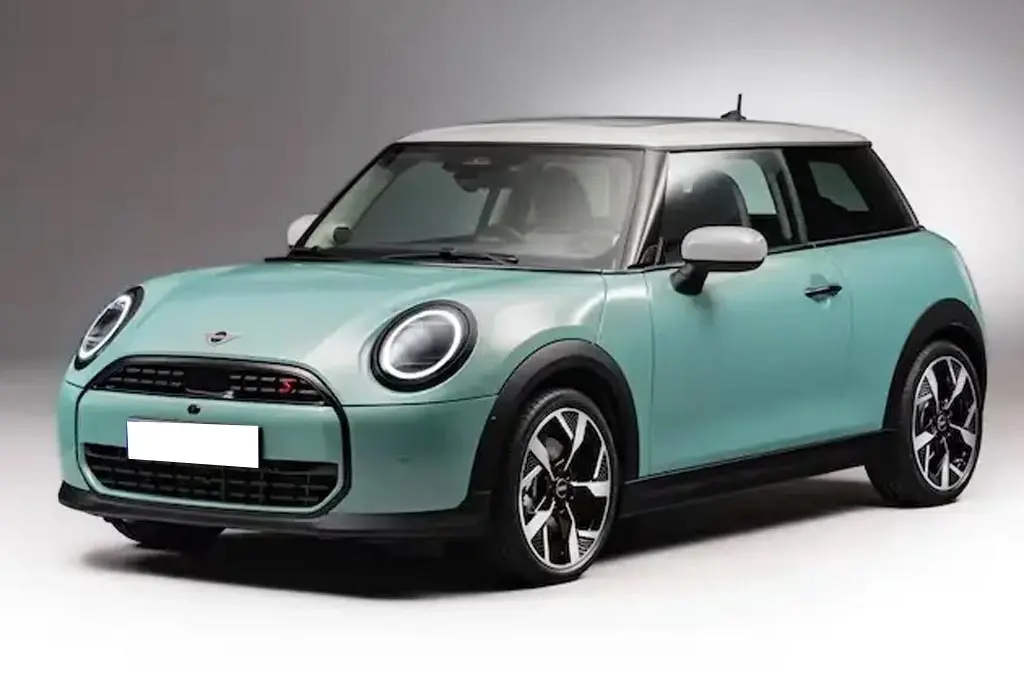
Few cars capture timeless British character quite like the Mini Cooper. First introduced in 1959, it quickly became a symbol of small-car ingenuity and charm. Its compact size and fun-to-drive personality made it a favorite on European streets, and decades later, it still appeals to drivers who value individuality and design flair.
The modern Mini stays true to its heritage with a distinctive silhouette and premium touches that continue to attract enthusiasts across generations.
The Mini Cooper S delivers good performance, though it has lost some of the playful edge that once defined it. In testing, it reached 60 mph in 6.4 seconds and completed the quarter mile in 14.5 seconds.
These figures are respectable but not class-leading. The automatic transmission shifts smoothly but does not include paddle shifters, which limits driver engagement. At lower speeds, the Cooper S feels refined and capable, but at higher speeds, it reveals less grip and precision than expected.
Handling remains stable, though not as sharp or lively as earlier models. The engine offers sufficient power without excessive noise or vibration. It performs well for daily driving and light highway use but lacks the excitement expected from a sporty hatchback.
The Cooper S balances firmness and comfort effectively. The front seats provide solid support and side bolstering that hold you in place during turns. The suspension transmits some bumps, but the ride remains controlled. The climate control system is efficient, cooling or heating the cabin quickly. Noise from the road and wind is minimal, which helps maintain a calm driving experience even at higher speeds.
Inside, the Mini stands out with its unique and upscale cabin design. The circular central display and toggle switches preserve its classic character, while the materials feel refined. The driving position gives a clear view of the road, and the front seats offer decent space. The rear seats, however, are tight and better suited for children or short journeys.
Cargo capacity is limited, but folding the rear seats provides more room. Storage for small items is scarce, with narrow door pockets and no central bin. Accessing the back seat can be difficult because of the small door openings.
The infotainment system is one of the Mini’s strongest aspects. Its circular touchscreen features bright graphics and quick response times. It includes Apple CarPlay, Android Auto, built-in navigation, and an optional Harman Kardon sound system that delivers excellent sound quality.
Safety technology such as blind-spot warning, lane keeping assistance, adaptive cruise control, and a surround-view camera system function well, though adjusting settings requires moving through several on-screen menus.
The Mini Cooper S achieves an EPA-estimated 32 mpg combined, making it efficient for its performance level. Build quality is exceptional, with premium materials and precise craftsmanship. While it costs more than some competitors like the Honda Civic Hatchback, its distinctive design, upscale interior, and enduring charm make it an appealing choice for drivers who value both style and substance.
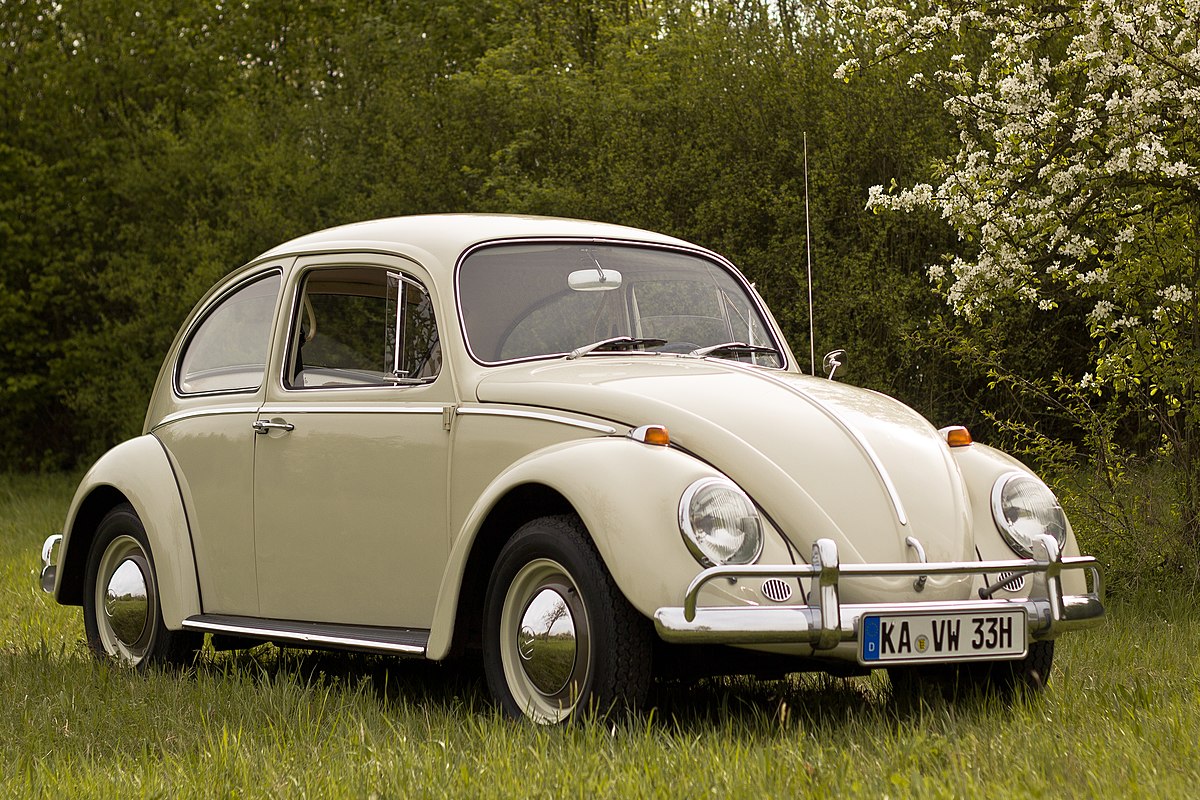
8. Volkswagen Beetle: A Timeless Classic with Modern Comfort and Style
Few cars in history have maintained such iconic appeal as the Volkswagen Beetle. First introduced in the late 1930s, the Beetle’s charming, rounded shape has become instantly recognizable around the world.
The modern version preserves the same personality that made the original a favorite, with its curved roofline, compact frame, and circular headlights. While Volkswagen has upgraded its technology and performance features, the Beetle stays true to its nostalgic design, blending vintage character with modern-day practicality.
The 2018 Beetle is powered by a 2.0-liter turbocharged engine that delivers strong acceleration and smooth performance. It reaches 60 mph in about 7.5 seconds, which is quick for its class. Steering feels slightly heavier than expected, which provides confidence at highway speeds but remains light and manageable when maneuvering through city streets.
Braking performance is solid, although the pedal requires more pressure and travel than ideal. In testing, it came to a stop from 60 mph in 115 feet, which is quite good for a compact car.
The Dune trim’s raised suspension adds comfort on uneven roads, though it introduces some body roll around tight corners. The Beetle’s small size, precise steering, and standard rearview camera make it easy to park and drive in tight spaces.
Comfort is one of the Beetle’s best qualities. The front seats provide firm but supportive cushioning, and the suspension handles bumps with ease. Taller drivers might find the seat bottoms a little short, but adjustable lumbar support improves comfort on longer trips.
Cabin noise from the road and wind is minimal, and the engine remains quiet at cruising speeds. The Beetle’s smooth ride and well-tuned suspension make it pleasant for both city commutes and highway drives.
The interior feels bright and spacious in the front, thanks to the large windows and simple dashboard design. Controls are clearly labeled and easy to reach. Rear-seat space is more limited, with tight headroom and legroom for adults, so the back seats are best for short trips. Forward and side visibility are excellent, though the small rear window and thick roof pillars reduce visibility behind the car.
Cargo capacity is generous for a compact hatchback. The Beetle offers 15.4 cubic feet of trunk space, expanding to 30 cubic feet when the rear seats are folded down. Storage for small items is modest, but the space under the center stack adds convenience.
The infotainment system is straightforward and simple to use. Most trims include a 6.3-inch touchscreen that supports Apple CarPlay and Android Auto. The screen is responsive, and the graphics are sharp. Safety technology is limited to a standard rearview camera, with available blind-spot monitoring and rear cross-traffic alert, though more advanced systems like lane keeping assist are not offered.
The Volkswagen Beetle continues to charm with its nostalgic design, reliable performance, and comfortable cabin. It combines practical features with an unmistakable sense of style that has endured for generations. While it may not have the most advanced technology or spacious interior, the Beetle remains a beloved symbol of individuality and classic automotive design.
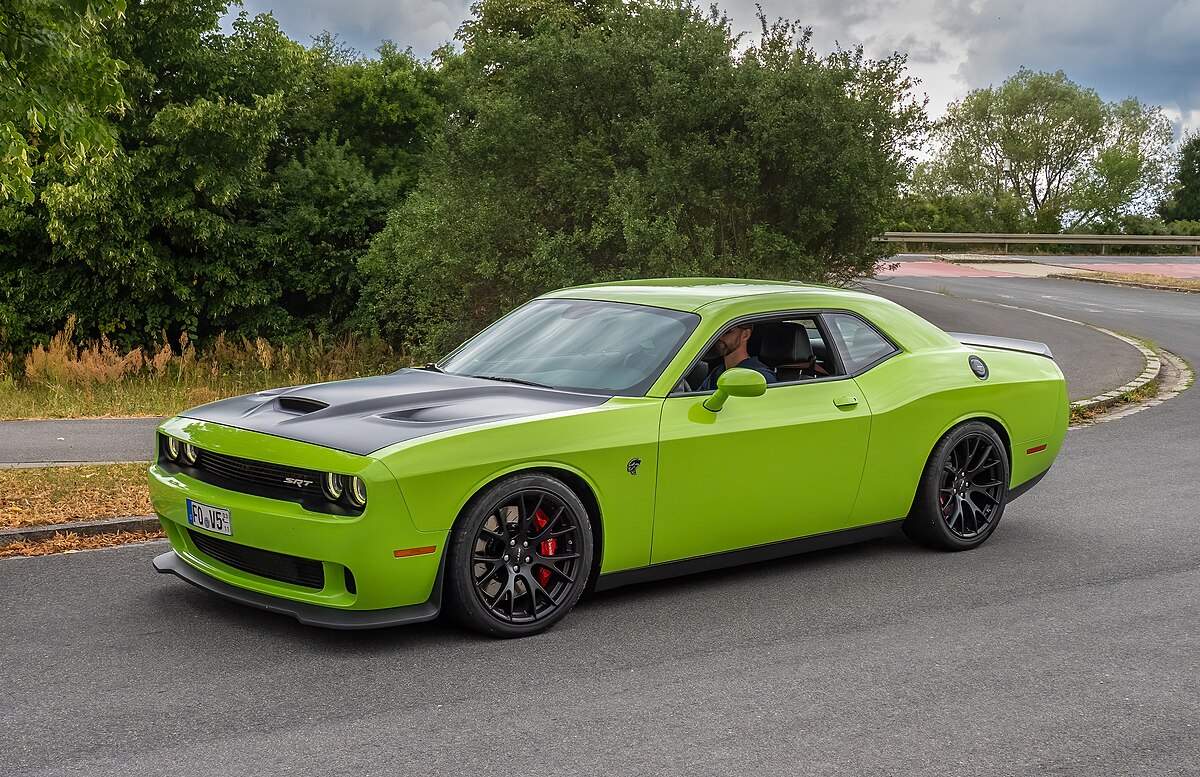
9. Dodge Challenger: Power, Presence, and Retro Muscle for the Modern Era
The Dodge Challenger stands as a timeless symbol of American muscle, blending old-school charm with modern performance. Its retro-inspired design pays homage to the first-generation Challenger of the 1970s, retaining that unmistakable aggressive stance and bold proportions.
Even decades later, the Challenger’s classic silhouette feels fresh and powerful, ensuring its reputation as one of the most iconic cars in the muscle car segment.
The Challenger R/T Scat Pack Widebody, powered by a 6.4-liter V8 engine, delivers an exhilarating driving experience. Producing abundant torque and horsepower, it accelerates from 0 to 60 mph in 4.9 seconds, which is impressive for its size. The engine’s responsiveness ensures strong pull in nearly any gear, and braking performance is equally impressive, with a 105-foot stop from 60 mph.
While the car’s large dimensions can make city driving challenging, the Challenger truly shines on open roads where its stability and power come to life. Handling is competent for a car of its size, though it’s best appreciated when driven with smooth confidence rather than like a small sports coupe.
The car’s weight becomes apparent on tight, twisty roads, but for straight-line speed and highway cruising, few vehicles deliver such an exciting combination of comfort and muscle.
Despite its performance focus, the Challenger remains comfortable for everyday use. The Widebody’s adaptive suspension offers a firm yet smooth ride, with excellent seat comfort suited for long drives.
The cabin is well insulated, minimizing wind and road noise. Dual-zone climate control works efficiently, and available heated and ventilated front seats add luxury, though the seat ventilation could be stronger. The Challenger proves that muscle cars can balance performance with refinement.
The interior is surprisingly spacious, especially compared to rivals like the Ford Mustang and Chevrolet Camaro. It offers more headroom and legroom, along with a rear seat that accommodates three passengers.
The 16.2-cubic-foot trunk provides remarkable cargo capacity, enhanced by 60/40 split-folding rear seats, making it the most practical muscle car on the market. Visibility, however, remains a weak point, with large blind spots and thick pillars that limit forward and side views.
Dodge’s Uconnect infotainment system is one of the easiest to use in the industry. The interface supports Apple CarPlay and Android Auto, ensuring seamless smartphone integration. Voice controls work well for navigation, media, and calls. The optional Driver Convenience package adds safety features like blind-spot monitoring and rear cross-traffic alert, which perform accurately without false warnings.
Fuel economy is the Challenger’s main drawback. The 6.4-liter V8 averages just 17 mpg combined, dropping lower in real-world driving, especially with the Widebody package. However, the car’s performance and presence often outweigh its thirst for fuel. The Challenger delivers strong value, offering robust equipment and genuine muscle for the price. Interior materials are solid, though not luxurious at higher trims.
The Dodge Challenger remains a bold statement of American performance, blending classic looks, impressive power, and surprising practicality. While it may not match smaller sports cars in agility or efficiency, its comfort, space, and unmistakable character make it one of the most compelling muscle cars available today.
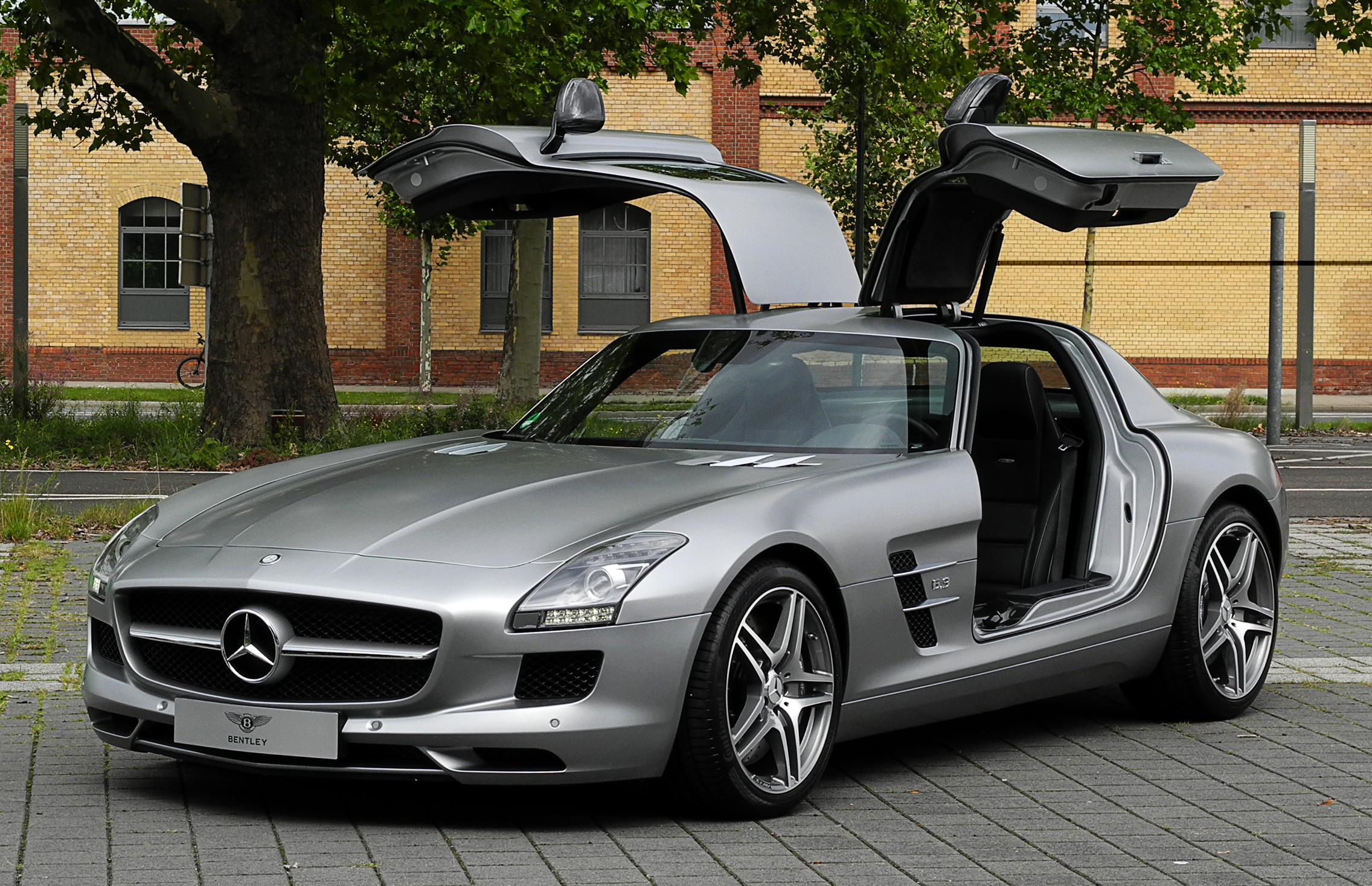
10. Mercedes-Benz SLS: A Modern Classic with Timeless Elegance and Power
The Mercedes-Benz SLS AMG stands as a perfect combination of history, engineering, and design excellence. Inspired by the legendary 1950s 300SL “Gullwing,” the SLS brings that iconic shape into the modern era.
Its upward-swinging doors, long hood, and athletic stance make it instantly recognizable, while its performance ensures it is far more than just a stylish collectible. Though expensive, the SLS remains one of Mercedes’ most memorable modern creations, built for both visual appeal and pure driving enjoyment.
Under the hood, the SLS AMG houses a 6.2-liter hand-built V8 engine producing 563 horsepower and 479 lb-ft of torque. Paired with a seven-speed dual-clutch transmission, the car delivers quick gear changes and offers several driving modes that range from comfort to full performance. During testing, the SLS accelerated from 0 to 60 mph in just 3.8 seconds, putting it among the fastest cars in its class.
Fuel economy is understandably modest, with EPA ratings of 14 mpg city and 20 mpg highway, yet its balance of power and precision more than makes up for this. A 47/53 front-to-rear weight distribution helps the car handle corners with confidence while maintaining excellent stability on straight roads.
The stability control system can feel slightly intrusive in its default mode, but the SLS’s handling remains sharp and predictable, giving skilled drivers plenty of control.
Braking performance is outstanding. The SLS stops from 60 mph in only 98 feet, showing excellent stopping power and grip. The suspension is firm enough to support performance driving but still comfortable enough to absorb uneven road surfaces. As a result, the SLS feels refined and usable even on daily routes, something not every supercar can claim.
The V8 engine produces a rich and forceful sound that adds to the driving excitement. The seven-speed transmission performs smoothly in its efficiency setting and provides quicker shifts when switched to Sport Plus mode. Though not quite as immediate as some rivals’ gearboxes, it remains precise and responsive.
The gullwing doors give the SLS Coupe its signature look, offering a wide opening that makes entry easier once inside. However, the high sill can make getting in and out a bit awkward, and the doors require a reach to close. The Roadster model trades these for conventional doors while keeping the same performance and elegance.
The cabin reflects true craftsmanship, with fine leather upholstery, brushed metal vents, and optional carbon-fiber accents that create a luxurious yet sporty feel. The fit and finish meet Mercedes’ highest standards, giving the interior a sense of exclusivity.
The driver’s seat offers excellent comfort and positioning, even for taller individuals, while the passenger side feels somewhat tighter. Cargo space measures 6.2 cubic feet in the Coupe and 6.1 in the Roadster, enough for a set of golf clubs or a weekend’s worth of luggage.
The Mercedes-Benz SLS AMG combines timeless styling with serious performance. Its gullwing design, powerful V8 engine, and balanced handling make it an exceptional grand tourer. It pays homage to Mercedes’ heritage while standing firmly as a modern engineering masterpiece, ensuring its place among the most admired sports cars ever built.
Automotive trends may come and go, but genuine design and engineering excellence remain timeless. The ten cars featured here have proven that lasting appeal comes from character, not just innovation.
Each model, whether it is the commanding Chrysler 300, the spirited Ford Mustang, or the elegant Mercedes-Benz SLS, continues to draw attention long after its release. These vehicles are more than transportation; they are symbols of craftsmanship, heritage, and enduring style.
Even after years on the road, these cars retain their magnetism. Their presence, performance, and personality keep them relevant in a constantly changing market. They showcase how thoughtful design and mechanical precision can age gracefully, maintaining both emotional and aesthetic value. Drivers still admire them for their bold lines, distinctive details, and the way they make every journey feel special.
Ultimately, these ten cars demonstrate that true automotive icons never fade from memory. They continue to inspire admiration, evoke passion, and remind us why some designs deserve to be called timeless.
Also read: 15 Cars That Are Cheap to Fix Even When They Break