
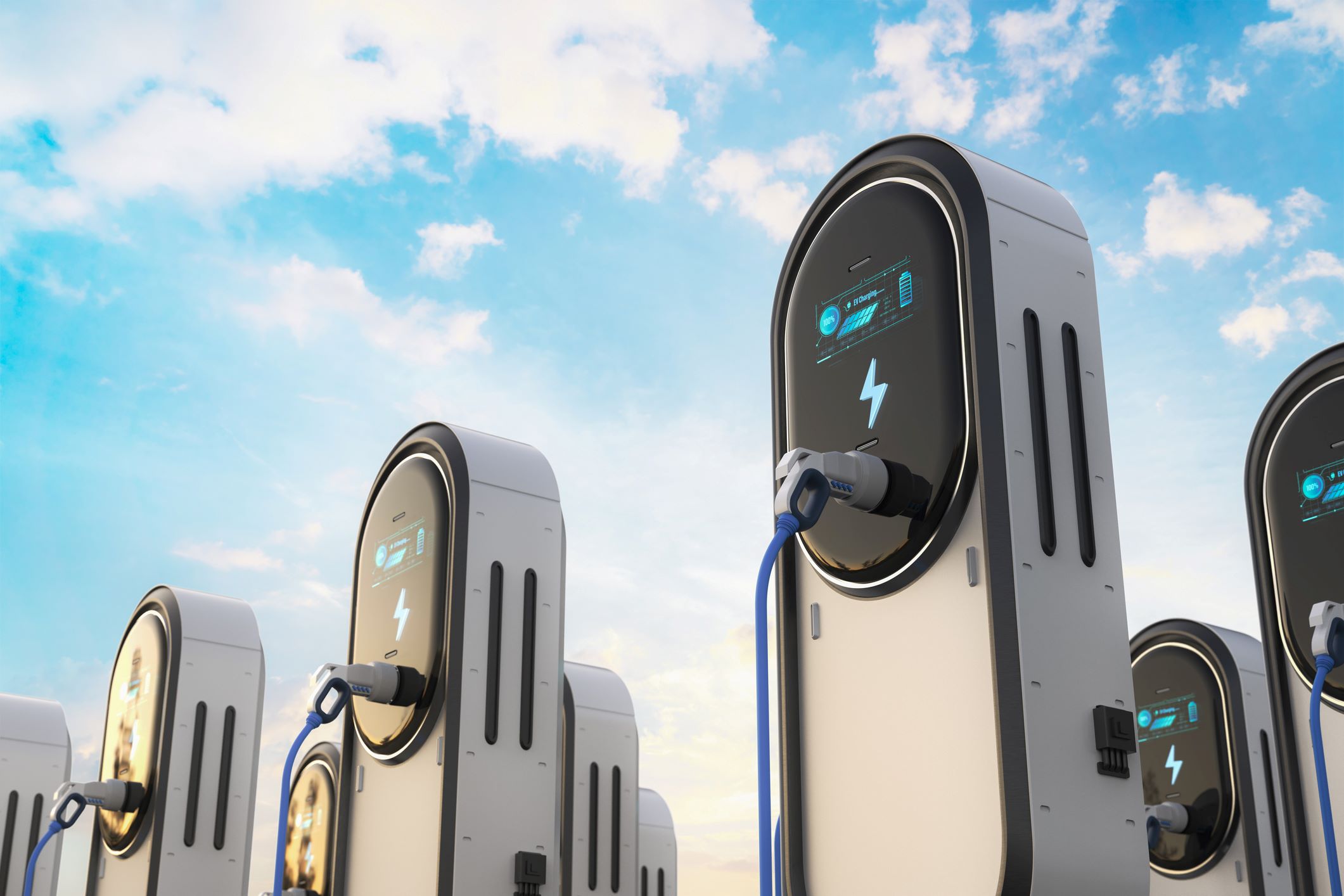
California has taken a groundbreaking step in advancing electric vehicle infrastructure by becoming the first state in the U.S. to regulate the reliability of EV chargers.
On Wednesday, the California Energy Commission (CEC) approved the nation’s first statewide reliability and data-sharing requirements for electric vehicle charging stations.
The decision reflects California’s ongoing effort to strengthen public trust in EV technology and accelerate adoption amid slowing growth rates in recent years.
Under the new standards, all publicly funded fast chargers built in 2024 or later must maintain a 97 percent operational uptime, ensuring that charging stations are consistently functional and accessible to drivers.
The regulations also require charging providers to share key data, including charger location, availability, and pricing, with third parties free of charge. This move aims to improve transparency and make it easier for drivers to find reliable chargers across the state.
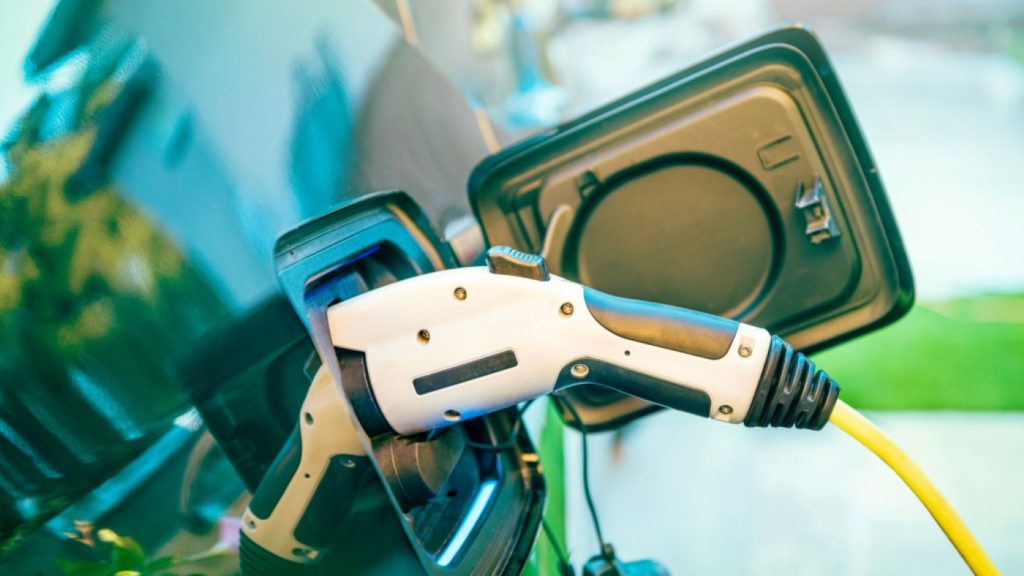
These requirements stem from Assembly Bill 2061 and Assembly Bill 126, which direct the CEC to establish record-keeping, uptime reporting, and equitable-access standards for publicly funded chargers.
Beginning January 1, 2025, the commission will assess charger performance, including how well charging networks serve low, moderate, and high-income communities.
The new rules come at a pivotal time for California’s clean energy ambitions. Despite being a leader in electric vehicle sales, the state has faced challenges with charger reliability, with studies showing that many public charging stations fail to meet advertised uptime rates.
By introducing enforceable standards and transparent reporting, California hopes to boost consumer confidence, encourage broader EV adoption, and set a model for other states to follow in building dependable, equitable charging networks.
