
All-wheel-drive (AWD) systems are an appealing feature for American drivers who value all-weather traction, stability, and light off-road capability.
From snowy northern states to rainy coastal regions, AWD offers a confident edge over two-wheel-drive setups.
But not all AWD systems age gracefully. While some continue to operate reliably past 150,000 miles with minimal intervention, others become ticking repair bombs once their warranty expires.
In this article, we’ll examine 10 popular AWD systems comparing their real-world reliability, maintenance patterns, and the likelihood of major repairs once they reach high mileage.
1. Toyota RAV4 / Highlander AWD
Toyota’s Dynamic Torque Control AWD system is among the least risky once the odometer hits 150,000 miles. Found in models like the RAV4 and Highlander, this system automatically engages the rear wheels only when needed, minimizing wear on the driveline.
Toyota’s conservative calibration and overbuilt transfer case help it last well into the 200,000-mile range.
Even when failures occur, they’re often limited to a worn rear differential bushing or a leaky axle seal rather than full mechanical failure. Routine fluid changes every 50,000 miles are usually enough to keep these AWD systems humming.
Toyota’s proven design and parts availability make it one of the most dependable AWD systems in the US market.
The 2025 Toyota RAV4 continues to stand out in the compact SUV segment with its rugged, adventure-inspired design, though its appearance is more cosmetic than functional this year.
That’s because Toyota has discontinued the Adventure and TRD Off-Road trims, along with their advanced torque-vectoring all-wheel-drive system.
Despite this loss of off-road flair, the RAV4 remains a practical, comfortable, and well-rounded SUV, perfectly suited for everyday life, which, for most drivers, takes place on paved roads rather than mountain trails.
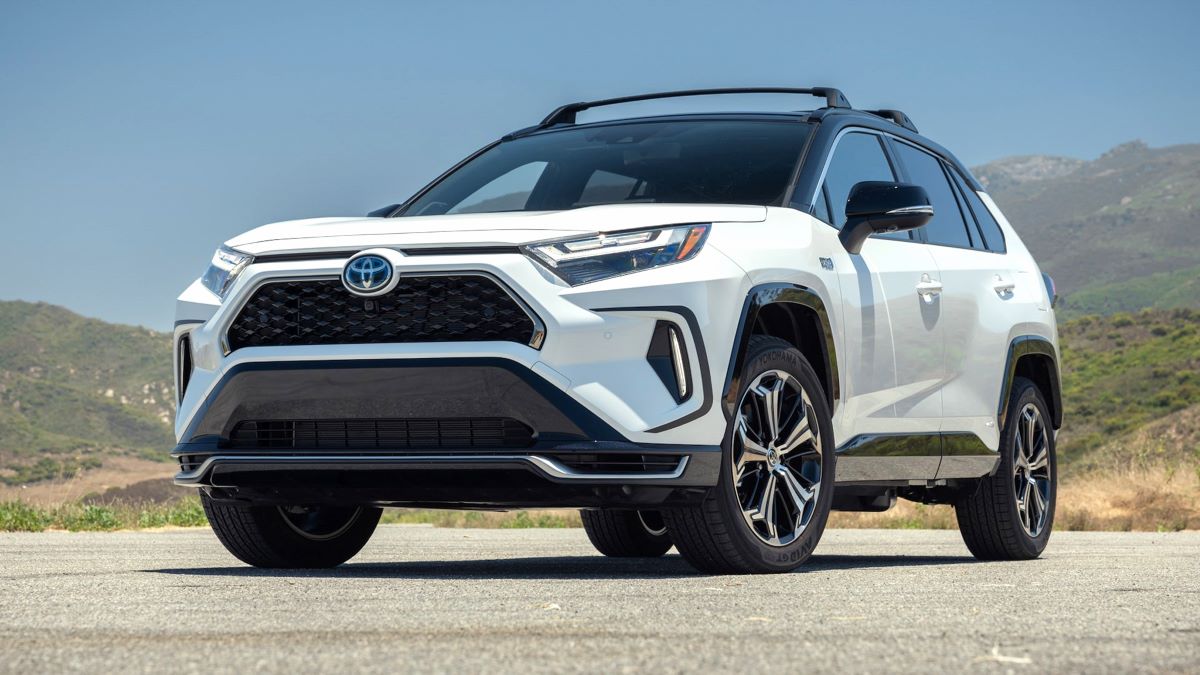
It offers generous space for passengers and cargo, a long list of standard driver-assistance features, and an intuitive tech interface. Under the hood, a 203-horsepower 2.5-liter four-cylinder engine provides decent performance and fuel efficiency, though it lacks excitement.
Those seeking more power or better mileage may want to look toward the RAV4 Hybrid or Plug-in Hybrid models, which deliver stronger acceleration and improved economy.
For 2025, the RAV4 lineup remains largely unchanged aside from the removal of its off-road-focused trims. Pricing starts at $31,250 for the base LE and climbs to $39,555 for the top-tier Limited. Among the available options, the XLE Premium trim offers the best balance of features and value.
It comes equipped with desirable upgrades such as 19-inch wheels, fog lights, a power liftgate, a moonroof, dual-zone automatic climate control, synthetic leather upholstery, and a leather-wrapped steering wheel and shift knob.
Toyota’s comprehensive suite of driver aids, including adaptive cruise control and lane-keeping assist, remains standard across all trims, ensuring safety without requiring buyers to move up the price ladder.
Powering the RAV4 is a 2.5-liter four-cylinder engine producing 203 horsepower and 184 lb-ft of torque, mated to an eight-speed automatic transmission. Front-wheel drive is standard, while all-wheel drive is available for those seeking extra traction.
While capable and steady, the engine can sound coarse under hard acceleration, and the transmission occasionally hesitates during downshifts.
On the road, the RAV4 delivers solid, predictable handling with good stability on highways and composed manners through corners, though it lacks the agility and responsiveness found in more driver-focused rivals like the Mazda CX-50.
Overall, the 2025 Toyota RAV4 remains a smart, reliable choice for buyers seeking a compact SUV that prioritizes practicality, comfort, and efficiency.
It may not be the most thrilling option in its class, but it’s one of the most dependable and well-rounded, qualities that have kept it among the segment’s best sellers year after year.
2. Subaru Symmetrical AWD
Subaru built its brand around Symmetrical AWD, and it’s earned a strong reputation for reliability especially in manual or conventional automatic versions.
The full-time system distributes power evenly across all four wheels and is excellent in snow. However, when paired with the company’s Lineartronic CVT, the repair risk increases.
The AWD clutch packs and CVT often share fluid circuits, meaning that if the transmission begins to fail, the AWD system can also suffer.
Older Foresters and Outbacks (2013–2016) sometimes experience binding or vibration under load, signaling torque converter wear or differential clutch issues.
Excellent hardware design but vulnerable when paired with Subaru’s CVT after 120,000 miles.
All-wheel drive (AWD) is a sought-after feature, especially in regions where winters are long and harsh or where drivers frequently encounter challenging terrain.
Recognizing this demand, nearly every major automaker offers an AWD system. Mercedes-Benz equips its vehicles with 4MATIC, Audi relies on its renowned Quattro setup, and BMW features xDrive.
Each of these systems is designed to enhance traction and stability, though their approaches vary, from simple on-demand configurations to complex systems that can distribute power independently to each wheel. Among them, Subaru’s Symmetrical AWD stands out for its distinct and balanced design philosophy.
Having personally owned a 2015 Subaru Forester 2.5i Premium for three years, I experienced firsthand how Subaru’s AWD system performs in a range of driving conditions.
Like all Foresters, my model came standard with Symmetrical AWD, and I tested it on everything from smooth highways to rugged East African trails. The system consistently provided excellent traction and stability regardless of the terrain.
Unlike traditional AWD systems that activate only when slippage occurs, Subaru’s system continuously sends power to all four wheels. This constant engagement not only prevents wheel slip before it happens but also delivers superior control in both everyday driving and harsh weather conditions.
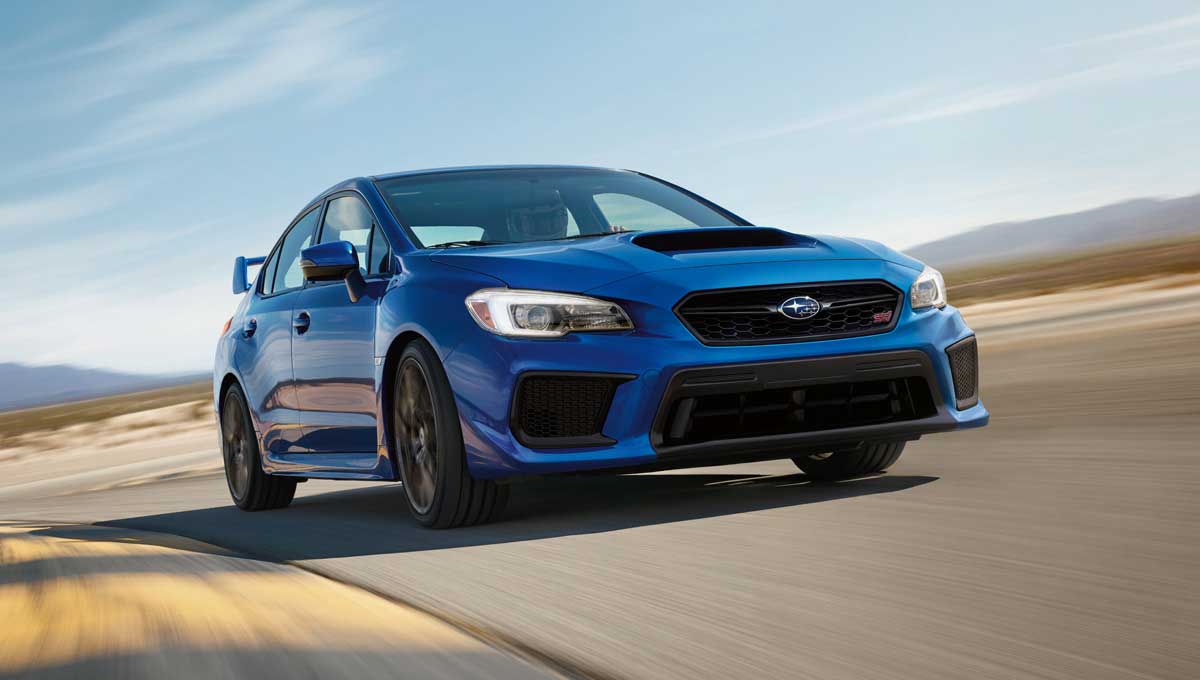
While Subaru’s Symmetrical AWD is a core feature across much of its lineup, including the Outback, Ascent, and Impreza, not all versions are identical.
Subaru uses up to four different AWD variations, each tailored to specific models and driving characteristics. Despite these differences, they all share the same engineering principle: balance and symmetry.
The defining feature of Subaru’s Symmetrical AWD is the system’s perfectly balanced layout. Unlike most AWD vehicles, such as the Mitsubishi Evo, which use a transverse-mounted engine designed for front-wheel-drive configurations, Subaru employs a horizontally opposed “boxer” engine that sits low and flat along the car’s centerline.
This placement creates a symmetrical drivetrain where the transmission sits directly behind the engine, and the driveshafts are equal in length. The result is not only an evenly distributed weight balance but also more direct and efficient power delivery to all four wheels, reducing energy loss and improving responsiveness.
Another advantage of Subaru’s system is its full-time engagement. Many AWD setups operate primarily as front- or rear-wheel drive until they detect a loss of traction, introducing a brief delay before distributing power to all wheels.
Subaru’s Symmetrical AWD eliminates this lag entirely by maintaining continuous power flow to each wheel. This ensures seamless traction and stability whether you’re navigating dry pavement, icy roads, or loose gravel.
Ultimately, Subaru’s Symmetrical AWD system stands apart for its thoughtful engineering and real-world performance. Its low-mounted boxer engine, balanced layout, and constant engagement combine to deliver a driving experience that feels confident, stable, and effortlessly controlled—no matter the conditions.
3. Honda Real Time AWD (CR-V, HR-V, Pilot)
Honda’s Real Time AWD is not designed for rock crawling but excels in daily driving reliability. Instead of a traditional transfer case, it uses an electronic rear differential with dual hydraulic clutches.
This system minimizes wear by staying disengaged most of the time, activating only when slip is detected.
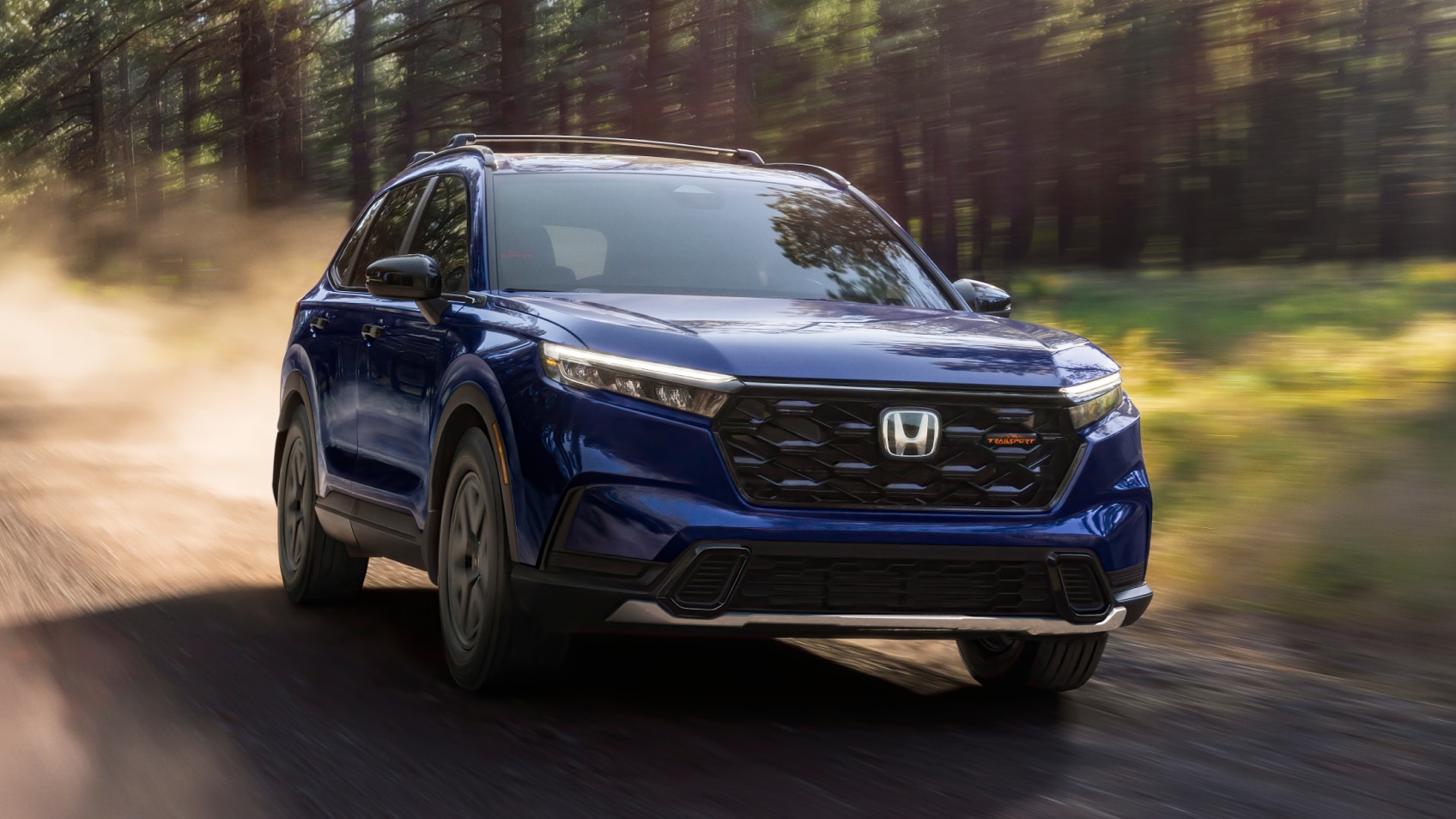
Long-term owners report occasional fluid leaks or clutch judder at high mileage, usually due to neglected fluid changes. Still, catastrophic failures are rare, and replacement parts are affordable compared to more complex AWD setups.
Simple and effective, especially when differential fluid is replaced every 40,000–50,000 miles.
4. Mazda i-Activ AWD
Mazda’s i-Activ AWD system, available in the CX-5 and CX-9, uses 27 sensors to predict traction loss before it happens, applying power preemptively. It’s also impressively robust over time.
Many high-mileage CX-5s show minimal AWD degradation, thanks to the system’s efficient power transfer that reduces stress on components.
The system uses a small clutch-based coupling unit, which can fail if fluid is ignored, but with regular servicing, it’s uncommon to see any major repair before 180,000 miles.
Requires fluid maintenance but generally one of the best-designed predictive systems for long-term use.
Mazda’s innovative all-wheel-drive system, i-ACTIV AWD, is designed to enhance both safety and comfort while maintaining impressive fuel efficiency, even in tough driving conditions such as dark, rainy highways or snowy roads around Palatine, IL.
Through a complete redesign of its hardware and software, Mazda has developed a proactive, fully autonomous AWD system that balances all-road performance with exceptional fuel economy. Drivers can experience the benefits of this advanced system firsthand at our Mazda dealership in Palatine, IL.
The i-ACTIV AWD system continuously monitors road conditions and adjusts torque distribution between the front and rear wheels, seamlessly shifting from front-wheel drive to full all-wheel drive as needed.

By reducing tire slippage and optimizing power delivery, it maintains stability and efficiency on a variety of surfaces.
Equipped with multiple sensors, the system evaluates factors such as wheel speed, steering angle, and driver input, allowing it to fine-tune torque distribution to the rear wheels for steady handling during acceleration, cornering, braking, and take-off.
When driving on dry pavement, i-ACTIV AWD mimics the efficiency of a front-wheel-drive setup to help improve fuel economy.
Unlike traditional AWD systems with fixed torque splits, such as 50/50 or 70/30, Mazda’s i-ACTIV AWD is dynamic, adapting in real time to changing road conditions. This results in a driving experience that feels both more responsive and more efficient.
In challenging conditions such as snow, rain, or icy surfaces, Mazda’s i-ACTIV AWD system intelligently directs power to the wheels with the most grip, maximizing traction and stability. This not only improves cornering and quick maneuvers but also enhances overall vehicle control.
Because the system primarily operates in front-wheel drive and engages AWD only when necessary, it conserves fuel while providing added safety and confidence when the weather turns rough.
Mazda’s i-ACTIV AWD comes standard on all Mazda crossover SUVs and is optionally available on the Mazda3 Sedan and Mazda3 Hatchback. The flagship Mazda CX-90 and its plug-in hybrid (PHEV) version feature a rear-biased version of i-ACTIV AWD, offering a sportier, performance-oriented driving feel.
Explore the full lineup of Mazda vehicles equipped with i-ACTIV AWD, including best-sellers like the Mazda CX-5 crossover and the full-size Mazda CX-90 SUV.
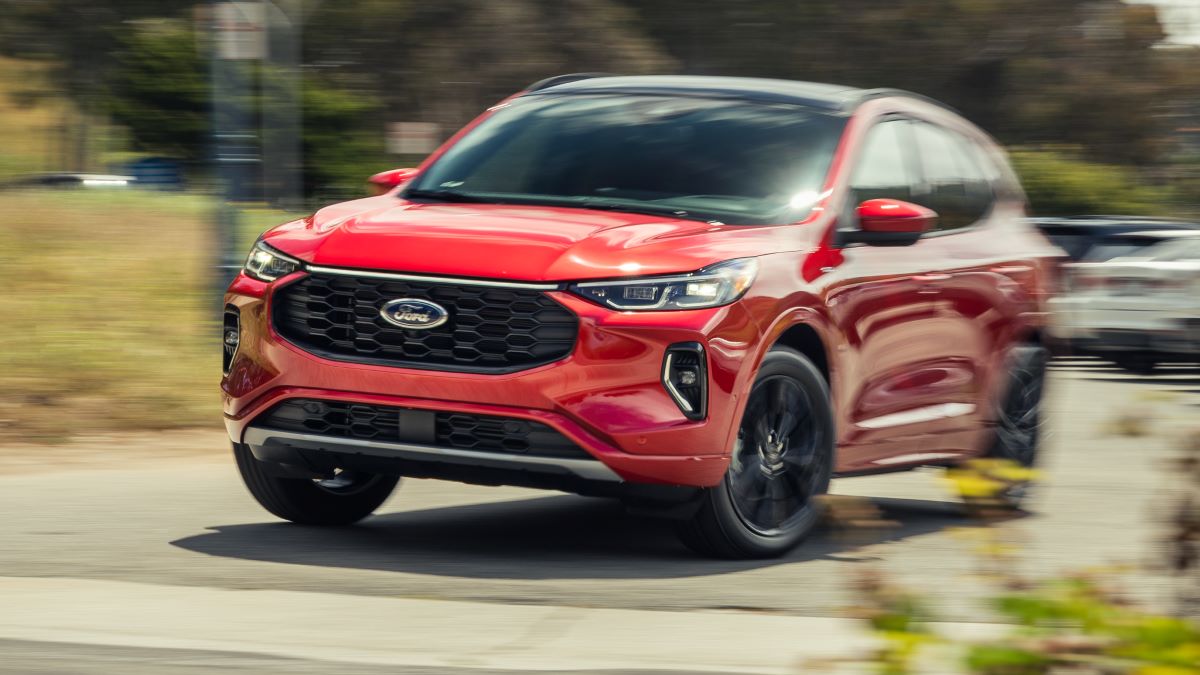
5. Ford Intelligent AWD (Escape, Edge, Explorer)
Ford’s Intelligent AWD system blends electronic clutch packs with adaptive control for traction optimization.
It performs well in all-weather situations, but once vehicles pass 120,000 miles, issues such as rear differential clutch wear and transfer case binding start surfacing.
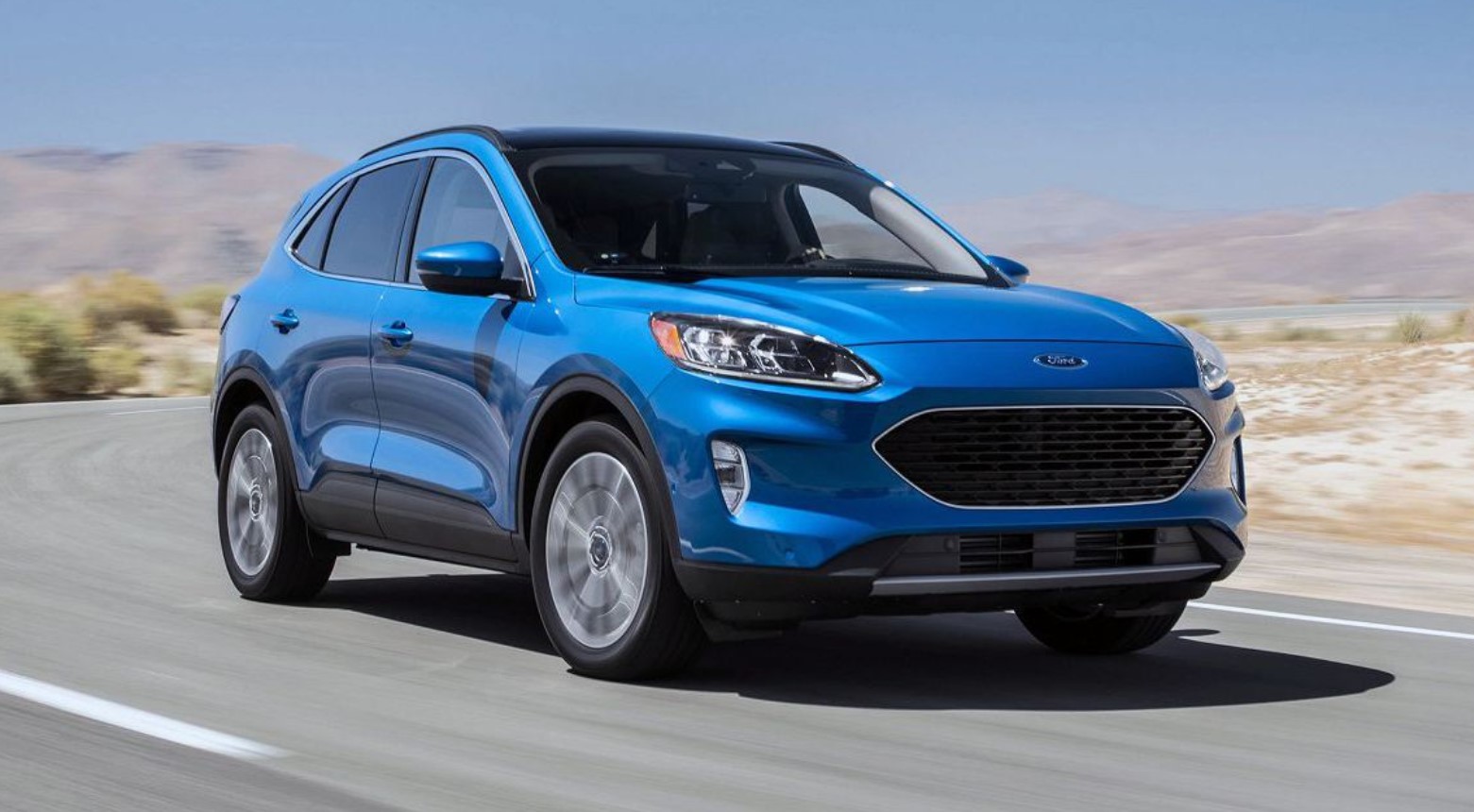
Particularly in the Ford Edge and older Explorers, these failures can cost upwards of $2,000 to repair. The system’s complexity and heat buildup in the rear coupling make it sensitive to fluid neglect something many owners skip.
Works well when maintained, but neglected systems can fail expensively.
6. Audi Quattro (Longitudinal Type)
The original Audi Quattro setup, found in A4, A6, and Q5 models with longitudinal engines, uses a Torsen or crown-gear center differential for full-time torque distribution.
This system’s mechanical nature gives it superior traction and longevity. Many Quattro cars run well past 200,000 miles with minimal issues.
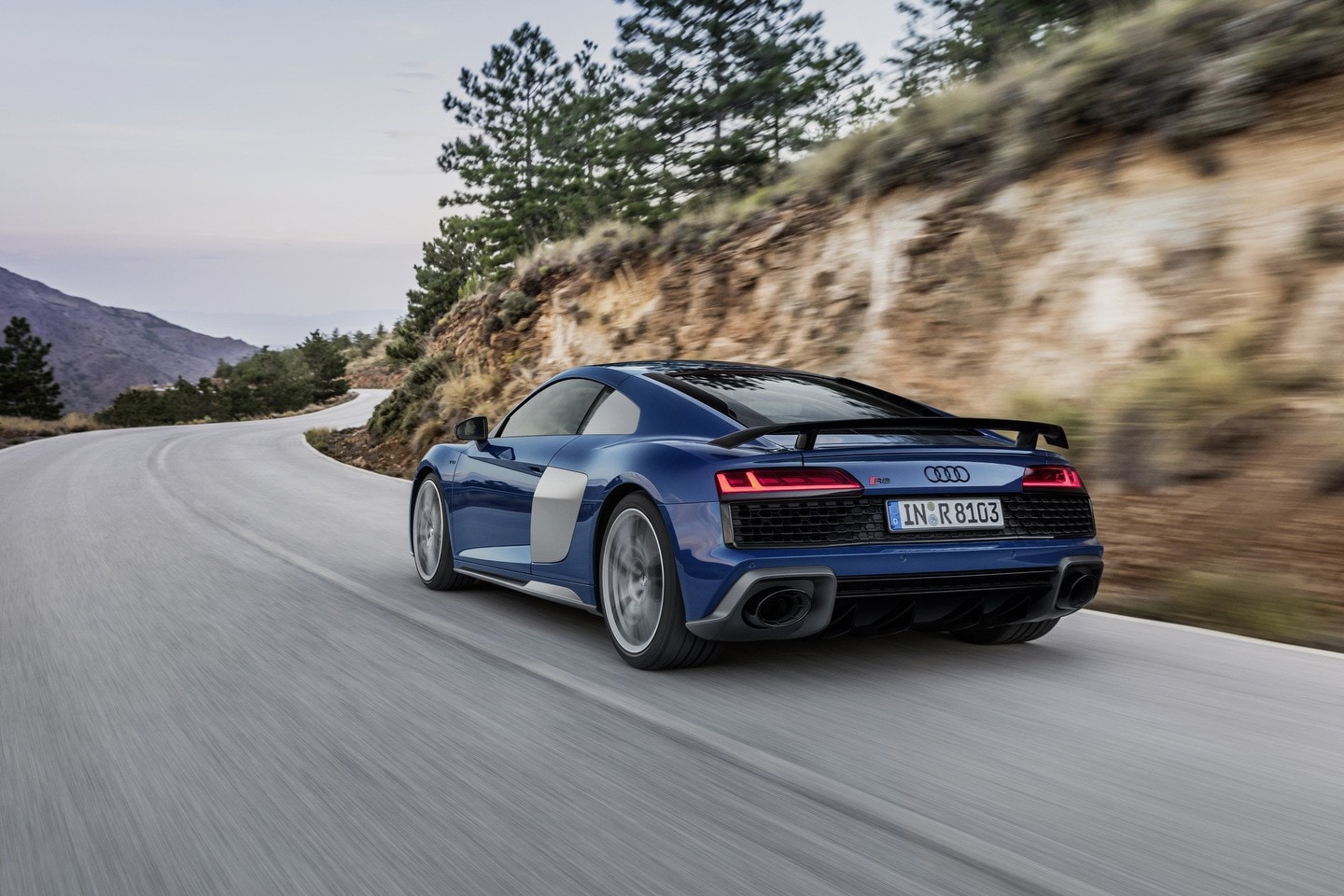
However, when repairs do arise such as worn driveshaft bearings or diff seals they can be costly due to labor complexity.
It is expensive if it happens Mechanical durability is excellent, but parts and labor drive up cost.
Audi’s quattro all-wheel-drive system is more than just a name, it’s a legacy that defines the brand’s engineering excellence and motorsport dominance. Synonymous with traction, stability, and innovation, “quattro” has become part of Audi’s identity, symbolizing both performance and control.
Since its introduction over four decades ago, the quattro system has revolutionized not only racing but also everyday driving, reshaping how manufacturers and drivers view all-wheel-drive technology.
From rally stages to city streets, it has consistently proven its superiority in distributing power efficiently across all four wheels.
The origins of quattro trace back to Volkswagen’s experiments with 4WD before and during World War II. Vehicles like the Typ 86 prototype and the 4WD Kommandeurswagen laid the foundation for future developments.
Fast forward to the 1970s, when Audi engineer Jörg Bensinger envisioned adapting the 4WD technology of the Volkswagen Iltis military truck for passenger cars. His idea gave birth to the first Audi Quattro, a vehicle that debuted in 1980 and forever changed automotive performance standards.
The original Quattro’s mechanical locking differential split torque evenly between the front and rear axles, creating a simple yet robust system that offered superior traction.
Though fixed-torque distribution made tight cornering challenging, it was revolutionary for its time and set the stage for the quattro’s rally dominance.
By the late 1980s, Audi refined its design with the Torsen (torque-sensing) quattro system, introduced in 1987. Unlike the fixed mechanical differential, the Torsen system could automatically adjust torque between the front and rear axles based on traction.
Using helical gears, it sensed when one axle lost grip and redistributed torque accordingly, instantly and mechanically, without the need for electronic input.
This advancement offered not only improved performance but also enhanced stability during deceleration, allowing all four wheels to share the benefits of engine braking.
The latest stage in quattro’s evolution is the crown-wheel differential, a sophisticated system that replaced the older planetary gearset.
Featuring intermeshed crown gears and pinion gears, this design allows for highly variable torque distribution, anging from 85:15 rear bias to 70:30 front bias, depending on driving conditions.
Its precision ensures that power is sent exactly where it’s needed, maintaining traction even in the most demanding situations. When paired with Audi’s modern front and rear differential technologies, the crown-wheel system forms the backbone of the brand’s cutting-edge AWD architecture.
From its humble military roots to its status as a technological benchmark, Audi’s quattro system has consistently pushed the boundaries of all-wheel-drive innovation.
Whether conquering rally stages or refining highway handling, quattro remains a testament to Audi’s relentless pursuit of performance, safety, and engineering mastery, and its future looks just as promising as its legendary past.
7. BMW xDrive
BMW’s xDrive offers superb traction and handling precision, but its complexity makes it a high-mileage gamble.
The electronically controlled transfer case uses an actuator motor and clutch packs that are prone to failure beyond 120,000 miles, especially on X3 and X5 models.
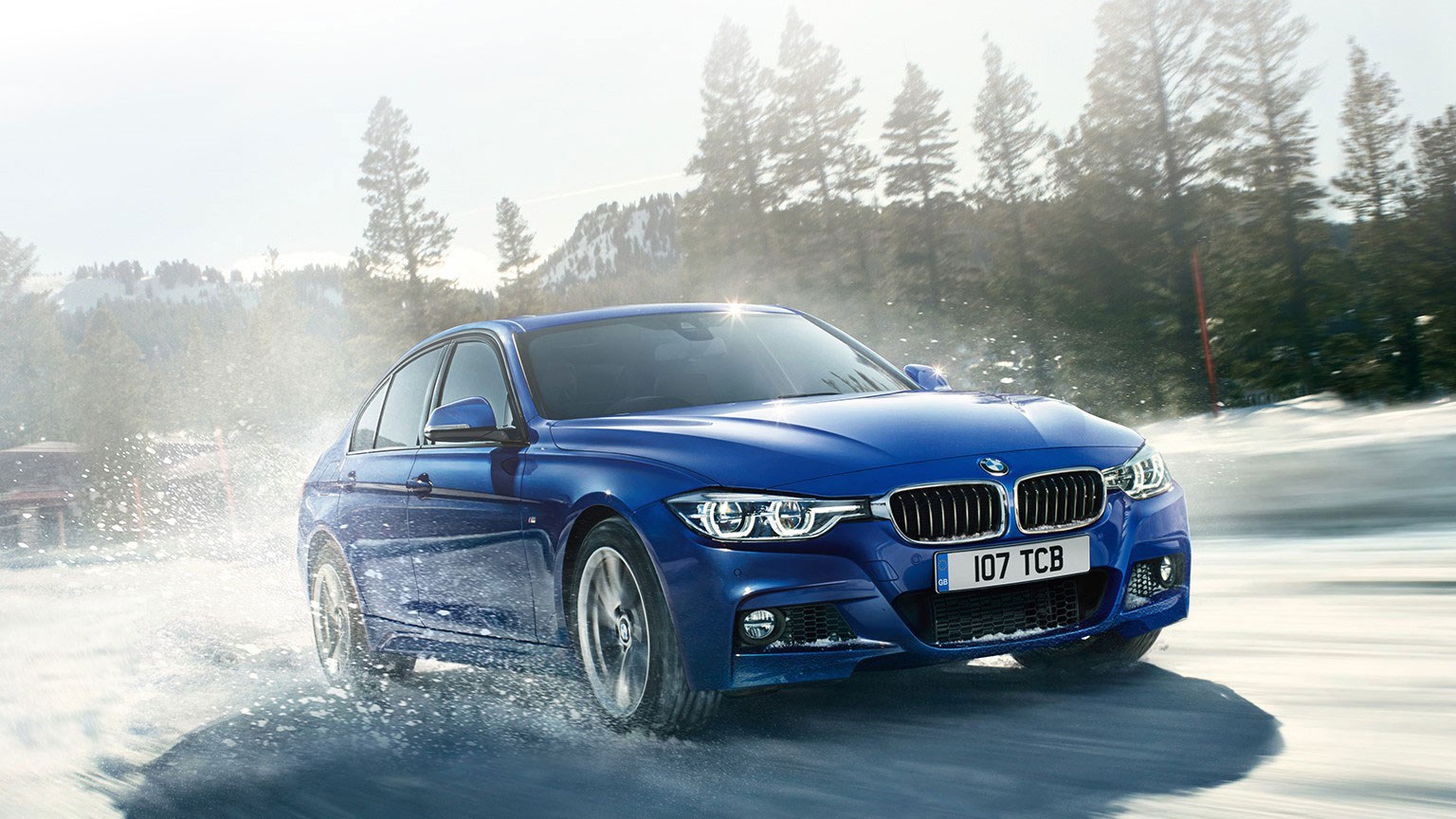
Symptoms include jerky acceleration or “binding” in tight turns. Repairs typically involve replacing the transfer case motor or recalibrating the clutch control unit.
Great while it works, but expensive electronic and mechanical integration raise repair costs sharply after 150,000 miles.
BMW’s xDrive all-wheel-drive system represents the brand’s advanced approach to traction, stability, and performance. Introduced in 2003 with the BMW X3 (E83) and the updated BMW X5 (E53), xDrive marked a major leap forward in AWD technology by introducing an electronically controlled clutch-pack differential that dynamically distributes torque.
This innovation took BMW’s signature rear-wheel-drive foundation and evolved it into a more adaptable system, enhancing control and confidence in all driving conditions. Over the years, xDrive has continued to evolve, becoming lighter, more efficient, and more responsive than comparable systems from Mercedes-Benz and Audi.
What sets xDrive apart is its real-time adaptability. Instead of passively reacting to wheel slip like traditional AWD systems, xDrive continuously monitors driving conditions and makes proactive adjustments.
Whether navigating icy mountain roads, tackling mild off-road terrain, or driving through wet city streets, the system maintains an ideal balance of performance and safety.
Available across a broad range of BMW models, from the sporty 5 Series to the versatile X5 SUV, xDrive delivers confidence and agility, staying true to BMW’s reputation for dynamic handling.
At its core, xDrive is a full-time AWD system designed to respond instantly to changing traction needs. It works in tandem with BMW’s Dynamic Stability Control (DSC) system, using sensors to monitor wheel speed, steering angle, throttle position, and braking force.
This data allows xDrive to determine when and how to adjust torque distribution between the front and rear axles. Under normal driving conditions, the system maintains a 40:60 torque split in favor of the rear wheels to preserve BMW’s sporty driving feel.
However, when traction loss is detected, such as during rain, snow, or slippery turns, xDrive can redirect nearly all available torque to either axle for maximum grip and control.
A crucial component of the xDrive system is its electronically controlled multi-plate clutch, situated between the transmission and the driveshaft.
8. Jeep Active Drive / Quadra-Trac
Jeep’s AWD systems, particularly the full-time Quadra-Trac II and Active Drive Lock, are engineered for rugged off-road use and typically hold up well mechanically.
However, high-mileage owners often report transfer case actuator or sensor failures. The systems use complex electronics to engage low-range and locking functions, which can corrode or fail with age.
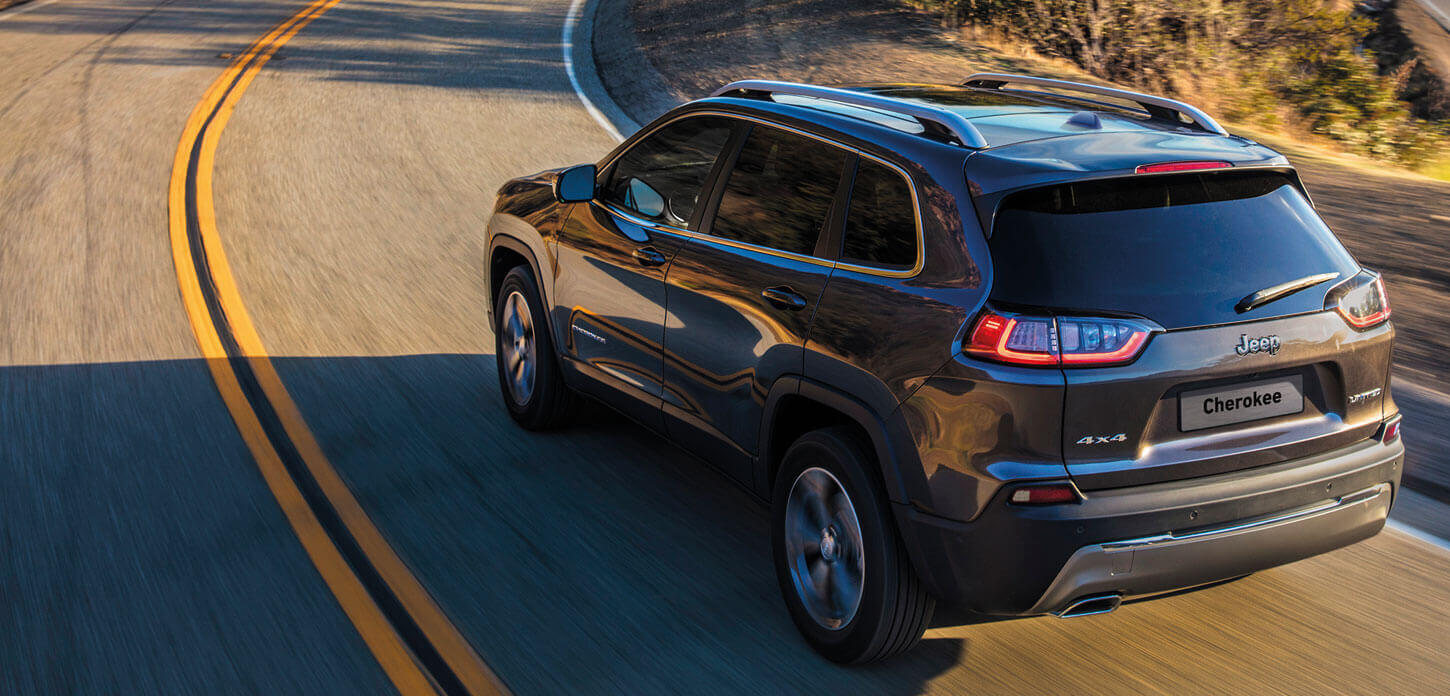
Despite that, the core differentials and transfer cases themselves are impressively durable when serviced with the right fluid.
Mechanically excellent but sensitive to aging electronics and actuator wear.
9. Volvo Haldex AWD (V60, XC60, XC90)
Volvo uses the Haldex coupling AWD design shared with many Volkswagen Group cars and it’s a solid performer when properly maintained. The system uses an electronically controlled hydraulic pump to engage the rear wheels.
The catch: neglecting fluid and filter changes leads to pump failure, which can disable the AWD entirely.
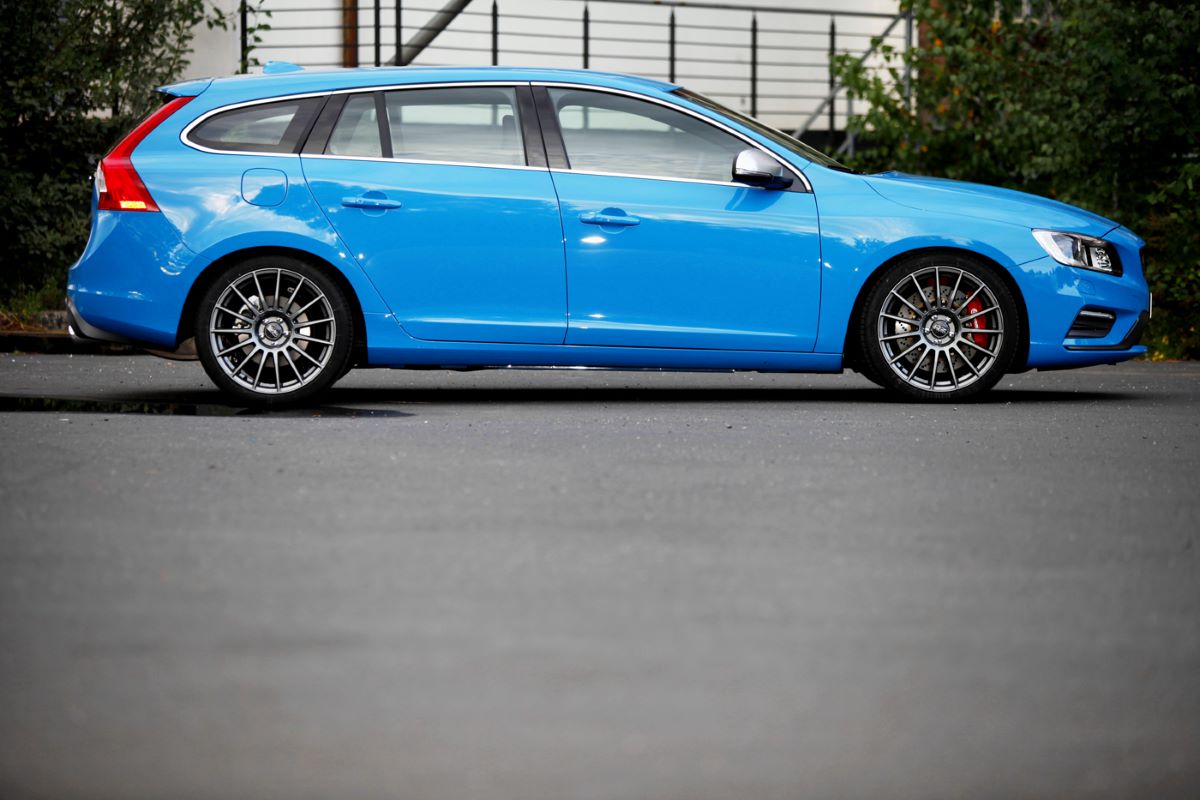
Many failures around the 100,000–130,000-mile mark trace back to skipped maintenance. When serviced correctly, these systems can easily pass 150,000 miles without issue.
Maintenance-sensitive but fundamentally reliable hardware.
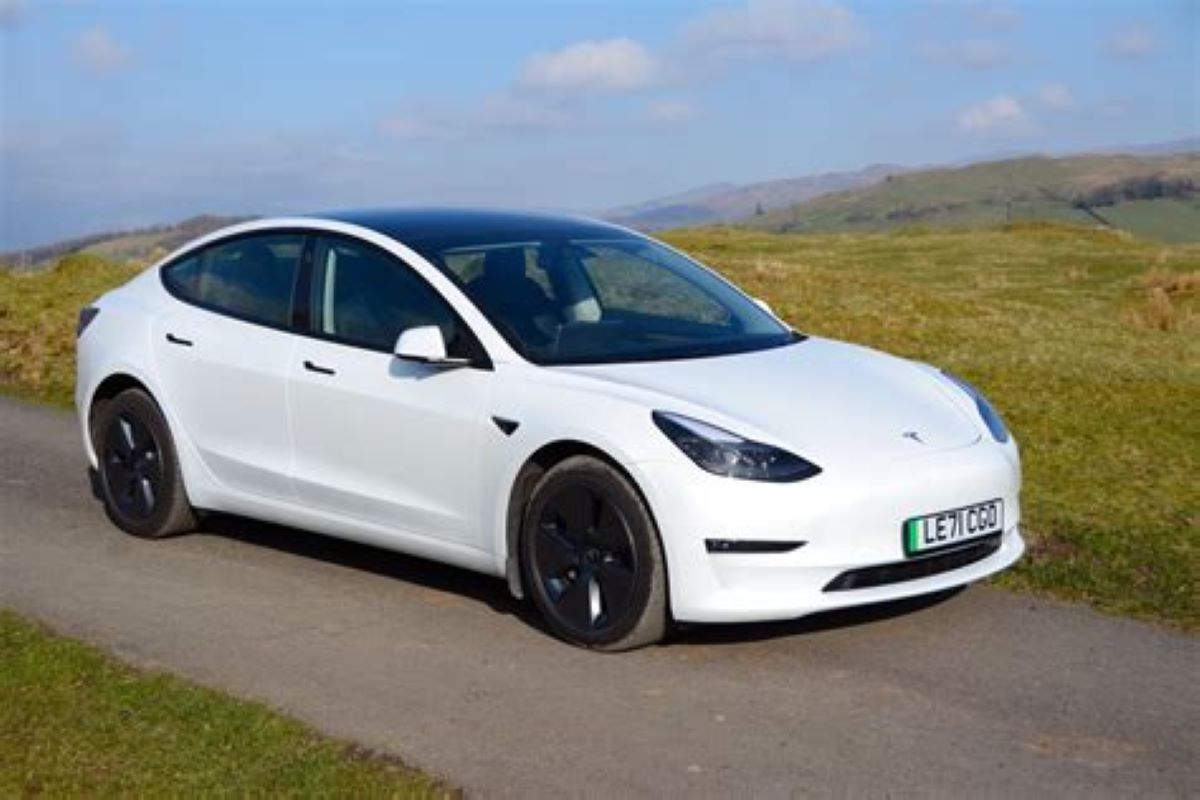
10. Tesla Dual-Motor AWD
Electric AWD systems are mechanically simpler, with no driveshafts or clutches between axles. Tesla’s dual-motor setup sends power to both ends through independent motors.
This virtually eliminates the traditional wear points found in mechanical AWD systems, making long-term reliability strong in theory.
However, electric motor inverter or control board failures can be expensive and are more likely to occur around or beyond 150,000 miles. Still, compared to conventional AWD systems, Tesla’s design involves far fewer moving parts and no fluid services.
Low in hardware, high in cost Simple mechanics but software and electronic issues can be pricey.
When comparing AWD systems beyond 150,000 miles, Toyota’s and Mazda’s stand out as the most worry-free in real-world conditions. Subaru and Honda offer great value when maintained properly, while Audi and Jeep balance durability with costlier service intervals.
BMW and Ford systems, though capable, carry elevated risk once they surpass the 120,000-mile mark. For electric vehicles like Tesla, mechanical reliability isn’t the issue software longevity is.
For buyers in the US who plan to keep their car well past the warranty window, the safest AWD bets are those that combine simplicity with proven components.
Regular fluid changes, avoiding mismatched tires, and periodic inspections of the driveline go a long way in ensuring that your AWD system remains dependable long after most vehicles have moved on to their next owner.
