As engines age, oil consumption tends to creep up even in well-maintained cars. It’s one of those gradual changes that most drivers shrug off until it starts hitting the wallet or the dipstick shows a dry reading after just a few hundred miles.
The truth is, every internal combustion engine burns a bit of oil over time; that’s normal wear and tear. But some engines manage to defy the odds, staying tight and clean even after years of daily driving and six-digit mileage.
Why does oil consumption matter? Consistent oil levels mean less maintenance stress, better fuel economy, and fewer engine issues like carbon buildup or premature wear on piston rings and valve seals.
An engine that doesn’t gulp oil like it’s running a marathon also indicates solid engineering and quality materials. These are the powerplants that can handle age gracefully the ones that don’t leave oil stains on your driveway or send blue smoke out the tailpipe.
It’s easy to find forums packed with complaints about oil-burning engines from certain turbocharged fours to big V8s with weak ring seals but the real gems are those engines that stay steady. They keep their performance and efficiency without frequent top-ups, even after 100,000 miles or more.
In this article, we’ll talk about eight engines known for their remarkable oil discipline. These engines have built a reputation among mechanics and owners alike for staying leak-free and efficient deep into their lifespan.
We’ll break down what makes them reliable design choices, materials, tolerances, and maintenance behavior that help them resist oil loss. Whether you’re shopping for a used car, planning a long-term keeper, or just curious about mechanical excellence, this list is a solid place to start.
Let’s get into the details of eight engines that age like fine wine and hardly touch their oil as the miles pile on.
8 Engines That Rarely Consume Oil As They Age
Oil consumption is often used as a measuring stick for an engine’s overall health. The less oil an engine uses between changes, the better its internal sealing, piston ring design, and valve train tolerances are holding up.
While some newer turbo engines can show minor oil loss due to higher temperatures and tighter packaging, naturally aspirated and certain well-engineered turbo units have proven that smart design trumps complexity.
The engines in this list stand out because they’ve proven themselves over hundreds of thousands of real-world miles. They maintain compression, resist sludge formation, and show minimal leakage or burning even after years of service.
Most of them owe their longevity to solid metallurgy, conservative engineering, and time-tested designs that prioritize balance and stability over sheer power output.
Drivers who own cars powered by these engines often report fewer top-ups, longer service intervals, and cleaner oil after thousands of miles. Simply put, they’re the quiet heroes of automotive reliability, the ones that just keep going without making a fuss.
ALSO READ: 12-mercedes-engines-that-rarely-break-under-daily-use
1. Toyota 2.5L A25A-FKS (Camry, RAV4, Highlander)
Toyota’s A25A-FKS is one of those quiet achievers that doesn’t get enough credit. It replaced the long-serving 2AR engine and quickly became known for its mix of power, efficiency, and long-term reliability.
What makes it stand out even more is how little oil it burns, even after years of use a rare quality in modern engines, especially ones with high compression and direct injection.
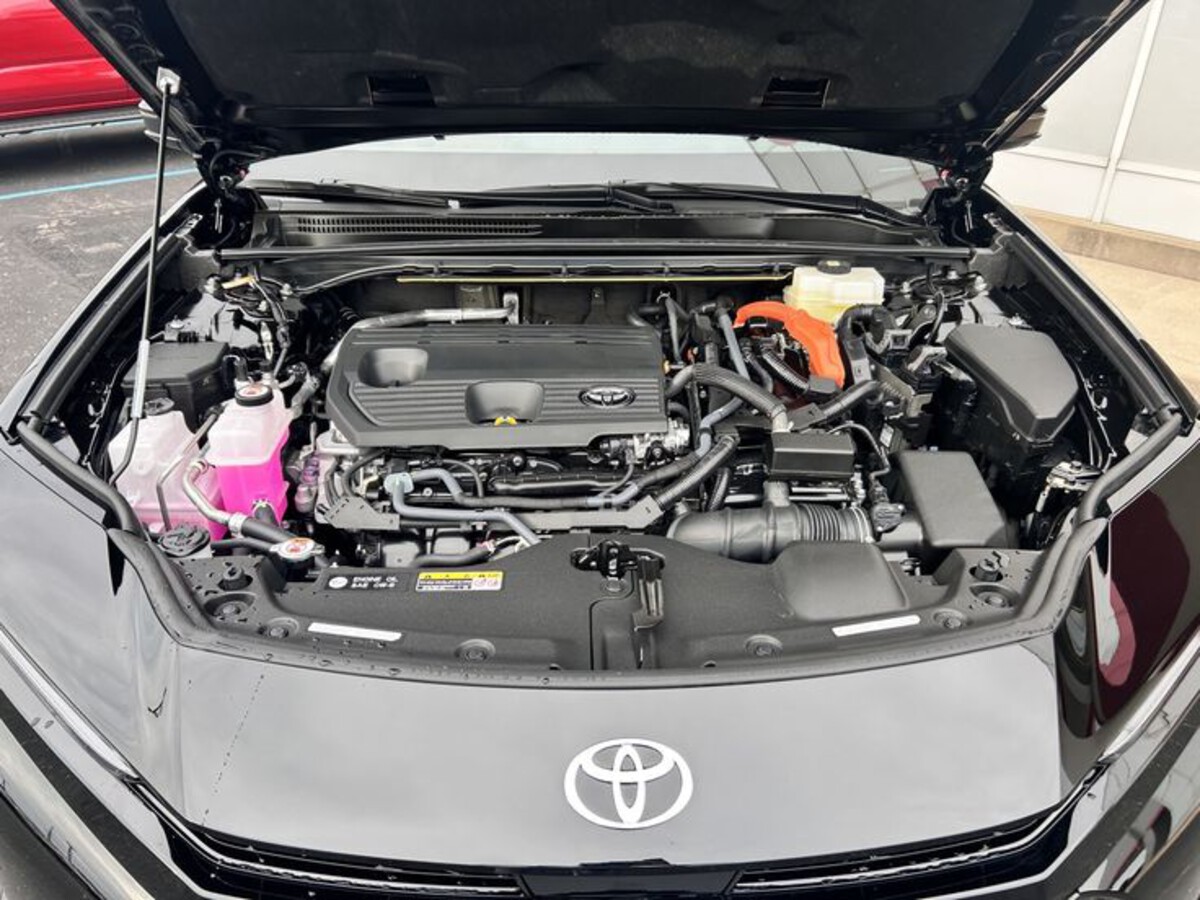
This 2.5-liter inline-four features a high 13:1 compression ratio and both direct and port fuel injection a clever combo that keeps intake valves clean and helps the engine run smoothly without forming deposits.
Toyota’s engineers also focused on low-friction components: special piston coatings, optimized ring tension, and improved cylinder wall finishes all play a role in reducing oil loss.
Owners often report hitting 150,000 miles or more without any noticeable change in oil levels between changes. Toyota’s precise manufacturing tolerances and thermal management systems.
The engine maintains tight seals and even operating temperatures, minimizing the stress that typically causes oil consumption to increase as engines age.
Regular maintenance timely oil changes, using the right viscosity, and keeping PCV valves clean keeps this engine performing like new.
While it’s not the most thrilling powerplant, it’s a textbook example of efficient engineering. The A25A-FKS shows how smart design beats brute force, offering bulletproof reliability and oil control that many rivals can’t match.
2. Honda 1.5L L15B7 Turbo (Civic, CR-V, Accord)
Honda’s 1.5-liter turbocharged four-cylinder is proof that small engines can age gracefully if they’re built right.
Despite the early buzz about “oil dilution” issues in cold climates, Honda refined the L15B7’s software and calibration, turning it into one of the most dependable small-displacement engines of the decade.
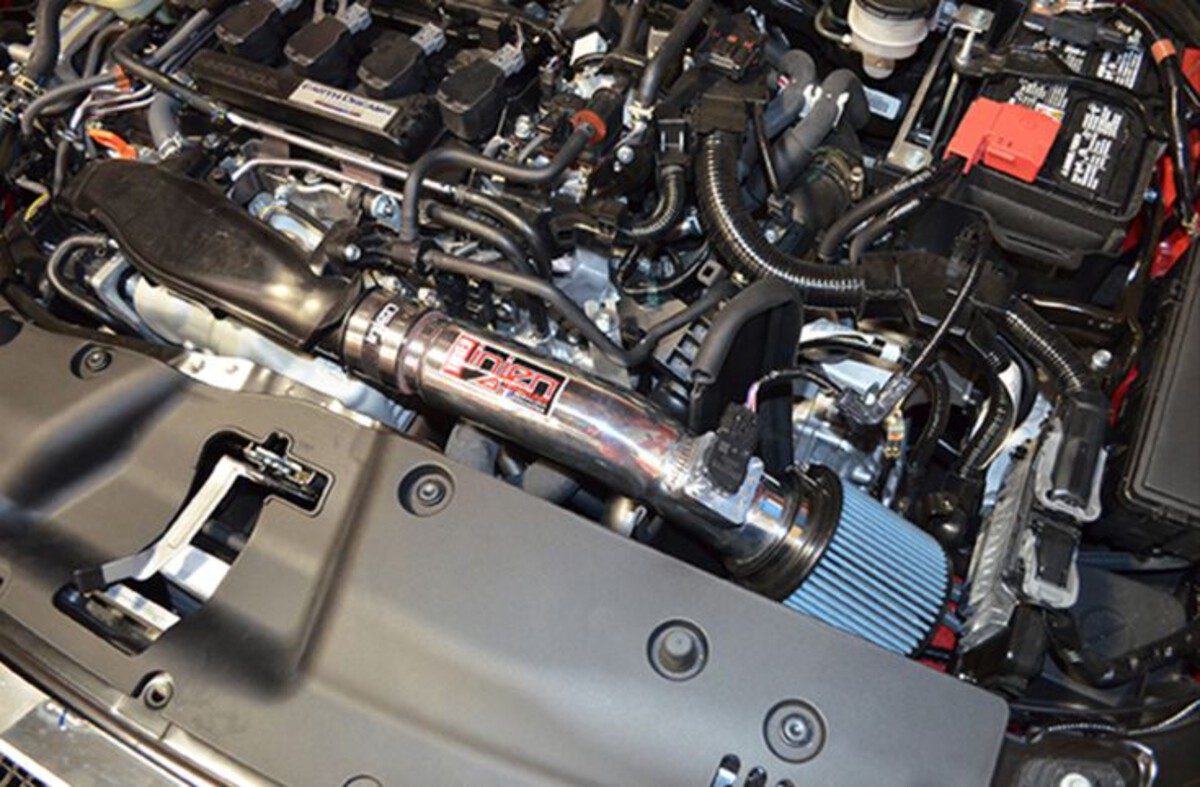
The key lies in Honda’s approach to turbocharging modest boost levels and a well-balanced air-fuel mixture.
The result is strong midrange torque without the extreme cylinder pressures that cause many turbo engines to drink oil. The pistons feature low-friction coatings, and the ring packs are designed to scrape and seal efficiently even as wear accumulates.
What sets the L15B7 apart is how stable it remains over time. Real-world owners often report consistent oil levels and no noticeable burning after 100,000 miles, provided routine maintenance is done.
Honda’s direct injection system is also less prone to carbon buildup, which helps maintain proper compression and oil control.
Paired with a CVT or manual transmission, this engine runs smoothly, quietly, and efficiently. It’s light on its feet and doesn’t require constant top-ups like some European counterparts. When kept on good oil and filters, the L15B7 proves that even modern turbo engines can be clean, tight, and frugal well into their later years.
3. BMW 3.0L B58 Inline-Six (Supra, 340i, X5, Z4)
BMW’s B58 is one of those rare performance engines that can run hard for years without showing typical European oil thirst.
It replaced the N55, which had a decent track record but was known to sip oil as it aged. The B58, on the other hand, improved nearly every aspect of design, including oil control.
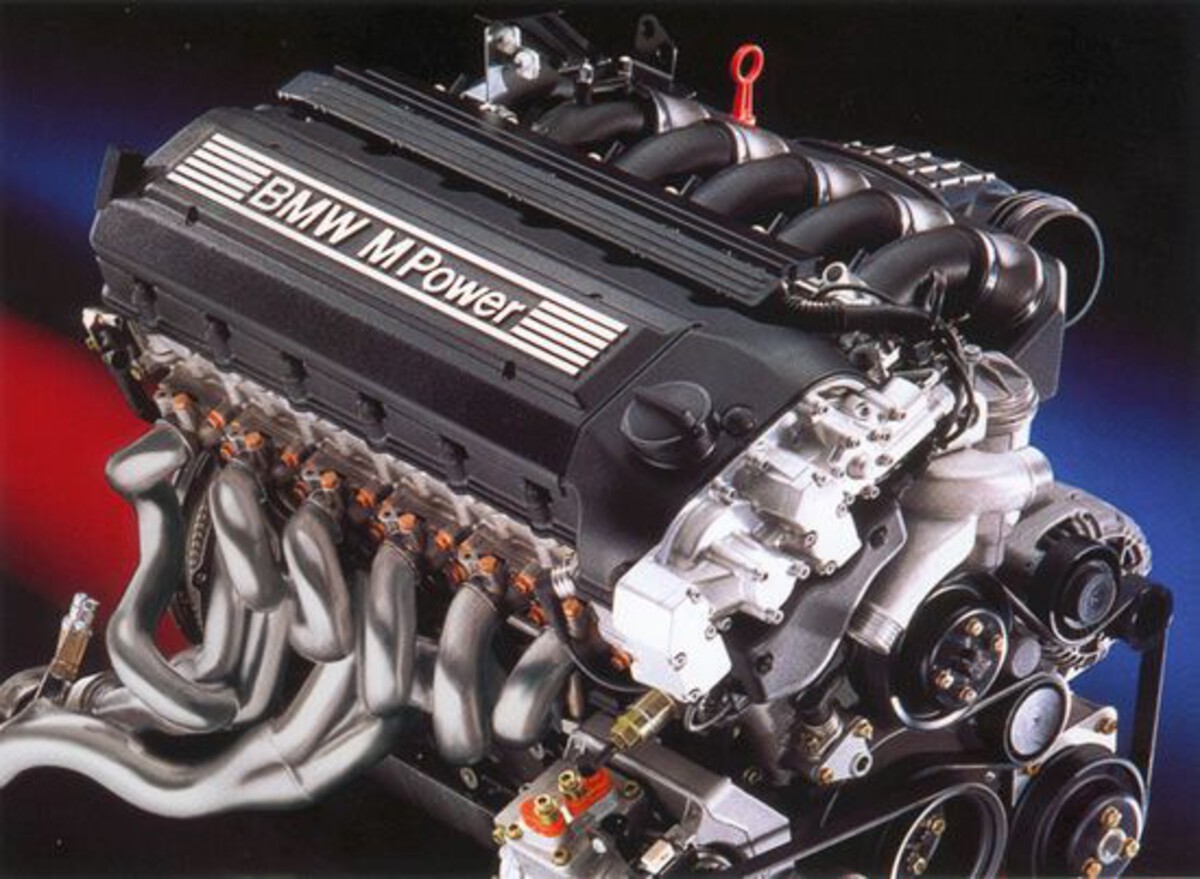
This turbocharged 3.0-liter inline-six uses a closed-deck block, integrated water-to-air intercooler, and advanced crankcase ventilation all of which help reduce pressure buildup and oil blow-by.
BMW also revised the piston rings, cylinder liners, and valve stem seals to handle high boost pressures while keeping oil consumption near zero.
Unlike many performance engines, the B58 doesn’t lose its composure as mileage climbs. Even after 100,000 miles, owners often report oil levels staying steady between 10,000-mile service intervals impressive for an engine pushing over 300 horsepower.
Its thermal management system ensures even heating across cylinders, preventing expansion issues that lead to ring wear.
Another underrated factor: BMW’s stricter factory fill oils and longer test cycles. The B58’s build quality is a clear step up from the older N54 and N55, and it shows in real-world reliability.
Whether in a Supra or a 3 Series, this engine is proof that performance doesn’t have to come at the cost of oil control.
4. Mazda SkyActiv-G 2.0L (Mazda3, CX-3, MX-5 Miata)
Mazda’s SkyActiv-G 2.0-liter is a little masterpiece of restraint. It’s not about huge horsepower numbers or flashy performance specs it’s about consistency.
This naturally aspirated four-cylinder runs an unusually high compression ratio for a gasoline engine (up to 13:1) yet somehow avoids the usual oil consumption issues that come with that territory.
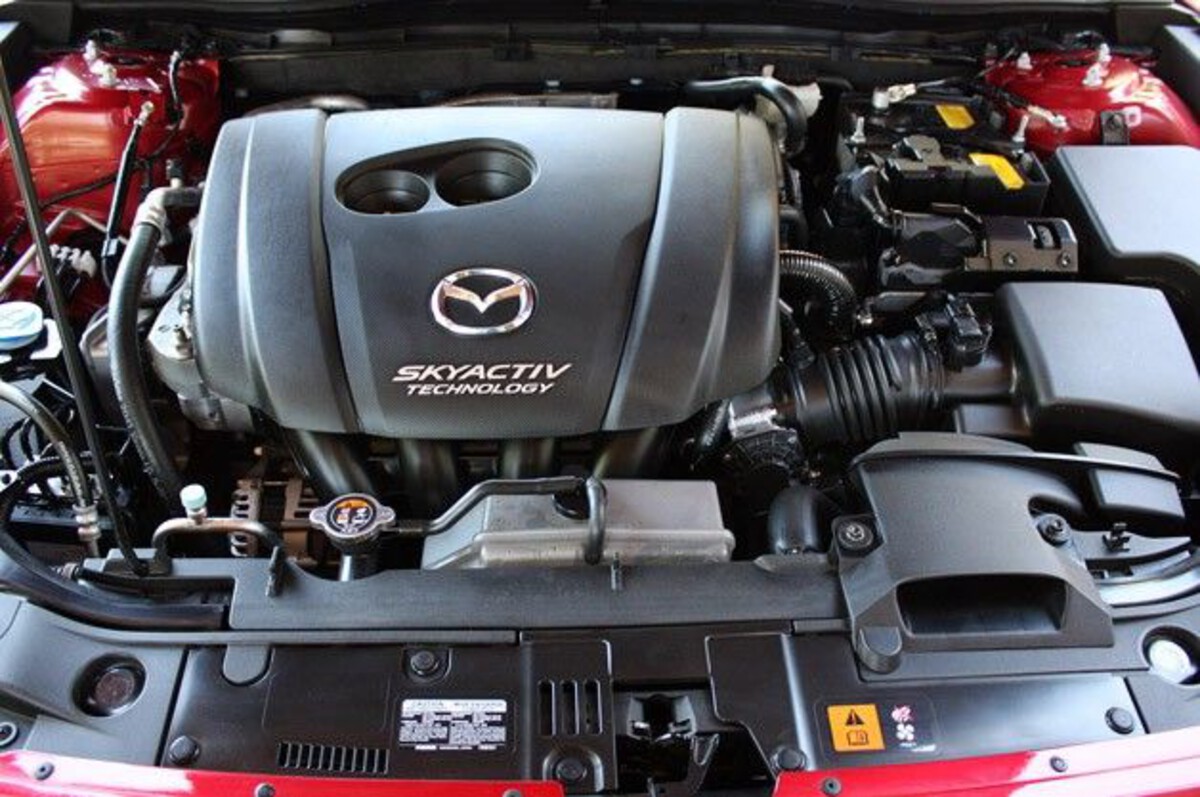
Mazda’s engineers went all-in on mechanical efficiency. The pistons have special cavity shapes that improve combustion, and the rings are thin but durable, keeping oil from sneaking into the combustion chamber.
They also reduced internal friction dramatically even down to the bearings and camshaft profiles. That means less blow-by, less heat stress, and cleaner running over time.
Owners who drive their SkyActiv cars past 100,000 miles often report barely needing to top up oil between 8,000-mile change intervals.
It’s a direct result of Mazda’s conservative oil control strategy tight machining tolerances, straightforward design, and low operating pressures. There’s no turbo to cook the oil or introduce extra crankcase pressure, which helps the engine age gracefully.
Maintenance is simple: use the recommended synthetic oil, don’t ignore PCV system checks, and you’ll likely never have to deal with consumption issues. It’s one of those rare modern engines where you can glance at the dipstick after months of driving and find the level exactly where you left it.
The SkyActiv-G shows that sometimes, simpler really is better. It’s lightweight, efficient, and most importantly, honest no tricks, no quirks, just an engine that keeps its oil where it belongs.
5. Lexus 3.5L 2GR-FKS V6 (ES350, RX350, Toyota Highlander)
If there’s one engine that defines quiet reliability, it’s the Lexus-Toyota 3.5-liter V6, known internally as the 2GR-FKS. This engine has been refined for years, evolving from the older 2GR-FE, which was already tough as nails. The updated FKS version introduced both port and direct injection, delivering more power, cleaner emissions, and impressive oil control.
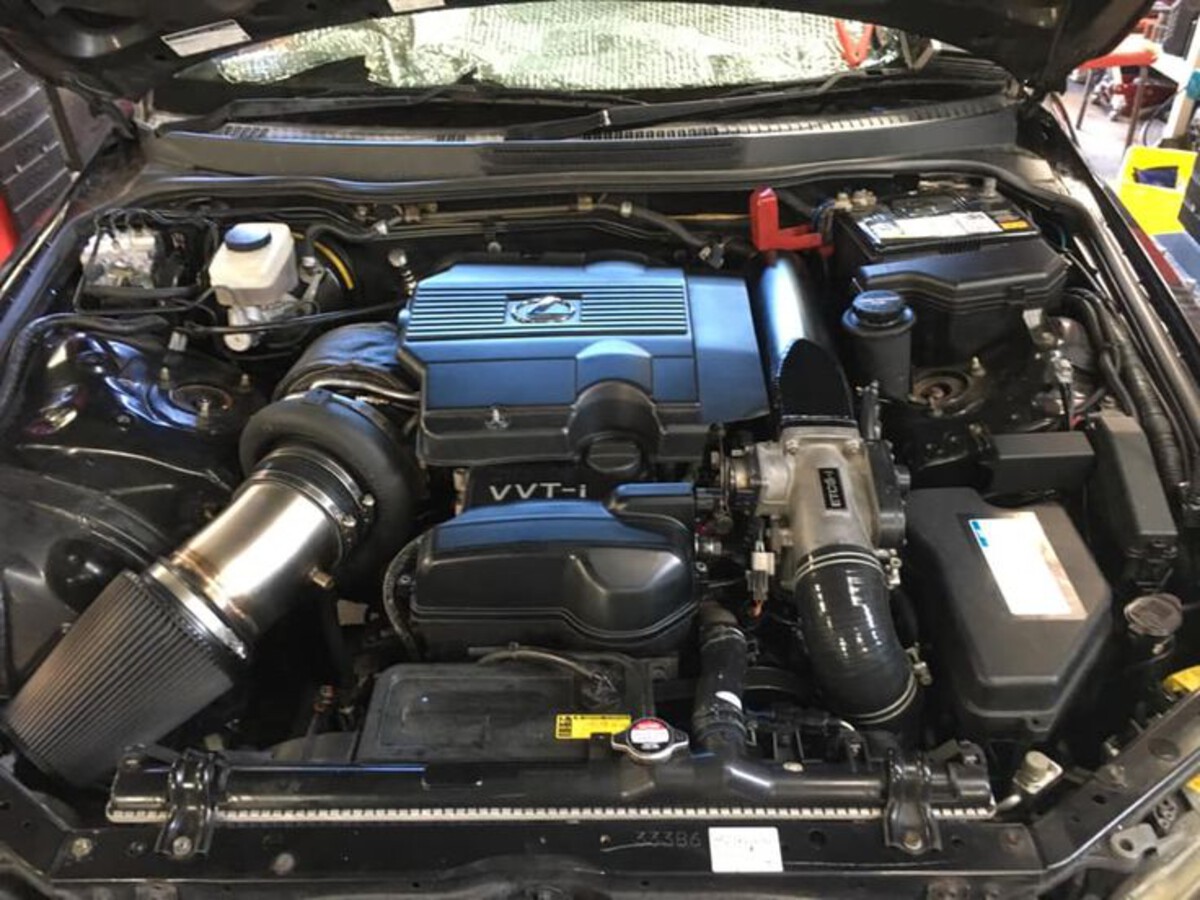
The dual-injection setup is a big deal. It keeps the intake valves clean (unlike many direct-injection-only engines) and maintains stable combustion, which reduces oil contamination. Add in Toyota’s diamond-like piston coatings and stronger valve stem seals, and you get an engine that barely sips oil even after hundreds of thousands of miles.
Owners commonly report that their 2GR engines still hold steady oil levels after 150,000 miles. The engine’s smooth, balanced design means less vibration and wear on internal seals, which also helps reduce leakage and consumption. Even under highway loads or long idling, the oil stays clean longer than you’d expect.
The 2GR-FKS has earned a reputation among mechanics as “boring in the best way.” It rarely fails, never gulps oil, and doesn’t need exotic maintenance.
It’s proof that Lexus’s obsession with refinement extends beyond cabin silence, it’s baked right into the powertrain. If you want an engine that feels the same at 200,000 miles as it did at 20,000, this one’s it.
ALSO READ: 12-sedans-that-deserve-a-second-look
6. Ford 2.3L EcoBoost (Mustang, Bronco, Focus ST)
Ford’s 2.3-liter EcoBoost had to overcome a tough crowd turbo engines, especially smaller ones, are notorious for oil burning as they age.
But this one, particularly in its second-generation form, surprised everyone. It’s a stout four-cylinder that manages to balance turbo power with smart oil control, even after long-term use.
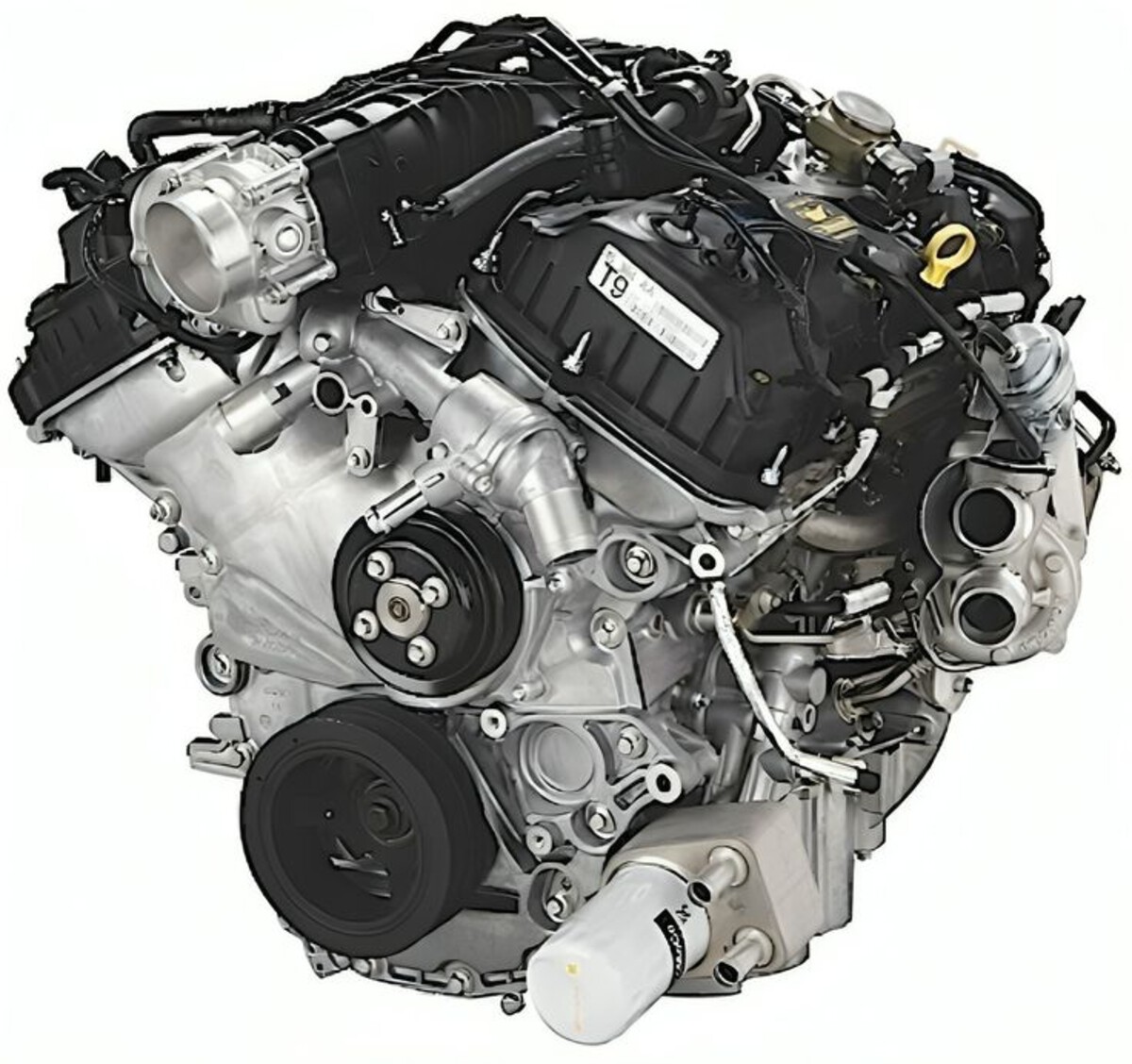
The secret? Ford improved ring design and piston coatings, optimizing them for low tension without compromising sealing.
The block uses a closed-deck layout in newer models, reducing distortion under load. The turbo system itself is water-cooled, which helps lower oil coking and extends oil life.
Another factor that helps: crankcase ventilation. Early turbo engines often suffered from pressure buildup that pushed oil past seals
. Ford redesigned the PCV routing and separators in the later 2.3L units to prevent that. The result far less oil loss through vapor or leaks, even after years of hard driving.
Owners of EcoBoost Mustangs and Broncos often note stable oil levels after long road trips and spirited use. When maintained with the proper synthetic oil and allowed to cool after runs, these engines stay tight and reliable.
It’s not perfect skip oil changes or cheap out on fluids, and it’ll remind you but when cared for, the 2.3L EcoBoost is proof that turbocharged power doesn’t have to mean oil thirst. It’s Ford’s quiet comeback in the durability game.
7. Subaru 2.5L FB25 Boxer (Outback, Forester, Legacy)
Subaru’s older engines had a bit of a reputation head gasket issues, a little oil burn, the usual boxer quirks. But the FB25 changed the story.
Introduced as part of Subaru’s modern engine family, this 2.5-liter flat-four turned out to be one of the brand’s most reliable and oil-stable designs ever.
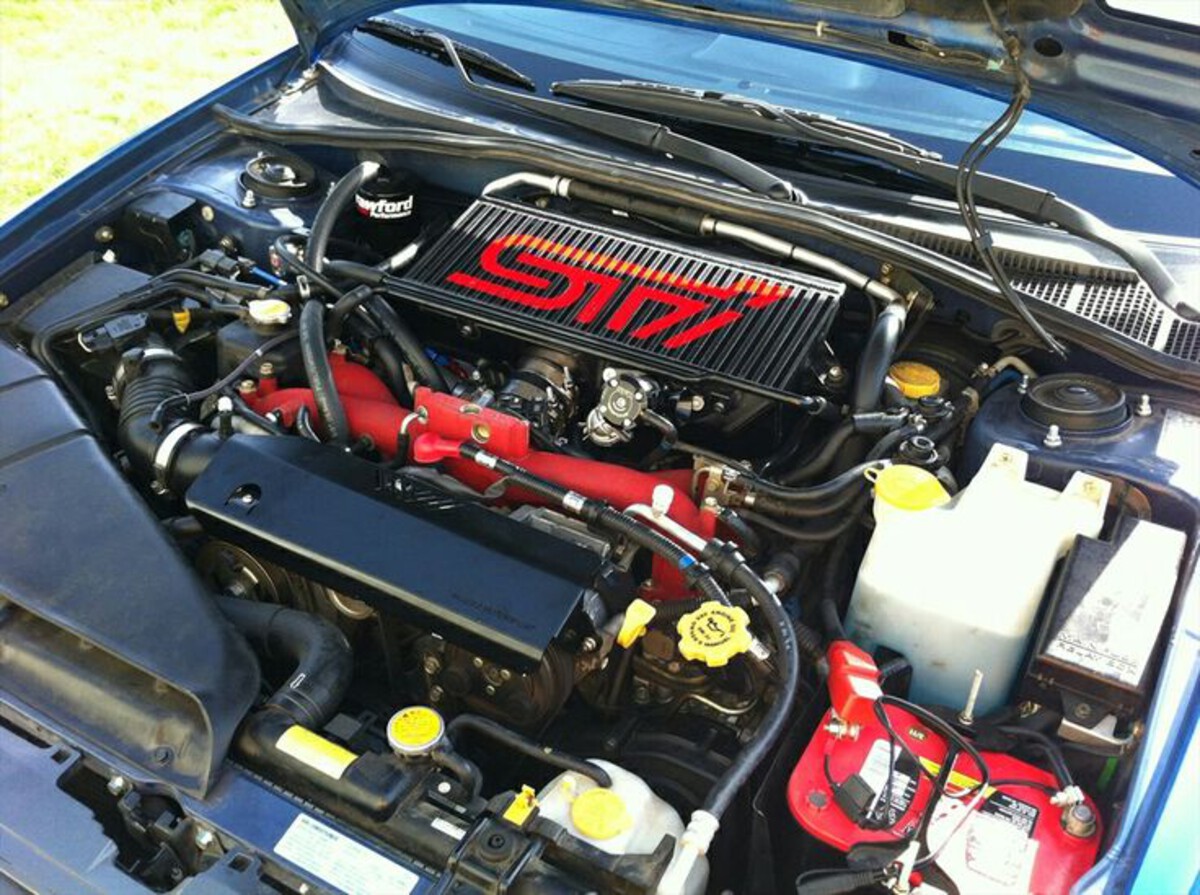
The FB25 uses a more efficient combustion chamber layout and longer piston strokes, improving torque while reducing thermal stress. The pistons themselves were redesigned with lower friction coatings and better ring geometry to minimize oil seepage.
Subaru also switched to timing chains (instead of belts) and improved the crankcase ventilation system, all of which help keep internal pressures under control.
Boxer engines naturally have unique oil flow dynamics since the cylinders lie flat. In older models, that design caused some oil pooling and higher consumption over time.
The FB25 fixed much of that with refined oil galleries and improved oil control rings. The result? Significantly lower consumption even after 150,000 miles, many owners report steady dipstick readings and no burning smell from the exhaust.
It’s not a powerhouse, but that’s never been Subaru’s goal. The FB25 focuses on balance, longevity, and predictability. Its consistent oil retention and low wear rate make it one of the better long-term bets in the all-wheel-drive world.
As long as you stay disciplined with oil changes and keep the PCV system clean, the FB25 will quietly outlast the rest of the car.
8. Mercedes-Benz 2.0L M264 Turbo (C-Class, E-Class, GLC)
Modern Mercedes engines often walk a fine line between performance and refinement, but the M264 2.0-liter turbo deserves special mention for its reliability particularly its resistance to oil consumption. While many European turbo fours get notorious for sipping oil as the miles rack up, this one doesn’t follow that trend.
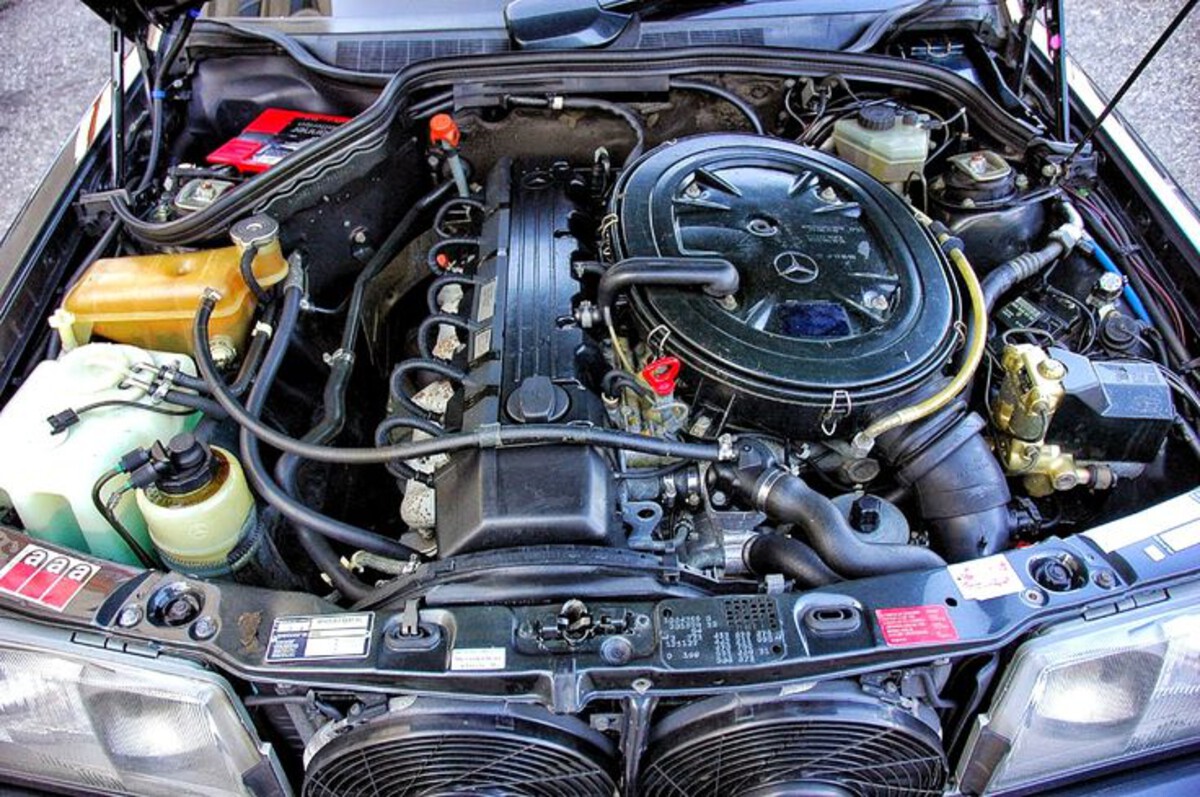
The M264 builds on lessons from the earlier M274 engine but with several key improvements. It features NANOSLIDE cylinder coating, which dramatically reduces internal friction, and optimized piston ring tension that balances efficiency with tight sealing. The turbocharger sits closer to the exhaust manifold for quicker response and reduced heat soak which, in turn, prevents oil from breaking down or coking.
Mercedes also integrated a sophisticated crankcase ventilation system with active oil separation, keeping oil mist from being drawn back into the intake. Combined with the brand’s high-grade synthetic oil standards, it helps the M264 stay stable and leak-free for the long haul.
Drivers who regularly maintain these engines report minimal oil usage, even after long highway miles or city stop-and-go traffic. For a turbocharged engine producing well over 250 horsepower, that’s impressive. It’s a textbook case of German engineering finally finding that sweet spot between performance and discipline.
While it’s not immune to wear if neglected, the M264 shows that even in the high-strung world of modern turbos, careful design and strict oil management can keep things tight and efficient far longer than most expect.
Engines that resist oil consumption as they age aren’t just lucky they’re built with purpose. Each one on this list reflects a philosophy that values durability and long-term stability over aggressive output or marketing flash.
Whether it’s Toyota’s precise machining, Honda’s balanced turbo strategy, or BMW’s meticulous refinement, the theme is the same: engineering discipline pays off.
Oil control is a small detail that reveals a lot about a manufacturer’s priorities. It tells you how much thought went into tolerances, materials, and real-world testing.
The engines here, from Mazda’s simple yet brilliant SkyActiv-G to Mercedes’ advanced M264 all manage to keep their internal systems clean, sealed, and running smoothly, even with years of use.
It’s also a reminder that maintenance still matters. Even the best-engineered engines will start burning oil if neglected. Regular oil changes, using the right viscosity, and replacing the PCV components go a long way toward preserving that factory-tight performance.
As vehicles evolve toward hybrids and electrics, the internal combustion engine’s golden age is clearly winding down. But engines like these prove that the technology was perfected in its final decades. They show what’s possible when automakers take the long view designing engines that can survive hundreds of thousands of miles without guzzling oil or losing their edge.
If you want a car that won’t nag you with dipstick checks, oil warnings, or mystery consumption, these eight engines are where you should look. They age gracefully, drive smoothly, and remind you that true reliability isn’t about power it’s about consistency.