Winter kills MPG, that’s the common line, and it’s true to an annoying extent. Cold air, thick oil, dense fuel, and heaters working overtime all conspire to shave miles off what your car used to give in the summer.
But not every compact SUV falls into the “gas guzzler in winter” category. Some modern compact crossovers keep their heads down, stay efficient, and still return real-world 30+ miles per gallon even when temperatures drop and roads get rough.
This article is for people who want an honest, usable list no marketing fluff, no optimistic lab numbers that vanish the moment you turn on the defroster. You’ll get models that are practical, available, and proven to deliver on the road, not just on a chart.
I focus on real-world behavior: steady highway runs, commuting in subfreezing mornings, and everyday life with heat on and maybe even winter tires. Expect a mix of efficient engines, smart transmissions, lightweight design choices, and sometimes a hybrid system that helps with cold starts.
I won’t pretend every trim does 30+ mpg in every condition. Instead I’ll highlight the trims and setups that make it possible: usually front-wheel-drive or clever AWD systems, smaller-displacement turbo engines, CVTs or efficient automatics, and hybrid powertrains that work well when the car is warming up.
If you drive in a cold climate and you care about fuel economy, this guide will save you time. I’ll describe how each model actually behaves in winter, what compromises you’ll accept (and which ones you shouldn’t), and which configurations to target.
8 Compact SUVs That Return Real-World 30+ MPG In The Cold
This list skips the press-release claims and focuses on compact SUVs that return 30+ mpg in real cold weather not in an ideal lab, but during everyday use: cold starts, short hops, and highway cruising with the heater on.
I highlight specific trims and drivetrains that make this possible: efficient turbo engines, clever hybrid setups, lightweight configurations, and transmissions that minimize losses. Each entry explains what to expect, which version to aim for, and simple driving tactics that preserve fuel economy without making your life miserable.
Why this matters: winter kills predictability. When your commute includes a block of iced-over morning streets, you want a car that still stretches a tank and doesn’t force you to choose between warmth and range. These eight SUVs are practical picks for drivers who refuse to accept terrible winter MPG as a fact of life.
I’ll flag trade-offs cargo space, tow limits, and whether all-wheel-drive trims lose the mileage you want so you can pick a model that fits real needs, not marketing slogans, before you spend the money, really.
ALSO READ: 10 Farm-Use Trucks That Won’t Complain at 250,000 Miles
1. Toyota RAV4 Hybrid
The RAV4 Hybrid is the obvious benchmark when people talk about compact SUVs that sip fuel instead of gulping it and it earns that rep even in winter. Its hybrid system blends a small, efficient gasoline engine with electric motors that keep things smooth and thrifty, even when temps dip below freezing.
What really works in its favor is how quickly the system warms up. Unlike pure gas engines that run rich for minutes before reaching the ideal temperature, the hybrid powertrain keeps pulling electric assist early on, which stops the MPG from crashing.
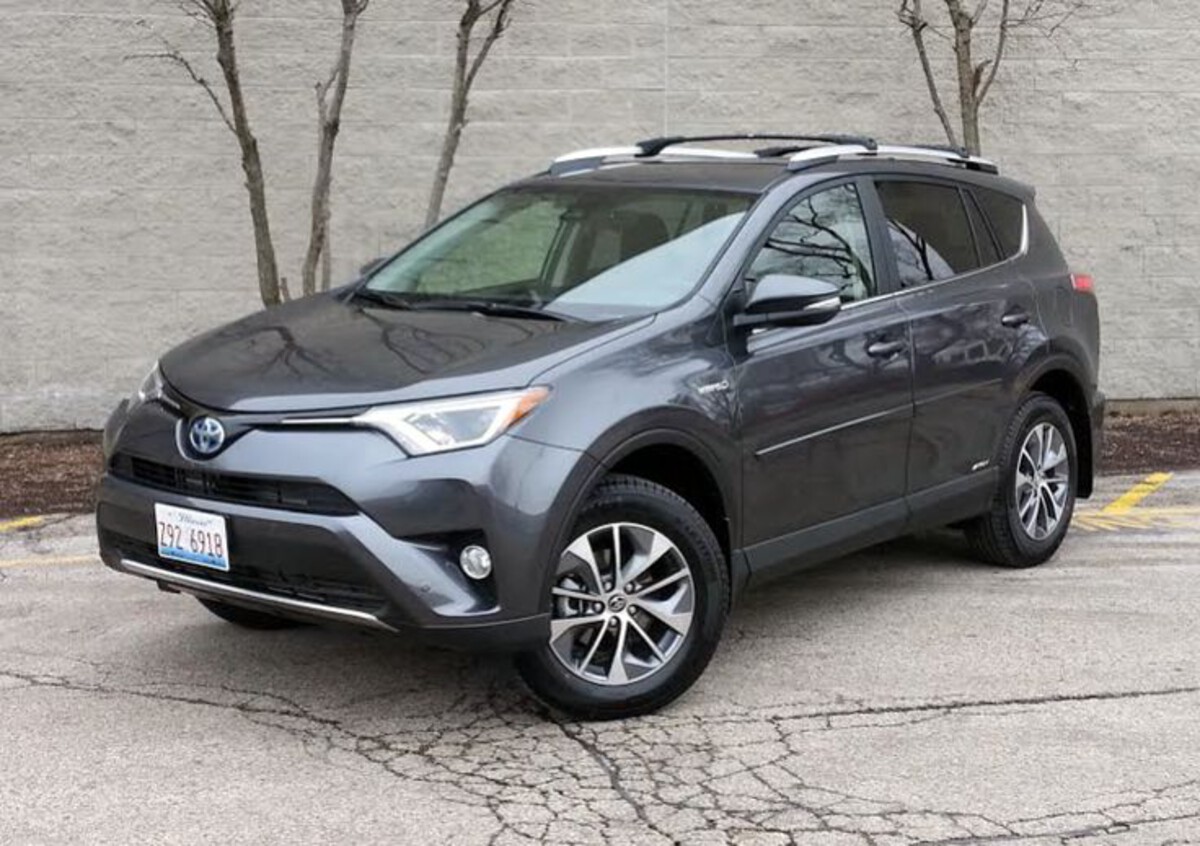
Owners who drive short distances on frosty mornings usually find it still hits that 30+ mpg range sometimes mid-30s on longer drives once the system settles in.
The engine barely idles when cold, and regenerative braking during those slippery slowdowns helps it recharge instead of wasting energy as heat. The transition between electric and gas modes stays seamless, even when the battery temp drops.
Winter driving does highlight one thing though tire choice matters. Slap on chunky snow tires and you’ll feel the drag, but that’s true for every SUV here.
The RAV4’s AWD hybrid setup can manage snow without burning excessive fuel because it only powers the rear wheels when needed. That means traction when you want it, efficiency when you don’t.
Overall, the RAV4 Hybrid is practical, consistent, and doesn’t punish you for running the heater. It’s one of those SUVs that proves a winter-ready vehicle doesn’t have to drink like a V6.
For folks who do a mix of city commutes and occasional snowy highway drives, it’s hard to find a more balanced option that still clears 30+ mpg in the cold without trying too hard.
2. Honda CR-V Hybrid
The Honda CR-V Hybrid is a quiet achiever never flashy, but dead reliable at doing exactly what it promises. Its hybrid setup gives it a strong start in fuel economy, and what keeps it impressive in cold weather is how well the powertrain management adjusts to the chill.
Even when the cabin heater is cranked up, the system cycles power intelligently so the engine isn’t constantly burning extra fuel to keep you warm.
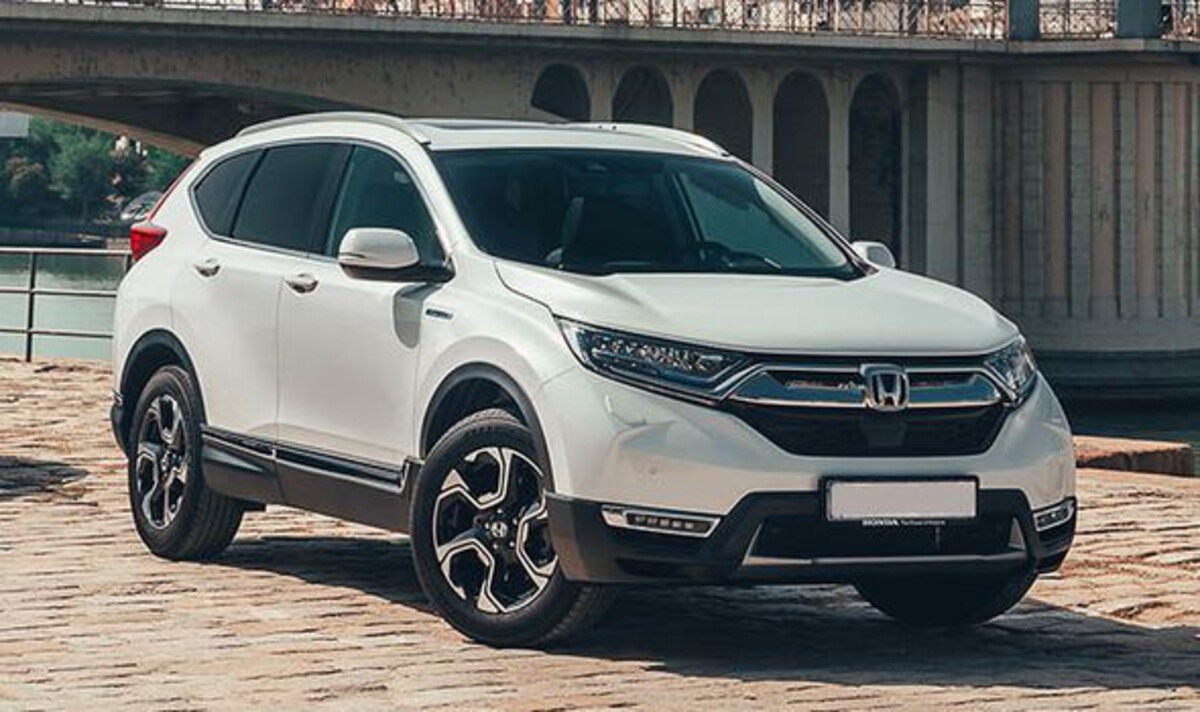
The CR-V’s hybrid system tends to run on battery at low speeds, which is perfect when you’re creeping through icy traffic or plowing through early-morning errands.
You don’t need the engine roaring to move off the line, and that keeps your fuel usage low. Once it’s fully warmed up, it maintains efficiency even when the temps hover around freezing easily hitting low-30s mpg in everyday use.
One big advantage? The CR-V doesn’t feel sluggish in cold weather. The electric motors fill in torque gaps, which means you don’t have to floor it to get moving on slippery starts. That smoother acceleration avoids the usual waste of revving too high in cold oil.
Not many. If you run a lot of short, sub-five-minute drives, your mileage will dip, but that’s universal across hybrids.
For longer commutes, the CR-V Hybrid remains one of the few compact SUVs that doesn’t nosedive below 30 mpg once winter arrives. It’s the definition of predictable, solid, and quietly efficient, perfect if you just want a small SUV that “just works” when the roads are freezing.
3. Kia Sportage Hybrid
Kia nailed it with the Sportage Hybrid it’s one of those SUVs that gives you solid efficiency without feeling like you’re making compromises.
The hybrid system is tuned for balance: enough electric torque for cold starts, and enough gas-engine smoothness once you’re rolling. When it’s cold out, that balance keeps the Sportage efficient, where other non-hybrids fall flat.
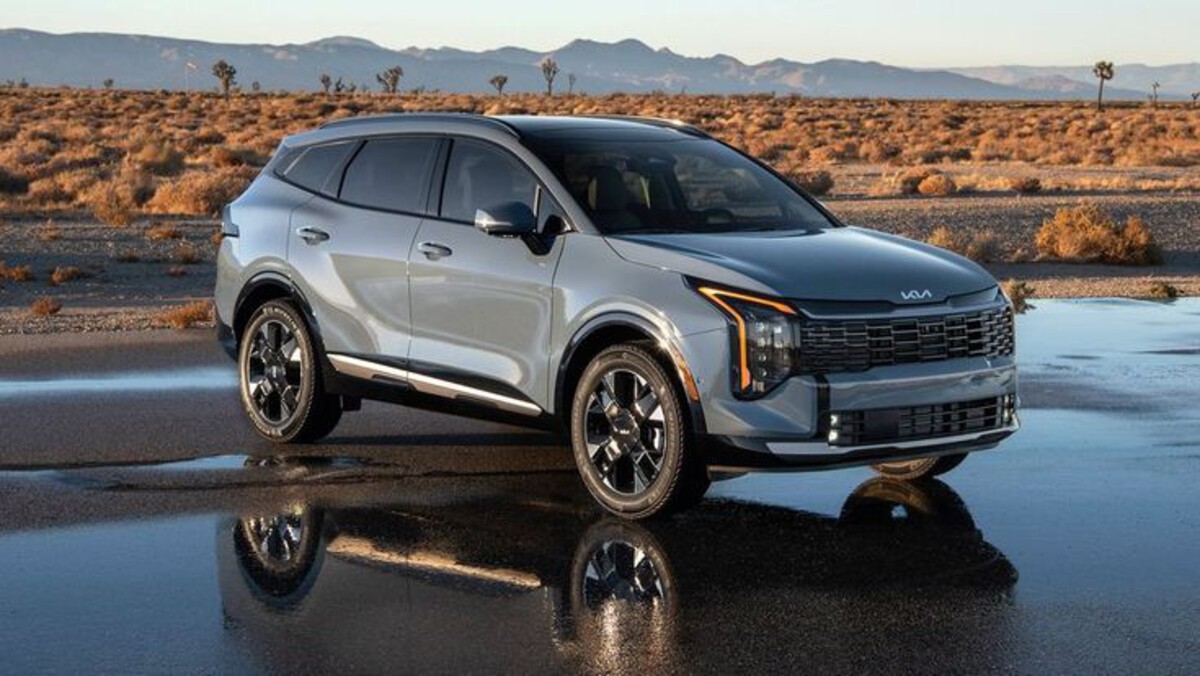
The engine doesn’t waste much fuel idling, and because the electric assist carries a lot of the load during early acceleration, you avoid that rich-fuel burn that happens in freezing starts.
In steady driving, the Sportage comfortably hits the 30-plus mpg zone sometimes higher if you’re easy on the throttle and not blasting the defroster full time.
The cabin warms up quickly, which sounds like a small thing, but it matters: the less time you spend waiting for heat, the sooner the car can switch back into energy-saving mode. The hybrid battery stays well-insulated, so cold mornings don’t sap its power output like older systems used to.
What makes it stand out is how light it feels. The steering is easy, the drivetrain doesn’t drag, and there’s no sense that the cold is working against it. It’s not trying to out-muscle anyone just staying consistent, fuel-efficient, and friendly for everyday driving.
If you want something modern, well-equipped, and capable of holding 30+ mpg even when winter hits, the Sportage Hybrid deserves a serious look.
4. Ford Escape Hybrid
The Ford Escape Hybrid is like that one practical friend who’s not flashy but always shows up on time, even when the weather’s bad.
It’s one of the few small SUVs that actually maintains respectable real-world MPG when winter strikes. The hybrid system isn’t aggressive it just quietly switches between electric and gas modes to keep things smooth, efficient, and predictable.
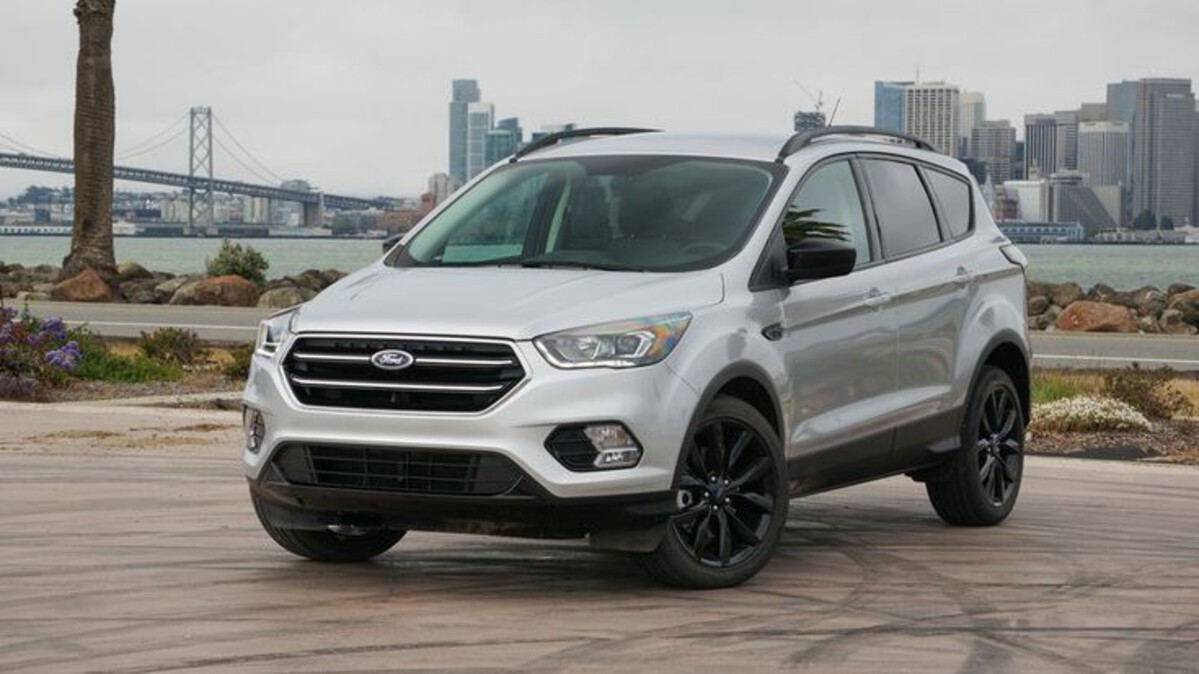
The Escape’s battery warms itself up pretty quickly, which means electric assist kicks in sooner than you’d expect.
That’s the big difference-maker less idling, less fuel wasted trying to heat things. It doesn’t depend solely on engine warmth to stay efficient. Once you’re on the move, it feels relaxed and capable of returning just over 30 mpg, even when you’re running the defroster and seat warmers.
Its smaller hybrid motor doesn’t fight the cold like some systems that lose regen efficiency. Even in snowy commutes, the Escape keeps the transitions clean, with enough torque to handle slippery inclines without needing to over-rev the gas engine. You don’t have to baby it to keep efficiency up.
Sure, the Escape’s hybrid system won’t excite you with performance, but it’ll quietly surprise you with how little fuel it drinks. Light steering, well-tuned brakes, and a decent cabin heating system make it a chill daily driver in cold weather.
If your winter commute involves a mix of suburban roads and highway runs, the Escape Hybrid easily keeps MPG north of 30 without breaking a sweat.
5. Subaru Crosstrek (Hybrid & Gas)
The Subaru Crosstrek is one of those cars that wins people over because it feels right in bad weather. Its hybrid version pushes that even further it’s not a fuel economy champ in warm weather, but in cold conditions, it’s surprisingly steady.
Where some compact SUVs drop efficiency by 20–30% in the winter, the Crosstrek Hybrid loses less because of its compact size, tight gearing, and smart all-wheel-drive setup.
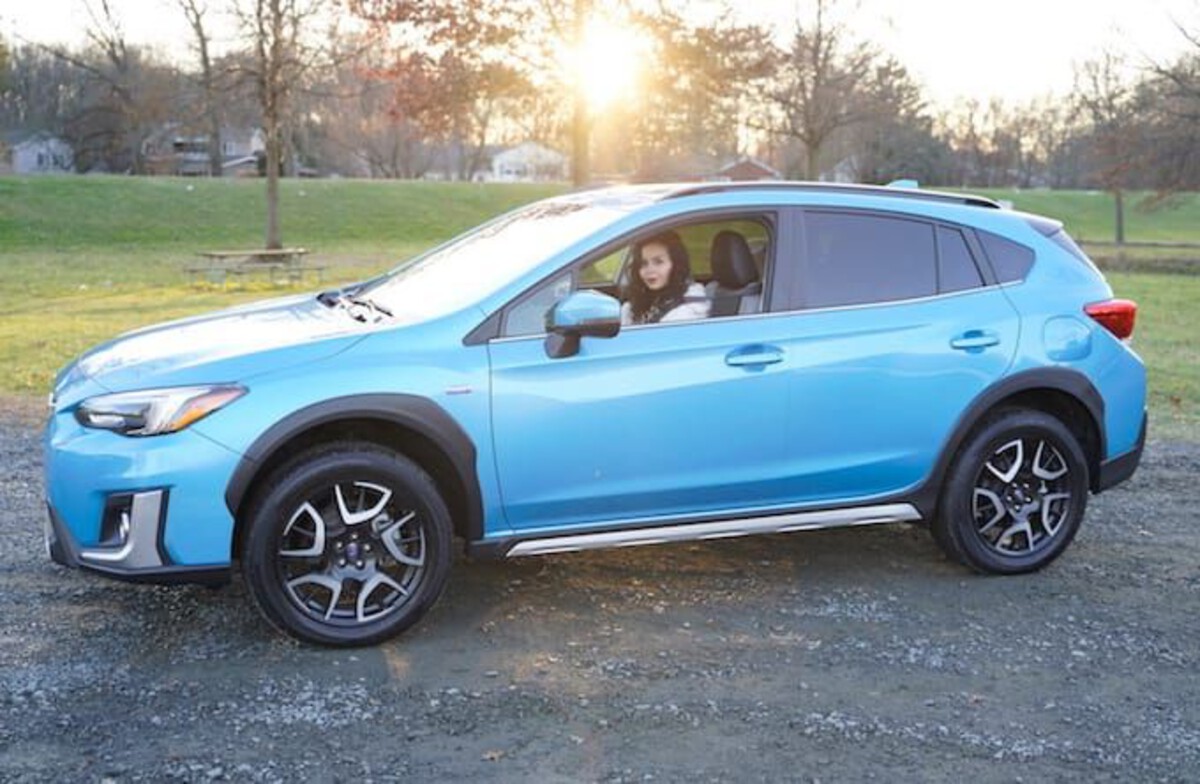
What helps is how it distributes power. It doesn’t overwork the engine just to spin the rear wheels; it uses a gentle torque split that keeps traction while wasting minimal energy.
On mild days, it can creep around town on battery power alone, which means less gas burned during short, cold starts. Even the gas-only Crosstrek trims can sneak past 30 mpg if driven smoothly in lighter winter conditions.
The Crosstrek’s strong point isn’t just MPG it’s consistency. A lot of cars fluctuate like crazy between city and highway economy in cold weather, but the Subaru stays stable.
It’s built for mountain climates, so heaters, battery protection, and AWD efficiency are part of its DNA. You can plow through slush without feeling your fuel gauge dropping like a rock.
Trade-off? The hybrid version doesn’t have a massive battery range; it’s mild, not plug-in luxury. But that simplicity keeps it light and reliable.
If you want a compact SUV that’s rugged, winter-proof, and still hits real-world 30 mpg territory, the Crosstrek deserves a nod. It’s not trying to be fancy; it’s trying to survive winter gracefully.
ALSO READ: 10-aftermarket-parts-that-extend-life-instead-of-reducing-it
6. Mazda CX-5 (SkyActiv Gas Model)
Now, here’s a twist the Mazda CX-5 isn’t a hybrid at all, yet it can still nudge past 30 mpg in real cold weather when driven right.
Mazda’s SkyActiv engine tuning focuses on high compression and efficient combustion, which means the motor doesn’t need to scream to make power. That calm efficiency carries over even when the air’s dense and icy.
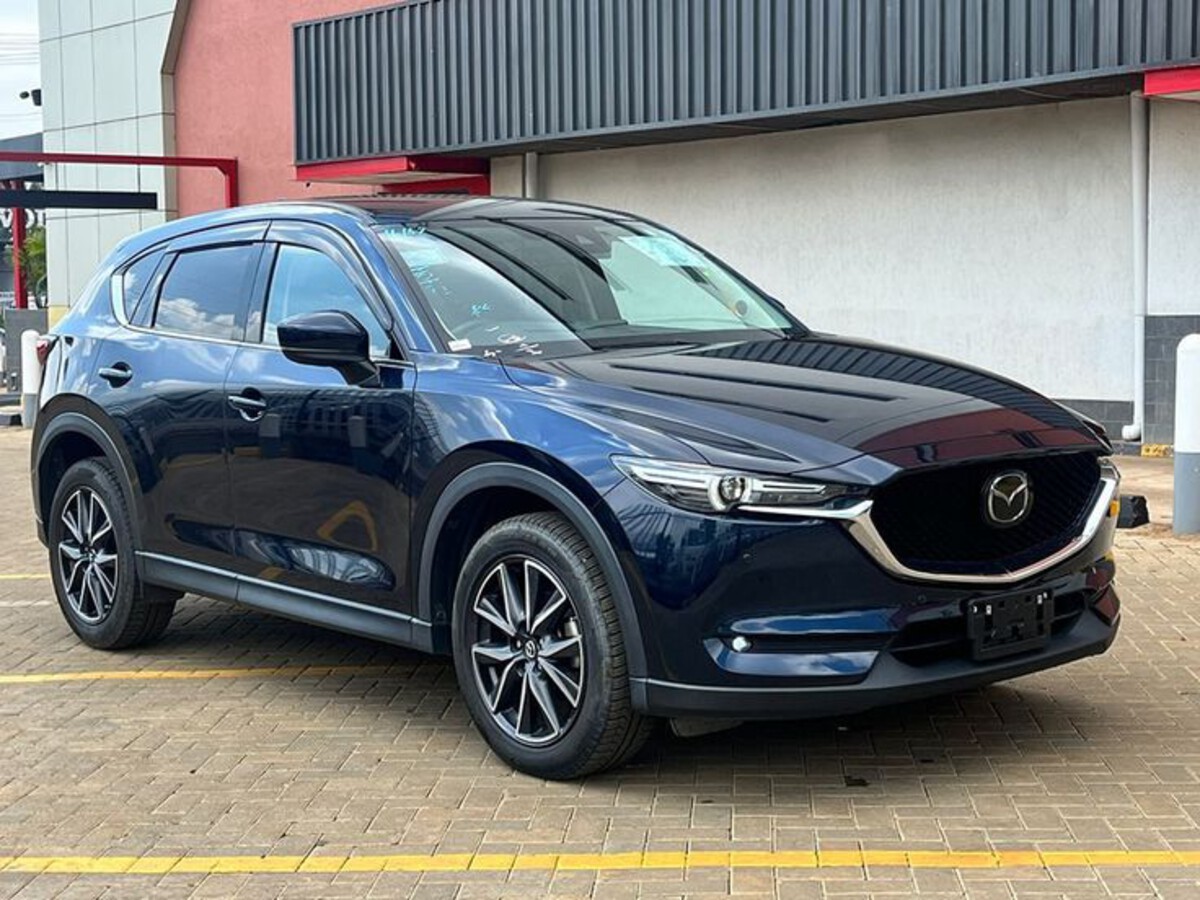
Cold weather hits most non-hybrids hard, but the CX-5 handles it better than expected because of its smooth throttle mapping and responsive transmission.
The engine doesn’t overfuel during warm-up, which helps mileage stay strong. It feels balanced enough power for a snowy overtake, yet light enough to cruise at low RPM without wasting gas.
The CX-5’s cabin warms up quickly, and the defroster system doesn’t demand a crazy amount of energy. It also has one of the better all-wheel-drive calibrations out there, it doesn’t engage unnecessarily, which saves fuel during light driving but steps up instantly when traction fades. The efficiency of when it decides to use power is what keeps its winter MPG in the low 30s range.
What really sells it is how natural it feels. You’re not reminded every second that you’re driving “efficiently.” It’s quiet, refined, and comfortable, with handling that feels planted on icy turns.
The CX-5 proves you don’t need hybrid gear to cross the 30-mpg line in winter just smart design, light touch driving, and an engine that’s tuned to work smarter, not harder.
7. Hyundai Tucson Hybrid
The Hyundai Tucson Hybrid feels like the sensible middle ground between techy hybrids and good old-fashioned reliability.
It’s a compact SUV that doesn’t care if it’s freezing outside the system just adjusts and keeps running efficiently. Its hybrid layout is tuned for smoothness, not just peak numbers, and that’s exactly why it manages to hold 30+ mpg even when the thermometer nosedives.
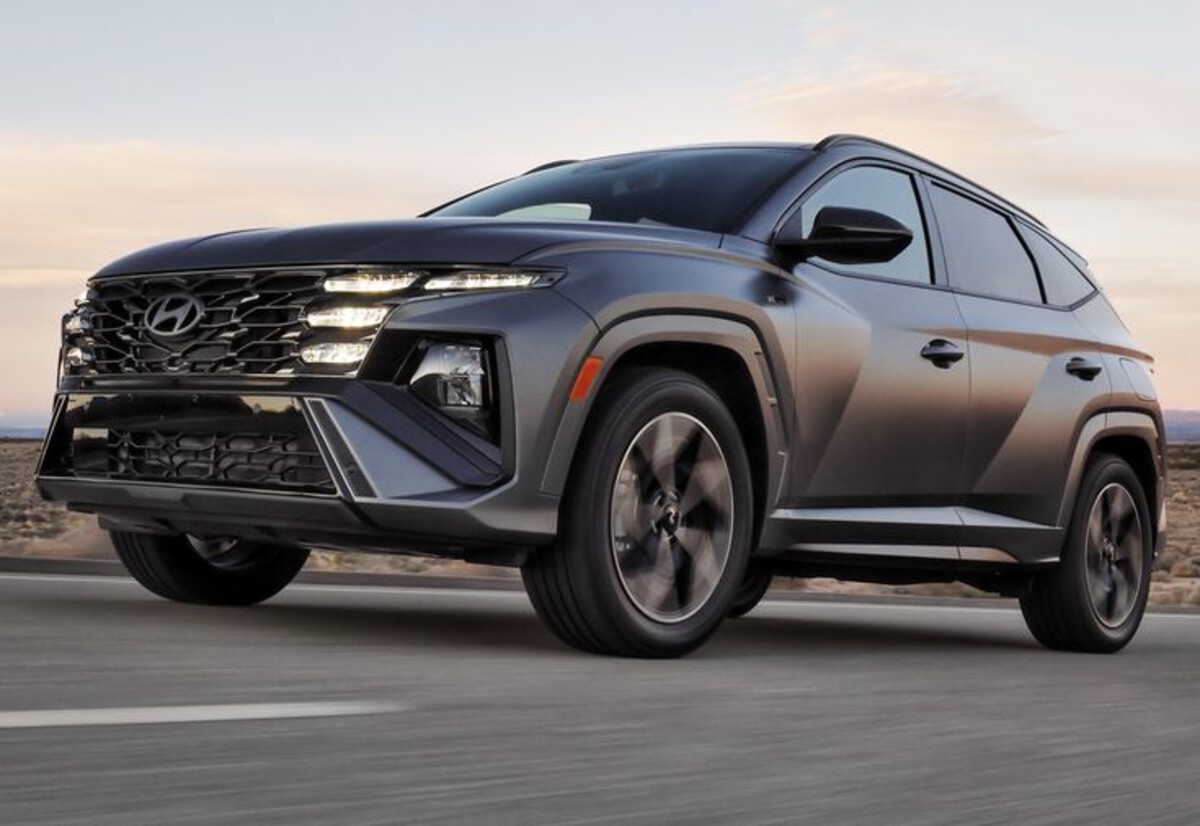
Cold starts are the usual killer for mileage, but the Tucson’s hybrid assist jumps in right away, minimizing those first few wasteful minutes of idling.
The electric motor carries more of the load in stop-and-go traffic, so the gas engine only fires up when absolutely needed. Once you’re rolling, the car settles into an easy rhythm, and even with the heater on full blast, it sips rather than gulps.
The Tucson also benefits from thoughtful weight balance and a transmission that doesn’t over-rev in the cold. Many SUVs feel jerky or hesitant in low temps this one stays composed.
You can climb an icy hill, merge on a highway, or crawl through a snow-covered parking lot without big swings in fuel consumption.
Cabin warmth comes on quickly. You don’t have to wait ten minutes before the vents stop blowing cold air, which helps the engine return to low-load operation sooner. That small advantage adds up over winter weeks.
So while it’s not flashy, the Tucson Hybrid quietly proves that a practical design can deliver strong, consistent fuel economy all year long easily topping 30 mpg when most gas SUVs struggle to stay above 25 in similar conditions.
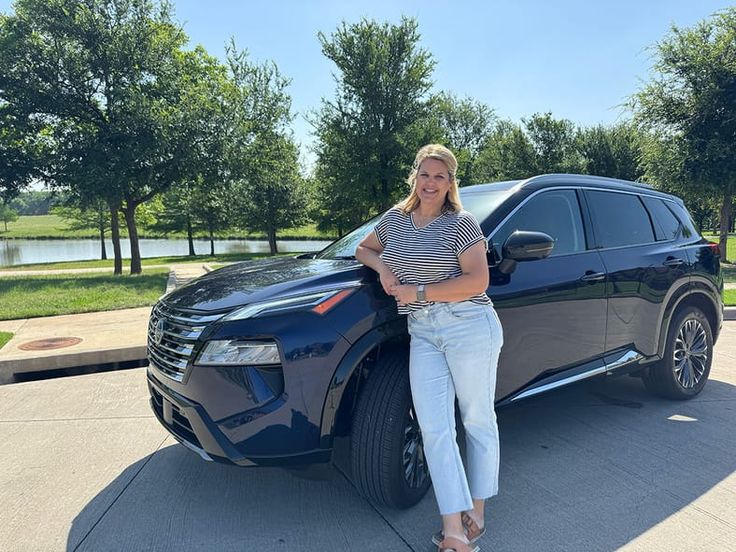
8. Nissan Rogue (Turbo 3-Cylinder)
The Rogue doesn’t run a hybrid setup, but it’s sneaky efficient and that makes it a surprise entry on a list like this. Nissan’s small turbocharged 3-cylinder engine, paired with a light frame and smart CVT tuning, gives it the kind of real-world economy people don’t expect from a non-hybrid SUV.
In the cold, it’s one of the few conventional gas crossovers that can still flirt with 30 mpg or better, provided you’re not hammering it on every drive.
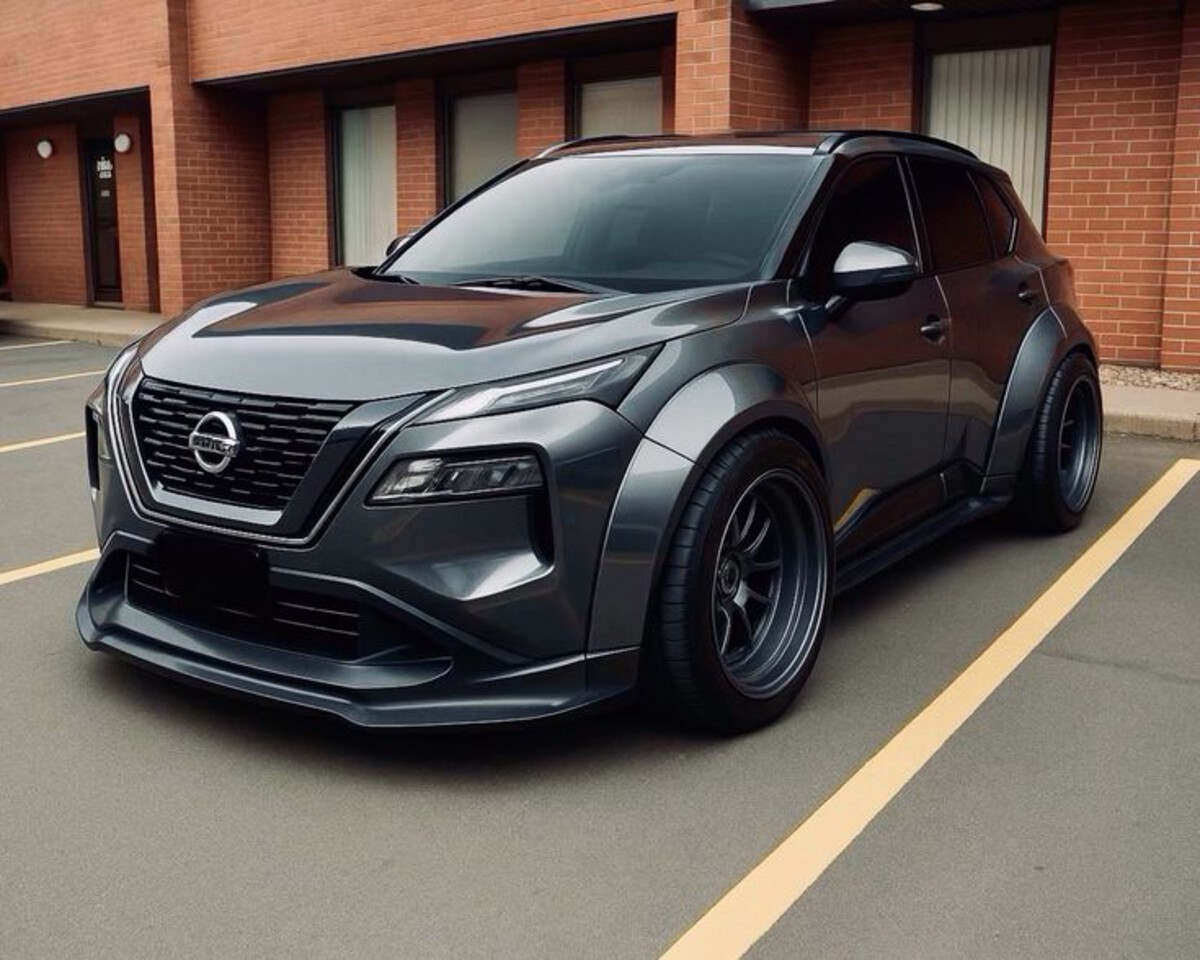
That turbo setup helps a lot in freezing air it maintains strong torque without forcing the engine to rev high, which is the main MPG killer in winter driving.
You get enough low-end pull to crawl through snowy backroads without wasting fuel or losing traction. The CVT holds revs steady, which keeps efficiency consistent once the car’s warmed up.
Inside, the Rogue heats up fast, and that counts. A cold cabin forces engines to stay in rich mode longer to generate warmth, but here, the system stabilizes quickly.
On longer commutes, it easily maintains mileage in the low-30s range, even when you’re running AWD. The simplicity also means less hybrid-related maintenance or battery performance anxiety in cold weather.
It’s not a “wow” car, but it’s an honest one. No extra systems, no weird quirks, just a compact SUV that uses a clever engine to beat cold-weather inefficiency at its own game.
If you prefer a straightforward gas SUV but still care about economy, the Rogue is proof you don’t need hybrid badges to get winter-friendly mileage.
Winter exposes the truth about every car’s fuel economy. Lab numbers vanish, hybrid tricks fade, and what’s left is real-world engineering, how efficiently a vehicle handles cold starts, friction, and heating demands.
The eight SUVs on this list prove that smart design matters more than marketing slogans. Whether hybrid or not, they show that steady 30+ mpg is still possible when temperatures dip below freezing.
The Toyota RAV4 Hybrid and Honda CR-V Hybrid are the steady pros: reliable, smooth, and tested. Kia’s Sportage and Hyundai’s Tucson bring the new-generation hybrid punch efficient, light, and practical. Ford’s Escape plays it balanced and predictable.
Subaru’s Crosstrek nails consistency through smart AWD tuning. Mazda’s CX-5 proves that intelligent gas engines can still compete, and Nissan’s Rogue rounds it out with clever turbo efficiency that thrives in cold air.
What ties them all together isn’t magic, it’s an engineering discipline. Quick warm-up cycles, efficient transmissions, low-friction drivetrains, and powertrains that don’t panic when it’s 20°F outside. They don’t need perfect weather to perform.